
Maximizing Efficiency And Responsibility: The Pallet Racking Advantage In Machinery Production
By Tom Seest
At RackingWorld, we help guide you through selecting warehouse storage systems and racking.
Be sure to read our other related stories at RackingWorld to learn more about warehouse storage systems.
How Do General Machinery Producers Leverage Pallet Racking?
In the world of general machinery production, you quickly learn that every inch of space, every minute saved, and every bit of organization counts. That’s where pallet racking steps in—not just as a fancy storage system but as the backbone that keeps the whole operation moving smooth and steady. When you’re dealing with heavy metal parts, bulky equipment, and a mess of components scattered all over the floor, pallet racking is the unsung hero that makes sense of the chaos.
From the shop floor to the shipping dock, pallet racking helps workers get their hands on exactly what they need without wasting time hunting around or moving mountains of gear. It’s a simple solution grounded in common sense: stack it right, store it safe, grab it quick. This not only protects valuable machinery parts from damage and dust but also cuts down on downtime, letting the crew focus on building quality machines instead of wrestling with clutter. There’s a real pride in knowing the workspace supports the hard work done every day, like a well-worn toolbox that’s always in reach.
The folks running these operations see pallet racking as an ethical commitment too—keeping the workplace safer for every man and woman walking the floor. Heavy machinery doesn’t mix well with disorder, and good pallet racking reduces accidents, preventing injuries that nobody wants on their conscience. It’s about respect for the team, and showing that management values their health by investing in the right tools, even if those tools aren’t always flashy.
When well-organized pallet racking systems come into play, they reflect authority born from experience. They tell a story of a shop that knows its business, one that’s faced tight deadlines, tight budgets, and the pressure of delivering top-notch machinery every time. It builds trust with clients and partners who see a company that’s reliable, efficient, and steady on its feet. The sort of place where a handshake means something, and you don’t have to second-guess what you get.
At the end of the day, pallet racking is more than metal beams and shelves. It’s the silent partner in every project completed, every machine shipped, every promise kept. It’s the grit behind the grind, the steady rhythm that keeps everything humming. For those who lean on their hands and sweat through the job, that kind of reliability is worth its weight in steel.
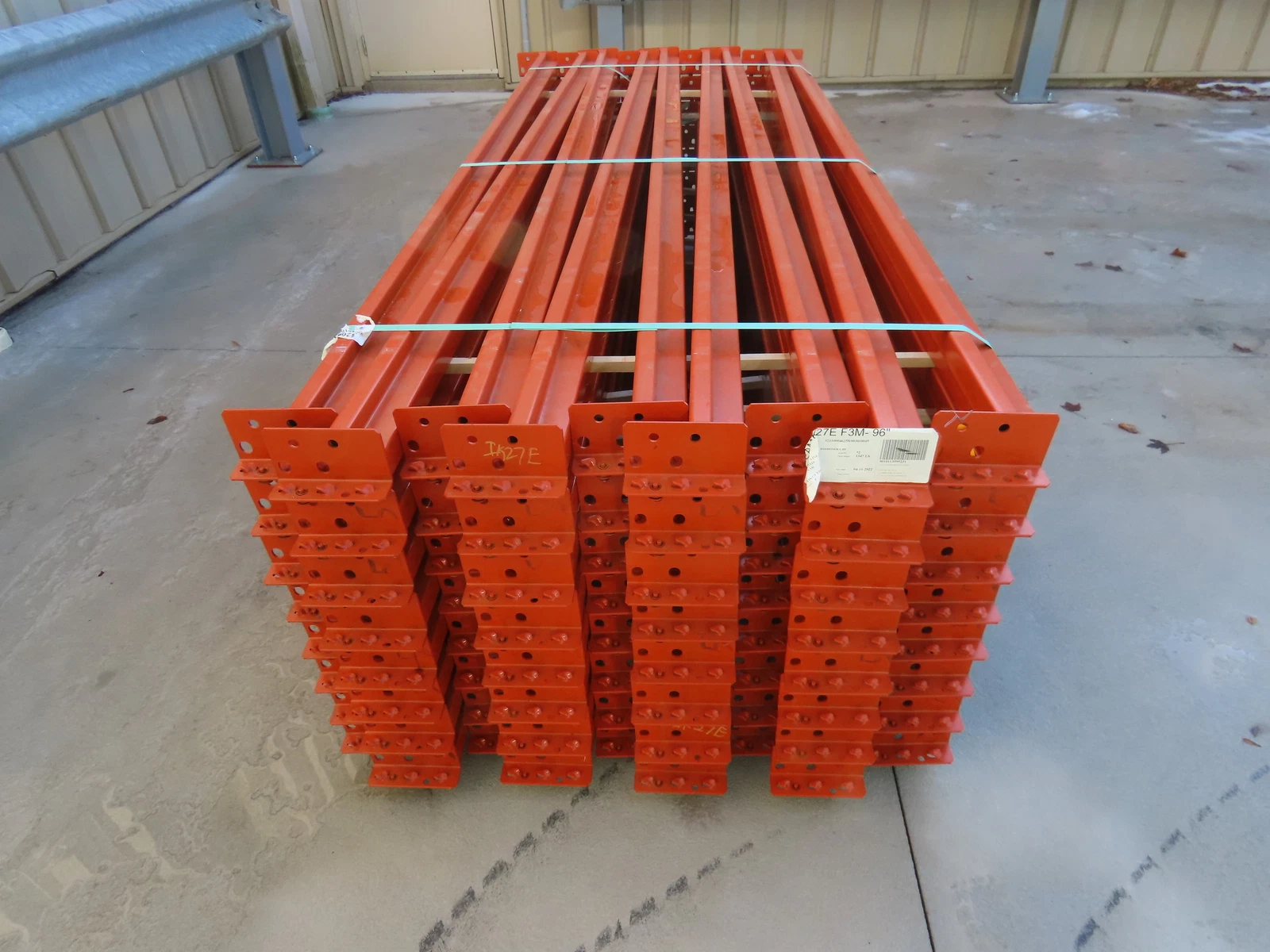
How Do General Machinery Producers Leverage Pallet Racking?
How Do General Machinery Producers Leverage Pallet Racking?
- Pallet racking maximizes space, saves time, and organizes heavy machinery production environments efficiently.
- It enables quick access to parts and equipment, reducing downtime and preventing clutter on the shop floor.
- Pallet racking protects valuable machinery components from damage and dust.
- It enhances workplace safety by reducing accidents and showing management’s commitment to employee health.
- Well-organized pallet racking reflects the experience and professionalism of the operation, building client and partner trust.
- The system symbolizes reliability, efficiency, and steady workflow essential for meeting tight deadlines and budgets.
- Pallet racking is a fundamental, dependable element supporting every completed project, shipment, and promise in machinery production.

How Do General Machinery Producers Leverage Pallet Racking?
Table Of Contents
- How Do General Machinery Producers Leverage Pallet Racking?
- How Does Pallet Racking Improve Machinery Production Efficiency?
- What Cost Savings Result From Using Pallet Racking In Factories?
- How Can Pallet Racking Reduce Workplace Accidents In Machinery Plants?
- What Role Does Pallet Racking Play In Optimizing Factory Floor Space?
- How Does Pallet Racking Support Just-In-Time Manufacturing Processes?
- What Narratives Exist About Successful Pallet Racking Transformations?
- Conclusion
- Other Resources
- Glossary Of Terms
- Other Questions
- Checklist
How Does Pallet Racking Improve Machinery Production Efficiency?
When you step onto a factory floor stacked high with machinery parts and raw materials, chaos can easily creep in if things aren’t organized. Pallet racking isn’t just about putting shelves up; it’s the backbone that keeps production humming smoothly, saving time and sweat. When you think about it, every second saved moving parts from storage to the line adds up—it’s the difference between meeting deadlines or falling behind. That kind of pressure weighs heavy on everyone—from the floorhands to the folks signing the paychecks.
Pallet racking takes the guesswork out of storage. Instead of digging through piles or stacking crates haphazardly, everything has a place. Parts are easy to find, easy to access, and easy to move. This clear order doesn’t just improve workflow; it cuts down on mistakes. Imagine the ripple effect—less downtime, fewer headaches, and machines kept running instead of idling while someone hunts for the right components. It’s the kind of practical, no-nonsense solution that respects people’s time and effort.
It’s not just about efficiency, though—it’s about safety and respect for the crew. Quality pallet racking means heavy gear is stored securely, reducing risk of accidents that can shut down production and hurt livelihoods. When workers know their environment is safe and well-managed, morale gets a quiet boost. That trust translates into better focus and pride in the work being done. It’s the kind of simple care that keeps a shop together through long shifts and tight schedules.
From a no-frills standpoint, investing in pallet racking is an ethical choice too. It shows a commitment to doing things right—valuing every tool, part, and person in the operation. These racks aren’t just metal beams; they’re part of a system that respects craftsmanship, conserves resources, and drives steady output. They’re testimony to rolling up sleeves and finding smart solutions on the ground.
Story after story from the shop floor echoes this truth: organized storage means smoother lines, quicker turnarounds, and a softer edge to the daily grind. Pallet racking quietly strengthens the whole machinery production chain by making space work smarter, not harder. It’s the unsung hero in a workplace that never stops moving, proving that a little order goes a long way toward getting things done right.

How Does Pallet Racking Improve Machinery Production Efficiency?
How Does Pallet Racking Improve Machinery Production Efficiency?
- Pallet racking organizes factory storage, preventing chaos and keeping production running efficiently.
- It saves time by making parts easy to find, access, and move, reducing delays and mistakes.
- Improved storage order decreases downtime and keeps machines operational instead of idle.
- Quality pallet racking enhances safety by securely storing heavy equipment, lowering accident risks.
- A safe, well-managed environment boosts worker morale, focus, and pride in their work.
- Investing in pallet racking reflects an ethical commitment to valuing tools, people, and craftsmanship.
- Organized storage supports smoother workflows, faster turnarounds, and stronger overall production efficiency.

How Does Pallet Racking Improve Machinery Production Efficiency?
What Cost Savings Result From Using Pallet Racking In Factories?
Look, at the end of a long day, it all comes down to numbers—and not just the ones on a spreadsheet that nobody reads except the boss. Pallet racking saves you real money where it counts, by making every inch of your warehouse pull double duty. When you stack up pallets safely and smartly instead of stacking them on the floor or in disorganized piles, you clear space, avoid damage, and keep things moving without a hitch. That space you save? It’s not just empty air; it’s potential—room for more inventory, more orders, more growth. And that means your money’s working harder, not your people.
Now, if you’re someone who’s ever lost sleep over broken pallets, damaged goods, or the chaos that slows down your crew, you know this stuff hits below the belt. Pallet racking gives your workers a safer, easier setup to handle loads without the back-breaking struggles or the risk of accidents. Safety means fewer costly injuries and less downtime, and that’s money you don’t have to spend on bills and insurance claims. It’s about taking care of your folks while also taking care of the business bottom line—a two-for-one that doesn’t come along that often.
There’s also a reason factory managers who’ve been around the block won’t work without it. Pallet racking is a proven, no-nonsense solution built from decades of hands-on know-how. It’s not a fad or fancy flash-in-the-pan; it’s the backbone that keeps warehouses humming like a well-oiled machine. It’s the kind of common-sense tool that makes you look good in front of the boss because you’re cutting waste and squeezing out efficiency, day after day.
Take it from those who’ve sweated the floor—effective pallet racking isn’t just about racks and shelves. It’s about respect: respect for the workers’ time, for the goods that keep a business alive, and for the pounds that make a factory hum without breaking the bank. When your pallet racking system’s dialed in right, the whole operation feels sturdier, smoother, and ready to roll. In a world where every penny saved counts, it’s a tough, honest way to keep your factory lean, mean, and growing.

What Cost Savings Result From Using Pallet Racking In Factories?
What Cost Savings Result From Using Pallet Racking In Factories?
- Pallet racking maximizes warehouse space by using every inch efficiently, allowing for more inventory, orders, and growth.
- Proper pallet stacking prevents damage, keeps operations smooth, and avoids disorganized clutter.
- It enhances worker safety by reducing the risk of injuries and back strain, leading to less downtime and lower insurance costs.
- Factory managers rely on pallet racking as a proven, practical solution developed through decades of experience.
- Pallet racking improves operational efficiency by cutting waste and streamlining warehouse processes.
- It represents respect for workers’ time, the goods stored, and the financial resources of the business.
- A well-implemented pallet racking system strengthens overall factory performance, maintaining lean and sustainable growth.

What Cost Savings Result From Using Pallet Racking In Factories?
How Can Pallet Racking Reduce Workplace Accidents In Machinery Plants?
In the thick of a noisy, fast-moving machinery plant, the last thing anyone wants is chaos in storage spaces. Pallet racking isn’t just some fancy shelving—it’s the backbone that keeps things from spiraling into accidents. When pallets are stacked willy-nilly on the floor or piled too high without support, it’s like asking for trouble. One misstep, one knock, and you’ve got crates falling, machines stopping, or worse—people getting hurt. Pallet racking brings order. It tames the clutter and puts everything in its rightful place, teaching the shop floor a lesson in respect and care.
Think about what happens when everyone knows exactly where their gear or parts live, safely off the ground and locked into solid racks. It’s not just about neatness—it’s about trust. Trust that the steel framework holding thousands of pounds won’t buckle, trust that forklifts can navigate clean aisles without smashing into unstable stacks, trust that your team can do their job without dodging hazards. Pallet racking turns a high-risk mess into a predictable, manageable workspace. This isn’t theory; it’s street-smart strategy forged by countless shifts marked by early alarms and close calls.
Here’s the core of it: saving lives and limbs in an environment where giant machines roar and heavy loads don’t wait for a perfect moment to fall. Pallet racking acts like a silent guardian, holding back the chaos before it rains down. It’s a simple ethical choice that says, “We value every worker’s safety.” A plant that invests in strong, well-designed pallet racking sends a clear message—to the crew, the customers, and the community—that safety isn’t a box to tick; it’s a commitment backed by action and steel.
You don’t have to take anyone’s word for it either. Just watch the workflow where pallet racking is in place: fewer near-misses, less fumbling with awkward stacks, and a rhythm where folks move with confidence instead of caution. It’s a down-to-earth deal that makes good business sense and respects the grit of every hand on deck.
When pallet racking is done right, it knocks down accidents and builds up peace of mind. It transforms a loud, risky plant floor into a place where safety and productivity walk hand in hand—because you can’t run a tough machine without tough storage supporting it.

How Can Pallet Racking Reduce Workplace Accidents In Machinery Plants?
How Can Pallet Racking Reduce Workplace Accidents In Machinery Plants?
- Pallet racking prevents chaos and accidents in noisy, fast-moving machinery plants by organizing storage and supporting heavy loads.
- Proper use of pallet racking reduces risks from unstable stacks that could cause falling crates, machine stoppages, or injuries.
- It establishes trust in the workplace by securely holding heavy pallets, allowing forklifts to operate safely and workers to perform without hazards.
- Pallet racking saves lives and limbs by acting as a protective system in high-risk environments with heavy machinery and loads.
- Investing in strong, well-designed pallet racking demonstrates a plant’s ethical commitment to worker safety and operational responsibility.
- Its presence results in fewer near-misses, smoother workflows, and increased worker confidence on the shop floor.
- Effective pallet racking reduces accidents and fosters a productive, safe environment where safety and efficiency coexist.

How Can Pallet Racking Reduce Workplace Accidents In Machinery Plants?
What Role Does Pallet Racking Play In Optimizing Factory Floor Space?
Look, when you’re running a factory, space isn’t just a luxury—it’s the backbone that keeps everything humming. Pallet racking isn’t some fancy add-on; it’s the unsung hero that turns cluttered chaos into smooth-running order. You’ve got a warehouse floor packed tight like a puzzle, and every inch counts. Pallet racking lets you stack smart, not just shove stuff around like it’s a yard sale. By lifting inventory up off the floor, it frees up walkways, forklift lanes, and room for the folks who keep the wheels turning. You’re not just saving space—you’re making the whole operation safer, faster, and more efficient.
There’s a straightforward sort of dignity in well-organized storage. When you walk into a factory where pallet racking has been set up right, there’s a rhythm to it — like the place knows what it’s doing. It shows respect for the people working there, for the products moving through, and for the bottom line. Good pallet racking isn’t just metal and bolts; it’s a commitment to doing things better, not harder. It says you care about cutting down wasted time spent hunting for materials and about cutting costs by maximizing what you’ve got instead of constantly expanding.
The math behind this is solid. By going vertical, pallet racking maximizes cubic feet instead of just square footage, meaning you get more stock where you thought you hit a wall. This cuts storage costs and boosts throughput, so orders get out quicker and customers stay happy. It’s peace of mind that comes from knowing your workflow isn’t fighting your floor plan. That kind of efficiency is priceless when every second wasted is money down the drain.
On a basic human level, pallets stacked neatly in their racks put a stop to the “Where’s that thing again?” shuffle that wears down even the toughest workers. When the tools and materials have a proper home, morale gets a boost. It’s those small wins—the lean pathways, the clear aisles, the safe loads—that add up to a workplace people respect and want to stick around for. Pallet racking is more than shelving; it’s trust in your team, your process, and your future. It’s a no-nonsense way to get the most out of what you’ve got, and that’s something every hard hat can appreciate.

What Role Does Pallet Racking Play In Optimizing Factory Floor Space?
What Role Does Pallet Racking Play In Optimizing Factory Floor Space?
- Pallet racking transforms cluttered, tight warehouse floors into organized, efficient spaces by stacking inventory vertically and freeing up walkways and forklift lanes.
- It enhances safety, speed, and overall operational efficiency by maximizing usable space and reducing floor congestion.
- Well-organized storage with pallet racking reflects respect for workers, products, and cost management, promoting a smoother workflow.
- By optimizing cubic footage rather than just square footage, pallet racking reduces storage costs and increases throughput, speeding up order fulfillment.
- Efficient storage systems prevent time wasted searching for materials, boosting morale and productivity among workers.
- Clear aisles, lean pathways, and safe load handling contribute to a workplace environment that employees respect and want to remain part of.
- Pallet racking represents a commitment to doing things better by maximizing resources, supporting the team, and improving processes for long-term success.
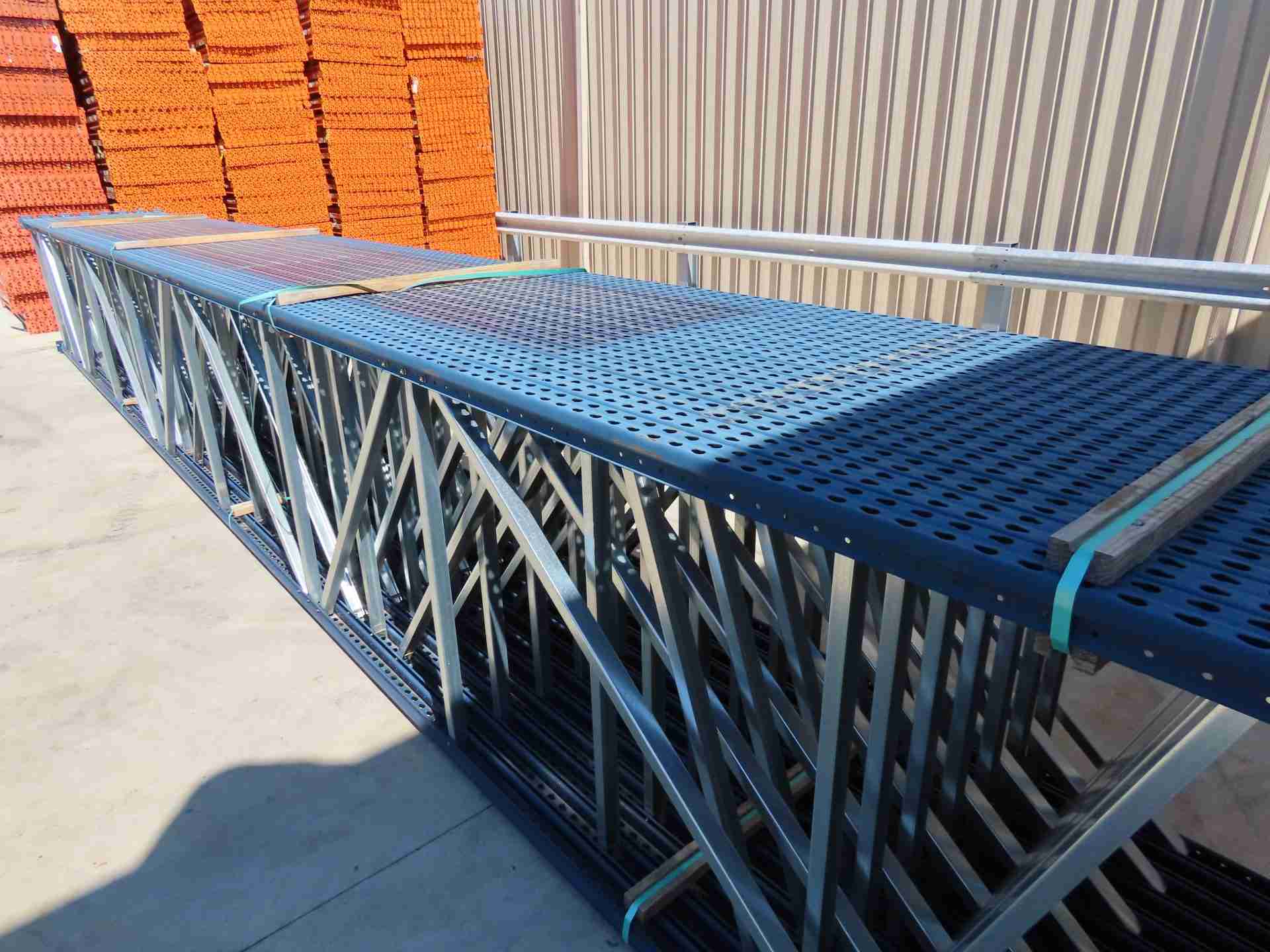
What Role Does Pallet Racking Play In Optimizing Factory Floor Space?
How Does Pallet Racking Support Just-In-Time Manufacturing Processes?
When you’re running a Just-In-Time (JIT) manufacturing line, every minute counts and every misplaced box can throw off the entire day. Pallet racking steps in like the quiet workhorse on the warehouse floor—the unsung hero you don’t notice until it’s gone. It’s not just about stacking goods; it’s about making sure the right parts show up exactly when they’re needed, no earlier, no later. That’s the heart of JIT, and pallet racking makes that rhythm possible.
Think about a shop floor buzzing with machines and hands flying—if you stash your inventory haphazardly, you’re looking at delays, confusion, and wasted time. Pallet racking systems keep everything organized and accessible, so workers pull out what’s needed in the right order without playing hide-and-seek with parts. That reliability builds trust between the warehouse crew and the production team. When you can count on your pallet racking setup, it means you’re not just guessing; you’re operating a well-oiled machine.
There’s a grounded logic to it too. Pallet racking maximizes vertical space, letting you stack more without crowding your aisles. That saves floor space and cuts down on forklift trips, which translates to faster turnaround. JIT thrives on this efficiency—less clutter means fewer mistakes, quicker picks, and smooth flow from raw material to finished product. It’s an ethical choice, too, reducing waste and unnecessary inventory holding costs. Using space smartly with pallet racking supports the kind of lean thinking that respects both the bottom line and the people who keep the operation running.
In a way, pallet racking tells a story of teamwork. It connects the hands that build parts with the minds that plan production schedules and the feet that move materials. The social aspect here is important: everyone—from warehouse workers to line operators—relies on the same system, making it a shared backbone of trust and dependability. Without it, JIT becomes a juggling act with too many balls in the air. With pallet racking, it’s a steady rhythm you can count on.
So if you want JIT to work not just in theory but day in and day out, investing in solid pallet racking isn’t a nice-to-have—it’s the linchpin. It frees your people to focus on what they do best, knowing the parts they need are right where they’re supposed to be. That’s how you turn a lean manufacturing dream into a reality you can put your hands on.

How Does Pallet Racking Support Just-In-Time Manufacturing Processes?
How Does Pallet Racking Support Just-In-Time Manufacturing Processes?
- Pallet racking is essential in Just-In-Time (JIT) manufacturing, ensuring parts arrive exactly when needed to maintain workflow.
- Organized pallet racking prevents delays and confusion by keeping inventory accessible and in the correct order.
- It maximizes vertical space, saving floor area and reducing forklift trips for faster turnaround.
- Efficient pallet racking reduces clutter, mistakes, and inventory costs, supporting lean manufacturing principles.
- Pallet racking fosters teamwork by connecting warehouse workers, production planners, and line operators through a shared system.
- Reliable pallet racking transforms JIT from a complex challenge into a consistent, dependable process.
- Investing in solid pallet racking enables workers to focus on their tasks, turning lean manufacturing goals into tangible results.

How Does Pallet Racking Support Just-In-Time Manufacturing Processes?
What Narratives Exist About Successful Pallet Racking Transformations?
There’s a story behind every good pallet racking transformation — one that starts in a crowded warehouse or a cluttered shop floor where chaos rules, and ends with order, efficiency, and just enough elbow room to get the job done right. These aren’t just tales of stacking steel beams; they’re about folks rolling up their sleeves, figuring things out piece by piece, and turning piles of pallets into a system that works. It’s about recognizing that pallet racking isn’t some fancy luxury—it’s a practical tool, the backbone of any operation that wants to move goods without tripping over itself.
The heart of these stories lies in the relief and pride workers feel when their workspace finally stops being a headache. They tell of those mornings when you walk past the same racks you helped build and see everything lined up neat and tidy, knowing it’ll keep running smooth — no wasted steps, no endless hunting for a misplaced box. That sense of accomplishment resonates deeply because it’s real sweat, real problem-solving, and a clear payoff. It’s about dignity in hard work, turning bulky confusion into streamlined rhythm.
Rationally, these transformations show clear benefits: better use of space, safer operations, and faster fulfillment. It’s simple math—invest in proper pallet racking systems, and you cut down on lost time, damaged goods, and avoidable accidents. Those improvements don’t just help the bottom line; they support a workplace where people can do their jobs without needless struggle. When truckloads arrive and leave without delay, and the inventory sits exactly where it should, it’s a neat kind of victory that carries through the whole company.
There’s ethics tucked into these success stories, too. Respect for workers’ safety, for the product’s integrity, and even for the customers waiting on those goods. Well-installed pallet racking isn’t just about fit and finish—it’s a commitment that everyone in the chain matters. That respect builds trust across the teams, the kind that means people show up ready, knowing they’re part of something safe and reliable. It’s a promise made in steel and wood, visible with every pallet lifted and every order shipped on time.
The authority of these narratives rests on hands-on experience—the kind earned from days spent measuring, bolting, and sometimes rethinking the setup when reality doesn’t match the blueprints. It’s the collective wisdom of folks who’ve done it wrong before and found a better way. That practical know-how assures anyone facing pallet racking challenges that there’s a path forward. You’re not guessing; you’re learning from real-world grit and solutions.
Ultimately, these stories invite you in — to imagine what could be done when pallet racking is more than just storage. It’s about transformation that’s honest, effective, and grounded in everyday work. When you hear these tales, you see yourself not just managing stock, but steering a smoother operation, building something that’s tough, reliable, and built to last. That’s the kind of success worth stacking up.

What Narratives Exist About Successful Pallet Racking Transformations?
What Narratives Exist About Successful Pallet Racking Transformations?
- Pallet racking transformations turn chaotic, crowded workspaces into organized, efficient systems essential for smooth operations.
- These stories highlight the pride and relief workers feel when their workspace becomes orderly, eliminating wasted effort and confusion.
- Effective pallet racking improves space utilization, safety, and fulfillment speed, reducing lost time, damaged goods, and accidents.
- Proper installation reflects respect for worker safety, product integrity, and customer satisfaction, fostering trust across teams.
- Experience gained through hands-on work and problem-solving informs better pallet racking solutions, offering practical guidance.
- Pallet racking is portrayed as a practical, foundational tool rather than a luxury, vital for smooth goods movement.
- These transformations represent honest, lasting improvements that not only manage stock but build reliable, streamlined operations.

What Narratives Exist About Successful Pallet Racking Transformations?
Conclusion
In the gritty world of machinery production, pallet racking is the quiet workhorse that keeps things running without fuss or frills. It’s not a shiny gimmick; it’s a sturdy backbone that turns chaos into order, sweat into results, and cramped spaces into efficient work zones. When every minute and every inch counts, pallet racking steps up to protect valuable parts from damage and dust, cuts down wasted time, and clears the floor so machines—and people—can move freely and safely.
There’s a real, grounded pride in a shop that relies on pallet racking. It shows respect—not just for the tools and materials, but for the folks putting in the hard hours on the floor. A well-organized space lowers the risk of accidents, keeps morale steady, and sends a clear message that safety isn’t an afterthought—it’s the foundation of how things get done. It’s more than just metal and bolts; it’s an ethical commitment from management to protect the team and keep the wheels turning smoothly.
Pallet racking also carries the weight of experience and authority. It tells a story of shops that know their business, ones that have faced tight deadlines, tight budgets, and still delivered machinery that customers can count on. It’s the kind of reliability that builds trust, both inside and out. When inventory is stored smartly—stacked vertically, easy to access, and locked in place—it maximizes floor space and boosts productivity without adding unnecessary clutter. That efficiency isn’t some abstract ideal; it’s the straightforward math of saving time, cutting costs, and supporting Just-In-Time manufacturing with a dependable rhythm.
Behind every successful pallet racking setup lies a story of sweat and problem-solving — turning a cluttered mess into a system that hums like clockwork. It’s about dignity in the daily grind, knowing your workspace is set up right so you don’t waste energy chasing down parts or dodging hazards. The payoff is real: fewer mistakes, fewer injuries, and a smoother flow from raw materials to finished machines.
In the end, pallet racking is the unsung hero holding up the whole operation—making sure every pallet, every part, and every person has a place that’s safe, efficient, and just right. It’s the grit behind the grind, the steady partner in every promise kept, and proof that with a little smart order, you can turn hard work into honest success.

Conclusion
Conclusion:
- Pallet racking is a sturdy, essential system that organizes workspaces, protects parts, and maximizes efficiency in machinery production.
- It reduces wasted time, prevents damage and dust buildup, and ensures safe, free movement for machines and workers.
- Using pallet racking reflects a commitment to safety, respect for tools and materials, and care for employees.
- A well-organized space lowers accident risks, maintains morale, and emphasizes safety as a core operational value.
- Pallet racking demonstrates experience and reliability, supporting tight deadlines and budgets while fostering trust.
- Smart inventory storage with pallet racking maximizes floor space, boosts productivity, and aligns with Just-In-Time manufacturing principles.
- The system improves workflow by minimizing errors and injuries, turning clutter into an efficient, dependable operation.
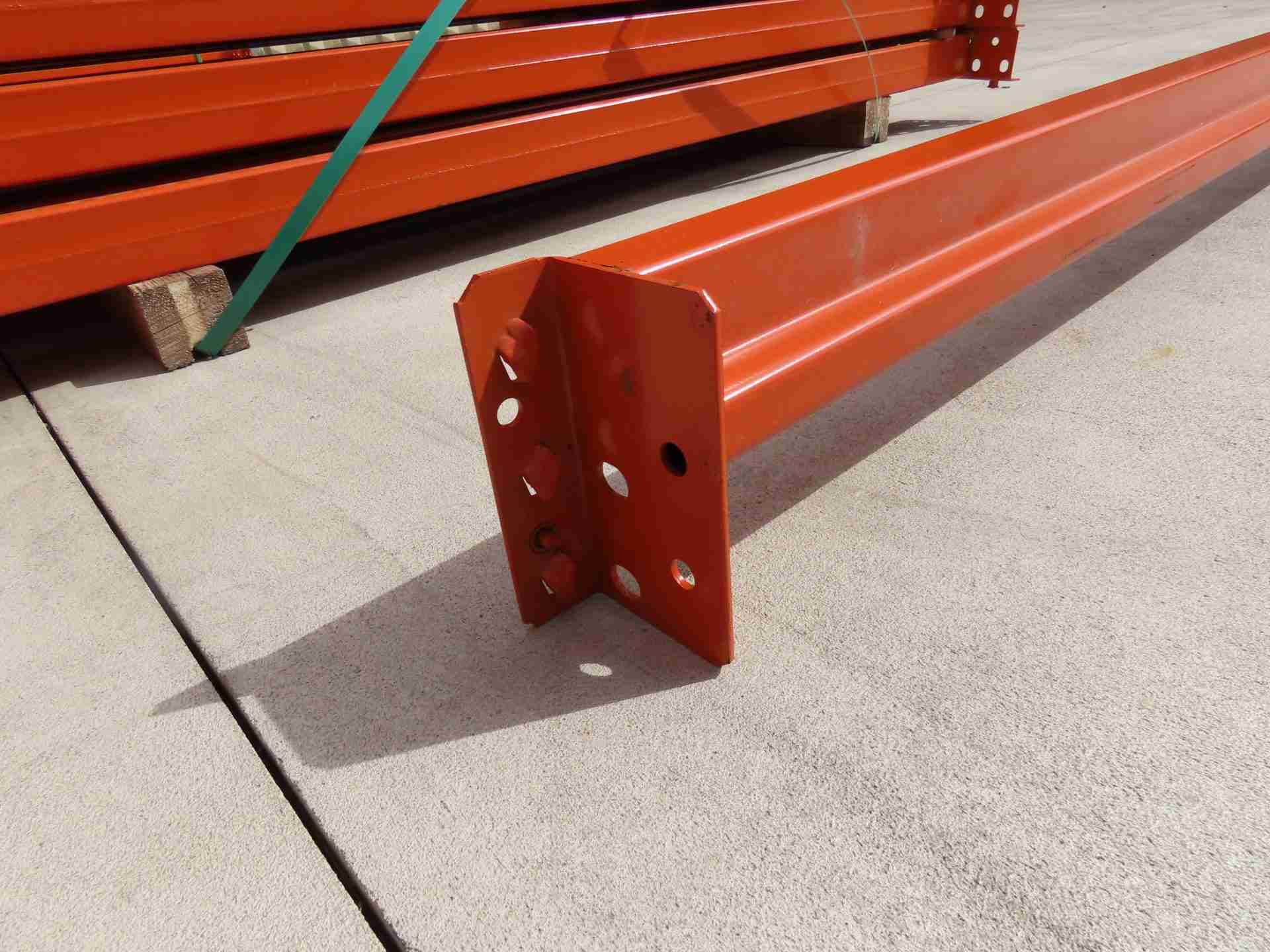
Conclusion
Other Resources

Other Resources
Here is a list of other resources you can review online to learn more:
- Pallet Racking systems in Illinois and Great Lakes
- Logic Material Handling
- National Safety Council
- Cantilever Rack Configuration & Installation: A Comprehensive Guide – BMH
- What is Selective Racking: Understanding Benefits & Options
- Overhead Lifting
- Racking World
- Teardrop Racks – Pallet Rack World
- Interlake
- What is Cantilever Racking? – AK Material Handling Systems
- Cantilever Rack Guide: Ordering Cantilever Racking
- Warehouse Automation
- Selective Pallet Racking Systems – Container Systems
- Teardrop Industrial Shelving Rack
- CMMA
- Selective Rack – Raymond West
- Teardrop Pallet Rack – Ridg-U-Rak
- Interlake Mecalux
- CA Wire
- International Warehouse Logistics Association
Use This Prompt To Get More Resources With Your Favorite Online AI Tool: Please provide me with a list of online articles with their URLs in a bulleted list that I can read regarding How Do General Machinery Producers Leverage Pallet Racking?

Other Resources
Glossary Terms
How Do General Machinery Producers Leverage Pallet Racking? – Glossary Of Terms
1. Pallet Racking: A storage system designed to hold materials on pallets using horizontal rows with multiple levels.
2. General Machinery Producers: Companies that manufacture machinery used across various industries.
3. Storage Efficiency: The optimization of space and organization for storing products or materials.
4. Inventory Management: The process of monitoring and controlling stock levels and storage.
5. Load Capacity: The maximum weight a pallet rack can safely support.
6. Rack Configuration: The specific arrangement of beams and uprights in a pallet racking system.
7. Accessibility: The ease with which goods can be reached and retrieved from the rack.
8. Vertical Space Utilization: The use of warehouse height to maximize storage capacity.
9. Forklift Compatibility: The design considerations making racks accessible by forklifts.
10. Safety Features: Components or practices implemented to prevent accidents in pallet racking.
11. Material Handling: The movement, protection, storage, and control of materials throughout manufacturing.
12. Warehouse Optimization: Techniques to improve warehouse layout and storage efficiency.
13. Custom Racking: Tailored pallet rack designs suited to specific machinery or products.
14. Modular Design: Racking systems that can be adjusted or expanded as needed.
15. Lead Time Reduction: Decreasing the waiting period between order and delivery through better storage.
16. Space Saving: Reducing wasted storage area by optimizing rack layout and usage.
17. Durability: The strength and longevity of pallet rack components.
18. Load Distribution: Even allocation of weight within the racking to prevent collapse.
19. Product Protection: Measures to safeguard machinery or parts stored on racks.
20. Just-In-Time Inventory: Storing parts to arrive exactly when needed to reduce stock levels.
21. Easy Reconfiguration: The ability to modify rack setup to adapt to changing storage needs.
22. Workflow Improvement: Enhancing the efficiency of operations through better storage solutions.
23. Cross-Docking: Direct transfer of materials from inbound to outbound shipping with minimal storage.
24. Space Allocation: Designating specific areas within racks for different machinery components.
25. Inventory Visibility: The clarity and accessibility of stock information through organized storage.
26. Damage Reduction: Minimizing harm to stored goods caused by poor storage design.
27. Installation Time: The duration required to set up the pallet racking.
28. Cost Efficiency: Reducing expenses related to storage and handling.
29. Scalability: The capacity to increase or decrease rack size according to production needs.
30. Compliance Standards: Adherence to safety and industry regulations governing pallet racking systems.

Glossary Of Terms
Other Questions
How Do General Machinery Producers Leverage Pallet Racking? – Other Questions
If you wish to explore and discover more, consider looking for answers to these questions:
- What types of pallet racking systems are available and which is best for general machinery production?
- How do I determine the right pallet racking configuration for my facility?
- What are the load capacity limits for different pallet racking types?
- How do pallet dimensions and pallet types affect racking choices?
- What are typical installation costs for pallet racking and what factors influence price?
- How quickly can a pallet racking system be installed without disrupting production?
- What is the expected return on investment (ROI) and payback period for pallet racking upgrades?
- How do I calculate space utilization improvements from adding pallet racking?
- What safety regulations and industry standards apply to pallet racking in my region?
- How often should pallet racking be inspected and what should inspections cover?
- What maintenance procedures are required to keep racks safe and functional?
- How do pallet racking systems perform in seismic or high-impact environments?
- What anchoring or bracing is required for heavy machinery loads?
- How do pallet racking systems integrate with forklifts, AGVs, and other material handling equipment?
- What aisle widths and traffic patterns are optimal for productivity and safety?
- How does pallet racking support Just-In-Time (JIT) and other lean manufacturing strategies?
- What software or inventory systems work best with pallet racking (slotting, barcoding, WMS)?
- How can pallet racking be configured for efficient picking and order fulfillment?
- What safety accessories (guards, column protectors, nets) should be added to racks?
- How does pallet racking affect fire protection systems and sprinkler design?
- What training do workers need to operate safely around pallet racking?
- How do I assess and reduce the risk of rack collapse or pallet failures?
- Can existing floor layouts be retrofitted with pallet racking, and what are the constraints?
- How scalable are pallet racking systems for future growth or layout changes?
- What are the lifecycle, warranty, and expected lifespan of typical racking components?
- What financing, leasing, or rental options exist for pallet racking investments?
- How do I choose between buying new racks, used racks, or custom-built systems?
- Which suppliers or installers have proven experience in machinery-production environments?
- What metrics should be tracked to measure the impact of pallet racking on operations?
- Are there tax incentives, grants, or depreciation benefits for investing in racking?
- How does racking design address dust, contamination, or environmental controls for sensitive parts?
- Can pallet racking support automated storage and retrieval systems (AS/RS)?
- How do racking choices influence ergonomics and worker fatigue during picking?
- What are common mistakes companies make when specifying pallet racking?
- What real-world case studies show measurable benefits from pallet racking upgrades?
- How should damage to racking be documented and repaired to remain compliant?
- What are the environmental and end-of-life disposal or recycling options for racking components?
- How do I plan a phasing strategy to install racking with minimal downtime?

Other Questions
Checklist
How Do General Machinery Producers Leverage Pallet Racking? – A Checklist
Objectives and Scope
✅______ Define goals (throughput, inventory visibility, on-time shipments, space utilization).
✅______ Identify affected areas (receiving, kitting, WIP, finished goods, shipping).
✅______ Document target timelines and success criteria.
✅______ Assign a single owner and a cross-functional team.
Space and Layout
✅______ Measure current cubic utilization and identify vertical capacity.
✅______ Map product flows from receiving to line-side and shipping.
✅______ Design clear travel lanes and staging zones to reduce congestion.
✅______ Reserve buffer zones for peak loads and inbound surges.
Inventory Profile and Slotting
✅______ Classify items by size and weight, handling method, and demand velocity (ABC).
✅______ Standardize pallet sizes, load heights, and packaging where practical.
✅______ Group fast movers for quick access; separate fragile or high-value items.
✅______ Define min/max levels and replenishment triggers.
Racking System Selection
✅______ Match rack type to need (selective, double-deep, push-back, drive-in; cantilever for long items).
✅______ Align depth and beam spacing with load dimensions and variability.
✅______ Plan for future growth and reconfiguration without major teardown.
✅______ Validate compatibility with mezzanines, conveyors, or automation if planned.
Material Handling Integration
✅______ Confirm aisle widths and clearances for lift equipment in use.
✅______ Define standardized pick, putaway, and transfer points.
✅______ Minimize cross-traffic by zoning inbound, WIP, and outbound paths.
✅______ Provide clear floor markings and equipment parking areas.
Identification and Data
✅______ Implement location naming (aisle-bay-level) and durable rack labels.
✅______ Use scannable IDs for pallets, totes, and line-side supermarkets.
✅______ Integrate locations with WMS/ERP for real-time accuracy.
✅______ Establish a cycle counting cadence and exception handling.
Just-in-Time Support
✅______ Create dedicated line-side racks and supermarkets for high-rotation components.
✅______ Set kanban or pull signals tied to production schedules.
✅______ Design fast-track lanes for cross-dock and rush orders.
✅______ Define replenishment windows to prevent early or late deliveries.
Cost and ROI
✅______ Baseline current labor time for picks, putaway, and travel.
✅______ Quantify space savings and deferred facility expansion costs.
✅______ Track damage reduction to goods and equipment.
✅______ Build a payback model including installation, training, and system updates.
Compliance and Risk Management
✅______ Obtain engineering documentation appropriate for loads and building conditions.
✅______ Verify conformity with applicable codes and internal standards.
✅______ Define load posting, usage limits, and change control for reconfiguration.
✅______ Establish an incident reporting and corrective action process for rack-related issues.
Training and Operations
✅______ Publish SOPs for putaway, retrieval, replenishment, and staging.
✅______ Train operators on the location system, equipment interfaces, and housekeeping.
✅______ Set expectations for clear aisles, end-of-shift resets, and 5S routines.
✅______ Designate ownership for each zone with visual accountability.
Maintenance and Audits
✅______ Schedule routine inspections for damage, loosened hardware, and misalignment.
✅______ Keep spare components and a documented repair protocol.
✅______ Record inspection findings, fixes, and recurrence trends.
✅______ Review the layout quarterly for bottlenecks and re-slot as demand shifts.
Performance and Storytelling
✅______ Track KPIs: space utilization, pick and putaway time, travel distance, inventory accuracy, damage rate, on-time shipments.
✅______ Capture before/after photos and floor maps.
✅______ Collect frontline feedback on ease of access and workflow.
✅______ Share outcomes with customers and partners to reinforce reliability.

Checklist
At RackingWorld, we help guide you through selecting warehouse storage systems and racking.
Be sure to read our other related stories at RackingWorld to learn more about warehouse storage systems.
0 Comments