
Optimizing Performance In Precision Environments
By Tom Seest
At RackingWorld, we help guide you through selecting warehouse storage systems and racking.
Be sure to read our other related stories at RackingWorld to learn more about warehouse storage systems.
Rack Setup for Temperature-Controlled Environments
When it comes to racking setups in temperature-controlled environments, you’re not just arranging shelves; you’re laying the groundwork for sustained quality. Imagine a farmer who meticulously tends to their crops, nurturing each seedling to ensure a bountiful harvest. That same ethos applies to how we approach our racking systems. It’s about creating a sanctuary where temperature-sensitive items can thrive, and where every piece of equipment serves a purpose.
Starting with the design principles of your racking, think about the flow of materials in and out of your space. A well-planned rack system not only maximizes capacity but also minimizes energy costs, ensuring that every cubic foot is optimized. You want a setup that speaks to both efficiency and environmental responsibility. The carbon footprint of a poorly managed environment can add up quickly, but with the right racks, you’ll breathe easier knowing you’re doing right by the planet.
Your racks aren’t just steel and resin; they’re symbols of trust. When a customer picks up your product, whether it’s pharmaceuticals needing precise temperatures or gourmet ingredients, there’s a bond formed. They rely on you to maintain those ideal conditions, and that starts with solid racking. We’re all part of a community, and our shared responsibility for quality assurance extends beyond our walls. It reverberates through supply chains, reaching right back to the individuals who rely on our products.
Now, let’s talk about safety. Just as a seasoned mechanic knows the importance of a sturdy tool chest, you need to appreciate the role of stability in your racking setup. The structure should be designed to withstand not just the weight of the products but also the rigors of daily operations, preventing accidents that could turn your controlled environment into chaos. Moreover, regular inspections become a collective ritual, fostering accountability among your team.
We often overlook the power of narrative. Every rack tells a story—from the first time inventory was stored to the day it shipped out to fulfill a promise made to your customers. Every inch of space should echo the dedication of those who work tirelessly behind the scenes. When that narrative is woven with care and commitment, it inspires not just trust but genuine admiration in those who encounter your setup.
So, the next time you look at your racking, remember: this isn’t just about functionality. It’s a lifeline for quality, safety, and community. Create a space that fosters trust, inspires action, and ultimately showcases the very best of what we can achieve together.
Rack Setup for Temperature-Controlled Environments
Rack Setup for Temperature-Controlled Environments
- Racking setups in temperature-controlled environments are crucial for maintaining quality, similar to a farmer nurturing crops for a successful harvest.
- Design principles should optimize material flow, maximize capacity, and minimize energy costs while promoting environmental responsibility.
- Racks symbolize trust, ensuring that temperature-sensitive products are kept under ideal conditions for customers.
- Stability and safety are paramount; racks must support product weight and endure daily operations to prevent accidents.
- Regular inspections foster accountability and are essential for maintaining the integrity of the racking setup.
- Every racking system tells a story that reflects the dedication and hard work behind the scenes, inspiring trust and admiration.
- Racking is not just about functionality; it supports quality, safety, and fosters a sense of community and shared responsibility.
Rack Setup for Temperature-Controlled Environments
Table Of Contents
- Rack Setup for Temperature-Controlled Environments
- Are You Aware Of the Best Practices for Rack Placement and Airflow?
- What Are the Long-Term Cost Benefits Of Investing In Quality Racks?
- How Can You Ensure Optimal Conditions For Sensitive Equipment?
- What Are The Risks Of Improper Temperature Control In Your Setup?
- How Do You Create A Reliable Monitoring System For Your Racks?
- Conclusion
- Other Resources
- Glossary Of Terms
- Other Questions
- Checklist
Are You Aware Of the Best Practices for Rack Placement and Airflow?
You walk into a server room, a sanctum of technology humming softly, brimming with potential and purpose. But behind that comforting hum lies a more profound truth: racking your equipment efficiently isn’t just a matter of tidiness; it’s the backbone of functionality and longevity. Imagine the heart of your operation—those servers tasked with heavy lifting—stifled by poor airflow or cramped quarters. It’s not just bad practice; it’s downright reckless.
Think about it. When we place servers in racks with little consideration for airflow, we are, quite literally, suffocating the very engines that power our progress. Isn’t it remarkable how a simple arrangement can optimize cooling and enhance performance? With the right racking, your equipment breathes easier, and so do you. This isn’t just a technical detail; it’s an ethical obligation. By ensuring that every unit in your rack has room to breathe, you’re not just prolonging the life of your hardware—you’re also protecting the invaluable resources of your company.
Use vertical space strategically; it’s not just about jam-packing gear into every inch of real estate. Allow air to flow freely, promoting not just efficiency but reliability. The story of a well-functioning server room is the narrative of futures secured and innovations unleashed. Picture walking into a space where every server, neatly organized and thoughtfully placed, feels almost serene. This is not a tech fantasy; it’s achievable through intentional racking.
But let’s bring it back down to earth. There’s a social element to this as well. Team members are more productive in organized settings—they feel a sense of pride in their work environment. By doing your part in ensuring optimal rack placement, you’re contributing to a culture of excellence that everyone can rally around. It’s a shared mission: when the workplace thrives, we all do.
Success doesn’t just happen; it’s meticulously crafted. Racking your equipment with best practices serves as a foundational step that speaks volumes about your commitment—commitment to quality, efficiency, and integrity. So, let’s not take shortcuts. Let’s ensure our racks are a sanctuary for technology, making room for innovation to flourish. By doing so, we are not just setting the stage for success; we are embodying it, one rack at a time.
Are You Aware Of the Best Practices for Rack Placement and Airflow?
Are You Aware Of the Best Practices for Rack Placement and Airflow?
- A server room is a hub of technology, and efficient racking is essential for optimal functionality.
- Poor racking can stifle airflow, jeopardizing the performance and longevity of servers.
- Good server arrangement enhances cooling and performance, making it crucial for operational success.
- Strategic use of vertical space allows for better airflow, promoting both efficiency and reliability.
- An organized server room fosters a productive work environment and pride among team members.
- Adhering to best practices in racking demonstrates commitment to quality, efficiency, and integrity.
- Proper racking not only sets the stage for success but also cultivates a culture of excellence.
Are You Aware Of the Best Practices for Rack Placement and Airflow?
What Are the Long-Term Cost Benefits Of Investing In Quality Racks?
When you step into a warehouse or a stockroom, what’s one of the first things your eyes are drawn to? Those sturdy racks holding up a world of products, stacked and organized like the backbone of a well-oiled machine. Investing in quality racking isn’t just a matter of neatness; it’s a commitment to efficiency, safety, and long-term success. Let’s take a closer look at the long-term cost benefits of this seemingly mundane choice.
Imagine the scene: A busy warehouse, buzzing with activity as employees navigate the aisles. Now picture the opposite—a chaotic space, cluttered and disorganized, where hazards lurk in every corner. The heart sinks at the sight of a friend or colleague struggling under the weight of improperly stored items or tripping over misplaced goods. Quality racking elevates this experience, allowing for smooth operations and a safer environment. It’s not just about the racks; it’s about fostering a culture of care and responsibility.
Rationally, investing in high-grade racking pays dividends over time. Sure, the initial price tag may be higher, but consider the costs associated with frequent replacements, repairs, or injuries caused by substandard solutions. Each rack is an investment in longevity, crafted to withstand the rigors of daily use. When you choose wisely, you aren’t just purchasing steel and wood; you’re securing stability in your operations, ensuring that every cent spent translates into lasting value.
On an ethical level, the responsibility to provide a safe and effective workspace weighs on us all. Quality racking supports that moral obligation, safeguarding your employees while optimizing productivity. It’s a reflection of leadership that prioritizes the well-being of its workforce, creating an environment where people can thrive rather than merely survive.
Adding to this story is the power of social validation. When companies commit to top-tier racking solutions, they communicate their dedication to quality, which can resonate with customers and partners alike. This kind of edification builds a reputation that attracts business. You become known as the organization that values craftsmanship, attracting both clients and talent who share those values.
So, if you find yourself at a crossroads about racking—ask yourself: What kind of legacy do you want to build? The cost benefits of investing in quality isn’t merely a figure on a balance sheet; it’s about creating connections, inspired environments, and a culture that stands the test of time. Your decision today shapes the future tomorrow. Go ahead—make that choice worth it.
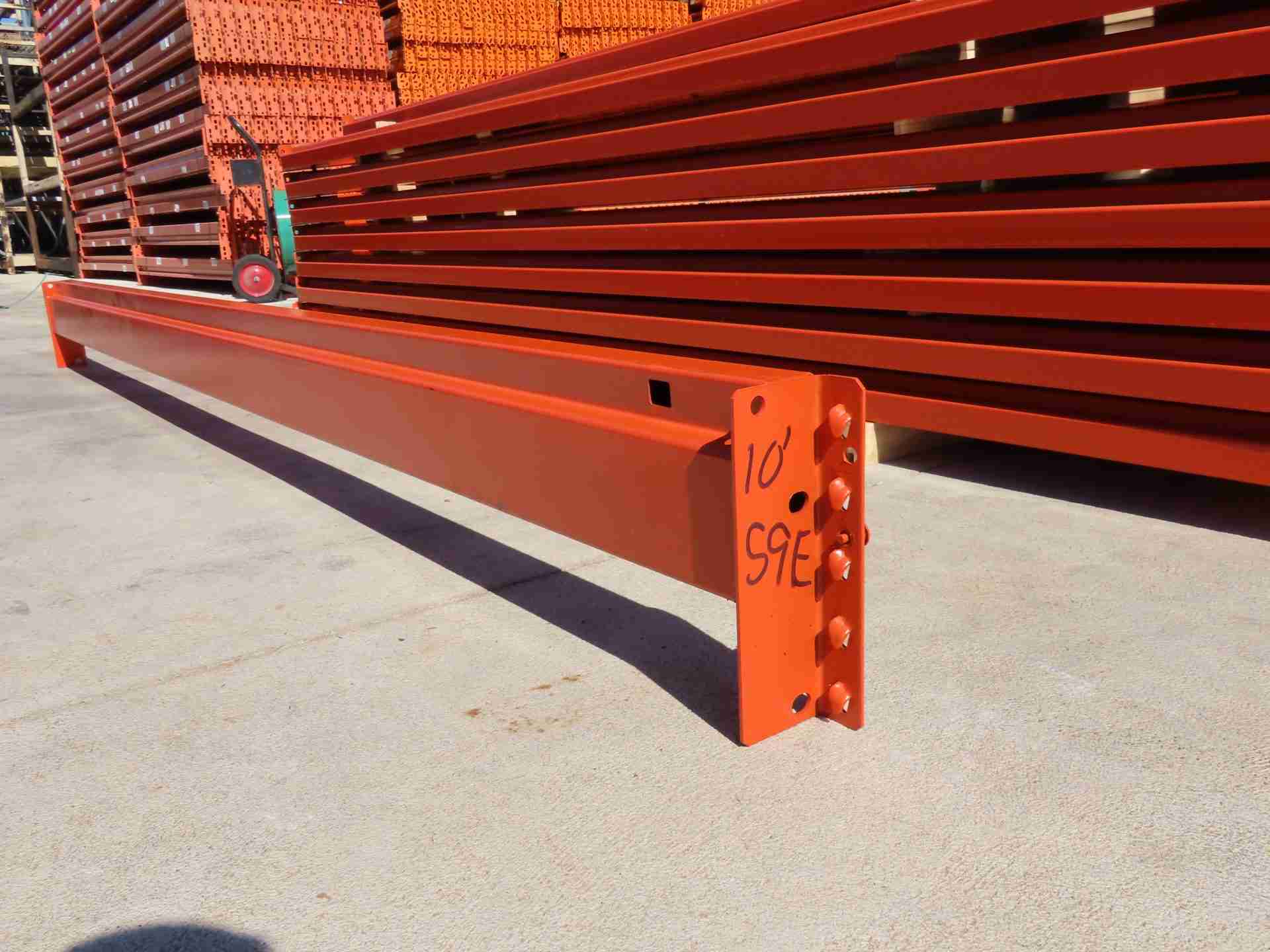
What Are the Long-Term Cost Benefits Of Investing In Quality Racks?
What Are the Long-Term Cost Benefits Of Investing In Quality Racks?
- Quality racking systems are essential for a well-organized warehouse, contributing to efficiency and safety.
- Investing in high-grade racking leads to long-term cost benefits despite higher initial costs.
- Substandard racking can result in frequent repairs, replacements, and workplace injuries, impacting overall costs.
- Quality racking fosters a safer environment, promoting care and responsibility among employees.
- Providing a safe workspace reflects ethical leadership that prioritizes employee well-being and productivity.
- Commitment to quality racking enhances reputation and attracts customers and talent who value craftsmanship.
- Your choice in racking shapes your organization’s legacy, emphasizing the importance of thoughtful investment.
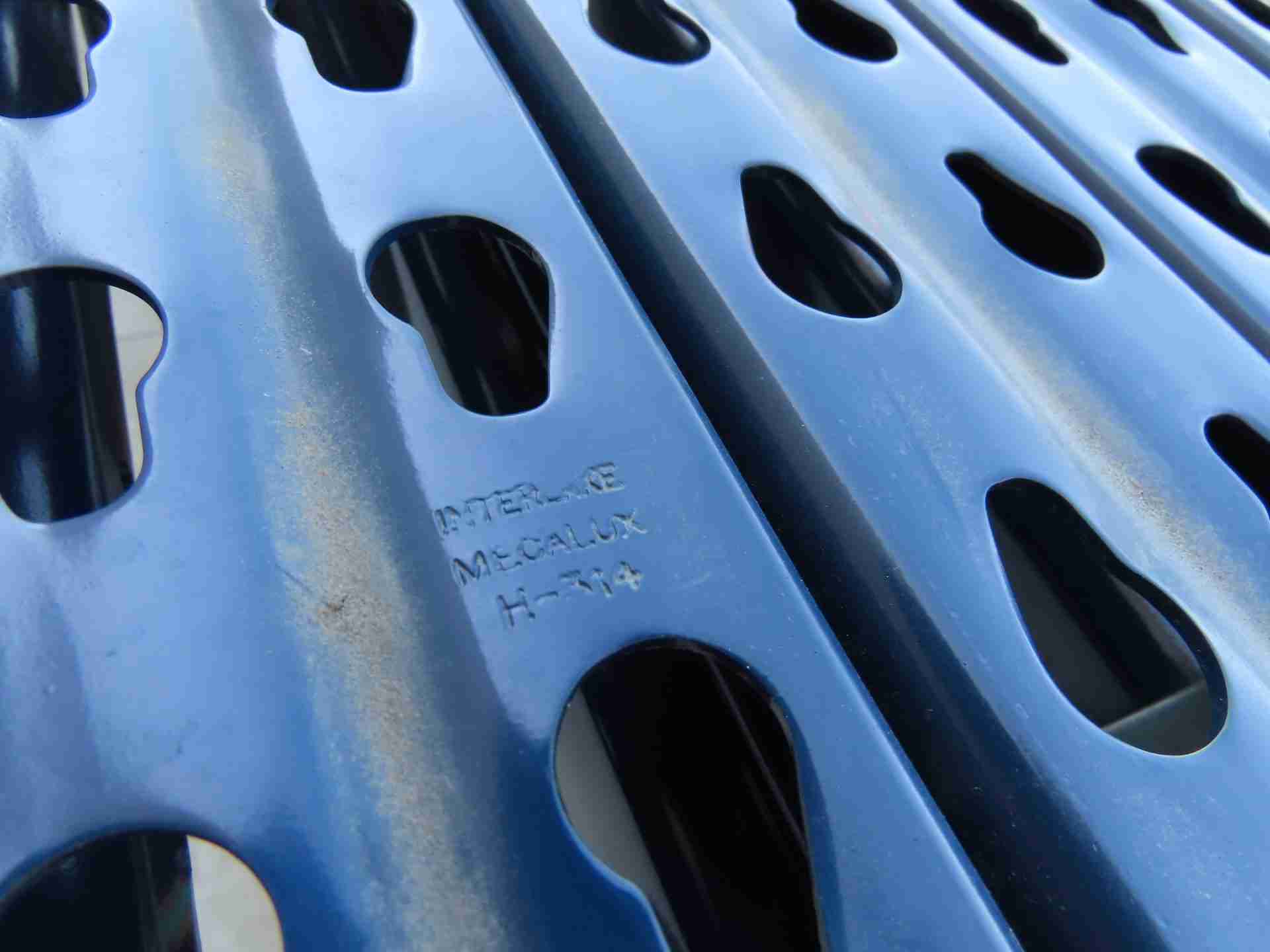
What Are the Long-Term Cost Benefits Of Investing In Quality Racks?
How Can You Ensure Optimal Conditions For Sensitive Equipment?
When dealing with sensitive equipment, think of it like caring for a delicate plant. You wouldn’t throw it in a drafty room or blast it with sunlight. No, you’d check the temperature, the humidity, and most importantly, you’d ensure it’s in a stable environment where it can thrive. Now, consider your equipment: properly racking it is the first step toward longevity. This is your chance to create an ecosystem that supports performance.
The stakes are high. If your HVAC system fails or the temperature spikes, it’s not just equipment at risk; it’s your reputation, your investments, and even that hard-won trust you’ve built with your clients. Temperatures outside might fluctuate wildly, but inside your operation, it should feel like a stable, controlled utopia. Think about the labor needed to set everything up perfectly, only to let neglect compromise it all. That’s a gut punch, right?
Be proactive. Regular maintenance is not just a best practice; it’s a commitment to excellence. Like keeping the oil changed in your car, frequent checks on your equipment environment can save you from catastrophic failures that could set you back months or even years. Your equipment deserves that kind of respect, and so do you. Maintaining optimal conditions fortifies your operation against the unexpected and fosters a culture of responsibility and integrity.
Sharing best practices with your team creates a collective understanding of what’s at stake. When everyone is reading from the same sheet of music, your investment in sensitive equipment becomes a shared mission. Don’t underestimate the power of storytelling in this journey. When a colleague recounts their experience of a near-miss because of poor conditions, it not only raises awareness, but it also tightens the bonds within the team.
Moreover, engage with your community. Talk about how vital it is to protect our infrastructure. When we recognize that our collective knowledge can safeguard our investments, we elevate the conversation. This creates a culture built on trust and responsibility, driving everyone to take an active role in caring for sensitive equipment.
Ultimately, it’s not just about the machinery; it’s about forging a legacy of excellence, support, and commitment to quality. When you give your equipment the respect it deserves, you’re investing in a future where everyone benefits.

How Can You Ensure Optimal Conditions For Sensitive Equipment?
How Can You Ensure Optimal Conditions For Sensitive Equipment?
- Handle sensitive equipment like a delicate plant, ensuring a controlled environment for its longevity.
- Proper racking of equipment is essential for creating a supportive ecosystem.
- Failure of HVAC systems can jeopardize equipment, reputation, investments, and client trust.
- Regular maintenance is vital to prevent catastrophic failures and maintain operational integrity.
- Fostering a culture of shared understanding and responsibility among team members is crucial.
- Engage with the community to highlight the importance of protecting infrastructure through collective knowledge.
- Investing in equipment respect builds a legacy of excellence and benefits everyone involved.
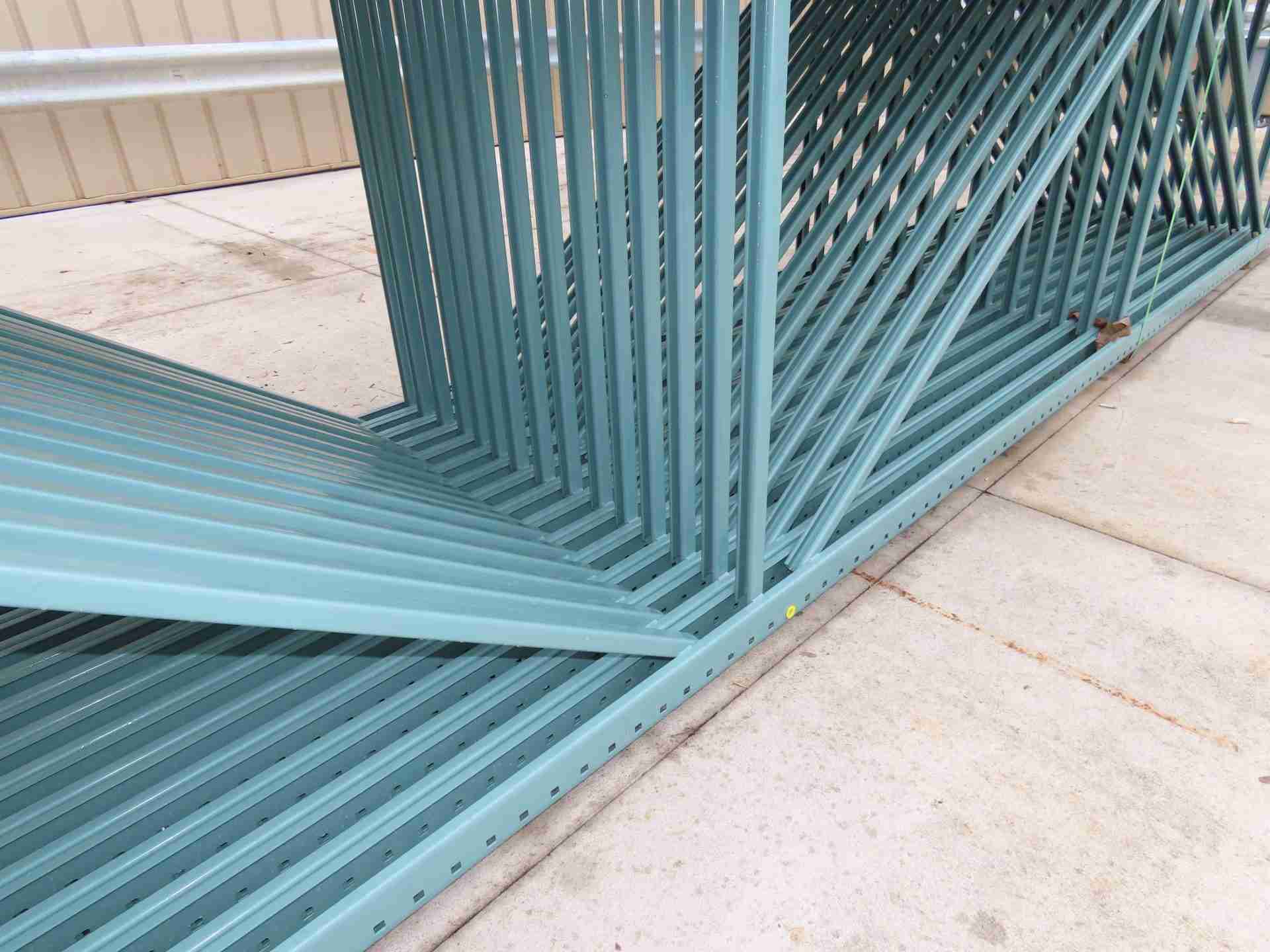
How Can You Ensure Optimal Conditions For Sensitive Equipment?
What Are The Risks Of Improper Temperature Control In Your Setup?
When it comes to maintaining the right temperature in your setup—be it for brewing, fermentation, or even storage—neglecting this critical factor can lead to more than just a mediocre product; it can put your entire hard work at risk. Think about it: you’ve poured your sweat and soul into this endeavor, stretching every resource and racking up the hours. Yet, what happens if the temperature swings wildly into the danger zone?
Let’s get into the head of the matter. Improper temperature control can lead to spoilage, contamination, and a host of chemical reactions that can ruin your efforts faster than you can say “mold.” The scientific truth is clear: yeast and bacteria thrive in specific environments. Slip outside that optimal range, and you may be left with a batch that’s either undrinkable or worse—dangerous. It’s not just science; it’s a matter of ensuring the safety and quality of what you produce for yourself and others.
Now, shift your gaze to the heart of the issue. Every person who’s ever embarked on a creative journey has faced setbacks. It’s exhausting to see something you’ve nurtured and crafted begin to fall apart due to something as seemingly trivial as temperature. Those moments can feel downright soul-crushing. Imagine sharing a homemade brew with friends, only to face their looks of disappointment when it tastes off. That experience not only affects your pride but strains relationships—a notion that tugs at the gut.
On an ethical level, consider your responsibility to your audience. Whether you’re brewing at home or producing for distribution, there’s an implicit trust bestowed upon you by those who partake in your creations. They expect quality and they deserve better than to consume a product that’s been treated carelessly. By enforcing diligent temperature controls, you’re not just obeying rules—you’re respecting people’s choices and health.
We can look to experts and seasoned enthusiasts who’ve walked this path before. They’ll tell you stories of failed batches, broken dreams, and the missed opportunities that arose from simply overlooking the temperature gauge. This is a shared experience for many, a reminder of our common humanity and the empathy that drives us to better ourselves in the craft.
So, let’s carry the conversation forward. Proper temperature control isn’t just about the mechanics; it’s about honoring the effort, the dedication, and the connections we forge through our passionate pursuits. Take the extra steps, invest in the right tools, and make sure what you create matches the love and energy you put into it. Because when things go right, they taste that much sweeter.
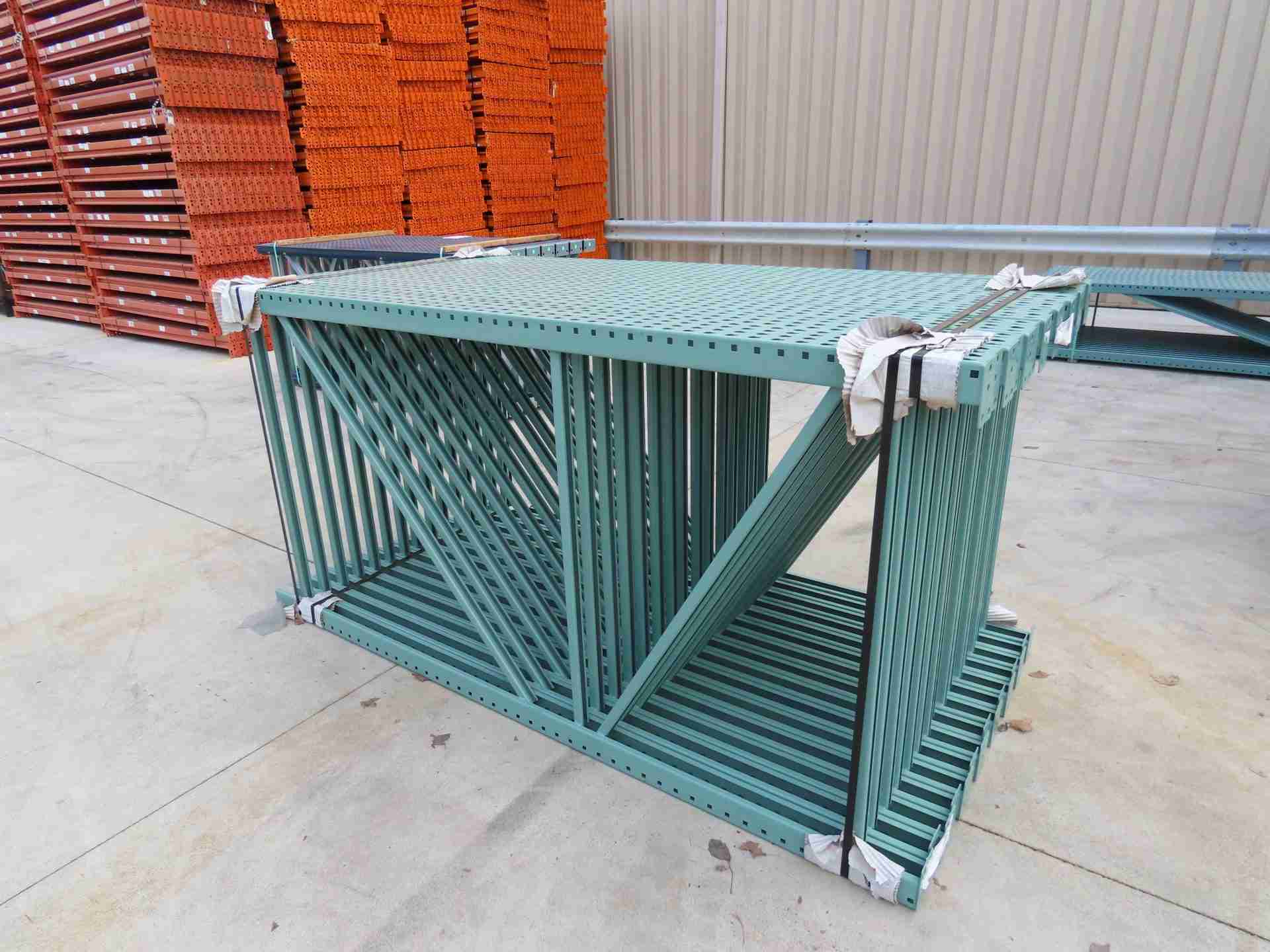
What Are The Risks Of Improper Temperature Control In Your Setup?
What Are The Risks Of Improper Temperature Control In Your Setup?
- Maintaining the right temperature is critical for brewing, fermentation, and storage.
- Improper temperature control can lead to spoilage, contamination, and unsafe products.
- Yeast and bacteria thrive in specific temperature ranges, impacting the final quality of the product.
- Miscalibrated temperatures can lead to disappointment for both the creator and the audience.
- Brewers have a responsibility to ensure their products are safe and of high quality for consumers.
- Experienced brewers emphasize the importance of proper temperature control based on shared experiences of failure.
- Investing in the right tools is essential to honor the effort and dedication put into the craft.
What Are The Risks Of Improper Temperature Control In Your Setup?
How Do You Create A Reliable Monitoring System For Your Racks?
Creating a reliable monitoring system for your racks isn’t just about technology; it’s about your commitment to excellence. Imagine walking into a server room, the hum of machines filling the air, and knowing with absolute certainty that everything is running smoothly. That kind of peace of mind doesn’t just happen—it’s earned through careful planning and a robust monitoring strategy.
First, understand that your racking system is the backbone of your operations. Every server, every cable, every bit of data rests on that foundation. If something goes awry, the consequences can be catastrophic—not just for the equipment but for your entire team and organization. A diligent monitoring system ensures that you can spot failures before they lead to downtime, costing you money and trust. It’s rational to think critically about this; data-driven decisions stem from reliable analytics. You want metrics that are both comprehensive and intuitive.
Ethically, you owe it to your coworkers and stakeholders to prioritize the reliability of your systems. Picture the late nights spent fixing issues that could have been prevented with proactive monitoring. No one wants to repeat that scene. Showing your team that you care about their efforts means investing in a system that keeps everything in check—a choice that reflects integrity and foresight.
Here’s where narratives come into play. Think about the stories you hear from colleagues who’ve faced disaster due to insufficient monitoring. They’re not just horror stories; they are lessons learned the hard way. By setting up a solid monitoring system, you write a different ending—one where success is the norm, not the exception.
Building your monitoring strategy doesn’t have to be a solitary endeavor. Engage with others in the industry; learn from their experiences. Connect on social platforms, participate in forums, and attend workshops. Surrounding yourself with a network of experts fosters a sense of community. You’ll not only gain knowledge but share the weight of responsibility, knowing you are not alone in the pursuit of excellence.
Take action today. Invest in the right tools and resources that fit your unique needs. Seek out solutions that provide alerts, visualize data, and give you insights—all tailored for the exact environment you work in. When you prioritize creating a reliable monitoring system, you’re not only protecting your racks; you’re nurturing an entire ecosystem of collaboration, innovation, and resilience. That’s the heartbeat of progress.
How Do You Create A Reliable Monitoring System For Your Racks?
How Do You Create A Reliable Monitoring System For Your Racks?
- Creating a reliable monitoring system involves commitment to excellence, not just technology.
- Your racking system is crucial; failures can have catastrophic consequences for operations.
- A diligent monitoring system helps identify issues before they result in costly downtime.
- Prioritizing reliability is an ethical obligation to coworkers and stakeholders.
- Learn from the experiences of colleagues who have faced disasters due to poor monitoring.
- Engage with industry professionals to build a community and share responsibility in pursuit of excellence.
- Invest in tailored tools and resources that provide alerts, data visualization, and insights for your specific environment.
How Do You Create A Reliable Monitoring System For Your Racks?
Conclusion
Racking setups in temperature-controlled environments serve as the backbone of operational integrity and quality assurance. Picture this: a meticulously arranged space not only designed to handle the logistics of everyday operations but also engineered to foster trust between producers and consumers. Like a farmer nurturing their crops, your commitment to a well-structured racking system reflects a dedication to providing a stable environment for temperature-sensitive goods. It’s not just about stacking items; it’s about creating a microcosm where safety and quality coexist. Less than optimal arrangements not only risk product degradation but send ripples of consequence throughout the entire supply chain—affecting everyone from your staff to the end consumer.
Rationally, consider the financial implications of investing in quality racking. While the initial cost might seem steep, think about the long-term savings from lower energy consumption, reduced material waste, and fewer accidents—all of which stem from a well-designed system. A sturdy, efficient rack setup minimizes the risk of spoilage and contamination, improving not just your bottom line but the reputation of your brand. Ethically, there’s a pressing responsibility to ensure the safety of your products, reflecting a commitment to quality that resonates with customers. It’s about more than compliance; it’s about honoring the trust placed in you.
Narratively, every rack has its own story, encapsulating the hard work and commitment of a dedicated team. When an incident occurs due to negligence—be it a poor airflow configuration or an improperly maintained equipment environment—those tales can turn from heroic to tragic. Engaging in regular inspections and fostering a culture of accountability builds a narrative of excellence, where team collaboration is key to success.
Socially, a commitment to quality racking cultivates a strong sense of community. Connections deepen when everyone recognizes the shared stakes involved. Whether in a server room or warehouse, an organized environment enhances productivity, sparking pride among team members.
Ultimately, effective racking isn’t just about aesthetics or functionality; it’s a lifeline for sustained operational success. By prioritizing design, airflow, and regular monitoring, you’re not merely maintaining systems; you’re crafting a legacy of responsibility, trust, and collective achievement. So let’s roll up our sleeves and turn that potential into progress—one meticulously placed rack at a time.

Conclusion
Conclusion:
- Racking setups in temperature-controlled environments are essential for operational integrity and quality assurance.
- A well-structured racking system reflects a commitment to providing a stable environment for temperature-sensitive goods.
- Improper arrangements can lead to product degradation, impacting the entire supply chain and trust with consumers.
- Investing in quality racking may have high initial costs but results in long-term savings, reduced waste, and fewer accidents.
- There is an ethical responsibility to ensure product safety, emphasizing the importance of quality and compliance.
- Regular inspections and accountability foster a culture of excellence, enhancing team collaboration and success.
- Effective racking contributes to operational success by prioritizing design, airflow, and monitoring, creating a legacy of trust and achievement.
Conclusion
Other Resources
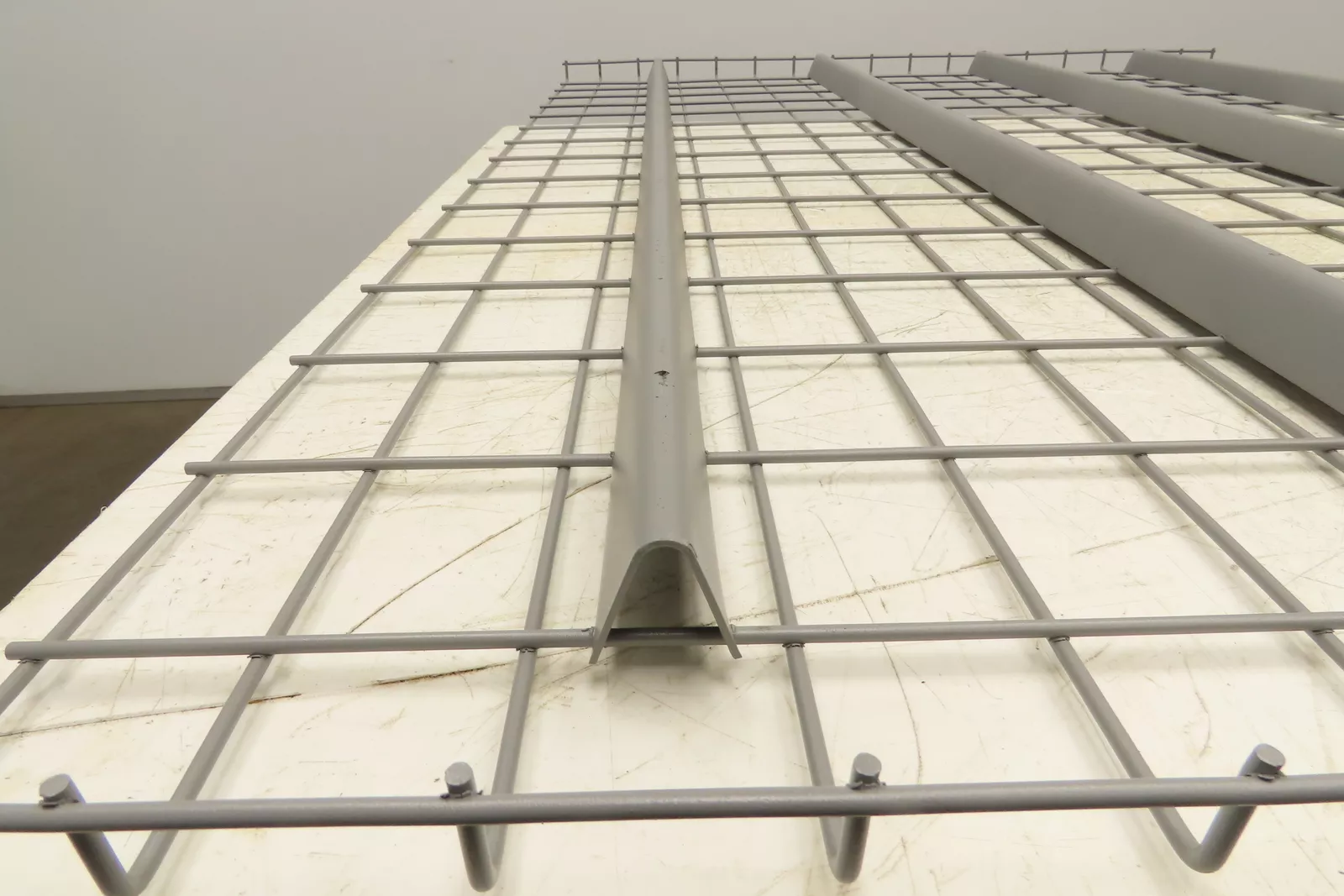
Other Resources
Here is a list of other resources you can review online to learn more:
- New Cantilever Racks and Racking Kits
- Pallet Racking systems in Illinois and Great Lakes
- Selective Pallet Racking Systems
- Cantilever Rack Configuration & Installation: A Comprehensive Guide – BMH
- Mustang Material Handling
- RMI
- Cantilever Rack Guide: Ordering Cantilever Racking
- Storage Equipment Manufacturers Association
- Teardrop Industrial Shelving Rack
- Pallet Racking systems in Illinois, Great Lakes
- Interlake
- SEMA
- Cantilever Racks Chicago
- Illinois Pallet Racking – Storage Solutions
- Selective Racking
- Iowa Illinois Warehouse Racking
- Racking World
- NSC
- Teardrop Uprights
- Warehouse Automation
Use This Prompt To Get More Resources With Your Favorite Online AI Tool: Please provide me with a list of online articles with their URLs in a bulleted list that I can read regarding Rack Setup for Temperature-Controlled Environments
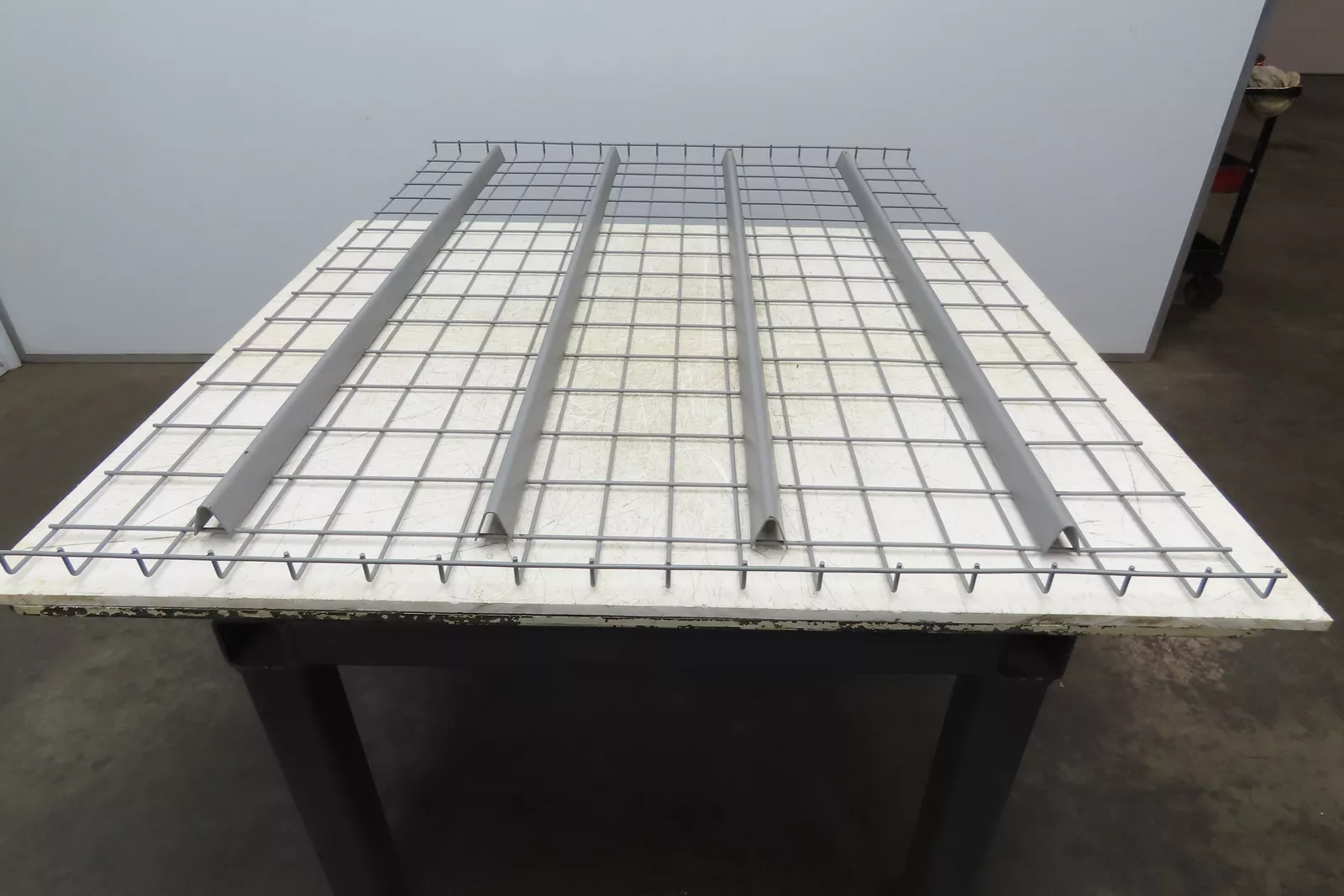
Other Resources
Glossary Terms
Rack Setup for Temperature-Controlled Environments – Glossary Of Terms
1. Rack: A framework or structure used to hold and organize equipment, typically in data centers or laboratories.
2. Temperature-Controlled Environment: A space maintained at a consistent temperature to preserve the integrity of sensitive materials or equipment.
3. Cooling System: Equipment used to regulate temperature, often involving refrigeration or air circulation mechanisms.
4. Thermal Insulation: Materials used to reduce heat transfer, maintaining desired temperatures within a controlled environment.
5. HVAC: Heating, Ventilation, and Air Conditioning systems that manage environmental conditions for comfort and equipment safety.
6. Sensors: Devices that measure temperature, humidity, or other environmental factors, crucial for monitoring conditions in controlled environments.
7. Data Logger: An instrument that records temperature and humidity data over time for analysis and compliance purposes.
8. Calibrated Equipment: Tools that have been adjusted to ensure accuracy in temperature measurements within the controlled environment.
9. Rack Density: The amount of equipment stored within a rack, typically measured in watts or units of space per rack.
10. Airflow Management: Techniques to control the movement of air within a space, enhancing cooling efficiency and equipment performance.
11. Thermal Mapping: The process of assessing temperature distribution within a space to identify hot spots or inefficiencies.
12. Dynamic Cooling: A system that adjusts cooling output based on real-time temperature readings and equipment load.
13. Passive Cooling: Techniques that leverage natural airflow and design to maintain temperature without mechanical aids.
14. RAC (Rack Air Conditioners): Specialized air-conditioning units designed specifically for cooling equipment housed in racks.
15. Chilled Water System: A cooling method that uses chilled water circulated through coils to dissipate heat from the environment.
16. Ambient Temperature: The temperature of the surrounding environment, critical for maintaining optimal conditions for equipment.
17. Thermal Load: The total amount of heat energy generated by equipment within a rack that must be managed to maintain climate control.
18. Heat Exchanger: A device that transfers heat between two or more fluids, commonly used in cooling systems.
19. Rack PDU (Power Distribution Unit): A device that distributes electrical power to the equipment housed in a rack while often monitoring energy usage.
20. Environmental Monitoring: The continuous observation of temperature, humidity, and other conditions to ensure compliance with specifications.
21. UPS (Uninterruptible Power Supply): A backup power system that maintains electrical supply to equipment during outages, ensuring operational continuity.
22. Cold Aisle/Hot Aisle Containment: A strategy for organizing racks to optimize cooling efficiency by separating cold and hot air flows.
23. Thermal Runaway: A condition where an increase in temperature causes a system to generate even more heat, potentially leading to failure.
24. Rack Enclosure: A protective cabinet that houses racks and equipment, often incorporating features for security and environmental control.
25. Humidity Control: Systems designed to maintain optimal moisture levels within a temperature-controlled environment to protect equipment.
26. Thermal Mass: The ability of a material to absorb and store heat, impacting how a space reacts to temperature changes.
27. Fancoil Unit: A system that uses fans to circulate air over cooled coils, providing localized temperature control.
28. Redundancy: The inclusion of additional components in a system to ensure reliability and continued operation during failures.
29. Heat Load Calculation: The process of determining the total heat generated by equipment to size cooling systems appropriately.
30. Compliance Standards: Established guidelines or requirements that dictate temperature and environmental conditions for sensitive equipment.
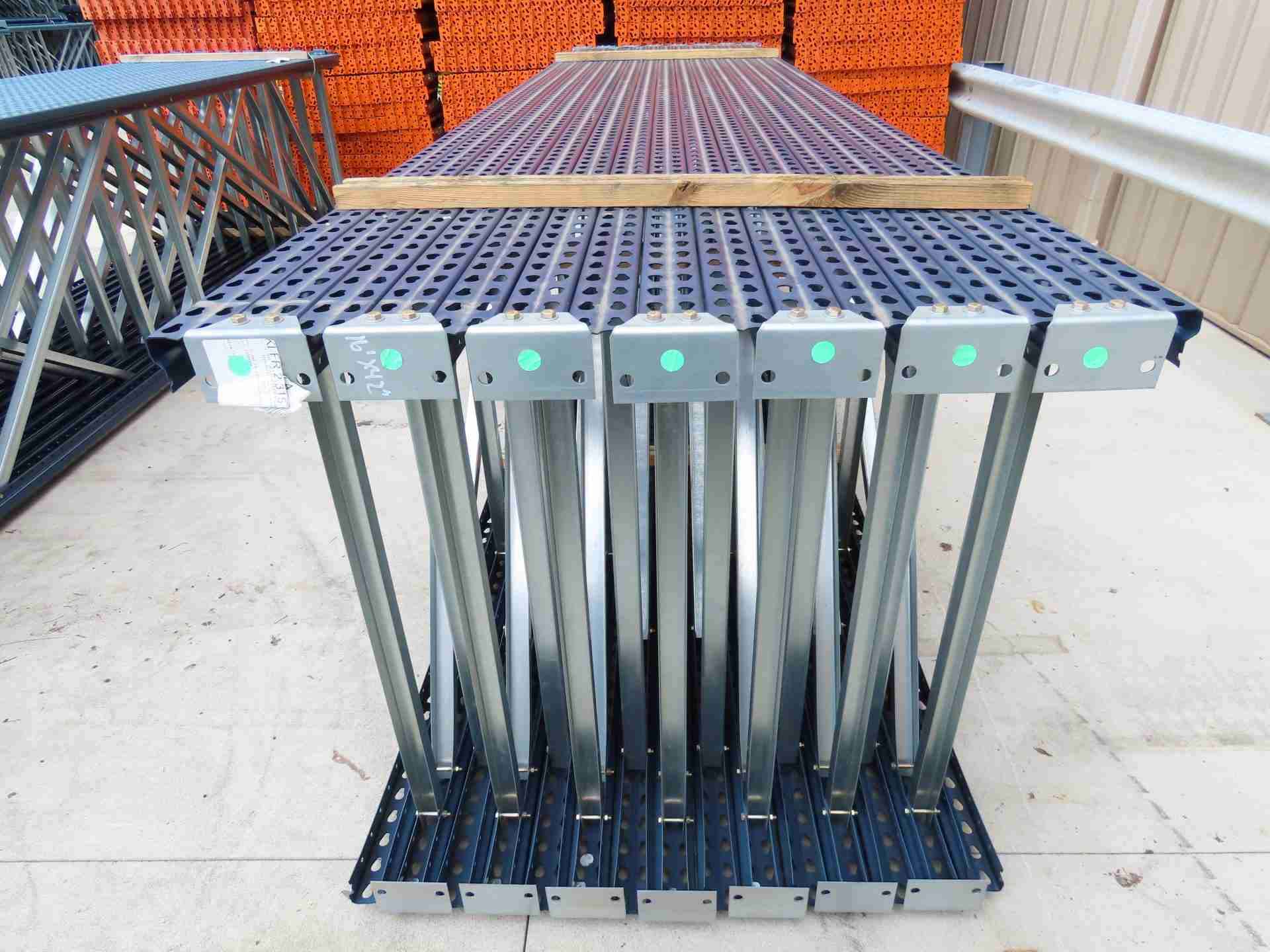
Glossary Of Terms
Other Questions
Rack Setup for Temperature-Controlled Environments – Other Questions
If you wish to explore and discover more, consider looking for answers to these questions:
- What factors should be considered when designing a racking system for temperature-controlled environments?
- How can proper rack design impact energy efficiency and operational costs?
- What specific materials are best for temperature-sensitive racking solutions?
- What regular maintenance practices should be adopted for racking systems?
- How does rack placement affect airflow and equipment performance?
- What innovative technologies can enhance racking systems in temperature-controlled environments?
- How do temperature fluctuations affect different types of products stored in racks?
- What are essential features of a reliable monitoring system for racks?
- How can organizations foster a culture of safety and quality assurance regarding racking systems?
- What are the consequences of neglecting regular inspections of racking systems?
- How can effective racking solutions improve workplace productivity?
- What training or resources are available to help teams understand best practices in rack management?
- How can companies measure the return on investment for quality racking systems?
- What role do customer expectations play in determining racking system standards?
- How can businesses effectively communicate their commitment to quality through their racking systems?
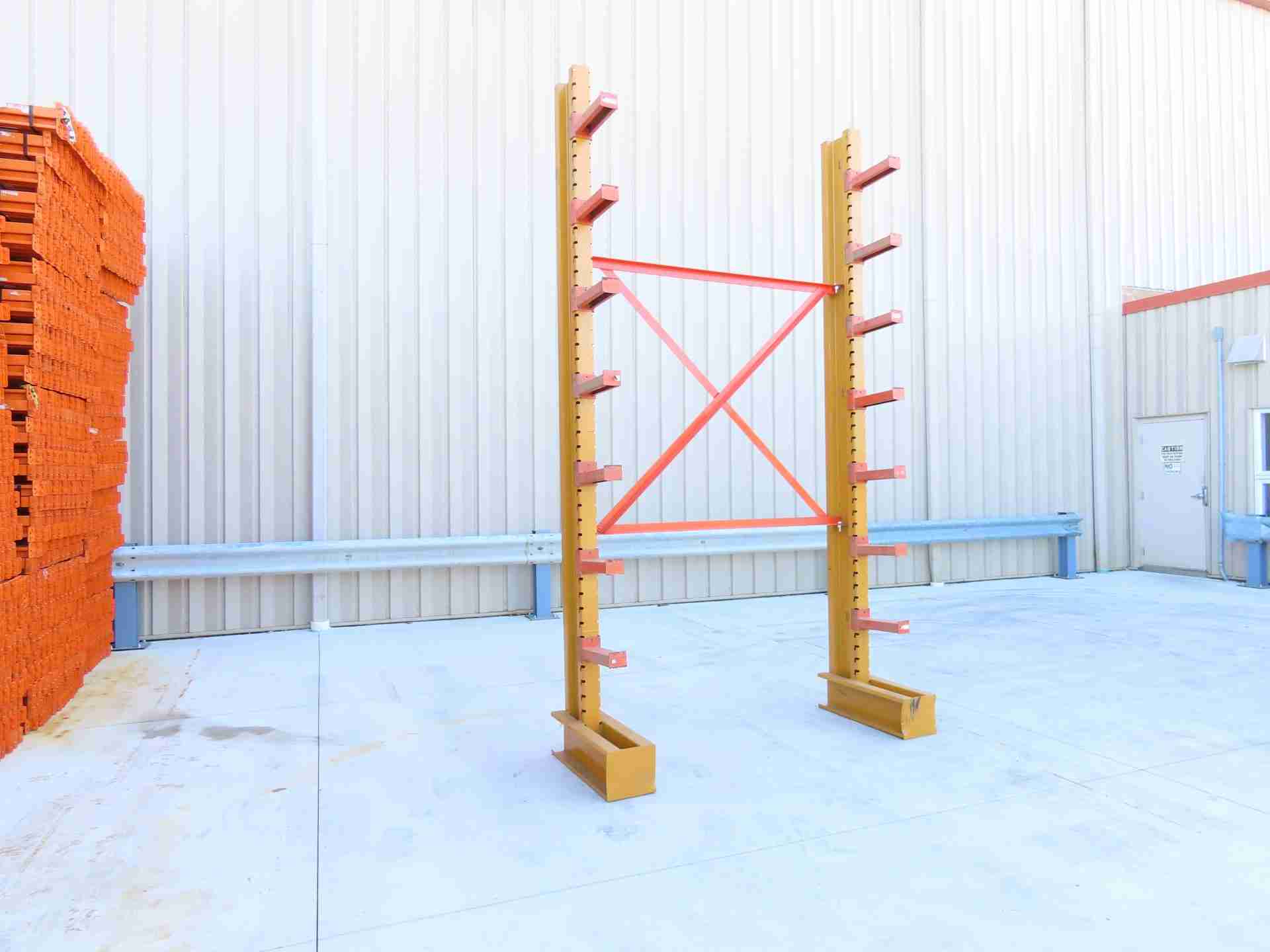
Other Questions
Checklist
Rack Setup for Temperature-Controlled Environments – A Checklist
Checklist for Optimizing Rack Setup in Temperature-Controlled Environments
Emotional Appeals
_____ Visualize Success: Picture your products thriving in an optimal environment, reflecting the care you put into your setup.
_____ Caring for Quality: Remember that your commitment to quality impacts not just your product, but the trust of your customers.
_____ Foster Connection: Share stories of your journey in creating a safe and effective space that embodies your dedication to excellence.
Rational Appeals
_____ Assess Airflow: Ensure that all racks are arranged to promote optimal airflow for equipment longevity and efficiency.
_____ Evaluate Cost-Benefit: Analyze the long-term savings of investing in quality racks versus the costs of poor setups.
_____ Implement Regular Inspections: Schedule routine checks to maintain safety and efficiency in your operations.
Ethical Appeals
_____ Commit to Safety: Understand the ethical responsibility you have for the well-being of your team and the quality of your products.
_____ Create a Culture of Care: Encourage teammates to be proactive and accountable in maintaining ideal conditions.
_____ Respect Your Customers: Ensure that you uphold high standards for quality to honor the trust placed in you by consumers.
Authority Appeals
_____ Consult Experts: Leverage the insights of industry leaders and seasoned professionals to inform your setup decisions.
_____ Stay Updated on Best Practices: Regularly review guidelines from reputable sources on racking and temperature control.
Narrative Appeals
_____ Document Your Journey: Keep a record of your progress and challenges in optimizing your rack setup to reflect growth and learning.
_____ Share Team Experiences: Create a platform for team members to recount their experiences with the impact of proper rack management.
Social Appeals
_____ Promote Team Collaboration: Engage your team in discussions around rack organization to create a shared sense of responsibility.
_____ Celebrate Successes: Acknowledge and celebrate effective setups that contribute to smoother operations and improved safety.
_____ Connect with the Community: Participate in forums or local meetups to exchange knowledge about best racking practices and foster mutual support.
By utilizing this checklist, you can create an environment for temperature-sensitive items that emphasizes quality, safety, and collaboration, ultimately leading to increased satisfaction for both your team and your customers.
Checklist
At RackingWorld, we help guide you through selecting warehouse storage systems and racking.
Be sure to read our other related stories at RackingWorld to learn more about warehouse storage systems.
0 Comments