
Protecting Workers: Understanding Osha And Rmi Standards
By Tom Seest
At RackingWorld, we help guide you through selecting warehouse storage systems and racking.
Be sure to read our other related stories at RackingWorld to learn more about warehouse storage systems.
Osha Vs. Rmi Standards: What’s the Difference?
When we dive into the world of workplace safety, it often feels like navigating a labyrinth of regulations and standards. Two heavyweights in this arena are OSHA and RMI standards, both crucial in ensuring the safety of workers, particularly in environments like warehouses or other industrial settings. Understanding their differences isn’t just about compliance—it’s about protecting lives and livelihoods.
OSHA, or the Occupational Safety and Health Administration, sets the baseline for safety standards. It’s the federal authority that governs worker safety on a national level, ensuring that racking systems and other workplace environments meet minimum safety requirements. Imagine a safety net so essential that without it, workers would be left dangling—vulnerable to risks that ought not to exist in a civilized society. Workers deserve to go home safely to their families, and OSHA plays a pivotal role in making sure that happens.
Enter RMI, or the Rack Manufacturers Institute, which steps onto the stage with a different mission. While OSHA provides a skeleton of safety, RMI fleshes it out into something robust and applicable to the racking industry. With a focus on engineering excellence and best practices, RMI standards dive deeper, offering a blueprint—a trusted guide that illuminates the gray areas of regulatory compliance. This means RMI doesn’t merely say, “Here are the minimums.” Instead, it strives to elevate safety standards and create systems that are not only compliant but optimal. It’s about making a commitment to excellence, ensuring that racking systems are not only functional but also safe and reliable.
Think of it like choosing a sturdy helmet for a high-risk job. Do you want one that simply meets the basic regulations, or do you want one that’s been engineered to exceed expectations? Workers should feel the confidence that comes from using equipment and systems backed by rigorous standards; they should expect nothing less.
At the end of the day, it’s not just about numbers and compliance reports. It’s about the stories behind these regulations—families, dreams, lives at stake. When employers take the time to understand and implement both OSHA and RMI standards, they foster a culture of safety. This means employees can breathe a little easier, knowing they’re not just compliant but truly protected. Isn’t that what we all want in the places we work? A commitment to safety that resonates in the core of our values, ensuring that every worker gets to return to their loved ones at the end of the day.
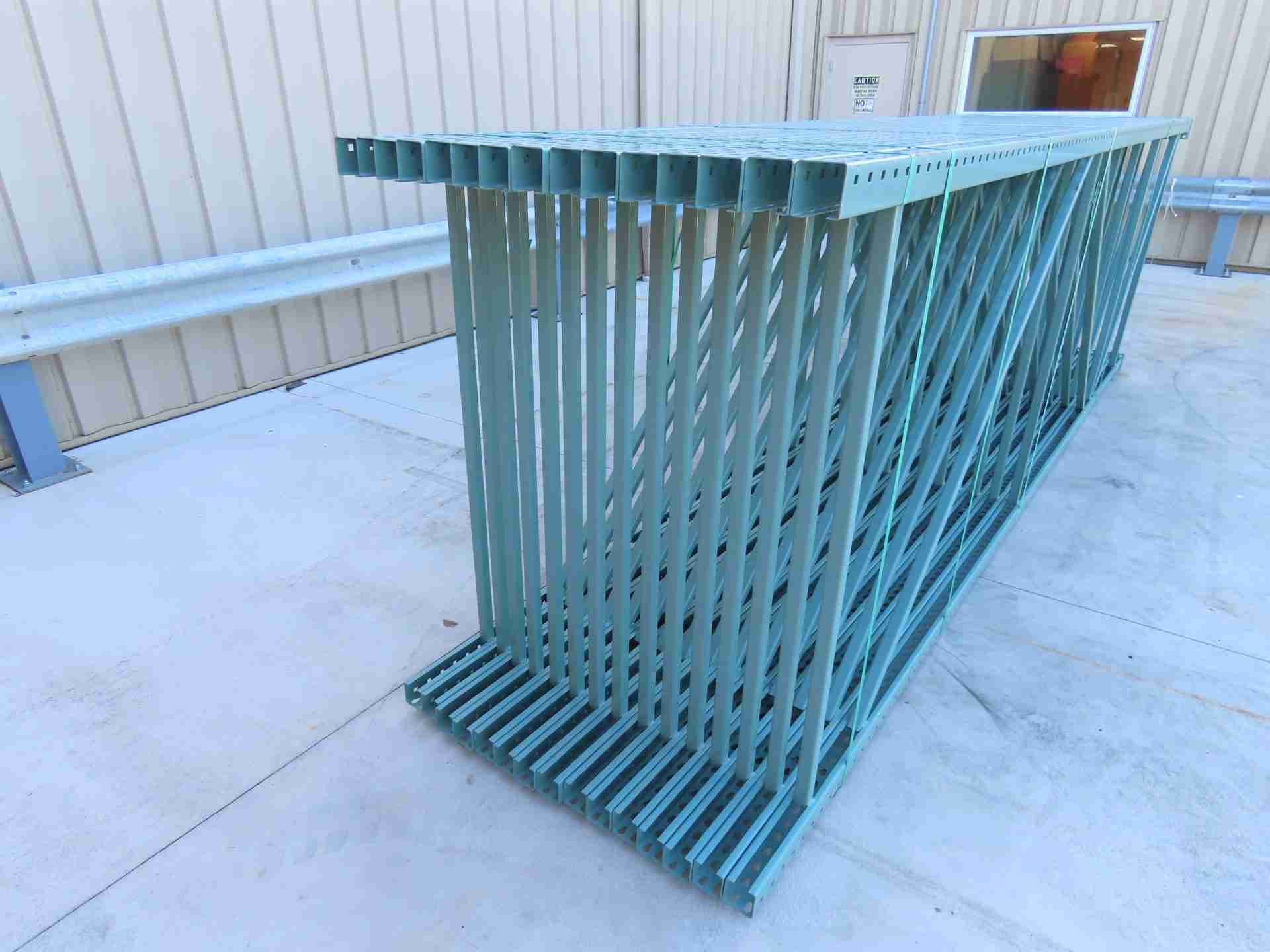
Osha Vs. Rmi Standards: What’s the Difference?
Osha Vs. Rmi Standards: What’s the Difference?
- Workplace safety involves navigating a complex array of regulations, notably OSHA and RMI standards.
- OSHA (Occupational Safety and Health Administration) establishes federal safety standards to protect workers across various industries.
- OSHA’s regulations act as a foundational safety net, ensuring minimum safety requirements are met in workplaces.
- RMI (Rack Manufacturers Institute) complements OSHA by providing more detailed standards tailored specifically for the racking industry.
- The focus of RMI is on engineering excellence and best practices, aiming to create optimal and reliable safety systems.
- Adopting both OSHA and RMI standards promotes a culture of safety, offering workers a greater sense of security.
- A commitment to safety is essential, allowing workers to return home safely to their families at the end of each day.
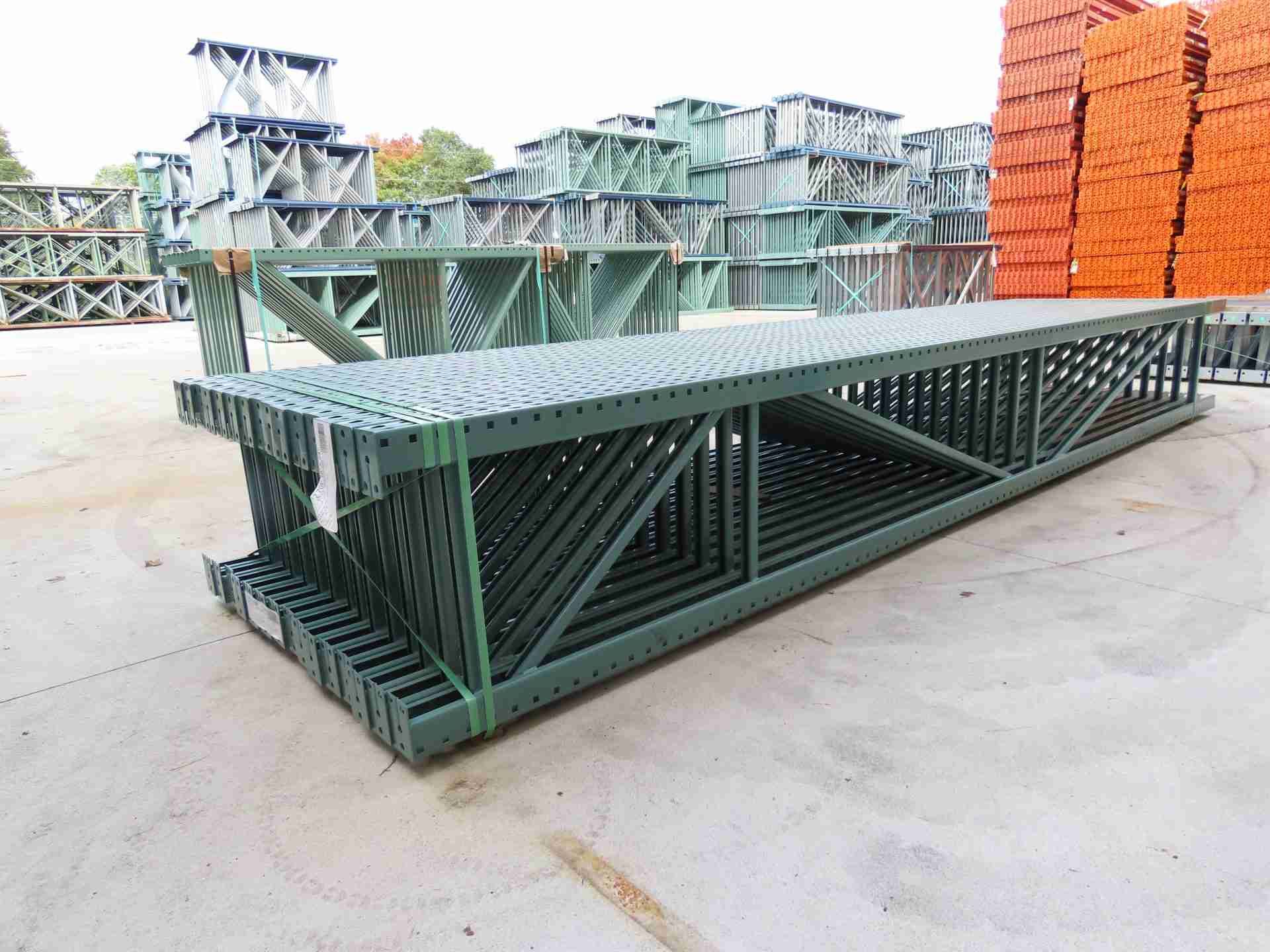
Osha Vs. Rmi Standards: What’s the Difference?
Table Of Contents
- Osha Vs. Rmi Standards: What’s the Difference?
- What Emotions Arise When Safety Risks Are Overlooked At Work?
- How Do Osha Standards Protect Workers From Preventable Accidents?
- What Ethical Obligations Do Employers Have to Ensure Workplace Safety?
- In What Ways Can Safety Standards Influence Your Career Choices?
- How Do Osha and Rmi Standards Differ In Regulatory Enforcement?
- Conclusion
- Other Resources
- Glossary Of Terms
- Other Questions
- Checklist
What Emotions Arise When Safety Risks Are Overlooked At Work?
When safety risks are brushed aside at work, a subtle yet profound range of emotions surfaces—not just for those at the front lines, but for every layer of the organization. Imagine for a moment a hardworking team in a racking warehouse, where every day, fellow workers are straining to lift, stack, and organize. The air is thick with camaraderie, but lurking behind that shared laughter is the anxiety of unspoken dangers. Each racked pallet, every heavy load, poses a risk that, if ignored, could lead to devastating consequences.
It’s easy to downplay those risks, to let them fade into the background. But when we do, fear creeps in. Fear for our colleagues, for our loved ones waiting at home, for the pride we take in our work. There’s an unsettling reality that sinks deep into your gut when you realize that a simple oversight could turn a routine task into a tragedy. This isn’t just workplace safety; it’s about human lives and well-being.
From a rational viewpoint, overlooking safety isn’t just a moral failing; it’s a poor business decision. The numbers paint a stark picture: accidents lead to costly medical bills, disrupted productivity, and heightened insurance premiums. It’s not just about the bottom line—it’s about the ethical responsibility we hold as leaders and coworkers. When we choose to prioritize safety, we nurture an environment where trust flourishes and moralesoars, creating a workforce that feels valued and protected.
The ethical appeal cannot be overstated. There’s an undeniable bond shared among workers, one that transcends duties and designated roles. Each time a safety guideline is neglected, it isn’t merely a lapse in protocol; it’s a betrayal of that connection, a silent admission that maybe, just maybe, we don’t care enough about each other’s well-being.
Drawing on the stories of those who’ve faced the harsh realities of forgotten safety measures can be chilling. Every injury tells a tale of resilience and sorrow. When we share these narratives, we spark conversations, shifting the collective perspective and reinforcing the notion that safety is not just a regulatory hurdle—it’s a human imperative.
So let’s stand together, not only as colleagues but as a community that values empowerment over complacency. Let’s commit to looking out for one another, pushing past the distractions and prioritizing what truly matters: the health, safety, and dignity of every individual who walks through those doors.

What Emotions Arise When Safety Risks Are Overlooked At Work?
What Emotions Arise When Safety Risks Are Overlooked At Work?
- Brushing aside safety risks at work evokes deep emotions across all organizational levels.
- In high-pressure environments like warehouses, unspoken dangers create anxiety among workers.
- Ignoring safety can transform routine tasks into potential tragedies, enhancing fear and concern for loved ones.
- Neglecting safety is not only morally wrong but also economically detrimental due to increased costs and loss of productivity.
- Prioritizing safety builds trust and morale within the workforce, making employees feel valued and protected.
- Neglecting safety guidelines damages the bond among workers, indicating a lack of care for one another’s well-being.
- Sharing stories of safety failures fosters conversation and reinforces that safety is a human imperative, essential for community wellness.
What Emotions Arise When Safety Risks Are Overlooked At Work?
How Do Osha Standards Protect Workers From Preventable Accidents?
When you step onto a job site, equipped with skills and ambition, you expect to focus on the task at hand—not the lurking dangers that could turn your day upside down. That’s where OSHA standards come in. They are not just a bureaucratic hurdle; they represent a lifeline—a commitment to keeping you and your coworkers safe from preventable accidents in environments that can be harsh and unforgiving.
Imagine a warehouse filled with towering racking systems, a maze of steel where one misstep could lead to serious injury. Every time you lift a load, you trust that the regulations are in place to ensure not just your safety, but that of everyone around you. OSHA outlines protocols designed for the everyday worker, like you, who puts heart and sweat into their labor. They set expectations for training, equipment maintenance, and hazard identification. These aren’t merely suggestions; they are an ethical obligation—a promise that no one should pay the price for a paycheck.
But think beyond rules on paper; consider the real stories. Meet Jenna, who works at a bustling distribution center. Last summer, a colleague slipped while adjusting a pallet on a racking system. Luckily, OSHA standards ensured there was a safety harness in place, leading to a swift response instead of a tragedy. Because of those guidelines, that day ended with relief, not regret. Stories like Jenna’s resonate deeply because they evoke an emotional response, reminding us that behind every statistic is a real person, with dreams, family, and aspirations.
It’s essential to recognize the authority behind these standards. OSHA isn’t just a regulatory body; it’s a collective voice dedicated to worker safety. Their experts continually assess risks and drive improvements based on extensive research and on-the-ground feedback. They strive to empower workers to advocate for their own safety—a notion as empowering as it is reassuring.
Socially, when workers champion safety and advocate for adherence to OSHA standards, they foster a community culture grounded in responsibility. It’s about looking out for one another, about safeguarding the roots of livelihoods while building a future where everyone returns home at the end of the day, unscathed.
So when you see those safety signs, those protocols being followed, know that there’s something profound at work. It’s not just safety—it’s the promise of care, commitment, and a united front against the chaos that could compromise our lives. By embracing OSHA standards, we’re collectively declaring that every life matters, and every worker deserves protection. It’s more than a rule; it’s our shared duty to one another.
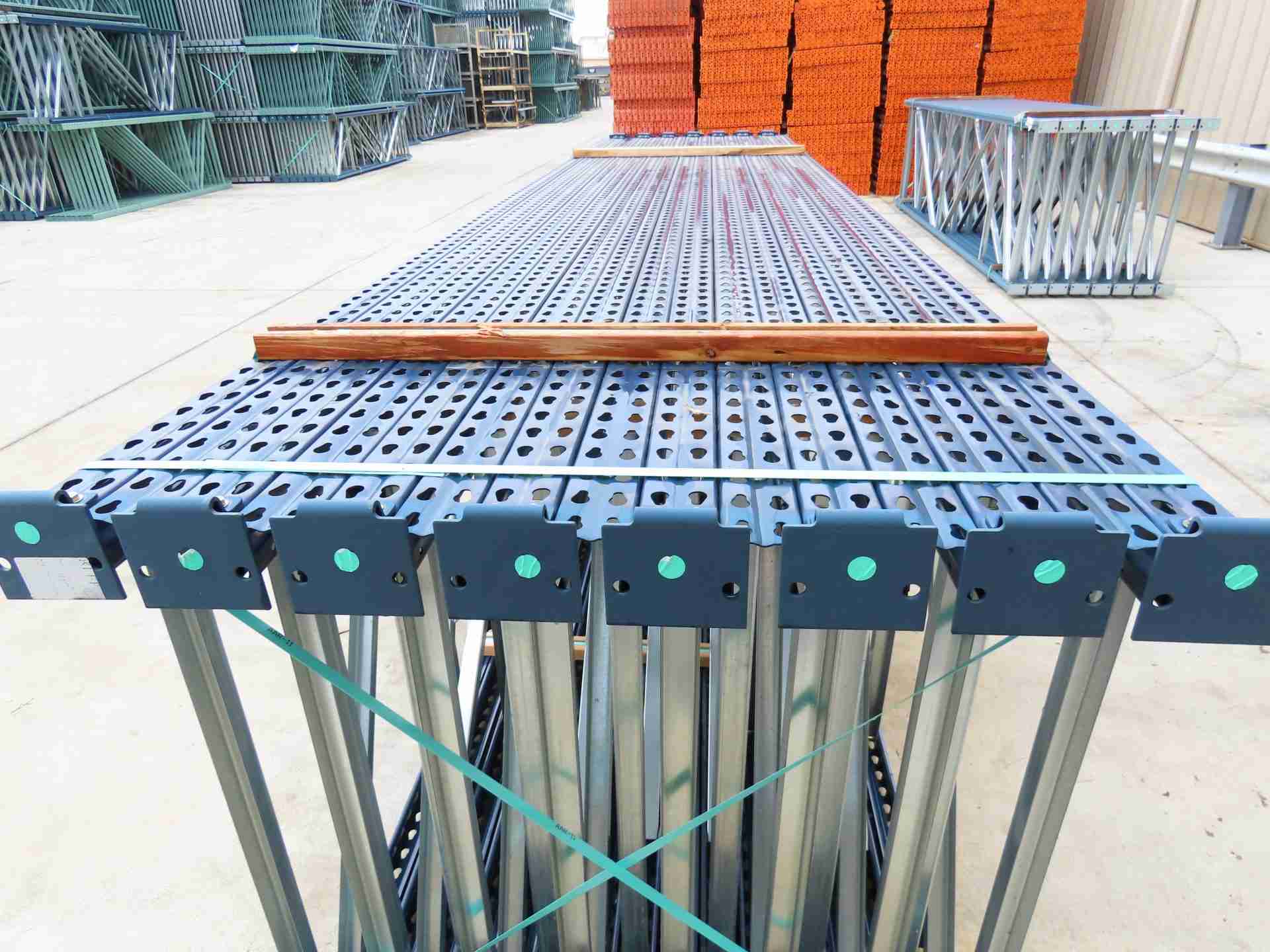
How Do Osha Standards Protect Workers From Preventable Accidents?
How Do Osha Standards Protect Workers From Preventable Accidents?
Here’s a bulleted summary of the text in a formatted HTML list:
- OSHA standards are crucial for ensuring safety on job sites, protecting workers from preventable accidents.
- Warehouse environments pose significant risks, making adherence to safety regulations essential for worker protection.
- OSHA provides protocols for training, equipment maintenance, and hazard identification as ethical obligations.
- Real-life stories, like Jenna’s experience with a safety harness, highlight the importance of these safety measures.
- OSHA is a dedicated authority focused on worker safety, continually assessing risks and improving standards.
- Supporting OSHA standards fosters a culture of responsibility among workers, enhancing community safety.
- Adhering to OSHA standards represents a collective commitment to protect every worker and affirm the value of their lives.
How Do Osha Standards Protect Workers From Preventable Accidents?
What Ethical Obligations Do Employers Have to Ensure Workplace Safety?
When you step into a workplace, what do you expect? For many, it’s the assurance that every precaution is taken to keep them safe—from the newly installed racking in the warehouse to the protocols in a bustling kitchen. You expect a culture where safety isn’t just a checklist, but a fundamental value, woven into the very fabric of daily operations. Employers have ethical obligations that go far beyond compliance with regulations; they are moral stewards of their employees’ well-being.
Imagine a young parent working late shifts, diligently providing for their family, only to find themselves worrying about slipping on a wet floor or dealing with faulty equipment. This isn’t just about knots in the stomach; each day, the choices made by their employer rippling through the lives of families. When employers take safety seriously, they craft a shared narrative of care, respect, and responsibility that resonates throughout the organization.
Rationality also plays a fundamental role here. Studies consistently show that safe workplaces yield higher productivity. When employees trust that their employer prioritizes their safety, they’re more engaged, more focused, and less distracted by fear. It’s a win-win—companies that invest in safety reap the rewards in increased morale and lower turnover. This isn’t just good business; it’s a wise investment in their greatest asset: their people.
Now, let’s talk about accountability. If employers want to be seen as ethical leaders, they need to step up. It’s not enough to say, “We care.” They must implement training programs, conduct safety audits, and genuinely listen to their workforce about the hazards they encounter. The expectations for workplace safety are socially evolving; employees are no longer willing to accept half-hearted efforts or empty promises.
Creating an atmosphere where safety is prioritized builds trust. This trust nurtures a sense of belonging—employees feel valued and respected. When they see their employers taking action on safety concerns, they feel validated. Every effort counts—from replacing outdated racking systems to having first-aid kits fully stocked. Simple steps taken with intention make all the difference.
When a company embodies a commitment to safety, they don’t just safeguard their employees; they create a legacy. It’s about ensuring that every person leaves work better than they arrived, knowing their employer stood up for them. That’s a heartening promise, one all employers should strive to fulfill.
What Ethical Obligations Do Employers Have to Ensure Workplace Safety?
What Ethical Obligations Do Employers Have to Ensure Workplace Safety?
- Employees expect comprehensive safety measures in their workplace, reflecting a culture of safety as a core value.
- Employers have an ethical duty to prioritize the well-being of their employees beyond regulatory compliance.
- Concerns about workplace safety can affect employees’ peace of mind, especially those with family responsibilities.
- Investing in safety leads to higher productivity, employee engagement, and morale, benefiting both workers and employers.
- Employers must actively implement safety training and audits, responding to employee feedback about hazards.
- A strong safety culture fosters trust, belonging, and respect among employees, validating their concerns.
- Commitment to safety creates a positive legacy, ensuring employees leave work feeling valued and protected.
What Ethical Obligations Do Employers Have to Ensure Workplace Safety?
In What Ways Can Safety Standards Influence Your Career Choices?
Safety standards play a pivotal role in shaping our career choices, often acting as the invisible hand that guides us towards paths both rewarding and wise. Picture this: you’re racking your brain over thousands of career options, from towering office buildings to bustling factory floors. The choices are abundant, but the reality is that some professions come with risk—and those risks can influence your decisions profoundly.
The heart of the matter lies in the emotional reassurance safety standards offer. When you see a company making safety a non-negotiable part of its culture, it’s a signal—a beacon that tells you, “We care about our people.” This connection fosters trust. When you know a workplace prioritizes your well-being, it changes everything. You’re not just taking a job; you’re choosing a community that values its members.
On a rational level, consider the concrete numbers: lower accident rates often correlate with higher employee satisfaction and retention, leading to long-term career stability. Choosing a field that adheres to rigorous safety standards means you’re more likely to find yourself in a healthy work environment. This is a valid concern for anyone making a living, regardless of where you are in your career.
Ethically, there’s a moral imperative here. By favoring occupations that uphold stringent safety measures, you’re not just protecting yourself; you’re advocating for all workers. You’re enhancing the overall landscape of labor, which ultimately leads to a society where we can expect respect and care in our work. Engaging in industries with established safety norms demonstrates a commitment to the greater good, an acknowledgment that every worker deserves to return home in one piece.
Narratively, let’s think about your story. Imagine telling future generations about your choice to enter a career that was not only fulfilling but also one that upheld the highest safety standards. You’d be passing on a legacy of responsible decision-making—one that doesn’t shy away from the truth of risks but faces them head-on.
Finally, we are social creatures. By choosing safety-conscious fields, we create a network of like-minded professionals who understand the importance of collaboration, protection, and perseverance. This shared commitment enriches our workplaces, empowering us to thrive together.
Safety standards do more than guide us; they shape our journeys and define our identities. Choosing wisely means not only forging a path to success but paving the way for a brighter future—one where we can all grow and flourish without fear.

In What Ways Can Safety Standards Influence Your Career Choices?
In What Ways Can Safety Standards Influence Your Career Choices?
- Safety standards significantly influence career choices, guiding individuals towards rewarding and wise paths.
- High-risk professions can deeply affect decision-making, emphasizing the importance of safety in career selection.
- Companies that prioritize safety foster trust, creating a sense of community among employees.
- Lower accident rates in safe workplaces correlate with higher employee satisfaction and retention, enhancing long-term career stability.
- Choosing safety-conscious occupations advocates for worker rights and improves the overall labor environment.
- Safety-oriented career choices contribute to a legacy of responsible decision-making, focusing on risk awareness.
- Opting for safety-focused fields builds a supportive network of professionals committed to collaboration and mutual protection.
In What Ways Can Safety Standards Influence Your Career Choices?
How Do Osha and Rmi Standards Differ In Regulatory Enforcement?
When it comes to safety in the workplace, two big players often take the stage: OSHA and RMI. On the surface, they might seem similar—both are aiming to keep workers safe and secure. But dive deeper, and you’ll find a few key differences in how they play the regulatory game.
OSHA, the Occupational Safety and Health Administration, is the governmental heavyweight in this arena. Tasked with enforcing national safety standards across various industries, OSHA has the authority to inspect workplaces and enforce compliance measures. Think of it as a watchful guardian, equipped with clear regulations and the muscle to back them up. Their penalties can be hefty, and for good reason; the laws they enforce aren’t just there to check a box but to protect lives. By providing a comprehensive set of guidelines, they encourage organizations to take safety seriously, leading to a culture of protection for workers on the ground.
On the other hand, we have RMI, or the Responsible Minerals Initiative. While it may seem niche—focused on sourcing practices in the minerals industry—it plays a critical role in fostering ethical conduct within supply chains. RMI encourages companies to adhere to responsible sourcing standards, emphasizing transparency and accountability. They don’t operate with the same enforcement pressure as OSHA; instead, they thrive on building partnerships and fostering an environment of shared commitment to ethical practices. Think of RMI more as a mentor, guiding organizations toward doing the right thing rather than commanding compliance at the end of a stick.
This difference—one enforcer wielding authority, the other nurturing compliance through collaboration—speaks to the heart of what workplace safety and ethical standards should embody. OSHA’s strict regulations offer a necessary backbone, while RMI’s focus on responsible sourcing taps into our collective conscience, reminding us that ethics matter just as much as safety.
Why should you care? Because your workplace culture is shaped by these standards. Ideally, you want to foster an environment where safety isn’t an afterthought, where ethical sourcing isn’t just a trendy buzzword, but a daily practice. Embracing the strengths of both OSHA and RMI not only enhances compliance but elevates the very essence of your organization’s values. It’s about recognizing that safeguarding not just your employees’ physical health but also the ethics of the materials you use is a shared responsibility. When both frameworks come together, they create a robust, thriving workplace where trust is built, not only between employers and employees but also among stakeholders, customers, and the communities we serve.

How Do Osha and Rmi Standards Differ In Regulatory Enforcement?
How Do Osha and Rmi Standards Differ In Regulatory Enforcement?
- OSHA (Occupational Safety and Health Administration) enforces national safety standards across various industries.
- OSHA inspects workplaces, enforces compliance, and imposes hefty penalties to protect lives.
- RMI (Responsible Minerals Initiative) focuses on ethical sourcing practices in the minerals industry.
- RMI encourages transparency and accountability rather than enforcing compliance through penalties.
- OSHA serves as an authority figure, while RMI acts as a mentor for ethical practices.
- Both OSHA’s regulations and RMI’s focus on ethics shape workplace culture and values.
- Combining OSHA’s safety enforcement with RMI’s ethical sourcing leads to a thriving workplace built on trust.
How Do Osha and Rmi Standards Differ In Regulatory Enforcement?
Conclusion
Navigating the complex terrain of workplace safety and standards isn’t just a bureaucratic exercise—it’s a heartfelt mission woven into the fabric of who we are as a society. OSHA, the Occupational Safety and Health Administration, provides the foundational safety measures that serve as a protective blanket for workers across countless industries. Think of it as a promise that no one should face the dangers of the job alone. The emotional weight of that promise resonates deeply—imagine a worker heading home each night, confident that they returned unscathed because their employer is committed to the safety protocols that OSHA embodies.
Yet, alongside OSHA lies the Rack Manufacturers Institute (RMI), bringing a different but equally important set of standards into play. RMI specializes in elevating safety practices within the racking industry, offering not just compliance but a commitment to engineering excellence. RMI is more than a set of guidelines; it’s a blueprint for a robust safety culture that prioritizes optimizing conditions for workers. Choosing equipment designed to exceed the minimum requirements speaks volumes about an organization’s ethos—telling every worker, “You matter.”
But let’s get to the crux of it. At the heart of this conversation lies a profound truth: neglecting safety not only jeopardizes lives but erodes trust and morale within the workplace. When safety measures are sidelined, fear takes root, growing into a silent tempest that churns through the ranks. Those emotional ramifications stretch far beyond the workplace, echoing in the lives of families who depend on their loved ones returning home safely.
Thus, decision-makers must recognize the immense ethical obligation they bear. Ensuring safety transcends regulatory compliance; it’s about forging a culture brimming with respect, trust, and dignity. Every action—be it rigorous safety training, open dialog about risks, or thoughtfully maintained equipment—shapes a narrative compelling enough to foster unity among workers.
Moving forward, let’s choose wisely. Supporting standards that champion safety not only protects lives but also empowers workers, creating a community built on vigilance and shared responsibility. By aligning with both OSHA and RMI principles, organizations can forge a resilient and ethical work environment. This is more than a mission; it’s a heartfelt pledge to every worker out there. They deserve to feel valued, respected, and above all, safe. In doing so, we can create workplaces where no one just survives—everyone thrives.
Conclusion
Conclusion:
- Workplace safety is a vital societal mission, not merely a bureaucratic obligation.
- The Occupational Safety and Health Administration (OSHA) provides essential safety measures for workers across various industries.
- OSHA’s promise allows workers to return home safely, supported by their employer’s commitment to safety protocols.
- The Rack Manufacturers Institute (RMI) enhances safety standards in the racking industry, focusing on engineering excellence.
- Commitment to safety equipment that exceeds minimum standards reflects an organization’s respect for its workers.
- Neglecting safety can damage trust and morale, affecting not only the workplace but also workers’ families.
- Supporting safety standards fosters a culture of respect and empowers workers, ensuring they feel valued and safe.
Conclusion
Other Resources
Other Resources
Here is a list of other resources you can review online to learn more:
- Warehousing and Fulfillment
- Iowa Illinois Warehouse Racking
- The Ultimate Pallet Racking Guide – Speedrack West
- Warehouse Racking System: Powerful Guide to Optimise, 2024
- Intro to Warehouse Racks & Warehouse Racking Systems – ShipBob
- IIWS Inc. Rack Installation Illinois & Rack Repairs Illinois
- Selective Rack – Raymond West
- The Complete Pallet Rack Guide – Simply Rack
- Interlake Mecalux
- Material Handling Industry
- Wolter
- American Society of Safety Professionals
- Selective Racking
- Chicago Pallet Racking
- Storage Equipment Manufacturers Association
- International Warehouse Logistics Association
- CA Wire
- Warehouse Racking Layout: The Ultimate Guide – Conger
- BMH
- Selective Pallet Racking Systems – Container Systems
Use This Prompt To Get More Resources With Your Favorite Online AI Tool: Please provide me with a list of online articles with their URLs in a bulleted list that I can read regarding Osha Vs. Rmi Standards: What’s the Difference?
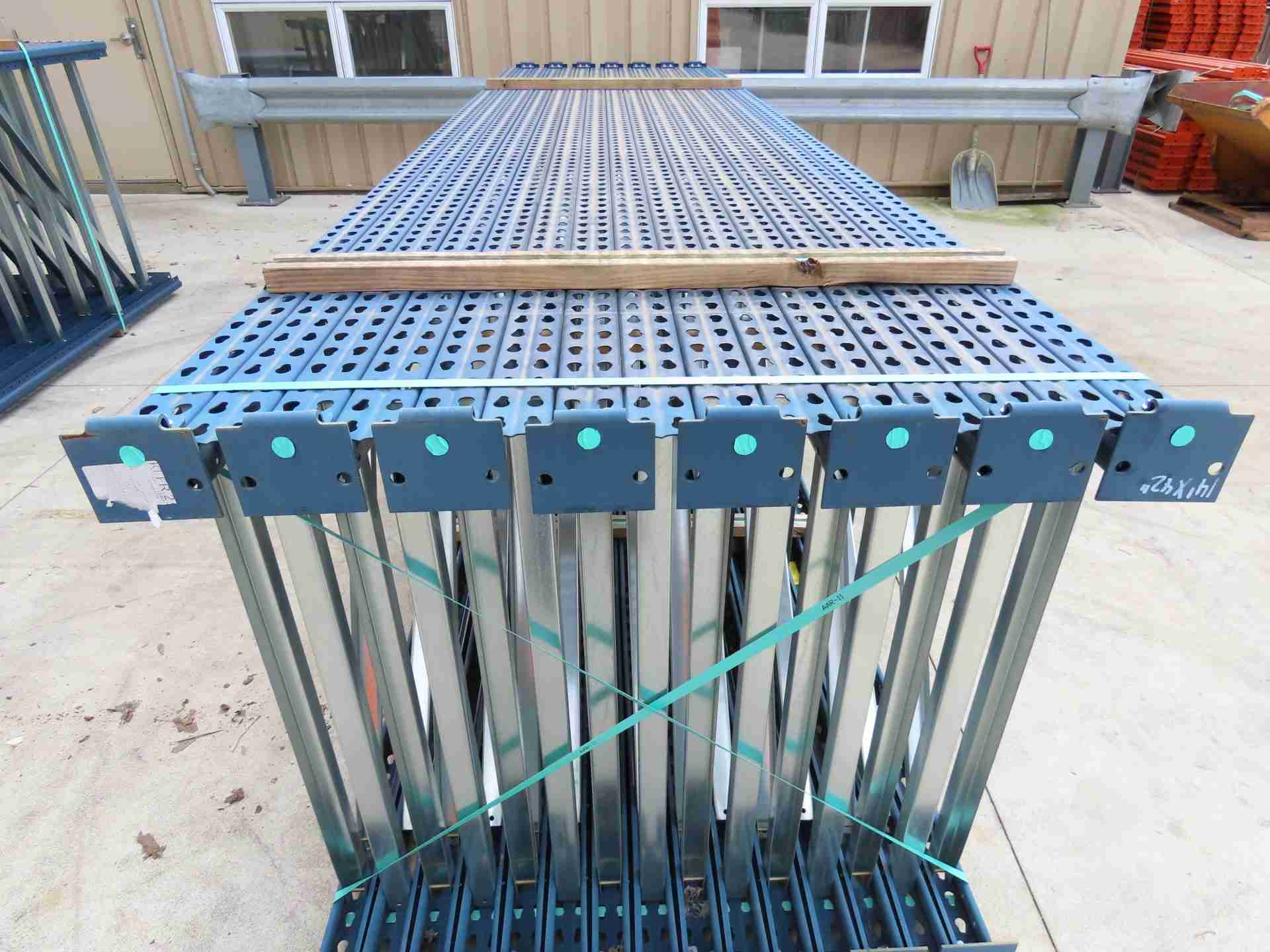
Other Resources
Glossary Terms
Osha Vs. Rmi Standards: What’s the Difference? – Glossary Of Terms
1. OSHA: The Occupational Safety and Health Administration, a U. S. government agency responsible for ensuring workplace safety and health regulations.
2. RMI: The Responsible Minerals Initiative, a program aimed at promoting responsible sourcing of minerals in the supply chain, particularly conflict minerals.
3. Standards: Established criteria or guidelines that govern practices in industries, ensuring safety, quality, and efficiency.
4. Compliance: The act of adhering to laws, regulations, and standards set forth by governing bodies like OSHA and RMI.
5. Safety: The condition of being protected from potential harm or injury in the workplace.
6. Health Regulations: Guidelines designed to protect worker health, addressing hazards and risks associated with different jobs.
7. Hazard: A potential source of harm or adverse effect on a person or environment.
8. Risk Assessment: The process of identifying, evaluating, and prioritizing risks in the workplace to mitigate potential safety hazards.
9. Training: Education and guidance provided to employees to ensure they understand safety standards and best practices.
10. Inspections: Systematic evaluations conducted to determine compliance with safety regulations and standards.
11. Enforcement: The application and imposition of laws and regulations to ensure compliance.
12. Conflict Minerals: Minerals mined in conditions of armed conflict and human rights abuses, often found in electronic devices.
13. Due Diligence: The process of investigating and evaluating a company’s compliance with ethical sourcing and operational practices.
14. Reporting: The act of documenting and communicating safety incidents, compliance issues, or audits to regulatory bodies.
15. Environmental Impact: The effect that an organization’s activities may have on the surrounding environment, considered in safety standards.
16. Employee Rights: Legal entitlements that protect workers from unfair treatment and unsafe working conditions.
17. Personal Protective Equipment (PPE): Equipment worn by employees to minimize exposure to hazards that can cause injury or illness.
18. Training Programs: Structured educational sessions designed to provide knowledge and skills regarding safety practices.
19. Data Management: The process of collecting, storing, and using safety or compliance-related information effectively.
20. Workplace Incidents: Unplanned events that result in personal injury, property damage, or both.
21. Root Cause Analysis: A method used to identify the underlying reasons for a workplace incident or non-compliance.
22. Stakeholders: Individuals or organizations that have an interest in the operational and compliance aspects of a business.
23. Best Practices: Procedures and methods that are accepted as the most effective in altering risks and ensuring safety.
24. Certification: A formal acknowledgment that an organization meets specified safety standards, often necessary for compliance.
25. Continuous Improvement: Ongoing efforts to enhance safety procedures and compliance measures in a workplace.
26. Audits: Systematic evaluations of facilities and processes to ensure compliance with safety standards and regulations.
27. Supply Chain Management: The handling of the flow of goods and services, including compliance with RMI standards regarding responsible sourcing.
28. Legal Liability: The extent to which an organization can be held accountable under law for workplace safety violations.
29. Communication: The sharing and dissemination of information regarding safety practices, compliance, and incidents.
30. Ethical Sourcing: Procurement practices that consider the ethical implications of sourcing materials, particularly in relation to human rights and environmental impact.
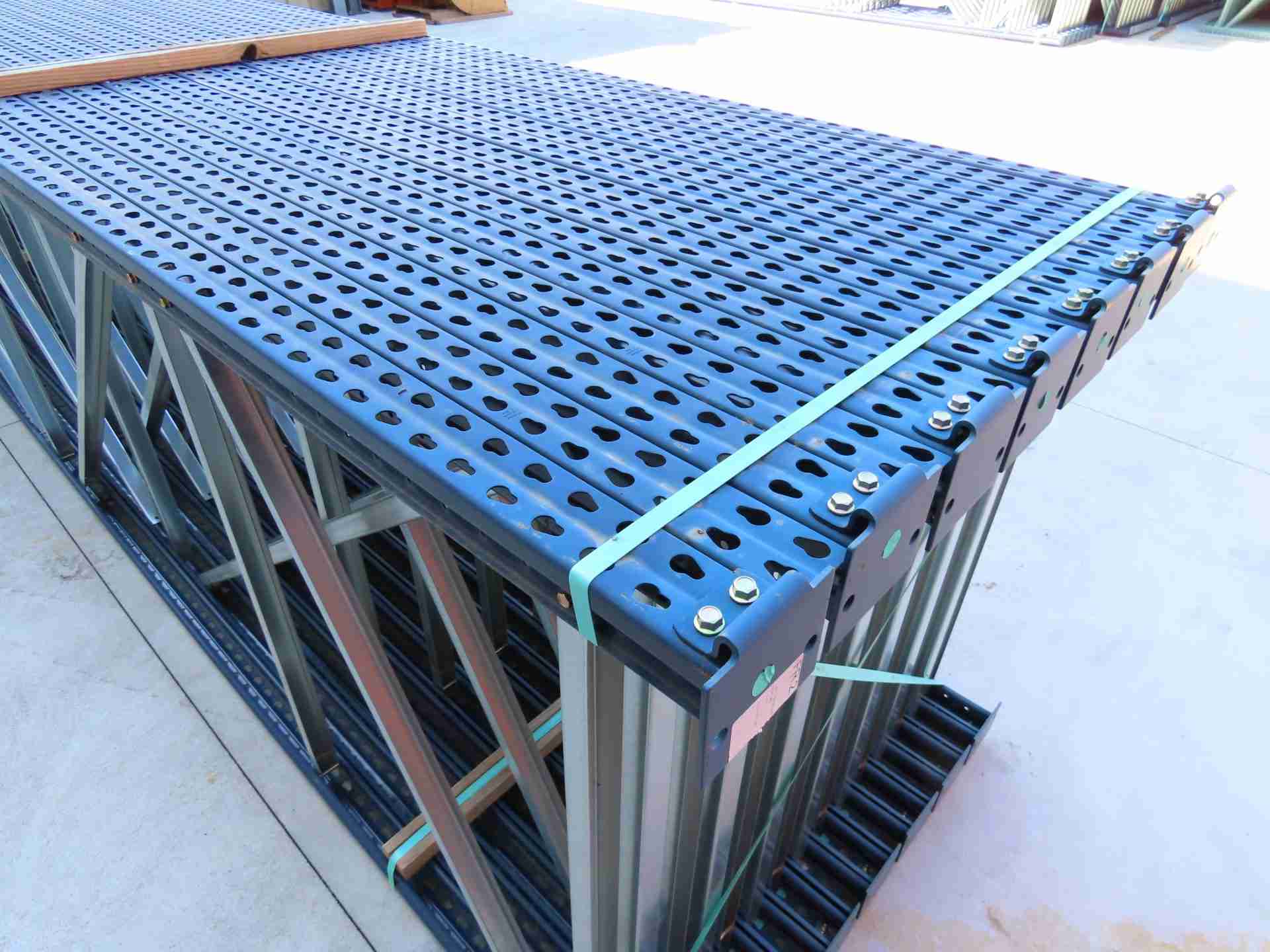
Glossary Of Terms
Other Questions
Osha Vs. Rmi Standards: What’s the Difference? – Other Questions
If you wish to explore and discover more, consider looking for answers to these questions:
- What specific industries do OSHA and RMI standards apply to?
- How can employers effectively implement OSHA and RMI standards in their workplace?
- What are the consequences for failing to comply with OSHA and RMI standards?
- Are there any overlapping areas between OSHA and RMI standards?
- How do OSHA and RMI standards evolve over time?
- What resources are available for companies to stay updated on these standards?
- How can employees report violations of OSHA and RMI standards?
- What training is required for employees to understand these standards?
- What role do safety audits play in maintaining OSHA and RMI compliance?
- How can organizations create a culture of safety in the workplace?
Other Questions
Checklist
Osha Vs. Rmi Standards: What’s the Difference? – A Checklist
Workplace Safety Standards Checklist
Heart
_____ Foster a Culture of Care: Commit to creating a workplace where safety is a shared value that matters to every employee.
_____ Encourage Open Conversations: Create channels for employees to express their safety concerns and stories without fear of repercussions.
_____ Celebrate Safety Achievements: Recognize and reward teams that prioritize safety and demonstrate commitment to maintaining standards.
Head
_____ Understand the Standards: Familiarize yourself and your team with OSHA and RMI standards and their implications for workplace safety.
_____ Conduct Regular Training: Implement continuous safety training programs so employees know the protocols and how to respond in emergencies.
_____ Utilize Data for Decision-Making: Analyze incident reports and safety data to identify risks and develop strategies for improvement.
Gut
_____ Follow Safety Protocols: Ensure that all safety protocols are followed rigorously—don’t let complacency take hold.
_____ Perform Inspections: Regularly inspect and maintain equipment, racking systems, and safety gear to prevent hazards.
_____ Empower Employees: Encourage every worker to take personal responsibility for their safety and that of their colleagues by practicing situational awareness.
Emotional Appeal
_____ Share Real Stories: Use personal accounts of injury or near-misses to highlight the importance of safety standards in daily operations.
_____ Build Community: Promote team-building activities that center around safety and highlight the bond shared among workers in protecting one another.
Rational Appeal
_____ Calculate the Costs of Neglect: Assess how preventing accidents can save the company money on medical bills, insurance, and productivity loss.
_____ Value of Safety Investments: Emphasize how investing in safety creates a more engaged and productive workforce which leads to lower turnover rates.
Ethical Appeal
_____ Commit to Employee Well-Being: Make safety a fundamental component of your corporate values and communicate that commitment clearly.
_____ Hold Leadership Accountable: Ensure that management demonstrates a strong commitment to safety practices and leads by example.
Authority Appeal
_____ Stay Informed on Regulations: Keep up-to-date with the latest changes in OSHA and RMI standards and incorporate them into company policies.
_____ Engage with Experts: Invite safety experts to conduct audits, training, or workshops to reinforce the importance of standards in your organization.
Narrative Appeal
_____ Create a Safety Storybook: Document the evolution of safety practices in your company and share success stories to inspire ongoing commitment.
_____ Encourage Personal Narratives: Invite employees to share their own experiences regarding safety, fostering a culture of learning and vigilance.
Social Appeal
_____ Promote Team Safety Initiatives: Encourage teams to collaborate on safety improvements and community outreach related to workplace safety.
_____ Engage with Industry Peers: Join safety councils or forums to share best practices and learn from others facing similar challenges.
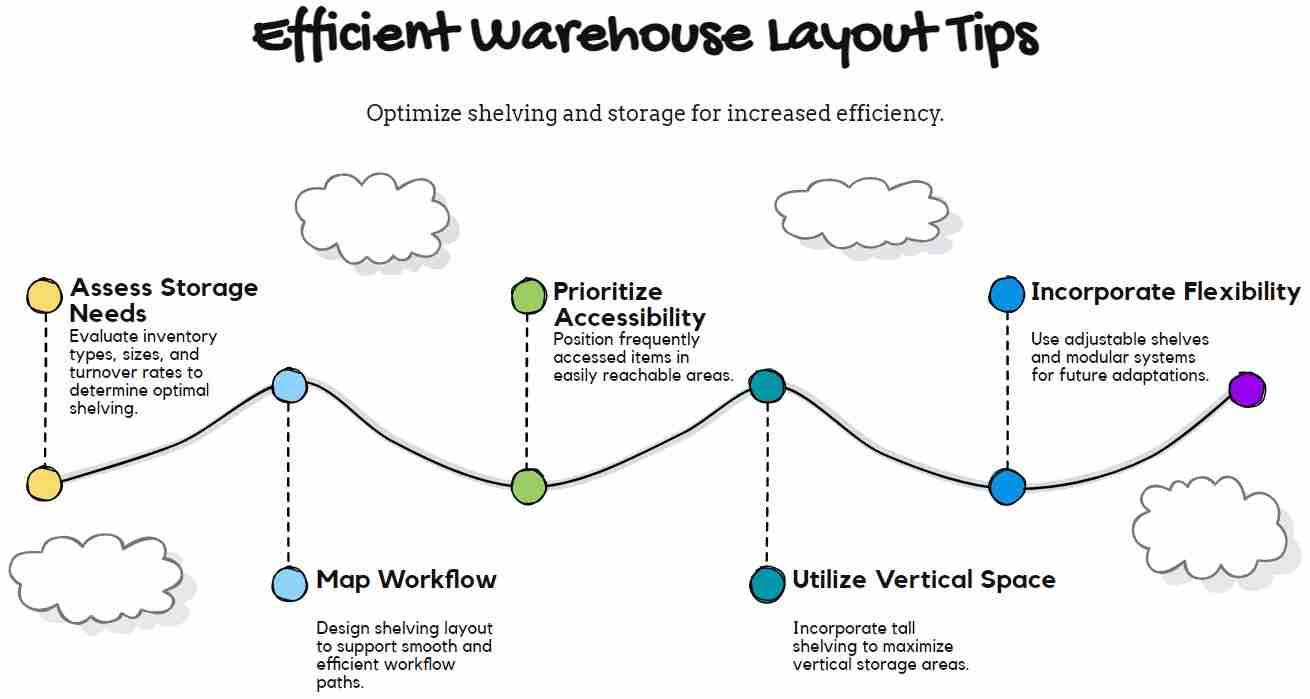
Checklist
At RackingWorld, we help guide you through selecting warehouse storage systems and racking.
Be sure to read our other related stories at RackingWorld to learn more about warehouse storage systems.
0 Comments