
Maximizing Efficiency And Sustainability In Racking System Selection
By Tom Seest
At RackingWorld, we help guide you through selecting warehouse storage systems and racking.
Be sure to read our other related stories at RackingWorld to learn more about warehouse storage systems.
How to Choose Between Racking Systems
Choosing the right racking system is more than just checking a box on a warehouse inventory list—it’s about setting the stage for an efficient, smooth-running operation that supports every team member’s hard work. Imagine walking into your warehouse, the sunlight filtering through the skylights, illuminating rows of meticulously organized stock. That image can become a reality if you make the right choice.
Let’s start with the emotional appeal. Think of your team—the unsung heroes working tirelessly, day in and day out. They deserve a system that enhances their productivity, not complicates it. A racking solution that suits their needs can lead to a more positive workplace culture, where everyone feels empowered to do their best work. After all, when the tools and systems align, it fosters a sense of pride and accomplishment.
Now, let’s flip to the rational side. You want a system that maximizes space and minimizes inefficiencies. Consider factors like the size of your inventory, the types of products you’re storing, and the flow of your operation. Understanding these details helps you make an informed decision and, let’s face it, nobody likes the feeling of making a costly mistake. Research different racking systems—selective, drive-in, or pallet flow—and find one that checks all the boxes for your specific operation.
Ethics plays its part here, too. Are you choosing sustainably? Opt for vendors that align with your values, those who prioritize environmentally friendly materials and practices. Your decision affects not only your bottom line but also the legacy you’re building for future generations.
Sharing insights with others in your industry can be invaluable. There’s a wealth of knowledge among your peers who have walked this path before you. Conversations around what works and what doesn’t can build a support system that ensures your choice is a wise one.
Choosing a racking system is about more than just a purchase. It’s about creating an environment that lifts everyone up. Recall that image of organized, efficient workspaces; it’s what you’re striving for. So, trust yourself, consult with your team, and embrace the journey ahead. Make this decision with your heart, head, and gut working in harmony. You’ve got this!
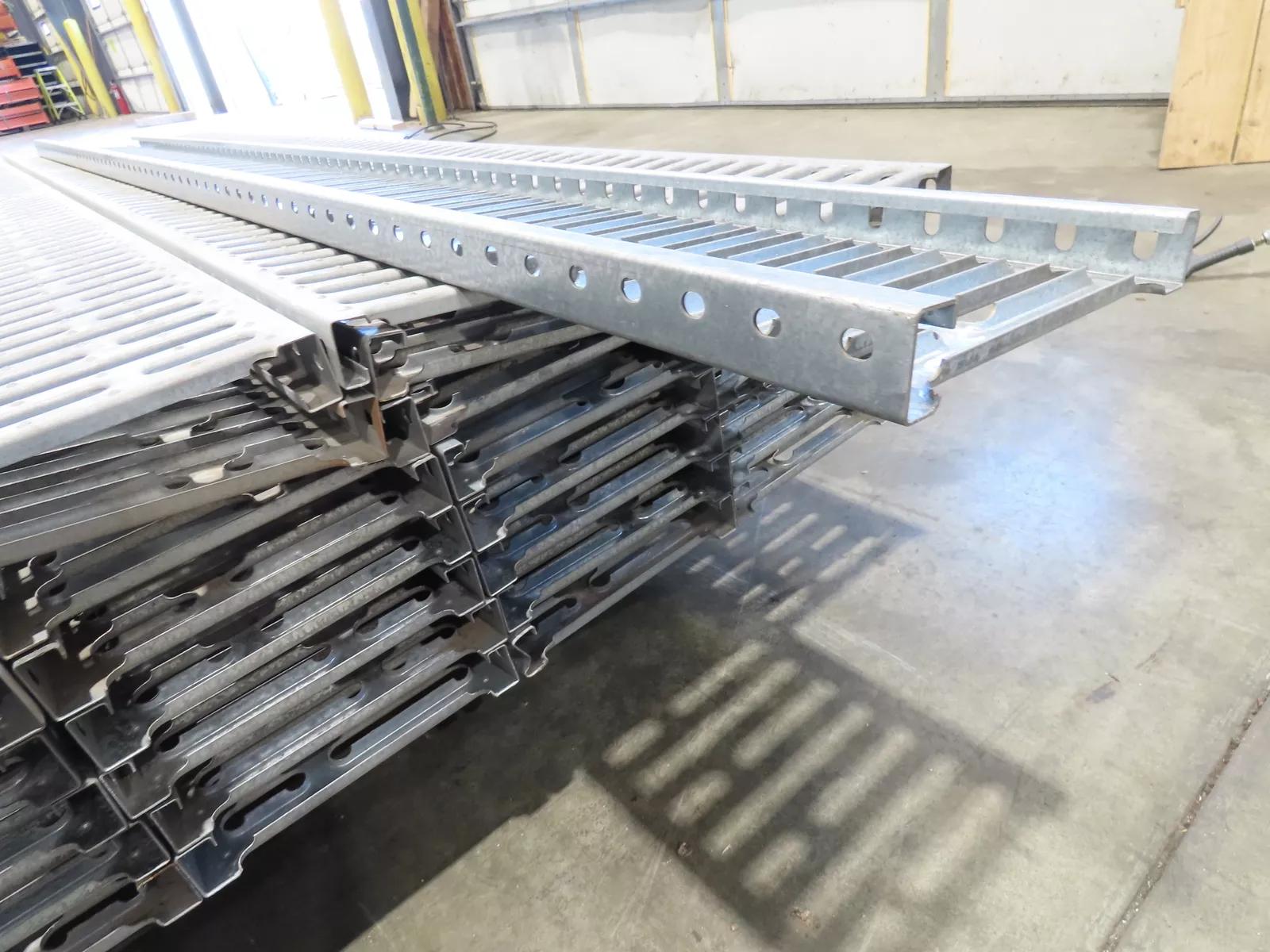
How to Choose Between Racking Systems
How to Choose Between Racking Systems
- Choosing a racking system is crucial for an efficient warehouse operation that supports team productivity.
- A well-suited racking solution enhances workplace culture, empowering staff and fostering pride in their work.
- Maximizing space and minimizing inefficiencies should be key considerations when selecting a racking system.
- Research different racking options, like selective, drive-in, or pallet flow, to find the best fit for your operation.
- Consider sustainable practices by choosing vendors that prioritize environmentally friendly materials and methods.
- Sharing insights with industry peers can provide valuable knowledge and ensure informed decision-making.
- Ultimately, selecting a racking system is about creating an uplifting environment; trust your instincts and consult with your team.
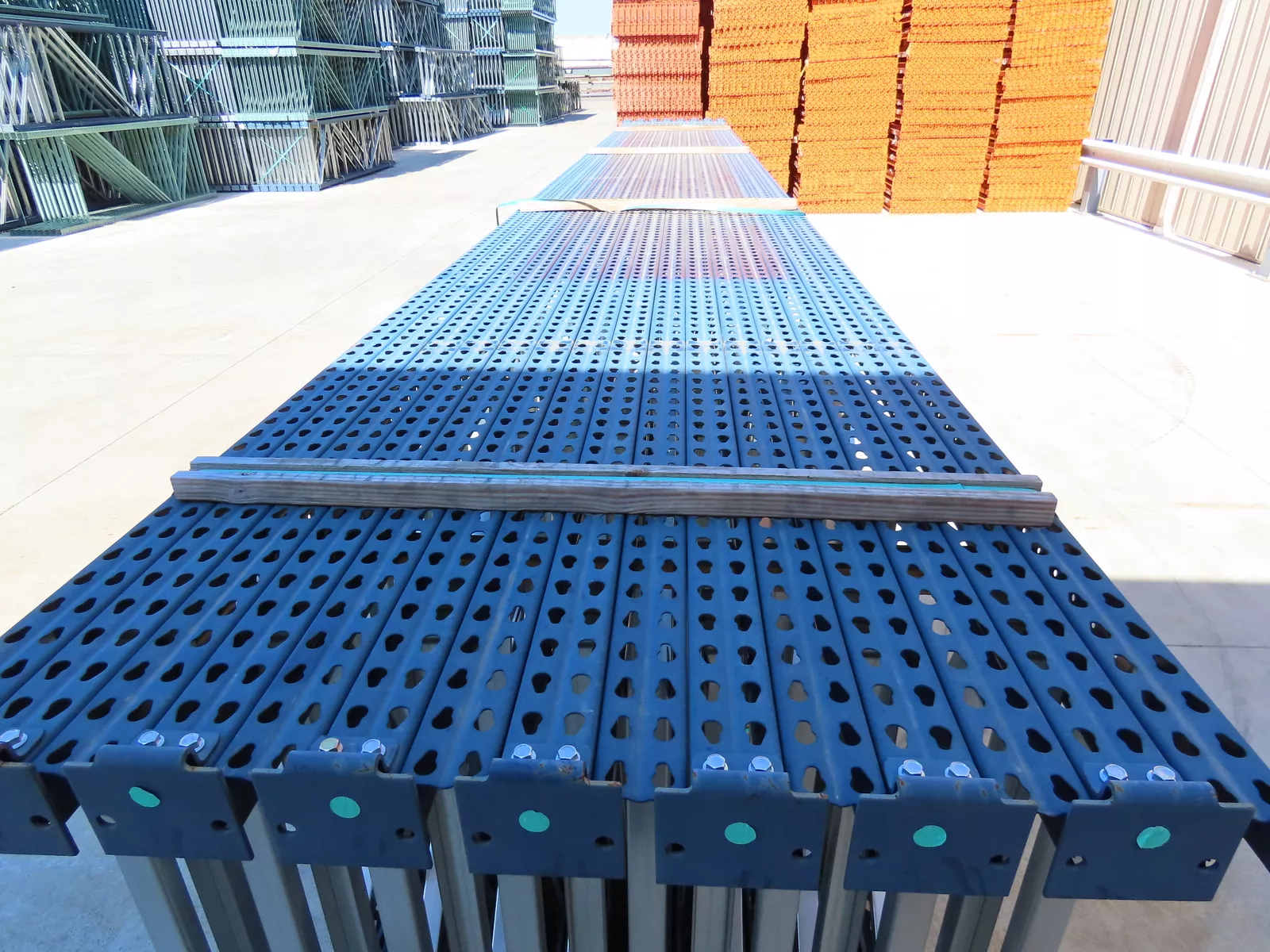
How to Choose Between Racking Systems
Table Of Contents
- How to Choose Between Racking Systems
- What Emotional Factors Drive Your Decision on Racking Systems?
- How Do Your Racking Choices Impact Your Overall Business Efficiency?
- Are You Considering the Long-Term Costs Of Your Chosen Racking System?
- How Have Others Successfully Chosen Their Racking Systems?
- What Ethical Considerations Arise When Selecting a Racking System?
- Conclusion
- Other Resources
- Glossary Of Terms
- Other Questions
- Checklist
What Emotional Factors Drive Your Decision on Racking Systems?
When it comes to choosing a racking system for your warehouse or workspace, it’s easy to get lost in the endless specifications and technical jargon. But let’s take a moment to step back and look at the heart of the matter. The emotional factors that drive our decisions often resonate far more deeply than inventory counts or load capacities.
Picture this: your team is hustling and bustling, moving goods in and out, and everything flows smoothly because of that well-thought-out racking system you invested in. It’s not just about steel and shelves; it’s about peace of mind. Think of the stress that melts away knowing your valuable inventory is secure, efficiently organized, and easily accessible. This is where trust comes into play. You’re not just buying a product; you’re investing in your peace of mind. Wouldn’t it feel good to know that your choice enables your team to work efficiently, boosts morale, and fosters a culture of productivity?
There’s another layer, one that’s often overlooked. Have you ever thought about how your decision on racking impacts the environment? Ethical considerations are becoming a growing concern in our industry. Choosing sustainable materials and efficient designs doesn’t just make sense; it makes you a part of the solution. When you opt for racking systems that align with environmentally conscious practices, you cultivate pride not just in your workspace, but in your role as a responsible member of the community.
Don’t forget, reviews and recommendations from others can guide you toward an insightful decision. Hearing a seasoned warehouse manager talk about how a particular racking system transformed their operations adds a layer of authority to your decision-making process. Their stories offer invaluable insights that can resonate on both a practical and emotional level.
Now, let’s talk about the importance of connection. Your decision affects not just one person but an entire network – your employees, your suppliers, and even your customers. When you choose a racking solution that works seamlessly with your operations, you’re supporting not just your bottom line but the very fabric of the community built around your business.
Choosing the right racking system is ultimately about balancing heart and head. It’s about comfort in the choices you make, confidence in the company you keep, and courage in taking that leap toward a solution that serves all. So, as you weigh your options, remember that every decision you make is more than just a transaction; it’s a commitment to quality, well-being, and community.
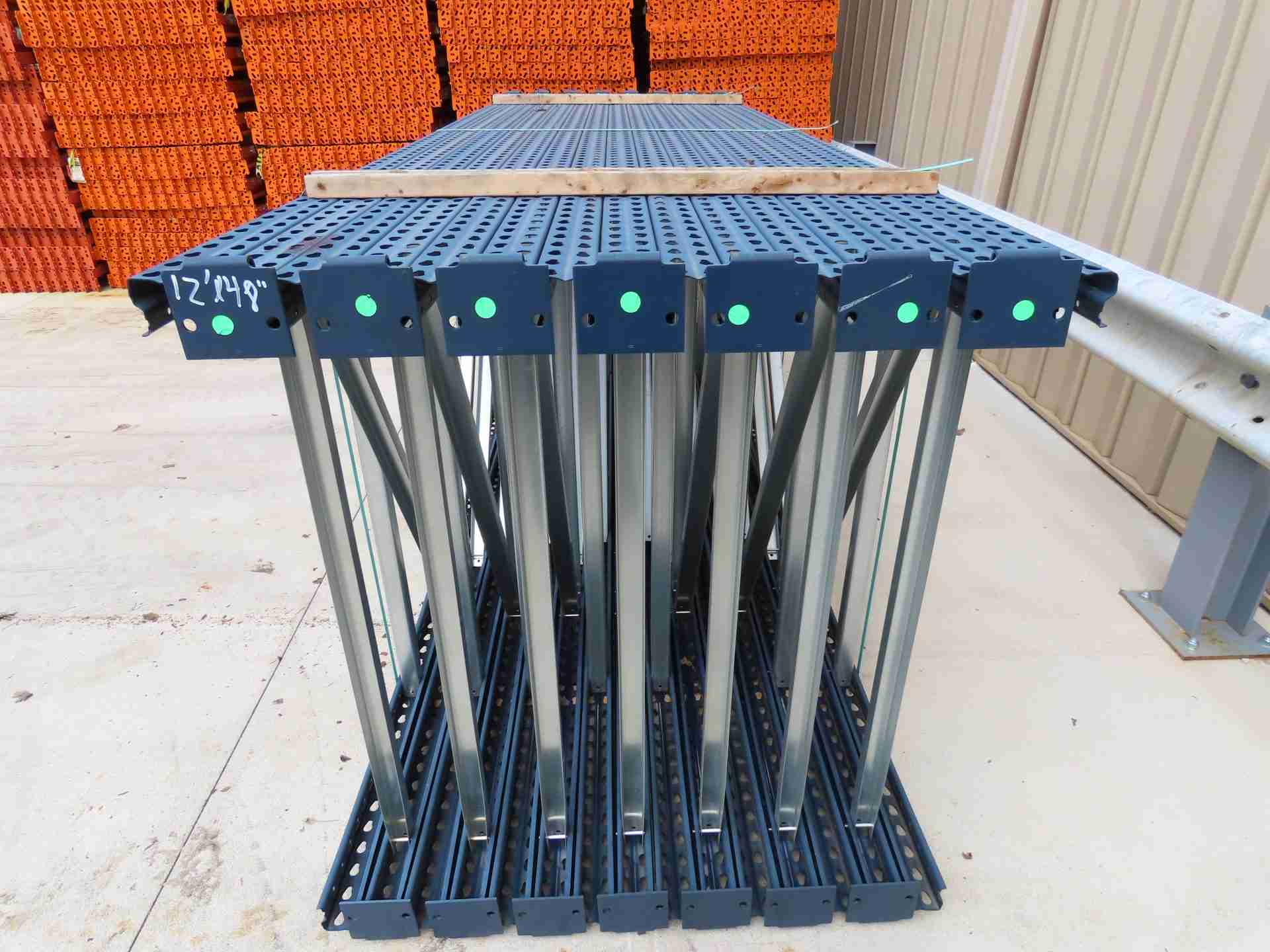
What Emotional Factors Drive Your Decision on Racking Systems?
What Emotional Factors Drive Your Decision on Racking Systems?
- Choosing a racking system involves more than just technical specs; emotional factors play a significant role.
- A well-chosen racking system enhances operational efficiency, providing peace of mind and boosting team morale.
- Investing in racking means investing in reliability and productivity within your workspace.
- Environmental impact is an important consideration; selecting sustainable materials contributes to community well-being.
- Reviews and recommendations from experienced managers can inform and enhance decision-making.
- Your choice affects the entire network, including employees, suppliers, and customers, supporting community ties.
- Finding a balance between emotional and practical aspects is crucial in the decision-making process.
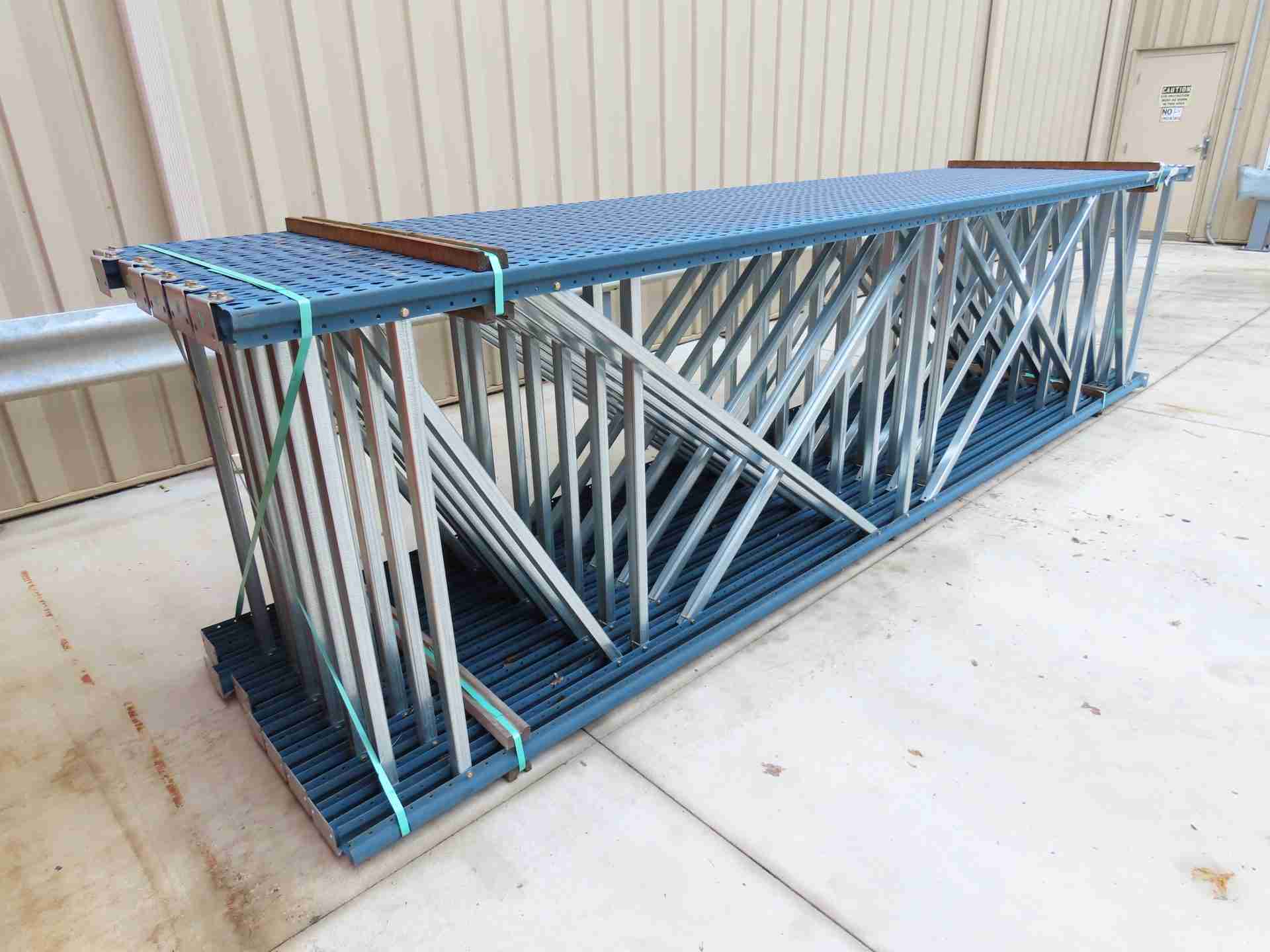
What Emotional Factors Drive Your Decision on Racking Systems?
How Do Your Racking Choices Impact Your Overall Business Efficiency?
When you think about racking, it might not conjure up the same enthusiasm as the latest gadget or luxury car. But here’s where the heart and soul of your warehouse beats. Selecting the right racking system is not just a logistical decision; it’s a commitment to optimizing the very way you do business. Picture a bustling warehouse where every item has an exact home, where the right racking choices lead to smoother operations, quicker orders, and even happier employees. This isn’t just about stacking boxes—it’s about elevating your entire operation.
On a rational level, consider the numbers. The right racking solution can enhance space utilization by as much as 30%. That translates directly to cost savings, improved inventory control, and ultimately, a more profitable operation. Whether it’s a pallet rack or a cantilever system, your choice can make the difference between chaos and coherence. This isn’t merely an investment in infrastructure; it’s a calculated step toward efficiency—an assurance that your resources are working as hard as you do.
Ethically, we have a responsibility to foster a workplace that values safety and productivity. Poorly designed racking systems can lead to injuries, costly accidents, and wasted time—both of which can erode trust within your team and reputation with your clients. By choosing robust, reliable racking, you demonstrate your care for employees, creating a culture of accountability and respect that resonates throughout your organization.
And let’s not ignore the narrative aspect. Think about your own experiences within cramped storage environments, wrestling with inventory, desperately searching for an item as time slips away. Now visualize a space where everything is organized—where you can find what you need without a second thought. Such environments foster a sense of pride and ownership—something that not only amplifies morale but encourages team collaboration.
Finally, on a social level, as your operation thrives, the community around you benefits. Increased efficiency means you can serve customers better, create jobs, and contribute to a local economy that thrives on reliability and innovation.
So, when you think about the racking choices you make, remember this: It’s not just about the shelves that hold your products; it’s about the foundation that supports your entire business. Elevate your racking choices, and watch them elevate your business to new heights.
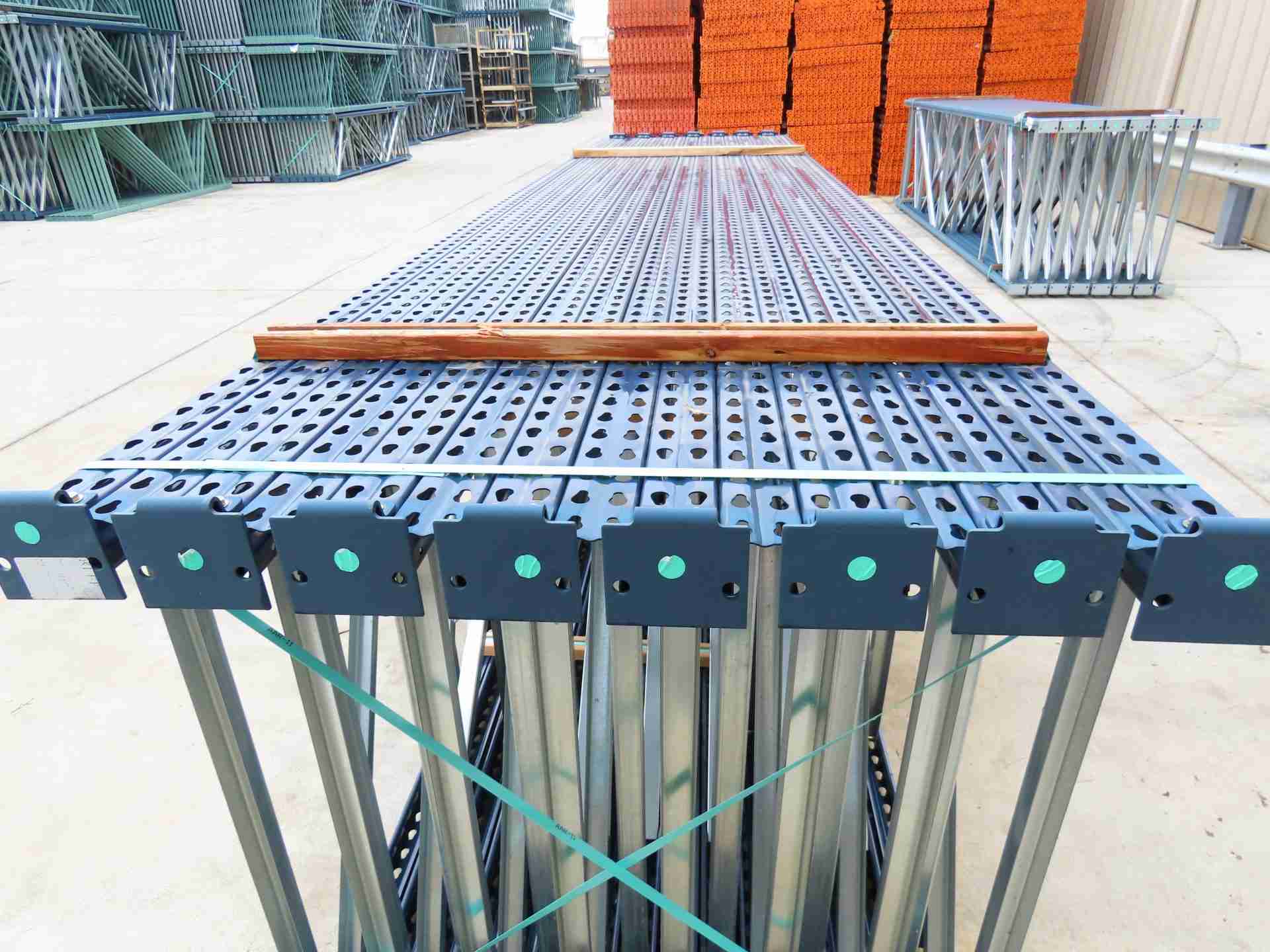
How Do Your Racking Choices Impact Your Overall Business Efficiency?
How Do Your Racking Choices Impact Your Overall Business Efficiency?
- Selecting the right racking system is essential for optimizing warehouse operations.
- Efficient racking can enhance space utilization by up to 30%, leading to cost savings and improved inventory control.
- Effective racking choices contribute to smoother operations, quicker orders, and employee satisfaction.
- Robust racking systems promote workplace safety and productivity, reducing the risk of injuries and accidents.
- Well-organized storage environments foster team morale, pride, and collaboration among employees.
- Efficient operations not only benefit the business but also support the local community by creating jobs and enhancing customer service.
- Remember, racking choices are the foundation of your business, shaping its efficiency and growth potential.
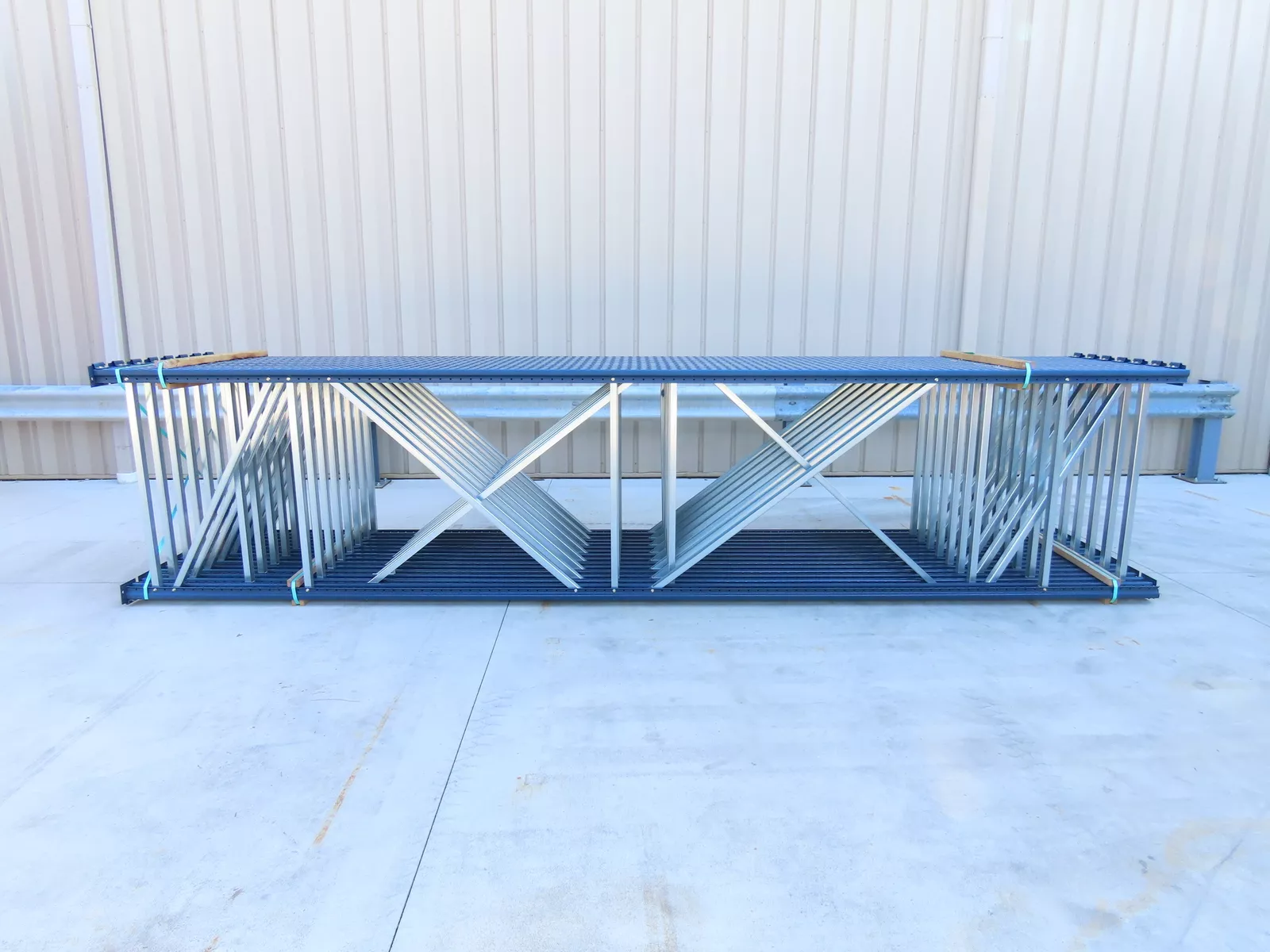
How Do Your Racking Choices Impact Your Overall Business Efficiency?
Are You Considering the Long-Term Costs Of Your Chosen Racking System?
When you’re standing in your warehouse, contemplating the myriad racking systems available, it’s easy to let your imagination wander to shiny equipment and promises of efficiency. But let’s bring that daydream back down to earth for a moment and consider—what are the long-term costs of your chosen racking system? A racking system isn’t just a structure to hold your goods; it’s the backbone of your operation, a silent partner in your success story.
Think about it: every choice you make impacts your bottom line. Sure, a flashy new racking system may seem like a good deal today, but how much will it cost you in maintenance, repairs, or even safety violations down the line? By ignoring those hidden expenses, you could be setting yourself up for failure.
Now, let’s shift gears and think about your employees. An efficient racking system minimizes strain, reduces the risk of accidents, and can transform a grueling job into a safer, more manageable experience. This is where the ethical appeal surfaces. Are you providing a workspace that values your team’s well-being just as much as it values your profit margins? Investing in the right racking system isn’t merely a financial decision; it’s a commitment to your people, nurturing an environment where they feel supported and safe.
But it’s not all about cash flow and ethics—let’s take a wider lens and consider the influence on your reputation. Other businesses in your industry are watching. A racking system that fails to deliver efficiency can mar your standing among competitors, sending ripples through your community. You want to be the company they respect, the one known for quality and reliability. It’s about embodying the values of hard work and trustworthiness, compelling others to look to you for guidance and inspiration.
Now, let’s talk numbers. A well-planned racking system can improve your inventory management, streamline operations, and ultimately boost your profits. But remember, it’s not always about what you pay in the beginning. It’s about the return you see in the long term. Investing in quality today locks in savings tomorrow.
So, as you stand there, glassy-eyed over glossy brochures, ask yourself: What kind of legacy do you want to build? Choose wisely, not just for your balance sheet, but for your team, your reputation, and your future.
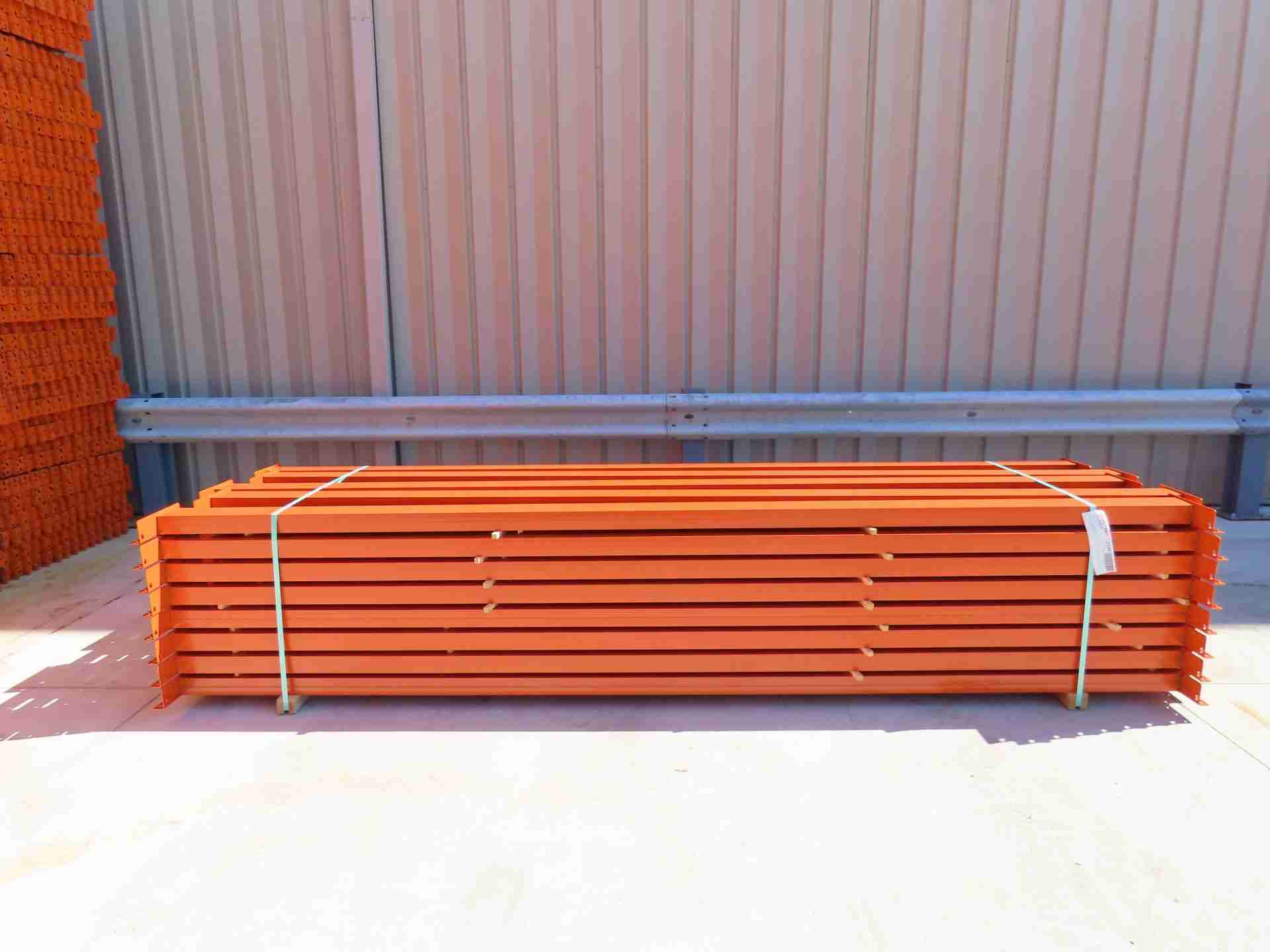
Are You Considering the Long-Term Costs Of Your Chosen Racking System?
Are You Considering the Long-Term Costs Of Your Chosen Racking System?
- Consider the long-term costs of your chosen racking system beyond initial purchase price.
- Racking systems are critical to your operation and directly affect your bottom line.
- Neglecting maintenance and hidden expenses can lead to safety violations and operational failures.
- An efficient racking system contributes to a safer workplace, reducing employee strain and accidents.
- Investing in the right racking system demonstrates a commitment to employee well-being.
- Your choice of racking system can influence your company’s reputation in the industry.
- A well-planned racking system can enhance inventory management, streamline operations, and increase long-term profits.
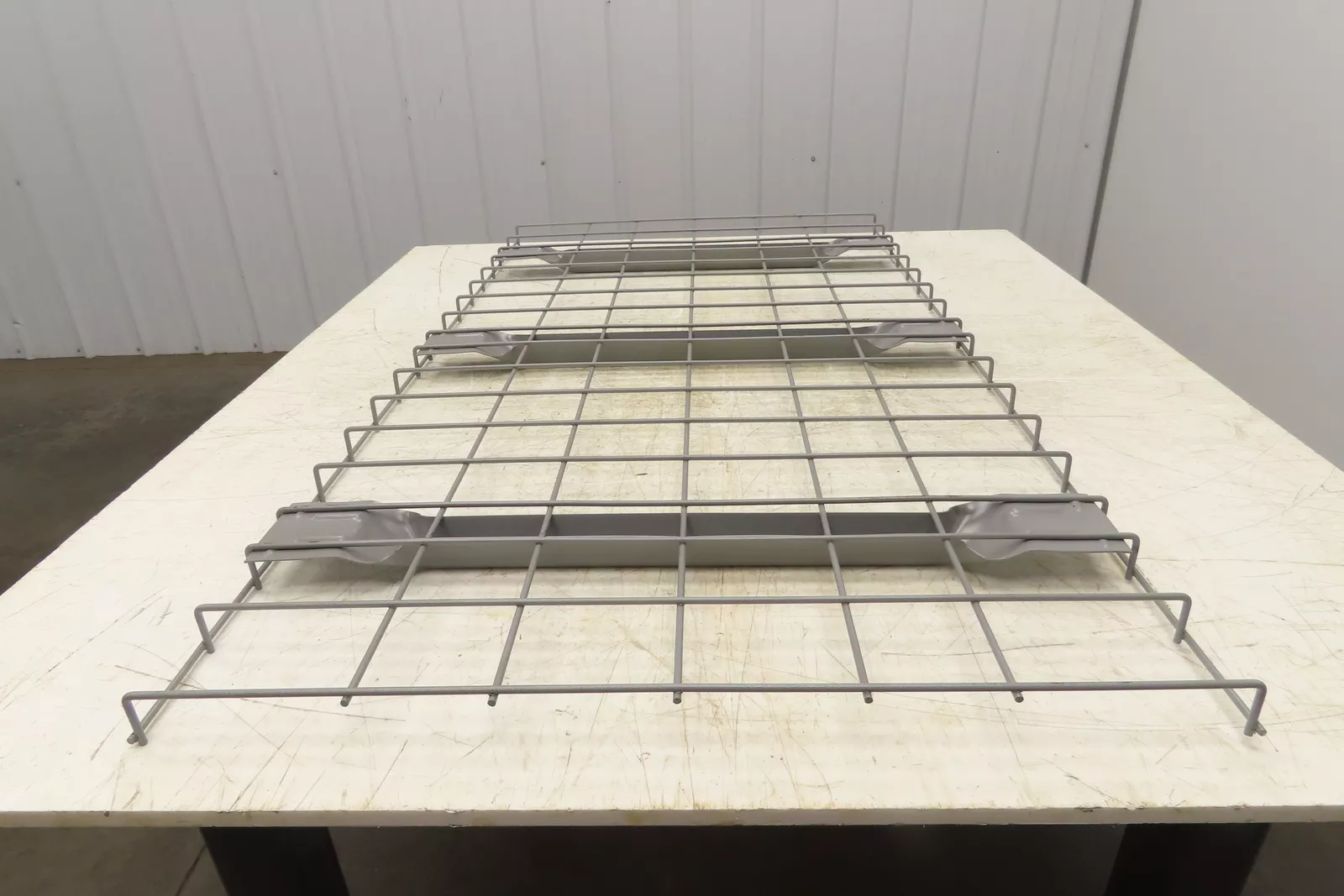
Are You Considering the Long-Term Costs Of Your Chosen Racking System?
How Have Others Successfully Chosen Their Racking Systems?
When it comes to choosing a racking system, the stories of those who’ve tackled this challenge can be as enlightening as they are inspiring. Take, for example, a small bakery in a bustling town, where every square foot counts. Faced with dwindling storage space and the pressing need for efficiency, the owner chose a multi-tier racking system. This decision wasn’t just about maximizing shelves; it was about breathing life into a dream, fostering creativity, and serving the community delicious baked goods without compromise.
Then there’s the tale of a family-owned hardware store that had been in operation for generations. They were at a crossroads: keep using the old, cumbersome shelving or invest in a modern racking solution. The owner recounted how he sat down with his family—where each had a voice grounded in history and heart—discussing the values of their business. They realized that a smart racking system would not only improve service but also honor their commitment to the community. By prioritizing quality over mere cheapness, they established not just a more functional space but also a rekindled relationship with their customers, proving that smart choices lead to stronger connections.
On the flip side, think about the large-scale retailer who faced a critical inventory crisis. The stakes were high, and failure wasn’t an option. After consulting with experts and receiving guidance based on years of industry experience, they adopted a high-density racking solution that transformed their operation. By meticulously assessing their unique needs, benchmarking against industry standards, and implementing a system that maximized vertical space, they didn’t just survive; they thrived—creating efficiencies that reverberated through their supply chain and instincts for innovation.
These narratives reveal a common thread: successful racking is about more than hardware; it’s about understanding the heart of a business and the people it serves. Whether you’re a bustling bakery, a family legacy, or a sprawling retailer, the racking system you choose can become a powerful ally. It speaks to your commitment to quality, efficiency, and the sustainability of your dreams. So, as you ponder your own racking choices, consider these stories of those who’ve walked the path before. Let their experience inspire your decisions, for every shelf you fill is a part of your journey—one that can elevate your business to new heights.
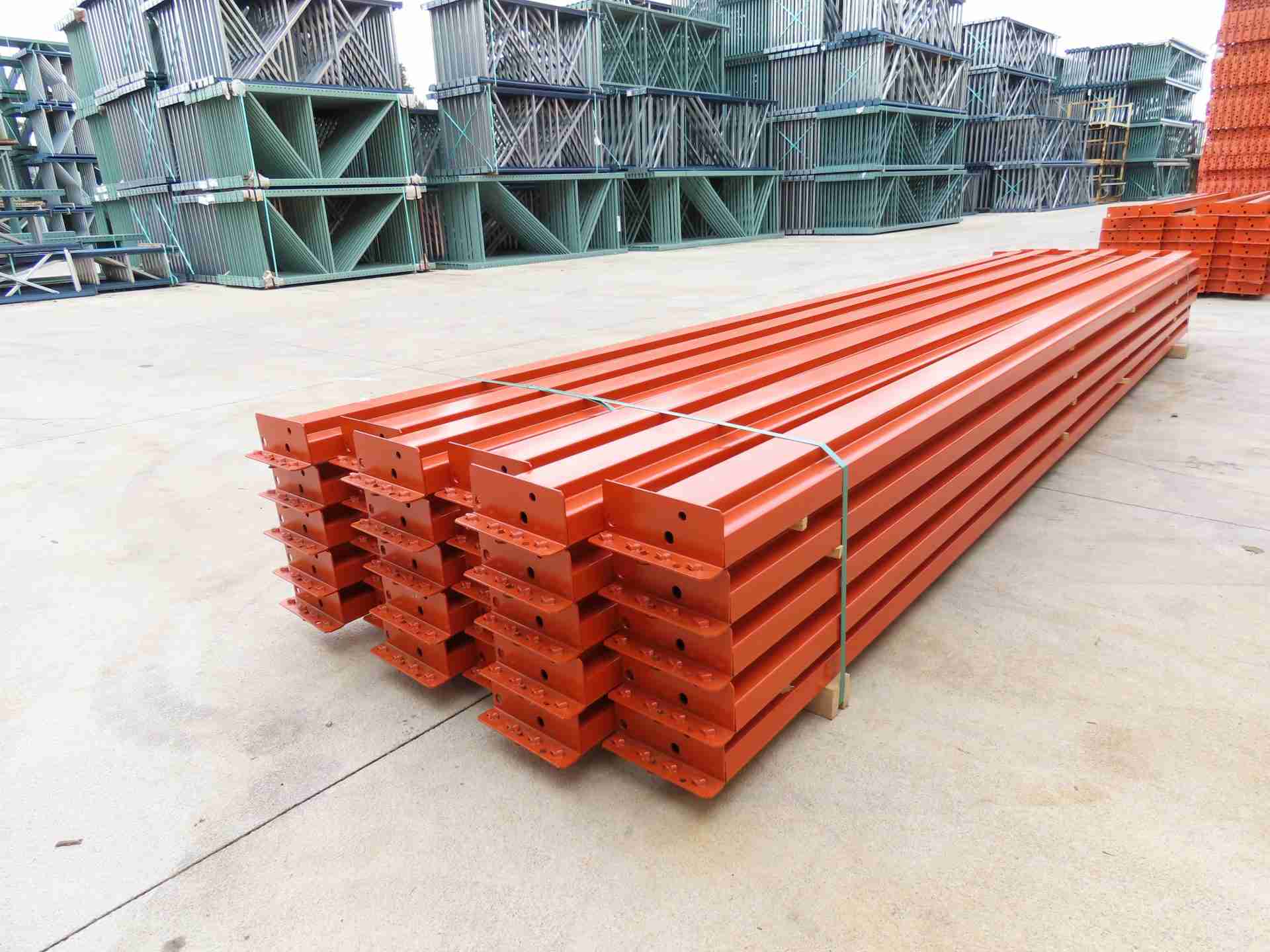
How Have Others Successfully Chosen Their Racking Systems?
How Have Others Successfully Chosen Their Racking Systems?
- Stories of businesses facing racking system challenges can inspire and enlighten.
- A small bakery opted for a multi-tier racking system to enhance efficiency and creativity.
- A family-owned hardware store chose a modern racking solution to honor their business values and improve service.
- Investing in a smart racking system helped the hardware store strengthen relationships with customers.
- A large-scale retailer, facing an inventory crisis, adopted a high-density racking solution with expert guidance.
- The successful implementation of racking systems leads to improved operations and enhanced supply chain efficiency.
- Choosing the right racking system reflects a business’s commitment to quality, efficiency, and sustainability.
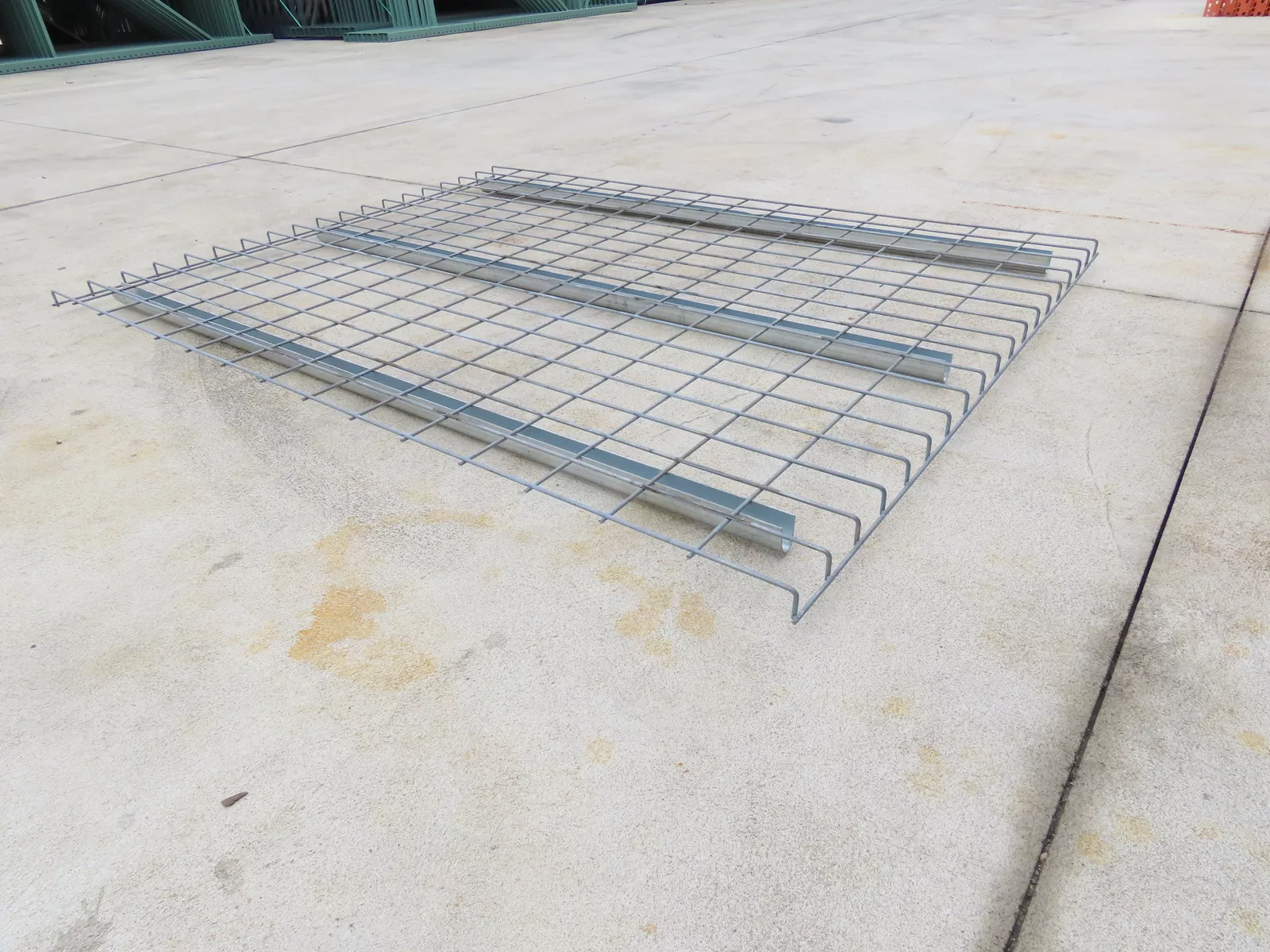
How Have Others Successfully Chosen Their Racking Systems?
What Ethical Considerations Arise When Selecting a Racking System?
When diving into the decision-making pool of selecting a racking system, it’s essential to wade through the waters of ethical considerations. Imagine a bustling warehouse, where every piece of inventory tells a story—each box, a chapter in a larger narrative. Now, think about the people behind those stories: the workers who load, unload, and navigate those aisles day in and day out. Their safety and well-being should be at the forefront of your mind. When choosing a racking system, it’s not just about maximizing space or optimizing efficiency; it’s also about ensuring that those systems uphold the highest standards of moral and operational integrity.
At the heart of this issue lies the notion of responsibility. It’s easy to get lost in the allure of saving a buck while scouring the market for racking systems, but what weight does that decision carry? Will a cheaper model jeopardize the safety of the team? Will it lead to accidents, injuries, or even loss of life? Pause for a moment and reflect: every decision has ripple effects, and making choices based solely on the bottom line can hurt those who put their trust in you.
On a logical level, it’s clear that investing in high-quality racking systems not only aligns with ethical practices but also leads to long-term savings. Think of the financial costs of workplace injuries, downtime, and lost productivity. The right racking system is an investment in both human capital and operational efficiency. Supporting reliable manufacturers and companies that prioritize ethical sourcing and design fosters a community that values safety and responsibility.
The narrative doesn’t stop with products and profit margins; it extends to community impact. When a company chooses to champion ethical practices, it creates ripples that inspire others to follow suit. Your choice can sway the tide in an industry that often prioritizes expedience over integrity. By aligning your decisions with ethical considerations, you inspire trust not only among your employees but also within your customer base and the broader community.
So, as you contemplate which racking system to select, remember that each vertical beam and horizontal brace is a testament to your values. Stand firm in the knowledge that your choices have the power to uplift, protect, and serve the very people who drive your success. Be a beacon of reliability and responsibility in the bustling world of logistics.
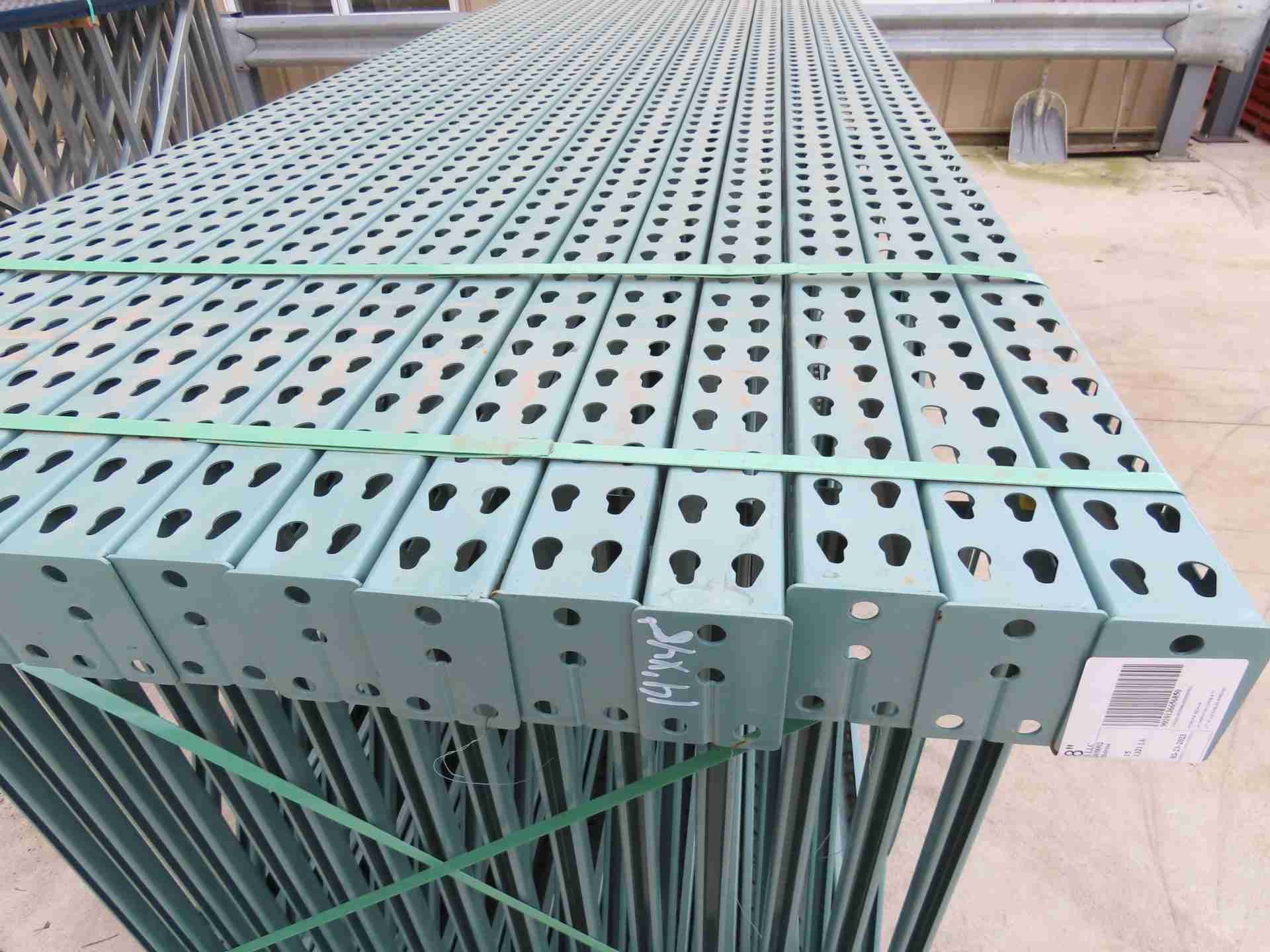
What Ethical Considerations Arise When Selecting a Racking System?
What Ethical Considerations Arise When Selecting a Racking System?
- Consider ethical implications when selecting a racking system for a warehouse.
- Prioritize the safety and well-being of workers involved in inventory handling.
- Assess the responsibility associated with choosing cost-effective versus quality racking systems.
- Understand that investing in quality systems can prevent accidents and reduce long-term costs.
- Support manufacturers that prioritize ethical sourcing and design for safety.
- Championing ethical practices can inspire a culture of integrity in the industry.
- Recognize that your choices reflect your values and can positively impact workers and the community.
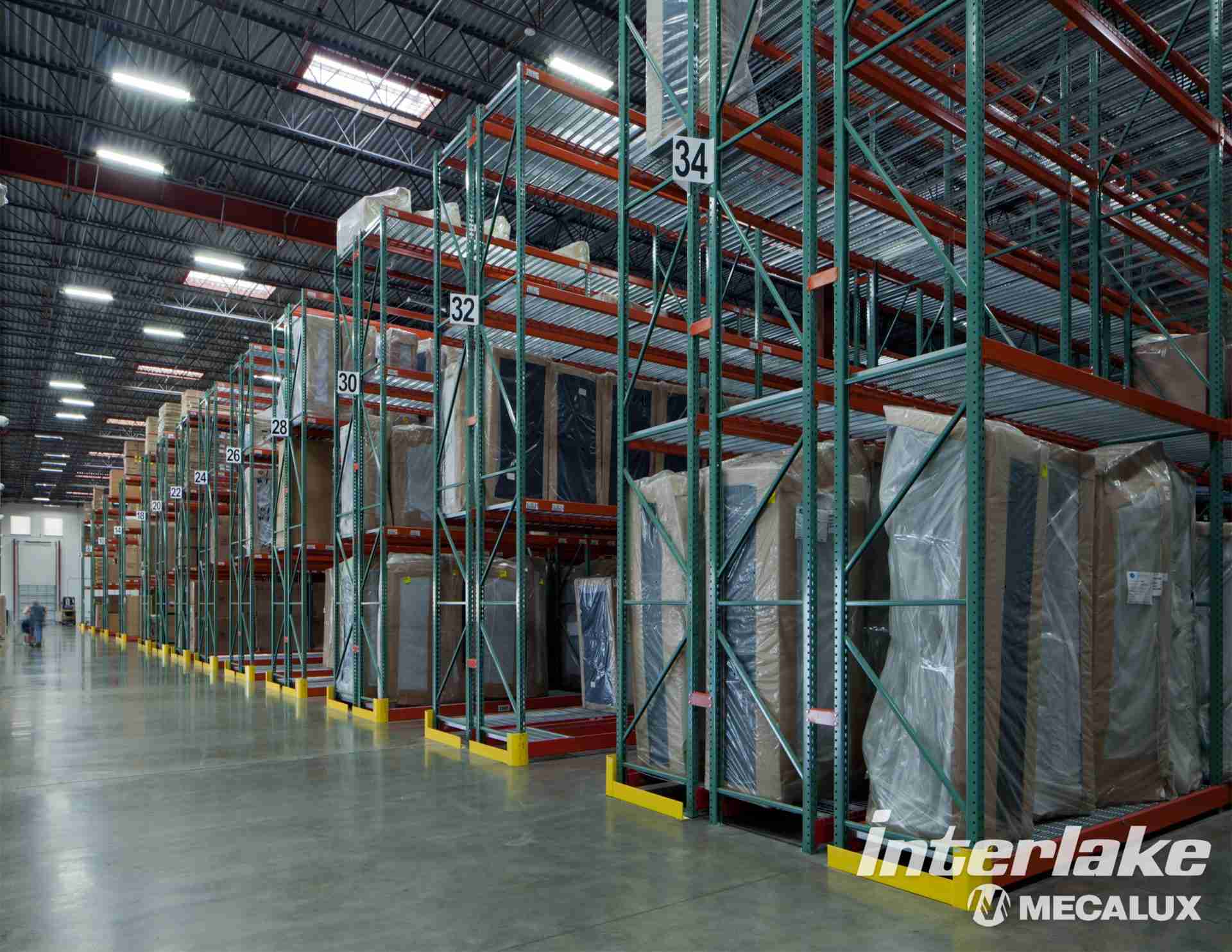
What Ethical Considerations Arise When Selecting a Racking System?
Conclusion
Choosing the right racking system is not just a practical decision—it’s a holistic commitment to the people and processes that form the backbone of your operation. Every time you step into your warehouse, envision a space where your team operates with confidence and clarity. That vision can become your reality if you take time to select a racking system that meets both your operational needs and your ethical standards.
Think first about the emotional impact. Your employees are the heart and soul of your business. They work diligently, often without recognition, and they deserve the best tools to perform their jobs efficiently. A well-chosen racking system doesn’t just organize goods; it fosters a culture of teamwork, enhances morale, and instills pride in a job well done. The right choice empowers your team while relieving them of unnecessary stress.
Now, let’s get analytical. The practical implications of your selection can’t be overlooked. An effective racking system optimizes space, boosts inventory management, and minimizes inefficiencies. You risk costly downtime and misplaced products if you don’t assess your specific needs—be it selective racks, drive-in systems, or pallet flow. This decision is not merely a financial commitment; it’s a strategic step that shapes the future of your operations.
Ethically speaking, your choices reflect your values as a leader. Are you opting for sustainable materials and responsible manufacturing practices? By aligning your purchasing decisions with your values, you’re not only making a commitment to your business but also paving the way for a brighter environmental future. In the long run, this is not just about profit—it’s about building a legacy and contributing to your community’s well-being.
Collective knowledge is also a powerful ally. Consult with peers, garner insights, and learn from their successes and failures. These narratives not only guide your decision but also create a sense of shared purpose and collaboration in the industry.
In the end, remember that this decision is more than a transaction; it’s about laying a foundation for a successful, sustainable future. Whether it’s boosting efficiency or ensuring the safety and satisfaction of your employees, selecting a racking system is an investment in your company’s culture, community, and legacy. Each decision you make today paves the path for tomorrow’s triumphs. Embrace this journey with confidence, and remember—your choice speaks volumes about your commitment to excellence.
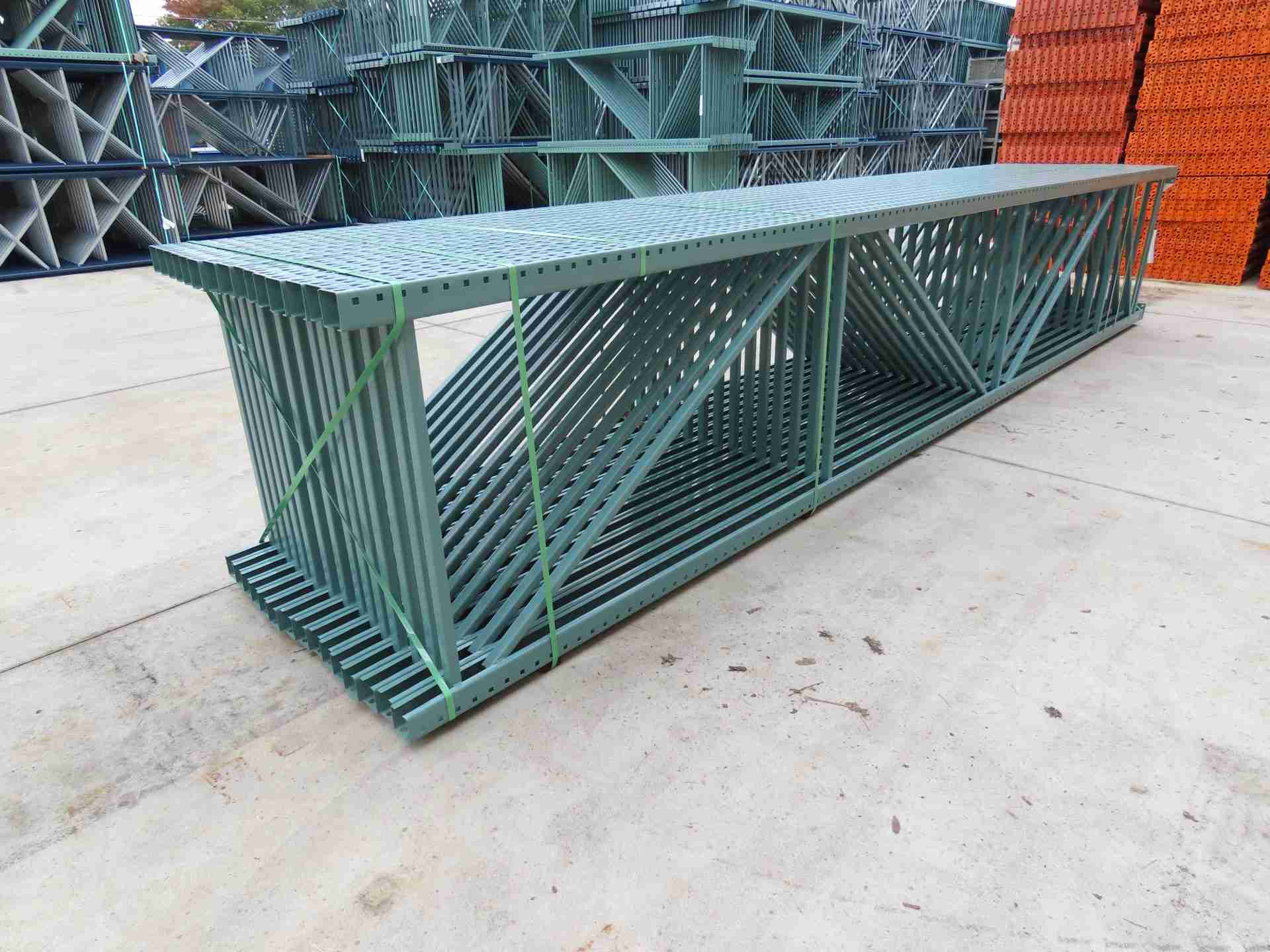
Conclusion
Conclusion:
- Choosing a racking system is a holistic commitment to your operation’s people and processes.
- A well-chosen racking system fosters teamwork, enhances morale, and instills pride in employees.
- An effective racking system optimizes space, boosts inventory management, and minimizes inefficiencies.
- Selection should consider ethical values, including sustainability and responsible manufacturing practices.
- Consult collective knowledge and peer insights to guide your racking system decision-making.
- This choice is an investment in your company’s culture, community, and legacy.
- Your decision today shapes the future of your operations and reflects your commitment to excellence.
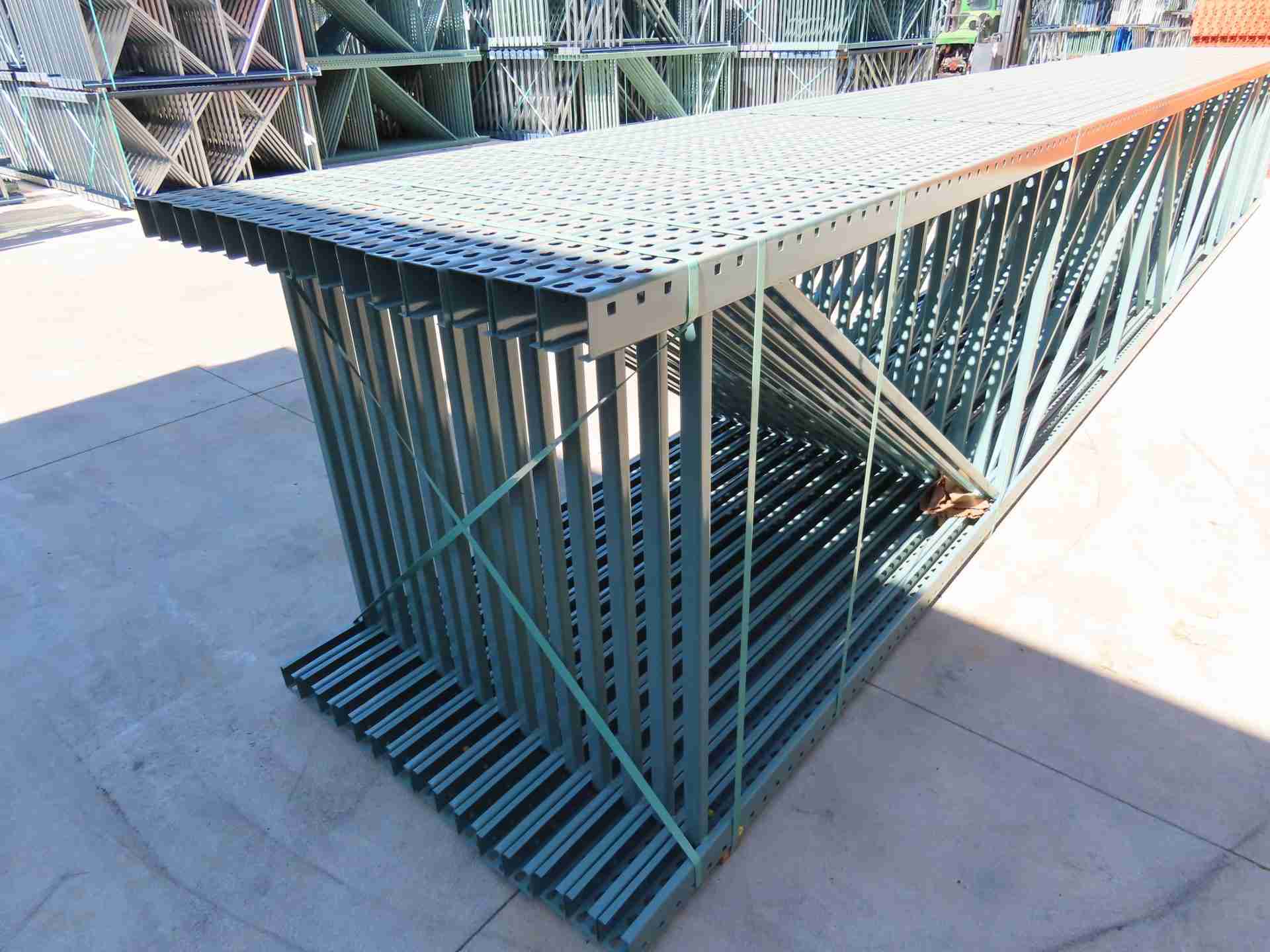
Conclusion
Other Resources
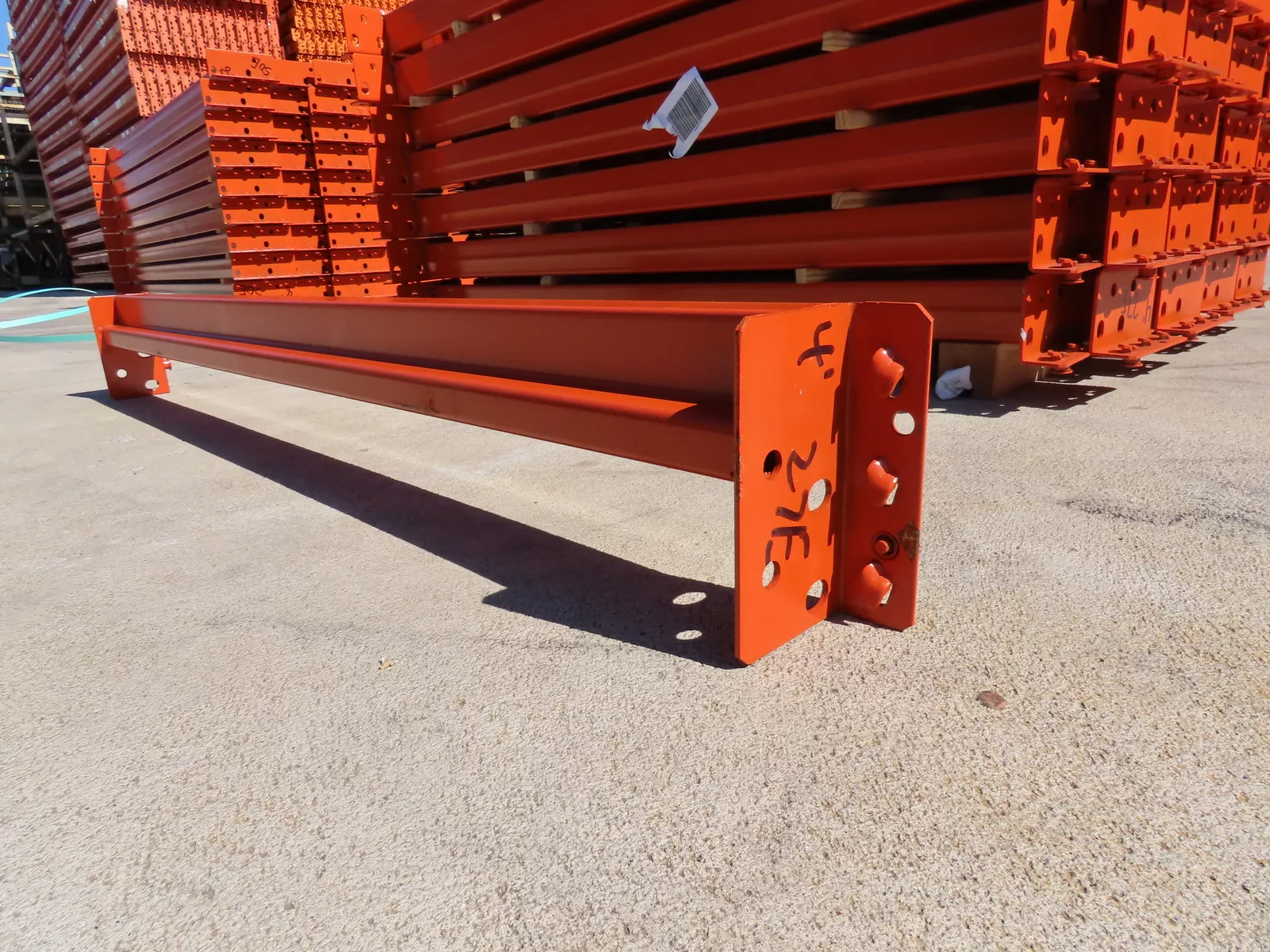
Other Resources
Here is a list of other resources you can review online to learn more:
- Selective Pallet Racking Systems – Container Systems
- New Cantilever Racks and Racking Kits
- What is Cantilever Racking? – AK Material Handling Systems
- Warehouse Racking Chicago, IL
- Cantilever Rack Guide: Ordering Cantilever Racking
- Warehouse Racking Systems: Beginner’s Guide to Rack Systems
- Chicago Pallet Racking
- Teardrop Industrial Shelving Rack
- Bradford Systems
- IIWS Inc. Rack Installation Illinois & Rack Repairs Illinois
- Warehouse Storage Racking in Illinois
- Logic Material Handling
- NSC
- Warehousing Education and Research Council: https://www.werc.org/
- Intro to Warehouse Racks & Warehouse Racking Systems – ShipBob
- CA Wire
- Pallet Racking systems in Illinois, Great Lakes
- Selective Pallet Racking Systems
- American Surplus
- BMH
Use This Prompt To Get More Resources With Your Favorite Online AI Tool: Please provide me with a list of online articles with their URLs in a bulleted list that I can read regarding How to Choose Between Racking Systems

Other Resources
Glossary Terms
How to Choose Between Racking Systems – Glossary Of Terms
1. Racking System: A structure used to systematically store goods in warehouses, enabling organization and accessibility.
2. Pallet Racking: A type of shelving designed specifically for pallets, often used in warehouses for bulk storage.
3. Selective Racking: A racking system that allows easy access to each pallet stored, best for facilities with a diverse range of products.
4. Drive-In Racking: A compact storage solution allowing forklifts to enter the racking structure, maximizing space by storing multiple pallets deep.
5. Push Back Racking: A system where pallets are placed on wheeled carts that roll back into the rack as new pallets are loaded.
6. Flow Racking: A first-in, first-out (FIFO) system where pallets move along a slight incline, ensuring older stock is picked before newer stock.
7. Mobile Racking: Racking systems that are mounted on mobile bases, allowing aisles to be created or closed as needed to optimize space.
8. Mezzanine Racking: A raised platform added within a warehouse to create additional storage space, often combined with shelving units.
9. Cantilever Racking: A system featuring horizontal arms extending from vertical columns, ideal for storing long items like lumber or pipes.
10. Stackable Racking: Racks designed to be stacked on top of one another, maximizing vertical space in a facility.
11. Warehouse Management System (WMS): A software application that helps manage inventory and warehouse operations, often integrated with racking systems.
12. Load Capacity: The maximum weight a racking system can safely hold, crucial for determining the appropriate system for specific goods.
13. Accessibility: The ease with which items can be retrieved from a racking system, influencing efficiency in operations.
14. Footprint: The physical space that a racking system occupies on the ground, significant for maximizing storage without overcrowding.
15. Integration: The process of combining racking systems with other warehouse technology and processes for streamlined operations.
16. Modularity: Refers to the ability of a racking system to be customized and expanded as storage needs change.
17. Shelf Height: The vertical distance between shelves in a racking system, essential for maximizing storage while ensuring safety.
18. Durability: The ability of a racking system to withstand heavy use and environmental conditions without compromising safety.
19. Safety Standards: Regulations that ensure racking systems are built and maintained to prevent accidents and injuries.
20. Material Handling: The movement, protection, storage, and control of goods throughout the manufacturing and distribution process.
21. FIFO: First In, First Out; a method ensuring that older inventory is sold or used before newer inventory.
22. LIFO: Last In, First Out; a method where the most recently added inventory is the first to be used.
23. Lead Time: The time between the initiation of an order and its completion, important for managing stock levels in relation to racking systems.
24. SKU (Stock Keeping Unit): A unique identifier for each product that helps in managing inventory within a racking system.
25. Batch Picking: A picking method where multiple orders are picked simultaneously, often facilitated by efficient racking layouts.
26. Picking Efficiency: The effectiveness of retrieving items from a racking system, directly impacting warehouse productivity.
27. Inventory Turnover: A ratio showing how often inventory is sold and replaced over a period, influenced by racking system efficiency.
28. Climate Control: Management of temperature and humidity in a storage area, important for certain racking systems housing sensitive materials.
29. Accessibility Audit: An evaluation process to assess how easily goods can be accessed within a racking system, guiding improvements.
30. Ergonomics: The study of people’s efficiency in their working environment, including the design of racking systems to minimize physical strain on workers.
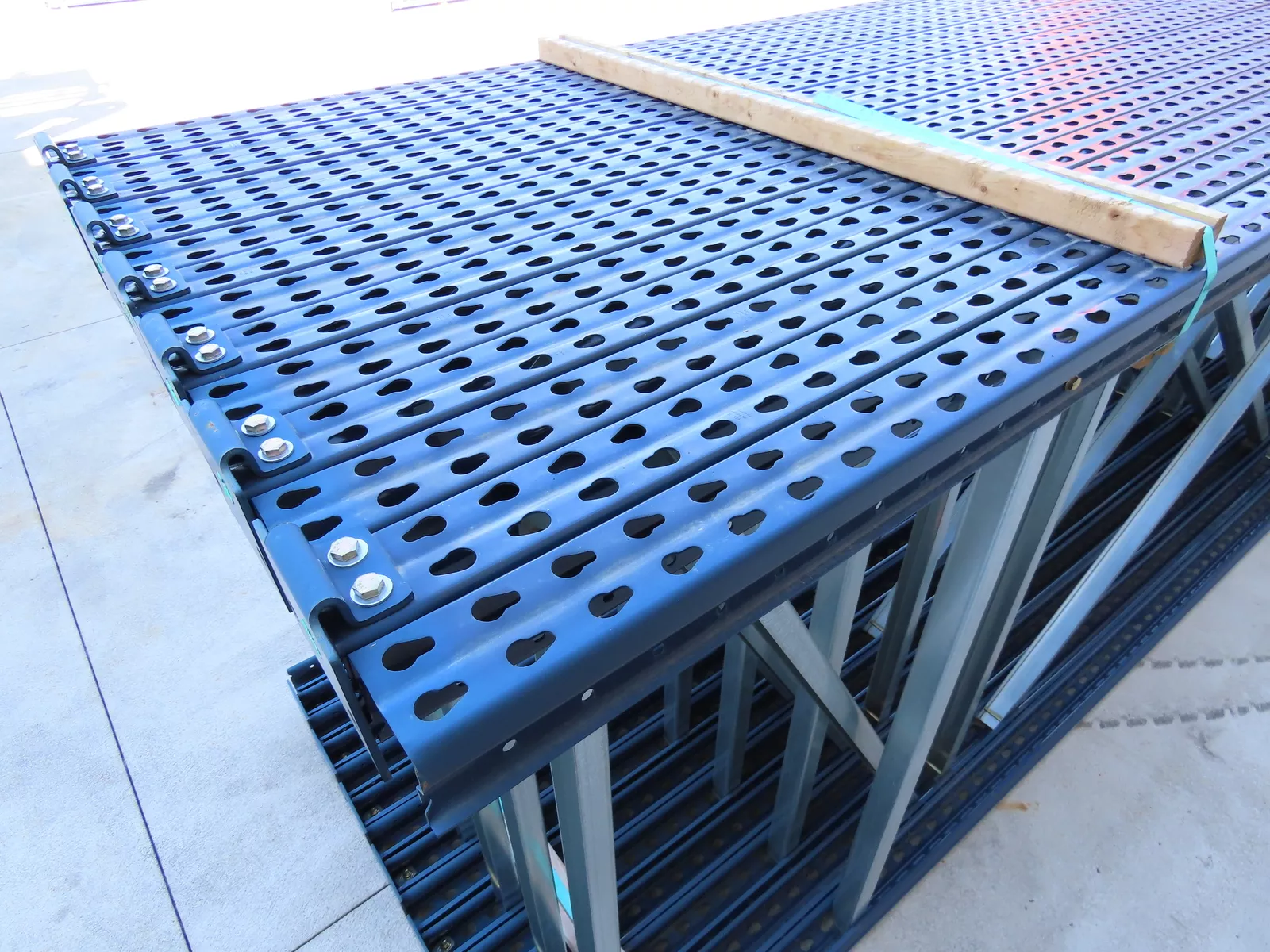
Glossary Of Terms
Other Questions
How to Choose Between Racking Systems – Other Questions
If you wish to explore and discover more, consider looking for answers to these questions:
- What types of racking systems are available?
- How do I determine the right size for my racking system?
- What are the key benefits of different racking systems like selective, drive-in, and pallet flow?
- How can I assess the efficiency of my current racking system?
- What are the common pitfalls to avoid when selecting a racking system?
- How can I integrate sustainability into my racking system choices?
- What maintenance is required for different types of racking systems?
- How can I assess the safety aspects of my chosen racking system?
- What are the potential impacts of racking system choice on employee morale?
- How do I get feedback from my team on racking system needs?
- What industry standards should I be aware of when selecting a racking system?
- How can I optimize my racking system as my business grows?
- What are the cost differences between various racking systems?
- How long can I expect a racking system to last?
- What are some case studies of successful racking system implementations?
- How do I choose a vendor for purchasing a racking system?
Other Questions
Checklist
How to Choose Between Racking Systems – A Checklist
Racking System Selection Checklist
Emotional Appeals
_____ Team Empowerment: Consider how the racking system will enhance your team’s morale and productivity.
_____ Peace of Mind: Assess if the chosen system provides security and accessibility for your inventory.
_____ Community Pride: Reflect on how the system contributes to a positive workplace culture and community reputation.
Rational Appeals
_____ Space Maximization: Evaluate the efficiency of storage space utilization (aim for at least 30% improvement).
_____ Operational Flow: Analyze how the system aligns with your workflow and inventory management needs.
_____ Cost Analysis: Calculate potential long-term costs of maintenance, repairs, and safety compliance.
Ethical Appeals
_____ Sustainability: Research vendors prioritizing environmentally friendly materials and practices.
_____ Workplace Safety: Ensure the system meets safety standards to protect your employees from accidents.
_____ Responsible Sourcing: Select manufacturers that uphold ethical production and operational practices.
Authority Appeals
_____ Expert Consultation: Seek advice from industry experts or experienced peers when making your selection.
_____ Testimonials and Case Studies: Look for success stories or reviews that validate the effectiveness of specific racking systems.
_____ Industry Standards: Check if the racking system meets or exceeds industry benchmarks.
Narrative Appeals
_____ Storytelling: Think of successful racking system implementations in similar businesses; what can you learn from their experiences?
_____ Envision Success: Picture your warehouse operating smoothly with the new system; how does it transform your daily operations?
_____ Legacy Building: Consider the long-term impact of your racking choice on your business narrative and community presence.
Social Appeals
_____ Team Input: Involve your employees in the decision-making process to enhance buy-in and ensure the system meets their needs.
_____ Peer Recommendations: Network with others in the industry to discuss their experiences and recommendations on racking solutions.
_____ Community Contribution: Reflect on how your choice impacts not just your organization but the broader community and economy.
Use this checklist to guide your decision-making process, ensuring a comprehensive approach that balances emotional satisfaction, rational effectiveness, ethical responsibility, authoritative insight, compelling narratives, and social connectivity.

Checklist
At RackingWorld, we help guide you through selecting warehouse storage systems and racking.
Be sure to read our other related stories at RackingWorld to learn more about warehouse storage systems.
0 Comments