
Optimizing Layouts For Efficient Supply Chains
By Tom Seest
At RackingWorld, we help guide you through selecting warehouse storage systems and racking.
Be sure to read our other related stories at RackingWorld to learn more about warehouse storage systems.
How Smart Layout Planning Drives Supply Chain Efficiency
Smart layout planning is more than just arranging racking systems to fit in a warehouse; it’s about weaving a safety net for every individual in the supply chain. Picture this: men and women hustling across expansive floors, guided by a system where every inch counts, where every turn is intentional. When layout planning is executed thoughtfully, it transforms chaos into harmony, driving efficiency that benefits everyone involved.
Consider the heart of this operation—the people. Each worker relies on speed and safety. An expertly organized space reduces the chances of accidents and injuries. When someone can find what they need without wrestling through clutter, it’s not just a win for productivity; it’s a win for human dignity. After all, nobody wants to return home after a long day feeling less than whole, wearied by the stresses of a disorganized environment.
Now, flip the switch to the mind. Rationally speaking, smart layout planning cuts down on wasted time and resources. Inventory management becomes a streamlined process, enabling businesses to respond to shifts in demand with agility. And let’s not overlook the ethical implications. Efficient supply chains can reduce environmental footprints by minimizing unnecessary transportation and handling. This is more than just logistical maneuvering; it’s part of a larger commitment to sustainability that resonates with today’s conscientious consumers.
Backed by the evidence and insights of supply chain experts, we see a clear correlation between effective planning and measurable gains. When organizations consult with seasoned professionals, they gain access to practical strategies and innovative technologies that can transform their operations. This doesn’t just improve the bottom line; it fosters trust among stakeholders.
Lastly, there’s a social element at play. Smart layout planning creates a culture of collaboration and communication. When every team member understands how their role fits into the bigger picture, you cultivate a sense of belonging and purpose. Employees are more engaged, motivated to take ownership of their tasks, creating a ripple effect that enhances overall efficiency.
It’s a story of interdependence—where thoughtful planning ensures that the supply chain doesn’t just move products, but connects hearts, minds, and hands. In a world craving connection, smart layout planning is the conductor of this intricate orchestra, creating a rhythm that we can all dance to.

How Smart Layout Planning Drives Supply Chain Efficiency
How Smart Layout Planning Drives Supply Chain Efficiency
- Smart layout planning involves creating a safe and efficient environment rather than simply arranging racking systems.
- Well-executed layout planning fosters a harmonious workspace, enhancing efficiency for all individuals in the supply chain.
- An organized environment increases safety and reduces the likelihood of accidents, promoting human dignity and productivity.
- Intelligent layout design minimizes wasted time and resources, facilitating responsive inventory management.
- Efficient supply chains contribute to sustainability by reducing environmental footprints through decreased transportation and handling.
- Consultation with supply chain experts leads to innovative solutions that improve operations and build trust among stakeholders.
- Smart layout planning promotes collaboration and engagement among team members, enhancing overall efficiency and fostering a sense of belonging.

How Smart Layout Planning Drives Supply Chain Efficiency
Table Of Contents
- How Smart Layout Planning Drives Supply Chain Efficiency
- How Can Layout Planning Transform Supply Chain Productivity?
- What Are the Emotional Impacts Of a Well-Organized Supply Chain?
- What Ethical Considerations Arise In Supply Chain Layout Decisions?
- What Stories Can Illustrate the Power Of Effective Layout Planning?
- How Does a Streamlined Layout Foster Better Collaboration Among Teams?
- Conclusion
- Other Resources
- Glossary Of Terms
- Other Questions
- Checklist
How Can Layout Planning Transform Supply Chain Productivity?
Picture this: a vast warehouse, buzzing with activity and purpose. Workers move with determination, shifting boxes, pulling pallets, and navigating around each other fluidly. But imagine if that same warehouse was a chaotic maze. Workers repeatedly bump into obstacles, wasting hours on inefficient routes. This contrast isn’t just a logistical issue; it’s a story reflecting the heart of layout planning in supply chain productivity.
You see, layout planning is not just about racking and stacking; it’s about crafting a symphony of movement and efficiency. It’s about understanding that every inch of a facility can either serve as a catalyst for productivity or become a stumbling block. With strategic layout planning, warehouses transform into well-oiled machines, where every item has its place, and every worker knows the most efficient path to success.
Consider the ethical side of this transformation. A thoughtfully designed layout empowers your workforce. It respects the human element—everyone from the seasoned manager to the newest employee becomes more engaged. When people can work smarter, not harder, it fosters a sense of pride in their roles. They see the results of their efforts reflected not just in numbers, but in tangible outcomes: parcels delivered on time, satisfied customers, and a thriving business.
Let’s think about the economic impact as well. A well-executed layout can dramatically cut costs—less time wasted means more money in the bank. This isn’t just a theoretical exercise; it’s backed by data and expert testimony from industry leaders who have seen the bottom line shift dramatically with improved layouts. Research shows that companies that invest in layout planning report a significant increase in throughput and a marked decrease in operational costs.
It’s easy to dismiss the importance of layout planning as merely a background process, but it has a huge ripple effect across the supply chain. When people feel the cut of inefficiency, they see it as a daily grind. But when they experience the flow of a well-organized environment, it’s downright inspiring. They take ownership; they hustle hard.
So, take a moment to consider what your supply chain looks like. Are you operating as efficiently as possible? Can layout planning be the key to unlocking the potential of your workforce? Remember, when your environment inspires productivity, you don’t just transform a space; you change lives. It’s time to rethink your approach, embrace the nuances, and build a framework where humans and processes thrive together.
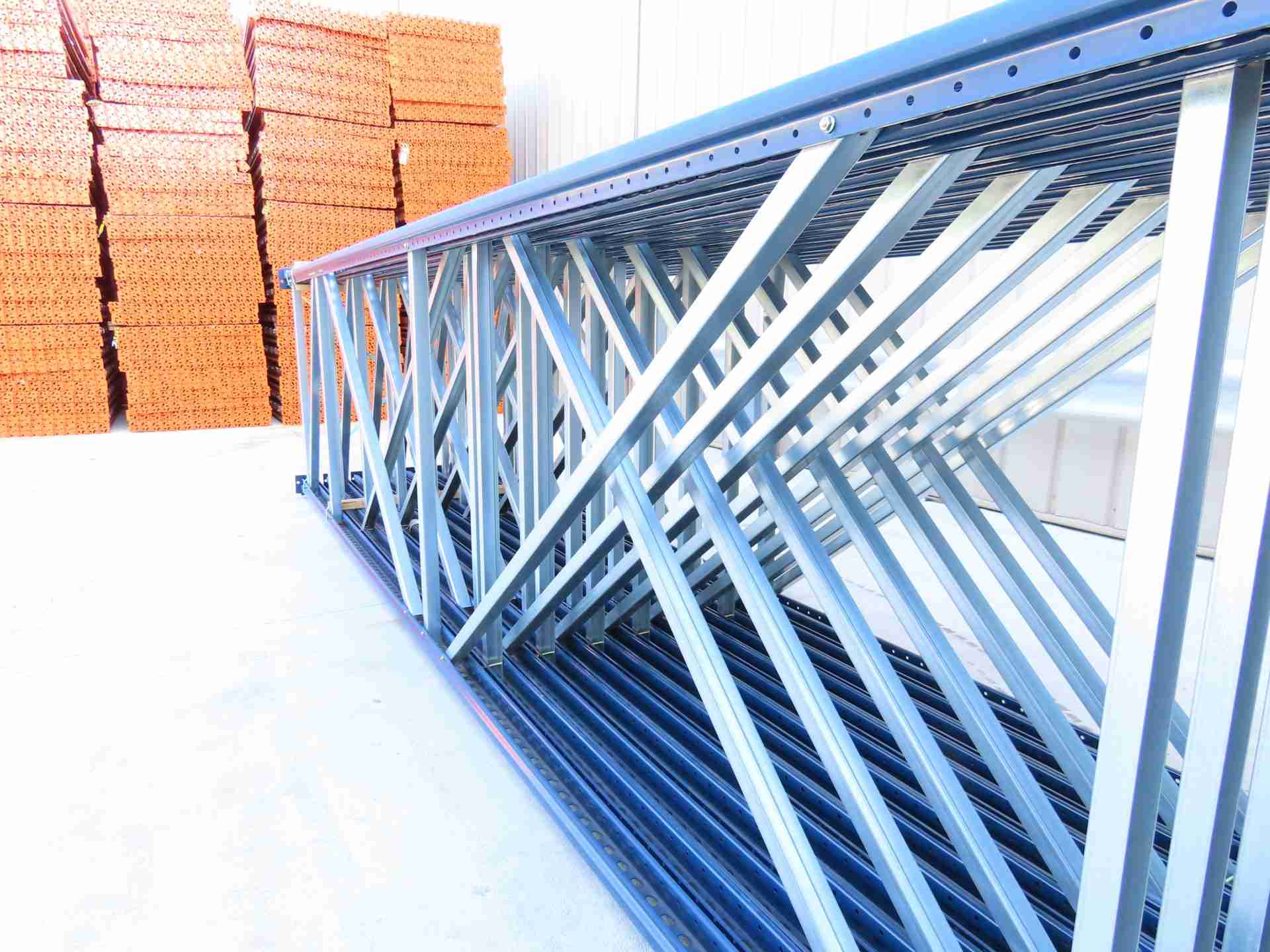
How Can Layout Planning Transform Supply Chain Productivity?
How Can Layout Planning Transform Supply Chain Productivity?
- Efficient warehouse layout is crucial for productivity, contrasting organized flow with chaotic environments.
- Strategic layout planning enhances movement and efficiency, making warehouses operate like well-oiled machines.
- A thoughtfully designed layout empowers the workforce, increasing engagement and pride in their roles.
- Improvements in layout lead to tangible outcomes, including faster delivery times and higher customer satisfaction.
- Economic benefits include significant cost reductions through improved efficiency and increased throughput.
- Layout planning has a large ripple effect on the entire supply chain, inspiring workers to take ownership and hustle harder.
- Rethinking layout can unlock the full potential of your workforce, fostering an environment where both humans and processes thrive.
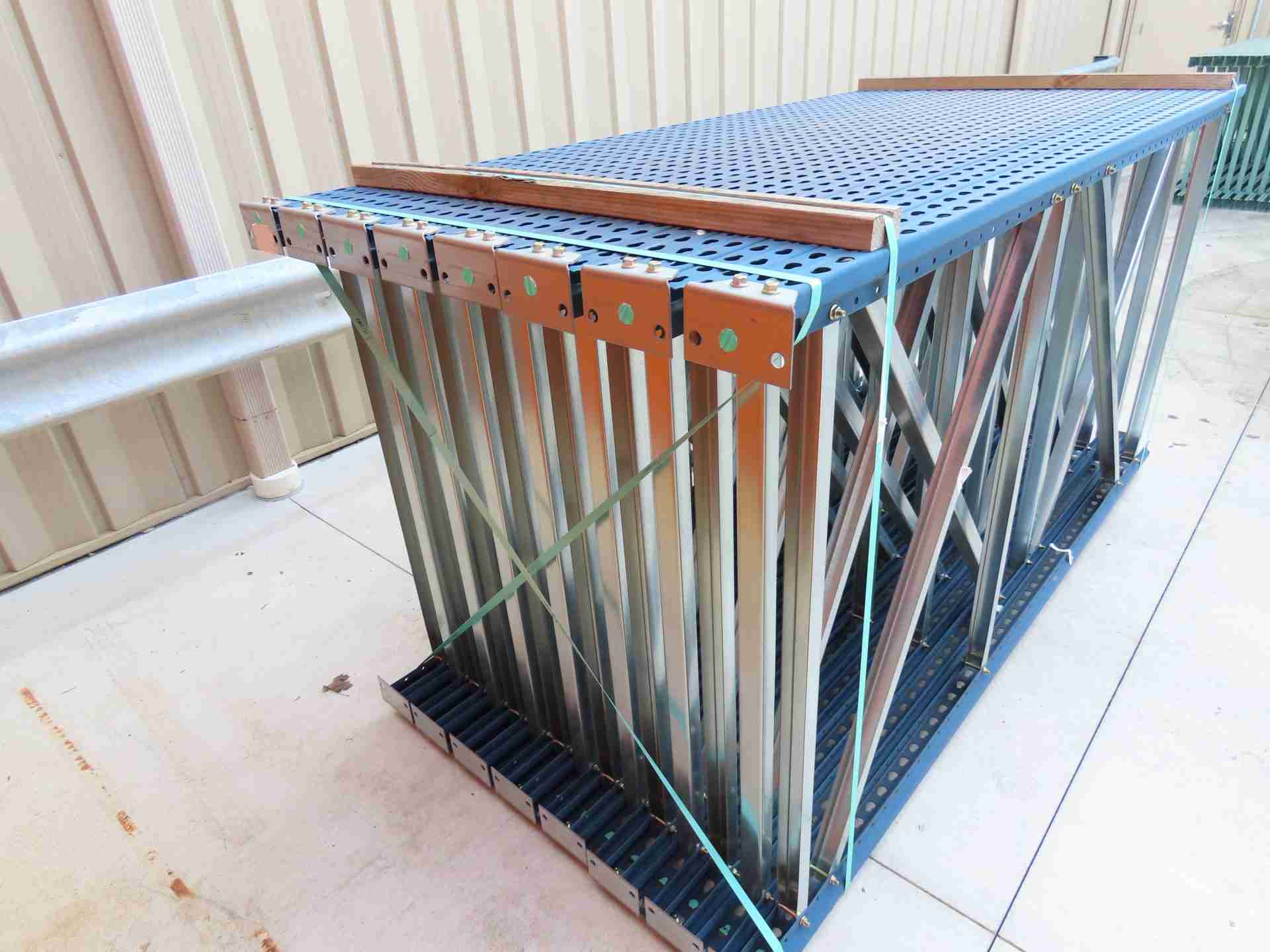
How Can Layout Planning Transform Supply Chain Productivity?
What Are the Emotional Impacts Of a Well-Organized Supply Chain?
When you think about a well-organized supply chain, the gears of industry often come to mind: trucks rolling, shelves racking up goods, and warehouses humming with efficiency. But peel back the layers of logistics, and you’ll find something much deeper—a web of emotional impacts that ripple through communities, families, and individuals.
Imagine a small-town grocer stocking fresh produce every morning, knowing that reliable suppliers are just a call away. This isn’t just convenience; it’s a lifeline. The grocer smiles as he fills his racking with vibrant fruits and vegetables, fostering connections with local farmers and nourishing the community. Each shipment represents not just inventory, but hope and sustenance, an assurance that people will have access to what they need.
On a broader scale, think about the seamless flow of essential goods during a crisis. When shelves are empty, anxiety rises. But a well-organized supply chain acts as a safety net—it’s the difference between panic and peace of mind. By ensuring that essentials are available, lives are not just maintained—they are improved. This reliability builds trust, not just in the system, but in each other. We find comfort in knowing that someone is looking out for us, quietly orchestrating a symphony of logistics behind the scenes.
And let’s consider the ethical implications. A well-managed supply chain doesn’t just lift a company’s bottom line; it uplifts communities. It means fair wages for workers, sustainable practices that honor the environment, and a commitment to social responsibility. These aren’t just buzzwords—they are the foundation of our shared humanity, the values that bind us. When we purchase from businesses that prioritize ethics along their supply chains, we are voting with our wallets. We’re saying that every transaction is a statement of our beliefs.
Every package that arrives at your door—every appliance delivered, every toy for a child—carries with it the heartbeat of countless individuals. Behind every barcode is a story—a narrative woven through the labor of many, a testament to their dedication and resilience.
When we take a moment to understand these emotional impacts, we realize we’re part of something greater than ourselves. A well-organized supply chain isn’t merely about products moving from point A to point B; it’s a dynamic force that shapes our lives, our communities, and our futures. So let’s engage with it, champion it, and support the people who make it possible.
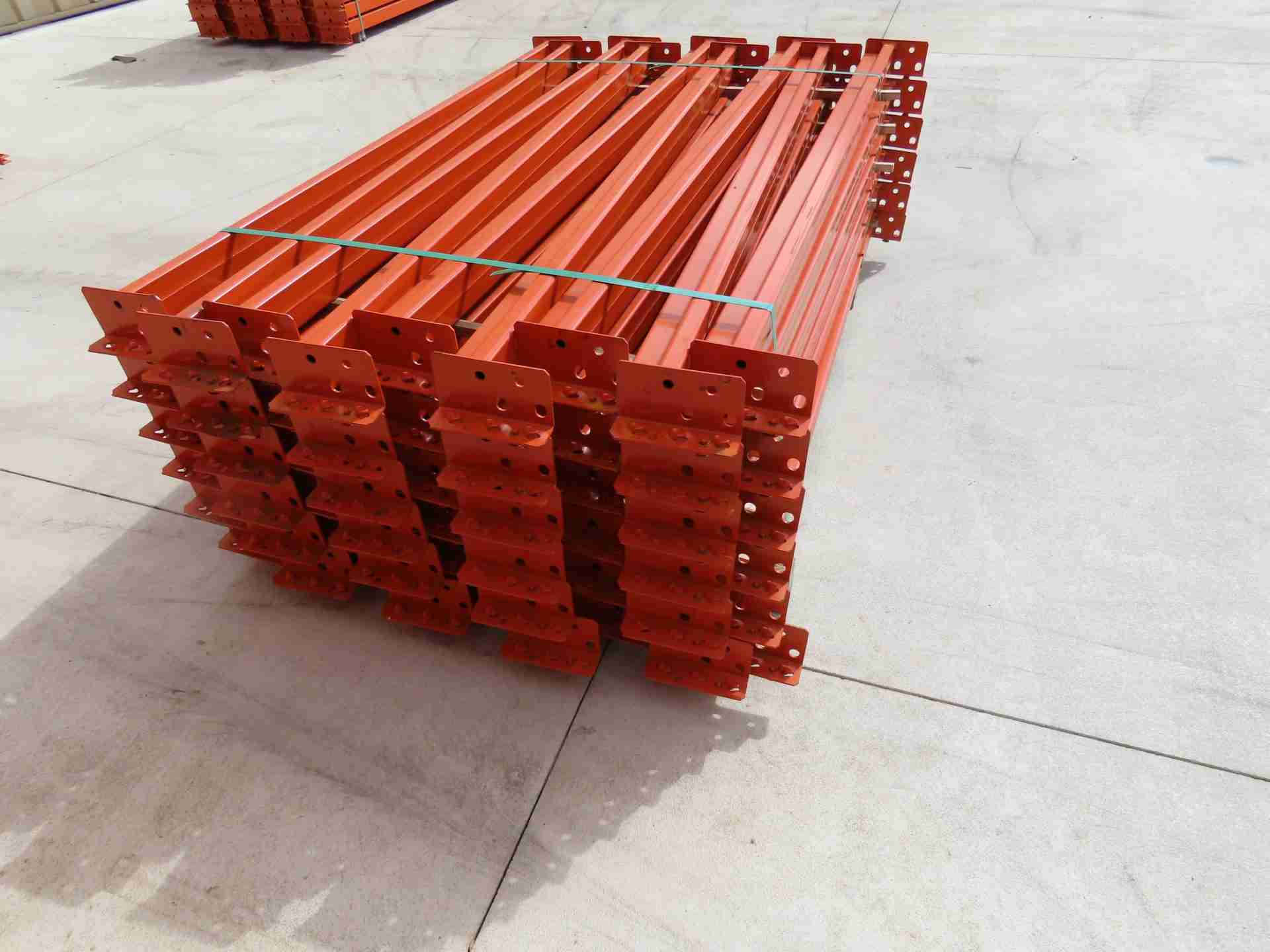
What Are the Emotional Impacts Of a Well-Organized Supply Chain?
What Are the Emotional Impacts Of a Well-Organized Supply Chain?
- A well-organized supply chain influences communities, families, and individuals beyond just logistics.
- A small-town grocer relies on reliable suppliers, fostering connections and nurturing the local community.
- Essential goods flow seamlessly during crises, providing peace of mind and alleviating anxiety.
- A reliable supply chain builds trust within communities and ensures access to vital resources.
- Ethical supply chains promote fair wages, sustainable practices, and social responsibility.
- Every delivery represents the efforts and stories of countless individuals involved in the supply chain.
- Understanding emotional impacts connects us to something larger, shaping our lives and communities.
What Are the Emotional Impacts Of a Well-Organized Supply Chain?
What Ethical Considerations Arise In Supply Chain Layout Decisions?
When it comes to supply chain layout decisions, the ethical landscape can be thorny. Imagine a warehouse filled with racking systems, meticulously organized to optimize efficiency. But behind that impressive array of shelves lies a web of decisions impacting lives—decisions that can resonate through communities and the environment.
Picture a small town where a major distribution center has just opened its doors. On one hand, job opportunities flourish; on the other, that prosperity brings questions: Are workers treated fairly? Are wages livable? It’s not just about the bottom line; it’s about the people who show up day in and day out to keep the gears turning. When evaluating layout decisions, we must ask ourselves, what kind of workplace culture are we fostering? A focus on efficiency should never overshadow our responsibility to create a supportive and welcoming environment.
Ethical supply chains also beg us to consider sustainability. The choice of where to source materials impacts not just the economy but the environment, too. When companies opt for racking sourced from sustainable forestry or recycled materials, they’re planting seeds of trust with consumers who are increasingly conscious of their buying choices. The decision to prioritize eco-friendly options is more than just a marketing gimmick; it’s a genuine commitment to future generations. When individuals see firms holding themselves accountable, it fosters a culture of integrity that extends beyond the boardroom and into everyday consumer interactions.
And let’s not forget the social implications. How does the layout decision affect local economies? When a company chooses to build a sprawling distribution center in a region with already high unemployment, it should ensure that the local populace is prioritized for hiring. It’s about weaving a narrative that connects businesses to their communities, creating a sense of belonging and shared responsibility. Consumers increasingly expect brands to be better stewards of their local landscapes, holding them accountable for their decisions.
Supply chain layout decisions carry weight far beyond logistics and profitability. These choices unify us, challenging each of us to step outside the spreadsheets and embrace the story behind the racking—stories of dignity, fairness, and responsibility that breathe life into an otherwise faceless supply chain. It’s a clarion call to act ethically, not just in what we deliver, but in how we do it.
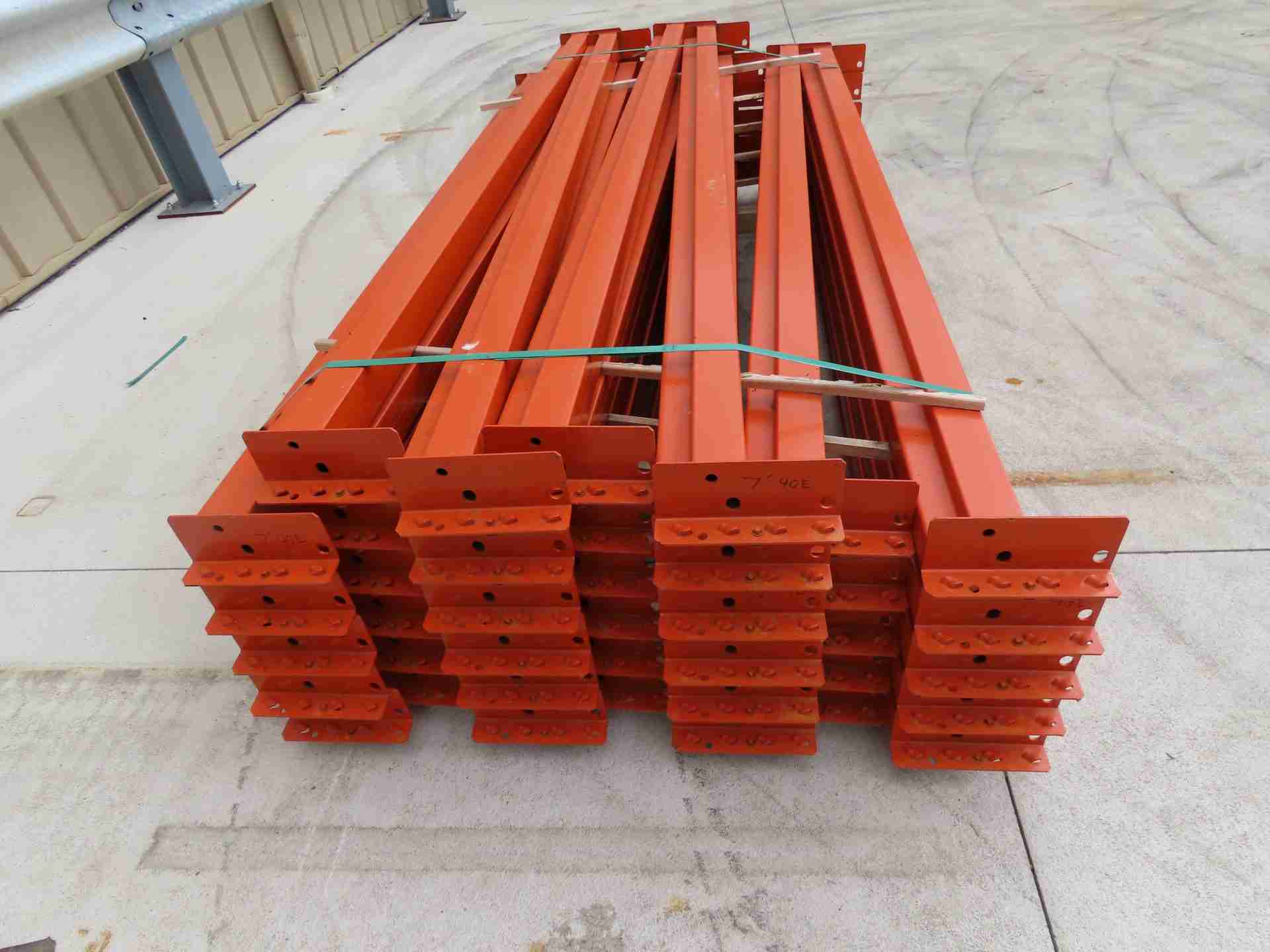
What Ethical Considerations Arise In Supply Chain Layout Decisions?
What Ethical Considerations Arise In Supply Chain Layout Decisions?
- Supply chain layout decisions have complex ethical implications affecting communities and the environment.
- Opening a distribution center creates job opportunities but raises concerns about worker treatment and fair wages.
- The focus on efficiency should not overshadow the need for a supportive workplace culture.
- Ethical supply chains require consideration of sustainability, including sourcing materials responsibly.
- Choosing sustainable options fosters consumer trust and reflects a commitment to future generations.
- Layout decisions impact local economies and should prioritize hiring from the surrounding community.
- Ethical actions in supply chain management transcend logistics, emphasizing dignity, fairness, and responsibility.
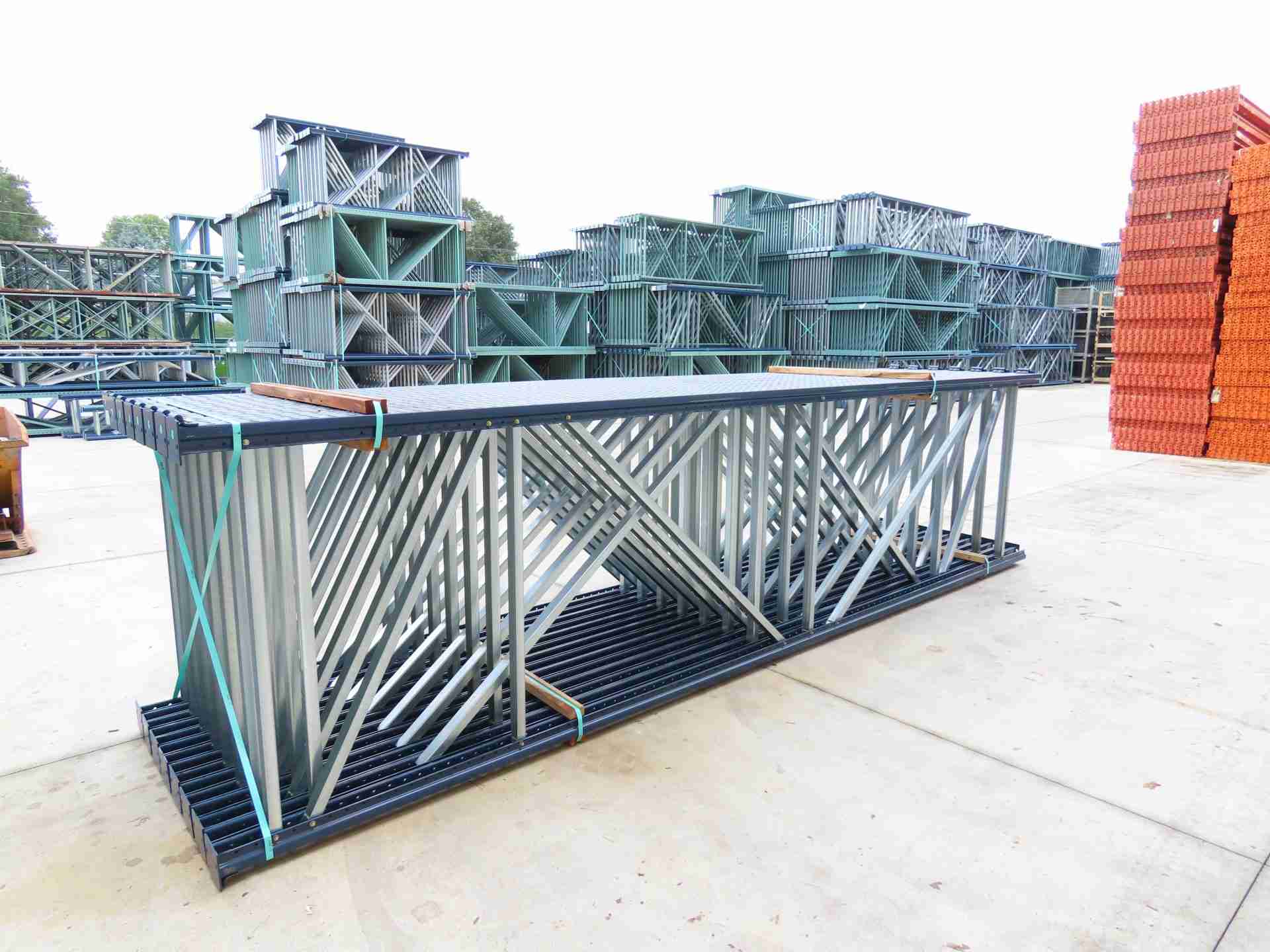
What Ethical Considerations Arise In Supply Chain Layout Decisions?
What Stories Can Illustrate the Power Of Effective Layout Planning?
When thinking about the power of effective layout planning, let’s delve into a story that transcends mere strategy and dives deep into human experience. Picture this: a warehouse filled with racking systems that seem almost like silent sentinels, each level representing a lifeline for small business owners striving to meet skyrocketing demand.
Meet Clara, a determined entrepreneur with a heart full of dreams and a small team working tirelessly to build a life from their passion for handmade crafts. In the early days, her warehouse was a chaotic maze of boxes and supplies. Orders piled up, and with every missed shipment, frustration mounted. Clara felt that familiar knot in her stomach as she watched her dreams waver on the brink of failure, all due to a lack of effective layout planning.
Then came the turning point. Clara sought the advice of an experienced logistics consultant—a sage in the world of layout planning. Together, they tackled that chaotic space, reimagining it with a focus on flow and efficiency. The transformation was mesmerizing. A well-organized layout turned her disarray into a symphony of productivity. Racking systems were deployed strategically, creating a seamless pathway for her team that reduced wasted time and effort.
With each improvement, Clara felt an emotional weight lift. The sense of camaraderie among her team blossomed. Heads nodded in agreement as they worked smarter, not harder. Orders were filled on time, and customer satisfaction surged, echoing across social media as glowing testimonials flowed in. Those words were more than just reviews—they were validation that Clara’s vision was viable, her ethical commitment to quality, and her drive to support her local economy had paid off.
Clara’s story is not just about objects neatly arranged on shelves; it’s a testament to the transformative power of effective layout planning. It showed her that when you invest in the structure of your workspace, you not only enhance efficiency but also create an environment where dreams can flourish. It speaks to the core of what we do: fostering connection, inspiring trust, and building a community where artisans like her can thrive.
Proper layout planning is not solely a logistical necessity, but a lifeline to achieving our goals, improving our paths, and changing lives, one racking system at a time.
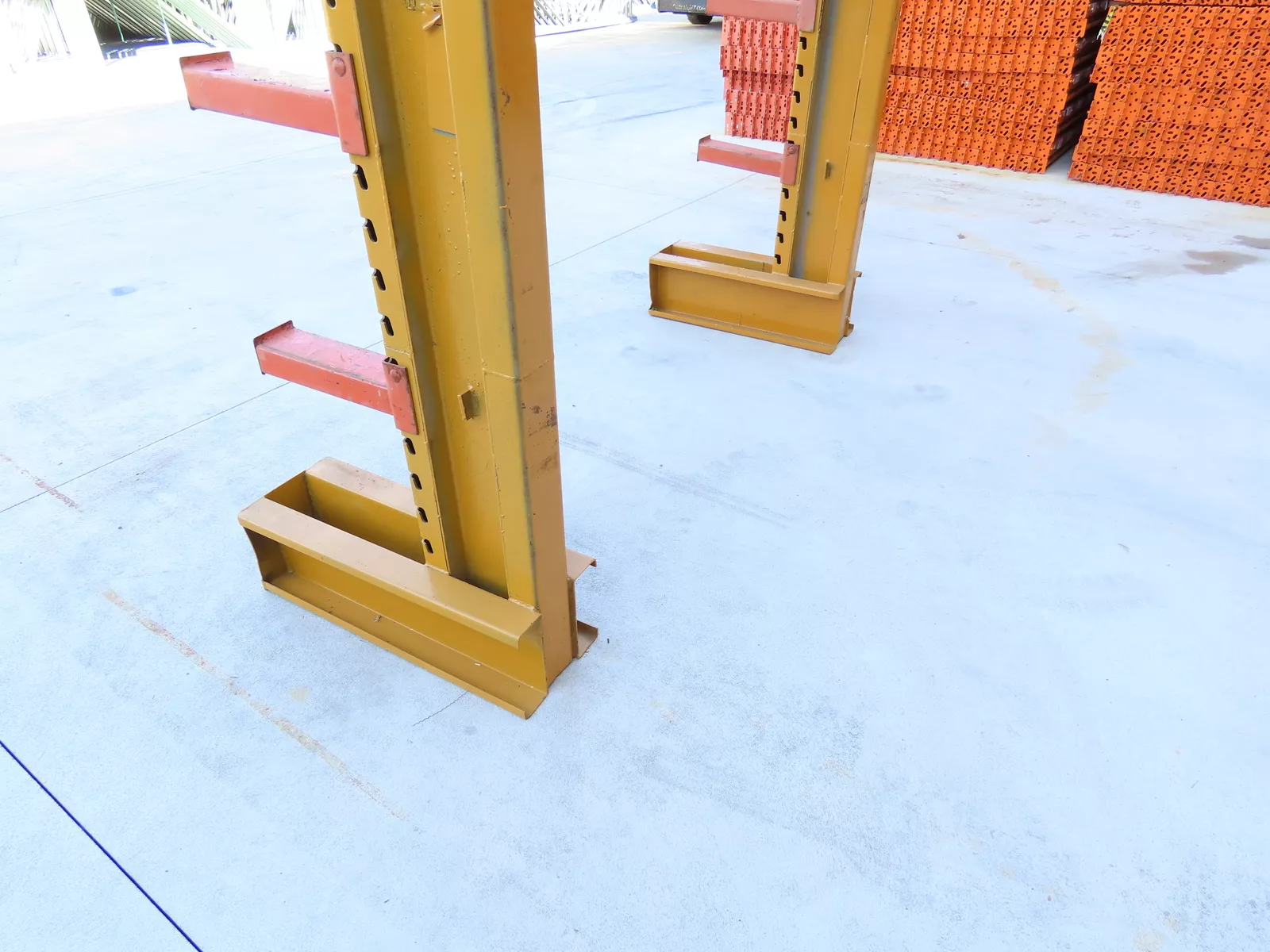
What Stories Can Illustrate the Power Of Effective Layout Planning?
What Stories Can Illustrate the Power Of Effective Layout Planning?
- The power of effective layout planning can transform human experiences in business.
- Clara, an entrepreneur, struggled with a chaotic warehouse impacting her handmade crafts business.
- With the help of a logistics consultant, Clara redesigned her warehouse for improved flow and efficiency.
- The new layout increased productivity, creating a seamless pathway for her team.
- As a result, customer satisfaction improved, and positive testimonials highlighted Clara’s success.
- Clara’s journey illustrates that effective layout planning enhances efficiency and fosters a supportive business environment.
- Proper layout planning serves as a crucial element in achieving business goals and transforming lives.
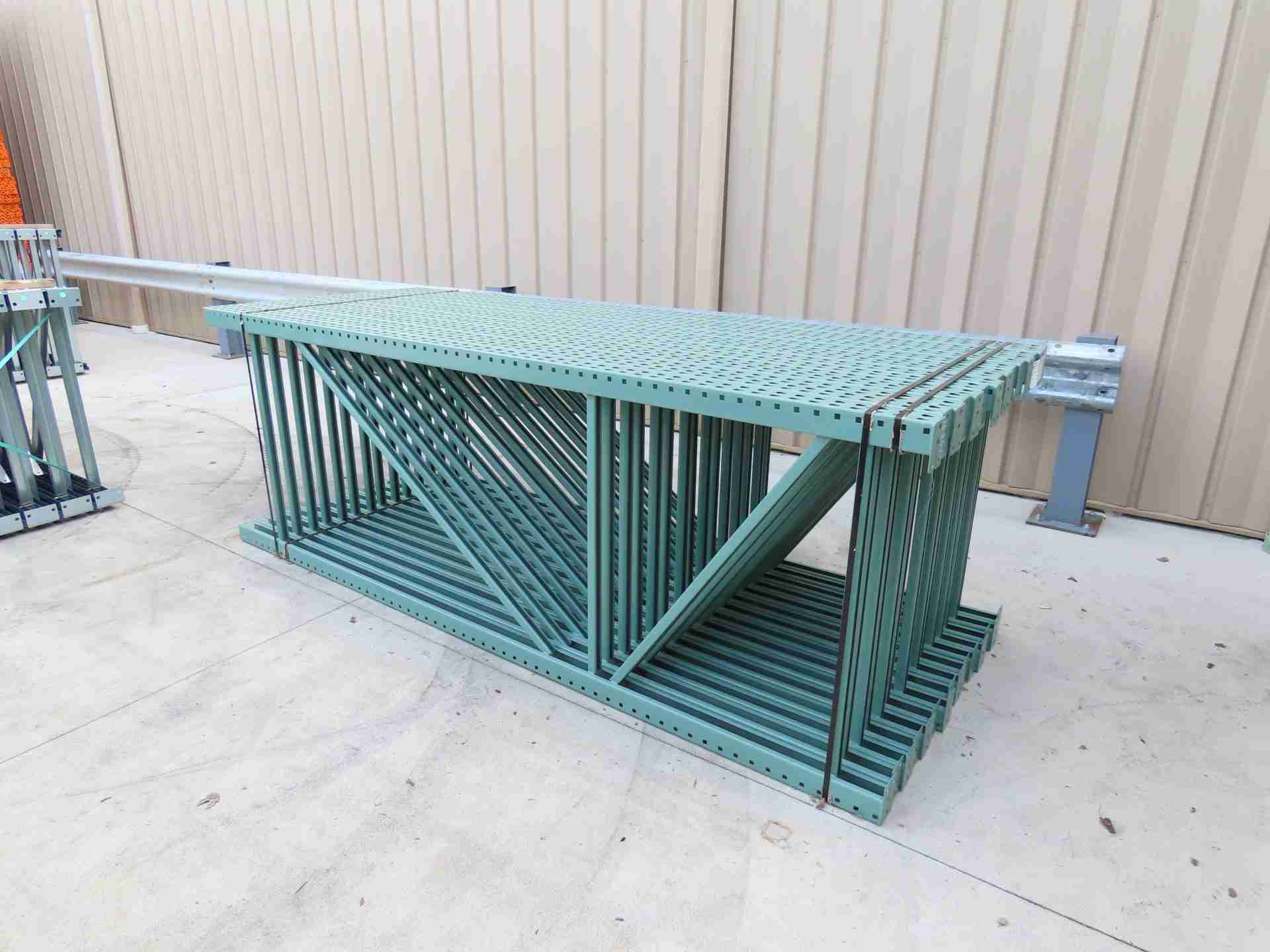
What Stories Can Illustrate the Power Of Effective Layout Planning?
How Does a Streamlined Layout Foster Better Collaboration Among Teams?
When you step into a workspace that feels more like a racking system for ideas than a jumble of chaos, the difference is palpable. A streamlined layout isn’t just about aesthetics; it’s about creating a tangible connection among team members. Picture this: a wide-open space where every desk faces each other, where the whiteboards aren’t tucked away in a forgotten corner but are front and center, inviting creativity and collaboration. You can almost hear the ideas bouncing off the walls, igniting a spark of innovation that fuels progress.
At its core, a streamlined layout fosters an environment where collaboration thrives. Why? Because it dismantles the barriers that often stifle communication. When people can see each other, when they can effortlessly share a laugh or a quick brainstorm, trust begins to flourish. It’s that instinctive pull—knowing a colleague is just an arm’s length away—that inspires confidence to share ideas, whether they’re fully formed or just a spark of inspiration. This isn’t just about getting work done; it’s about nurturing a collective spirit that can make a difference.
Rationally, scientific studies back this up. Open designs, with their intentional layouts, have been shown to boost productivity and engagement. When teams feel a sense of connection, they’re more invested, not just in their tasks but in each other’s success. Every step taken in the name of collaboration strengthens the team’s capacity to innovate and adapt, beating the odds of isolation that can haunt even the most ambitious projects.
Ethically, we owe it to each other to create spaces where every voice can be heard. When we prioritize a layout that invites collaboration, we cultivate an inclusive environment that recognizes the value of diverse perspectives. The the assembly line of ideas that follows benefits not just the team, but the entire organization.
And let’s get real—think of the joy of watching a project morph from a flickering spark into a bright flame because of a collective effort. Imagine the stories that emerge when individuals come together, racking up not just tasks but real moments of teamwork that lead to breakthroughs. This layout doesn’t just change the physical space; it transforms the way teams relate to each other, fostering a sense of community that encourages everyone to roll up their sleeves and dig in together. When you strip it all down, a streamlined layout isn’t just a design choice; it’s a lifeline to better collaboration and deeper connections.
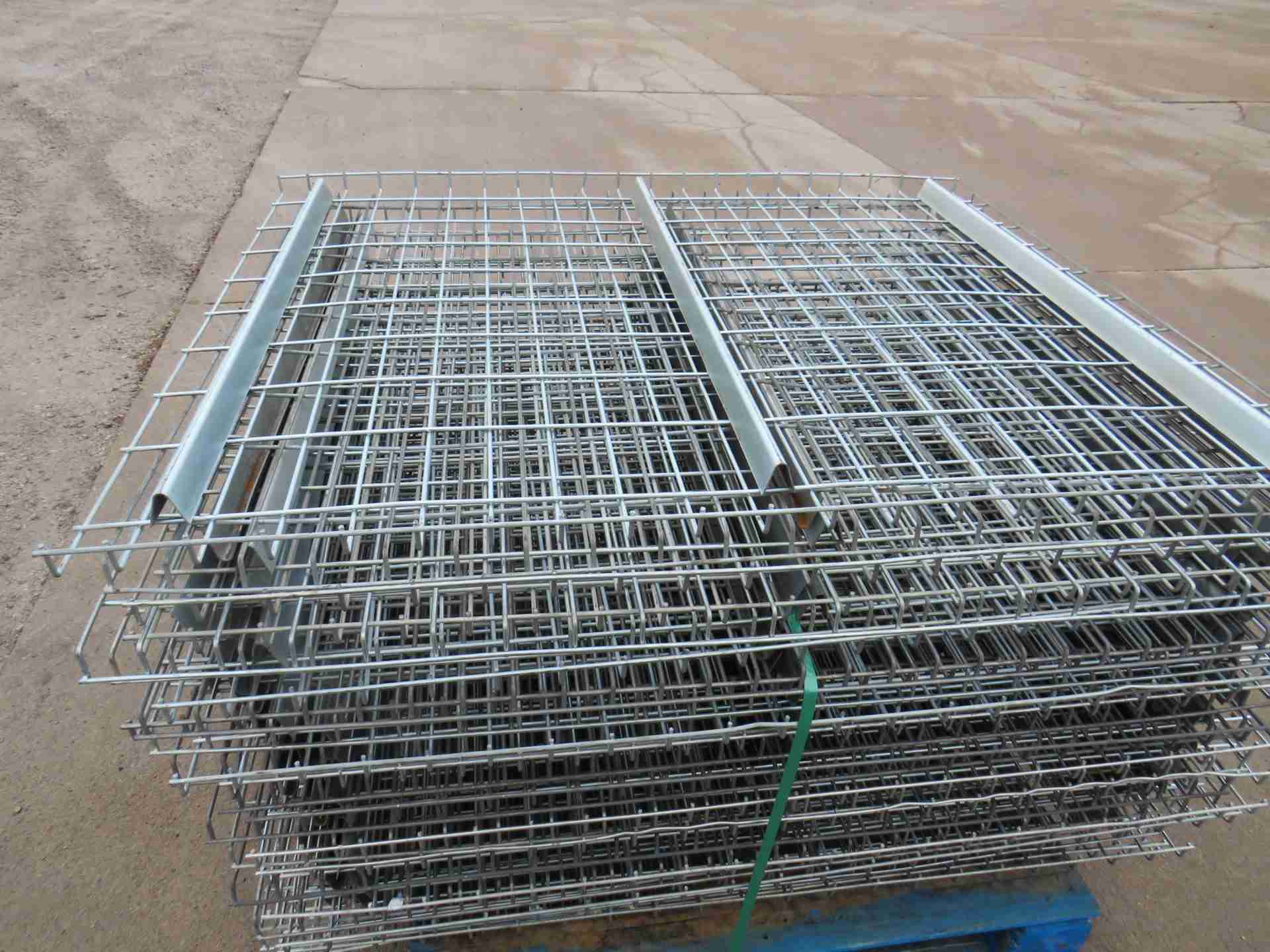
How Does a Streamlined Layout Foster Better Collaboration Among Teams?
How Does a Streamlined Layout Foster Better Collaboration Among Teams?
- A streamlined workspace enhances collaboration and communication among team members.
- Open layouts encourage creativity, with desks facing each other and whiteboards prominently displayed.
- Physical proximity fosters trust and encourages spontaneous sharing of ideas.
- Research shows that open designs increase productivity and team engagement.
- Creating inclusive spaces values diverse perspectives and benefits the entire organization.
- Collective efforts enable projects to grow from initial ideas into successful outcomes.
- A streamlined layout transforms team dynamics, building a sense of community and cooperation.
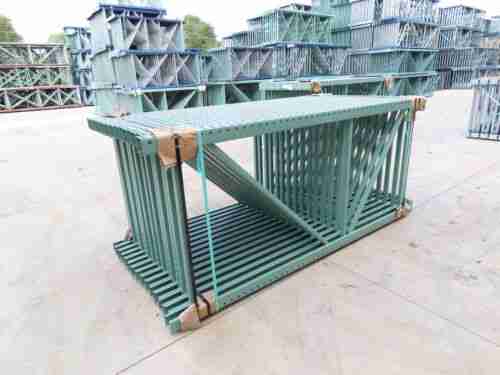
How Does a Streamlined Layout Foster Better Collaboration Among Teams?
Conclusion
Smart layout planning in supply chain management isn’t merely a logistical necessity; it’s a heartfelt commitment to the individuals who keep the wheels turning. Imagine a bustling warehouse, where every worker glides through organized aisles instead of navigating a chaotic maze. This structure doesn’t just elevate efficiency; it nurtures human dignity, allowing employees to work without the frustration that comes from disorder. When workers can easily access the tools and materials they need, they leave their jobs not just functional, but fulfilled.
From a rational standpoint, thoughtful layout planning diminishes wasted time and resources—elements that lay the groundwork for a responsive and adaptable business. When inventory management flows seamlessly, companies don’t just keep up with demand; they thrive. Additionally, there’s an ethical dimension that appeals to our better nature. By optimizing operations, companies can lower their environmental impact, minimizing transportation and waste while aligning with the values of an increasingly conscious consumer base.
Industry experts spotlight the tangible advantages of well-structured layouts, which can lead to remarkable cost savings and increased throughput. Although often overlooked, the impact on morale is profound. When an organization invests in its infrastructure, employees feel respected, valued, and part of a larger narrative—one that fosters teamwork and dedication.
At a societal level, effective layout planning serves as a catalyst for collaboration and communication. Imagine the camaraderie that blossoms in a workspace designed for interaction; silos dissolve and innovation flourishes. These connections translate into improved productivity, creating a ripple effect that enhances overall efficiency.
Beyond the business metrics, there’s an emotional component to consider. This isn’t just about moving products; it’s about sustaining lives and communities. Think of the small-town grocer relying on timely deliveries to keep his shelves stocked and his customers happy. Each shipment safeguards not just the bottom line, but the very heartbeat of the community.
Layout planning is more than systems and structures; it’s a pledge to uplift the human experience, to invest in the people behind the processes. Embracing smart layout planning means embracing a future where businesses not only succeed economically but also contribute positively to society. It’s time to recognize the power of effective design in shaping lives, sparking collaboration, and forging connections that matter. The layout of our environments is a reflection of our values—let’s ensure they resonate with purpose and integrity.
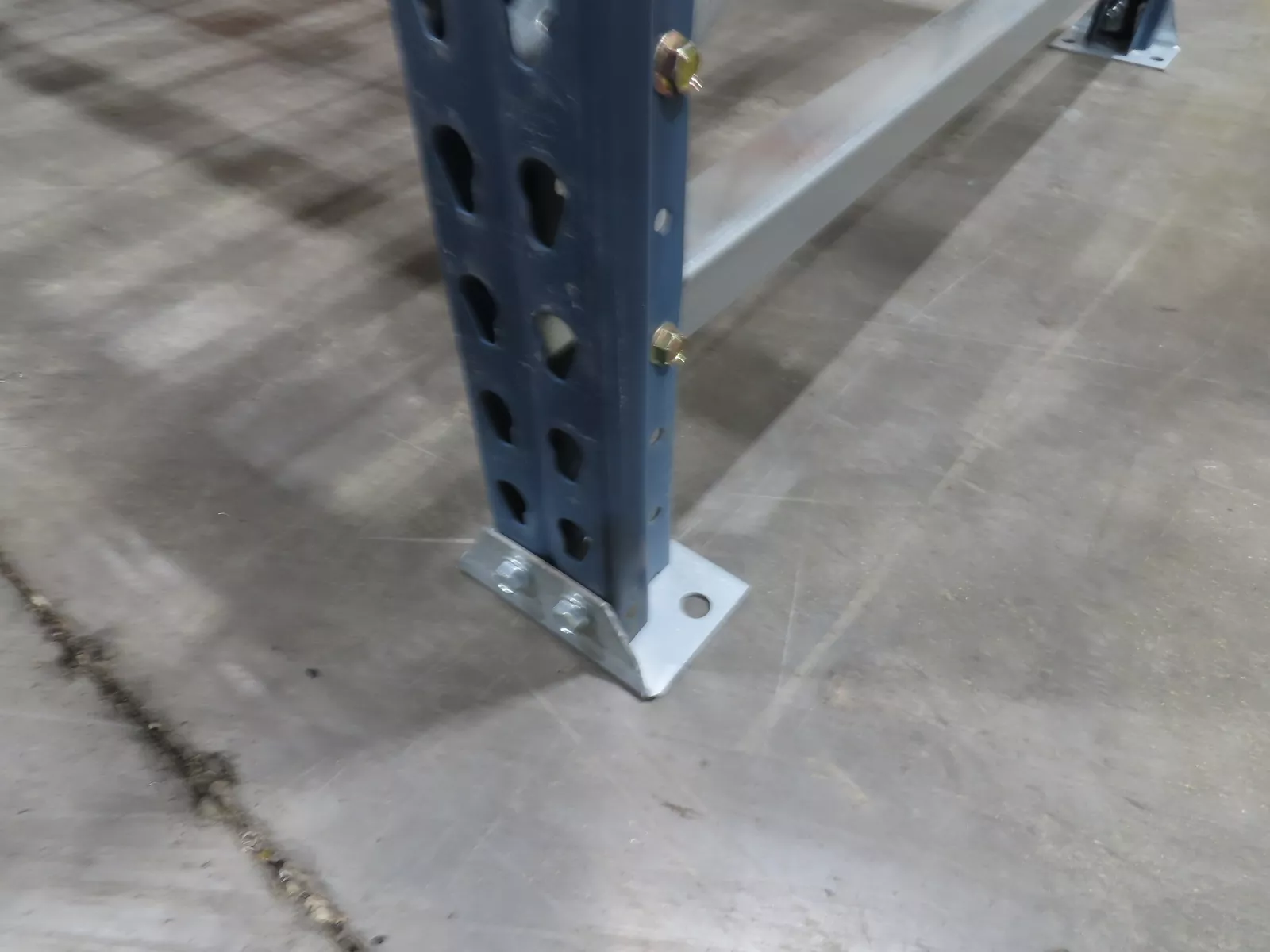
Conclusion
Conclusion:
- Smart layout planning in supply chain management is about improving human experience and dignity for workers.
- Organized layouts enhance efficiency, allowing employees to work in a stress-free environment.
- Thoughtful layout planning reduces waste and fosters a responsive and adaptable business model.
- Optimized operations can lower environmental impact, appealing to conscious consumers.
- Well-structured layouts lead to cost savings, increased throughput, and improved employee morale.
- Effective layout planning promotes collaboration and communication, fostering innovation and teamwork.
- Ultimately, layout planning is a commitment to uplifting communities and contributing positively to society.
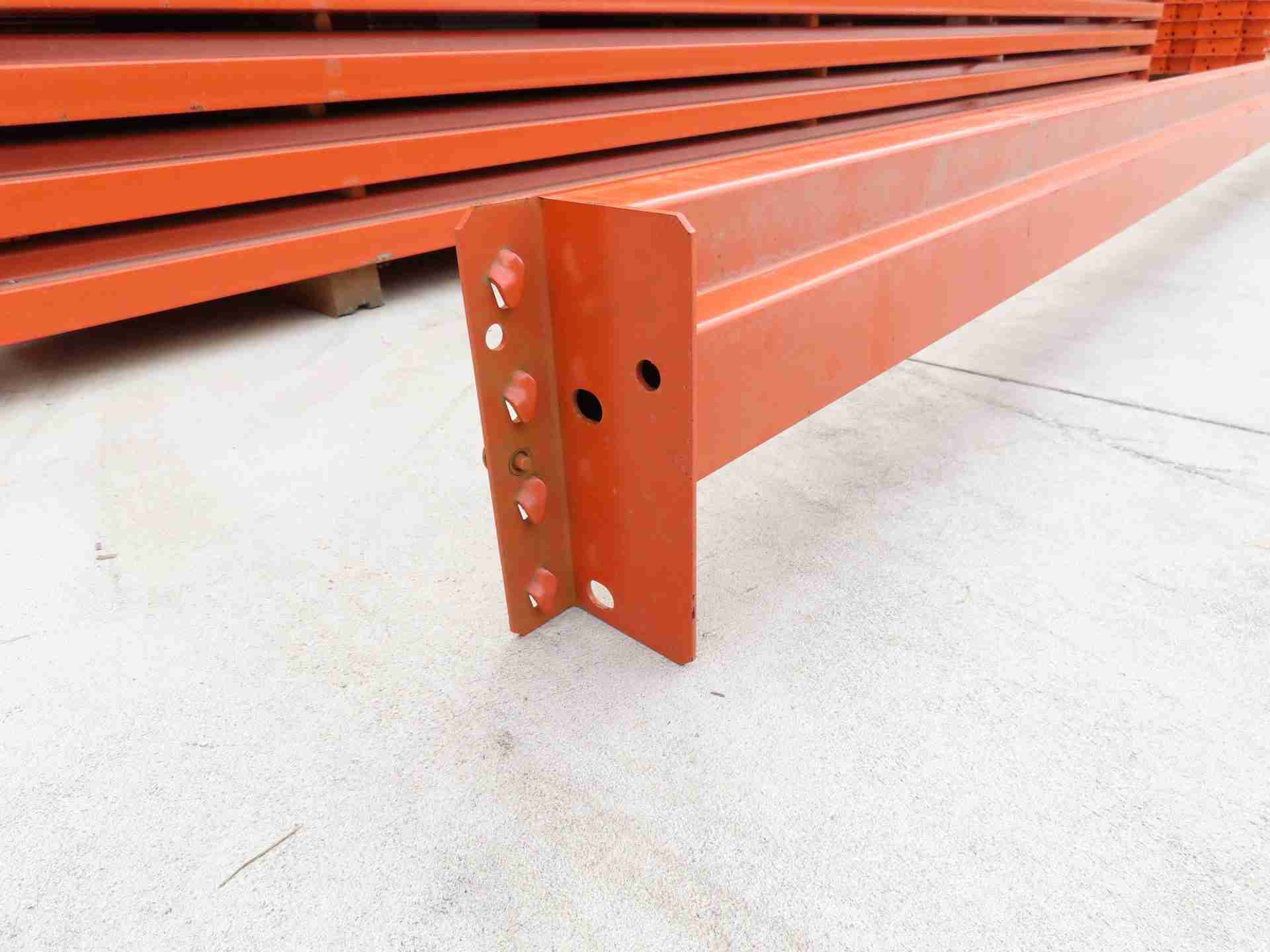
Conclusion
Other Resources
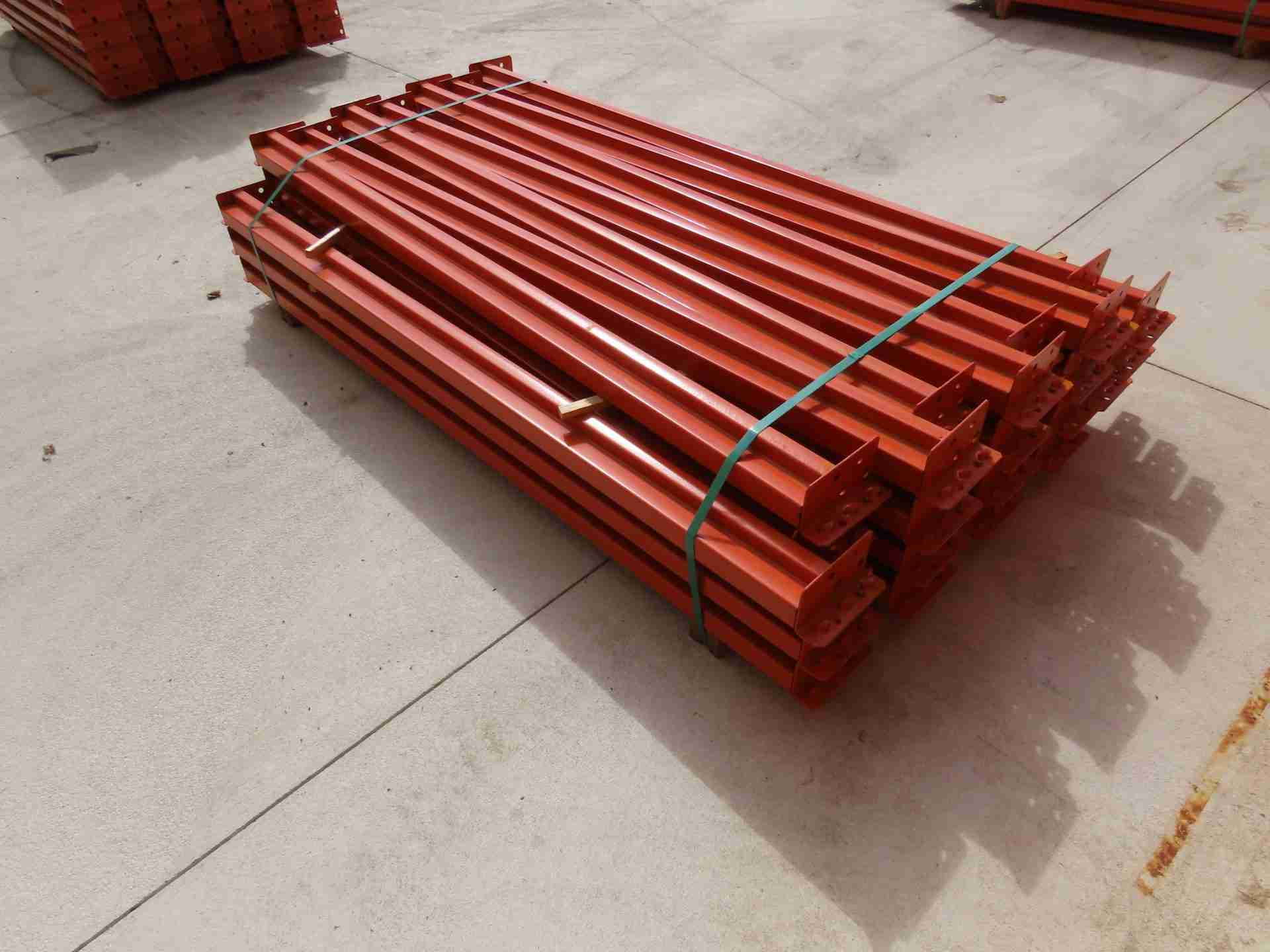
Other Resources
Here is a list of other resources you can review online to learn more:
- Warehousing and Fulfillment
- Storage Equipment Manufacturers Association
- WERC
- CA Wire
- Pallet Rack Systems – New and Used Pallet Racking and Shelving Experts
- Pallet Racking systems in Illinois and Great Lakes
- Interlake Mecalux
- Racking World
- Cantilever Racks Chicago
- Heavy-Duty Cantilever Storage Racks
- Cantilever Rack Guide: Ordering Cantilever Racking
- Warehouse Racking Chicago, IL
- Total Warehouse
- IIWS Inc. Rack Installation Illinois & Rack Repairs Illinois
- Cantilever Rack Guide: Ordering Cantilever Racking
- Chicago Pallet Racking
- Interlake
- CMMA
- What is Cantilever Racking? – AK Material Handling Systems
- Warehouse Storage Racks
Use This Prompt To Get More Resources With Your Favorite Online AI Tool: Please provide me with a list of online articles with their URLs in a bulleted list that I can read regarding How Smart Layout Planning Drives Supply Chain Efficiency
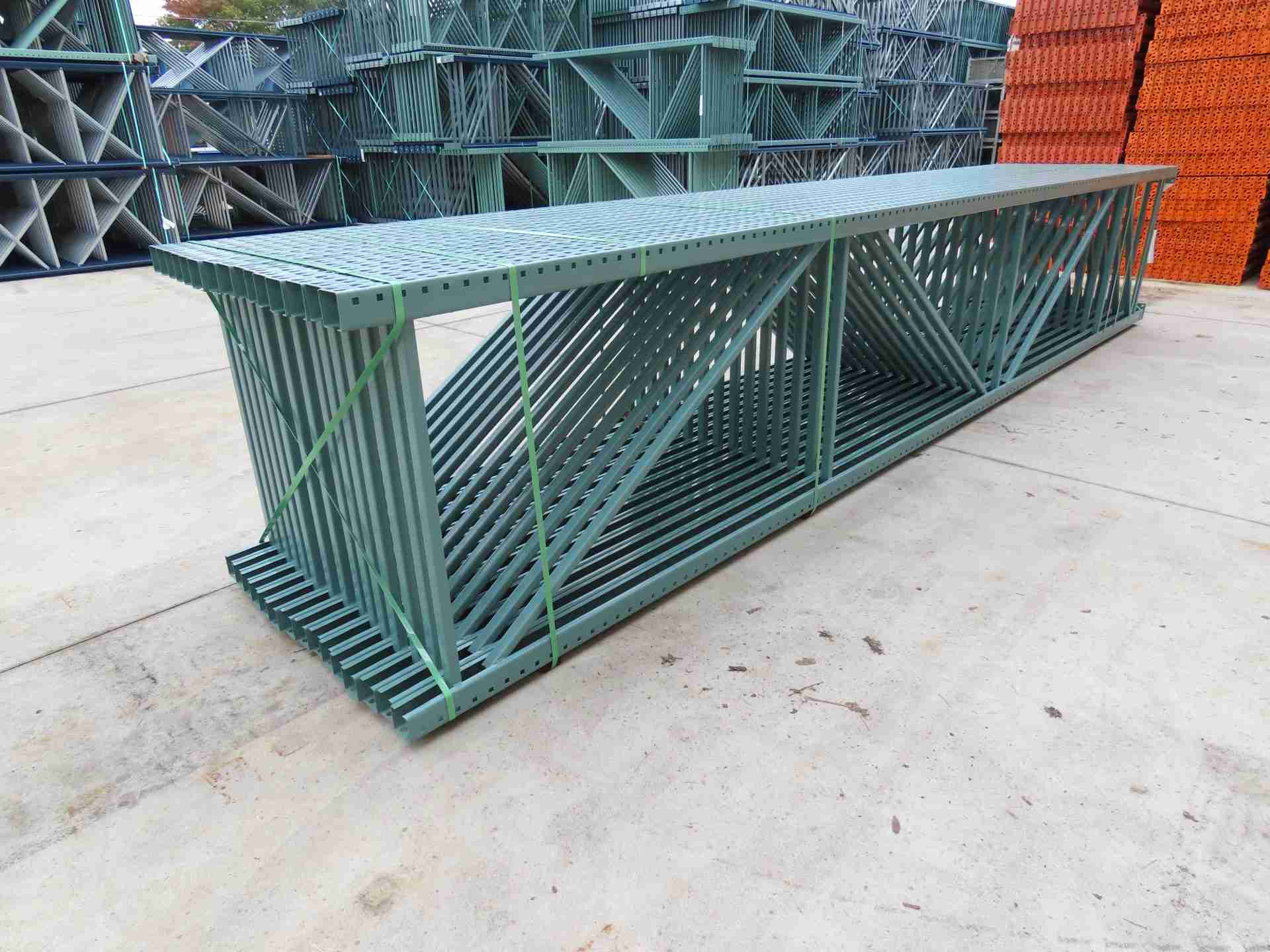
Other Resources
Glossary Terms
How Smart Layout Planning Drives Supply Chain Efficiency – Glossary Of Terms
1. Supply Chain: A network of organizations, people, activities, information, and resources involved in delivering a product or service from supplier to customer.
2. Layout Planning: The process of arranging physical facilities, equipment, and activities in a way that optimizes workflow and efficiency.
3. Efficiency: The ability to achieve maximum productivity with minimum wasted effort or expense.
4. Workflow: The sequence of processes through which a piece of work passes from initiation to completion.
5. Inventory Management: The supervision of non-capitalized assets, or inventory, and stock items to ensure adequate supply without excessive surplus.
6. Lean Methodology: A systematic approach to minimizing waste without sacrificing productivity, focusing on value creation.
7. Process Optimization: The act of improving a process to make it more efficient, often through reducing time or costs.
8. Ergonomics: The study of people’s efficiency in their working environment, often applied to layout designs for safety and comfort.
9. Material Handling: The movement, protection, storage, and control of materials throughout the manufacturing and distribution stages.
10. Flow Path: The route that materials or products take as they move through a facility, influencing efficiency.
11. Just-In-Time (JIT): An inventory strategy that aligns raw-material orders with production schedules to minimize inventory costs.
12. Cross-Docking: A logistics process where products are directly transferred from incoming to outgoing transportation with minimal storage time.
13. Warehouse Management System (WMS): Software that supports the day-to-day operations in a warehouse, from inventory management to order fulfillment.
14. Supply Chain Visibility: The ability to track and monitor all aspects of the supply chain in real-time for informed decision-making.
15. Demand Forecasting: The process of estimating future customer demand to optimize inventory levels and production schedules.
16. Distribution Center: A specialized warehouse designed to store products before distributing them to retailers or customers.
17. Supplier Collaboration: Working closely with suppliers to improve quality, reduce costs, and streamline processes in the supply chain.
18. Capacity Planning: The process of determining the production capacity needed by an organization to meet changing demands for its products.
19. Bottleneck: A point in a process where the flow is limited due to insufficient capacity, causing delays and inefficiencies.
20. Automation: The use of technology to perform tasks with minimal human intervention to enhance speed and accuracy.
21. Floor Plan: A visual representation of a layout that illustrates the arrangement of spaces and equipment in a facility.
22. SKU (Stock Keeping Unit): A unique identifier for a specific product or item in inventory, used to track and manage stock.
23. Lead Time: The total time from the initiation of a process to its completion, crucial for planning and delivery schedules.
24. Kanban System: A visual scheduling system that helps manage workflow efficiently by signaling when to replenish inventory.
25. Safety Stock: Extra inventory kept on hand to protect against variability in demand or supply chain disruptions.
26. Reverse Logistics: The process of moving goods from their final destination back to the manufacturer for returns, repairs, or recycling.
27. Traceability: The ability to track the history, location, and application of an item throughout the supply chain.
28. Order Fulfillment: The complete process of receiving, processing, and delivering customer orders efficiently.
29. Value Stream Mapping: A visual tool used to analyze the flow of materials and information to improve efficiency in a process.
30. Collaboration Tools: Software that enables communication and project management among various stakeholders in the supply chain.
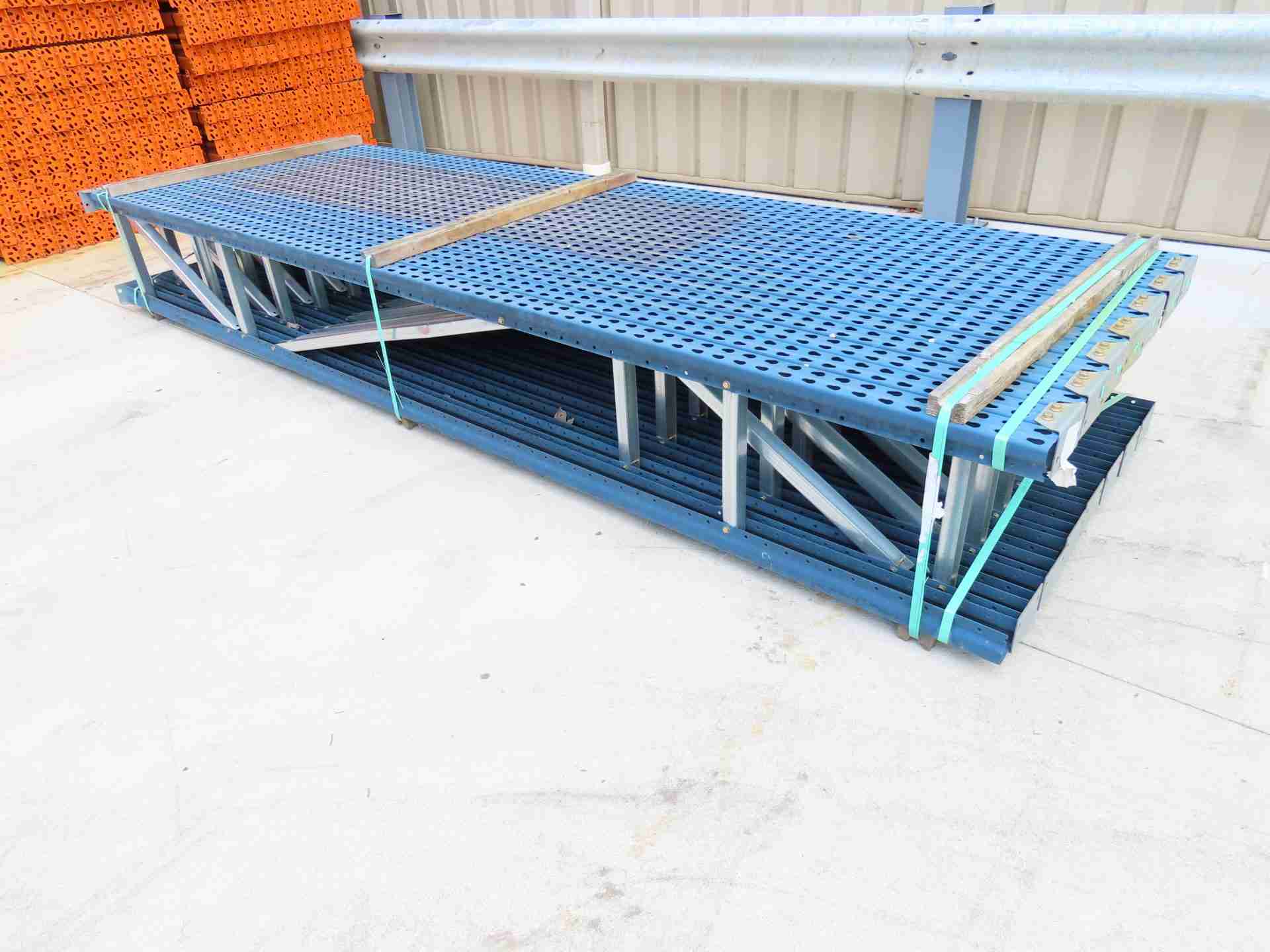
Glossary Of Terms
Other Questions
How Smart Layout Planning Drives Supply Chain Efficiency – Other Questions
If you wish to explore and discover more, consider looking for answers to these questions:
- What are the key principles of effective layout planning in supply chains?
- How do layout plans differ between various types of warehouses?
- What tools or technologies can assist in layout planning?
- What metrics should organizations track to measure the effectiveness of their layout planning?
- How often should companies reassess their layout plans?
- What common mistakes should businesses avoid in layout planning?
- How can layout planning be adapted for e-commerce operations?
- What case studies demonstrate successful layout transformations?
- How does employee feedback factor into layout planning decisions?
- What role does layout planning play in crisis management and contingency planning?
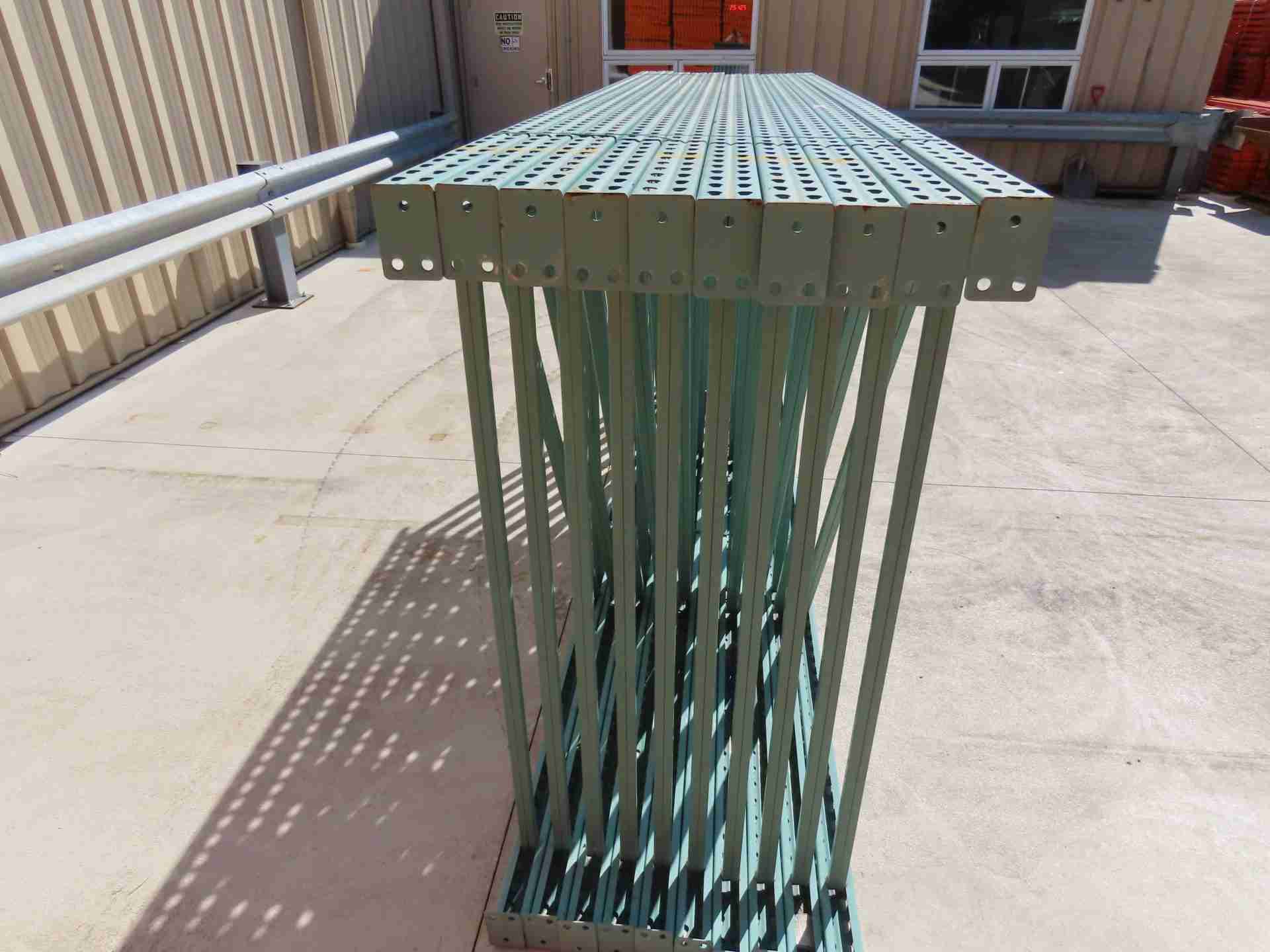
Other Questions
Checklist
How Smart Layout Planning Drives Supply Chain Efficiency – A Checklist
Checklist for Optimizing Supply Chain Efficiency through Smart Layout Planning
Appeal to the Heart
_____ Promote Worker Safety: Ensure all layout designs prioritize reducing hazards and injury risks for employees.
_____ Cultivate Dignity and Respect: Design spaces where every worker feels valued and can perform their tasks with pride.
_____ Foster Community Connections: Engage with local suppliers and ensure your layout supports local economies.
Appeal to the Head
_____ Analyze Efficiency Metrics: Regularly review time and resource usage to identify areas for improvement.
_____ Implement Inventory Management Systems: Use technology to streamline inventory processes and enhance responsiveness to demand changes.
_____ Consult with Experts: Seek advice from logistics professionals to gain insights that drive performance improvements.
Appeal to the Gut
_____ Consider Environmental Impact: Opt for sustainable materials and practices in your supply chain layout decisions.
_____ Encourage Employee Engagement: Create an environment that motivates workers to take ownership and initiative in their roles.
_____ Track Cost Reduction: Measure operational savings resulting from strategic layout planning and celebrate these wins with your team.
Appeal to Ethics
_____ Prioritize Fair Treatment: Ensure fair wages and working conditions for all employees involved in the supply chain.
_____ Evaluate Sustainable Practices: Regularly assess suppliers and materials for their ethical and environmental standards.
_____ Engage in Corporate Social Responsibility: Develop a strategy that connects supply chain operations to broader community goals.
Appeal to Authority
_____ Use Data-Driven Insights: Base layout decisions on research and data gathered from industry leaders and studies.
_____ Stay Current with Trends: Follow supply chain innovations and expert recommendations to enhance organizational effectiveness.
_____ Share Success Stories: Highlight case studies of companies that successfully improved efficiency through layout planning.
Appeal to Narrative
_____ Encourage Storytelling: Share personal accounts from employees about how layout changes positively impacted their work experience.
_____ Highlight Transformation Cases: Illustrate changes in supply chain productivity through compelling case scenarios like that of Clara’s business.
_____ Celebrate Team Achievements: Regularly acknowledge the efforts of teams in improving layout and efficiency.
Appeal to Social Connections
_____ Encourage Collaborative Spaces: Design work areas that enhance team interactions and foster collaboration.
_____ Build a Sense of Belonging: Create spaces where every team member understands their contribution to the bigger picture.
_____ Promote Open Communication: Facilitate channels for team members to share ideas freely, minimizing barriers to collaboration.
Utilize this checklist to create a holistic and effective layout planning strategy that enhances the efficiency and effectiveness of your supply chain while promoting ethical and supportive workplace practices.
Checklist
At RackingWorld, we help guide you through selecting warehouse storage systems and racking.
Be sure to read our other related stories at RackingWorld to learn more about warehouse storage systems.
0 Comments