
Preparing Your Warehouse For Inventory Disasters
By Tom Seest
At RackingWorld, we help guide you through selecting warehouse storage systems and racking.
Be sure to read our other related stories at RackingWorld to learn more about warehouse storage systems.
Can Your Warehouse Survive a Sudden Inventory Crisis?
Navigating the Inventory Storm: Keep Your Warehouse Afloat
Picture this: Your warehouse is running like a well-oiled machine, orders are flying out with dazzling efficiency, and your inventory rests snugly on sturdy pallet racking. Everything seems perfect, until suddenly, the unexpected hits. A supplier goes dark, market demand spikes, or worse yet, your competition pulls ahead with unbeatable offers. Panic sets in, and just like that, you’re facing an inventory crisis.
But wait—before you hit the panic button, let’s pause and consider this: crises are often the birthplace of opportunity. It’s not the crisis itself that will determine your success; it’s how you respond to it. This is your moment to rise above chaos, to showcase not only your resilience but also your resourcefulness.
Your pallet racking system isn’t just a storage solution; it’s the backbone of your supply chain. When inventory levels fluctuate, the ability to organize, prioritize, and access goods quickly becomes paramount. Do you have a game plan that incorporates flexibility into your warehousing? Here’s where the trusted strategies come in.
Assess your existing inventory management tactics. Are they keeping pace with the unpredictability of your market? Embrace technology and deploy smart inventory management software that offers insights and analytics in real-time. This will not only give you a clearer picture but also empower you to make decisions swiftly and confidently.
Next, consider diversifying your suppliers. While you may currently have a reliable partner, redundancy can be your safety net. Having backup options keeps your operations agile, allowing you to pivot quickly when the unexpected strikes.
Do you see potential pitfalls in your process? Work with trained staff, and ensure they are well-equipped to respond to changes in inventory dynamics without missing a beat. A well-trained team can turn a potential setback into a showcase of operational excellence.
Remember, a crisis may rattle your warehouse, but it also presents an opportunity to regroup and reinforce how you play the game. Your pallet racking may just be the foundation you need to not just survive, but thrive. So, when the next inventory crisis strikes, don’t flinch; instead, rise with confidence and turn adversity into your competitive edge! Let’s embrace the challenge together and transform the crisis into a catalyst for success!

Can Your Warehouse Survive a Sudden Inventory Crisis?
Can Your Warehouse Survive a Sudden Inventory Crisis?
- Unexpected events such as supplier issues or market demand spikes can lead to an inventory crisis.
- Success during a crisis is determined by the response, showcasing resilience and resourcefulness.
- A robust pallet racking system is essential for organizing and accessing inventory efficiently.
- Evaluate and adapt existing inventory management tactics to meet market unpredictability.
- Utilize technology and smart inventory management software for real-time insights and analytics.
- Diversifying suppliers creates a safety net, allowing for quick pivots in response to unexpected changes.
- Well-trained staff can effectively manage inventory dynamics, transforming setbacks into operational excellence.

Can Your Warehouse Survive a Sudden Inventory Crisis?
Table Of Contents
- Can Your Warehouse Survive a Sudden Inventory Crisis?
- How Can We Assess Our Current Inventory Levels?
- What Steps Can We Take To Prevent An Inventory Crisis?
- How Do We Prioritize Inventory Management During A Crisis?
- What Technologies Can Help Manage Inventory Issues Effectively?
- How Can We Improve Communication During An Inventory Crisis?
- What Role Does Employee Training Play In Crisis Management?
- Conclusion
- Other Resources
- Glossary Of Terms
- Other Questions
- Checklist
How Can We Assess Our Current Inventory Levels?
Understanding your inventory levels is not just a numbers game; it’s a strategic advantage that could make or break your business. Imagine walking into your warehouse, the smell of fresh goods, and the sound of productivity buzzing in the background. But amidst that productivity, do you know precisely what’s on your shelves, in your pallet racking, and what’s moving fast or sitting idle?
The first step to mastering your inventory assessment is to take a diligent look at your current systems. Are you relying on outdated methods or manual counts that could easily lead to errors? When was the last time you conducted a thorough inventory audit? Establishing a routine for these assessments is crucial—knowing what you have and where it is stored helps eliminate waste and ensures you’re not over-committing resources to products that aren’t selling.
With your pallet racking system as the backbone of your storage solution, maximize its potential by employing technology to track stock levels. Inventory management software can provide a real-time snapshot of stock, allowing you to spot trends and adjust purchasing decisions accordingly. You’ll be able to see trends over time, enabling you to align stock with customer demand.
Next, consider categorizing your inventory into a classification system, like the ABC method. This method helps prioritize your stock levels based on sales volume, with ‘A’ items being high-ticket, fast movers that require careful monitoring, while ‘C’ items can be stocked more liberally. This classification ensures your valuable store space on the pallet racking is optimized for both efficiency and effectiveness.
Additionally, foster a culture of accountability among your team. Encourage them to report discrepancies and suggest improvements. When everyone in your organization knows they play a part in maintaining inventory accuracy, you cultivate a sense of ownership that can elevate performance levels across the board.
Finally, don’t hesitate to reach out for expert assistance if inventory management feels overwhelming. Sometimes, partnering with a logistics consultant can provide invaluable insights and help streamline your processes, so you can focus on what you do best.
Assessing your inventory isn’t just an operational necessity; it’s a vital touchpoint in your business strategy. Embrace it, and watch as it transforms not only your bottom line but also the overall efficiency of your organization. You have everything to gain!

How Can We Assess Our Current Inventory Levels?
How Can We Assess Our Current Inventory Levels?
- Understanding inventory levels is essential for strategic business advantage.
- Evaluate current inventory systems to reduce errors and improve accuracy.
- Conduct routine inventory audits to eliminate waste and optimize resource allocation.
- Utilize inventory management software for real-time stock tracking and trend analysis.
- Implement an inventory classification system, like the ABC method, to prioritize stock management.
- Encourage a culture of accountability within the team for better inventory accuracy and performance.
- Consider consulting with logistics experts to streamline inventory management processes.

How Can We Assess Our Current Inventory Levels?
What Steps Can We Take To Prevent An Inventory Crisis?
When you picture your warehouse, what do you see? Piled-high boxes, inventory teetering on the edge, and chaos reigning supreme? Or is it a well-ordered oasis of efficiency with everything neatly stored on robust pallet racking systems? If you’re leaning towards the former, then it’s time to evaluate your inventory management before you find yourself in a full-blown crisis.
Let’s face it: nobody wants to scramble for products when customers are demanding immediate delivery. The stress of running out of stock, coupled with the fear of overstocking, can leave anyone feeling like they’re walking a tightrope. But it doesn’t have to be this way. Taking a proactive approach now can avert an inventory nightmare later.
Start by assessing your current inventory levels. Are you fully aware of what you have on hand? Utilize inventory management software that not only tracks quantities but forecasts future needs based on historical sales data. When you can predict what your customers want tomorrow, you can prepare your inventory today so that you never experience that dreaded “out of stock” notice again.
Next, consider the physical layout of your storage space. Is your pallet racking optimized for ease of access and efficiency? If products are buried under a pile that requires a treasure map to locate, it’s time for an overhaul. Invest in smart racking solutions that enhance retrieval speeds and minimize damage. This not only streamlines operations but fosters a culture of accountability in your team—the clearer the environment, the smoother the workflow.
Another critical step is to establish strong relationships with suppliers. Open communication channels can help you understand their capabilities, lead times, and any potential disruptions that may arise. By building collaborative partnerships, you’ll be the first to know if a storm is brewing on the supply chain front, allowing for timely adjustments to your stock levels.
Implementing regular audits can further protect you from crises. This isn’t just about verifying counts; it’s about understanding trends and patterns, so you know when to ramp up orders or scale back. With this knowledge, you can make informed decisions that position your business for sustainable growth.
So, are you ready to take control of your inventory? The time to act is now, and your future self will thank you. Create a strategy today that turns potential chaos into a well-oiled operation—and watch your confidence soar as your customers remain satisfied and your business thrives.

What Steps Can We Take To Prevent An Inventory Crisis?
What Steps Can We Take To Prevent An Inventory Crisis?
- Evaluate your inventory management to avoid chaos and inefficiency in the warehouse.
- Understand the stress of running out of stock or overstocking and take a proactive approach.
- Utilize inventory management software to track current levels and forecast future needs.
- Optimize the physical layout of your storage space to enhance accessibility and efficiency.
- Establish strong relationships with suppliers for better communication and understanding of potential disruptions.
- Implement regular audits to understand trends and make informed inventory decisions.
- Develop a strategy to streamline operations, ensuring customer satisfaction and business growth.

What Steps Can We Take To Prevent An Inventory Crisis?
How Do We Prioritize Inventory Management During A Crisis?
When a crisis strikes, chaos can easily overshadow the best of business plans. Inventory management might feel like the last thing on your mind, but believe it or not, it can become your most valuable asset in navigating turbulent waters. Think about it: every successful business has one thing in common—efficient inventory strategies that come to the forefront when challenges arise.
Picture yourself surrounded by rows of pallet racking, each shelf filled with the potential to either save your business or delay its recovery. These sturdy structures are not just physical systems; they symbolize your ability to thrive in adversity. So how do you turn your inventory management into a beacon of resilience during a crisis?
First, prioritize visibility. When disruption hits, a clear, real-time perspective on your inventory isn’t just important—it’s essential. This means investing in technology that allows you to track every unit as if it were your last. Use data analytics to understand trends, identify excess stock, and streamline your operations. If a crisis teaches us anything, it’s that preparedness is a non-negotiable. Those utilizing smart inventory solutions can respond faster and more effectively, ensuring they can meet customer demand despite external challenges.
Next, focus on flexibility. Dare to rethink traditional inventory models. Perhaps it’s time to adopt a more agile approach that embraces just-in-time inventory practices or leverages drop-shipping strategies. This way, you maintain an optimal level of stock while minimizing overhead costs—an essential strategy in uncertain times.
Communication is another crucial aspect. Foster relationships with your suppliers and partners, keeping an open dialogue and sharing insights. Your network can provide additional support when crises arise, whether through better pricing, expedited shipping, or alternative sourcing options. Remember, everyone is in the same storm; you just need to navigate it collaboratively.
Finally, don’t forget about your team. Equip them with the training and tools needed to effectively manage inventory under pressure. Their confidence in handling the unforeseen challenges during a crisis translates into a smoother operation and ultimately a stronger brand reputation.
In short, prioritizing inventory management during a crisis isn’t merely about stock levels—it’s about fostering resilience, adaptability, and communication. Embrace robust systems, utilize technology, and build relationships that enhance your capabilities. Stand tall amidst the uncertainty; your inventory can and should be your lifeline. After all, success isn’t merely a matter of luck—it’s about how expertly you can manage every aspect of your business, especially when it matters most.

How Do We Prioritize Inventory Management During A Crisis?
How Do We Prioritize Inventory Management During A Crisis?
- Chaos can overshadow business plans during a crisis, but effective inventory management can be a crucial asset.
- Successful businesses share efficient inventory strategies that help them navigate challenges.
- Prioritize visibility by investing in technology for real-time tracking and data analytics to optimize operations.
- Adopt flexible inventory models, such as just-in-time practices and drop-shipping, to reduce overhead costs.
- Maintain open communication with suppliers and partners to gain support and alternative solutions during crises.
- Equip your team with training and tools to enhance their confidence in managing inventory under pressure.
- Focus on resilience, adaptability, and communication in inventory management to ensure a strong business presence in uncertain times.

How Do We Prioritize Inventory Management During A Crisis?
What Technologies Can Help Manage Inventory Issues Effectively?
In today’s fast-paced business landscape, managing inventory can often feel like a complex puzzle—one piece missing can lead to chaos. However, embracing the right technologies can streamline your process, helping you maintain control and peace of mind. So, let’s dive into some innovative solutions that can transform your inventory management strategies, making life just a little easier.
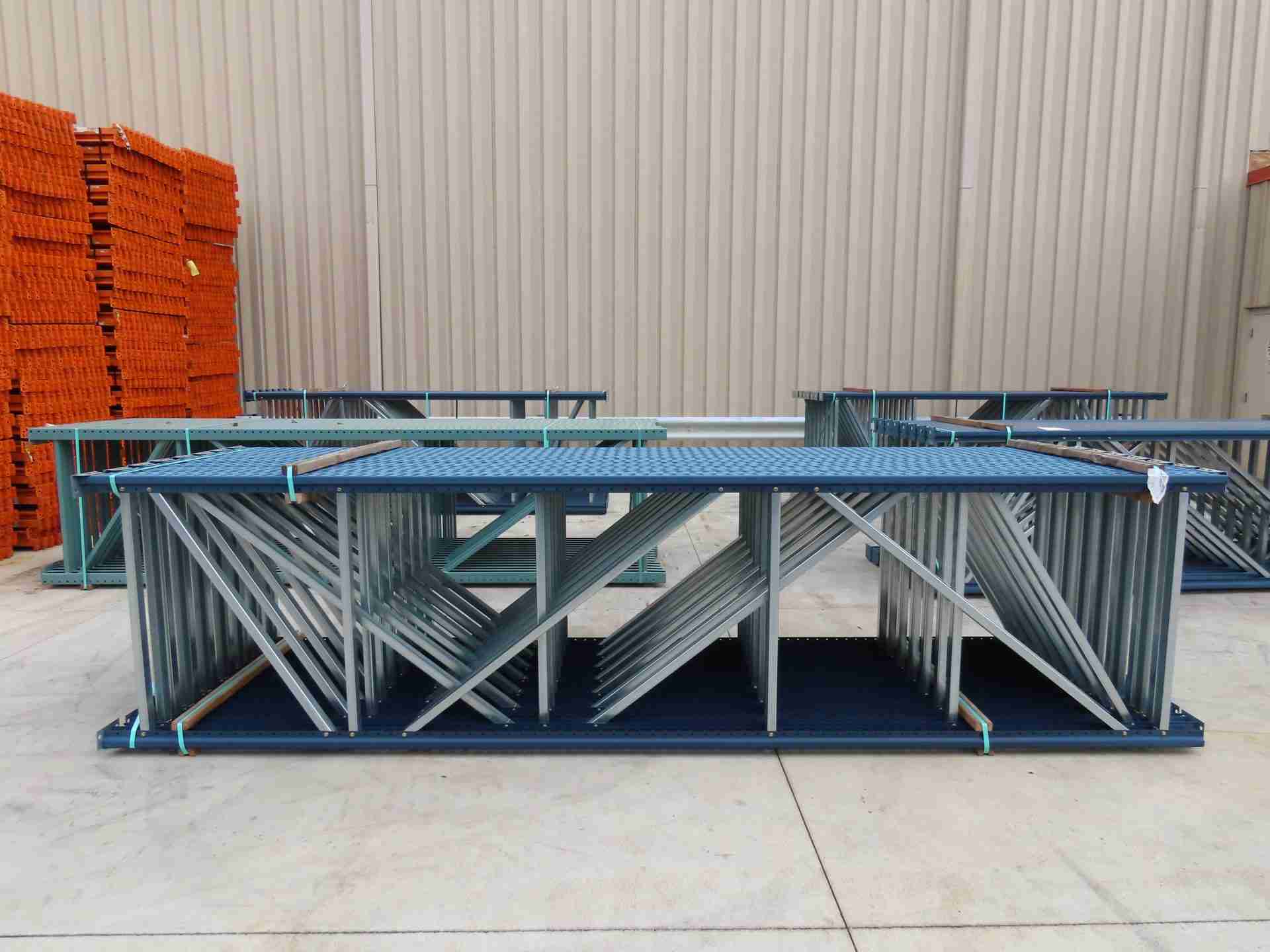
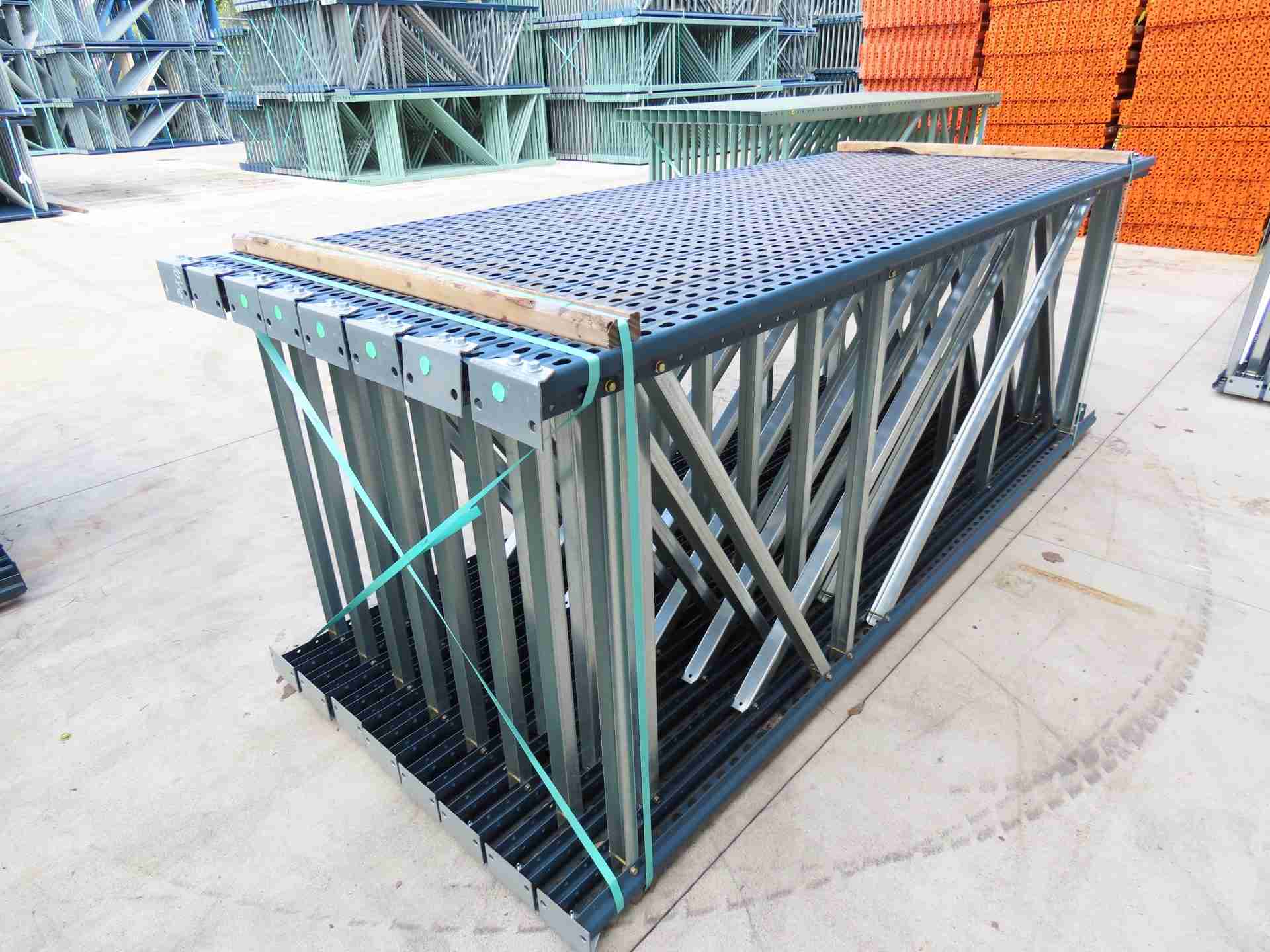
First up, we have pallet racking systems. While it might sound simplistic, investing in efficient pallet racking can revolutionize the way you store your goods. Imagine a warehouse where you can easily navigate aisles and quickly identify product locations! With adjustable shelving and configurations tailored to your specific needs, you can optimize space, reduce retrieval times, and ultimately boost your team’s productivity. It’s not just about storage; it’s about creating a seamless workflow.
Next on our list is inventory management software, the backbone of modern inventory control. Think of it as your trusty sidekick—this technology can provide you with real-time analytics, track sales trends, and alert you when stock levels reach their threshold. By leveraging data, you can make informed decisions that enhance profitability. Plus, when you can see what’s moving and what’s not, you’re empowered to reduce excess inventory and minimize waste.
Of course, no inventory system is complete without the wonders of barcoding and RFID technology. These systems bring precision and efficiency straight to your fingertips. With a simple scan, you can update inventory counts in seconds and maintain an accurate real-time view of your stock levels. This not only saves time but also eliminates human errors that can lead to costly stock discrepancies—a peace of mind most business owners can only dream of!
Let’s not forget about automation in your inventory processes. Whether it’s through robotic picking systems or automated ordering solutions, incorporating automation can drastically reduce labor costs and increase efficiency. Imagine a scenario where orders are processed at lightning speed, allowing you to focus on growth instead of getting bogged down in operational nitty-gritty.
In this ever-evolving market, the key to staying ahead is embracing these technologies and creating a system that works for you. It’s time to invest wisely, streamline operations, and finally conquer those nagging inventory issues. With the right tools at your disposal, you’ll not only manage inventory challenges but turn them into a competitive advantage. Techniques like pallet racking, inventory software, and automation aren’t just about keeping your shelves stocked—they’re about building a resilient, agile business ready to tackle the future. So, are you ready to take the leap?
What Technologies Can Help Manage Inventory Issues Effectively?
What Technologies Can Help Manage Inventory Issues Effectively?
- Managing inventory can be complex, but the right technologies can simplify the process.
- Pallet racking systems improve storage efficiency, optimize space, and enhance productivity.
- Inventory management software provides real-time analytics, tracks sales trends, and informs stock decisions.
- Barcoding and RFID technology enable quick inventory updates and reduce human errors.
- Automation in inventory processes lowers labor costs and increases operational efficiency.
- Embracing modern technologies can create a resilient and agile business environment.
- Investing in these solutions allows businesses to turn inventory management challenges into competitive advantages.

What Technologies Can Help Manage Inventory Issues Effectively?
How Can We Improve Communication During An Inventory Crisis?
When it comes to navigating an inventory crisis, clear and effective communication is your lifeline. Picture this: a bustling warehouse, rows of pallet racking filled with goods, yet your team is uncertain about stock levels. Panic ensues. But it doesn’t have to be this way. Imagine fostering a culture where every team member is not only informed but empowered and motivated.
Start by breaking down the silos of your operations. Encourage open dialogue between departments. This means that your purchasing team should speak directly with your sales team. When stock levels drop, it’s crucial that everyone is on the same page, and that starts with transparency. Utilize tools like real-time inventory dashboards. These digital aids allow for immediate updates on stock levels, ensuring that nobody is left in the dark.
Next, consider regular check-ins. Weekly or bi-weekly meetings, even brief huddles, can dramatically improve communication flows. Use these gatherings to share not just hard numbers, but stories. Maybe a shipment is delayed—don’t just relay the facts; share the impact it will have on operations. Need an urgent request for specific items? Don’t just send an email; craft a narrative that outlines the urgency and potential repercussions. Make it relatable and foster a sense of urgency amongst your team.
Also, don’t underestimate the power of feedback. Equip your team to communicate their concerns and suggestions. Create an environment where honesty is met with understanding and solutions are born out of collective brainstorming. Establishing channels for two-way communication builds trust. When team members feel heard, their investment in resolving the crisis grows exponentially.
Empower your employees to act on their knowledge. Provide training that focuses on both soft skills and technical aspects of inventory management. Equip them with the tools to handle crises not just as tasks but as challenges that require teamwork and collaboration.
Finally, be proactive rather than reactive. Anticipate potential inventory crises and communicate your plans. Outline preventative measures, share potential contingencies, and help your team feel prepared rather than overwhelmed. By taking these steps, you transform merely surviving an inventory crisis into thriving as a cohesive unit. High-functioning communication isn’t just ideal—it’s absolutely achievable! Implement these strategies, and watch as your organization shifts from chaotic to exceptional.
How Can We Improve Communication During An Inventory Crisis?
How Can We Improve Communication During An Inventory Crisis?
- Effective communication is essential for navigating inventory crises and maintaining team morale.
- Break down operational silos by encouraging direct dialogue between purchasing and sales teams.
- Utilize real-time inventory dashboards for transparency and immediate updates on stock levels.
- Hold regular check-ins to discuss both hard data and the impact of events, fostering relatable narratives.
- Encourage team feedback and create a trustful environment for sharing concerns and brainstorming solutions.
- Empower employees with training that enhances both soft skills and technical knowledge in inventory management.
- Be proactive by anticipating crises, outlining preventative measures, and preparing the team to handle challenges effectively.
How Can We Improve Communication During An Inventory Crisis?
What Role Does Employee Training Play In Crisis Management?
In today’s dynamic business landscape, the importance of effective employee training in crisis management cannot be overstated. Imagine a company facing an unexpected supply chain disruption—like a shipment of pallet racking equipment delayed due to an unforeseen event. Without a well-trained team, that moment can spiral into chaos. However, when every employee understands their role and the protocols to follow, what could have been a crisis can be navigated with confidence and agility.
Crisis management is not just about having a plan; it’s about the people behind that plan. Your employees are your first line of defense. They are the ones tackling problems head-on, ensuring that operations run smoothly even when obstacles arise. Training creates a sense of ownership and accountability. When team members are equipped with the right skills and knowledge, they can make quicker, more informed decisions. For instance, employees trained in crisis response will know how to manage inventory effectively, ensuring that essential pallet racking items are redirected or sourced from another supplier without missing a beat.
Think of training as an investment in peace of mind. It’s like having a high-performing athlete who’s trained for the big game. Just as athletes rely on their training to perform under pressure, so too do your employees. They become the reassuring voices that provide guidance and solutions when tensions run high. This not only fosters a sense of trust within the organization but also builds confidence among customers, knowing they are working with a company that can handle challenges with finesse.
Moreover, effective training can transform potential crises into opportunities for improvement. Employees who are adept at crisis management can identify gaps in procedures or resources—like the efficiency of pallet racking systems during an emergency. These insights can lead to innovative solutions and enhanced operational efficiency long after the crisis has passed.
Let’s face it; no business owner wants to imagine a crisis. But the reality is, they happen. Approaching these situations without a solid training foundation is like stepping onto a tremulous bridge without a safety harness. So why not take that proactive step today? Equip your team with the tools they need, and watch them not only survive but thrive during challenging times. Your organization’s resilience is only as strong as your people’s preparedness. Invest in their training, and you’re not just managing crises—you’re building a robust, thriving culture that can weather any storm.

What Role Does Employee Training Play In Crisis Management?
What Role Does Employee Training Play In Crisis Management?
- Effective employee training in crisis management is crucial for navigating unexpected disruptions.
- Employees are the first line of defense and play a vital role in problem-solving during crises.
- Proper training enhances ownership, accountability, and decision-making skills among team members.
- Training serves as an investment, preparing employees to handle pressure with confidence.
- Well-trained employees can identify gaps and opportunities for improvement during crises.
- Proactive training leads to a culture of resilience and operational efficiency.
- Investing in training strengthens organizational preparedness for any challenges that arise.

What Role Does Employee Training Play In Crisis Management?
Conclusion
Conclusion: Are You Prepared for the Next Inventory Crisis?
In a world where unpredictability reigns supreme, the question isn’t whether your warehouse will face an inventory crisis—it’s when. From abrupt supplier failures to surges in market demand, challenges are inevitable. Yet, in the crucible of crisis lies not just chaos, but extraordinary potential. Here at Arrow Industrial Sales, we believe that preparation is your best ally in turning adversity into opportunity.
Emphasizing flexibility in your inventory management is paramount. A rigid approach can spell disaster when the unexpected strikes. Implementing adaptable strategies, such as employing advanced inventory management software and diversifying supplier relationships, will equip you with the tools to respond promptly and confidently to new challenges. A prepared warehouse can pivot when needed, saving you from panic and positioning your business to thrive.
Moreover, leveraging technology is key. The right systems—like efficient pallet racking solutions—can optimize your storage and retrieval processes. This not only leads to improved productivity but also sets the stage for a rapid recovery and growth during turbulent times. Technologies such as RFID and barcoding will enhance accuracy, making your inventory management foolproof.
Never underestimate the impact of effective communication and training. These factors forge the backbone of a resilient team ready to tackle crises head-on. Encourage transparency among team members, making stock management a collective responsibility. An informed team can act decisively, turning potential setbacks into success stories.
Now is the moment to assess your current practices and fortify your inventory management strategy before the storm hits. Are your approaches keeping up with the demands of an ever-evolving marketplace? If you’re unsure, it’s time to take action. Call Arrow Industrial Sales at (574) 349-6575 today to explore solutions tailored for your warehouse needs.
Don’t leave your business’s future to chance. Create a robust framework today that transforms crises into your greatest competitive advantage. Remember, in the world of warehousing, those who fail to prepare are prepared to fail. Empower your organization to not just survive during trying times but to emerge from them stronger than ever. The road to resilience begins now—take that step with Arrow Industrial Sales to safeguard your business’s future!

Conclusion
Conclusion:
- Inventory crises are inevitable due to unpredictable factors like supplier failures and market demand surges.
- Preparation is essential; flexibility in inventory management allows for better crisis response.
- Implement adaptable strategies, such as advanced inventory management software and diverse supplier relationships.
- Leverage technology, including efficient pallet racking and systems like RFID and barcoding, to enhance productivity.
- Effective communication and training create a resilient team, making stock management a shared responsibility.
- Assess current practices and bolster your inventory management strategy before crises occur.
- Contact Arrow Industrial Sales for tailored warehouse solutions to improve resilience.

Conclusion
Other Resources

Other Resources
Here is a list of other resources you can review online to learn more:
- Cantilever Rack Configuration & Installation: A Comprehensive Guide – BMH
- Warehousing and Fulfillment
- Teardrop Industrial Shelving Rack
- Racking World
- Total Warehouse
- Storage Equipment Manufacturers Association
- What is Selective Pallet Racking
- Crane Manufacturers Association Of America Inc.
- Mustang Material Handling
- American Society of Safety Professionals
Use This Prompt To Get More Resources With Your Favorite Online AI Tool: Please provide me with a list of online articles with their URLs in a bulleted list that I can read regarding Can Your Warehouse Survive a Sudden Inventory Crisis?

Other Resources
Glossary Terms
Can Your Warehouse Survive a Sudden Inventory Crisis? – Glossary Of Terms
1. Inventory Crisis: A sudden disruption in inventory levels caused by unexpected demand, supply chain issues, or other unforeseen events.
2. Supply Chain: The interconnected network of suppliers, manufacturers, and distributors involved in the production and delivery of goods.
3. Just-In-Time (JIT): An inventory management strategy where materials are ordered and received only as they are needed in the production process.
4. Lead Time: The amount of time from when an order is placed until it is received and ready for use or sale.
5. Stockout: A situation where inventory is completely depleted, leading to lost sales and potential customer dissatisfaction.
6. Reorder Point (ROP): The inventory level at which a new order should be placed to replenish stock before it runs out.
7. Safety Stock: Extra inventory kept on hand to prevent stockouts caused by demand variability or supply delays.
8. Demand Forecasting: The process of estimating future customer demand for products to regulate inventory levels.
9. Inventory Turnover: A ratio that measures how often inventory is sold and replaced over a specific period, indicating efficiency in inventory management.
10. Buffer Stock: Additional quantities of inventory maintained as a safeguard against fluctuations in supply and demand.
11. Warehouse Management System (WMS): Software designed to optimize warehouse operations, including inventory tracking, order fulfillment, and stock organization.
12. ABC Analysis: A categorization technique where inventory items are classified by their importance, allowing for prioritized management.
13. Cycle Counting: An inventory auditing technique where a small subset of inventory is counted on a specific day to ensure accuracy.
14. Excess Inventory: Inventory that exceeds demand and is not expected to sell in a reasonable time frame, often leading to increased holding costs.
15. Backorder: A customer order that cannot be fulfilled at the time of purchase due to insufficient inventory.
16. Cross-Docking: A logistics practice where incoming products are directly transferred to outgoing transportation with minimal storage time.
17. Stock Keeping Unit (SKU): A unique identifier for each distinct product and service that can be purchased, used for inventory tracking and management.
18. Obsolete Inventory: Products that are no longer sellable or relevant due to changes in demand or trends, often requiring write-offs.
19. Warehouse Layout: The design and arrangement of storage facilities and work areas within the warehouse, impacting efficiency and workflow.
20. Agility: The ability of a warehouse to quickly adapt its operations based on changes in demand or supply chain disruptions.
21. Lean Inventory Management: An approach aimed at minimizing waste and maximizing efficiency in inventory processes.
22. Order Fulfillment: The complete process of receiving, processing, and delivering customer orders.
23. Distribution Center: A specialized warehouse that focuses on the rapid distribution of products to customers or retail locations.
24. E-commerce Fulfillment: The process of receiving, processing, and delivering online orders, which can increase inventory management complexities.
25. Inventory Valuation: The method used to calculate the value of unsold inventory, impacting financial reporting and tax obligations.
26. skew: A measure of how much demand for an item deviates from an average or expected level, influencing stock management strategies.
27. Vendor Managed Inventory (VMI): A collaboration method where suppliers ensure that a retailer’s inventory levels are maintained, reducing stockout risks.
28. Flow Through: The process of allowing products to move quickly through a warehouse without prolonged storage, enhancing turnover rates.
29. Inventory Audit: A systematic examination of inventory levels and records to ascertain accuracy and address discrepancies.
30. Continuous Improvement: A management philosophy focused on the ongoing effort to improve products, services, or processes, particularly in inventory management strategies.

Glossary Of Terms
Other Questions
Can Your Warehouse Survive a Sudden Inventory Crisis? – Other Questions
If you wish to explore and discover more, consider looking for answers to these questions:
- What are some common causes of inventory crises?
- How can we effectively implement technology in our inventory management systems?
- What are the key components of an effective inventory management strategy?
- How often should we conduct inventory audits?
- What specific software solutions are recommended for managing inventory?
- How can we train our employees to handle inventory challenges effectively?
- What practical steps can we take to build strong relationships with suppliers?
- How can we anticipate customer demand during uncertain times?
- What metrics should we track to assess our inventory effectiveness?
- What role does physical layout play in efficient inventory management?

Other Questions
Checklist
Can Your Warehouse Survive a Sudden Inventory Crisis? – A Checklist
Checklist: Preparing Your Warehouse for an Inventory Crisis
Understanding Current Inventory Levels
_____ Conduct a thorough inventory audit.
_____ Evaluate current inventory management systems for accuracy and efficiency.
_____ Implement inventory management software for real-time tracking.
_____ Classify inventory using the ABC method to prioritize stock.
_____ Foster a culture of accountability among staff regarding inventory accuracy.
Preventing Inventory Crises
_____ Regularly assess and monitor current inventory levels.
_____ Optimize the physical layout of pallet racking for easy access.
_____ Build and maintain strong relationships with suppliers.
_____ Conduct periodic audits to verify counts and understand trends.
_____ Develop a proactive inventory strategy to mitigate potential stock shortages.
Prioritizing Inventory Management During a Crisis
_____ Enhance visibility of inventory with tracking technology.
_____ Adopt flexible inventory models (e. g. , just-in-time practices).
_____ Maintain open lines of communication with suppliers and partners.
_____ Equip your team with training and resources for effective inventory management under pressure.
Leveraging Technology for Inventory Management
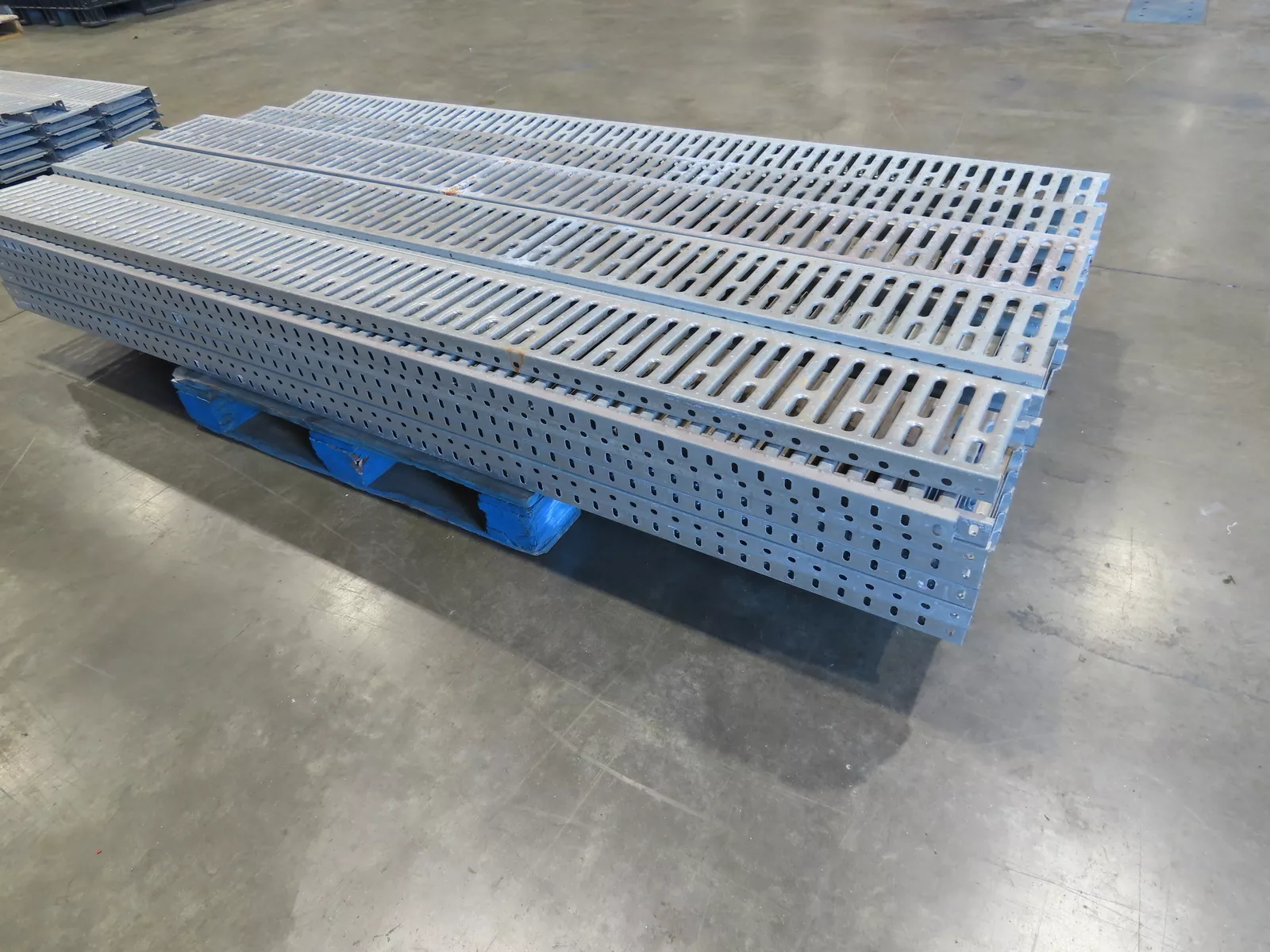
_____ Invest in efficient pallet racking systems customized to your warehouse needs.
_____ Utilize inventory management software for analytics and reporting.
_____ Implement barcoding or RFID technology for accurate tracking.
_____ Consider automation options for order processing and inventory management.
Improving Communication During an Inventory Crisis
_____ Encourage open dialogue across all departments related to inventory.
_____ Use real-time inventory dashboards to keep all team members informed.
_____ Schedule regular meetings to discuss inventory status and challenges.
_____ Create a feedback loop for employees to share concerns and suggestions.
_____ Develop a proactive communication plan for potential inventory disruptions.
The Role of Employee Training in Crisis Management
_____ Provide comprehensive training on inventory management systems and procedures.
_____ Equip employees with crisis management protocols and decision-making skills.
_____ Encourage cross-training among staff for enhanced flexibility.
_____ Foster a culture that values continuous improvement and learning from crises.
By following this checklist, you can bolster your warehouse’s ability to not only survive an inventory crisis but also thrive as a result of the experience.
Checklist
At RackingWorld, we help guide you through selecting warehouse storage systems and racking.
Be sure to read our other related stories at RackingWorld to learn more about warehouse storage systems.
0 Comments