
Securing Your Supply Chain: The Future Of Your Pallet Racking Supplier
By Tom Seest
At RackingWorld, we help guide you through selecting warehouse storage systems and racking.
Be sure to read our other related stories at RackingWorld to learn more about warehouse storage systems.
Will Your Pallet Racking Supplier Be Available Long-Term?
When it comes to investing in pallet racking, it’s more than just a purchase; it’s a partnership. The business landscape is rapidly evolving, influenced by global supply chain disruptions, inflation, and fluctuating demand. With these factors at play, you must evaluate whether your pallet racking supplier can stand the test of time.
First and foremost, analyze the supplier’s stability. How long has the company been in business? A supplier with a well-established history is likely to be more reliable in the long run. For instance, consider a notorious case from recent years where a burgeoning warehouse startup invested heavily in a trendy, yet relatively new, pallet racking supplier. Initially, they boasted cutting-edge designs and competitive prices. However, as the company struggled to secure materials and maintain production levels, the warehouse faced significant operational setbacks, resulting in unintended downtime. A seasoned supplier, on the other hand, has weathered storms and has proven their resilience, ensuring you won’t be left high and dry when you need them most.
Next, assess their customer service and support. A long-term relationship requires more than just a transaction; it demands trust. If your supplier lacks responsiveness or fails to address your needs post-sale, you may find yourself stuck in a precarious situation when problems arise. Choose a supplier that provides extensive customer support, installation guidance, and readily available replacements for parts. A well-regarded supplier will prioritize your satisfaction over short-term gain, guiding you through the complexities of pallet racking, even as your requirements evolve.
Another factor to consider is the supplier’s adaptability. The market demands flexibility as businesses pivot to meet changing consumer behaviors. For instance, with the rise of e-commerce, many warehouses are redesigning layouts to accommodate higher SKU numbers and faster shipping times. Does your pallet racking supplier stay abreast of industry trends and innovations? Their willingness to grow with you—not just as a supplier, but as an industry partner—ensures that their solutions will remain relevant as your operation transforms.
Lastly, contemplate recent global events. The pandemic has highlighted the importance of logistical efficiency. As companies face supply chain interruptions, choosing a supplier with diversified sourcing and robust inventory management is crucial. This foresight can prevent future headaches, ensuring your pallet racking is not only efficient but also a reliable cornerstone of your operations for years to come.
In short, when selecting your pallet racking supplier, look beyond the price tag. Prioritize stability, support, adaptability, and strategic foresight to secure a partnership that will enhance your operational success, today and far into the future.
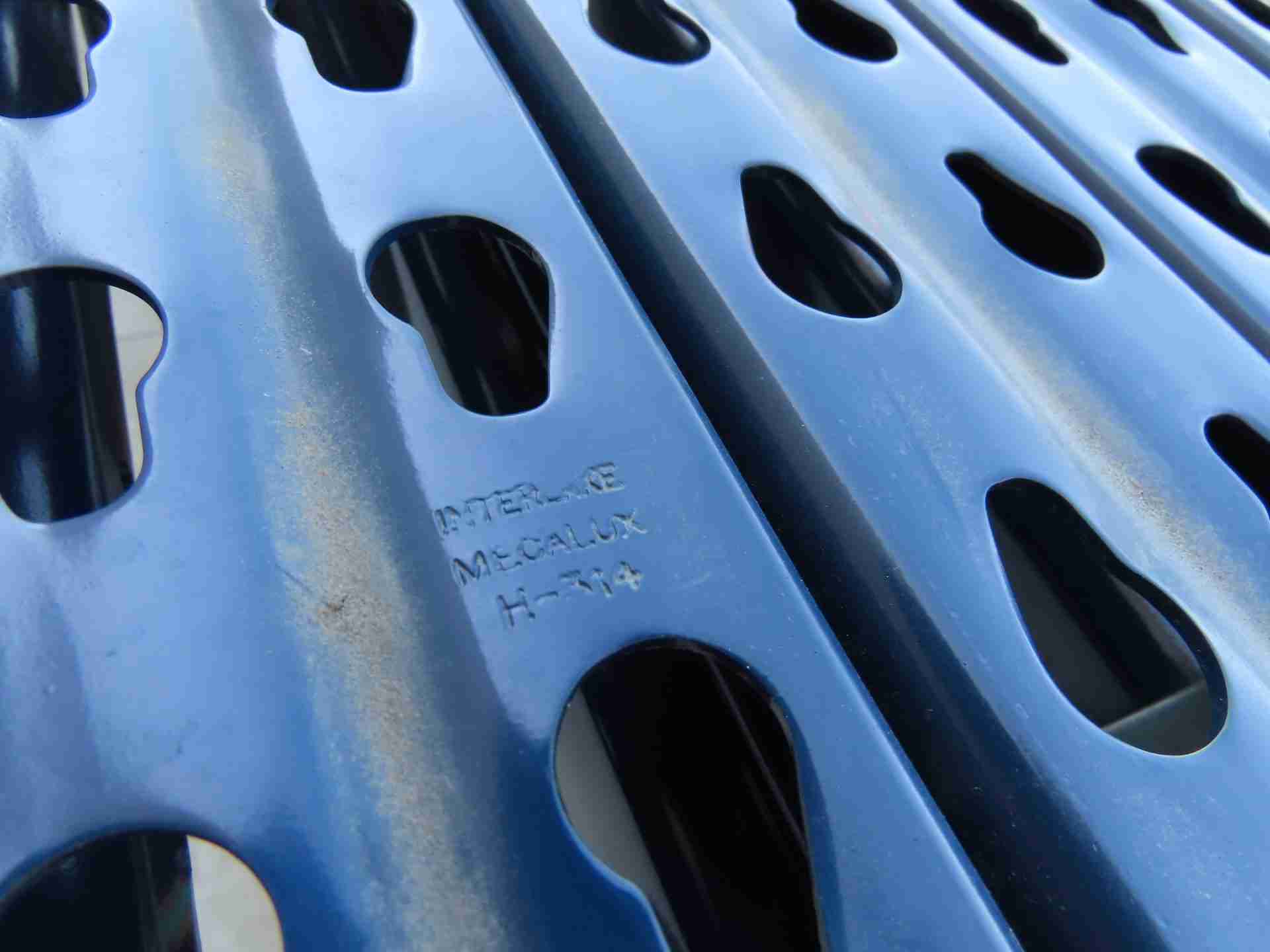
Will Your Pallet Racking Supplier Be Available Long-Term?
Will Your Pallet Racking Supplier Be Available Long-Term?
- Investing in pallet racking is more than a purchase; it’s a partnership.
- Evaluate the supplier’s stability; a long-established company is more reliable over time.
- Consider the supplier’s customer service and support for a trustworthy long-term relationship.
- Assure the supplier offers extensive support, installation guidance, and available replacements.
- Assess the supplier’s adaptability to market changes and industry trends, especially with e-commerce.
- Choose a supplier with diversified sourcing and inventory management due to recent global events.
- Look beyond price; prioritize stability, support, adaptability, and foresight for operational success.
Will Your Pallet Racking Supplier Be Available Long-Term?
Table Of Contents
- Will Your Pallet Racking Supplier Be Available Long-Term?
- Is Your Pallet Racking Supplier Financially Stable?
- How Often Do You Communicate With Your Supplier?
- What Is The Lead Time For Receiving Additional Racking?
- Does Your Supplier Have A History Of Reliability?
- Can Your Supplier Support Future Expansion Needs?
- What Warranties Or Guarantees Does Your Supplier Offer?
- How Does Your Supplier Handle Product Recalls Or Issues?
- Conclusion
- Other Resources
- Glossary Of Terms
- Other Questions
- Checklist
Is Your Pallet Racking Supplier Financially Stable?
When you’re investing in pallet racking, you’re not just buying a product; you’re making a decision that can impact your entire operation. The financial stability of your supplier plays a crucial role in that equation. If your pallet racking supplier doesn’t have their fiscal house in order, you could find yourself facing shortages, delays, or worse—shuttering operations due to a lack of support.
For example, the recent disruptions in supply chains due to global events like the COVID-19 pandemic have left many companies scrambling. Organizations that relied on financially stable suppliers were able to navigate these turbulent waters effectively, while others faced delays and missed deadlines, jeopardizing contracts and losing customers.
It’s essential to assess your potential pallet racking supplier’s financial health. Start by seeking information that reflects their performance stability—check for recent financial reports or credit ratings. Use resources like Dunn & Bradstreet or financial news to research how they handled recent challenges. Did they remain operational during downturns? Did they secure additional funding when needed? These insights can be invaluable.
Moreover, look for news articles that reflect supplier reputation and reliability. If your search reveals instances of bankruptcies or financial strain within a company, consider this a red flag. You want to partner with a supplier that not only has a strong track record but also a future-oriented mindset.
Another factor is the supplier’s history and longevity in the market. Companies that have been around for decades are typically more resilient to financial fluctuations. For instance, a pallet racking provider that’s been in the game for 30 years likely has established practices, a loyal clientele, and contingencies in place for economic downturns. Compare that with a newcomer who may appear promising but lacks the historical data to support their dependability.
Finally, don’t hesitate to ask your supplier directly about their financial stability. A trustworthy vendor will be transparent about their financial health and the steps they take to maintain a strong position in the market.
In essence, the stability of your pallet racking supplier is not just an additional consideration—it’s a fundamental pillar in ensuring the success of your operational goals. Ensure you choose wisely; a strong partner today is an investment in your prosperity tomorrow.
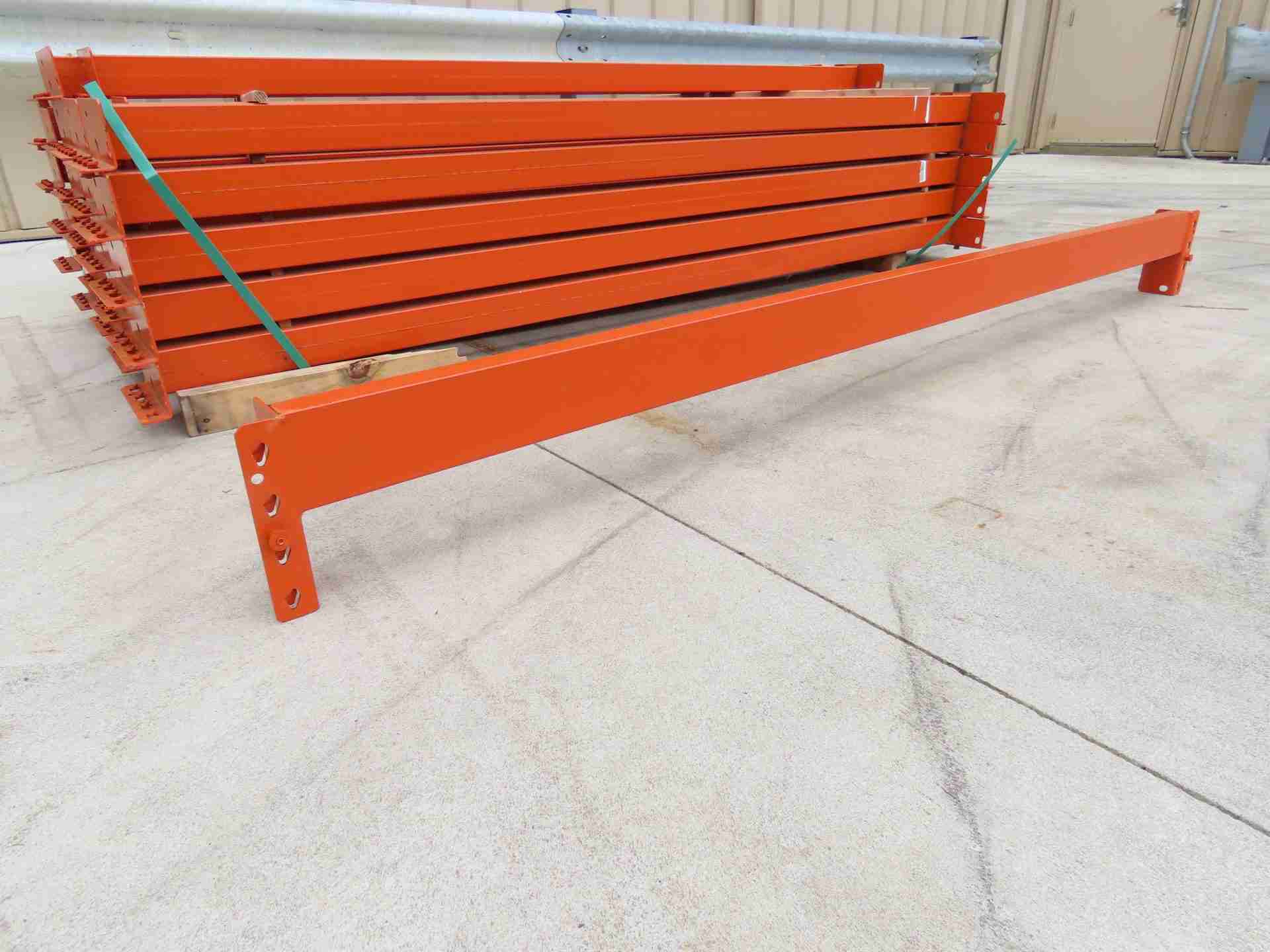
Is Your Pallet Racking Supplier Financially Stable?
Is Your Pallet Racking Supplier Financially Stable?
- Investing in pallet racking affects overall operations, not just buying a product.
- The financial stability of your supplier is crucial to avoid shortages and delays.
- Companies with financially stable suppliers fared better during global disruptions like COVID-19.
- Assess supplier’s financial health through reports, credit ratings, and reliability resources.
- Beware of suppliers with financial strain or bankruptcy history; seek strong, reputable partners.
- Long-standing suppliers with market history are generally more resilient to economic changes.
- Discuss financial stability directly with the supplier for transparency and assurance.
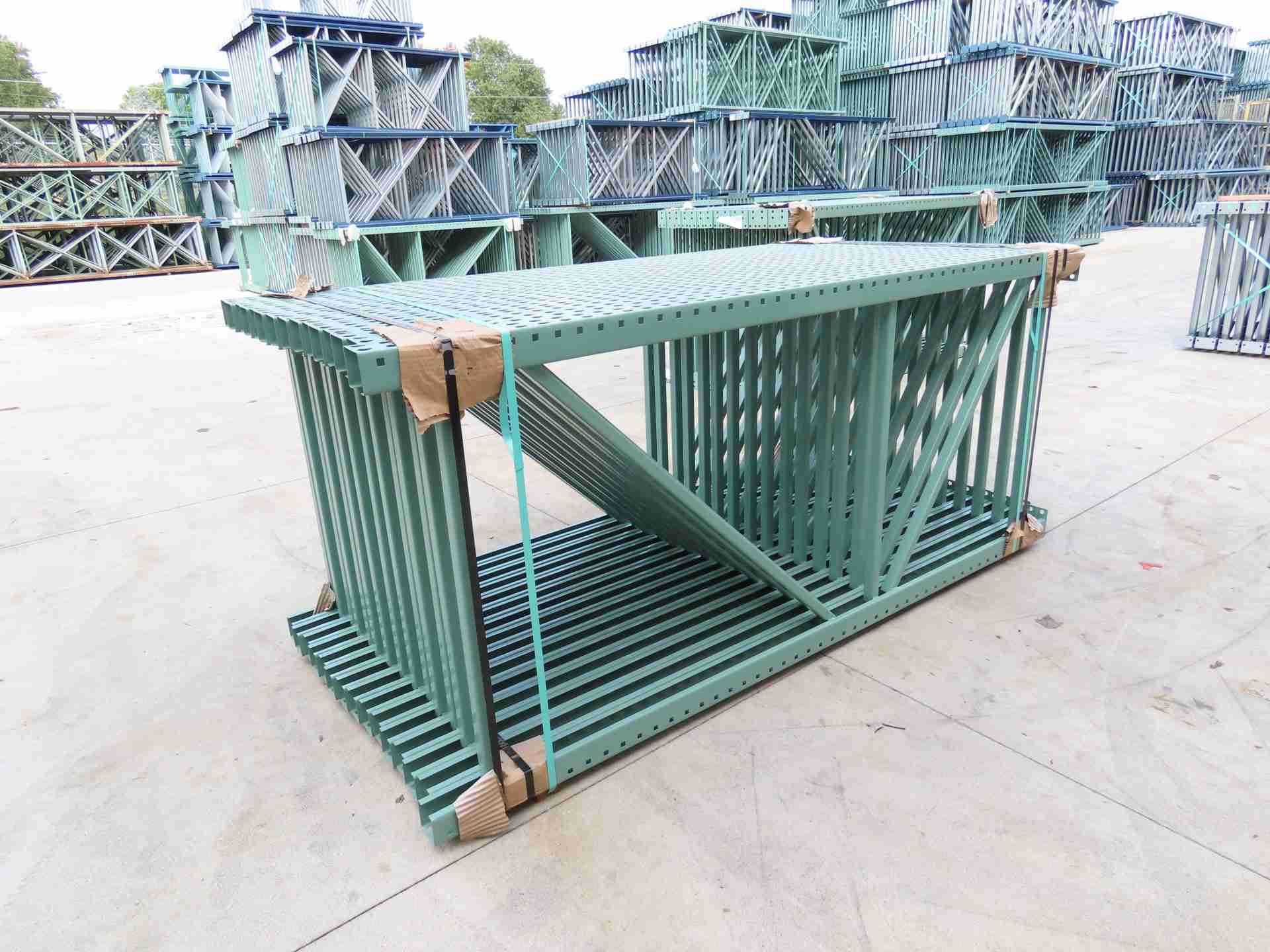
Is Your Pallet Racking Supplier Financially Stable?
How Often Do You Communicate With Your Supplier?
In the world of business, particularly when dealing with complex supply chains, communication with your supplier can’t be an afterthought; it must be a cornerstone of your operational strategy. The frequency of your interactions can spell the difference between thriving success and costly setbacks. In today’s fast-paced market, how often do you consider this vital connection?
Picture this: your warehouse is full of pallet racking, designed to maximize storage and streamline your operations. Imagine a scenario where you’ve ordered a substantial quantity of new materials to enhance your capabilities. You wait for your supplier to deliver, but the shipment is late because there was a miscommunication about the order details. If you’d checked in frequently—perhaps via weekly calls or email updates—you could have preempted the hiccup and kept your operations flowing smoothly.
Let’s consider a current event exemplifying the importance of regular communication. The pandemic exposed many companies to fragile supply chains, triggering a heightened awareness of supplier relationships. Many businesses learned that regular touchpoints with suppliers—not just during crisis moments—could foster transparency and trust. Daily or weekly check-ins can help clarify expectations, monitor inventory levels, and even spot potential delays due to market fluctuations.
Take a cue from industries thriving in today’s environment: manufacturers and retailers that have adopted agile supply chain strategies are communicating with suppliers daily, ensuring that every aspect from pallet racking to consumer demand is aligned. For instance, a furniture retailer proactively communicates with their raw materials suppliers to ensure they have enough supplies to meet holiday sales targets, avoiding the infamous holiday rush shortages that many companies face.
So, how often should you connect with your supplier? The answer may vary based on your specific operations and industry demands. Some may find weekly check-ins sufficient, while others might benefit from daily updates. The key is consistency and clarity—keeping your supplier informed builds a mutually beneficial partnership.
In summary, make communication a priority. Don’t wait for problems to arise. Schedule regular meetings, share performance metrics, and maintain an open dialogue. Your business relies on this relationship as much as it does on the quality of the products stored on your pallet racking. By investing in communication, you pave the way for smoother operations and, ultimately, enhanced profitability.

How Often Do You Communicate With Your Supplier?
How Often Do You Communicate With Your Supplier?
- Communication with suppliers is essential for successful operations, especially in complex supply chains.
- Frequent interactions can prevent costly setbacks and maintain smooth operations.
- The pandemic highlighted the importance of regular supplier communication and transparency.
- Daily or weekly check-ins can help clarify expectations and identify potential delays.
- Industries using agile supply chain strategies ensure consistent communication with suppliers.
- The frequency of communication should be consistent and clear, tailored to specific operational needs.
- Regular meetings and open dialogue foster mutually beneficial partnerships, leading to enhanced profitability.

How Often Do You Communicate With Your Supplier?
What Is The Lead Time For Receiving Additional Racking?
When you’re managing a warehouse filled with the hustle and bustle of logistics, knowing the lead time for additional pallet racking is crucial. Whether you’re ramping up for peak seasons or expanding for new product lines, understanding the timeline can make or break your operational efficiency.
The lead time for receiving additional pallet racking typically ranges from 4 to 12 weeks, but several factors influence this timeframe. For instance, during periods of heightened demand—like the Q4 holiday rush—expect delays due to limited availability from manufacturers. Recent trends indicate a significant growth in e-commerce, pushing suppliers to the limits of production capabilities. Agencies in the supply chain report increases in demand that have outstripped their ability to deliver on time. So, if you anticipate needing more pallet racking, now is not the time to procrastinate.
Imagine you run a warehouse that specializes in seasonal products—think of Halloween costumes appearing in September or holiday decorations being stocked by October. You wouldn’t want to find yourself scrambling for additional pallet racking when demand surges. Instead, plan ahead and place orders months in advance. This way, you can avoid costly delays that not only hurt your bottom line but also leave your operations in disarray.
Additionally, consider the type of pallet racking you need. Selective racking may have shorter lead times than specialized systems like push-back or drive-in racking. If you know the type of racking you require, promptly reach out to multiple suppliers. Getting multiple quotes not only helps secure the best price but also offers options based on lead times. Some suppliers even provide expedited shipping for an additional cost, which could be beneficial in urgent situations.
Resource allocation is another critical aspect. Factories often prioritize orders based on the size of your purchase. If you’re looking at a massive expansion and can guarantee continuous orders, you’re more likely to enjoy faster turnaround times.
In our current economic climate, where logistics and supply chains are experiencing unprecedented challenges, being ahead of the game is your best course of action. By understanding the lead times associated with receiving additional pallet racking and planning accordingly, you put your business in a position to thrive. Remember, the faster your warehouse can adapt to changes, the more nimble you are to the market’s ever-evolving demands.
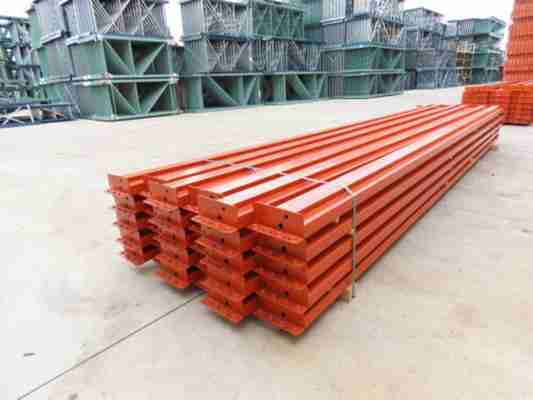
What Is The Lead Time For Receiving Additional Racking?
What Is The Lead Time For Receiving Additional Racking?
- Understanding lead times for additional pallet racking is crucial for operational efficiency in a warehouse.
- Lead times typically range from 4 to 12 weeks, influenced by demand, especially during peak seasons like Q4.
- Recent growth in e-commerce has strained production capabilities and resulted in increased delays from suppliers.
- Planning and ordering pallet racking months in advance can help avoid costly delays during high demand periods.
- The type of pallet racking affects lead times; selective racking often has shorter lead times than specialized systems.
- Contacting multiple suppliers for quotes can secure better prices and provide options based on lead times, including expedited shipping.
- Proactive resource allocation and continuous orders can lead to faster turnaround times during expansive projects.
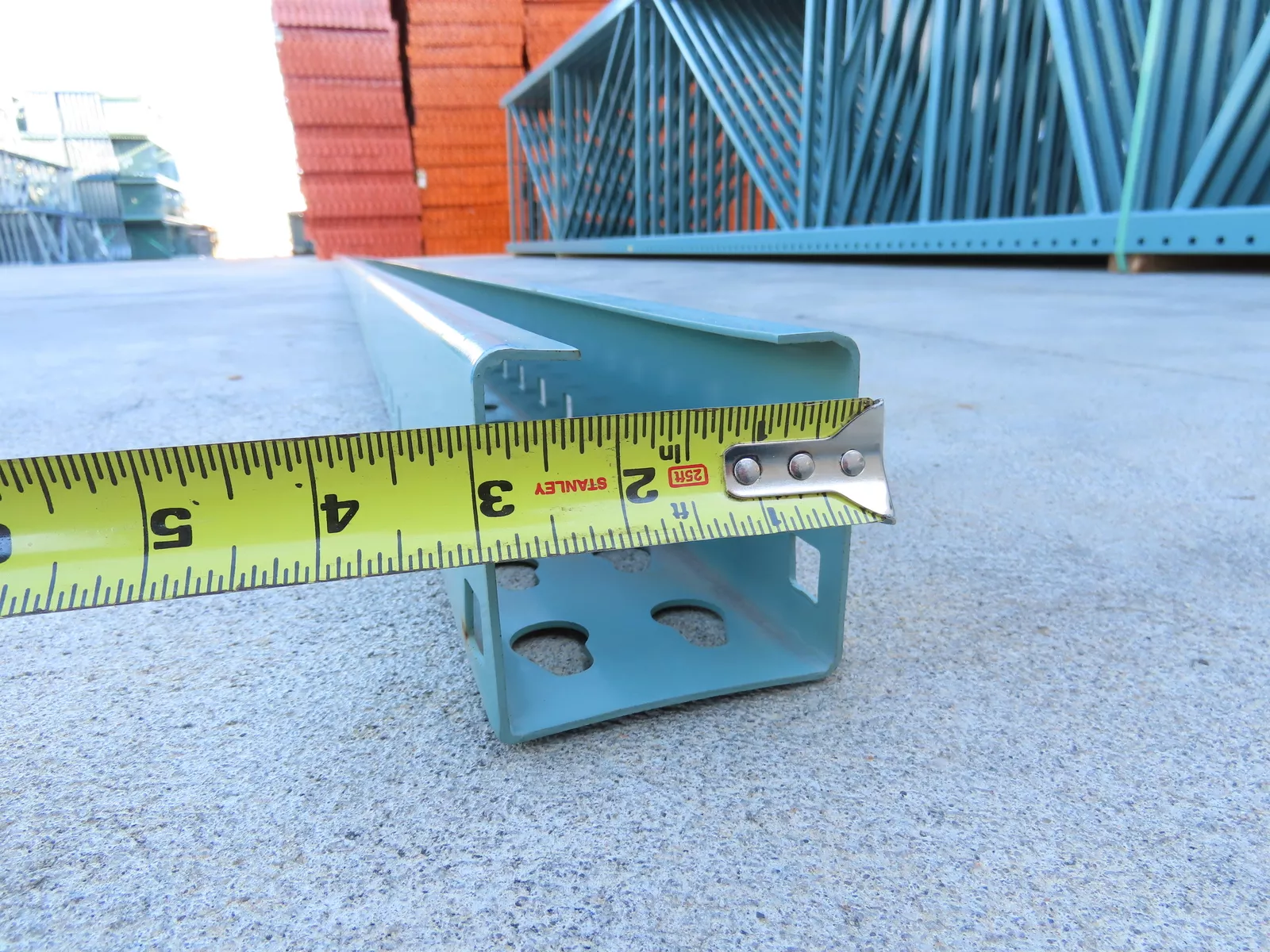
What Is The Lead Time For Receiving Additional Racking?
Does Your Supplier Have A History Of Reliability?
In today’s fast-paced market, every business must ensure its operations run smoothly and efficiently. One key element that can either bolster your success or plunge you into chaos is the reliability of your suppliers. Whether you’re in warehousing, logistics, or retail, the ability of your supplier to deliver consistently can make or break your operation.
Consider the case of companies like Home Depot and Lowe’s during recent supply chain disruptions. Their ability to stock stores with necessary materials—like Pallet Racking—depended heavily on suppliers with a proven track record. When those suppliers faltered, so did sales. When evaluating your potential suppliers, ask: Have they maintained reliable service during tough times? When upheaval hits—as we saw during the pandemic—reliable suppliers rise to the occasion.
Next, look for specific metrics in reliability. These can include on-time delivery rates, quality of products, and customer service responsiveness. Did your potential supplier meet their commitments during previous crises? A supplier’s history can often be the best predictor of future performance. For instance, global challenges like the semiconductor shortage impacted many industries, yet some suppliers navigated through it better than others.
Consider a real-life example: a local furniture manufacturer that faced delays in Pallet Racking shipments. They decided to partner with a supplier renowned for their reliability metrics and customer service reviews. This move ensured that their production lines continued without interruption, showcasing the immense benefits of a dependable supplier relationship.
Don’t forget to scrutinize testimonials and reviews from other businesses. Ask your potential supplier for references—real cases can provide insights into their consistency. If they hesitate or you find negative feedback, consider it a red flag. In this marketplace, where every second counts and efficiency is king, you cannot afford the risk of unreliable suppliers.
To summarize, extensively vetting your suppliers based on their reliability history is crucial. The costs of choosing poorly can ripple through your entire operation and bottom line. Seek out suppliers who have proven themselves time and again, especially in challenging circumstances. As you prepare your business for a future filled with uncertainties, remember: a solid relationship with a reliable supplier can be your best defense against the unexpected.
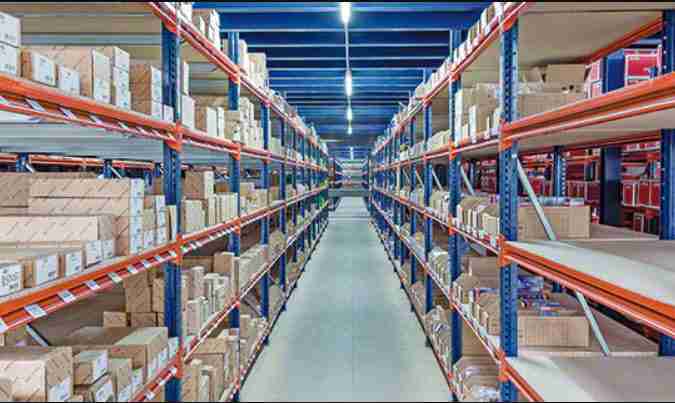
Does Your Supplier Have A History Of Reliability?
Does Your Supplier Have A History Of Reliability?
- Businesses must ensure smooth and efficient operations in a fast-paced market.
- The reliability of suppliers can significantly impact success or lead to chaos.
- Case studies like Home Depot and Lowe’s highlight the importance of supplier reliability during supply chain disruptions.
- Evaluate potential suppliers based on their performance during past crises for reliability metrics.
- Assess key factors such as on-time delivery rates, product quality, and customer service responsiveness.
- Check testimonials and references from other businesses to gauge supplier reliability.
- Choosing reliable suppliers is crucial for minimizing risks and maintaining operational efficiency.
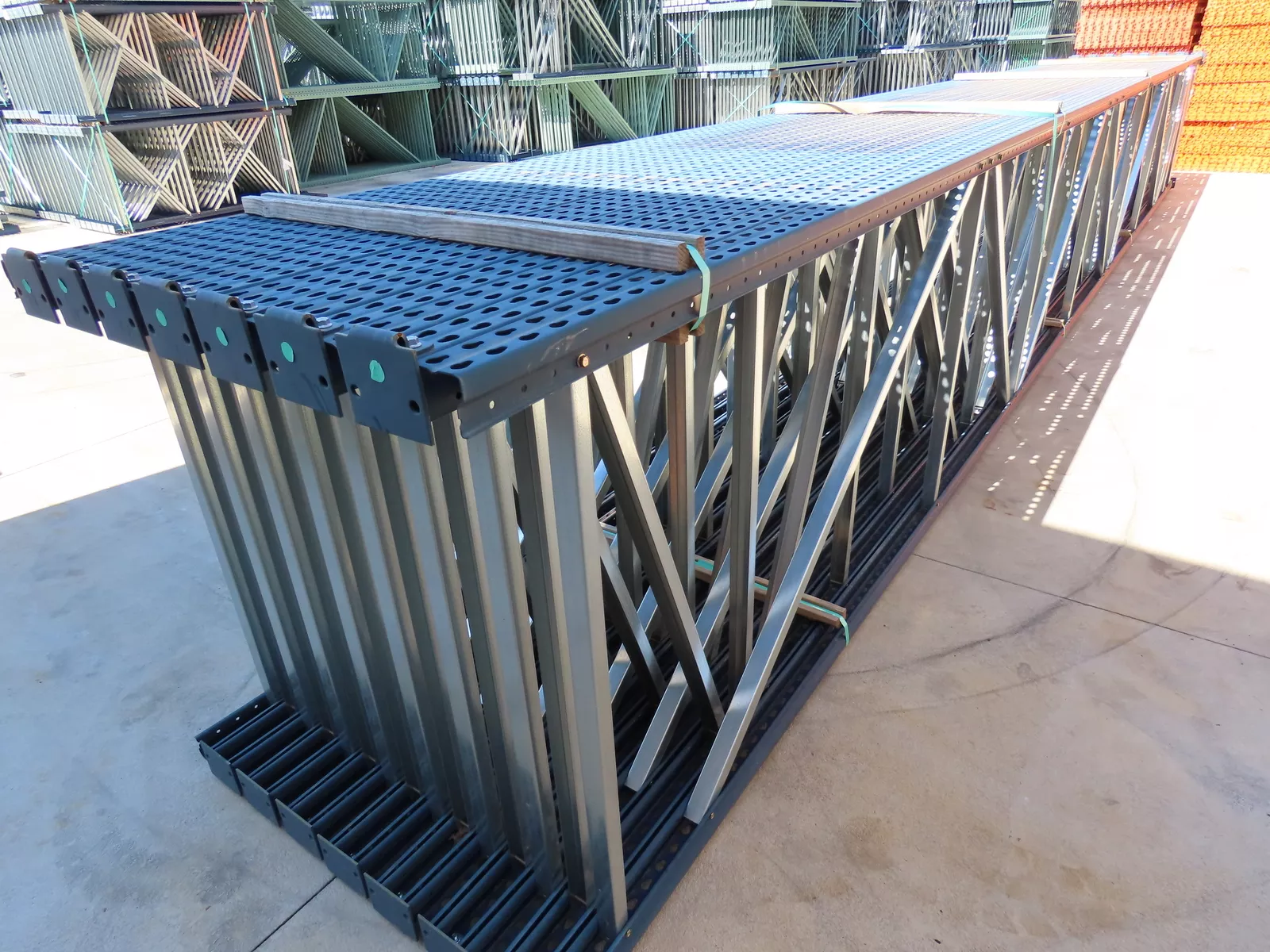
Does Your Supplier Have A History Of Reliability?
Can Your Supplier Support Future Expansion Needs?
In today’s fast-paced business environment, your choice of supplier is more critical than ever, particularly as you contemplate future growth and expansion. It’s not just about what you need right now; it’s about anticipating what you’ll need a year or five down the line. As the landscape shifts—think supply chain complexities or surges in e-commerce demand—partnering with a supplier who can scale with you is essential.
Consider the current trend of rising warehouse capacity demands driven by e-commerce giants like Amazon. They’re not just sourcing products; they’re setting industry standards for logistics efficiency. This means your supplier must provide solutions that can flexibly adjust to increased storage demands. Enter pallet racking systems—an essential component of effective warehouse management. A supplier that offers scalable pallet racking solutions can accommodate expansions, whether you’re increasing inventory levels or shifting to a multi-channel distribution model.
For example, if your business plans to add new product lines or expand into new markets, an effective supplier should provide customizable pallet racking systems that can easily adapt to these needs. The last thing you want is to be stuck with a one-size-fits-all solution that hamstrings your operations. A supplier that understands modular pallet racking means you can simply add more racks as your inventory grows, without a complete overhaul of your storage setup.
Moreover, in light of recent events such as the supply chain disruptions experienced globally, having a supplier who can quickly source or adjust inventory can save you from costly delays. For instance, a supplier that has a well-established network for rapid pallet racking delivery can mean the difference between keeping your operations smooth and experiencing frustrating bottlenecks.
Another consideration is technology integration. As businesses evolve, so do the tools they use for inventory management. A forward-thinking supplier that integrates their pallet racking systems with modern warehouse management systems demonstrates foresight and an understanding of industry evolution. This can streamline operations and enable seamless scaling.
In an era where adaptability is the name of the game, choose a supplier who doesn’t just satisfy your current needs but anticipates the demands of tomorrow. By doing so, you ensure your business is not only prepared for growth but positioned to thrive in whatever challenges lie ahead. Remember, the right supplier is not just a vendor; they are a strategic partner in your journey to success.
Can Your Supplier Support Future Expansion Needs?
Can Your Supplier Support Future Expansion Needs?
- Choosing the right supplier is crucial for future growth and expansion in today’s business environment.
- Anticipate future needs, considering factors such as supply chain complexities and e-commerce demand.
- Suppliers must offer scalable solutions, particularly in warehousing, with adjustable pallet racking systems.
- Customizable pallet racking is essential for accommodating new product lines or market expansions.
- Having a supplier that can quickly source inventory is vital, especially during supply chain disruptions.
- Technology integration with modern warehouse management systems is important for efficient operations.
- The right supplier acts as a strategic partner, preparing businesses for future challenges and opportunities.
Can Your Supplier Support Future Expansion Needs?
What Warranties Or Guarantees Does Your Supplier Offer?
When selecting a supplier for your pallet racking needs, one crucial aspect often overlooked is the warranties and guarantees they provide. In today’s fast-paced market, purchasing a commercial or industrial product without a safety net can leave your business exposed to unnecessary risks. Think about it – investing in pallet racking systems is a commitment, and you need assurance that your supplier stands behind their products.
A strong warranty serves as a vote of confidence. For example, consider a supplier that offers a ten-year warranty on their pallet racking systems versus one that only provides a standard one-year guarantee. The former indicates durability and performance, two essential factors needed to keep your warehouse operations efficient. You want a supplier who isn’t just looking to make a quick sale but is also genuinely interested in ensuring your satisfaction for the long haul.
Furthermore, a current event that showcases the importance of solid guarantees is the growing concern about warehouse safety standards. Recent regulatory changes emphasize the significance of compliance in maintaining safe work environments. If you’re working with a supplier that offers a robust warranty, you can rest easy knowing that their pallet racking options meet higher safety standards, which can ultimately protect your workers and reduce liability.
Consider also the rising trend of companies integrating technology into their supply chains. Many suppliers today are stepping up their game by offering warranties that cover potential technological upgrades. Imagine purchasing a state-of-the-art pallet racking system equipped with smart features but learning later on that these upgrades aren’t part of your warranty. A well-rounded supplier will include these additions in their guarantees, allowing you to future-proof your investment.
Also, don’t forget about the nature of customer support tied to warranties. An excellent warranty is rendered useless if the supplier’s after-sales service is lackluster. Ensure that your supplier is committed to supporting you well beyond the initial sale and provides clear information about their warranty claim process.
Never underestimate the power of a strong warranty or guarantee. It’s not just a piece of paper; it’s peace of mind. So before you make a choice, evaluate the warranties your potential suppliers offer for their pallet racking systems. A little due diligence now could save you a fortune down the road, ensuring your operations are stable, secure, and future-ready.
What Warranties Or Guarantees Does Your Supplier Offer?
What Warranties Or Guarantees Does Your Supplier Offer?
- Warranties and guarantees are crucial when selecting a pallet racking supplier.
- A strong warranty reflects the supplier’s confidence in their product’s durability and performance.
- Recent regulatory changes highlight the importance of compliance and safety in warehouse operations.
- Opting for suppliers with robust warranties can enhance worker safety and reduce liability.
- Modern suppliers may offer warranties that cover technological upgrades, ensuring future-proof investments.
- Customer support is vital; a warranty is only as good as the supplier’s after-sales service.
- Evaluating warranties can lead to significant long-term savings and operational stability.
What Warranties Or Guarantees Does Your Supplier Offer?
How Does Your Supplier Handle Product Recalls Or Issues?
When running a successful business, the last thing you want is to be blindsided by a product recall or significant issue that affects your operations. Imagine a scenario where you’ve stocked your warehouse with a truckload of pallet racking systems. Everything seems perfect until you receive an urgent email notifying you of a safety issue related to the very racking systems you’re selling. This is where understanding how your supplier handles product recalls can be a game-changer.
First and foremost, ask your supplier about their protocol for dealing with product recalls. A reliable supplier will have a well-defined process in place. For instance, they should be able to communicate promptly and clearly about the nature of the issue and how it affects you. During the recent recall of certain consumer electronics, companies like Samsung faced backlash because of lackluster communication strategies. Your suppliers should be proactive, ensuring you’re in the loop every step of the way.
Next, consider how your supplier manages the logistics of a recall. The ability to quickly replace or repair faulty products can make all the difference. For warehouses that rely on pallet racking systems, downtime can be costly. If a supplier can turn around a recall with expediency—perhaps by shipping replacement units directly to you or covering return shipping costs—that shows they are truly invested in their customers’ welfare.
Moreover, investigate whether your supplier offers training or informational resources in case of recalls. For example, if the pallet racking systems are deemed unsafe, can they provide guidance on identifying faulty units? An exemplary supplier will not only take responsibility but also equip you with the knowledge needed to mitigate risks. Think of it like an insurance policy; the better the supplier’s support during a crisis, the less stress you’ll face.
Lastly, keep an eye on current events to gauge your supplier’s reputation in crisis management. Companies that have historically handled recalls well often earn consumer trust, reflecting positively on their partners. The recent Tylenol scandal demonstrates how swift and transparent action can turn a potential disaster into a reputation-building opportunity.
When evaluating suppliers, don’t just look at their products—dig deep into their strategies for handling product recalls and issues. Their responsiveness, logistical efficiency, and commitment to customer education will not only protect your business in times of trouble but will also set you up for long-term success. Choose wisely, and your business will thank you.
How Does Your Supplier Handle Product Recalls Or Issues?
How Does Your Supplier Handle Product Recalls Or Issues?
- Be proactive about understanding your supplier’s protocol for product recalls.
- A reliable supplier should communicate clearly and promptly about recall issues.
- Assess how quickly and effectively your supplier can handle logistics during a recall.
- Quick replacement or repair of faulty products can minimize costly downtime.
- Ensure your supplier offers training and resources for identifying unsafe products.
- Monitor your supplier’s reputation and past performance in crisis management.
- Consider suppliers’ strategies for handling recalls, as this impacts long-term business success.
How Does Your Supplier Handle Product Recalls Or Issues?
Conclusion
In the ever-evolving landscape of warehousing and logistics, the choice of a pallet racking supplier transcends mere procurement—it’s a critical partnership that shapes the very foundation of your operations. With global supply chain disruptions, inflationary pressures, and swift shifts in consumer demand defining the market, having a reliable and proactive supplier like Arrow Industrial Sales is essential for long-term success.
First and foremost, it’s paramount to assess the stability and financial health of your supplier. History matters; a supplier with a long-standing reputation is often better equipped to navigate challenges and ensure your operations run smoothly. As we’ve seen in recent years, those who partnered with financially stable suppliers were better positioned to weather the storm of disruptions. By choosing Arrow Industrial Sales, you’re not just selecting a vendor; you’re investing in a resilient partner.
Equally crucial is communication. The frequency and clarity of your interactions with a supplier can be the difference between seamless operations and costly delays. At Arrow Industrial Sales, we emphasize transparent communication, ensuring you stay informed and equipped to tackle any potential hiccups before they escalate.
Anticipating your future needs is also imperative. In today’s world, where agility reigns supreme, having a supplier that offers adaptable and scalable pallet racking solutions is non-negotiable. Arrow Industrial Sales takes pride in providing customizable options that can grow with your business, ensuring your operations remain efficient as market demands shift.
Then there’s the matter of warranties and product recalls. You deserve a supplier that stands firmly behind its products—not just during the sale, but afterward too. At Arrow Industrial Sales, we provide robust warranties, alongside a comprehensive support system to navigate any challenges that may arise.
Ask yourself: Is your current supplier up to the task of supporting your growth, ensuring compliance with safety standards, and handling any crises that may surface? If there’s any doubt, it’s time to reassess.
The clock is ticking, and the window to secure a partnership that offers dependability and foresight is narrowing. Don’t gamble with your operational success; reach out to Arrow Industrial Sales today at (574) 349-6575. Your future depends on making the right choice now—a choice that not only meets your current needs but anticipates tomorrow’s challenges. Make the smart move and fortify your business with Arrow Industrial Sales, the partner you can trust for the long haul.
Conclusion
Conclusion:
- Choosing a reliable pallet racking supplier is pivotal for operational success in warehousing and logistics.
- Arrow Industrial Sales offers a stable partnership that helps navigate supply chain challenges.
- Assessing the financial health and history of a supplier is essential for long-term resilience.
- Transparent communication is a cornerstone of effective supplier relationships, helping to prevent costly delays.
- Arrow Industrial Sales provides adaptable and scalable pallet racking solutions to meet future business needs.
- Robust warranties and comprehensive support are critical for ensuring product reliability and addressing challenges.
- Reassess your current supplier’s capabilities and consider contacting Arrow Industrial Sales for a dependable partnership.

Conclusion
Other Resources
Other Resources
Here is a list of other resources you can review online to learn more:
- Illinois
- American Surplus
- Cantilever Rack Guide: Ordering Cantilever Racking
- Selective Racking
- Bradford Systems
- IIWS Inc. Rack Installation Illinois & Rack Repairs Illinois
- Storage Equipment Manufacturers Association
- Shipping Boxes, Packaging Materials, Pallet Racking
- Selective Pallet Racking Systems
- Cantilever Racks Chicago
Use This Prompt To Get More Resources With Your Favorite Online AI Tool: Please provide me with a list of online articles with their URLs in a bulleted list that I can read regarding Will Your Pallet Racking Supplier Be Available Long-Term?
Other Resources
Glossary Terms
Will Your Pallet Racking Supplier Be Available Long-Term? – Glossary Of Terms
1. Pallet Racking: A storage system designed for the efficient organization and retrieval of pallets in warehouses.
2. Supplier Evaluation: The process of assessing potential suppliers based on criteria like reliability, quality, and service.
3. Vendor Stability: The financial and operational reliability of a supplier over time.
4. Lead Time: The time it takes for a supplier to fulfill an order from the moment it is placed to the delivery of goods.
5. Quality Assurance: A set of processes put in place to ensure that products meet certain quality standards.
6. Customer Service: Support provided by a supplier to assist customers before, during, and after the purchase.
7. Compliance: Adhering to industry regulations and standards, ensuring that the supplier’s products are safe and legitimate.
8. Inventory Management: The supervision of ordering, storing, and using a company’s inventory, which can be impacted by supplier reliability.
9. Reliability: The likelihood that a supplier will consistently deliver goods on time and as promised.
10. Reputation: The overall perception of a supplier based on previous customer experiences and feedback.
11. Contract Terms: The specific conditions outlined in a contract that govern the relationship between a supplier and a buyer.
12. Market Research: The process of gathering, analyzing, and interpreting information about a market and its suppliers.
13. Comparative Analysis: Evaluating multiple suppliers against each other to determine the best option for a business.
14. Product Life Cycle: The process that a product goes through from development to decline, influencing suppliers’ longevity.
15. After-Sales Support: Assistance provided after a purchase, crucial for maintaining a long-term relationship with a supplier.
16. Warranty: A guarantee provided by a supplier regarding the quality and longevity of their product.
17. Sustainability: The ability of a supplier to maintain operations without negatively impacting future generations; important for long-term partnerships.
18. Flexibility: A supplier’s ability to adapt to changing needs or circumstances, essential for long-term relevance.
19. Innovation: The introduction of new ideas and technologies by a supplier that can enhance product offerings over time.
20. Financial Health: An assessment of a supplier’s economic stability, which can indicate their ability to remain in business long-term.
21. Product Range: The variety of products offered by a supplier, which can impact your operations in the long run.
22. Return Policy: A supplier’s terms regarding the return of goods, important for assessing the risk of long-term investment.
23. Customization Options: The ability for a supplier to tailor products to meet specific needs, indicating their flexibility and commitment.
24. Supplier Certification: Official recognition of a supplier’s compliance with industry standards, which can provide an assurance of reliability.
25. Partnership: A collaborative relationship between a buyer and seller, focusing on mutual benefits that are vital for long-term arrangements.
26. Logistics: The management of the flow of goods from the supplier to the customer, which affects delivery time and efficiency.
27. Industry Trends: Current movements and patterns in a market that can influence supplier decisions and practices.
28. Risk Management: Strategies to minimize potential risks associated with supplier relationships, ensuring long-term stability.
29. Performance Metrics: Standards used to measure a supplier’s effectiveness, including delivery times and product quality.
30. Negotiation: The discussion process between a buyer and supplier to come to mutually beneficial terms, often impacting the longevity of the relationship.

Glossary Of Terms
Other Questions
Will Your Pallet Racking Supplier Be Available Long-Term? – Other Questions
If you wish to explore and discover more, consider looking for answers to these questions:
- What specific factors should I evaluate to determine my supplier’s stability?
- How can I assess the customer service reputation of my potential supplier?
- What signs indicate that a pallet racking supplier is adapting to market trends?
- What additional resources can help me check a supplier’s financial stability?
- How important is the length of time a supplier has been in business?
- What metrics are most relevant for measuring a supplier’s reliability?
- How can I prepare for potential delays in receiving additional racking?
- What should I include in the communication plan with my supplier?
- Are there industry standards for lead times in receiving pallet racking?
- How can my supplier support my business growth in the future?
- What should I ask suppliers regarding their warranty policies?
- How will I know if a supplier can handle a product recall effectively?
- What role do customer reviews play in assessing a supplier’s reliability?
- What types of warranties or guarantees are standard in the industry?
- How can I ensure my supplier stays updated with technological advancements?
- What are the potential risks associated with selecting a new supplier?
- How can I negotiate better terms or warranties with my supplier?
- Is it common for suppliers to offer expedited services during peak times?
Other Questions
Checklist
Will Your Pallet Racking Supplier Be Available Long-Term? – A Checklist
1. Supplier Stability
_____ How long has the supplier been in business?
_____ Is there a history of resilience during economic downturns?
_____ Look for any past instances of bankruptcy or financial strain.
2. Customer Service and Support
_____ Does the supplier provide extensive post-sale support?
_____ How responsive is their customer service?
_____ Are installation guidance and replacement parts readily available?
3. Adaptability and Industry Awareness
_____ Does the supplier stay informed about industry trends and innovations?
_____ Can they offer flexible solutions as your business needs change?
_____ Are they ready to help with adjustments to meet e-commerce demands?
4. Financial Stability
_____ Check recent financial reports or credit ratings of the supplier.
_____ How did they fare during recent global disruptions (like COVID-19)?
_____ Look for transparency regarding financial health.
5. Communication Frequency
_____ How often do you plan to communicate with your supplier?
_____ Establish a schedule for regular updates (e. g. , weekly check-ins).
_____ Are there clear channels for maintaining consistent contact?
6. Lead Time for Additional Racking
_____ What is the typical lead time for delivery (4-12 weeks)?
_____ How does demand fluctuation affect their timelines?
_____ Do they offer expedited shipping options when necessary?
7. Reliability
_____ What are their metrics for on-time delivery and product quality?
_____ Ask for testimonials or references from past customers.
_____ How did they perform during previous supply chain challenges?
8. Future Expansion Support
_____ Can they provide scalable and customizable pallet racking solutions?
_____ Are they equipped to handle sudden increases in demand?
_____ Do they integrate modern inventory management technologies with their products?
9. Warranties and Guarantees
_____ What warranty period does the supplier offer for their products?
_____ Are upgrades or technological enhancements covered by the warranty?
_____ How is their customer support related to warranty claims?
10. Handling Product Recalls or Issues
_____ What is their established protocol for product recalls?
_____ How proactive and transparent are they in communicating issues?
_____ Do they provide training or guidance on identifying and managing recalls?
Completing this checklist will guide you in selecting a pallet racking supplier that provides the stability, support, and adaptability needed for long-term success. Prioritize partnership qualities over short-term benefits to enhance your operational efficiency and resilience against future disruptions.

Checklist
At RackingWorld, we help guide you through selecting warehouse storage systems and racking.
Be sure to read our other related stories at RackingWorld to learn more about warehouse storage systems.
0 Comments