
Proactive Solutions For Warehouse Rack Safety
By Tom Seest
At RackingWorld, we help guide you through selecting warehouse storage systems and racking.
Be sure to read our other related stories at RackingWorld to learn more about warehouse storage systems.
Are Your Warehouse Racks Putting Team Safety At Risk?
In the fast-paced world of warehousing, it’s easy to underestimate the impact of your warehouse setup on your team’s safety. Have you ever considered that the very pallet racking designed to boost productivity might inadvertently be placing your employees at risk? That’s a hard truth, but one worth facing.
Picture this: your hardworking team is rushing to fulfill orders, navigating narrow aisles crowded with loaded pallet racking. As they maneuver through this seemingly organized chaos, the thought of racking instability or improper load balancing is likely far from their minds. However, just one misstep or threat from a poorly maintained racking system can lead to serious accidents. The statistics speak for themselves—warehouse injuries are all too common, often stemming from inadequate attention to safety protocols in regard to pallet racking systems.
Now, let’s pause for a moment. When was the last time you assessed the condition of your pallet racking? Do you regularly inspect the structural integrity of those beams, uprights, and connections? These seemingly mundane tasks go a long way in preventing dangerous mishaps. It’s not just your team’s physical safety on the line; it’s your operation’s reputation and your bottom line.
If delivering a safe work environment is near and dear to you (and it should be!), then it’s time to take action. Invest in training your team on proper loading techniques and the use of safety equipment. Create a culture that prioritizes safety as much as productivity. An environment where your employees feel secure translates directly to increased morale and reduced turnover.
But don’t stop there! Schedule regular safety audits, and if you detect wear and tear on your pallet racking, address it immediately. Reach out to professionals who can provide expert guidance on upgrading or modifying your racking systems. Don’t wait for an incident to happen—be proactive! Your employees will appreciate it, and your bottom line will thank you for it.
The safety of your team is not just another checkbox on your to-do list; it’s an investment in your business’s future. Start today to ensure that your pallet racking systems are not only enhancing efficiency but also fostering a safe, secure workplace where your team can thrive.
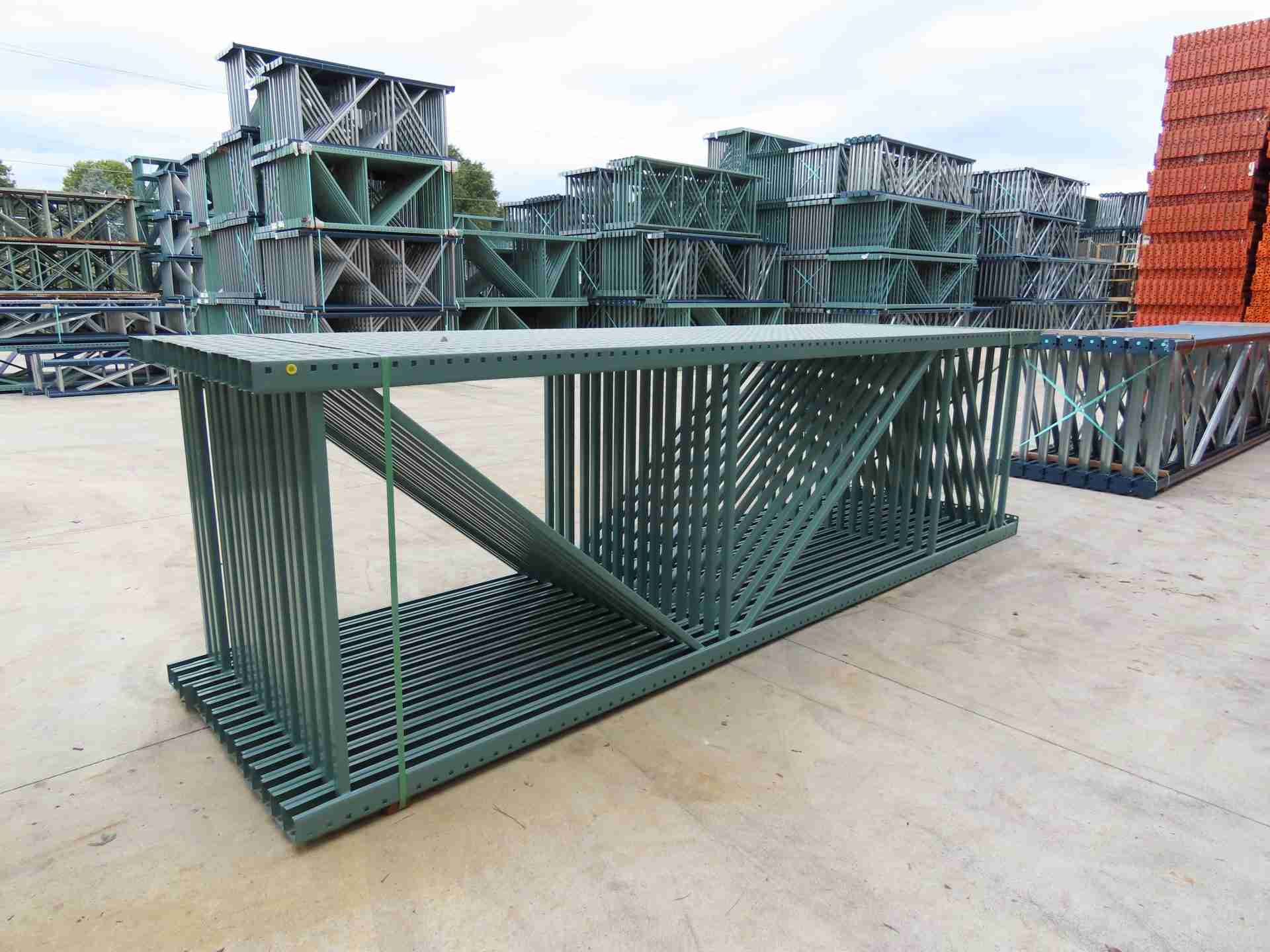
Are Your Warehouse Racks Putting Team Safety At Risk?
Are Your Warehouse Racks Putting Team Safety At Risk?
- The setup of your warehouse significantly impacts team safety.
- Pallet racking, while designed for productivity, can create risks if not managed properly.
- Narrow aisles and crowded racking heighten the chance of accidents.
- Regular assessment and maintenance of pallet racking is essential for safety.
- Investing in training on proper loading techniques and safety equipment can enhance safety culture.
- Conduct regular safety audits and address any wear and tear on racking systems promptly.
- Prioritizing safety not only protects employees but also positively affects morale and the bottom line.
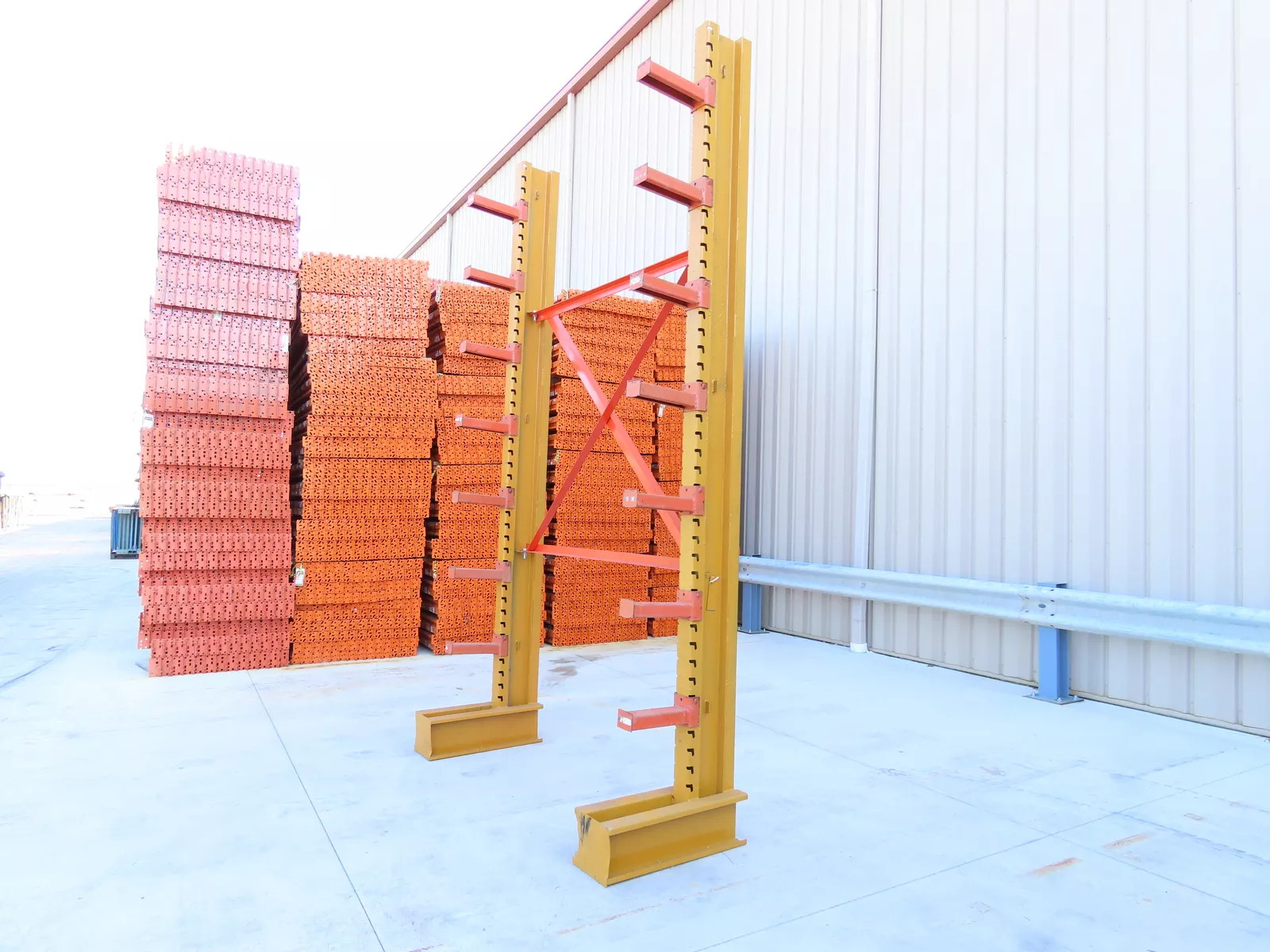
Are Your Warehouse Racks Putting Team Safety At Risk?
Table Of Contents
- Are Your Warehouse Racks Putting Team Safety At Risk?
- Is Your Warehouse Rack Overloaded Beyond Safety Limits?
- Are Your Employees Trained On Rack Safety Protocols?
- Are Regular Inspections Of Your Warehouse Racks Conducted?
- Is Your Warehouse Utilizing Proper Rack Assembly Techniques?
- Are Your Racks Displaying Visible Warning Labels And Signage?
- Do You Have An Emergency Plan For Rack-Related Accidents?
- Conclusion
- Other Resources
- Glossary Of Terms
- Other Questions
- Checklist
Is Your Warehouse Rack Overloaded Beyond Safety Limits?
Picture this: You walk into your warehouse and stand beneath towering rows of pallet racking. The weight of your business’s inventory rests heavily on these steel structures, all while you hope they’re up to the task. Now, ask yourself: Can you truly trust that your racking system isn’t overloaded beyond safety limits?
Every day, countless managers grapple with the immense pressures of meeting demands and optimizing space. And while it’s tempting to push the limits—after all, more product equals higher profits—there’s a critical cost to taking shortcuts in safety. If you’ve felt the tension in your chest, wondering if that stack of pallets is teetering towards disaster, you’re not alone.
Let’s talk about those whispers in the back of your mind. Sure, you want to maximize your storage abilities with your pallet racking, but at what expense? Each pallet can hold significant weight, but exceeding those specified limits can invite chaos—not just in your warehouse, but potentially in your bottom line. A collapse could lead to damaging your valuable inventory, injuring employees, or even inviting legal troubles. A tough pill to swallow, isn’t it?
But don’t let the fear of what could go wrong keep you from taking decisive action! This is where empowerment meets responsibility. Assessing your pallet racking setup is not merely a chore; it’s an opportunity to enhance safety and increase efficiency. Take a moment this week to review your racking systems. Are you compliant with the manufacturer’s load capacity guidelines? If you can’t answer that confidently, it’s time to dig deeper.
Engaging with experts in pallet racking compliance can be as transformative as cutting-edge technology for your operations. When you surround yourself with knowledge and resources, not only do you foster trust within your team, but you also instill confidence in the very framework of your warehouse.
Let’s face it, there’s too much riding on your decision-making—from the welfare of your employees to the success of your business. It’s time to elevate your safety standards and create an environment that reflects your industrious spirit. After all, a safe warehouse is a strong warehouse, and a strong warehouse paves the way for growth. Embrace this opportunity today—after all, peace of mind and profitability go hand in hand.
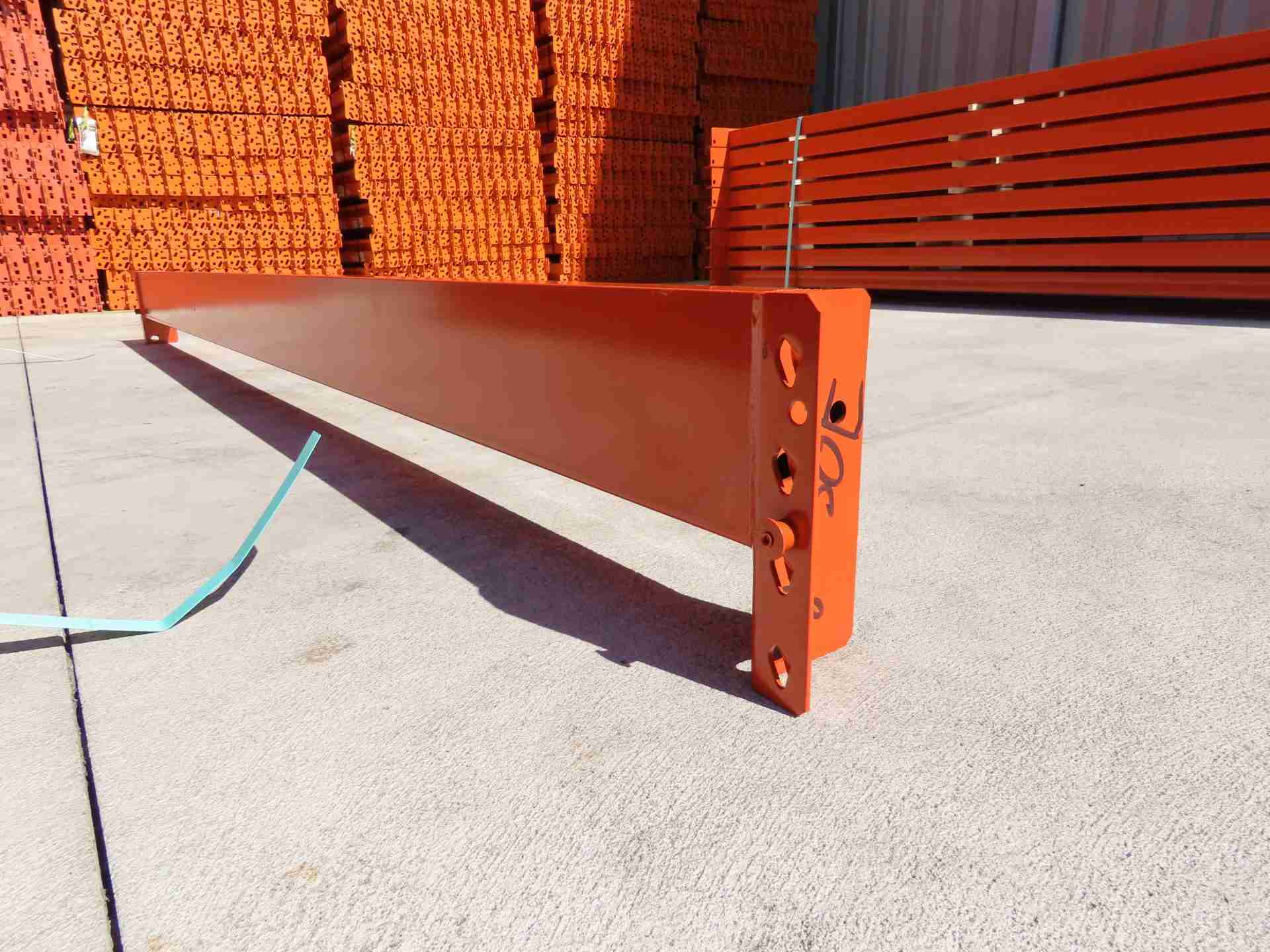
Is Your Warehouse Rack Overloaded Beyond Safety Limits?
Is Your Warehouse Rack Overloaded Beyond Safety Limits?
- Warehouse managers often worry about the safety and load limits of pallet racking systems.
- There is a tension between maximizing inventory space and ensuring safety compliance.
- Exceeding load limits can result in inventory damage, employee injuries, and legal issues.
- Regularly assessing your pallet racking setup is essential for maintaining safety and efficiency.
- Compliance with manufacturer load capacity guidelines is crucial for operational integrity.
- Engaging with experts in pallet racking can enhance safety and build team confidence.
- Investing in safety standards can lead to a stronger warehouse and greater business success.

Is Your Warehouse Rack Overloaded Beyond Safety Limits?
Are Your Employees Trained On Rack Safety Protocols?
In today’s fast-paced warehouse and distribution environments, safety isn’t just a box to check; it’s a foundational element of operational success. Imagine the potential chaos that can erupt if your team isn’t fully versed in the proper safety protocols associated with pallet racking. It not only poses risks to employees but can also lead to costly disruptions and liability issues for your operations.
Pallet racking systems, when used correctly, boost efficiency and streamline workflows. However, the moment your employees cut corners or neglect safety protocols, you are inviting disaster. From improperly stacking pallets to failing to inspect racking for damage, these oversights can result in serious injuries and expensive downtime. That’s where comprehensive training comes to the forefront.
Have you asked yourself lately: Are your employees equipped with the knowledge and tools they need for safe and effective pallet racking? Engaging your workforce in safety training isn’t just about compliance; it’s an investment in their well-being and your company’s longevity. Think about it: a well-trained employee can spot an unsafe rack setup from a mile away, reducing accidents and associated costs, and enhancing the safety culture of your organization.
By introducing structured training modules that focus on the nuances of pallet racking, you foster an environment where safety becomes second nature. Interactive training sessions, real-life scenarios, and ongoing assessments ensure ongoing understanding and retention. Your team becomes not just workers, but champions of safety, empowering each individual to take responsibility for their own safety and the safety of their colleagues.
Furthermore, demonstrate that you value their efforts. Regularly acknowledging safe practices reinforces their commitment. It’s this level of engagement that transforms safety from a mundane requirement into a badge of honor.
Remember, it’s not about scaring your employees; it’s about equipping and empowering them. By investing time and resources into training, you not only protect your workforce but also build a culture of safety that resonates throughout your entire operation. So, take a moment and evaluate your current training program. If it’s lacking, now is the time to act. Your employees—and your bottom line—will thank you for it. Prioritize safety on your pallet racking systems today, and watch productivity soar safely.
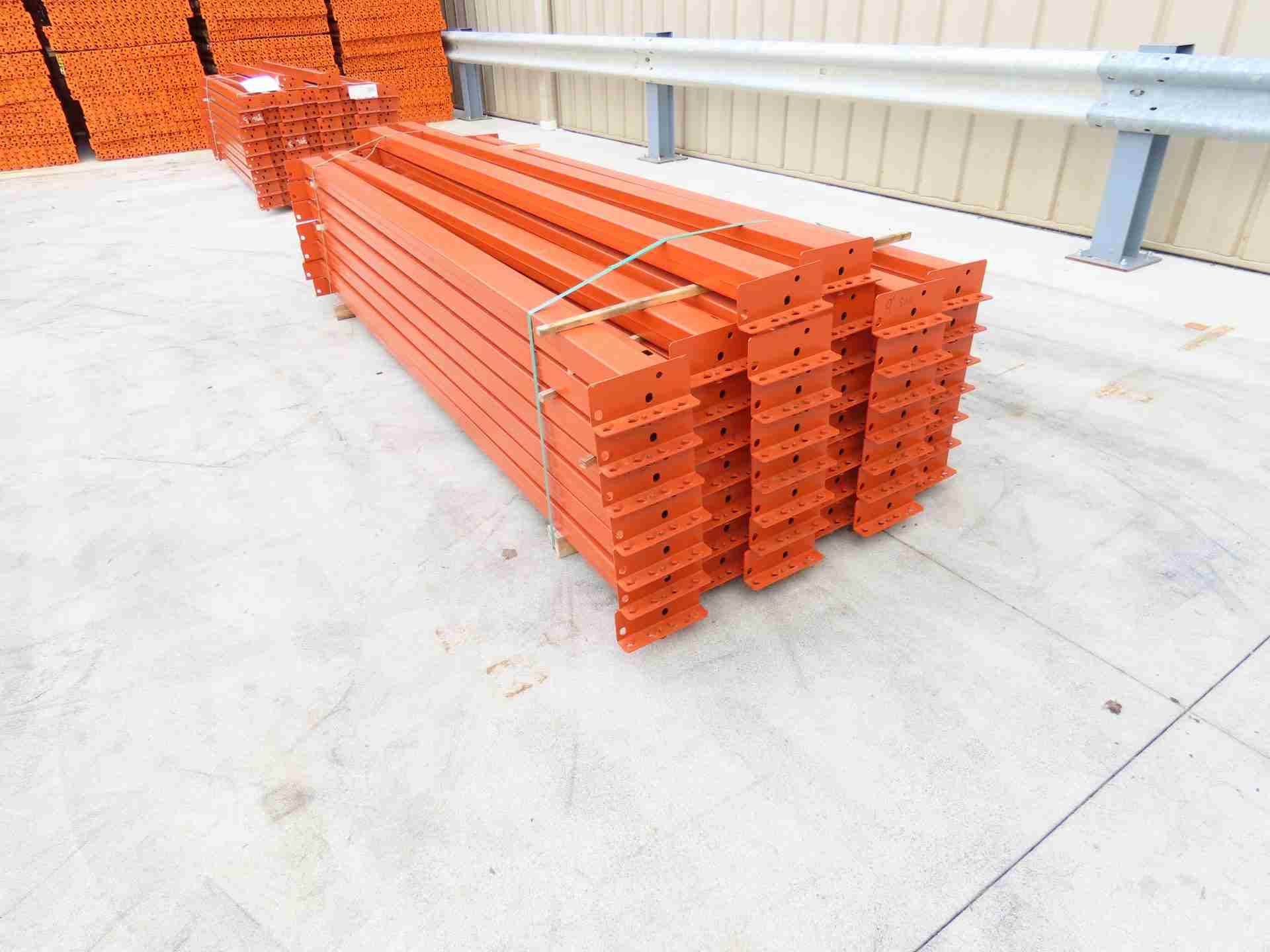
Are Your Employees Trained On Rack Safety Protocols?
Are Your Employees Trained On Rack Safety Protocols?
- Safety is a foundational element for success in warehouse operations, not just a compliance checkbox.
- Improper pallet racking practices can lead to employee injuries, operational disruptions, and liability issues.
- Comprehensive training on safety protocols for pallet racking is crucial for employee well-being and company longevity.
- A well-trained workforce can identify unsafe practices, reducing accidents and costs while enhancing safety culture.
- Structured training modules and interactive sessions help ingrained safety awareness among employees.
- Acknowledging safe practices promotes a commitment to safety, transforming it into a valued cultural aspect.
- Investing in safety training not only protects employees but also boosts productivity and fosters a culture of safety.

Are Your Employees Trained On Rack Safety Protocols?
Are Regular Inspections Of Your Warehouse Racks Conducted?
When you think about the backbone of your warehouse operations, what comes to mind? Is it the well-oiled machines, the fast-paced workforce, or perhaps the intricate dance of logistics and timing? While all of these elements play critical roles, let’s pull back the curtain and spotlight the unsung hero of your warehouse — the pallet racking. Yes, those metal beams and shelves that hold your valuable inventory deserve more than just a fleeting glance.
Imagine walking through your warehouse and witnessing stacks of products perfectly organized, all safely supported by robust pallet racking. It’s a sight that not only instills pride but also reassures you that your operations are running smoothly. But here’s the catch: without regular inspections, even the strongest racking systems can harbor hidden dangers. The question arises — are you proactively conducting those crucial inspections?
Regular inspections do more than just tick a box; they are your strategic advantage. Think of them as the health check-ups of your warehouse. Would you neglect regular check-ups for your vehicle? Of course not! Your pallet racking is no different. Over time, wear and tear can compromise the integrity of your racks, potentially leading to catastrophic failures that can negatively impact not only your inventory but the safety of your employees.
So, how can you cultivate an environment of vigilance and assurance? Start by instituting a routine inspection schedule. Engage your team in understanding the importance of these check-ups. Educate them on what to look for: from visibility issues and alignment problems to the lesser-known signs of structural strain. Empower them to report any concerns swiftly. This not only fosters a culture of safety but also strengthens team dynamics, resulting in a more cohesive workforce.
Now, let’s add a cherry on top: by keeping your pallet racking in check, you’re not just safeguarding your assets, you’re also enhancing your overall operational efficiency. Well-maintained shelving systems can lead to optimized space usage and swift accessibility of your stock, paving the way for streamlined processes that ultimately drive profitability.
In fast-paced warehousing, the only constant is change. By committing to regular inspections of your pallet racking, you’re not just preventing costly mishaps; you’re building a foundation of trust and reliability. Trust not only in your equipment but in the long-term success of your business. Make that commitment today — your warehouse will thank you!

Are Regular Inspections Of Your Warehouse Racks Conducted?
Are Regular Inspections Of Your Warehouse Racks Conducted?
- Pallet racking is the backbone of warehouse operations, crucial for organization and safety.
- Regular inspections are essential to prevent hidden dangers that may compromise racking integrity.
- Inspections serve as ‘health check-ups’ for racking systems, preventing potential catastrophic failures.
- Establish a routine inspection schedule and educate your team on identifying issues with racks.
- Fostering a culture of safety enhances team dynamics and encourages swift reporting of concerns.
- Well-maintained racking improves operational efficiency, optimizing space usage and accessibility.
- Commitment to regular inspections builds trust and reliability, ensuring long-term success..
Are Regular Inspections Of Your Warehouse Racks Conducted?
Is Your Warehouse Utilizing Proper Rack Assembly Techniques?
When it comes to managing your warehouse, the importance of effective pallet racking cannot be overstated. Imagine your warehouse as a bustling hive of activity, where every pallet is a vital component in the well-oiled machine that drives your business. Yet, without proper rack assembly techniques, that machine can quickly turn into a clunky, inefficient beast.
Are you confident that your pallet racking system is assembled correctly? If you’ve ever watched an Olympic sport where precision and technique are everything, you’ll understand the importance of getting the details right. Just like an athlete relies on a solid foundation, your warehouse needs meticulously assembled racks to ensure safety, efficiency, and maximum storage capacity.
Let’s be honest—warehouse operations can be chaotic. Staff members are moving quickly, machinery is buzzing, and there’s a continual flow of inventory in and out. In this fast-paced environment, subpar rack assembly can lead to serious issues: from product damage and increased costs to potential safety violations that could result in accidents. Would you really want to put your team’s safety—or your company’s reputation—on the line over something as simple yet crucial as proper rack assembly?
Now, picture this instead: your racks are not only standing tall but are also a testament to your operational excellence. When every bolt is secured, every shelf properly aligned, and every pallet stored for optimal access, your warehouse becomes a beacon of productivity. Employees can work confidently, knowing they’re supported by an organized and safe environment.
You might be wondering, “Where do I start?” The transformation doesn’t have to be daunting. Begin by assessing your current pallet racking setup. Are the racks level? Have they been inspected regularly? Involve your team in training sessions focused on assembly techniques and safety procedures. Remember, great things come to those who take action!
Investing in proper pallet racking assembly benefits not just your warehouse’s efficiency but your bottom line too. As you foster a culture of safety and professionalism, you’ll inspire trust among employees and clients alike. Make the decision today to ensure every pallet racking system in your warehouse is assembled with the care and precision it deserves. Your team (and your business) will thank you!

Is Your Warehouse Utilizing Proper Rack Assembly Techniques?
Is Your Warehouse Utilizing Proper Rack Assembly Techniques?
- Effective pallet racking is crucial for efficient warehouse management.
- Proper rack assembly ensures safety, efficiency, and maximum storage capacity.
- Subpar rack assembly can lead to product damage, increased costs, and safety violations.
- Well-assembled racks enhance workplace safety and support operational excellence.
- Assess your current pallet racking setup to identify areas for improvement.
- Involve your team in training sessions focused on assembly techniques and safety.
- Investing in proper assembly fosters a culture of safety and professionalism, benefiting both employees and clients.

Is Your Warehouse Utilizing Proper Rack Assembly Techniques?
Are Your Racks Displaying Visible Warning Labels And Signage?
Have you ever walked into a warehouse and immediately felt a sense of order and clarity? That’s the kind of environment you want to create for your business. One of the simplest yet most powerful ways to achieve this is through the strategic use of visible warning labels and signage on your pallet racking. It’s not just about compliance; it’s about fostering a culture of safety, awareness, and responsibility among your team.
Imagine this: Every employee, new and veteran alike, understands the importance of following safety protocols because they’re consistently reminded through clear and concise signage. This doesn’t just protect your staff; it also safeguards your assets. When your pallet racking systems are marked with appropriate warning labels—reminding everyone of weight limits, proper stacking techniques, or hazard identification—you’re not only avoiding potential accidents but also boosting your team’s confidence. They’ll feel empowered knowing they’re operating within a safe framework.
Engagement is key! Create signs that don’t just communicate warnings but also inspire. Use bold colors and easy-to-read fonts that capture attention, whether it’s a quick glance or a lingering look. Consider adding visual cues—like diagrams showing the right way to stack pallets—these reinforce proper practices and keep your operation running smoothly. By making safety engaging, you foster an environment where everyone is looking out for one another.
But let’s get real for a moment. In many industries, workers are often overwhelmed, and the stakes are high. The lack of proper signage can lead to confusion, which can culminate in costly mistakes or even injuries. Every time an employee does a double-take at those warning labels, they’re reminded of the importance of safety—and that’s invaluable. Investing in high-quality, visible signage for your pallet racking is investing in your business’s longevity.
Moreover, displaying these crucial warnings is not just a requirement of compliance; it is a testament to your commitment to safety and quality. When potential clients or partners walk through your warehouse, what do they see? Clear signage shows that you care about your employees and take pride in your operations. This fosters trust—both within your team and among your clients.
So, take a moment to assess your warehouse. Are your racks displaying visible warning labels and signage? If not, it’s time to act. Safeguard your employees, build a culture of awareness, and enhance your operation’s efficiency. The road to a safer workplace starts with a simple label. Be proactive and make your rack safety a priority today!
Are Your Racks Displaying Visible Warning Labels And Signage?
Are Your Racks Displaying Visible Warning Labels And Signage?
- Create an organized warehouse environment through visible warning labels and signage on pallet racking.
- Consistent communication of safety protocols enhances awareness and responsibility among employees.
- Proper signage protects staff and assets by highlighting weight limits, stacking techniques, and hazards.
- Engaging signs with bold colors and diagrams foster a culture where everyone looks out for one another.
- Inadequate signage can lead to confusion, mistakes, and injuries, making proper labeling essential.
- Visible warnings demonstrate a commitment to safety and quality, fostering trust with employees and clients.
- Assess and improve your warehouse signage to prioritize safety and operational efficiency.

Are Your Racks Displaying Visible Warning Labels And Signage?
Do You Have An Emergency Plan For Rack-Related Accidents?
Every business owner knows that an efficient operations flow hinges on one crucial factor: safety. When it comes to your warehouse, the heart of that safety often lies in your pallet racking systems. But let’s be candid—accidents can happen. Ask yourself, does your facility have a robust emergency plan in place for rack-related incidents? If the answer is “I’m not sure,” it’s time we dive deeper.
Picture this: it’s just another Tuesday morning when suddenly, a pallet slips from the racking system, causing a cascade of materials to fall. Panic ensues, but what if your team had a clear, actionable emergency plan?
Emergency scenarios related to pallet racking can range from minor incidents to life-threatening situations, but the outcome heavily relies on preparedness. You want your staff to be equipped, not only with the right safety gear, but also with the knowledge of how to react effectively in a crisis. When the stakes are high, confidence is key. A comprehensive emergency plan ensures that your employees know exactly what to do—who to call, where to go, and how to secure the area, all of which builds an atmosphere of trust and safety.
Fostering a culture of safety goes beyond mere compliance; it creates an environment where employees feel valued and secure. When you implement safety training programs, drills, and regular reviews of your emergency protocols, you elevate your workplace from a mere operation to a community that watches out for one another.
Here’s an actionable step for you: gather your team and start drafting a personalized emergency plan tailored to your own racking systems and facility layout. Not only does this ensure everyone knows their roles, but it also inspires confidence in your leadership. After all, your commitment to safety cultivates loyalty and trust among your workforce, which is invaluable.
So, let’s get proactive. Don’t wait for an incident to shine a light on your lack of preparation. Make the commitment today to assess your emergency plan regarding rack-related accidents. Your team deserves it, your business demands it, and, most importantly, safety is a non-negotiable cornerstone of success. Stand out as a leader in safety within your industry; empower your workforce to act with confidence during emergencies. You won’t regret it, and neither will they.
Do You Have An Emergency Plan For Rack-Related Accidents?
Do You Have An Emergency Plan For Rack-Related Accidents?
- Safety is a critical factor for efficient operations flow in businesses, particularly in warehouse environments.
- Having a robust emergency plan for rack-related incidents is essential for preparedness.
- Preparedness can turn a potential accident into a manageable situation, enhancing staff confidence.
- A comprehensive emergency plan informs employees about their roles, who to call, and how to act in a crisis.
- Fostering a culture of safety creates a valued and secure environment for employees beyond mere compliance.
- Implementing safety training, drills, and regular reviews helps build a supportive workplace community.
- Proactively assess and tailor your emergency plan to ensure that your team is prepared for rack-related accidents.
Do You Have An Emergency Plan For Rack-Related Accidents?
Conclusion
Conclusion
In the critical landscape of warehouse operations, safety should never be an afterthought. As we’ve explored throughout this article, an unsafe pallet racking system poses significant risks that can jeopardize not only the well-being of your workforce but also the overall success of your business. The time for complacency has long passed; now is the time for action. If your racking systems are under-evaluated, overloaded, improperly assembled, or lacking proper inspection protocols, you’re not only courting disaster—you’re also undermining the potential for growth and profitability.
Start with a proactive approach. Regular inspections, effective training programs, and clear signage are more than just operational standards; they are investments in your company’s future. Ensure that every team member understands how to navigate the intricacies of safety protocols related to pallet racking—because a well-informed employee is your strongest asset. They are the ones who will not only spot potential hazards but will also take pride in being champions of safety within your organization.
Moreover, having a comprehensive emergency plan in place can make all the difference in critical moments. It empowers your employees to act confidently and efficiently, creating an atmosphere that fosters trust and reinforces the culture of safety essential to operational success.
The bottom line is clear: Do not wait until an accident happens to take stock of your warehouse’s safety standards. Embrace the opportunity to transform your warehouse into a sanctuary of safety, efficiency, and trust. This isn’t just about compliance; it’s about creating an environment where your employees feel valued and secure. By prioritizing safety today, you’re paving the way for higher morale, lower turnover, and boosted profitability.
So, don’t hesitate—contact Arrow Industrial Sales at (574) 349-6575 right now to analyze your warehouse racks and foster a safer work environment. With expert guidance and timely action, you can avoid potential catastrophes and ensure your pallet racking systems are advantages rather than liabilities. Make safety your mission—after all, a thriving warehouse is built on a foundation of safety. The need for immediate action is urgent; your team and your business’s future depend on it!
Conclusion
Conclusion:
- Safety in warehouse operations is crucial and should not be overlooked.
- An unsafe pallet racking system endangers employee well-being and business success.
- Proactive measures such as regular inspections and effective training are essential for safety.
- Every employee should be knowledgeable about safety protocols to identify hazards.
- A comprehensive emergency plan empowers employees and fosters a culture of safety.
- Prioritizing safety leads to higher morale, lower turnover, and increased profitability.
- Contact Arrow Industrial Sales for expert analysis and improvements in warehouse safety.
Conclusion
Other Resources
Other Resources
Here is a list of other resources you can review online to learn more:
- NSC
- Logic Material Handling
- Cantilever Racks Chicago
- Warehouse Racks, Warehouse Racking in Stock – ULINE
- CMMA
- Rack Manufacturers Institute
- Intro to Warehouse Racks & Warehouse Racking Systems – ShipBob
- SEMA
- MHI
- Illinois
Use This Prompt To Get More Resources With Your Favorite Online AI Tool: Please provide me with a list of online articles with their URLs in a bulleted list that I can read regarding Are Your Warehouse Racks Putting Team Safety At Risk?
Other Resources
Glossary Terms
Are Your Warehouse Racks Putting Team Safety At Risk? – Glossary Of Terms
1. Aisle Space: The clear pathway between rows of racks, crucial for safe movement and access.
2. Load Capacity: The maximum weight that a rack system can safely support, essential for preventing structural failures.
3. Rack Inspection: Regular examination of racks to identify wear, damage, or safety hazards.
4. Pallet Racking: A storage system designed for the efficient storage of goods on pallets, requiring attention to safety guidelines.
5. Forklift Safety: Procedures and measures to ensure safe operation of forklifts around rack systems to prevent accidents.
6. Safety Barriers: Physical barriers installed to protect racks and workers from accidental impacts.
7. Rack Collapse: A dangerous situation where a rack fails under excessive weight or structural integrity loss, posing a risk to workers.
8. Tilt-Up Racking: A type of racking system that can be at risk of tipping over if not properly loaded or secured.
9. Weight Distribution: The arrangement of weight across pallets in a rack to promote stability and avoid tipping.
10. First-In, First-Out (FIFO): A stock management method that can affect safety by ensuring older stock is used before newer stock.
11. Ergonomics: The study of people’s efficiency in their working environment; improper rack height can lead to injuries.
12. Rack Protector: Equipment designed to shield racks from physical impact, such as from forklifts.
13. Clearance Height: The vertical distance between the top of a rack and the ceiling, important for preventing product loss or injury.
14. Safety Training: Programs designed to educate warehouse workers on how to safely operate around racks and manage loads.
15. Danger Zone: Areas around racks that are particularly at risk for injuries or accidents, requiring increased awareness.
16. Material Handling: The movement, protection, and control of materials throughout the manufacturing or warehouse process.
17. Hazardous Materials: Substances that require special handling and storage measures due to their potential risks.
18. Maintenance Schedule: A planned set of inspections and repairs to ensure that warehouse equipment, including racks, remains safe and functional.
19. Dynamic Load: Loads that change over time, such as products being added or removed, which can affect rack stability.
20. Static Load: A consistent and unchanging weight placed on racks, usually factored into load capacity specifications.
21. Impact Resistance: A measure of how well a rack can withstand physical impacts without failing.
22. Safety Compliance: Adherence to safety regulations and standards set by governing bodies regarding warehouse operations.
23. Shelf Life: The duration for which a product can be stored before it deteriorates; relevant for ensuring safe storage practices.
24. Corner Posts: Vertical supports at the corner of rack systems that contribute to stability and load bearing.
25. Rack Adjustment: The ability to modify the height or configuration of rack systems to suit varying storage needs safely.
26. Stability Testing: Assessments performed to gauge the structural integrity and safety of warehouse racks.
27. Incident Reporting: A formal process of documenting any accidents or near misses related to warehouse operations.
28. Personal Protective Equipment (PPE): Safety gear worn by employees, such as helmets and gloves, to reduce the risk of injury.
29. Visible Damage: Any obvious signs of wear or failure on the racks that require immediate attention to prevent accidents.
30. Safety Culture: The shared values and practices in a workplace that promote safety and risk management, significantly impacting team safety in warehouses.
Glossary Of Terms
Other Questions
Are Your Warehouse Racks Putting Team Safety At Risk? – Other Questions
If you wish to explore and discover more, consider looking for answers to these questions:
- What specific safety inspections should be performed on pallet racking systems?
- How can I improve the training program for my warehouse employees regarding safety protocols?
- What are the common signs of pallet racking wear and tear that I should look for?
- How often should safety audits of warehouse racking systems be conducted?
- What are the legal implications of not adhering to pallet racking safety standards?
- What safety equipment is recommended for employees working around pallet racking?
- How can I create a culture of safety in my warehouse environment?
- What role do emergency drills play in overall warehouse safety?
- Where can I find resources or guides to help with proper rack assembly techniques?
- Are there specific regulations regarding the signage needed on pallet racks?
- How can I assess whether my warehouse is compliant with safety regulations?
- What steps should I take if I discover overloaded pallet racks?
- How can technology aid in monitoring pallet rack safety and employee training?
- What should be included in an emergency plan for rack-related accidents?
- How can regular maintenance of pallet racking systems impact productivity?

Other Questions
Checklist
Are Your Warehouse Racks Putting Team Safety At Risk? – A Checklist
Checklist: Ensuring Warehouse Rack Safety and Compliance
Proactive Solutions for Warehouse Rack Safety
1. Assess Current Warehouse Setup:
_____ Conduct a thorough evaluation of your pallet racking systems.
_____ Check for racking stability and proper load balancing.
2. Implement Regular Inspections:
_____ Establish a routine inspection schedule for all pallet racks.
_____ Train staff on what to look for during inspections (e. g. , alignment issues, signs of wear and tear).
3. Verify Load Capacity Compliance:
_____ Review the manufacturer’s load capacity guidelines to ensure compliance.
_____ Regularly assess whether the racking is overloaded.
4. Train Employees on Safety Protocols:
_____ Develop and implement a comprehensive safety training program focused on pallet racking.
_____ Conduct regular training sessions and assessments to ensure retention of safety knowledge.
5. Establish Clear Assembly Techniques:
_____ Review rack assembly instructions and ensure correct setup.
_____ Involve employees in training on proper rack assembly techniques.
6. Display Visible Warning Labels and Signage:
_____ Ensure all racks have clearly visible warning labels regarding weight limits and safety protocols.
_____ Utilize engaging signage formats (e. g. , diagrams, bold colors) to promote safety awareness.
7. Create an Emergency Action Plan:
_____ Draft a comprehensive emergency plan specific to pallet racking-related incidents.
_____ Conduct drills and training on the emergency plan to ensure staff readiness.
8. Schedule Regular Safety Audits:
_____ Engage with professionals for expert guidance on safety and compliance.
_____ Address any identified issues in your racking systems immediately.
9. Foster a Safety-First Culture:
_____ Encourage employees to report safety concerns and suggest improvements.
_____ Recognize and reward safe practices to boost morale and engagement.
10. Monitor for Continuous Improvement:
_____ Regularly review and update safety protocols, training, and inspection schedules.
_____ Foster open communication about safety and operational changes among the team.
Action Steps:
_____ Schedule a warehouse safety audit in the next month.
_____ Organize a training session on pallet racking safety for your team.
_____ Review and enhance your emergency preparedness plan this quarter.
By implementing this checklist, you can foster a culture of safety in your warehouse, ultimately protecting your employees and your business from unnecessary risks.
Checklist
At RackingWorld, we help guide you through selecting warehouse storage systems and racking.
Be sure to read our other related stories at RackingWorld to learn more about warehouse storage systems.
0 Comments