
Crucial Tips For Ensuring Warehouse Safety
By Tom Seest
At RackingWorld, we help guide you through selecting warehouse storage systems and racking.
The safety of your warehouse—and by extension, your business—cannot afford to be a mere afterthought. Procrastination only heightens risk. Call Arrow Industrial Sales today at (574) 349-6575. Our experts are ready to collaborate with you to evaluate your current setup, discuss optimal solutions, and create a tailored plan that safeguards your assets and enhances your operational efficiency.
Be sure to read our other related stories at RackingWorld to learn more about warehouse storage systems.
Are You Failing to Provide Warehouse Workers with Safe Storage?
When it comes to ensuring your warehouse operates smoothly, one of the most easily overlooked aspects is the safety of your storage solutions. Think about it: Every day, your hardworking team navigates through aisles packed with goods, sometimes stacked high on pallet racking that may not be up to par. But here’s the harsh reality—we often put productivity on a pedestal, neglecting the foundational element that safeguards our employees: their right to a safe workspace.
Picture this scene: Your warehouse workers diligently fulfilling orders, but just above them, several layers of inventory precariously perch atop outdated or insufficient pallet racking. Suddenly, an unexpected shift occurs, and the entire structure gives way, raining down heavy items that can lead to injuries, costly downtime, and a shattered morale. It doesn’t have to be this way.
This glaring risk speaks to a larger issue—are you genuinely investing in the safety of your workforce? Warehouse storage isn’t merely about fitting as much inventory as possible into your space. It’s about creating an environment where your employees can perform their duties without fearing for their safety. Providing reliable pallet racking systems isn’t just a checkbox on a compliance list; it’s a commitment to protecting your most valuable asset—your people.
Consider what an investment in high-quality, well-maintained pallet racking can do for your operations. By prioritizing safety, you demonstrate to your employees that you value them, fostering a culture of trust and security. When your workforce feels safe, their morale and productivity naturally surge, leading to a more efficient and harmonious workplace. Plus, avoiding accidents saves you from the financial aftermath of workers’ compensation claims and potential lawsuits.
So, ask yourself: Are you willing to take the steps required to enhance the safety of your warehouse? Embrace proactive changes—inspect your current pallet racking systems, invest in modern solutions, and provide staff training on safe handling practices. This simple act of prioritization will not only keep your employees safer but will also position your brand as a leader in workplace safety.
In today’s competitive market, your commitment to safe storage solutions is a powerful differentiator. Don’t wait for an accident to remind you of its importance. Take action now; empower your workforce with the safety they deserve, and watch your business thrive as a result.

Are You Failing to Provide Warehouse Workers with Safe Storage?
Are You Failing to Provide Warehouse Workers with Safe Storage?
- The safety of storage solutions in warehouses is often overlooked, despite its critical importance.
- Productivity should not come at the expense of employee safety, especially with outdated pallet racking.
- A collapse of poorly maintained racking can lead to injuries, downtime, and low employee morale.
- Investing in safe storage solutions is essential for creating a secure workplace for employees.
- Quality pallet racking can boost employee morale and productivity, fostering a trusting work environment.
- Proactive measures such as regular inspections, modern systems investment, and staff training are crucial.
- A commitment to workplace safety can differentiate your brand in a competitive market and enhance business success.

Are You Failing to Provide Warehouse Workers with Safe Storage?
Table Of Contents
- Are You Failing to Provide Warehouse Workers with Safe Storage?
- Are Your Storage Practices Putting Workers At Risk?
- Have You Evaluated Your Warehouse Layout Recently?
- Are You Providing Adequate Training On Safe Storage?
- Is Your Equipment Up To Safety Standards For Storage?
- Are You Conducting Regular Safety Inspections In Your Warehouse?
- Have You Addressed Potential Hazards In Storage Areas?
- Conclusion
- Other Resources
- Glossary Of Terms
- Other Questions
- Checklist
Are Your Storage Practices Putting Workers At Risk?
When you think about your warehouse setup, what comes to mind? Efficiency? Inventory levels? Profit margins? While all these elements are critical, there’s one aspect that often takes a backseat: the safety of your workers. In the pursuit of optimal storage solutions, we can easily overlook the very systems that could jeopardize our most valuable asset—our team.
Let’s zero in on pallet racking. These towering structures are the backbone of most warehouses, providing a necessary framework for inventory organization. But what happens when they’re poorly managed or inadequately maintained? It’s not just a matter of misplaced items; it’s a potential hazard waiting to happen. Imagine a busy day in the warehouse when a pallet unexpectedly shifts, causing boxes to topple. That scenario isn’t just an unfortunate mishap; it’s a worker at risk.
Now, let’s get real. Every day, your team relies on a secure and organized environment to do their jobs effectively. When the storage practices are haphazard, it breeds chaos—not to mention a culture where workers may feel undervalued and unprotected. Are you willing to sacrifice their safety for the sake of a few extra hours of storage optimization?
Think about trust. Trust is not only earned but also expressed in the daily choices we make about our workplace. By ensuring that your pallet racking systems are up to code and each piece of equipment is inspected regularly, you are sending a clear message to your staff: “We care about your safety.” That’s not just smart management; it’s responsible leadership that fosters loyalty and increases morale.
The steps to improve your practices don’t have to be overwhelming. Start by conducting a thorough inventory of your current pallet racking. Are there any signs of wear and tear? Do you have protocols in place for training your employees on safe practices around these systems? If the answers are unclear, it’s time for action.
Take the initiative today to prevent injuries tomorrow. Embrace the power of proactive storage practices that not only boost efficiency but also ensure your workers feel safe and valued. Your bottom line—and your workforce—will thank you for it. Remember, safety is not just an obligation; it’s an investment in the future of your business.

Are Your Storage Practices Putting Workers At Risk?
Are Your Storage Practices Putting Workers At Risk?
- Warehouse safety is often overlooked amidst efficiency, inventory levels, and profit margins.
- Pallet racking is essential for inventory organization but can pose hazards if poorly managed.
- Poor storage practices can create chaotic environments, risking worker safety and morale.
- Establishing a safe workplace builds trust and communicates that the organization values its employees.
- Regular inspections and adherence to safety protocols for pallet racking are crucial for worker safety.
- Assess current pallet racking systems for wear and implement training for safe operations.
- Prioritizing safety is an investment that enhances efficiency and boosts workforce loyalty.

Are Your Storage Practices Putting Workers At Risk?
Have You Evaluated Your Warehouse Layout Recently?
When was the last time you truly took a step back to evaluate the layout of your warehouse? If it’s been more than a year, it’s high time you dive deep into the heart of your operations. Just like any successful business strategy, your warehouse layout requires regular attention. It’s a foundational aspect that can make or break your efficiency, productivity, and ultimately, your profitability.
Picture this: every item in your warehouse is part of a carefully considered ecosystem. By examining how each product flows from receiving to storage, through to shipping, you not only enhance that flow but also optimize the use of critical space and resources. For instance, consider your pallet racking systems. Are they employed effectively? Are your most frequently accessed items stored where they can be reached quickly? If your pallet racking is a jumbled maze rather than an organized hierarchy, you might be squandering time and labor costs every single day.
Engaging with your warehouse layout provides you with insights that could propel your business forward. Are you aware of the most recent innovations in storage solutions? New and improved pallet racking systems can maximize vertical space, freeing up valuable floor area for additional operations or for improving the comfort of your staff. This can translate to increased morale and productivity across the board.
Moreover, why not take a moment to connect with your team? They’re the ones working in the trenches with daily operations—they see potential inefficiencies that may escape your notice. When they share their insights, it can lead to a transformative redesign of your workspace that promotes streamlined workflows and reduces the likelihood of costly errors.
Let’s not forget about safety. An effective layout not only means a more efficient warehouse but also a safer one. Ideal pallet racking solutions will minimize hazards, ensuring that your team can focus on their work without worrying about accidents waiting to happen.
So, why postpone this crucial evaluation? Take action now. Revisit your warehouse layout, engage with your employees, and study the latest storage solutions. The benefits of such an assessment can lead to remarkable improvements in your operations, ultimately enhancing your bottom line. The time to act is not tomorrow, but today. Your warehouse—and your business—deserve it.
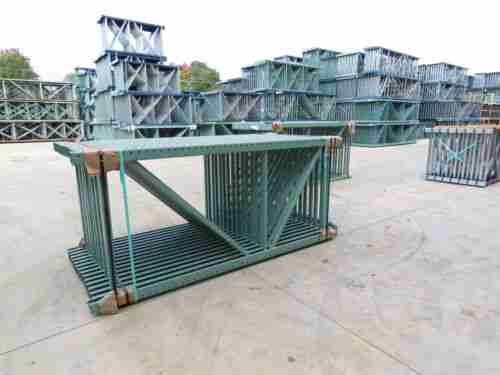
Have You Evaluated Your Warehouse Layout Recently?
Have You Evaluated Your Warehouse Layout Recently?
- Evaluate your warehouse layout regularly; aim for at least annual assessments to enhance operations.
- Optimize item flow from receiving to shipping to improve efficiency and use of space.
- Ensure pallet racking systems are organized for quick access to frequently used items.
- Stay informed about innovations in storage solutions to maximize vertical space and improve staff comfort.
- Engage with your team to identify inefficiencies; their insights can lead to significant workspace redesigns.
- Prioritize safety; an effective layout minimizes hazards and promotes a secure working environment.
- Act now to evaluate your warehouse; doing so can lead to improvements in operations and profitability.

Have You Evaluated Your Warehouse Layout Recently?
Are You Providing Adequate Training On Safe Storage?
Imagine walking into your warehouse, where every employee is fully equipped—not just with information, but with actionable knowledge that keeps them and your assets safe. This isn’t just a remote possibility; it can be your reality with the right training on safe storage practices. When it comes to managing a warehouse, the safe storage of materials on structures like pallet racking is not optional; it’s essential.
Pallet racking systems are often the backbone of your storage strategy, maximizing vertical space while keeping your inventory organized. However, do your employees understand the intricate dance between efficiency and safety when utilizing these systems? Failing to provide adequate training can lead to unsafe practices, costly accidents, and even downtime that drains your profits.
Let’s face it: accidents don’t just happen in a vacuum. They are often the result of a gap in knowledge or neglecting to enforce best practices. Picture a scenario where a team member confidently navigates the pallet racking, but if they don’t know how to identify the weight limits, proper loading techniques, or the importance of securing loads, the stage is set for disaster. Inevitably, safety becomes compromised, putting your most valuable assets—and your people—at risk.
Your employees are your greatest investment. When you provide them with comprehensive training, you’re not only protecting your warehouse from potential mishaps but you’re also building a culture of safety and accountability. This investment translates into increased productivity as employees feel empowered and confident in their roles, leading to smarter decisions on the floor.
But training doesn’t stop once the initial sessions are complete. Continual reinforcement and refresher courses are vital. Your workforce should know that safety isn’t just a checkbox to tick off; it’s an ongoing commitment. Schedule regular evaluations and create an environment where employees feel comfortable raising concerns or asking questions about pallet racking safety.
So, what’s stopping you? Start today by implementing a robust training program that pledges safety and excellence. Make safe storage second nature in your operation. With the right training, you aren’t just protecting your warehouse—you’re creating a legacy of safety that resonates throughout your entire organization. Your people deserve this, and so do your profits. The time to act is now; the safety of your warehouse—and your bottom line—depends on it.

Are You Providing Adequate Training On Safe Storage?
Are You Providing Adequate Training On Safe Storage?
- Equip employees with actionable knowledge on safe storage practices to ensure their safety and asset protection.
- Safe storage on pallet racking systems is essential for effective warehouse management.
- Lack of training can lead to unsafe practices, costly accidents, and operational downtime.
- Accidents often stem from gaps in knowledge or neglecting best practices in pallet racking usage.
- Comprehensive training fosters a culture of safety, accountability, and increased productivity among employees.
- Ongoing training and regular evaluations are crucial to maintain safety awareness and practices.
- Implementing a robust training program is vital for creating a legacy of safety that benefits both the organization and its profits.

Are You Providing Adequate Training On Safe Storage?
Is Your Equipment Up To Safety Standards For Storage?
When it comes to the heart of any storage facility, efficient and safe use of pallet racking is crucial. As a business owner or manager, you know that your operation is only as good as the foundation it stands on. Imagine walking into your warehouse or storage area and feeling an overwhelming sense of confidence; confidence that every piece of equipment, particularly your pallet racking, is meeting the highest safety standards.
It’s not just about passing inspections; it’s about creating an environment where safety and productivity go hand in hand. The reality hits hard: outdated or improperly maintained pallet racking can lead to accidents, injuries, and costly downtime. As you envision the seamless operations in your business, ask yourself: “Is my equipment truly up to the challenge?”
In a world where every dollar counts, the last thing you want is for an accident to put your bottom line on the line. Regular assessments of your pallet racking systems not only keep compliance in check but also demonstrates a commitment to your team’s safety. When your employees feel safe, their morale skyrockets, leading to higher productivity and greater returns.
Consider how investing time in checking your pallet racking can yield multiple benefits. A well-maintained system improves organization and access to goods, making your operations smoother and more efficient. It’s about enhancing the work environment and boosting your team’s productivity, resulting in a win-win situation.
But how do you ensure your pallet racking meets safety standards? Start by conducting regular inspections—don’t wait for the bureaucrats to come knocking. Prioritize employee training; teach them what to look for in terms of wear and tear on the racks. Consider investing in expert consultations to guide you through any looming compliance issues.
Your clients trust you; shouldn’t you have that same level of trust in your equipment? By ensuring that every inch of your storage solution meets established safety standards, you can confidently place that stamp of approval on your operation.
So take action today! Don’t let complacency put your business at risk. Assess your pallet racking and implement a plan for ongoing safety checks. Remember, a commitment to safety isn’t just regulatory compliance—it’s a pledge to your employees and customers that negligence won’t define your business. Make safety a priority, and watch your success soar!

Is Your Equipment Up To Safety Standards For Storage?
Is Your Equipment Up To Safety Standards For Storage?
- Efficient and safe use of pallet racking is crucial for any storage facility.
- Outdated or improperly maintained pallet racking can lead to accidents, injuries, and costly downtime.
- Regular assessments of pallet racking ensure compliance and demonstrate commitment to employee safety.
- A well-maintained pallet racking system improves organization and access to goods, enhancing productivity.
- Conduct regular inspections and prioritize employee training to identify wear and tear on racks.

Is Your Equipment Up To Safety Standards For Storage?
Are You Conducting Regular Safety Inspections In Your Warehouse?
Picture this: it’s a regular Tuesday morning in your warehouse. The hustle and bustle are in full swing, as forklifts hum along and employees focus on their tasks. But beneath that surface excitement lies a hidden danger that could threaten not just productivity but the very foundation of your business—safety.
Now, imagine the consequences of overlooking a simple, effective solution: regular safety inspections. We’re not just talking about ticking some boxes here; we’re talking about safeguarding your operational heartbeat. One critical area that demands your attention is pallet racking. These structures hold your valuable inventory—I want you to pause and picture an employee navigating through aisles, approaching those towering racks, spotting a load that’s teetering precariously. The stakes are high, and an accident waiting to happen can disrupt your entire operation in an instant.
Conducting regular safety inspections isn’t just a checkbox on a compliance list; it’s a commitment to the well-being of your team and your assets. Think about it. A proactive approach ensures that your pallet racking is secure, your pathways are clear, and your staff feels confident in their environment. It’s a win-win scenario!
By making safety inspections part of your routine, you’re not only protecting life and limb but also reinforcing a culture of accountability and care within your organization. Your employees are your most valuable asset. Wouldn’t you want them to feel safe and valued as they navigate through their crucial tasks? When your team knows that safety comes first, morale increases, productivity spikes, and there’s a palpable sense of confidence in the air.
But let’s be real: the thought of conducting those inspections might feel daunting. Maybe you’re unsure where to start or dread allocating team resources to this necessity. Here’s the first step: create a simple checklist. Review the integrity of your pallet racking, inspect the spacing between racks, and assess floor conditions. These straightforward tasks can yield monumental safety improvements.
Don’t wait for accidents to happen. Take immediate action and ensure safety inspections become a non-negotiable part of your operations. When you prioritize this level of preparation and care, you inspire trust not just within your team but also among the partners and clients who rely on you. Your warehouse deserves to be a safe haven, and together, we can make that a reality!

Are You Conducting Regular Safety Inspections In Your Warehouse?
Are You Conducting Regular Safety Inspections In Your Warehouse?
- Regular safety inspections are essential for maintaining a safe warehouse environment.
- Pallet racking systems pose significant risks if not regularly inspected for safety.
- Inspections enhance operational confidence and protect valuable inventory.
- Prioritizing safety inspections fosters a culture of accountability and care within the organization.
- Employees who feel safe are more likely to have higher morale and productivity.
- Creating a simple inspection checklist can significantly improve safety standards.
- Implementing regular safety inspections should be a priority to prevent accidents and build trust with clients and partners.

Are You Conducting Regular Safety Inspections In Your Warehouse?
Have You Addressed Potential Hazards In Storage Areas?
When it comes to managing storage areas, the conversation often centers on maximizing efficiency and streamlining operations. But let’s pivot for a moment and focus on something that is equally crucial—safety. Have you taken a comprehensive look at the potential hazards lurking in your storage areas? This isn’t just a checklist item; it’s an essential step for fostering a productive workplace and nurturing a culture of well-being.
Imagine walking through your storage space and spotting an overloaded pallet racking system. It may look manageable at first glance, but the reality is that improper loading can lead to catastrophic failures. How many times have you heard stories of materials tumbling from heights, causing injuries or damaging valuable inventory? Your storage area should be a haven of organization, not a breeding ground for accidents.
Take the time to visualize how your pallet racking is laid out. Is it designed for optimal safety and ease of access? Each piece of equipment should serve a purpose and contribute to maintaining a risk-free environment. Poorly arranged racking can result in precarious stacking and increased risks for your employees. Investing in the right pallet racking system not only supports operational efficiency but protects the people who keep your business running.
It’s essential to foster a culture of safety that includes regular assessments and staff training. Why? Because engaged employees who understand the risks are empowered to speak up. Encouraging input about potential hazards contributes to an environment where everyone feels responsible for each other’s safety.
Moreover, you can inspire trust within your team by demonstrating your commitment to best practices. Show them that their safety is your priority, not merely a compliance issue. This builds confidence and, in turn, elevates productivity. When your employees know they work in a safe environment, they can focus better, innovate, and give their all.
So, let’s take action—don’t merely skim the surface. Assess your storage areas today. Look for potential hazards in your pallet racking systems and beyond. Create an action plan to address these risks and invest in systems that not only protect assets but also enhance operational capability. Your team—and your bottom line—will thank you. Safety is not just a legal requirement; it’s an investment in the very foundation of your business.

Have You Addressed Potential Hazards In Storage Areas?
Have You Addressed Potential Hazards In Storage Areas?
- Safety in storage areas is crucial, alongside operational efficiency.
- Improper loading of pallet racking can lead to dangerous accidents.
- Storage areas should be organized to prevent hazards and protect inventory.
- Effective pallet racking design promotes safety and ease of access.
- Regular assessments and staff training are vital for a safety-focused culture.
- Demonstrating a commitment to safety builds trust and boosts employee confidence.
- Investing in safety measures is essential for both employee well-being and business success.

Have You Addressed Potential Hazards In Storage Areas?
Conclusion
At Arrow Industrial Sales, we understand that the backbone of your warehouse operations relies not only on efficiency and productivity but more importantly, on the safety of your workforce. As we’ve explored throughout this article, failing to provide a secure storage environment can lead to devastating accidents, reduced employee morale, and substantial financial implications. Your team shouldn’t have to navigate a landscape fraught with hazards; they deserve a workplace that prioritizes their well-being.
Investing in high-quality pallet racking systems isn’t merely about fulfilling compliance mandates; it’s a commitment to fostering a culture of safety that resonates throughout your organization. Picture this: by actively engaging in safety protocols and keeping your storage solutions in top-notch condition, you’re not just protecting your people—you’re also enhancing productivity and boosting company morale. A safe environment cultivates a sense of trust, empowering employees to perform at their best without fearing for their safety.
However, this is not a set-it-and-forget-it initiative. Regular assessments of your warehouse layout and safety inspections are essential. Have you inspected your pallet racking systems lately? Are your employees well-trained in using these systems safely? Addressing these questions head-on can significantly reduce workplace hazards and prevent costly accidents.
Moreover, understanding and addressing potential hazards in your storage areas is not just smart management; it’s a manifestation of responsible leadership. It conveys to your workforce that their safety is a top priority, thereby creating an atmosphere of loyalty and dedication.
The important takeaway here is that safety is not an optional add-on; it’s an integral part of your operation. Now is the time for decisive action. Don’t wait until a near-miss or an accident compels you to act. Assess your current systems, engage with your employees, and equip your workspace with the safety standards that your team deserves.
So, are you ready to transform your warehouse into a model of safety and efficiency? Act now and call Arrow Industrial Sales at (574) 349-6575 for valuable insights and personalized solutions tailored to your organization’s needs. Prioritize safety today, and pave the way for a more productive, profitable tomorrow. Your employees—and your business—will thrive as a result. Don’t put off this vital investment in your operation’s future; the time to act is now!
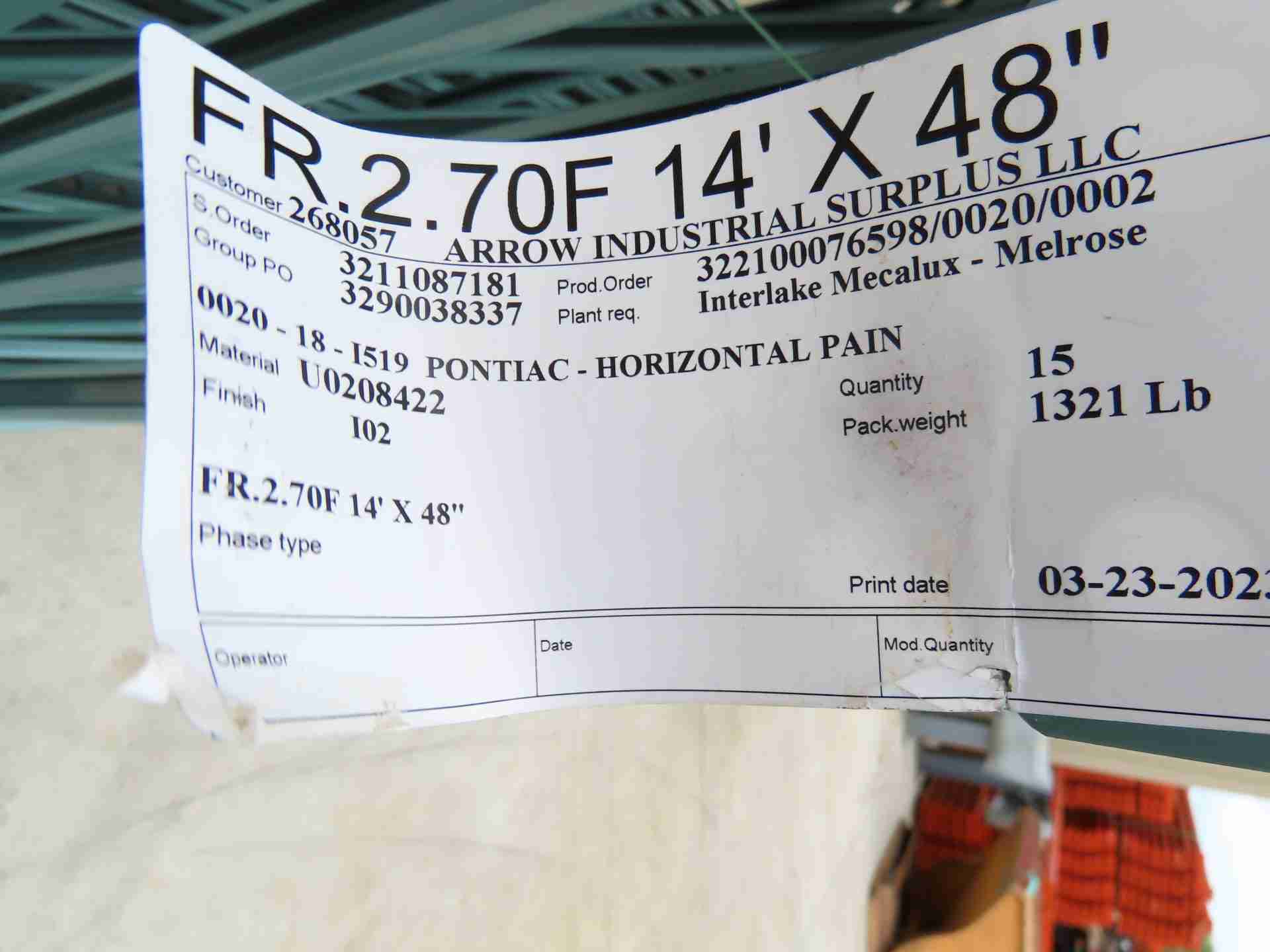
Conclusion
Conclusion:
- Warehouse operations depend on both efficiency and the safety of the workforce.
- Inadequate safety measures can lead to accidents, reduced morale, and financial losses.
- Investing in high-quality pallet racking systems fosters a culture of safety within the organization.
- Regular assessments and safety inspections are crucial for maintaining a safe workplace.
- Addressing potential hazards demonstrates responsible leadership and prioritizes employee safety.
- Safety is an integral part of operations, not an optional add-on; proactive measures are essential.
- Contact Arrow Industrial Sales for insights and solutions to enhance warehouse safety and efficiency.

Conclusion
Other Resources

Other Resources
Here is a list of other resources you can review online to learn more:
- Intro to Warehouse Racks & Warehouse Racking Systems – ShipBob
- Selective Racking
- Storage Equipment Manufacturers Association
- Mustang Material Handling
- SEMA
- Teardrop Industrial Shelving Rack
- Arrow Industrial Sales
- Used Teardrop Pallet Rack – American Surplus
- IWLA
- American Surplus
Use This Prompt To Get More Resources With Your Favorite Online AI Tool: Please provide me with a list of online articles with their URLs in a bulleted list that I can read regarding Are You Failing to Provide Warehouse Workers with Safe Storage?

Other Resources
Glossary Terms
Are You Failing to Provide Warehouse Workers with Safe Storage? – Glossary Of Terms
1. Ergonomics: The study of people’s efficiency in their working environment; particularly important in designing workspaces to minimize strain and injury.
2. Pallet: A flat structure used for transporting goods, typically made of wood or plastic, that allows forklift access.
3. Safety Data Sheet (SDS): A document providing safety information about materials in the workplace, including handling, storage, and emergency measures.
4. Hazardous Material: Any substance that poses a risk to the health and safety of workers, including chemicals, explosives, and flammable items.
5. Forklift: A powered industrial vehicle used to lift and transport materials over short distances, requiring proper training for operators.
6. Storage Racks: Frameworks used to store goods, optimizing vertical space but requiring design considerations for safety and accessibility.
7. Labeling: The process of affixing appropriate signage on storage areas and materials to convey important handling and safety information.
8. OSHA: The Occupational Safety and Health Administration, a U. S. agency responsible for ensuring safe and healthy working conditions.
9. Material Handling: The movement, protection, storage, and control of materials throughout the manufacturing, warehousing, distribution, consumption, and disposal stages.
10. Inventory Management: The supervision of supply chains, inventory levels, orders, and deliveries to ensure sufficient stock while minimizing waste.
11. Slip Resistance: The property of flooring materials to reduce the risk of slipping, which is critical for safe movement in warehouses.
12. Temperature Control: Strategies and systems to maintain appropriate temperature levels in storage areas to protect sensitive materials.
13. Safety Audit: A systematic examination of a warehouse’s safety procedures, practices, and compliance with regulations.
14. Incident Reporting: The process of documenting accidents or near misses in the workplace to improve safety protocols.
15. Personal Protective Equipment (PPE): Gear such as helmets, gloves, and masks used by workers to protect against hazards.
16. Vertical Storage: Utilizing height and overhead space for storage to maximize floor area, requiring careful planning to ensure safety.
17. Load Capacity: The maximum weight a storage structure, such as shelving or racking, can safely hold without risk of failure.
18. Training Programs: Educational courses designed to ensure warehouse workers are adequately trained in safety and operational procedures.
19. Hazard Assessment: The process of identifying potential hazards in the warehouse environment to determine risk and implement control measures.
20. Emergency Exit: Clearly marked pathways and doors designed to allow a safe and quick exit from a warehouse during emergencies.
21. Fire Safety Plan: A strategy for preventing and responding to fire-related incidents, including evacuation routes and firefighting equipment.
22. Cleanroom: A controlled environment with low levels of environmental pollutants; essential for certain sensitive materials and manufacturing processes.
23. Manual Handling: The process of lifting, carrying, and moving materials without machinery, which requires proper techniques to avoid injury.
24. Warehouse Management System (WMS): Software designed to support warehouse operation processes, including inventory tracking and order fulfillment.
25. Emergency Response Plan: A detailed plan outlining procedures for responding to emergencies, including evacuation, first aid, and communication.
26. Spill Containment: Measures put in place to prevent and manage spills of hazardous materials to protect workers and the environment.
27. Dock Safety: Protocols and practices aimed at ensuring safety during the loading and unloading of goods at shipping docks.
28. Stability: The ability of storage systems and equipment to maintain their position under load and prevent tipping or collapse.
29. Worker Feedback: Gathering input from employees regarding their experiences and suggestions for improving safety and storage practices.
30. Compliance: Adhering to laws, regulations, and standards governing workplace safety and storage, essential for maintaining a safe environment for workers.

Glossary Of Terms
Other Questions
Are You Failing to Provide Warehouse Workers with Safe Storage? – Other Questions
If you wish to explore and discover more, consider looking for answers to these questions:
- What are the common risks associated with unsafe pallet racking?
- How often should warehouse safety inspections be conducted?
- What guidelines exist for proper pallet racking maintenance?
- What types of training should be provided on safe storage practices?
- How can I assess the effectiveness of my current warehouse layout?
- What specific features should I look for in a safe pallet racking system?
- How can I engage employees in identifying potential hazards?
- What are the legal requirements for warehouse safety and storage?
- How can investing in safe storage systems boost employee morale?
- What steps can I take to foster a culture of safety in my warehouse?
- What are the financial implications of neglecting warehouse safety?
- How can I ensure compliance with safety regulations in my warehouse?
- What should I include in a safety checklist for warehouse inspections?

Other Questions
Checklist
Are You Failing to Provide Warehouse Workers with Safe Storage? – A Checklist
Assess Your Warehouse Storage Solutions
1. Inspect Pallet Racking:
✅ _____ Check for signs of wear and tear.
✅ _____ Ensure racking systems are properly assembled and maintained.
✅ _____ Confirm that pallet racking is compliant with safety standards.
2. Evaluate Warehouse Layout:
✅ _____ Review the flow of goods from receiving to shipping.
✅ _____ Ensure that frequently accessed items are easily reachable.
✅ _____ Identify and eliminate inefficient or risky layouts.
3. Conduct Safety Inspections:
✅ _____ Schedule regular safety inspections of storage areas.
✅ _____ Create a detailed inspection checklist for employees to follow.
✅ _____ Document any issues and ensure prompt resolutions.
Prioritize Employee Training
4. Provide Safe Storage Training:
✅ _____ Develop a training program focused on safe handling and storage practices.
✅ _____ Ensure staff understands weight limits and proper loading techniques.
✅ _____ Schedule refresher courses regularly to reinforce safety practices.
5. Encourage Team Engagement:
✅ _____ Solicit feedback from employees on potential hazards and safety improvements.
✅ _____ Establish an open-door policy for safety concerns and suggestions.
Create a Culture of Safety
6. Foster Open Communication:
✅ _____ Encourage employees to report unsafe conditions without fear of repercussions.
✅ _____ Regularly discuss safety during team meetings.
7. Promote Accountability:
✅ _____ Assign specific safety responsibilities to team members.
✅ _____ Recognize and reward safe practices among staff.
Address Potential Hazards
8. Identifying Risks:
✅ _____ Conduct comprehensive assessments of all storage areas for potential hazards.
✅ _____ Pay special attention to overloaded racking and improperly stored materials.
9. Implement Corrective Actions:
✅ _____ Create an action plan to address identified risks.
✅ _____ Invest in improved racking systems that enhance both safety and efficiency.
10. Regular Evaluations:
✅ _____ Revisit and reassess storage practices and safety measures regularly.
✅ _____ Stay updated with the latest innovations in storage solutions.
Enhance Overall Safety Culture
11. Ensure Compliance:
✅ _____ Stay informed about local and national safety regulations.
✅ _____ Regularly review compliance with safety standards in all facets of operations.
12. Commitment to Improvement:
✅ _____ Make safety a top priority in all warehouse operations—view it as an investment rather than a cost.
✅ _____ Empower employees by providing access to ongoing training and resources.
Following this checklist will not only help ensure workplace safety but also foster an environment of trust and efficiency among your warehouse workers. Take action today for a safer tomorrow!
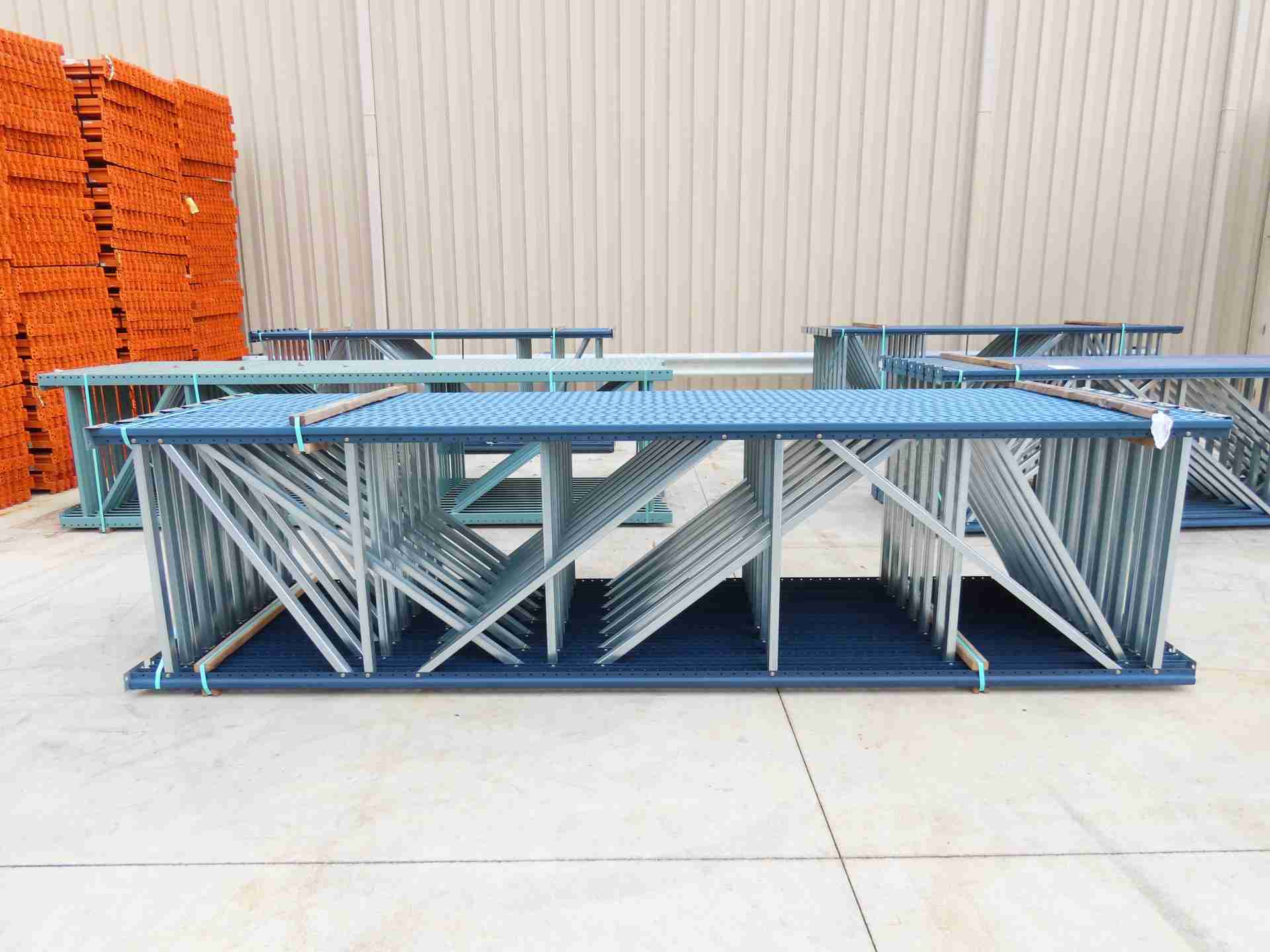
Checklist
At RackingWorld, we help guide you through selecting warehouse storage systems and racking.
Be sure to read our other related stories at RackingWorld to learn more about warehouse storage systems.
0 Comments