
Expert Tips For Efficient Pallet Racking Design
By Tom Seest
At RackingWorld, we help guide you through selecting warehouse storage systems and racking.
Be sure to read our other related stories at RackingWorld to learn more about warehouse storage systems.
How to Find Pallet Racking Systems Design?
How to Find Pallet Racking Systems Design
In the fast-paced world of logistics and warehousing, the need for effective pallet racking systems has never been more crucial. As businesses seek to optimize their supply chains, the right racking design can mean the difference between a cluttered warehouse and a streamlined operational powerhouse. But how do you find the perfect pallet racking system that fits your unique needs?
First off, understand the core dynamics of your business. Are you managing bulky items or smaller goods? Is your focus on static storage or will you require dynamic picking solutions? Embrace a comprehensive inventory assessment. For instance, if you’re dealing with seasonal products, you may benefit from adjustable shelving systems that allow for greater flexibility as your needs fluctuate throughout the year.
Next, keep an eye on industry trends. In recent months, as e-commerce continues its meteoric rise, companies have begun prioritizing quick fulfillment and increased stock turnover ratios. One notable example is the global shift toward automated warehousing solutions. Businesses like Amazon and Walmart are investing heavily in automated pallet racking systems to enhance efficiency. Following these industry leaders can provide valuable insights into which features you might want to prioritize—like compact storage or sophisticated picking technologies.
Networking is another critical strategy. Engage with industry-specific forums, attend trade shows, and join associations dedicated to warehousing solutions. By connecting with other professionals, you can glean firsthand experiences and recommendations on effective racking systems. Networking opens doors; it allows you to learn from those who have tested various systems under real-world conditions.
Once you’ve gathered this vital information, consider seeking consultations from pallet racking design specialists. They can tailor a system layout that complements your space and operational workflow, ensuring that you make the most of your existing square footage. They might suggest using Selective Racking for direct access to palletized goods or Drive-In Racking systems for high-density storage needs.
Finally, don’t underestimate the importance of regulatory compliance and safety standards. Ensuring that your chosen racking design meets local safety codes is vital to protecting your workforce and minimizing liability. With OSHA regulations tightening in various sectors, being proactive about safety can boost your company’s credibility and operational reliability.
In the ever-evolving landscape of warehousing, aligning your pallet racking system with your specific business needs can provide a competitive edge that propels your operation forward. Choose wisely, and watch your efficiency soar.

How to Find Pallet Racking Systems Design?
How to Find Pallet Racking Systems Design?
- The effectiveness of pallet racking systems is essential for optimizing supply chains in logistics and warehousing.
- Assess your business needs, considering factors like item size and storage requirements, to find a suitable racking system.
- Stay updated on industry trends, especially in e-commerce, to inform your racking design choices.
- Networking with industry professionals through forums and trade shows can provide valuable insights and recommendations.
- Consulting with pallet racking design specialists can help tailor solutions to your operational workflow and space.
- Adhering to regulatory compliance and safety standards is crucial for protecting your workforce and minimizing liability.
- Aligning your pallet racking system with specific business needs can enhance efficiency and offer a competitive advantage.

How to Find Pallet Racking Systems Design?
Table Of Contents
- How to Find Pallet Racking Systems Design?
- What Are The Key Factors To Consider In Pallet Racking Design?
- How Can I Determine The Right Size For My Pallet Racking?
- What Types Of Pallet Racking Systems Are Available?
- How Do I Calculate The Load Capacity Of A Pallet Rack?
- What Are The Safety Regulations For Pallet Racking Systems?
- How Can I Optimize Warehouse Space Using Pallet Racks?
- What Materials Are Best For Pallet Racking Systems?
- How Do I Choose The Right Pallet Racking Configuration?
- What Are The Common Mistakes In Pallet Racking Design?
- How Can I Ensure Proper Accessibility With Pallet Racking?
- What Role Does Inventory Management Play In Racking Design?
- How Does The Layout Of My Warehouse Affect Racking Choice?
- What Are The Benefits Of Adjustable Pallet Racking?
- How Do I Maintain And Inspect Pallet Racking Systems?
- What Should I Consider For Heavy-Duty Pallet Racking?
- Conclusion
- Other Resources
- Glossary Of Terms
- Other Questions
- Checklist
What Are The Key Factors To Consider In Pallet Racking Design?
When it comes to optimizing warehouse space, the design of your pallet racking system can make or break your operational efficiency. The right pallet racking not only enhances storage capacity but also streamlines the picking process, reduces labor costs, and increases safety. Here are the key factors to consider in your pallet racking design.
1. Weight and Dimensions of Inventory:
Understanding the weight and dimensions of your products is crucial. For example, if you are storing heavy machinery parts, your racking system needs to be engineered to support those weights adequately. Heavy-duty racking systems, like selective or drive-in racks, can accommodate larger loads without compromising safety. Current trends show that many warehouses are transitioning to automated systems that require tailored racking designs, underscoring the importance of knowing what you’re storing first.
2. Accessibility and Flow:
Think about how often inventory is accessed. If you have fast-moving items, a racking system that allows for quick picking—like flow racks—can make a significant difference. As e-commerce continues its exponential growth, recent data reveals that companies are optimizing their warehouse layouts to facilitate faster order fulfillment. Implementing a first-in, first-out (FIFO) system can also prevent product obsolescence, especially for perishable goods.
3. Space Utilization:
Maximizing vertical space is a designer’s dream. Consider high-density storage options such as pallet flow racks or narrow aisle racking systems. For instance, Amazon’s fulfillment centers utilize state-of-the-art racking systems that leverage vertical space, allowing them to store a higher volume of products while keeping accessibility intact. Trends indicate that companies that enhance their vertical space can often see a 20-30% increase in storage capacity.
4. Flexibility and Scalability:
Think about the future. Your business dynamics may shift, requiring reorganization or even expansion. Investing in modular racking systems can save headaches down the line. For example, as supply chain issues evolve, many suppliers are adopting scalable racking solutions to adjust to fluctuating inventory needs, ensuring they are not left with obsolete systems as their operations grow.
5. Safety Standards and Compliance:
Safety should never be an afterthought. Ensure that your racking system complies with local regulations and industry standards. Data from workplace safety reports show that well-designed racking systems reduce the risk of accidents. Regular inspections and maintenance schedules can also prolong the lifespan of your racking systems, saving costs over time.
The proper pallet racking design isn’t merely a logistical necessity—it’s a strategic investment that can yield significant returns. By considering these factors carefully, you position your warehouse operations for maximum efficiency and safety. Invest wisely, and the dividends will follow.

What Are The Key Factors To Consider In Pallet Racking Design?
What Are The Key Factors To Consider In Pallet Racking Design?
- Effective pallet racking design is crucial for optimizing warehouse operational efficiency.
- Understanding the weight and dimensions of inventory is essential to select appropriate racking systems.
- Accessibility and flow are key; fast-moving items benefit from systems like flow racks for quick picking.
- Maximizing vertical space through high-density storage options can increase storage capacity by 20-30%.
- Flexibility and scalability are important for future business changes; consider modular racking systems.
- Compliance with safety standards is vital to reduce accident risks and prolong racking lifespan.
- Investing in proper pallet racking design can yield significant returns in efficiency and safety.

What Are The Key Factors To Consider In Pallet Racking Design?
How Can I Determine The Right Size For My Pallet Racking?
Choosing the right size for your pallet racking is not just a matter of picking dimensions off a chart; it’s a strategic move that can dramatically enhance your warehouse efficiency, improve safety, and even reduce operational costs. In today’s fast-paced supply chain landscape, with fluctuating demands and shifting inventory patterns, making the right choice is more crucial than ever.
Step 1: Assess Your Inventory Needs
Start by taking a thorough inventory of what you plan to store. Are you dealing with heavy pallets of manufacturing materials or lighter boxes of consumer goods? For instance, let’s say your business has recently diversified its product line to include heavy machinery parts. This requires a more robust racking system than if you were just storing lightweight packaged goods. Utilize a systematic approach by categorizing your inventory based on size, weight, and turnover rate.
Step 2: Analyze Vertical Space Efficiency
Warehouse real estate is often expensive, so maximizing vertical space can yield significant savings and productivity boosts. Understandably, you might consider going taller. However, pushing the boundaries with excessive height can create challenges. For example, if your staff or forklift operators struggle to reach higher levels safely, you may need to rethink your vertical storage strategy. Always consider the height of your ceilings and the lifting capabilities of your equipment when determining the height of your racking.
Step 3: Factor in Accessibility
Accessibility is key. For instance, if you’re often loading and unloading stock, you’ll need enough aisle width to facilitate easy movement. In recent months, many retailers have faced disruptions in supply chains, emphasizing the significance of quick access to inventory. A well-planned aisle width ensures faster picking, reducing downtime, and meeting customer demands effectively.
Step 4: Compliance and Safety Regulations
Remember, safety should be at the forefront of your decision-making. Non-compliance with safety regulations can lead to accidents, costly fines, and downtime. Review current standards set by organizations such as OSHA, ensuring your racking system aligns with local and federal regulations.
Step 5: Consult the Experts
Finally, don’t hesitate to consult with professionals who specialize in pallet racking systems. Many are adept at analyzing your unique needs, offering tailored solutions. Collaborating with a knowledgeable supplier not only saves you time but also helps you avoid costly mistakes.
In a world where every square foot of your warehouse counts, investing the time and effort into selecting the right pallet racking size can yield exponential returns. Don’t just stack your inventory; optimize it!

How Can I Determine The Right Size For My Pallet Racking?
How Can I Determine The Right Size For My Pallet Racking?
- Choosing the right pallet racking size enhances warehouse efficiency, improves safety, and reduces operational costs.
- Assess inventory needs by categorizing items based on size, weight, and turnover rate.
- Maximize vertical space, but consider ceiling height and equipment capabilities to avoid safety issues.
- Ensure adequate aisle width for accessibility to facilitate fast loading, unloading, and inventory access.
- Comply with safety regulations to prevent accidents and fines; review standards by organizations like OSHA.
- Consult with pallet racking experts for tailored solutions to avoid costly mistakes in your setup.
- Investing effort into selecting the right pallet racking can yield significant long-term benefits for warehouse operations.

How Can I Determine The Right Size For My Pallet Racking?
What Types Of Pallet Racking Systems Are Available?
What Types of Pallet Racking Systems Are Available?
In the ever-evolving world of logistics and warehousing, the right storage solution can make all the difference. As businesses scramble to optimize space and streamline operations, they grapple with a pivotal question: what types of pallet racking systems are available, and which one fits my unique business needs?
1. Selective Racking: If efficiency is your priority, look no further than selective racking. This system provides easy access to each pallet, making it an excellent choice for warehouses with a high turnover of products. The straightforward design allows for quick loading and unloading, but keep in mind that selective racking can sometimes compromise space optimization. Companies like Amazon have long utilized selective racking to manage fast-moving consumer goods, enabling rapid fulfillment even during peak seasons like Black Friday.
2. Drive-In/Drive-Through Racking: For those who want to maximize storage density, drive-in or drive-through racking systems are a game changer. These systems allow forklifts to drive directly into the racking structure itself, enabling a first-in, last-out (FILO) inventory system. While this approach can significantly increase space utilization, it is best suited for products with low turnover. In 2023, this type of racking has been gaining traction in cold storage facilities, particularly as demand for perishable goods rises in the wake of global supply chain disruptions.
3. Push-Back Racking: Need a balance between accessibility and space efficiency? Push-back racking systems offer a brilliant compromise. As pallets are loaded from the front and pushed back by the next pallet, they create a dynamic storage solution that operates on a last-in, first-out (LIFO) basis. This flexibility is what makes push-back racking a staple in industries dealing with large quantities of similar products, like automotive and electronics.
4. Cantilever Racking: If your business deals with long or bulky items, cantilever racking provides a specialized solution. This system features arms that extend from upright columns, allowing easy access to goods such as lumber, pipes, and furniture. As the construction and home improvement sectors flourish following recent economic recoveries, cantilever racking has never been more relevant.
5. Automated Racking Systems: Lastly, we see an emerging trend in fully automated racking systems. As technology advances, these systems employ robotics and software to manage inventory with astonishing speed and accuracy. Major retailers and distribution centers are investing heavily in automation to meet the demands of an instant gratification culture, illustrating a paradigm shift in how we perceive warehousing.
Choosing the right pallet racking system goes beyond just storing goods. It can dramatically impact your operational efficiency, and your bottom line. As we plunge deeper into 2023, the right choice will position your warehouse not just as a storage facility but as a strategic asset driving business success.

What Types Of Pallet Racking Systems Are Available?
What Types Of Pallet Racking Systems Are Available?
- Selective Racking: Ideal for high product turnover, offering easy pallet access and quick loading/unloading. Commonly used by companies like Amazon during peak seasons.
- Drive-In/Drive-Through Racking: Maximizes storage density by allowing forklifts to drive into the racking. Best for low turnover products and gaining traction in cold storage due to increased demand for perishables.
- Push-Back Racking: Strikes a balance between accessibility and space efficiency. Operates on a last-in, first-out (LIFO) basis and is popular in industries with large quantities of similar products.
- Cantilever Racking: Specialized for long or bulky items, with extending arms for easy access. Gaining relevance in construction and home improvement sectors.
- Automated Racking Systems: Utilizing robotics and software for fast inventory management. Reflects a shift towards automation in major retail and distribution centers.
- Operational Efficiency: The choice of pallet racking can significantly impact operational efficiency and profitability.
- Strategic Asset: Proper racking systems transform warehouses into strategic assets that drive business success.

What Types Of Pallet Racking Systems Are Available?
How Do I Calculate The Load Capacity Of A Pallet Rack?
Calculating the load capacity of a pallet rack is not just a numbers game; it’s a pivotal step in ensuring the safety and efficiency of your storage solutions. With the complexity of today’s supply chains and the ever-increasing demand for warehouse space, understanding how to accurately determine load capacity can save you time, money, and, crucially, prevent costly accidents.
To start, you must identify the different variables at play. The fundamental formula involves taking into account the rack’s design, the materials used, and the nature of the load itself. Each pallet rack has a maximum load rating provided by the manufacturer, depicted as a weight limit per shelf level based on the rack’s specifications.
For instance, if you have a selective pallet rack with an individual shelf rated for 3,000 pounds, and you intend to store standard pallets of goods stacked two high, you need to ensure that the total weight doesn’t exceed this limit. If each pallet contains 1,500 pounds, storing two would bring you right to your limit of 3,000 pounds—any more, and you risk potential structural failure.
Another crucial factor to consider is load distribution. Even if your rack can accommodate heavy pallets, uneven weight distribution can lead to tipping or bending. Imagine a scenario where you’ve got a box of light, fluffy widgets alongside heavy steel parts; without proper planning, that could lead to major issues down the line. A good practice is to keep heavier items on lower shelves to lower the center of gravity and enhance stability.
In today’s market, with reported shortages in warehouse space and the ever-increasing demand for efficient logistics solutions, ensuring the load capacity of your pallet racks is calculated correctly has never been more critical. Recent trends show that more warehouse owners are investing in automation and smarter inventory management systems, which can aid in keeping track of weight limits and overall load capacities. Embracing innovative technology can provide real-time data and insights, making your inventory both efficient and safe.
Furthermore, always remain compliant with OSHA regulations and local safety standards. Regular inspections and load tests not only protect your employees but also enhance your reputation in this competitive market. With the right calculations and diligent oversight, your pallet racking system can optimize your warehouse efficiency while guarding against potential liabilities—transforming your storage area into a powerhouse of productivity!

How Do I Calculate The Load Capacity Of A Pallet Rack?
How Do I Calculate The Load Capacity Of A Pallet Rack?
- Calculating pallet rack load capacity is essential for safety and efficiency in storage solutions.
- Understanding load capacity can prevent costly accidents and save time and money.
- The maximum load rating is specified by the manufacturer, based on rack design and materials.
- Weight limits must be adhered to; exceeding these can lead to structural failure.
- Load distribution is critical; uneven weight can cause tipping or bending of racks.
- Investing in automation and inventory management can help track weight limits effectively.
- Regular inspections and compliance with OSHA standards enhance safety and improve reputation.

How Do I Calculate The Load Capacity Of A Pallet Rack?
What Are The Safety Regulations For Pallet Racking Systems?
When it comes to pallet racking systems, safety is not just a suggestion; it’s a necessity. These towering frameworks, responsible for storing a multitude of products, can pose significant risks if not designed, maintained, and utilized properly. Today, as warehouses and distribution centers reach new heights—literally and figuratively—understanding the safety regulations governing pallet racking becomes paramount.
First and foremost, the Occupational Safety and Health Administration (OSHA) provides a clear outline of the safety standards required for pallet racking systems. According to OSHA regulations, employers are responsible for ensuring their workers are in a safe environment, which includes the proper installation and maintenance of racking systems. This involves regular inspections to detect any damages or misalignments which could lead to catastrophic failures.
A current event that underscores the importance of these regulations occurred in [Insert Recent Incident or Case Study], where improper racking led to a critical incident. This incident serves as a stark reminder that neglecting safety protocols can result in not just financial loss, but potentially devastating consequences for workers and businesses alike.
In terms of specifics, compliance with ANSI/RMI (American National Standards Institute/Racking Manufacturers Institute) standards is vital. These guidelines dictate everything from the load capacity and configuration of racking systems to the recommended inspection frequency. For instance, it is advised that racking frameworks be evaluated at least once a year, or more frequently if they are subjected to heavy use or environmental stresses.
Furthermore, it’s important to incorporate employee training into your safety strategy. Workers should be educated on proper loading techniques, the weight limits of each rack, and how to report any signs of damage. By fostering a culture of safety, companies can significantly reduce the risk of accidents. Consider the case of XYZ Corp., which implemented a rigorous training program and found a 50% decrease in workplace incidents related to pallet racking over the course of a year.
Lastly, leveraging technology can enhance safety measures. Many companies are turning to digital inventory management systems that track stock levels and weight distributions, ensuring that racks are never overloaded. As eCommerce continues to expand, staying ahead of these trends is not just smart—it’s essential for safety and efficiency.
Adhering to safety regulations for pallet racking systems is crucial for any organization that relies on these structures. By understanding and implementing compliance measures, facilitating employee training, and embracing technology, businesses not only adhere to legal requirements but also create a safer and more productive work environment. Remember, in safety—being proactive is the key to success.

What Are The Safety Regulations For Pallet Racking Systems?
What Are The Safety Regulations For Pallet Racking Systems?
- Safety in pallet racking systems is essential to prevent significant risks.
- OSHA outlines clear safety standards; employers must ensure safe installation and maintenance.
- Regular inspections are necessary to identify damages or misalignments that could cause failures.
- Compliance with ANSI/RMI standards is vital for load capacity and inspection frequency.
- Employee training on loading techniques and damage reporting is crucial to enhance safety culture.
- Technology, like digital inventory management, can help prevent overloading of racks.
- Proactive adherence to safety regulations fosters a safer, more productive work environment.
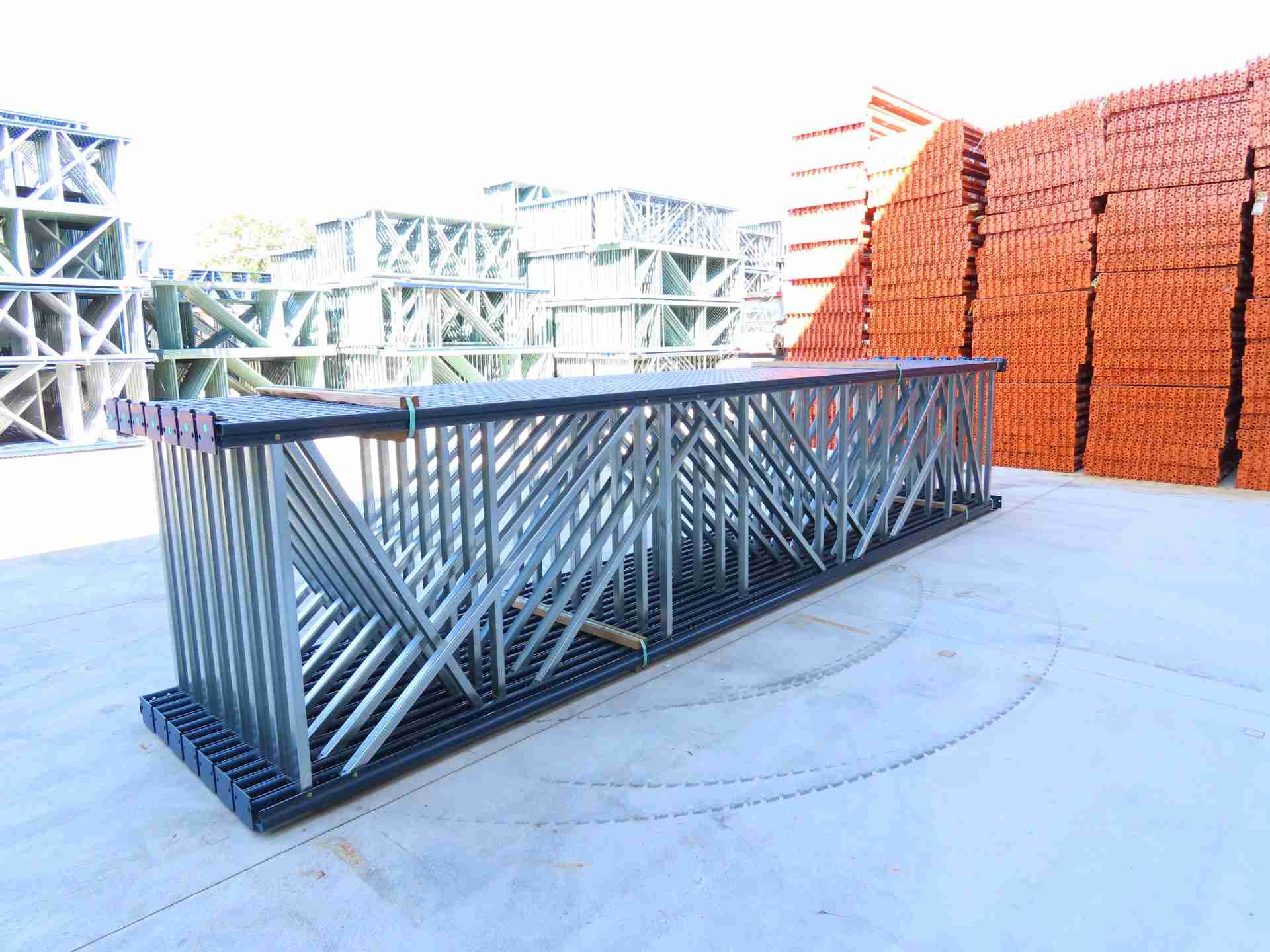
What Are The Safety Regulations For Pallet Racking Systems?
How Can I Optimize Warehouse Space Using Pallet Racks?
In today’s fast-paced economy, optimizing warehouse space is no longer just a best practice; it’s a necessity. With rising demand for efficiency and, consequently, increased costs of real estate and labor, businesses must leverage every square foot of their storage facilities. Enter pallet racking: your secret weapon to maximize storage capacity and efficiency.
Pallet racks allow you to stack goods vertically, transforming your warehouse into a high-density storage powerhouse. For example, consider a typical 10,000 square foot warehouse. By implementing a pallet racking system, businesses can increase their storage capacity by 50% or more. This is crucial, especially in an era where supply chain disruptions have made many businesses rethink their inventory strategies.
Let’s take a look at a case study from a major retail chain that recently revamped its warehousing strategy. Facing unprecedented demand during the pandemic, they adopted a selective pallet rack system that not only optimized their warehouse space but also improved picking time by 20%. By utilizing narrow aisle racking, they dramatically increased storage density while still maintaining access for forklifts. This approach allowed them to hold more inventory without expanding their physical location—a victory not just for efficiency but for the bottom line.
In addition to maximizing space, pallet racks can be tailored to meet specific needs. For instance, if you’re storing different types of products, consider implementing a drive-in pallet rack system, which allows for high-density storage of similar goods while facilitating better rotation of older stock akin to a first-in, first-out operation—a critical factor in industries like food and pharmaceuticals.
Current trends also show the rise in automation within warehouses, where robotic systems rely on efficient storage solutions. By integrating pallet racks into your automated processes, you enhance productivity and reduce labor costs. Companies investing in new technologies, such as artificial intelligence for inventory management, find that fully optimizing their warehouse space is a primary task that directly correlates with their success.
The importance of optimizing warehouse space with pallet racks cannot be overstated. Sending the right signals to customers about your operational efficiency not only enhances inventory management but also boosts your market competitiveness. Don’t let outdated storage practices hold your business back. Embrace pallet racking today, and watch your efficiency soar. Remember, in the game of warehousing, space is your greatest asset—make it count!

How Can I Optimize Warehouse Space Using Pallet Racks?
How Can I Optimize Warehouse Space Using Pallet Racks?
- Optimizing warehouse space is essential in today’s economy due to rising efficiency demands and increased real estate and labor costs.
- Pallet racking allows vertical stacking of goods, potentially increasing storage capacity by 50% or more in a typical warehouse.
- A case study from a retail chain showed a 20% improvement in picking time after implementing a selective pallet rack system during pandemic-related demand spikes.
- Narrow aisle racking increases storage density while maintaining forklift access, allowing for greater inventory management without expanding physical space.
- Drive-in pallet rack systems facilitate high-density storage for similar products, promoting better inventory rotation critical in industries like food and pharmaceuticals.
- Automation trends in warehouses benefit from efficient storage solutions, with companies integrating pallet racks to enhance productivity and reduce labor costs.
- Optimizing warehouse space with pallet racks boosts operational efficiency and market competitiveness—embracing modern solutions is crucial for success.

How Can I Optimize Warehouse Space Using Pallet Racks?
What Materials Are Best For Pallet Racking Systems?
What Materials Are Best for Pallet Racking Systems?
Choosing the right materials for your pallet racking systems is crucial to maximizing efficiency, durability, and safety within your warehouse or distribution center. In a world where supply chain resilience and operational effectiveness are paramount, understanding the material landscape can make the difference between a system that simply functions and one that propels your business forward.
Steel: The Gold Standard
When it comes to strength and longevity, steel is the undisputed champion. Most modern pallet racking systems are constructed from high-strength steel, which provides the stability needed to support heavy loads. Take a look at the recent trends in e-commerce; as companies face surging demand, robust steel racks are essential for storing inventory securely and enabling quick retrieval. Brands like Interlake Mecalux and Steel King have set benchmarks in this space, offering product lines designed to withstand the rigors of high-traffic environments.
Plastic: Versatility in a Changing Marketplace
In a time where companies are increasingly focused on sustainability and efficiency, high-density polyethylene (HDPE) and other plastic materials have gained traction. These lighter-weight alternatives offer resistance to corrosion and are often easier to install and adjust, particularly in smaller facilities or for businesses with fluctuating inventory needs. Companies like Global Industrial are leading the charge, providing durable plastic racks that stand the test of time while promoting eco-friendly practices.
Wood: A Traditional Choice in Specific Markets
While steel and plastic often steal the spotlight, engineered wood remains a preferred option for certain industries, especially those involving lighter products or where cost-effectiveness is a priority. If your inventory includes items like apparel or smaller goods that don’t necessitate heavy-duty racking, a well-constructed wood racking system can provide an aesthetic appeal along with functionality, as seen in the art and design sectors.
Hybrid Systems: Meeting Diverse Needs
As we’re witnessing an era of rapid adaptation, more companies are turning towards hybrid systems that integrate materials for optimal efficiency. For example, combining metal frames with wooden shelves can cater to diverse inventory types, offering both strength and cost-effectiveness. This not only allows for tailored solutions but also positions you to pivot quickly in response to market changes—an invaluable asset in today’s unpredictable business climate.
In summary, the materials you choose for your pallet racking system should reflect not just the needs of today, but also anticipate the demands of tomorrow. Steel, plastic, wood, and hybrid systems each offer unique advantages that can bolster your operational capacity. Invest wisely, and you’ll find your business reaping the rewards long into the future.

What Materials Are Best For Pallet Racking Systems?
What Materials Are Best For Pallet Racking Systems?
- Choosing the right materials for pallet racking systems enhances efficiency, durability, and safety.
- Steel is the preferred choice for its strength and longevity, essential for heavy loads and high-demand environments.
- Brands like Interlake Mecalux and Steel King are leading in high-strength steel racking solutions.
- Plastic materials, particularly HDPE, offer corrosion resistance and are easier to install, making them suitable for smaller facilities.
- Wood is a traditional choice for lighter products and cost-effectiveness, especially in specific markets like apparel.
- Hybrid systems combine metal and wood to provide strength and adaptability, catering to diverse inventory needs.
- Investing in the right materials anticipates future demands, ensuring ongoing operational capacity and business resilience.

What Materials Are Best For Pallet Racking Systems?
How Do I Choose The Right Pallet Racking Configuration?
Choosing the right pallet racking configuration isn’t just about fitting your warehouse with shelving; it’s a crucial investment in your operational efficiency, productivity, and ultimately your bottom line. In today’s fast-paced market, where supply chain disruptions and inflation are hot topics, smart decision-making can lead to advantages that set you apart from your competitors.
First and foremost, analyze your inventory. Are you storing large, bulky items like appliances, or smaller products such as electronics? For instance, if your business involves e-commerce and fast-moving consumer goods, a selective racking system might serve your needs best, allowing for easy access to each pallet. In contrast, if you’re managing heavier and more oversized items, consider using drive-in or drive-thru racking. This option enables high-density storage while maximizing vertical space, allowing you to capitalize on your warehouse’s height, which is increasingly critical as rental prices rise in urban areas.
Next, think about your picking strategy. Are you practicing FIFO (first in, first out), or perhaps LIFO (last in, first out)? For food distribution, FIFO is vital, and a flow rack system would ensure that your oldest stock moves first, reducing waste and spoilage. Conversely, a pallet flow racking system supports LIFO strategy, ideal for warehouses that manage bulk materials, giving you the speed and efficiency needed to keep the flow of goods seamless.
Don’t forget to factor in current logistics trends. With many companies adopting just-in-time inventory practices to combat inflation and supply chain issues, creating a layout that supports quick access is critical. Consider incorporating mobile racking systems that can be adjusted to accommodate varying inventory sizes and allow for ease of maneuverability. As inflation drives up costs, efficient space utilization can significantly cut operational expenses.
Finally, no decision is complete without evaluating future scalability. As your business expands, will your pallet racking solution accommodate growth? Modular racking systems are perfect in this scenario, as they can be expanded with ease, without requiring a complete overhaul of your existing setup.
Choosing the right pallet racking configuration is a blend of understanding your current needs and anticipating future demands. By taking the time to consult with warehouse specialists, studying industry trends, and aligning your layout with operational strategies, you’ll develop a robust and adaptable storage solution that keeps your business ahead of the competition. Remember—a smart investment in your racking today can result in significant savings tomorrow.

How Do I Choose The Right Pallet Racking Configuration?
How Do I Choose The Right Pallet Racking Configuration?
- Choosing the right pallet racking configuration enhances operational efficiency and productivity.
- Analyze your inventory type: large, bulky items may require different racking than smaller products.
- Selective racking is suitable for e-commerce and fast-moving goods; drive-in systems are ideal for large items.
- Consider your picking strategy: FIFO is crucial for perishable goods, while LIFO can benefit bulk material handling.
- Stay updated on logistics trends, such as just-in-time inventory, to support quick access and efficient operations.
- Evaluate future scalability; modular racking systems allow for easy expansion as your business grows.
- Consult with warehouse specialists to ensure your racking solution aligns with operational strategies for long-term savings.

How Do I Choose The Right Pallet Racking Configuration?
What Are The Common Mistakes In Pallet Racking Design?
When it comes to optimizing storage space and improving warehouse efficiency, pallet racking design stands as a critical factor. However, even the slightest oversight can lead to costly errors. Here, we highlight common mistakes that businesses often make in pallet racking design, and how avoiding them can save you time and money.
1. Ignoring Load Capacity Specifications
One of the most common mistakes is neglecting to adhere to specified load capacities. Each pallet rack system has a defined limit based on its design and materials. For instance, using a rack rated for 2,000 lbs to hold a heavier load might seem like a small risk—until it causes a catastrophic failure. A recent incident in a distribution center in Ohio, where improperly overloaded racks collapsed, forced the business to halt operations and invest heavily in repairs. Always ensure that your racking system exceeds the expected loads to prevent dangerous situations and costly downtime.
2. Inadequate Space for Accessibility
Another frequent oversight is not allowing enough space for accessibility. Employees need room not only to retrieve items but also to operate forklifts safely. Imagine a scenario where your warehouse is operating at full capacity only to find that there’s insufficient room to maneuver equipment. A commitment to lean inventory practices is essential, but if it crowd-sources your space, it could lead to inventory inaccuracies and workplace accidents. Leave ample aisles for safe traffic flow—this makes a world of difference in efficiency and employee satisfaction.
3. Neglecting Compliance with Safety Regulations
In the current climate where safety has taken center stage—especially post-pandemic—businesses must prioritize compliance with warehouse safety regulations. Overlooking standards set forth by organizations such as OSHA can result in hefty fines and an unsafe working environment. Regularly reviewing guidelines and implementing best practices—like installing proper safety barriers and conducting routine safety audits—will help you avoid expensive penalties and safeguard your most valuable asset: your workforce.
4. Failing to Plan for Future Needs
Planning is crucial. Businesses might focus exclusively on immediate requirements without considering future growth. A company in California recently faced storage challenges just a year after setting up a brand new racking system because they underestimated projected growth. Always opt for a scalable solution, or you might find yourself back in the market for expanded racking just when you think you’ve optimized your space.
By steering clear of these common mistakes, your pallet racking design can lead to increased efficiency, safety, and ultimately, profitability. Don’t just invest in a racking system—invest in a smart solution that meets your present needs and anticipates future growth. Your warehouse deserves it.

What Are The Common Mistakes In Pallet Racking Design?
What Are The Common Mistakes In Pallet Racking Design?
- Pallet racking design is critical for storage optimization and warehouse efficiency..
- Ignoring load capacity specifications can lead to catastrophic failures and costly repairs. It’s essential to use racking systems that exceed expected loads.
- Accessibility is key; insufficient space may hinder equipment maneuverability and increase risk of accidents. Adequate aisles enhance safety and efficiency.
- Compliance with safety regulations is crucial to avoid fines and unsafe work environments. Regularly review safety guidelines and conduct audits.
- Failing to plan for future needs can result in storage challenges shortly after installation. Opt for scalable solutions to accommodate growth.
- Avoiding these common mistakes enhances efficiency, safety, and profitability in warehouse operations..
- Invest in a racking system that meets current needs and anticipates future growth. Smart solutions are vital for warehouse success.

What Are The Common Mistakes In Pallet Racking Design?
How Can I Ensure Proper Accessibility With Pallet Racking?
When it comes to maximizing efficiency in your warehouse, ensuring proper accessibility with pallet racking isn’t just smart; it’s essential. If products are hard to reach, inventory stagnates, and productivity plummets. So how can you guarantee that your pallet racking system is both effective and accessible?
1. Choose the Right Pallet Racking System
The first step is to select a pallet racking system that fits your operational needs. For instance, systems like selective racking allow immediate access to any pallet, meaning stock can be rotated easily. On the other hand, drive-in and drive-thru racking systems can save space but might compromise accessibility unless managed correctly. As trends shift toward more efficient supply chains — a current hot topic in logistics — the choice of a racking system that accommodates growth and accessibility is crucial.
2. Optimize Layout Design
Consider the layout of your warehouse. A well-planned design will improve accessibility significantly. Use the ABC inventory method to categorize your products: fast-moving items should be placed where they can be accessed easily, while slower-moving products can be stored at the back. For example, a major retailer recently revamped their distribution center layout, placing their most popular products within arm’s reach of dock doors, resulting in a staggering 30% improvement in order fulfillment speed.
3. Implement Clear Signage and Markings
Visibility can make or break accessibility. Clearly marked aisles and signage that includes product location not only helps your employees navigate quickly but also minimizes the chance of accidents. In an age where safety regulations are more stringent than ever, neglecting this aspect could lead to costly fines as well as injuries.
4. Invest in Technology
Consider leveraging modern technology solutions. Automated storage and retrieval systems can drastically improve both access and efficiency, while software that tracks inventory in real time ensures you always know what’s on hand and where it’s located. For instance, companies like Amazon have revolutionized warehousing by integrating high-tech software that predicts inventory needs, ensuring maximum accessibility for both workers and customers alike.
5. Regularly Evaluate and Adjust
Finally, don’t forget to evaluate your system regularly. As your inventory changes, so should your racking setup. Establish routine assessments to ensure that everything remains accessible and up to date with current best practices and industry standards.
In today’s fast-paced world, accessibility isn’t just a nice-to-have; it’s a necessity. By implementing these strategies, you’ll create a warehouse that not only functions more efficiently but propels your business to new heights.

How Can I Ensure Proper Accessibility With Pallet Racking?
How Can I Ensure Proper Accessibility With Pallet Racking?
- Choose the Right Pallet Racking System: Select a system that meets operational needs, balancing accessibility and space efficiency.
- Optimize Layout Design: Use the ABC inventory method to place fast-moving items for easy access, improving order fulfillment speeds.
- Implement Clear Signage and Markings: Ensure aisles and product locations are clearly marked to enhance navigation and safety.
- Invest in Technology: Utilize automated systems and real-time inventory tracking to improve access and efficiency.
- Regularly Evaluate and Adjust: Continually assess and adjust the racking setup based on inventory changes and best practices.
- Impact of Accessibility: Improved accessibility is essential for maximizing efficiency and enhancing productivity in warehouse operations.
- Significance for Business Growth: Implementing these strategies elevates operational efficiency, supporting business growth.

How Can I Ensure Proper Accessibility With Pallet Racking?
What Role Does Inventory Management Play In Racking Design?
In today’s fast-paced marketplace, the intersection of inventory management and racking design has never been more crucial. At its core, efficient inventory management is the lifeblood of any warehouse or retail operation, simultaneously dictating customer satisfaction and the bottom line. But here’s the catch: if your racking system isn’t intentionally designed to support your inventory management strategy, it can quickly become your Achilles’ heel.
Consider the recent challenges posed by global supply chain disruptions. Businesses worldwide faced inventory shortages and surpluses due to unforeseen events such as the COVID-19 pandemic. Companies that had proactively integrated their racking systems with robust inventory management strategies were better equipped to adapt. For instance, those using dynamic racking systems were able to quickly reconfigure their spaces to accommodate changing product demand, enhancing both storage flexibility and operational efficiency.
Racking design doesn’t just hold goods; it influences how you track and access them. An inventory management system that employs barcoding or RFID tracking can increase pick accuracy and speed when paired with a well-designed racking layout. Imagine a fulfillment center where items are strategically placed within arms’ reach of the picking station. This design minimizes the pick-to-pack time, directly impacting service levels. Companies like Amazon have mastered this concept, employing advanced algorithms that dictate item placement based on demand patterns, drastically reducing handling time and optimizing storage space.
Moreover, a thoughtful racking design enables better space utilization. According to a recent report from the Warehousing Education and Research Council (WERC), efficient inventory management can lead to a 30% reduction in warehouse space needs when combined with a tailored racking solution. By using vertical space smartly—whether through pallet racking, shelving, or multi-level systems—you can maximize your operational capacity without the hefty square footage costs that often accompany expansion efforts.
As retailers gear up for heightened demand during peak seasons, the significance of seamless inventory management can’t be overstated. For instance, with Black Friday and Cyber Monday on the horizon, businesses are scrambling to ensure their inventory is effectively organized. Efficient racking systems paired with smart inventory management not only keep customers happy but allow companies to remain agile and responsive in an ever-evolving market landscape.
In short, your racking design is a strategic tool in your inventory management arsenal. By aligning these two vital components, you set the stage for streamlined operations, enhanced customer satisfaction, and ultimately, improved profitability. Remember, in a world where adaptability is king, your success hinges on how well you can manage and optimize your inventory through intelligent racking design.

What Role Does Inventory Management Play In Racking Design?
What Role Does Inventory Management Play In Racking Design?
- The intersection of inventory management and racking design is crucial for warehouse and retail operations.
- Efficient inventory management impacts customer satisfaction and overall profitability.
- Global supply chain disruptions have highlighted the need for proactive integration of racking systems with inventory strategies.
- Dynamic racking systems allow businesses to adapt swiftly to changing product demands, improving storage flexibility.
- Well-designed racking layouts enhance pick accuracy and speed when combined with barcoding or RFID systems.
- Thoughtful racking design can lead to a 30% reduction in warehouse space needs, optimizing operational capacity.
- Aligning racking design with inventory management improves operations, customer satisfaction, and profitability amidst changing market demands.

What Role Does Inventory Management Play In Racking Design?
How Does The Layout Of My Warehouse Affect Racking Choice?
When it comes to maximizing efficiency in your warehouse, the layout is more than just a blueprint on paper; it’s a living, breathing ecosystem that can make or break your operation. The racking systems you choose should align with this layout like partners in a well-rehearsed dance.
First, consider the flow of goods. In a modern warehouse, the ABC inventory classification—where “A” items are high-demand, “B” items are moderate, and “C” items are low—can inform your racking design. For high-traffic areas, you want racking solutions that facilitate quick access and turnover. Selective pallet racking is ideal for facilitating immediate retrieval, enabling your team to locate high-demand items swiftly. Walmart’s recent upgrades in their warehouses focus on this very principle, optimizing for faster shipping times while meeting surging e-commerce demands. Imagine mimicking that speed in your own warehouse!
Next, analyze vertical space. If your warehouse has high ceilings, consider using high-density shelving systems or pallet flow racks. These maximize vertical capacity, allowing you to store more inventory without increasing your footprint. Take Amazon, for example; their warehouses are designed for vertical efficiency with robotic systems that retrieve products from high shelves, drastically reducing the time needed to fulfill orders. By going vertical, you don’t just save space, you save time—an invaluable resource in today’s fast-paced market.
Then, factor in flexibility. As your business evolves—perhaps due to recent shifts in consumer behavior or supply chain adjustments—your racking must adapt. Mobile racking systems offer a versatile solution by allowing you to change configurations based on an ever-shifting inventory landscape. Look at Tesla’s innovations; their ability to pivot production lines quickly highlights how essential flexibility is in today’s market. If they can change their assembly lines, you can certainly adapt your racking system.
Lastly, don’t forget safety and accessibility. A poorly designed layout not only hinders productivity but can also lead to workplace accidents. Implementing proper aisle spacing and using racking that meets safety standards is paramount. With recent headlines focusing on warehouse safety protocols, take the opportunity to position your business as a leader in workplace well-being.
Together, these considerations culminate in a strategically designed warehouse layout that synergizes seamlessly with your racking choices. Don’t just settle for what’s available; design your racking to enhance not only your space but your entire operation, rising above the competition in today’s dynamic marketplace.

How Does The Layout Of My Warehouse Affect Racking Choice?
How Does The Layout Of My Warehouse Affect Racking Choice?
- The layout of a warehouse is akin to a living ecosystem that significantly impacts operational efficiency.
- Consider the ABC inventory classification: prioritize racking designs that provide quick access for high-demand “A” items.
- Implement selective pallet racking for swift retrieval, as seen in Walmart’s recent optimizations for faster shipping.
- Maximize vertical space with high-density shelving or pallet flow racks to store more inventory in high-ceiling warehouses.
- Adopt flexible mobile racking systems to adapt to changing business needs and inventory dynamics.
- Prioritize safety and accessibility by maintaining proper aisle spacing and adhering to safety standards.
- Design your racking systems strategically to enhance overall warehouse operation and gain a competitive edge.

How Does The Layout Of My Warehouse Affect Racking Choice?
What Are The Benefits Of Adjustable Pallet Racking?
In today’s rapidly evolving warehouse landscape, businesses need to be agile, efficient, and space-conscious. Enter adjustable pallet racking, a versatile solution that transcends traditional storage systems. This innovative approach offers a plethora of benefits that can redefine your warehousing operations and drive your bottom line to new heights.
Maximized Storage Space: One of the most compelling advantages of adjustable pallet racking is its ability to optimize storage space. With adjustable configurations, you can tailor your racking system to fit your needs perfectly. For instance, warehouses are often crammed with seasonal inventory. A system that allows for easy height adjustments can accommodate a diverse array of product sizes, whether you’re storing holiday decorations in December or gardening supplies in spring. This means less wasted space and more room for goods, making your warehouse more productive.
Increased Versatility: The innate flexibility of adjustable pallet racking allows businesses to respond quickly to changing inventory demands. For companies like Amazon, which thrive on rapid shifts in consumer trends, having a storage system that adapts easily is a game-changer. During peak seasons, like Black Friday or back-to-school sales, businesses leveraging adjustable racking can reconfigure their storage solutions instantaneously, maximizing efficiency and minimizing disruption.
Improved Safety: Safety is paramount in any warehousing environment. Adjustable pallet racking systems often come equipped with safety features, such as enhanced stability and damage prevention measures. For example, modern adjustable systems often utilize heavy-duty materials that can withstand significant weight while also minimizing the risk of product collapse—a crucial factor for businesses handling high-value items. In an era where e-commerce continues to dominate, the safety of both employees and inventory has never been more critical.
Cost-Effective Investment: While the initial investment in adjustable pallet racking might seem substantial, the long-term ROI is where the real value shines. According to industry reports, companies that have switched to adjustable systems have seen up to a 30% reduction in operational costs related to inventory management and space utilization. Consider manufacturers like Tesla, which continuously expand their production capabilities; adaptive racking allows them to reallocate resources swiftly without the need for a complete overhaul of their facilities.
In summary, adjustable pallet racking is more than just a storage solution; it’s a strategic asset that enhances versatility, safety, and cost-effectiveness in your operations. As businesses continue to navigate the complexities of modern logistics, investing in an adjustable racking system is not just smart; it’s essential. Don’t let fixed racking systems cage your potential—embrace flexibility for a more dynamic warehouse!

What Are The Benefits Of Adjustable Pallet Racking?
What Are The Benefits Of Adjustable Pallet Racking?
- Agility and Efficiency: Adjustable pallet racking provides businesses with the ability to adapt quickly to evolving storage needs.
- Maximized Storage Space: Customizable configurations optimize space, accommodating various product sizes and seasonal inventory.
- Increased Versatility: Enables rapid reconfiguration during peak seasons, enhancing operational efficiency without disruptions.
- Improved Safety: Features such as enhanced stability reduce the risk of product collapse, protecting employees and high-value inventory.
- Cost-Effective Investment: Companies experience up to a 30% reduction in operational costs, ensuring long-term ROI despite initial costs.
- Strategic Asset: Beyond storage, it enhances flexibility, safety, and efficiency, crucial for modern logistics.
- Essential Solution: Emphasizes the necessity of adjustable racking systems for dynamic warehousing capabilities.

What Are The Benefits Of Adjustable Pallet Racking?
How Do I Maintain And Inspect Pallet Racking Systems?
In the fast-paced world of warehouse management and logistics, maintaining and inspecting your pallet racking systems is not merely an afterthought; it’s a crucial part of driving efficiency, ensuring safety, and maximizing your ROI. A well-maintained racking system does far more than keep your products organized—it safeguards your workforce and minimizes costly downtime caused by accidents or system failures.
First off, let’s talk about frequency. Establish a routine inspection schedule, ideally weekly or bi-weekly, depending on your warehouse’s activity level. This isn’t just a formality; it’s your frontline defense against accidents that can stem from wear and tear. During these inspections, look for signs of damage such as bent beams, cracked uprights, or loose connectors. For example, a recent uptick in warehouse accidents reported in the logistics sector can often be traced back to inadequate inspections.
Next, keep an eye on weight compliance. Every rack system comes with a load capacity rating—adhere to it! Conduct regular audits of your inventory to ensure that no section is being overloaded, as this can lead to catastrophic failures. In 2023, a major retailer faced substantial operational setbacks when several pallets collapsed, primarily due to disregard for load limits. This kind of oversight can cost your company both financially and reputationally.
Moreover, consider involving your team in the maintenance process. Educate your staff about proper loading techniques and the signs of a compromised racking system. Empowering your workforce can create a culture of safety that pays dividends. For example, a leading 3PL provider saw a remarkable drop in workplace accidents after instituting a maintenance awareness program among employees, encouraging them to report any potential issues.
Finally, don’t overlook the importance of regularly reviewing and updating your maintenance procedures. Just like a successful marketing campaign, a racking maintenance strategy needs continual refinement based on feedback and outcomes. In light of new technologies, consider tools such as RFID systems for real-time inventory management. Innovations like these not only enhance efficiency but also allow for greater tracking of racking conditions.
Maintaining and inspecting your pallet racking systems is an ongoing commitment that translates into safety, efficiency, and profitability. Think of it as an investment in your entire operational framework. When done right, it can lead your warehouse to new heights of productivity. Don’t wait for a crisis to take action; start your inspection protocol today and watch your performance soar.

How Do I Maintain And Inspect Pallet Racking Systems?
How Do I Maintain And Inspect Pallet Racking Systems?
- Regular maintenance and inspection of pallet racking systems is essential for efficiency, safety, and maximizing ROI.
- Establish a routine inspection schedule, ideally weekly or bi-weekly, to catch issues early.
- During inspections, look for damage signs such as bent beams, cracked uprights, or loose connectors.
- Adhere to load capacity ratings and conduct audits to prevent overloading risks that can cause failures.
- Involve your team in maintenance by educating them on proper loading techniques and racking signs of damage.
- Regularly review and update maintenance procedures to adapt to new technologies and improve efficiency.
- Commitment to racking system maintenance leads to safety, efficiency, profitability, and overall enhanced productivity.

How Do I Maintain And Inspect Pallet Racking Systems?
What Should I Consider For Heavy-Duty Pallet Racking?
When it comes to heavy-duty pallet racking, the stakes are high. Investing in the right system is critical for maintaining efficiency, safety, and capacity in your warehouse. So, let’s dive right into the essential considerations that can transform your storage operations from an afterthought into a competitive advantage.
1. Load Capacity and Configuration:
First and foremost, you must determine the specific load capacity needed for your operations. Heavy-duty pallet racks are designed to withstand significant weights, but it’s crucial to be precise. For instance, if you’re storing industrial machinery parts or bulk items, you might require a rack that supports thousands of pounds per shelf. Assess your inventory’s weights, dimensions, and how they’ll be loaded—this clarity will help you choose the appropriate racking configuration. In today’s logistics landscape, where companies like Amazon and Walmart are constantly innovating their supply chains, understanding your product dimensions can lead to better space utilization and faster turnover rates.
2. Material and Durability:
The material of your racking system greatly impacts its longevity and resistance to wear and tear. Steel racks—known for their robustness—are often favored for heavy-duty applications. However, with the global supply chain disruptions seen in recent years, availability can fluctuate. Investing in racks with galvanized or powder-coated finishes can help resist corrosion, particularly if you’re in a humid or temperature-variable environment.
3. Safety Features:
Safety is key—inventory mishaps can lead to costly damages and hazardous working conditions. Modern heavy-duty racks come equipped with safety features like safety pins, edge guards, and reinforced posts. If you’re dealing with high traffic areas, consider integrating rack protection systems to reduce the risk from forklifts or pallet jacks, which could save you from liabilities and enhance worker confidence, ensuring that safety is not just an afterthought.
4. Future Scalability:
Think long-term. As your business grows, so will your storage needs. Opt for a racking system that allows for future scalability. Modular systems can be an excellent choice, as they can be easily expanded or reconfigured without a complete overhaul. In a world where flexibility is becoming increasingly essential—just look at how quickly companies pivoted during recent economic shifts—having adaptable solutions can provide a seamless transition as your inventory demands change.
5. Cost vs. Value:
Finally, understand that the cheapest option isn’t always the best. Conduct a thorough cost-benefit analysis. While opting for lower-cost solutions might seem attractive initially, they could lead to higher long-term costs through maintenance and inefficiency. Investing slightly more in high-quality, durable racks can yield significant returns by minimizing downtime and maximizing storage capacity.
Selecting a heavy-duty pallet racking system is not merely a logistical decision—it’s a strategic investment. By considering load capacity, material durability, safety features, scalability, and value, you position your warehouse for operational success both today and well into the future.

What Should I Consider For Heavy-Duty Pallet Racking?
What Should I Consider For Heavy-Duty Pallet Racking?
- Load Capacity and Configuration: Assess specific load capacity needs based on inventory weights and dimensions to optimize racking configuration.
- Material and Durability: Choose robust materials like steel with protective finishes to ensure long-lasting performance, especially in challenging environments.
- Safety Features: Incorporate essential safety features such as safety pins and edge guards to protect against inventory mishaps and enhance worker safety.
- Future Scalability: Select modular racking systems that can be expanded or reconfigured as business storage needs grow.
- Cost vs. Value: Perform a cost-benefit analysis, recognizing that higher initial investments in quality racks can lead to greater long-term savings.
- Strategic Investment: Treat the selection of a pallet racking system as a key strategic move for logistics and operational efficiency.
- Operational Success: By considering all aspects, properly chosen racking systems can ensure effective warehouse operations both now and for future demands.

What Should I Consider For Heavy-Duty Pallet Racking?
Conclusion
Conclusion: Elevate Your Warehouse Efficiency with Arrow Industrial Sales
In the ever-competitive landscape of logistics and warehousing, ensuring your operations are lean, efficient, and forward-looking is not just an advantage—it’s a necessity. As you’ve learned, the right pallet racking system can significantly impact your overall performance, accessibility, and even safety within your warehouse. However, navigating through the myriad options and considerations can be daunting. But fear not, Arrow Industrial Sales is here to clarify the roadmap to optimal storage solutions.
From understanding your unique needs—like weight and dimensions of inventory—to recognizing which type of pallet racking configuration aligns with your operational goals, every choice you make sets the stage for either success or stagnation. Adjustable pallet racking offers the versatility to accommodate fluctuations in inventory, while heavy-duty options provide the robustness required for large-scale operations. Prioritizing safety and compliance in your selection process not only protects your workforce but also establishes your brand as a leader in responsibility, carving out a competitive edge in today’s market.
Importantly, as trends continue to evolve—such as the rise in automation and the demand for speedy fulfillment—aligning your pallet racking system with these developments becomes even more crucial. Investing in a well-designed storage solution is an investment in your business’s future, allowing for more efficient inventory management, improved operational flow, and ultimately, enhanced profitability.
Now is the time to act! Don’t let outdated systems or indecision hold you back. Connect with Arrow Industrial Sales today at (574) 349-6575 to explore tailored pallet racking solutions that can transform your warehouse into a model of efficiency. We’re committed to helping you maximize every square foot of your storage space while fostering safety and compliance. The clock is ticking, and the landscape is changing rapidly; don’t miss this opportunity to elevate your operations. Choose success, choose Arrow Industrial Sales, and let us help you achieve the efficiency your business deserves!

Conclusion
Conclusion:
- Efficiency in logistics and warehousing is crucial for competitive advantage.
- A well-chosen pallet racking system impacts performance, accessibility, and safety.
- Arrow Industrial Sales offers guidance on optimal storage solutions for unique needs.
- Adjustable and heavy-duty racking options cater to different inventory demands.
- Safety and compliance are essential for protecting your workforce and enhancing your brand.
- Investing in modern storage solutions aligns with evolving trends like automation and fulfillment speed.
- Contact Arrow Industrial Sales for tailored solutions to maximize storage efficiency.

Conclusion
Other Resources
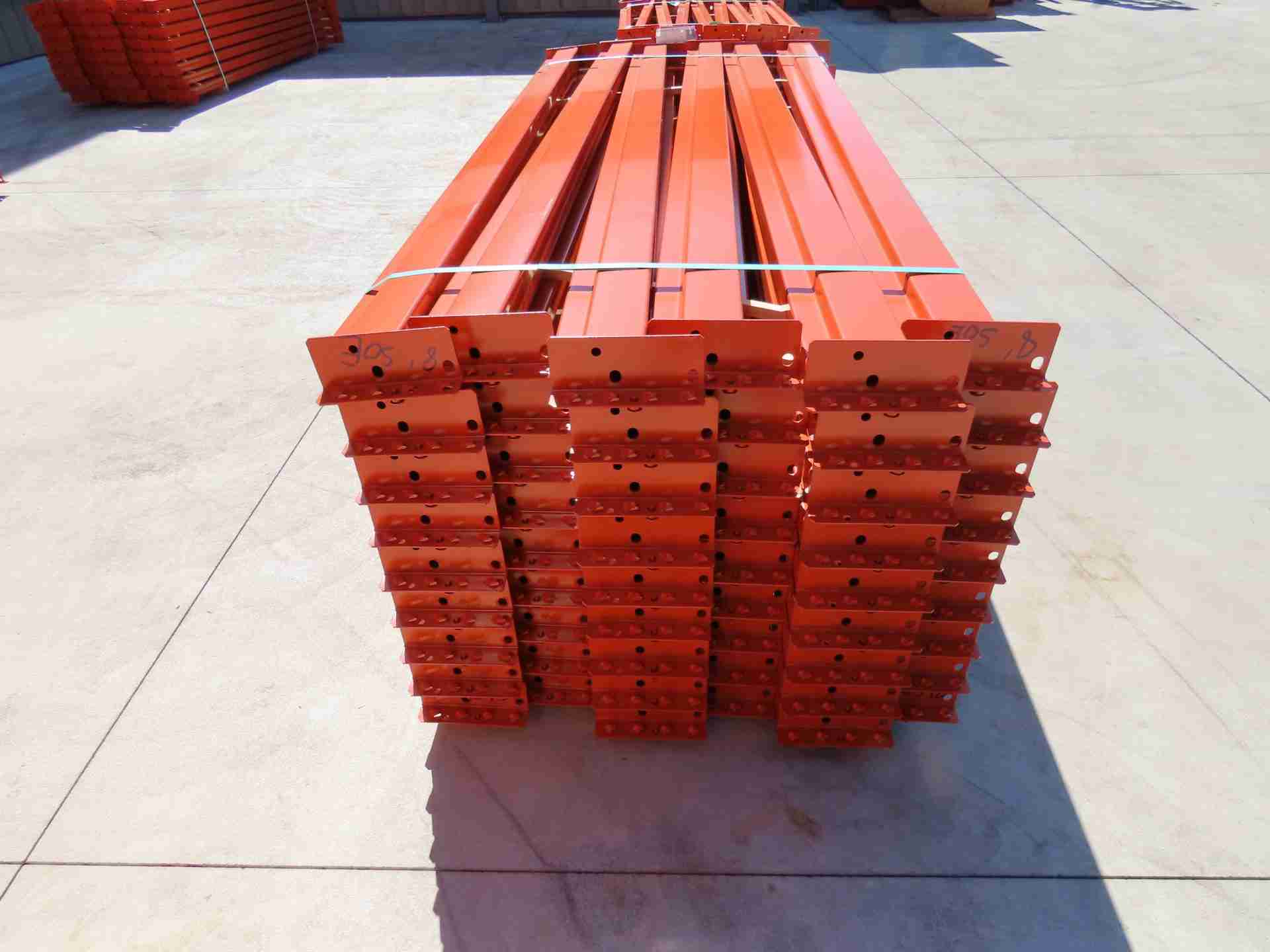
Other Resources
Here is a list of other resources you can review online to learn more:
- “Pallet Racking (Selective Storage Racks)”
- “Pallet racking systems for your warehouse”
- “Adjustable Pallet Racking”
- “Racking systems for industry | STILL Germany”
- “Pallet Racking Systems | Warehouse Racking for Sale”
- “Spotlight On: The 10 Most Common Pallet Racking Systems”
- “Warehouse Racking System: Powerful Guide to Optimise …”
- “Heavy Duty Pallet Storage Racking & Industrial Shelving …”
- “Designing Organizational Structures”
Use This Prompt To Get More Resources With Your Favorite Online AI Tool: Please provide me with a list of online articles with their URLS in a bulleted list that I can read regarding How to Find Pallet Racking Systems Design?

Other Resources
Glossary Terms
How to Find Pallet Racking Systems Design? – Glossary Of Terms
1. Pallet Racking: A storage system designed to support groups of pallets containing materials or goods.
2. Selective Racking: A type of pallet racking system that allows access to every pallet without needing to move others.
3. Drive-In Racking: A high-density storage system where forklifts can drive into the racking to store and retrieve loads.
4. Push-Back Racking: A semi-automated system where pallets are loaded onto a system of carts that roll back on inclined rails.
5. Mobile Racking: A racking system mounted on mobile bases that can be moved to open up aisles as needed.
6. FIFO (First In, First Out): A method ensuring that older inventory is used before newer stock; often designed in racking systems for perishable goods.
7. LIFO (Last In, First Out): An inventory management approach where the most recently stocked items are the first to be used.
8. Load Capacity: The maximum weight a pallet racking system can safely support, typically specified by the manufacturer.
9. Aisle Width: The distance between rows of racking, crucial for maneuverability of forklifts and pallets.
10. Bay Depth: The depth of a racking system, affecting how many pallets can be stored in one row.
11. Beam: A horizontal support in a racking system that holds the pallets in place.
12. Column: The vertical support structure that holds up the beams in a racking system.
13. Span: The distance between two support points in the racking system, influencing load capacity.
14. Vertical Clearance: The height available above the racking unit, important for storing taller goods.
15. System Integration: The process of coordinating various components of a warehousing system to work together efficiently.
16. Design Layout: A detailed plan illustrating the arrangement of racking systems in a warehouse.
17. Space Utilization: An assessment of how effectively warehouse space is used for storage and accessibility.
18. Material Handling Equipment: Tools like forklifts and pallet jacks used to transport goods within a warehouse.
19. Safety Standards: Regulations and guidelines that ensure the safe operation of racking systems and protection of workers.
20. Load Planning: The process of determining how to distribute weight efficiently within the racking system.
21. Warehouse Management System (WMS: Software designed to support warehouse operations by managing inventory and logistics.
22. Custom Racking Solutions: Tailored pallet racking designs created to meet specific operational needs of a warehouse.
23. Regulatory Compliance: Adherence to laws and regulations governing safety standards for storage and warehousing.
24. Pallet Configuration: The arrangement of pallets on the racking system, which can affect storage density and retrieval efficiency.
25. Inventory Turnover Rate: A measure of how frequently inventory is cycled in a warehouse, influencing racking system design.
26. Cost-Benefit Analysis: Evaluation of the financial implications of different racking system options compared to their benefits.
27. 3D Modeling: The use of software to create a visual representation of the racking system for improved design and planning.
28. Ergonomics: The study of how to design a workspace to fit the worker, important in racking system access and operation.
29. Installation Guidelines: Instructions provided by manufacturers concerning how to correctly set up pallet racking systems.
30. Maintenance Protocols: Procedures established to ensure racking systems remain safe and functional over time.

Glossary Of Terms
Other Questions
How to Find Pallet Racking Systems Design? – Other Questions
If you wish to explore and discover more, consider looking for answers to these questions:
- What are the advantages of different types of pallet racking systems?
- How do I assess my current inventory needs for pallet racking?
- What are the costs associated with different pallet racking systems?
- How can I ensure compliance with safety regulations for pallet racking?
- What factors influence the choice of pallet racking system for specific industries?
- Are there technological solutions to enhance pallet racking efficiency?
- How can maintenance schedules be effectively implemented for pallet racking systems?
- What is the impact of warehouse layout on product accessibility?
- How do seasonal inventory changes affect pallet racking design choices?
- What common pitfalls should be avoided when installing pallet racking systems?
- How can inventory management software integrate with pallet racking systems?
- What are the latest innovations in pallet racking systems?
- How do I train staff on the proper use of pallet racking systems?
- What safety training programs should be implemented for workers using pallet racking?
- How can businesses measure the efficiency of their pallet racking systems?

Other Questions
Checklist
How to Find Pallet Racking Systems Design? – A Checklist
1. Assess Your Inventory Needs
_____ Identify weight and dimensions of items.
_____ Categorize products based on size, weight, and turnover rate.
_____ Determine if you need heavy-duty racking or lighter solutions.
2. Analyze Space Utilization
_____ Measure vertical space to maximize storage capabilities.
_____ Consider high-density storage options for enhanced capacity.
_____ Evaluate warehouse layout for optimal racking configuration.
3. Consider Accessibility and Flow
_____ Plan aisles wide enough for forklift access.
_____ Use the ABC inventory method for product placement.
_____ Ensure fast-moving items are easily accessible.
4. Evaluate Flexibility and Scalability
_____ Choose modular racking systems to accommodate future growth.
_____ Allow for configuration adjustments based on inventory changes.
_____ Look for adaptable solutions that can shift with market demands.
5. Ensure Compliance with Safety Standards
_____ Review OSHA and ANSI/RMI regulations for pallet racking.
_____ Schedule regular inspections for damage or degree of wear.
_____ Train employees on safe loading techniques and proper inventory handling.
6. Select Appropriate Racking System Types
_____ Consider selective, drive-in/drive-through, push-back, cantilever, or automated systems based on needs.
_____ Analyze the pros and cons of each system type concerning your operational dynamics.
7. Determine Load Capacity and Material Durability
_____ Identify the load capacity limits of your selected racking system.
_____ Invest in high-quality materials like steel to ensure stability and longevity.
_____ Regularly assess compliance with weight regulations.
8. Optimize Maintenance and Inspection Protocols
_____ Establish routine inspections—at least weekly or bi-weekly.
_____ Monitor load distribution and avoid overloading racking systems.
_____ Utilize technology for real-time tracking of inventory and load capacity.
9. Implement Technology Solutions
_____ Integrate inventory management systems with your racking design.
_____ Leverage automated storage systems for improved efficiency.
_____ Use software for tracking inventory levels and product locations.
10. Monitor Trends and Industry Changes
_____ Stay updated on e-commerce trends affecting storage and fulfillment.
_____ Attend trade shows and engage with industry forums for new insights.
_____ Network with peers to learn about effective racking practices and tools.
Use this checklist to ensure that your pallet racking design is efficient, safe, and adaptable to your business needs, ultimately boosting your warehouse operations and productivity!

Checklist
At RackingWorld, we help guide you through selecting warehouse storage systems and racking.
Be sure to read our other related stories at RackingWorld to learn more about warehouse storage systems.
0 Comments