
Your Complete Guide To OSHA Storage Rack Regulations
By Tom Seest
At RackingWorld, we help guide you through selecting warehouse storage systems and racking.
Be sure to read our other related stories at RackingWorld to learn more about warehouse storage systems.
Does OSHA Regulate Storage Racks?
Does OSHA Regulate Storage Racks?
When it comes to warehouse safety, understanding regulations around storage racks is imperative for protecting both employees and your bottom line. The Occupational Safety and Health Administration (OSHA) does indeed regulate storage racks, emphasizing the need for safe design, installation, and maintenance practices. This isn’t just bureaucratic red tape; it’s a vital framework designed to minimize risks, injuries, and even fatalities in the workplace.
First, let’s consider the staggering statistics. The U.S. Bureau of Labor Statistics reports that there are approximately 1.25 million workplace injuries every year, many stemming from improper storage and racking systems. If your business relies on storage racks and you overlook proper compliance, you are not just jeopardizing your employees’ safety but also risking expensive legal ramifications and hefty fines that can cripple your finances.
OSHA’s regulations require that any racking systems used in warehousing must be structurally sound. This includes ensuring that racks can withstand both vertical and lateral forces. For instance, consider a warehouse that recently faced a significant penalty due to improper racking alignment resulting in hazardous conditions during a seismic event. A simple inspection could have mitigated risks and ensured regulatory compliance, ultimately protecting the business and its workforce.
In recent events, such as the increased scrutiny of workplace safety following high-profile collapses in manufacturing facilities, the importance of meeting OSHA standards can’t be emphasized enough. Take heed — a well-maintained storage rack isn’t just a practical space-saving solution; it’s a fortress against potential workplace hazards.
To ensure compliance, businesses should implement regular inspections and employee training focused on safety practices. Failing to maintain these racks could lead to catastrophic results, such as rack collapse or product damage, which could mean thousands of dollars in lost inventory and costly litigation.
Furthermore, consider investing in innovative rack designs that enhance storage density while adhering to OSHA guidelines. Modern modular racking systems offer flexible solutions to fit your warehouse’s unique needs, while also promoting safety and efficiency.
OOSHA’s regulations regarding storage racks are more than just guidelines—they are essential components of a successful safety strategy. Embracing these regulations not only protects your employees but also fortifies your business against potential losses, ensuring growth and stability in a competitive market. Prioritize safety today, and transform compliance from a burden into a beacon of operational excellence.

Does OSHA Regulate Storage Racks?
Does OSHA Regulate Storage Racks?
- OSHA regulates storage racks to ensure safe design, installation, and maintenance in warehouses.
- Approximately 1.25 million workplace injuries occur each year, often due to improper storage and racking systems.
- Non-compliance with OSHA regulations can lead to severe legal ramifications and significant financial penalties.
- Storage racks must be structurally sound and able to withstand both vertical and lateral forces.
- Regular inspections and employee training on safety practices are crucial for compliance and risk mitigation.
- Investing in innovative racking designs can enhance storage density while complying with safety regulations.
- Embracing OSHA regulations strengthens safety strategies, protects employees, and supports business stability.

Does OSHA Regulate Storage Racks?
Table Of Contents
- Does OSHA Regulate Storage Racks?
- Does OSHA Regulate Storage Racks?
- What Are The OSHA Requirements For Racks?
- How Do I Comply With OSHA Regulations For Storage Racks?
- What Are The Safety Standards For Storage Rack Installation?
- Are There Specific Load Limits For Storage Racks According To OSHA?
- What Inspections Are Required For OSHA-Compliant Storage Racks?
- How Can I Ensure My Storage Racks Meet Safety Regulations?
- What Penalties Exist For Non-Compliance With Rack Regulations?
- Can Racks Be Modified Without Violating OSHA Standards?
- What Training Is Needed For Staff Handling Storage Racks?
- Conclusion
- Other Resources
- Glossary Of Terms
- Other Questions
- Checklist
Does OSHA Regulate Storage Racks?
Does OSHA Regulate Storage Racks?
When it comes to managing a safe and efficient workplace, the question on many business owners’ minds is, “Does OSHA regulate storage racks?” The short answer is a resounding yes, and understanding these regulations is crucial for maintaining safety, avoiding costly fines, and improving overall operational efficiency.
OSHA (Occupational Safety and Health Administration) mandates that employers provide a workplace free from recognized hazards, and that extends to your storage systems. Storage racks, if not designed, installed, and maintained correctly, can pose serious risks to employees—ranging from falling items to inadequate load capacity that might lead to system collapses. By complying with OSHA regulations, businesses not only protect their employees but also safeguard their operational integrity.
For example, consider the recent incidents in warehouses where improperly maintained storage racks led to catastrophic collapses, injuring workers and resulting in hefty penalties from OSHA. These failures were often tied to inadequate inspections and employee training—areas that OSHA emphasizes through its guidelines. According to a 2022 review from the National Safety Council, more than 10,000 injuries resultant from improper storage rack management happen annually. These figures remind us that prevention is crucial.
OSHA’s regulations around storage racks focus on several key areas, including structural integrity, proper installation, and load capacity. Companies must ensure that their racks are installed per the manufacturer’s guidelines and are regularly inspected to identify any signs of wear or damage. If you’re operating in a warehouse or retail space, it’s not just beneficial but essential to have a dedicated safety plan that includes regular audits of your storage systems.
Think about it: investing in proper storage systems isn’t merely an operational expense; it’s a strategic asset. Businesses have seen significant ROI from their warehouse improvements after ensuring compliance with safety regulations. The fast-food giant McDonald’s, for instance, revamped their storage to improve safety and efficiency after a high-profile incident. Post-implementation, reports showed a 35% drop in workplace injuries—proof that good safety practices pay off.
Understanding OSHA regulations on storage racks isn’t just about avoiding fines; it’s about cultivating a culture of safety and efficiency in your workplace. By proactively managing your storage systems, you create an environment where employees feel valued and safe, which ultimately enhances productivity and boosts your bottom line. Remember, implementing safety regulations is not just a legal requirement; it’s a strategic advantage that pays dividends. Don’t wait for a costly mishap to highlight the importance of compliance—take charge today!

Does OSHA Regulate Storage Racks?
Does OSHA Regulate Storage Racks?
- OSHA regulates storage racks to ensure workplace safety and avoid costly fines.
- Employers must provide a workspace free from recognized hazards, including unsafe storage systems.
- Improperly maintained storage racks can lead to injuries, system collapses, and penalties.
- Common causes of rack failures include inadequate inspections and employee training.
- OSHA regulations focus on structural integrity, proper installation, and load capacity of storage racks.
- Investing in compliant storage systems can yield a significant return on investment in safety and efficiency.
- Creating a culture of safety enhances productivity and is crucial for long-term business success.

Does OSHA Regulate Storage Racks?
What Are The OSHA Requirements For Racks?
What Are The OSHA Requirements For Racks?
When it comes to keeping your workplace safe and compliant, understanding the Occupational Safety and Health Administration (OSHA) requirements for storage racks isn’t just good business sense; it’s essential for mitigating risks and maximizing productivity. Whether you’re in warehousing, manufacturing, or retail, adhering to OSHA guidelines ensures that your environment fosters safety for every employee.
The Basics of OSHA Compliance for Racks
First and foremost, OSHA mandates that any storage rack system must be designed and constructed to handle the load safely. This means every rack must meet the proper load ratings as specified by the manufacturer. It’s critical to review these ratings not only upon installation but also regularly during use to avoid accidents. For example, if your operation requires sudden storage increases, it’s crucial to confirm that your existing racks can handle the added weight without compromising integrity.
Inspection and Maintenance: The Non-Negotiables
OSHA states that you must regularly inspect your racks to identify any damages or failures. This isn’t merely a suggestion—it’s a requirement. A damaged rack can lead to catastrophic injuries or fatalities. Consider a prominent case from 2021, where a leading retailer faced hefty fines after a tragic accident involving a collapsed rack led to severe employee injuries. Regular inspections may involve checks for visible signs of wear, structural integrity assessments, and adherence to load limits.
Employee Training: The Unsung Hero of Safety
While compliance with OSHA standards is vital, increasing employee awareness about these standards completes the safety circle. When workers know the importance of proper rack usage—such as not overloading or using damaged racks—they become your first line of defense against potential hazards. Implementing an effective training program that educates employees about safe storage practices and rack maintenance goes a long way.
Documenting Compliance: Paper Trail Essentials
Documentation is key! Ensure that all inspections, training sessions, and maintenance schedules are recorded. This paper trail not only demonstrates compliance during OSHA inspections but also fosters a culture of accountability within your organization. For instance, following a spike in enforcement actions across various sectors in 2023, businesses that fail to provide satisfactory documentation are finding themselves on the regulatory chopping block.
Conclusion: A Commitment to Safety
In an era where workplace safety is under the spotlight, adhering to OSHA requirements for racks not only helps you sidestep fines and penalties but also enhances your brand reputation. Remember, when you prioritize safety and compliance, you’re not just protecting your employees—you’re investing in the long-term success and sustainability of your business.

What Are The OSHA Requirements For Racks?
What Are The OSHA Requirements For Racks?
- Understanding OSHA requirements for storage racks is essential for workplace safety and productivity.
- Storage rack systems must be designed to handle the specified load ratings, which should be reviewed regularly.
- Regular inspections of racks are mandatory to identify damages and prevent accidents.
- Employee training on proper rack usage is crucial for enhancing workplace safety and awareness.
- Documentation of inspections, training, and maintenance is necessary for compliance and accountability.
- Non-compliance with OSHA standards can lead to fines and penalties, especially in light of increased enforcement actions.
- Prioritizing safety and compliance enhances brand reputation and long-term business success.

What Are The OSHA Requirements For Racks?
How Do I Comply With OSHA Regulations For Storage Racks?
How Do I Comply With OSHA Regulations For Storage Racks?
In today’s fast-paced business environment, compliance with OSHA regulations is not just a box to check; it’s a crucial part of ensuring the safety and productivity of your workplace. Storage racks—essential for optimizing space and organizing inventory—come with a set of specific regulations that can be immense if not properly heeded. Ensuring you meet these requirements can save you significant costs on fines (which can be hefty) and more importantly, safeguard your employees.
First, understand that the Occupational Safety and Health Administration (OSHA) has established guidelines that dictate how storage racks should be designed, maintained, and utilized. Regular inspections are non-negotiable. Check for signs of wear, damage, and potential collapse hazards. For instance, if a load has been incorrectly placed or if racks have been overloaded, your operation can face severe operational risks, which could lead to employee injury or even fatalities.
Consider taking a proactive approach by conducting regular training sessions for your staff. Create a culture of safety where all employees are aware of the proper loading techniques and understand how to identify potential hazards. Real-life examples abound of companies that have invested in safety training only to find a marked decrease in workplace incidents. In 2023, a leading manufacturer reported a 40% drop in workplace injuries after implementing an extensive training program on storage safety. This not only saved on potential fines but also boosted morale and productivity.
Visual aids play a significant role in compliance, too. Every storage area should have clearly displayed load limits and safety guidelines directly on the racks themselves. Use color-coded labels or stickers to grab attention and ensure that every employee knows the weight they can safely load. Consider signage and even digital displays that indicate safe storage practices—it’s a small investment for peace of mind and enhanced compliance.
Moreover, consider regularly updating and refreshing your policies to align with OSHA’s standards, especially if they have undergone recent changes. This year, OSHA updated several guidelines surrounding storage systems, particularly focusing on heavy loads and their distribution. Companies that navigate these updates quickly not only secure their workforce safety but position themselves as leaders in compliance and responsibility.
Ultimately, complying with OSHA regulations for storage racks should be viewed as an ongoing commitment. By actively engaging in inspections, training, and policy updates, you’ll not only meet regulations but foster an environment where safety and efficiency are at the forefront of your operational strategy. Protect your investment, your employees, and your peace of mind: Safety is not just compliance; it’s your company’s reputation.

How Do I Comply With OSHA Regulations For Storage Racks?
How Do I Comply With OSHA Regulations For Storage Racks?
- Compliance with OSHA regulations is essential for workplace safety and productivity.
- OSHA provides specific guidelines for the design, maintenance, and use of storage racks.
- Regular inspections are crucial to identify wear, damage, and collapse hazards.
- Implement regular training sessions to educate employees on loading techniques and hazard identification.
- Use visual aids like load limits and safety guidelines displayed on racks for enhanced compliance.
- Update policies regularly to align with current OSHA guidelines, especially after recent changes.
- Viewing OSHA compliance as an ongoing commitment promotes a culture of safety and efficiency.

How Do I Comply With OSHA Regulations For Storage Racks?
What Are The Safety Standards For Storage Rack Installation?
In today’s fast-paced logistics and warehouse environments, the safety of storage rack installations is paramount—not just for your employees, but also for your bottom line. Awareness of the correct safety standards can prevent injuries and costly liability claims while boosting operational efficiency. To ensure your storage rack installation doesn’t become a painful liability, understanding these safety standards is crucial.
First, it’s essential to comply with the American National Standards Institute (ANSI) and the Occupational Safety and Health Administration (OSHA) regulations. These organizations provide a framework that sets the standard for warehouse safety and structural integrity. For instance, in 2021, OSHA issued revised guidelines emphasizing the importance of proper rack installation and maintenance, highlighting that “unsecured racks can be a tipping hazard.” This calls for rigorous inspection routines post-installation, as well as continuous assessments to adapt to load changes or aisle configurations.
Consider the infamous incident in 2022 at a major distribution center in the Midwest, where improper rack installation led to a collapse, injuring several workers. The investigation revealed a violation of ANSI standards, prompting the facility to overhaul its safety protocols. This incident serves as a grim reminder that skimping on safety isn’t just negligence; it can decimate your reputation and result in devastating financial implications.
One essential guideline revolves around load capacities. Each storage rack must be designed to hold specific weights, and exceeding these limits can lead to catastrophic failure. Always refer to the load rating labels affixed to the racks, and conduct regular audits to ensure adherence. A good rule of thumb is to separate lighter goods from heavier items, strategically utilizing your racking systems to promote stability.
Another vital factor is the spacing between racks and aisles. The National Fire Protection Association (NFPA) emphasizes the importance of having adequate clearance for fire safety and emergency response. Additionally, wide aisles can prevent accidents from forklift traffic, reinforcing a safer work environment.
Finally, training is essential. Empower your team with knowledge about load limits, safety practices, and emergency procedures. A well-trained workforce becomes your best defense against accidents. Remember, a culture of safety can enhance morale, productivity, and profitability.
Investing time and resources into understanding and implementing these safety standards isn’t just a legal obligation; it’s a strategic move that safeguards your business—inside and out. So don’t wait for a wake-up call; make safety your priority today.

What Are The Safety Standards For Storage Rack Installation?
What Are The Safety Standards For Storage Rack Installation?
- Safety of storage rack installations is crucial for employee wellbeing and financial health.
- Compliance with ANSI and OSHA regulations is essential for warehouse safety.
- OSHA’s revised 2021 guidelines highlight the risks of unsecured racks as tipping hazards.
- A 2022 incident at a Midwest distribution center underscores the consequences of poor installation.
- Storage racks have specific load capacities; exceeding them can result in catastrophic failure.
- Proper spacing between racks and aisles is important for fire safety and reducing forklift traffic accidents.
- Training staff on safety practices fosters a culture of safety, enhancing morale and productivity.

What Are The Safety Standards For Storage Rack Installation?
Are There Specific Load Limits For Storage Racks According To OSHA?
Are There Specific Load Limits For Storage Racks According To OSHA?
If you’re in the business of warehousing, inventory management, or distribution, understanding the load limits for storage racks isn’t just a bureaucratic detail; it’s a pillar of your operational safety and efficiency. The Occupational Safety and Health Administration (OSHA) has clear guidelines for storage racks, ensuring that your operations run smoothly without compromising safety.
Let’s dive into the specifics. OSHA doesn’t provide strict load limits set in stone; instead, it emphasizes the importance of engineering principles and manufacturer specifications in determining safe load capacities. Each storage system—whether it’s selective rack, drive-in rack, or pallet rack—comes with its own set of rules dictated by the materials used, the configuration of the racks, and how they are installed.
For instance, a common mistake occurs when warehouse managers ignore the manufacturer’s load specifications. If a rack is designed to hold 3,000 pounds per level and you pile it up with 4,000 pounds, you’re not just risking structural failure; you’re putting your employees at risk. A catastrophic event resulting from mishandled racks can lead to serious injuries and hefty fines, not to mention reputational damage. Just recently, a distribution center faced scrutiny after safety violations led to a partial collapse of their racking system, injuring multiple workers. This incident underscores why adhering to load limits is not just important—it’s non-negotiable.
But knowing load limits isn’t enough. To comply with OSHA standards, organizations must conduct regular inspections and maintenance on their storage systems. Load limits must be visibly marked, and any changes to the layout or load must trigger a reassessment of existing racks. Consider a grocery distribution center—when seasonal goods arrive, suddenly the balance of weight changes. Proper planning and compliance with OSHA can save you from disaster in peak seasons.
Furthermore, training employees on these aspects is critical. Conduct regular safety workshops detailing load limits, demonstrating safe stacking practices, and encouraging staff to report any signs of wear or damage on racking systems. By fostering a culture of safety and adherence to guidelines, you not only comply with OSHA regulations but also drive productivity and employee morale.
In summary, understanding and adhering to OSHA’s storage rack load limits is essential for your business. Ignoring these guidelines can lead to accidents, injuries, and financial liabilities that no business can afford. Stay informed, stay compliant, and protect your greatest asset—your employees.

Are There Specific Load Limits For Storage Racks According To OSHA?
Are There Specific Load Limits For Storage Racks According To OSHA?
- Understanding load limits for storage racks is crucial for operational safety and efficiency in warehousing and distribution.
- OSHA emphasizes engineering principles and manufacturer specifications rather than strict load limits for storage racks.
- Each type of storage system has unique load capacity rules based on materials, configuration, and installation.
- Ignoring manufacturer load specifications can lead to structural failure and serious employee risks, including injuries and fines.
- Regular inspections and maintenance of storage systems are required to comply with OSHA standards.
- Employee training on load limits and safe practices is essential for fostering a culture of safety and adherence to guidelines.
- Compliance with OSHA not only ensures safety but also protects businesses from financial liabilities and promotes employee morale.

Are There Specific Load Limits For Storage Racks According To OSHA?
What Inspections Are Required For OSHA-Compliant Storage Racks?
What Inspections Are Required For OSHA-Compliant Storage Racks?
In the fast-paced world of warehousing and distribution, ensuring the safety and efficiency of your storage racks can be the difference between smooth operations and a catastrophic incident. With OSHA (Occupational Safety and Health Administration) regulations in place, understanding the required inspections for storage racks is not just a compliance matter; it’s a vital component for protecting your workforce and safeguarding your assets.
First and foremost, it’s essential to conduct regular inspections of your storage racks. OSHA mandates that general duty employers ensure the safety of all working environments. This includes regular assessments of your storage systems to prevent accidents and injuries stemming from structural failures. The frequency of these inspections typically falls into two categories: daily operational checks and comprehensive inspections on a quarterly basis.
During daily inspections, your staff should look for visible damage, such as bent uprights or compromised braces. One recent warehouse disaster made headlines when a poorly maintained racking system collapsed, causing injuries and significant product loss. This event serves as a vivid reminder of the importance of routine checks. Train your employees to report any irregularities immediately, and implement a culture where safety takes precedence over productivity.
Quarterly, a more thorough inspection is required, preferably conducted by trained personnel or a third-party inspector. This examination should assess not only the physical integrity of the racks but also adherence to load capacities stipulated by the manufacturer. Ensuring that the racks are not overloaded is crucial; overloading can lead to catastrophic failures that can jeopardize the lives of your employees and the future of your business.
In addition to these inspections, it is good practice to keep records of all assessments made, including noted damages and corrective actions taken. Good record-keeping not only aids in compliance during OSHA audits but also showcases your commitment to safety, which in recent times has become a vital part of brand reputation.
Lastly, be proactive and leverage technology. Recent advancements in inspection apps allow for real-time reporting and maintenance tracking. These digital solutions can streamline your inspection process, alerting your team to potential issues before they escalate into serious hazards.
In short, unloading the weight of negligence off your shoulders not only ensures OSHA compliance but also promotes a culture of safety that pays dividends in employee morale and operational efficiency. Keep your storage racks inspected, maintained, and compliant, and watch your productivity soar like never before.

What Inspections Are Required For OSHA-Compliant Storage Racks?
What Inspections Are Required For OSHA-Compliant Storage Racks?
- Regular inspections of storage racks are essential for OSHA compliance and workplace safety.
- OSHA requires daily operational checks and comprehensive inspections on a quarterly basis.
- Daily inspections should focus on visible damage, like bent uprights or compromised braces.
- Quarterly inspections should be conducted by trained personnel or a third-party inspector, checking for structural integrity and adherence to load capacities.
- Maintain records of all inspections, damages, and corrective actions for compliance and safety reputation.
- Utilize technology, like inspection apps, for real-time reporting and maintenance tracking.
- Implementing a culture of safety enhances employee morale and operational efficiency.

What Inspections Are Required For OSHA-Compliant Storage Racks?
How Can I Ensure My Storage Racks Meet Safety Regulations?
Navigating the labyrinth of safety regulations for storage racks can feel as complex as a game of chess. But fear not! You can position yourself ahead of the competition by ensuring your storage solutions not only meet but exceed safety standards. It’s not just about compliance; it’s about protecting your assets, your employees, and ultimately your bottom line.
First and foremost, familiarize yourself with the relevant safety standards. The Occupational Safety and Health Administration (OSHA) sets forth guidelines that govern safe storage practices. For instance, they mandate that storage racks must be capable of supporting the weights they are designed for, without exceeding load limits. Ensure that your storage racks come with proper documentation to back this up. Don’t rely on verbal assurances or flimsy paperwork. Ask for certifications from reputable manufacturers, such as those from the American National Standards Institute (ANSI) or the Rack Manufacturers Institute (RMI).
Let’s not overlook the importance of regular inspections. Take a page from the playbook of successful retailers like Home Depot, which implements a rigorous inspection routine for its storage systems. By conducting regular checks for signs of wear and damage, you can address any issues before they escalate into costly accidents. Document these inspections meticulously, as having a well-maintained log won’t just serve as evidence of due diligence; it can also deflect potential legal repercussions should an incident occur.
Next, invest in quality storage rack systems. The recent push towards sustainability has resulted in numerous companies rolling out robust, eco-friendly storage options. Consider the rise of modular racks that allow for flexibility and scalability. Companies like IKEA have made headlines by implementing innovative storage solutions that adapt to changing inventory needs, further reducing the risk of overloading and maintaining safety compliance.
Education is your ally. Training your staff on handling and organizing materials safely can drastically reduce workplace accidents. Pair this with visual cues—like color-coded labels for weight limits or safety zones—and you’ll create an environment where safety is front and center. With recent labor shortages making headlines, it’s critical to ensure your existing employees are equipped with the knowledge to operate safely and efficiently.
Lastly, consider working with a safety consultant who specializes in warehouse operations. They can provide invaluable insight tailored specifically to your business needs. In a world where fines from non-compliance can crush small businesses, investing in safety pays off in more ways than one.
In summary, don’t just meet safety regulations—embrace them. By taking proactive measures to ensure your storage racks are safe and compliant, you not only protect your business but also build a reputation that can attract more clients in an unforgiving market.

How Can I Ensure My Storage Racks Meet Safety Regulations?
How Can I Ensure My Storage Racks Meet Safety Regulations?
- Navigating safety regulations for storage racks is complex but essential for competitive advantage.
- Familiarize yourself with OSHA guidelines, including load-bearing requirements for storage racks.
- Obtain proper documentation and certifications from reputable manufacturers like ANSI or RMI.
- Implement regular inspections to identify wear and damage, documenting all checks comprehensively.
- Invest in quality and eco-friendly storage rack systems that offer flexibility and scalability.
- Educate staff on safe handling of materials and use visual cues for enhancing workplace safety.
- Consider hiring a safety consultant for tailored insights and compliance assistance to safeguard your business.

How Can I Ensure My Storage Racks Meet Safety Regulations?
What Penalties Exist For Non-Compliance With Rack Regulations?
In today’s fast-paced business landscape, staying compliant with rack regulations is not just a matter of adhering to the rules; it’s about safeguarding your operation from potentially crippling penalties. When businesses overlook these regulations, the consequences can be severe, impacting their bottom line and reputation.
The penalties for non-compliance can range from hefty fines to the revocation of licenses and permits. For instance, federal agencies like OSHA can impose fines averaging $13,653 per violation, and for more serious offenses that pose a significant risk, the amount can skyrocket to nearly $136,532. Consider a real-world example: a warehouse operation that neglected to properly secure its racking systems during a routine inspection was cited for multiple violations. The cost? Over $50,000 in fines and a mandatory retraining program for staff—an expense that could have easily been avoided.
But it doesn’t stop there. Non-compliance can also lead to suspension or revocation of business licenses. Just recently, a well-known retail chain lost its operating license in several states due to repeated violations of inventory management regulations. This not only halted operations but also damaged its reputation, leading to a plummet in customer trust and stock values.
Moreover, the legal repercussions can be even more daunting. In the event of an accident resulting from non-compliance—such as a product falling from a mismanaged rack—businesses can face lawsuits. Victims might claim damages for negligence, leading to lengthy litigation processes and additional financial burdens. The recent case involving a local distribution center, where a worker sustained serious injuries from an improperly maintained rack, resulted in a multi-million dollar settlement. This is a stark reminder that prioritizing safety and compliance is not just about following guidelines; it’s about protecting your employees and your financial future.
Furthermore, regulatory bodies continuously enhance their scrutiny on compliance with rack regulations. Events like the pandemic have led to heightened oversight in supply chain management, and businesses that fail to comply may find themselves on the wrong side of regulatory attention.
The bottom line is simple: Non-compliance with rack regulations can lead to serious consequences. Protect your enterprise by investing in training, regular audits, and maintaining robust systems. The cost of compliance pales in comparison to the potential fines, lawsuits, and reputation damage from non-compliance. Transform your approach today—your future depends on it!

What Penalties Exist For Non-Compliance With Rack Regulations?
What Penalties Exist For Non-Compliance With Rack Regulations?
- Compliance with rack regulations is crucial for protecting operations from severe penalties.
- Penalties for non-compliance include hefty fines (averaging $13,653), and more serious violations can reach $136,532.
- A real-world example: a warehouse operation was fined over $50,000 for not securing racking systems, along with mandatory retraining costs.
- Non-compliance may lead to suspension or revocation of business licenses, impacting operations and reputation.
- Legal repercussions from accidents (e.g., product falls) can result in lawsuits and multi-million dollar settlements.
- Regulatory bodies are increasing scrutiny on compliance, especially following events like the pandemic.
- Investing in training, regular audits, and robust systems is essential to avoid the costs associated with non-compliance.

What Penalties Exist For Non-Compliance With Rack Regulations?
Can Racks Be Modified Without Violating OSHA Standards?
Can Racks Be Modified Without Violating OSHA Standards?
When it comes to optimizing your warehouse efficiency, the thought of modifying racks might have crossed your mind. After all, every inch of space counts, and a little ingenuity could lead to significant gains. However, you have to tread carefully—those easily overlooked modifications can land you in hot water with OSHA. So, can racks be modified without crossing those regulatory lines? Let’s break it down.
First off, OSHA standards are designed to keep workers safe and prevent accidents. Understanding these regulations is paramount before making any changes. For example, if you’re considering reinforcing your pallet racking system, it’s crucial to ensure that any modifications do not compromise structural integrity. Using original equipment manufacturer (OEM) parts is a wise choice—these parts are designed specifically for your racks and comply with safety standards. Just think of it as a no-brainer insurance policy for productivity and safety.
Consider a recent incident in a mid-sized distribution center in Illinois, where safety violations resulted in a hefty fine following an ill-advised rack modification. The company attempted to extend the height of their existing racking with custom manufactured steel, but this alteration was not designed according to engineering specifications, leading to instability and damage. As a result, not only did they see an unfortunate accident occur, but the financial ramifications of fines and repairs put them well behind schedule. Avoiding such a situation starts with thorough compliance checks before making changes.
Moreover, let’s talk about creativity within the framework of OSHA guidelines. Many companies have turned to innovative, modular racking solutions that allow for easy customization while remaining fully compliant with safety regulations. For instance, adjustable beam racks can be modified for different load sizes without any structural alterations. If your storage needs change frequently, investing in these types of racking systems can save you the hassle of constant compliance checks and reengineering.
In addition, remember to document every modification and the rationale behind it; having a clear record can serve as a protective measure if OSHA comes knocking. Engaging a professional rack inspector can also provide peace of mind, ensuring that your modifications align with regulations before they become a headache.
While modifying racks for utility and efficiency is certainly possible, it must be done with a careful eye on OSHA requirements. By leveraging the right materials and keeping compliance front and center, you can enhance productivity without compromising safety. The fine line between smart innovation and reckless risk is drawn by understanding the regulations—cross it at your peril!

Can Racks Be Modified Without Violating OSHA Standards?
Can Racks Be Modified Without Violating OSHA Standards?
- Modifying warehouse racks can enhance efficiency, but must be done cautiously to avoid OSHA violations.
- OSHA standards prioritize worker safety; understanding these regulations is essential before making any modifications.
- Using original equipment manufacturer (OEM) parts is recommended for maintaining safety and compliance.
- An incident in Illinois highlighted the dangers of improper rack modifications, leading to fines and operational disruptions.
- Modular racking solutions allow for customization while adhering to safety regulations, such as adjustable beam racks for varying loads.
- Document all modifications and engage professional inspections to ensure compliance with OSHA standards.
- Enhancing productivity through rack modifications is possible by focusing on the right materials and understanding regulations.
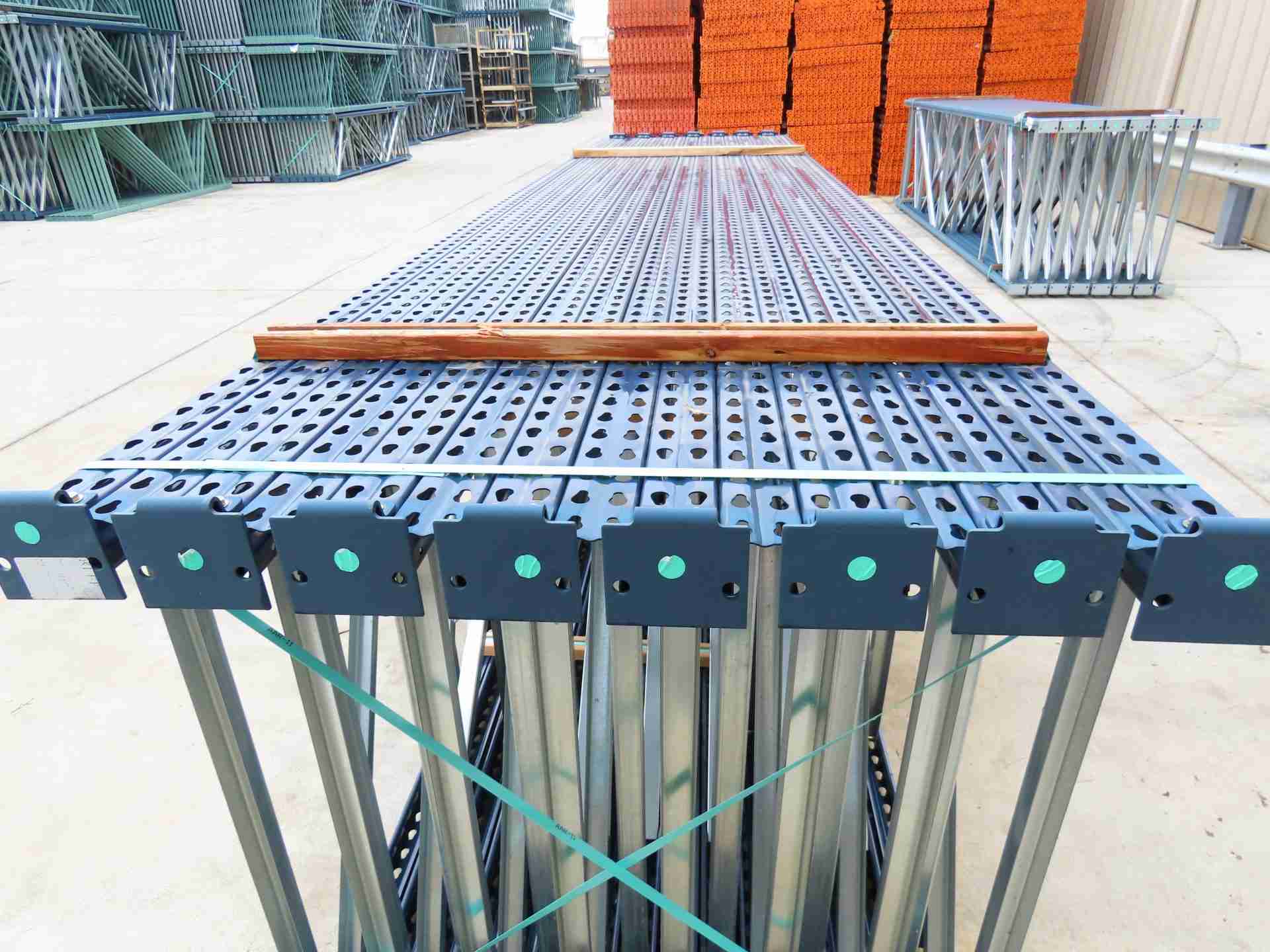
Can Racks Be Modified Without Violating OSHA Standards?
What Training Is Needed For Staff Handling Storage Racks?
In today’s fast-paced warehousing and logistics industry, effective training for staff handling storage racks is not just a necessity—it’s a competitive advantage. Well-trained staff can dramatically reduce accidents, increase productivity, and maximize the efficiency of your storage solutions. Let’s delve into the essential training elements that every organization needs to implement.
Understanding Equipment and Safety Protocols
First and foremost, employees must grasp how to properly utilize storage racks and related equipment. This involves comprehensive education on different types of storage systems—whether it’s pallet racking or shelving systems. For example, workers should be educated on load limits, the correct placement of items, and how to avoid overloading racks that can lead to dangerous collapses. Given the rise of e-commerce and increased demand for warehouse space, this foundation is crucial for maintaining operational safety.
Material Handling and Ergonomics
Next, it’s paramount to train staff on proper material handling techniques, specifically ergonomics. According to the Bureau of Labor Statistics, manual handling injuries account for a significant percentage of workplace accidents. By teaching employees how to lift, push, pull, and carry loads safely, companies can reduce injuries and related costs. For instance, instructing employees to bend at the knees rather than the waist can go a long way in preventing back injuries.
Regular Inspections and Maintenance Protocols
Training shouldn’t stop at understanding how to interact with racks; it must also incorporate methods for inspecting and maintaining the equipment. Staff should be trained to routinely check for signs of wear and tear, ensuring that all racks are in compliance with manufacturer specifications. With the recent uptick in warehouse incidents highlighted in industry news, the emphasis on proactive inspections is more vital than ever.
Emergency Preparedness
Furthermore, training should include emergency preparedness protocols. In the event of an incident, knowing how to react quickly and efficiently can not only save lives but also minimize damage. Consider implementing drills that simulate various emergency scenarios, ensuring that staff can respond with confidence when it truly matters.
Ongoing Education and Certifications
Finally, ongoing education is essential in today’s ever-evolving market landscape. Encourage staff to pursue certifications in material handling and warehouse safety. This not only equips them with the latest knowledge but also instills a sense of professional pride and accountability. Keeping your team up to date with training ensures fewer mishaps and smoother operations.
Investing in proper training for staff handling storage racks isn’t merely an operational expense; it’s a strategic move that pays dividends in safety, efficiency, and morale. An educated team is an empowered team, ready to tackle the challenges of a dynamic industry with confidence. Make training a priority—your bottom line will reflect it.

What Training Is Needed For Staff Handling Storage Racks?
What Training Is Needed For Staff Handling Storage Racks?
- Effective training for staff handling storage racks is essential for competitive advantage.
- Employees must understand equipment and safety protocols, including load limits and placement to prevent accidents.
- Proper material handling techniques, including ergonomics, are vital to reduce workplace injuries and costs.
- Training should include regular inspections and maintenance protocols to ensure compliance and equipment safety.
- Emergency preparedness training is crucial for quick, efficient responses during incidents.
- Ongoing education and certifications empower staff with up-to-date knowledge and professional pride.
- Investing in training reduces mishaps and improves safety, efficiency, and morale within the organization.

What Training Is Needed For Staff Handling Storage Racks?
Conclusion
Conclusion: Safeguarding Your Operations with OSHA-Compliant Storage Racks
In the demanding landscape of warehousing and industrial operations, understanding and abiding by OSHA regulations regarding storage racks is not merely a checkbox for compliance—it’s a cornerstone of operational integrity and employee safety. At Arrow Industrial Sales, we recognize that your workforce’s safety directly correlates with your bottom line. A well-maintained and OSHA-compliant storage rack system not only protects your employees from potential hazards but also shields your organization from dire financial consequences, including hefty fines and legal liabilities.
The startling statistics reveal that approximately 1.25 million workplace injuries occur annually, many stemming from unsafe storage practices. Before brushing off the importance of OSHA regulations as bureaucratic red tape, consider that these guidelines are designed to minimize risks. By adhering to them, you’re not only protecting your staff but also optimizing your operational efficiency and reinforcing your reputation in a competitive market.
But here’s the pressing truth: compliance is not a one-time commitment; it requires ongoing diligence. Regular inspections, rigorous employee training, and proactive maintenance are essential to ensure that your storage racks remain compliant and safe. Establishing a culture of safety within your organization can empower your workforce to take ownership of their environment, ensuring that every member is aware of the importance of following load limits and reporting potential hazards.
Moreover, investing in innovative rack designs can yield immense benefits. Modern systems not only enhance storage density but also comply with stringent OSHA standards. The time to act is now—every day that you delay ensuring compliance is a day you put your employees and bottom line at risk. This is where Arrow Industrial Sales comes into play.
We invite you to explore how Arrow Industrial Sales can provide you with the right solutions tailored to your specific needs—each compliant with OSHA standards. Our expertise can guide your enhancements from risk management to operational excellence. Don’t wait for an accident to happen; act decisively today.
Call us now at (574) 349-6575 for more information on how you can transform your storage solutions into models of safety and efficiency. Embrace compliance not just as a requirement but as a strategic advantage. With Arrow Industrial Sales, you’ll turn compliance challenges into opportunities for growth and sustainability in your business! Remember, a safe workplace is the first step toward a prosperous future. Aim for safety, efficiency, and success—transform your warehouse today!

Conclusion
Conclusion:
- Adhering to OSHA regulations for storage racks is essential for operational integrity and employee safety.
- OSHA-compliant storage rack systems protect workers and prevent financial consequences, including fines and legal liabilities.
- Approximately 1.25 million workplace injuries occur annually, often due to unsafe storage practices.
- Compliance with OSHA guidelines minimizes risks, enhances operational efficiency, and improves organizational reputation.
- Ongoing diligence, such as regular inspections and employee training, is crucial for maintaining compliance and safety.
- Investing in innovative storage rack designs can improve space utilization while meeting OSHA standards.
- Arrow Industrial Sales offers tailored solutions compliant with OSHA standards to help transform storage operations safely and efficiently.

Conclusion
Other Resources

Other Resources
Here is a list of other resources you can review online to learn more:
- “Warehousing – Overview | Occupational Safety and Health …”
- “Warehousing – Know the Law | Occupational Safety and …”
- “Warehousing and Storage: NAICS 493”
- “New Legislation Aims to Improve Warehouse Worker Safety -“
- “A Look at OSHA’s Warehousing NEP: Is Your Rack Safety …”
- “Occupational Safety & Health Administration”
- “Main Actors in the Warehouse Racking Industry”
- “more Industry News – PM”
- “Evaluation of local fire in energy systems in the context of …”
- “National Institute of Standards and Technology”
Use This Prompt To Get More Resources With Your Favorite Online AI Tool: Please provide me with a list of online articles with their URLS in a bulleted list that I can read regarding Does OSHA Regulate Storage Racks?

Other Resources
Glossary Terms
Does OSHA Regulate Storage Racks? – Glossary Of Terms
1. OSHA: The Occupational Safety and Health Administration, a U. S. agency responsible for ensuring workplace safety through regulations and standards.
2. Storage Racks: Structures used for storing goods, materials, or products; designed to maximize storage space and ensure safety during storage.
3. Regulation: A rule or directive made and maintained by an authority, such as OSHA, to govern conduct in various areas, including workplace safety.
4. Compliance: The act of conforming to established regulations or standards set by governing bodies like OSHA.
5. Warehouse Safety: Practices and guidelines adopted to ensure the safety of personnel and goods in storage facilities, often focusing on equipment like storage racks.
6. Load Capacity: The maximum weight that a storage rack can safely hold, critical for preventing accidents and injuries.
7. Inspection: The systematic examination of storage racks to ensure they meet safety standards and regulations mandated by OSHA.
8. Damage Assessment: The process of evaluating the condition of storage racks to identify defects or damages that may compromise safety.
9. Pallet Racks: A type of storage rack specifically designed to hold pallets; commonly used in warehouses.
10. Vertical Storage: A storage approach that utilizes upward space to maximize storage capacity and maintain organization.
11. Forklift Safety: Regulations and practices to ensure the safe operation of forklifts, which are often used in conjunction with storage racks.
12. Material Handling: The movement, protection, and storage of goods and materials within a facility, often involving storage racks.
13. Best Practices: Recommended procedures or guidelines that promote safety and efficiency in using storage racks.
14. Ergonomics: The study of how people interact with their environments, particularly in relation to minimizing physical strain in material handling tasks.
15. Workplace Hazard: Any condition or situation that poses a threat to employee safety or health, including unsafe storage practices.
16. Safety Data Sheet (SDS): A document that provides information on the hazards of a material and how to handle it safely, relevant in storage areas.
17. Anchor Points: Fixed points on storage racks designed to secure materials, preventing tipping or falling.
18. Weight Redistribution: The process of evenly distributing weight on a storage rack to maintain stability and safety.
19. Signage: Visual communication materials, such as labels and safety signs, used to convey important information about safe storage practices.
20. Personal Protective Equipment (PPE): Gear such as helmets, gloves, and safety shoes worn to protect individuals working around storage racks.
21. Rack Collapse: A dangerous incident where a storage rack fails and collapses, posing severe risks to employee safety.
22. Incident Report: A formal record of accidents or near-misses related to storage rack use, used to improve safety practices.
23. Inspection Checklist: A documented list of items or criteria used during inspections to ensure storage racks comply with safety regulations.
24. Manufacturer’s Specifications: Detailed information provided by rack manufacturers about load limits, installation, and maintenance requirements.
25. Hazard Communication Standard (HCS): OSHA regulations requiring the information about chemical hazards to be communicated to employees, relevant in storage environments.
26. Training Programs: Educational initiatives focused on teaching employees about safe storage practices and OSHA regulations.
27. Incident Management: The processes and protocols followed after an accident involving storage racks to ensure safety and compliance.
28. Audit: A systematic examination of policies, procedures, and facilities, including storage rack safety measures, to ensure compliance with regulations.
29. Forklift Certification: Training and certification required for operators of forklifts, essential for safely using them around storage racks.
30. Emergency Response Plan: A strategy outlining steps for action during emergencies related to storage rack failures or workplace accidents.

Glossary Of Terms
Other Questions
Does OSHA Regulate Storage Racks? – Other Questions
If you wish to explore and discover more, consider looking for answers to these questions:
- What specific OSHA standards apply to my type of storage racks?
- How do I conduct regular inspections for compliance?
- What are the consequences of non-compliance with OSHA regulations?
- Are there industry best practices for storage rack safety?
- How often should storage racks be inspected?
- What should I do if my storage racks are found to be non-compliant?
- How can I train my employees effectively on safety protocols related to storage racks?
- What documentation is necessary to prove compliance during an OSHA inspection?
- Are there recommended safety features to include in storage rack systems?
- How can technology aid in managing storage rack safety compliance?
- What are the liability issues if a rack fails due to non-compliance?
- Can I use third-party inspections for my storage racks and will that suffice for OSHA compliance?
- How should I handle modifications to existing storage racks to ensure compliance?
- What training certifications should my employees pursue related to storage rack safety?

Other Questions
Checklist
Does OSHA Regulate Storage Racks? – A Checklist
1. Understand OSHA Regulations
_____ Familiarize yourself with the Occupational Safety and Health Administration (OSHA) guidelines related to storage racks.
_____ Review manufacturer specifications for load ratings and construction standards.
2. Design and Installation Standards
_____ Ensure that storage racks are designed to safely handle specified loads.
_____ Check that racks are installed according to manufacturer guidelines to maintain structural integrity.
3. Regular Inspections
_____ Conduct daily operational checks for visible damage (e. g. , bent uprights, compromised braces).
_____ Schedule comprehensive inspections on a quarterly basis by trained personnel or third-party inspectors.
_____ Keep detailed records of all inspections, noting any damages and corrective actions taken.
4. Load Capacity Management
_____ Ensure that load limits are visibly marked on all racks.
_____ Conduct regular assessments to ensure load capacities are not exceeded, especially during peak inventory seasons.
5. Employee Training
_____ Provide training on safe rack usage, including proper load placement and limits.
_____ Conduct sessions on material handling techniques to prevent stress-related injuries.
_____ Educate employees on inspection protocols and emergency procedures.
6. Documentation and Compliance
_____ Maintain a detailed log of inspections, training sessions, and maintenance schedules.
_____ Keep copies of all manufacturer certifications and compliance documentation readily accessible.
7. Modifications and Customization
_____ Consult with professionals before modifying any racks to ensure compliance with OSHA standards.
_____ Utilize OEM parts and ensure modifications do not compromise rack stability.
8. Safety Culture
_____ Create a workplace environment that prioritizes safety through ongoing training and communication.
_____ Foster an atmosphere where employees feel responsible for reporting safety hazards or damages.
9. Penalty Awareness
_____ Be aware of the financial implications of OSHA violations, including potential fines and lawsuits.
_____ Implement corrective measures promptly upon discovering non-compliance.
10. Continuous Improvement
_____ Regularly update safety practices based on the latest OSHA guidelines and industry best practices.
_____ Invest in advanced technologies (like inspection apps) for more effective monitoring of storage systems.
11. Emergency Preparedness
_____ Establish emergency protocols and conduct drills to prepare staff for potential accidents or incidents.
_____ Ensure that emergency contacts and procedures are well communicated to all employees.
Use this checklist to audit your current practices, train your employees effectively, and ensure your compliance with OSHA regulations on storage racks. Safety is not just a policy; it’s your best investment.

Checklist
At RackingWorld, we help guide you through selecting warehouse storage systems and racking.
Be sure to read our other related stories at RackingWorld to learn more about warehouse storage systems.
0 Comments