
Maximize Warehouse Space With Double-Sided Racking
By Tom Seest
At RackingWorld, we help guide you through selecting warehouse storage systems and racking.
Be sure to read our other related stories at RackingWorld to learn more about warehouse storage systems.
Is Double-Sided Cantilever Racking Right for Your Warehouse?
In the fast-paced world of warehousing and logistics, efficiency isn’t just a goal; it’s a necessity. Double-sided cantilever racking systems could be the game changer you are looking for if you’re seeking a solution that maximizes space and optimizes access to your inventory.
Imagine your warehouse bustling with activity, where every inch of your space is utilized effectively. That’s precisely what double-sided cantilever racking offers. Unlike traditional shelving, which can limit access to inventory, this innovative system allows for easy access from both sides, creating a fluid flow of operation. Picture a scenario reminiscent of the current surge in e-commerce. Businesses are scrambling to fulfill orders as quickly as possible—having stock accessible from both sides can significantly reduce the time spent picking items, thus boosting overall productivity.
Consider the case of a mid-sized furniture wholesaler that recently adopted double-sided cantilever racking. Previously, they faced congestion and inefficiencies, often resulting in damaged goods and delayed shipments. After implementing this racking solution, they reported a 30% increase in picking speed, enabling them to meet the demands of their growing online retail clients swiftly. This transformed their operation from chaotic to streamlined, a transformation echoed across many industries today as they grapple with fluctuating demands.
In our current economic landscape, characterized by rapid changes and supply chain disruptions, adaptability is crucial. Companies are starting to embrace flexible storage solutions that allow them to scale up or down with ease. Double-sided cantilever racking fits this bill perfectly, offering the versatility to accommodate a variety of goods. Whether stocking long items like lumber, pipes, or furniture, or even short loads, this system’s adaptability can make your warehouse space more functional.
Moreover, it’s worth considering the long-term return on investment. In an era where capital is often tight, allocating funds efficiently is vital. The durability and structural integrity of double-sided cantilever racking not only minimize maintenance costs but also stand up to the rigors of daily warehouse operations, giving you peace of mind and keeping your workforce safe.
If you’re after a sleek, efficient, and adaptable solution for your warehouse, double-sided cantilever racking deserves your consideration. With its ability to enhance productivity while maximizing space, it aligns perfectly with today’s demand-driven marketplace. Don’t just keep up—get ahead and ensure your warehouse is ready for the challenges of tomorrow.
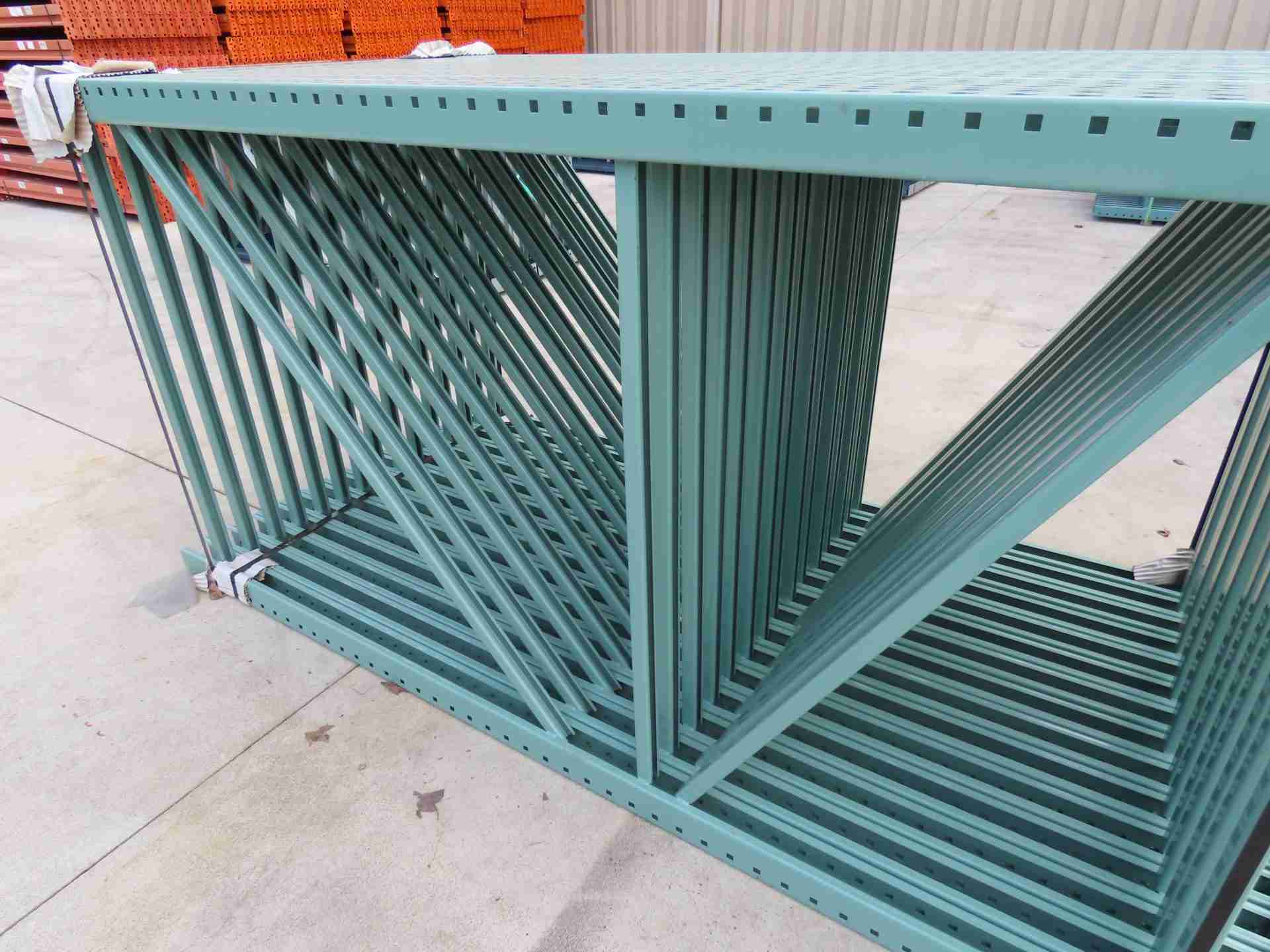
Is Double-Sided Cantilever Racking Right for Your Warehouse?
Is Double-Sided Cantilever Racking Right for Your Warehouse?
- Double-sided cantilever racking systems maximize space and optimize inventory access.
- They allow for easy access from both sides, improving operational efficiency.
- This system is particularly beneficial for businesses with high e-commerce order fulfillment demands.
- A case study showed a 30% increase in picking speed for a furniture wholesaler after implementation.
- Double-sided cantilever racking offers flexibility to accommodate a variety of goods.
- The durable design minimizes maintenance costs and enhances safety in warehouse operations.
- This solution helps warehouses adapt to economic fluctuations and improve overall productivity.

Is Double-Sided Cantilever Racking Right for Your Warehouse?
Table Of Contents
- Is Double-Sided Cantilever Racking Right for Your Warehouse?
- What Are The Benefits Of Double-Sided Cantilever Racking?
- How Does Double-Sided Cantilever Racking Maximize Space?
- What Types Of Products Can Be Stored On Double-Sided Racks?
- How Does Double-Sided Racking Improve Warehouse Efficiency?
- What Are The Installation Requirements For Cantilever Racking?
- Is Double-Sided Racking Suitable For Small Warehouses?
- What Safety Considerations Are There For Cantilever Racking?
- How Do I Determine The Right Capacity For My Cantilever Racks?
- What Is The Cost Comparison Of Double-Sided Vs. Single-Sided Racking?
- How Can Double-Sided Racking Be Integrated Into Existing Layouts?
- What Maintenance Is Required For Cantilever Racking Systems?
- Are There Any Drawbacks To Using Double-Sided Cantilever Racking?
- How Do I Choose The Right Vendor For Cantilever Racking Systems?
- What Are Common Accessories For Double-Sided Cantilever Racking?
- How Does Double-Sided Racking Affect Inventory Management?
- Conclusion
- Other Resources
- Glossary Of Terms
- Other Questions
- Checklist
What Are The Benefits Of Double-Sided Cantilever Racking?
What Are The Benefits of Double-Sided Cantilever Racking?
In a world where efficiency and productivity reign supreme, businesses must harness every advantage to stay ahead. Enter double-sided cantilever racking—a game-changer in inventory management that offers a plethora of benefits for warehouses, retail environments, and distribution centers alike.
First and foremost, double-sided cantilever racking optimizes space utilization. With vertical storage capability, these racks take advantage of vertical real estate without sacrificing accessibility. Imagine a furniture distribution center where bulky items like sofas are stored. A traditional approach might lead to overcrowded floors and inefficient movements. However, double-sided racking facilitates quick access to both sides, ultimately doubling the display and storage potential within the same footprint. This allows businesses to maximize their inventory levels and reduce the need for sprawling warehouse space—an ever-pressing concern amidst the current trend of rising real estate costs.
Moreover, the design of double-sided cantilever racking promotes organized and efficient picking operations. This is particularly evident in retail settings like home improvement stores, where various lengths of lumber, piping, or decorative moldings are stored. Employees can easily navigate both sides of the rack to fulfill orders quickly, slashing the time taken to retrieve products. When you consider that efficiency directly affects customer satisfaction, you start to see how this investment pays dividends—especially in a market that is increasingly driven by convenience and speed.
Safety—not often the first thought in a list of benefits—also shines through with double-sided cantilever racking. With a low center of gravity and a robust design, these racks offer stable storage solutions, reducing the likelihood of product tipping and potential injury. As workplace safety regulations tighten, investing in safe equipment like this not only protects your staff but can also lead to lower insurance costs and a more secure working environment.
Lastly, with the recent emphasis on sustainability and efficient practices, double-sided cantilever racking aligns with green initiatives. By consolidating and organizing inventory, businesses minimize waste associated with overstock and mismanagement. This ethos is increasingly appealing to today’s environmentally conscious consumers, creating an additional layer of branding and customer loyalty.
In summary, double-sided cantilever racking represents a multifaceted solution ideal for any business looking to carve out a competitive edge. From maximizing storage space and enhancing picking efficiency to ensuring safety and promoting sustainability, this strategic investment is not just a trend—it’s a vital tool for modern commerce. In times of economic uncertainty, the smart choice is clear.

What Are The Benefits Of Double-Sided Cantilever Racking?
What Are The Benefits Of Double-Sided Cantilever Racking?
- Optimizes space utilization with vertical storage, maximizing inventory levels and reducing floor space needs.
- Facilitates quick access from both sides, enhancing display and storage potential in warehouses.
- Promotes organized and efficient picking operations, improving order fulfillment speed in retail settings.
- Enhances customer satisfaction by improving efficiency in product retrieval and order processing.
- Offers safety benefits with a low center of gravity, reducing the risk of product tipping and workplace injuries.
- Aligns with sustainability initiatives by minimizing waste associated with inventory mismanagement.
- Represents a strategic investment for businesses, providing a competitive edge in modern commerce.

What Are The Benefits Of Double-Sided Cantilever Racking?
How Does Double-Sided Cantilever Racking Maximize Space?
In today’s fast-paced world, where space is often at a premium, businesses across various sectors are constantly grappling with the challenge of optimizing their storage solutions. Enter double-sided cantilever racking—an ingenious storage system that transforms underutilized areas into profitable assets.
Imagine a bustling warehouse that’s facing logistical hurdles due to tight space constraints. Instead of investing in expensive expansions or moving to a larger facility, businesses can implement double-sided cantilever racking to maximize the vertical and horizontal space they currently possess. This system allows for efficient storage of long and bulky items, such as lumber, pipes, and furniture—items typically difficult to accommodate in standard shelving units.
Consider the example of a mid-sized lumber supplier in the Midwest. Faced with rising operational costs and an increase in demand, this supplier turned to double-sided cantilever racking. By installing rows of these racks, the business effectively doubled their storage capacity without any significant alterations to their warehouse layout. The flexibility of double-sided cantilever racking also means they can easily accommodate different types and sizes of inventory, ensuring all products are accessible and organized.
The benefits of this innovative racking system extend beyond just storage efficiency; it improves inventory management and enhances productivity. Employees can quickly locate and retrieve items, reducing downtime and streamlining operations. With the global supply chain challenges that have intensified since the pandemic, such efficiency is not just a luxury but a necessity for staying competitive. Businesses that adopt double-sided cantilever racking can better navigate fluctuations in demand and maintain lean inventory processes.
Moreover, the aesthetic appeal of a well-organized warehouse cannot be overstated. A tidy, efficient setup reflects professionalism and can even impress customers and potential partners who visit your facilities. A clean, orderly physical space contributes to a positive company culture while facilitating smoother operations and driving employee morale.
In a marketplace where agility equals survival, investing in double-sided cantilever racking is a smart move. As industries continue to adapt to the evolving landscape shaped by current events—be it changes in consumer demand, supply chain disruptions, or the digital transformation of retail—now is the time to rethink your storage solutions. For businesses serious about maximizing their space and enhancing operational efficiency, double-sided cantilever racking isn’t just an option; it’s an imperative. Elevate your business and reclaim your space—because in the game of warehousing, every square foot counts!

How Does Double-Sided Cantilever Racking Maximize Space?
How Does Double-Sided Cantilever Racking Maximize Space?
- Double-sided cantilever racking is an innovative storage system that optimizes space in warehouses.
- This system is suitable for storing long and bulky items that are challenging to fit in standard shelving.
- A mid-sized lumber supplier doubled their storage capacity by implementing this racking without altering their warehouse layout.
- The flexibility of the racking allows for easy accommodation of various inventory types and sizes.
- It enhances inventory management and productivity by enabling employees to quickly locate and retrieve items.
- A well-organized warehouse improves professionalism and contributes to a positive company culture.
- Investing in double-sided cantilever racking is essential for businesses adapting to market changes and efficiency demands.

How Does Double-Sided Cantilever Racking Maximize Space?
What Types Of Products Can Be Stored On Double-Sided Racks?
Double-sided racks have become the unsung heroes of modern retail and warehouse storage solutions, reinventing how businesses optimize space and showcase products. The versatility of these racks opens up a world of possibilities, accommodating a broad range of items while enhancing visibility and accessibility. Let’s dive into the types of products that thrive on double-sided racks, capturing attention and boosting sales.
1. Retail Merchandise:
In the bustling landscape of retail, presentation is king. Double-sided racks are tailor-made for clothing boutiques, sporting goods stores, and accessories shops. Imagine a vibrant display of apparel — shirts on one side and jackets on the other. This not only maximizes floor space but also invites customers to browse seamlessly, increasing the likelihood of impulse buys. For instance, during peak shopping seasons like back-to-school or holiday sales, retailers can stack these racks high with trending items, appealing to the consumer’s desire for convenience and variety.
2. Grocery and Food Items:
In grocery stores, double-sided racks cater perfectly to packaged goods. Snack foods, canned items, and beverages can be showcased efficiently. By placing chips on one side and sodas on the other, grocery owners can create an attractive aisle that encourages shoppers to fill their carts. With consumers becoming more mindful of health and sustainability, consider incorporating organic and locally-sourced products on these racks to draw attention and cater to current food trends.
3. Home Improvement Products:
Hardware and home improvement stores can utilize double-sided racks to display tools, paints, and home essentials. Picture a rack loaded with gardening supplies like seeds and fertilizers on one side, and tools like shovels and gloves on the other. This method not only enhances utility but also creates a problem-solving environment that resonates with DIY enthusiasts. Recent home renovation trends fueled by remote work arrangements and increased homeownership further amplify the need for effective product display in this sector.
4. Seasonal Items:
Whether it’s festive decorations, beach gear in summer, or winter apparel, double-sided racks provide an ideal canvas for seasonal inventory. The visibility of items on both sides can entice customers to explore beyond their initial purchases, maximizing sales opportunities during pivotal retail moments.
In summary, double-sided racks are not merely storage solutions; they are powerful merchandising tools. From fashion to food, home improvement to seasonal trends, these racks can adapt to any product category, transforming your retail environment and driving sales. In a world increasingly defined by consumer expectation and competition, investing in double-sided racks is more than just a decision; it’s a strategy for success.

What Types Of Products Can Be Stored On Double-Sided Racks?
What Types Of Products Can Be Stored On Double-Sided Racks?
- Double-sided racks optimize space and enhance product visibility in retail and warehouse settings.
- They are ideal for retail merchandise, allowing for seamless browsing and increasing impulse purchases.
- In grocery stores, these racks attractively display packaged goods, encouraging shoppers to explore and fill their carts.
- Home improvement stores benefit by showcasing tools and gardening supplies, appealing to DIY enthusiasts.
- Double-sided racks effectively display seasonal items, maximizing sales opportunities during key shopping periods.
- They serve as powerful merchandising tools across various product categories, from fashion to food and beyond.
- Investing in double-sided racks is a strategic move for businesses striving for success in a competitive market.

What Types Of Products Can Be Stored On Double-Sided Racks?
How Does Double-Sided Racking Improve Warehouse Efficiency?
In the fast-paced world of logistics and warehousing, efficiency is not just a luxury—it’s a necessity. Enter double-sided racking: a game-changer that’s redefining how warehouse space is utilized and ultimately propelling businesses toward greater productivity and profitability.
Double-sided racking systems are ingeniously designed to allow access to both sides of the rack, maximizing storage capability within a limited footprint. Think about it: with traditional single-sided racks, space is wasted; aisles take up valuable square footage. However, with double-sided systems, you can store products on both sides, effectively doubling your storage capacity without expanding your warehouse size. It’s a no-brainer!
Consider the recent upheaval in supply chains due to global challenges like the COVID-19 pandemic and geopolitical tensions. Companies are scrambling to optimize their logistics networks in response to increased consumer demand and disrupted supply lines. A company specialized in e-commerce fulfillment can utilize double-sided racking to manage their inventory more effectively, allowing them to quickly pivot stock from one side to the other, ensuring faster order turnaround. This agility can mean the difference between thriving and merely surviving in today’s tumultuous market.
Moreover, double-sided racking systems facilitate better organization and easier access—a critical advantage when time is literally money. Imagine a scenario where you need to retrieve an item: with single-sided racking, you waste precious minutes navigating narrow aisles. With double-sided systems, employees can access items efficiently from both sides, slashing retrieval times. This efficiency not only streamlines operations but also empowers employees to focus on more value-added activities, boosting overall productivity.
Additionally, let’s not overlook the impact of today’s technology trends. Many modern double-sided racking systems are compatible with warehouse management systems (WMS), allowing for real-time inventory tracking and improving accuracy in stock levels. As companies embrace automation and IoT, creating a synergy between physical storage systems and cutting-edge technology becomes paramount for long-term success.
The bottom line is simple: double-sided racking is not just a matter of aesthetics—it’s a strategic investment in operational excellence. A report by the Warehousing Education and Research Council highlights that warehouses implementing advanced racking systems can increase their efficiency by as much as 30%. In an era where every percentage point counts, can you afford not to embrace double-sided racking?
As the warehousing landscape continues to evolve, investing in innovative solutions like double-sided racking can yield tremendous returns, aligning with a vision of efficiency that positions companies for thriving success in a complex world.

How Does Double-Sided Racking Improve Warehouse Efficiency?
How Does Double-Sided Racking Improve Warehouse Efficiency?
- Double-sided racking enhances warehouse efficiency, maximizing storage in limited spaces.
- These systems allow access to both sides, effectively doubling storage capacity compared to single-sided racks.
- Increased consumer demand and supply chain disruptions necessitate optimized logistics networks.
- Double-sided racking allows for faster inventory management and quicker order turnaround.
- Improved organization and accessibility reduce retrieval times, boosting overall productivity.
- Many double-sided racking systems are compatible with Warehouse Management Systems (WMS) for real-time tracking.
- Investing in advanced racking can lead to efficiency gains of up to 30%, making it a strategic operational investment.

How Does Double-Sided Racking Improve Warehouse Efficiency?
What Are The Installation Requirements For Cantilever Racking?
What Are The Installation Requirements for Cantilever Racking?
When it comes to organizing your warehouse or storage facility, cantilever racking stands out as a robust solution for maximizing space. However, before you dive headfirst into your racking installation, it’s crucial to understand the requirements that will set you up for success. Failing to consider these factors could mean the difference between a streamlined operation and costly downtime.
1. Space Planning:
First and foremost, you need to evaluate your available space. Cantilever racking is particularly suited for storing long, bulky items like pipes, lumber, and furniture, so plan your layout accordingly. Measure your aisles and determine your racking height to ensure you can utilize vertical space without sacrificing accessibility. Currently, many businesses are leaning into vertical storage solutions to tackle the challenges of crowded warehouses. A keen spatial analysis will help you avoid jam-packed environments and enhance operability.
2. Structural Integrity:
The integrity of your building’s structure cannot be overlooked. Cantilever racking is heavy-duty and requires solid support, so consult with a structural engineer to verify that your facility can handle the weight of fully loaded racks. For instance, after recent seismic events in California, many companies have fortified their structures to withstand not just regular loads, but potential seismic shifts. Upgrading your facility could be an investment in safety as well as efficiency.
3. Local Regulations:
Every location has specific regulations concerning safety standards and building codes. Before installation, it is essential to familiarize yourself with these requirements. For instance, the National Fire Protection Association (NFPA) has strict guidelines around warehouse storage to mitigate fire hazards. Ensure your racking complies with these regulations to avoid potentially hefty fines or delays.
4. Equipment and Labor Needs:
A successful installation will also hinge on the right equipment and skilled labor. Specialized tools and forklifts capable of handling cantilever racks may be necessary. Hiring a qualified installation crew can save you from the pitfalls of DIY mishaps. This is especially true considering the labor shortages currently affecting many industries—having a reliable crew can get you back on track without putting your operations in jeopardy.
5. Safety Considerations:
Lastly, don’t skimp on safety measures. Provide proper training for your staff on how to operate machinery around the racking and establish guidelines for maintaining order within your storage areas. Regular inspections can help catch compliance issues before they become serious problems.
In summary, investing time upfront in understanding the installation requirements for cantilever racking can pave the way for a more efficient, safer, and organized storage solution. So, lay down a solid foundation, and watch your warehouse transform into an efficient powerhouse.

What Are The Installation Requirements For Cantilever Racking?
What Are The Installation Requirements For Cantilever Racking?
- Space Planning: Evaluate available space for cantilever racking, suitable for long and bulky items; measure aisles and determine racking height for optimal vertical storage.
- Structural Integrity: Ensure the building can support the heavy-duty cantilever racks by consulting with a structural engineer and consider potential upgrades for safety.
- Local Regulations: Familiarize yourself with safety standards and building codes, particularly those set by the NFPA to avoid fines and delays during installation.
- Equipment and Labor Needs: Use specialized tools and skilled labor for installation; consider hiring qualified crews to avoid DIY errors, especially in light of current labor shortages.
- Safety Considerations: Implement proper training for staff on machinery operation around racking; establish storage area guidelines and conduct regular inspections.
- Investment in Understanding: Taking time to comprehend installation requirements leads to a more efficient, safer, and organized storage environment.
- Transformative Potential: A solid installation foundation can significantly enhance the functionality and efficiency of your warehouse.

What Are The Installation Requirements For Cantilever Racking?
Is Double-Sided Racking Suitable For Small Warehouses?
Is Double-Sided Racking Suitable for Small Warehouses?
When it comes to maximizing storage efficiency in small warehouses, double-sided racking systems have emerged as a game-changer. The crux of efficient warehousing lies in making the most of limited space, and double-sided racking takes that challenge head-on, offering innovative solutions that can redefine your operations.
Imagine your warehouse as a precious piece of real estate. Each square foot is an investment, and utilizing it effectively means higher productivity and lower costs. With double-sided racking, you’re able to store inventory on both sides of the rack, effectively doubling your storage capacity in a narrow aisle. This unique feature is crucial for small warehouses, where every inch counts.
Take, for example, a small e-commerce business that recently adapted a double-sided racking system. Before the upgrade, cluttered aisles and inefficient storage were bogging down operations. After implementing the new system, they reported a staggering 40% increase in storage efficiency. That’s the power of smart design and strategic investment. Additionally, the ease of access to products reduced picking times, directly impacting their bottom line.
Now let’s consider the significant strides in the supply chain sector influenced by the ongoing e-commerce boom. As companies adapt to rapidly shifting consumer demands, agility becomes essential. Investing in double-sided racking not only allows businesses to maximize space but also enhances flexibility, enabling quicker responses to changes in inventory levels and product lines. In a world where just-in-time inventory management is becoming the norm, having a system that allows rapid adaptation is invaluable.
However, it’s not just about capacity; it’s also about organization. Double-sided racking systems can be configured to suit specific inventory types, improving visibility and accessibility. Retailers gearing up for seasonal promotions or manufacturers stocking diverse components can benefit immensely from this strategic organization. By reducing time spent on locating and retrieving items, businesses are also able to boost employee productivity—a critical factor in today’s competitive marketplace.
As we project into 2024 and beyond, the trend toward optimizing workspace continues to rise, especially amidst economic uncertainties and rising operational costs. Investing in efficient storage solutions like double-sided racking is no longer a luxury; it’s a necessity for small warehouses aiming to thrive in a challenging environment. By embracing innovative space-saving techniques now, businesses can lay the groundwork for sustained growth and adaptability in the future.
If you’re operating in a small warehouse, don’t overlook the transformative potential of double-sided racking. The future belongs to those who maximize their resources, and with such a system, you can bet on a more efficient and dynamic operation.

Is Double-Sided Racking Suitable For Small Warehouses?
Is Double-Sided Racking Suitable For Small Warehouses?
- Double-sided racking systems enhance storage efficiency in small warehouses.
- They allow for inventory storage on both sides, effectively doubling capacity in narrow aisles.
- A small e-commerce business saw a 40% increase in storage efficiency after adopting this system.
- Improved access to products reduces picking times, positively impacting profitability.
- These systems provide flexibility, enabling quick responses to inventory changes.
- Double-sided racking improves organization, visibility, and accessibility of inventory.
- Investing in such solutions is essential for small warehouses to thrive amidst economic uncertainties.

Is Double-Sided Racking Suitable For Small Warehouses?
What Safety Considerations Are There For Cantilever Racking?
In the fast-paced world of warehousing and logistics, efficiency often stands shoulder to shoulder with safety. When it comes to cantilever racking systems, it’s crucial to prioritize safety considerations to protect both your valuable inventory and your most important asset—your people.
First and foremost, begin with proper installation and regular inspections. A racking system that is poorly installed or maintained can quickly become a potential hazard. Imagine the chaos through your facility if a support beam gives way due to neglect! Investing in professional installation and scheduling routine inspections ensures that the integrity of your racking system remains intact, ultimately reducing the risk of catastrophic failure. According to OSHA, around 20% of workplace injuries are linked to improper storage solutions.
Load capacity is another aspect that deserves careful attention. Every cantilever rack comes with a specified capacity, and exceeding this limit can lead to serious accidents. For instance, during a recent incident at a distribution center in Ohio, a pallet rack failure led to significant injuries when workers were crushed under overburdened shelves. Employees should be trained to recognize and respect these load limits, ensuring a healthy awareness of safety protocols.
Let’s not overlook pedestrian safety either. Enclosed spaces with cantilever racks often pose risks not just to the stock, but to the people working amongst them. Establish clearly designated walkways and implement signage that denotes safe distances from the racks. Use reflective paint or brightly colored tape to guide foot traffic away from high-risk areas. By creating a safety-conscious atmosphere, you not only protect your employees but also foster a culture where safety becomes second nature.
Finally, consider incorporating safety accessories such as rack guards and end-of-row barriers. These helpful add-ons serve as physical reminders to be cautious, offering additional protection against accidental collisions from forklifts or other material handling equipment. In forums and case studies from recent warehouse accidents, the installation of such safety features has proven to drastically reduce incidents involving racking systems.
While cantilever racking offers remarkable advantages for storage efficiency, it requires vigilance and adherence to safety protocols. Regular inspections, awareness of load limits, pedestrian safety measures, and protective accessories come together to create an environment where productivity safely thrives. In today’s world, prioritizing safety isn’t just good practice—it’s essential for sustaining your business and safeguarding your future. Making these investments now can save you from costly headaches down the line, ensuring that your operation runs smoothly and safely.

What Safety Considerations Are There For Cantilever Racking?
What Safety Considerations Are There For Cantilever Racking?
- Efficiency and safety are crucial in warehousing and logistics, especially for cantilever racking systems.
- Proper installation and regular inspections of racking systems are essential to prevent hazards and ensure integrity.
- About 20% of workplace injuries are linked to improper storage solutions, highlighting the importance of maintenance.
- Every cantilever rack has a load capacity; exceeding it can lead to serious accidents, as shown in a recent incident in Ohio.
- Pedestrian safety needs to be prioritized, with designated walkways and signage marking safe distances from racks.
- Incorporating safety accessories, like rack guards and barriers, can reduce incidents related to racking systems.
- Prioritizing safety alongside productivity is essential for the smooth and secure operation of warehouse environments.

What Safety Considerations Are There For Cantilever Racking?
How Do I Determine The Right Capacity For My Cantilever Racks?
Selecting the appropriate capacity for your cantilever racks is akin to choosing the right size of shoes; pick the wrong fit, and you’ll be hobbling along, not to mention the potential for financial missteps! As businesses navigate the complexities of supply chain management and operational efficiency – especially in the wake of recent global disruptions – understanding rack capacity becomes not just a smart move but a survival strategy.
First, it’s crucial to assess your inventory. Examine what you’ll be storing—pipes, lumber, furniture, or beyond. Each type of material has varying weights and configurations. A construction company might require a heavy-duty cantilever rack to support hefty steel beams, demanding a higher load capacity. For a furniture retailer, lightweight cantilever racks may suffice for holding tables and chairs, making them easier to access and maneuver.
Next, consider your storage volume. Identify your maximum storage needs, both current and future. In today’s volatile market, anticipating growth can save you headaches later on. For example, an e-commerce company may have fluctuating demands based on seasonal sales; calculating potential maximum load during peak times is critical.
Your operational environment plays a role, too. Indoor and outdoor setups carry different requirements. A rack exposed to the elements will certainly need to account for additional factors, like wind resistance or rust, especially when storing bulkier items that could have a higher wind load—think about what happened during last year’s hurricanes that disrupted many supply chains.
Moreover, compliance with safety regulations can’t go overlooked. Many industries have specific guidelines on rack loading. Familiarizing yourself with these standards ensures not only legality but safety for your employees and customers. For instance, the American National Standards Institute (ANSI) sets guidelines for material handling equipment, including cantilever racks. Ignoring these can lead to fines or worse—accidents!
Lastly, never underestimate the beneficial role of consulting experts. Engaging with a knowledgeable supplier can clarify your options based on your unique needs. They will provide insight into the latest innovations in rack design, future-proofing your investment.
In summary, determining the right capacity for your cantilever racks may require some reflection, or more importantly, careful research and analysis. Given the fast-paced changes in market demands, making an informed and strategic decision today could be the key to your operational success tomorrow. Each step you take to accurately assess your needs directly impacts your efficiency, safety, and bottom line.

How Do I Determine The Right Capacity For My Cantilever Racks?
How Do I Determine The Right Capacity For My Cantilever Racks?
- Selecting the right capacity for cantilever racks is crucial for operational efficiency and financial stability.
- Assess your inventory to understand the type of materials to be stored, such as pipes, lumber, or furniture.
- Consider your maximum storage needs and anticipate future growth, especially for businesses with fluctuating demands.
- Take into account the operational environment, as indoor and outdoor setups have different requirements, including weather resistance.
- Ensure compliance with safety regulations and guidelines, such as those set by the American National Standards Institute (ANSI).
- Consulting with knowledgeable suppliers can provide valuable insights and help future-proof your investment.
- Careful research and analysis in determining rack capacity can significantly impact efficiency, safety, and overall business success.

How Do I Determine The Right Capacity For My Cantilever Racks?
What Is The Cost Comparison Of Double-Sided Vs. Single-Sided Racking?
When it comes to optimizing warehouse storage solutions, the choice between double-sided and single-sided racking systems can have significant financial implications. Each configuration offers distinct advantages, but understanding the cost can help you make an informed decision that aligns with your business goals.
Single-sided racking systems, often found against walls, require less material and are typically more straightforward to install. This simplicity can mean a lower upfront investment—making it particularly appealing for smaller operations or those with limited space constraints. For example, a small e-commerce business might find that a single-sided rack can efficiently utilize wall space, offering a direct route to their inventory without the overhead associated with larger systems. However, while single-sided racking might save you money initially, it may also limit your production capacity and flexibility to expand as your business grows.
On the other hand, double-sided racking systems, which allow for access from both sides, can significantly enhance storage efficiency, accommodating more products in the same footprint. As warehouses increasingly shift toward multi-channel distribution systems—especially in the wake of the pandemic, which accelerated e-commerce demands—investing in double-sided racking can yield long-term savings. For instance, a large retail distributor may choose double-sided racking to improve order-picking efficiency and reduce labor costs per unit stored, thus making a robust argument for the higher initial outlay.
Current market trends underscore the value of adaptability. Companies are more frequently discovering the need for versatile systems to quickly accommodate seasonal spikes in inventory or sudden supply chain disruptions, as witnessed during recent global controversies. A double-sided rack can provide that flexibility, enabling a business to pivot without the headache of a complete racking system overhaul.
It’s also essential to consider the total cost of ownership over time. While double-sided racks carry a higher upfront price tag—easily ranging from 20% to 40% more than single-sided options—the savings in labor efficiency and stock turnover can quickly outstrip those initial costs. Moreover, the rapid reshaping of retail and logistics sectors demands a savvy strategy: investing in double-sided racks could be seen as a future-proofing approach, mitigating possible reconfiguration costs as your warehousing needs evolve.
Make your choice based on the specific needs and growth potential of your business. While initial costs matter, evaluating long-term benefits can turn that decision into a powerful strategic move for your operations.

What Is The Cost Comparison Of Double-Sided Vs. Single-Sided Racking?
What Is The Cost Comparison Of Double-Sided Vs. Single-Sided Racking?
- Choosing between double-sided and single-sided racking systems affects warehouse storage optimization and financial implications.
- Single-sided racking is easier to install, requires less material, and is more cost-effective for smaller operations with limited space.
- While single-sided racks save money initially, they may limit production capacity and expansion flexibility.
- Double-sided racking enhances storage efficiency, accommodating more products, which is beneficial as e-commerce demands grow.
- Investing in double-sided racking can lead to long-term savings by improving order-picking efficiency and reducing labor costs.
- Market trends highlight the need for adaptable systems that can quickly address seasonal inventory changes and supply chain disruptions.
- Consider the total cost of ownership; double-sided racks have higher upfront costs but offer greater efficiency and future-proofing benefits.

What Is The Cost Comparison Of Double-Sided Vs. Single-Sided Racking?
How Can Double-Sided Racking Be Integrated Into Existing Layouts?
In today’s fast-paced retail and warehouse environment, optimizing space and improving accessibility are not just goals; they’re the lifeblood of operational efficiency. Enter double-sided racking, the unsung hero of modern inventory management. But the question remains: how can you seamlessly integrate double-sided racking into your existing layouts? Let’s break it down.
Consider the example of a boutique retail store facing the challenge of maximizing floor space without sacrificing aesthetics. By replacing traditional single-sided displays with sleek double-sided racks, this store can not only double the visibility of its merchandise but also create an inviting shopping experience. Picture a vibrant double-sided rack at the center of the store showcasing seasonal items; customers can walk around it, discovering products from all angles. This not only encourages impulse buying but also fosters customer engagement—a strategy that has proven successful for many retailers embracing modern layouts.
For larger warehouses, the integration process involves a bit more planning but is well worth the effort. Let’s take a leading e-commerce company that recently switched to a double-sided racking system in its distribution center. By redrafting its layout to accommodate these racks, the company found that it could manage inventory more effectively. Workers could access products from both sides, significantly reducing the time spent picking and packing orders. In alignment with current supply chain trends, this enhancement also aids in meeting skyrocketing customer expectations for faster shipping.
Moreover, evaluating your overhead space can yield impressive results. Many warehouses overlook vertical storage; rethinking your vertical space in conjunction with double-sided racking can unlock additional square footage that may have been previously wasted. By introducing shelving that utilizes height effectively, you can incorporate double-sided racks up to the ceiling, creating additional, accessible storage and freeing up crucial floor space for operational activities.
Lastly, remember that change doesn’t have to happen all at once. Pilot programs can be an effective way to test the waters. Invest in a few double-sided racks in key areas, monitor their impact on sales and customer flow, and then gradually expand the system based on the data gathered. This flexible approach allows for adjustments based on real-time feedback, ensuring your integration is as smooth as possible.
In an era where adaptability is key, integrating double-sided racking into your existing layouts isn’t just a change; it’s a strategic move that can redefine your operational efficiency, elevate your customer experience, and ultimately boost your bottom line.
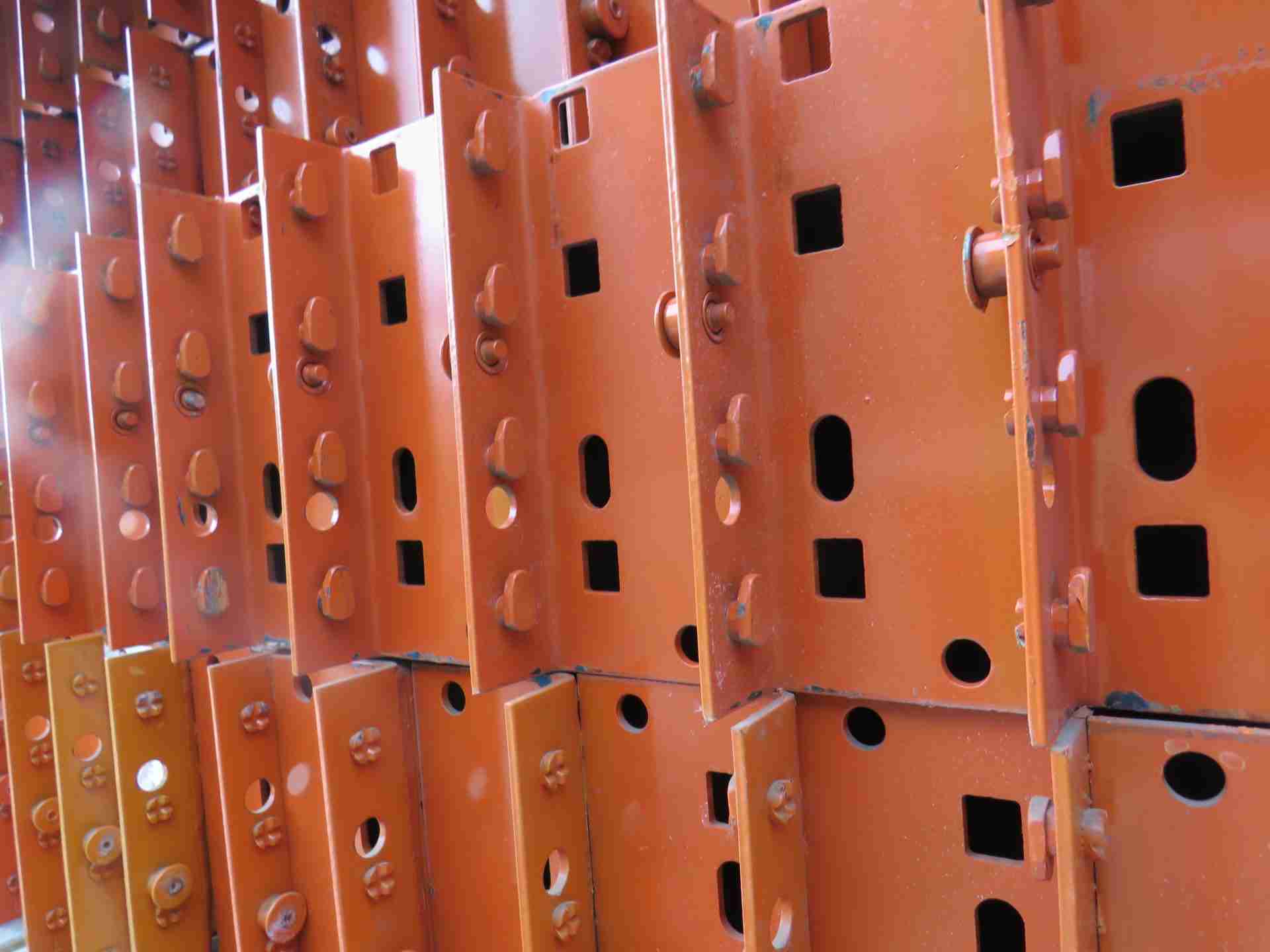
How Can Double-Sided Racking Be Integrated Into Existing Layouts?
How Can Double-Sided Racking Be Integrated Into Existing Layouts?
- Optimizing space and accessibility is essential for operational efficiency in retail and warehouse environments.
- Double-sided racking enhances inventory management and increases merchandise visibility.
- Boutique stores can replace single-sided displays with double-sided racks to improve aesthetics and shopping experiences.
- Larger warehouses can plan effectively for double-sided racking to streamline inventory management and reduce order processing times.
- Utilizing vertical space with double-sided racking can maximize storage capacity and free up floor space.
- Pilot programs allow businesses to test double-sided racking in select areas, enabling data-driven expansion.
- Integrating double-sided racking is a strategic move that improves operational efficiency and customer experience.

How Can Double-Sided Racking Be Integrated Into Existing Layouts?
What Maintenance Is Required For Cantilever Racking Systems?
When it comes to maximizing your warehouse efficiency, investing in a cantilever racking system is a smart move. However, just like any investment, it needs regular maintenance to continue delivering optimal performance. Proper maintenance not only prolongs the lifespan of your racking system but also ensures safety and compliance with industry standards. Here’s a comprehensive look at what you need to keep in mind.
Routine Inspections
One of the crucial aspects of maintaining cantilever racking systems is conducting routine inspections. Aim for a thorough examination at least once a month. During these inspections, check for signs of wear, corrosion, or any structural damages. For example, if your racking accommodates heavy pipe materials, are the arms showing any bending? Catching these issues early can prevent costly repairs or replacements down the line.
Cleaning and Lubrication
Warehouses can get messy, and accumulated dirt and debris can lead to corrosion or performance issues. Make it a habit to clean your racking system regularly—at a minimum, every three months. Use non-corrosive cleaning agents to wipe down the racks, paying special attention to the base and joints where debris can accumulate. Moreover, consider lubricating moving parts of any integrated systems to enhance functionality.
Load Capacity Checks
Another fundamental aspect of cantilever racking maintenance is ensuring that the load capacities are not exceeded. Many incidents arise from ignoring this simple rule, often leading to structural failures. Regularly review the manufacturer’s specifications and keep an updated log of what each arm is supporting. For instance, if you are frequently switching to heavier materials due to a recent surge in demand, ensure you’re adjusting accordingly.
Repair and Replacement
If during inspections you find damage—cracked uprights, bent arms, or loose fixtures—don’t delay repairs. Repairing or replacing parts not only maintains the integrity of your system but also safeguards your workforce from potential hazards. Consider employing a professional service for significant repairs, especially if those repairs impact the overall structural viability of the racking.
Training and Compliance
No maintenance plan is complete without training your staff on proper usage and safety measures associated with cantilever racking systems. Regular safety training sessions underline the importance of adhering to load specifications and safe handling practices.
In Closing
With recent disruptions in supply chains and a surge in e-commerce demand, optimizing your warehouse operations is more critical than ever. Investing the time and resources into maintaining your cantilever racking system is a decision that pays dividends. Not only do you protect your physical assets, but you also ensure a safer working environment that can adapt quickly to changing market conditions. Don’t wait for an incident to occur—embrace proactive maintenance today!
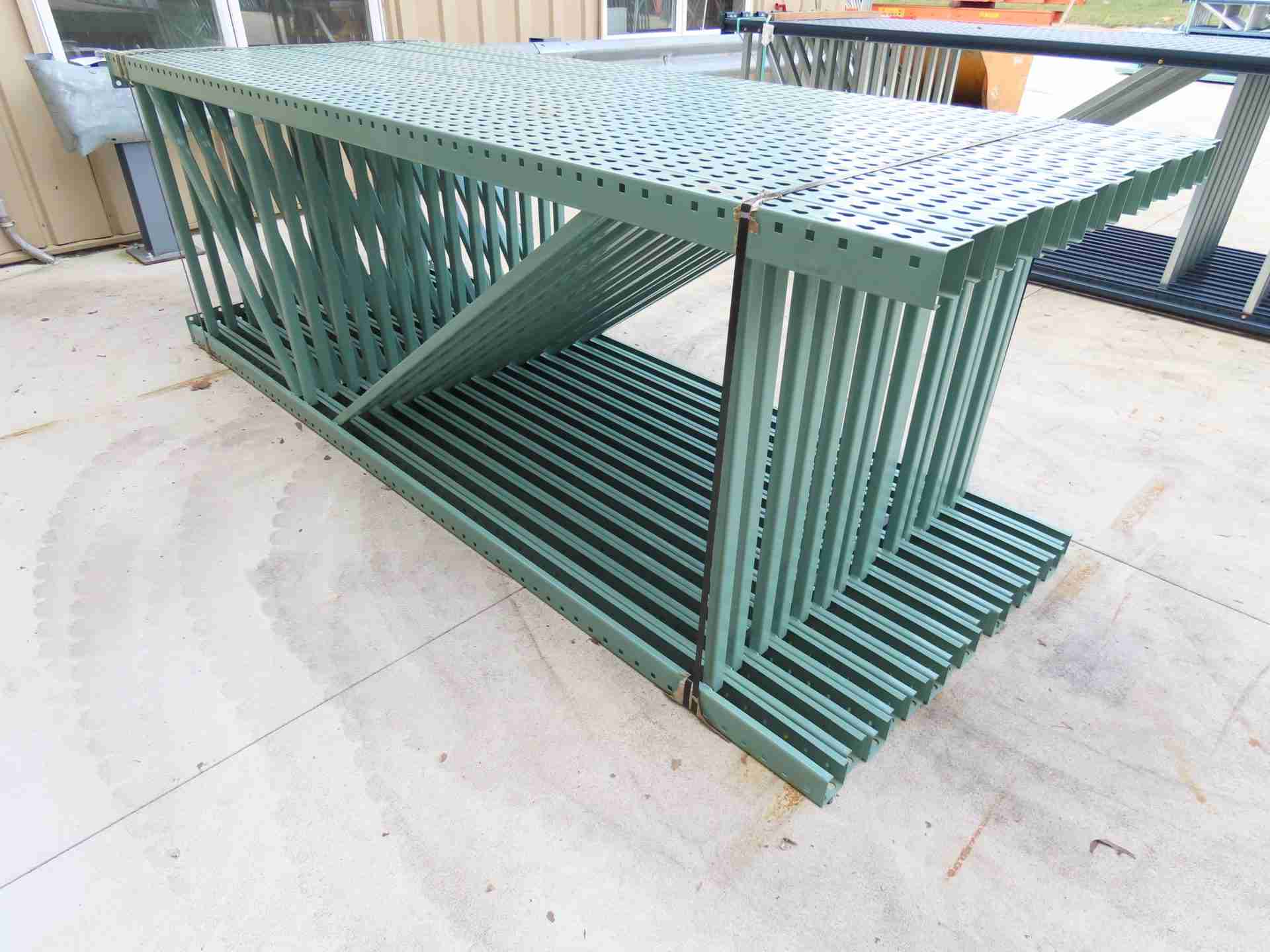
What Maintenance Is Required For Cantilever Racking Systems?
What Maintenance Is Required For Cantilever Racking Systems?
- Investing in a cantilever racking system boosts warehouse efficiency but requires regular maintenance for optimal performance.
- Conduct routine inspections at least once a month to check for wear, corrosion, or structural damages.
- Regularly clean the racking system every three months using non-corrosive agents, focusing on areas where debris accumulates.
- Ensure load capacities are not exceeded by reviewing manufacturer’s specifications and updating logs of supported materials.
- Promptly repair or replace damaged components to maintain system integrity and safeguard worker safety.
- Train staff on proper usage and safety measures related to cantilever racking systems to ensure compliance and safe handling.
- Proactive maintenance is crucial for optimizing warehouse operations and ensuring a safer working environment.

What Maintenance Is Required For Cantilever Racking Systems?
Are There Any Drawbacks To Using Double-Sided Cantilever Racking?
In the fast-paced world of warehousing and inventory management, double-sided cantilever racking has surged in popularity for its ability to maximize vertical and horizontal space. However, before you make any decisions, it’s crucial to look beyond the alluring images of tidy rows of products and consider the potential drawbacks that come with this storage solution.
One significant drawback is the initial investment cost. Double-sided cantilever racks are not exactly a budget-friendly option, especially for smaller businesses or startups. While they may present a sleek, space-efficient option, the price tag can deter many. For instance, a small furniture retailer may find the upfront costs of installing such racks outweigh the benefits, especially if their inventory fluctuates seasonally. It’s vital to perform a cost-benefit analysis and explore whether cheaper alternatives could suffice for your specific needs.
Another consideration is the complexity of installation and maintenance. Unlike traditional shelving, double-sided cantilever racks require thoughtful design and arrangement to ensure maximum efficiency. Poor installation can lead to safety hazards, such as stored items toppling over or workers getting injured. For example, a recent warehouse accident made headlines when improperly installed racks caused a cascade of heavy equipment to fall, injuring several workers. Ensuring compliance with safety regulations is non-negotiable, which might require hiring specialists or dedicating extensive time for staff-training, impacting overall operational efficiency.
Space must also be carefully planned. Double-sided cantilever racks maximize storage but can create narrow aisles between shelves—particularly detrimental in busy environments. Staff may find it challenging to navigate through tight spaces, leading to wasted time and reduced productivity. Think about a busy distribution center where pickers need to quickly locate and retrieve items; congested aisles can turn a smooth operation into a logistical nightmare.
Finally, while these racking systems are designed for flexibility, they may not accommodate all kinds of products seamlessly. Long, cumbersome items may pose a problem, requiring additional custom solutions, which can drive up costs even further. For instance, businesses dealing with oversized materials, like construction supplies, may find that not every item fits well within a double-sided operation.
While double-sided cantilever racking offers clear benefits, it’s essential to carefully evaluate these potential drawbacks against your specific business needs. A strategic approach will ensure that your investment leads to tangible improvements rather than unwanted complications. Make informed choices that align with your operational goals and safeguard the prosperity of your venture.

Are There Any Drawbacks To Using Double-Sided Cantilever Racking?
Are There Any Drawbacks To Using Double-Sided Cantilever Racking?
- Double-sided cantilever racking maximizes vertical and horizontal space in warehousing.
- Initial investment costs can be high, especially for smaller businesses.
- Complex installation and maintenance requirements may pose safety hazards if not executed properly.
- Narrow aisles created by the racks can hinder staff movement and productivity.
- Not all products fit seamlessly into double-sided systems, particularly large or cumbersome items.
- A cost-benefit analysis is crucial to evaluate if this solution suits specific business needs.
- Careful evaluation of potential drawbacks is vital for ensuring operational efficiency and success.

Are There Any Drawbacks To Using Double-Sided Cantilever Racking?
How Do I Choose The Right Vendor For Cantilever Racking Systems?
When it comes to selecting the right vendor for cantilever racking systems, the stakes are high. Your warehouse’s efficiency and safety hinge on this decision, so it’s essential to approach the task with clarity and strategy. Here are some key considerations to help you make an informed choice.
1. Experience and Expertise: Look for vendors that have a proven track record in the racking industry. A vendor with years of experience understands the complexities that come with different loads, warehouse configurations, and regulatory compliance. For instance, if you are storing oversized items like lumber or pipes, seek a vendor who specializes in heavy-duty cantilever systems. A leading player in the market, such as Steel King Industries, has been around since 1970 and provides extensive knowledge about handling various storage needs.
2. Quality of Materials: Not all cantilever racking systems are created equal. Ask about the materials and construction methods used. High-quality steel ensures durability and longevity, which are vital for safety. For example, look for vendors that offer powder-coated finishes that not only enhance appearance but also resist corrosion and wear and tear—an important feature given the current supply chain disruptions highlighted in recent news. A quality system guarantees less downtime and lower replacement costs in the long run.
3. Customization Options: Every business has unique storage requirements. The right vendor should be willing to offer customized solutions rather than a one-size-fits-all approach. For example, if you need a cantilever system for fluctuating inventory, inquire about adjustable arms and modular designs that can evolve with your needs. Vendors such as Teyco have shown flexibility in adapting their solutions to meet specific customer demands.
4. After-Sales Support and Service: Don’t underestimate the importance of solid after-sales support. Will your vendor provide installation assistance and training for your staff? What kind of maintenance support do they offer? A vendor with robust post-sale backing can help ensure that your system operates smoothly and safely for years to come. Given the recent global shifts in labor dynamics, having a partner who can provide responsive support is invaluable.
5. Customer Reviews and References: Don’t just take a vendor’s word for it; seek out testimonials and case studies from their previous clients. Look for vendors who have tackled projects similar to yours. Platforms like LinkedIn and industry-specific forums can serve as excellent resources for insights into a vendor’s reputation.
Choosing the right vendor for your cantilever racking system is not just a transaction; it’s a partnership that can enhance your operational efficiency and safety. By taking the time to evaluate these critical factors, you position your business for success, ensuring you have a racking system that meets your current and future needs.

How Do I Choose The Right Vendor For Cantilever Racking Systems?
How Do I Choose The Right Vendor For Cantilever Racking Systems?
- Experience and Expertise: Look for vendors with a proven track record in the racking industry, particularly those specializing in heavy-duty cantilever systems for oversized items.
- Quality of Materials: Inquire about materials and construction methods; high-quality steel and powder-coated finishes enhance durability and resist wear and tear.
- Customization Options: Choose vendors who offer tailored solutions, including adjustable arms and modular designs for unique storage requirements.
- After-Sales Support and Service: Ensure the vendor provides installation assistance, training, and ongoing maintenance support for long-term operation.
- Customer Reviews and References: Seek testimonials and case studies from previous clients to assess the vendor’s reputation and project experience.
- Partnership Approach: Recognize that selecting a vendor is about forming a partnership that enhances operational efficiency and safety.
- Positioning for Success: Evaluating these critical factors will help ensure your racking system meets both current and future needs.

How Do I Choose The Right Vendor For Cantilever Racking Systems?
What Are Common Accessories For Double-Sided Cantilever Racking?
What Are Common Accessories for Double-Sided Cantilever Racking?
When considering your warehouse or storage needs, the right racking system is only part of the equation. To optimize double-sided cantilever racking, you must equip it with accessories that enhance functionality, efficiency, and safety. Here, we’ll explore some of the most common and invaluable accessories designed to elevate your racking system, turning a simple structure into a powerhouse of productivity.
1. Adjustable Arm Brackets:
One of the standout features of double-sided cantilever racks is their versatile arm brackets. Available in various lengths and angles, these arms allow you to customize storage for different items, from long pipes to shorter sheets of plywood. In an era where customization is key—think Amazon’s tailored shopping experience—adjustable arms give you the flexibility to adapt to inventory changes without needing a complete overhaul.
2. Plastic Sleeves:
When it comes to debris and potential damage during loading, plastic sleeves are essential. These protective sleeves reduce wear on the arms of your racking system, prolonging its life and maintaining appearance. With supply chain disruptions in the news, protecting your assets has never been more critical. Investing in sleeves fortifies your infrastructure and ensures that your storage solutions remain reliable throughout fluctuating demand.
3. Safety Pins and Clips:
In today’s fast-paced work environment, safety should never be compromised. Safety pins and clips secure various components and keep the racking system stable. As recent warehouse incidents highlighted the importance of safety measures, organizations that prioritize such accessories can mitigate risks and ensure smooth operations. Equipping your cantilever racks with these safety features provides peace of mind while boosting worker morale.
4. Labeling Systems:
Efficiency hinges on simplicity, and labeling systems offer a straightforward way to enhance organization. By clearly marking each section of your racking, your team can quickly locate items. As businesses grapple with inventory management challenges, a robust labeling system can provide the clarity required for seamless operations—saving time and reducing frustration.
5. Cross Bracing:
Lastly, cross bracing is essential for maintaining the structural integrity of your double-sided racks. Offering additional strength and stability, it is especially beneficial in regions prone to seismic activity or high winds. Recent weather events have made many businesses rethink their storage strategies, and now is the time to fortify your foundation.
By investing in these accessories, you are not just enhancing your racking system; you are ensuring that your operations can thrive in a competitive market. Elevate your storage capabilities and make double-sided cantilever racking an integral part of your success story.

What Are Common Accessories For Double-Sided Cantilever Racking?
What Are Common Accessories For Double-Sided Cantilever Racking?
- Double-sided cantilever racking requires accessories for improved functionality, efficiency, and safety.
- Adjustable arm brackets allow customization for storing various items, adapting to inventory changes.
- Plastic sleeves protect racking arms from damage and wear, extending the life of the system.
- Safety pins and clips enhance stability and security, mitigating risks in fast-paced work environments.
- Labeling systems improve organization and efficiency by allowing quick item location.
- Cross bracing provides additional strength, crucial for stability in adverse weather conditions.
- Investing in these accessories ensures operations thrive in a competitive market.

What Are Common Accessories For Double-Sided Cantilever Racking?
How Does Double-Sided Racking Affect Inventory Management?
In the fast-paced world of inventory management, efficiency is non-negotiable. Enter double-sided racking—a strategic approach that’s reshaping how businesses manage their stock. This innovative racking system, designed to maximize space and accessibility, lends itself perfectly to today’s industry demands. Let’s explore how this method can elevate your inventory operations, streamline processes, and ultimately boost your bottom line.
Imagine a bustling warehouse—items stacked high, aisles cluttered, workers darting between rows. Traditional single-sided racking may contain this chaos, but it inhibits flow and productivity. Conversely, double-sided racking opens up pathways, allowing easy access from both sides. This dual-access system not only reduces retrieval times but also minimizes the need for unnecessary bending and lifting. According to a recent report from Logistics Management, companies that adopted double-sided racking have seen a 30% increase in picking efficiency, keeping pace with the demands of same-day delivery expectations.
Let’s put this into perspective with a real-world example. Consider a mid-sized e-commerce retailer currently grappling with fluctuating inventory levels. By integrating double-sided racking into their warehouse design, they can position their high-demand products in easily accessible locations. This freedom of movement allows workers to pick items at a faster rate, significantly reducing lead times. As a result, customers receive their orders quicker, fostering loyalty in a landscape dominated by major players like Amazon.
Current events also illustrate the benefits of this racking system. With global supply chain disruptions still fresh in mind, businesses are reevaluating their inventory strategies. Companies like Walmart are focusing on optimizing warehouse layouts to keep shelves stocked amid ongoing supply challenges. By employing double-sided racking, retailers can maintain an agile inventory system capable of adapting to fluctuations in stock levels while ensuring the swift fulfillment of orders.
Furthermore, double-sided racking aids in inventory visibility. When products are displayed on both sides, it becomes much easier to keep an accurate count of what’s on hand. This clarity reduces the likelihood of overstocking or stockouts, allowing for smarter purchasing decisions based on real-time data.
Double-sided racking isn’t merely a storage solution. It’s a game-changer in inventory management. By enhancing accessibility, improving picking efficiency, and increasing visibility, this system positions businesses to thrive in an ever-evolving market landscape. For companies keen to stay ahead, embracing double-sided racking could be the competitive edge that sets them apart. Now is the time to rethink your warehouse strategy and unlock new levels of productivity.

How Does Double-Sided Racking Affect Inventory Management?
How Does Double-Sided Racking Affect Inventory Management?
- Efficiency is essential in inventory management, and double-sided racking is transforming stock management.
- This innovative system maximizes space and accessibility, aligning with industry demands.
- Double-sided racking improves flow and productivity by providing access from both sides.
- Companies using double-sided racking have reported a 30% increase in picking efficiency.
- The system allows mid-sized retailers to quickly retrieve high-demand products, reducing lead times and fostering customer loyalty.
- Businesses are reevaluating inventory strategies due to supply chain disruptions, with companies like Walmart optimizing warehouse layouts.
- Double-sided racking enhances inventory visibility, aiding in smarter purchasing decisions and reducing overstocking or stockouts.

How Does Double-Sided Racking Affect Inventory Management?
Conclusion
Conclusion: Unleashing the Potential of Double-Sided Cantilever Racking
In the competitive arena of warehousing and logistics, the pursuit of efficiency is paramount—and double-sided cantilever racking systems stand at the forefront of this evolution. By maximizing space while enhancing accessibility, these innovative solutions represent the ideal response to the pressing needs of modern businesses. Imagine a bustling warehouse where every square foot is utilized to its fullest potential, thereby streamlining operations and driving productivity.
Traditionally, warehouses faced significant challenges with single-sided shelving, which often led to wasted space and increased time in locating inventory. The transformative power of double-sided racking eliminates these drawbacks, allowing businesses to organize their stock neatly while offering easy access from both sides. This dual-access design translates directly to increased picking speeds—evidenced by a mid-sized furniture wholesaler’s 30% improvement after transitioning to this system. As companies grapple with ever-shifting market demands and rising operational costs, investing in versatile, flexible storage solutions is no longer optional; it’s a necessity.
The benefits of double-sided racking extend beyond mere space efficiency. These systems promote a safer working environment, reducing the risk of product tipping and injuries while optimizing employee workflow. Organizations adopting this modern racking solution also benefit from heightened inventory management precision, enabling timely and informed replenishment. In addition, as the broader corporate landscape increasingly emphasizes sustainability, utilizing a space-efficient system resonates well with environmentally conscious consumers.
However, the decision to integrate double-sided cantilever racking should not be taken lightly. The initial investment can be significant, and meticulous planning and consideration of your existing layout is essential. Space requirements, safety compliance, and operational demands must all align for successful implementation. This is where Arrow Industrial Sales excels, providing expert guidance that ensures warehouses are optimized for success.
If you’re ready to elevate your warehouse operations by maximizing efficiency and harnessing the capabilities of double-sided cantilever racking, don’t delay. Call Arrow Industrial Sales at (574) 349-6575 today to explore your options. Our team is dedicated to helping your business not only keep pace with the rapid changes in supply chain dynamics but also thrive amidst them. Don’t wait for tomorrow; act now to secure your competitive edge while inventory management’s future is at your fingertips. With the right strategy and partnership, your warehouse can transform from a constrained space into an operational powerhouse—each square foot counting toward your profitability and growth!

Conclusion
Conclusion:
- Double-sided cantilever racking systems enhance warehouse efficiency and accessibility.
- These systems maximize space utilization and streamline operations.
- Companies transitioning to double-sided racking have reported increased picking speeds (e.g., a 30% improvement for a furniture wholesaler).
- Benefits include a safer working environment and improved inventory management precision.
- Space-efficient storage solutions align with sustainability initiatives, appealing to environmentally conscious consumers.
- Careful planning and consideration of existing layouts are crucial for successful implementation.
- Arrow Industrial Sales provides expert guidance for optimizing warehouse operations.

Conclusion
Other Resources

Other Resources
Here is a list of other resources you can review online to learn more:
- “Cantilever Racking for Warehouse Management”
- “Double-sided cantilever racking for efficient storage”
- “Cantilever Racking Starter Kit – Double Sided”
- “Double-sided cantilever racking for efficient storage”
- “Single and double sided cantilever racks by TOPREGAL”
- “Cantilever Racking & Lumber Racking for Warehouse”
- “3M High Double-Sided Cantilever Racking | Heavy Duty …”
- “Cantilever Racking”
- “The Softwood Forest Products Buyer – NAWLA 2021 …”
- “MONROE COUNTY COMMISSIONERS”
- “Patio & Hearth Products Report January/February 2024”
- “Business Directory – General Contracts”
Bing Copilot Prompt: Please provide me with a list of online articles with their URLS in a bulleted list that I can read regarding Is Double-Sided Cantilever Racking Right for Your Warehouse?

Other Resources
Glossary Terms
Is Double-Sided Cantilever Racking Right for Your Warehouse? – Glossary Of Terms
1. Double-Sided Cantilever Racking: A storage system that features two rows of vertical uprights, allowing access from both sides to optimize space and efficiency.
2. Cantilever Racking: A type of shelving system characterized by arms that extend from a vertical support, providing an open and unobstructed storage area.
3. Upright: The vertical component of a racking system that supports the weight of the stored items and the horizontal arms.
4. Arm: A horizontal component that extends out from the upright, used for holding and storing items.
5. Load Capacity: The maximum weight that a racking system or its individual components can safely support.
6. Warehouse Efficiency: A measure of how effectively a warehouse utilizes its space, labor, and resources to optimize storage and operations.
7. Accessibility: The ease with which workers can reach and retrieve stored items; crucial for optimizing picking processes and operations.
8. Forklift Compatibility: The suitability of a racking system for use with forklifts and other material handling equipment, affecting operational efficiency.
9. Space Optimization: Techniques and strategies used to maximize the use of storage space within a warehouse to increase capacity and efficiency.
10. Heavy-Duty Racking: A robust racking system designed to store large or heavy items safely and securely, typically made from high-strength materials.
11. Pallet Racking: A warehouse storage system designed specifically for storing palletized goods using horizontal rows of shelving.
12. Inventory Management: The tracking and controlling of inventory levels, orders, sales, and deliveries to ensure optimal stock levels and minimize waste.
13. Safety Guidelines: Regulations and best practices meant to ensure safe operation of warehouse equipment and systems to prevent accidents.
14. Durability: The ability of warehouse equipment to withstand wear, pressure, or damage over time, which is critical for long-term performance.
15. Installation Process: The steps and procedures involved in setting up racking systems in a warehouse, including layout planning and safety checks.
16. Flexibility: The capability of a racking system to adapt to changing storage needs or inventory types without requiring extensive modifications.
17. Aisle Width: The space between rows of racking that allows for the movement of equipment and personnel, influencing accessibility and efficiency.
18. Stock Rotation: A strategy for managing inventory to ensure older stock is used or sold before newer stock, often related to perishable goods.
19. Vertical Space Utilization: The practice of maximizing storage capacity by using the vertical height of a warehouse, often achieved through taller racking systems.
20. Cost-Effectiveness: A measure of whether the benefits of a storage system justify its costs, important for budgeting and financial planning.
21. Maintenance Requirements: The regular checks and updates necessary to keep racking systems in safe and operational condition.
22. Loading and Unloading: The processes involved in placing goods onto or removing them from racking systems, affecting labor needs and efficiency.
23. Inventory Turnover: A measure of how quickly inventory is sold and replaced over a given period, an important indicator of sales efficiency.
24. Racking Layout: The specific arrangement of racking systems within a warehouse, designed to promote efficiency and streamline operations.
25. Weight Distribution: The manner in which weight is spread across a racking system to prevent tipping or structural failure.
26. Adjustment Features: Components of a racking system (like adjustable arms or shelves) that can be modified to accommodate varying load sizes.
27. Essential Components: The necessary parts of a racking system, including uprights, arms, base, and accessories like safety pins or guards.
28. Design Considerations: Factors to take into account when planning a racking system, including warehouse layout, type of inventory, and operational workflow.
29. Regulatory Compliance: Adherence to laws, regulations, and industry standards that govern warehouse operations and safety protocols.
30. Return on Investment (ROI): A financial metric used to evaluate the profitability of an investment in racking systems, taking into account costs and benefits.

Glossary Of Terms
Other Questions
Is Double-Sided Cantilever Racking Right for Your Warehouse? – Other Questions
If you wish to explore and discover more, consider looking for answers to these questions:
- What are the initial costs associated with implementing double-sided cantilever racking?
- Are there specific industries that benefit most from double-sided cantilever racking?
- How does double-sided racking compare to other storage solutions?
- What are the dimensions of double-sided cantilever racks available in the market?
- Can double-sided cantilever racking be used outdoors?
- What is the typical lifespan of double-sided cantilever racking systems?
- How do I measure the suitability of double-sided racking for my existing warehouse layout?
- What kind of training is required for staff operating around double-sided cantilever racks?
- How can businesses assess the return on investment when using double-sided racking?
- What are the benefits of using double-sided racks for retail versus warehousing?
- Are there customized solutions available for double-sided cantilever racking?
- What are the maintenance costs associated with double-sided racking systems?
- How do safety regulations impact the installation of double-sided cantilever racking?
- Can double-sided cantilever racks support heavy loads, and what are the limits?
- What are the options for integrating technology with double-sided racking systems?

Other Questions
Checklist
Is Double-Sided Cantilever Racking Right for Your Warehouse? – A Checklist
1. Assess Your Warehouse Space
_____ Measure the dimensions of your warehouse (length, width, and height).
_____ Identify areas where double-sided racking could be implemented effectively.
2. Evaluate Inventory Types
_____ List products you plan to store (e. g. , long items like lumber and pipes, or shorter loads).
_____ Determine the weight and size characteristics of your inventory.
3. Understand Racking Benefits
_____ Maximize storage capacity by taking advantage of vertical space.
_____ Improve picking efficiency by allowing access from both sides.
_____ Enhance safety with a stable, low-center-of-gravity design.
_____ Potentially reduce costs associated with space and labor inefficiencies.
4. Consider Long-Term ROI
_____ Calculate potential savings from increased picking speeds.
_____ Assess the durability and minimal maintenance costs of double-sided racks.
5. Plan for Installation Requirements
_____ Ensure structural integrity of your warehouse can support the racking system.
_____ Review local safety regulations and building codes relevant to racking systems.
_____ Identify equipment and skilled labor needed for installation.
6. Explore Integration into Existing Layouts
_____ Look for complementary racking solutions to maximize space further.
_____ Consider piloting the installation to evaluate improvements before full implementation.
7. Check Safety Considerations
_____ Ensure proper training for staff on safe handling and operational guidelines.
_____ Schedule routine inspections and maintenance checks for the racks.
_____ Implement safety accessories (e. g. , rack guards, signage for walkways).
8. Compare Cost Implications
_____ Analyze the costs of double-sided vs. single-sided racking systems.
_____ Consider the total cost of ownership, including installation, upkeep, and potential expansion needs.
9. Select the Right Vendor
_____ Research vendors with expertise in cantilever racking systems.
_____ Ask for customization options to fit your unique storage needs.
_____ Ensure vendor offers after-sales support and maintenance services.
10. Identify Accessories for Enhanced Functionality
_____ Consider adjustable arm brackets, protective plastic sleeves, safety pins, and labeling systems.
_____ Explore cross bracing options for increased stability if necessary.
11. Monitor Performance Post-Installation
_____ Track improvements in picking efficiency and inventory management after implementation.
_____ Solicit feedback from employees on the new system’s ease of use and functionality.
This checklist will guide you through the crucial factors to consider when implementing double-sided cantilever racking in your warehouse. By thoroughly evaluating each aspect, you ensure a well-informed decision that optimizes your storage solutions and enhances operational efficiency.
Checklist
At RackingWorld, we help guide you through selecting warehouse storage systems and racking.
Be sure to read our other related stories at RackingWorld to learn more about warehouse storage systems.
0 Comments