
Maximizing Storage Efficiency With The Perfect Cantilever Rack
By Tom Seest
At RackingWorld, we help guide you through selecting warehouse storage systems and racking.
Be sure to read our other related stories at RackingWorld to learn more about warehouse storage systems.
How Do You Choose The Right Cantilever Rack for Your Needs?
In the bustling world of logistics and warehousing, the right storage solution can make all the difference between a streamlined operation and a chaotic mess. Among the various options, cantilever racks stand out as a game-changer, especially for businesses dealing with long or bulky items such as lumber, pipes, and furniture. However, choosing the right cantilever rack requires a strategic approach tailored to your specific needs.
First and foremost, you need to assess the type and size of the products you’ll be storing. For instance, if your business revolves around distributing construction materials, a heavy-duty cantilever rack with a high weight capacity will be essential. Look into options like the *Interlake Mecalux Cantilever Racking*, known for its robust construction ideal for heavy loads. Conversely, if your inventory is lighter, a standard-duty model may suffice, thus saving you costs without sacrificing efficiency.
Height is another crucial factor. Evaluate the vertical space in your warehouse; going vertical can significantly maximize storage. For example, during a recent supply chain crunch, many businesses opted for taller cantilever racks to accommodate increased inventory and ease warehouse congestion. Research has shown that optimizing vertical space can lead to a 30% increase in storage capacity, directly impacting your bottom line.
Moreover, think about adjustability. Flexibility in your racking system can save you headaches down the line. Many businesses experience shifts in inventory types and sizes over time. The *Econorack Adjustable Cantilever Racking* is an excellent choice, allowing quick reconfiguration to fit changing demands without extensive downtime or additional costs.
Additionally, consider your warehouse’s layout and accessibility. Your cantilever rack should facilitate easy access for your employees and equipment. For example, implementing a design that allows for aisles wide enough for forklifts can streamline operations. Recently, companies like *Amazon* have invested heavily in optimizing these layouts, resulting in faster pick-and-pack times and enhanced productivity.
Lastly, don’t overlook the importance of safety features. Compliance with safety regulations is not just about avoiding fines; it’s about protecting your most valuable asset—your workforce. Look for cantilever racks that come with safety braces and load notices.
Selecting the right cantilever rack is a meticulous process that balances your current needs with future growth. By considering product type, storage height, adjustability, layout, and safety features, you can create a warehouse environment that not only meets today’s demands but is also poised for tomorrow’s success. Remember, in today’s rapidly evolving market, the right decision can make all the difference.

How Do You Choose The Right Cantilever Rack for Your Needs?
How Do You Choose The Right Cantilever Rack for Your Needs?
- Choosing the right storage solution, particularly cantilever racks, is crucial for efficient logistics and warehousing.
- Assess the type and size of products to determine whether to opt for heavy-duty or standard-duty cantilever racks.
- Height plays a significant role; utilizing vertical space can lead to a 30% increase in storage capacity.
- Adjustability in racking systems, like the Econorack Adjustable Cantilever Racking, helps accommodate changes in inventory.
- Consider the warehouse layout for accessibility, ensuring wide aisles for equipment like forklifts.
- Safety features are essential for compliance and workforce protection; look for racks with safety braces and load notices.
- Selecting the right cantilever rack requires balancing current needs with future growth to adapt to market changes.

How Do You Choose The Right Cantilever Rack for Your Needs?
Table Of Contents
- How Do You Choose The Right Cantilever Rack for Your Needs?
- What Factors Should You Consider When Selecting A Cantilever Rack?
- What Are The Benefits Of Using A Cantilever Rack For Storage?
- How Do You Assess The Space Requirements For A Cantilever Rack?
- What Materials Are Best For Cantilever Rack Construction?
- How Do You Decide On The Right Arm Length For Your Cantilever Rack?
- What Safety Features Should You Look For In A Cantilever Rack?
- How Does The Type Of Stored Items Affect Your Rack Choice?
- What Configurations Are Available For Cantilever Racks?
- How Do You Ensure Proper Installation Of Your Cantilever Rack?
- What Is The Average Cost Range For Cantilever Racks?
- How Can You Optimize Your Storage Efficiency With Cantilever Racks?
- What Are The Maintenance Tips For Keeping Cantilever Racks Safe?
- How Do You Compare Different Cantilever Rack Brands?
- What Regulations Should You Be Aware Of When Using Cantilever Racks?
- Conclusion
- Other Resources
- Glossary Of Terms
- Other Questions
- Checklist
What Factors Should You Consider When Selecting A Cantilever Rack?
When selecting a cantilever rack, you might feel overwhelmed by the myriad of choices available. However, making the right selection can significantly impact your storage efficiency and ultimately your bottom line. Here are crucial factors to consider that can elevate your decision-making process from mere functionality to strategic advantage.
1. Load Capacity
First and foremost, understand the load capacity you require. The type of materials you intend to store—be it lumber, piping, or furniture—will determine the need for lighter or heavier-duty racks. For instance, a warehouse storing steel pipes requires a different rack than one housing wooden beams. Misjudging your load capacity can result in safety hazards and potential damage to your materials.
2. Space Optimization
Next, consider your available space. Cantilever racks are particularly beneficial in environments where vertical space is optimized. Measure the height and width of your area carefully. A recent trend in warehouse design is to utilize every inch of space vertically, allowing for stacked vertical storage without compromising safety. This is especially relevant in the current climate where supply chain challenges necessitate more efficient storage strategies.
3. Material and Durability
The material of the rack itself should not be an afterthought. Steel frames are more durable and ideal for heavy loads, while lighter-duty options may suffice for non-essential goods. Look for racks with corrosion-resistant coatings if your materials risk exposure to moisture, especially in industries like construction or agriculture. The investment in quality materials pays dividends in longevity and safety.
4. Adjustability and Modularity
Flexibility is essential. Choose racks that provide adjustability in the arm configurations so you can accommodate a variety of product sizes. Modular cantilever racks offer the ability to expand as your business needs evolve. For instance, the rise of online shopping has resulted in fluctuating inventories, making modular designs a smart choice in today’s dynamic economic landscape.
5. Compliance with Regulations
Finally, ensure that the cantilever rack you select adheres to industry safety regulations. In sectors like automotive or construction, compliance is not just a legal obligation, but a cornerstone of operational integrity. Organizations may face hefty fines and liability issues if their equipment is found wanting during inspections.
By focusing on these factors, you will not only select a cantilever rack that meets your immediate storage needs but also one that aligns with your long-term business strategies. After all, the right selection isn’t just about storage—it’s about paving the way for future growth and efficiency.

What Factors Should You Consider When Selecting A Cantilever Rack?
What Factors Should You Consider When Selecting A Cantilever Rack?
- Load Capacity: Determine the required load capacity based on the materials to be stored, whether heavy or light-duty.
- Space Optimization: Measure available space carefully, utilizing vertical storage to enhance efficiency.
- Material and Durability: Choose durable materials like steel for heavy loads, and consider corrosion-resistant coatings for moisture-prone environments.
- Adjustability and Modularity: Opt for racks with adjustable arms and modular designs to accommodate varying product sizes and future growth.
- Compliance with Regulations: Ensure selected racks comply with industry safety regulations to avoid fines and liability issues.
- Strategic Selection: Focus on choosing a rack that aligns with long-term business strategies and enhances efficiency.
- Impact on Efficiency: Proper selection of cantilever racks improves storage efficiency, impacting overall bottom line positively.

What Factors Should You Consider When Selecting A Cantilever Rack?
What Are The Benefits Of Using A Cantilever Rack For Storage?
In today’s fast-paced business landscape, efficient storage solutions are the backbone of operational success. One standout solution that has gained immense popularity across various industries is the cantilever rack. This versatile storage system offers a myriad of benefits that can revolutionize the way you manage your inventory, ultimately driving profitability and efficiency.
1. Maximized Vertical Space:
One of the most compelling advantages of cantilever racks is their ability to utilize vertical space effectively. Unlike traditional shelving, which often limits storage based on height and depth, cantilever racks allow for easy stacking of long items such as lumber, pipes, and sheets of metal. With the right installation, businesses can leverage their vertical space to increase capacity without requiring a larger footprint. For instance, during the rising demand for lumber caused by the post-pandemic home renovation trend, lumber yards found that cantilever racks significantly improved their inventory management and accessibility.
2. Easy Accessibility:
Cantilever racks provide unobstructed access to stored items. This means that when it comes to retrieving goods, employees can quickly locate and pull items without the hassle of navigating through tight aisles. The open design reduces time spent searching for products, which translates into increased productivity. For example, a recent case study from a major warehouse revealed that the use of cantilever racks reduced order-picking times by 30%. In environments where time equals money, this efficiency can have a substantial impact on overall profitability.
3. Customizable Configurations:
Every business has unique storage needs, and cantilever racks are highly customizable to meet those needs. Whether you require a fixed rack for bulk storage or a mobile design for flexibility, these racks can be tailored to fit your operational demands. During the recent supply chain disruptions, companies that opted for modular storage solutions like cantilever racks could easily adapt to changing inventory levels, holding both raw materials and finished goods under one flexible system.
4. Enhanced Safety:
The design of cantilever racks contributes to a safer working environment. The open front allows for smoother loading and unloading processes, minimizing accidents that cause workplace injuries. Furthermore, when properly maintained and used according to safety standards, they can withstand heavy loads without compromising worker safety. Given the heightened focus on workplace safety regulations in various sectors, investing in a reliable storage solution like cantilever racks makes more sense than ever.
In summary, cantilever racks are not just a storage option; they are a strategic advantage for businesses looking to thrive in a competitive landscape. By maximizing vertical space, ensuring accessibility, offering customization, and enhancing safety, these racks pay dividends that can transform your operations and elevate your bottom line.

What Are The Benefits Of Using A Cantilever Rack For Storage?
What Are The Benefits Of Using A Cantilever Rack For Storage?
- Maximized Vertical Space: Cantilever racks effectively utilize vertical space, allowing easy stacking of long items like lumber and pipes, which increases storage capacity without requiring more floor space.
- Easy Accessibility: The unobstructed design of cantilever racks provides quick access to stored items, reducing order-picking times by 30% and enhancing employee productivity.
- Customizable Configurations: Cantilever racks can be tailored to fit unique storage needs, offering both fixed and mobile designs that adapt to changing inventory levels.
- Enhanced Safety: The open front design of cantilever racks improves loading and unloading safety, reducing the risk of workplace injuries.
- Streamlined Inventory Management: Cantilever racks support better inventory management, especially during fluctuating demands, such as those seen in the lumber industry post-pandemic.
- Support for Operational Efficiency: By improving accessibility and adaptability, cantilever racks can significantly elevate operational efficiency and profitability.
- Strategic Advantage: Utilizing cantilever racks provides businesses with a competitive edge in the market, transforming storage into a strategic asset.

What Are The Benefits Of Using A Cantilever Rack For Storage?
How Do You Assess The Space Requirements For A Cantilever Rack?
When it comes to maximizing storage efficiency in your warehouse or retail space, understanding the space requirements for a cantilever rack system is essential. A cantilever rack is a versatile shelving solution designed to hold long and bulky items like lumber, pipes, and furniture. However, improper assessment can lead to wasted space, inefficient operations, and inflated costs.
First and foremost, you need to measure the available area. Consider not just the floor space but also the vertical space. Many businesses underestimate height, believing that maximizing floor space overrides vertical potential. Remember, in today’s economy—where supply chain efficiency is paramount—every inch of cubic footage counts. Utilize specific tools or software to precisely gauge dimensions and avoid pitfalls related to inaccurate measurements.
Next, consider the type of inventory you’ll be storing. For instance, if you’re in the construction business and consistently stock 20-foot-long lumber, your cantilever racks must accommodate that length while allowing sufficient aisle width for easy access. You don’t want to find yourself in a situation where items are crammed onto racks because you neglected proper spacing. It’s crucial to ensure there’s enough room to maneuver forklifts or pallet jacks. Imagine the chaos of dealing with a backlogged order because shipping isn’t streamlined!
Moreover, think about loading and unloading processes. If goods frequently enter and exit your facility, you’ll need configurations that allow for quick operation. According to a recent study by the Warehouse Education and Research Council, warehouses with optimized flow saw a 25% increase in throughput. This statistic reinforces the importance of planning your layout effectively.
Now, let’s talk about safety. Adhering to industry regulations is not just about avoiding fines; it’s about the well-being of your workers. Overloading racks or placing them too close together could lead to catastrophic accidents. This risk escalates during periods of increased demand, as seen during the recent supply chain disruptions spurred by global events. Rethink your layout in light of these challenges; investing in safety can save you more than just dollars.
Lastly, consider future growth. The last thing you want is to invest heavily in a cantilever rack system that becomes obsolete within a few short years. Plan for expansion; choose adjustable systems that can evolve with your business.
Assessing space requirements for a cantilever rack system requires a keen understanding of your products, operations, and future visions. By adopting a strategic mindset, you’ll not only enhance efficiency but also safeguard your bottom line. Investing time upfront will pay dividends down the road—guaranteed.

How Do You Assess The Space Requirements For A Cantilever Rack?
How Do You Assess The Space Requirements For A Cantilever Rack?
- Cantilever racks are essential for maximizing storage efficiency, especially for long and bulky items.
- Measure both floor and vertical space to avoid underestimating height potential.
- Consider the specific type of inventory to ensure proper rack length and adequate aisle widths.
- Plan loading and unloading processes for quick operations; effective layouts can increase throughput by 25%.
- Prioritize safety by adhering to regulations and avoiding overloaded or poorly organized racks.
- Plan for future growth by investing in adjustable cantilever racks that can adapt to changing needs.
- A strategic approach to space requirements enhances efficiency and protects your bottom line.

How Do You Assess The Space Requirements For A Cantilever Rack?
What Materials Are Best For Cantilever Rack Construction?
Choosing the right materials for cantilever rack construction is crucial in ensuring durability, stability, and efficient use of space. When it comes to optimizing your warehouse or storage facility, investing in high-quality materials can save you time, money, and hassles down the road. Let’s break down the best materials to consider for your cantilever rack system.
Steel: The Backbone of Strength
Steel is the undisputed champion when it comes to cantilever rack materials. Its unparalleled strength allows it to support extensive weight loads, making it ideal for heavy-duty applications. With steel, you have a variety of options, including cold-rolled steel for affordability or hot-rolled for enhanced strength. For instance, leading manufacturers are increasingly utilizing structural steel that meets or exceeds current ANSI standards, ensuring your rack can withstand the test of time.
As current economic trends reflect a resurgence in industrial and manufacturing sectors, the demand for robust storage solutions is on the rise. Companies are recognizing that investing in high-quality steel cantilever racks can provide the reliability needed in a rapidly evolving market landscape.
Coatings and Finishes
While steel stands tall in terms of strength, the materials’ longevity can be enhanced through coatings and finishes. Powder coating is a popular option that provides rust resistance and protects against wear and tear. This is particularly essential in industries where humidity and exposure to chemicals are prevalent, such as in the automotive or food sectors.
Additionally, galvanized finishes offer excellent protection against corrosion. For businesses located in coastal areas where salt can be a factor, galvanization can be a game-changer. By investing in racks with these protective finishes, you’re not merely choosing materials; you’re safeguarding your inventory and your bottom line.
Wood and Composite Materials
For lighter-duty applications, wood and composite materials can be effective alternatives. While not as strong as steel, they can be adequate for less frequent use or lighter loads. They are also cost-effective, making them an excellent choice for smaller businesses or those just starting to scale their operations. Composite materials, particularly engineered wood, can also provide a unique aesthetic appeal, allowing for a more visually pleasing storage solution.
Why It Matters
In a world where efficiency, cost-effectiveness, and durability are the name of the game, selecting the appropriate materials for your cantilever racks is vital. As supply chains and consumer demands evolve, adapting to these changes with the right materials can position your business for success. Invest wisely. Choose materials that not only meet your immediate needs but are also future-proof for years to come.

What Materials Are Best For Cantilever Rack Construction?
What Materials Are Best For Cantilever Rack Construction?
- Choosing the right materials for cantilever rack construction ensures durability, stability, and efficient space use.
- High-quality materials can save time, money, and hassles in warehouse or storage facilities.
- Steel is the strongest and most reliable material for cantilever racks, suitable for heavy-duty applications.
- Coatings such as powder coating and galvanized finishes enhance the longevity of steel racks against rust and corrosion.
- Wood and composite materials are cost-effective options for lighter-duty applications or smaller businesses.
- Selecting appropriate materials is vital for efficiency, cost-effectiveness, and durability in evolving market conditions.
- Investing in quality materials helps future-proof your storage solutions and meet changing supply chain demands.

What Materials Are Best For Cantilever Rack Construction?
How Do You Decide On The Right Arm Length For Your Cantilever Rack?
Choosing the right arm length for your cantilever rack isn’t just a matter of aesthetics; it’s about optimizing performance, maximizing efficiency, and ensuring ROI. Whether your warehouse or storage facility deals with lumber, pipes, or other long items, the correct arm length can significantly impact your operational efficiency. Here’s how to make that crucial decision.
First, assess the type of materials you will store. For example, if you’re storing long plywood sheets, longer arm lengths may be necessary to support the weight and length without bowing or becoming unstable. A common mistake is opting for shorter arms in hopes of maximizing space. However, this can lead to serious issues—think product damage and increased labor costs from difficulty in access.
Take a cue from recent trends in the construction industry, which has seen a surge in demand for sustainable building materials. Many companies are transitioning to off-site construction methods, and with that comes the need for effective storage solutions for longer materials. If your operation is anything like what’s happening across the industry, you might find yourself with more oversized items than ever before. Investing in the right arm length now can future-proof your storage strategy.
Next, consider the weight capacity of the materials. Each arm of your cantilever rack has a specific weight limit, and choosing an arm that’s too short may limit your ability to store heavier products. There’s a reason industrial suppliers keep an array of arm lengths—different applications call for different specifications. For instance, a typical arm length of 48 inches might suffice for lightweight storage, but if you are handling heavier products, you’ll want to look into arms range between 60 to 72 inches.
Another key consideration is your loading and unloading processes. Longer arms can facilitate easier access, allowing forklifts or other machinery to navigate without the risk of collisions. Think about how modern retailers adapt to consumer needs: they’re investing in efficient logistics solutions to improve quick access to inventory. Why? Because timely access means higher customer satisfaction and retention.
Finally, don’t underestimate the impact of regulations and safety standards in your industry. Always reference local and national guidelines when selecting your arm lengths. Complying with these requirements not only protects your investment but enhances your reputation in the marketplace.
In summary, determining the correct arm length for your cantilever rack is a strategic decision that impacts efficiency, safety, and ultimately your bottom line. By understanding your materials, considering weight capacity, analyzing operational ease, and adhering to safety regulations, you can ensure that your storage solutions empower your business to thrive.

How Do You Decide On The Right Arm Length For Your Cantilever Rack?
How Do You Decide On The Right Arm Length For Your Cantilever Rack?
- Choosing the right arm length for cantilever racks optimizes performance and maximizes efficiency.
- Assess the materials to store; longer arm lengths are necessary for heavy items to avoid instability.
- Avoid shorter arms to prevent product damage and increased labor costs due to hard-to-access items.
- Sustainable building materials and off-site construction trends require effective storage solutions for larger items.
- Consider weight capacity; different applications may require arm lengths from 48 to 72 inches based on product weight.
- Longer arms improve loading/unloading access, enhancing logistics and customer satisfaction.
- Adhere to local and national regulations to protect your investment and enhance your marketplace reputation.

How Do You Decide On The Right Arm Length For Your Cantilever Rack?
What Safety Features Should You Look For In A Cantilever Rack?
When it comes to choosing a cantilever rack, safety should be at the forefront of your decision-making process, especially in today’s fast-paced warehousing and logistics environments. Recent reports have shown that over 30% of industrial accidents are related to improper storage and racking system failures. Therefore, investing in a high-quality cantilever rack with robust safety features isn’t just smart; it’s essential for safeguarding both inventory and personnel.
Sturdy Construction
The first feature to look for is the quality of materials used in the cantilever rack’s construction. Aim for racks made from heavy-duty steel that can withstand extreme weights and stress. Look for certifications like ISO 9001, which signifies that the manufacturer has met rigorous quality management standards. The more solid and robust the materials, the lower the risk of collapse—after all, you wouldn’t want to put your team or valuable inventory at risk because of subpar construction.
Rack Heights and Weight Capacities
Every warehouse space has its unique requirements. Examine the design of the cantilever rack in relation to its height and weight capacities. Can it accommodate the items you intend to store? For instance, if you’re handling bulks like lumber or steel pipes, make sure that the cantilever design allows for the necessary weight loads and offers adjustable arms for customized spacing. A recent analysis from the National Association of Wholesaler-Distributors highlighted that 68% of inventory damage occurs due to inappropriate storage solutions — don’t let that statistic define your operations.
Stability Features
Pay close attention to stability features. Rack footplates should be bolted down to the floor to prevent sway or tipping, especially in warehouses that experience high traffic from forklifts and pallet jacks. Furthermore, look for cantilever systems that include integrated bracing or cross-bracing. These features not only prevent lateral movement but also enhance overall structural integrity, reducing the risk of accidents.
Safety Labels and Markings
Last but not least, consider the visibility of safety labels and capacity markings. Well-marked racks ensure that employees know the maximum load limits and height restrictions. It may sound simple, but clear, visible instructions help reduce human error. With frequent reports of workplace injuries resulting from misuse or overloading, don’t underestimate this vital yet often-overlooked feature.
In summary, selecting a cantilever rack with strong safety features is crucial to maintaining a secure environment in your warehouse. Investing in quality construction, adjustable capacities, stability, and clear safety markings not only protects your assets but also fosters a culture of safety that can significantly enhance your operational efficiency. In a world where safety can no longer be an afterthought, make sure that your racking solution stands as a pillar of reliability and protection.

What Safety Features Should You Look For In A Cantilever Rack?
What Safety Features Should You Look For In A Cantilever Rack?
- Safety is paramount when choosing a cantilever rack, especially in fast-paced warehousing.
- Over 30% of industrial accidents are linked to improper storage and racking failures.
- Opt for cantilever racks made from heavy-duty steel and look for ISO 9001 certifications.
- Ensure the rack accommodates height and weight requirements for the items being stored.
- Stability features, such as bolted footplates and integrated bracing, are essential for safety.
- Visible safety labels and capacity markings help reduce human error and prevent misuse.
- Investing in quality racking solutions promotes safety and enhances operational efficiency.
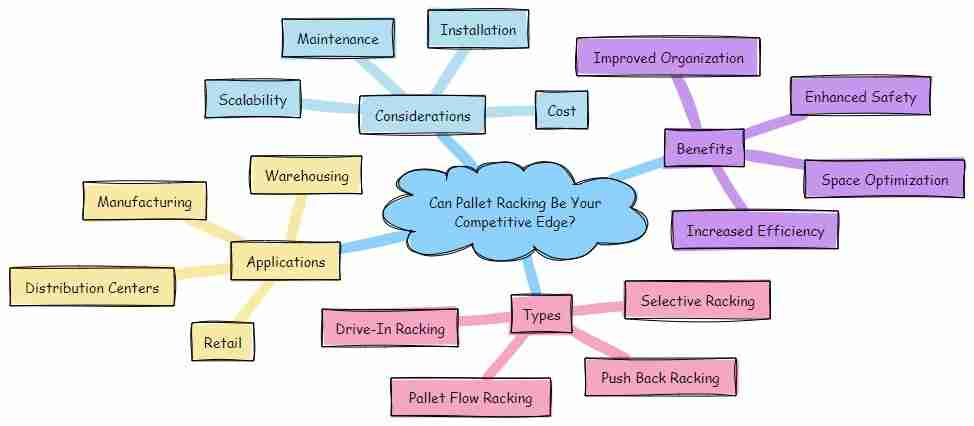
What Safety Features Should You Look For In A Cantilever Rack?
How Does The Type Of Stored Items Affect Your Rack Choice?
When it comes to selecting the right rack for your storage needs, understanding the type of items you plan to store is paramount. Different items demand different levels of support, accessibility, and safety. Whether you’re a retailer managing an influx of seasonal inventory or a warehouse handling sensitive goods, your choice in racks can mean the difference between a chaotic storage environment and a smoothly running operation.
Take, for example, the rise of e-commerce during recent global shifts in consumer behavior. Businesses are now under pressure to optimize their inventory. If you’re storing lightweight products such as clothing or electronics, a selective pallet rack may suffice; it offers easy access to inventory and flexibility for frequent picking. Conversely, if your items are bulkier or heavier—like appliances or industrial equipment—you’ll find that heavy-duty racks designed for pallet storage can accommodate the weight and size while maximizing vertical space. Consider the recent surge in home improvement sales as people invest in their living spaces; retailers in this sector need robust, reliable racks that can handle large, irregularly shaped items.
Moreover, if you’re in a business dealing with hazardous materials—think chemicals, paints, or pharmaceuticals—it isn’t just about support but also safety. In this case, specialized racks with containment features become essential. With OSHA regulations becoming increasingly stringent, a failure to use the right equipment could lead to severe fines, not to mention potential liability. Ensuring that your rack choice aligns with the material being stored not only optimizes functionality but also mitigates risk.
Moreover, products with a high turnover rate, such as perishable goods, necessitate a flow rack system that ensures more efficient picking processes through principles like FIFO (first-in, first-out). This type of system minimizes waste and lost sales due to spoiled inventory, a concern that’s increasingly relevant in light of current supply chain challenges.
Then there’s the growing trend of online grocery delivery, prompting retailers to seek out racks that not only store but also streamline operations for quick packing and dispatch. For instance, mobile shelving units that can be repositioned on-demand can help maximize flexibility in a space constrained by the unpredictable nature of consumer demand.
Ultimately, your rack choice must evolve with the landscape of your inventory. By taking the time to analyze the type of items you’re storing, you’ll not only enhance efficiency but also ensure a robust framework for growth and adaptation in an ever-changing market.

How Does The Type Of Stored Items Affect Your Rack Choice?
How Does The Type Of Stored Items Affect Your Rack Choice?
- Understanding the type of items to store is crucial for selecting the right rack.
- Different items require varying levels of support, accessibility, and safety.
- E-commerce growth compels businesses to optimize inventory management.
- Selective pallet racks are suitable for lightweight products, while heavy-duty racks are needed for bulkier items.
- Specialized racks for hazardous materials are essential for regulatory compliance and safety.
- Flow rack systems are ideal for high turnover products to minimize waste through efficient picking processes.
- Your rack choice should adapt to evolving inventory landscapes for enhanced efficiency and growth.

How Does The Type Of Stored Items Affect Your Rack Choice?
What Configurations Are Available For Cantilever Racks?
When it comes to maximizing your storage space, cantilever racks offer unparalleled versatility. Their unique design—consisting of vertical uprights with extending arms—ensures you can accommodate a variety of goods, from lumber to piping, while maintaining easy access. But not all cantilever racks are created equal. Understanding the different configurations available is key to tailoring a solution that meets your specific needs.
Single-Sided and Double-Sided Configurations
The first consideration is whether to opt for a single-sided or double-sided cantilever rack. Single-sided racks are ideal for against-the-wall storage, freeing up floor space and allowing for easy access to loaded materials. Perfect for warehouses with limited walkways, this configuration is typically used in more confined environments. On the other hand, double-sided racks maximize storage capacity in open areas, allowing access from both sides. This is particularly beneficial in high-volume operations, such as distribution centers, where rapid retrieval of goods is essential.
Adjustable Arms
Next, let’s talk about adjustable arms. The ability to customize the height and spacing of the arms on your rack isn’t just a nicety; it’s a necessity. You can easily accommodate longer materials by adjusting the arm spacing to suit items of varying lengths. Many manufacturers now offer racks with arms that can be easily repositioned without dismantling the entire unit. This flexibility allows you to adapt as your inventory changes, making it a smart choice for businesses positioning themselves for future growth.
Weight Capacity
Not all cantilever racks can hold the same load. Different configurations support varying weight capacities. Light-duty racks are designed for smaller, lighter items, while heavy-duty options can support thousands of pounds. If your operations involve storing steel beams or pallets of heavy equipment, investing in heavy-duty cantilever racks is crucial. Understanding the weight capacity ensures your goods are stored securely, thereby minimizing the risk of accidents or damages.
Specialized Configurations
In the face of current economic fluctuations, companies are shifting towards more specialized storage configurations. For example, modular cantilever racks allow for expansion as business needs evolve, making them a smart investment in uncertain times. Additionally, industry-specific racks, such as those designed for the automotive or construction sectors, offer tailored features that enhance usability and efficiency.
Ultimately, selecting the right configuration for your cantilever rack setup can streamline your inventory management, boost efficiency, and maximize your available space. As markets continue to evolve, investing in the right storage solutions will position your business for success in a competitive landscape. Don’t just store—store smart.

What Configurations Are Available For Cantilever Racks?
What Configurations Are Available For Cantilever Racks?
- Cantilever racks provide versatile storage options for various goods like lumber and piping.
- Choose between single-sided racks for wall storage or double-sided racks for maximum accessibility.
- Single-sided configurations are ideal for confined spaces, while double-sided are better for high-volume operations.
- Adjustable arms allow customization of height and spacing, accommodating different material lengths.
- Weight capacity varies by configuration; light-duty racks suit smaller items, while heavy-duty racks are essential for heavy loads.
- Specialized configurations, including modular designs, adapt to changing business needs and enhance efficiency.
- Selecting the right cantilever rack configuration can streamline inventory management and improve operational efficiency.

What Configurations Are Available For Cantilever Racks?
How Do You Ensure Proper Installation Of Your Cantilever Rack?
When it comes to maximizing storage efficiency in warehouses and distribution centers, the cantilever rack reigns supreme. However, its efficacy hinges not just on its design, but on the diligence of the installation process. Here’s how you ensure that your cantilever rack is installed correctly, safeguarding both your inventory and your workforce.
First, Get Expert Help
A properly installed cantilever rack begins with expert guidance. While DIY might seem appealing—from a cost-saving angle—resorting to professionals who specialize in warehouse systems can pay dividends in the long run. Their insights let you optimize your space effectively and reduce the potential risks of costly mistakes. Look at companies that have made headlines for their innovative operations; many of them attribute their success to strategic partnerships. For instance, many logistic firms now employ specialists who can align storage solutions with the latest standards and technologies.
Second, Conduct a Site Assessment
Before installation, perform a thorough site assessment. Consider factors like load capacity, environmental conditions, and aisle widths. For example, as eCommerce continues to explode, driven by companies like Amazon altering the landscape, the importance of maximizing vertical space has never been more critical. Knowing whether your cantilever rack can handle heavy, long items—like pipes or lumber—without compromising safety is key. This assessment isn’t just about current needs; it’s also about future scalability. Don’t just think about what you need today—consider where your business is headed.
Third, Follow Manufacturer Guidelines
Every cantilever rack system comes with its own set of installation guidelines provided by the manufacturer. Adhering to these can mean the difference between an effective, stable solution and a potential disaster. For example, during recent supply chain disruptions, many companies reported inventory damage due to improperly installed storage solutions. By strictly following the guidelines, you not only protect your assets but also ensure compliance with safety regulations.
Fourth, Regular Inspections and Maintenance
Once installed, the journey doesn’t end. Regularly inspect the rack system and maintain it diligently. Signs of wear—like bent beams or misaligned uprights—can signal the need for immediate attention. A proactive approach can prevent accidents, which could lead to costly medical bills or disruptions in operations.
In summary, ensuring the proper installation of your cantilever rack is a multi-step process that requires expertise, assessment, adherence to guidelines, and ongoing maintenance. By investing time and resources upfront, you not only secure your products but also contribute to the long-term success of your business. Remember, a well-installed cantilever rack is not just a storage solution; it is an integral part of your operational efficiency.

How Do You Ensure Proper Installation Of Your Cantilever Rack?
How Do You Ensure Proper Installation Of Your Cantilever Rack?
- Expert Help is Crucial: Seek professional installation guidance to optimize space and minimize costly errors.
- Conduct a Site Assessment: Analyze load capacity, environmental factors, and aisle widths to ensure safety and scalability.
- Follow Manufacturer Guidelines: Adhere strictly to installation instructions to maintain safety and prevent inventory damage.
- Regular Inspections and Maintenance: Proactively inspect and maintain the rack to address wear and prevent accidents.
- Consider Future Needs: Plan for scalability, taking into account business growth and evolving storage requirements.
- Investment in Proper Installation: Invest time and resources upfront for long-term operational success.
- Integral to Operational Efficiency: A well-installed cantilever rack enhances both storage and the overall efficiency of operations.

How Do You Ensure Proper Installation Of Your Cantilever Rack?
What Is The Average Cost Range For Cantilever Racks?
When it comes to optimizing your warehouse space, investing in cantilever racks is a game-changing decision. While these versatile storage solutions can significantly improve your inventory management and accessibility, understanding the average cost can help you make informed choices that align with your budget. So, what does it actually cost to outfit your facility with cantilever racks?
The average price range for cantilever racks typically falls between $200 to $800 per arm, depending on several crucial factors, including capacity specifications, material quality, and design features. Entry-level models designed for lighter loads might cost around $200 to $300 per arm, suitable for smaller businesses or those starting to expand their inventory. On the other hand, heavy-duty cantilever racks—perfect for housing lumber, pipe, or other long items—can reach prices upward of $600 to $800 per arm.
Let’s drill down further. A typical setup for a mid-sized warehouse might require multiple arms and bases, leading to total costs ranging from $3,000 to $10,000, including installation and shipping. Additionally, customization options—like added bracing or specialized coatings for outdoor use—can push your investment higher but may yield substantial returns by vastly improving efficiency and safety.
For a real-world example, consider the current supply chain challenges spurred by global disruptions. Businesses are now more than ever investing in logistical infrastructure to avoid these pitfalls. Retail giants are revamping their warehouses for better inventory flow. As demand skyrockets, those who embrace cantilever racks are setting themselves apart, ready to adapt to rapid changes and meet customer needs quickly.
Don’t overlook the long-term savings as well. The up-front investment in cantilever racks often translates into reduced operational costs. Efficient space usage maximizes your storage capacity, leading to less wasted time and increased productivity—crucial factors in today’s fast-paced eCommerce environment.
In summary, while the average cost for cantilever racks ranges widely, understanding the specific needs of your business will help you make an educated purchase. From small operations to larger enterprises, the right cantilever racking system can be a strategic investment, paving the way for streamlined processes and robust growth in the ever-evolving marketplace. Think of your racks not just as equipment but as a foundation for future success.

What Is The Average Cost Range For Cantilever Racks?
What Is The Average Cost Range For Cantilever Racks?
- Investing in cantilever racks significantly enhances warehouse space optimization and inventory management.
- The average cost for cantilever racks ranges from $200 to $800 per arm, varying based on capacity, material quality, and design features.
- Entry-level models cost about $200 to $300 per arm, while heavy-duty options can exceed $600 to $800 per arm.
- A typical mid-sized warehouse setup may require total costs between $3,000 to $10,000, including installation and shipping.
- Customization options can increase costs but improve efficiency and safety, yielding substantial returns.
- Businesses are increasingly investing in cantilever racks to enhance logistical infrastructure amid global supply chain disruptions.
- Long-term savings from cantilever racks arise from reduced operational costs, maximized storage capacity, and increased productivity.

What Is The Average Cost Range For Cantilever Racks?
How Can You Optimize Your Storage Efficiency With Cantilever Racks?
In today’s fast-paced business environment, maximizing every square inch of your warehouse is more than just a strategy—it’s a necessity. The best way to achieve this is by harnessing the power of cantilever racks. Designed for versatility and efficiency, these racks can transform your storage space, allowing you to store long items like lumber, piping, or even textiles with ease.
Imagine a bustling distribution center trying to juggle inventory overflow. Traditional shelving methods often leave businesses stranded with wasted space and inefficient access to products. This is where cantilever racks come into play. Their unique design, featuring arms extending from a vertical column, allows for the horizontal storage of cumbersome items without the clutter associated with standard shelving units. By going vertical, companies can tap into high shelving tiers while maintaining easy access to individual items.
Consider the current global supply chain challenges. Retailers and manufacturers are scrambling to adapt to fluctuating demand and unexpected delays. Cantilever racks can facilitate faster restocking and minimize forklift traffic, which directly leads to reduced operational costs. An automotive parts supplier, for example, recently integrated cantilever shelving into their inventory system, allowing them to increase storage capacity by 50% while cutting down on labor hours spent retrieving parts. This translates into quicker response times and higher customer satisfaction—two critical factors in today’s competitive marketplace.
Moreover, cantilever racks are easily adjustable. This means you can tailor your storage solution as your business evolves. For example, if a business starts focusing on a new line of oversized materials, simply repositioning the arms or adding more columns can accommodate this shift without the hassle of overhauling entire shelving units. This adaptability ensures that your warehouse can keep pace with emerging market trends, such as the growing demand for eco-friendly materials, which often require specialized storage solutions.
Additionally, investing in high-quality cantilever racks improves safety. With less clutter and a more organized layout, your team can navigate the warehouse more confidently. And in a world where warehouse accidents can lead to costly liabilities, maximizing safety is an investment that pays dividends.
In summary, optimizing your storage efficiency with cantilever racks is not just about adding more shelves; it’s about creating a fluid, efficient, and scalable storage system. Embrace this innovative approach, and watch your operational efficiency soar.

How Can You Optimize Your Storage Efficiency With Cantilever Racks?
How Can You Optimize Your Storage Efficiency With Cantilever Racks?
- Maximizing warehouse space is essential in today’s fast-paced business environment.
- Cantilever racks offer versatility and efficiency for storing long items like lumber and piping.
- Traditional shelving can waste space; cantilever racks allow for horizontal storage of cumbersome items.
- They enable businesses to utilize high shelving tiers while ensuring easy access to individual items.
- Cantilever racks facilitate faster restocking and reduce forklift traffic, lowering operational costs.
- These racks are easily adjustable, allowing adaptation to changing inventory needs and market trends.
- Investing in quality cantilever racks enhances safety through an organized, clutter-free layout.
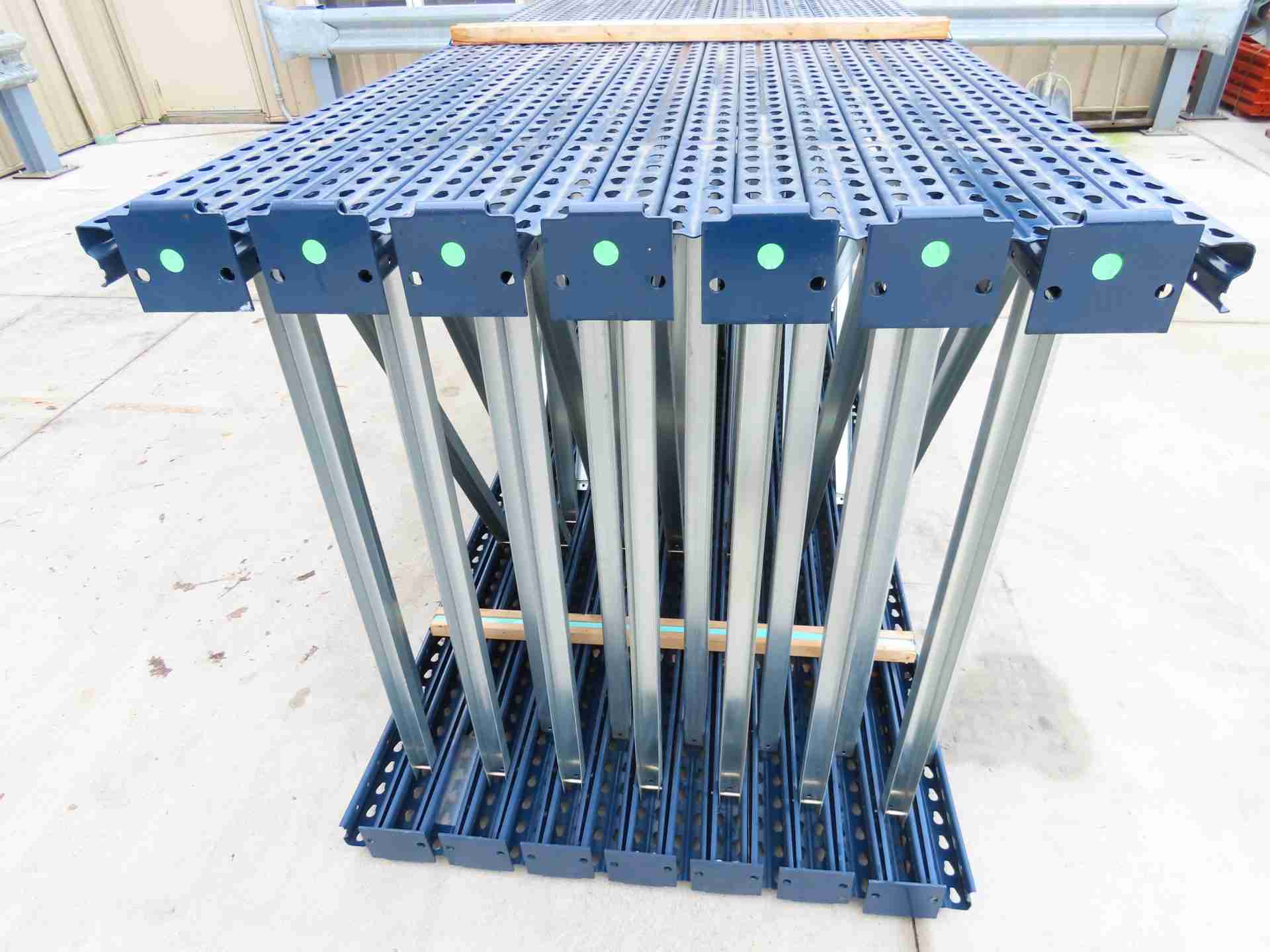
How Can You Optimize Your Storage Efficiency With Cantilever Racks?
What Are The Maintenance Tips For Keeping Cantilever Racks Safe?
Ensuring the safety and longevity of your cantilever racks is not just a matter of compliance; it’s about sustaining the lifeblood of your business. A well-maintained rack system boosts efficiency and prevents costly accidents. Here are some essential maintenance tips to keep your cantilever racks safe and sound.
1. Conduct Regular Inspections:
Start by implementing a routine inspection schedule. Whether you’re storing lumber, pipes, or any other materials, you should conduct a comprehensive inspection at least once every six months. Check for signs of structural damage, such as bent arms, rust, or loose bolts. For instance, in mid-2023, a major retailer faced a hefty fine after a safety inspection revealed neglected racking systems that could have resulted in a catastrophic failure. Don’t let your business fall into the same trap; being proactive is the best defense against potential disasters.
2. Train Your Team:
Your employees are the frontline defense in your safety protocol. Invest time in training sessions focused on safe loading practices and proper use of equipment. Ensure they understand the weight limits marked on the racks and the importance of distributing weight evenly. Remember, a well-informed team is an empowered team.
3. Repair and Replace Damaged Components Promptly:
When damage occurs—no matter how minor—address it without delay. A small dent can lead to a significant structural issue if left unattended. Develop a streamlined process for evaluating and repairing damaged racks. Maintaining a “spare parts” inventory ensures that replacing components is quick and efficient, minimizing downtime.
4. Implement Weight Monitoring Systems:
Leverage technology to create a smarter workspace. Today’s digital tools can help monitor weight loads on cantilever racks. Sensors can alert you if a rack exceeds its weight limit, preventing potential overloading. Consider this: in a recent warehouse collapse, weight miscalculations were cited as a contributing factor. Investing in smart monitoring could save you from facing a similar fate.
5. Stay Updated on Safety Regulations:
Keep abreast of changes in safety regulations pertaining to racking systems. Whether it’s OSHA standards or local guidelines, compliance isn’t just about avoiding fines—it’s about protecting your workforce. Regularly review safety bulletins and adapt your practices accordingly.
6. Schedule Professional Inspections:
In addition to your internal checks, consider hiring an external expert for annual safety audits. They provide an unbiased evaluation of your system, offering insights that might be overlooked internally. After all, a second opinion can often uncover hidden risks.
Maintaining the safety of your cantilever racks requires diligence, training, and a proactive mindset. By following these tips, not only do you safeguard your assets, but you also pave the way for a safer, more productive working environment. Your racks are the backbone of your operation—give them the care they deserve!

What Are The Maintenance Tips For Keeping Cantilever Racks Safe?
What Are The Maintenance Tips For Keeping Cantilever Racks Safe?
- Ensure cantilever racks are well-maintained to boost efficiency and prevent accidents.
- Conduct regular inspections at least every six months for signs of damage.
- Train employees on safe loading practices and the importance of weight distribution.
- Address damage promptly to prevent minor issues from becoming major problems.
- Implement weight monitoring systems to monitor load on racks and prevent overload.
- Stay updated on safety regulations to protect workforce and avoid fines.
- Schedule annual professional inspections for unbiased evaluations of your racking system.

What Are The Maintenance Tips For Keeping Cantilever Racks Safe?
How Do You Compare Different Cantilever Rack Brands?
When it comes to investing in cantilever racks, the stakes are high. You’re not just purchasing a storage solution; you’re crafting an essential component of your operational efficiency. Making the right choice among the myriad of brands available can drastically impact both your bottom line and productivity. But how do you cut through the noise to make an informed decision?
First, consider the quality and durability of the materials used in the rack’s construction. Look for brands that utilize high-grade steel, which resists bending under heavy loads and withstands the test of time. For instance, a brand like *Apex* has earned a reputation for their robust products, often used in demanding environments such as warehouses and lumber yards. In contrast, cheaper alternatives may utilize subpar materials that can compromise your inventory’s safety.
Next up is customizability. A one-size-fits-all approach rarely works in pragmatically diverse warehouses. Brands like *Global Storage Solutions* allow you to tailor aspects like height, width, and arm configurations based on your unique inventory needs. This level of customization not only enhances storage capacity but also improves ease of access.
Don’t underestimate the importance of safety features integrated into the design. Recent OSHA guidelines emphasize the need for compliant shelving systems. Brands that focus heavily on safety protocols—such as *Shelving, Inc.*—often incorporate features like safety braces and load labels. Such compliance is crucial, especially in light of the recent enforcement trends surrounding workplace safety.
Additionally, scrutinize the warranty and support services offered. A longer warranty period typically indicates a brand’s confidence in its product’s performance. For example, *Ridg-U-Rak* offers warranties ranging from 5 to 10 years, illustrating their commitment to quality. Complement this with understanding their customer support; this can make or break your experience should any issues arise post-purchase.
Finally, don’t overlook customer reviews and testimonials. Sites like Google and industry forums can provide real-world feedback about a brand’s reliability. It’s one thing to hear promises from manufacturers, but the experiences of businesses like yours speak volumes.
In the evolving economic landscape, where supply chain conditions remain unpredictable, choosing the right cantilever rack brand is not merely a purchase—it’s an investment in the future. Evaluate your options thoroughly, comparing materials, customization, safety, warranties, and client experiences thoughtfully. The right selection will position your operations for success today and for years to come.

How Do You Compare Different Cantilever Rack Brands?
How Do You Compare Different Cantilever Rack Brands?
- Investing in cantilever racks is crucial for operational efficiency and can significantly impact productivity and profitability.
- Prioritize quality and durability by opting for brands that use high-grade steel to ensure safety and longevity.
- Customization is important; brands like Global Storage Solutions offer tailored options to meet unique inventory needs.
- Safety features are essential; brands adhering to OSHA guidelines incorporate designs that enhance workplace safety.
- Warranties and support services reflect brand confidence; longer warranties (e.g., 5 to 10 years) indicate product reliability.
- Customer reviews and testimonials are valuable, providing insights into real-world brand performance and reliability.
- Thoroughly evaluate options including materials, customization, safety, warranties, and customer feedback for effective decision-making.

How Do You Compare Different Cantilever Rack Brands?
What Regulations Should You Be Aware Of When Using Cantilever Racks?
When it comes to optimizing your warehouse space, cantilever racks are indispensable. However, like any powerful tool, they come with a set of regulations that you absolutely must understand to ensure safety, compliance, and efficiency in your operations. Ignoring these guidelines can lead to penalties, safety hazards, and costly downtime. So let’s break down the essential regulations you should be mindful of when utilizing cantilever racks.
1. OSHA Standards
First and foremost, you need to be aware of the Occupational Safety and Health Administration (OSHA) standards. OSHA outlines specific guidelines governing the design, installation, and maintenance of storage systems, including cantilever racks. For example, racks should be designed to bear the maximum load weight specified by the manufacturer. Failure to comply can not only jeopardize your staff’s safety but also result in citations and fines. In 2021 alone, OSHA issued thousands of violations related to unsafe storage practices, bringing a heavy cost to negligent businesses.
2. ANSI/RMI Guidelines
The American National Standards Institute (ANSI) and the Rack Manufacturers Institute (RMI) provide guidelines that help ensure the structural integrity and safety of cantilever racks. These standards cover everything from rack inclined angles to bolt specifications. Consider the implications of the recent wave of supply chain disruptions—investing in compliant racks can save you from potential damages and delays caused by unnecessary incidents.
3. Local Building Codes
Don’t forget local building codes. They often have specific requirements for industrial storage systems, including weight limits and fire safety regulations. For instance, if you’re located in a region prone to earthquakes, the local code may dictate additional bracing or anchoring systems to prevent catastrophic failures during seismic events.
4. Regular Inspections and Maintenance
Another crucial element of compliance is to implement a routine checklist for inspections. The Rack Manufacturers Institute recommends regular assessments of cantilever racks for wear and tear, corrosion, and structural integrity. Documenting these inspections not only ensures safety but can also protect you in the event of a legal issue down the road—think about how court cases can become financially draining if you can’t prove due diligence.
Conclusion
Navigating the complex world of regulations surrounding cantilever racks may seem daunting, but with the right knowledge and proactive approach, you can transform potential headaches into streamlined operations. By staying informed and compliant, you’re not just safeguarding your investment; you’re setting your business up for sustainable growth in a competitive environment. Remember, the key to thriving is to play it smart, play it safe, and always be one step ahead!

What Regulations Should You Be Aware Of When Using Cantilever Racks?
What Regulations Should You Be Aware Of When Using Cantilever Racks?
- Cantilever racks are essential for optimizing warehouse space but come with important regulations.
- Compliance with OSHA standards is crucial to ensure safety in design, installation, and maintenance of storage systems.
- ANSI/RMI guidelines ensure the structural integrity and safety of cantilever racks, covering design specifics like inclined angles and bolt specifications.
- Local building codes may impose specific requirements for warehouse storage, including weight limits and fire safety measures.
- Regular inspections and maintenance of cantilever racks are vital to ensure safety and legal protection.
- Staying informed about regulations can prevent costly penalties, safety hazards, and operational downtime.
- Proactive adherence to regulations supports sustainable growth in a competitive business environment.

What Regulations Should You Be Aware Of When Using Cantilever Racks?
Conclusion
Navigating the intricate landscape of warehouse storage solutions, particularly in the realm of cantilever racks, is not merely a logistical challenge; it’s a critical determinant of your operational efficiency and profitability. As you have learned through this comprehensive guide, the right cantilever rack can transform your business—from optimizing space and enhancing safety to maximizing accessibility and throughput.
In today’s competitive market, selecting an appropriate cantilever rack involves a detailed assessment of various factors, including load capacity, space optimization, material durability, and safety features. This meticulous process not only safeguards your assets but also positions your business for future growth. The benefits are tangible: enhanced vertical space utilization leads to increased inventory capacity without the need for expansion, while customizable configurations adapt to your evolving business needs, allowing you to respond to market trends dynamically.
As you contemplate the purchase of cantilever racks, remember that time is of the essence. The swift-moving nature of supply chains and market demands necessitates prompt action; delays can equate to lost revenue and missed opportunities. Thus, reaching out to Arrow Industrial Sales at (574) 349-6575 is not merely recommended—it is essential. Our experts are prepared to guide you toward the most suitable cantilever rack system that meets your specifications and budgetary constraints, claiming your place at the forefront of warehouse efficiency.
Moreover, investing in high-quality cantilever racks and adhering to regulatory standards will elevate your operational integrity and safeguard the well-being of your workforce. As the adage goes, “Better safe than sorry.” By implementing robust safety protocols now, you avert potential liabilities and create a workspace where employees can operate with confidence.
In conclusion, the right choice in cantilever racks is more than just a storage solution; it is a strategic imperative that supports your bottom line and future readiness. With the increasing significance of organized, efficient inventory management in a world driven by eCommerce and rapid market shifts, don’t let hesitation hold you back. Act now—your warehouse efficiency, safety, and ultimately, your business success depend on it. Call Arrow Industrial Sales today and start your journey toward optimal storage solutions!

Conclusion
Conclusion:
- Navigating warehouse storage solutions, especially cantilever racks, is crucial for operational efficiency and profitability.
- The right cantilever rack can optimize space, enhance safety, and maximize accessibility and throughput.
- Selecting the right rack requires assessment of load capacity, material durability, space optimization, and safety features.
- Enhanced vertical space utilization increases inventory capacity without needing expansion.
- Customizable configurations allow businesses to adapt to changing market demands.
- Timely action is essential to avoid lost revenue; consulting experts at Arrow Industrial Sales is imperative.
- Investing in high-quality racks and safety protocols elevates operational integrity and employee confidence.

Conclusion
Other Resources

Other Resources
Here is a list of other resources you can review online to learn more:
- “Cantilever Racks”
- “Cantilever racking | Racking and Shelving”
- “Pallet Racks”
- “Cantilever racking: a warehouse-friendly guide – Mecalux”
- “Cantilever racks – Heinz Racking Systems”
- “Interlake Mecalux bolted frames easy to assemble”
- “Interlake New Style Interack-30 U-Punch Pallet Rack”
- “Interlake Mecalux”

Other Resources
Glossary Terms
How Do You Choose The Right Cantilever Rack for Your Needs? – Glossary Of Terms
1. Cantilever Rack: A type of shelving system designed to store long, heavy, or bulky items such as lumber, pipes, or metal sheets, featuring arms that extend from a vertical frame.
2. Load Capacity: The maximum weight a particular cantilever rack can safely support, determined by the design and material strength of the rack.
3. Arm Length: The distance from the vertical support column to the end of the cantilever arm, which impacts the length of items that can be stored.
4. Vertical Column: The upright part of the cantilever rack that provides structural support for the arms and holds the weight of the stored items.
5. Base: The foundation of the cantilever rack that stabilizes the entire structure, often featuring bolted connections to the ground.
6. Adjustability: The ability to customize the height or spacing of the arms to accommodate different types and sizes of items.
7. Material: The substance used to construct the cantilever rack, typically steel, offering durability, strength, and resistance to wear.
8. Single-Sided Rack: A cantilever rack designed to store items on one side only, suitable for against a wall placement.
9. Double-Sided Rack: A cantilever rack that allows for storage on both sides, maximizing space and accessibility.
10. Upright Frame: The vertical supports of the cantilever rack that connect the base to the arms, crucial for load distribution.
11. COST: The overall expense involved in purchasing, installing, and maintaining a cantilever rack system, important for budget considerations.
12. Footprint: The area occupied by the cantilever rack on the floor; important for determining how much space is available for storage.
13. Weight Distribution: How the weight of stored items is spread across the cantilever rack, affecting stability and safety.
14. Safety Factor: A ratio used to describe the load capacity of the rack relative to its maximum anticipated load, ensuring safety.
15. Spacers: Accessories used between arms to create uniform spacing or to separate different types of merchandise.
16. Accessories: Additional components like braces, shelving, or dividers that can be added to a cantilever rack to enhance functionality.
17. Loading Method: The process by which items are placed onto the cantilever rack, influenced by the design and accessibility of the structure.
18. Height Adjustment: The capability to modify the height of arms to suit varying item sizes and storage needs.
19. Local Codes: Building regulations and safety standards that must be adhered to when installing cantilever racks.
20. Inventory Management: The practice of monitoring and controlling stock levels, which can be impacted by the efficiency of the cantilever rack system.
21. Ergonomics: The study of optimizing the workspace for comfort and safety, which can influence the design of the cantilever rack for ease of access.
22. Durability: The ability of a cantilever rack to withstand wear, pressure, or damage over time, often determined by the material quality.
23. Assembly: The process of putting together the cantilever rack, which may require specific tools and techniques based on design complexity.
24. Shelving: Additional horizontal surfaces that can be added to the cantilever rack arms for smaller items or supplemental storage.
25. Load Bars: Horizontal supports installed on the arms to help secure items and prevent them from sliding off.
26. Clearance Height: The vertical space available above the stored items, crucial for ensuring proper stacking and removal.
27. End Braces: Struts placed at the ends of the cantilever rack to provide additional stability and prevent lateral movement.
28. Warehouse Layout: The design of the floor space in a warehouse, which can influence the type and arrangement of cantilever racks chosen.
29. Aisle Width: The space between rows of cantilever racks, necessary for access to stored items and machinery.
30. Customization: The ability to alter the design or features of a cantilever rack to specifically meet unique storage requirements.

Glossary Of Terms
Other Questions
How Do You Choose The Right Cantilever Rack for Your Needs? – Other Questions
If you wish to explore and discover more, consider looking for answers to these questions:
- What types of cantilever racks are best suited for my specific industry?
- How do I calculate the weight capacity I need for my cantilever racks?
- What are the differences between heavy-duty and light-duty cantilever racks?
- How do I find a reputable supplier for cantilever racks?
- What should I expect during the installation process of a cantilever rack?
- How does the local climate affect the choice of materials for cantilever racks?
- What are common mistakes to avoid when selecting cantilever racks?
- How long can I expect cantilever racks to last with proper maintenance?
- What types of safety training should be implemented for workers using cantilever racks?
- Can cantilever racks be used outdoors, and what adjustments must be made?
- How do I integrate cantilever racks into an existing inventory management system?
- What are the average lead times for custom cantilever rack configurations?
- Are there any special considerations for installing cantilever racks in a cold storage environment?
- What are the best practices for organizing items on cantilever racks?
- Do cantilever racks require any special permits for installation?
- What features should I look for in a cantilever rack to enhance operational efficiency?
- How do I maintain compliance with safety regulations while using cantilever racks?
- What types of accessories and add-ons are available for cantilever racks?
- How do different cantilever rack designs compare in terms of space efficiency?

Other Questions
Checklist
How Do You Choose The Right Cantilever Rack for Your Needs? – A Checklist
1. Assess Your Storage Needs:
_____ Identify the types of products to store (e. g. , lumber, pipes, furniture).
_____ Determine the size and weight of items to ensure sufficient load capacity.
2. Evaluate Vertical Space:
_____ Measure the height and width of your storage area.
_____ Consider going vertical to increase storage capacity by up to 30%.
3. Consider Rack Adjustability:
_____ Look for adjustable designs to accommodate changing inventory requirements.
_____ Evaluate modular options for future scalability.
4. Analyze Warehouse Layout:
_____ Ensure that the cantilever rack design allows for easy access and maneuverability.
_____ Plan for aisles that can accommodate forklifts and other equipment.
5. Prioritize Safety Features:
_____ Choose racks with safety braces and clear load markings.
_____ Ensure that the rack complies with relevant safety standards and regulations.
6. Examine Load Capacity Specifications:
_____ Match the load capacity of the rack to the weight of your stored items.
_____ Investigate the construction materials for durability (steel vs. composite materials).
7. Check for Compliance with Regulations:
_____ Be familiar with OSHA standards and other relevant regulations for racking systems.
_____ Verify adherence to ANSI/RMI guidelines regarding rack safety and maintenance.
8. Ensure Proper Installation:
_____ Engage professionals for installation if needed.
_____ Follow manufacturer guidelines for assembly and setup.
9. Schedule Regular Maintenance:
_____ Plan frequent inspections to identify any signs of damage or wear.
_____ Train staff on safe loading practices and weight distribution.
10. Compare Brands and Models:
_____ Research various brands for quality, durability, and customizability.
_____ Read customer reviews and check warranties to gauge reliability.
11. Always Plan for Future Growth:
_____ Think about potential changes in inventory volume and type.
_____ Choose a system that can adapt without significant additional costs.
12. Budget Considerations:
_____ Get a comprehensive pricing estimate for both racks and installation.
_____ Consider long-term savings from increased efficiency and reduced operational costs.
Using this checklist will help you strategically select and implement a cantilever rack system that meets your operational needs while enhancing safety, efficiency, and scalability for the future.

Checklist
At RackingWorld, we help guide you through selecting warehouse storage systems and racking.
Be sure to read our other related stories at RackingWorld to learn more about warehouse storage systems.
0 Comments