
Optimizing Storage Efficiency For High-Turnover Environments
By Tom Seest
At RackingWorld, we help guide you through selecting warehouse storage systems and racking.
Be sure to read our other related stories at RackingWorld to learn more about warehouse storage systems.
How Do Cantilever Racks Perform In High-Turnover Environments?
In today’s fast-paced business landscape, optimizing warehouse efficiency is not just a goal—it’s a necessity. High-turnover environments demand storage solutions that can keep pace with the relentless rhythm of daily operations. Enter cantilever racks, the unsung heroes of modern warehousing.
Unlike traditional shelving systems, cantilever racks boast an open design that makes them exceptionally versatile for storing long, bulky items like lumber, pipes, and even automotive parts. Their unique structure allows for easy access, enabling warehouse workers to swiftly retrieve or restock inventory without unnecessary delays. Imagine a lumberyard during peak season—forklifts zipping by, workers hustling to fill orders, and everything strikingly organized thanks to cantilever racks. This kind of efficiency directly translates into faster throughput, ultimately boosting your bottom line.
A prominent example is the role cantilever racks played during the 2023 post-pandemic supply chain recovery. As businesses pivoted to meet surging demand, many turned to cantilever racks to maximize their vertical storage space. Retailers and distributors found that these racks could not only accommodate longer items but could also be adjusted to fit varying heights, allowing for the flexible storage solutions that modern economics require.
Moreover, cantilever racks shine in their ability to withstand rigorous use. Constructed from heavy-duty steel, these racks are engineered for stability and durability. Picture a busy distribution center handling thousands of items daily, with cantilever racks confidently holding the heaviest loads without falter. This strength not only enhances operational safety—reducing the risk of collapses—but also provides peace of mind, knowing your inventory is securely stored.
But the benefits don’t stop there. In economies where sustainability is increasingly important, cantilever racks can be designed to enable better inventory monitoring, reducing waste associated with overstocking or unaccounted items. This kind of insight encourages smarter purchasing decisions and reinforces a company’s commitment to efficiency and environmental responsibility.
As e-commerce continues to boom, the need for quick turnaround times will only intensify. Companies equipped with cantilever racks gain a competitive edge, ensuring they can manage fluctuating inventory needs while delivering reliability that customers expect.
In high-turnover environments, cantilever racks don’t just perform—they excel. Embracing this innovative storage solution is not just smart; it’s essential for staying ahead in a game that’s increasingly all about speed and efficiency.

How Do Cantilever Racks Perform In High-Turnover Environments?
How Do Cantilever Racks Perform In High-Turnover Environments?
- Cantilever racks are essential in high-turnover environments, optimizing warehouse efficiency.
- These racks have an open design, making them versatile for storing long, bulky items.
- Easy access to inventory allows quick retrieval and restocking, enhancing operational speed.
- Cantilever racks played a crucial role in supply chain recovery post-pandemic by maximizing vertical storage.
- Constructed from heavy-duty steel, these racks ensure durability and stability, minimizing collapse risks.
- They support better inventory monitoring, promoting efficient purchasing and sustainability.
- In an e-commerce world, cantilever racks provide a competitive edge by enabling faster inventory management.

How Do Cantilever Racks Perform In High-Turnover Environments?
Table Of Contents
- How Do Cantilever Racks Perform In High-Turnover Environments?
- What Are Cantilever Racks And Their Main Uses?
- How Do Cantilever Racks Boost Efficiency?
- What Types Of Materials Can Be Stored On Cantilever Racks?
- Are Cantilever Racks Suitable For Outdoor Use?
- How Do I Choose The Right Cantilever Rack For My Needs?
- What Factors Affect The Stability Of Cantilever Racks?
- How Do I Maintain Cantilever Racks In High-Turnover Settings?
- Can Cantilever Racks Be Customized For Specific Applications?
- What Safety Considerations Should I Keep In Mind?
- How Do Cantilever Racks Compare With Other Storage Solutions?
- What Are The Cost Implications Of Using Cantilever Racks?
- How Easy Is It To Reconfigure Cantilever Racks?
- What Are The Weight Limits For Cantilever Racks?
- How Can I Optimize Space With Cantilever Racks?
- What Role Do Cantilever Racks Play In Supply Chain Management?
- Conclusion
- Other Resources
- Glossary Of Terms
- Other Questions
- Checklist
What Are Cantilever Racks And Their Main Uses?
In today’s fast-paced, ever-evolving marketplace, efficiency and space management are no longer optional—they’re essential. Enter cantilever racks: a robust solution revolutionizing how businesses stack, store, and organize goods. But what exactly are these structures? Picture a system of arms extending outward from a vertical column—this is the fundamental design of cantilever racks, engineered specifically for storing lengthy, bulky, or irregularly shaped items such as lumber, pipes, and furniture. The beauty lies in their versatility, making them a favorite for a variety of industries, from construction to retail.
Why should your business adopt cantilever racks? The answer lies in their unparalleled strength and flexibility. Unlike traditional pallet racks, cantilever racks lack front columns, allowing for unobstructed access and maximizing storage space. Imagine a lumberyard: instead of awkwardly stacking lumber or building extremely tall piles at risk of tipping, a cantilever rack elegantly organizes every piece, from 2x4s to plywood sheets, optimizing both safety and accessibility. This system can also be adjusted—simply modify the arms to accommodate different item sizes, ensuring that your storage solution can evolve alongside your inventory.
Currently, with the increase in online shopping and the growing demand for home improvement products, businesses are scrambling to find efficient ways to store their goods. The recent supply chain disruptions have also highlighted the necessity for effective space management. Companies are leveraging cantilever racks to adapt to changing inventory needs swiftly, allowing them to maintain a competitive edge. Retailers who invest in these systems can reduce labor costs dramatically; employees spend less time retrieving and organizing products, leading to a boost in overall productivity.
Another notable benefit of cantilever racks is their safety features. Stability is paramount when dealing with heavy or awkward items, and cantilever racks excel in providing a solid base. With added bracing, these racks stand resilient against both lateral and vertical forces, translating to a lower risk of accidents—something increasingly important as OSHA regulations tighten in various industries.
Cantilever racks are not just a storage solution; they’re a strategic investment in your company’s efficiency. As industries scramble to adapt to the changing economic landscape, embracing such innovative solutions will not only streamline inventory management but also bolster your business’s resilience in an unpredictable world. Make the switch today, and watch your operational efficiency soar.

What Are Cantilever Racks And Their Main Uses?
What Are Cantilever Racks And Their Main Uses?
- Cantilever racks are essential for efficiency and space management in today’s fast-paced marketplace.
- They feature arms extending from a vertical column, designed for storing bulky or irregularly shaped items like lumber and furniture.
- Unlike traditional pallet racks, cantilever racks lack front columns, allowing unobstructed access and maximizing storage space.
- They can be adjusted to accommodate different item sizes, ensuring adaptability to changing inventory needs.
- Cantilever racks help reduce labor costs by improving product retrieval and organization efficiency.
- They provide enhanced stability and safety, lowering the risk of accidents due to their robust design and added bracing.
- Investing in cantilever racks is a strategic decision to improve operational efficiency and resilience in a changing economic landscape.

What Are Cantilever Racks And Their Main Uses?
How Do Cantilever Racks Boost Efficiency?
In a world where every square foot of warehouse space counts, the ability to maximize storage while maintaining operational efficiency is critical for businesses striving to stay competitive. Enter cantilever racks—a robust storage solution that not only elevates your logistics game but also drives efficiency in ways that traditional shelving simply cannot match.
Picture this: you have a diverse inventory ranging from long lumber pieces to oversized pipes or even furniture. Traditional racking systems can quickly become a logistical headache, resulting in wasted time, inefficiencies, and increased labor costs. Cantilever racks shine here, as they are designed specifically for storing bulky, awkwardly shaped items. With their open design and adjustable arms, these racks allow for easy loading and unloading, eliminating the need for complex maneuvers that can slow down operations.
Take, for instance, recent advancements in the construction industry driven by the surge in housing demands. With many projects rushing to completion, contractors need streamlined access to materials they might not traditionally handle. Implementing cantilever racks can significantly cut down on how long workers spend looking for materials, moving them around, or even worse, dealing with damage from improper storage. Faster retrieval not only accelerates project timelines but also boosts overall profitability.
Consider warehouses that have made the switch. For example, a major home improvement retailer recently revamped its storage strategy using cantilever racks, leading to a reported 30% increase in space efficiency. They found that the ability to store goods vertically allowed them to reallocate floor space for more urgent tasks, such as fulfilling online orders faster—a crucial market need as more consumers turn to e-commerce during the pandemic.
Moreover, cantilever racks can be customized more easily than traditional alternatives. Businesses can adapt their storage solutions on-the-fly without major overhauls, responding to market changes or seasonal demands with agility. In a rapidly shifting economy, being able to pivot your storage strategy is invaluable.
Ultimately, investing in cantilever racks means not only improving your immediate storage capabilities but also aligning your operations with the broader trends in your industry. As businesses continue to adapt to the fast-paced demands of modernization, those that embrace efficiency-enhancing strategies like cantilever racks will stand head and shoulders above the competition. The time to act is now—opt for innovation and watch your efficiency soar.

How Do Cantilever Racks Boost Efficiency?
How Do Cantilever Racks Boost Efficiency?
- Maximizing warehouse storage and operational efficiency is crucial for competitiveness.
- Cantilever racks provide a robust alternative to traditional shelving, especially for bulky items.
- Designed with an open layout and adjustable arms, they enhance loading/unloading ease.
- Cantilever racks lead to reduced time searching for materials and minimize damage from improper storage.
- A major home improvement retailer saw a 30% increase in space efficiency after adopting cantilever racks.
- Cantilever racks allow for quick customization, enabling businesses to adapt to market changes efficiently.
- Investing in cantilever racks aligns storage strategies with industry trends, enhancing overall operational agility.

How Do Cantilever Racks Boost Efficiency?
What Types Of Materials Can Be Stored On Cantilever Racks?
When it comes to maximizing your warehouse space, few solutions are as versatile and efficient as cantilever racks. These innovative shelving systems are designed to handle a wide range of materials that traditional racks simply can’t accommodate. If you’re in the market for a smart storage solution, let’s explore what types of materials can be seamlessly stored on these adaptable racks.
Lumber and Building Materials
One of the most popular applications for cantilever racks is storing lumber and other long materials. Whether you’re a home improvement retailer or a lumberyard, these racks allow you to stack boards, beams, and planks without worrying about bending or warping. As construction booms in many parts of the country—especially with the current demand for housing and renovation projects—having a dedicated storage system for your materials is essential for streamlining operations and ensuring quick access.
Pipe and Pipe Fittings
Cantilever racks shine when it comes to storing pipes of various lengths and diameters. Industries such as plumbing, construction, and manufacturing often require quick access to various sizes of pipes and fittings. Storing these materials on cantilever racks not only keeps them organized and easily accessible but also minimizes damage—allowing you to meet project deadlines without a hitch.
Steel and Metal Products
Manufacturing facilities frequently face the challenge of storing heavy steel and metal products like sheets, tubes, and bars. Cantilever racks are built with heavier load capacities, ensuring that items remain stable and secure. This is particularly relevant in today’s climate, where supply chain disruptions occasionally challenge manufacturing timelines. Having your raw materials centralized and efficiently stored allows for nimble responsiveness to market changes.
Furniture and Appliances
In retail environments such as furniture showrooms and appliance stores, cantilever racks provide the perfect space-saving solution for displaying large items. By storing sofas, mattresses, or refrigerators on these racks, retailers can create visually appealing displays while optimizing space. The current trends favoring open floor plans and minimalism in retail design make cantilever racks an ideal choice.
Automotive Parts
Lastly, the automotive industry relies heavily on cantilever racks for organizing parts and components of various sizes. From tires and exhaust systems to engines and transmission units, these racks provide an efficient method for warehouse management in an industry currently facing an electric vehicle revolution. As the market evolves, so does the need for smart storage solutions that can adapt and grow with your business.
In summary, cantilever racks are not just a storage solution—they’re a critical component of industries driven by efficiency and adaptability. From construction materials to automotive parts, they offer the flexibility to meet the diverse needs of any business. Don’t settle for a cluttered workspace; invest in a cantilever rack system that works for you!

What Types Of Materials Can Be Stored On Cantilever Racks?
What Types Of Materials Can Be Stored On Cantilever Racks?
- Cantilever racks are versatile storage solutions ideal for maximizing warehouse space.
- They are particularly effective for storing lumber and building materials, accommodating boards, beams, and planks efficiently.
- Cantilever racks excel at organizing pipes and pipe fittings, ensuring easy access while minimizing damage.
- Manufacturing facilities benefit from cantilever racks for heavy steel and metal products, supporting stability and security.
- In retail environments, cantilever racks optimize space for large furniture and appliances, enhancing visually appealing displays.
- The automotive industry utilizes cantilever racks for organizing parts and components, accommodating the evolving market needs.
- Overall, cantilever racks offer flexibility and efficiency across various industries, enhancing workspace organization.

What Types Of Materials Can Be Stored On Cantilever Racks?
Are Cantilever Racks Suitable For Outdoor Use?
When considering the versatility of cantilever racks, one burning question often arises: Are they suitable for outdoor use? The answer is a resounding yes, but with essential caveats. For businesses in construction, lumber yards, or any outdoor storage facility, choosing the right storage solution can significantly impact efficiency, safety, and longevity.
Cantilever racks shine in their ability to hold long, bulky items like pipes, lumber, and steel—ideal for companies wanting to optimize storage without sacrificing outdoor space. Recent trends reveal a growing demand for these racks in outdoor environments. For example, lumberyards across the Midwest have started to implement cantilever systems to better organize their vast inventories, maximizing storage while improving accessibility for their workforce.
However, before you rush to set up your cantilever racks outdoors, consider factors that will safeguard your investment. A critical aspect of using these racks outside is ensuring they are made from weather-resistant materials. Powder-coated or galvanized steel offers protection against the elements—rain, snow, UV rays—making them durable enough to withstand the rigors of outdoor exposure. For instance, a company like Rack-It offers a wide range of outdoor-ready cantilever rack systems that boast excellent corrosion resistance, perfect for the unpredictable weather patterns we’re seeing across the country.
Another essential consideration is to strategically place your racks under a canopy or tarpaulin to further prolong their lifespan. This small investment in protective covering can yield substantial dividends by minimizing damage from harsh weather. Additionally, implementing preventative measures such as regular inspections and maintenance schedules can stave off the wear and tear that outdoor elements can cause.
Current events highlight the importance of resilient storage solutions today. With increased climate volatility, businesses are feeling the pinch of disrupted supply chains. By utilizing cantilever racks to maximize space and organization, companies can pivot quickly to changes in inventory and demand—showcasing operational flexibility that is more crucial now than ever before.
Cantilever racks are not just a viable option for outdoor use; they are an essential asset for businesses looking to enhance their storage solutions. By prioritizing durable materials, protective measures, and proactive maintenance, companies can leverage these racks to optimize their operations, even in the face of unpredictable weather patterns and shifting market demands. Don’t miss the chance to boost efficiency and resilience—invest in outdoor cantilever racks today!

Are Cantilever Racks Suitable For Outdoor Use?
Are Cantilever Racks Suitable For Outdoor Use?
- Cantilever racks are suitable for outdoor use, particularly for construction and lumber yards.
- They are effective for storing long, bulky items like pipes, lumber, and steel, optimizing space.
- There is a growing demand for cantilever racks in outdoor environments, enhancing organization and accessibility.
- Using weather-resistant materials, like powder-coated or galvanized steel, is essential for outdoor racks.
- Racks should be strategically placed under a canopy or tarpaulin for additional protection against the elements.
- Regular inspections and maintenance are vital to prevent wear and tear from outdoor exposure.
- Investing in outdoor cantilever racks can improve efficiency and resilience in the face of climate volatility.

Are Cantilever Racks Suitable For Outdoor Use?
How Do I Choose The Right Cantilever Rack For My Needs?
Choosing the right cantilever rack is not just a matter of picking a random model off the shelf. It’s a decision that can drastically affect your operations—either boosting productivity and workflow or becoming a costly misstep. So, how do you make the right choice? Here are some crucial insights to guide your selection process.
First, assess your inventory type and size. Cantilever racks are ideal for storing long, heavy items such as lumber, pipes, and metal sheets. If your business is deeply entrenched in construction or manufacturing, the dimensions and weight of your materials will dictate the type of cantilever rack you need. For instance, a lumber company might require a rack with a significant vertical height and extended arms to accommodate varying lengths of wood, while a steel fabricator may need a heavier-duty cantilever system for large, metal sections.
Next, consider the capacity and load requirements. Not all cantilever racks are created equal. It’s crucial to choose a rack that can support the heaviest items you plan to store. Look into the weight limits—often categorized by each arm—and the overall load tolerance of the unit. Purchasing a rack with a higher capacity than you currently need might save you money in the long term. Imagine a scenario where your business experiences unexpected growth. Having a rack that can accommodate new inventory without needing a complete overhaul of your storage system is a strategic advantage.
Another vital aspect is the material and finish of the rack. In today’s rapidly changing environment, including uncertainties like supply chain challenges or fluctuating material costs, opting for durable, corrosion-resistant materials can protect your investment. For example, if your cantilever racks are exposed to outdoor elements, look for models with galvanized finishes to ensure longevity and performance over time.
Also, think about the layout and space optimization. How will you incorporate the cantilever racks within your existing setup? A well-planned layout will facilitate better workflow and minimize the risk of accidents. With rising safety standards and regulations being enforced, planning for sufficient aisle space and clear access to items is crucial.
Lastly, don’t underestimate the value of expert guidance. Consult with a cantilever rack provider who can offer insights tailored to your unique needs. In an era where industrial efficiency is paramount, the right advice can lead to choices that propel you toward success rather than mistakes that could cost thousands.
In short, the selection of a cantilever rack is not a surface-level choice. It requires deep understanding and planning—making it an investment in your operational efficiency and future growth. Choose wisely, and watch your business thrive.

How Do I Choose The Right Cantilever Rack For My Needs?
How Do I Choose The Right Cantilever Rack For My Needs?
- Choosing the right cantilever rack can significantly impact operations, enhancing productivity or leading to costly errors.
- Assess inventory type and size; cantilever racks are ideal for storing long and heavy items like lumber, pipes, and metal sheets.
- Consider capacity and load requirements; select a rack that can support the heaviest items and consider future growth.
- Material and finish are important; use durable, corrosion-resistant materials, especially for outdoor exposure.
- Plan layout for space optimization to improve workflow, ensure safety, and comply with rising safety standards.
- Consult with a cantilever rack provider for expert guidance tailored to specific needs.
- The selection process is an investment in operational efficiency and future growth; take time to make an informed decision.

How Do I Choose The Right Cantilever Rack For My Needs?
What Factors Affect The Stability Of Cantilever Racks?
When it comes to optimizing warehouse storage, cantilever racks stand out as a versatile and efficient choice. However, ensuring their stability is paramount to protect your investment, ultimately impacting your bottom line. Below are key factors that can influence the stability of cantilever racks, allowing you to make informed decisions that bolster operational efficiency and safety.
Load Distribution
Understanding how weight is distributed across a cantilever rack is fundamental for stability. When loads are unevenly distributed, the rack can tip, which can lead to catastrophic failures. Manufacturers often recommend using a load chart that specifies the maximum weight each arm can support. For instance, if you’re storing various sized lumber, understanding that heavier items should be placed closer to the base will prevent tipping and enhance stability. Companies like Fastenal have incorporated load management technologies that help track inventory weights, ensuring that loads are consistently within safe limits.
Material Quality
High-quality materials are essential for ensuring rack stability. The gauge of steel used in the construction of the arms and columns plays a significant role. Selecting cantilever racks made from heavy-duty steel can withstand more weight and resist the forces of sway. Recently, in light of issues related to supply chain disruptions, companies are increasingly sourcing local, high-quality materials to manufacture racks that not only last longer but withstand extreme conditions. This proactive approach mitigates risks associated with subpar engineering and material failure.
Environmental Conditions
Climate and environmental factors should never be overlooked. Extreme temperatures, high humidity, and even seismic activity can affect the performance of your cantilever racks. Companies in regions prone to earthquakes must consider seismic-rated racks, designed to withstand the lateral forces associated with seismic movements. For example, recent seismic events in California have companies reassessing their warehouse layouts and storage solutions, opting for racks that adhere to stricter building codes to ensure safety.
Regular Maintenance
Finally, no rack system will remain stable without regular inspections and maintenance. A routine check can uncover any signs of wear and tear that could lead to major issues down the line. Companies that prioritize regular maintenance have reported significant improvements in operational uptime and fewer reported accidents.
Achieving stability in your cantilever racks requires a comprehensive understanding of the load distribution, material quality, environmental factors, and maintenance routines. Adopt these strategies, and not only will you improve safety, but you’ll also enhance efficiency, giving your business a competitive edge in today’s fast-paced marketplace.

What Factors Affect The Stability Of Cantilever Racks?
What Factors Affect The Stability Of Cantilever Racks?
- Cantilever racks offer a versatile and efficient storage solution, but stability is crucial for protecting investments and ensuring operational efficiency.
- Proper load distribution is essential; uneven loads can cause tipping, and using a load chart helps maintain safe weight limits.
- High-quality materials, particularly heavy-duty steel, are vital for stability, especially during environmental stressors.
- Environmental factors such as temperature, humidity, and seismic activity can impact rack performance; seismic-rated racks may be necessary in certain regions.
- Regular maintenance and inspections are crucial for identifying wear and tear and preventing major issues that affect safety and uptime.
- Implementing strategies related to load distribution, material quality, environmental considerations, and maintenance enhances both safety and operational efficiency.
- Prioritizing these factors gives businesses a competitive edge in today’s fast-paced marketplace.

What Factors Affect The Stability Of Cantilever Racks?
How Do I Maintain Cantilever Racks In High-Turnover Settings?
In the fast-paced world of high-turnover inventory environments, like warehouse leasing or retail distribution centers, the efficiency and safety of your storage systems are non-negotiable. Cantilever racks are fantastic for optimizing your vertical space and facilitating easy access to a variety of goods, but if maintenance falls by the wayside, those advantages can quickly turn into liabilities. Let’s delve into the essential strategies to keep your cantilever racks in peak condition.
Regular Inspections: A Non-Negotiable Routine
Start with scheduled inspections – think of them as a cornerstone of your maintenance routine. Weekly checks can identify minor issues before they escalate into costly repairs or, worse, accidents. Look for signs of wear and tear like rust, bent arms, or unstable base plates. For example, during a recent incident in a high-volume loading dock operation, an unnoticed rust issue led to a complete system failure, resulting in not only costly repairs but also downtime that hit the company’s bottom line hard. A proactive approach can prevent such headaches.
Load Capacity Awareness: Know Your Limits
Understanding the load capacity of your cantilever racks is another critical aspect. Each system has a specified weight limit, and consistently exceeding these can lead to catastrophic failures. Train your staff to recognize and respect these limits. Use weight capacity labels on each rack to reinforce this guideline visually. Consider implementing monthly refreshers on load safety with your staff. In an era where many are returning to brick-and-mortar storefronts post-pandemic, ensuring proper load management protects not just your inventory but also your workforce.
Implement Correct Assembly Protocols
Often, the effectiveness of your cantilever racks hinges on proper assembly. Be particular about following the manufacturer’s assembly instructions to the letter. A recent survey highlighted that nearly 30% of rack system failures stemmed from improper assembly. Make it a standard procedure to have a qualified team member review installations. Any modifications, whether they’re due to business evolution or damage repairs, should be carried out by trained professionals.
Invest in Staff Training and Engagement
Finally, fostering a culture of safety among your employees can’t be overstated. Engage your workforce in regular safety training sessions about best practices for using and maintaining cantilever racks. Make these sessions interactive, using real-life scenarios to emphasize the importance of vigilance. Your employees are the frontline defense against accidents related to rack systems.
By implementing these strategies, you not only protect your investment in cantilever racks but also enhance operational efficiency, ensuring your high-turnover environment runs like a well-oiled machine. Remember, the time you invest in maintenance today pays off in both safety and profitability tomorrow.

How Do I Maintain Cantilever Racks In High-Turnover Settings?
How Do I Maintain Cantilever Racks In High-Turnover Settings?
- Regular Inspections: Conduct scheduled weekly inspections to identify minor issues before they escalate into costly repairs or accidents.
- Load Capacity Awareness: Train staff on load limits for cantilever racks and use visual labels to reinforce guidelines to prevent catastrophic failures.
- Correct Assembly Protocols: Adhere strictly to manufacturer assembly instructions, as nearly 30% of rack failures stem from improper assembly.
- Staff Training and Engagement: Foster a culture of safety by engaging employees in regular safety training focused on best practices for cantilever rack maintenance.
- Proactive Maintenance: Address wear and tear like rust, bent arms, and unstable bases to avoid costly downtime and repairs.
- Qualified Installations: Ensure modifications and repairs are performed by trained professionals to maintain rack integrity.
- Long-Term Benefits: Investing time in maintenance enhances operational efficiency and protects profitability in high-turnover environments.

How Do I Maintain Cantilever Racks In High-Turnover Settings?
Can Cantilever Racks Be Customized For Specific Applications?
When it comes to maximizing your storage space, cantilever racks are the unsung heroes of the warehousing world. They’re not just rigid structures meant for a one-size-fits-all approach; these systems can be expertly tailored to meet the specific needs of your business and the unique challenges you face. The true beauty of cantilever racks lies in their versatility, allowing you to optimize your storage solution to not only house materials efficiently but also increase your overall productivity and profitability.
Imagine you run a lumber yard. The sheer size and weight of timber can be cumbersome when left awkwardly stacked. By customizing cantilever racks, you can choose taller arms and deeper bases to create a solution that accommodates varying sizes of lumber, ensuring safer and easier access. The right design reduces the chances of accidents—after all, nothing says “safety first” like streamlined, available storage!
But customization goes beyond just size adjustments. Consider businesses dealing with seasonal inventory fluctuations. Take a garden supply store prepping for spring: with a responsive cantilever rack system, you can adjust shelf heights and widths to accommodate bulkier items such as mulch bags or garden furniture. Then, when demand drops, easily alter the configuration to house smaller, less bulky items, keeping everything organized without unnecessary overhead.
This adaptability has gained traction in light of recent supply chain disruptions. As businesses pivot and adjust to new market demands, customized cantilever racks provide the flexibility needed to recalibrate quickly. In our volatile economic climate, companies must remain agile, ready to pivot on a dime. Customized solutions are a necessity, not a luxury—they prepare your operations for the uncertainties ahead.
Moreover, don’t underestimate the power of aesthetics. A well-designed cantilever rack system can improve the look of your storage area, projecting an image of efficiency and order that can impress customers and stakeholders. In sectors such as retail, where presentation is key, customized cantilever racks can accentuate your brand’s professionalism and reliability.
To wrap it up, the customization of cantilever racks empowers businesses to create tailored solutions that meet specific storage needs—enhancing safety, optimizing organization, and ultimately driving profitability. As the business world continues to adapt in these ever-changing times, investing in customized cantilever racks is not just a smart decision; it’s a strategic imperative for those aiming to stay ahead of the curve. Don’t just settle for generic; invest in a solution designed specifically for you and watch your operational efficiency soar!

Can Cantilever Racks Be Customized For Specific Applications?
Can Cantilever Racks Be Customized For Specific Applications?
- Cantilever racks are versatile storage solutions ideal for maximizing warehouse space.
- They can be customized to meet specific business needs and challenges, enhancing productivity and profitability.
- Custom designs, such as taller arms and deeper bases, accommodate various sizes of items like lumber, ensuring safety and accessibility.
- Responsive cantilever racks allow businesses to adjust configurations for seasonal inventory, maintaining organization and minimizing overhead.
- The adaptability of cantilever racks provides flexibility to adjust quickly in response to supply chain disruptions and market demands.
- Well-designed cantilever racks enhance the aesthetic appeal of storage areas, projecting efficiency and professionalism to customers and stakeholders.
- Investing in customized cantilever racks is a strategic imperative for businesses to stay ahead in a rapidly changing environment.

Can Cantilever Racks Be Customized For Specific Applications?
What Safety Considerations Should I Keep In Mind?
When it comes to safety, whether you’re managing a small business, planning a corporate event, or simply navigating everyday life, the stakes are high. Neglecting safety can lead to catastrophic consequences—not just for your reputation, but for your bottom line. So, what should you be considering? Let’s delve into some key safety considerations.
First and foremost, stay informed about the latest trends and regulations in your industry. Take the recent surge of cyberattacks as an example. Businesses across sectors have found themselves vulnerable to data breaches, costing millions and tarnishing brand trust. Regularly updating your cybersecurity protocols is non-negotiable. Make it a practice to conduct routine risk assessments, just as organizations like Target have learned from their past mistakes. Their high-profile data breach back in 2013 is a lesson in the importance of vigilant security measures.
Next, consider the physical environment. If you’re organizing an event, for instance, think about the venue’s safety features. Does it have adequate fire exits, security personnel, and first aid kits? Events such as concerts and festivals have faced scrutiny over safety precautions after incidents like the tragic festival stampede in 2021. Incorporate safety audits into your planning process. Consult with experts who can provide a thorough analysis of your venue’s safety readiness. This will not only protect attendees but will also establish your brand as a leader in prioritizing safety.
Another key aspect is personnel training. Whether you’re a retail manager or running a large-scale operation, hold regular safety drills and sessions. It’s not just about compliance; it’s about creating a culture of safety. The recent widespread disruptions caused by staffing shortages highlight the critical need for trained personnel who know how to handle emergencies. Empower your team with knowledge, and it pays dividends in preparedness and peace of mind.
Lastly, don’t underestimate the power of communication. Clearly outlining your safety protocols to employees and customers fosters a sense of security. For instance, brands like Starbucks have successfully navigated recent challenges by communicating their health measures transparently. Leverage social media and direct marketing channels to keep your audience in the loop about what you’re doing to ensure their safety.
Safety isn’t merely an obligation; it’s a competitive advantage. Equip yourself with the right practices and knowledge, and you’ll not only safeguard your interests but also build an unshakeable foundation for trust and loyalty in your community. Don’t just react to safety threats; proactively shape a culture that treasures it.

What Safety Considerations Should I Keep In Mind?
What Safety Considerations Should I Keep In Mind?
- Safety is critical for businesses, events, and daily life; neglecting it can have severe consequences.
- Stay updated on industry trends and regulations, especially regarding cybersecurity to prevent data breaches.
- Conduct regular risk assessments to learn from past incidents, like Target’s data breach in 2013.
- Evaluate physical safety features at venues, ensuring adequate fire exits, security, and first aid resources.
- Incorporate safety audits and consult experts to enhance venue safety and attract attendees.
- Invest in personnel training through regular safety drills to foster a safety culture and prepare for emergencies.
- Communicate safety protocols effectively to employees and customers to build trust and a sense of security.

What Safety Considerations Should I Keep In Mind?
How Do Cantilever Racks Compare With Other Storage Solutions?
In the ever-evolving landscape of warehousing and inventory management, choosing the right storage solution can make or break your operational efficiency. Amidst various options, cantilever racks stand out for their flexibility and superior loading capacity, tailored uniquely for handling long, bulky items or materials of varying shapes.
Unlike traditional shelving or pallet racks, cantilever racks offer an uninterrupted vertical space, allowing you to maximize storage without sacrificing accessibility. For example, in industries like lumber, piping, or furniture manufacturing, the elongated design of cantilever racks eliminates the difficulties typically associated with storing irregular items. Imagine a construction materials supplier looking to optimize their warehouse. By transitioning from conventional shelving to cantilever racks, they could not only increase their storage capacity but also streamline employee picking processes, enhancing productivity.
Let’s consider the financial angle: with increasing supply chain pressures and rising warehouse costs, every square foot of space counts. According to recent industry analyses, businesses that implement cantilever racks often see storage efficiency improve by up to 35%. That’s not just great news for logistics managers; it’s a financial win that translates into significant cost savings.
Now, how do cantilever racks measure up against alternatives like drive-in racks or shelving units? Drive-in racks, while compact, can create bottlenecks during loading and unloading, hampering workflow during peak times. Shelving units provide excellent organization but often lack the ergonomic advantages found in cantilever solutions. For companies invested in safety and ease of access, cantilever racks often offer slope-adjustable arms, reducing the risk of accidents — a feature that’s more important than ever as workplace safety regulations tighten in response to growing worker care initiatives.
In the competitive response to current supply chain disruptions, businesses that adapt quickly aren’t merely surviving; they’re thriving. For example, retailers pivoting to online sales due to increased consumer demand have turned to cantilever racks to optimize their back-end operations. With real-time inventory management increasingly necessary, being able to efficiently store and easily access varied products can be a game changer.
Ultimately, when evaluating your storage options, think long-term. Remember that cantilever racks can add value not only in terms of increased storage capacity but also in ensuring smoother operations and enhanced safety. The decision is clear: cantilever racks are not just a storage solution; they’re a strategic asset in a rapidly changing market.

How Do Cantilever Racks Compare With Other Storage Solutions?
How Do Cantilever Racks Compare With Other Storage Solutions?
- Cantilever racks enhance operational efficiency in warehousing and inventory management.
- They offer flexibility and high loading capacity for long and bulky items, differing from traditional shelving and pallet racks.
- This storage solution maximizes vertical space while maintaining accessibility, ideal for irregularly shaped materials.
- Businesses adopting cantilever racks can experience up to 35% improvement in storage efficiency, leading to significant cost savings.
- Compared to drive-in racks and traditional shelving, cantilever racks offer better workflow and ergonomic advantages.
- They’re beneficial for businesses adapting to supply chain disruptions and improving inventory management in competitive markets.
- Cantilever racks provide long-term value through increased storage capacity, operational smoothness, and enhanced safety.

How Do Cantilever Racks Compare With Other Storage Solutions?
What Are The Cost Implications Of Using Cantilever Racks?
When it comes to maximizing storage space and improving operational efficiency, cantilever racks are a game changer for businesses across industries. But before you dive headfirst into a cantilever rack investment, it’s crucial to understand the cost implications—both upfront and ongoing.
First, let’s consider the initial investment. Cantilever racks are designed for strength and durability, which often translates to a higher purchase price compared to traditional storage solutions. For example, a medium-duty cantilever system can range from $1,500 to $5,000 depending on the size and configuration, while heavy-duty systems can exceed $10,000. However, think of it as a classic business principle: you have to spend money to make money. These racks increase storage capacity—allowing you to store longer, bulkier items without sacrificing efficiency—which ultimately boosts your bottom line.
Next, think about labor costs. Imagine a warehouse where products are piled high and difficult to access. Employees waste valuable time searching for items, resulting in increased labor costs. Cantilever racks provide easy access and visibility, streamlining retrieval processes and reducing the time workers spend locating inventory. This can lead to significant labor cost savings; some businesses report reductions of up to 30% in labor hours spent on picking and packing.
Moreover, don’t overlook your insurance premiums. With higher organization and safer working environments—a result of better storage solutions—the risk of accidents and damage decreases. Many businesses report lower insurance costs after switching to cantilever racks due to the enhanced safety and efficiency they offer. This could mean thousands saved over the course of your policy period.
Maintenance should also be part of your cost consideration. While cantilever racks are built to last, regular inspections are necessary. The cost of routine checks and minor repairs should be factored into your yearly budget. Yet, keep in mind that the long lifespan of these racks can lead to lower depreciation costs compared to other racking systems, effectively offsetting maintenance expenses in the long term.
In recent months, as global supply chains have seen disruption, businesses that leverage adaptable storage solutions are better positioned to respond to changes. Cantilever racks provide the flexibility to adjust layouts quickly, allowing businesses to pivot operations without excessive downtime or additional costs.
In short, while the upfront costs of cantilever racks may seem high, their potential for improved efficiency, cost savings in labor, insurance reductions, and long-term value make them a wise investment for many businesses. The wise business owner understands that every dollar spent today can yield exponential returns tomorrow. Are you ready to elevate your storage strategy?
What Are The Cost Implications Of Using Cantilever Racks?
- Cantilever racks enhance storage space and operational efficiency for various industries.
- Initial investment in cantilever racks ranges from $1,500 to over $10,000 depending on the type and configuration.
- These racks allow for better access to longer, bulkier items, increasing storage capacity and potentially boosting profits.
- Labor costs can decrease by up to 30% due to improved accessibility and visibility for workers using cantilever racks.
- Switching to cantilever racks can lead to lower insurance premiums through enhanced safety and organization.
- Regular maintenance and inspections are necessary, but the long lifespan of cantilever racks can lower depreciation costs.
- Cantilever racks offer flexibility in adjusting storage layouts, thus allowing businesses to quickly adapt to supply chain disruptions.
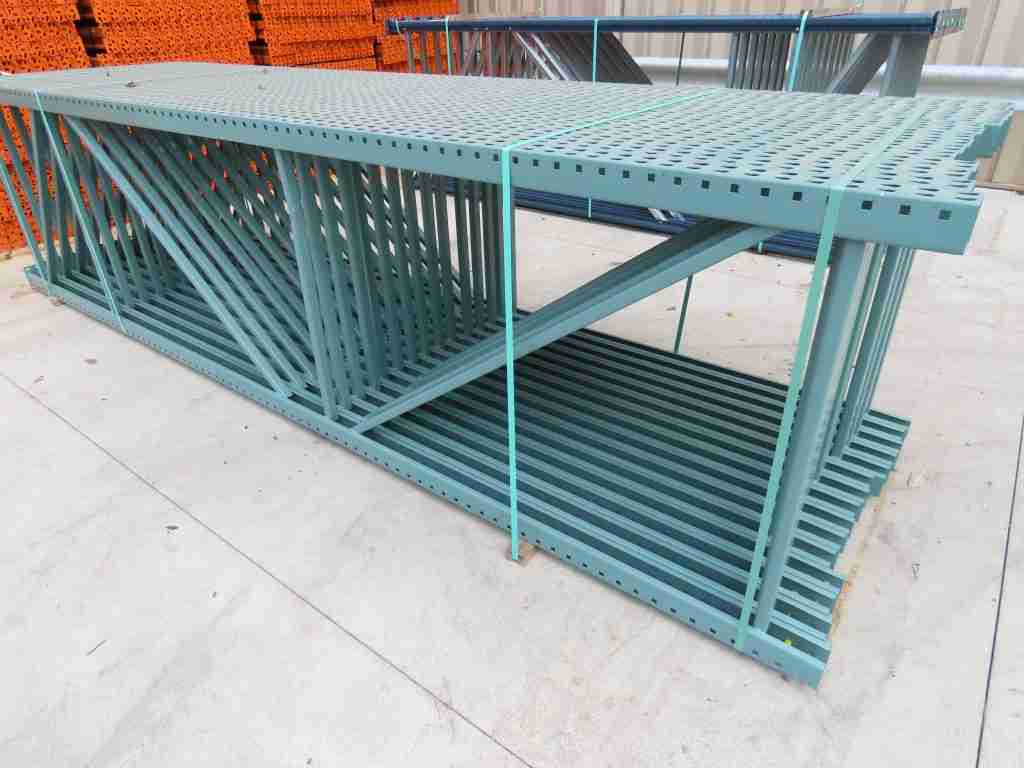
What Are The Cost Implications Of Using Cantilever Racks?
How Easy Is It To Reconfigure Cantilever Racks?
In the dynamic world of warehousing and logistics, flexibility is no longer a luxury; it’s a necessity. Enter cantilever racks—the versatile storage solution that adapts with your business. Whether you’re housing oversized goods, textiles, or construction materials, the ability to reconfigure your cantilever racks offers a myriad of advantages that keep your operation agile and efficient.
Imagine, for example, a thriving e-commerce business experiencing a surge in bulky furniture sales. The space that once efficiently held smaller items suddenly feels cramped. With cantilever racks, it’s as simple as adjusting the arms to accommodate larger pieces. No need for a full overhaul; merely reposition or expand existing systems to maximize your floor space.
The design of cantilever racks is inherently user-friendly. Typically made of robust steel beams, these systems come with straightforward mounting configurations. Most commercial systems offer adjustable arms that slide into place with minimal effort. You can achieve this with just a wrench and a helper, if necessary—proving that while your inventory may change, the time and effort required to adapt doesn’t need to escalate.
In 2023, as supply chain challenges continue to shift due to factors like geopolitical tensions and evolving consumer habits, businesses are increasingly called to pivot. For instance, consider how many companies are now utilizing vertical storage solutions to accommodate rising online orders amidst fluctuating supply chain conditions. Your cantilever racks can be adjusted not just for the types of goods, but also to adapt to market demands at a moment’s notice, enabling you to optimize operations during peak seasons and transition seamlessly into quieter times.
Moreover, this reconfiguration isn’t just about storage; it’s a strategic maneuver that reflects sound business acumen. Imagine a warehouse that morphs from storing seasonal decorations during Halloween to holding gym equipment in January. By maintaining a system that allows for swift adjustments, you cut down on lost sales opportunities and reduce the risk of overstocking items that no longer fit your model.
In summary, reconfiguring cantilever racks is a straightforward process that unlocks unparalleled flexibility in your storage solutions. As the business climate continues to be unpredictable and consumer preferences evolve rapidly, investing in this adaptable shelving can mean the difference between stagnation and growth. So, embrace the ease of these systems and let them work for you, turning every challenge into an opportunity for expansion.
How Easy Is It To Reconfigure Cantilever Racks?
- Flexibility in warehousing and logistics is essential for operational efficiency.
- Cantilever racks provide a versatile storage solution for oversized goods, textiles, and construction materials.
- Adjustable arms on cantilever racks allow easy reconfiguration to accommodate changing inventory needs.
- The user-friendly design of cantilever racks requires minimal tools for adjustment, enhancing adaptability.
- Businesses can quickly pivot to meet market demands and optimize operations during peak and quieter seasons.
- Reconfigurable racks support strategic storage adaptations, reducing lost sales and overstock risks.
- Investing in adaptable shelving like cantilever racks can drive business growth amidst unpredictable market conditions.
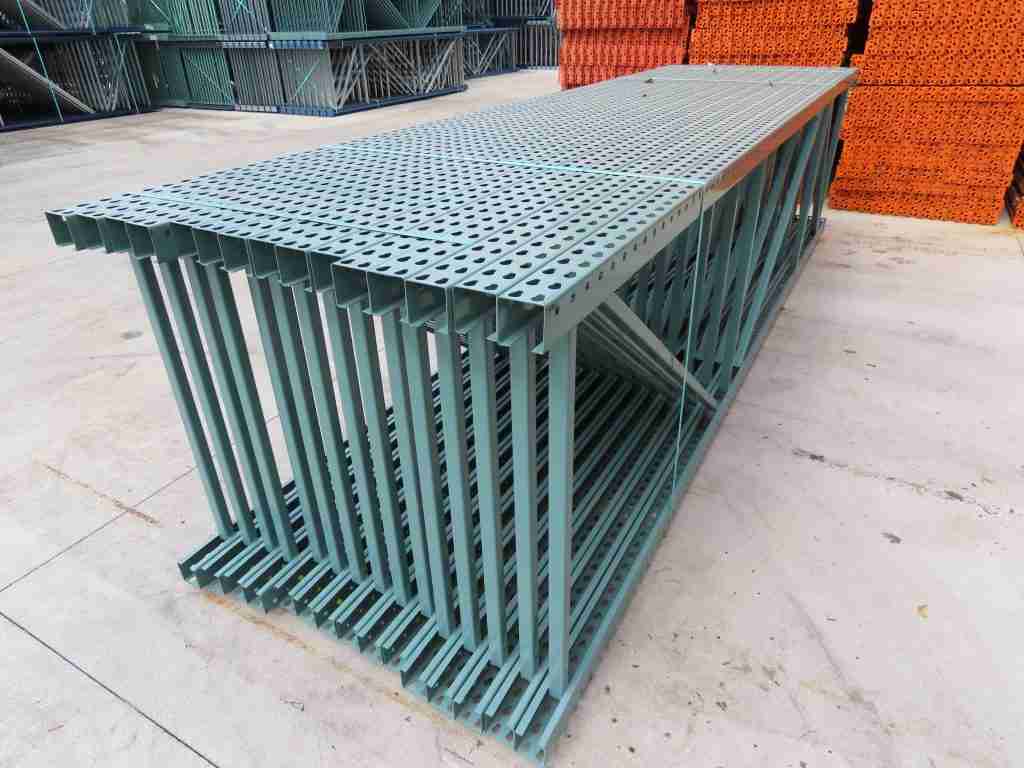
How Easy Is It To Reconfigure Cantilever Racks?
What Are The Weight Limits For Cantilever Racks?
When it comes to optimizing storage solutions for your business, understanding weight limits on cantilever racks is crucial. These versatile storage systems are designed for holding long, bulky, and irregular-shaped items, making them a popular choice in industries from manufacturing to retail. But not all cantilever racks are created equal, and knowing the weight capacity is essential to ensure safety and efficiency.
Cantilever racks come in various configurations and materials, affecting their maximum weight capacity. A standard light-duty cantilever rack can typically support around 1,000 to 2,000 pounds per arm, while heavy-duty models may accommodate upwards of 3,000 pounds per arm or more. Factors such as the length of the arms and the overall structure significantly influence load limits. For example, a rack with shorter arms will often handle heavier loads more effectively than one with longer arms, where leverage comes into play.
Consider the construction industry, where cantilever racks are commonly employed to store lumber or steel. A business specializing in lumber might use heavy-duty cantilever racks, ensuring they can hold substantial materials without compromising safety. If a lumber yard has a rack configured to support 2,500 pounds per arm but attempts to store 3,000 pounds, not only will their inventory be at risk, but the structural integrity of the rack may be compromised, leading to catastrophic failure and potential injuries.
Keep in mind that the weight limit is not the only number to consider. If you’re operating in a high-turnover environment, like a retail store, the dynamic load of moving goods on and off the racks can also affect their performance. Adjusting your rack layout or spacing based on daily operations can optimize your storage while keeping safety top of mind.
Recent disruptions in supply chains further emphasize the need for businesses to invest wisely in storage solutions. As companies adapt to fluctuating inventory needs, ensuring that their cantilever systems can handle variable loads is more important than ever. For instance, a company that anticipates an influx of product due to market trends should reconsider the weight limits of their existing racks as they prepare for increased stock.
Understanding the weight limits for cantilever racks is not just about knowing how much you can store; it’s about creating a safe and efficient environment that allows your business to thrive. Whether you’re in construction, retail, or manufacturing, make informed decisions about your storage solutions and ensure you’re leveraging the full potential of your cantilever racks. After all, in today’s fast-paced market, every inch and every pound counts.
What Are The Weight Limits For Cantilever Racks?
- Understanding weight limits on cantilever racks is key for optimizing storage solutions in businesses.
- Cantilever racks are ideal for storing long, bulky, and irregular-shaped items across various industries.
- Weight capacity varies; light-duty racks support 1,000-2,000 pounds per arm, while heavy-duty can exceed 3,000 pounds.
- The rack’s arm length and overall structure influence the load limits significantly.
- Improper weight management, as in the case of a lumber yard exceeding rack capacity, can lead to structural failures and safety hazards.
- Dynamic loads from high-turnover environments, like retail, also impact rack performance and necessitate thoughtful layout adjustments.
- Investing wisely in storage solutions is essential for coping with supply chain disruptions and fluctuating inventory needs.
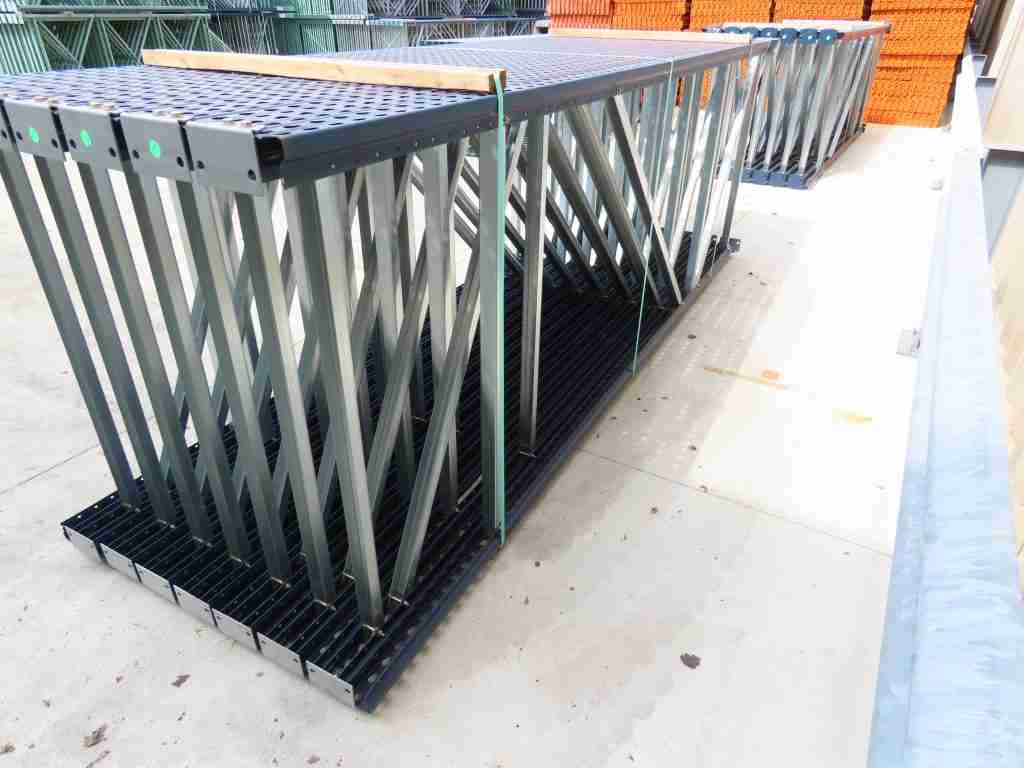
What Are The Weight Limits For Cantilever Racks?
How Can I Optimize Space With Cantilever Racks?
Maximizing space isn’t just a luxury; it’s a survival strategy in today’s competitive business landscape. As supply chains face unprecedented challenges, including global delays and skyrocketing shipping costs, optimizing your storage solutions is critical. Enter cantilever racks—your secret weapon for achieving extraordinary efficiency.
Let’s face it: traditional shelving can be a nightmare when it comes to flexibility and optimizing vertical space. Cantilever racks, on the other hand, offer a unique solution. Designed to hold long, bulky items like lumber, pipes, or furniture, these racks use a series of arms anchored to a central column, effectively utilizing the vertical height of your warehouse. No more wasted square footage—just smart, strategic storage.
Consider the impact of effective space optimization through cantilever racks with a real-world example: a mid-size furniture wholesaler struggling to fit inventory in their limited warehouse. By switching to cantilever racks, they streamlined their operations, enabling them to stack and store over twice the amount of products, significantly reducing retrieval times. Their warehouse was transformed from a crowded maze into an organized haven, allowing staff to locate and access items with ease.
But the beauty of cantilever racks isn’t just in their design—it’s in their versatility. Many companies, especially those in construction or manufacturing, are facing fluctuating demands due to the current economic climate. As material costs rise and availability shifts, the ability to adapt your storage system becomes paramount. Cantilever racks can be easily expanded or modified, allowing you to pivot quickly without incurring significant overhead costs.
Moreover, sustainability is more than just a trend—it’s a necessity. With the ongoing discussions around eco-friendly practices in production and logistics, utilizing cantilever racks aids in reducing your carbon footprint. By optimizing storage, fewer trips to suppliers mean less fuel consumption and decreased emissions.
In light of current trends, with many businesses embracing remote work, physical space becomes even more crucial. Warehouse space optimization with cantilever racks not only helps you save money; it allows you the flexibility to utilize existing facilities to support an evolving business environment.
So, why settle for the ordinary? Your storage solution can be a catalyst for growth or a bottleneck that stifles it. Invest in cantilever racks today—maximize your warehouse space and posture your business for success. Don’t wait for tomorrow; optimize your storage strategy now and watch your operational efficiency soar!
How Can I Optimize Space With Cantilever Racks?
- Maximizing space is essential for survival in today’s competitive business environment.
- Cantilever racks provide an efficient storage solution for long, bulky items, optimizing vertical space.
- By switching to cantilever racks, a mid-size furniture wholesaler doubled storage capacity and reduced retrieval times.
- Cantilever racks are versatile and can be easily modified to adapt to fluctuating demands.
- Utilizing cantilever racks contributes to sustainability by reducing supply trips and emissions.
- Warehouse space optimization is increasingly important in a remote work era, allowing for flexible use of existing facilities.
- Investing in cantilever racks can significantly enhance operational efficiency and support business growth.
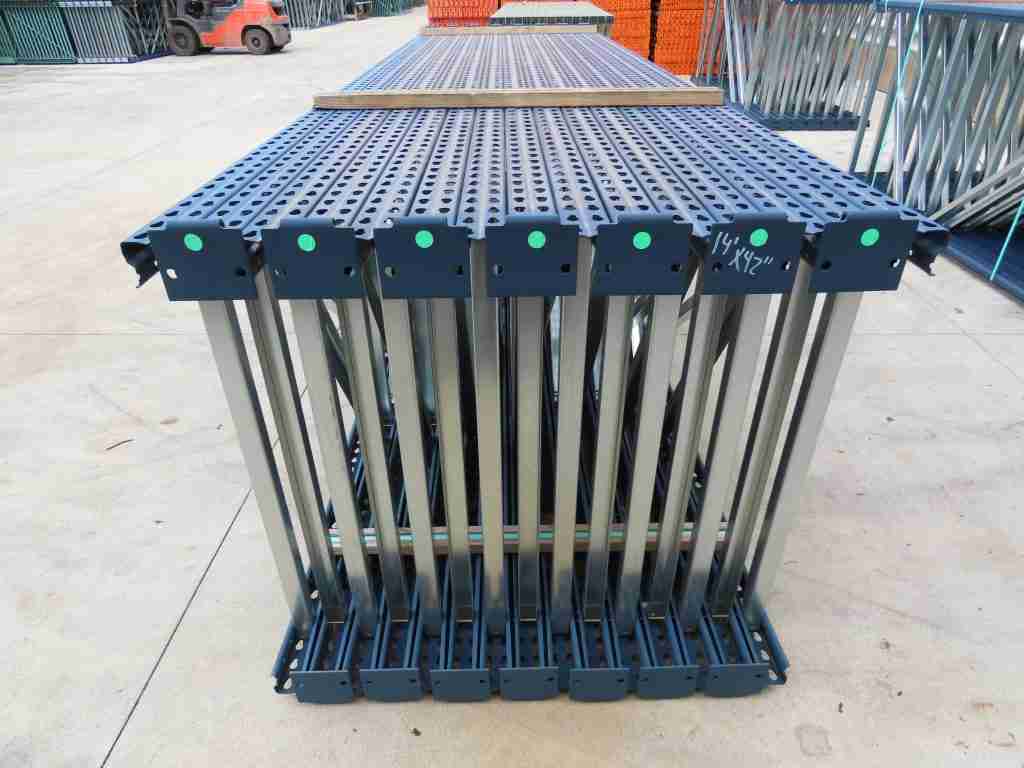
How Can I Optimize Space With Cantilever Racks?
What Role Do Cantilever Racks Play In Supply Chain Management?
In today’s hyper-competitive marketplace, effective supply chain management is not just about moving items from point A to point B; it’s about maximizing efficiency, reducing costs, and maintaining the flow of goods. Enter cantilever racks—a vital, yet often underappreciated, component of modern logistics. These robust storage solutions dramatically enhance operational efficiency, making them invaluable in the management of both inventory and resources.
Imagine a lumber yard teeming with different sizes of timber. Traditional shelving simply won’t work—limited depth and height can make accessing materials cumbersome at best. This is where cantilever racks shine. Their design features long arms extending from a vertical structure that allows for easy loading and unloading of bulky items like lumber, steel, or furniture. By enabling vertical storage, they maximize floor space and minimize the footprint of your operation, which translates into significant savings in overhead costs.
Consider the recent surge in demand for home improvement goods, driven by the pandemic’s DIY trend. Retailers and suppliers scrambled to adjust their inventory strategies to keep up. Companies that invested in cantilever racks reported a smoother flow of goods. By effectively organizing and displaying their products, they not only maintained stock levels but also improved customer experience and satisfaction—key drivers in any supply chain operation.
Moreover, cantilever racks offer flexibility. Businesses facing fluctuating inventory levels can easily adjust the racks or add to them as needed. This adaptability is particularly crucial during economic shifts or seasonal trends, where a surfeit of goods might overwhelm traditional storage methods. Notably, many e-commerce businesses have turned to this adaptable solution as they adapt to increasing online order volumes. For instance, a company specializing in seasonal decorations managed to streamline their logistics by installing cantilever racks that allowed them to effectively pivot their stock layout and fulfill orders faster, ultimately improving delivery times.
And let’s not forget the role of safety. In a space where heavy and potentially hazardous materials are handled daily, organizing them with cantilever racks reduces clutter and decreases the chances of accidents. A safer workspace is not just a risk mitigator—it contributes to worker morale and productivity.
Cantilever racks are not merely storage systems; they are essential tools that empower businesses to enhance their supply chain management. By investing in these solutions, companies can realize substantial operational efficiencies, ensuring they stay ahead in a rapidly changing economic landscape. The proactive integration of cantilever racks may very well be the competitive edge that businesses need to thrive in the modern world.
What Role Do Cantilever Racks Play In Supply Chain Management?
- Effective supply chain management maximizes efficiency, reduces costs, and maintains the flow of goods.
- Cantilever racks enhance operational efficiency and are vital for managing inventory and resources.
- They allow for easy loading/unloading of bulky items, maximizing vertical storage and minimizing operational footprint.
- Companies utilizing cantilever racks have reported smoother goods flow and improved customer satisfaction during heightened demand.
- Cantilever racks offer flexibility for businesses with fluctuating inventory levels, aiding in seasonal and economic adaptations.
- They contribute to workplace safety by organizing heavy materials, reducing clutter, and minimizing accident risks.
- Investing in cantilever racks can provide substantial operational efficiencies, giving businesses a competitive edge.
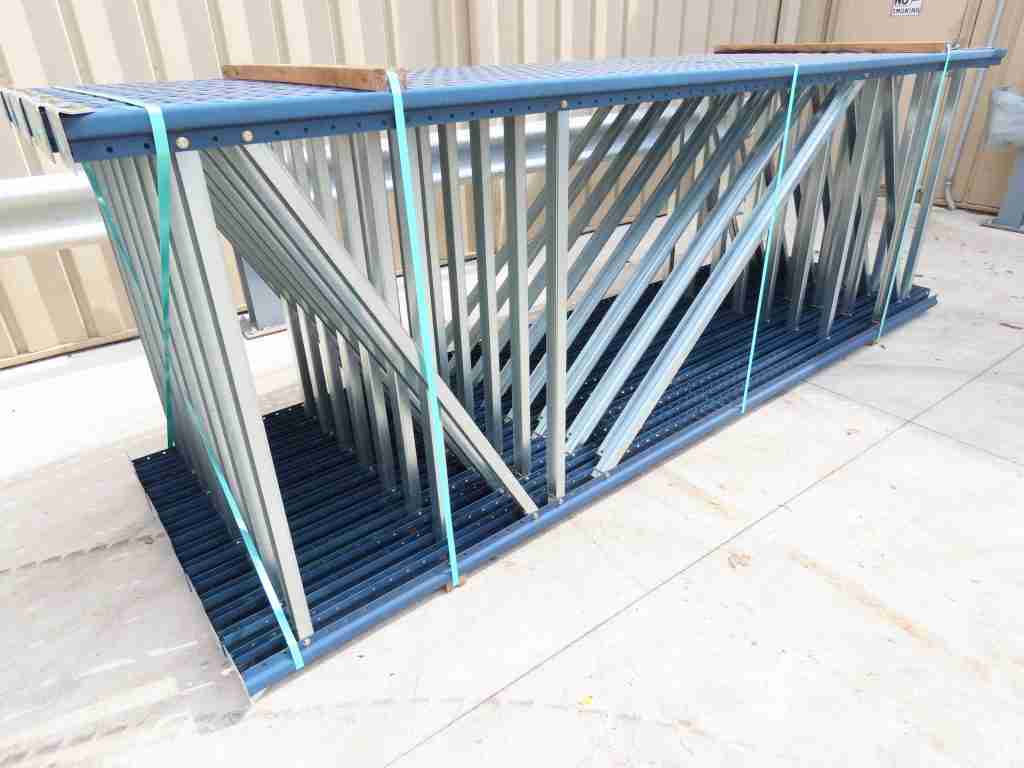
What Role Do Cantilever Racks Play In Supply Chain Management?
Conclusion
In a world where storage efficiency is paramount, cantilever racks emerge as the unsung heroes, particularly in high-turnover environments. With increasing demands for rapid access and optimized space management, businesses cannot afford to overlook the power of these flexible, robust storage solutions. At Arrow Industrial Sales, we recognize the unique demands of contemporary warehousing—from lumberyards to manufacturing plants—and understand how cantilever racks can transform how you organize and retrieve inventory.
By embracing cantilever racks, you’re not just adopting a storage system; you’re investing in a tool designed to enhance productivity. These racks provide an open design that allows for quick loading and unloading, ensuring that your workforce can act swiftly amidst busy operations. Picture a lumberyard during peak season; the ability to easily access long, bulky items translates to faster order fulfillment and, ultimately, a healthier bottom line.
Moreover, the adaptability of cantilever racks cannot be overstated. As market dynamics evolve, so must your storage solutions. The racks can be quickly reconfigured to accommodate different product dimensions, catering to fluctuating inventory needs. Business resilience hinges on such agility—a critical trait in today’s unpredictable economic landscape.
Safety is another vital consideration. Properly designed cantilever racks reduce clutter and minimize the risk of workplace accidents, a recent necessity as safety regulations become increasingly stringent. By investing in robust, heavy-duty models, you can rest easy knowing your inventory is secure while reinforcing the safety of your entire operation.
However, your journey towards heightened efficiency doesn’t end with selection; it continues with consistent maintenance and strategic utilization. Regular inspections and adherence to load capacities are critical in ensuring the longevity and effectiveness of your cantilever systems. Our experts at Arrow Industrial Sales are here to guide you through every step, ensuring you maximize your investment.
We understand you might have questions about how cantilever racks can specifically benefit your operations. Are they suitable for your inventory? How can you customize them for your unique needs? Don’t leave these pivotal decisions to chance.
The time to act is now! Don’t let inefficient storage solutions hold you back. Call Arrow Industrial Sales at (574) 349-6575 today to gain deeper insights into implementing cantilever racks that can revolutionize your operations. The right decision today can lead to exponential gains tomorrow—don’t wait to optimize your storage strategy!
Conclusion:
- Cantilever racks are essential for storage efficiency in high-turnover environments.
- They offer flexible and robust solutions for various industries, including lumberyards and manufacturing plants.
- The open design facilitates quick loading and unloading, boosting productivity and order fulfillment speed.
- Cantilever racks can be easily reconfigured to accommodate changing product dimensions and inventory needs.
- Investing in heavy-duty models enhances safety by reducing clutter and minimizing workplace accidents.
- Consistent maintenance and adherence to load capacities are crucial for the longevity and effectiveness of cantilever systems.
- Contact Arrow Industrial Sales for insights on how cantilever racks can benefit your operations and optimize your storage strategy.
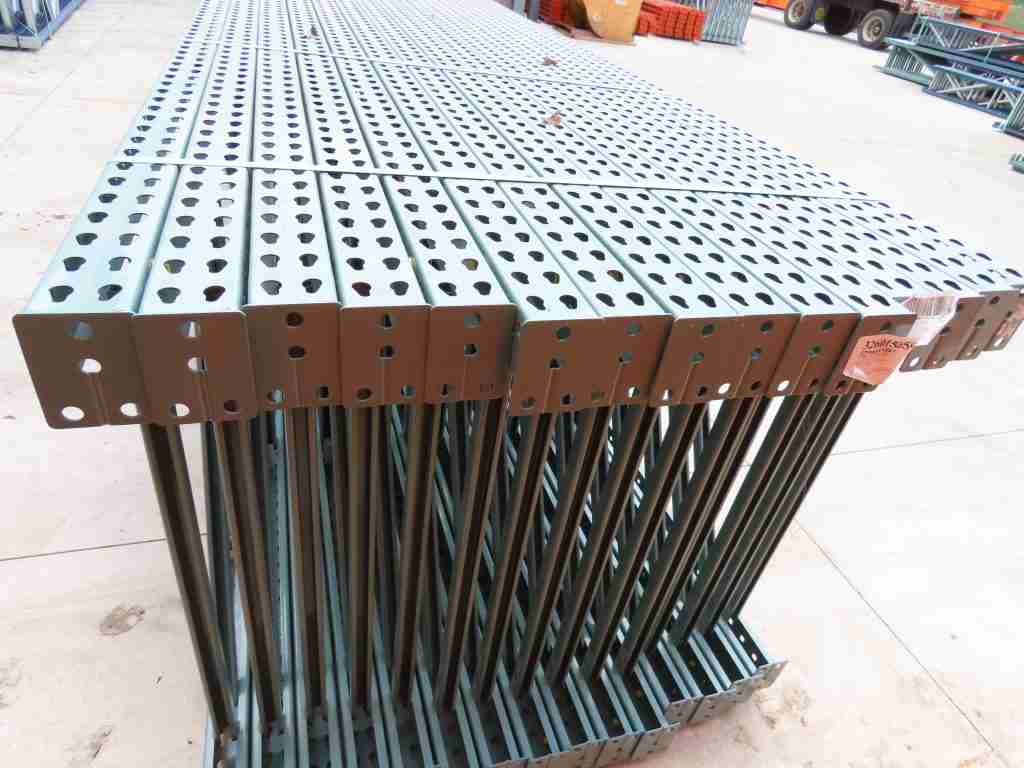
Conclusion
Other Resources
Here is a list of other resources you can review online to learn more:
- “Heavy Duty Cantilever Racks | Platforms and Ladders”
- “Cantilever Racking – Heavy Duty Online Rack Builder”
- “Used Cantilever Racks & Used Lumber Racks for Sale – ASI”
- “Cantilever Starter Kits Archives”
- “New Cantilever Rack Systems for Sale”
- “New & Used Cantilever Racks For Sale – Warehouse1”
- “HEAVY DUTY CANTILEVER RACKS”
- “Cantilever Racks & Shelves – Meco & Red Steel”
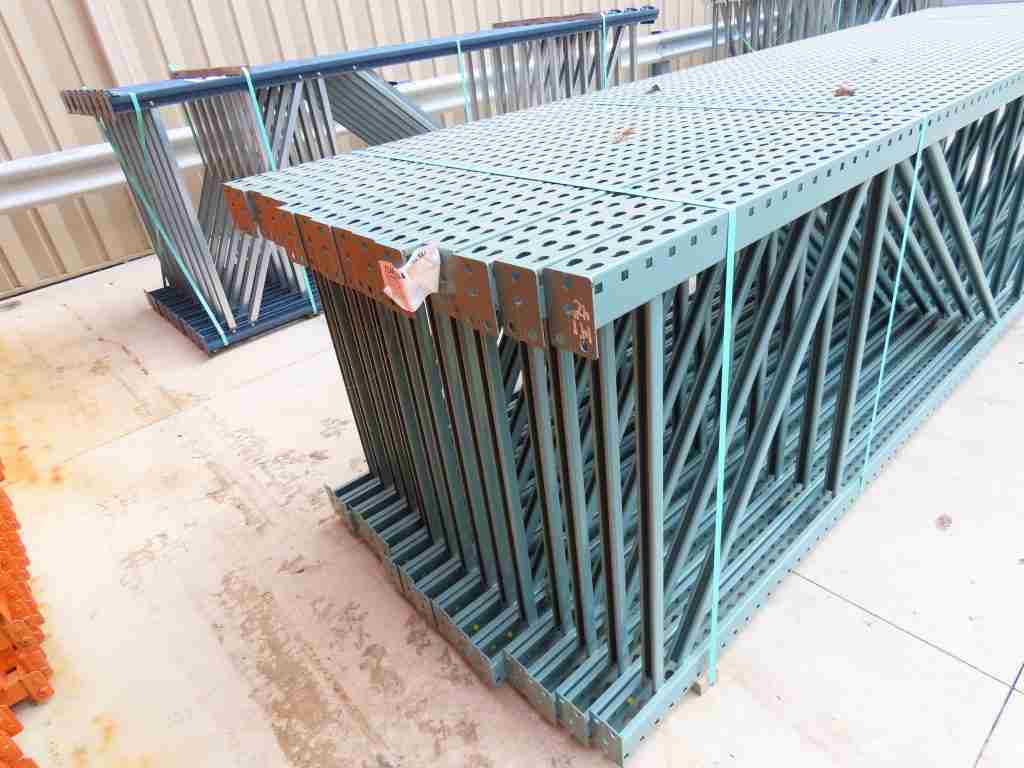
Other Resources
Glossary Terms
How Do Cantilever Racks Perform In High-Turnover Environments? – Glossary Of Terms
1. Cantilever Rack: A storage system featuring arms that extend from a vertical frame, designed for easy access and organization of long or bulky items.
2. High-Turnover Environment: A setting where inventory items are frequently added, picked, and replaced, requiring efficient storage solutions.
3. Load Capacity: The maximum weight that a cantilever rack can safely hold, determined by its design and materials.
4. Vertical Space Utilization: The effective use of height in a storage system, important in maximizing storage density in high-turnover environments.
5. Accessibility: The ease with which items can be retrieved from storage, crucial for optimizing operations in high-turnover settings.
6. Flexibility: The ability of a cantilever rack system to be adjusted or reconfigured to accommodate different types of inventory.
7. Durability: The strength and longevity of a cantilever rack under continuous use and weight load, essential in busy environments.
8. Adjustment Slots: Pre-drilled holes in the vertical frames of racks that allow for the repositioning of arms and shelves.
9. Safety Standards: Regulations and guidelines that ensure the safe design and use of storage systems in order to prevent accidents.
10. Inventory Turnover Rate: A measure of how frequently inventory is sold or used and replaced over a specific period.
11. Pallet: A platform used to support goods for storage or transportation, often utilized with cantilever racks in high-turnover areas.
12. Load Distribution: The spread of weight across the arms and frame of a rack, vital for maintaining balance and preventing structural failure.
13. Forklift Accessibility: The ability of forklifts to maneuver around and access cantilever racks for efficient loading and unloading.
14. SKU (Stock Keeping Unit): A unique identifier for each distinct item or product in a company’s inventory, vital for tracking in high-turnover environments.
15. Seasonal Inventory: Items that experience fluctuating demand based on seasonal trends, requiring flexible storage solutions.
16. Organizational Efficiency: The system’s ability to facilitate quick and easy access to products, reducing handling times and enhancing productivity.
17. Space Optimization: The practice of maximizing storage area and minimizing unused space in a warehouse or storage facility.
18. Picking Efficiency: The effectiveness of retrieving items from storage, directly influencing overall operations and turnover in fast-paced environments.
19. Resilience: The capability of a cantilever rack to withstand repeated use and wear, particularly in high-traffic areas.
20. Inventory Management: The process of overseeing and controlling stock levels, orders, and deliveries in a warehouse, ensuring optimal throughput.
21. Safety Stock: Extra inventory kept on hand to manage fluctuations in demand and avoid stockouts, crucial in high-turnover settings.
22. Throughput: The amount of goods processed or handled in a specific period, significant in measuring the efficiency of storage systems.
23. Structural Integrity: The ability of the cantilever rack to maintain its shape and strength under load, imperative for reliability in high-demand situations.
24. Custom Configurations: Tailored designs of cantilever racks to meet specific business needs or inventory types, enhancing functionality and efficiency.
25. Back-to-Back Design: A layout where two cantilever racks are placed back-to-back, maximizing space and improving access to inventory.
26. Replenishment Cycle: The schedule and process for restocking inventory, crucial for maintaining appropriate stock levels in high-turnover environments.
27. Material Handling: The movement, protection, storage, and control of materials throughout the manufacturing, warehousing, and distribution processes.
28. Ergonomics: The design principles focused on worker safety and efficiency, influencing how cantilever racks are accessed and operated.
29. Cross-Docking: A logistics practice that involves unloading products from incoming transport and loading them directly onto outbound vehicles, often utilizing cantilever racks for temporary storage.
30. Inventory Auditing: The process of systematically reviewing and verifying inventory levels, important for maintaining accuracy and preventing discrepancies in fast-moving environments.
Glossary Of Terms
Other Questions
How Do Cantilever Racks Perform In High-Turnover Environments? – Other Questions
If you wish to explore and discover more, consider looking for answers to these questions:
- What are the key advantages of using cantilever racks in various industries?
- How do cantilever racks compare to other types of storage solutions?
- What are the maintenance requirements for cantilever racks?
- Can cantilever racks be used for storing different types of materials?
- What are the common challenges faced when implementing cantilever racks?
- How can cantilever racks improve safety in the warehouse environment?
- What accessories or add-ons are available for cantilever racks?
- How do weather conditions affect outdoor installation of cantilever racks?
- What is the typical lifespan of cantilever racks, and when should they be replaced?
- How do I assess the right configuration for cantilever racks based on my inventory?
- What factors influence the cost of cantilever racks beyond the initial purchase price?
- Are there specific safety regulations pertaining to the use of cantilever racks?
- How do cantilever racks contribute to sustainability in warehouse operations?
- What are the most common industries that benefit from cantilever racks?
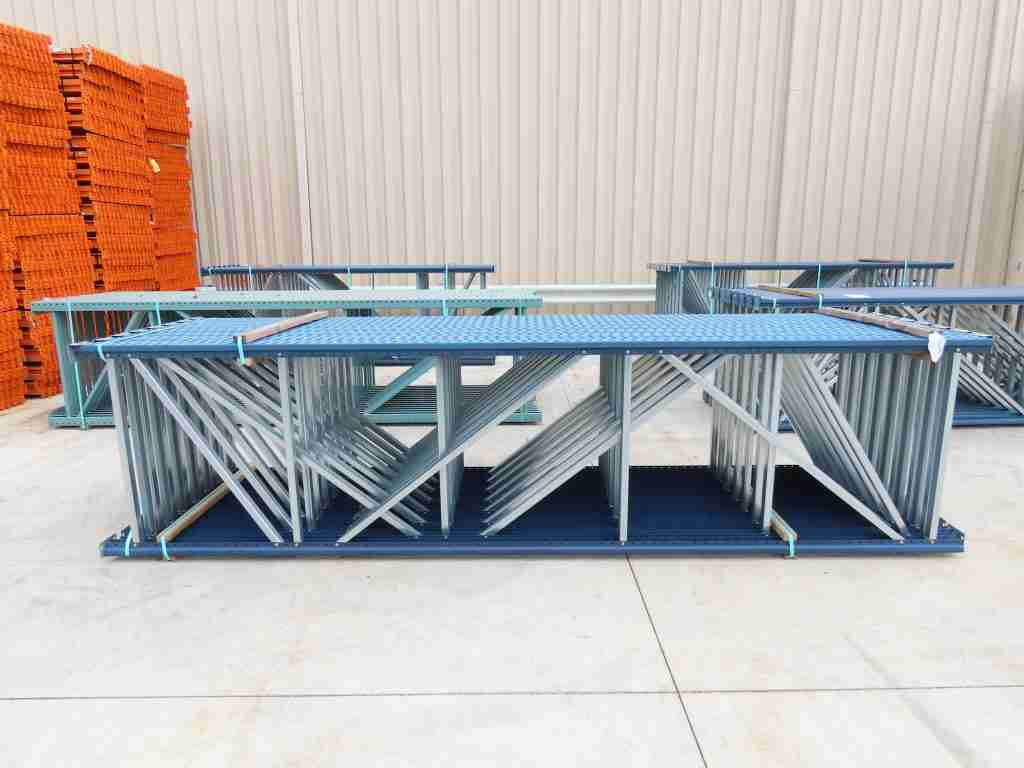
Other Questions
Checklist
How Do Cantilever Racks Perform In High-Turnover Environments? – A Checklist
1. Assess Your Needs
_____ Identify the types of materials to be stored (e. g. , lumber, pipes, metal sheets).
_____ Determine the size and weight of the items for storage.
_____ Evaluate current storage challenges and how cantilever racks can address them.
2. Select the Right Cantilever Rack
_____ Choose the appropriate cantilever rack type (light-duty vs. heavy-duty).
_____ Ensure the rack can support the maximum weight per arm and total load.
_____ Consider customization options for adjustable arms to accommodate various item sizes.
3. Optimize Layout and Design
_____ Plan the layout for maximum space efficiency; consider vertical storage options.
_____ Allow sufficient aisle space for safe access and operation.
_____ Ensure an organized setup for easy loading and unloading.
4. Focus on Safety
_____ Train staff on weight limits and load distribution principles.
_____ Conduct regular safety checks to monitor for any signs of wear (e. g. , rust, bent arms).
_____ Implement clear safety protocols for using cantilever racks in daily operations.
5. Regular Maintenance Practices
_____ Schedule routine inspections for structural integrity and overall condition.
_____ Establish a maintenance log to track issues and resolutions.
_____ Keep a stock of spare parts for quick repairs when needed.
6. Maximize Storage Efficiency
_____ Use signage to indicate load capacities on each rack.
_____ Maintain an inventory management system that aligns with the layout of your cantilever racks.
_____ Regularly review and adjust the rack configuration as inventory needs change.
7. Implement Environmental Considerations
_____ Choose weather-resistant materials if the racks will be used outdoors.
_____ Place racks under protective coverings when necessary to prolong lifespan.
_____ Adopt eco-friendly practices in inventory monitoring and purchasing decisions.
8. Monitor Performance and Adapt
_____ Track productivity gains and labor cost savings associated with using cantilever racks.
_____ Identify and respond to changes in inventory patterns and market demands.
_____ Be prepared to reconfigure racks to accommodate seasonal changes in inventory.
By following this checklist, you can effectively leverage cantilever racks to enhance operational efficiency while ensuring safety and flexibility in your storage solutions.
Checklist
At RackingWorld, we help guide you through selecting warehouse storage systems and racking.
Be sure to read our other related stories at RackingWorld to learn more about warehouse storage systems.
0 Comments