
Mastering Pallet Rack Uprights and Beams Selection
By Tom Seest
At RackingWorld, we help guide you through selecting warehouse storage systems and racking.
Be sure to read our other related stories at RackingWorld to learn more about warehouse storage systems.
How Do You Choose The Right Pallet Rack Uprights and Beams?
When it comes to choosing the right pallet rack uprights and beams for your warehouse or storage facility, there are a few key factors to consider. One of the most important things to keep in mind is the weight capacity of the racks. You want to make sure that the racks you choose can safely support the weight of your inventory without any risk of collapsing or failing.
Another important factor to consider is the size and dimensions of the racks. You want to make sure that the racks you choose are the right size for your space and can efficiently store your inventory. It’s also important to consider the height of the racks, as taller racks can maximize vertical storage space and help you make the most of your warehouse’s footprint.
In addition, you’ll want to consider the durability and strength of the pallet rack uprights and beams. Look for racks that are made from high-quality materials and have a sturdy construction that can withstand the demands of a busy warehouse environment.
When choosing pallet rack uprights and beams, it’s also important to consider any special features or customization options that you might need. For example, if you have unique storage requirements or need to accommodate specific types of inventory, you may need racks that can be easily adjusted or customized to meet your needs.
In light of recent events such as the global supply chain disruptions caused by the COVID-19 pandemic, it’s more important than ever to choose pallet rack uprights and beams that are reliable and can help you streamline your storage and inventory management processes. By investing in high-quality racks that are built to last, you can ensure that your warehouse operations run smoothly and efficiently, even in the face of unexpected challenges.
Overall, when choosing pallet rack uprights and beams, it’s important to take the time to carefully assess your needs and choose racks that are well-suited to your specific requirements. By considering factors such as weight capacity, size, durability, and customization options, you can ensure that you invest in racks that will help you maximize your storage space and optimize your warehouse operations.
How Do You Choose The Right Pallet Rack Uprights and Beams?
How Do You Choose The Right Pallet Rack Uprights and Beams?
- Consider weight capacity to ensure racks can safely support inventory.
- Size and dimensions should be appropriate for space and inventory needs.
- Height of racks can maximize vertical storage space.
- Look for durability and strength in materials and construction.
- Consider customization options for unique storage requirements.
- Choose reliable racks to streamline storage and inventory processes.
- Assess needs carefully to invest in racks suited to specific requirements.
How Do You Choose The Right Pallet Rack Uprights and Beams?
Table Of Contents
- How Do You Choose The Right Pallet Rack Uprights and Beams?
- What Weight Capacity Do I Need For My Pallet Rack Uprights?
- How Do I Determine The Height Of The Pallet Rack Uprights?
- What Kind Of Beams Are Best For Heavy-Duty Pallet Racking?
- How Do I Calculate The Required Beam Length For My Pallet Rack?
- What Are The Weight Capacity Requirements For Your Pallet Racks?
- Are You Considering The Size And Weight Of Your Pallet Loads?
- How Important Is It To Consider The Height Of Your Warehouse?
- Should You Prioritize Durability Or Cost When Choosing Pallet Racks?
- Are You Looking For Adjustable Pallet Rack Systems?
- What Type Of Material Is Best For Pallet Rack Uprights And Beams?
- How Do You Determine The Right Spacing Between Pallet Rack Beams?
- What Safety Features Should You Look for In Pallet Rack Systems?
- Conclusion
- Other Resources
- Glossary Of Terms
- Other Questions
- Checklist
What Weight Capacity Do I Need For My Pallet Rack Uprights?
When it comes to selecting the right pallet rack uprights for your warehouse, one of the most important factors to consider is the weight capacity. Choosing uprights with the appropriate weight capacity can help ensure the safety and efficiency of your warehouse operations.
To determine the weight capacity you need for your pallet rack uprights, you first need to consider the weight of the products you will be storing on the racks. It’s important to account for the heaviest items you will be storing, as well as any potential future growth in inventory. For example, if you primarily store lightweight boxes on your pallet racks but anticipate adding heavier items in the future, you will need to select pallet rack uprights with a higher weight capacity to accommodate the increased load.
Additionally, you should consider the height of your pallet racks when determining the weight capacity you need. Taller racks have a higher center of gravity, which can impact their stability and weight capacity. If you plan to have tall pallet racks in your warehouse, it’s crucial to choose uprights with a higher weight capacity to ensure they can safely support the weight of the products stored on them.
Current events such as the rise of e-commerce and the shift towards online shopping have also influenced the weight capacity requirements for pallet rack uprights. With the increasing demand for fast shipping and fulfillment, warehouses are handling larger volumes of inventory than ever before. This means that pallet rack uprights need to be able to support heavier loads to accommodate the growing inventory levels and ensure efficient order fulfillment.
Selecting the right weight capacity for your pallet rack uprights is essential for the safety and efficiency of your warehouse operations. By considering factors such as the weight of the products you will be storing, the height of your pallet racks, and current industry trends, you can choose uprights that will meet your needs now and in the future. Investing in high-quality pallet rack uprights with the appropriate weight capacity will help prevent accidents, reduce downtime, and maximize the storage space in your warehouse.
What Weight Capacity Do I Need For My Pallet Rack Uprights?
What Weight Capacity Do I Need For My Pallet Rack Uprights?
- Weight capacity is a crucial factor when selecting pallet rack uprights for your warehouse.
- Consider the weight of the products being stored and potential future growth in inventory.
- Take into account the height of your pallet racks when determining weight capacity needed.
- Current events like the rise of e-commerce have influenced weight capacity requirements.
- Pallet rack uprights must support heavier loads for efficient order fulfillment.
- Choosing the right weight capacity ensures safety, efficiency, and maximizes storage space.
- Investing in high-quality uprights will help prevent accidents and reduce downtime.
What Weight Capacity Do I Need For My Pallet Rack Uprights?
How Do I Determine The Height Of The Pallet Rack Uprights?
When it comes to determining the height of your pallet rack uprights, there are several factors to consider in order to maximize your storage space and operational efficiency. The height of your pallet rack uprights will depend on the height of your warehouse ceiling, the size of your pallets, and the reach of your forklifts.
One way to determine the height of your pallet rack uprights is to measure the distance between your warehouse floor and ceiling. This will give you a general idea of how tall your pallet rack uprights can be without interfering with your overhead space. Additionally, you should consider the size of your pallets and how many levels you want to store them on. For example, if your pallets are 48 inches tall and you want to store them two pallets high, you will need at least 96 inches of clearance between each level of pallet rack uprights.
Another important factor to consider is the reach of your forklifts. If your forklifts have a maximum lift height of 20 feet, it would not make sense to have pallet rack uprights that are 25 feet tall. This would result in wasted space and inefficient storage practices. By taking into account the capabilities of your forklifts, you can determine the optimal height for your pallet rack uprights to ensure smooth and seamless operations in your warehouse.
Furthermore, recent advancements in technology have made it easier than ever to determine the height of your pallet rack uprights. Many companies now offer virtual reality simulations that can help you visualize your warehouse layout and optimize the height of your pallet rack uprights. By using these cutting-edge tools, you can confidently make informed decisions about the height of your pallet rack uprights without the need for costly trial and error.
Determining the height of your pallet rack uprights is a crucial step in maximizing your warehouse storage space and operational efficiency. By considering factors such as warehouse ceiling height, pallet size, forklift reach, and utilizing modern technology, you can ensure that your pallet rack uprights are tailored to meet the unique needs of your business. Don’t let valuable storage space go to waste – make sure to carefully calculate the height of your pallet rack uprights for optimal results.
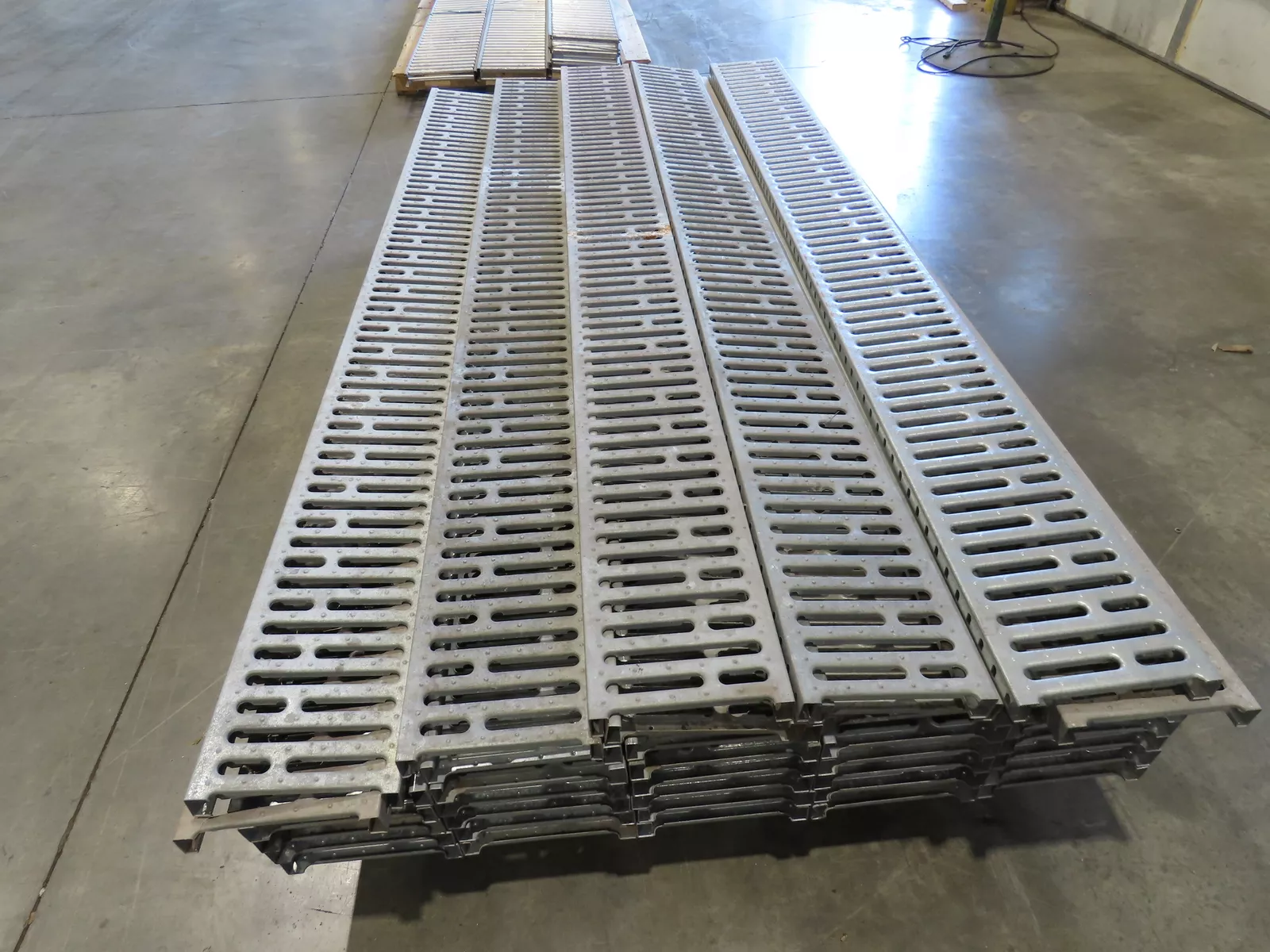
How Do I Determine The Height Of The Pallet Rack Uprights?
How Do I Determine The Height Of The Pallet Rack Uprights?
- Height of pallet rack uprights depends on warehouse ceiling, pallet size, and forklift reach.
- Measure distance between floor and ceiling to determine maximum height.
- Consider pallet size and desired number of levels for storage.
- Take into account forklift maximum lift height for optimal storage space utilization.
- Utilize virtual reality simulations for visualizing warehouse layout and optimizing height.
- Maximize warehouse storage space and operational efficiency by carefully calculating pallet rack upright height.
- Ensure tailored pallet rack uprights meet unique business needs for optimal results.
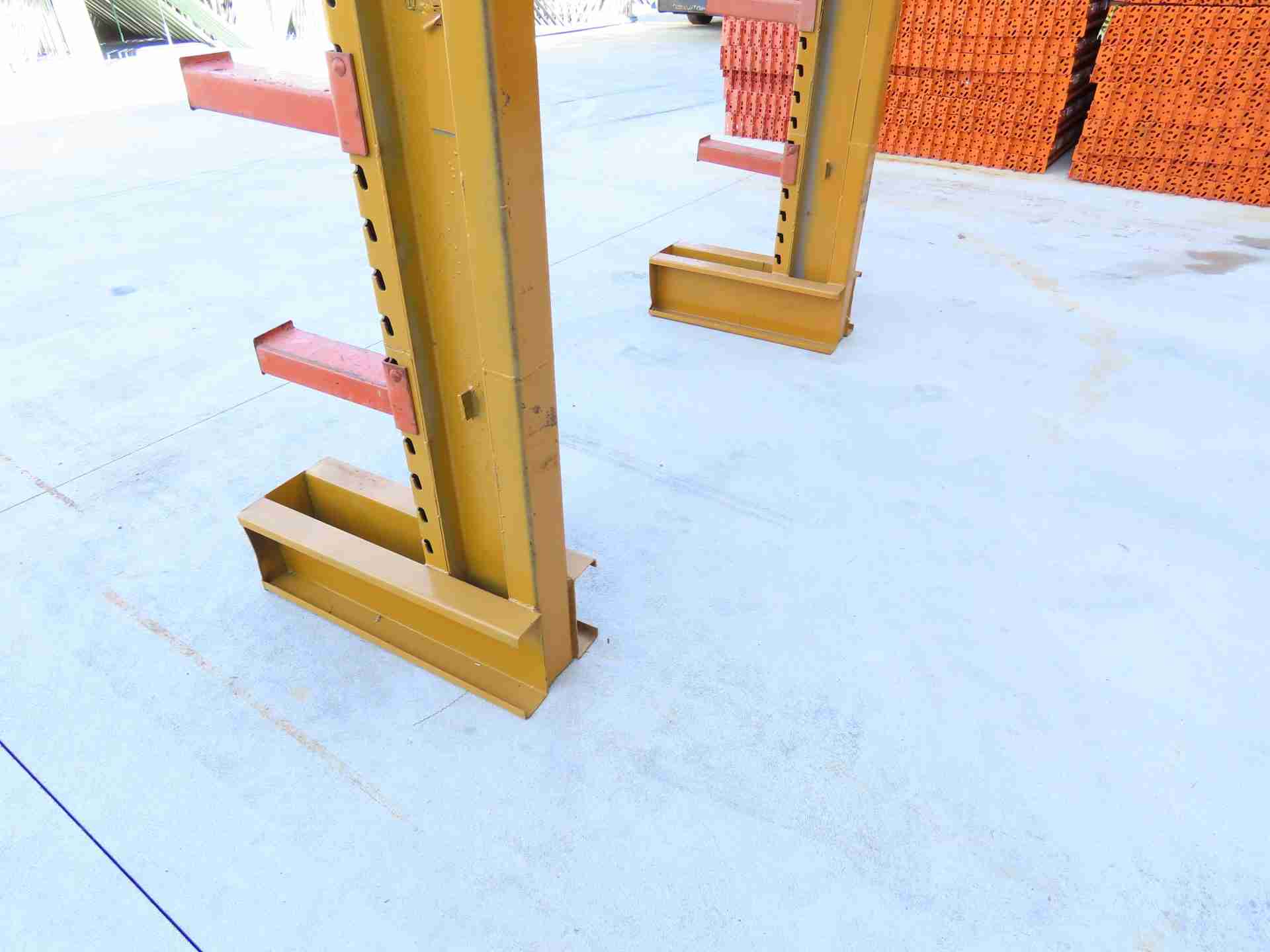
How Do I Determine The Height Of The Pallet Rack Uprights?
What Kind Of Beams Are Best For Heavy-Duty Pallet Racking?
When it comes to heavy-duty pallet racking, selecting the right beams is crucial for ensuring the safety and stability of your warehouse storage system. The type of beams you choose will determine the weight capacity, durability, and overall performance of your pallet racking system.
One of the best options for heavy-duty pallet racking is structural steel beams. These beams are extremely strong and durable, making them ideal for supporting heavy loads. They are typically made from high-quality steel and are designed to withstand the pressures of a busy warehouse environment. Structural steel beams are also versatile, allowing for easy customization to fit your specific storage needs.
Another great option for heavy-duty pallet racking is teardrop beams. These beams are known for their quick and easy installation, making them a popular choice among warehouse managers. Teardrop beams feature a unique design that allows for easy beam adjustment, making it simple to change the height of your pallet racks as needed. This flexibility is especially important for warehouses that frequently change their inventory or storage requirements.
In addition to structural steel and teardrop beams, double-slotted beams are also a great choice for heavy-duty pallet racking. These beams feature two slots on each side, providing extra support for heavy loads. Double-slotted beams are perfect for warehouses that require maximum strength and durability in their pallet racking system.
When selecting beams for your heavy-duty pallet racking, it’s important to consider the weight capacity of the beams. Make sure to choose beams that can support the weight of your heaviest pallets and products. Additionally, consider the overall quality and construction of the beams to ensure they will withstand the rigors of daily warehouse operations.
With the rising demands for efficient storage solutions in warehouses across the globe, it is essential to invest in high-quality beams that can handle heavy loads and provide long-lasting performance. By choosing the right type of beams for your heavy-duty pallet racking, you can maximize your warehouse space and improve your overall storage efficiency.
When it comes to heavy-duty pallet racking, structural steel, teardrop, and double-slotted beams are among the best options available. By selecting the right beams for your storage system, you can ensure the safety and stability of your warehouse operations while maximizing your storage capacity. Make the smart choice and invest in high-quality beams for your heavy-duty pallet racking system today.
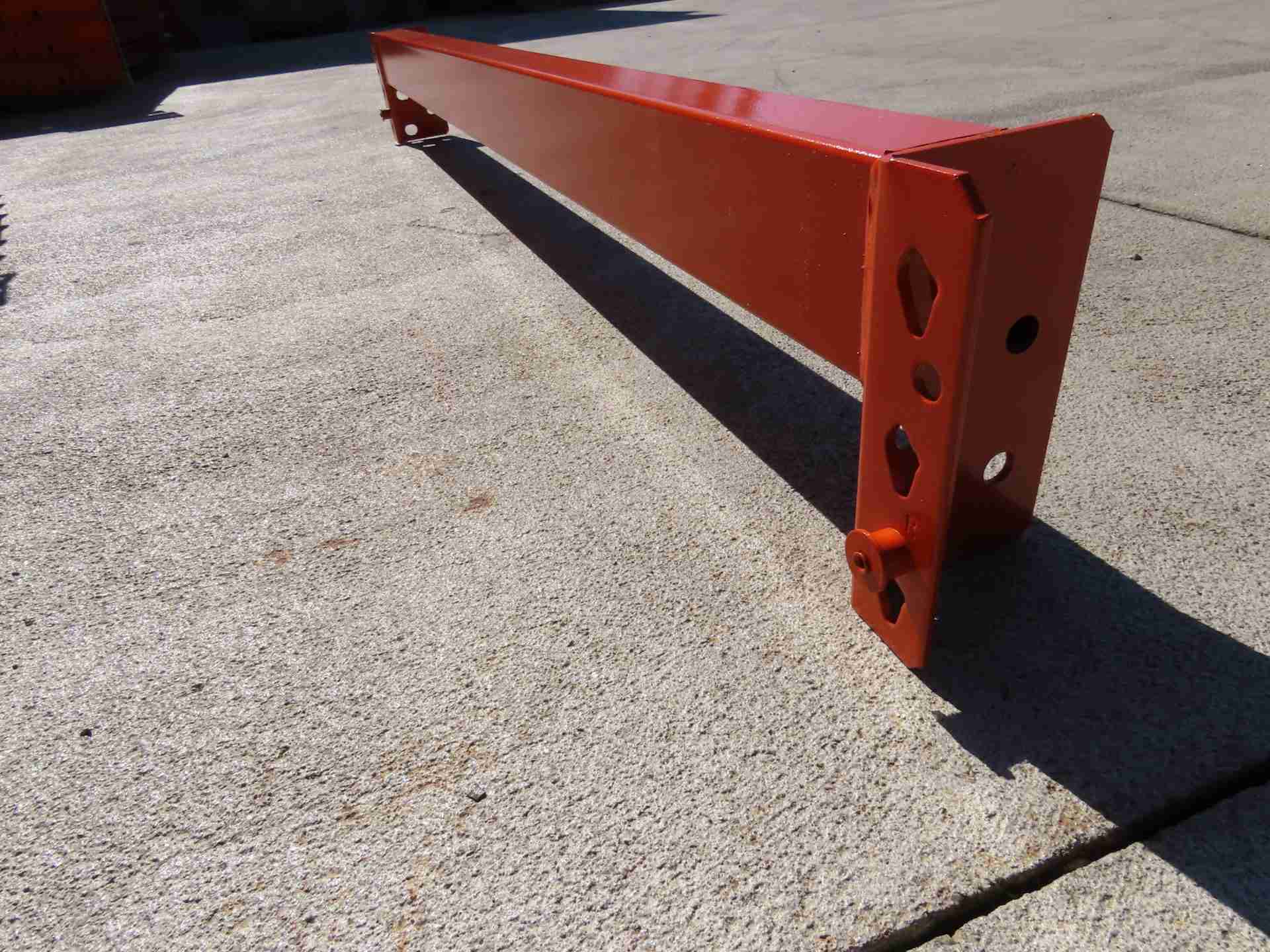
What Kind Of Beams Are Best For Heavy-Duty Pallet Racking?
What Kind Of Beams Are Best For Heavy-Duty Pallet Racking?
- Structural steel beams are extremely strong and durable, ideal for heavy loads.
- Teardrop beams allow for quick and easy installation with easy height adjustment.
- Double-slotted beams provide extra support for heavy loads with two slots on each side.
- Consider weight capacity and construction quality when selecting beams.
- Invest in high-quality beams to handle heavy loads and improve storage efficiency.
- Structural steel, teardrop, and double-slotted beams are among the best options for heavy-duty pallet racking.
- Choose the right beams to ensure safety, stability, and maximize storage capacity.

What Kind Of Beams Are Best For Heavy-Duty Pallet Racking?
How Do I Calculate The Required Beam Length For My Pallet Rack?
Calculating the required beam length for your pallet rack is a crucial step in optimizing your warehouse space and ensuring maximum efficiency. There are several factors to consider when determining the appropriate beam length for your specific needs.
One important consideration is the size and weight of the items you will be storing on the pallet rack. If you are storing heavy items or items that require additional support, you will likely need longer beams to provide the necessary strength and stability. Alternatively, if you are storing smaller, lighter items, shorter beams may be sufficient.
Another factor to consider is the depth of the pallet rack itself. If the rack is deeper, you may need longer beams to ensure that your items are fully supported and secure. Conversely, if the rack is more shallow, shorter beams may be sufficient.
Additionally, it is important to consider the spacing between each level of the pallet rack. If you have more levels and need to store items closer together, longer beams may be necessary to accommodate the additional space. On the other hand, if you have fewer levels and are able to space items further apart, shorter beams may be appropriate.
It is also important to take into account any current events or trends that may impact your decision on beam length. For example, with the continued growth of e-commerce and the shift towards online shopping, many warehouses are experiencing an increase in demand for storage space. This may require longer beams to accommodate larger quantities of inventory.
Furthermore, with the recent focus on sustainability and reducing environmental impact, choosing the appropriate beam length for your pallet rack can help optimize your space and minimize waste. By utilizing longer beams to maximize storage capacity, you can reduce the need for additional racks and create a more efficient and sustainable warehouse layout.
Calculating the required beam length for your pallet rack is a critical step in maximizing your warehouse space and ensuring that your items are properly supported. By considering factors such as item size and weight, rack depth, spacing between levels, and current events or trends, you can make an informed decision on the appropriate beam length for your specific needs.
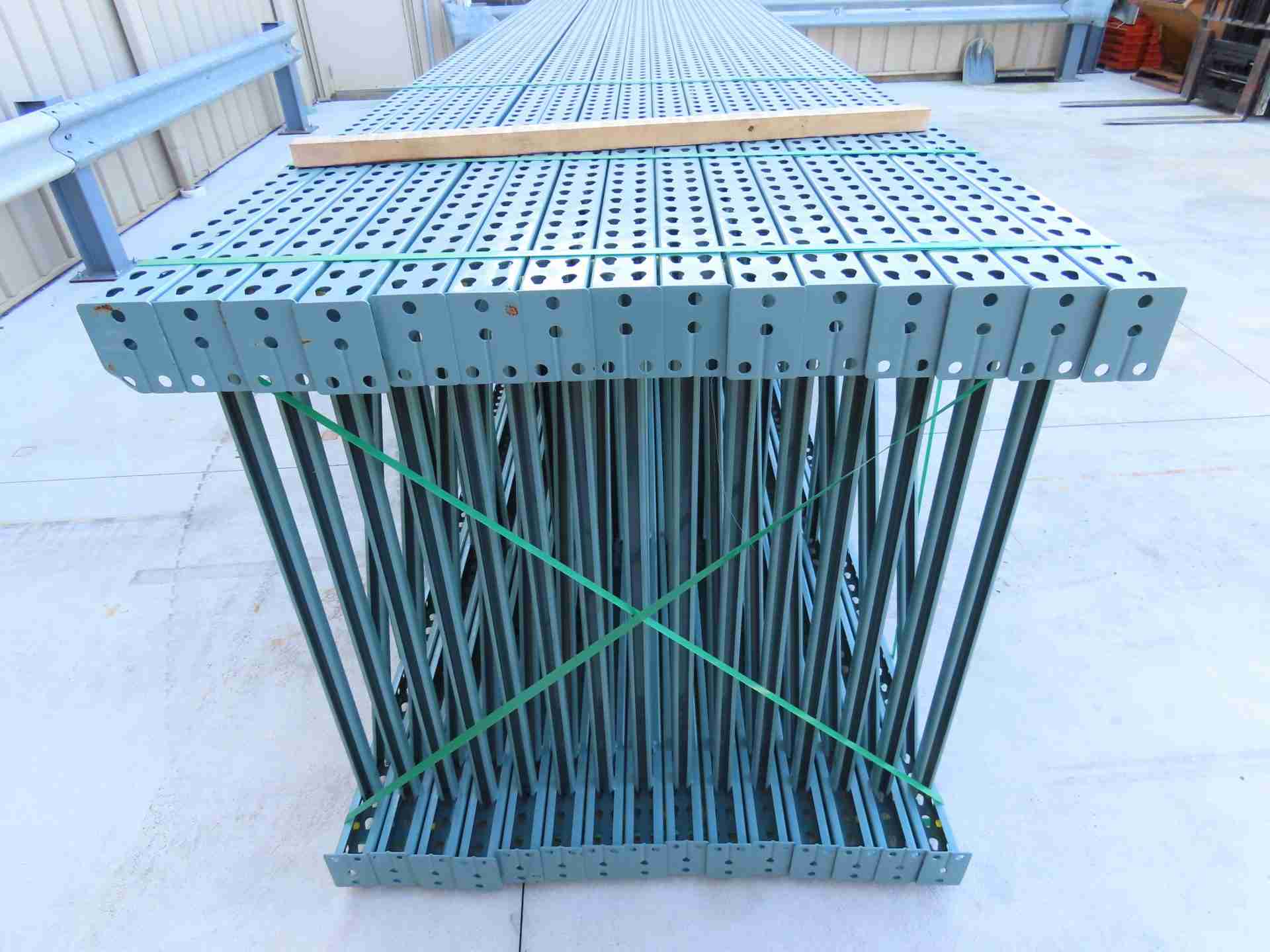
How Do I Calculate The Required Beam Length For My Pallet Rack?
How Do I Calculate The Required Beam Length For My Pallet Rack?
- Calculating the required beam length for your pallet rack is a crucial step in optimizing your warehouse space and ensuring maximum efficiency.
- Consider the size and weight of the items being stored
- heavier items may require longer beams for strength and stability.
- Take into account the depth of the pallet rack
- deeper racks may need longer beams for better support.
- Factor in the spacing between each level of the pallet rack
- more levels may require longer beams for additional space.
- Consider current events or trends affecting warehouse storage needs
- e-commerce growth may require longer beams for increased inventory.
- Focus on sustainability by choosing the appropriate beam length to optimize space and minimize waste.
- By calculating the required beam length based on item size, rack depth, spacing, and current trends, you can ensure proper support for your items and maximize warehouse efficiency.
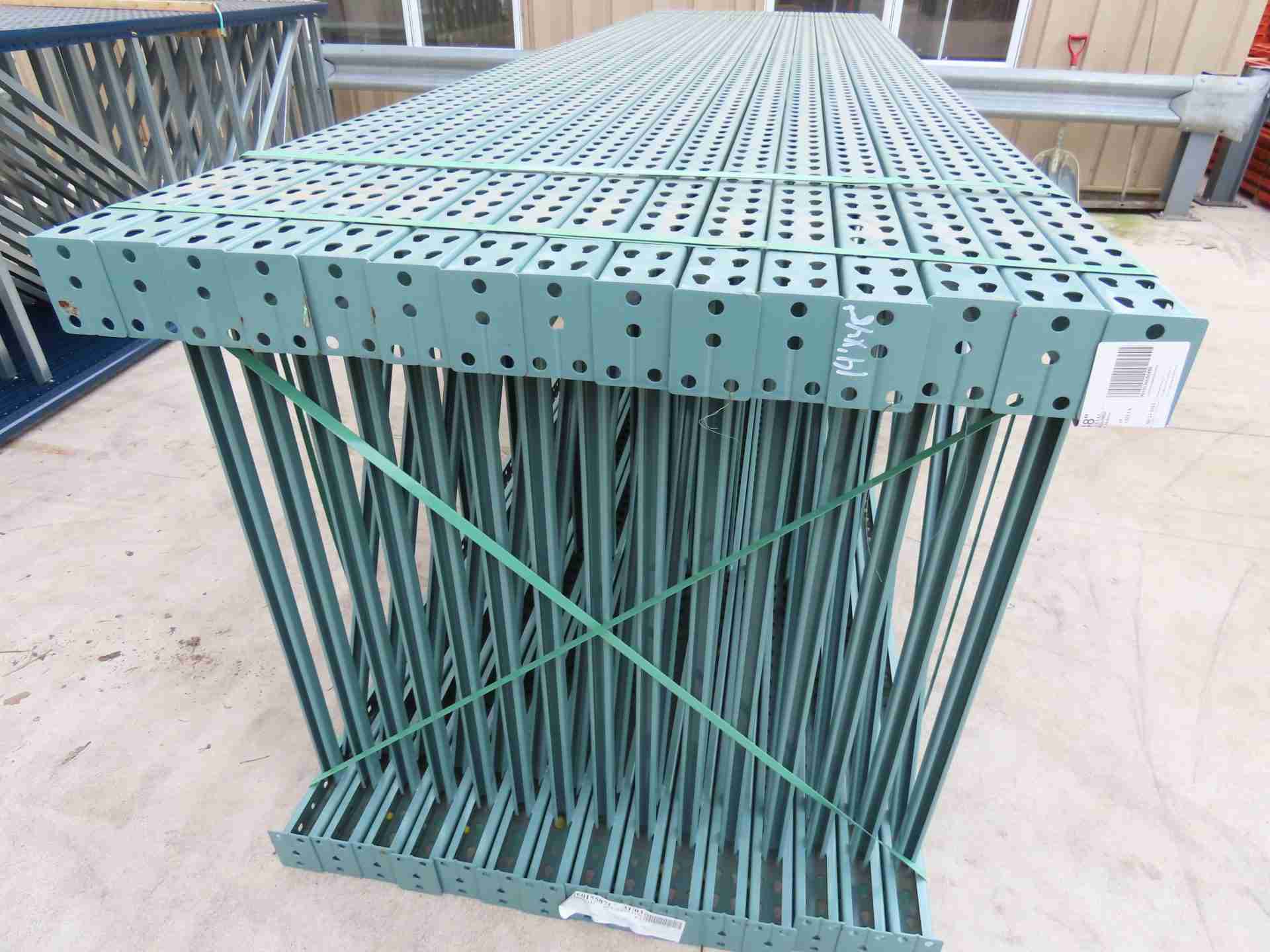
How Do I Calculate The Required Beam Length For My Pallet Rack?
What Are The Weight Capacity Requirements For Your Pallet Racks?
When it comes to investing in pallet racks for your warehouse, one crucial factor to consider is the weight capacity requirements. Properly assessing and understanding the weight capacity of your pallet racks can ensure the safety of your employees, products, and equipment, while also maximizing storage space and efficiency.
Before purchasing pallet racks, it’s essential to take into account the weight of your heaviest loads. By knowing the weight capacity of your pallet racks, you can prevent overloading them, which can lead to structural damage, collapse, and potential safety hazards.
When determining the weight capacity requirements for your pallet racks, consider factors such as the weight of your products, pallets, and any additional equipment that may be stored on the racks. It’s important to choose pallet racks that can safely support the maximum weight of your heaviest loads, ensuring that your warehouse operations run smoothly and efficiently.
For example, if you store heavy automotive parts on your pallet racks, you’ll need to invest in heavy-duty racks with a high weight capacity. On the other hand, if you primarily store light-weight items such as clothing or toys, you may be able to use standard-duty racks with a lower weight capacity.
Recent events, such as the increase in online shopping and the rise of e-commerce, have created a greater demand for warehouse storage solutions. With more products being shipped and stored in warehouses, it’s crucial to have pallet racks that can safely support the weight of these goods.
Investing in pallet racks with the proper weight capacity requirements not only ensures the safety of your products and employees but also allows you to maximize your warehouse space and increase productivity. By understanding the weight capacity of your pallet racks and selecting the appropriate racks for your needs, you can create a safe and efficient warehouse environment.
When evaluating pallet racks for your warehouse, don’t overlook the importance of considering weight capacity requirements. By choosing racks that are capable of supporting your heaviest loads, you can prevent accidents, damage, and downtime in your warehouse operations. Take the time to assess your specific weight capacity needs and invest in quality pallet racks that will support your business for years to come.
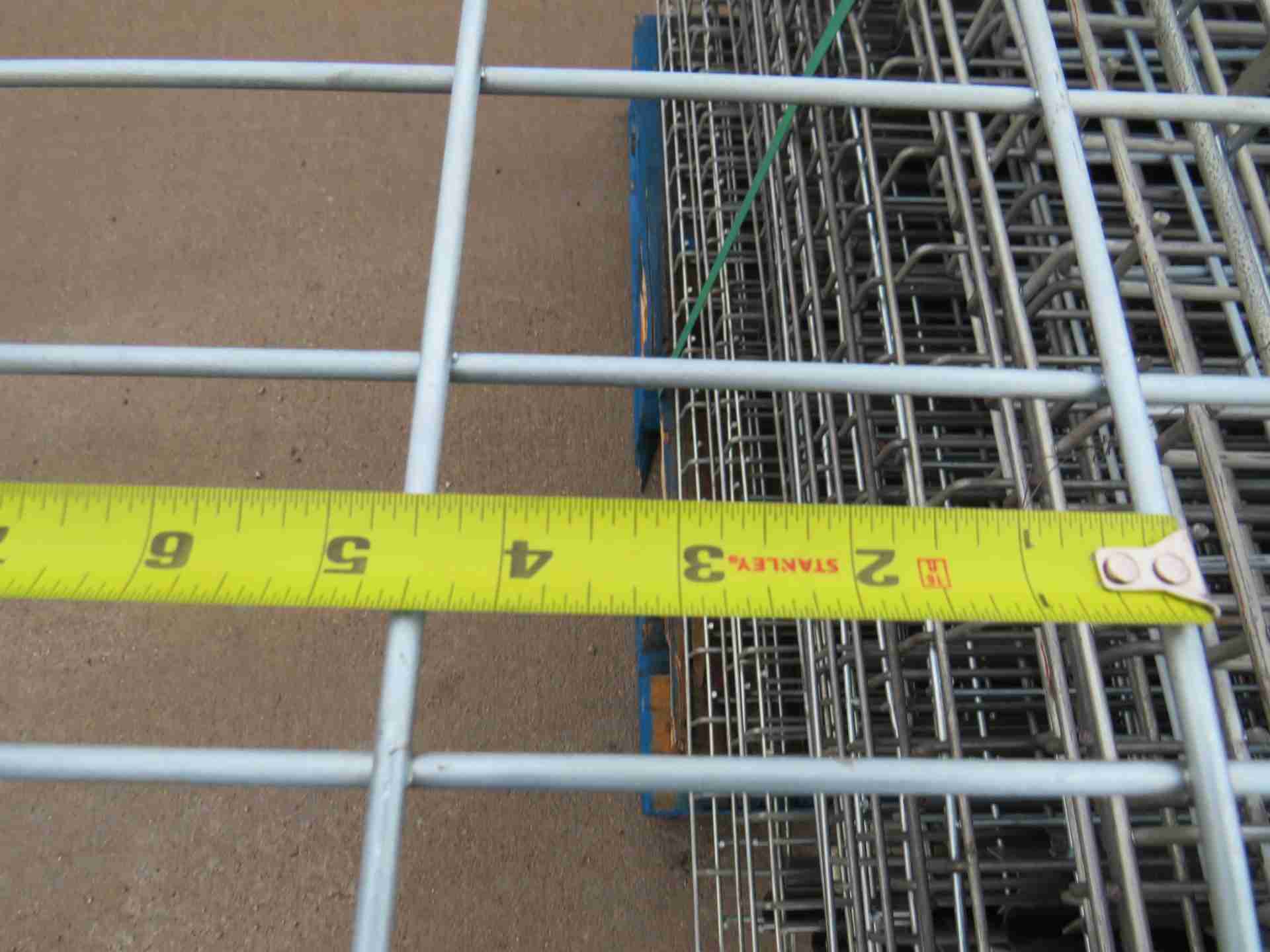
What Are The Weight Capacity Requirements For Your Pallet Racks?
What Are The Weight Capacity Requirements For Your Pallet Racks?
- One crucial factor to consider when investing in pallet racks is the weight capacity requirements.
- Properly assessing the weight capacity of pallet racks can ensure safety, maximize storage space, and increase efficiency.
- Before purchasing pallet racks, take into account the weight of your heaviest loads to prevent overloading and potential safety hazards.
- Consider factors such as the weight of products, pallets, and additional equipment when determining weight capacity requirements.
- Invest in heavy-duty racks with high weight capacity for storing heavy items, and standard-duty racks for light-weight items.
- Having pallet racks with proper weight capacity is crucial due to the increase in online shopping and e-commerce demands.
- Selecting pallet racks that can support your heaviest loads enhances safety, maximizes warehouse space, and increases productivity.

What Are The Weight Capacity Requirements For Your Pallet Racks?
Are You Considering The Size And Weight Of Your Pallet Loads?
When it comes to shipping and logistics, the size and weight of your pallet loads can have a significant impact on your bottom line. Whether you are shipping products across the country or around the world, it’s important to carefully consider the dimensions and weight of your pallet loads to ensure efficient and cost-effective transportation.
One important factor to consider when it comes to pallet loads is the size of the pallet itself. Standard pallet sizes can vary depending on the region and industry, so it’s crucial to choose the right pallet size for your products. Using pallets that are too large or too small for your products can result in wasted space, inefficient stacking, and increased shipping costs.
For example, if you are shipping small, lightweight products on oversized pallets, you may be paying for unused space on trucks or in shipping containers. On the other hand, using pallets that are too small for your products can result in unstable loads that are prone to shifting during transit, leading to damaged goods and increased shipping costs.
In addition to pallet size, the weight of your pallet loads is also a critical consideration. Overloading pallets can lead to safety concerns for warehouse workers and truck drivers, as well as potential damage to products during transit. On the other hand, underloading pallets can result in wasted space and increased shipping costs.
To optimize the size and weight of your pallet loads, consider using pallet optimization software or working with a logistics expert to analyze your shipping needs and recommend the most cost-effective solutions. By carefully planning and optimizing your pallet loads, you can reduce shipping costs, minimize damage to products, and improve overall efficiency in your supply chain.
The size and weight of your pallet loads should not be overlooked when it comes to shipping and logistics. By carefully considering these factors and taking steps to optimize your pallet loads, you can save money, reduce waste, and improve the overall effectiveness of your supply chain. Don’t let inefficient pallet loads weigh you down – take the time to analyze your shipping needs and make the necessary adjustments for a more cost-effective and efficient shipping process.
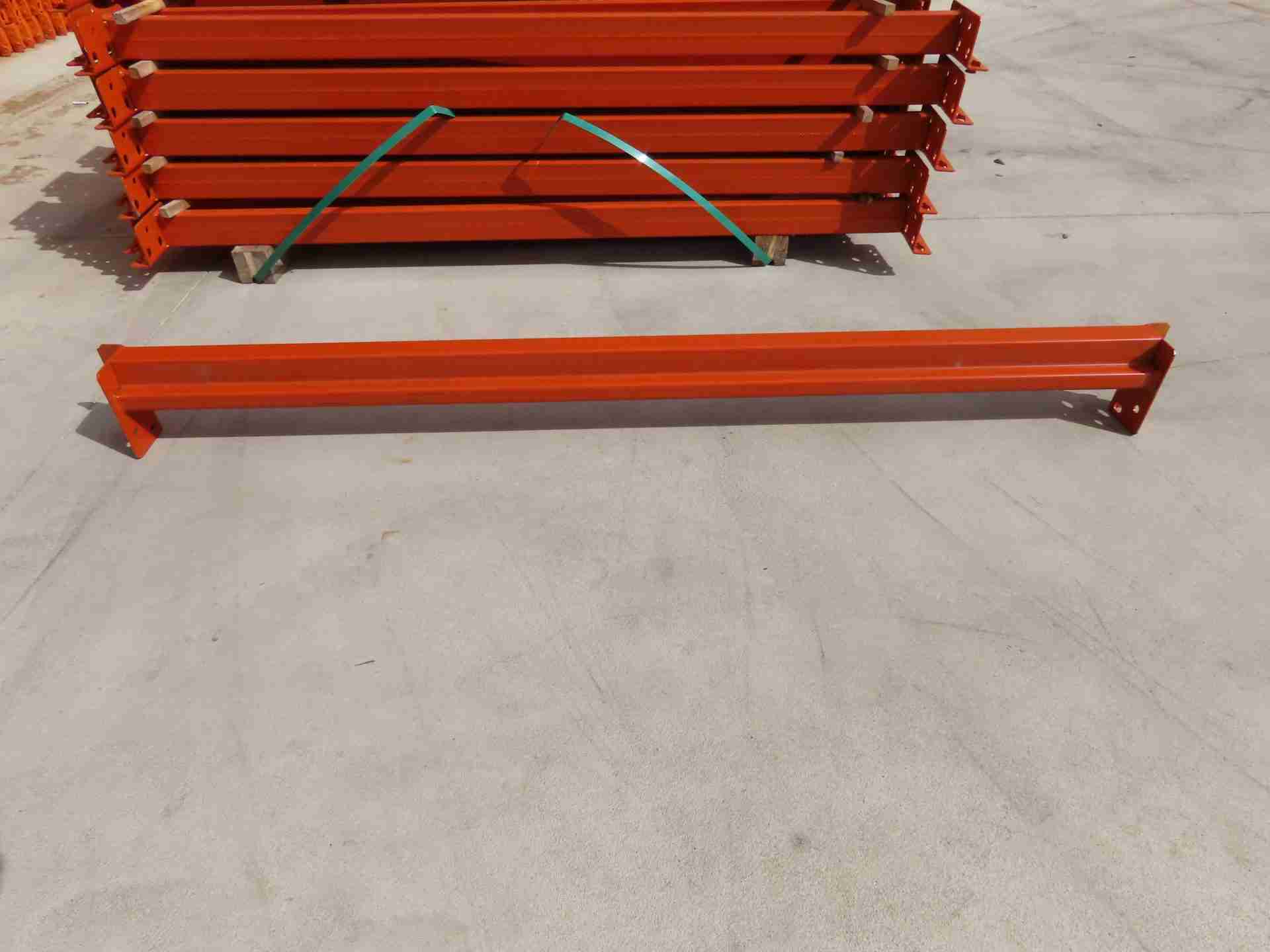
Are You Considering The Size And Weight Of Your Pallet Loads?
Are You Considering The Size And Weight Of Your Pallet Loads?
- The size and weight of pallet loads impact your bottom line in shipping and logistics.
- Choosing the right pallet size is crucial to avoid wasted space and increased shipping costs.
- Using oversized pallets for small products can lead to unnecessary expenses.
- Using undersized pallets can result in unstable loads and damaged goods.
- Overloading pallets poses safety risks and potential product damage.
- Underloading pallets leads to wasted space and increased shipping costs.
- Optimizing pallet loads through software or logistics expert help can reduce costs and improve efficiency.
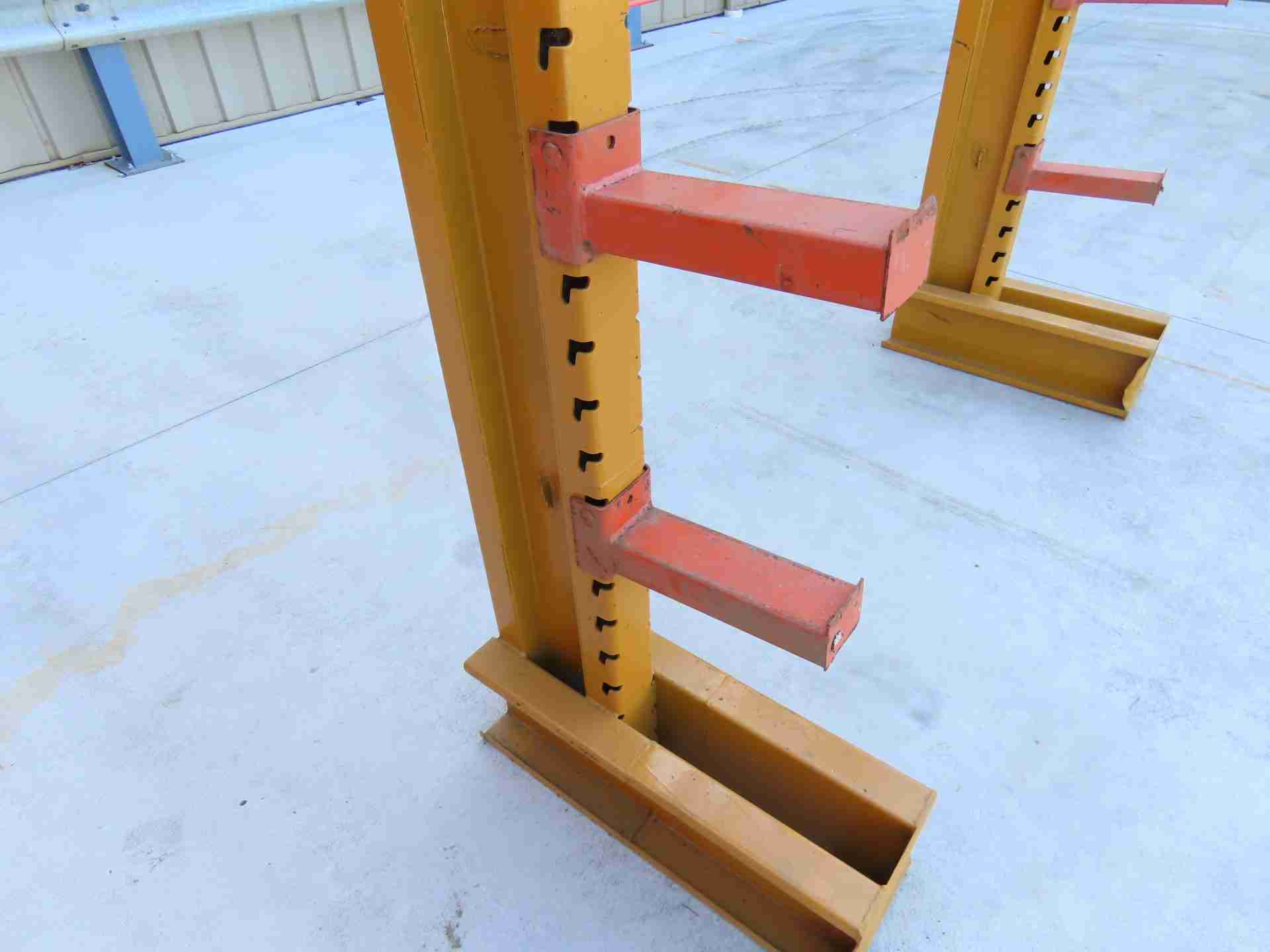
Are You Considering The Size And Weight Of Your Pallet Loads?
How Important Is It To Consider The Height Of Your Warehouse?
When it comes to designing a warehouse, one key factor that is often overlooked but can make a significant impact on efficiency and productivity is the height of the space. Many warehouse owners focus on maximizing floor space, without realizing the potential benefits of utilizing vertical space as well.
Consider this – with the rise of e-commerce and the increasing demand for same-day delivery, warehouses are under more pressure than ever to fulfill orders quickly and efficiently. By increasing the height of your warehouse, you can significantly increase your storage capacity without having to expand your footprint. This means you can store more inventory and fulfill more orders in less time, ultimately leading to higher profits and happier customers.
Additionally, a taller warehouse allows for the implementation of automated storage and retrieval systems, which can further streamline your operations and reduce labor costs. With advancements in technology, these systems are becoming more affordable and accessible to warehouse owners of all sizes. By investing in vertical storage solutions, you can transform your warehouse into a highly efficient and automated facility that is capable of meeting the demands of today’s fast-paced consumer market.
In fact, many industry experts believe that the height of a warehouse is becoming increasingly important in the age of e-commerce. As consumers continue to expect faster delivery times and a wider variety of products, warehouse owners must find ways to maximize their storage capacity and improve their order fulfillment process. By considering the height of your warehouse and implementing vertical storage solutions, you can position your business for success in the competitive e-commerce landscape.
Furthermore, with the impact of the COVID-19 pandemic still being felt across industries, the importance of efficient warehouse operations has never been more apparent. As supply chains continue to be disrupted and consumer behavior shifts towards online shopping, warehouse owners must adapt to the changing landscape in order to survive and thrive. By optimizing the height of your warehouse and embracing innovative storage solutions, you can future-proof your business and ensure that you are well-equipped to meet the challenges of tomorrow.
The height of your warehouse is a critical factor that should not be overlooked when designing or optimizing your facility. By considering the vertical space available to you and investing in innovative storage solutions, you can increase your storage capacity, improve your efficiency, and ultimately position your business for success in the ever-evolving world of e-commerce.
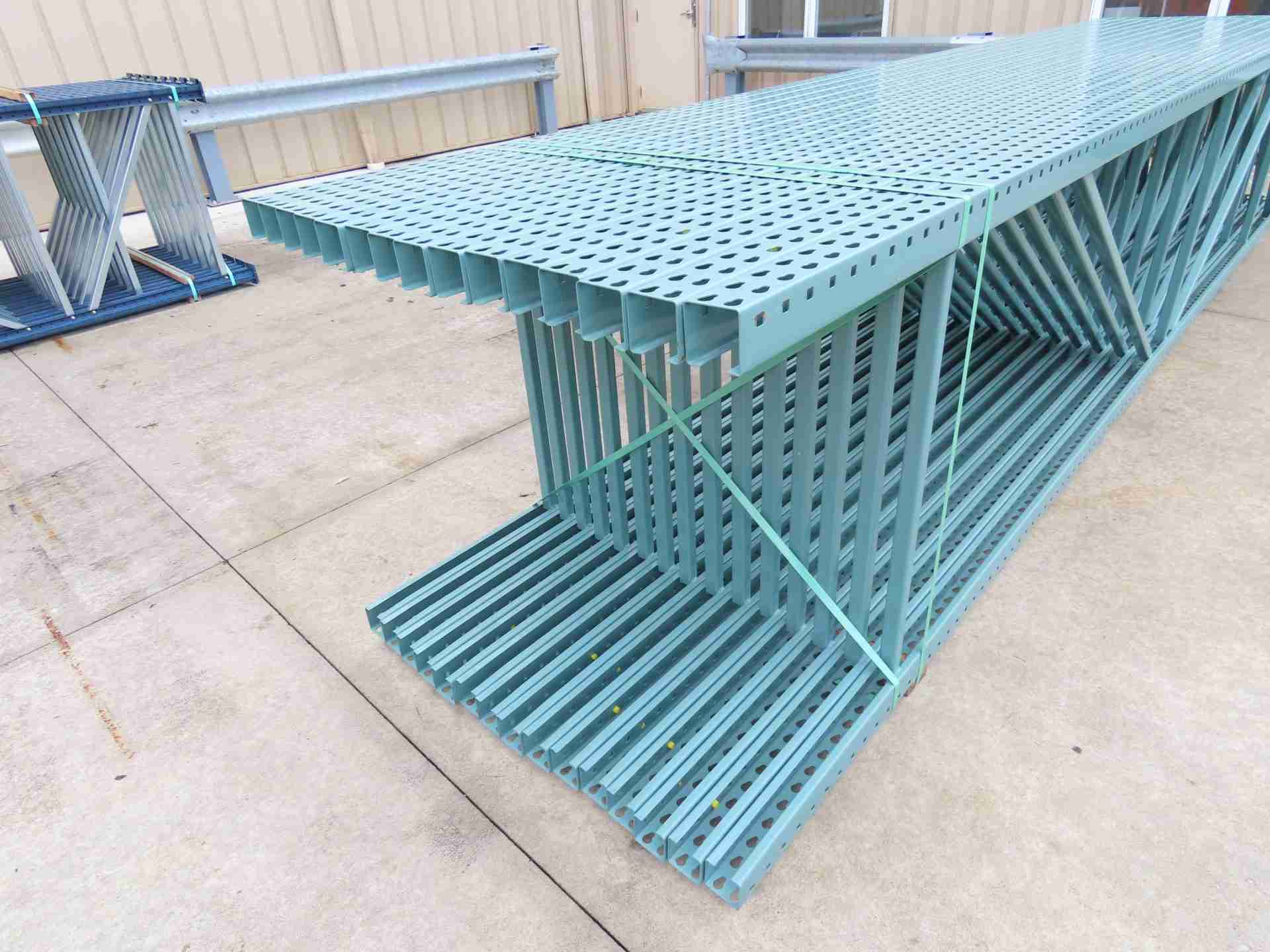
How Important Is It To Consider The Height Of Your Warehouse?
How Important Is It To Consider The Height Of Your Warehouse?
- Height of the warehouse is a key factor often overlooked in design.
- Increasing height can boost storage capacity without expanding footprint.
- Taller warehouses allow for automated storage systems, cutting labor costs.
- Vertical storage solutions are increasingly important in e-commerce age.
- Efficient warehouse operations crucial in post-COVID landscape.
- Optimizing height and embracing innovative storage solutions is essential.
- Maximizing storage capacity and efficiency positions business for success.

How Important Is It To Consider The Height Of Your Warehouse?
Should You Prioritize Durability Or Cost When Choosing Pallet Racks?
When it comes to choosing pallet racks for your warehouse, you may find yourself faced with a tough decision: do you prioritize durability or cost? This is a common dilemma that many businesses encounter, and it’s important to carefully consider the pros and cons of each option before making a decision.
On one hand, opting for durable pallet racks may seem like the safest choice. After all, you want a storage solution that can withstand the wear and tear of everyday use, as well as potential accidents or mishaps in the warehouse. Investing in high-quality, durable pallet racks can provide peace of mind knowing that your goods are stored safely and securely.
For example, in the aftermath of the recent global supply chain disruptions caused by the COVID-19 pandemic, businesses are increasingly realizing the importance of having reliable and durable storage solutions in place. With increased demand for storage space and efficiency, choosing pallet racks that can withstand the test of time is crucial for maintaining business operations and meeting customer demands.
On the other hand, cost can also be a major factor to consider when choosing pallet racks. As a business owner, you may have a strict budget to adhere to, and opting for more affordable pallet racks may seem like the more practical choice. While it’s true that cost-effective options can help you save money upfront, it’s important to remember that opting for cheaper, less durable pallet racks may end up costing you more in the long run.
For instance, if you choose low-quality pallet racks that are prone to damage or collapse, you may find yourself spending more on repairs or replacements in the future. This can lead to costly downtime and potential losses in productivity and revenue. In this case, investing in durable pallet racks that may be slightly more expensive upfront can actually save you money in the long term by reducing maintenance and replacement costs.
Ultimately, the decision to prioritize durability or cost when choosing pallet racks will depend on your specific business needs and budget constraints. It’s important to carefully weigh the pros and cons of each option and consider factors such as warehouse environment, storage requirements, and budget before making a decision. By choosing the right pallet racks for your warehouse, you can ensure that your goods are stored safely and efficiently, ultimately leading to improved productivity and profitability for your business.

Should You Prioritize Durability Or Cost When Choosing Pallet Racks?
Should You Prioritize Durability Or Cost When Choosing Pallet Racks?
- Choosing between durability and cost for pallet racks.
- Durable pallet racks offer safety and security for goods.
- Global supply chain disruptions highlight need for reliable storage solutions.
- Cost-effective options may lead to long-term expenses due to repairs.
- Investing in durable pallet racks can save money in the long run.
- Consider specific business needs, budget, and storage requirements.
- Choosing the right pallet racks can improve productivity and profitability.

Should You Prioritize Durability Or Cost When Choosing Pallet Racks?
Are You Looking For Adjustable Pallet Rack Systems?
If you are in the market for adjustable pallet rack systems, look no further. Our company offers a wide range of high-quality, versatile pallet rack systems that can be customized to fit your specific storage needs.
One of the key benefits of adjustable pallet rack systems is their flexibility. With the ability to easily adjust the height and width of the racks, you can maximize your storage space and optimize your warehouse layout. This can be especially useful for businesses that experience fluctuations in inventory levels or need to accommodate different types of products.
In today’s fast-paced business environment, it is essential to have efficient and organized storage solutions in place. With the rise of e-commerce and the increasing demand for quick fulfillment of orders, having a reliable pallet rack system is crucial for maintaining a competitive edge. By investing in adjustable pallet rack systems, you can streamline your warehouse operations, improve inventory management, and increase productivity.
Additionally, adjustable pallet rack systems can help you save money in the long run. By maximizing your storage space and minimizing wasted space, you can reduce the need for additional storage facilities or costly warehouse expansions. This can result in significant cost savings for your business and improve your overall bottom line.
In light of recent events such as the disruption in global supply chains and the increasing demand for efficient logistics solutions, having a reliable pallet rack system is more important than ever. With the right adjustable pallet rack system in place, you can better adapt to changing market conditions, improve order fulfillment rates, and stay ahead of the competition.
Don’t wait any longer to invest in adjustable pallet rack systems for your business. Contact us today to learn more about our customizable storage solutions and how they can benefit your warehouse operations. With our expertise and commitment to quality, we can help you find the perfect pallet rack system to meet your storage needs and drive success for your business.

Are You Looking For Adjustable Pallet Rack Systems?
Are You Looking For Adjustable Pallet Rack Systems?
- Wide range of high-quality, versatile pallet rack systems available.
- Flexibility to easily adjust height and width to maximize storage space.
- Efficient and organized storage solutions crucial in fast-paced business environment.
- Streamline warehouse operations and improve inventory management with adjustable pallet rack systems.
- Save money in the long run by minimizing wasted space and reducing need for additional storage facilities.
- Adapt to changing market conditions and improve order fulfillment rates.
- Contact us today to learn more about our customizable storage solutions and drive success for your business.
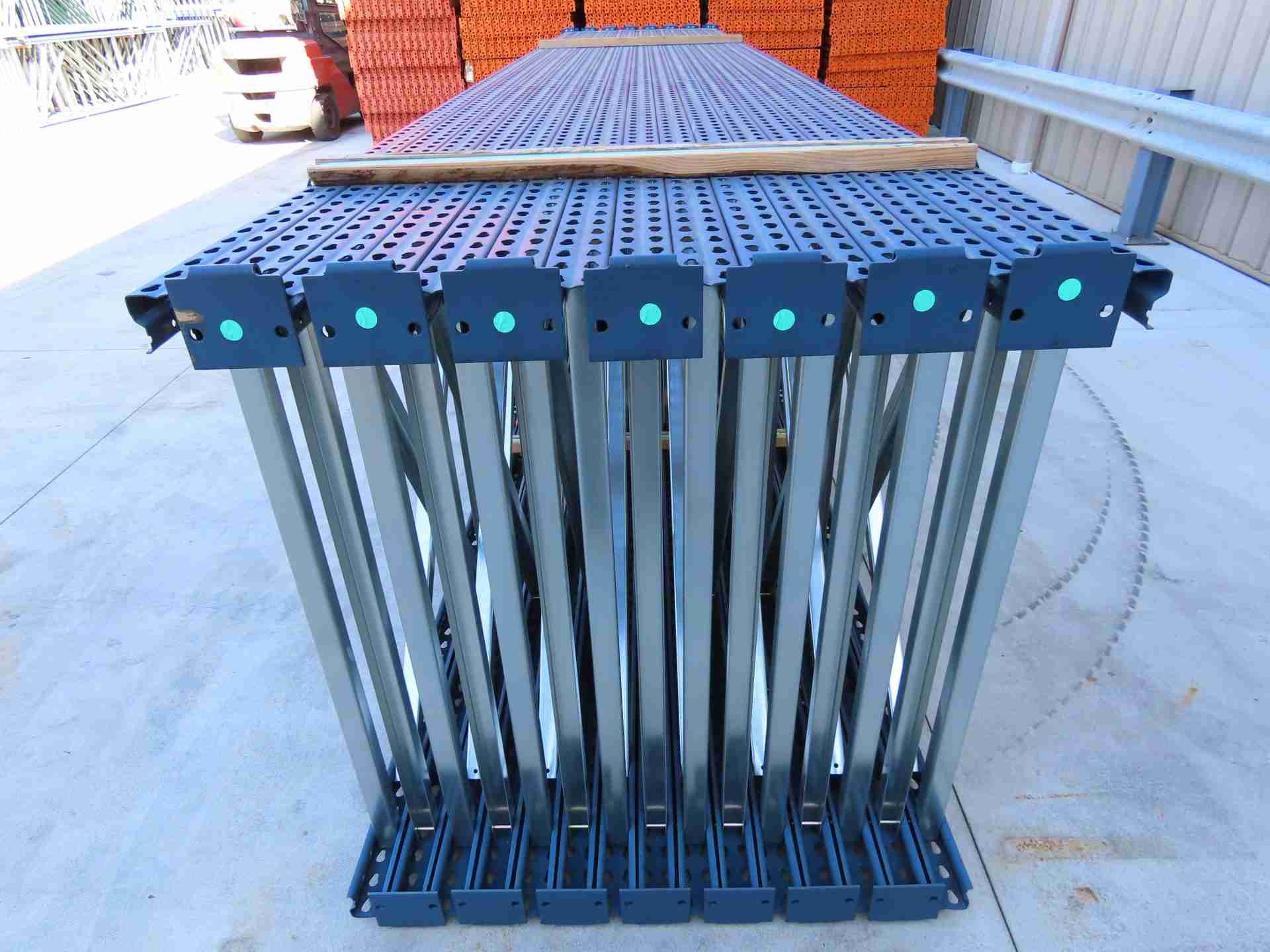
Are You Looking For Adjustable Pallet Rack Systems?
What Type Of Material Is Best For Pallet Rack Uprights And Beams?
When it comes to selecting the best material for pallet rack uprights and beams, there are several key factors to consider. The material used will greatly impact the durability, strength, and overall performance of your pallet rack system.
One of the most popular materials for pallet rack uprights and beams is steel. Steel is known for its strength and durability, making it an ideal choice for heavy-duty storage applications. Steel uprights and beams can withstand heavy loads and provide excellent support for your inventory. Additionally, steel is resistant to corrosion and damage, ensuring your pallet rack system will last for years to come.
Another material option for pallet rack uprights and beams is aluminum. While not as strong as steel, aluminum is a lightweight and cost-effective alternative. Aluminum uprights and beams are ideal for lighter loads and applications where weight is a concern. Additionally, aluminum is resistant to rust and corrosion, making it a low-maintenance option for your warehouse storage needs.
In addition to steel and aluminum, some pallet rack systems are made from other materials such as wood or plastic. These materials are often used in lighter-duty applications or in specific environments where corrosion or weight is a concern. While these materials may be suitable for certain situations, it is important to carefully consider the durability and strength requirements of your pallet rack system before selecting a material.
Recent events, such as the global supply chain disruptions caused by the COVID-19 pandemic, have highlighted the importance of selecting durable and reliable materials for pallet rack uprights and beams. With increased demand for storage solutions and a focus on efficiency and cost-effectiveness, choosing the right material for your pallet rack system is more important than ever.
When selecting the best material for pallet rack uprights and beams, it is essential to consider factors such as strength, durability, and cost. Steel is a popular choice for heavy-duty applications, while aluminum offers a lightweight and cost-effective alternative. By carefully assessing your storage needs and environment, you can choose the material that best suits your warehouse storage requirements.
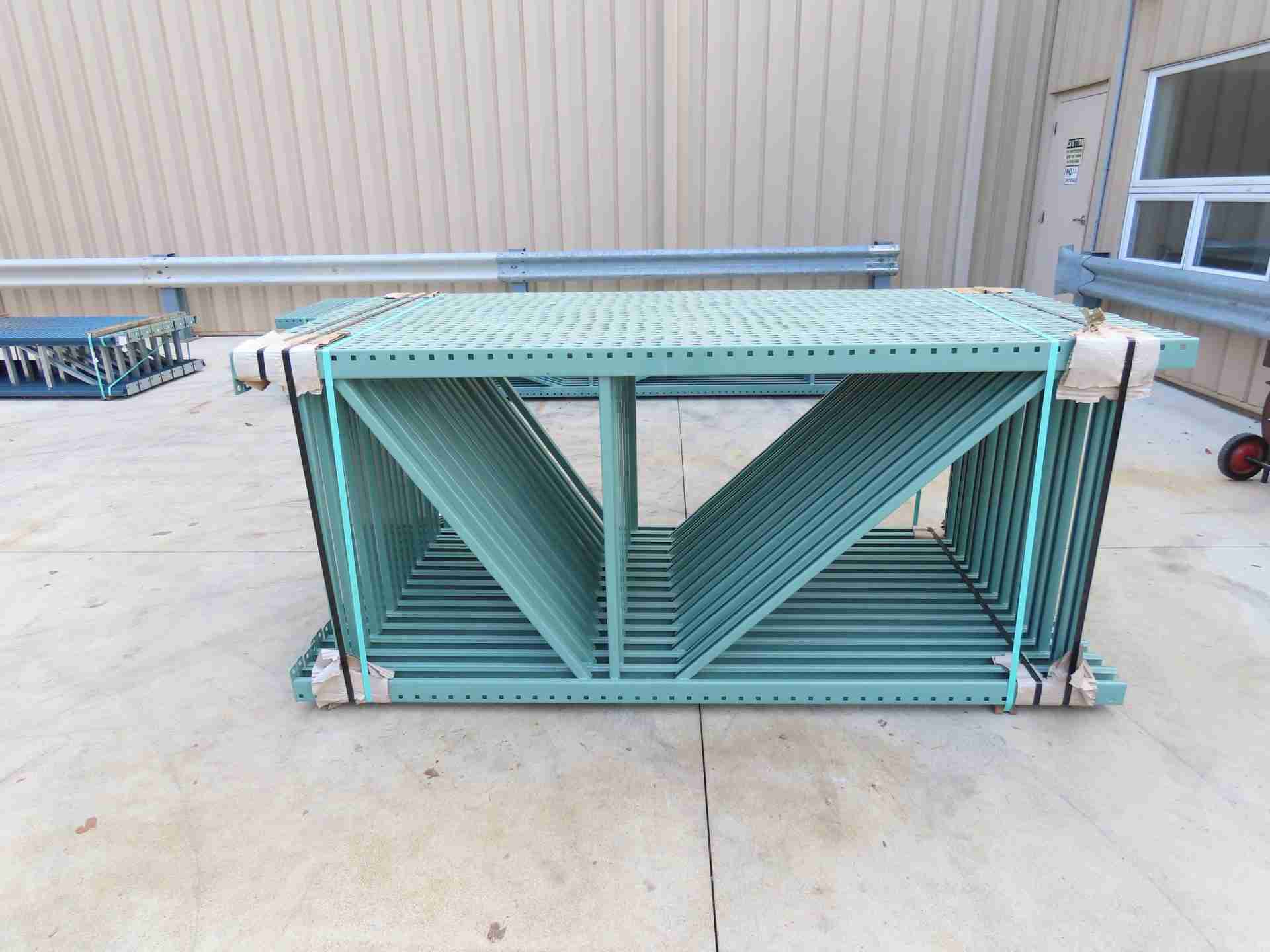
What Type Of Material Is Best For Pallet Rack Uprights And Beams?
What Type Of Material Is Best For Pallet Rack Uprights And Beams?
- Steel is a popular material for pallet rack uprights and beams due to its strength and durability, making it ideal for heavy-duty storage applications.
- Steel uprights and beams can withstand heavy loads and provide excellent support for inventory, while being resistant to corrosion and damage, ensuring longevity.
- Aluminum is a lightweight and cost-effective alternative to steel, ideal for lighter loads and applications where weight is a concern.
- Aluminum is resistant to rust and corrosion, making it a low-maintenance option for warehouse storage needs.
- Some pallet rack systems are made from materials such as wood or plastic, suitable for lighter-duty applications or specific environments where corrosion or weight is a concern.
- Recent events like the COVID-19 pandemic have emphasized the need for durable and reliable materials for pallet rack systems, with a focus on efficiency and cost-effectiveness.
- When selecting the best material for pallet rack uprights and beams, factors such as strength, durability, and cost should be carefully considered to meet storage requirements.
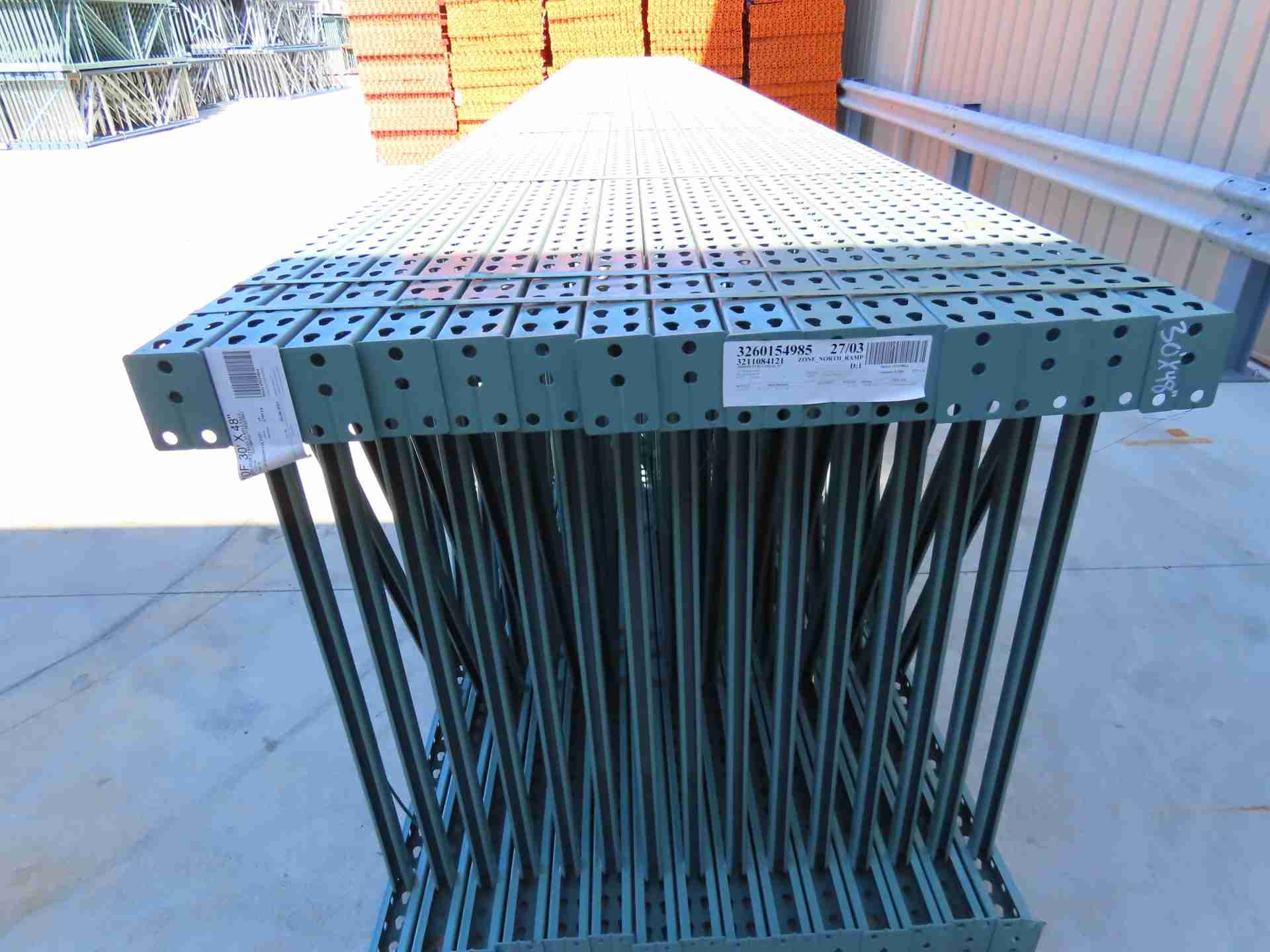
What Type Of Material Is Best For Pallet Rack Uprights And Beams?
How Do You Determine The Right Spacing Between Pallet Rack Beams?
When it comes to optimizing your warehouse space, one key factor to consider is the spacing between your pallet rack beams. Getting this spacing right can maximize storage capacity, improve safety, and increase efficiency in your operations.
The first step in determining the right spacing between pallet rack beams is to consider the size and weight of your pallets. You want to make sure that the beams can adequately support the weight of the loaded pallets without risk of collapse. For example, if you are storing heavy items such as automotive parts or construction materials, you may need closer spacing between beams to provide proper support. On the other hand, if you are storing lighter items such as apparel or electronics, you may be able to get away with wider spacing between beams.
Another factor to consider is the height of your pallet racks. The taller your racks, the more important it is to have closer spacing between beams to prevent sway and ensure stability. Taller racks will also require stronger beams to support the weight of the pallets and prevent buckling.
In addition to size and weight, you should also take into account the type of forklifts and other equipment that will be used in your warehouse. Different types of forklifts require different clearance heights to maneuver safely and efficiently. By considering the dimensions of your equipment, you can determine the optimal spacing between beams to allow for smooth operations.
Current events, such as the rise of e-commerce and increased demand for warehouse space, can also impact your decision on pallet rack beam spacing. With more consumers shopping online and expecting fast delivery times, warehouses are under pressure to maximize their storage capacity and efficiency. By optimizing your pallet rack beam spacing, you can make the most of your available space and streamline your operations to meet the demands of today’s fast-paced market.
Determining the right spacing between pallet rack beams is crucial for maximizing storage capacity, ensuring safety, and improving efficiency in your warehouse. By considering factors such as pallet size, weight, rack height, equipment dimensions, and current market trends, you can make informed decisions to optimize your warehouse space and stay ahead of the competition.
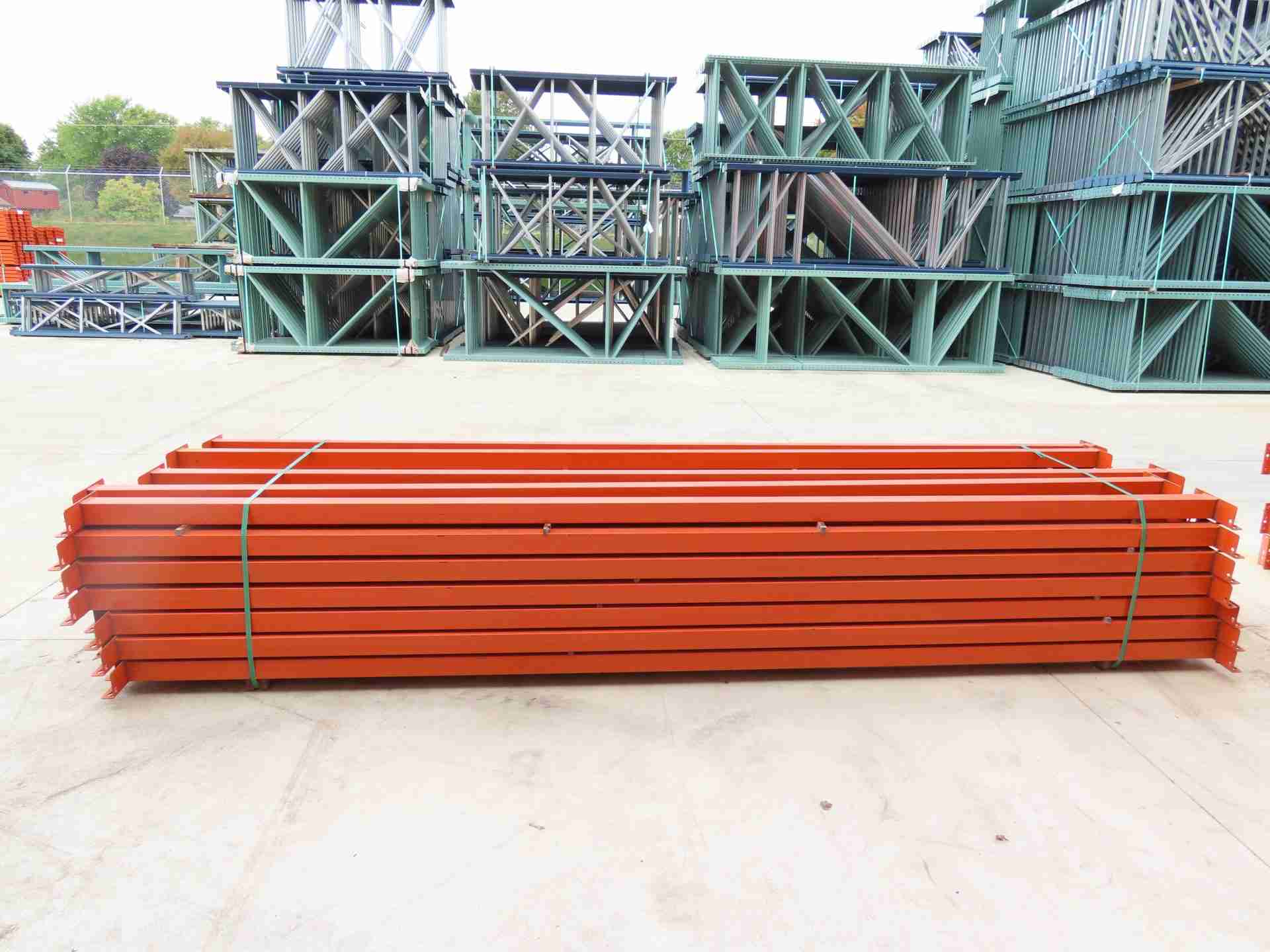
How Do You Determine The Right Spacing Between Pallet Rack Beams?
How Do You Determine The Right Spacing Between Pallet Rack Beams?
- Optimizing warehouse space involves considering pallet rack beam spacing.
- Spacing should support weight of loaded pallets without risk of collapse.
- Spacing should be based on size and weight of pallets being stored.
- Taller racks require closer beam spacing for stability and sway prevention.
- Consider equipment dimensions for optimal beam spacing for safe operations.
- Current market trends impact decision on pallet rack beam spacing.
- Proper spacing maximizes storage capacity, ensures safety, and improves efficiency.
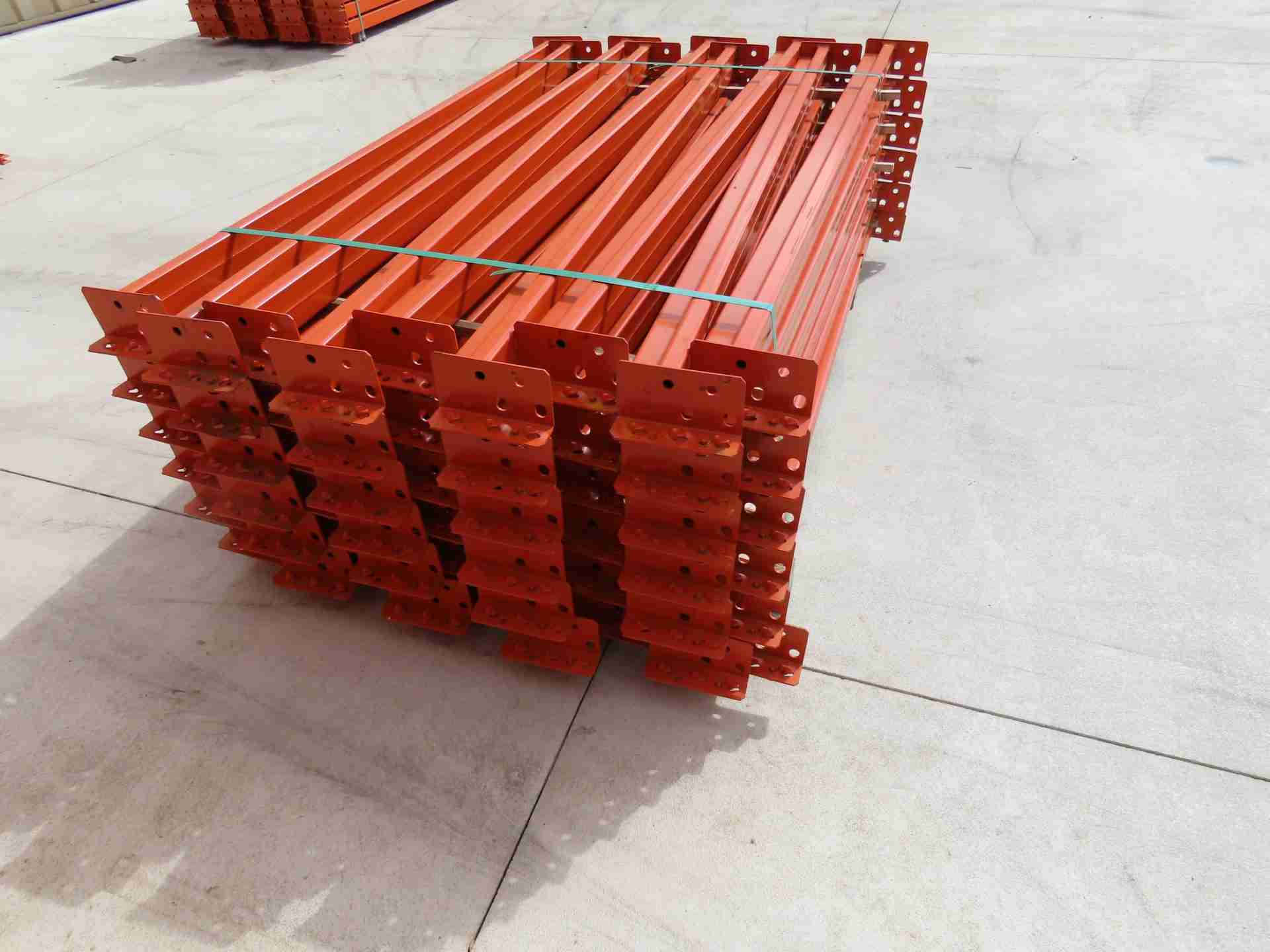
How Do You Determine The Right Spacing Between Pallet Rack Beams?
What Safety Features Should You Look for In Pallet Rack Systems?
When it comes to selecting the right pallet rack system for your warehouse or storage facility, safety should always be a top priority. With the rise in workplace accidents and injuries in recent years, it is crucial to invest in pallet rack systems that prioritize the safety of your employees and inventory.
One key safety feature to look for in pallet rack systems is adequate load capacity. It is essential to choose a rack system that can support the weight of your inventory without risking collapse or damage. By ensuring that your pallet rack system is rated for the appropriate weight capacity, you can prevent accidents and injuries caused by overloaded shelves.
In addition to load capacity, it is important to consider the design and construction of the pallet rack system. Look for features such as sturdy uprights, welded frames, and durable cross braces to ensure the stability and longevity of the system. High-quality materials and expert craftsmanship are essential for maintaining the structural integrity of the rack system over time.
Another crucial safety feature to consider is proper installation and anchoring. Improper installation can lead to instability and collapse, putting your employees and inventory at risk. Make sure to hire experienced professionals to install your pallet rack system and follow all manufacturer guidelines for anchoring and securing the system to the floor.
Furthermore, it is important to invest in additional safety accessories such as rack guards, aisle protection, and safety netting to further enhance the safety of your warehouse. These accessories can help prevent accidents caused by forklift collisions, falling inventory, and other common hazards in a warehouse setting.
Keeping up with current events and industry trends is also essential when selecting safety features for your pallet rack system. For example, recent studies have shown an increase in workplace accidents related to pallet rack collapses, highlighting the importance of investing in sturdy and reliable rack systems. By staying informed and proactive about safety measures, you can protect your employees, inventory, and bottom line.
When choosing a pallet rack system for your warehouse, safety should always be a top consideration. By prioritizing features such as load capacity, construction quality, proper installation, and additional safety accessories, you can create a safer and more efficient work environment for your employees. Remember, investing in safety today can save you time, money, and headaches in the long run.
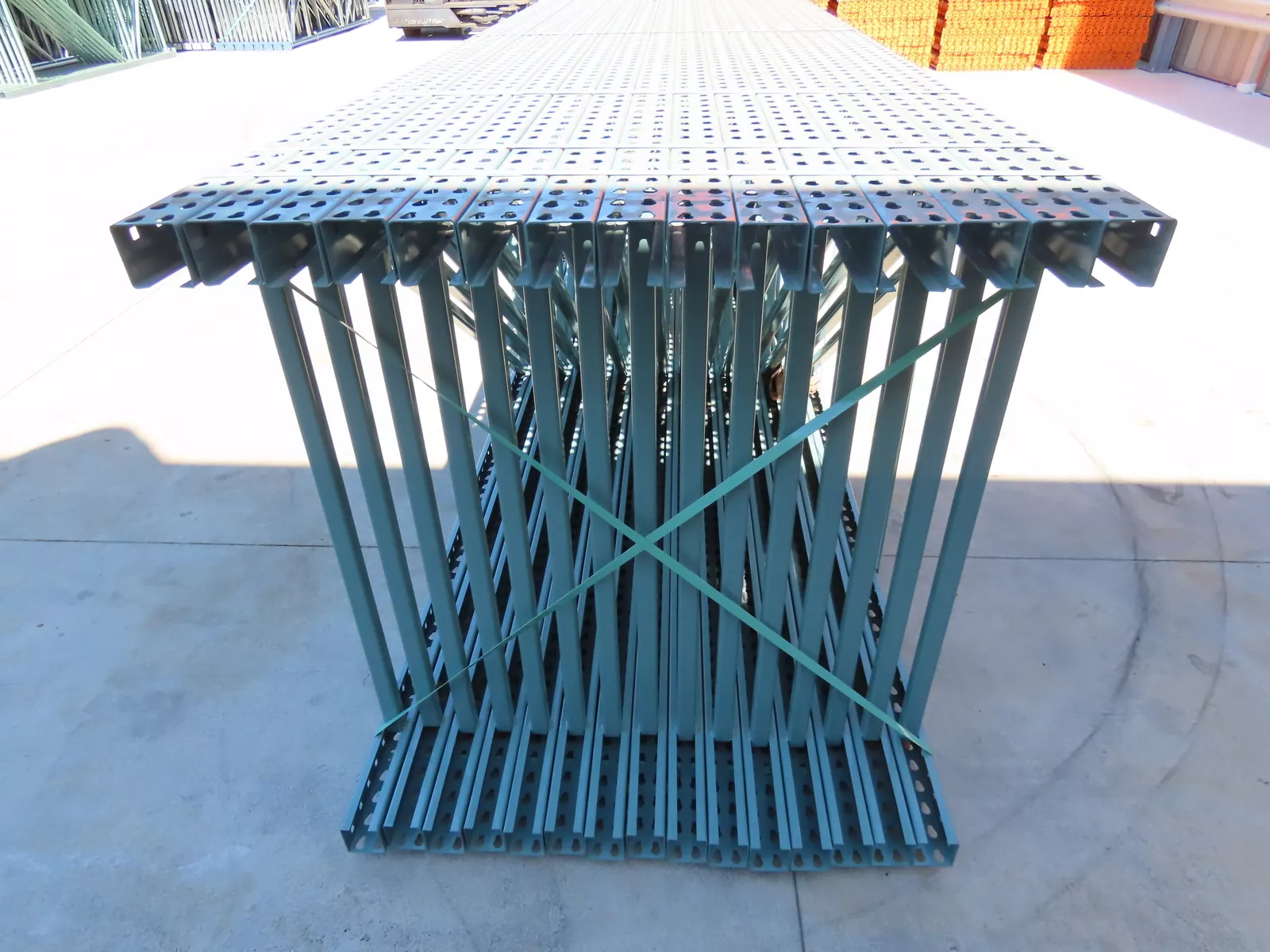
What Safety Features Should You Look for In Pallet Rack Systems?
What Safety Features Should You Look for In Pallet Rack Systems?
- Safety should always be a top priority when selecting a pallet rack system.
- Ensure the rack system has adequate load capacity to support inventory weight.
- Consider the design and construction quality of the pallet rack system.
- Proper installation and anchoring are crucial for stability and safety.
- Invest in additional safety accessories like rack guards and safety netting.
- Stay informed about industry trends and recent studies related to safety.
- Prioritize safety features such as load capacity, construction quality, proper installation, and safety accessories.

What Safety Features Should You Look for In Pallet Rack Systems?
Conclusion
Are you struggling to choose the right pallet rack uprights and beams for your warehouse? Look no further – Arrow Industrial Sales is here to help you master the art of pallet rack selection.
Selecting the right pallet rack system is crucial for the safety, efficiency, and success of your warehouse operations. With the help of our expert advice, you can ensure that your racks can safely support the weight of your inventory without any risk of collapsing or failing. By carefully considering factors such as weight capacity, size, durability, and customization options, you can invest in racks that will help you maximize your storage space and optimize your warehouse operations. Our team at Arrow Industrial Sales is dedicated to providing you with high-quality pallet rack systems that are built to last, ensuring that your warehouse operations run smoothly and efficiently, even in the face of unexpected challenges.
But that’s not all – we also offer high-quality adjustable pallet rack systems that can be customized to fit your specific storage needs. With our flexible and versatile pallet rack systems, you can easily adjust the height and width of the racks to maximize your storage space and optimize your warehouse layout. This level of customization is especially useful for businesses that experience fluctuations in inventory levels or need to accommodate different types of products. In today’s fast-paced business environment, having a reliable pallet rack system is crucial for maintaining a competitive edge. By investing in our adjustable pallet rack systems, you can streamline your warehouse operations, improve inventory management, and increase productivity.
When it comes to the material of your pallet rack uprights and beams, Arrow Industrial Sales has got you covered. We offer a wide range of material options, including steel, aluminum, wood, and plastic, to suit your specific storage needs and environment. With the rise of e-commerce and the increasing demand for efficient storage solutions, it is more important than ever to choose the right material for your pallet rack system. Our team of experts can help you select the best material for your pallet rack uprights and beams, ensuring that your racks are durable, reliable, and built to last.
At Arrow Industrial Sales, we understand the importance of safety in the workplace. That’s why we offer pallet rack systems with key safety features such as adequate load capacity, sturdy construction, proper installation, and additional safety accessories. By prioritizing safety in your warehouse, you can protect your employees, inventory, and bottom line. When choosing a pallet rack system for your warehouse, safety should always be a top consideration – and Arrow Industrial Sales is here to help you make the smart choice.
So why wait? Call Arrow Industrial Sales at (574) 349-6575 today to get more information and start optimizing your warehouse operations with the right pallet rack system. The time to invest in high-quality pallet rack uprights and beams is now – don’t miss out on the opportunity to enhance your storage space, improve efficiency, and ensure the success of your business. Trust Arrow Industrial Sales to be your partner in mastering pallet rack selection and transform your warehouse into a highly efficient and organized facility.
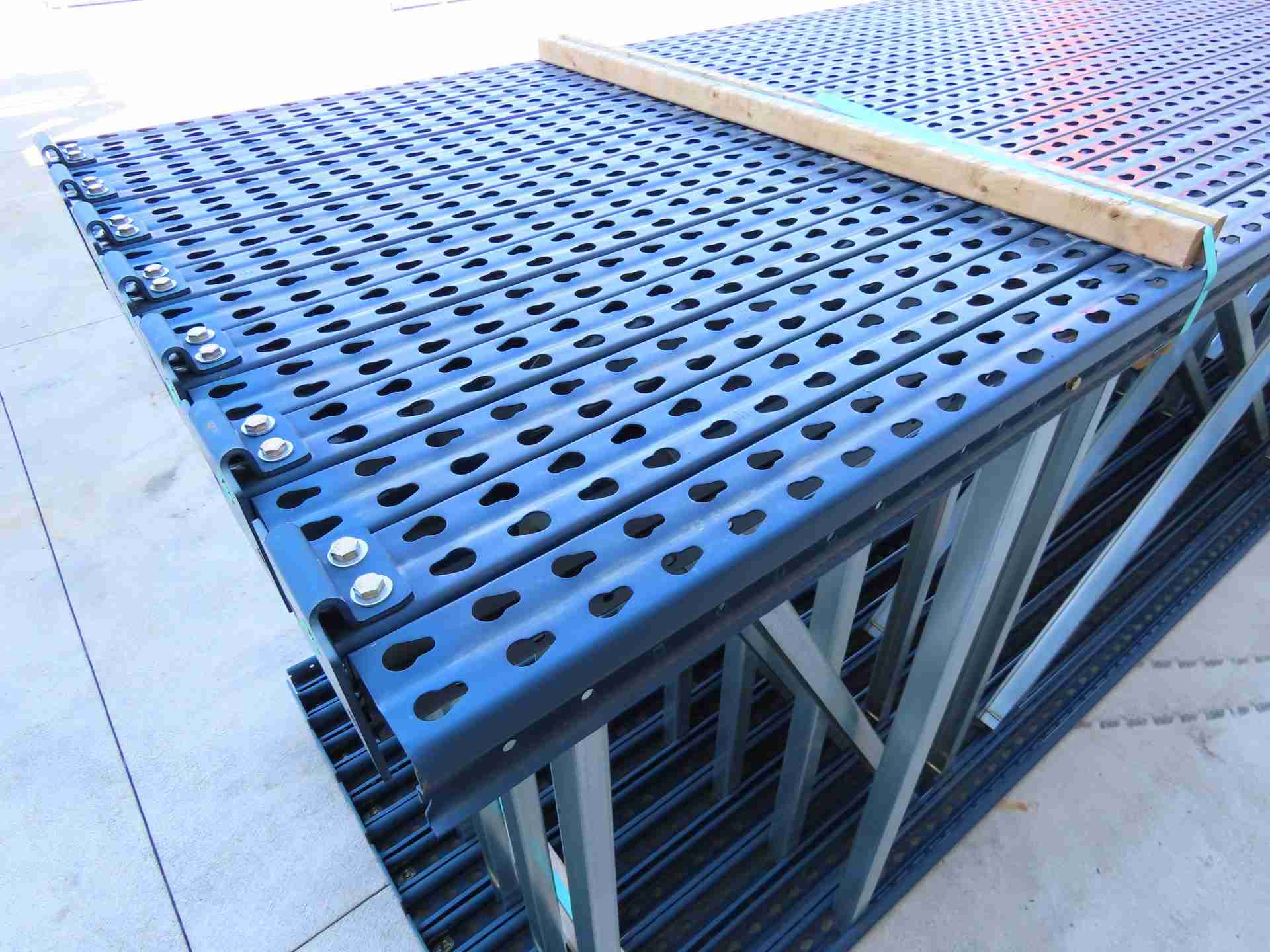
Conclusion
Conclusion:
- Selecting the right pallet rack system is crucial for safety, efficiency, and success of warehouse operations.
- Expert advice from Arrow Industrial Sales can help ensure racks can safely support inventory weight without collapsing.
- Consider factors like weight capacity, size, durability, and customization options for optimal storage space.
- Arrow Industrial Sales offers adjustable pallet rack systems for customized storage needs.
- Wide range of material options (steel, aluminum, wood, plastic) available for pallet rack uprights and beams.
- Key safety features included in pallet rack systems to prioritize workplace safety.
- Contact Arrow Industrial Sales at (574) 349-6575 to optimize warehouse operations with the right pallet rack system.
Conclusion
Other Resources
Other Resources
Here is a list of other resources you can review online to learn more:
- “Exploring the Components of Pallet Racking”
- “Pallet racking warehouse”
- “Pallet Racking & Shelving – BLS Racking Systems”
- “Pallet Rack Now | Pallet Racking for sale – Get a Quote Today”
- “Pallet Rack Uprights – WH1 Page 13 – Warehouse1”
- “New Pallet Rack Uprights | Factory Direct Pricing and …”
- “Pallet Racks Bay Area”
Other Resources
Glossary Terms
How Do You Choose The Right Pallet Rack Uprights and Beams? – Glossary Of Terms
1. Pallet Rack: A storage system designed to store materials on pallets. It includes uprights and beams as primary components.
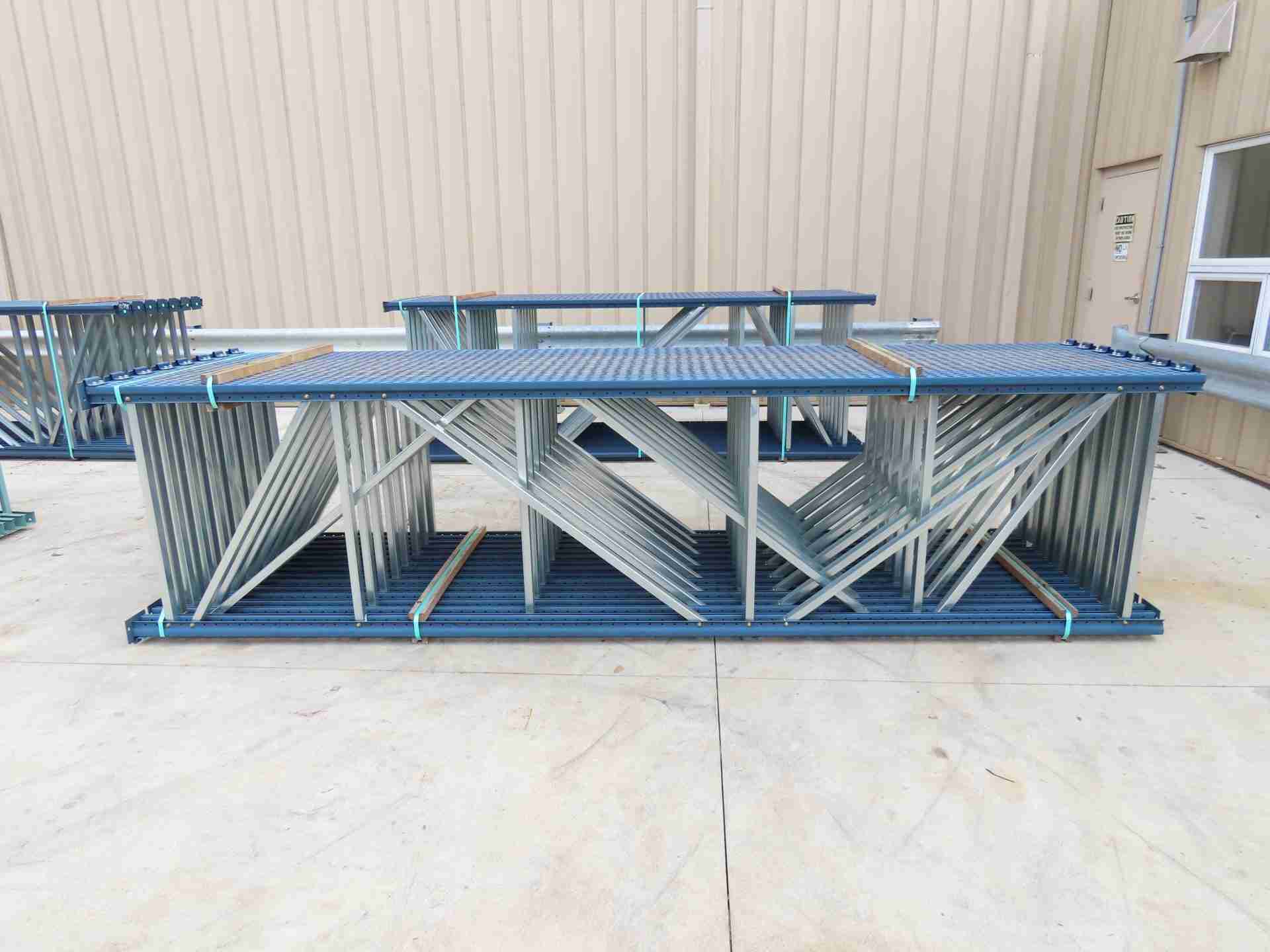
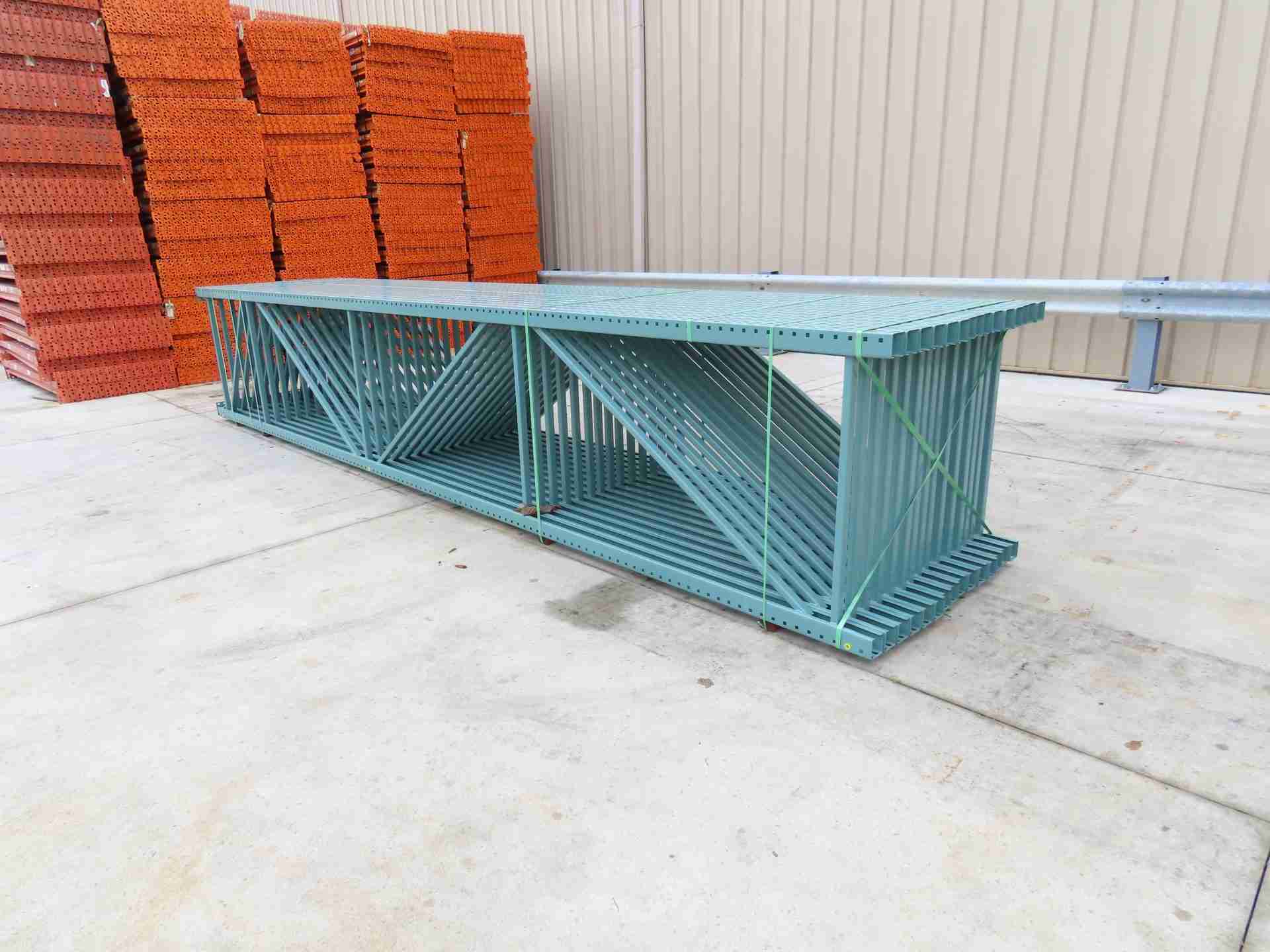
2. Uprights: Vertical frames in a pallet rack system that support the beams and shelves. Also known as “columns. ”
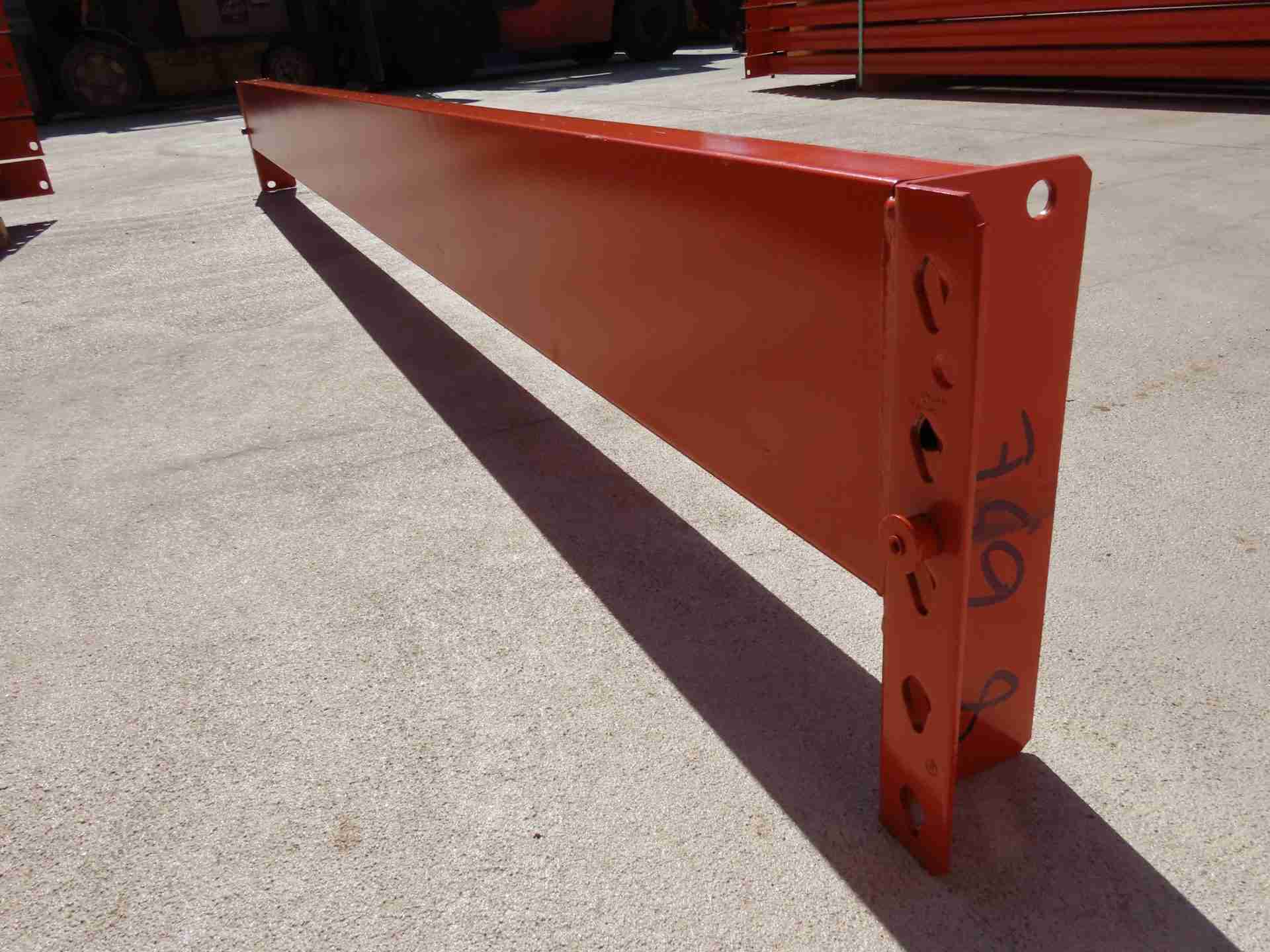
3. Beams: Horizontal bars that connect to the uprights and support the weight of the pallets.
4. Load Capacity: The maximum weight a pallet rack can hold. This includes the load capacity for both the beams and the uprights.
5. Span: The distance between two uprights. It determines the length of the beams.
6. Depth: The measurement from the front to the back of a pallet rack. It affects the stability and load distribution.
7. Height: The vertical measurement of the pallet rack, influencing the number of levels you can stack.
8. Wire Decking: Metal grids placed between beams to add support and prevent pallets from falling through.
9. Footplates: Metal plates at the base of the uprights to distribute the load and anchor the rack to the floor.
10. Frame: Another term for uprights in a pallet rack system.
11. Bay: The space between two uprights, which holds a set of beams and decking.
12. Cases/Boxes: Containers that are stored on the racks. Their dimensions and weight affect rack choice.
13. Bracing: Diagonal or horizontal supports in the rack frame to enhance stability and rigidity.
14. Finish: Protective coating applied to rack components, commonly powder-coated or galvanized.
15. Selective Pallet Racks: The most common type of pallet racking, offering direct access to each pallet.
16. Double-Deep Racking: Racking style that allows for storage of two pallets deep, increasing storage density.
17. Drive-In Racking: Pallet racking system where forklifts drive directly into the bay to place or retrieve pallets.
18. Push-Back Racking: Type of racking where pallets are loaded from the front and slide back on inclined rails.
19. Cantilever Racking: Storage system with arms extending from the upright columns, ideal for long items like lumber.
20. Load Distribution: How weight is spread across the rack components. Critical for safety and longevity.
21. ANSI/RMI Standards: Safety and design standards set by the American National Standards Institute and Rack Manufacturers Institute.
22. Deflection: Bending of beams under load. Acceptable limits are defined by engineering standards.
23. Pick Face: The front part of the rack where items are stored for picking.
24. Aisle Width: The space between rows of racks, affecting forklift maneuverability and safety.
25. Beam Buckling: Deformation of beams due to excessive load, weakening the structure.
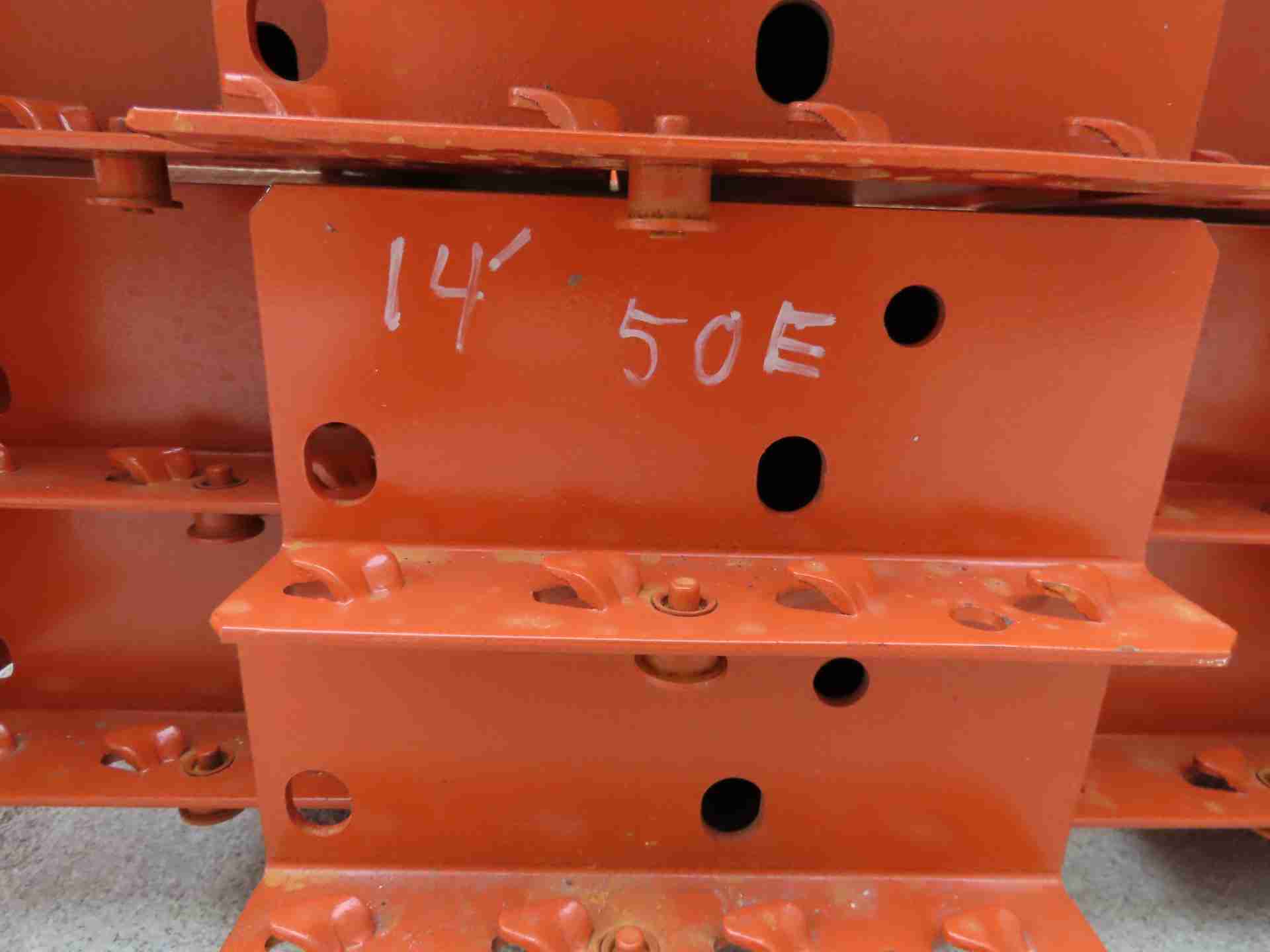
26. Tear Drop Design: A common connector pattern that makes it easier to assemble beams and uprights.
27. Accessories: Additional components like safety bars, column protectors, and load stops.
28. Row Spacers: Metal bars that connect rows of racks to maintain consistent spacing and alignment.
29. Backstops: Barriers at the back of the rack to prevent pallets from pushing through.
30. Installation: The process of setting up the pallet racks, ensuring they’re level and securely anchored for maximum safety and efficiency.
These terms will help provide a comprehensive understanding of the components and considerations involved in choosing the right pallet rack uprights and beams for your storage needs.
Glossary Of Terms
Other Questions
How Do You Choose The Right Pallet Rack Uprights and Beams? – Other Questions
If you wish to explore and discover more, consider looking for answers to these questions:
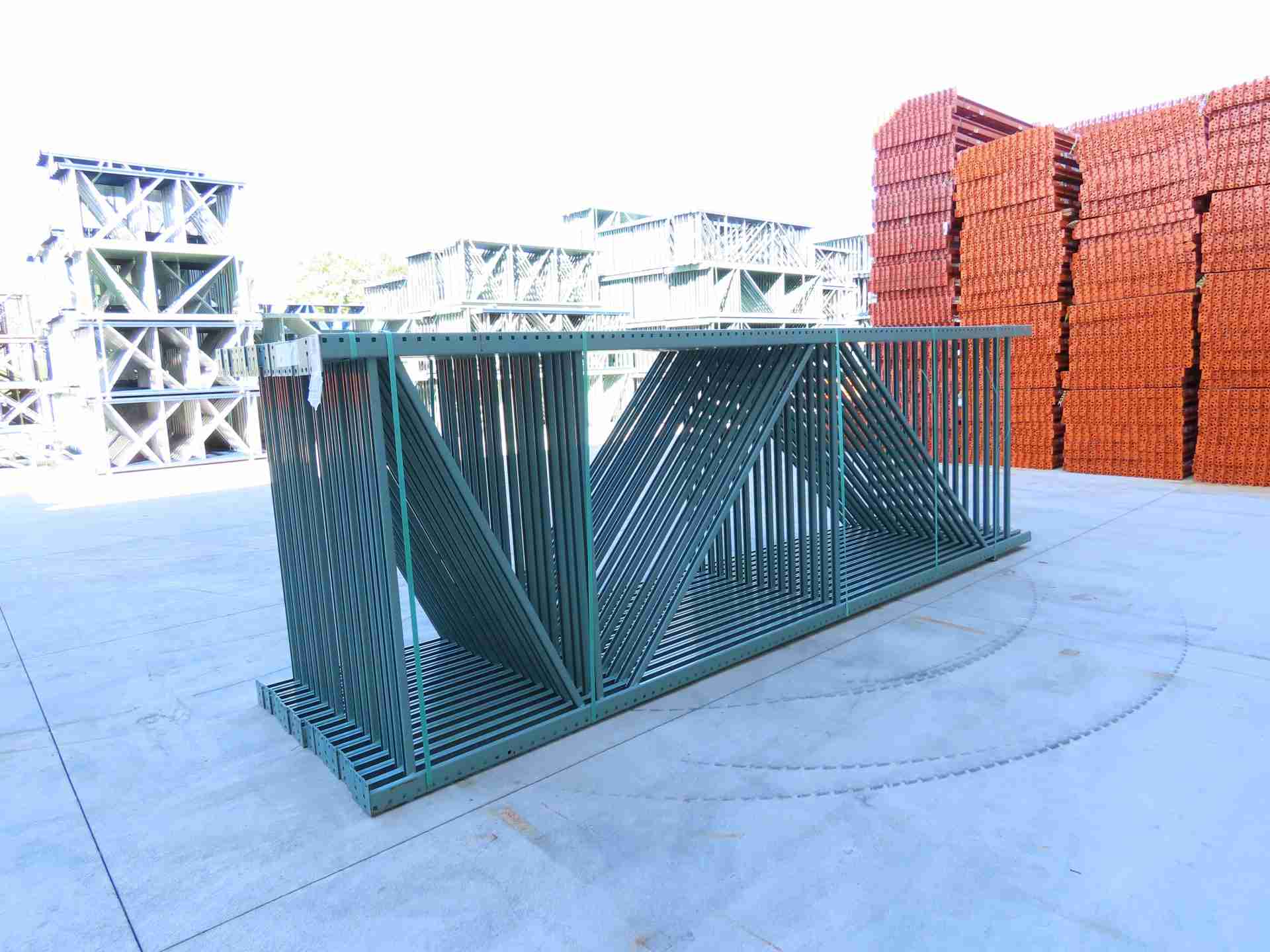
- What are the different types of pallet rack systems available on the market?
- How can I ensure the durability of my pallet racks in a high-traffic warehouse environment?
- What are the benefits of customizable pallet racks for specific inventory needs?
- How has the COVID-19 pandemic affected the supply chain and influenced pallet rack choices?
- What is the typical lifespan of high-quality pallet rack systems?
- How do you properly maintain and inspect pallet racks to ensure safety?
- What are the potential risks and signs of overloading pallet racks?
- What role do pallet rack safety inspections play in warehouse management?
- How can I make the best use of vertical space in a warehouse?
- What advancements in pallet rack technology should I be aware of?
- How do different industries’ requirements influence the choice of pallet rack systems?
- What are the cost implications of different pallet rack materials?
- What are the environmental benefits of choosing certain types of pallet racks?
- How do load specifications and safety margins vary between standard and heavy-duty pallet racks?
- What certification or compliance standards should pallet racks meet?
- Are there any innovative solutions for optimizing pallet rack space?
- How can pallet racks impact warehouse workflow and productivity?
- What are the pros and cons of buying new versus used pallet racks?
- How important is it to consult with a professional when designing a pallet racking system?
- How do you balance cost and quality when investing in pallet rack systems?
Other Questions
Checklist
How Do You Choose The Right Pallet Rack Uprights and Beams? – A Checklist
Assessing Needs and Specifications
_____ Determine Weight Capacity:
_____ Calculate the maximum weight of the heaviest items to be stored.
_____ Consider future growth in inventory weight.
_____ Adjust for the height of taller racks.
_____ Measure Dimensions _____ Measure the width, depth, and height of the available storage space.
_____ Calculate required clearance between each level for pallet height.
_____ Consider Special Features and Customization _____ Identify if you need adjustable or easily customizable racks for varying inventory.
_____ Consider racks that accommodate unique storage requirements.
Material Selection
_____ Choose Sturdy and Durable Materials _____ Opt for high-quality steel for heavy-duty applications.
_____ Consider aluminum for lighter loads and corrosion resistance.
_____ Evaluate other materials like wood and plastic for specific environments.
Beam Type Selection
_____ Select Appropriate Beam Types _____ Use structural steel beams for maximum strength and durability.
_____ Teardrop beams for easy and quick installation and adjustment.
_____ Double-slotted beams for added support for heavy loads.
Safety and Installation
_____ Verify Load Capacity _____ Ensure pallet racks can support the heaviest loads without collapse.
_____ Confirm load capacity ratings from manufacturer.
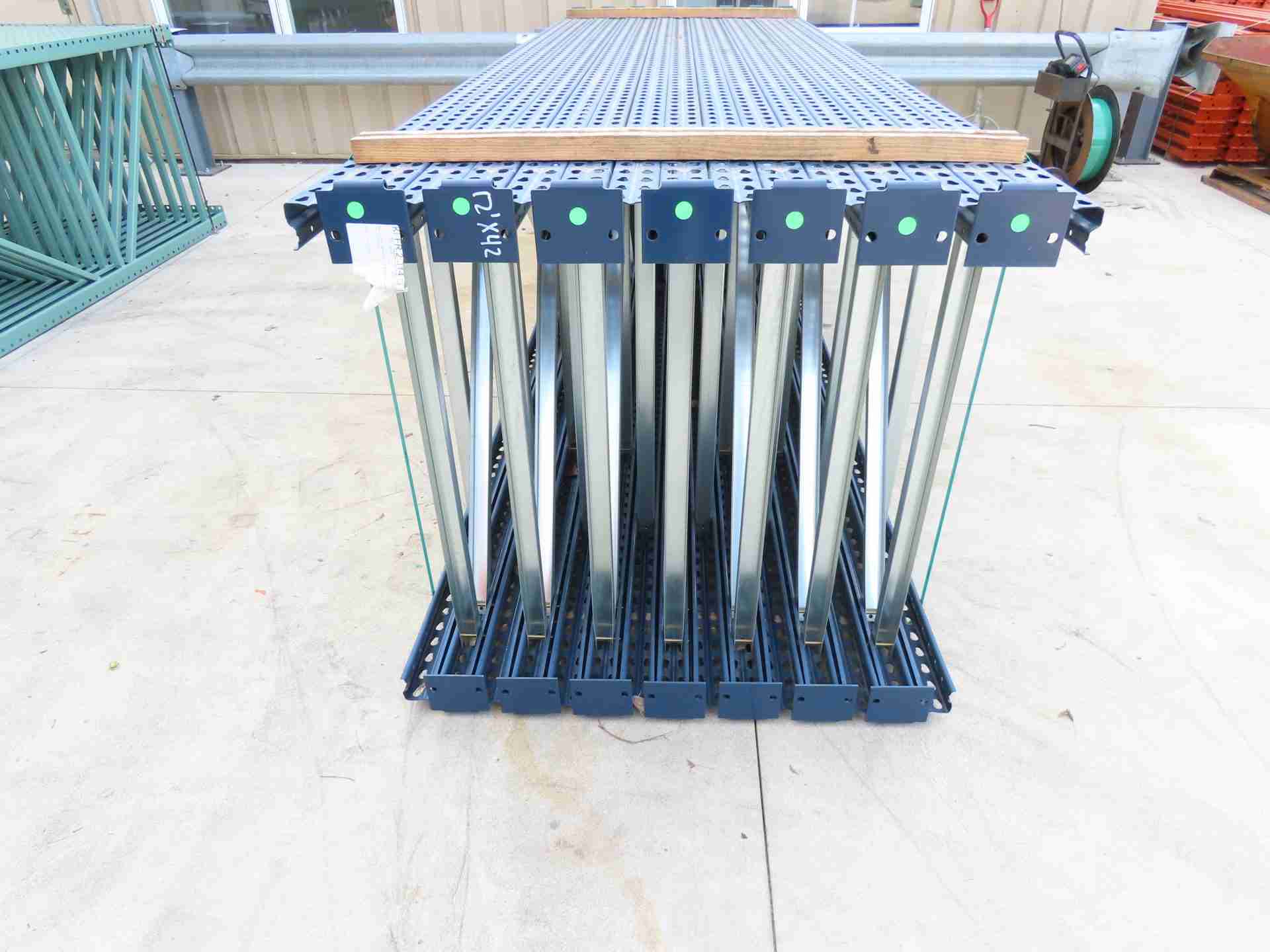
_____ Check Construction Quality _____ Inspect for sturdy uprights, welded frames, and durable cross braces.
_____ Ensure high-quality material and craftsmanship.
_____ Plan Proper Installation and Anchoring _____ Hire professionals for proper installation.
_____ Follow manufacturer guidelines for anchoring to the floor.
_____ Consider Safety Accessories _____ Invest in rack guards, aisle protection, and safety netting.
_____ Protect against forklift collisions and falling inventory.
Space Optimization
_____ Height Utilization _____ Maximize vertical storage without compromising accessibility.
_____ Ensure compatibility with forklift reach and warehouse ceiling height.
_____ Adjust for Item Size and Weight _____ Customize beam spacing based on item size and beam length.
_____ Consider current and future inventory sizes.
Industry Trends
_____ Adapt to E-commerce Demands _____ Plan storage for increased demand and faster order fulfillment.
_____ Stay updated with the latest trends for warehouse optimization.
_____ Prepare for Supply Chain Disruptions _____ Choose reliable and durable racks to withstand operational challenges.
_____ Invest in racks that enhance efficiency and streamline inventory management.
This checklist can help optimize your warehouse’s storage and safety, ensuring a robust and flexible pallet racking system.
Checklist
At RackingWorld, we help guide you through selecting warehouse storage systems and racking.
Be sure to read our other related stories at RackingWorld to learn more about warehouse storage systems.
0 Comments