
Pricing Analysis: Comparing Different Pallet Rack Costs
By Tom Seest
At RackingWorld, we help guide you through selecting warehouse storage systems and racking.
Be sure to read our other related stories at RackingWorld to learn more about warehouse storage systems.
How Does The Cost Of Different Pallet Racks Compare to Each Other?
When it comes to purchasing pallet racks for your warehouse or storage facility, cost is a significant factor to consider. There are several different types of pallet racks available on the market, each with varying prices and features.
One of the most common types of pallet racks is the selective pallet rack. These racks are versatile and allow for easy access to all pallets, making them a popular choice for many businesses. However, the cost of selective pallet racks can vary depending on the size and weight capacity needed. Generally, selective pallet racks tend to be more affordable compared to other types of pallet racking systems.
Drive-in pallet racks are another option for businesses looking to maximize their storage space. These racks allow forklifts to drive directly into the racks, making it ideal for high-density storage. However, drive-in pallet racks tend to be more expensive than selective pallet racks due to their design and construction.
Push back pallet racks are another popular choice for businesses that need to store a large number of pallets. These racks utilize a gravity-fed system, allowing for easy loading and unloading of pallets. While push back pallet racks offer excellent storage density, they tend to be more costly compared to selective pallet racks.
Cantilever racks are another option for businesses looking to store long or bulky items such as pipes or lumber. These racks feature arms that extend out from a single column, allowing for easy access to items. Cantilever racks can vary in price depending on the size and weight capacity needed, but they are generally more expensive than selective pallet racks.
Mezzanine pallet racks are a great option for businesses looking to utilize vertical space in their warehouse. These racks feature a raised platform that allows for additional storage space above ground level. While mezzanine pallet racks can be more costly to install compared to other types of pallet racks, they can significantly increase storage capacity in a warehouse.
The cost of different pallet racks can vary depending on factors such as size, weight capacity, and design. While selective pallet racks tend to be more affordable, drive-in, push back, cantilever, and mezzanine pallet racks can offer unique storage solutions for businesses willing to invest in their storage infrastructure. Ultimately, it is essential to consider your specific storage needs and budget when choosing the right pallet rack for your facility.

How Does The Cost Of Different Pallet Racks Compare to Each Other?
How Does The Cost Of Different Pallet Racks Compare to Each Other?
- Selective pallet racks: versatile and affordable, provide easy access to pallets.
- Drive-in pallet racks: allow for high-density storage, more expensive due to design.
- Push back pallet racks: utilize gravity-fed system, offer excellent storage density.
- Cantilever racks: ideal for storing long or bulky items, more expensive than selective pallet racks.
- Mezzanine pallet racks: great for utilizing vertical space, increase storage capacity.
- Cost of pallet racks varies based on size, weight capacity, and design.
- Consider specific storage needs and budget when choosing the right pallet rack for your facility.

How Does The Cost Of Different Pallet Racks Compare to Each Other?
Table Of Contents
- How Does The Cost Of Different Pallet Racks Compare to Each Other?
- What Factors Influence The Cost Of Pallet Racks?
- Are Steel Pallet Racks More Expensive Than Other Materials?
- Do Adjustable Pallet Racks Cost More Than Fixed Racks?
- Which Type Of Pallet Rack Offers The Best Value For The Price?
- Can Used Pallet Racks Be A Cost-Effective Option?
- What Are The Key Factors Affecting Pallet Rack Costs?
- What Are The Different Types Of Pallet Racks Available?
- How Do The Prices Of Selective Racks Compare To Drive-In Racks?
- Are There Any Cost-Effective Alternatives To Traditional Pallet Racks?
- Which Factors Should Be Considered When Comparing Pallet Rack Prices?
- Conclusion
- Other Resources
- Glossary Of Terms
- Other Questions
- Checklist
What Factors Influence The Cost Of Pallet Racks?
When it comes to the cost of pallet racks, there are a variety of factors that can influence the price tag. One of the biggest factors is the size and weight capacity of the rack. Just like with any other piece of equipment, the larger and more heavy-duty the pallet rack, the higher the cost will likely be. If you have a warehouse that requires racks to hold a significant amount of weight, you can expect to pay more for racks with higher weight capacities.
Another factor that can influence the cost of pallet racks is the material they are made from. Pallet racks can be constructed from a variety of materials, including steel, aluminum, and even wood. Steel racks tend to be the most expensive due to their durability and strength, while aluminum racks are usually more affordable but may not be as heavy-duty. Wood racks are typically the least expensive option, but they may not be as sturdy as metal racks.
The design of the pallet rack can also play a role in determining its cost. Racks that are designed to be more customizable or adjustable may come with a higher price tag. Additionally, racks that are designed to fit specific storage needs, such as cold storage or hazardous materials storage, may also cost more due to the specialized requirements.
Installation can also impact the cost of pallet racks. Some racks may require professional installation, which can add to the overall cost. On the other hand, smaller or more basic racks may be able to be installed by the customer, saving on installation costs.
The brand of the pallet rack can also influence its cost. Certain brands are known for their quality and durability, which can command a higher price. On the other hand, lesser-known brands may offer more affordable options, but they may not be as reliable in the long run.
Lastly, the condition of the pallet rack can impact its cost. New pallet racks will obviously cost more than used or refurbished racks. However, used racks may come with wear and tear that could impact their longevity and performance.
When considering the cost of pallet racks, it’s important to take into account factors such as size, weight capacity, material, design, installation, brand, and condition. By weighing these factors carefully, you can make an informed decision on the best pallet rack option for your needs.

What Factors Influence The Cost Of Pallet Racks?
What Factors Influence The Cost Of Pallet Racks?
- Size and weight capacity of the rack.
- Material the racks are made from.
- Design of the pallet rack.
- Installation requirements.
- Brand of the pallet rack.
- Condition of the pallet rack.
- Consideration of factors such as size, weight capacity, material, design, installation, brand, and condition.

What Factors Influence The Cost Of Pallet Racks?
Are Steel Pallet Racks More Expensive Than Other Materials?
Steel pallet racks have long been viewed as a durable and reliable storage solution for warehouses and industrial spaces. But are they more expensive than other materials on the market? Let’s take a closer look at the cost considerations of steel pallet racks compared to other options.
One of the main advantages of steel pallet racks is their strength and durability. Steel is known for its ability to withstand heavy loads and harsh conditions, making it a popular choice for industrial storage solutions. This durability can lead to significant cost savings in the long run, as steel racks are less likely to need replacing or repairs compared to racks made from other materials.
In terms of initial cost, steel pallet racks are typically more expensive than racks made from materials like wood or plastic. However, this initial investment can pay off in the long term due to the longevity and reliability of steel racks. While you may pay more upfront for steel racks, you are likely to save money over time by avoiding frequent replacements and repairs.
Another factor to consider when evaluating the cost of steel pallet racks is the resale value. Steel is a valuable material that can be recycled and repurposed, making steel racks more attractive to potential buyers if you ever need to sell or upgrade your storage system. This resale value can help offset the initial cost of steel racks and make them a more cost-effective option in the long run.
Additionally, steel pallet racks offer flexibility and customization options that may not be available with other materials. Steel racks can be easily adjusted and reconfigured to meet changing storage needs, reducing the need for additional investments in new racks or storage solutions. This versatility can also contribute to cost savings over time by maximizing the efficiency of your storage space.
Overall, while steel pallet racks may be more expensive upfront compared to other materials, their durability, resale value, and customization options can make them a cost-effective long-term storage solution for warehouses and industrial spaces. When considering the cost of steel racks, it’s important to weigh the initial investment against the potential savings and benefits that steel racks can offer in the future.

Are Steel Pallet Racks More Expensive Than Other Materials?
Are Steel Pallet Racks More Expensive Than Other Materials?
- Steel pallet racks are durable and reliable storage solutions for warehouses.
- They are known for their strength and ability to withstand heavy loads.
- While steel racks may be initially more expensive, they offer long-term cost savings due to their longevity.
- Steel racks have a high resale value and can be recycled and repurposed.
- They offer flexibility and customization options to meet changing storage needs.
- Overall, steel pallet racks can be a cost-effective long-term storage solution for industrial spaces.
- When evaluating the cost of steel racks, it’s important to consider the potential savings and benefits in the future.

Are Steel Pallet Racks More Expensive Than Other Materials?
Do Adjustable Pallet Racks Cost More Than Fixed Racks?
So, you’re in the market for some pallet racks, eh? Well, let me ask you this – are you looking for versatility or simplicity? Because that right there is the million-dollar question when it comes to choosing between adjustable pallet racks and fixed racks.
Now, let’s break it down. Adjustable pallet racks, as the name suggests, offer you the flexibility to change the height of your shelves to accommodate various sizes of goods. This can be a game-changer for businesses that deal with a wide range of products, as it allows for easy customization based on your needs.
But here’s the thing – that flexibility comes at a cost. Adjustable pallet racks typically require more components and mechanisms to allow for the adjustable feature. This means a higher upfront investment compared to fixed racks, which are simple and straightforward in design.
So, do adjustable pallet racks cost more than fixed racks? In the short term, yes. You’ll likely pay more for the added flexibility that adjustable racks offer. However, when you look at the long-term benefits, the picture starts to change.
Think about it – if your business is constantly changing and evolving, having the ability to adjust your pallet racks can save you a lot of time and hassle in the long run. No more tearing down and rebuilding shelves every time you get a new shipment of goods. With adjustable racks, you can simply reconfigure them to fit your new products, saving you both time and money.
On the other hand, if your business is more stable and you don’t anticipate a lot of changes in your product lineup, fixed racks may be the way to go. They’re cost-effective and get the job done without all the bells and whistles of adjustable racks.
The decision comes down to your specific needs and budget. Are you willing to pay a bit more upfront for the convenience of adjustable racks, or are you happy with the simplicity and affordability of fixed racks? It’s a choice that only you can make, based on what’s best for your business.
So, there you have it – the age-old question of adjustable pallet racks versus fixed racks. It may cost a bit more to go the adjustable route, but for some businesses, the benefits far outweigh the initial investment. It’s all about finding the right balance between cost and convenience.

Do Adjustable Pallet Racks Cost More Than Fixed Racks?
Do Adjustable Pallet Racks Cost More Than Fixed Racks?
- Adjustable pallet racks offer flexibility to change shelf height.
- Flexibility of adjustable racks allows for easy customization.
- Adjustable pallet racks typically require higher upfront investment.
- Long-term benefits of adjustable racks include time and hassle savings.
- Fixed racks are cost-effective and straightforward in design.
- Decision between adjustable and fixed racks depends on specific business needs and budget.
- Balance between cost and convenience key in choosing between adjustable and fixed racks.

Do Adjustable Pallet Racks Cost More Than Fixed Racks?
Which Type Of Pallet Rack Offers The Best Value For The Price?
When it comes to choosing the right pallet rack for your warehouse or storage facility, it can be overwhelming to navigate through all the different options available on the market. From selective racks to pushback racks to cantilever racks, the choices seem endless. But ultimately, the question is: which type of pallet rack offers the best value for the price?
In my experience, the answer lies in considering not just the initial cost of the pallet rack, but also its durability, versatility, and efficiency. Selective pallet racks, for example, are one of the most common and cost-effective options available. These racks allow for easy access to each individual pallet, making them ideal for facilities that require frequent product rotation. While the initial investment may be higher than other types of racks, the ease of use and accessibility can result in long-term cost savings by increasing efficiency and reducing labor costs.
Another important factor to consider is the durability of the pallet rack. After all, investing in a rack that will need frequent repairs or replacement defeats the purpose of saving money in the long run. Cantilever racks, for example, are known for their strength and stability, making them a great option for storing heavy or bulky items. While they may come with a higher price tag upfront, their durability can pay off over time by reducing maintenance costs and the risk of damage to your inventory.
Versatility is also key when it comes to determining the value of a pallet rack. Adjustable pallet racks, for instance, offer the flexibility to easily reconfigure the rack layout to accommodate different sizes and types of pallets. This adaptability can be a game-changer for facilities that frequently change their inventory or storage needs. While adjustable racks may come at a slightly higher cost than static racks, their versatility can ultimately save you money by maximizing your storage space and minimizing the need for additional racks.
The best value for the price when it comes to pallet racks is ultimately determined by a combination of factors including initial cost, durability, versatility, and efficiency. By carefully considering these factors and choosing a rack that meets your specific needs, you can make a smart investment that will pay off in the long run. So don’t just focus on the price tag – think about the bigger picture when selecting the right pallet rack for your facility.

Which Type Of Pallet Rack Offers The Best Value For The Price?
Which Type Of Pallet Rack Offers The Best Value For The Price?
- Selective pallet racks are cost-effective and allow for easy access to each pallet.
- Cantilever racks are durable and stable, making them ideal for heavy items.
- Adjustable pallet racks offer versatility for changing inventory needs.
- Consider durability, versatility, and efficiency when choosing a pallet rack.
- Initial cost should be considered along with long-term savings and benefits.
- Choose a rack that meets your specific needs for the best value in the long run.
- Don’t just focus on price – think about the bigger picture when selecting a pallet rack.

Which Type Of Pallet Rack Offers The Best Value For The Price?
Can Used Pallet Racks Be A Cost-Effective Option?
When it comes to outfitting a warehouse or storage facility, finding cost-effective solutions is key. One option that often gets overlooked is purchasing used pallet racks. While some may be hesitant to buy used equipment, there are many benefits to choosing second-hand racks that can save both time and money.
First and foremost, used pallet racks can be a much more affordable option compared to buying brand new. With the high cost of new equipment, especially for larger facilities, opting for used racks can result in significant savings. This is especially beneficial for businesses that are looking to expand their storage capabilities without breaking the bank.
Additionally, used pallet racks are often readily available on the market, making it easy to find the right sizes and styles to fit your storage needs. Whether you need selective racks, drive-in racks, or push-back racks, there is a wide variety of options available in the used market. And with proper inspection and maintenance, these racks can perform just as well as new ones.
Another advantage of choosing used pallet racks is the sustainability factor. By giving these racks a second life, you are helping to reduce waste and promote a more eco-friendly approach to storage solutions. Plus, by recycling and reusing existing racks, you are contributing to a circular economy that minimizes the need for new materials and production processes.
Of course, when considering used pallet racks, it’s important to ensure that they are in good condition and meet safety standards. Inspecting the racks for any signs of damage or wear and tear is crucial to guaranteeing their reliability and longevity. By investing in racks that have been well-maintained and cared for, you can rest assured that they will perform efficiently and safely in your facility.
Used pallet racks can be a cost-effective and practical option for businesses looking to optimize their storage space. With lower costs, a wide range of options, and a focus on sustainability, choosing second-hand racks can be a smart choice for warehouse managers and business owners alike. So, before dismissing the idea of buying used equipment, consider the benefits that used pallet racks can offer your storage operations.

Can Used Pallet Racks Be A Cost-Effective Option?
Can Used Pallet Racks Be A Cost-Effective Option?
- Used pallet racks are a more affordable option compared to buying new, resulting in significant cost savings.
- Second-hand racks are readily available on the market, offering a wide variety of sizes and styles to fit storage needs.
- With proper inspection and maintenance, used pallet racks can perform just as well as new ones.
- Choosing used racks promotes sustainability by giving them a second life and reducing waste.
- It is crucial to inspect used pallet racks for damage and wear to ensure reliability and safety.
- Opting for second-hand racks can help businesses optimize storage space and minimize costs.
- Consider the benefits of used pallet racks, such as lower costs and focus on sustainability, before dismissing the idea of buying new equipment.

Can Used Pallet Racks Be A Cost-Effective Option?
What Are The Key Factors Affecting Pallet Rack Costs?
When it comes to purchasing pallet racks, there are several key factors that can affect the overall cost. Understanding these factors can help you make informed decisions and get the best value for your money.
One of the most important factors that can impact pallet rack costs is the size and weight capacity of the racks. The larger and stronger the racks, the more expensive they will be. It’s essential to carefully assess your storage needs and choose racks that can safely and efficiently store your products without compromising on quality. Investing in sturdy racks that can hold up under heavy loads will ultimately save you money in the long run by reducing the risk of accidents or damage to your inventory.
Another factor that can influence pallet rack costs is the type of material used to make the racks. Racks made from high-quality materials like steel are more durable and long-lasting than racks made from cheaper materials. While steel racks may come with a higher upfront cost, they will likely require less maintenance and replacement over time, making them a more cost-effective choice in the long term.
In addition to material, the design and construction of the racks can also impact their cost. Racks that are custom-designed or have unique features may cost more than standard racks. However, these specialized racks can offer added benefits such as improved organization, increased storage capacity, or better accessibility to your products. It’s important to carefully consider your specific storage needs and budget when choosing the design of your pallet racks to ensure you get the best value for your money.
Lastly, the location and supplier you choose for your pallet racks can also affect their cost. Racks purchased from local suppliers may be more affordable than racks purchased from out-of-state or international suppliers due to shipping and logistics costs. It’s also important to consider the reputation and reliability of the supplier when making your purchase to ensure you are getting high-quality racks that meet your needs.
When it comes to pallet rack costs, it’s essential to consider factors such as size, weight capacity, materials, design, and supplier. By carefully evaluating these factors and making informed decisions, you can ensure you get the best value for your money and invest in pallet racks that will serve your storage needs for years to come.

What Are The Key Factors Affecting Pallet Rack Costs?
What Are The Key Factors Affecting Pallet Rack Costs?
- Size and weight capacity of the racks impact cost.
- Material used affects durability and long-term costs.
- Design and construction can add to costs but offer added benefits.
- Custom-designed racks may cost more but offer improved organization.
- Local suppliers may be more affordable due to shipping costs.
- Consider reputation and reliability of supplier when purchasing racks.
- Investing in sturdy racks can save money in the long run by reducing risk of accidents or damage.
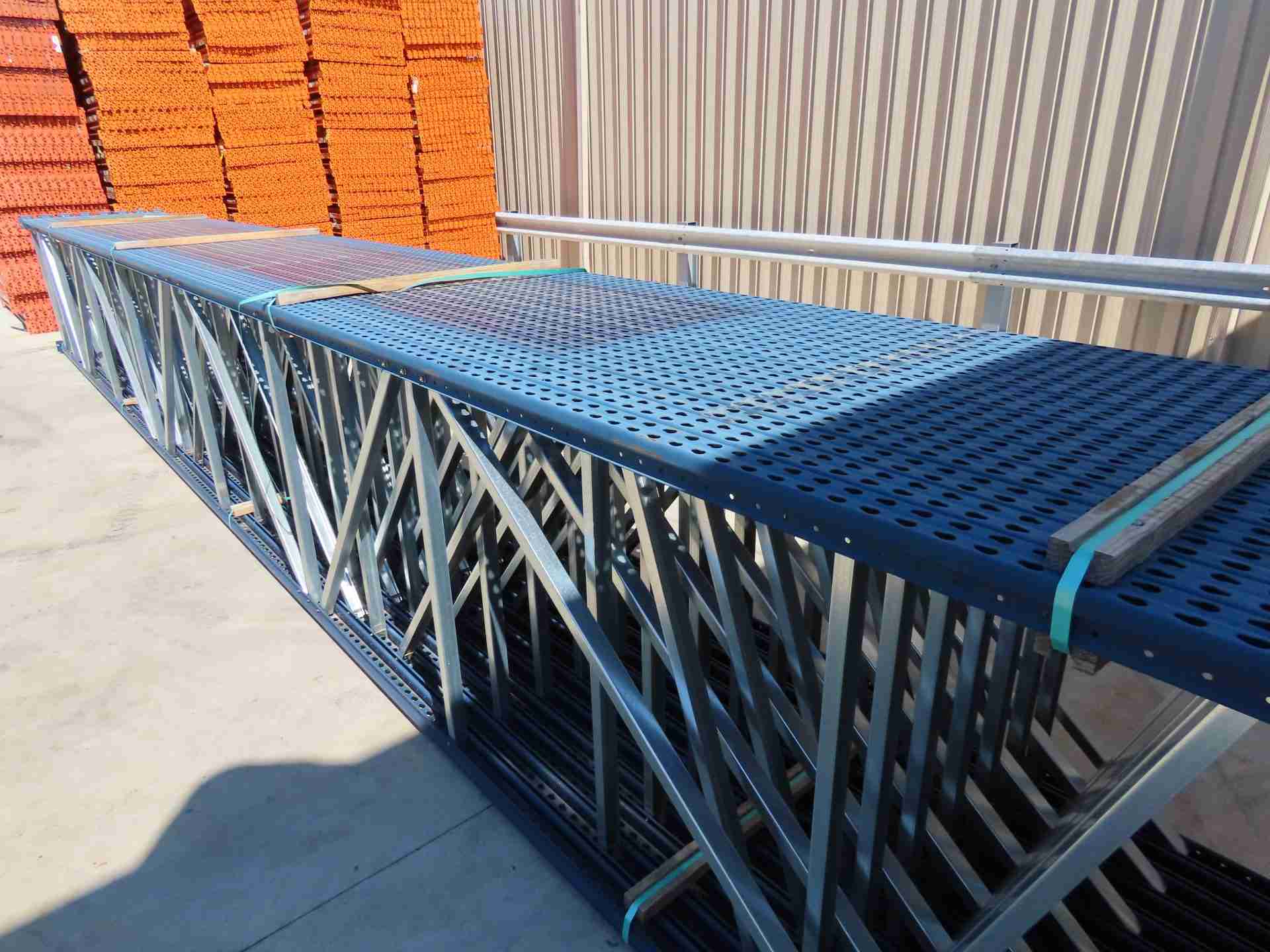
What Are The Key Factors Affecting Pallet Rack Costs?
What Are The Different Types Of Pallet Racks Available?
When it comes to warehouse storage solutions, pallet racks are a must-have. These heavy-duty racks are designed to efficiently store and organize palletized goods, maximizing the use of vertical space in your facility. But with so many different types of pallet racks available, choosing the right one for your space can be overwhelming.
One of the most common types of pallet racks is selective pallet racking. This type of rack allows for easy access to each pallet, making it ideal for warehouses with high turnover or varying inventory. Selective pallet racks are typically adjustable and can be customized to fit your specific storage needs.
Drive-in and drive-through pallet racks are another popular option. These racks allow for forklifts to drive directly into the rack system, which can maximize storage density. Drive-in racks are best suited for last-in, first-out (LIFO) inventory systems, while drive-through racks are ideal for first-in, first-out (FIFO) systems.
For warehouses looking to maximize storage density even further, push back pallet racks are a great choice. These racks function on a LIFO inventory system, with pallets being pushed back on inclined rails. Push back racks allow for high-density storage while still maintaining accessibility to each pallet.
If you have irregularly shaped or oversized items to store, cantilever pallet racks might be the solution for you. These racks feature arms that extend from a single column, allowing for easy storage and retrieval of long or bulky items. Cantilever racks are commonly used for storing items such as lumber, piping, or furniture.
For warehouses with limited floor space, pallet flow racks can help optimize space utilization. These racks use gravity to move pallets along a roller system, allowing for easy access to inventory and maximizing storage efficiency in FIFO inventory systems.
No matter what type of pallet rack you choose, it’s important to consider factors such as load capacity, aisle width, and ceiling height when determining the best option for your warehouse. By selecting the right type of pallet rack for your space and inventory needs, you can improve workflow efficiency, increase storage capacity, and ultimately boost overall productivity in your facility. So don’t delay – invest in the right pallet rack system for your warehouse today!

What Are The Different Types Of Pallet Racks Available?
What Are The Different Types Of Pallet Racks Available?
- Selective pallet racking allows for easy access to each pallet.
- Drive-in & drive-through racks allow for forklifts to drive directly into the system.
- Push back racks function on a LIFO inventory system for high-density storage.
- Cantilever racks are for irregularly shaped or oversized items.
- Pallet flow racks use gravity for efficient storage in FIFO systems.
- Consider load capacity, aisle width, and ceiling height when choosing a pallet rack.
- Choose the right pallet rack system to improve workflow efficiency and increase storage capacity.

What Are The Different Types Of Pallet Racks Available?
How Do The Prices Of Selective Racks Compare To Drive-In Racks?
When it comes to comparing the prices of selective racks versus drive-in racks, there are a few key factors to consider. Selective racks, which allow for individual access to each pallet, tend to be more cost-effective than drive-in racks, which require the forklift to enter the rack system to retrieve pallets.
One of the main reasons for the price difference between the two types of racks is the design and construction of the racks themselves. Selective racks are typically lighter weight and require less material to build, making them less expensive to manufacture and install. On the other hand, drive-in racks are more robust and complex in design, requiring additional materials and labor for installation.
Another factor that influences the price discrepancy is the storage capacity of each type of rack. Drive-in racks are able to store more pallets in a smaller space compared to selective racks, which can be a cost-saving advantage for businesses with limited floor space. However, this increased storage capacity comes at a higher price point due to the additional materials and structural support needed to accommodate the heavier loads.
Additionally, the handling and retrieval process for each type of rack can impact the overall cost. Selective racks allow for easy access to individual pallets, reducing the time and labor required to retrieve specific items. This can result in improved efficiency and cost savings for businesses with high-volume, fast-moving inventory. Drive-in racks, on the other hand, require the forklift operator to navigate through the rack system to access pallets, which can be slower and more labor-intensive.
Overall, the prices of selective racks tend to be more budget-friendly for businesses looking for a cost-effective storage solution that offers easy access to individual pallets. However, for businesses in need of high-density storage or storage of larger quantities of the same item, drive-in racks may be the more suitable option despite the higher initial investment.
When comparing the prices of selective racks to drive-in racks, it’s important to consider factors such as design, materials, storage capacity, and handling processes. By evaluating these key factors, businesses can make an informed decision on which type of rack best suits their storage needs and budget constraints.

How Do The Prices Of Selective Racks Compare To Drive-In Racks?
How Do The Prices Of Selective Racks Compare To Drive-In Racks?
- Selective racks are more cost-effective than drive-in racks due to lighter weight and less material.
- Drive-in racks are more robust and complex, requiring additional materials and labor.
- Drive-in racks can store more pallets in a smaller space, but at a higher price point.
- Selective racks offer easy access to individual pallets, improving efficiency and cost savings.
- Drive-in racks require forklift navigation, which can be slower and labor-intensive.
- Selective racks are budget-friendly for businesses needing easy access to individual pallets.
- Drive-in racks may be more suitable for high-density storage despite higher initial investment.

How Do The Prices Of Selective Racks Compare To Drive-In Racks?
Are There Any Cost-Effective Alternatives To Traditional Pallet Racks?
Let’s talk about pallet racks, shall we? Traditional pallet racks have long been the go-to choice for businesses looking to maximize storage space in their warehouses. But for some, the cost of these racks can be a bit prohibitive. Fear not, my friends, for there are indeed some cost-effective alternatives out there that can still get the job done.
One alternative to traditional pallet racks is the use of wire decking. Wire decking is a more affordable option that can be used in conjunction with pallet racks to provide added support and stability to your storage system. Made of durable wire mesh, wire decking allows for better visibility and airflow, making it a great choice for businesses looking to improve inventory management and reduce dust buildup.
Another cost-effective alternative to traditional pallet racks is the use of pallet flow racks. Pallet flow racks utilize gravity to move pallets along a sloped track, making it easy to load and unload inventory quickly and efficiently. These racks are ideal for businesses with high-volume storage needs, as they can help to maximize floor space and improve inventory turnover rates.
For those looking for a more budget-friendly option, cantilever racks may be the way to go. Cantilever racks are designed to hold long, bulky items such as lumber, piping, or furniture. These racks are versatile and can be customized to fit your specific storage needs, making them a great choice for businesses of all sizes.
If you’re still looking to save a few bucks, consider investing in used pallet racks. Many companies sell their used pallet racks at a fraction of the cost of new ones, providing a cost-effective solution for businesses looking to expand their storage capacity without breaking the bank. Just be sure to inspect the racks thoroughly before making a purchase to ensure they are in good condition and will meet your storage needs.
While traditional pallet racks may be the gold standard for many businesses, there are indeed cost-effective alternatives out there that can help you maximize your storage space without breaking the bank. Whether you opt for wire decking, pallet flow racks, cantilever racks, or used pallet racks, there are plenty of options available to suit your budget and storage needs. So go forth and explore your options, my friends, and make the most of your warehouse space!

Are There Any Cost-Effective Alternatives To Traditional Pallet Racks?
Are There Any Cost-Effective Alternatives To Traditional Pallet Racks?
- Wire decking is a cost-effective alternative to traditional pallet racks that provides added support and stability.
- Pallet flow racks use gravity to move pallets along a sloped track, making loading and unloading inventory efficient.
- Cantilever racks are a budget-friendly option for holding long, bulky items like lumber or furniture.
- Consider buying used pallet racks as a cost-effective solution for expanding storage capacity.
- Exploring alternatives like wire decking, pallet flow racks, cantilever racks, or used pallet racks can help maximize storage space without breaking the bank.
- These options allow businesses to improve inventory management, reduce dust buildup, and increase inventory turnover rates.
- Take the opportunity to explore different pallet rack alternatives to find the best fit for your budget and storage needs.

Are There Any Cost-Effective Alternatives To Traditional Pallet Racks?
Which Factors Should Be Considered When Comparing Pallet Rack Prices?
When comparing pallet rack prices, there are a few key factors that should be considered to ensure you’re getting the best value for your money.
First and foremost, it’s important to look at the quality of the pallet racks themselves. While it may be tempting to go with the cheapest option available, it’s crucial to remember that pallet racks are an investment in your business and need to be able to withstand the wear and tear of everyday use. Make sure to research the materials used in the construction of the racks, as well as the manufacturer’s reputation for producing reliable and durable products.
Next, take a close look at the weight capacity of the pallet racks. Depending on the type of goods you’ll be storing, you may need racks capable of holding a significant amount of weight. It’s essential to choose racks that can safely support the items you’ll be storing to prevent accidents and damage to your inventory.
Another important factor to consider is the layout and size of your warehouse. Different types of pallet racks are better suited for specific spaces and storage needs. Take into account factors such as ceiling height, aisle width, and the overall layout of your warehouse when choosing the right pallet racks for your needs.
Additionally, consider the installation and maintenance costs associated with the pallet racks. While it may be tempting to opt for the cheapest option upfront, racks that require frequent repairs or replacements can end up costing you more in the long run. Look for pallet racks that are easy to install and require minimal maintenance to ensure they’ll continue to serve your business for years to come.
Lastly, don’t forget to factor in any additional features or accessories that may be necessary for your specific storage needs. Items such as wire decking, safety guards, and rack protectors can help improve the functionality and safety of your pallet racks.
When comparing pallet rack prices, it’s essential to consider factors such as quality, weight capacity, warehouse layout, installation and maintenance costs, and necessary accessories. By taking these factors into account, you can ensure you’re making a wise investment in the storage solutions for your business.

Which Factors Should Be Considered When Comparing Pallet Rack Prices?
Which Factors Should Be Considered When Comparing Pallet Rack Prices?
- Consider the quality of the pallet racks, ensuring they are durable and reliable.
- Check the weight capacity of the racks to ensure they can safely support your inventory.
- Take into account your warehouse layout and size to choose racks that fit your space and storage needs.
- Factor in installation and maintenance costs to avoid expensive repairs in the future.
- Consider necessary accessories like wire decking and rack protectors to improve functionality and safety.
- Remember to choose racks based on your specific storage needs to make a wise investment.
- Research materials used in construction and manufacturer’s reputation for producing reliable products.

Which Factors Should Be Considered When Comparing Pallet Rack Prices?
Conclusion
In conclusion, when it comes to comparing the cost of different pallet racks, there are several key factors to consider. Selective racks, while more affordable, offer easy access to each pallet, making them a popular and cost-effective choice for many businesses. Drive-in racks may be more expensive due to their high-density storage capabilities, but can be a worthwhile investment for businesses needing to maximize storage space. Push-back racks and cantilever racks offer unique storage solutions, but tend to be more costly compared to selective racks. Mezzanine racks, while initially more expensive, can significantly increase storage capacity in a warehouse by utilizing vertical space.
Factors that influence the cost of pallet racks include size, weight capacity, material, design, installation, brand, and condition. Steel pallet racks, despite an initial higher cost, can be a cost-effective long-term storage solution due to their durability, resale value, and customization options. Adjustable racks may cost more upfront compared to fixed racks, but can offer long-term convenience and savings for businesses with evolving storage needs.
Consideration of factors such as quality, weight capacity, warehouse layout, installation and maintenance costs, and necessary accessories is essential when comparing pallet rack prices. Ultimately, selecting the right pallet rack for your facility involves weighing these factors carefully to ensure that you are making a smart investment in your storage infrastructure. So, whether you opt for affordable selective racks or invest in specialized mezzanine racks, the key is to choose the option that best meets your specific storage needs and budget constraints.

Conclusion
Conclusion:
- Selective racks are more affordable and offer easy access to each pallet.
- Drive-in racks are more expensive but offer high-density storage capabilities.
- Push-back and cantilever racks offer unique solutions but are more costly.
- Mezzanine racks can increase storage capacity by utilizing vertical space.
- Factors influencing cost include size, weight capacity, material, design, brand, and condition.
- Steel pallet racks are durable and cost-effective long-term storage solutions.
- Adjustable racks may cost more upfront but offer long-term convenience and savings.

Conclusion
Other Resources

Other Resources
Here is a list of other resources you can review online to learn more:
- “Choosing the Right Pallet Racking System”
- “Pallet Rack”
- “Industrial Pallet Racks Warehouse Shelving New & Used …”
- “7 Best Cost-Effective Pallet Rack Solutions Compared”
- “Carton Flow Rack Warehouse Equipment PPT.pptx”
- “Pallet Rack – Creative Solutions to Increase Storage …”
- “Pallet Racking (Selective Storage Racks)”
- “Different Pallet Racking Types & Applications”
- “Pallet Racking”
- “Pallet Racking: 5 Key Benefits to Boost Warehouse Storage”
- “Storage Solutions | Pallet Rack | Cantilever Rack”
- “Racking Vs Shelving: What’s the Difference?”
- “Ultimate Warehouse Racking Guide for Optimal Space Use”
- “Used Pallet Rack Workbenches for Sale”
- “Double Deep Pallet Rack – Canadian Rack Technologies”

Other Resources
Glossary Terms
How Does The Cost Of Different Pallet Racks Compare to Each Other? – Glossary Of Terms
1. Pallet Rack: A storage system designed to store materials on pallets, often used in warehouses.
2. Selective Pallet Rack: A type of pallet rack that allows for direct access to each pallet. Typically cost-effective but with lower storage density.
3. Double-deep Pallet Rack: A type of pallet rack where pallets are stored two deep, requiring a deeper reach forklift. Offers higher storage density but may cost more due to specialized equipment.
4. Drive-in Pallet Rack: A high-density storage system where forklifts drive directly into the storage lanes to place or retrieve items. Generally more expensive due to higher storage capacity.
5. Drive-thru Pallet Rack: Similar to drive-in racking but with access from both sides, allowing for first-in, first-out (FIFO) inventory management. Usually costlier than drive-in racks.
6. Push-back Rack: A pallet rack system that allows for multiple rows of pallets to be stored on inclined rails, which can push back as new pallets are loaded. It usually has a higher cost due to its complexity.
7. Pallet Flow Rack: Uses gravity to move pallets over inclined rollers, providing high density and first-in, first-out (FIFO) inventory management. Generally on the higher end of the price spectrum.
8. Cantilever Rack: Storage system for long or bulky items such as lumber or pipes. Cost varies depending on the material and weight capacity.
9. Material Cost: The cost of the raw materials used to manufacture the pallet rack, such as steel or aluminum.
10. Installation Cost: The expense involved in setting up the pallet rack, including labor and equipment.
11. Maintenance Cost: Ongoing expenses for keeping the pallet rack in good working condition.
12. Load Capacity: The maximum weight that a pallet rack can safely hold, affecting both cost and design.
13. Durability: Refers to how long the pallet rack will last under normal use, impacting the long-term cost-effectiveness.
14. Footprint: The amount of floor space a pallet rack system occupies, affecting warehouse space utilization and cost.
15. Spacer: Accessories used to ensure proper distance between racks, which could add to the cost.
16. Aisle Width: The space between pallet racks which affects the type of forklift needed, thereby impacting overall costs.
17. Storage Density: The amount of goods stored per square foot of warehouse space, influencing both cost and efficiency.
18. Height Utilization: How effectively the vertical space in a warehouse is used, impacting total storage efficiency and cost.
19. Fire Safety Compliance: Compliance with local fire safety regulations, which can add to the overall cost of the pallet rack system.
20. Seismic Safety Compliance: Compliance with regulations for earthquake-resistant designs, affecting both initial and long-term costs.
21. Custom Design: Tailoring a pallet rack system for specific needs, often increasing the cost due to custom features.
22. Modularity: The ability to add or reconfigure components, which can affect the overall cost based on flexibility and convenience.
23. Lead Time: The time it takes from ordering to receiving the pallet rack, where shorter lead times could potentially increase costs.
24. Vendor Reputation: The reputation of the supplier, which can impact both price and perceived quality.
25. Warranty: The duration and extent of the warranty offered, affecting the perceived long-term value and cost.
26. Retrofitting: The cost associated with upgrading or modifying existing racks to meet new requirements or standards.
27. Transport Cost: Expenses incurred to ship the pallet rack to the installation site, influenced by distance and weight.
28. Automation Compatibility: Whether the rack system can integrate with automated storage and retrieval systems, affecting cost.
29. ROI (Return on Investment): The financial return of investing in a particular pallet rack system, considering both initial and operating costs.
30. Environmental Impact: The sustainability aspects and associated costs related to the production and disposal of the pallet racks.
This glossary should help you understand the various factors and terms associated with comparing the cost of different pallet rack systems.

Glossary Of Terms
Other Questions
How Does The Cost Of Different Pallet Racks Compare to Each Other? – Other Questions
If you wish to explore and discover more, consider looking for answers to these questions:
- What are the advantages and disadvantages of each type of pallet rack mentioned?
- How do installation costs vary between different types of pallet racks?
- What are some reliable brands for purchasing pallet racks?
- Are there any financing options available for purchasing pallet racks?
- How do pallet rack prices differ based on geographical location?
- What are the maintenance requirements for different types of pallet racks?
- How can businesses determine the appropriate size and weight capacity for their pallet racks?
- What are some common safety concerns associated with pallet rack systems, and how can they be addressed?
- How does the cost of custom-designed pallet racks compare to standard models?
- What are the environmental impacts of different pallet rack materials?
- What should businesses look for when inspecting used pallet racks?
- How do pallet racks facilitate better inventory management within a warehouse?
- Are there any emerging trends or innovations in the pallet racking industry?

Other Questions
Checklist
How Does The Cost Of Different Pallet Racks Compare to Each Other? – A Checklist
General Considerations
1. Identify Your Storage Needs
_____ Determine the type and size of items to be stored
_____ Assess the weight of the items
_____ Consider the frequency of access required (LIFO vs. FIFO)
2. Assess Warehouse Layout
_____ Measure ceiling height and aisle width
_____ Evaluate vertical space utilization
_____ Consider any obstacles (columns, beams, etc. )
3. Evaluate Installation and Maintenance
_____ Determine if professional installation is needed
_____ Consider the ease of installation
_____ Check for maintenance requirements and costs
Types of Pallet Racks
4. Selective Pallet Racks
_____ Pros: Easy access to individual pallets, cost-effective
_____ Cons: Lower storage density
_____ Price Range: Generally affordable
5. Drive-In Pallet Racks
_____ Pros: Maximizes storage space, suitable for high-density storage
_____ Cons: Higher cost, more complex installation
_____ Price Range: Higher than selective racks
6. Push Back Pallet Racks
_____ Pros: High storage density, easy loading and unloading
_____ Cons: Higher initial investment
_____ Price Range: Higher than selective racks
7. Cantilever Racks
_____ Pros: Ideal for long or bulky items, versatile
_____ Cons: Generally more expensive than selective racks
_____ Price Range: Moderate to high
8. Mezzanine Racks
_____ Pros: Utilizes vertical space, adds additional storage
_____ Cons: Higher installation costs, complex design
_____ Price Range: Higher upfront cost
Material Considerations
9. Steel Racks
_____ Pros: Durable, long-lasting
_____ Cons: Higher initial cost
_____ Price Range: High
10. Aluminum Racks
_____ Pros: Affordable, lightweight
_____ Cons: Less heavy-duty compared to steel
_____ Price Range: Moderate
11. Wood Racks
_____ Pros: Cheapest option
_____ Cons: Less durable, may not hold as much weight
_____ Price Range: Low
Additional Features
12. Adjustable Racks
_____ Pros: Flexibility for various sizes
_____ Cons: Higher upfront cost
_____ Price Range: Higher initial investment
13. Fixed Racks
_____ Pros: Simple, cost-effective
_____ Cons: Less versatile
_____ Price Range: Lower than adjustable racks
14. Wire Decking
_____ Pros: Improves visibility and airflow, stabilizes pallets
_____ Cons: Additional cost
_____ Price Range: Additional but minimal
Cost-Saving Alternatives
15. Used Pallet Racks
_____ Pros: Lower cost, readily available
_____ Cons: May have wear and tear, shorter lifespan
_____ Price Range: Much lower than new racks
Miscellaneous
16. Brand Reputation
_____ Choose reputable brands known for durability and reliability
_____ Weigh the cost versus the reputation of the manufacturer
17. Resale Value
_____ Consider the future resale value, especially for steel racks
18. Customization and Versatility
_____ Evaluate if the racks can be reconfigured for changing needs
_____ Consider any customization options you may need
Final Steps
19. Compare Quotes
_____ Obtain quotes from multiple suppliers
_____ Include costs for installation and additional features if applicable
20. Conduct Inspections (for used racks)
_____ Ensure used racks are in good condition
_____ Check for any potential safety hazards
21. Review Safety Standards
_____ Ensure the racks meet all necessary safety regulations and standards
By following this checklist, you can make an informed decision when purchasing pallet racks, ensuring that you get the best value for your investment while meeting your specific storage needs.

Checklist
At RackingWorld, we help guide you through selecting warehouse storage systems and racking.
Be sure to read our other related stories at RackingWorld to learn more about warehouse storage systems.
0 Comments