
Maximizing Efficiency: The Impact Of Pallet Racking Systems
By Tom Seest
At RackingWorld, we help guide you through selecting warehouse storage systems and racking.
Be sure to read our other related stories at RackingWorld to learn more about warehouse storage systems.
How Do Pallet Racking Systems Benefit Warehouse Operations?
In the world of warehouse operations, efficiency is key. The faster goods can be stored and retrieved, the more productive the warehouse can be. That’s where pallet racking systems come into play. These systems are designed to maximize vertical space in a warehouse by stacking pallets of goods on top of each other in a safe and organized manner.
One of the main benefits of using pallet racking systems is the increase in storage capacity. By utilizing vertical space, warehouses can store more goods in the same footprint, allowing for better organization and easier access to inventory. This means less time spent searching for items and more time fulfilling orders. In addition, pallet racking systems can be customized to fit the specific needs of a warehouse, whether that means storing perishable goods in a refrigerated environment or keeping small items organized in bins.
Another key benefit of pallet racking systems is improved safety. By stacking goods vertically in a secure manner, the risk of accidents and injuries is greatly reduced. Workers can access goods safely from ground level or using specialized equipment like forklifts, reducing the need for manual lifting and carrying heavy items. This not only protects the health and well-being of employees but also prevents damage to inventory, ultimately saving time and money.
Pallet racking systems also contribute to better inventory management. By keeping goods organized and easily accessible, warehouses can track inventory more efficiently and accurately. This minimizes the risk of stockouts or overstocking, allowing warehouses to operate more smoothly and meet customer demands in a timely manner. Additionally, by utilizing systems like barcode scanning and automated inventory tracking, warehouses can streamline their processes and reduce the risk of human error.
Overall, pallet racking systems are a crucial component of a well-functioning warehouse operation. They improve storage capacity, enhance safety, and optimize inventory management, ultimately leading to increased productivity and profitability. By investing in a quality pallet racking system that is tailored to the specific needs of a warehouse, businesses can ensure their operations run smoothly and efficiently. So next time you see a warehouse buzzing with activity, remember that behind the scenes, pallet racking systems are playing a vital role in keeping everything moving smoothly.
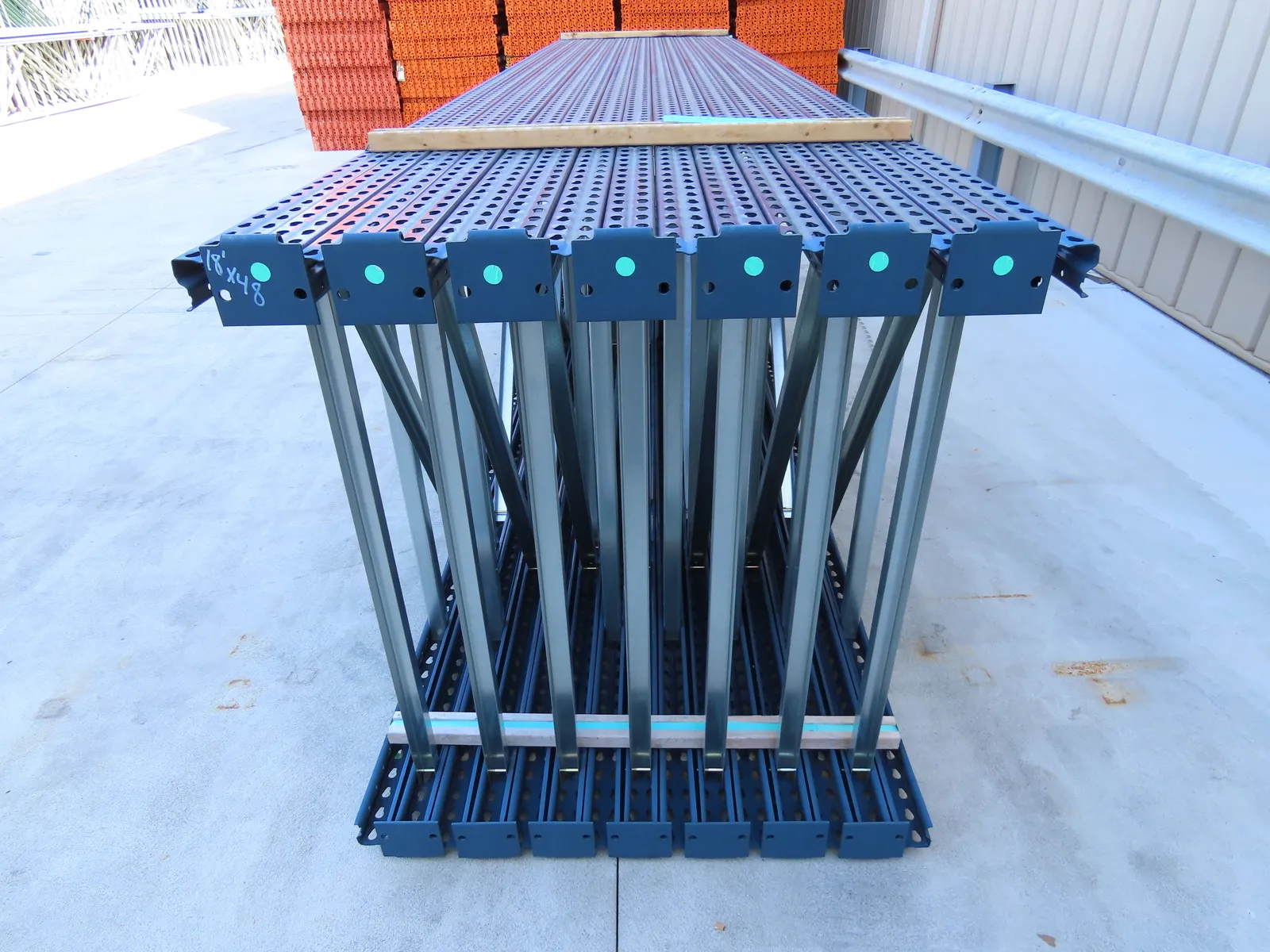
How Do Pallet Racking Systems Benefit Warehouse Operations?
How Do Pallet Racking Systems Benefit Warehouse Operations?
- Efficiency is key in warehouse operations.
- Pallet racking systems maximize vertical space.
- Increase storage capacity and better organization.
- Improved safety with reduced risk of accidents.
- Better inventory management and tracking.
- Enhance productivity and profitability.
- Customizable for specific warehouse needs.
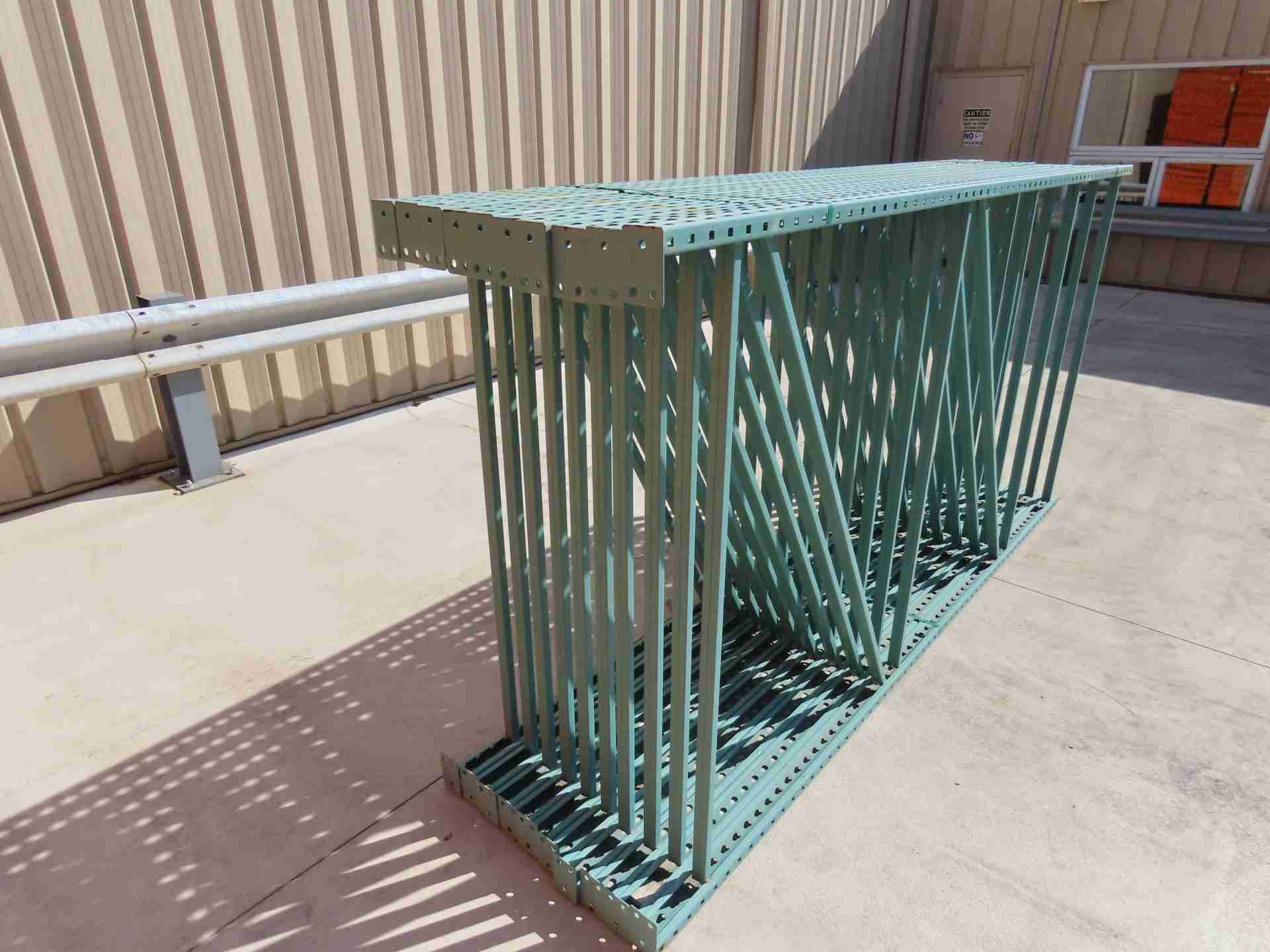
How Do Pallet Racking Systems Benefit Warehouse Operations?
Table Of Contents
- How Do Pallet Racking Systems Benefit Warehouse Operations?
- What Are The Key Benefits Of Using Pallet Racking Systems?
- How Do Pallet Racking Systems Improve Warehouse Efficiency?
- Can Pallet Racking Systems Help With Inventory Management?
- How Do Pallet Racking Systems Maximize Storage Space?
- What Are The Different Types Of Pallet Racking Systems Available?
- How Do Pallet Racking Systems Contribute To Workplace Safety?
- Can Pallet Racking Systems Be Customized To Fit Specific Needs?
- How Do Pallet Racking Systems Impact Overall Warehouse Productivity?
- Conclusion
- Other Resources
- Glossary Of Terms
- Other Questions
- Checklist
What Are The Key Benefits Of Using Pallet Racking Systems?
Pallet racking systems are a versatile and efficient way to store and organize goods in a warehouse or storage facility. There are several key benefits to using these systems that can help improve the overall productivity and functionality of your operation.
One of the main benefits of using pallet racking systems is the ability to maximize vertical space in your facility. By stacking pallets on top of each other, you can make the most of the available space and increase your storage capacity without having to expand your building. This can be especially useful for businesses that have limited floor space but need to store a large amount of inventory.
Another advantage of pallet racking systems is the ease of access to stored goods. With pallet racking, each pallet is easily accessible and can be quickly retrieved using forklifts or other material handling equipment. This helps to streamline the picking and packing process, reducing the time and labor required to fulfill orders.
Furthermore, pallet racking systems can help improve warehouse safety by keeping goods organized and secure. By properly storing pallets on racking systems, you can prevent accidents and injuries caused by falling or shifting inventory. Additionally, pallet racking systems can help protect goods from damage, as they provide a sturdy and stable storage solution.
In addition to these benefits, pallet racking systems are also highly customizable and can be tailored to meet the specific needs of your operation. Whether you need selective racking, drive-in racking, or push back racking, there are a variety of options available to suit your requirements. This flexibility allows you to optimize your storage space and create a system that works best for your business.
Overall, pallet racking systems offer a cost-effective and efficient way to store and organize goods in a warehouse or storage facility. With the ability to maximize vertical space, improve accessibility, enhance safety, and customize to meet your needs, pallet racking systems are a valuable investment for any business looking to improve their storage capabilities. So, if you’re in the market for a storage solution that can help you maximize your space and streamline your operations, consider the benefits of pallet racking systems.
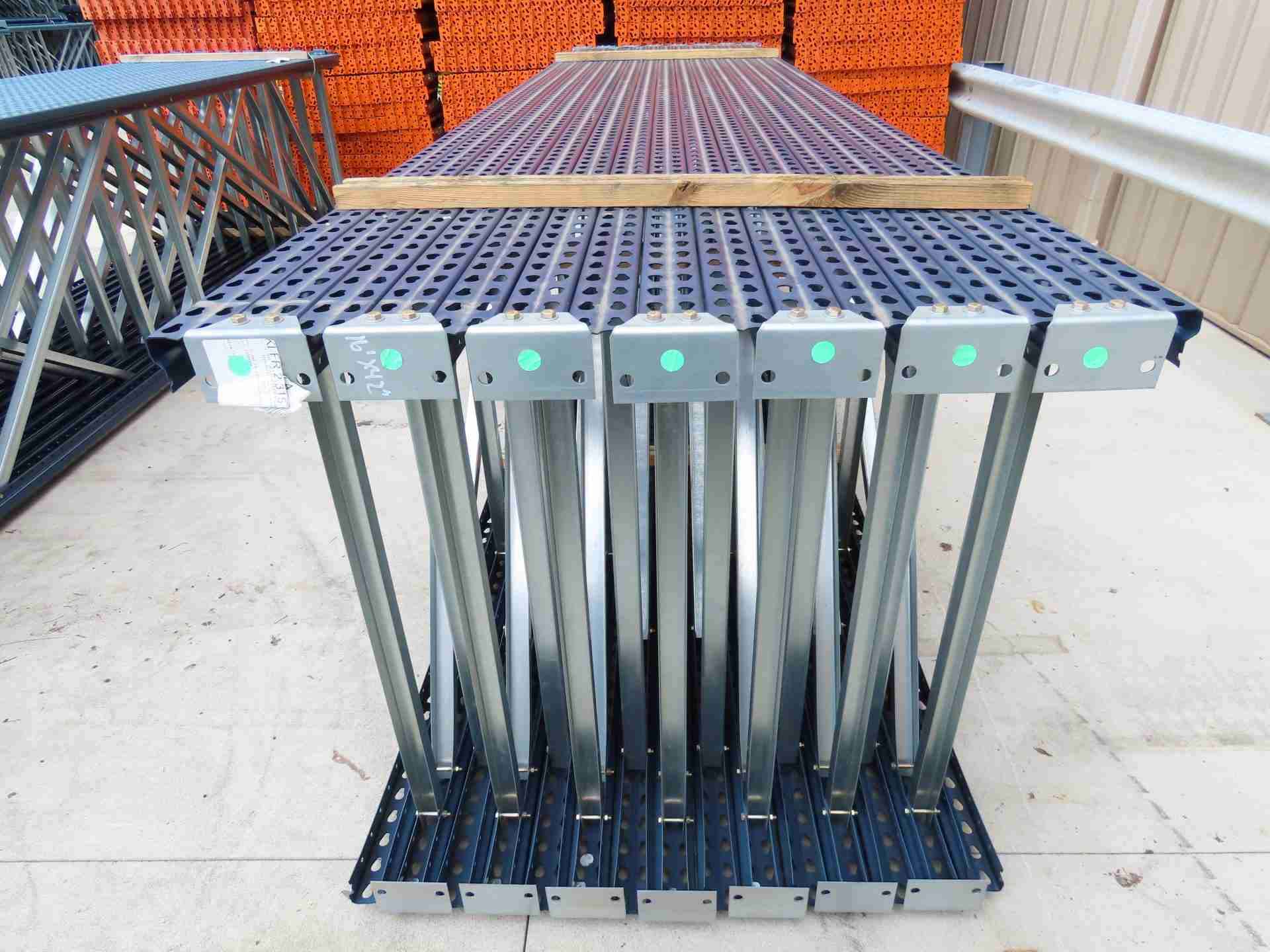
What Are The Key Benefits Of Using Pallet Racking Systems?
What Are The Key Benefits Of Using Pallet Racking Systems?
- Pallet racking systems maximize vertical space in facilities.
- Increased storage capacity without expanding building.
- Easy access to stored goods with forklifts or other equipment.
- Streamlines picking and packing process.
- Improves warehouse safety by keeping goods organized and secure.
- Prevents accidents and injuries caused by falling inventory.
- Customizable to meet specific needs of operation.
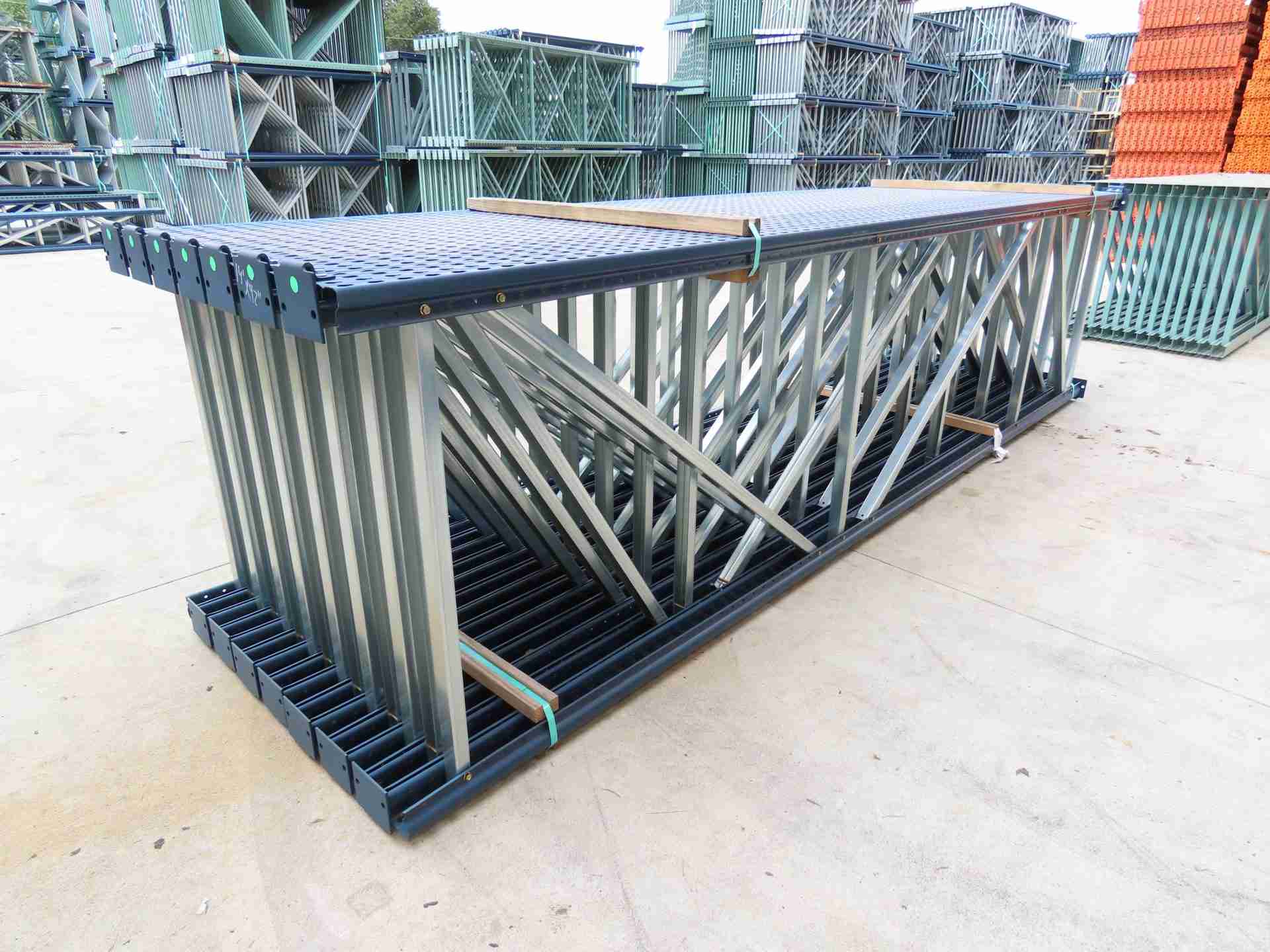
What Are The Key Benefits Of Using Pallet Racking Systems?
How Do Pallet Racking Systems Improve Warehouse Efficiency?
If you want to improve efficiency in your warehouse, look no further than pallet racking systems. These simple yet ingenious structures are designed to maximize storage space and streamline operations, making them a must-have for any warehouse looking to up their game.
One of the key ways that pallet racking systems improve warehouse efficiency is by making better use of vertical space. Instead of cluttering up the floor with stacks of pallets, these systems allow you to stack them high, taking advantage of all the unused space above. This not only increases storage capacity but also makes it easier to keep things organized and accessible.
By keeping everything off the floor, pallet racking systems also make it easier to navigate the warehouse and find what you’re looking for quickly. No more wasted time and energy sifting through crowded aisles or searching for lost inventory. With everything neatly stored and clearly labeled, you can easily locate and retrieve items, speeding up the picking and packing process.
But the benefits of pallet racking systems don’t stop there. These systems also help improve safety in the warehouse by reducing the risk of accidents and injuries. By keeping pallets off the floor and properly secured in racks, you eliminate the potential for tripping hazards and collapse. This creates a safer work environment for your employees and reduces the likelihood of costly accidents.
Furthermore, pallet racking systems can also help enhance workflow efficiency. By organizing inventory strategically and optimizing storage space, you can reduce the time and effort it takes to move items around the warehouse. This means fewer unnecessary steps and less wasted energy, allowing your team to work more effectively and get more done in less time.
Overall, investing in pallet racking systems is a smart move for any warehouse looking to boost efficiency and productivity. By maximizing storage space, improving organization, enhancing safety, and streamlining workflow, these systems can have a significant impact on your bottom line. So if you want to take your warehouse operations to the next level, consider implementing pallet racking systems today.
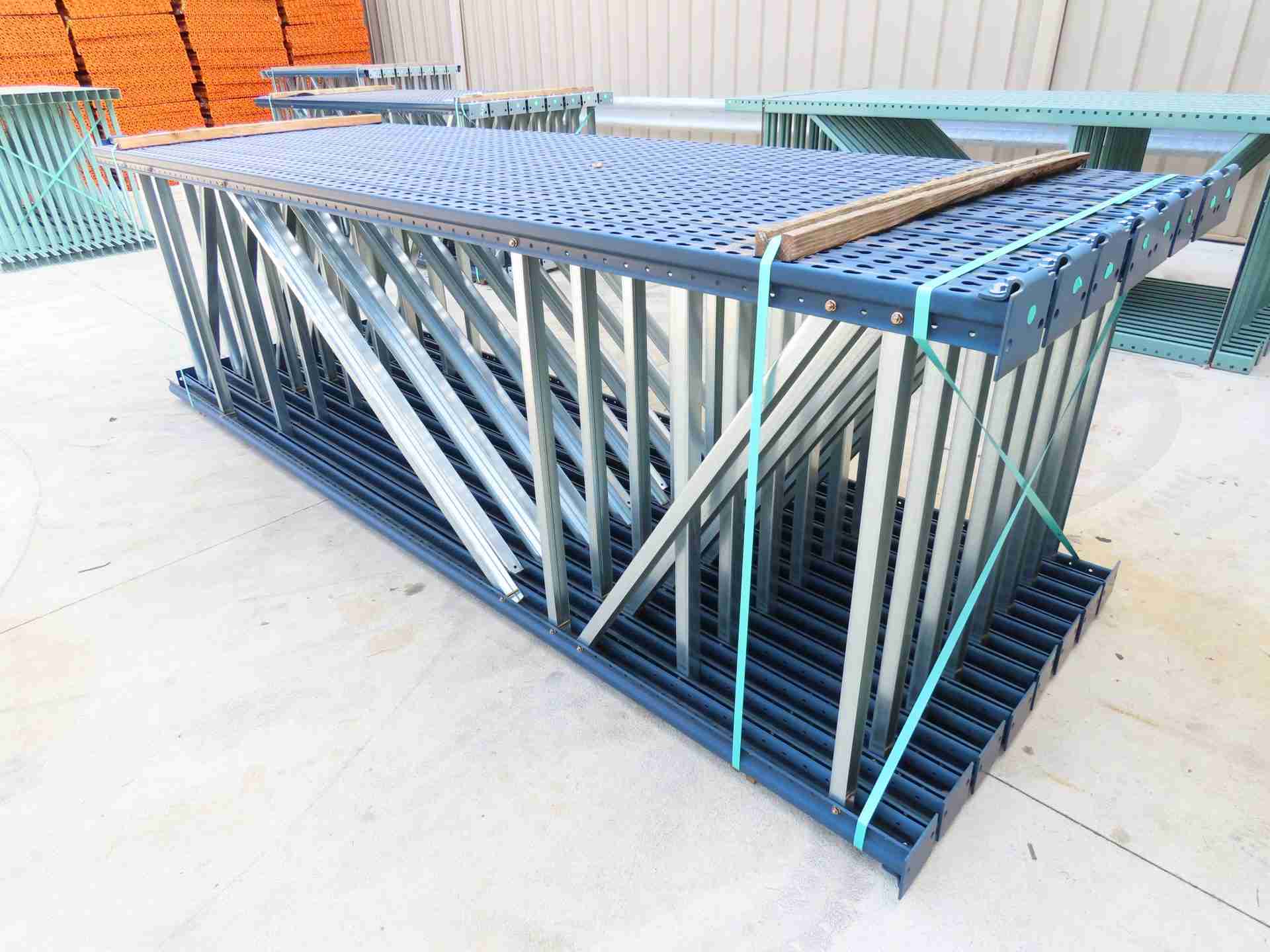
How Do Pallet Racking Systems Improve Warehouse Efficiency?
How Do Pallet Racking Systems Improve Warehouse Efficiency?
- Pallet racking systems maximize storage space and streamline operations.
- Improves efficiency by utilizing vertical space effectively.
- Makes it easier to navigate the warehouse and find items quickly.
- Enhances safety by reducing the risk of accidents and injuries.
- Optimizes workflow efficiency by organizing inventory strategically.
- Boosts productivity by reducing unnecessary steps and wasted energy.
- Significantly impacts the bottom line and is a smart investment for any warehouse.
How Do Pallet Racking Systems Improve Warehouse Efficiency?
Can Pallet Racking Systems Help With Inventory Management?
If you’ve ever worked in a warehouse or distribution center, you know that keeping track of inventory can be a real challenge. From different sized boxes to varying weights of products, it can feel like a never-ending game of Tetris trying to store everything in a way that makes sense. But fear not, my friends, because there is a solution that can help streamline your inventory management process: pallet racking systems.
Pallet racking systems are like the unsung heroes of the warehouse world. These systems provide a structured way to store palletized goods, making it easier to organize and track inventory. By utilizing pallet racking, you can optimize your warehouse space, increase storage capacity, and improve overall efficiency.
One of the biggest benefits of pallet racking systems is their versatility. With different types of racking options available, you can choose the system that best fits your inventory needs. From selective racking for easy access to drive-in racking for high-density storage, there is a solution for every warehouse layout.
But it’s not just about storage capacity – pallet racking systems can also help with inventory control. By using a FIFO (first in, first out) or LIFO (last in, first out) system, you can ensure that products are rotated properly and minimize the risk of expired goods. This level of organization not only saves time but also reduces the likelihood of costly mistakes.
In addition to improving inventory management, pallet racking systems can also enhance workplace safety. By providing a stable and secure storage solution, these systems help prevent accidents and injuries caused by improperly stored goods. With proper installation and maintenance, pallet racking can create a safer work environment for employees.
So, if you find yourself drowning in a sea of products and struggling to keep track of inventory, consider implementing a pallet racking system in your warehouse. Not only will it help you maximize storage space and improve efficiency, but it will also make your job a whole lot easier. Trust me, when it comes to managing inventory, a little bit of structure can go a long way.
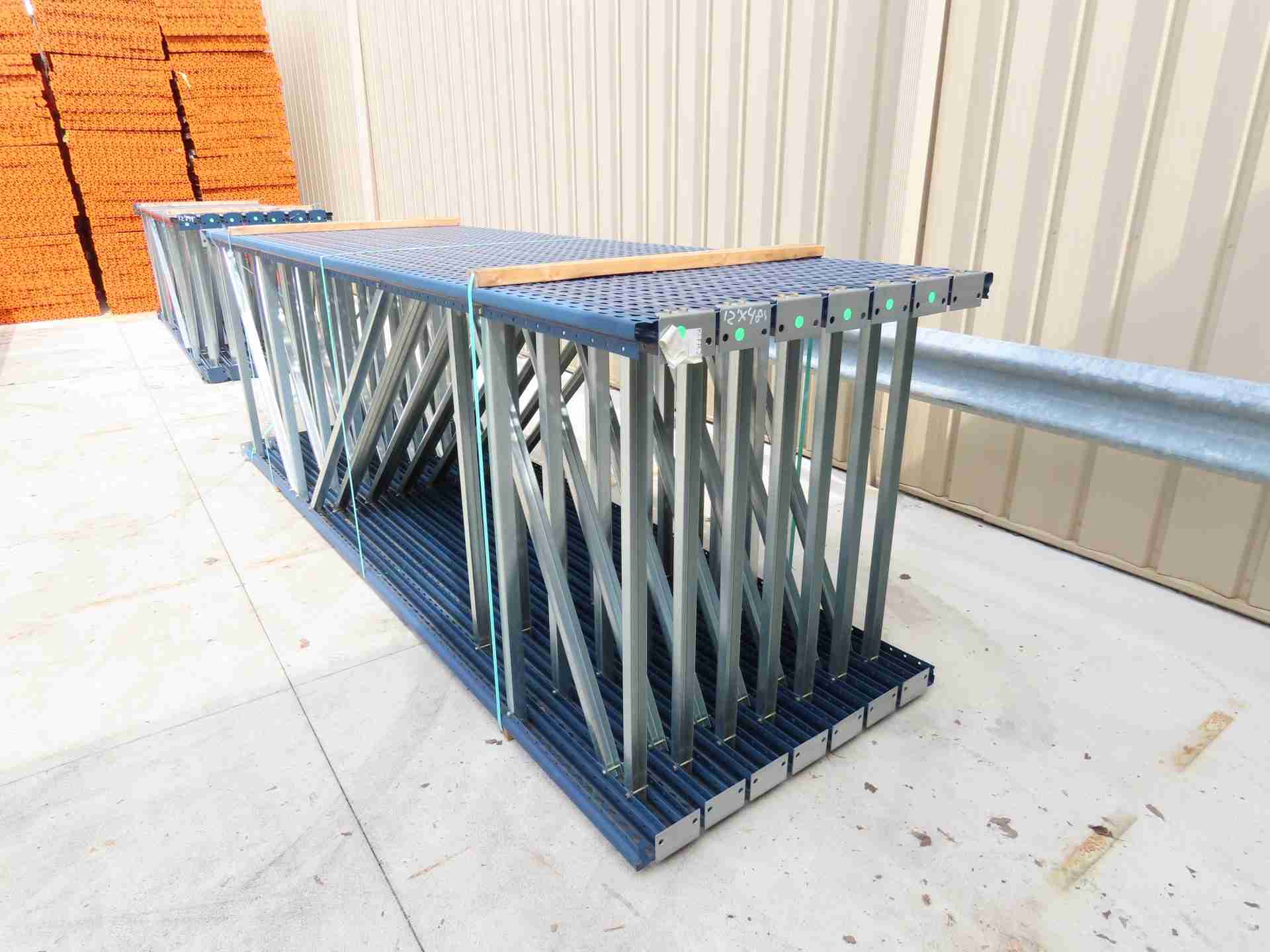
Can Pallet Racking Systems Help With Inventory Management?
Can Pallet Racking Systems Help With Inventory Management?
- If you’ve ever worked in a warehouse or distribution center, you know that keeping track of inventory can be a real challenge.
- Pallet racking systems provide a structured way to store palletized goods, making it easier to organize and track inventory.
- Pallet racking systems can help optimize warehouse space, increase storage capacity, and improve overall efficiency.
- There are different types of racking options available, such as selective racking and drive-in racking, to fit various inventory needs.
- Using a FIFO or LIFO system with pallet racking can help with inventory control and minimize the risk of expired goods.
- Pallet racking systems can enhance workplace safety by providing stable and secure storage solutions.
- Implementing a pallet racking system in your warehouse can help maximize storage space, improve efficiency, and simplify inventory management.
Can Pallet Racking Systems Help With Inventory Management?
How Do Pallet Racking Systems Maximize Storage Space?
You know, pallet racking systems are pretty fascinating when you really think about it. They’re like the unsung heroes of the warehouse world, quietly working behind the scenes to maximize storage space and keep things running smoothly. So, how exactly do these systems work their magic?
Well, it all starts with their design. Pallet racking systems are carefully engineered to make the most of every inch of available space. From the height of the shelves to the width of the aisles, every aspect is carefully planned out to ensure maximum efficiency. By utilizing vertical space and minimizing wasted room, these systems can make even the smallest warehouse feel like a giant walk-in closet.
But it’s not just about cramming as much stuff into a space as possible. Pallet racking systems also prioritize accessibility and organization. With strategically placed aisles and clear labeling, employees can easily locate and retrieve items without wasting time hunting around. This not only speeds up the picking process but also reduces the risk of damage to delicate goods.
And let’s not forget about safety. A well-designed pallet racking system is not only efficient but also sturdy and secure. With strong, load-bearing beams and sturdy uprights, these systems can safely support heavy pallets of merchandise without risk of collapse. This not only protects the inventory but also ensures the safety of warehouse workers.
One of the key features that allow pallet racking systems to maximize storage space is adjustability. These systems are designed to be easily customizable, allowing for shelves to be moved and adjusted as needed. This means that as inventory levels fluctuate, shelves can be reconfigured to accommodate changing needs without the need for a complete overhaul. It’s like a giant game of Tetris, but with pallets instead of blocks.
Overall, pallet racking systems are essential tools for any warehouse looking to make the most of their storage space. By combining smart design, efficiency, accessibility, and adjustability, these systems can help businesses streamline their operations and maximize their productivity. So, the next time you’re in a warehouse marveling at the neat rows of pallets towering overhead, take a moment to appreciate the hard work and ingenuity that went into creating those space-saving marvels.
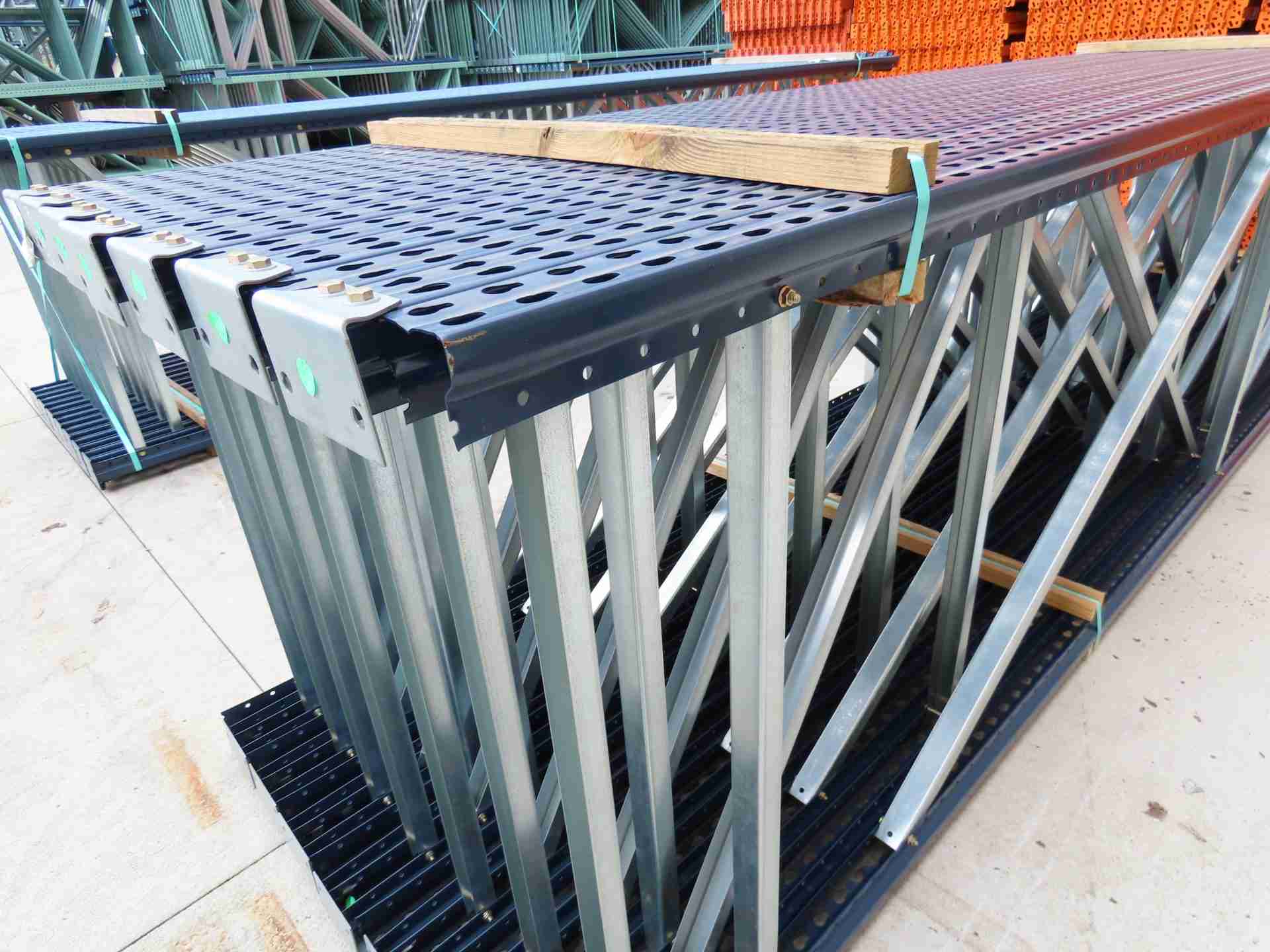
How Do Pallet Racking Systems Maximize Storage Space?
How Do Pallet Racking Systems Maximize Storage Space?
- Pallet racking systems are carefully engineered to maximize storage space.
- They prioritize accessibility and organization for efficient retrieval of items.
- These systems are designed to be sturdy, secure, and safe for warehouse workers.
- Adjustability allows for shelves to be easily moved and customized as needed.
- They help businesses streamline operations and maximize productivity.
- Pallet racking systems utilize vertical space and minimize wasted room.
- Smart design, efficiency, accessibility, and adjustability are key features of pallet racking systems.
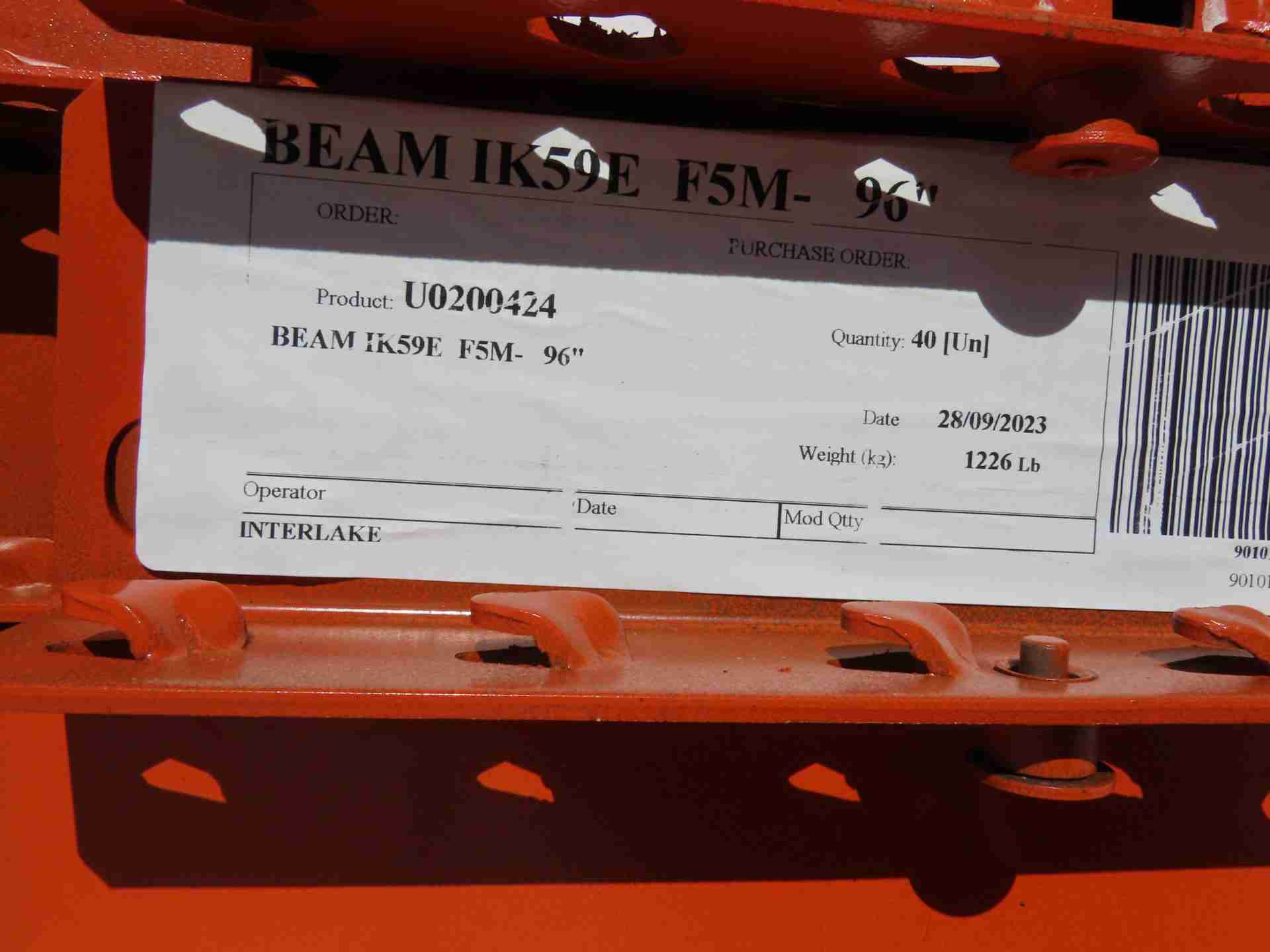
How Do Pallet Racking Systems Maximize Storage Space?
What Are The Different Types Of Pallet Racking Systems Available?
When it comes to efficiently storing and organizing goods in a warehouse, pallet racking systems are essential. There are several types of pallet racking systems available, each with its own unique features and benefits. Here, we’ll take a look at some of the most common types of pallet racking systems to help you determine which one is best suited for your warehouse needs.
One popular type of pallet racking system is selective pallet racking. This system allows for easy access to each pallet, making it ideal for warehouses that need to quickly retrieve individual items. Selective pallet racking is versatile and can be customized to fit the specific layout of your warehouse. It is also cost-effective and easy to install, making it a popular choice for many businesses.
Another common type of pallet racking system is drive-in pallet racking. This system is ideal for warehouses that need to maximize storage space. With drive-in pallet racking, pallets are stored on rails that allow forklifts to drive directly into the racking system to retrieve and store goods. This system is a great option for warehouses with a large volume of the same product.
Push back pallet racking is another popular choice for warehouses looking to maximize space. This system allows pallets to be stored several deep, making it ideal for warehouses with limited space. Push back pallet racking operates on a first-in, last-out basis, making it easy to manage inventory and rotate stock. This system is also easily customizable to fit the needs of your warehouse.
For warehouses that need to store bulky or heavy items, a cantilever pallet racking system may be the best option. Cantilever pallet racking features arms that extend from a central column, providing easy access to goods that are too large or awkwardly shaped to be stored on traditional pallets. This system is ideal for storing items such as lumber, piping, and other long or bulky materials.
Overall, there are many different types of pallet racking systems available, each with its own unique benefits. By carefully considering your warehouse layout and storage needs, you can choose the pallet racking system that is best suited for your business. Whether you opt for selective pallet racking, drive-in pallet racking, push back pallet racking, or cantilever pallet racking, you can rest assured that your warehouse will be organized and efficient, allowing you to focus on what’s most important – running your business.
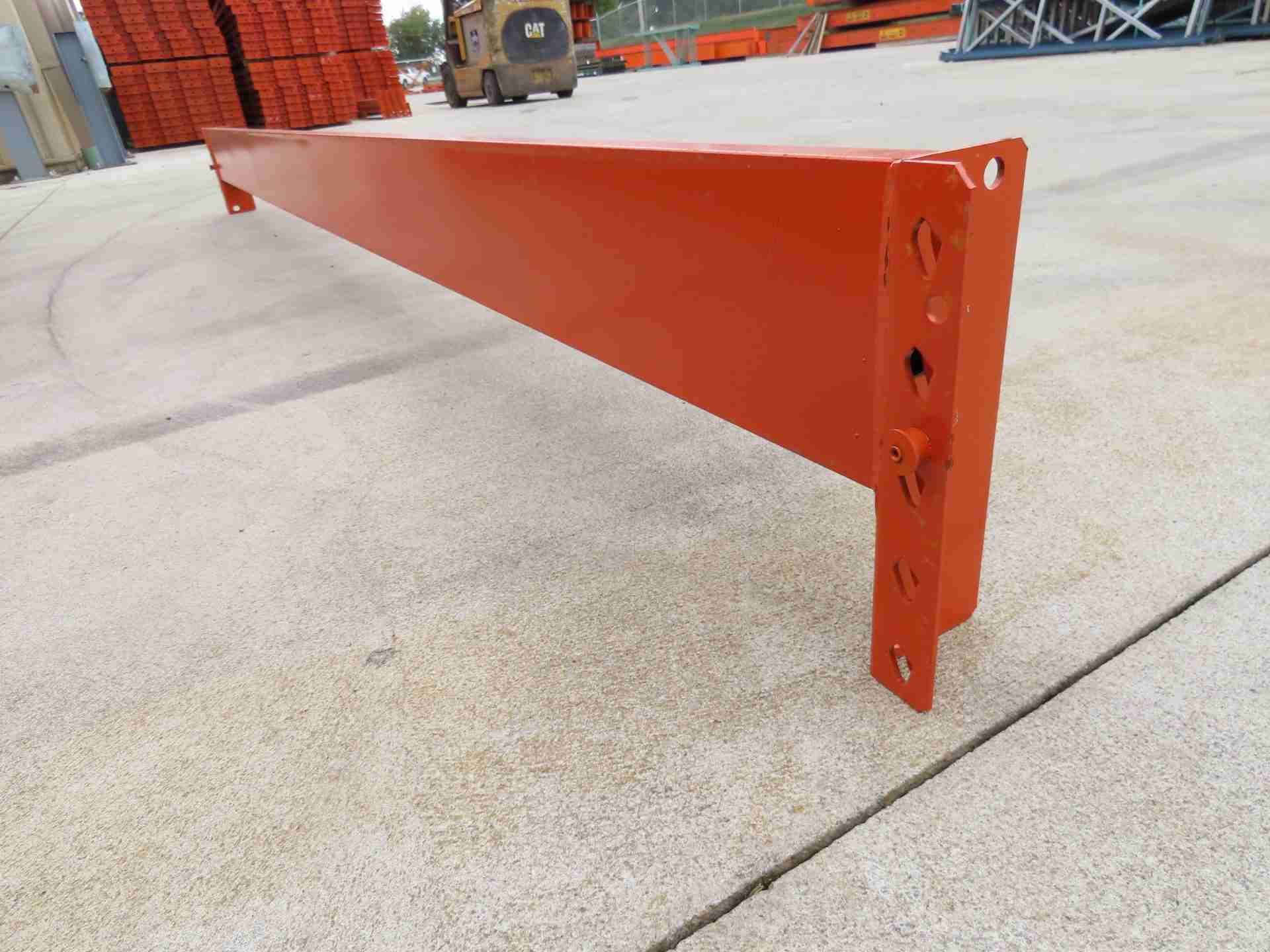
What Are The Different Types Of Pallet Racking Systems Available?
What Are The Different Types Of Pallet Racking Systems Available?
- Selective pallet racking allows for easy access to each pallet and can be customized to fit specific warehouse layouts.
- Drive-in pallet racking maximizes storage space by allowing forklifts to drive directly into the system.
- Push back pallet racking stores pallets several deep and operates on a first-in, last-out basis.
- Cantilever pallet racking is best for storing bulky or heavy items such as lumber or piping.
- Choosing the right pallet racking system can help optimize warehouse organization and efficiency.
- Consider factors like layout and storage needs when selecting a pallet racking system.
- Options include selective, drive-in, push back, and cantilever pallet racking systems based on specific requirements.
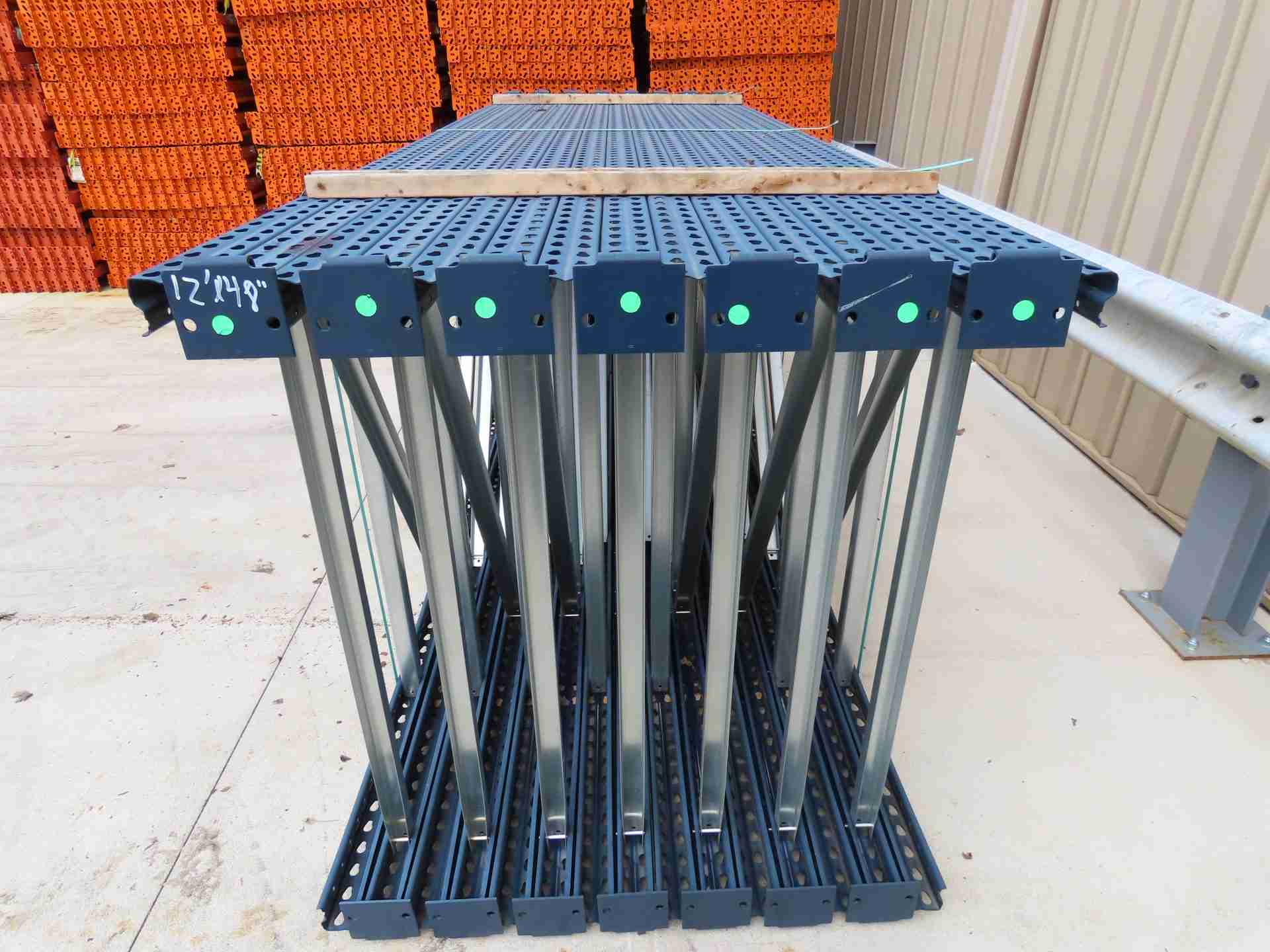
What Are The Different Types Of Pallet Racking Systems Available?
How Do Pallet Racking Systems Contribute To Workplace Safety?
Pallet racking systems may not be the most glamorous part of a warehouse, but they play a crucial role in ensuring workplace safety. These towering structures are responsible for organizing and storing heavy pallets of inventory, ensuring that workers can easily access items without risking injury.
One of the key ways in which pallet racking systems contribute to workplace safety is by maximizing space efficiency. By stacking pallets vertically, these systems allow warehouses to make the most of their available square footage. This not only helps companies save money by reducing the need for larger facilities, but it also creates a safer work environment by minimizing clutter on the warehouse floor. With clear pathways and designated storage areas, workers can move around the warehouse with greater ease and avoid accidents caused by tripping over misplaced inventory.
In addition to space efficiency, pallet racking systems also help prevent workplace injuries by providing a sturdy and stable platform for storing heavy items. These systems are designed to support thousands of pounds of weight, ensuring that pallets of inventory are securely held in place. This eliminates the risk of items falling and injuring workers below, a common hazard in warehouses that lack proper storage solutions.
Furthermore, pallet racking systems promote proper ergonomics in the workplace by allowing workers to access inventory at a safe height. Instead of bending or reaching for heavy items on low shelves, employees can use forklifts or pallet jacks to retrieve pallets stored on higher shelves. This significantly reduces the risk of strains and injuries caused by awkward lifting and bending movements, helping to keep workers healthy and productive.
Lastly, pallet racking systems contribute to workplace safety by facilitating better inventory management practices. With a well-organized storage system in place, workers can easily locate and retrieve items, reducing the risk of accidents caused by scrambling to find inventory in a disorganized warehouse. This not only increases efficiency in day-to-day operations but also promotes a culture of safety by emphasizing the importance of maintaining a tidy and organized workspace.
While pallet racking systems may not be the flashiest part of a warehouse, they play a critical role in ensuring workplace safety. By maximizing space efficiency, providing secure storage for heavy items, promoting proper ergonomics, and facilitating better inventory management practices, these systems help create a safer and more productive work environment for warehouse employees. So, the next time you walk through a warehouse and see rows of neatly stacked pallets, remember that those simple structures are helping to keep workers safe and operations running smoothly.
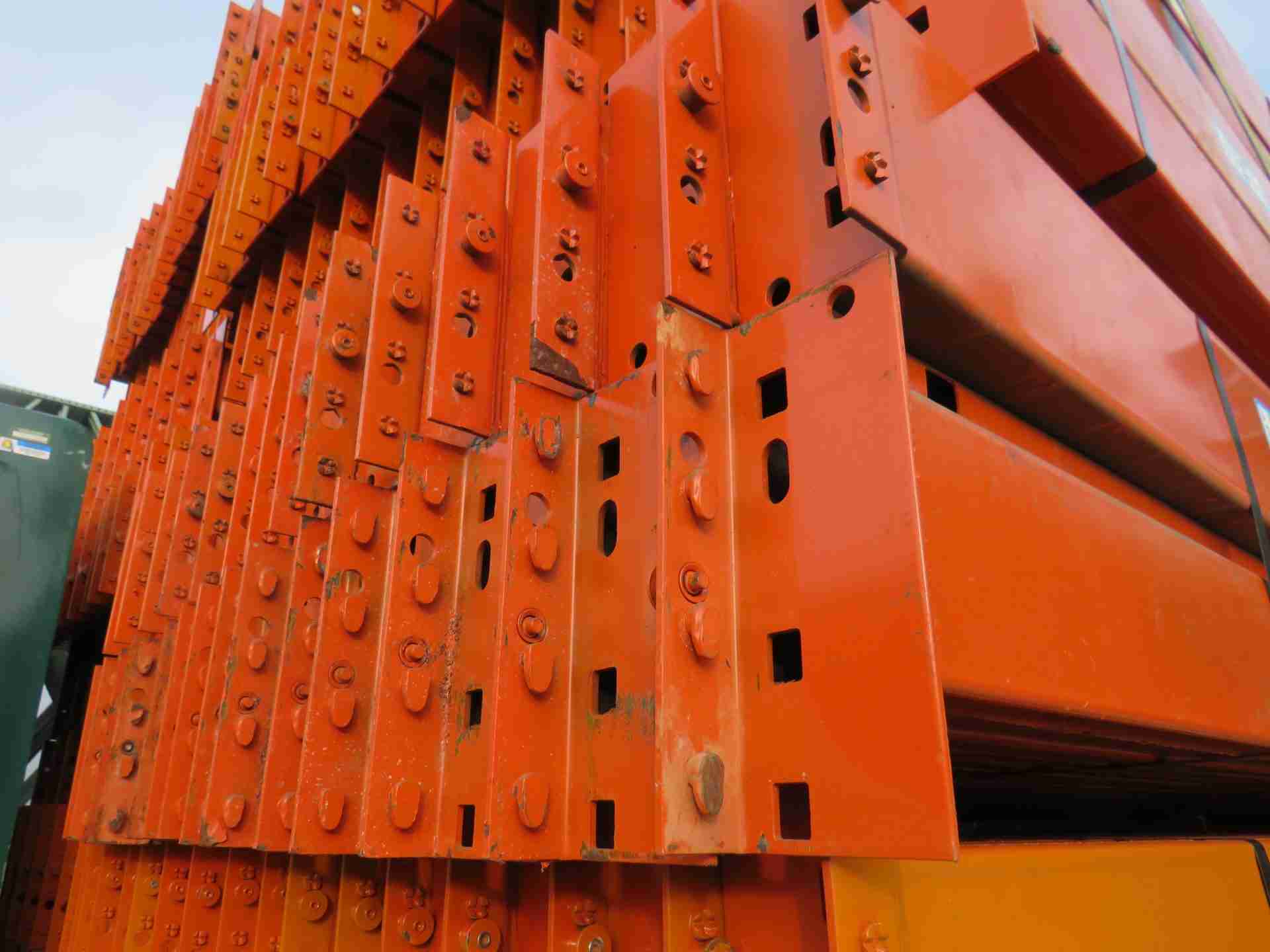
How Do Pallet Racking Systems Contribute To Workplace Safety?
How Do Pallet Racking Systems Contribute To Workplace Safety?
- Pallet racking systems play a crucial role in ensuring workplace safety by organizing and storing heavy inventory.
- They maximize space efficiency by stacking pallets vertically, reducing clutter on the warehouse floor.
- These systems provide a sturdy platform for storing heavy items, preventing injuries caused by falling inventory.
- Pallet racking systems promote proper ergonomics by allowing workers to access inventory at a safe height.
- They facilitate better inventory management practices, reducing the risk of accidents caused by disorganization.
- By creating a safer work environment, pallet racking systems help keep workers healthy and productive.
- These systems are essential for ensuring workplace safety and productivity in warehouses.
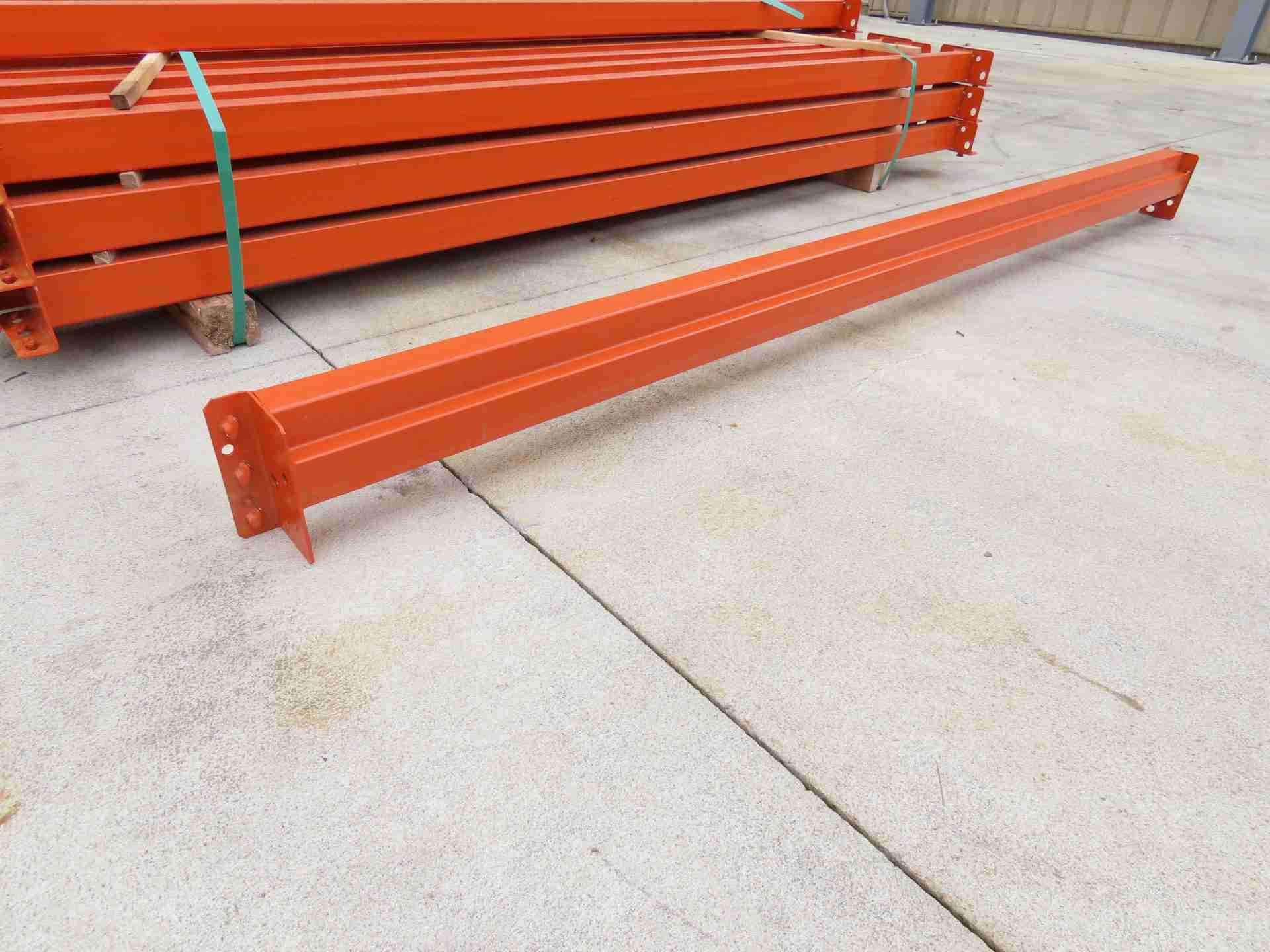
How Do Pallet Racking Systems Contribute To Workplace Safety?
Can Pallet Racking Systems Be Customized To Fit Specific Needs?
Pallet racking systems are like the unsung heroes of the warehouse world. They quietly hold up tons of inventory, keeping everything organized and in its place. But did you know that these workhorses can be customized to fit specific needs? That’s right, you’re not limited to just the standard one-size-fits-all option.
When it comes to pallet racking systems, flexibility is key. Every warehouse has its own unique layout and inventory needs, so why settle for a one-size-fits-all solution? By customizing your pallet racking system, you can maximize your storage capacity and efficiency, ultimately saving you time and money in the long run.
One way to customize your pallet racking system is by adjusting the height and width of the racks to fit your specific storage space. This allows you to make the most of the vertical space in your warehouse, rather than being limited to just the floor space. By going vertical, you can increase your storage capacity without having to expand your warehouse footprint.
Another way to customize your pallet racking system is by choosing the right type of racking for your inventory. There are a variety of racking options available, including selective, drive-in, push back, and pallet flow racks. Each type of racking is designed for different storage needs, so it’s important to choose the one that best suits your inventory and workflow.
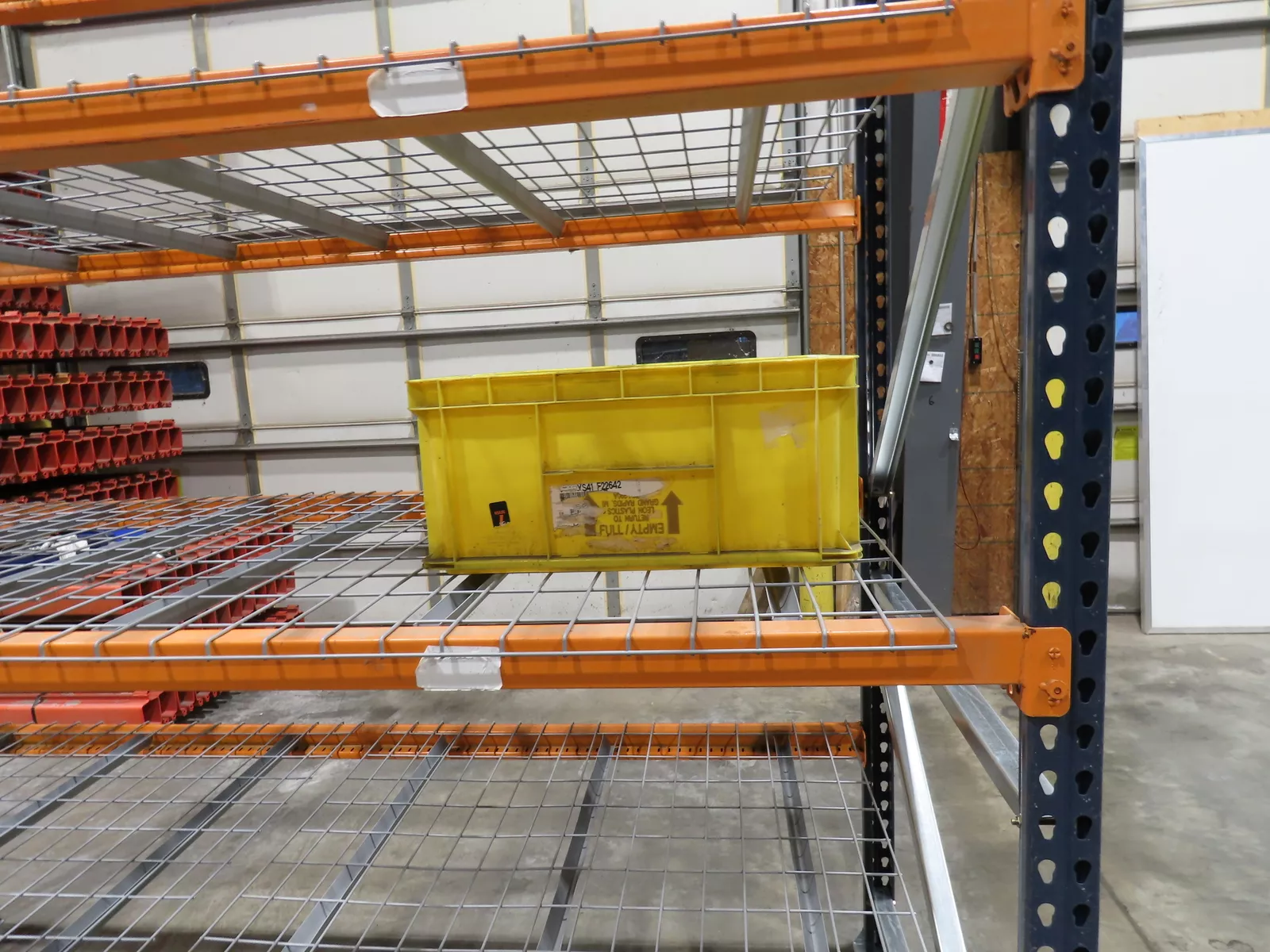
In addition to adjusting the height, width, and type of racking, you can also customize your pallet racking system by adding accessories like wire decking, dividers, and guards. These accessories can help you further optimize your storage space and protect your inventory from damage.
But customization doesn’t stop there. You can also choose from a variety of materials and finishes for your pallet racking system, including steel, aluminum, and galvanized steel. By choosing the right material and finish, you can ensure that your pallet racking system is durable and long-lasting, even in the most demanding warehouse environments.
So, if you’re looking to maximize your storage capacity and efficiency, don’t settle for a standard one-size-fits-all pallet racking system. Customize your system to fit your specific needs and watch your warehouse productivity soar. With the right pallet racking system in place, you can keep your inventory organized and your warehouse running smoothly.
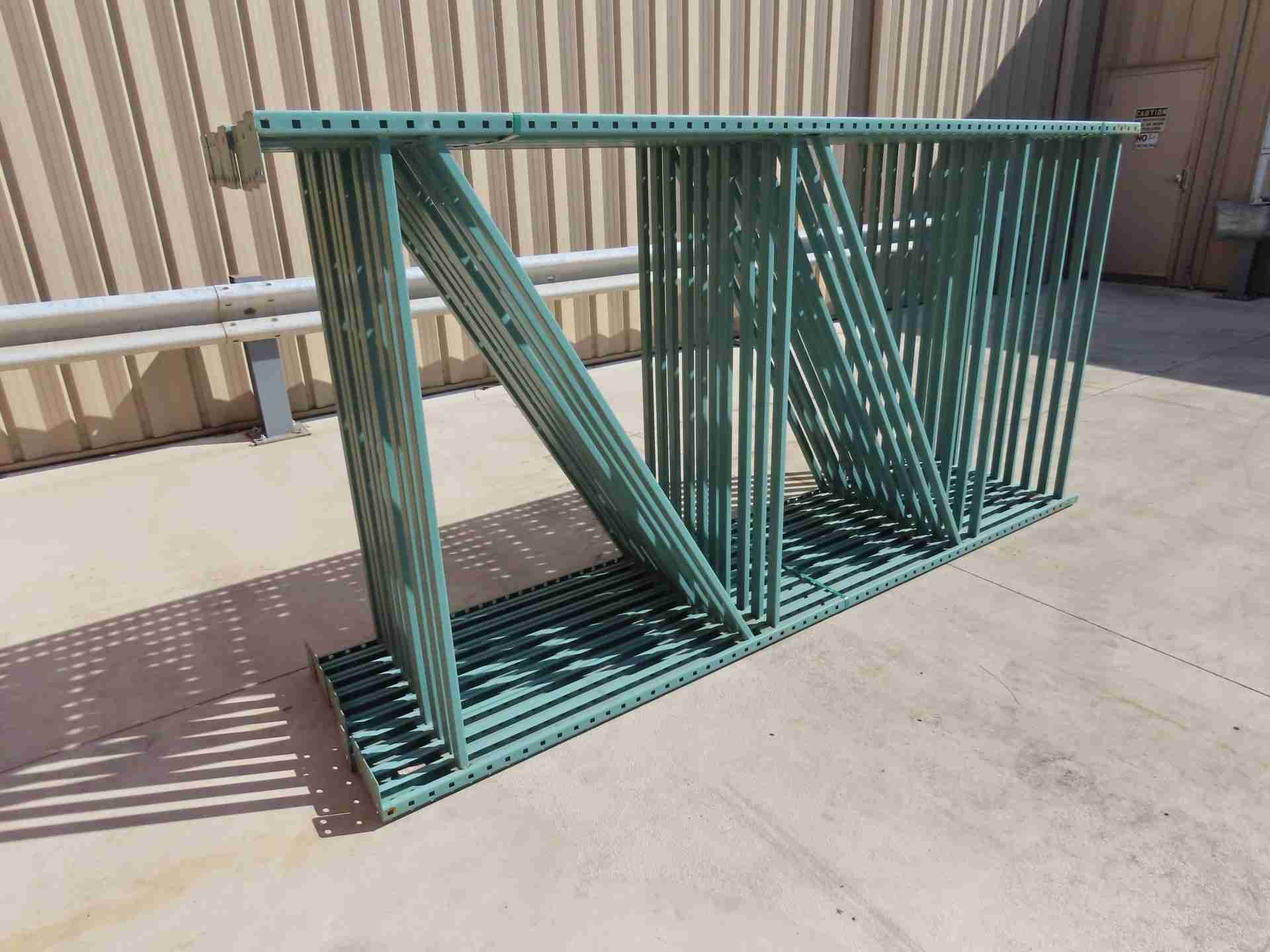
Can Pallet Racking Systems Be Customized To Fit Specific Needs?
Can Pallet Racking Systems Be Customized To Fit Specific Needs?
- Pallet racking systems are like the unsung heroes of the warehouse world, holding up tons of inventory and keeping everything organized.
- They can be customized to fit specific needs, providing flexibility for unique layouts and inventory requirements.
- Customization options include adjusting height and width to maximize vertical space and choosing the right type of racking for inventory needs.
- Accessories like wire decking, dividers, and guards can further optimize storage space and protect inventory.
- Materials and finishes like steel, aluminum, and galvanized steel can ensure durability in demanding warehouse environments.
- Customizing your pallet racking system can help maximize storage capacity and efficiency, ultimately saving time and money.
- By choosing a tailored pallet racking system, you can keep your inventory organized and your warehouse running smoothly.
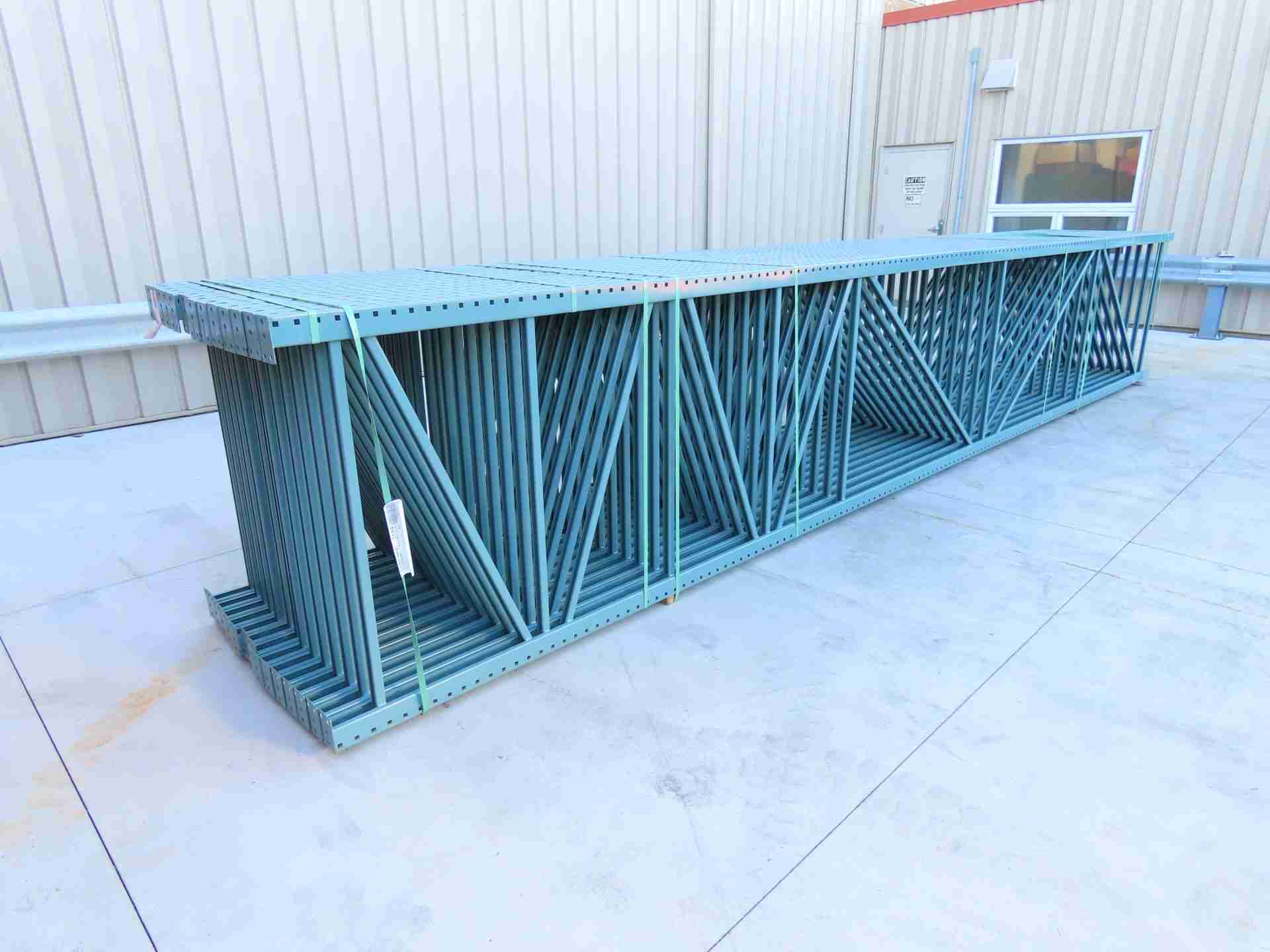
Can Pallet Racking Systems Be Customized To Fit Specific Needs?
How Do Pallet Racking Systems Impact Overall Warehouse Productivity?
When it comes to maximizing productivity in a warehouse, one key component that often gets overlooked is the pallet racking system. These systems play a crucial role in the efficiency of a warehouse, as they are responsible for storing and organizing inventory in a way that allows for easy access and retrieval.
One of the main ways that pallet racking systems impact overall warehouse productivity is through their ability to maximize space. By utilizing vertical space and stacking pallets on top of each other, these systems effectively make use of every available inch of the warehouse. This not only allows for more inventory to be stored in a smaller footprint, but also makes it easier for workers to locate and retrieve items quickly.
In addition to maximizing space, pallet racking systems also play a significant role in improving organization within the warehouse. By separating inventory into specific aisles and sections, these systems make it easier for workers to find the items they need without wasting time searching through cluttered shelves. This level of organization not only saves time, but also reduces the risk of errors and inaccuracies in inventory management.
Furthermore, pallet racking systems help to improve safety in the warehouse by keeping inventory off the floor and out of harm’s way. By storing items on secure and stable racks, workers can move around the warehouse without fear of tripping over loose items or having heavy pallets fall on them. This not only reduces the risk of accidents and injuries, but also creates a more efficient and productive work environment.
Another way that pallet racking systems impact overall warehouse productivity is through their durability and longevity. When properly installed and maintained, these systems can last for many years, providing a reliable storage solution that can withstand the demands of a busy warehouse. This means less downtime for repairs and replacements, allowing workers to focus on their tasks without interruption.
Overall, the importance of an efficient pallet racking system cannot be understated when it comes to maximizing productivity in a warehouse. By maximizing space, improving organization, enhancing safety, and providing durability, these systems play a crucial role in creating a smooth and productive workflow that benefits both workers and the bottom line. So the next time you walk through a warehouse and see those towering racks of pallets, remember that they are more than just shelves – they are the backbone of a well-oiled machine.
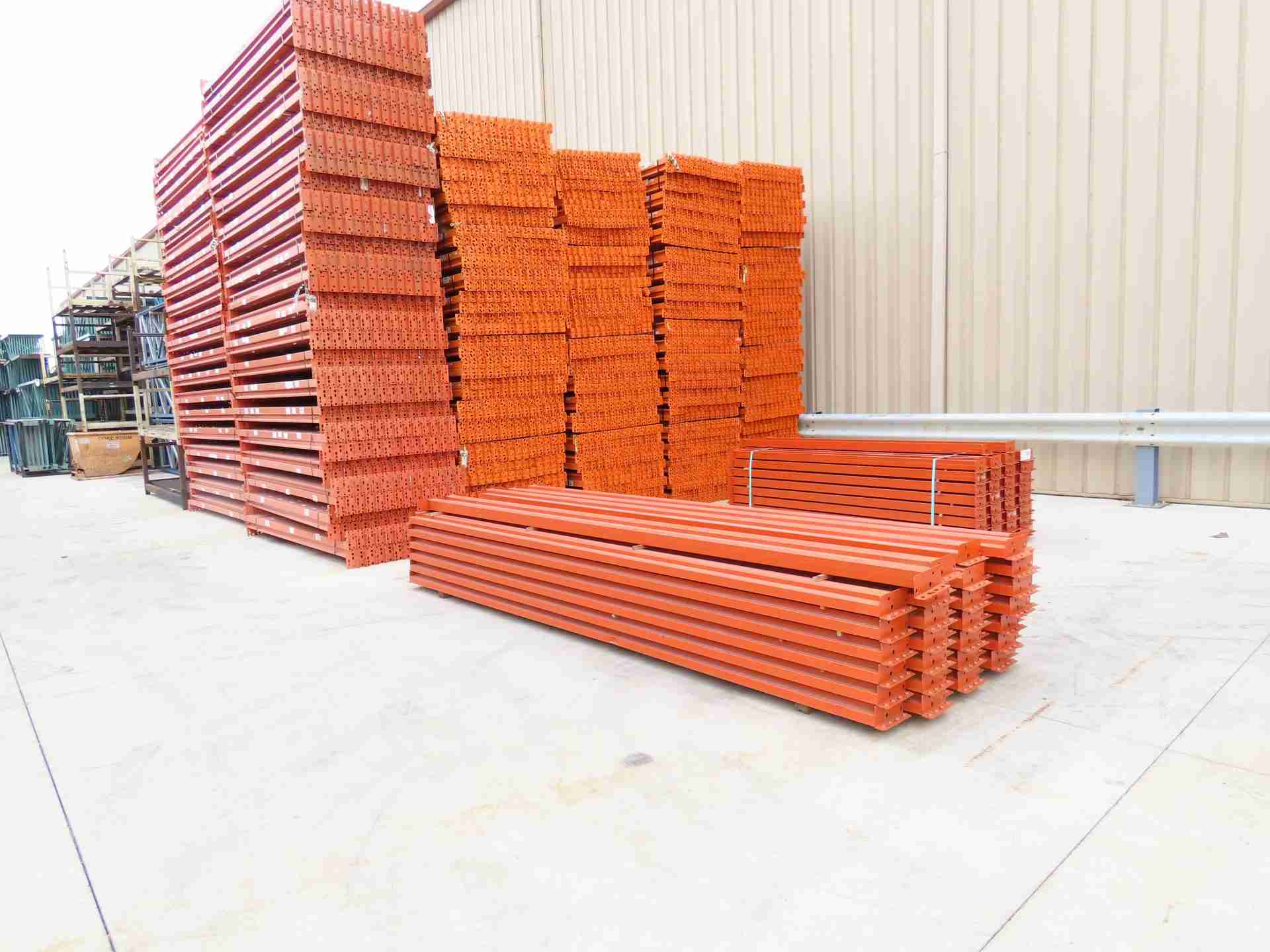
How Do Pallet Racking Systems Impact Overall Warehouse Productivity?
How Do Pallet Racking Systems Impact Overall Warehouse Productivity?
- Pallet racking systems maximize space by utilizing vertical space and stacking pallets on top of each other.
- They improve organization within the warehouse by separating inventory into specific aisles and sections.
- These systems enhance safety by keeping inventory off the floor and out of harm’s way.
- Pallet racking systems are durable and long-lasting when properly installed and maintained.
- They reduce downtime for repairs and replacements, allowing for uninterrupted workflow.
- Efficient pallet racking systems are crucial for maximizing productivity in a warehouse.
- They benefit both workers and the bottom line by creating a smooth and productive workflow.
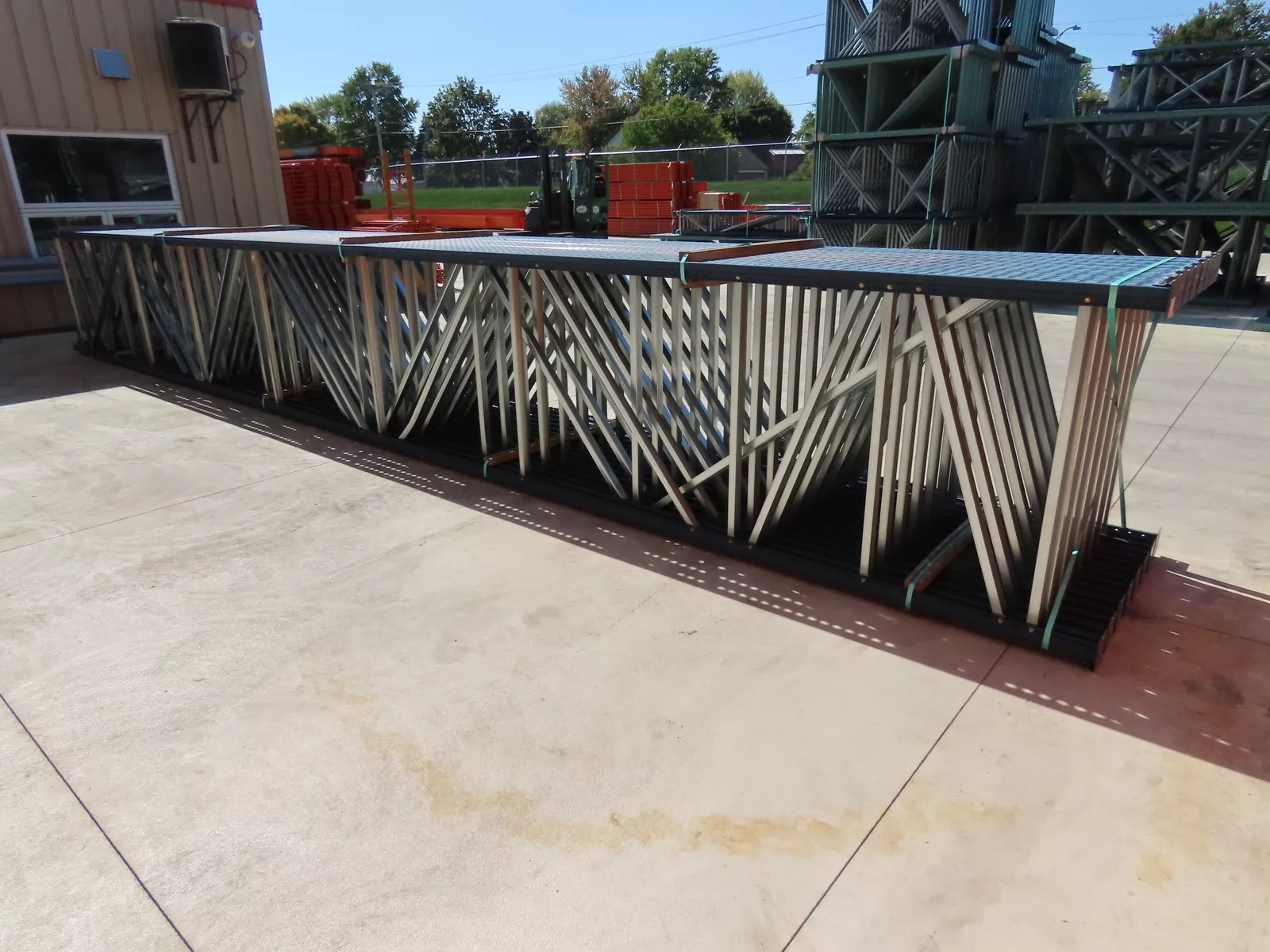
How Do Pallet Racking Systems Impact Overall Warehouse Productivity?
Conclusion
In conclusion, pallet racking systems are the unsung heroes of the warehouse world, quietly working behind the scenes to maximize storage space and streamline operations. These systems are designed to optimize vertical space, increase storage capacity, and improve organization, ultimately leading to increased productivity and profitability for businesses. By utilizing pallet racking systems, warehouses can store more goods in the same footprint, reduce the risk of accidents and injuries, and enhance inventory management practices.
Pallet racking systems can be customized to fit specific needs, allowing businesses to tailor their storage solutions to maximize efficiency and productivity. By choosing the right type of racking, adjusting the height and width of racks, and adding accessories like wire decking, warehouses can create a system that works best for their unique needs. Additionally, pallet racking systems are designed to contribute to workplace safety by providing a secure and stable storage solution, promoting proper ergonomics, and facilitating better inventory management practices.
Overall, pallet racking systems have a significant impact on overall warehouse productivity by maximizing space, improving organization, enhancing safety, and providing a durable and reliable storage solution. These systems are essential tools for any warehouse looking to up their game and ensure their operations run smoothly and efficiently. So, the next time you walk through a bustling warehouse, take a moment to appreciate the hard work and ingenuity that went into creating those space-saving marvels – pallet racking systems.
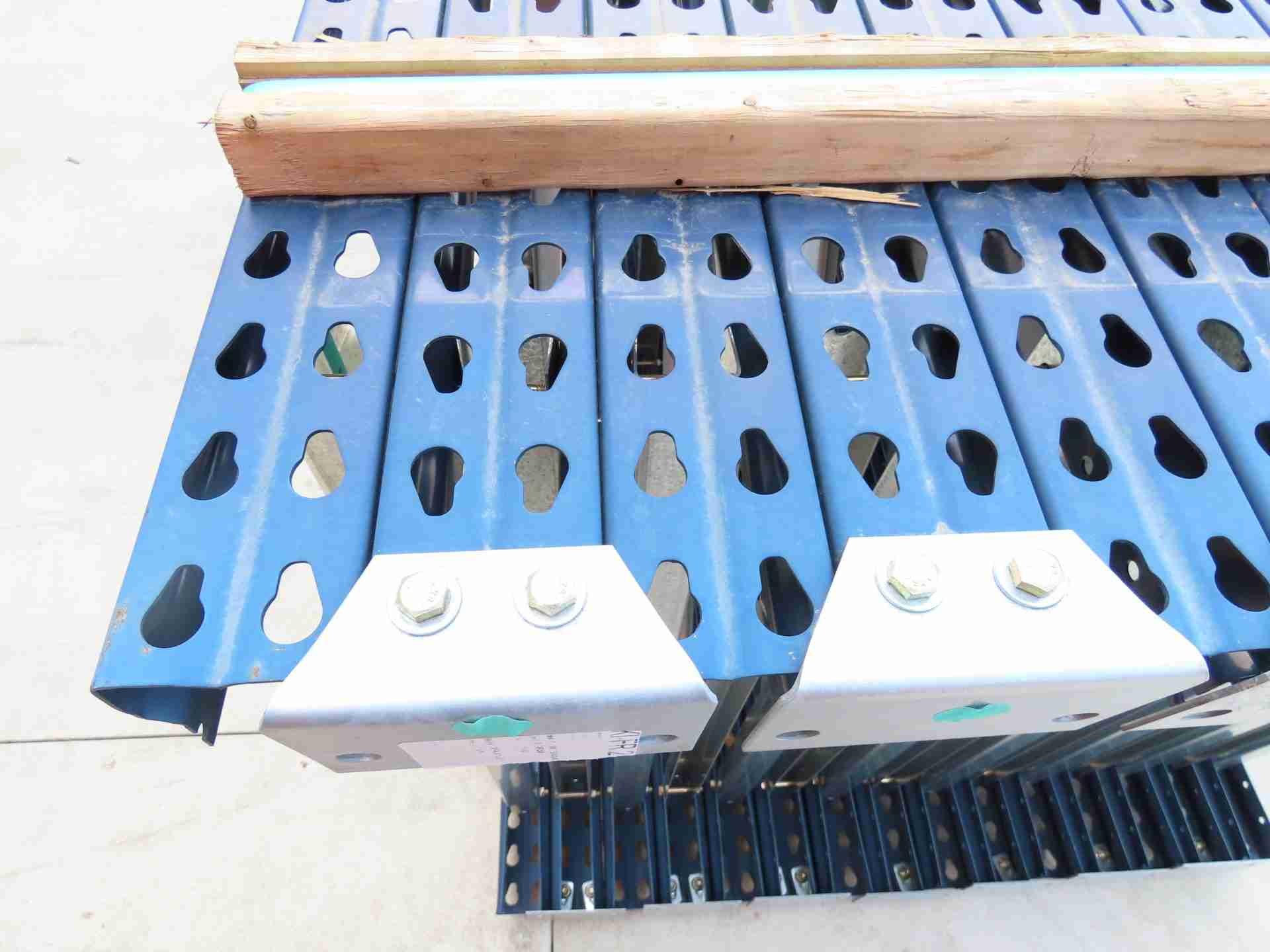
Conclusion
Conclusion:
- Pallet racking systems maximize storage space and streamline operations.
- They optimize vertical space, increase capacity, and improve organization.
- Using pallet racking reduces the risk of accidents and enhances inventory management.
- Systems can be customized to fit specific needs for efficiency and productivity.
- They contribute to workplace safety and promote proper ergonomics.
- Racking systems have a significant impact on warehouse productivity.
- Essential tools for warehouses looking to improve operations and efficiency.
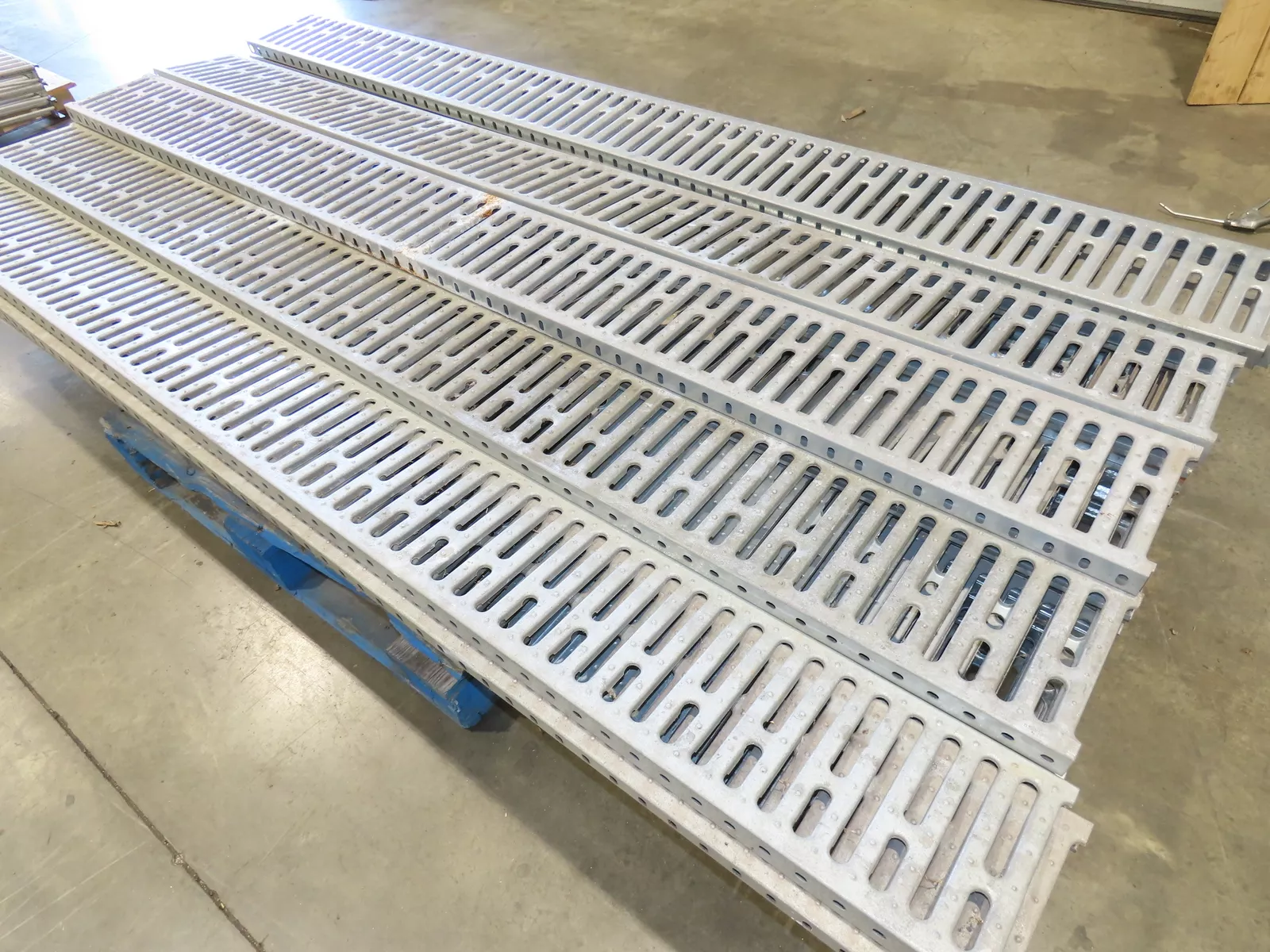
Conclusion
Other Resources

Other Resources
Here is a list of other resources you can review online to learn more:
- “Efficient Warehouse Operations”
- “What are the 5S of inventory in warehouse management?”
- “Warehouse Operations Best Practices: 55 Awesome Tips …”
- “The Importance Of Effective Warehouse Management In Scm”
- “Warehouse setup: a guide for eCommerce sellers”
- “Revolutionising Warehouse Efficiency: The Benefits of Forklift …”
- “How does automation improve warehouse efficiency and …”
- “Pallet Racking and its Role in Driving Warehouse Efficiency”
- “LOGISTICS AND WAREHOUSING MANAGEMENT”
- “Losing Money Because of Disorganized Storage in …”
- “Warehouse Racking System: Powerful Guide to Optimise …”
- “Multi products storage using randomness | PDF”
- “Warehouse Storage Solutions In Tyler”
- “Warehouse Inventory Management Guide”
- “The Role of Pallet Tracking Technology in Modern …”
- “Warehousing and Physical Stock Management”
- “Common Warehouse Mistakes and How to Prevent Them”
- “Warehouse Storage Solutions in Dallas”
- “Optimize warehouse space effectively and safely”
Other Resources
Glossary Terms
How Do Pallet Racking Systems Benefit Warehouse Operations? – Glossary Of Terms
1. Pallet Racking System: A storage solution using structures to stack items on pallets, allowing vertical storage to maximize space.
2. Warehouse Layout: The design of a warehouse’s internal structure, optimized for storage, accessibility, and efficiency.
3. Vertical Space Utilization: The benefit of using overhead space in a warehouse, facilitated by pallet racking, to increase storage capacity.
4. Selective Racking: A system where individual pallets can be accessed without moving others, enhancing accessibility and retrieval times.
5. Drive-In Racking: A dense storage system that allows forklifts to drive directly into lanes of stacked pallets, maximizing storage density.
6. FIFO (First In, First Out): An inventory management method where the oldest stock is used or sold first, often facilitated by pallet flow racking systems.
7. LIFO (Last In, First Out): An inventory management technique where the most recent stock is used or sold first, compatible with drive-in racking.
8. Load Capacity: The maximum weight that a pallet racking system can safely support.
9. Safety Features: Elements like safety pins, netting, and guards designed to prevent accidents and product damage in racking systems.
10. Modular Design: The ability of pallet racking systems to be configured and reconfigured to meet changing warehouse needs.
11. Warehouse Efficiency: The overall effectiveness of warehouse operations, often improved by streamlined racking systems.
12. Stock Keeping Unit (SKU): A unique identifier for each distinct product sold, crucial for inventory management in pallet racking systems.
13. Pick Face: The accessible front part of a storage location where inventory is retrieved, optimized in selective racking systems.
14. Forklift Access: The design aspect ensuring forklifts can easily navigate and access pallets within racking systems.
15. Inventory Turnover: The rate at which inventory is sold and replaced, which can be improved with efficient pallet racking systems.
16. Cantilever Racks: Ideal for storing long, bulky items such as lumber or pipes, featuring arms extending from a vertical column.
17. Push-Back Racking: A type of racking system allowing multiple pallets to be stored on a series of nested carts that slide backward.
18. Pallet Flow Racking: A gravity-based racking system where pallets are loaded from one side and retrieved from the other, perfect for FIFO inventory systems.
19. Pallet Shuttle System: An automated system where shuttles move pallets within the racking, enhancing storage density and efficiency.
20. AS/RS (Automated Storage and Retrieval Systems): Technology that automates inventory storage and retrieval, often used in conjunction with racking systems.
21. Cross-Docking: A logistics practice where incoming shipments are directly transferred to outbound transport, minimizing storage time.
22. Aisle Width: The space between rows of racking, critical for forklift maneuverability and inventory accessibility.
23. Bulk Storage: The storage of large quantities of items, which can be efficiently managed with high-density racking systems.
24. Dynamic Storage: A system where items are continuously moving due to inventory turnover, as opposed to static storage.
25. Load Beam: Horizontal beams supporting the pallets in a racking system, crucial for weight distribution and stability.
26. Column Guards: Protective devices installed on the base of racking columns to shield against impact damage from forklifts.
27. Mezzanine Racking: Multi-level racking structures that create additional floorspace for storage above the main warehouse floor.
28. Product Visibility: The ease with which items can be seen and accessed within the racking system, important for inventory management.
29. Warehouse Management System (WMS): Software that coordinates and optimizes warehouse operations, including integrating with pallet racking systems.
30. Space Optimization: The efficient use of available space within a warehouse, a primary benefit of installing pallet racking systems.
Glossary Of Terms
Other Questions
How Do Pallet Racking Systems Benefit Warehouse Operations? – Other Questions
If you wish to explore and discover more, consider looking for answers to these questions:
- What are the different types of pallet racking systems?
- How does the installation process for pallet racking systems work?
- What are the maintenance requirements for pallet racking systems?
- How can pallet racking systems improve the speed of order fulfillment?
- Are there any regulations or safety standards for pallet racking systems?
- How do pallet racking systems accommodate different types of inventory?
- What cost factors should be considered when investing in pallet racking systems?
- How can pallet racking systems be integrated with warehouse management systems?
- What materials are typically used in the construction of pallet racking systems?
- How do businesses usually decide between different types of racking systems?
- Can pallet racking systems be modified if warehouse needs change?
- What are the common issues encountered with pallet racking systems and how are they resolved?
- How do pallet racking systems influence the design and layout of a warehouse?
- What are some innovative features or technologies in modern pallet racking systems?
- How do pallet racking systems contribute to sustainability and eco-friendly warehouse practices?
Other Questions
Checklist
How Do Pallet Racking Systems Benefit Warehouse Operations? – A Checklist
Maximizing Efficiency with Pallet Racking Systems
1. Increase in Storage Capacity
_____ Utilize vertical space effectively
_____ Improve organization and ease of access
_____ Less time searching for items, more time fulfilling orders
2. Customization for Specific Needs
_____ Tailor systems to store perishable goods in refrigerated environments
_____ Use bins for small items
_____ Choose from selective, drive-in, push back, or cantilever racking
3. Improved Safety
_____ Secure vertical stacking reduces risk of accidents and injuries
_____ Safe access using ground level or specialized equipment like forklifts
_____ Prevent damage to inventory and protect employee well-being
4. Enhanced Inventory Management
_____ Easier to keep track of organized goods
_____ Minimize stockouts and overstocking
_____ Utilize barcode scanning and automated inventory tracking to reduce human error
Key Benefits Overview
1. Maximized Space Utilization
_____ Increased storage capacity without expanding building
_____ Efficient use of vertical and floor space
2. Ease of Access
_____ Quick retrieval of goods
_____ Streamlined picking and packing processes
3. Enhanced Safety
_____ Organized and secure storage reduces accidents
_____ Protection of inventory and employee safety
4. Customizability
_____ Tailor racking systems to specific warehouse needs
_____ Choose the right type of racking for your inventory
Types of Pallet Racking Systems
1. Selective Pallet Racking
_____ Easy access to each pallet
_____ Why it’s ideal: Versatile, cost-effective, and quick installation
2. Drive-In Pallet Racking
_____ Maximizes storage space with rail-access
_____ Why it’s ideal: High-volume storage, suitable for identical products
3. Push Back Pallet Racking
_____ Stores pallets several deep
_____ Why it’s ideal: First-in, last-out system, great for limited space
4. Cantilever Pallet Racking
_____ Stores bulky or heavy items
_____ Why it’s ideal: Suitable for long or awkward-shaped goods
Enhancing Warehouse Efficiency
1. Optimized Vertical Space Usage
_____ Maximize storage capacity
_____ Improve organizational efficiency
2. Improved Workflow
_____ Better navigation in the warehouse
_____ Faster item retrieval and reduced time wastage
3. Safety and Stability
_____ Secure heavy pallets
_____ Minimized tripping hazards and accidents
4. Adjustability
_____ Customize height, width, and type of racking
_____ Adjust shelves as inventory levels fluctuate
Contribution to Workplace Safety
1. Space Efficiency
_____ Minimize clutter, clear pathways
_____ Streamlined movement and reduced tripping hazards
2. Sturdy and Stable Storage
_____ Securely hold heavy items, reducing the risk of collapse
_____ Protect inventory and employee safety
3. Proper Ergonomics
_____ Safe access heights using forklifts or pallet jacks
_____ Reduced strains and lifting injuries
4. Better Inventory Management
_____ Organized storage system reduces search time
_____ Emphasizes the importance of a tidy workspace
Customization Flexibility
1. Adjust Dimensions
_____ Height and width customization
_____ Maximal use of vertical space
2. Choose the Right Type
_____ Selective, drive-in, push back, or cantilever
_____ Based on inventory and workflow needs
3. Add Accessories
_____ Wire decking, dividers, and guards
_____ Further optimize your storage space
4. Material and Finish
_____ Steel, aluminum, or galvanized steel
_____ Choose for durability and specific warehouse conditions
Impact on Overall Warehouse Productivity
1. Space Maximization
_____ Store more inventory in a smaller footprint
_____ Easier navigation and retrieval
2. Improved Organization
_____ Specific aisles and sections
_____ Efficient and accurate inventory management
3. Enhanced Safety
_____ Secure storage and clear pathways
_____ Reduced risk of workplace accidents
4. Durability and Longevity
_____ Long-lasting, reliable storage solutions
_____ Less downtime for repairs
By following this checklist and understanding the numerous benefits, customization options, and types available, businesses can make well-informed decisions about implementing pallet racking systems to optimize their warehouse operations.
Checklist
At RackingWorld, we help guide you through selecting warehouse storage systems and racking.
Be sure to read our other related stories at RackingWorld to learn more about warehouse storage systems.
0 Comments