
The Unseen Risks Of Neglecting Safety Gear
By Tom Seest
At RackingWorld, we help guide you through selecting warehouse storage systems and racking.
Be sure to read our other related stories at RackingWorld to learn more about warehouse storage systems.
Why Safety Accessories Are Often an Afterthought (And That’s Dangerous)
When it comes to safety accessories, we often think of them as mere afterthoughts. We stack them in the corner like unused gym equipment, expecting our bravado to shield us from danger. But let’s be honest: ignoring safety is like leaving the door wide open in a storm. It’s not just risky; it’s reckless.
Consider the story of a hardworking father named Dan. He bustled into his garage, racking up hours because he wanted to provide for his family. He’d never intended to overlook safety gear, but solid equipment got buried under the weight of daily tasks—quick fixes and a “just this once” mentality. On one fateful day, a simple slip transformed his garage into a hospital waiting room. The pain etched on his daughter’s face as she watched him from the sidelines is a sight he’ll never forget. It’s a gut punch that never should have happened.
Emotionally, we yearn for safety—not just for ourselves, but for the ones we love. Rationally, we know that equipment and accessories aren’t just bells and whistles; they’re lifelines. Ethically, we have a duty to protect those around us, and it’s our responsibility to make smart choices. Every time we bypass that protective gear—be it a sturdy helmet or safety goggles—we’re telling ourselves that shortcuts are acceptable. But that narrative will only lead to risky consequences.
Now, let’s talk about trust. When communities come together to support one another, it fosters not only a shared sense of responsibility but also a culture of safety. We rely on each other to be vigilant, to recognize that safety isn’t a solo act. It’s a collective endeavor—like a well-oiled machine, where every part plays a critical role.
So, the next time you reach for that ladder or power tool, take a moment to evaluate what’s at stake. Safety accessories aren’t just for show; they’re an investment in your life and the lives around you. Let’s break the cycle of complacency. Let’s elevate safety to the forefront of our minds, because every moment spent overlooking what truly matters could be one more step toward tragedy. Remember, safety should never be an afterthought—it should always be the first thought.

Why Safety Accessories Are Often an Afterthought (And That’s Dangerous)
Why Safety Accessories Are Often an Afterthought (And That’s Dangerous)
- Safety accessories are often treated as afterthoughts, akin to unused gym equipment.
- Ignoring safety is reckless, similar to leaving a door open in a storm.
- Dan’s story illustrates the impact of neglecting safety gear, resulting in an accident.
- Emotional and rational motivations exist for prioritizing safety for ourselves and loved ones.
- By skipping protective gear, we reinforce the belief that shortcuts are acceptable, leading to risks.
- Community trust and support foster a culture of safety; it’s a collective responsibility.
- Safety should always be prioritized; overlooking it can lead to tragedy.

Why Safety Accessories Are Often an Afterthought (And That’s Dangerous)
Table Of Contents
- Why Safety Accessories Are Often an Afterthought (And That’s Dangerous)
- What Emotions Drive Our Disregard for Safety Accessories?
- How Can We Change Our Perception Of Safety In Everyday Life?
- Are We Placing Our Loved Ones At Risk By Ignoring Safety Gear?
- What Statistics Reveal the Dangers Of Neglecting Safety Accessories?
- Why Do We Often Prioritize Style Over Safety In Our Choices?
- Conclusion
- Other Resources
- Glossary Of Terms
- Other Questions
- Checklist
What Emotions Drive Our Disregard for Safety Accessories?
When the sun rises and casts its light on jobs that require grit, safety accessories often take a back seat. It’s a puzzling paradox that many of us sacrifice safety for the allure of speed and efficiency. It’s a bit like racking your brain over whether to buckle up in a car that feels safe enough. The feeling of invincibility, enhanced by a moment of adrenaline, can be intoxicating, but it can also be perilous.
Think about it. How many times have we heard the voice of authority echoing in our heads? “Wear your helmet.” “Use your gloves.” Yet, in the heat of the moment, those instructions can seem like background noise. There’s a rational side that understands the statistics—how many accidents could have been avoided with just a few simple measures. Yet, the heart speaks louder. We’re drawn to the thrill, the camaraderie, even the old habits instilled in us from a young age: “You’re tougher if you take chances.”
The respect we hold for tough, resilient workers creates a shared narrative—the hero who conquers challenges no matter the risks. But that very respect can trick us into believing we don’t need extra layers of protection. It’s an irrational dance where emotions cloud judgment, and what feels instinctive often brushes aside the hard-earned wisdom of experience. Each scar tells a story, but there’s wisdom in the scars we avoid.
Moreover, our social landscape reinforces these tendencies. We watch our peers, some wearing helmets, some not, caught up in a game of bravado. The pressure to fit in can drown out our better judgment. All it takes is a moment—one wrong twist on that power tool, a misplaced foot on a construction site—to remind us that safety isn’t just about equipment; it’s about valuing our lives and the lives of those we work alongside.
So let’s turn that adrenaline into a fuel that drives us to adopt safety measures with pride, rather than perspectives steeped in risk. Recognizing the emotions that lead us to disregard safety isn’t about trading thrills for caution; it’s about elevating our game, ensuring the next chapter isn’t dictated by injury but by triumph. When we — all of us — embrace safety accessories as a badge of honor rather than a hindrance, we foster not just protection, but a culture of care and resilience. That’s the true victory in every task we tackle.
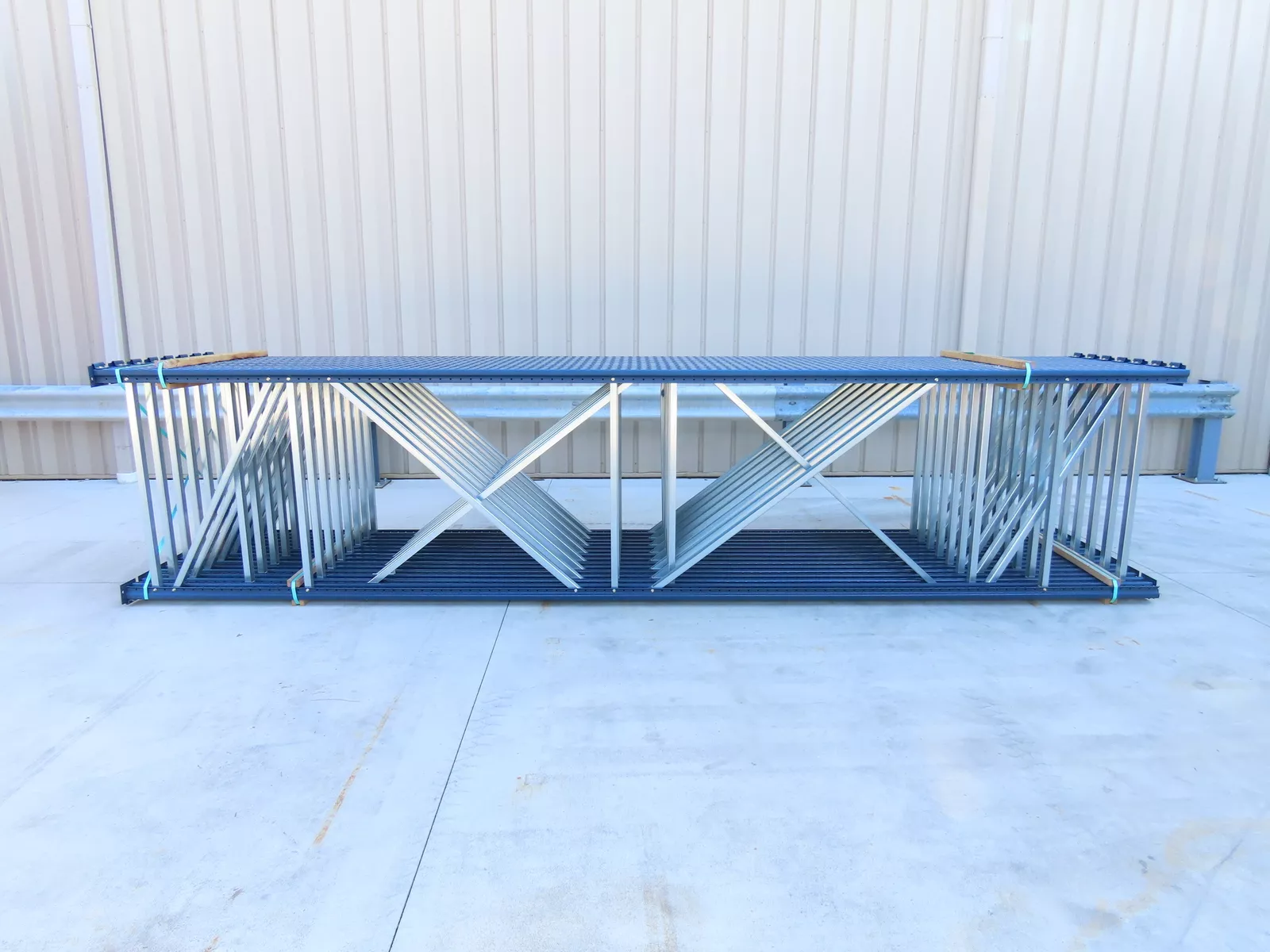
What Emotions Drive Our Disregard for Safety Accessories?
What Emotions Drive Our Disregard for Safety Accessories?
- Many prioritize speed and efficiency over safety, risking accidents.
- The feeling of invincibility can lead to dangerous decisions.
- Adrenaline can drown out important safety instructions.
- Respect for tough workers can create a false sense of security.
- Peer pressure often influences safety behaviors on job sites.
- Embracing safety measures can enhance camaraderie and resilience.
- Viewing safety accessories as a badge of honor fosters a culture of care.

What Emotions Drive Our Disregard for Safety Accessories?
How Can We Change Our Perception Of Safety In Everyday Life?
Changing our perception of safety in everyday life takes more than a few positive affirmations or a touchy-feely pep talk. It requires a shift in understanding what safety truly is and how it interweaves with our daily lives. Take a moment to picture your morning routine. Whether you’re racking up mileage on your daily commute or sipping coffee in your kitchen, safety—or the lack of it—dances in the background of our mundane tasks. It’s woven into the fabric of our choices, whether we realize it or not.
Think about it: every time you buckle your seatbelt or check the smoke detector, you’re participating in a dance with safety. What’s powerful here is the realization that each of us holds a piece of the puzzle. It’s about more than just compliance; it’s an invitation to take responsibility for not only ourselves but also our communities. Through our actions, we can forge connections and build trust. We’re all navigating this life together—so let’s make it a safe journey.
Now, let’s engage the head. Statistically, we’re safer today than we were in previous decades. Crime rates have dropped in many areas, and safety technology has surged ahead. Yet why do we still feel this constant, low-grade anxiety hovering over us? It’s because our perceptions are shaped not just by facts but also by stories. We have been conditioned to see danger lurking around every corner, and this distorted lens distorts our reality. Understanding this should inspire a change. Let’s not allow fear to guide our decisions. Instead, let’s skew our perception back toward hope and solidarity.
Ethically, consider how our fear can affect those around us. When we spread anxiety, we cultivate a culture of distrust. But when we shift toward a mindset of vigilance and care—for ourselves and for each other—we elevate every interaction, making it an opportunity to foster community spirit. We’ll find strength in unity, remembering that safety is not an individual effort but a collective responsibility.
By rallying together, sharing stories, and supporting one another, we can transform safety from an abstract concept into a tangible experience. From your neighbor to your family, engage in conversations that empower and educate. Let’s be active participants in redefining what safety means in our everyday lives. It starts with you, and it starts now.
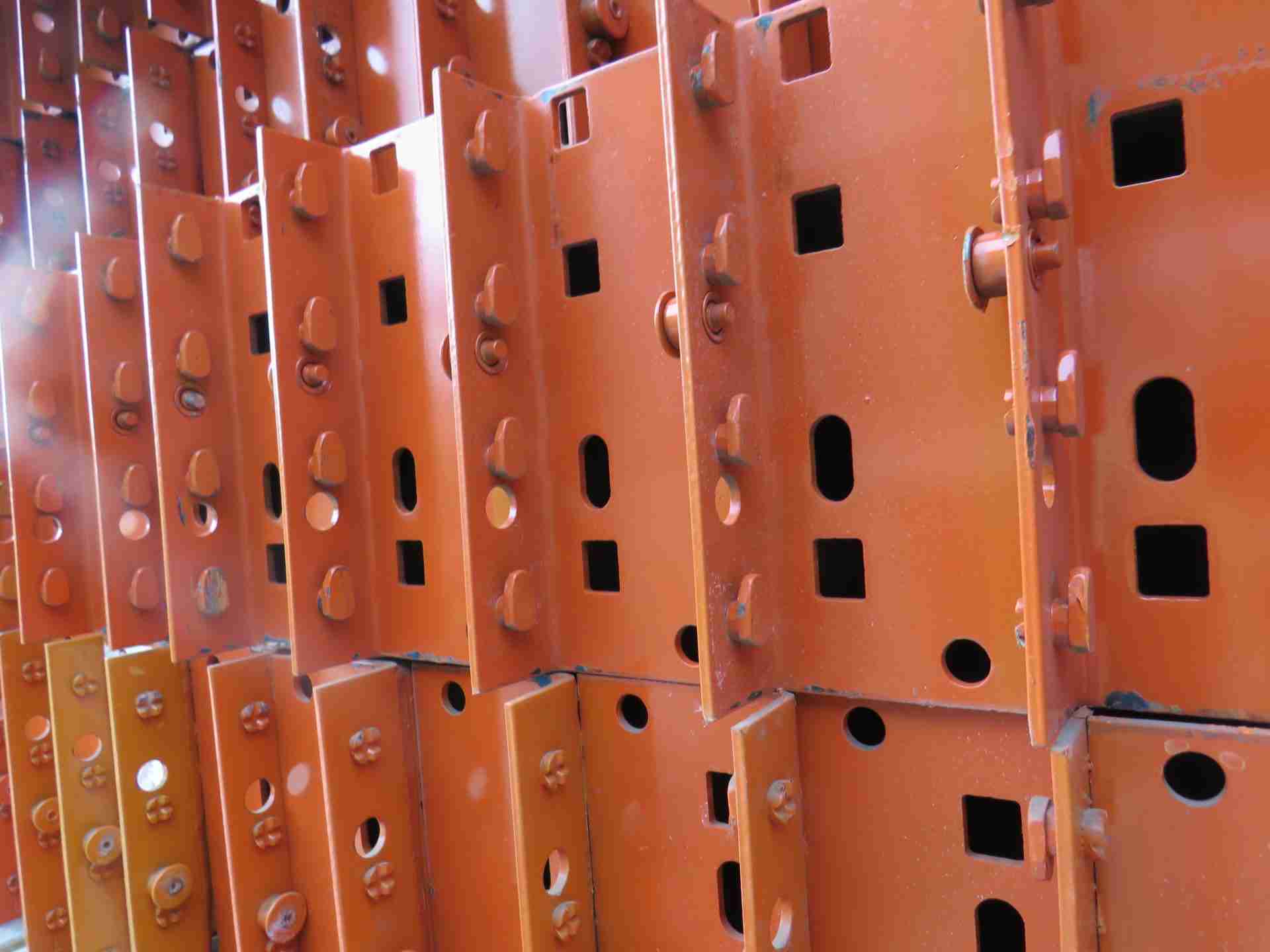
How Can We Change Our Perception Of Safety In Everyday Life?
How Can We Change Our Perception Of Safety In Everyday Life?
- Changing perceptions of safety requires a deep understanding of its role in everyday life.
- Safety is intricately linked to daily routines and choices, often unnoticed.
- Individuals play a crucial role in promoting safety through personal responsibility and community engagement.
- Statistically, safety has improved over the decades, yet anxiety persists due to distorted perceptions.
- Fear can foster a culture of distrust, while a mindset of care enhances community connections.
- Transforming safety into a tangible experience involves sharing stories and supporting one another.
- Empowerment through conversation can redefine safety in our lives, starting now.

How Can We Change Our Perception Of Safety In Everyday Life?
Are We Placing Our Loved Ones At Risk By Ignoring Safety Gear?
Picture a weekend garage project: you’re racking up hours building that dream treehouse for your kids, the sun beating down and laughter ringing out. It seems simple enough — just a few boards, some tools, and a dash of elbow grease. But as you dive headlong into the work, it’s easy to forget one crucial detail: safety gear.
Now, I’m not here to lecture anyone. We all want to create memories, to craft experiences that bond us with our loved ones. But let’s face it, the thrill of the project can often overshadow the quiet importance of being safe. That thrill blends with determination, driving us to finish quickly, and before we know it, we’ve brushed aside the helmet, the goggles, the gloves — the very things designed to protect us.
Ask yourself this: when you suit up for the day’s adventure, whose safety are you really investing in? Is it just your own? Or is it also the well-being of your children, your partner, or those who might one day take on that unfinished treehouse? Every time we ignore safety gear, we send a subtle message that perhaps safety is optional, that living on the edge is more important than life itself.
Rationally speaking, the statistics are sobering. Accidents happen in the blink of an eye and can lead to injuries that alter lives permanently. Think of the authority figures in your life, those individuals you respect the most. They would likely urge you to recognize that careful preparation isn’t just smart; it’s an ethical obligation to protect not only yourself but everyone around you.
Remember that moment when your child took their first bike ride? The watchful gaze, the training wheels, the helmet perfectly fixed on their head. You weren’t just teaching them to ride; you were instilling a culture of safety, one that should carry on into all aspects of life. Every time you strap on that gear, you build trust — in yourself and in the love surrounding you.
So, next time you find yourself in a project, take a step back and ask: “Am I racking up moments of joy or sowing seeds of regret?” It’s not just about finishing the job; it’s about the legacy of love and prudence you leave behind for those who matter most. Strap on that gear, and protect what you hold dear. Your loved ones deserve nothing less.

Are We Placing Our Loved Ones At Risk By Ignoring Safety Gear?
Are We Placing Our Loved Ones At Risk By Ignoring Safety Gear?
Here’s a summarized bulleted list of the text provided, formatted in HTML:
- Weekend garage projects can be fun but often overlook safety gear.
- The thrill of completing a project can overshadow the importance of safety.
- Neglecting safety gear sends a message that safety is optional.
- Accidents can result in permanent injuries that alter lives.
- Preparation is an ethical obligation to protect oneself and others.
- Instilling a culture of safety in children is crucial for their well-being.
- Consider the legacy of love and prudence you leave for your loved ones.

Are We Placing Our Loved Ones At Risk By Ignoring Safety Gear?
What Statistics Reveal the Dangers Of Neglecting Safety Accessories?
Every day, thousands of workers step into hazardous environments, armed not with tools, but with a dangerous level of confidence. The truth is, ignoring safety accessories in these settings is not just a personal choice; it’s a gamble with fate that can have monumental consequences. Statistics shout the truth; nearly 4,700 workers lost their lives in the U.S. in 2020 alone, many from incidents that could have been avoided with proper safety gear.
Let’s break it down. According to the Occupational Safety and Health Administration, wearing the right gear can reduce injury rates by up to 60%. It’s not merely numbers on a page; it’s a stark reminder of what could happen when safety is an afterthought. People on the front lines know that racking up injuries due to negligence leads to not just physical harm but emotional scars that last a lifetime. Picture a family waiting for a loved one to come home, only to receive the bad news—dreams shattered, futures altered.
Consider the ethical responsibility we bear toward each other in workplaces. We owe it to our colleagues, our families, and even ourselves to take every conceivable precaution. When we prioritize safety and encourage others to do the same, we build a culture rooted in respect and care. The right safety accessories, from sturdy helmets to high-visibility vests, are symbols of this commitment.
Moving beyond moral imperatives, let’s connect the dots with our gut. Picture a construction site buzzing with activity. Every tool, every piece of machinery is wielding the potential for victory—or calamity. When workers skimp on safety, they’re not just risking a mishap; they’re ignoring the data that backs up precautionary measures laid out by experts in the field. If even the brightest engineers have spoken about the efficacy of safety gear, wouldn’t it be wise for us to listen?
Finally, we’re all members of a society that thrives on trust and shared responsibility. When you wear your safety accessories, you’re not just protecting yourself; you’re fostering an environment where everyone feels empowered to do the same. The next time you think about cutting corners, think of the statistics, the stories, and the people who depend on you. The exceptionally painful truth is that the price of neglect can be unthinkable. Let’s choose awareness, choose safety, and together, let’s ensure that everyone goes home at the end of the day.

What Statistics Reveal the Dangers Of Neglecting Safety Accessories?
What Statistics Reveal the Dangers Of Neglecting Safety Accessories?
- Many workers enter hazardous environments with overconfidence, neglecting safety accessories.
- In 2020, nearly 4,700 U.S. workers lost their lives, often due to preventable incidents.
- Wearing the appropriate safety gear can reduce injury rates by up to 60%, according to OSHA.
- Neglecting safety can result in physical and emotional scars that last a lifetime.
- There is an ethical responsibility to prioritize safety for the well-being of colleagues, families, and oneself.
- Ignoring safety measures disregards expert advice and increases the risk of accidents on-site.
- Wearing safety accessories encourages a culture of trust and shared responsibility in the workplace.

What Statistics Reveal the Dangers Of Neglecting Safety Accessories?
Why Do We Often Prioritize Style Over Safety In Our Choices?
In a world driven by image and impression, it’s no wonder that we often find ourselves prioritizing style over safety in our everyday choices. Picture this: you’re standing in a store, faced with two options—one is a cutting-edge gadget, all sleek lines and shimmering finishes; the other, a solid, utilitarian piece that may not win any awards for aesthetics. Which do you reach for? Most of us gravitate toward the shiny object, and it’s not just because it looks good. It’s because our society has conditioned us to equate style with success, desirability, and even happiness.
When we make decisions based on style, we’re often investing in our image rather than our wellbeing. It’s an instinct that runs deep, rooted in our desire to fit in or stand out. The slick design promises a sense of belonging, a social currency that seems more valuable than the hard, unyielding safety of practicality. Yet, in those moments, we’re not just sacrificing our safety; we’re compromising our sense of self. How many times have we heard stories of those who paid dearly for choosing trend over protection? The truth is, these narratives are everywhere—a subtle reminder that the sleekest exterior often conceals hidden risks.
Let’s talk about risk management for a moment. The calculations we make when opting for style over safety might seem rational on the surface, but they’re steeped in the emotional weight of social expectations. We want to impress our peers, show off a sense of sophistication, or simply feel good about our choices. But at what cost? When the thrill of style blinds us to potential hazards, we’re racking up a toll that’s far greater than any fleeting admiration from others.
Ethically, we owe it to ourselves and to those we love to make choices grounded in wisdom over whimsy. Safety should be a non-negotiable value, a core belief that transcends temporary trends. Authorities in the fields of health and safety overwhelmingly support this notion—regardless of their own choice of attire, they preach the importance of making well-informed decisions.
By fostering a culture that celebrates sound choices over flashy illusions, we pave the way for meaningful connections and authentic living. So the next time you find yourself at that crossroads, take a moment to reflect. Style may beckon with its alluring charm, but safety is the sturdy foundation upon which you can truly build your life. Choose wisely, not just for yourself, but for those who look to you as a beacon of integrity.

Why Do We Often Prioritize Style Over Safety In Our Choices?
Why Do We Often Prioritize Style Over Safety In Our Choices?
- Society prioritizes style over safety, equating aesthetics with success and happiness.
- People tend to choose visually appealing items, often sacrificing safety for image.
- Choosing style can compromise personal safety and a sense of self.
- Risk management decisions are influenced by social expectations and the desire to impress.
- Choosing trend over protection can lead to significant consequences.
- Ethical responsibility emphasizes making choices based on wisdom and safety.
- Fostering a culture that values sound decisions promotes authenticity and deeper connections.

Why Do We Often Prioritize Style Over Safety In Our Choices?
Conclusion
Safety accessories often slip to the bottom of our priority list, a thought buried under the hustle of our daily routines. We tend to view them as mere extras, while in reality, they are vital lifelines. Think of the hardworking father, Dan, who skipped wearing protective gear in his rush to complete home projects. A single, careless moment turned his garage into an emergency room, striking fear not just into his heart, but into the hearts of those who love him. The emotional whiplash of that day serves as a potent reminder: we’re not in a vacuum when we neglect safety. Every decision impacts not only ourselves but also families and communities.
Rationally, ignoring safety gear is unwise. Statistics reveal that nearly 4,700 workplace fatalities occur each year in the U.S., many preventable through proper gear. The Occupational Safety and Health Administration asserts that right equipment can reduce injuries significantly. Yet, despite this, adrenaline and invincibility often overshadow sound judgment, leading us into precarious situations unprepared.
It raises ethical questions: who are we risking when we disregard these safety measures? Each time we opt for speed and efficiency without taking precautions, we send a message that safety is negotiable. Instead, prioritizing safety gear reflects our commitment to ourselves and those around us.
We navigate life in a society that thrives on vigilance and shared responsibility. When we wear safety gear, we cultivate a culture of care—a community where every member looks out for one another. It’s a cycle of mutual protection, reinforcing trust and safety.
Let’s flip the script. Embrace safety accessories not as burdens but as badges of honor. They signify a commitment to longevity, moments of joy, and memories built together. Don’t let fear dictate your choices; let unity and strength guide you forward. The true triumph lies not just in finishing a project but in ensuring a safe environment for the loved ones we cherish.
Next time you’re about to dive into a task, pause and reflect. Ask yourself, “Am I embodying safety today?” Make that choice—not just for you, but for the legacy you wish to leave. Let’s elevate safety from an afterthought to a priority, because every moment spent prioritizing what truly matters is a step toward triumph, not tragedy. Choose wisely, for our future depends on it.

Conclusion
Conclusion:
- Safety accessories are often overlooked in daily routines, viewed as mere extras rather than vital lifelines.
- A real-life example is Dan, a father who neglected protective gear, leading to a dangerous incident in his garage.
- This incident highlights the broader impact of neglecting safety, affecting not just individuals but families and communities.
- Statistics show nearly 4,700 workplace fatalities in the U.S. annually, many preventable with proper safety gear.
- Choosing speed over safety sends the message that safety is negotiable, risking not only oneself but others.
- Wearing safety gear fosters a culture of care, promoting mutual protection and trust within communities.
- Prioritizing safety gear signifies a commitment to longevity and shared experiences, encouraging a protective mindset for the future.

Conclusion
Other Resources
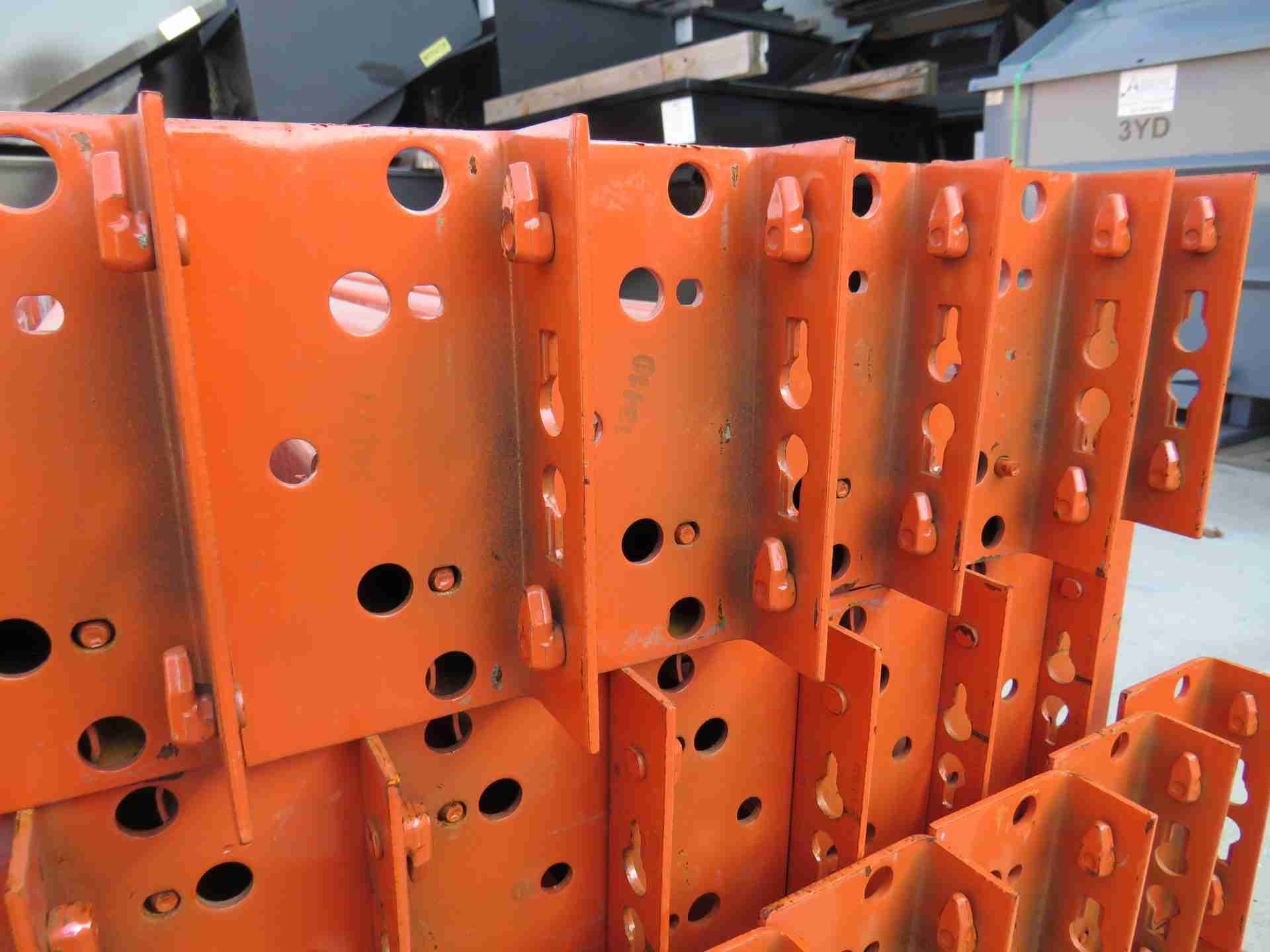
Other Resources
Here is a list of other resources you can review online to learn more:
- Heavy-Duty Cantilever Storage Racks
- Interlake Mecalux
- National Safety Council
- Shipping Boxes, Packaging Materials, Pallet Racking
- Pallet Racking systems in Illinois and Great Lakes
- IIWS Inc. Rack Installation Illinois & Rack Repairs Illinois
- Illinois
- Warehousing Education and Research Council: https://www.werc.org/
- Teardrop Racks – Pallet Rack World
- Chicago Pallet Racking
- Illinois Pallet Racking – Storage Solutions
- Cantilever Rack Guide: Ordering Cantilever Racking
- Warehousing and Fulfillment
- The Ultimate Pallet Racking Guide – Speedrack West
- Intro to Warehouse Racks & Warehouse Racking Systems – ShipBob
- BMH Equipment LLC
- Pallet Racking systems in Illinois and Great Lakes
- Warehouse Racking System: Powerful Guide to Optimise, 2024
- American Surplus
Use This Prompt To Get More Resources With Your Favorite Online AI Tool: Please provide me with a list of online articles with their URLs in a bulleted list that I can read regarding Why Safety Accessories Are Often an Afterthought (And That’s Dangerous)

Other Resources
Glossary Terms
Why Safety Accessories Are Often an Afterthought (And That’s Dangerous) – Glossary Of Terms
1. Safety Accessories: Tools and equipment designed to enhance personal safety in various environments.
2. Afterthought: An idea or consideration that is not prioritized until after a situation has already been handled.
3. Personal Protective Equipment (PPE): Gear worn to minimize exposure to hazards that can cause injury or illness.
4. Hazard: A potential source of harm or adverse effect on individuals or the environment.
5. Risk Assessment: The process of identifying and evaluating risks associated with a particular situation or activity.
6. Preventive Measures: Actions taken to reduce the likelihood of incidents or accidents occurring.
7. Compliance: Adherence to safety regulations and standards enforced by authorities or organizations.
8. Workplace Safety: Policies and practices designed to ensure the health and safety of employees in their work environment.
9. Injury Prevention: Strategies aimed at reducing the risk of injuries occurring in various settings.
10. Ergonomics: The study of people’s efficiency in their working environment, often applied to prevent injuries.
11. Accident Investigation: The process of examining the circumstances surrounding an accident to identify causes and prevent future occurrences.
12. Training Programs: Educational courses aimed at improving knowledge and skills in safety practices and emergency procedures.
13. Emergency Preparedness: Planning and preparation activities designed to ensure an effective response to emergencies or disasters.
14. Visibility Gear: Clothing and accessories designed to enhance visibility, such as high-visibility vests or reflective gear.
15. Health Risks: Potential threats to an individual’s physical or mental well-being stemming from various factors.
16. Safety Culture: The shared values, beliefs, and attitudes regarding safety within an organization.
17. Mitigation: The act of reducing the severity, seriousness, or painfulness of a hazard or risk.
18. Incident Reporting: The process of documenting accidents, injuries, or near-misses in a workplace setting.
19. First Aid Kits: Containers stocked with medical supplies and equipment for treating minor injuries.
20. Safety Audits: Systematic evaluations of workplace practices and conditions to ensure compliance with safety regulations.
21. Protective Gear: Equipment designed to safeguard the body, such as helmets, gloves, and goggles.
22. Occupational Safety: The field focused on the protection of workers from hazards associated with their jobs.
23. Behavioral Safety: An approach that focuses on understanding and improving the safety behaviors of individuals.
24. Safety Policy: A formal document outlining an organization’s commitment to ensuring a safe working environment.
25. Personal Responsibility: The obligation of individuals to prioritize safety and employ safety measures for themselves and others.
26. Accident Prevention: Strategies and practices aimed at reducing the likelihood of accidents in the workplace.
27. Fall Protection: Safety equipment and procedures designed to prevent falls in environments such as construction sites.
28. Chemical Safety: Practices and protocols to handle hazardous substances safely to prevent exposure and accidents.
29. Sheltering: Taking refuge in a safe location during emergencies to protect oneself from harm.
30. Reporting Mechanism: A system enabling individuals to report safety concerns, incidents, or hazards in a structured manner.
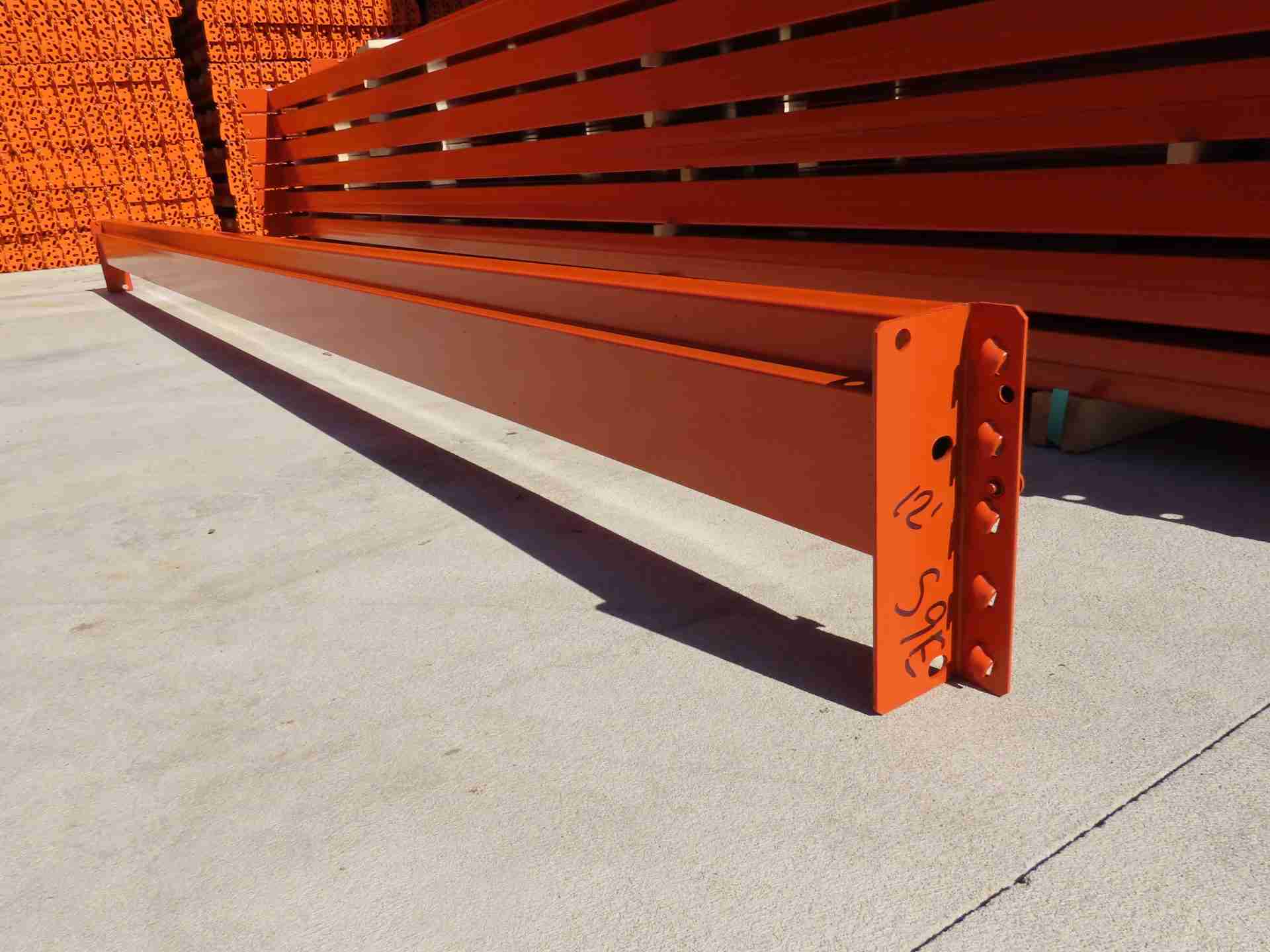
Glossary Of Terms
Other Questions
Why Safety Accessories Are Often an Afterthought (And That’s Dangerous) – Other Questions
If you wish to explore and discover more, consider looking for answers to these questions:
- What types of safety accessories are commonly overlooked?
- How can individuals be encouraged to prioritize safety gear?
- What are some real-life examples of consequences from neglecting safety accessories?
- How can communities promote a culture of safety awareness?
- What emotional factors contribute to our disregard for safety equipment?
- How do statistics on workplace injuries correlate with the use of safety gear?
- What specific measures can we take to change our perception of safety at home?
- In what situations might people feel pressured to choose style over safety?
- What role do children play in influencing adult attitudes towards safety gear?
- How can we educate future generations about the importance of safety accessories?
Other Questions
Checklist
Why Safety Accessories Are Often an Afterthought (And That’s Dangerous) – A Checklist
Safety Accessories Awareness Checklist
Emotional Appeals
_____ Reflect on a personal experience where safety was overlooked. How did it affect you or your loved ones?
_____ Visualize your loved ones’ safety. Consider their sense of security and well-being during your activities.
_____ Think about the legacy you want to leave behind. How does your commitment to safety reflect your values?
Rational Appeals
_____ Research common statistics related to accidents and safety gear. Are you aware of how many incidents could have been prevented?
_____ Identify specific safety accessories relevant to your daily tasks. List which ones you currently use and which ones you need to incorporate.
_____ Assess the effectiveness of safety gear. Have you researched how wearing the right gear can reduce injury rates?
Ethical Appeals
_____ Acknowledge your responsibility to yourself and others. Are you making choices that prioritize safety?
_____ Discuss safety practices with your family or coworkers. What ethical obligations do you feel towards their well-being?
_____ Consider how your actions influence others. Are you modeling safe behavior for those around you?
Authority Appeals
_____ Compile a list of recommendations from trusted sources regarding necessary safety accessories for your activities.
_____ Follow safety guidelines from professional organizations (e. g. , OSHA). Are you familiar with their recommendations?
_____ Seek advice from experienced individuals in your field about the best safety practices.
Narrative Appeals
_____ Share a story about a safety incident with family or friends. How did it impact your views on safety gear?
_____ Explore testimonials from individuals who experienced accidents due to neglecting safety gear. What lessons can be learned?
_____ Create a personal or family narrative that emphasizes the importance of safety in your activities.
Social Appeals
_____ Engage in community discussions about safety practices. How can you contribute to fostering a culture of safety?
_____ Host a safety gear awareness event or workshop. Who can you partner with to spread the message?
_____ Reflect on peer pressure in safety practices. Are you influenced by others to take risks instead of prioritizing safety?
Action Steps
_____ Commit to reviewing and updating your safety gear checklist regularly.
_____ Make a plan for a safety equipment inventory. Which items are missing or need replacement?
_____ Set reminders for safety practices before engaging in activities, whether at home or work.
Utilize this checklist to foster a proactive approach towards safety in your daily life and inspire those around you to do the same.

Checklist
At RackingWorld, we help guide you through selecting warehouse storage systems and racking.
Be sure to read our other related stories at RackingWorld to learn more about warehouse storage systems.
0 Comments