
Unlocking Potential: The Hidden Costs Of Warehouse Space Waste
By Tom Seest
At RackingWorld, we help guide you through selecting warehouse storage systems and racking.
Be sure to read our other related stories at RackingWorld to learn more about warehouse storage systems.
Why Most Warehouses Waste 30% Of Their Space
In the world of warehousing, many operations stretch their space thin, often wasting up to 30% of what they have. This isn’t just about square footage; it’s a matter of dollars and sense. Picture a warehouse bustling with activity, yet a third of it — those empty aisles and unused corners — sits idle, like rusting machinery in a forgotten shed. You might think that’s just the cost of doing business, but it doesn’t have to be that way.
When it comes to racking systems, the right setup can transform how products are stored and accessed. A few more racks here, some vertical adjustments there, and suddenly, what looked like a cluttered maze can turn into a streamlined operation. It’s about maximizing utilization. A well-organized racking system means shorter picking times for workers and fewer mistakes, which leads to better service for customers. Aiming for efficiency doesn’t just save space; it can also save your operation from the unnecessary stress of scrambling last minute for goods. It’s like putting a toolbox where it belongs, ensuring you can grab the wrench instead of searching for it when time is ticking.
Let’s face it, nobody wants to feel overwhelmed by clutter and chaos, especially when there’s a simpler way. Every inch of that warehouse tells a story. An underutilized corner could be a perfect spot for a few more shelves or pallets. Upgrading racking systems is not just about aesthetics; it resonates with the need to work smarter, not harder. It fosters pride among workers when they can see tangible improvements from their efforts and have the tools that facilitate their job.
We’re all in this together, and making the right adjustments creates a ripple effect. When workers see their environment being optimized, they feel valued, and it shows in their work ethic and morale. It’s also a statement — to their peers, customers, and competitors. Investing in better racking systems not only showcases a commitment to efficiency but also to the people who rely on that space daily.
So, let’s tackle that wasted space head-on. By rethinking warehouse layout and improving racking systems, we can take what was once a tangled mess and turn it into a well-oiled machine. The potential is there, waiting to be seized. All that’s needed is the willingness to make that change.

Why Most Warehouses Waste 30% Of Their Space
Why Most Warehouses Waste 30% Of Their Space
- Many warehouses waste up to 30% of their space due to underutilization.
- Optimizing racking systems can significantly improve storage and access to products.
- A well-organized racking setup reduces picking times and mistakes, enhancing customer service.
- Efficient warehouse layout alleviates stress and improves operational workflow.
- Upgrading racking systems fosters employee pride and satisfaction through visible improvements.
- Optimized environments enhance worker morale and signal commitment to efficiency.
- Transforming warehouse space requires initiative and willingness to adapt for better functionality.

Why Most Warehouses Waste 30% Of Their Space
Table Of Contents
- Why Most Warehouses Waste 30% Of Their Space
- What Drives Inefficiency In Warehouse Space Utilization?
- How Can We Identify Wasted Space In Our Warehouses?
- What Impact Does Wasted Space Have on Overall Productivity?
- What Innovative Solutions Can Optimize Warehouse Layouts?
- How Does Technology Influence Warehouse Space Management?
- What Role Does Employee Training Play In Space Utilization?
- Conclusion
- Other Resources
- Glossary Of Terms
- Other Questions
- Checklist
What Drives Inefficiency In Warehouse Space Utilization?
In the world of warehousing, the space we have is often treated like a treasure chest, yet too many of us are sitting on heaps of wasted potential. The issue isn’t just about having enough square footage; it’s about maximizing every inch of that space. Picture this: you walk into a warehouse, and instead of neatly organized Racking Systems filled to the brim with goods, you see empty aisles and poorly arranged stock. It’s frustrating for the workers, it costs money, and it creates a sense of chaos that can feel all too familiar in the grind of daily operations.
Often, inefficiency stems from outdated practices. Companies may cling to old layouts and legacy systems that no longer serve their purpose. This isn’t just about old habits; it’s about the livelihoods affected when warehouse teams struggle to navigate through a maze of clutter. Imagine a forklift driver trying to weave through rows of cluttered shelves, wasting time that could be better spent picking and packing orders. A well-structured Racking System not only speeds up processes but also reduces workplace stress, letting everyone breathe a little easier.
On the emotional side, inefficiency impacts morale. When a team feels bogged down by inefficiency, frustration can brew. Workers know they can do better; they want to take pride in their work, to see that their efforts contribute to something meaningful. By investing in strategic organization and modernized Racking Systems, warehouses not only improve space utilization but also foster a culture where every team member feels valued and empowered. It’s not just about the bottom line—it’s about the human element and ensuring that everyone pulls together toward a common goal.
Rationally, the numbers speak for themselves. Companies that optimize their warehouse space see lower operational costs and quicker turnaround times. A streamlined approach not only saves time but also reduces the risk of overstocking or shortages. This balance is critical for businesses aiming to remain competitive in a fast-paced market.
Ethically, it’s important to adapt and evolve. Today’s customers expect efficiency; they don’t want to wait. With the right tools and system in place, a warehouse can consistently meet demand without sacrificing quality service. The connection between an efficient operation and customer satisfaction cannot be overstated. When every item finds its right place, both staff and customers benefit.
By embracing modern Racking Systems and rethinking warehousing strategies, companies can transform chaos into order—creating spaces that truly serve their purpose while boosting morale and ensuring a stronger bottom line. It’s time to look beyond the walls and see the opportunity within.

What Drives Inefficiency In Warehouse Space Utilization?
What Drives Inefficiency In Warehouse Space Utilization?
- Warehouse space is often mismanaged, leading to wasted potential.
- Inefficiency results from outdated practices and poor organization.
- A well-structured Racking System enhances productivity and reduces stress.
- Inefficiency negatively affects team morale and their sense of purpose.
- Optimizing warehouse space decreases operational costs and improves turnaround times.
- Meeting customer demands requires modernized systems and effective organization.
- Embracing new strategies fosters a positive work culture and strengthens the bottom line.

What Drives Inefficiency In Warehouse Space Utilization?
How Can We Identify Wasted Space In Our Warehouses?
Identifying wasted space in our warehouses isn’t just about efficiency; it’s about seeing the heart of our operations. Picture this: a warehouse bustling with activity, but somewhere in that maze of racking systems, there are corners collecting dust, and aisles too narrow to navigate. When we or our team members look around, it’s easy to overlook the areas that could be better utilized. That wasted space isn’t just numbers on a report; it’s lost potential, lost time, and lost profits.
Start with the racking systems. These are the backbone of any warehouse. If they’re not designed or positioned effectively, we’re not just looking at a little disorganization—we’re staring down at a costly mistake. Evaluate how those systems are laid out. Are they optimizing vertical space? Are they allowing for quick access to items? Maybe it’s time to rearrange them or invest in more adaptable systems that can grow with our needs.
Now, take a step back and tap into your gut feelings. Think about when business feels rough; a cluttered space can sap the energy right out of your team. They deserve a work environment that inspires action, not frustration. When folks can maneuver easily, find what they need, and feel proud of their space, you’ll see morale go up and productivity soar.
Then, there’s the ethical side. As managers or owners, it’s our responsibility to create an environment that’s not just functional but also respectful of the hard work our employees put in every day. By addressing wasted space, we send a clear message: we value our team’s time and efforts. It’s about building trust, showing that we’re not just in this for ourselves but for everyone pulling their weight.
Share stories with your team about everyday victories when they’ve found better ways to use space. Celebrate those wins, big or small. This creates a culture where everyone is looking out for each other and for the overall success of the warehouse.
Ultimately, identifying wasted space isn’t just about cutting costs; it’s about fostering an environment where every square inch counts, and every person matters. Together, we can make our warehouses not only more efficient but also a place where pride and purpose thrive within the folds of every racking system.

How Can We Identify Wasted Space In Our Warehouses?
How Can We Identify Wasted Space In Our Warehouses?
- Wasted space in warehouses reflects inefficiency and lost potential.
- Racking systems are crucial; their layout affects organization and profitability.
- Reevaluating the design of racking systems can optimize space and accessibility.
- A cluttered workspace can negatively impact team morale and productivity.
- Creating a respectful environment acknowledges employees’ contributions.
- Sharing and celebrating improvements fosters a collaborative culture.
- Identifying wasted space enhances efficiency and promotes a positive workplace atmosphere.
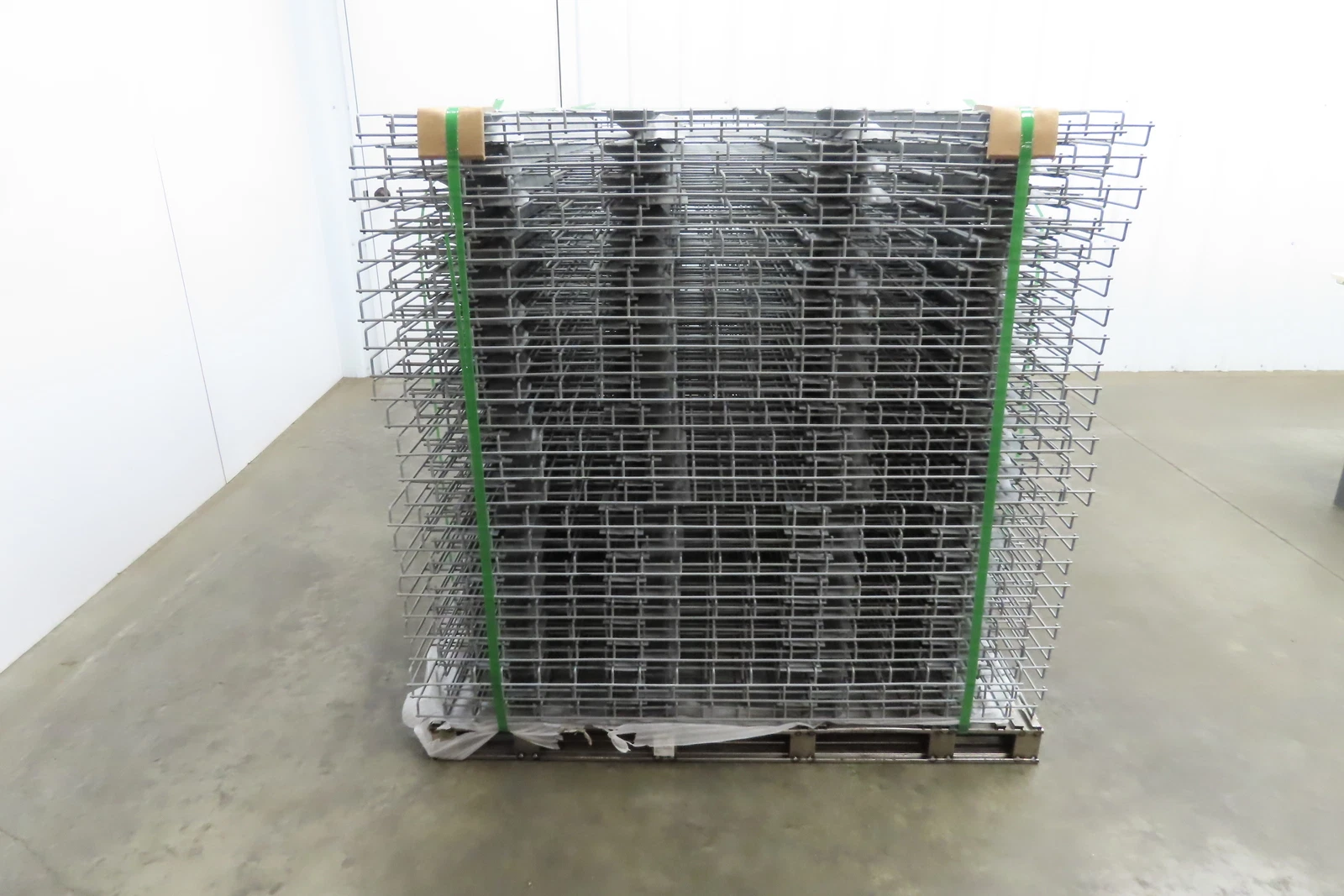
How Can We Identify Wasted Space In Our Warehouses?
What Impact Does Wasted Space Have on Overall Productivity?
Wasted space isn’t just a nuisance; it’s a productivity killer. Imagine walking into a workspace cluttered with unused equipment, obsolete files, and disorganized tools. It’s like trying to run a race with weights strapped to your ankles. You can’t help but feel frustrated, knowing that every square foot that goes unused is a missed opportunity for efficiency and creativity.
Racking systems are often a root cause of this wasted potential. They’re designed to maximize vertical space, but when poorly arranged or forgotten, they can lead to confusion and inefficiency. Picture a workshop where the racking systems are piled high with materials that haven’t seen the light of day in years. The time lost searching for tools or equipment could be better spent on the tasks that drive results. Each minute wasted adds up, costing not just time but morale—when frustration sets in, it drags down the whole crew.
But let’s be real and human about this. Everyone has seen that one corner of the workshop or office where things go to die. You know the one—dusty, forgotten, and a stark reminder of time and resources thrown away. It affects not just productivity but also team spirit. When your work environment feels chaotic, it can create a sense of hopelessness. People start to feel stuck, like they’re wading through mud instead of moving forward.
On the flip side, reclaiming wasted space doesn’t just streamline operations; it builds a culture of pride. It says, “We care about our work. We care about each other.” By optimizing those racking systems and ensuring everything has its place, you cultivate an environment where everyone knows where to find what they need. This leads to faster work, fewer errors, and teams that function like well-oiled machines, spurring innovation and collaboration.
Consider the impact on your bottom line. Reducing wasted space directly correlates to increased output. Every item in its rightful place means your team can operate at peak efficiency. And in a world that demands productivity and accountability, cutting out the clutter isn’t just smart—it’s the kind of move that showcases a company’s commitment to excellence.
We’re all in this together, and when we eliminate wasted space, we propel each other forward. It’s about turning something that feels burdensome into a launchpad for success. So, roll up your sleeves and take a good, hard look at that workspace—it might just be your ticket to a more productive and fulfilling day.

What Impact Does Wasted Space Have on Overall Productivity?
What Impact Does Wasted Space Have on Overall Productivity?
- Wasted space reduces productivity and creates frustration in the workplace.
- Poorly arranged racking systems can lead to inefficiency and confusion.
- Searching for tools in cluttered spaces wastes time and lowers team morale.
- A chaotic work environment can instill feelings of hopelessness among team members.
- Optimizing space fosters a culture of pride and care for the workplace.
- Every item in its proper place boosts efficiency and reduces errors.
- Eliminating wasted space enhances productivity and signals a commitment to excellence.

What Impact Does Wasted Space Have on Overall Productivity?
What Innovative Solutions Can Optimize Warehouse Layouts?
When it comes to optimizing warehouse layouts, it’s like rearranging the furniture in your living room; it may seem trivial at first, but the right setup can make all the difference in how you maneuver through your daily tasks. One of the most effective strategies is the implementation of modular racking systems. These systems allow for flexibility and scalability, making room for growth without the need for a complete overhaul of your existing space. Just like a well-organized toolbox, a thoughtfully designed rack can save you time and effort when retrieving goods.
Think about it: every minute spent searching for that misplaced item adds up over time. A rational approach to layout involves analyzing workflows, understanding peak times, and strategically placing racking systems where they have the most impact. By evaluating how products move in and out of your warehouse, you can align your racking systems to facilitate a smoother operation. This isn’t just a logical step; it’s an ethical responsibility to your team, ensuring they work in a safe, efficient environment.
But there’s a deeper connection here. Imagine the relief and pride your employees feel when they can easily locate materials, reducing frustration and fostering a sense of accomplishment. The spirit of teamwork flourishes when everyone knows their role in an efficient, organized space. This isn’t just about racks but about creating a culture that values each individual’s contribution to the bigger picture.
Stories abound in warehouses where a simple racking system overhaul turned chaos into harmony. One warehouse manager shared how reconfiguring their layout not only saved time but also improved morale, leading to a noticeable boost in productivity. It’s these narratives that paint a picture of the power of innovative layout solutions—showing how practical changes can breathe new life into tired, inefficient operations.
Moreover, adopting technology such as warehouse management systems alongside modern racking systems elevates operations to a new level. These tools can analyze data to enhance inventory management, ensuring that the right items are always at hand without cluttering up space. Confidence in your processes grows when you know every inch of your warehouse is being utilized effectively, building trust in your leadership and vision.
In a world where efficiency can define success, optimizing your warehouse layout is more than just a task; it’s an opportunity to commit to excellence. With the right racking systems and an engaged workforce, you lay the foundation for not only productivity but a thriving workplace.

What Innovative Solutions Can Optimize Warehouse Layouts?
What Innovative Solutions Can Optimize Warehouse Layouts?
- Optimizing warehouse layouts enhances daily task efficiency.
- Implementing modular racking systems provides flexibility and scalability.
- Strategically placing racking systems improves workflow and reduces searching time.
- Creating an efficient layout supports a safe work environment and boosts employee morale.
- Effective racking solutions foster teamwork and recognize individual contributions.
- Adopting warehouse management technology enhances inventory control and space utilization.
- Optimizing layouts is a commitment to excellence and boosts overall productivity.

What Innovative Solutions Can Optimize Warehouse Layouts?
How Does Technology Influence Warehouse Space Management?
In the throaty, no-nonsense world of warehouse management, technology stands as a steadfast ally, reshaping how we think about and utilize our space. Picture a bustling warehouse, racks loaded to the brim with products, the air thick with purpose. It’s easy to feel overwhelmed by the chaos, yet thanks to advancements like innovative racking systems, we can now bring order to the whirlwind.
Imagine stepping inside the warehouse and seeing rows of neatly organized racking systems, each designed to optimize every inch of space. This isn’t just about stacking boxes; it’s about a smarter approach that saves time and reduces frustration. With the right layout, employees can move efficiently, picking items without the endless back-and-forth. There’s a sense of pride that comes with knowing you’re working smart, not just hard. When workers feel that their environment supports them, it fosters a deeper connection to the work, sparking not just productivity but also morale.
Beyond the physical, technology whispers to our sense of ethics. The use of automated systems for inventory management means fewer mistakes, which translates to fewer lost sales and happier customers. In a world where every transaction matters, ensuring that shelves are stocked correctly is like telling your customer, “We’ve got your back.” As we embrace these innovations, we’re not just improving efficiency; we’re also upholding a promise to respect our customers’ trust.
Consider the stories that unfold within these walls. Each piece of technology holds a tale of ingenuity—of workers who’ve wrestled with spreadsheets only to find themselves empowered by real-time data at their fingertips. They can track shipments and manage inventory as smoothly as flipping a switch. This is about connection—not only between workers and their tasks but also between the warehouse and the larger community it serves. Every hand that moves a box is part of a rhythm, a larger narrative of industry and camaraderie.
Lastly, let’s talk about the gut feeling—an undeniable truth that resonates with every blue-collar heart. When technology makes our warehouses more manageable, it lightens the load we carry. It helps us create a space where people want to work and grow. Investing in solid racking systems or embracing warehouse management software isn’t just a business decision; it’s an investment in people, in dreams fulfilled, and in a future that feels a bit brighter. With each box sorted, each product scanned, we’re not just running a business—we’re building a legacy.

How Does Technology Influence Warehouse Space Management?
How Does Technology Influence Warehouse Space Management?
- Technology is a crucial ally in warehouse management, enhancing space utilization.
- Innovative racking systems optimize organization, improving efficiency and reducing frustration.
- A well-designed layout enables employees to pick items without unnecessary delays.
- Automated inventory management systems decrease mistakes, leading to happier customers.
- Real-time data empowers workers, facilitating easier tracking of shipments and inventory.
- Technology fosters a connection between workers and their tasks, enhancing morale and productivity.
- Investing in technology and racking systems is seen as an investment in people and future growth.

How Does Technology Influence Warehouse Space Management?
What Role Does Employee Training Play In Space Utilization?
When it comes to effective space utilization, training isn’t just a box to check; it’s the backbone of operations. Think about it: Racking Systems aren’t merely a way to store items; they’re an art form that requires skilled hands to master. When employees understand how to navigate these systems, they can maximize every inch of available space, turning a cluttered warehouse into a streamlined operation. This isn’t just about fitting things in; it’s about doing it efficiently and safely.
Training equips employees with the know-how to identify the best practices for using racking systems. They learn to recognize which configurations work best for different types of inventory, minimizing wasted time and effort. In effect, well-trained staff become the unsung heroes of space utilization. They’re the ones on the floor, elbow-deep in the nuts and bolts of operations, taking the time to organize the chaotic into something that makes sense. A well-spent hour in training can save countless hours of frustration down the line.
Emotionally, there’s no denying that a well-trained team fosters confidence. Imagine a room full of employees, each knowledgeable and capable, working together seamlessly. That camaraderie builds trust not only among colleagues but also with management. When staff see that their employers are investing in their development, they feel valued. This loyalty often translates into higher retention rates and better overall performance. People like to be part of something bigger than themselves, and training creates that sense of purpose.
Ethically, investing in employee training speaks volumes. Companies that prioritize ongoing education demonstrate a commitment to their workforce. It’s a moral standpoint that recognizes the value of human capital. When employees receive training, they feel respected, which naturally leads to a culture of accountability. It’s easy to overlook the importance of training, but it is essential in creating a conscientious workforce.
On a practical level, consider this: a team that understands their racking systems can pivot quickly in response to changes in demand. They can shift and adapt, whether it’s scaling back or ramping up operations. This flexibility often makes the difference in meeting customer expectations.
Ultimately, employee training is not just a necessary task; it’s a cornerstone of effective space utilization. With the right guidance, employees transform spaces from simple storage zones into efficient, organized, and productive environments.

What Role Does Employee Training Play In Space Utilization?
What Role Does Employee Training Play In Space Utilization?
- Effective space utilization relies on comprehensive employee training.
- Racking systems require skilled navigation to maximize space efficiently and safely.
- Training helps employees identify best practices and optimize inventory configurations.
- Well-trained staff enhance operational organization, reducing frustration and increasing efficiency.
- Investment in training boosts employee confidence, fostering trust and camaraderie.
- Ongoing education demonstrates a company’s commitment to its workforce and builds accountability.
- A trained team can quickly adapt to changing demands, improving customer satisfaction.

What Role Does Employee Training Play In Space Utilization?
Conclusion
In the warehousing sector, a staggering 30% of valuable space goes underutilized, leading to significant losses in both efficiency and revenue. This wasted space isn’t merely an annoyance; it represents opportunities missed and dollars lost. A bustling warehouse filled with empty aisles reflects outdated practices where unnecessary clutter becomes the norm rather than the exception. Modernizing racking systems and rethinking warehouse layouts can turn this chaos into streamlined operations. Smartly designed racking not only maximizes vertical space but also enhances picking accuracy and speed, ultimately benefiting customer service.
However, addressing wasted space is more than a financial issue—it’s about fostering an environment where employees feel empowered and valued. When workers can find what they need quickly, their morale rises, leading to increased productivity and job satisfaction. Flattening the clutter creates a space that cultivates teamwork and encourages individuals to take pride in their work. When teams know their environment is optimized, their efforts become more meaningful, driving better performance across the board.
The importance of modern technology in optimizing warehouse space cannot be overstated. Advanced inventory management systems and flexible racking solutions allow for real-time data tracking and adaptability, ensuring resources align with the ebb and flow of demand. This doesn’t just improve operations; it also upholds a commitment to meet and exceed customer expectations. A well-functioning warehouse resonates with trust, as customers rely on timely deliveries and accurate stock levels.
Moreover, investing in employee training is crucial. A knowledgeable workforce that understands how to leverage racking systems fosters accountability and innovation. Training equips staff with the skills needed to maintain an organized space, ultimately transforming that clutter into a productive environment. It’s a solid investment that promotes respect and loyalty, ensuring that employees feel part of a coherent team working toward a common goal.
In conclusion, transforming warehouse operations is a journey that requires embracing strategic changes, engaging the workforce, and implementing modern solutions. By recognizing and addressing the impact of wasted space, companies can optimize their operations, boosting both economic and employee satisfaction. This commitment is more than a business necessity; it reflects a deeper value system focused on progress, respect, and the belief that every inch matters in nurturing a successful, thriving workplace.

Conclusion
Conclusion:
- 30% of warehouse space is underutilized, causing efficiency and revenue losses.
- Modernizing racking systems and warehouse layouts can enhance operations and picking accuracy.
- Optimized environments improve employee morale, productivity, and job satisfaction.
- Advanced technology aids in real-time tracking and adaptability for meeting demand.
- Investing in employee training promotes accountability and innovation in maintaining organized spaces.
- Strategic changes and employee engagement are key to optimizing warehouse operations.
- Addressing wasted space reflects a commitment to both economic and employee satisfaction.

Conclusion
Other Resources

Other Resources
Here is a list of other resources you can review online to learn more:
- Overhead Lifting
- Interlake Mecalux
- Racking World
- Interlake Mecalux
- Interlake
- BMH
- The Complete Pallet Rack Guide – Simply Rack
- Chicago Pallet Racking
- Warehouse Storage Racks
- Rack Manufacturers Institute
- Used Pallet Rack for Sale in Illinois – American Surplus
- Used Teardrop Pallet Rack – American Surplus
- What is Selective Pallet Racking
- Selective Rack – Raymond West
- CA Wire
- American Surplus
- IIWS Inc. Rack Installation Illinois & Rack Repairs Illinois
- Warehouse Automation
- Cantilever Rack Guide: Ordering Cantilever Racking
- IIWS Inc. Rack Installation Illinois & Rack Repairs Illinois
Use This Prompt To Get More Resources With Your Favorite Online AI Tool: Please provide me with a list of online articles with their URLs in a bulleted list that I can read regarding Why Most Warehouses Waste 30% Of Their Space

Other Resources
Glossary Terms
Why Most Warehouses Waste 30% Of Their Space – Glossary Of Terms
1. Warehouse: A large building for storing goods and products.
2. Space Utilization: The effective use of available space within a warehouse.
3. Inventory: The complete list of goods and materials in stock.
4. Pallet: A flat structure used to support goods in a warehouse.
5. SKU (Stock Keeping Unit): A unique identifier for a specific product.
6. Lean Warehousing: A strategy that minimizes waste and maximizes efficiency.
7. Slotting: The process of assigning storage locations for products in a warehouse.
8. Pick Path: The route warehouse workers take to retrieve items.
9. Throughput: The rate at which inventory is processed or moved through the warehouse.
10. Dead Space: Areas in a warehouse that are underutilized or ineffective for storage.
11. Overflow Space: Additional storage areas used when primary storage reaches capacity.
12. Cross-Docking: A logistics practice where products are directly transferred from inbound to outbound transport.
13. Aisle: A passageway between rows of shelving or storage.
14. Order Fulfillment: The process of receiving, processing, and delivering orders to customers.
15. Inventory Turnover: A measure of how often inventory is sold and replaced over a period.
16. Racking: Systems of shelves or supports used for storing goods in a warehouse.
17. Shrinkage: Loss of inventory due to theft, damage, or administrative errors.
18. Just-In-Time (JIT): An inventory management system where materials are received as needed.
19. FIFO (First In, First Out): An inventory method where the oldest stock is sold first.
20. LTL (Less Than Truckload): Freight shipments that do not require a full truckload.
21. Automation: Technology used to perform tasks with minimal human assistance.
22. Workforce Management: The process of planning and executing labor resources in a warehouse.
23. Barcoding: A method of using barcodes to track and manage inventory.
24. Capacity Planning: The process of determining the production and storage capacity needed.
25. Material Handling: The movement, protection, and storage of materials within a warehouse.
26. Safety Stock: Extra inventory held to mitigate the risk of stockouts.
27. Replenishment: The process of restocking inventory levels to meet demand.
28. Supply Chain: The network between a company and its suppliers to produce and distribute goods.
29. Warehouse Management System (WMS): Software designed to optimize warehouse operations.
30. Binning: The act of sorting and storing items into designated bins or areas.

Glossary Of Terms
Other Questions
Why Most Warehouses Waste 30% Of Their Space – Other Questions
If you wish to explore and discover more, consider looking for answers to these questions:
- How much of my current warehouse space is actually wasted and how do I measure it?
- What metrics and KPIs should I track to evaluate space utilization?
- How do I perform a space-utilization audit and what tools or methods are required?
- What are the most common layout mistakes that cause wasted space?
- Which types of racking systems best maximize vertical space for my product mix?
- What is the typical cost of upgrading racking systems and what ROI can I expect?
- How long does a racking retrofit or re-layout usually take and how disruptive is it to operations?
- How do I choose between pallet racking, cantilever, drive-in, push-back, selective, and other systems?
- When should I consider automation (AS/RS, conveyors, robotics) to recover space?
- Which warehouse management systems and software tools help optimize layout and slotting?
- How can slotting optimization reduce wasted space and improve picking efficiency?
- What safety codes, fire regulations, and insurance requirements affect racking design and density?
- How do building constraints (ceiling height, columns, doorways) limit storage options?
- How do I plan forklift aisles, traffic flow, and clearances while maximizing density?
- What pallet sizes, load patterns, and standardization practices improve space utilization?
- How should I account for seasonal inventory peaks and troughs in space planning?
- What financing options, grants or tax incentives exist for racking and automation upgrades?
- How do I calculate the payback period and total cost of ownership for layout changes?
- What ongoing maintenance and inspection schedules are required for racking systems?
- How do I store hazardous, oversized, or temperature-controlled goods without wasting space?
- How modular and scalable are modern racking systems for expected growth?
- What specific training do employees need to use new racking systems safely and efficiently?
- How will layout changes affect labor requirements, productivity, and error rates?
- What change-management practices improve employee buy-in during redesigns?
- Are there industry benchmarks for acceptable space utilization (e.g., 70%, 80%)?
- Can you provide case studies or examples showing real-world reductions in wasted space?
- How can IoT devices, sensors, and 3D scanning be used to identify and eliminate wasted space?
- What role does inventory accuracy and cycle counting play in effective space use?
- How can cross-docking, flow-through, or pick-face strategies reduce the need for storage space?
- When is it more cost-effective to lease additional space versus optimizing the current layout?
- How does SKU proliferation and product mix complexity affect racking and layout decisions?
- What baseline data should I collect before planning a re-layout or racking upgrade?
- How do different picking strategies (zone, wave, batch, pick-to-light) influence layout design?
- What environmental, energy, and sustainability implications arise from denser storage solutions?
- How do higher-density racks affect emergency egress, fire suppression, and safety planning?
- What criteria should I use to select racking vendors, installers, and engineering partners?
- How might insurance premiums or liability exposure change after densifying storage?
- What minimum clearances and tolerances are required for common racking systems and equipment?
- How can I pilot a new layout or racking configuration with minimal disruption to operations?
- What are the hidden operational costs of poor space utilization beyond rent (labor, errors, delays)?
- What quick, low-cost wins can reclaim space without major capital investment?
- How does order profile (e-commerce single-line picks vs. bulk wholesale) affect optimal storage design?
- How should returns and reverse-logistics flows be accommodated without wasting storage space?
- What is the typical lifecycle of racking systems and when should they be replaced or upgraded?

Other Questions
Checklist
Why Most Warehouses Waste 30% Of Their Space – A Checklist
Baseline and Goals
✅______ Calculate total cubic capacity and used cubic capacity (cube utilization %).
✅______ Map current layout: racks, aisles, staging, returns, dead zones.
✅______ Document equipment specifications (forklifts, reach trucks) and aisle requirements.
✅______ Set targets for space utilization, order cycle time, and error rates.
Find Wasted Space
✅______ Measure vertical clearance above top loads; note gaps greater than 6 inches.
✅______ Check beam-to-load height mismatches across rack levels.
✅______ Identify empty or partially used locations and why they are idle.
✅______ Audit aisles wider than equipment need plus safety margin.
✅______ Flag dead stock, obsolete stock, and seasonal overflow sitting in prime slots.
✅______ Inspect staging, returns, and quarantine for footprint creep.
✅______ Note congestion points, backtracking, and long travel paths.
✅______ Locate non-inventory items (tools, packaging, junk) in prime storage areas.
Optimize Racking and Storage Modes
✅______ Re-level beams to match SKU heights; add levels where safe.
✅______ Standardize pallet sizes and quality; remove odd pallets.
✅______ Use deep-lane (drive-in/push-back) for high-volume, low-SKU items.
✅______ Use selective racks for medium movers; carton flow or shelving for small picks.
✅______ Deploy cantilever for long items; add mezzanine or over-dock storage where feasible.
✅______ Install decking, dividers, and clear labeling and location numbering.
Layout and Flow
✅______ Slot A-class and fast movers closest to shipping and at optimal pick heights.
✅______ Separate receiving, quarantine, returns, and kitting with defined footprints.
✅______ Right-size and mark pick, pack, and ship staging zones.
✅______ Design one-way travel where it reduces congestion; balance pick zones.
✅______ Minimize double-handling with direct putaway to final locations.
Inventory Policy and Control
✅______ Set min/max levels or reorder points to curb excess safety stock.
✅______ Liquidate or relocate obsolete and slow movers to secondary zones.
✅______ Align case and pallet quantities with demand patterns to prevent partials.
✅______ Implement cycle counting and track inventory accuracy ≥ 98%.
Technology and Data
✅______ Implement or tune WMS and slotting logic (ABC/XYZ by velocity/variability).
✅______ Enforce barcode/RFID scanning for all moves.
✅______ Track KPIs: cube utilization, dwell time by SKU, travel per order, pick errors.
✅______ Use heatmaps and reports to identify underused zones and rebalance slotting.
People, Training, and Standards
✅______ Train teams on racking use, safe stacking, and location discipline.
✅______ Establish SOPs for receiving, putaway, replenishment, picking, and packing.
✅______ Run 5S audits; schedule daily/weekly housekeeping walks.
✅______ Capture and act on frontline improvement ideas.
Safety and Compliance
✅______ Verify fire code egress, sprinkler clearances, and rack load plaques.
✅______ Inspect racks for damage; repair and anchor; add end-of-aisle protection.
✅______ Ensure lighting, signage, and floor markings are clear and current.
Pilot, Measure, Iterate
✅______ Pilot changes in one zone; minimize disruption.
✅______ Measure before and after: picks per hour, travel distance per order, errors, and utilization percentage.
✅______ Calculate ROI: space reclaimed, rent deferred or avoided, and labor hours saved.
✅______ Scale successful changes; schedule quarterly space audits.
Benchmark Targets
✅______ Primary storage cube utilization ≥ 85%.
✅______ Average vertical clearance waste ≤ 6 inches per level (where feasible).
✅______ Aisle width = equipment specification + safety margin only.
✅______ Dead and obsolete stock ≤ 2% of on-hand value in prime locations.
✅______ Order picking error rate ≤ 0.5%.
✅______ 15–30% reduction in travel per order after re-slotting.

Checklist
At RackingWorld, we help guide you through selecting warehouse storage systems and racking.
Be sure to read our other related stories at RackingWorld to learn more about warehouse storage systems.
0 Comments