
Unlocking Potential: The Hidden Price Of Wasted Vertical Space
By Tom Seest
At RackingWorld, we help guide you through selecting warehouse storage systems and racking.
Be sure to read our other related stories at RackingWorld to learn more about warehouse storage systems.
The Real Cost Of Unused Vertical Capacity
In the bustling world of warehouses and distribution centers, there’s a silent struggle happening right above our heads: unused vertical capacity. Racking systems stand tall, designed to hold products and materials, yet often they don’t reach their full potential. Picture a bakery with perfectly rising dough, each loaf promising warmth and nourishment, yet left forgotten on the counter. This unused space is like that—imagine all the possibilities wasted.
From a practical standpoint, consider how much money is left on the table. Companies invest heavily in their racking systems, believing they’re optimizing space and efficiency. Yet, when those systems are underutilized, the expense doubles. You’re not just losing out on potential revenue; you’re paying for structures that aren’t doing their job—much like owning a truck that rarely leaves the driveway. It’s frustrating and unnecessary.
Emotionally, the impact of wasted vertical capacity resonates beyond empty shelves. Employees feel the pinch when efficiency dips. Morale suffers in a place where cumbersome operations lead to delayed shipments and mounting customer complaints. Surely, no one wants to be part of a team that can’t deliver. People take pride in their work, and when racking systems aren’t utilized correctly, that pride diminishes.
From an ethical standpoint, businesses owe it to their employees, customers, and communities to run efficiently. Every inch of racking space represents not just dollars, but lives affected by those delays and inefficiencies. A company that fails to recognize this loss risks alienating its team and stakeholders, creating a ripple effect of distrust.
Then comes the narrative part—the story we all know too well. We’ve all seen an old warehouse, with dust settling on products that never see the light of day. Those stories linger in the minds of workers who feel their sweat and toil are wasted. But it doesn’t have to be that way. By examining how vertical space is being used, organizations can turn unused capacity into a powerful ally.
Finally, there’s the social appeal. In any community, businesses that thrive and remain steady help create jobs, foster growth, and inspire confidence. If we optimize our racking systems to utilize vertical capacity fully, we’re not just strengthening our bottom line; we’re uplifting our communities, creating more opportunities, and proving to ourselves and others that we’re capable of so much more. The heart, head, and gut all agree: let’s do better.

The Real Cost Of Unused Vertical Capacity
The Real Cost Of Unused Vertical Capacity
- Unused vertical capacity in warehouses often leads to inefficiency and lost potential.
- Companies investing in racking systems may not realize they’re not fully optimizing their space.
- Underutilized racking systems translate to financial waste and operational frustrations.
- Employee morale can suffer from decreased efficiency, impacting pride in their work.
- Businesses have an ethical responsibility to run efficiently to support employees and communities.
- Wasted capacity contributes to negative narratives and dissatisfaction among workers.
- Optimizing vertical space can create jobs and growth, benefiting both businesses and communities.
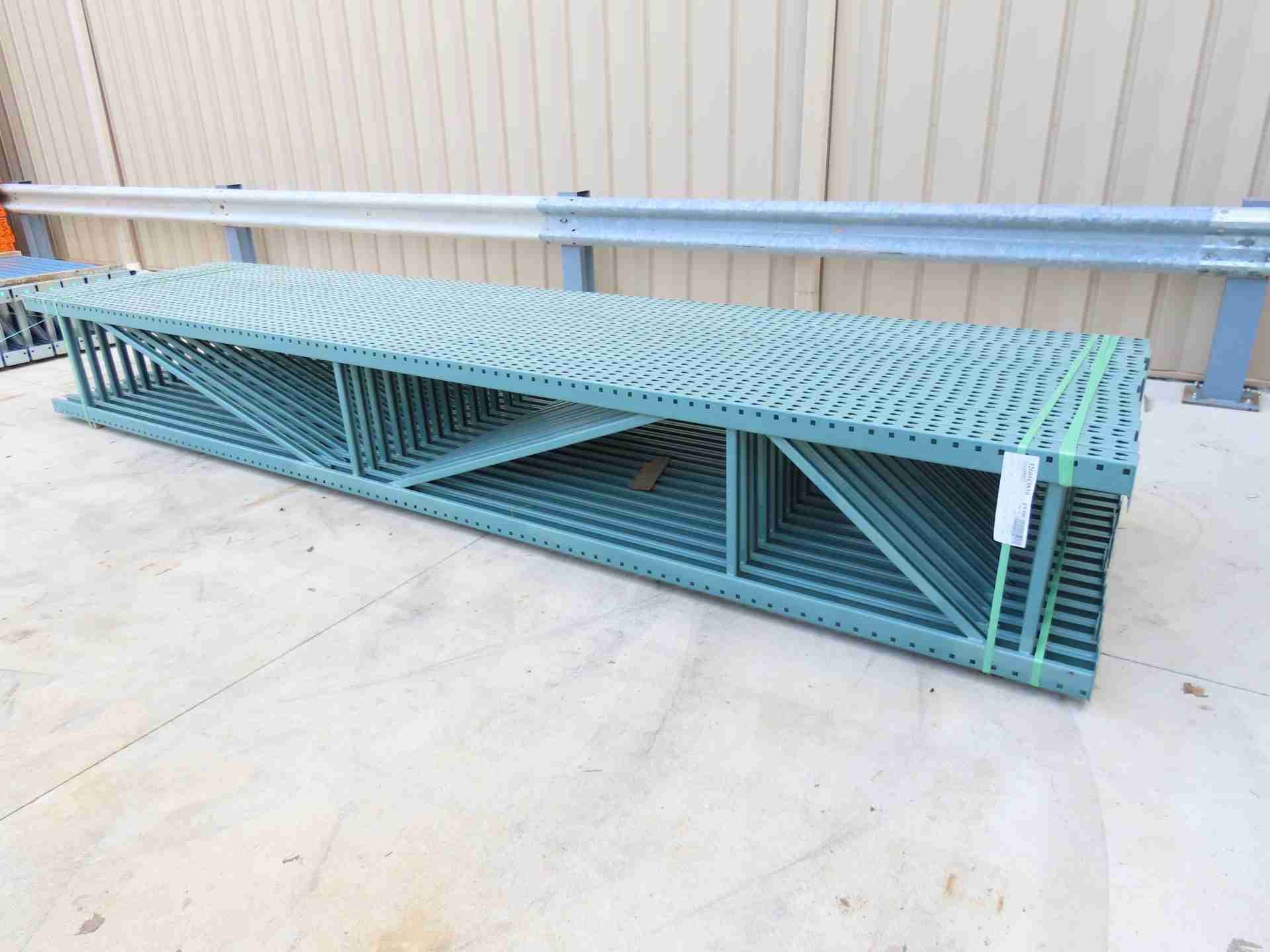
The Real Cost Of Unused Vertical Capacity
Table Of Contents
- The Real Cost Of Unused Vertical Capacity
- What Are the Hidden Costs Of Unused Vertical Capacity?
- How Does Underutilization Impact Profitability?
- Can Optimizing Vertical Space Improve Efficiency?
- What Are the Environmental Effects Of Wasted Vertical Capacity?
- How Can Businesses Assess Their Vertical Capacity Needs?
- Are There Tools Available to Measure Vertical Space Usage?
- Conclusion
- Other Resources
- Glossary Of Terms
- Other Questions
- Checklist
What Are the Hidden Costs Of Unused Vertical Capacity?
When you walk into a warehouse, it might look like a sprawling expanse of racking systems crammed with inventory. But take a closer look. Amidst that sea of products lies a ticking time bomb of wasted potential: unused vertical capacity. It’s like owning a truck that’s big enough for a full load but only hauling a few bags of groceries. You see it every day—a stark reminder that wasted space doesn’t just mean an empty shelf; it quietly drains resources, profits, and opportunities.
From a business standpoint, every inch of vertical space left untouched on those racking systems represents money down the drain. Think about it: each lost bit of capacity means you might need to rent more warehouse space, hire extra staff, or even spend on additional logistics just to keep up with demand. The numbers don’t lie; these costs pile up quickly. The rational mind can’t ignore the silent scream of underutilized assets.
But it’s not just dollars at stake; there’s a more profound impact on your team. Every employee knows when resources aren’t optimized. It fosters frustration and lowers morale when the same workers could be making space for more meaningful tasks instead of wrestling with chaos and inefficiency. When you empower your crew to fill that vertical space, you build a culture of pride and purpose. Everyone feels the difference—a sense of ownership that turns menial tasks into something worthwhile.
Then there’s the ethical side. Leaving that capacity unused often leads to overproduction and waste elsewhere—overwhelming supply chains and straining environments. We’ve all heard stories of how waste affects local communities, and as business owners, it’s our responsibility to act. Making smart decisions about vertical capacity isn’t just smart business; it’s about doing right by our neighbors and future generations.
We’ve seen businesses thrive when they start taking the reins of their vertical storage. Drawing on experience, they tap into resources effectively, transforming that empty space into productive real estate. It’s more than just numbers; it’s about creating stories of success and resilience. By utilizing every square foot of height, companies foster a community of growth, efficiency, and trust.
Next time you stand in a warehouse, look up—there’s a world of possibilities. Each unused inch can inspire confidence in your operation and spark a desire to act. Don’t let it go to waste. Fill that space and watch your business, and the morale of your team, flourish.
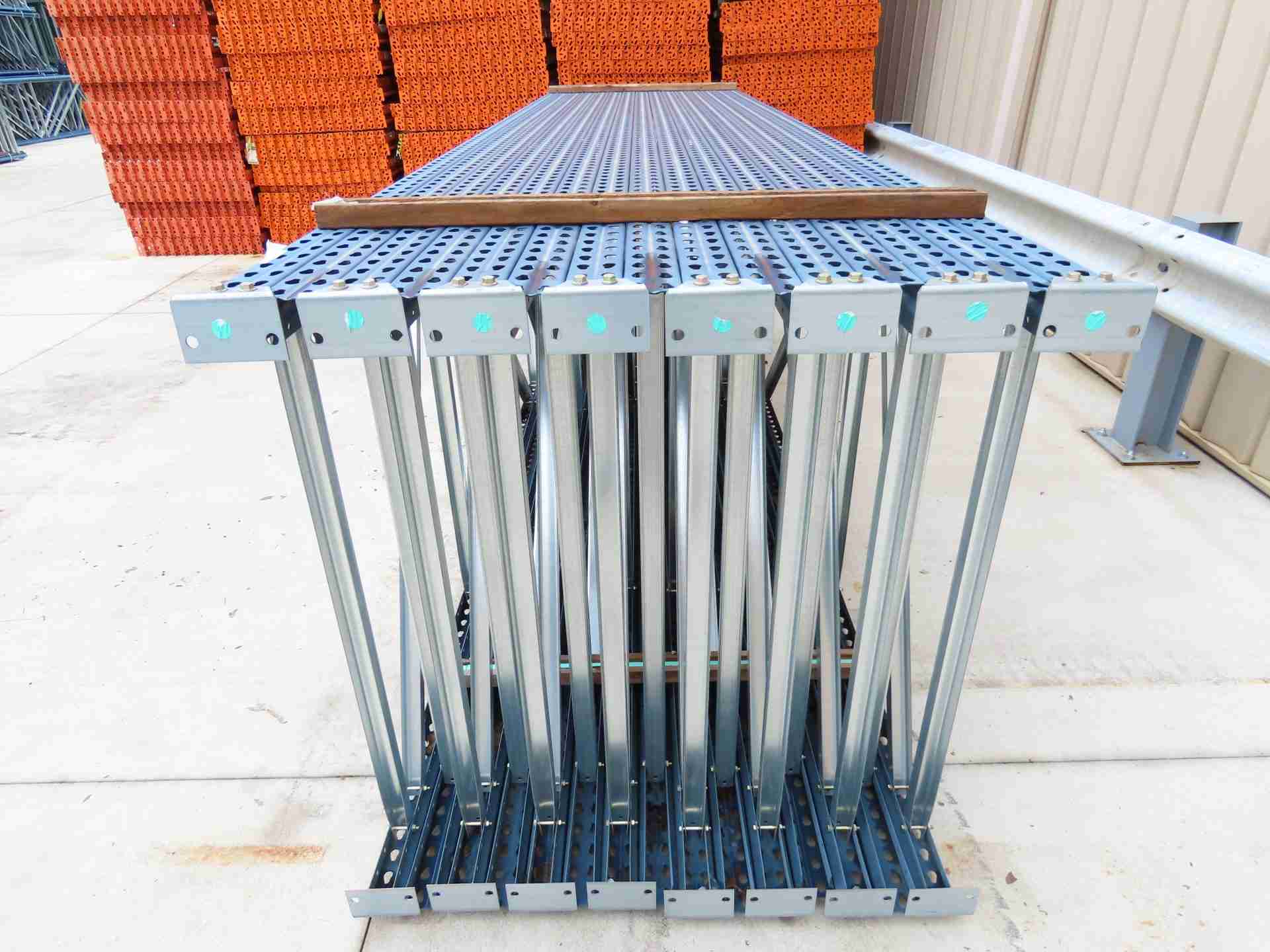
What Are the Hidden Costs Of Unused Vertical Capacity?
What Are the Hidden Costs Of Unused Vertical Capacity?
- Warehouses often have unused vertical capacity, representing wasted potential.
- Unused space can lead to increased costs, requiring more warehouse space and staff.
- Underutilization affects employee morale and leads to frustration and inefficiency.
- Optimizing vertical space fosters a sense of ownership and purpose among employees.
- Leaving capacity unused can result in overproduction and environmental waste.
- Effective use of vertical storage can lead to business success and community responsibility.
- Utilizing all available vertical space inspires confidence and promotes growth.
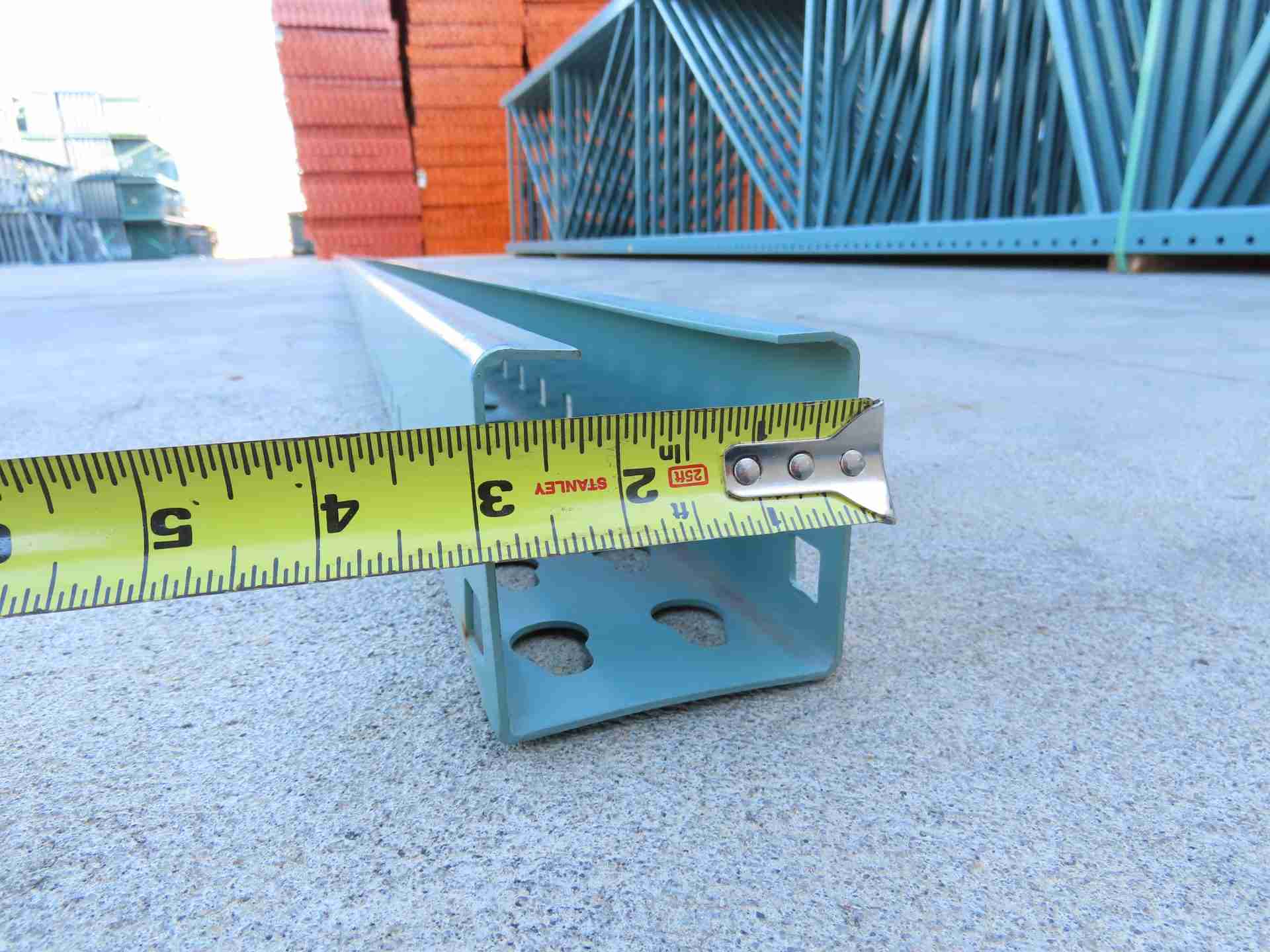
What Are the Hidden Costs Of Unused Vertical Capacity?
How Does Underutilization Impact Profitability?
Underutilization in any business, especially one that relies on physical assets like warehouses and distribution centers, can hit hard where it hurts most: the bottom line. Imagine a racking system designed to hold thousands of products, yet only a fraction is ever stocked. That’s like having a truck that can carry a full load but only makes trips hauling a few boxes at a time. It’s frustrating, wasteful, and ultimately, a profit killer.
Take a moment to think about how this underutilization affects people on the ground. Employees might feel the sting of wasted resources—tools and spaces designed to make their jobs easier are sitting idle. Morale can dip when folks know that the company isn’t operating at its full potential. If you give someone a toolbox and they only use half the tools, they can’t help but feel a bit disheartened. With every empty slot in a racking system, there’s an untold story of lost opportunities, whether that’s potential sales or the chance to better meet customer demand.
Rationally, the numbers don’t lie. A racking system with unoccupied spaces is money left on the table. Every square foot of unused space is a cost to maintain, and when profits dip, it isn’t just a theoretical loss; it translates directly into reduced hours, slowed growth, and fewer opportunities for everyone involved. If a company promises efficiency but shows inefficiency with an underperforming racking system, not only do investors become wary, but the entire workforce starts questioning the direction.
Ethically, maximizing utilization means being responsible stewards of resources. Every underused aspect of your operation represents a missed opportunity to do better—whether that’s serving customers more effectively or providing better jobs for employees. It’s about respect—for the investment made into infrastructure and for the hard work of every team member who shows up each day.
When you share stories of companies that turned their fortunes around by rethinking their approach to utilization, the narrative becomes clear: there’s a way forward. By honing in on the inefficiencies and actively working to engage those racking systems, not only do profitability and productivity increase, but a sense of pride and purpose can flourish throughout the organization. Ultimately, the journey of improving underutilization isn’t just about money; it’s about creating a thriving community where every resource is valued and every worker feels that their contributions matter.
How Does Underutilization Impact Profitability?
How Does Underutilization Impact Profitability?
- Underutilization in businesses, particularly those with physical assets, negatively impacts profit margins.
- Racking systems designed for high capacity often sit underused, leading to inefficiency and frustration.
- Employees face decreased morale and wasted resources when tools and spaces are not fully utilized.
- Unused spaces result in tangible financial losses, affecting growth and operational capacity.
- Maximizing utilization is an ethical responsibility to respect investments and improve employee satisfaction.
- Improving utilization can enhance profitability, productivity, and overall workplace morale.
- Transforming underutilization can build a thriving community where every resource and worker’s contribution is valued.
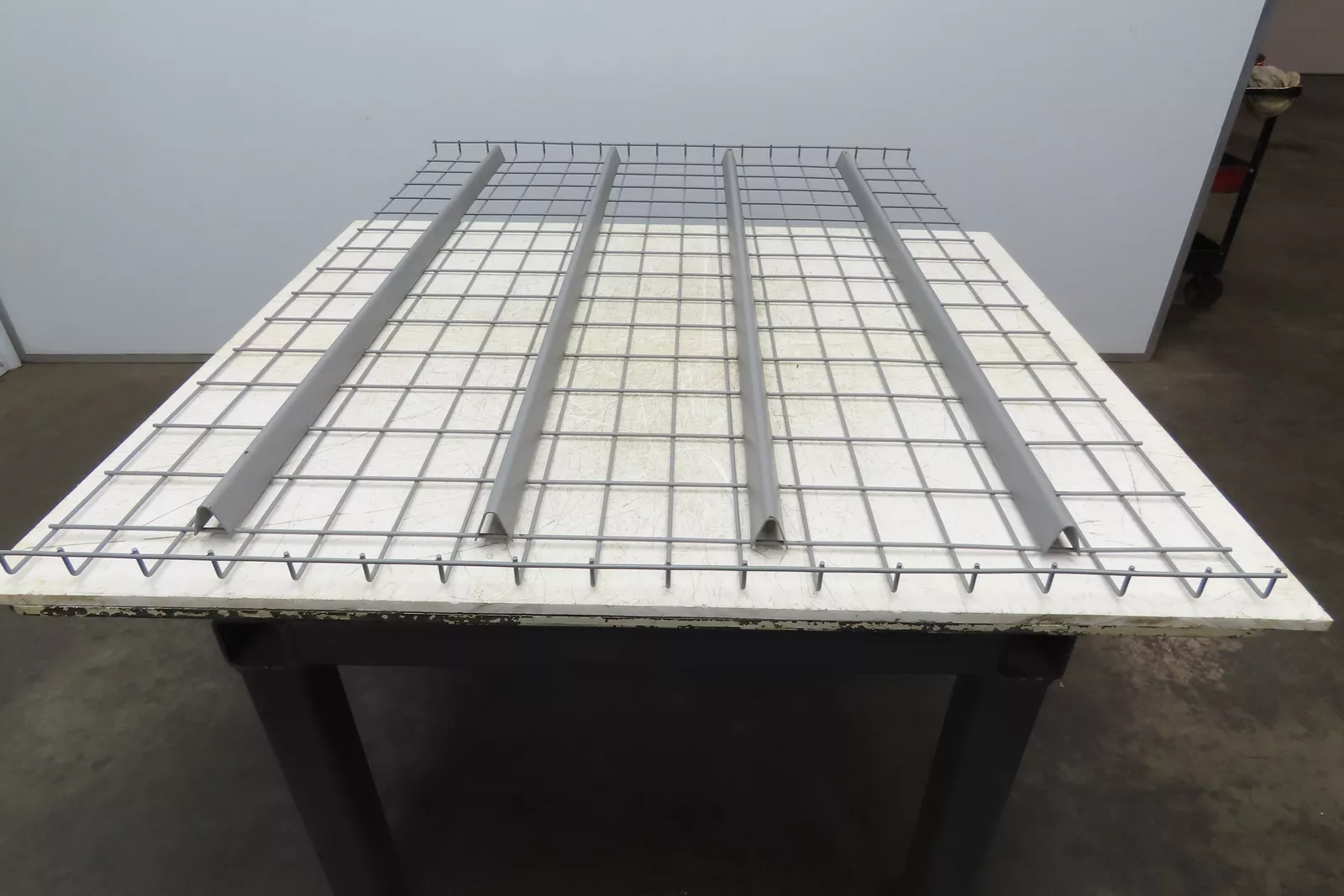
How Does Underutilization Impact Profitability?
Can Optimizing Vertical Space Improve Efficiency?
In any workspace, the way you utilize vertical space can often be the difference between chaos and clarity. Picture this: a cluttered floor, tools scattered, boxes piled up – it’s a recipe for frustration. Now, imagine transforming that same space into an organized haven where everything has its place, thanks to smart racking systems. It’s not just about aesthetics; it’s about efficiency and ease.
When we think about optimizing vertical space, we’re tapping into something primal in us that seeks order and simplicity. The sight of a neatly arranged workshop, every item within arm’s reach, gives a sense of control. Emotionally, that makes a difference. It lifts spirits, reduces stress, and boosts morale. After all, people don’t just work better in tidy spaces; they feel better too.
On a practical level, employing racking systems can streamline processes. When tools and materials are stored vertically, they’re easier to access and inventory. This means less time wasted looking for what you need, giving workers more time to focus on what really matters: getting the job done right. Rationally, fewer distractions lead to higher productivity. It’s about working smarter, not just harder. And let’s face it, in today’s fast-paced world, who doesn’t want an edge in efficiency?
Ethically, creating an organized space reflects respect for one’s work and the coworkers sharing that space. A clean, systematic environment not only boosts individual performance but also fosters teamwork. It shows that everyone’s time and effort matter, cultivating a culture of accountability and pride. When we value our workplace, we feel empowered to contribute positively, encouraging others to do the same.
Think about the stories we share about our toughest projects. Often, it’s the little things, like a well-placed shelf, that turned a looming disaster into a success story. These racking systems can symbolize our journey – from disarray to mastery – reminding us of the importance of thoughtful planning and execution.
Moreover, the communal aspect of shared spaces cannot be ignored. When individuals take initiative to optimize their vertical areas, it inspires others. It creates a ripple effect, fostering an atmosphere of collaboration and shared responsibility. As you look around and see those racking systems in action, remember: your dedication to improving space is a step towards building a better work environment for everyone.

Can Optimizing Vertical Space Improve Efficiency?
Can Optimizing Vertical Space Improve Efficiency?
- Utilizing vertical space distinguishes between chaos and clarity in workspaces.
- Smart racking systems transform cluttered environments into organized spaces, enhancing efficiency.
- Neatly arranged workshops promote a sense of control, lowering stress and boosting morale.
- Vertical storage streamlines processes, allowing easier access to tools and materials, leading to higher productivity.
- An organized workspace reflects respect for both individual and team efforts, fostering a culture of accountability.
- Racking systems symbolize the journey from chaos to mastery, highlighting the importance of planning and execution.
- Optimizing shared spaces inspires collaboration, creating a ripple effect of responsibility and improvement.

Can Optimizing Vertical Space Improve Efficiency?
What Are the Environmental Effects Of Wasted Vertical Capacity?
Wasted vertical capacity isn’t just a number on a spreadsheet; it’s a gut punch to our environment. When we let space sit idle on our racking systems, we’re not just losing potential efficiency; we are directly contributing to a cascade of environmental issues. Imagine unused warehouse space teeming with dust. That dust represents industrial waste, energy use, and resources squandered. This discrepancy stands as a testament to our failure to align our operations with eco-friendly practices.
Racking systems designed for maximum efficiency squeezed into the wrong places or left underutilized drain our planet. With every cubic foot of wasted vertical space, we’re saying “no thanks” to potential sustainability. A warehouse that could fit more goods ends up lugging around empty air. The emissions from transporting goods over longer distances to make up for these inefficiencies are staggering. Those trucks pumping out diesel exhaust aren’t just numbers; they are polluting the air we breathe, damaging ecosystems, and contributing to climate change.
It’s time we wake up to the tangible effects of wasted vertical capacity. It’s not merely an operational issue; it’s an ethical one. We have a duty to maximize our resources for the greater good. Every company claims to care about the environment, yet many ignore the obvious: smart racking systems can reduce waste significantly. By efficiently utilizing vertical space, businesses can cut down energy consumption and carbon emissions. This isn’t just good for business; it’s good for the planet and future generations.
Let’s consider the power of community. Picture a local factory that optimizes its operations, turning its racking systems into models of efficiency. This factory isn’t just improving its bottom line; it’s inspiring others in the neighborhood to follow suit. Together, businesses can create a ripple effect where smarter, greener operations become the norm, not the exception.
You don’t have to be a scientist to know that we’re in a race against time with our climate. Achieving better vertical space utilization means taking responsibility for our impact. It calls for hands-on solutions, everyday common sense that can transform our industry for the better. This isn’t just about making more money; it’s about doing the right thing. Taking a closer look at our racking systems and recognizing the value of every inch can lead us down a path of progress, one that helps restore balance to our environment while building trust within our communities.
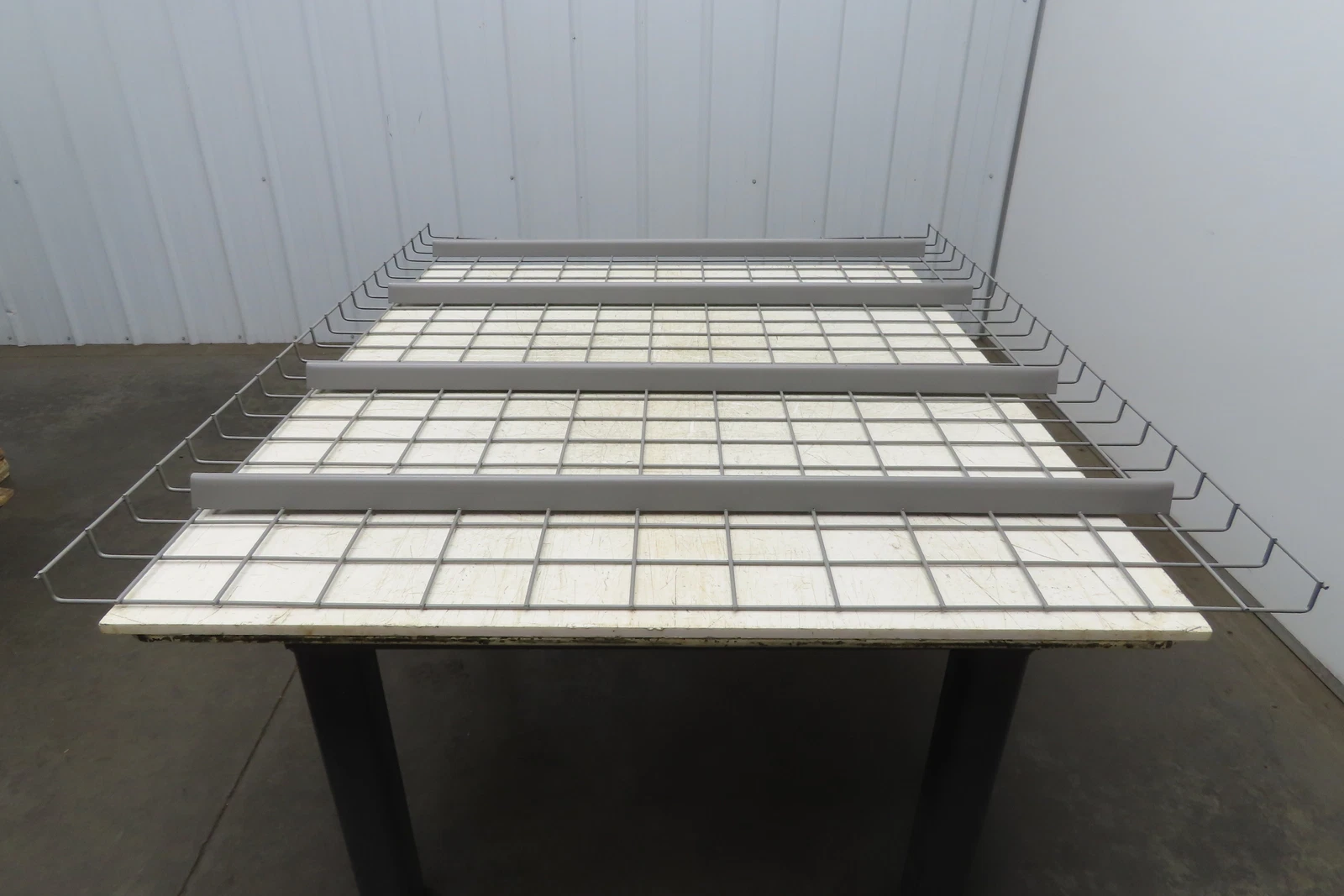
What Are the Environmental Effects Of Wasted Vertical Capacity?
What Are the Environmental Effects Of Wasted Vertical Capacity?
- Wasted vertical capacity contributes to environmental issues and inefficiencies.
- Unused warehouse space symbolizes industrial waste and resource squandering.
- Underutilized racking systems increase emissions from transportation, polluting air and harming ecosystems.
- Maximizing vertical space is essential for sustainable practices and reducing carbon footprints.
- Efficient racking can inspire community-wide improvements in operations and environmental responsibility.
- Addressing vertical space usage is not only a business concern but also an ethical imperative.
- Enhancements in resource utilization foster progress and community trust while contributing to ecological balance.
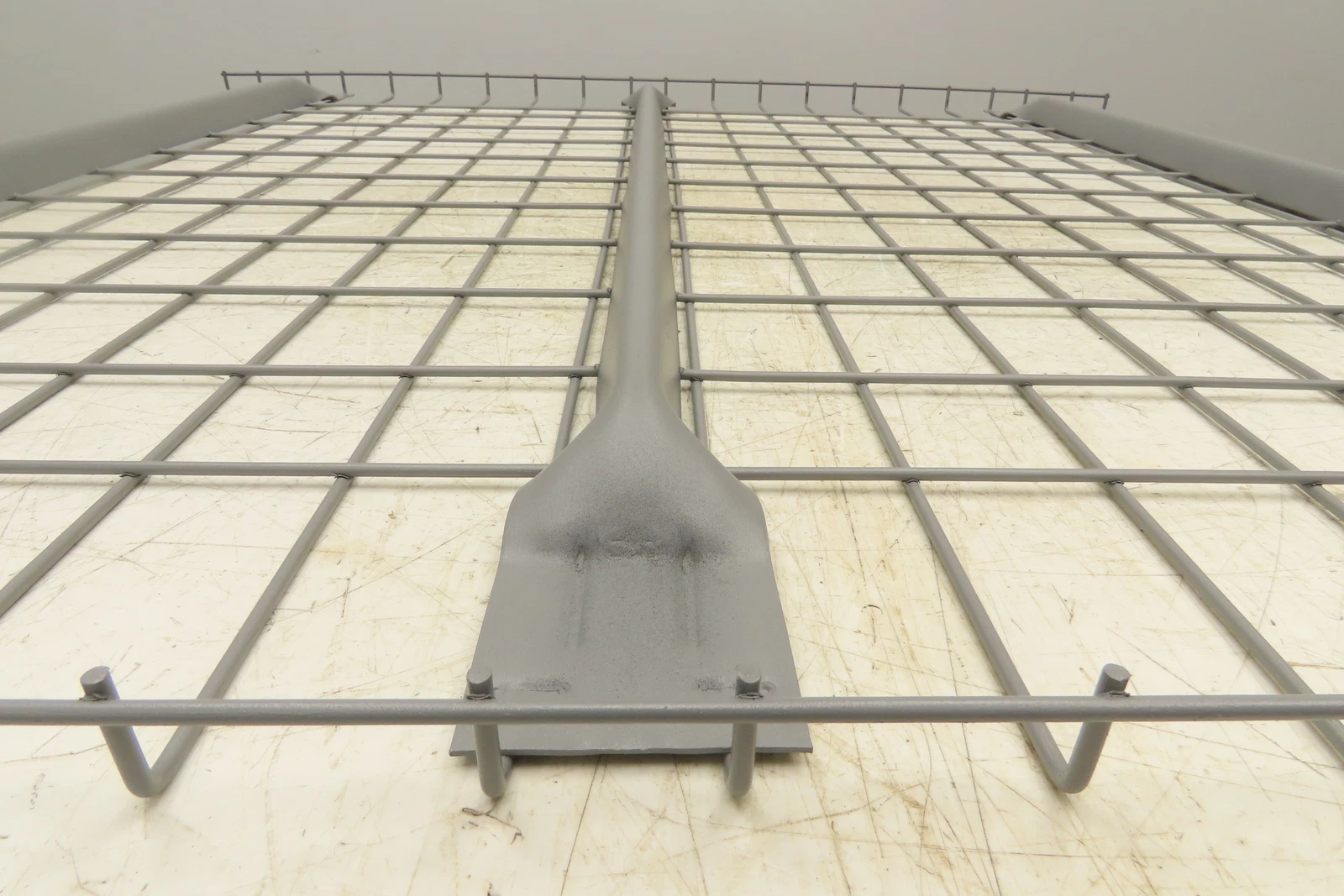
What Are the Environmental Effects Of Wasted Vertical Capacity?
How Can Businesses Assess Their Vertical Capacity Needs?
Assessing vertical capacity needs in business isn’t just a task; it’s about understanding the very bones of your operation. Picture your warehouse, bustling with workers, machines humming along, and inventory dancing in and out like it’s part of a well-choreographed routine. To keep this rhythm flowing, you need to dig in and analyze your space, gear, and systems—think Racking Systems. These are the backbone of your storage and the foundation upon which your productivity stands.
Start by taking a long, honest look at what you have. It’s easy to let things get cluttered over time, with old stock lingering around and spaces used inefficiently. A thorough inventory audit can reveal what’s truly essential. That might mean going through shelves, dusting off forgotten products, and making a hard call about what stays and what goes. This process isn’t merely about cutting losses; it’s about creating capacity for growth. Imagine the relief when your team can walk the floor without dodging obstacles.
Next, consider your throughput. How fast can you move products in and out? Evaluate your current Racking Systems: Are they fitting your needs or stifling your flow? The right racking solutions can help to maximize vertical space, letting you stack higher while maintaining accessibility. This is where the head comes into play—using data and metrics to guide your decisions. Track how items are moving, where bottlenecks occur, and adjust accordingly. It’s a balance of heart and logic—a nod to your intuition while grounding your strategy in numbers.
Engagement doesn’t stop at numbers. Involve your team in these discussions. Their daily experiences are rich with insights that can refine your approach. They know where things can go smoother or where equipment feels like it’s dragging them down. This inclusion fosters connection and builds a culture of trust. When employees see their voices valued, they’re more likely to rally around implementing changes.
At the end of the day, you’re not just assessing space; you’re setting the stage for success, nurturing an environment where everyone can thrive. Making room for both inspiration and practicality can drive a stronger, more efficient operation. Tap into your gut feelings while marrying them with solid metrics, and you’ll have a strategy that feels right on every level—business growth grounded in realistic, actionable steps. Doing it right means looking ahead and having the confidence to adapt as your business evolves.
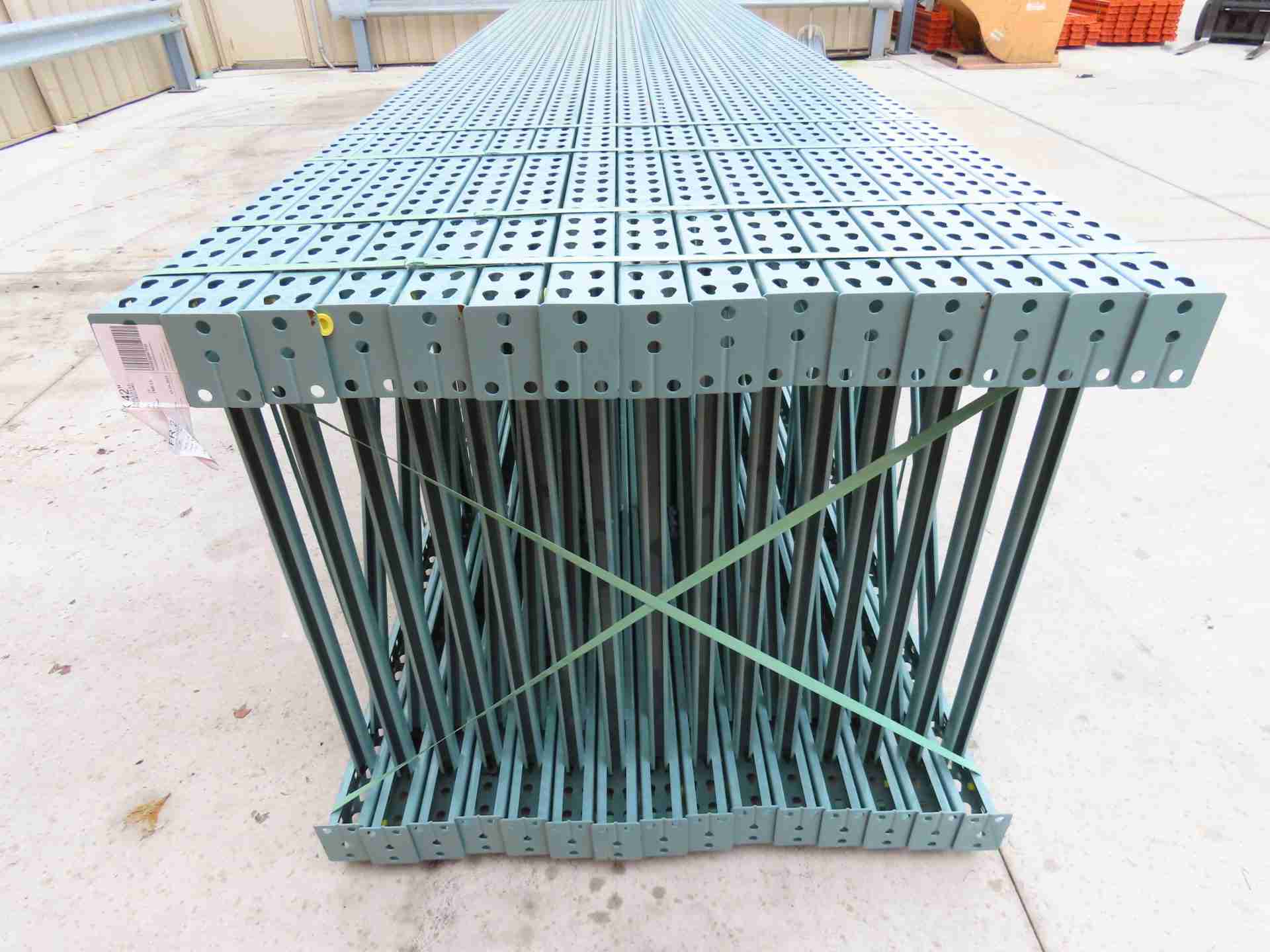
How Can Businesses Assess Their Vertical Capacity Needs?
How Can Businesses Assess Their Vertical Capacity Needs?
- Assessing vertical capacity needs involves understanding the core of business operations.
- Conduct a thorough inventory audit to identify essential items and eliminate clutter.
- Evaluate current racking systems for efficiency in moving products in and out.
- Utilize data and metrics to identify bottlenecks and inform storage solutions.
- Engage team members for insights that may enhance operational efficiency.
- Foster a culture of trust by valuing employee input in decision-making processes.
- Combine intuition with data to create actionable strategies for business growth.
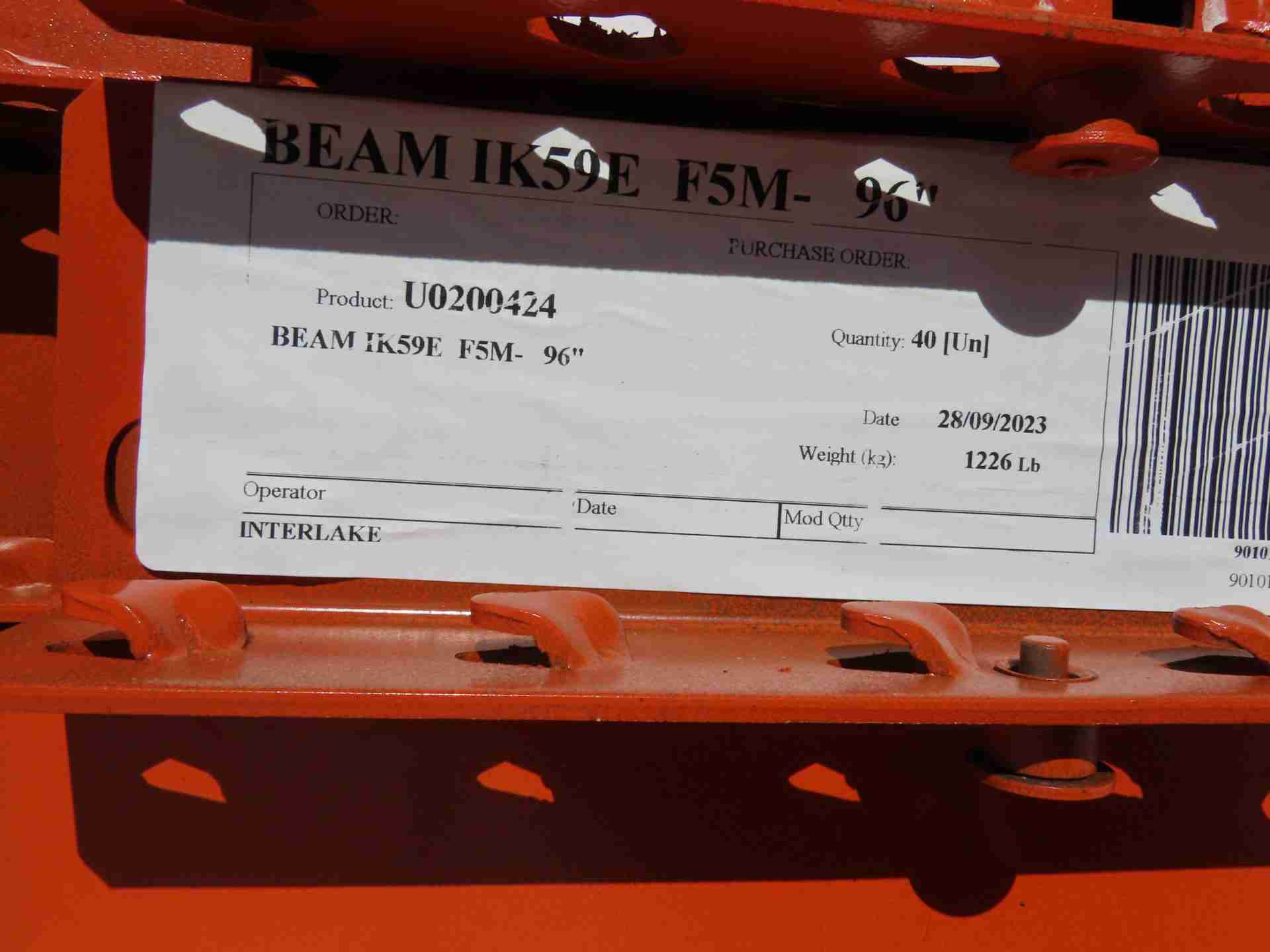
How Can Businesses Assess Their Vertical Capacity Needs?
Are There Tools Available to Measure Vertical Space Usage?
#
In any workspace, be it a warehouse filled with racking systems or a small garage, the struggle to make the most of vertical space is all too real. Every inch matters when you’re on a budget and burdened by the weight of inventory. Thankfully, there are tools out there that can lend a hand, ensuring you don’t just stack boxes but do so with purpose and efficiency.
Start with simple tools like a measuring tape and a notepad. It may seem rudimentary, but these basics are where it all begins. Grabbing a tape and jotting down the height of your racking systems helps you visualize what you can fit; it’s a practical exercise that gets you engaged with the space you’ve got. You’d be surprised how often folks overlook those heights, thinking more about the floor than what’s above their heads. This hands-on measurement connects you with your environment and encourages a thoughtful layout without breaking the bank.
Next, consider digital solutions. Software designed for inventory management often includes features to measure vertical capacity. These tools analyze your stock and suggest optimal stacking methods. It’s like having a second pair of hands—one that crunches numbers and spots inefficiencies you might miss. Such tools lead to better decision-making, revealing necessary insights that can increase productivity through effective space utilization. They lend confidence to your process, allowing you to put your best foot forward in every decision.
But what about the ethical side of measurement? Using vertical space wisely isn’t just about saving money; it’s also about creating a safe environment. A cluttered, poorly managed space can lead to accidents and injuries. By having the right tools and a plan in place, you foster not only efficiency but also safety for yourself and your team. It’s about crafting a culture of care where everyone feels valued and protected in their workspace.
Socially, we often overlook the power of sharing knowledge. Have you ever learned a trick from a colleague that transformed how you use your vertical space? Cultivating a community around best practices can make a world of difference. By sharing experiences, you strengthen bonds, inspire others, and build a network of trust.
Ultimately, whether you’re using a simple tape measure or high-tech software, taking the time to understand vertical space usage can lead to big rewards. Embrace these tools with an open mind, and you’ll find not just solutions, but a way to respect the hard work that goes into every inch of that space.
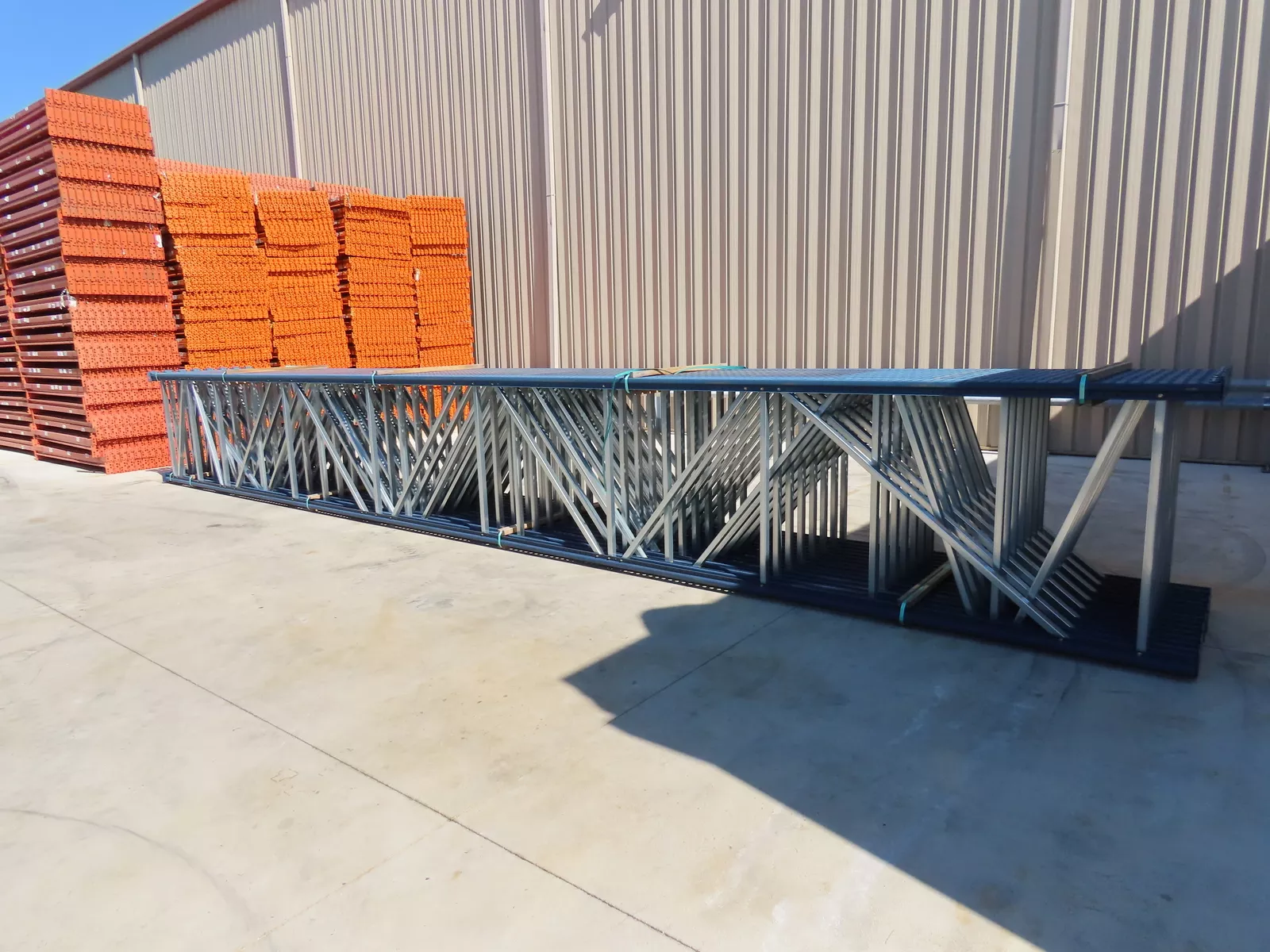
Are There Tools Available to Measure Vertical Space Usage?
Are There Tools Available to Measure Vertical Space Usage?
- Making efficient use of vertical space is crucial in any workspace to maximize inventory management.
- Basic tools like a measuring tape and notepad help visualize and plan space effectively.
- Digital inventory management software can analyze stock and suggest optimal stacking methods.
- Utilizing vertical space wisely enhances productivity and supports better decision-making.
- Effective space management fosters a safer working environment, reducing potential accidents.
- Sharing knowledge about best practices strengthens teamwork and builds trust in the workplace.
- Both simple and advanced tools contribute to effective vertical space utilization, leading to significant benefits.
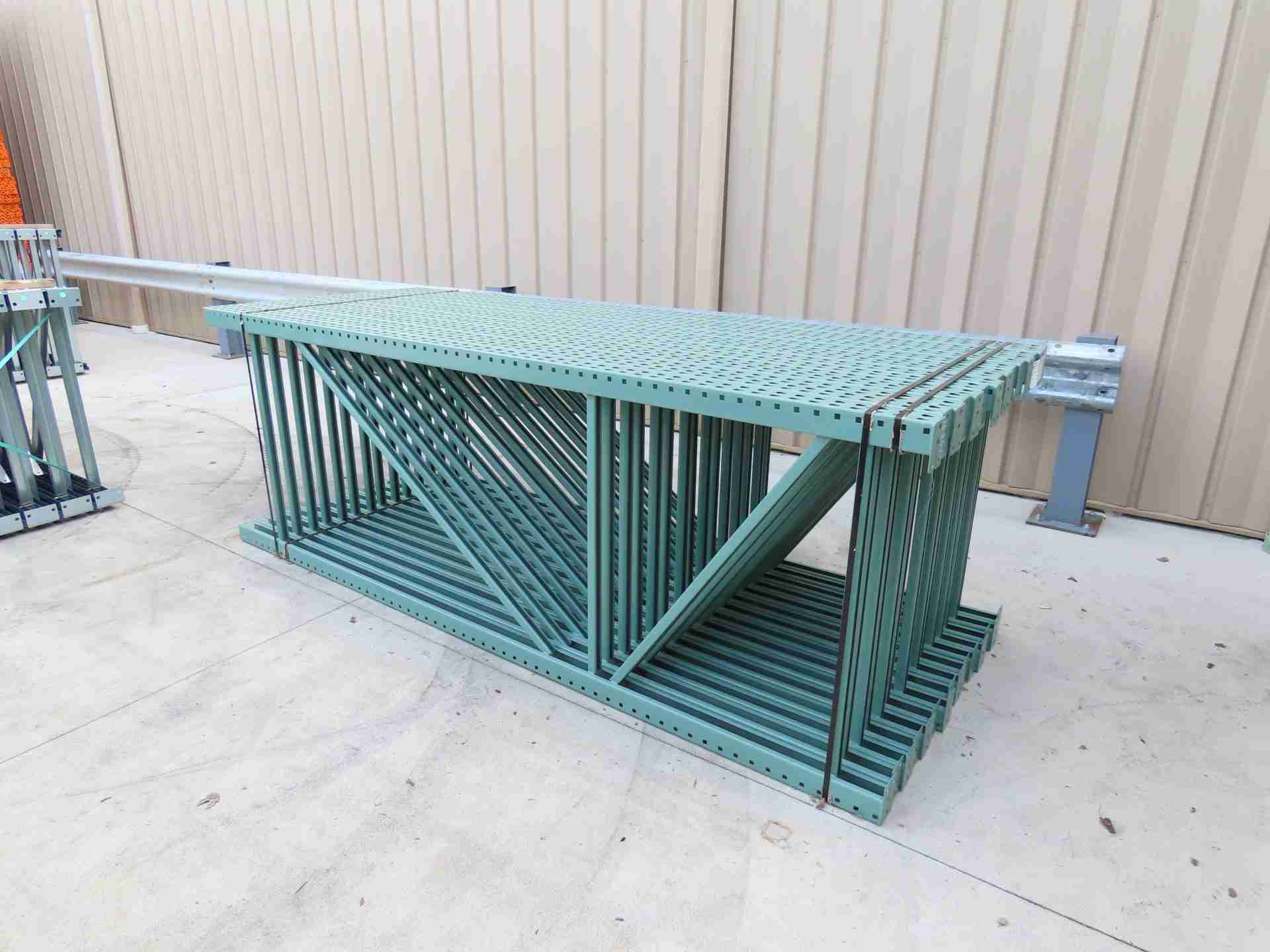
Are There Tools Available to Measure Vertical Space Usage?
Conclusion
Unused vertical capacity in warehouses and distribution centers represents a dire and often overlooked problem that can drain resources and squander potential. While racking systems are meant to optimize storage, many facilities do not utilize them fully, resulting in wasted space akin to a large truck making only short hauls. This inefficiency comes at a cost—not just financially but emotionally for workers who take pride in their contributions. When resources are underused, morale dips as staff grapple with inefficiencies that delay shipments and frustrate customers, creating a cycle of dissatisfaction.
Beyond financial losses, there’s an ethical obligation to utilize resources effectively. Each unoccupied inch of racking space equates to potential sales lost and communities impacted by inefficient operations. The failure to make the most of vertical capacity can alienate employees and stakeholders alike, perpetuating a culture of mistrust. People thrive on stories, and the narrative of wasted potential lingers long after the dust settles in neglected storage areas, reminding everyone of what could have been.
On a broader scale, maximizing vertical space can produce significant environmental benefits by reducing waste and energy consumption. Every piece of idle space contributes to a larger environmental crisis, with cargo emissions rising as businesses stretch their logistics to compensate for inefficiencies. Companies that optimize their space not only enhance profitability but also take strides toward making more sustainable business practices the norm. By turning idle racking systems into productive assets, organizations can create a ripple effect within their communities, fostering economic growth and job creation.
Evaluating vertical capacity is a step towards meaningful improvement. Assessing current racking systems, engaging teams in the process, and leveraging tools—both simple and high-tech—can lead to better practices. This journey, grounded in respect for workers and the environment, is about transforming spaces into engines of productivity and pride. The collective goal is clear: every inch counts, every worker matters, and every initiative builds a pathway to greater efficiency, better morale, and responsible stewardship of resources. Working smarter not only enriches the bottom line; it cultivates a culture where every member can feel engaged, valued, and empowered to drive change for the better.
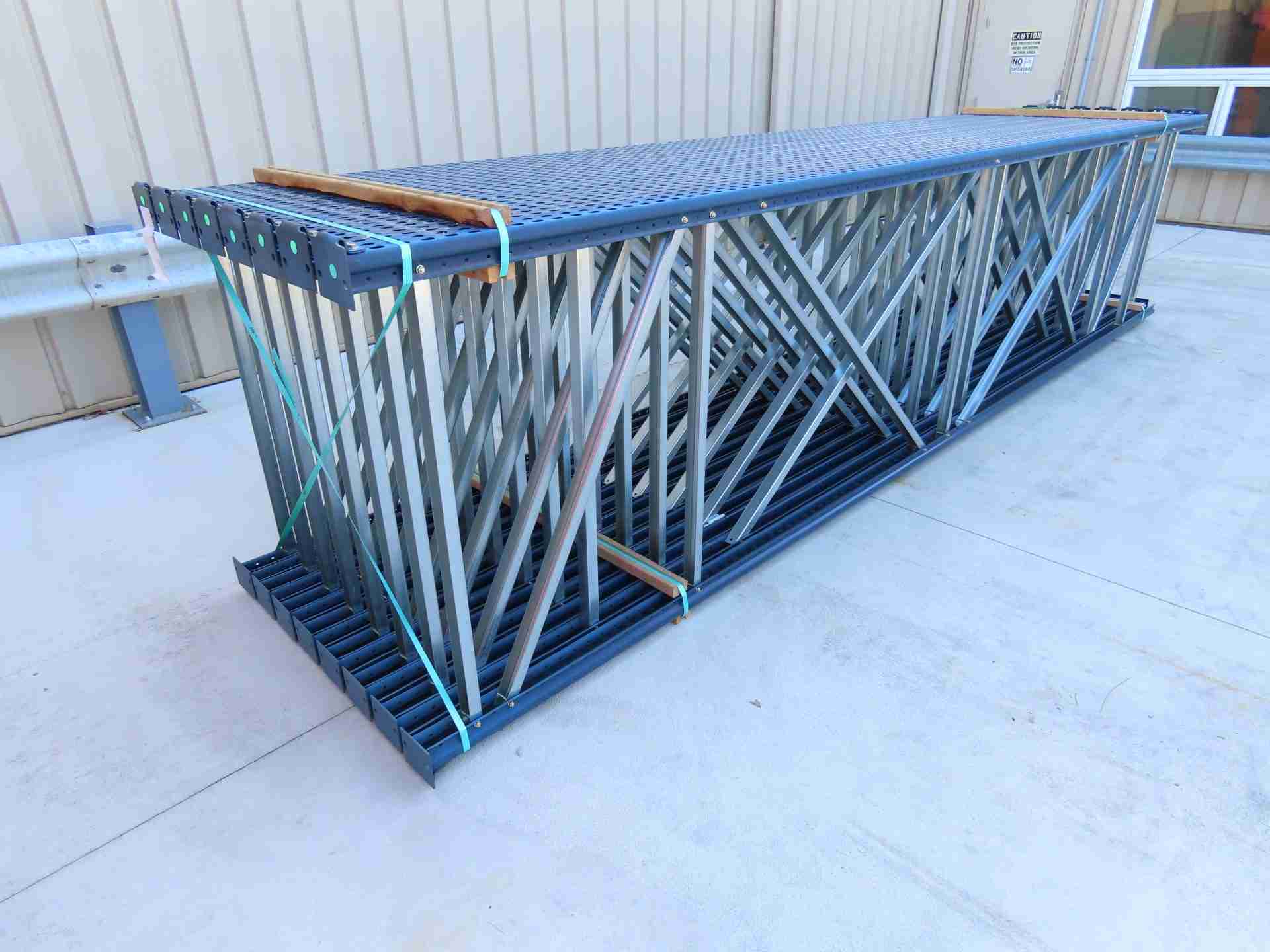
Conclusion
Conclusion:
- Unused vertical capacity in warehouses leads to resource drainage and potential waste.
- Many racking systems are underutilized, resulting in inefficient space usage and delayed shipments.
- This inefficiency negatively affects employee morale and customer satisfaction.
- There is an ethical responsibility to utilize resources effectively to avoid lost sales and community impact.
- Maximizing vertical space can yield environmental benefits by reducing waste and energy consumption.
- Evaluating and optimizing racking systems can transform spaces into productive assets while fostering economic growth.
- Engaging workers in the improvement process can enhance morale and promote responsible resource stewardship.
Conclusion
Other Resources

Other Resources
Here is a list of other resources you can review online to learn more:
- Selective Pallet Racking Systems – Container Systems
- Pallet Racking 101: A Comprehensive Guide & Options Explained
- RMI
- Selective Pallet Racking Systems
- Interlake Mecalux
- International Warehouse Logistics Association
- Warehouse Automation
- Storage Equipment Manufacturers Association
- What is Selective Racking: Understanding Benefits & Options
- Selective Racking
- Warehouse Storage Racking in Illinois
- SEMA
- WERC
- Overhead Lifting
- Selective Rack – Raymond West
- Racking World
- Warehouse Racking Chicago, IL
- IIWS Inc. Rack Installation Illinois & Rack Repairs Illinois
- Cantilever Rack Configuration & Installation: A Comprehensive Guide – BMH
Use This Prompt To Get More Resources With Your Favorite Online AI Tool: Please provide me with a list of online articles with their URLs in a bulleted list that I can read regarding The Real Cost Of Unused Vertical Capacity
Other Resources
Glossary Terms
The Real Cost Of Unused Vertical Capacity – Glossary Of Terms
1. Vertical Capacity: The maximum available space or resources within an organization that can be utilized for production or operations.
2. Unused Capacity: Resources or spaces that are available but not currently being utilized, leading to inefficiencies.
3. Opportunity Cost: The potential benefits lost when choosing one option over another, particularly in resource allocation.
4. Efficiency: The ability to achieve maximum productivity with minimum wasted effort or expense.
5. Capacity Planning: The process of determining the production capacity needed by an organization to meet changing demands for its products.
6. Utilization Rate: A measurement of how much of the available capacity is being used versus how much is available.
7. Waste: Any resource consumption that does not add value or contribute to the production process.
8. Cost of Capital: The cost of funds used for financing a business’s operations, often linked to unused capacity investments.
9. Fixed Costs: Costs that do not change with the level of output, which can increase with unused capacity.
10. Variable Costs: Costs that vary with the level of output, potentially decreasing if production is limited due to capacity issues.
11. Scalability: The capability of a business to grow and manage increased demand without compromising performance.
12. Overcapacity: A situation where an organization has more capacity than it needs, leading to financial strain.
13. Resource Allocation: The distribution of resources among different projects or business units within an organization.
14. Demand Forecasting: The process of predicting future customer demand to align capacity and resources accordingly.
15. Idle Resources: Assets or capacities that are not being utilized, representing potential losses for a business.
16. Cost-Benefit Analysis: A systematic approach to estimating the strengths and weaknesses of alternatives.
17. Lean Manufacturing: A production practice that considers the expenditure of resources in any aspect other than the direct creation of value for the end customer as waste.
18. Break-Even Point: The production level at which total revenues equal total costs, often influenced by capacity usage.
19. Capital Expenditure: Funds used by a company to acquire or upgrade physical assets, which can be wasted if capacity remains unused.
20. Productivity: The efficiency of production measured in output per unit of input, closely tied to capacity utilization.
21. Inventory Management: The supervision of non-capitalized assets, or inventory, which can be affected by unused vertical capacity.
22. Production Scheduling: Planning the timing and sequence of production activities, influenced by the level of available capacity.
23. Benchmarking: Comparing business processes and performance metrics to industry bests to identify capacity and efficiency gaps.
24. Performance Metrics: Data used to assess the effectiveness and efficiency of capacity utilization in operations.
25. ROI (Return on Investment): A measurement that evaluates the efficiency of an investment, impacted by how effectively vertical capacity is used.
26. Business Process Optimization: The discipline of improving the efficiency and effectiveness of a business process to better utilize capacity.
27. Strategic Planning: The process of defining an organization’s strategy or direction, including how resources and capacity are managed.
28. Occupancy Rate: The ratio of utilized space or capacity to the total available space or capacity in an organization.
29. Capacity Constrained: A situation where business growth is limited due to insufficient operational capacity.
30. Flexibility: The ability to adapt to changes in demand or capacity, crucial for optimizing resource use.

Glossary Of Terms
Other Questions
The Real Cost Of Unused Vertical Capacity – Other Questions
If you wish to explore and discover more, consider looking for answers to these questions:
- What exactly is “unused vertical capacity” and how is it measured?
- How much does unused vertical capacity cost my business annually?
- How do I calculate ROI for investments to increase vertical utilization?
- What are the most common causes of underutilized vertical space?
- Which racking types (selective, drive‑in, push‑back, pallet shuttle, AS/RS) best maximize vertical space for different operations?
- Can my existing racking be retrofitted to add vertical capacity, and at what cost?
- What structural, load, and building‑code limits restrict vertical expansion?
- How do fire protection, sprinklers, and egress requirements change if I increase rack height?
- What equipment (reach trucks, order pickers, mezzanines, lifts) is required to access higher storage safely?
- How does increasing vertical density affect picking rates, order accuracy, and throughput?
- What are the ergonomic and safety implications for workers when storing and retrieving goods higher up?
- How does product size, weight, pallet configuration, and packaging influence vertical storage decisions?
- What software and digital tools can model vertical capacity and simulate layout changes (WMS, CAD, warehouse design tools)?
- How accurate and practical are different measurement tools (tape, laser, LiDAR, drones) for assessing vertical usage?
- Which KPIs should I track to monitor and improve vertical space utilization?
- How do seasonal demand fluctuations and inventory turnover affect vertical capacity planning?
- What are the hidden costs or trade‑offs of densifying storage (increased damage, longer retrieval times, higher complexity)?
- When does automation (AS/RS, shuttle systems, robotics) become cost‑effective for using vertical space?
- What are typical implementation timelines and disruption risks for vertical optimization projects?
- What budget ranges and financing options exist for racking upgrades or automation?
- How should I pilot vertical optimization changes before a full rollout?
- What training and change‑management steps are needed to get staff buy‑in and maintain safety?
- How will insurance, liability, and inspection requirements change if I alter racking heights or configurations?
- How can slotting, inventory classification, and SKU rationalization improve vertical utilization?
- Are there case studies or benchmarks showing measurable gains from better vertical utilization?
- What metrics and narrative should be included in a business case to persuade senior leadership?
- How do building constraints (clear height, mezzanine rules, seismic considerations) limit options?
- What maintenance, inspection schedules, and lifecycle costs come with taller or denser racking?
- What common mistakes do companies make when trying to increase vertical capacity?
- What alternatives to vertical expansion (cross‑docking, 3PL, just‑in‑time inventory) should be considered?
- How can improvements in vertical utilization be quantified for sustainability reporting (reduced emissions, energy savings)?
- How do labor costs and workforce planning change when vertical space is optimized or automated?
- Which vendors, integrators, and consultants specialize in racking and vertical optimization?
- How do aisle widths, forklift types, and traffic flow choices affect the feasible vertical height?
- How should I plan for future scalability, SKU growth, and seasonal peaks when redesigning vertical space?
- How can I measure success after implementation and continuously improve vertical utilization?

Other Questions
Checklist
The Real Cost Of Unused Vertical Capacity – A Checklist
Baseline and Measurement
✅______ Document building clear height (slab to lowest obstruction)
✅______ Measure current top-beam elevation and top-of-load height per bay
✅______ Record required fire/sprinkler, lighting, and HVAC clearances per code
✅______ Calculate average headroom per level (space from top of load to the next beam)
✅______ Compute cube utilization: stored cube ÷ total usable cube (%)
✅______ Map empty vertical bands by zone/aisle (heat map or photo audit)
✅______ Verify pallet/load dimensions and maximum allowed load height
✅______ Confirm floor-slab rating and rack-anchor specifications
Safety and Code Compliance
✅______ Verify rack load plaques are posted and accurate
✅______ Maintain required sprinkler clearances and flue spaces (transverse and longitudinal)
✅______ Check egress paths, exit signage, and emergency lighting
✅______ Inspect rack damage; schedule repairs per RMI/ANSI standards
✅______ Confirm seismic bracing and anchoring per local code
✅______ Review fall protection, guardrails, and netting where required
✅______ Validate safe stacking heights for cartons and irregular loads
Material Handling Equipment (MHE) Fit
✅______ Confirm lift-truck mast height can service the proposed top beam
✅______ Check lift capacity at height for the heaviest SKU/pallet
✅______ Verify aisle width vs. equipment type (standard, narrow, very narrow)
✅______ Assess camera and fork-positioning aids for high-level picks/puts
✅______ Review battery and charging capacity for increased vertical cycles
Inventory and Slotting
✅______ Perform ABC velocity analysis; assign the golden zone to A items
✅______ Define standard pallet and carton heights to reduce wasted headroom
✅______ Separate reserve vs. pick faces; move reserve up and picks down
✅______ Right-size locations (slotting by cube and demand)
✅______ Identify slow or obsolete SKUs for purge or consolidation
✅______ Set max/min levels and replenishment triggers per SKU
✅______ Group like-height SKUs to enable tighter beam spacing
Racking Configuration
✅______ Optimize beam elevations to match standard load heights
✅______ Add beam levels where clearance allows
✅______ Consider deeper storage (double-deep, pushback, drive-in) for slow movers
✅______ Evaluate carton flow or shelving for small picks; pallet flow for high-volume reserve
✅______ Use decking or mesh to support non-palletized loads safely
✅______ Confirm flue keepers and row spacers maintain code-required gaps
✅______ Plan cantilever for long loads; avoid wasting pallet-rack bays
Layout and Aisles
✅______ Validate aisle orientation with travel paths and dock positions
✅______ Consider narrow or very narrow aisles with guidance systems (wire or rail) if justified
✅______ Review cross-aisles and pick paths to reduce travel time
✅______ Mark staging zones; keep floors clear to enable higher storage turnover
✅______ Assess mezzanine or platform opportunities for light goods and pack areas
Process and Operations
✅______ Standardize putaway rules to prefer the highest feasible level for reserve
✅______ Create SOPs for beam changes and safe reconfiguration
✅______ Balance replenishment windows to minimize peak congestion
✅______ Set a cycle-count strategy aligned with new slotting
✅______ Establish housekeeping (5S) to maintain clear, safe access to high bays
Technology and Tools
✅______ Use laser distance meters or LiDAR for accurate height surveys
✅______ Enable WMS location height attributes and slotting modules
✅______ Deploy space/cube analytics dashboards and digital twins where available
✅______ Consider RFID/barcode location validation for high levels
✅______ Capture photo evidence of before/after utilization by zone
Financial Impact
✅______ Quantify rent/storage avoided by adding vertical capacity
✅______ Estimate labor savings (reduced travel, touches, congestion)
✅______ Model MHE upgrades vs. external storage/expansion costs
✅______ Calculate damage reduction from improved organization
✅______ Build ROI and payback timeline for reconfiguration
Service and Throughput
✅______ Track pick rates before and after re-slotting
✅______ Measure order cycle time and dock-to-stock time changes
✅______ Monitor stockout and backorder rates post-optimization
✅______ Validate dock scheduling vs. reserve access at height
Environmental and Community
✅______ Estimate CO2 reduction from fewer offsite transfers and line hauls
✅______ Track energy per unit stored/picked after densification
✅______ Minimize packaging waste via right-sized locations
✅______ Share results with stakeholders to reinforce sustainability commitments
People and Training
✅______ Train staff on new slotting maps and high-bay safety
✅______ Certify operators for equipment and heights involved
✅______ Post visual location guides and height/color coding
✅______ Gather operator feedback; address pain points quickly
✅______ Recognize teams for utilization and safety improvements
Governance and KPIs
✅______ Set target cube utilization (%) and review weekly
✅______ Monitor storage density (pallets per 1,000 sq ft)
✅______ Track average headroom per level (inches/cm)
✅______ Measure replenishment touches per order line
✅______ Audit rack condition and compliance monthly
✅______ Assign ownership for space governance and continuous improvement
Implementation Cadence
✅______ Identify quick wins (beam moves, re-slotting) within 30 days
✅______ Plan medium projects (flow lanes, MHE tweaks) within 60–90 days
✅______ Schedule capital projects (mezzanine, VNA conversion) with a full ROI case
✅______ Lock in review cadence and a sustainment checklist for each zone
At-a-Glance Fields to Complete
✅______ Facility clear height: _______
✅______ Current cube utilization: _______%
✅______ Target cube utilization: _______%
✅______ Average headroom per level: _______
✅______ Rack top-beam height goal: _______
✅______ Estimated annual savings: $_______
✅______ Estimated CO2 reduction: _______ tons/year

Checklist
At RackingWorld, we help guide you through selecting warehouse storage systems and racking.
Be sure to read our other related stories at RackingWorld to learn more about warehouse storage systems.
0 Comments