
Protecting Your Investments: When Rack Safety Matters Most
By Tom Seest
At RackingWorld, we help guide you through selecting warehouse storage systems and racking.
Be sure to read our other related stories at RackingWorld to learn more about warehouse storage systems.
Signs Your Racks Are Unsafe (And What to Do About It)
The first time you hear that telltale creak of metal under pressure, your gut should drop. It’s a sound that signifies something’s amiss. Racking is the backbone of any warehouse operation, but if those racks are teetering on the edge of failure, the consequences can be catastrophic. So, how do you spot the signs that your racking might be unsafe? Let’s break it down.
Start by examining your racks visually. Are there any obvious signs of damage? Dents, bent beams, or cracks can make everything from a high-stacking forklift maneuver to simply loading a shelf feel like playing Jenga on a windy day. And let’s face it: you don’t want to be at the bottom of that tower when it comes crashing down.
Emotionally, it’s hard to ignore the echoes of safety. Picture the faces of your team—friends, loved ones—whose livelihoods depend on the stability of your workspace. It’s not just equipment; it’s a responsibility. You have an ethical obligation to ensure they come home safe and sound every day. That should weigh heavily on your heart.
Strategically, be rational and thorough in your inspections. Look for signs of wear and tear: rust, loose bolts, or misaligned uprights that can signal potential disaster down the line. Remember that safety regulations exist for a reason—they’re not just red tape; they’re a lifeline. Familiarize yourself with industry standards and practices. Align with authoritative voices in warehouse safety to strengthen your knowledge.
But let’s talk about social responsibility for a moment. Your company isn’t an isolated island; it’s part of a network. An accident because of neglected racking impacts not just your past, but your future. It can scar your reputation and cost valuable relationships with clients, suppliers, and even the community.
At the end of the day, you want your workplace to be a thriving ecosystem, not a minefield. Create a safety culture within your operation, where checking racks becomes second nature. Implement regular inspections, involve your crew, and foster an environment where no one hesitates to report the first sign of trouble.
Trust your instincts, connect with your team, and act decisively. Because when it comes to warehouse safety, a small moment of vigilance today can save a lifetime of heartache tomorrow.

Signs Your Racks Are Unsafe (And What to Do About It)
Signs Your Racks Are Unsafe (And What to Do About It)
- The creaking of metal under pressure indicates potential racking failure, which can have catastrophic consequences.
- Visually inspect racks for obvious signs of damage, such as dents, bent beams, or cracks.
- Prioritize the emotional responsibility for your team’s safety in the workspace.
- Conduct thorough inspections for wear and tear, including rust, loose bolts, and misaligned parts.
- Familiarize yourself with safety regulations and industry standards to ensure proper racking practices.
- Acknowledge the social responsibility of maintaining safe racking to protect company reputation and relationships.
- Create a safety culture by implementing regular inspections and encouraging open communication about potential issues.
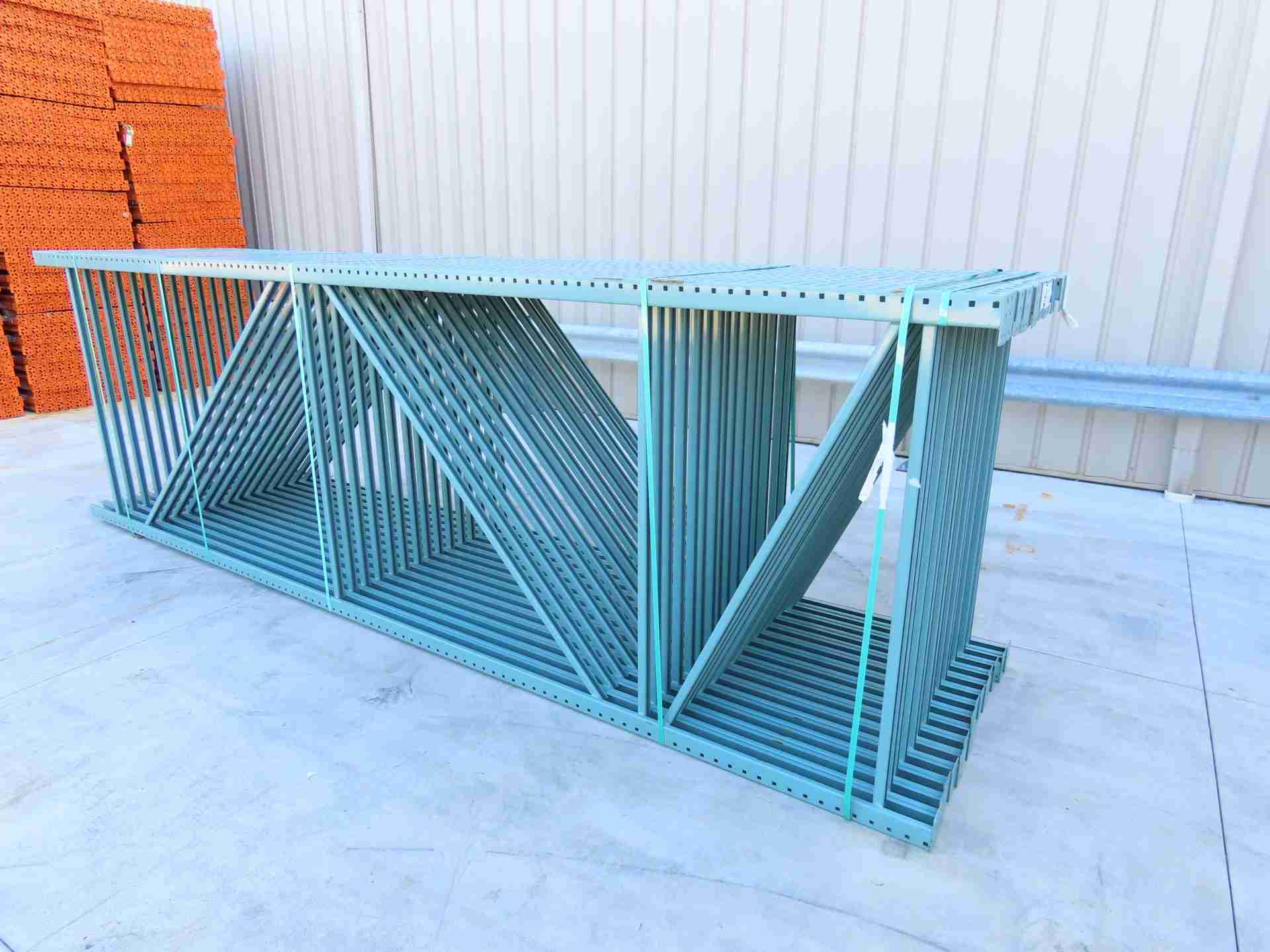
Signs Your Racks Are Unsafe (And What to Do About It)
Table Of Contents
- Signs Your Racks Are Unsafe (And What to Do About It)
- What Are the Emotional Signs Your Storage Feels Unsafe?
- How Do You Rationally Assess the Stability Of Your Racks?
- What Ethical Responsibilities Do You Have for Rack Safety?
- How Can Expert Opinions Help Identify Unsafe Rack Signs?
- What Real-Life Stories Highlight the Dangers Of Unsafe Racks?
- Conclusion
- Other Resources
- Glossary Of Terms
- Other Questions
- Checklist
What Are the Emotional Signs Your Storage Feels Unsafe?
When you walk through the doors of your storage unit, what do you feel? Is it an overwhelming sense of security, or does a knot tighten in your stomach? This environment, a crucial extension of our lives, is where memories and valuables reside, waiting to be called upon. If your storage feels unsafe, it can evoke a spectrum of emotional responses that are hard to ignore.
First, let’s get to the crux of the matter—this isn’t just about racking or the structure of the storage unit. It’s about trust. When the shelves are teetering, and the lighting flickers overhead, you may feel a wave of anxiety wash over you. You’re not just storing boxes; you’re preserving your life’s work, family heirlooms, and treasured possessions. The thought of losing it all can feel like a punch to the gut. Your heart races, and your mind starts to spiral with “what-ifs.” Can you truly feel at ease knowing that the integrity of your unit is questionable?
Now, let’s consider how rational thought plays a role here. The truth is that a safe storage environment is about more than just aesthetics and security cameras. It involves the emotional landscape your items inhabit. Are the walls weak? Is there a sense of neglect? These details matter. When the storage feels uninviting, you’re not just seeing it; your intuition is reminding you to listen to that inner voice. It’s your gut signaling that maybe you should invest in better storage solutions because uncertainty breeds stress, and stress has a way of manifesting in other areas of your life.
Ethically, we have a responsibility to care for what we own. The simple act of providing a safer environment for our possessions speaks volumes about how we perceive value—not only of things but of memories tied to them. It’s about respecting the legacy we leave behind.
And in a world where community ties are often stretched thin, sharing experiences about secure storage options fosters connection. When we engage in conversations about safety, we’re tapping into a collective concern. It’s a call to action—let’s not let our treasures languish in neglect. Instead, let’s advocate for proper facilities, community awareness, and a heightened sense of responsibility. It’s about creating spaces where we can gather our lives without fear, where your heart feels at home among cherished belongings. So, remember, when you step into your storage space, ask yourself: does it make you feel safe? If not, imagine what you can do about it.

What Are the Emotional Signs Your Storage Feels Unsafe?
What Are the Emotional Signs Your Storage Feels Unsafe?
- Storage units evoke strong emotional responses, reflecting feelings of security or anxiety.
- Trust in the storage environment is crucial, affecting how we perceive our memories and valuables.
- Physical conditions like weak shelves and poor lighting can intensify feelings of unease.
- Rational thought plays a key role in assessing the emotional landscape of storage spaces.
- We have an ethical responsibility to care for our possessions, reflecting their true value and legacy.
- Community discussions on secure storage options help build connections and collective awareness.
- It’s essential to advocate for better storage solutions to create safe spaces for cherished belongings.

What Are the Emotional Signs Your Storage Feels Unsafe?
How Do You Rationally Assess the Stability Of Your Racks?
When it comes to the safety and stability of your racking systems, the stakes are higher than just a few shelves stacked neatly in a warehouse. We’re talking about lives, livelihoods, and the very foundation of your operation. Take a moment to consider the countless hours spent configuring your layout, choosing the materials, and setting everything in place. It’s a symphony of logistics, where every note must resonate with stability and trust.
First, let’s engage that analytical mind of yours. Rationally assessing your racking involves a methodical approach—one rooted in understanding load capacities, inspecting structural integrity, and regularly monitoring for wear and tear. Think of it as a well-timed check-up for your equipment. Numbers don’t lie; they tell a story of what can handle what—and when. Your racking must be a sturdy backbone, built to withstand the weight of responsibility—quite literally.
Now, shift your focus to the heart. Each time a worker steps into that space, they entrust their safety to the infrastructure around them. It’s easy to overlook the human element, but remember that your carefully constructed racking is more than metal and wood; it’s a barrier between a stable environment and chaos. Imagine the relief that washes over a team member knowing they aren’t risking their life every time they retrieve a vital component. That peace of mind is worth more than the cost of routine inspections and adherence to rigorous standards.
That’s where ethics come into play. You owe it to everyone who relies on your operation to foster a culture of safety and accountability. This isn’t merely about compliance; it’s about establishing an ethical grounding that champions diligence and care. When you prioritize stability, you set a standard that your team can rally around—a commitment that resonates through every aisle of your facility.
Finally, let’s touch on the social aspect. Your dedication to maintaining a safe, reliable racking system significantly impacts your company’s reputation. Engage your community—whether it’s your workforce or local partners. Share updates about your safety practices and improvements. You build not just credibility but an emotional connection that reinforces trust, camaraderie, and shared responsibility.
When you assess the stability of your racks, remember, it’s both an intellectual pursuit and a heartfelt mission. So roll up those sleeves, grab that clipboard, and dive into the details. Reinforce not just the structures around you, but the foundations of trust and camaraderie that hold your operation together.

How Do You Rationally Assess the Stability Of Your Racks?
How Do You Rationally Assess the Stability Of Your Racks?
- The safety and stability of racking systems are crucial for lives and operations.
- Assessing racking requires a methodical approach based on load capacities, structural integrity, and regular monitoring.
- Racking systems serve as a vital backbone, ensuring stability under weight and responsibility.
- Human safety is paramount, with workers relying on the infrastructure for protection in their environment.
- Establishing a culture of safety and accountability is an ethical imperative beyond mere compliance.
- Maintaining a reliable racking system enhances company reputation and builds community trust.
- Assessing stability combines intellectual evaluation with a heartfelt commitment to safety and camaraderie.

How Do You Rationally Assess the Stability Of Your Racks?
What Ethical Responsibilities Do You Have for Rack Safety?
When you picture a well-organized warehouse, you might think of rows of neatly stacked boxes, shining steel beams, and a sense of order that reassures both workers and managers. But behind that polished veneer lies a hidden contract between everyone who walks those aisles—a commitment to rack safety that transcends mere compliance. It’s a pact grounded in trust, where each person shares the weight of responsibility, because safety isn’t a solo performance; it’s a team sport.
Let’s face it: racking systems are not just metal skeletons holding up pallets; they are the backbone of productivity. When they fail, the consequences can be catastrophic, not just for the products but for the people who rely on them. Imagine a colleague working hard to provide for their family, suddenly faced with an avalanche of boxes due to a simple oversight. That gut punch of realization—knowing that you could have taken action to prevent it—is a heavy weight to carry.
Understanding the ethical responsibilities for rack safety isn’t merely an exercise in paperwork or ticking boxes to meet regulations. It’s about cultivating a culture where each employee feels empowered to point out a flaw, identify a risk, or speak up when they see something amiss. This is where the brain kicks in: the more knowledgeable you are about how racking works, the more you can advocate for your own safety and the safety of others. It’s not just ethical; it’s smart business.
Consider the authority that comes with experience. Familiarize yourself with safety guidelines, and don’t just nod along in meetings—bring your insights into the conversation. Become that voice of reason in your workplace, encouraging everyone to buffer their enthusiasm for productivity with a healthy respect for safety. Show your coworkers that you care about their well-being, that you won’t let silent hazards jeopardize their lives.
We are all part of a larger community. Share stories, talk about near-misses, and listen to each other’s concerns. This connection fosters a deeper understanding of racking systems and builds a robust safety net that protects everyone. So, whether you’re the seasoned veteran or the new hire, take that ethical responsibility seriously. Because at the end of the day, ensuring rack safety is not just a task; it’s a testament to our dedication to those we work alongside.

What Ethical Responsibilities Do You Have for Rack Safety?
What Ethical Responsibilities Do You Have for Rack Safety?
- Well-organized warehouses symbolize trust and a shared commitment to rack safety among all employees.
- Racking systems are crucial for productivity; their failure can have severe consequences for both products and people.
- Understanding ethical responsibilities for rack safety goes beyond compliance; it’s about fostering a culture where all employees voice concerns.
- Knowledge about racking systems empowers individuals to advocate for their own safety and that of others, benefiting business operations.
- Encouraging open discussions about safety and sharing insights can transform workplace dynamics and improve safety protocols.
- Building a community around safety involves sharing experiences and concerns, thus reinforcing a collective commitment to safety standards.
- Each individual’s dedication to rack safety is a reflection of their care for their colleagues and the overall work environment.
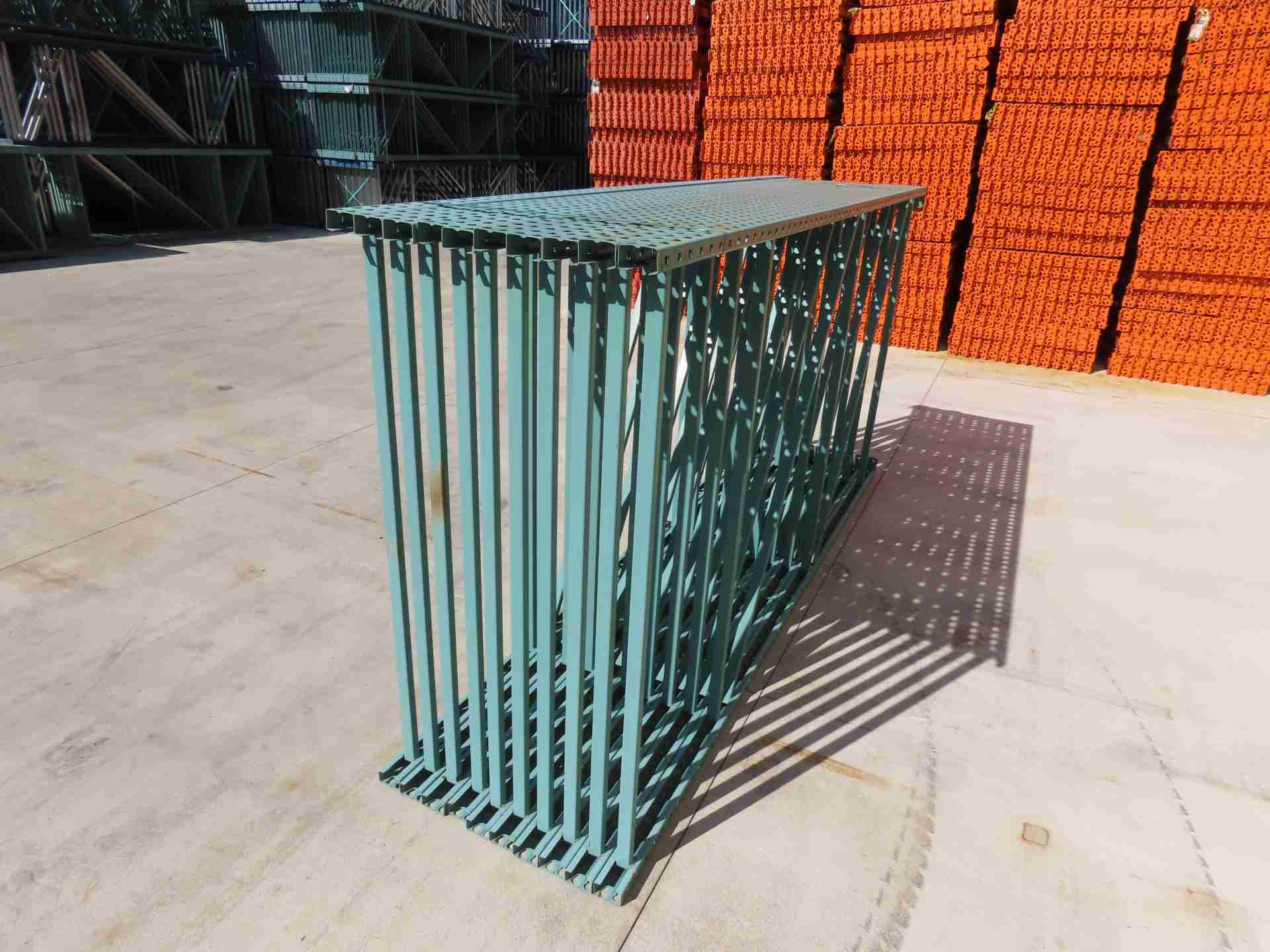
What Ethical Responsibilities Do You Have for Rack Safety?
How Can Expert Opinions Help Identify Unsafe Rack Signs?
In the world of logistics and warehousing, the safety of employees hinges on one crucial aspect: Racking systems. Picture this: a bustling warehouse, filled with the sounds of machinery and the hum of productivity. Now imagine the suddenly alarming creaking of overloaded racks. It’s a moment that most don’t think about until the stakes are high and the consequences can be catastrophic. This is where expert opinions come into play, serving both as a guiding light and a necessary safeguard.
When you lean into the wisdom of safety experts, you’re not just following protocol; you’re inviting an experienced voice to cut through the noise. These professionals have seen it all—from the poorly designed setups that scream danger to the improperly labeled racks that mislead even the best-trained staff. They’ve combed through case studies and field reports, witnessing firsthand the impact of neglecting safety signs. It’s easy to dismiss a few stickers here or a warning label there, but experts know these seemingly minor details can save lives.
With a keen understanding of the emotional weight behind safety, experts affirm the need for strong, unequivocal signs that communicate risks clearly. Every time a warehouse worker glances at an unsafe rack sign, their safety hangs in the balance. Sharing personal stories of close calls and community impact reinforces a critical point: safety isn’t just a checkbox; it’s an ethical obligation owed to every worker who walks the warehouse floor. These narratives resonate like a call to action, urging businesses to reevaluate their safety protocols and the messages they send through their signage.
The connection runs deeper when we factor in the social aspect. An organization that prioritizes clear, expert-backed safety signs fosters an atmosphere of trust. Employees feel valued and understood, and that’s powerful. There’s a shared responsibility in each warehouse — everyone plays a part in safety. When leadership engages experts and heeds their advice, it sends a strong message: your life and wellbeing matter here.
So, let’s ask ourselves: Are our racks speaking loud enough to shout safety? Are we engaging the experts necessary to ensure those messages are crystal clear? By embracing expert opinions, we can turn our warehouses into safe havens, where every worker returns home at the end of the day – safe and sound.

How Can Expert Opinions Help Identify Unsafe Rack Signs?
How Can Expert Opinions Help Identify Unsafe Rack Signs?
- Racking systems are crucial for employee safety in logistics and warehousing.
- Neglected safety signs on racks can lead to catastrophic consequences.
- Expert opinions serve as essential guides in enhancing warehouse safety.
- Minor details, like warning labels, can significantly impact safety and save lives.
- Strong, clear safety signs are vital for communicating risks to employees.
- Fostering a culture of trust through safety measures enhances employee morale and shared responsibility.
- Engaging safety experts can transform warehouses into safe environments for all workers.

How Can Expert Opinions Help Identify Unsafe Rack Signs?
What Real-Life Stories Highlight the Dangers Of Unsafe Racks?
When you think of a warehouse, it might bring to mind bustling workers, endless aisles, and organized chaos. It’s a world driven by efficiency, productivity, and profit, but lurking behind that façade are the unseen perils of poorly designed racking systems. Unsafe racking doesn’t just threaten the integrity of goods; it endangers lives. Real stories from the field weave a tapestry of caution that we can no longer ignore.
Take the tale of a small distribution center, where a mishandled forklift struck a racking structure that was already teetering due to previous neglect. The sound of metal bending and crashing pierced the air, sending shockwaves through the warehouse. One employee was caught in the downfall. The aftermath left a community mourning not just a colleague, but a friend, fueled by regret and anger. This isn’t just an isolated incident; it’s a grim reminder that negligence in racking design can have dire consequences.
Racking systems are complex, and every decision made about their installation or maintenance is a moral obligation to those who tread beneath them. A company may have saved a few bucks on flimsy materials, but at what cost? The ethical dilemma of prioritizing profit over safety can lead to heartbreaking outcomes that rip families apart. There’s an inherent responsibility—to foster workplaces that make safety a priority, not just a checkbox.
Finance may be a driving force, but the emotional weight of a devastating accident resonates through the fabric of communities. It reminds us that behind every statistic lies a story—a story of someone who went to work expecting to return home, only to be confronted by a preventable tragedy.
As workers band together, telling their stories of close calls and near misses, they demonstrate a powerful truth: safety isn’t merely a protocol; it’s a shared commitment. By engaging in these narratives, we transform data into a collective awareness, urging businesses and workers alike to take actionable steps against unsafe racking.
Real change springs from the heart. When we stand united against unsafe practices, we build trust—not just in the integrity of our racking systems, but in the very relationships we hold dear. It’s time to put safety at the forefront, before another family has to endure the pain of loss.

What Real-Life Stories Highlight the Dangers Of Unsafe Racks?
What Real-Life Stories Highlight the Dangers Of Unsafe Racks?
- Warehouses prioritize efficiency and productivity, but poorly designed racking systems pose serious dangers.
- An incident in a distribution center involved a forklift hitting a neglected racking structure, resulting in tragic consequences.
- This event highlights the grim reality of negligence in racking design and its impact on lives.
- Companies often face ethical dilemmas between saving costs on materials and ensuring safety, leading to devastating outcomes.
- The emotional fallout from workplace accidents reaches deep into communities, reminding us of the human stories behind the statistics.
- Workers’ shared experiences of near misses emphasize that safety is a collective responsibility, not just a procedural formality.
- United efforts for safety can build trust and prioritization of safety measures, preventing future tragedies.

What Real-Life Stories Highlight the Dangers Of Unsafe Racks?
Conclusion
Warehouse safety isn’t just about metal beams and load capacities; it’s a matter of life and death, a commitment that resonates deeply within every operation. Picture walking through those aisles, surrounded by stacks carrying not just products but memories, livelihoods, and dreams. When you hear that unsettling creak of a rack under pressure, it’s a chilling reminder that our first line of defense can quickly become a threat. In the world of logistics, overlooking minor imperfections can spiral into major disasters. It’s not just about meeting regulations; it’s about protecting lives.
Racking systems form the backbone of any facility, and when they fail, they do so with devastating consequences—not just for business but for families and communities. Each dent, crack, or misaligned beam signals an urgent call to action, echoing the ethical responsibility we share for our colleagues’ safety. Every employee who trusts their environment deserves to know that their wellbeing is a priority; this calls for regular inspections and open communication. It’s a matter of constructing a culture that values vigilance and accountability, where everyone feels empowered to point out risks and suggest improvements.
Embrace the wisdom of safety experts and learn from their experiences. Their knowledge acts as a safeguard against the catastrophic effects of negligence. But equally, take the time to foster a community around these discussions. When every voice counts, we create a powerful network of advocacy that champions safety. Share your stories of close calls and lessons learned because those narratives foster trust and strengthen bonds. Remember that with each shared experience, we affirm our collective commitment to the safety of our environment.
This isn’t just a task; it’s a testament to our respect for one another. The heart of warehouse safety lies in engagement and shared responsibility. Every stakeholder, from the newest hire to seasoned managers, has a role to play. They must understand that a thriving workplace is built on a solid foundation of trust—trust that begins with safety. Commit to regular evaluations, stay informed about industry standards, and unite in advocating for improvements. Because at the end of the day, no one should leave their loved ones with a sinking heart, worried about what might unfold in a careless moment. Prioritize safety, foster empathy, and ensure that the next story told about your workplace is one of collective victory—not loss.

Conclusion
Conclusion:
- Warehouse safety is critical, impacting lives, livelihoods, and community well-being.
- Racking systems must be monitored closely, as failures can have devastating consequences.
- Regular inspections and clear communication are essential for ensuring employee safety.
- Building a culture of vigilance and accountability empowers employees to identify risks.
- Engagement with safety experts and sharing experiences can prevent negligence and enhance safety protocols.
- Every employee, from new hires to managers, plays a vital role in maintaining a safe workplace.
- Commit to continuous evaluations and improvements to build a foundation of trust centered on safety.

Conclusion
Other Resources

Other Resources
Here is a list of other resources you can review online to learn more:
- Mustang Material Handling
- Cantilever Rack Guide: Ordering Cantilever Racking
- Chicago Pallet Racking
- ASSP
- American Surplus
- Warehousing Education and Research Council: https://www.werc.org/
- BMH
- Teardrop Industrial Shelving Rack
- Pallet Racks, Pallet Racking, Pallet Shelves in Stock – ULINE
- The Ultimate Pallet Racking Guide – Speedrack West
- WERC
- Warehouse Racks, Warehouse Racking in Stock – ULINE
- Warehousing and Fulfillment
- Selective Racking
- Selective Rack – Raymond West
- NSC
- Material Handling Safety
- What is Selective Pallet Racking
- Pallet Racking systems in Illinois and Great Lakes
- IIWS Inc. Rack Installation Illinois & Rack Repairs Illinois
Use This Prompt To Get More Resources With Your Favorite Online AI Tool: Please provide me with a list of online articles with their URLs in a bulleted list that I can read regarding Signs Your Racks Are Unsafe (And What to Do About It)

Other Resources
Glossary Terms
Signs Your Racks Are Unsafe (And What to Do About It) – Glossary Of Terms
1. Racks: Structures designed to hold and organize various items, typically used in storage or warehousing.
2. Safety Inspection: A thorough examination of racks to identify any potential hazards or weaknesses.
3. Load Capacity: The maximum weight that a rack is designed to safely support.
4. Deflection: The degree to which a rack bows or bends under load, which can indicate structural issues.
5. Stability: The ability of a rack to maintain its position without tipping over, crucial for safety.
6. Uprights: The vertical components of a rack that provide support and structural integrity.
7. Cross Bracing: Diagonal supports added to racks to enhance stability and prevent swaying.
8. Load Distribution: The way weight is spread across a rack, affecting its stability and safety.
9. Rust: Corrosion that weakens metal components, indicating a need for maintenance and replacement.
10. Dents: Indentations in the rack structure that can compromise its strength and safety.
11. Tilt: An angle at which a rack is leaning, indicating potential instability and unsafe conditions.
12. Overloading: Placing weight on a rack beyond its designated load capacity, which increases the risk of failure.
13. Inspection Checklist: A detailed list used to systematically evaluate rack safety features and conditions.
14. Maintenance: Regular care and repairs necessary to keep racks in safe operating condition.
15. Pallets: Flat structures used for storing goods on racks, which must be compatible with rack design.
16. Visual Cues: Observable signs such as misalignment, bending, or clutter that suggest a rack is unsafe.
17. Protective Barriers: Safety features like guard rails or end-of-aisle protection that prevent accidental collisions with racks.
18. Anchoring: The process of securing racks to the floor or wall to increase stability and prevent tipping.
19. Load Barring: A feature that prevents overloading by indicating maximum load limits clearly.
20. Structural Integrity: The overall strength and durability of a rack, essential for safe operation.
21. Environmental Factors: External conditions such as humidity and temperature that can affect rack materials and safety.
22. Reinforcement: Additional supports or materials added to increase a rack’s strength and load capacity.
23. Hazard Assessment: The process of evaluating risks associated with rack usage and identifying potential safety issues.
24. Employee Training: Instruction provided to staff on how to safely operate and maintain racks.
25. Incident Report: Documentation of any accidents or near-misses related to rack usage, used for assessing safety protocols.
26. Reallocation: The process of redistributing items on racks to ensure balanced load distribution.
27. Compliance Standards: Regulations and guidelines that govern rack safety and construction requirements.
28. Repair Protocol: Procedures for fixing or replacing damaged racks to restore safety and functionality.
29. Safety Audit: An extensive review of safety practices and equipment, including racks, to ensure compliance with standards.
30. Risk Mitigation: Strategies implemented to reduce the likelihood of accidents or failures associated with rack use.

Glossary Of Terms
Other Questions
Signs Your Racks Are Unsafe (And What to Do About It) – Other Questions
If you wish to explore and discover more, consider looking for answers to these questions:
- What specific signs should I look for to identify unsafe racks?
- How often should I conduct safety inspections on my racking systems?
- What steps should I take immediately if I find damaged racks?
- Are there particular regulations or standards I need to follow for rack safety?
- How can I create a culture of safety within my warehouse team?
- What are some best practices for maintaining safe racking systems?
- How do emotional factors affect perceptions of safety in the workplace?
- What role do employees play in ensuring rack safety?
- Can expert recommendations be tailored to specific warehouse configurations?
- What training should staff receive regarding rack safety and inspections?
- How do past accidents inform current safety regulations and practices?
- What should I do if I witness unsafe practices in my warehouse?
- What resources are available for furthering my knowledge on rack safety?
- How can I advocate for safety upgrades in a budget-constrained environment?
- What technologies or tools can assist in improving rack safety?

Other Questions
Checklist
Signs Your Racks Are Unsafe (And What to Do About It) – A Checklist
Rack Safety Awareness Checklist
Emotional Appeals
_____ Visualize the impact of workplace safety: Picture your team and their loved ones. Are they safe?
_____ Reflect on personal stakes: Is the thought of accidents causing anxiety or concern?
_____ Consider emotional well-being: Do your storage solutions provide peace of mind?
Rational Appeals
_____ Conduct routine visual inspections of racks for signs of damage like dents, cracks, or rust.
_____ Verify load capacities: Are all items stored within safe limits?
_____ Stay informed: Familiarize yourself with industry safety standards and regulations.
Ethical Appeals
_____ Recognize your responsibility: Is your workplace promoting a culture of safety?
_____ Foster open communication: Are workers encouraged to report hazards without fear of reprisal?
_____ Participate in safety training: Are you and your team knowledgeable about safety protocols and responsibilities?
Authority Appeals
_____ Consult safety experts: Are you seeking guidance from professionals to assess rack safety?
_____ Stay updated on best practices: Are you reviewing insights from trusted safety organizations regularly?
_____ Champion safety standards: Are you becoming a voice for safety improvements in your workplace?
Narrative Appeals
_____ Share stories: Discuss real-life accidents caused by negligence. How did it affect the community?
_____ Encourage discussions of near-misses: Create a platform for employees to share experiences and learn from each other.
_____ Document safety improvements: Keep a record of safety enhancements made in your workspace and their positive outcomes.
Social Appeals
_____ Promote teamwork: Are employees collaborating on regular safety checks and inspections?
_____ Create safety ambassadors: Have you appointed team members to lead safety initiatives?
_____ Build a culture of accountability: Are all employees encouraged to uphold safety standards together?
Utilize this checklist to foster a proactive approach to ensuring safety in your warehouse environment. Your commitment to rack safety can save lives and enhance workplace morale.

Checklist
At RackingWorld, we help guide you through selecting warehouse storage systems and racking.
Be sure to read our other related stories at RackingWorld to learn more about warehouse storage systems.
0 Comments