
Unlocking Efficiency And Adaptability With New Rack Designs
By Tom Seest
At RackingWorld, we help guide you through selecting warehouse storage systems and racking.
Be sure to read our other related stories at RackingWorld to learn more about warehouse storage systems.
Why Flexible Rack Configurations Are the Future
Imagine walking into a warehouse that feels as dynamic as the people who run it. That’s the power of flexible rack configurations. Traditional racking systems once ruled the roost, but today’s fast-paced world demands something different. It’s about more than just storage; it’s about adaptability and efficiency, reflecting the very essence of our modern lives.
Think for a moment about the last time you faced a challenge that required a new perspective. We’ve all been there, grappling with rigid structures that stifle innovation. Flexible racking invites creative solutions, enabling businesses to pivot and evolve without the burden of outdated systems. It’s akin to giving your workforce the freedom to think outside the box. Like a well-oiled machine, a flexible racking system aligns seamlessly with the ebb and flow of inventory, making it a crucial tool for any savvy operator looking to boost productivity and minimize waste.
There’s a moral implication here, too. When businesses opt for adaptable racking, they’re not just investing in their own efficiency; they’re committing to sustainability. Less waste, optimized space, and an overall reduction in the environmental footprint make these flexible systems good for the bottom line and for the planet. It’s a win-win, and let’s be honest, it’s the ethically responsible choice in an age that desperately calls for more conscientious decision-making.
Think of those hardworking men and women on the front lines of logistics and warehousing. They need equipment they can trust—tools of the trade that won’t let them down when the pressure is on. Flexible racking empowers them. It doesn’t dictate their movements; it enhances them. As they adapt to meet shifting demands, they find a sense of pride in their work. Who wouldn’t want to be part of a system where every rack tells a story of resilience and resourcefulness?
We live in a world where change is the only constant, and embracing that change is not just smart; it’s essential. Join the movement toward flexible rack configurations and become part of a collective that believes in a more adaptable, efficient, and sustainable future. The heart, head, and gut all align on this one—the future of warehousing is now, and it’s flexible. Embrace it with open arms, and watch your operations transform.
Why Flexible Rack Configurations Are the Future
Why Flexible Rack Configurations Are the Future
- Flexible rack configurations energize warehouses and adapt to today’s fast-paced demands.
- Traditional racking systems are becoming outdated, necessitating creative solutions for modern challenges.
- Adaptive racking systems enhance productivity by aligning with inventory flow and minimizing waste.
- Choosing flexible racking supports sustainability by optimizing space and reducing environmental impact.
- Flexible racking empowers logistics workers by providing dependable tools tailored to dynamic needs.
- Embracing change is crucial for businesses seeking innovative and efficient operations.
- Join the movement toward flexible racking for a more adaptable, efficient, and sustainable future in warehousing.
Why Flexible Rack Configurations Are the Future
Table Of Contents
- Why Flexible Rack Configurations Are the Future
- Are Flexible Rack Systems a Sustainable Choice for the Environment?
- What Are the Long-Term Cost Benefits Of Investing In Flexible Racks?
- How Can Flexible Configurations Adapt to Changing Business Needs?
- Do Industry Leaders Endorse the Shift Toward Flexible Rack Systems?
- What Success Stories Showcase the Effectiveness Of Flexible Racks?
- Conclusion
- Other Resources
- Glossary Of Terms
- Other Questions
- Checklist
Are Flexible Rack Systems a Sustainable Choice for the Environment?
When you think about the factory floor or the bustling warehouse, you might picture a maze of hard metal, boxes stacked high, and that certain hum of industrious energy. But behind that scene lies a deeper story—a narrative about how we as stewards of the earth can make choices that echo beyond our immediate needs. Enter flexible rack systems, a game changer not just for businesses but for our planet.
Racking may seem like a simple tool for storage and organization, but its flexible counterpart breathes new life into an age-old problem. Picture this: a world where resources are reused, structures are adaptable, and waste is minimal. Flexible rack systems are designed with sustainability in mind, allowing businesses to modify their setups rather than tearing down or replacing entire systems as needs evolve. This adaptability isn’t just efficient; it’s a responsible choice that speaks volumes about our commitment to the environment.
As you dig deeper, consider the emotional aspect. Every time you choose a sustainable option, you’re making a statement—not just for your business, but for your community, your family, and the generations to come. The sustainable choice around flexible racking is like planting a seed of possibility. By investing in these systems, you’re investing in a future where we can balance our hunger for progress with the need to preserve our natural resources.
From a rational viewpoint, the economic benefits are compelling. Flexible rack systems save money over time. Fewer resources wasted means less expenditure on materials and labor. It’s straightforward math. Beyond that, companies embracing sustainable practices often enjoy increased consumer trust and loyalty. They’re not just operational; they’re inspirational, leading the charge toward a more responsible industry.
Ethically, the decision is clear. Choosing solutions that prioritize the planet is not merely an option—it’s an obligation we owe to each other and our environment. With climate change looming, each smaller choice contributes to a larger impact.
In this era of heightened awareness, we—collectively—are shaping a legacy. When you consider flexible rack systems, you’re not just looking at metal frameworks; you’re envisioning innovation, responsibility, and hope. Let’s embrace this change, inspire others, and build a future where sustainability isn’t merely a buzzword but a fundamental way of operating. Together, we can transform warehouses into beacons of possibility and sustainability, one rack at a time.
Are Flexible Rack Systems a Sustainable Choice for the Environment?
Are Flexible Rack Systems a Sustainable Choice for the Environment?
- Flexible rack systems represent a sustainable choice for businesses, promoting environmental stewardship.
- These systems allow for adaptability and resource reuse, reducing waste and avoiding the need for complete overhauls.
- Investing in sustainable racking is akin to planting a seed for a more resource-preserving future.
- Economically, flexible racking saves money by minimizing waste and lowering expenditure on materials and labor.
- Companies that adopt sustainable practices often gain increased consumer trust and loyalty.
- Ethically, prioritizing sustainability is an obligation we owe to future generations and the environment.
- Embracing flexible rack systems can transform warehouses into innovative and responsible spaces for the future.
Are Flexible Rack Systems a Sustainable Choice for the Environment?
What Are the Long-Term Cost Benefits Of Investing In Flexible Racks?
When it comes to storing and organizing your equipment, the decision to invest in flexible racks isn’t just a matter of convenience; it’s a choice that resonates long after the initial purchase. Picture your workspace: cluttered, inefficient, a constant source of frustration as you hunt for that one elusive tool. Now imagine embracing efficient, flexible racking systems that transform chaos into harmony.
On a practical level, flexible racks represent a cost savings that compounds over time. Sure, the upfront investment might seem significant, but consider the hidden costs of disorganization—lost time, damaged equipment, and the mental toll of navigating a jumbled mess. By opting for a flexible racking solution, you lay the groundwork for a streamlined operation, meaning less wasted time and resources. It’s about creating an environment where efficiency thrives, impacting both productivity and profit margins.
From an ethical standpoint, embracing flexible racking aligns with a commitment to sustainability. When designed to adapt, these racks reduce the need for frequent replacements and minimize waste. This isn’t just a trendy concept; it’s a commitment to future generations. Investing in robust, flexible systems signals to your employees and community that you care about the planet and your impact on it. Such decisions foster loyalty—people want to associate with brands that reflect their values.
And let’s not overlook the narrative aspect. Each rack has a story—where it stands can echo the effort of the people who use it. Flexible racks become a part of a larger narrative: your journey towards efficiency and success. As they adapt to your evolving needs, they symbolize growth and resilience, reminding everyone in your organization that you’re capable of change. When your team sees a well-organized space, it fosters confidence and morale, creating an environment where creativity and productivity flourish.
Finally, there’s a social responsibility tied to investing in efficient systems. Your choice in racking tells your clients and employees that you prioritize their safety and comfort. This approach builds trust, encouraging collaboration and feedback. The more you invest in creating a functional space, the more you foster a culture that values innovation and teamwork.
In a world brimming with fleeting trends, flexible racks stand out as a smart, wise investment that pays dividends, not just in dollars, but in the very spirit of your enterprise. Embrace the future—because every well-organized space tells a story worth sharing.
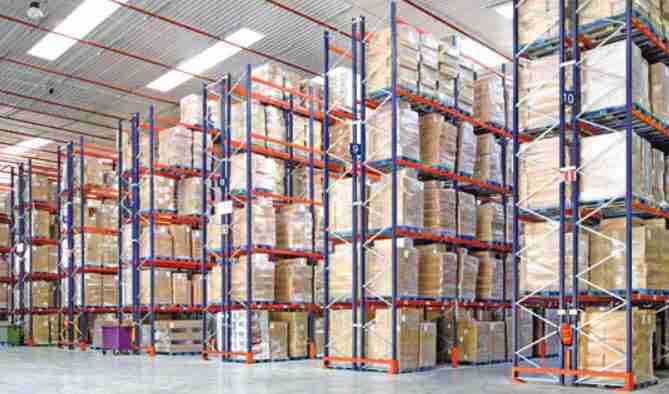
What Are the Long-Term Cost Benefits Of Investing In Flexible Racks?
What Are the Long-Term Cost Benefits Of Investing In Flexible Racks?
- Investing in flexible racks improves workspace organization and efficiency.
- Cost savings from flexible racks compound over time by reducing lost time and damage to equipment.
- Flexible racking solutions create a more productive environment, positively impacting profit margins.
- Choosing flexible racking demonstrates a commitment to sustainability and reduces waste.
- Flexible racks symbolize growth and resilience while enhancing team morale and creativity.
- Prioritizing efficient systems showcases social responsibility and builds trust with clients and employees.
- In a rapidly changing world, flexible racks are a long-term investment that enhances the spirit of an enterprise.
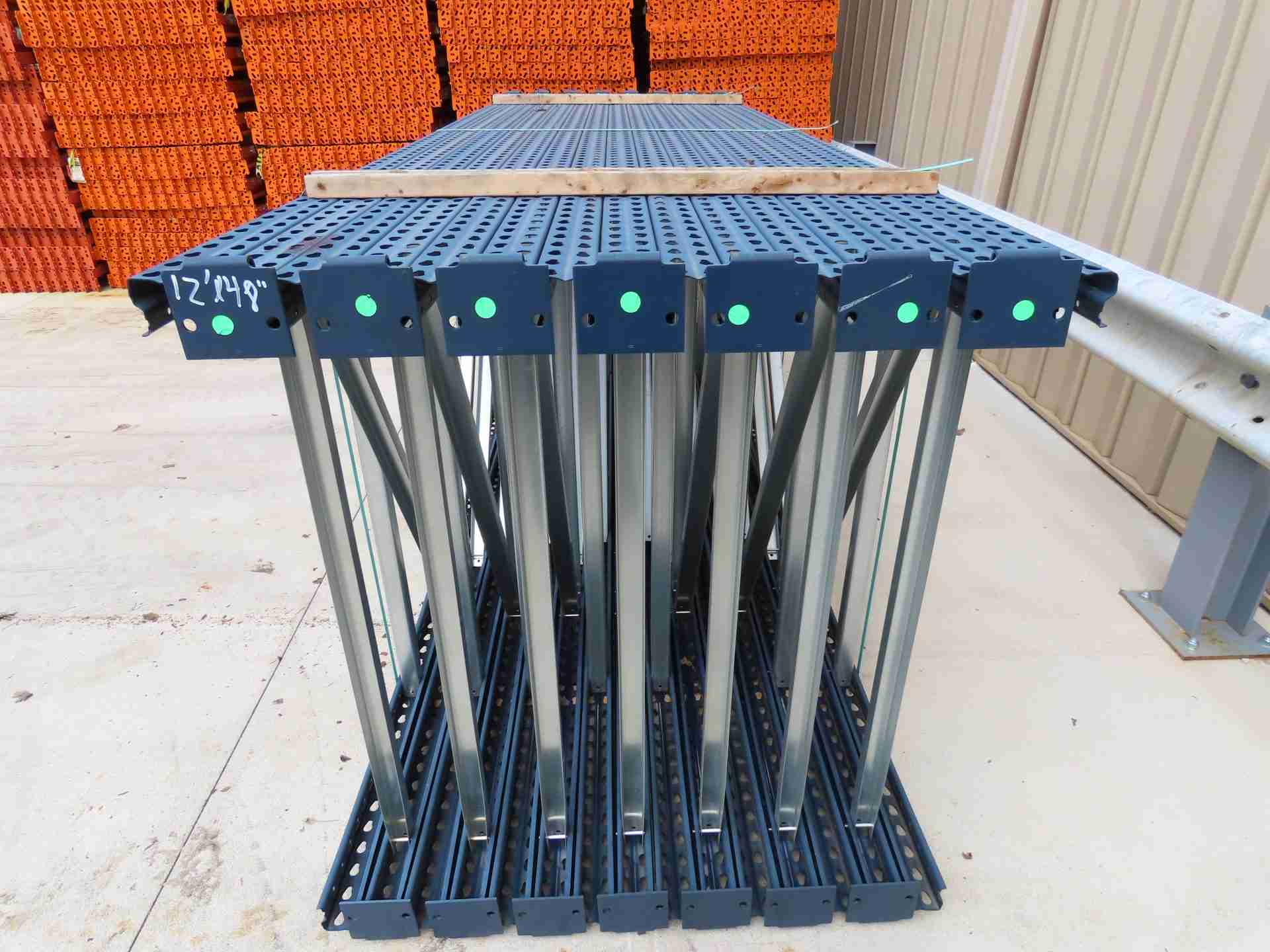
What Are the Long-Term Cost Benefits Of Investing In Flexible Racks?
How Can Flexible Configurations Adapt to Changing Business Needs?
In the world of business, the only constant is change. Picture a racking system in a bustling warehouse, supporting not just steel and wood, but the dreams and aspirations of everyone who relies on it. When you invest in flexible configurations, you invest in the adaptability that keeps your operation on solid ground, no matter what challenges come your way.
When the economy shifts, or customer demands evolve overnight, how does your organization respond? The magic lies in a structure that bends without breaking—like a flexible racking system. This setup doesn’t just accommodate shifting needs; it thrives on them, empowering you to pivot quickly and efficiently. The numbers don’t lie: businesses that embrace adaptability are statistically more resilient and profitable. It’s not just a smart move; it’s the ethical choice for a sustainable business model that honors both workers and customers.
Imagine a small start-up that faced bankruptcy when a competitor introduced a ground-breaking product. Instead of crumbling, they reconfigured their operations, adopting flexible solutions that enabled them to realign their production in record time. By listening to their customer base and responding quickly, they found success. Their story echoes the truth that adaptability is not merely a business strategy, but a lifeline.
Building trust in an organization requires knowing that you can respond with agility. Employees feel empowered when they work in an environment equipped to handle whatever the market throws at them. They become your best advocates, spreading the word that this is a workplace that values innovation and supports growth. Your racking system transforms from a mere storage solution to a symbol of resilience, embodying both the strength of your commitments and the intelligence of your decisions. Employees and customers alike can sense that energy—it’s the pulse of a thriving enterprise.
So, as you ponder the evolution of your business, remember that the heart of the matter lies in flexibility. Choose configurations that not only meet today’s demands but also lay the groundwork for what’s to come. By doing so, you not only safeguard your organization’s future but also honor the collective effort of every individual who contributes to its success. The choice is yours—build a foundational strength that stands ready to adapt, or risk being left behind.
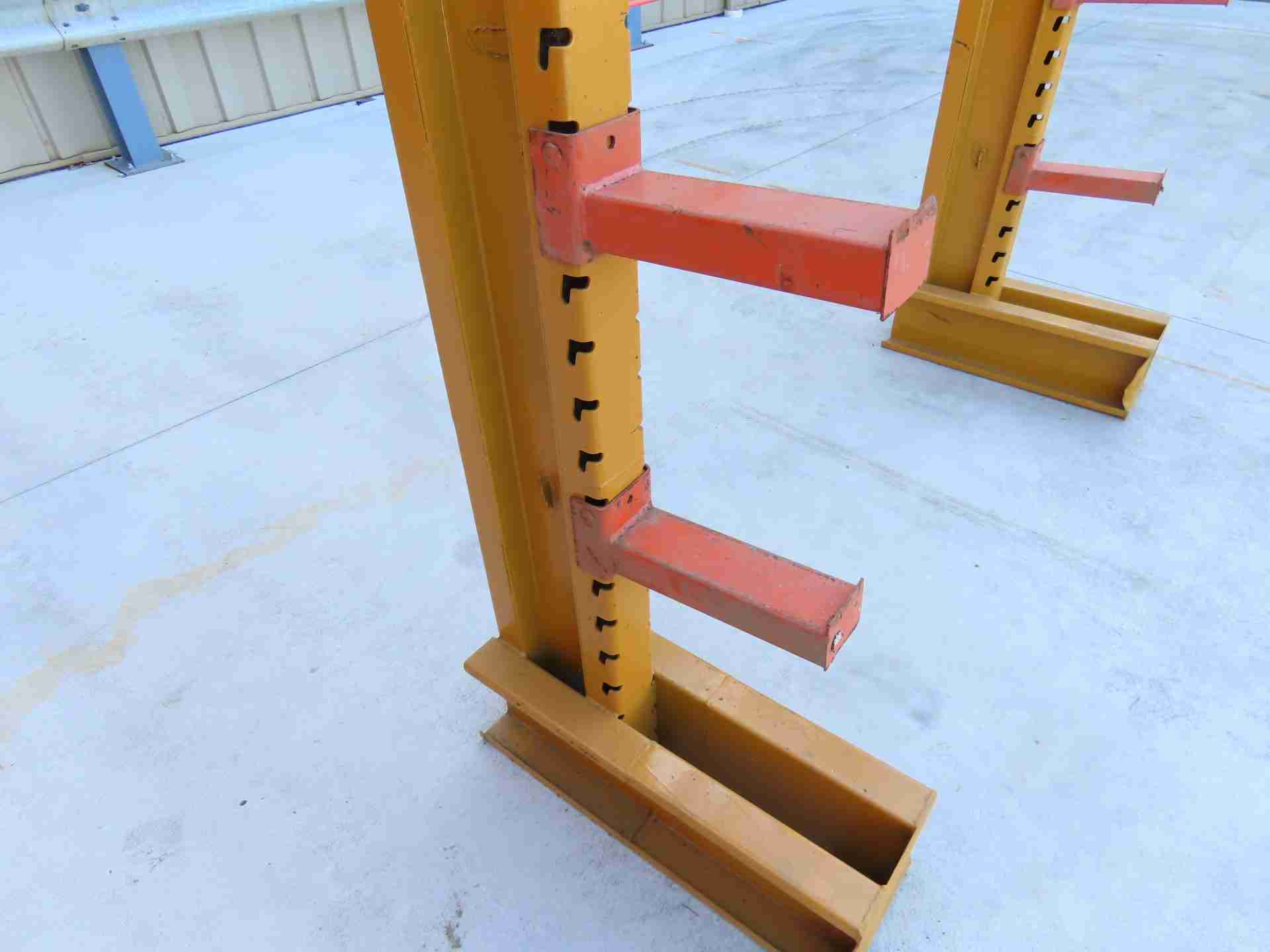
How Can Flexible Configurations Adapt to Changing Business Needs?
How Can Flexible Configurations Adapt to Changing Business Needs?
- Change is the only constant in business, requiring adaptable structures.
- Investing in flexible configurations ensures operational resilience amidst challenges.
- Organizations that embrace adaptability are statistically more resilient and profitable.
- Responsive companies can thrive, as demonstrated by a start-up that pivoted quickly to avoid bankruptcy.
- Agility fosters trust within an organization, empowering employees to be advocates for innovation.
- A flexible racking system symbolizes resilience and commitment to growth.
- Building a flexible foundation safeguards future success and honors every individual’s contribution.

How Can Flexible Configurations Adapt to Changing Business Needs?
Do Industry Leaders Endorse the Shift Toward Flexible Rack Systems?
When we think about racking systems, it’s easy to focus solely on metrics—how many units per square foot, how much weight they can handle, and so on. But beneath those numbers lies a significant cultural shift that industry leaders are rallying behind, one that speaks not just to efficiency, but to adaptability and resilience. Flexible rack systems are becoming the unsung heroes of modern warehousing, uniting the best of both worlds: functionality and foresight.
Picture this: a bustling distribution center where the only constant is change. As consumer demands fluctuate and the market ebbs and flows, racking systems must evolve accordingly. Leaders in the industry understand this—all too well. They’ve seen how rigid systems stifle innovation and trap businesses in a cycle of inefficiency. The call for flexibility is not merely a trend; it’s a strategic imperative rooted in necessity. Those who’ve embraced this shift have reported increased operational efficiency, not as a mere statistic, but as a lifeline in an unpredictable landscape.
However, this conversation isn’t just about dollars and cents. It’s about people—workers who operate within these spaces and the communities they support. Relying on flexible racking systems means creating environments where employees can thrive, adapting their workflow to meet challenges head-on. Imagine the stories of those workers who once felt boxed in by old, inflexible racking. Now, they can leverage modern systems that allow them to be nimble, empowered, and effective.
The ethics of this shift cannot be understated. Industry leaders advocating for flexible racking are often the same voices promoting sustainable practices and community engagement. They recognize that investing in adaptable infrastructure is a commitment to future-proofing not just their operations but also their workforce and environment. When you make ethical decisions, you build trust; when you prioritize adaptability, you foster loyalty—both internally and with customers.
Of course, one shouldn’t overlook the power of authority. It’s not just the executives or board members that endorse flexible racking; it’s the engineers, the floor managers, the sales teams—they all understand the remarkable impact these systems have. The shift towards flexibility isn’t just a trend; it’s a collective movement within an industry that values progress over stagnation.
So, the next time you walk through a warehouse, take a moment to consider the evolution of racking systems. Experience the palpable energy of adaptability in action and recognize that industry leaders are not just endorsing change; they’re championing a future that benefits everyone. The question is: will you join them?
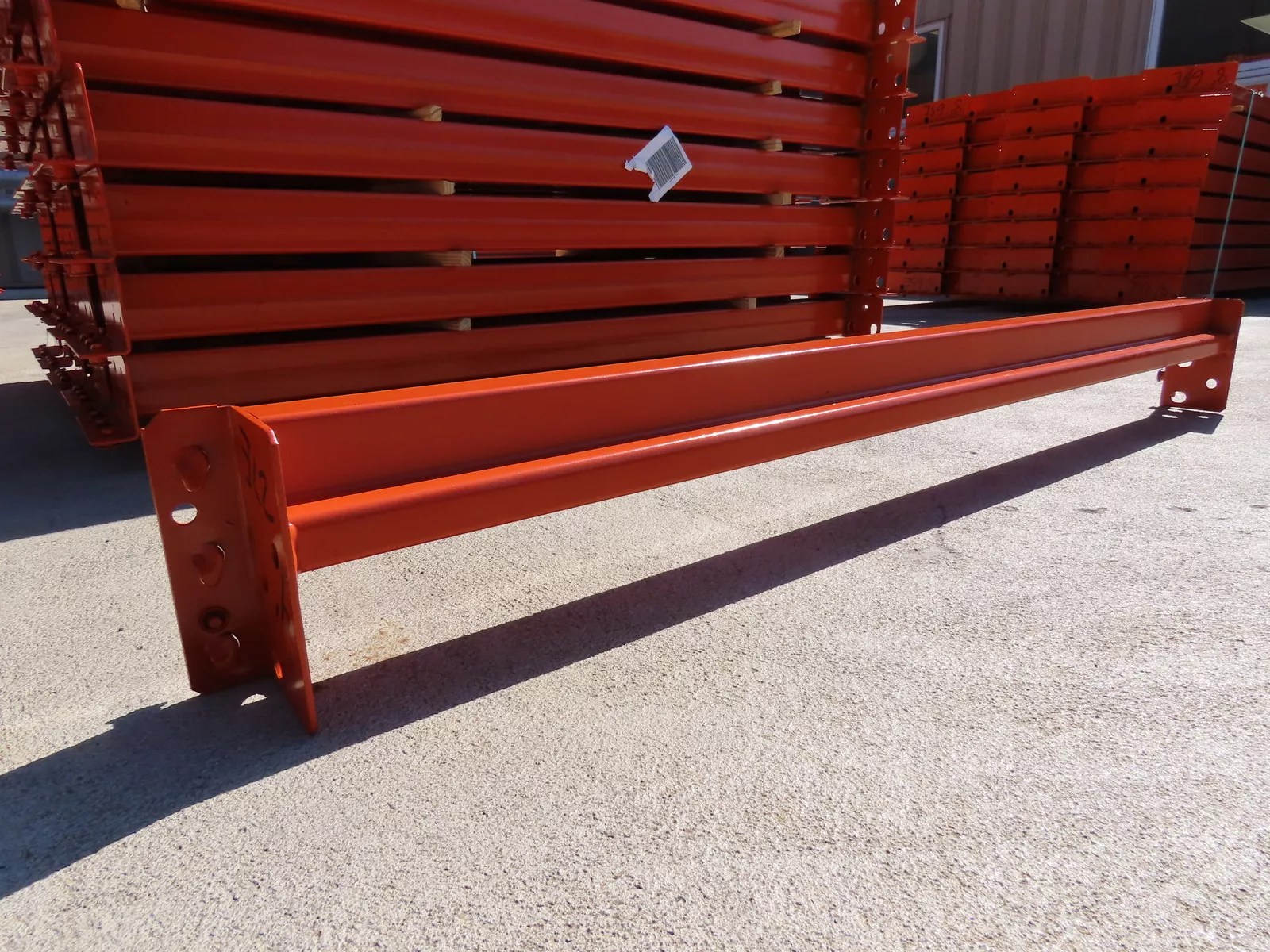
Do Industry Leaders Endorse the Shift Toward Flexible Rack Systems?
Do Industry Leaders Endorse the Shift Toward Flexible Rack Systems?
- Racking systems emphasize not just metrics but also adaptability and resilience.
- Flexible rack systems are key to modern warehousing, combining functionality and foresight.
- Industry leaders recognize that rigidity in racking hinders innovation and efficiency.
- The shift to flexibility is essential for responding to changing consumer demands and market conditions.
- Flexible racking systems create better working environments, empowering employees and enhancing their effectiveness.
- Ethical leadership in the industry promotes sustainability and community engagement alongside flexible infrastructure.
- The push for flexible racking is a collective movement, with support from various roles within organizations.
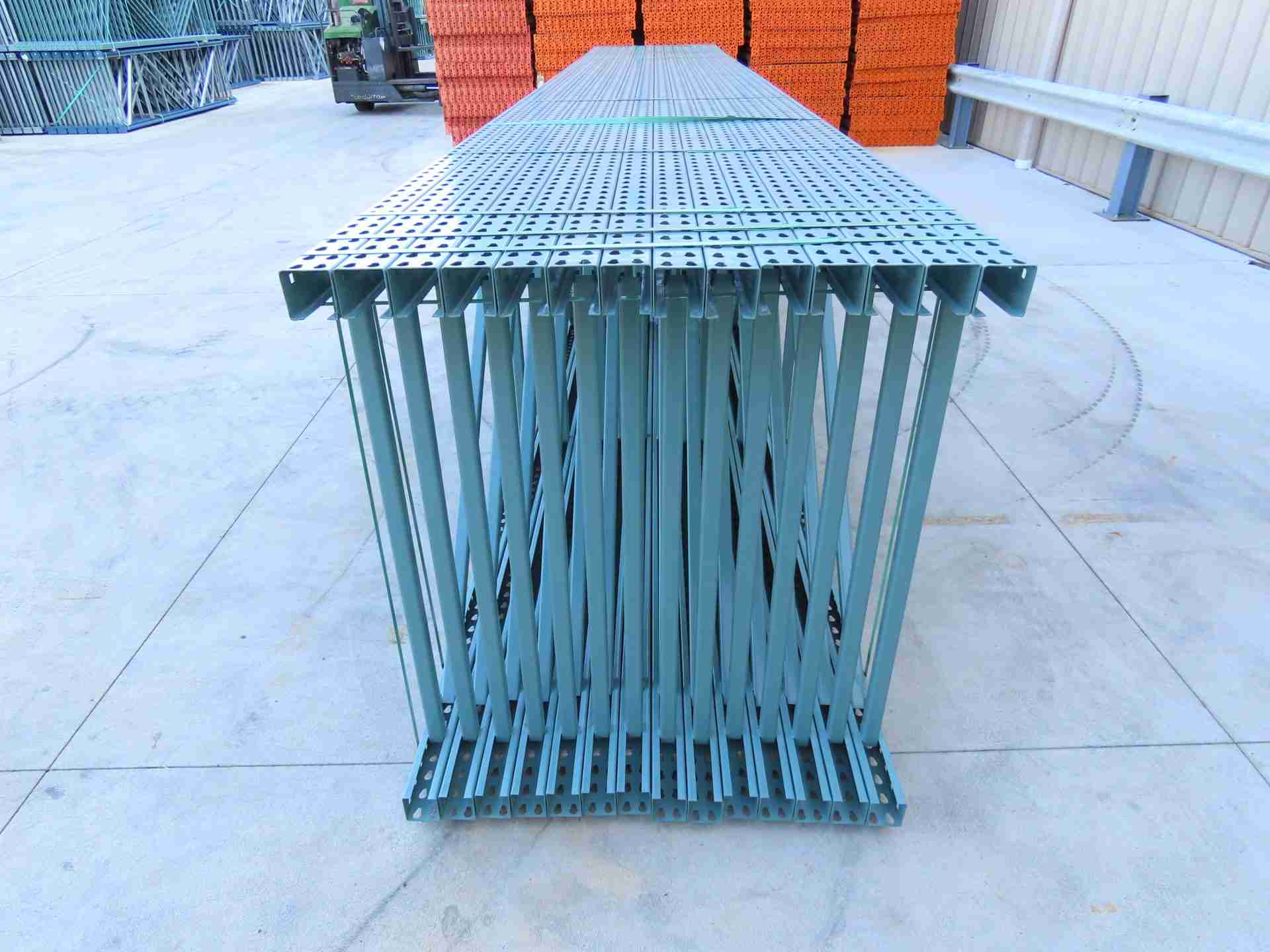
Do Industry Leaders Endorse the Shift Toward Flexible Rack Systems?
What Success Stories Showcase the Effectiveness Of Flexible Racks?
When you think about success stories in the world of warehousing and logistics, consider the transformative power of flexible racks. These aren’t just metal tubes holding up boxes; they symbolize a revolution in how we perceive storage, efficiency, and adaptability. Imagine a family-run business struggling to manage inventory during peak seasons. Traditional fixed racking left them overwhelmed, with aisles crammed like sardines and stress levels skyrocketing. One day, they decided to take a leap of faith and invest in flexible racks. The change was nothing short of remarkable. They soon found themselves with the capability to shift configurations on the fly, turning chaos into order overnight.
Think about it: flexible racks are like the secret sauce that turns good operations into great ones. Businesses can adapt their systems, tailoring the space to meet changing demands without the hefty costs of a complete overhaul. In the face of increasing competition and consumer expectations, flexibility in racking turns out to be not just smart; it’s essential. It challenges the status quo and promotes innovation.
Now, let’s talk about values. Investing in flexible racks isn’t solely about maximizing profits; it’s an ethical choice that respects the planet and its resources. These systems optimize space, which can reduce the need for larger facilities and the energy consumption associated with them. It’s a win for the business and a win for sustainability. Imagine a community thriving because local companies can break free from rigid constraints. When you foster a dynamic work environment, you empower not just your business, but the people within it.
Take, for instance, the story of a small tech startup that faced the undeniable pressures of rapid growth. Initially confined by traditional shelving, they struggled to scale without sacrificing efficiency. By implementing flexible racks, they could invest in their future while maintaining the integrity of their workspace. Their team thrived, empowered by a system that didn’t just hold products but held the promise of possibility.
These narratives don’t just speak to metrics and bottom-lines; they resonate with collective aspirations. When you see flexible racks in action, you’re witnessing a movement—a commitment to adaptability, sustainability, and community strength. It’s a reminder that with the right tools, any challenge can be transformed into an opportunity. So, let’s embrace this evolution and be part of the racking revolution. We’re not just lifting boxes; we’re lifting potential.
What Success Stories Showcase the Effectiveness Of Flexible Racks?
What Success Stories Showcase the Effectiveness Of Flexible Racks?
- Flexible racks represent a revolution in storage, efficiency, and adaptability in warehousing and logistics.
- A family-run business previously overwhelmed by traditional fixed racking saw remarkable improvements after investing in flexible racks.
- Flexible racks allow businesses to adapt configurations to meet changing demands without significant costs.
- This flexibility is essential for staying competitive and promoting innovation in today’s market.
- Investing in flexible racks reflects an ethical commitment to sustainability and resource conservation.
- A tech startup transformed its workspace and empowered its team by adopting flexible racks during rapid growth.
- These stories highlight a movement toward adaptability and community strength in the logistics sector.
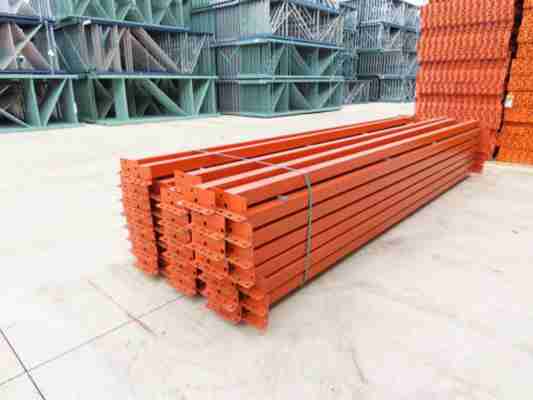
What Success Stories Showcase the Effectiveness Of Flexible Racks?
Conclusion
Flexible rack configurations are emerging as the backbone of modern warehousing, revolutionizing how businesses operate and manage inventory. Picture a warehouse bustling with activity, where adaptability is the new norm and creativity flourishes amidst boxes and shelves. The shift away from rigid, traditional racking systems marks a profound change in how organizations perceive efficiency and productivity. It’s not merely about optimizing space; it’s about empowering people to respond nimbly to challenges that arise in real-time.
This transformation aligns perfectly with the fast-paced nature of today’s economy. Businesses that can swiftly adapt to shifting demands are not just surviving; they are thriving. Flexible racking systems foster an agile environment, enabling teams to innovate and evolve without the constraints imposed by outdated infrastructure. Imagine the sense of pride and accomplishment among workers who can navigate their space with confidence, knowing they have the right tools at their disposal. It is here that the moral and ethical dimensions of this choice emerge. By investing in adaptable solutions, companies commit to sustainability, reducing waste and environmental impact while improving operational efficiency. This isn’t just a trendy choice; it’s an ethical responsibility towards future generations.
From a financial perspective, the economic benefits are compelling. While the initial investment in flexible racking may seem daunting, the hidden costs of disorganization and inefficiency can quickly overshadow that. Over time, businesses save money by minimizing waste and maximizing resource utilization. Beyond numbers, there lies a deeper story about trust and loyalty. Companies that prioritize sustainable practices attract customers who resonate with their values, while employees feel appreciated in an environment that prioritizes growth and safety.
Industry leaders are recognizing that flexible rack systems embody a shift towards adaptability, with voices from every level of an organization—engineers to sales teams—advocating for this approach. They understand that as consumer preferences evolve, so too must the infrastructures that support them. The tales of success that emerge from businesses embracing this change are more than just numbers—they are narratives of resilience, hope, and community strength.
As we envision the future of warehousing, let’s embrace this commitment to flexibility. It’s more than a structural decision; it’s a declaration of intent that every person in the organization matters. Flexible racks tell a story of adaptation and opportunity—a journey that any warehouse can embark upon. By transforming spaces into reflections of our collective aspirations, we take part in a movement that values innovation, sustainability, and people. The heart, head, and gut resonate with one message: flexible is the future, and that future is now.
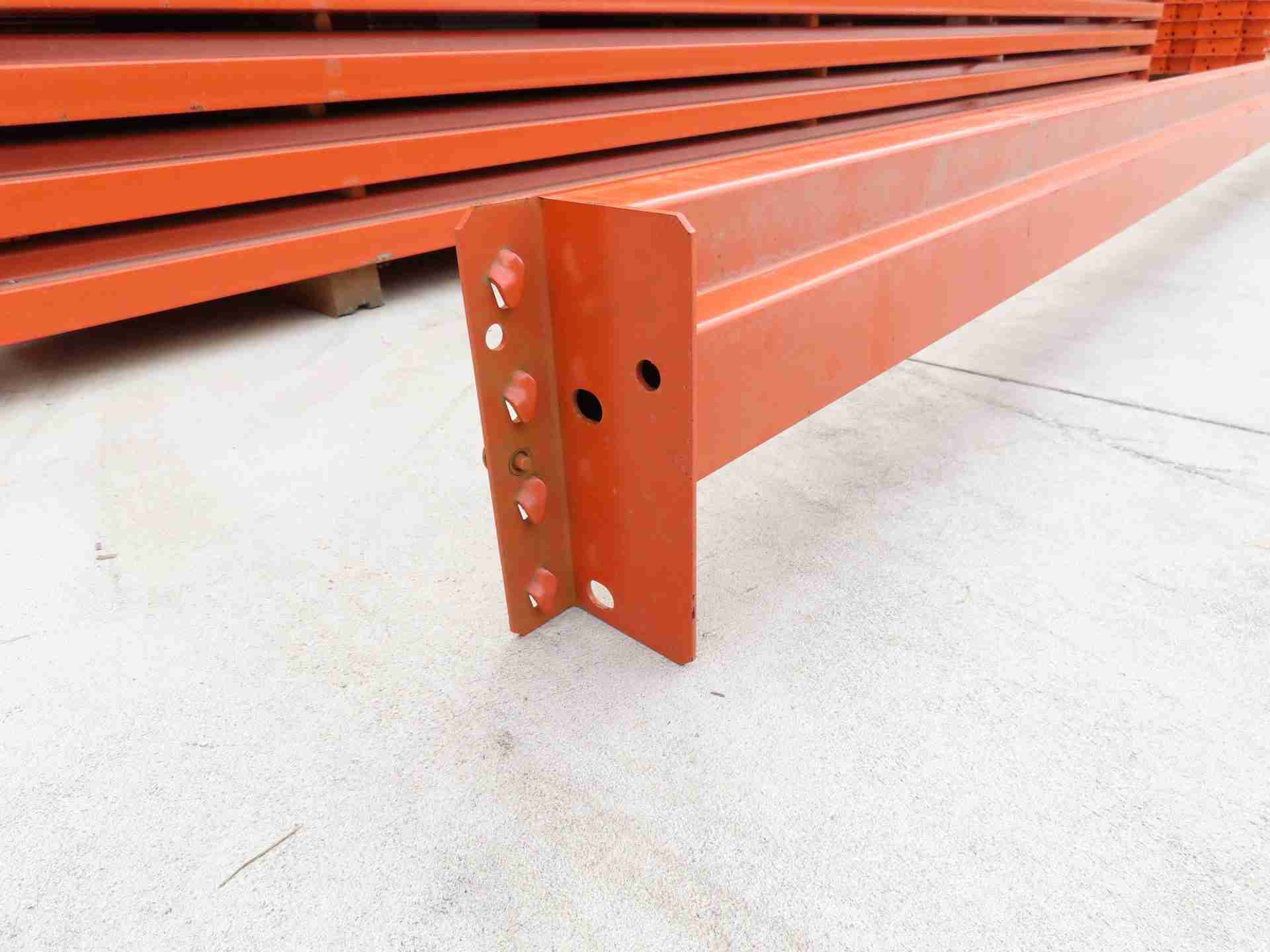
Conclusion
Conclusion:
- Flexible rack configurations are transforming modern warehousing operations and inventory management.
- This shift marks a move away from traditional racking systems towards more adaptable solutions that boost efficiency and productivity.
- Businesses that adapt quickly to changing demands can thrive in today’s fast-paced economy.
- Flexibility in racking fosters an agile work environment, empowering teams to innovate without the constraints of outdated systems.
- Investing in adaptable solutions demonstrates a commitment to sustainability, reducing waste and improving operational efficiency.
- The economic benefits of flexible racking include cost savings through minimized waste and maximized resource utilization.
- Industry leaders recognize the importance of flexibility, advocating for systems that can evolve with changing consumer preferences.
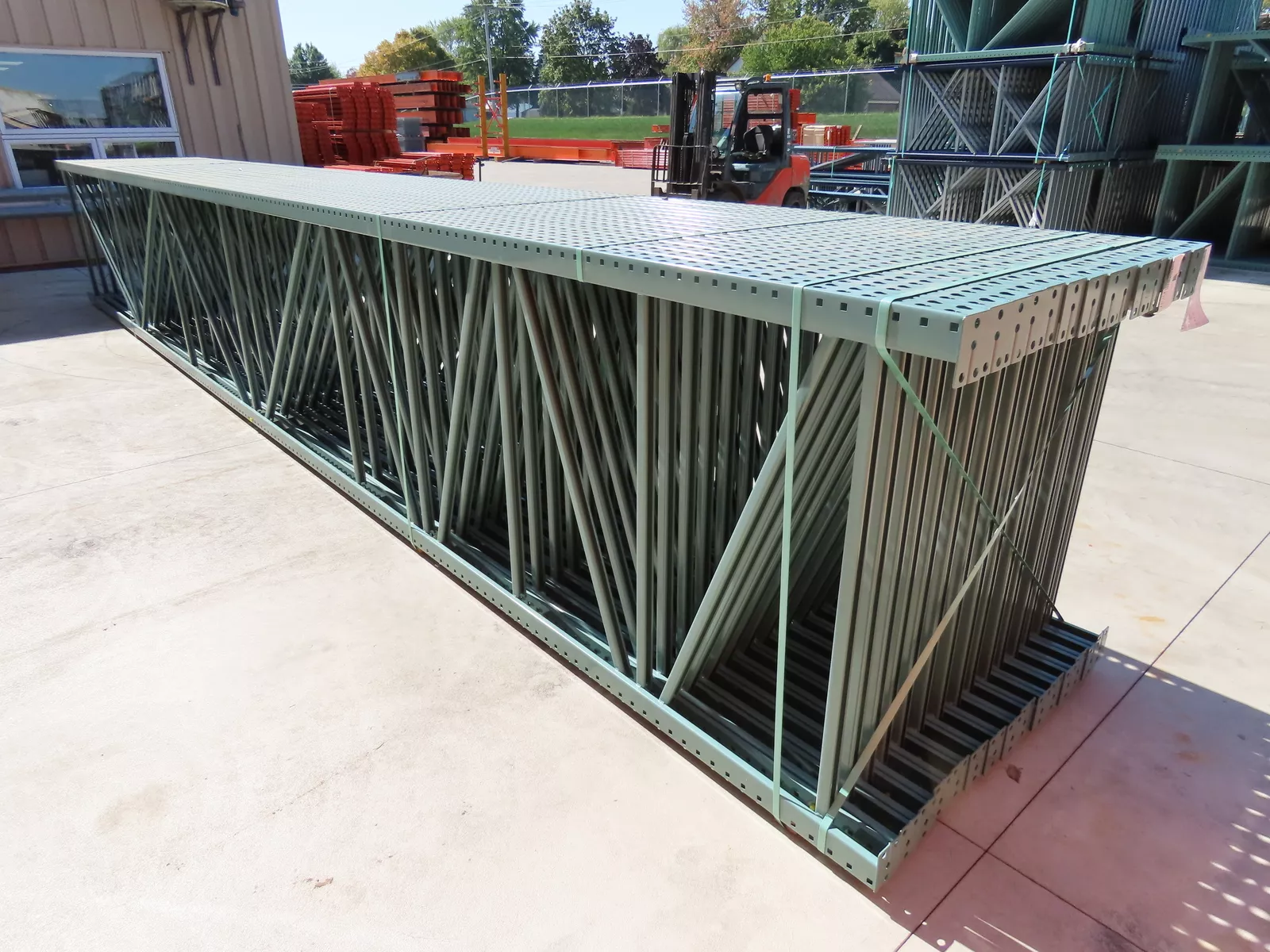
Conclusion
Other Resources

Other Resources
Here is a list of other resources you can review online to learn more:
- Warehousing and Fulfillment
- National Safety Council
- International Warehouse Logistics Association
- Pallet Racking 101: A Comprehensive Guide & Options Explained
- Warehouse Automation
- Rack Manufacturers Institute
- Shipping Boxes, Packaging Materials, Pallet Racking
- Teardrop Uprights
- Warehouse Racking Systems: Beginner’s Guide to Rack Systems
- American Society of Safety Professionals
- CMMA
- Racking World
- What is Cantilever Racking? – AK Material Handling Systems
- Warehouse Racks, Warehouse Racking in Stock – ULINE
- Iowa Illinois Warehouse Racking
- IIWS Inc. Rack Installation Illinois & Rack Repairs Illinois
- Used Pallet Rack for Sale in Illinois – American Surplus
- Selective Pallet Racking Systems – Container Systems
- IIWS Inc. Rack Installation Illinois & Rack Repairs Illinois
Use This Prompt To Get More Resources With Your Favorite Online AI Tool: Please provide me with a list of online articles with their URLs in a bulleted list that I can read regarding Why Flexible Rack Configurations Are the Future
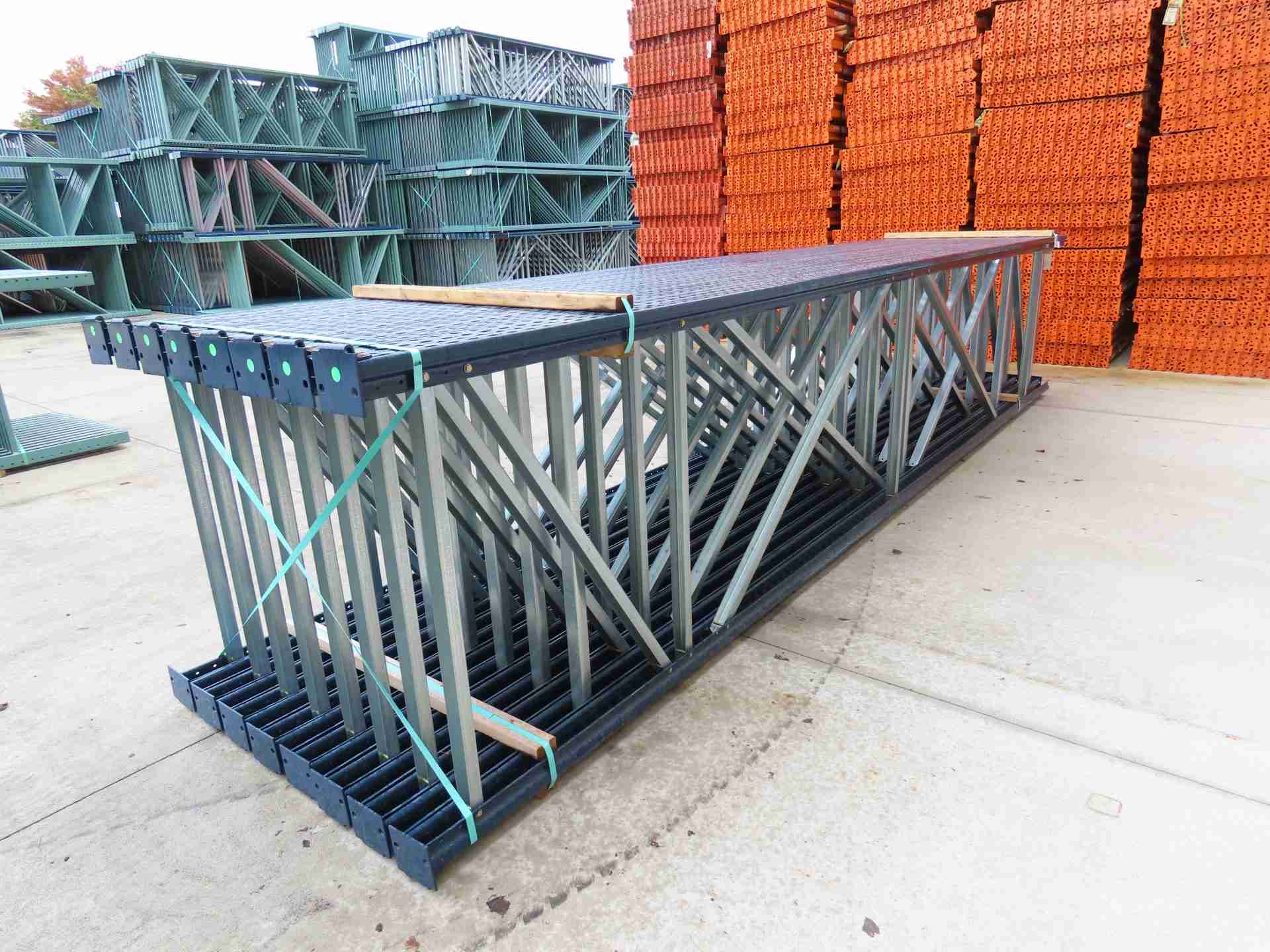
Other Resources
Glossary Terms
Why Flexible Rack Configurations Are the Future – Glossary Of Terms
1. Flexible Rack: A storage system that can be easily adjusted or reconfigured to accommodate varying sizes and types of inventory.
2. Modularity: The design principle that allows components to be rearranged or combined in different ways, enhancing adaptability.
3. Scalability: The capability of the rack system to expand or contract based on storage needs without significant investment in new infrastructure.
4. Load Capacity: The maximum weight that a rack can safely hold, which influences design choices and safety protocols.
5. Utilization Efficiency: A measure of how effectively space and resources are used in a storage system, often improved with flexibility.
6. Dynamic Storage: Storage solutions that allow for quick rearrangement or modifications to meet changing demands.
7. Inventory Management: The process of overseeing and controlling the ordering, storage, and use of inventory, improved by flexible rack configurations.
8. Space Optimization: The practice of arranging storage solutions to make the most effective use of available space.
9. Ergonomics: The study of designing equipment and workspaces to ensure comfort, efficiency, and safety for users, relevant in rack design.
10. Customization: The ability to tailor storage systems to meet specific operational requirements or ergonomic preferences.
11. Lean Inventory: A management strategy focused on minimizing waste and maximizing productivity, enhanced by flexible storage solutions.
12. Just-in-Time (JIT): An inventory strategy that aligns production with demand, benefiting from adaptable rack systems for easy access.
13. Versatility: The capability of a rack system to support a variety of storage types and methods.
14. Accessibility: The ease with which items can be reached or retrieved from storage, vital for efficient operations.
15. Safety Standards: Regulations and guidelines designed to ensure safe handling, structural integrity, and design of storage systems.
16. Forklift Compatible: The design elements of racks that accommodate the use of forklifts, enhancing operational efficiency.
17. Seismic Design: Structural considerations in rack configuration that ensure stability during earthquakes or other disturbances.
18. Inventory Turnover: A measure of how quickly stock is sold and replaced, influenced by the efficiency of storage systems.
19. Automation Integration: The capability to incorporate automated systems, such as robotics, with flexible rack configurations.
20. Vertical Space Utilization: The efficient use of height in storage systems to maximize storage density and reduce floor space needs.
21. Component Durability: The ability of rack materials and designs to withstand wear and stress over time.
22. Reconfiguration Time: The duration required to change or adjust the layout of the storage systems as needed.
23. Cost Efficiency: The balance of costs associated with installation and maintenance versus the benefits gained from flexible rack systems.
24. Flow Storage: A technique involving the use of rack systems that facilitate the smooth movement of inventory through a system.
25. Technology Adaptation: The integration of advanced technologies, like IoT, into flexible storage systems for improved management and monitoring.
26. Environmental Considerations: The impact of storage solutions on sustainability, such as material choice and energy consumption.
27. Cross-Docking: A logistics practice that minimizes storage time, leveraging flexible rack configurations for quick turnover.
28. Workflow Optimization: Enhancing the efficiency of processes in a facility through improved layout and storage configurations.
29. Standardization: The practice of creating uniform designs and processes across storage systems to simplify operations and reduce costs.
30. Throughput: The rate at which products are produced, stored, and shipped, significantly affected by the efficiency of the rack system design.
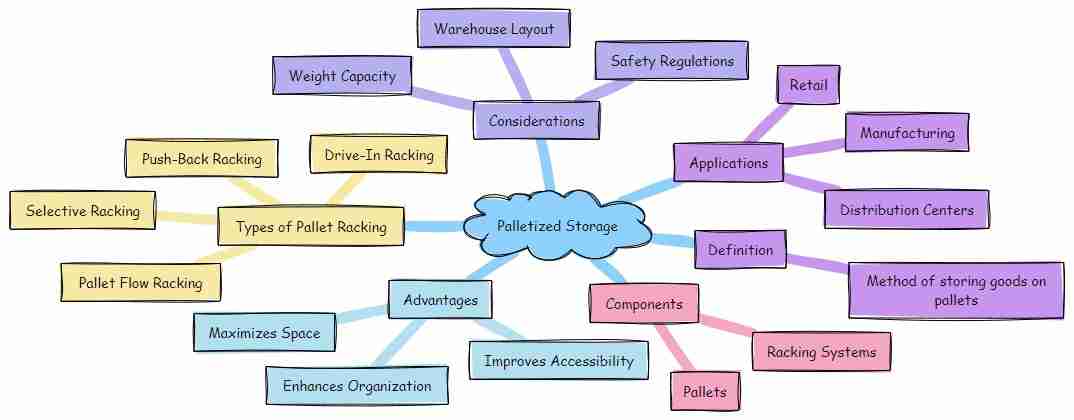
Glossary Of Terms
Other Questions
Why Flexible Rack Configurations Are the Future – Other Questions
If you wish to explore and discover more, consider looking for answers to these questions:
- What are the key advantages of flexible rack configurations compared to traditional systems?
- How do flexible rack systems contribute to operational efficiency?
- What specific industries benefit the most from flexible racking solutions?
- Are there any case studies highlighting the successful implementation of flexible rack configurations?
- What initial investment is required for businesses considering flexible racking?
- How do flexible racks support sustainability in supply chain management?
- What challenges might businesses face when transitioning to flexible racking systems?
- How do worker experiences change with the implementation of flexible racking?
- What maintenance practices are necessary for flexible rack systems?
- What role does technology play in enhancing the functionality of flexible racks?
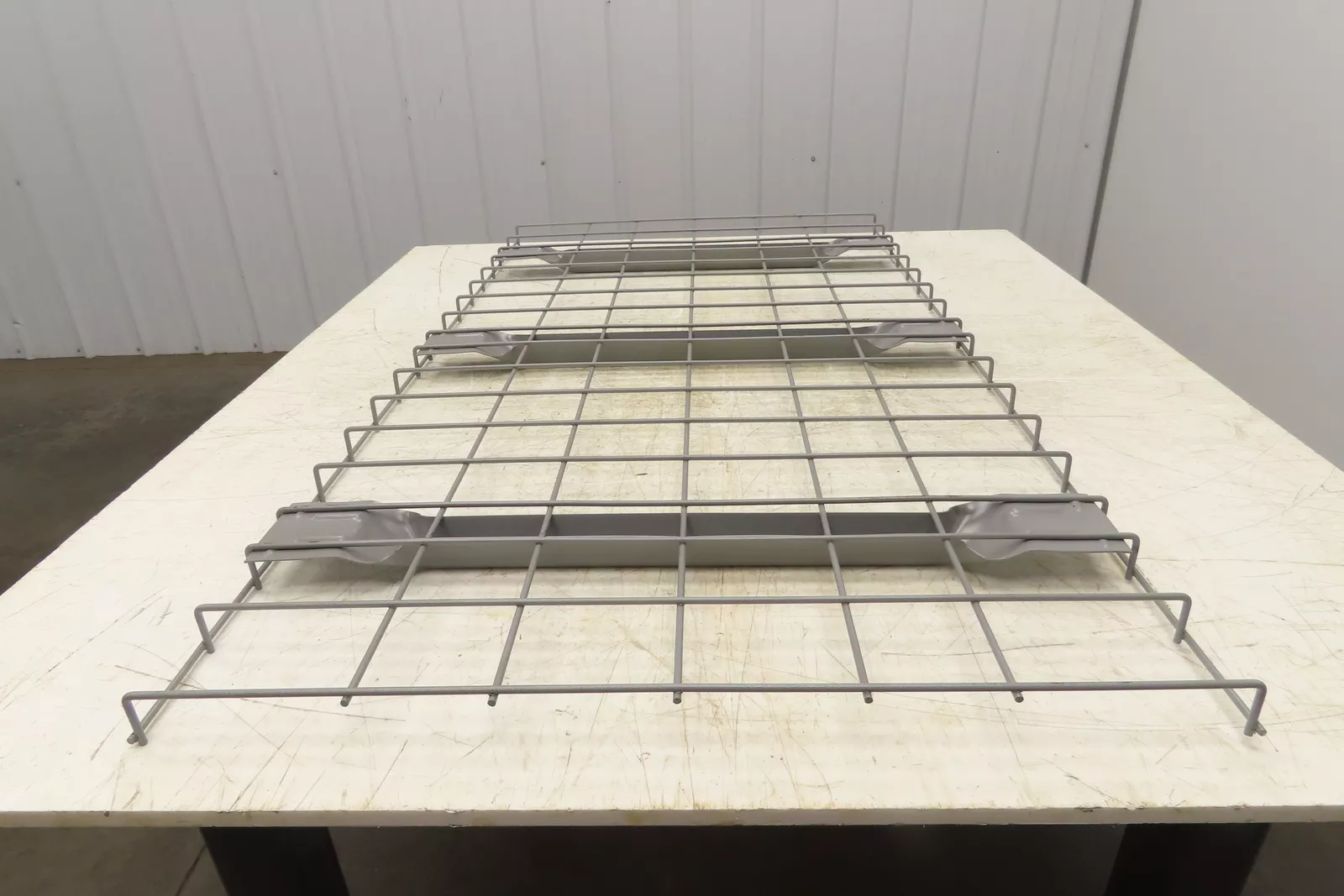
Other Questions
Checklist
Why Flexible Rack Configurations Are the Future – A Checklist
Checklist for Embracing Flexible Rack Configurations
Heart Appeals
_____ Empower Your Team: Consider how flexible rack systems can enhance the autonomy and morale of your employees.
_____ Commit to Sustainability: Reflect on the positive environmental impact of choosing adaptable racking solutions.
Head Appeals
_____ Analyze Cost Benefits: Calculate the potential long-term savings from reduced waste and increased operational efficiency.
_____ Embrace Adaptability: Evaluate how flexible racks can meet evolving business needs and improve overall responsiveness.
Gut Appeals
_____ Trust in Your Tools: Ensure that the racking systems you choose genuinely empower your workforce, enhancing their capabilities.
_____ Be Part of the Movement: Feel the pulse of innovation in your organization as you adopt cutting-edge flexible racking technology.
Emotional Appeals
_____ Share Success Stories: Gather testimonials from teams that have thrived with flexible racks, turning challenges into triumphs.
_____ Visualize the Impact: Picture the transformation of your workspace from chaos to order and see how flexibility can foster creativity.
Rational Appeals
_____ Review Structural Efficiency: Assess the practical advantages of flexible racks against rigid systems based on performance metrics.
_____ Consider Data-Driven Decisions: Use statistics showing the benefits of adaptability in warehousing for informed decision-making.
Ethical Appeals
_____ Contribute to Community Wellbeing: Understand how flexible racking aids not just your business, but also the broader community by promoting sustainable practices.
_____ Foster Loyalty: Recognize the value of ethical choices in enhancing your brand’s reputation and building trust with customers and stakeholders.
Authority Appeals
_____ Follow Industry Leaders: Stay updated on endorsements from top authorities advocating for flexible racking solutions.
_____ Consult Experts: Seek advice from logistics and warehouse management professionals who emphasize the importance of flexibility and efficiency.
Narrative Appeals
_____ Create Your Own Story: Document your journey toward adopting flexible rack systems and share how it shapes your business narrative.
_____ Inspire Others: Use your success with flexible racks to inspire other businesses within your network to embrace change.
Take Action!
_____ Join the Movement: Explore the flexibility of rack solutions for your warehouse and take the first step towards a more efficient future.
Checklist
At RackingWorld, we help guide you through selecting warehouse storage systems and racking.
Be sure to read our other related stories at RackingWorld to learn more about warehouse storage systems.
0 Comments