
Maximizing Safety, Efficiency, And Trust With Certified Used Racking
By Tom Seest
At RackingWorld, we help guide you through selecting warehouse storage systems and racking.
Be sure to read our other related stories at RackingWorld to learn more about warehouse storage systems.
Used Racking Certifications: Are They Necessary?
When it comes to used racking, the question of certifications can feel like trying to fit a square peg in a round hole. You might wonder if they’re necessary or just an unnecessary expense. But let’s pause for a moment and think about the people behind those steel beams and uprights. Each piece of racking holds more than just pallets; it carries the weight of livelihoods, families, and dreams. In the fast-paced world of warehouses and distribution centers, safety is not a buzzword; it’s a lifeline.
Emotionally speaking, think about the last time you walked into a warehouse. The hum of machinery, the focused intensity of workers, and the stacks of inventory tell a story of hard work and dedication. Now, picture a racking system that could let down the very people who rely on it. The stakes are high. Bad racking can lead to accidents, injuries, and even loss of life. That’s not just a statistic; those are real people—friends, mothers, brothers—who deserve the peace of mind that comes with knowing their workplace is safe and reliable.
From a rational standpoint, certifications serve as a standard of assurance. They demonstrate that the racking system has been rigorously tested and vetted by experts who know the intricacies of load-bearing limits and safety factors. When you choose certified used racking, you’re not just saving a few bucks; you’re investing in a framework that is proven to endure the demands placed upon it. This isn’t just common sense; it’s best business practice.
Ethically, making an informed choice reflects your values as a leader. You owe it to your employees to guarantee their safety and well-being while they perform their essential duties. In a world filled with shortcuts and “good enough” solutions, choosing certified racking is a stand for quality and responsibility.
And let’s not forget the social aspect. The corners we cut today could result in conversations you wouldn’t want to be part of tomorrow—those uncomfortable discussions surrounding accidents or failures. Certifications send a message: you care about the people and processes involved in your operation.
So, the next time you’re faced with the choice of used racking, consider more than just your wallet. Listen to your gut. Align your heart, head, and values. Choose wisely; choose safety.

Used Racking Certifications: Are They Necessary?
Used Racking Certifications: Are They Necessary?
- The necessity of certifications for used racking can be debated, but they play a crucial role in ensuring safety.
- Every piece of racking supports not only pallets but also the livelihoods and families of workers.
- Failure of racking systems can lead to serious accidents and injuries, impacting real people’s lives.
- Certifications provide assurance that the racking has been tested and meets safety standards.
- Investing in certified used racking is a smart business decision that prioritizes safety and reliability.
- Making informed choices reflects your values and commitment to employee safety and well-being.
- Choosing certified racking demonstrates care for both people and processes in your operation.

Used Racking Certifications: Are They Necessary?
Table Of Contents
- Used Racking Certifications: Are They Necessary?
- What Emotions Do You Feel When Considering Used Racking Systems?
- How Does Safety Influence Your Decision on Racking Certifications?
- Is It Worth Saving Money on Racking If It Compromises Safety?
- Can You Trust the Integrity Of Used Racking Without Certification?
- How Do Industry Standards Shape Your View Of Used Racking Systems?
- Conclusion
- Other Resources
- Glossary Of Terms
- Other Questions
- Checklist
What Emotions Do You Feel When Considering Used Racking Systems?
When you think about diving into the world of used racking systems, you might feel a slew of emotions swirling around your gut. There’s excitement, no doubt. The promise of a steal on reliable storage solutions can set your heart racing. But let’s be honest—there’s an undercurrent of anxiety too. You can’t help but wonder, “Will these heavy-duty racks stand the test of time? Will they keep my goods safe, secure, and accessible?”
Picture this: a small business owner staring at an ever-growing pile of inventory, each box representing a dream, a commitment to hard work. Frustration builds as the clutter starts to overtake their workspace. The clarity that comes with a well-organized racking system feels almost out of reach. You can relate, can’t you? There’s something deeply human about wanting order amid chaos, even when a part of you worries about the expenses. In those moments, the answer becomes clear: investing in used racking systems can provide not just relief from the mess but a pathway to growth.
Rationally, think about it. New racking systems can lead to serious financial strain, especially for tight budgets. Choosing used alternatives not only conserves funds but often delivers the same sturdiness and reliability. You’ll feel the weight lift off your shoulders knowing you made a smart decision. This isn’t just about dollars and cents; it’s about being a steward of your resources. In an economy that sometimes feels shaky, doing right by your budget carries a crucial ethical responsibility.
Consider the stories behind those used racking systems. Each piece has its history, perhaps once supporting the dreams of another small business or emerging entrepreneur. There’s a sense of connection, almost like adopting a seasoned warrior into your own army. Trusting these racks to serve you well ignites feelings of community and shared experience, reinforcing the bond between those who work hard and those who facilitate that hard work.
So, when those feelings of doubt creep in, remind yourself: you’re not just acquiring used racking systems; you’re investing in potential, in efficiency, in the dream that lives in every box you store. It’s not just about what you’re buying; it’s about what you’re building.

What Emotions Do You Feel When Considering Used Racking Systems?
What Emotions Do You Feel When Considering Used Racking Systems?
- Diving into used racking systems elicits excitement mixed with anxiety over their reliability.
- Small business owners struggle with inventory clutter, highlighting the need for organization.
- Investing in used racking systems offers relief from chaos and potential for growth.
- New racking systems can strain budgets, making used alternatives a financially smart choice.
- Each used rack has a history, connecting owners to previous small business experiences.
- Acquiring used racking systems fosters a sense of community and shared entrepreneurial spirit.
- Investing in these systems symbolizes commitment to efficiency and the dreams behind stored goods.

What Emotions Do You Feel When Considering Used Racking Systems?
How Does Safety Influence Your Decision on Racking Certifications?
When it comes to racking, safety isn’t just a checkbox on a compliance form; it’s a lifeline. Think about it: every day, someone relies on a racking system to keep their world in balance. Whether it’s a warehouse bustling with activity or a retail space stocked to the brim, the stakes are impossibly high. If you’ve ever felt that nerve-wracking moment when something teeters dangerously close to toppling over—your heart races, doesn’t it? Now, imagine the weight of merchandise—millions of dollars’ worth—hovering above workers or customers. It’s not just about dollars and cents; it’s about lives.
From a rational standpoint, choosing racking certifications based on safety is a smart investment. An OSHA violation can lead to costly fines and legal trouble. With the right certifications, you’re not only reducing that risk but also fostering a culture of accountability within your organization. Leveraging trusted certifications means you’re placing your faith in standards that have been tested, proven, and upheld by experts in the field. They’re the guardians of safety in an often chaotic world. You wouldn’t put your family in a car that didn’t meet safety standards, would you? Racking systems deserve the same consideration.
Ethically speaking, providing safe working conditions is a moral obligation we all share. When you prioritize safety in your racking decisions, you’re sending a clear message: “I care.” This isn’t just about safeguarding the goods; it’s about safeguarding the people who handle them day in and day out. Your commitment to safety builds a sense of community and trust among employees, creating an environment where everyone feels valued and respected.
Additionally, there’s an element of authority. Working with certified systems means collaborating with professionals who understand the intricacies of design and load capacities. These experts have weathered the storms of industry challenges and emerged with solutions that keep businesses thriving.
As social beings, we are influenced by our surroundings. Building a reputation for safety can set you apart, attracting talent who prioritize the well-being of themselves and their colleagues. Trust isn’t given lightly, but by embedding safety within your decision-making for racking, you’re not just doing your job—you’re crafting a legacy of responsibility and care. So, take that step forward. Choose safety. Choose life.

How Does Safety Influence Your Decision on Racking Certifications?
How Does Safety Influence Your Decision on Racking Certifications?
- Safety in racking systems is crucial, serving as a lifeline for workers and customers.
- Choosing racking certifications based on safety is a prudent investment that reduces risks.
- Proper certifications help prevent costly OSHA violations and foster accountability within organizations.
- Safety certifications are upheld by experts, ensuring robust and reliable racking systems.
- Prioritizing safety demonstrates care for both goods and the people handling them.
- Collaboration with certified systems connects businesses with professionals knowledgeable in design and load capacities.
- Building a reputation for safety enhances trust and attracts talent committed to well-being and responsibility.

How Does Safety Influence Your Decision on Racking Certifications?
Is It Worth Saving Money on Racking If It Compromises Safety?
When considering racking systems for your warehouse, it’s easy to tune out the nuances in favor of a quick financial gain. But let’s pause for a moment and reflect: what happens when safety gets sidelined in our quest to save a buck? It’s a slippery slope, often paved with good intentions but marred by potentially catastrophic consequences.
Imagine your employees—dedicated, hardworking individuals—coming into work each day, trusting that their environment is safe. They deserve that peace of mind. Cutting corners on racking may seem like a smart cost-saving strategy, but it could lead to injuries, which not only impact lives but also ripple through families and communities like a pebble tossed into a still pond. That’s the ethical dilemma here. Are we prioritizing our bottom line over the very safety of those who drive that line?
Look at the math. Yes, investing in robust racking might pinch your wallet today, but consider the long-term costs associated with injuries, accidents, and potential legal battles. Weighing the scales of pragmatism, you’d find that the initial savings pale in comparison to the hefty price of negligence. It’s not just about dollars and cents; it’s about values. Real success involves an unwavering commitment to your team—and compromise on safety erodes that trust.
Now, let’s get personal. Can you remember a time when you had to make a difficult decision? Maybe you chose to buy the more expensive thing because you knew it was the right choice in the long run. That’s the gut feeling that should steer your racking decisions. Don’t underestimate the subliminal messages you send to your team when you opt for the cheaper, less safe option—it communicates a lack of value for their well-being.
Think about it: you have the power to create a culture grounded in safety and responsibility. Leading with integrity means investing in quality racking that stands the test of time—both structurally and ethically. You’re not just safeguarding products; you’re safeguarding lives. Connect with your team, share these insights, and work collectively toward a solution that prioritizes safety.
When we commit to high standards, we don’t merely comply with regulations; we cultivate an environment where people can thrive—where pride in workmanship flourishes, and safety isn’t an afterthought but the cornerstone of our success. That’s worth every penny in the bank.

Is It Worth Saving Money on Racking If It Compromises Safety?
Is It Worth Saving Money on Racking If It Compromises Safety?
- Racking systems are vital for warehouse safety; prioritizing cost-cutting can lead to dangerous consequences.
- Employees trust their work environment to be safe; neglecting safety undermines that trust and can lead to severe injuries.
- Investing in quality racking may have short-term financial implications but ultimately saves money on accident-related costs.
- Safety compromises reflect poorly on company values, negatively affecting team morale and trust.
- Choosing higher-quality racking demonstrates a commitment to employee well-being and communicates value for their safety.
- Building a strong safety culture requires investing in reliable equipment and fostering team communication.
- High safety standards enhance compliance and create a thriving work environment where employees take pride in their work.

Is It Worth Saving Money on Racking If It Compromises Safety?
Can You Trust the Integrity Of Used Racking Without Certification?
When it comes to used racking, the stakes are high. Picture a bustling warehouse where every inch of space counts. Racking systems aren’t just metal beams; they’re the backbone of your operation. They hold not just products, but the promise of livelihoods. Each piece of equipment should carry the weight of trust alongside the weight of those neatly stacked boxes. So, can you trust the integrity of used racking without certification?
Let’s take a step back and talk about who you’re putting your faith in. Used racking may seem like a bargain, but remember: with great savings comes great responsibility. If you’re considering going down this path, ask yourself—what’s the story behind that racking? Has it been inspected? What kind of load has it carried, and at what cost? Just like a vintage car, each piece has a history, and that history could affect its performance in your space.
Emotionally, we want to feel secure in our choices. This isn’t just about steel and bolts; it’s about the people who rely on your business every single day. Your employees deserve safety. Your customers deserve reliability. You owe it to yourself to ensure that each piece of racking has passed its test of time and wear.
Rationally speaking, the lack of certification can sometimes mask hidden problems. It’s like walking a tightrope without a net—you might make it across, but that leap could lead to disaster. Nobody wants to see their investment crumble under the weight of uncertainty. Instead, think about the future. Investing in certified racking means investing in peace of mind.
Ethically, there’s a responsibility that comes with equipment management. The right decision is never just about the cost. It’s about making choices that will protect your team and uphold your reputation. Envision the conversations you’ll have: “Where did you get that racking?” “Were they safe?” Being a steward of safety means taking ethics into account.
Finally, remember the social aspect: share your findings with others. Engage with fellow business owners. The right community will lift each other up, sharing insights and experiences that go beyond price tags. Trust starts here, in connection and dialogue, fostering a safer, more secure workplace for everyone involved. So, as you weigh your options, let your heart, head, and gut guide you toward the path of safety and integrity in your racking choices.

Can You Trust the Integrity Of Used Racking Without Certification?
Can You Trust the Integrity Of Used Racking Without Certification?
- Used racking is critical for warehouse operations, supporting both products and livelihoods.
- Trust in used racking requires understanding its history, inspection status, and load capacity.
- Emotional security is important; racking choices impact employee safety and customer reliability.
- Lack of certification may hide potential issues, risking investment and safety.
- Investing in certified racking offers peace of mind and assures long-term performance.
- Ethical considerations in equipment management protect your team and enhance your reputation.
- Community engagement and sharing experiences foster a safer, more secure workplace.

Can You Trust the Integrity Of Used Racking Without Certification?
How Do Industry Standards Shape Your View Of Used Racking Systems?
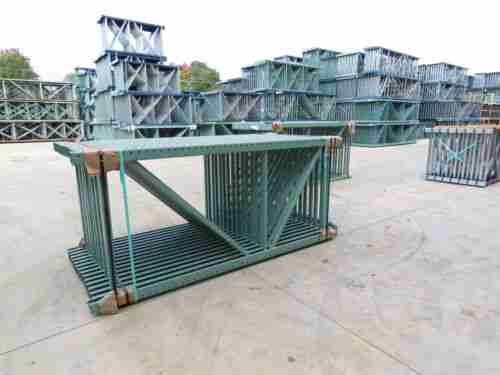
When you walk into a warehouse lined with towering rows of used racking systems, it’s easy to feel overwhelmed. Yet, the way you perceive these systems—those unsung heroes of logistics—often hinges on industry standards. I’m not talking about a bureaucratic checklist, but rather a framework that shapes your understanding of quality, safety, and reliability.
Consider this: each piece of racking has a story. Behind that steel frame are countless hours of design, engineering, and manufacturing aimed at ensuring they can handle the weight of your business. Industry standards are like guardrails; they exist to keep you on the right path. They provide a clear, rational basis for evaluating whether a used racking system can withstand the rigors of daily operations. Think of it as a hard hat for your decision-making process, protecting you from potential pitfalls.
But let’s get personal. Picture a small business owner, striving to cut costs while maintaining safety. They spot a used racking system that’s been lightly used, yet carries a certification from a respected authority. This isn’t merely a transaction; it’s a commitment to their employees and customers. By choosing a racking system that adheres to industry standards, they aren’t just saving money; they’re investing in a culture of responsibility and care.
On a gut level, consider the risk involved. An improperly rated racking system could lead to collapses that not only jeopardize inventory but also endanger lives. Industry standards act like a safety net, giving everyone—from the warehouse worker to the CEO—confidence that they’re making informed decisions. This isn’t just about compliance; it’s about trust. Can you imagine the peace of mind that comes from knowing your racking system meets stringent safety requirements? That’s powerful.
People connect with the stories behind equipment, the impact on their communities, and the lives of their colleagues. By adhering to these industry standards, you are aligning yourself with a community that values safety, integrity, and excellence. It’s a badge of honor that says you care—a commitment to not just surviving, but thriving. Whether you’re a seasoned professional or a newcomer to the field, understanding how industry standards shape the landscape of used racking systems invites a deeper connection with your choices. Your decision holds weight, and it reverberates beyond your warehouse, echoing into the lives it touches.
How Do Industry Standards Shape Your View Of Used Racking Systems?
How Do Industry Standards Shape Your View Of Used Racking Systems?
- Walking into a warehouse filled with used racking systems can be overwhelming but understanding industry standards helps clarify their value.
- Each racking system is backed by extensive design, engineering, and manufacturing to ensure reliability and safety.
- Industry standards provide a framework for evaluating the quality and operational readiness of used racking systems.
- Choosing certified racking showcases a commitment to employee and customer safety, reflecting responsible business practices.
- Improperly rated racking poses risks of collapses, impacting inventory and safety; industry standards provide a crucial safety net.
- Adhering to industry standards fosters a sense of community and trust, emphasizing safety, integrity, and excellence.
- Your choice in racking systems has significant implications, influencing not only your warehouse operations but also the lives of those impacted by your decisions.

How Do Industry Standards Shape Your View Of Used Racking Systems?
Conclusion
In the realm of used racking, the importance of certification transcends numbers and budgets. It’s a foundation built on trust, safety, and responsibility—a commitment to the very people who depend on these structures for their livelihoods. Each section of that racking system represents not just metal and bolts, but the hopes, dreams, and hard-earned efforts of individuals working tirelessly in often demanding environments. Imagine a warehouse coming alive with the hum of productivity, where safety isn’t just a legal requirement but a fundamental pillar of operational integrity. When we consider the potential consequences of subpar racking—accidents, injuries, even fatalities—it becomes evident that these are not just statistical chances; they are the lives of your employees, their families, and the fabric of your community.
Emotionally, we all understand the desire for security in our workplaces. Choosing certified used racking means opting for reliability and peace of mind; it’s a promise that these systems have withstood rigorous safety evaluations. Rationally, the savings from going with uncertified racking might seem attractive, but the long-term costs associated with injuries or regulatory fines tell a different story. It’s about being stewards of our resources and making decisions that prioritize people’s well-being above all else.
Ethically, the responsibility is clear. Securing a safe workplace is a moral obligation every leader must embrace. Opting for certified racking not only communicates to your employees that you value their safety but also fosters a culture of accountability and trust. This is a statement of integrity, reflecting your values as a leader dedicated to quality and community.
Remember the stories behind those racking systems. Each piece has faced challenges in its previous life and survived to play another role in your operations. By selecting used racking that adheres to industry standards, you join a broader narrative—a social fabric where businesses uplift one another through shared practices and safer environments. Investing in certified used racking is not merely a choice; it’s a vital step toward building a legacy of responsibility, trust, and excellence. So, as you navigate your options, let your heart, head, and gut align. Choose safety, choose integrity, and by doing so, you choose a path that leads to a thriving workplace for everyone involved.

Conclusion
Conclusion:
- Certification of used racking is essential for trust, safety, and responsibility.
- Each racking system symbolizes the hopes and efforts of individuals in demanding work environments.
- Subpar racking can lead to serious workplace accidents and consequences impacting employees and communities.
- Choosing certified used racking ensures reliability and peace of mind after rigorous safety evaluations.
- The financial savings from uncertified racking may lead to higher long-term costs due to injuries or fines.
- Opting for certified racking reflects a commitment to safety, accountability, and ethical leadership.
- Investing in certified used racking contributes to a legacy of responsibility and a supportive business community.

Conclusion
Other Resources

Other Resources
Here is a list of other resources you can review online to learn more:
- What is Cantilever Racking? – AK Material Handling Systems
- Cantilever Racks Chicago
- Pallet Rack Systems – New and Used Pallet Racking and Shelving Experts
- Wolter
- BMH
- Intro to Warehouse Racks & Warehouse Racking Systems – ShipBob
- Warehousing Education and Research Council: https://www.werc.org/
- Arrow Industrial Sales
- What is Selective Racking: Understanding Benefits & Options
- Teardrop Industrial Shelving Rack
- Interlake Mecalux
- Used Teardrop Pallet Rack – American Surplus
- Shipping Boxes, Packaging Materials, Pallet Racking
- Warehouse Racks, Warehouse Racking in Stock – ULINE
- Warehouse Racking Systems: Beginner’s Guide to Rack Systems
- National Safety Council
- NSC
- CA Wire
- Warehouse Racking Layout: The Ultimate Guide – Conger
Use This Prompt To Get More Resources With Your Favorite Online AI Tool: Please provide me with a list of online articles with their URLs in a bulleted list that I can read regarding Used Racking Certifications: Are They Necessary?

Other Resources
Glossary Terms
Used Racking Certifications: Are They Necessary? – Glossary Of Terms
1. Racking: A system of shelves or frameworks used for storing goods in warehouses, factories, or retail environments.
2. Certification: An official recognition or validation that something meets specific standards or criteria.
3. Compliance: Adherence to laws, regulations, guidelines, and specifications relevant to a particular industry or practice.
4. Safety Standards: Established guidelines intended to ensure the safety and reliability of equipment and systems.
5. Inspection: A thorough examination of racking systems to assess their condition, structural integrity, and compliance with safety standards.
6. Load Capacity: The maximum weight or load that a racking system can safely support.
7. Structural Integrity: The ability of a racking system to withstand intended loads without failure.
8. Design Specification: A detailed description of the design criteria and requirements that racking systems must meet.
9. Ergonomics: The study of how equipment and systems can be designed to fit the people who use them, aiming to enhance safety and productivity.
10. OSHA: The Occupational Safety and Health Administration, a regulatory body that enforces workplace safety standards in the U. S.
11. Inspection Frequency: The recommended or required intervals at which racking systems should be checked for safety and compliance.
12. Maintenance: Regular procedures and actions taken to keep racking systems in working order and to extend their lifespan.
13. Durability: The ability of racking materials to withstand wear, pressure, or damage over time.
14. Manufacturer Guidelines: Instructions and specifications provided by the manufacturer on the proper use and maintenance of racking systems.
15. Risk Assessment: The process of identifying potential hazards associated with racking systems and evaluating the risks involved.
16. Training: Educational programs aimed at instructing employees on safe practices for using and maintaining racking systems.
17. Load Distribution: The manner in which weight is spread across a racking system, impacting stability and safety.
18. Forklift Safety: Procedures and practices designed to ensure the safe operation of forklifts in racking environments.
19. Pallet Racking: A storage system designed to hold pallets, allowing for efficient use of warehouse space.
20. Safety Audit: A systematic evaluation of workplace practices to ensure compliance with safety regulations and best practices.
21. Defective Equipment: Racking components that are damaged or fail to meet safety standards, needing replacement or repair.
22. Field Inspection: An on-site evaluation of racking systems conducted by trained professionals to assess safety and compliance.
23. Regulatory Compliance: The process of ensuring that racking systems meet all relevant laws and industry regulations.
24. Storage Density: The amount of space utilized for storage purposes within a racking system, influencing efficiency and organization.
25. Lifting Equipment: Tools and machinery, such as forklifts, used to move, lift, and position loads within racking systems.
26. Weight Limit Violation: An instance in which the load placed on a racking system exceeds its safe load capacity.
27. Bending Moment: A measure of the internal forces within a racking system that can lead to deformation or failure.
28. Anchor Points: Fixed points used to secure racking systems to the floor, ensuring stability and safety during use.
29. Dynamic Load: The weight or force that acts on a racking system during operation, such as while loading or unloading.
30. Preventive Maintenance: Proactive actions taken to anticipate potential problems with racking systems, aimed at reducing downtime and ensuring safety.

Glossary Of Terms
Other Questions
Used Racking Certifications: Are They Necessary? – Other Questions
If you wish to explore and discover more, consider looking for answers to these questions:
- What are the specific certifications necessary for used racking systems?
- How does one determine the reliability of a used racking system?
- What are the potential risks associated with non-certified used racking?
- What inspections should be performed on used racking systems?
- How do different industries view the necessity of used racking certifications?
- What are the costs associated with obtaining certifications for used racking?
- Can you provide examples of accidents caused by uncertified racking systems?
- What long-term benefits come from investing in certified used racking?
- How do regulations and standards vary by region or country for racking systems?
- What are the key indicators of quality in used racking systems?
- How should businesses educate their employees about the importance of racking safety?
- What role does employee feedback play in selecting used racking systems?
- How can businesses balance cost-saving with safety when choosing racking systems?
- What are the environmental impacts of purchasing used racking versus new?
- How can businesses ensure compliance with safety regulations regarding used racking?

Other Questions
Checklist
Used Racking Certifications: Are They Necessary? – A Checklist
Used Racking Certifications Checklist: Heart, Head, and Gut
Emotional Appeals:
_____ Reflect on the human impact: Could your racking decisions affect employees’ safety and livelihoods?
_____ Visualize the workspace: How does a safe, organized environment contribute to employee morale?
Rational Appeals:
_____ Assess certification standards: Have you verified that the used racking has been tested for safety and reliability?
_____ Consider long-term costs: Are you weighing the initial savings against potential future costs related to accidents or compliance violations?
Ethical Appeals:
_____ Reflect on your responsibilities: Are you prioritizing the safety and well-being of your team in your racking decisions?
_____ Embrace accountability: Are you prepared to lead by ensuring that all equipment meets ethical safety standards?
Authority Appeals:
_____ Consult industry experts: Have you reached out to knowledgeable professionals or organizations regarding certifications and standards?
_____ Research credible sources: Are you familiar with the certifications that carry weight in your industry?
Narrative Appeals:
_____ Think of the stories: What past experiences (either personal or industry-related) can help shape your decision on used racking?
_____ Share community experiences: Can you engage colleagues or other industry professionals in conversations about their racking choices?
Social Appeals:
_____ Build a safety culture: Are you communicating the importance of safety standards throughout your organization?
_____ Collaborate with your community: Have you discussed best practices with other business owners regarding the use of certified racking systems?
Gut Feelings:
_____ Listen to your instincts: Does the quality of the racking you’re considering inspire confidence and alleviate concerns?
_____ Evaluate the risk for yourself: What does your intuition say about the reliability of the used racking without certification?
Use this checklist to guide you in making informed, safe, and ethical choices when it comes to used racking systems.

Checklist
At RackingWorld, we help guide you through selecting warehouse storage systems and racking.
Be sure to read our other related stories at RackingWorld to learn more about warehouse storage systems.
0 Comments