
Revolutionizing Warehouse Storage Solutions
By Tom Seest
At RackingWorld, we help guide you through selecting warehouse storage systems and racking.
Be sure to read our other related stories at RackingWorld to learn more about warehouse storage systems.
Are Traditional Racking Systems Obsolete In Modern Warehousing?
In today’s fast-paced logistics landscape, where efficiency and adaptability reign supreme, the question isn’t simply whether traditional pallet racking systems can compete, but whether they can still keep pace with the evolving demands of modern warehousing. It’s a question that sparks debate among industry veterans and newcomers alike.
Many businesses rely heavily on traditional pallet racking systems—they’ve been a staple of warehouse design for decades, offering a reliable solution for storing goods efficiently. But let’s be candid: just because something has been effective for years doesn’t mean it’s optimal for today’s challenges. Are your current systems maximizing your space and resources, or are they just filling up your warehouse with outdated practices?
Consider this: with the rise of e-commerce and the relentless demand for faster delivery times, warehouses must adapt at lightning speed. Traditional pallet racking offers a certain familiarity, but does it provide the flexibility to scale operations, optimize fulfillment processes, and enhance inventory management? As consumer expectations evolve, many warehouses find themselves hamstrung by rigid structures that don’t promote agility.
Think about it—how often do you feel the pressure to shift your operations on a dime? A robust and agile warehousing system should allow you to respond to market shifts without tearing down walls or investing heavily in retrofitting. Modern storage solutions are designed with this in mind, utilizing adjustable configurations, innovative materials, and even high-tech features that a classic pallet racking system simply cannot deliver.
Now, it’s not about discarding what has worked; it’s about integrating and improving. It’s about recognizing that a combination of traditional and contemporary methods can yield the best results. But to do that, you must be bold. Take a step back and evaluate your current racking systems. Are they helping you soar to new heights, or are they weighing you down like anchors? Explore solutions that offer density and retrieval efficiency while maintaining the adaptability your modern warehouse needs.
Don’t allow your warehouse to become stagnant while the industry competes at breakneck speed. Embrace change, inspire confidence among your team, and take that leap towards innovative storage solutions. The future of warehousing is here—are you ready to embrace it?
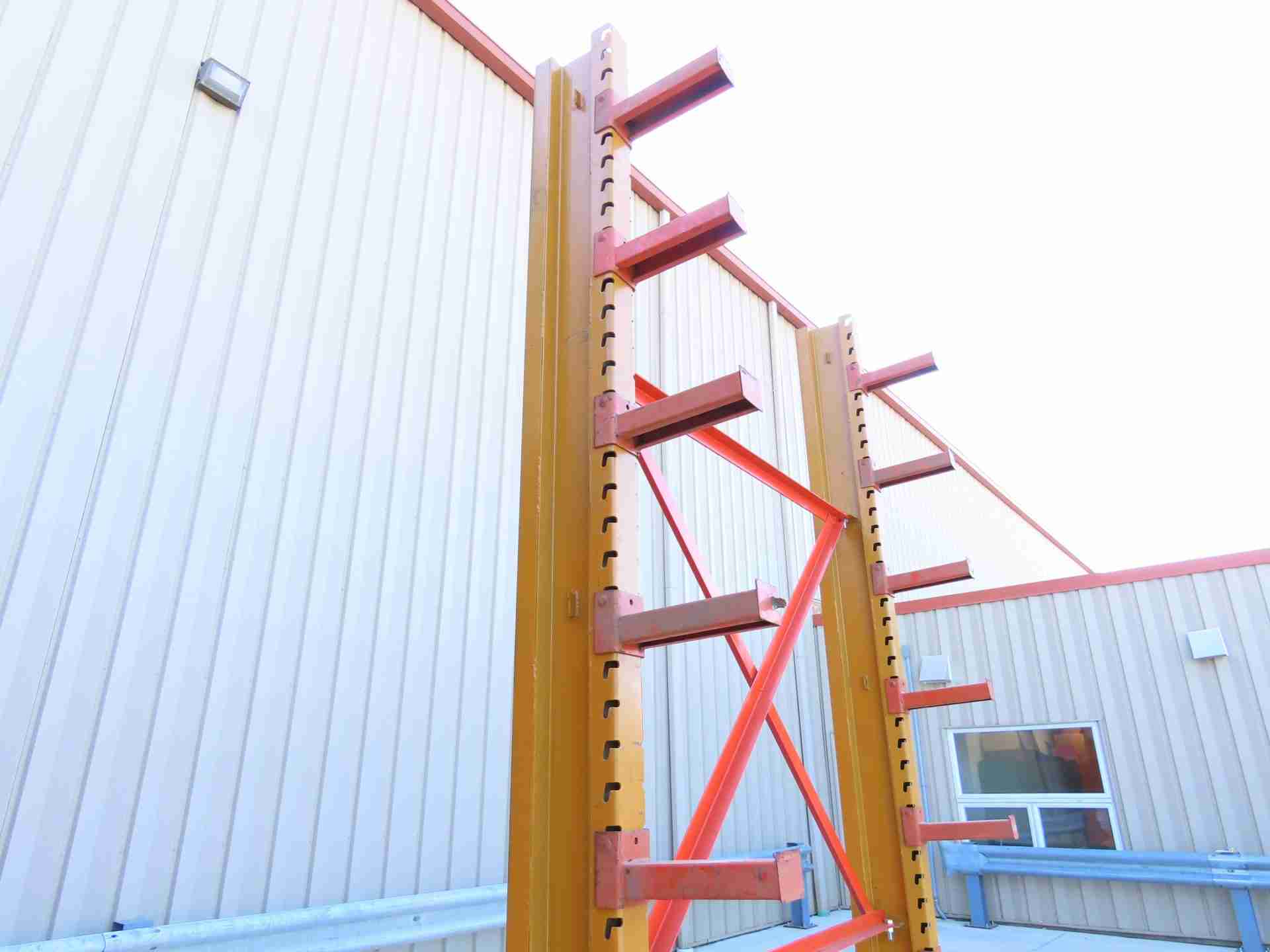
Are Traditional Racking Systems Obsolete In Modern Warehousing?
Are Traditional Racking Systems Obsolete In Modern Warehousing?
- Modern warehousing demands efficiency and adaptability, questioning the relevance of traditional pallet racking systems.
- Traditional racking systems have been reliable for decades but may not address contemporary challenges effectively.
- The rise of e-commerce necessitates rapid adaptation of warehouse operations, often outpacing traditional methods.
- Traditional pallet racking may lack flexibility for scaling operations and optimizing inventory management.
- Modern storage solutions provide adjustable configurations and high-tech features for enhanced agility.
- Integrating traditional and contemporary methods can lead to improved warehousing outcomes.
- Warehouses must evaluate their current systems and embrace innovative solutions to stay competitive in a fast-evolving industry.
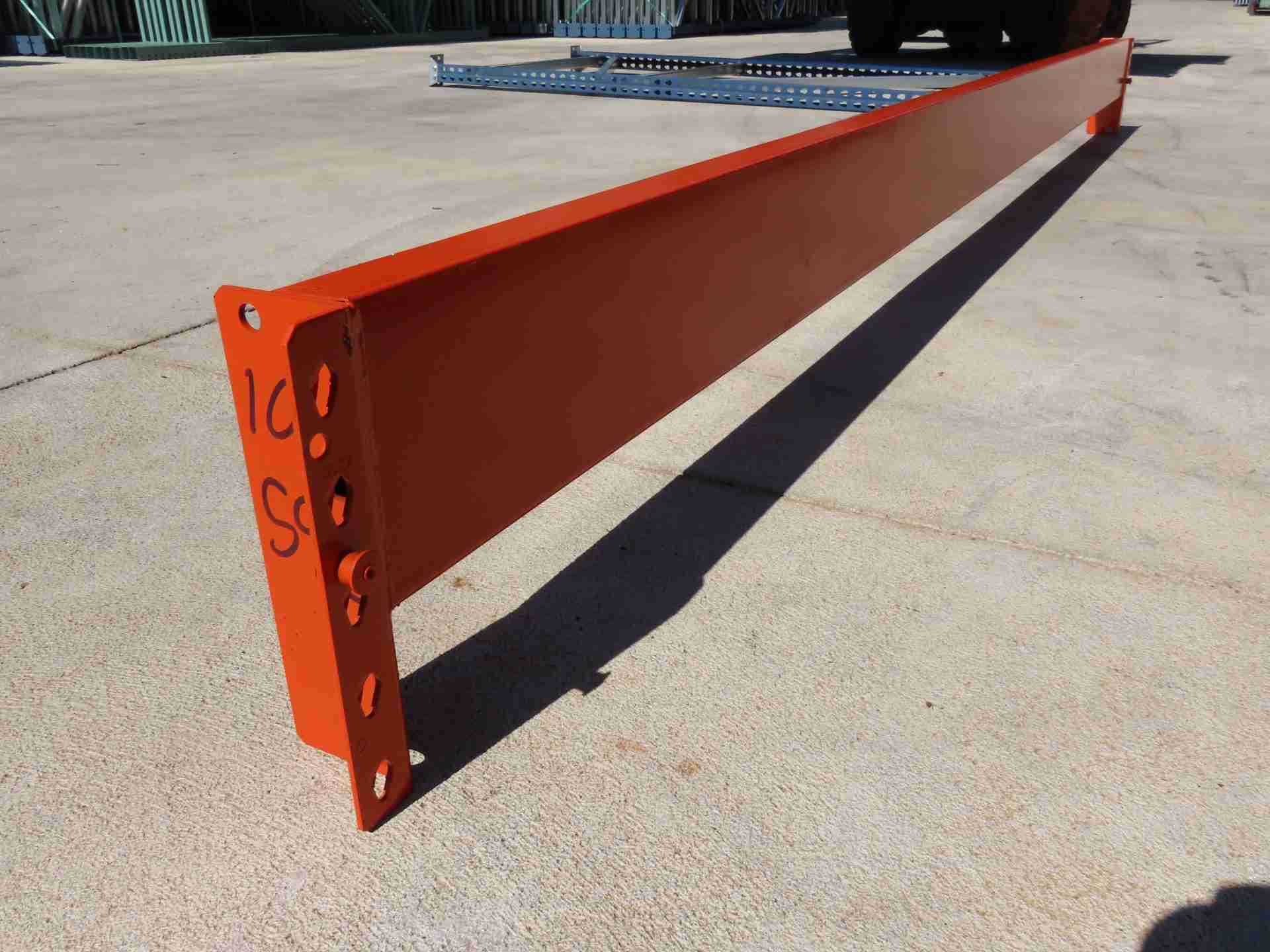
Are Traditional Racking Systems Obsolete In Modern Warehousing?
Table Of Contents
- Are Traditional Racking Systems Obsolete In Modern Warehousing?
- Is Traditional Racking Losing Its Relevance In Modern Warehousing?
- What Are The Limitations Of Conventional Racking Systems Today?
- How Do Modern Needs Differ From Traditional Warehousing Solutions?
- What Technologies Are Reshaping Racking Systems In Warehouses?
- Are Automated Storage Solutions Replacing Traditional Racking?
- What Are The Benefits Of Adopting New Racking Technologies?
- Conclusion
- Other Resources
- Glossary Of Terms
- Other Questions
- Checklist
Is Traditional Racking Losing Its Relevance In Modern Warehousing?
In the fast-paced world of warehousing and logistics, one must ask: Is traditional racking losing its relevance? As demands for efficiency and speed soar, the status quo is increasingly being challenged. Storage solutions like pallet racking have long been the backbone of many operations, but as more innovative technologies and methods arise, organizations are forced to rethink their approach to storage.
Imagine a bustling warehouse filled with outdated pallet racking systems that stifle movement, slow down operations, and create bottlenecks. It doesn’t take much to realize that this traditional method might not fit the dynamic needs of today’s businesses. The cost of maintaining such outdated systems isn’t just financial; it’s a loss of potential. Your competitors are likely embracing the agile solutions modern warehousing offers. They’re investing in automation, vertical solutions, and cutting-edge inventory management systems that can transform operations and boost productivity.
So, what does this mean for you? It’s an opportunity to rethink your strategy. While conventional pallet racking has its merits, it’s essential to assess if it still holds value in today’s context. Picture a system that not only maximizes your space but also enhances your workflow and minimizes downtime. New racking solutions are designed for adaptability, allowing businesses to scale up or down as necessary—a crucial factor in today’s unpredictable market.
Transitioning to a more modern racking system doesn’t mean abandoning the familiar altogether. Instead, it’s about incorporating the best practices from traditional pallet racking and marrying them with cutting-edge technology. By investing in flexible and advanced storage solutions, you can achieve a significant competitive edge. This isn’t merely a trend; it’s a necessity for staying relevant in a continually evolving landscape.
The journey toward modernizing your warehousing solutions may seem daunting, but it’s vital to embrace change. After all, those who adapt will thrive, while those clinging to outdated systems risk falling behind. Assess your current storage solutions. Talk to your teams. Explore what innovative options exist that can breathe new life into your operations. The right investment today can set the stage for your success tomorrow. Don’t let tradition hold you back; embrace the future of warehousing and elevate your business to new heights.

Is Traditional Racking Losing Its Relevance In Modern Warehousing?
Is Traditional Racking Losing Its Relevance In Modern Warehousing?
- Traditional pallet racking systems are increasingly being challenged by the need for efficiency and speed in warehousing.
- Outdated storage solutions can create bottlenecks and hinder operational movement, affecting overall productivity.
- Competitors are moving towards automation and advanced inventory management solutions to enhance operations.
- Organizations need to evaluate the relevance of traditional racking versus modern systems that improve space utilization and workflow.
- Modern racking solutions offer adaptability, enabling businesses to respond to market fluctuations effectively.
- Integrating traditional practices with new technologies can provide a significant competitive advantage.
- Embracing change and exploring innovative storage options is crucial for success in today’s evolving warehousing landscape.

Is Traditional Racking Losing Its Relevance In Modern Warehousing?
What Are The Limitations Of Conventional Racking Systems Today?
In the world of warehouse management, the backbone of your operations often relies on the integrity of your storage solutions. When you consider conventional racking systems—especially common structures like pallet racking—you might think you’re setting yourself up for success. However, the truth is that these traditional frameworks can hold you back, restricting your efficiency and revenue potential in ways you might not even realize.
Pallet racking may seem like a tried-and-true solution, but let’s shine a light on the limitations that could hinder your business growth. First off, the inflexibility of standard pallet systems can trap you in a one-size-fits-all mindset. As your inventory levels fluctuate or your product range expands, the rigid structure of these racking systems leaves little room for adaptability. This can lead to wasted space, inefficient picking processes, and ultimately, lost profits.
Imagine this: you’re dealing with an unexpected surge in orders, and your conventional racking can’t accommodate the increased stock or changing item sizes. What happens next? Those inefficiencies spiral into delays and frustrated customers, tarnishing your hard-earned reputation overnight.
Moreover, weight limitations imposed by traditional pallet racking often mean you’re left with underutilized vertical space. Picture your warehouse with high ceilings but a relatively low storage capacity simply because your system can’t handle it. This isn’t just a minor inconvenience; it’s a significant opportunity cost. Inefficient use of space translates directly to increased overhead costs and diminished ROI.
Safety issues shouldn’t be overlooked either. In a fast-paced warehouse, the static nature of conventional racks can lead to dangerous accidents—whether from employees navigating through cramped aisles or the potential for product destabilization due to improper stacking. When you prioritize safety, you foster a culture of trust and reliability.
Now is the time to reevaluate your warehousing strategies. Adopting innovative storage solutions can revolutionize your operations. Investing in more advanced racking systems designed for flexibility, space optimization, and safety isn’t just an upgrade; it’s a shift in how you approach your business’s potential.
Embrace change, enrich your processes, and watch as not only your productivity, but your entire operation soars to new heights. So, don’t let the limitations of conventional pallet racking systems hold you back. It’s time to take action and explore better, smarter storage solutions that foster your growth!
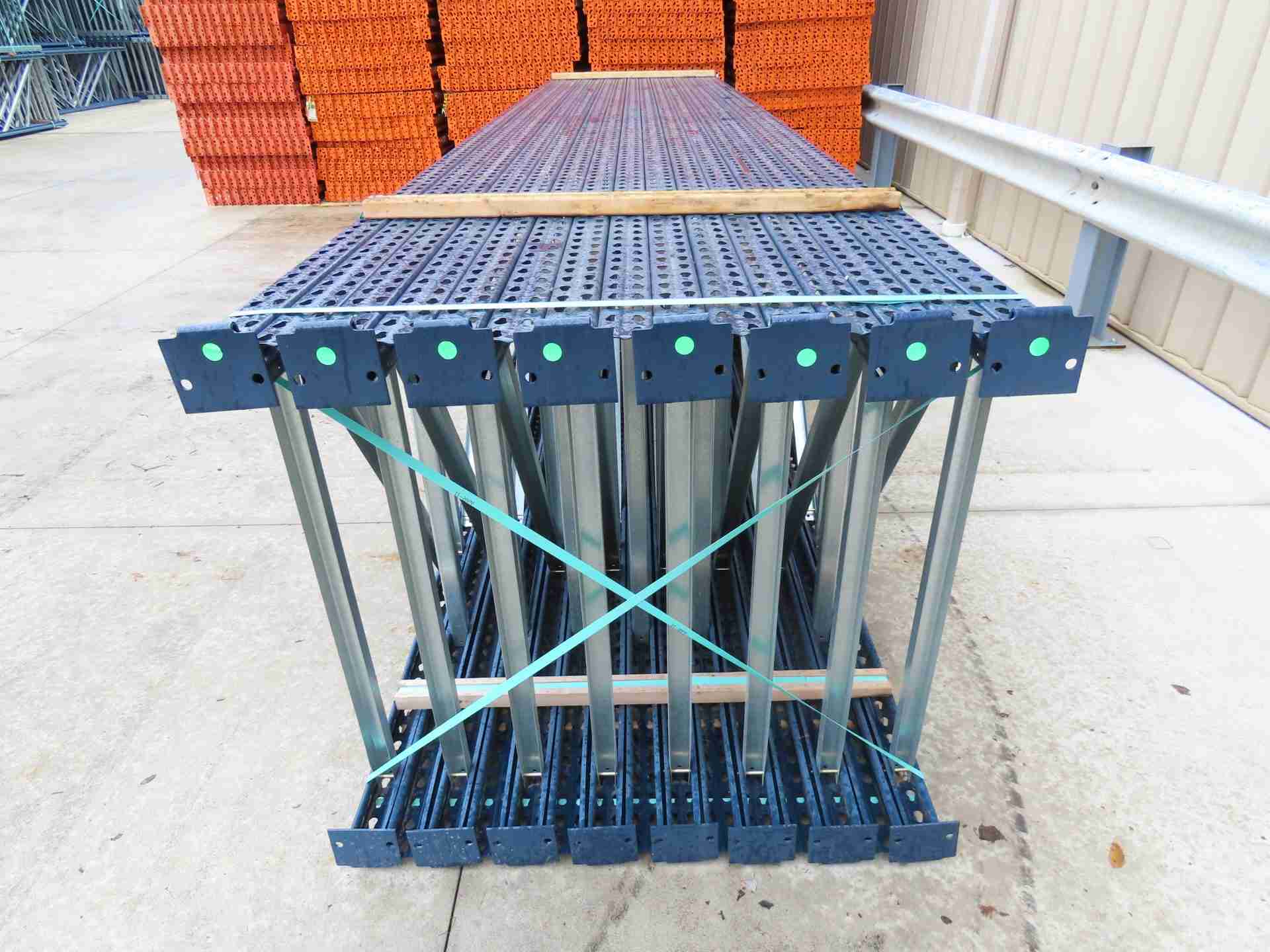
What Are The Limitations Of Conventional Racking Systems Today?
What Are The Limitations Of Conventional Racking Systems Today?
- Conventional racking systems, like pallet racking, can hinder efficiency and revenue potential.
- The inflexibility of standard pallet systems leads to a one-size-fits-all approach, limiting adaptability.
- Rigid racking structures can result in wasted space and inefficient picking processes.
- Increased order surges may overwhelm conventional racking, causing delays and customer frustration.
- Traditional pallet racking often underutilizes vertical space, leading to higher overhead costs.
- Static nature of conventional racks raises safety concerns, increasing the risk of accidents.
- Investing in innovative racking solutions enhances flexibility, space optimization, and safety, driving business growth.
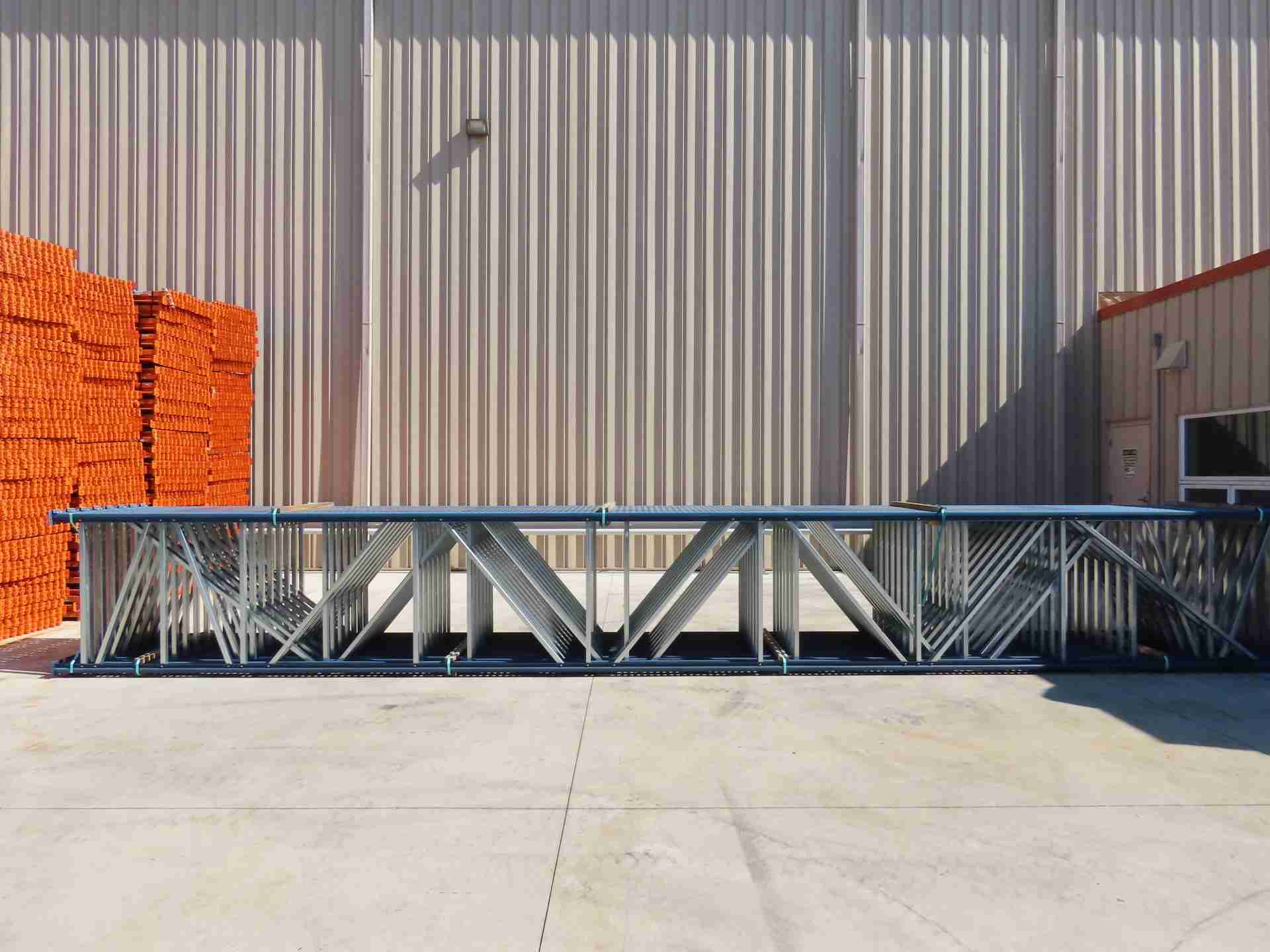
What Are The Limitations Of Conventional Racking Systems Today?
How Do Modern Needs Differ From Traditional Warehousing Solutions?
In today’s fast-paced, digitally-driven market, businesses find themselves caught in a relentless race to meet evolving consumer demands. Traditional warehousing solutions, while foundational in the past, simply can’t keep pace with the modern needs of businesses aiming for efficiency and flexibility. So, how do those needs differ, and what does it mean for your operations? Let’s dive in.
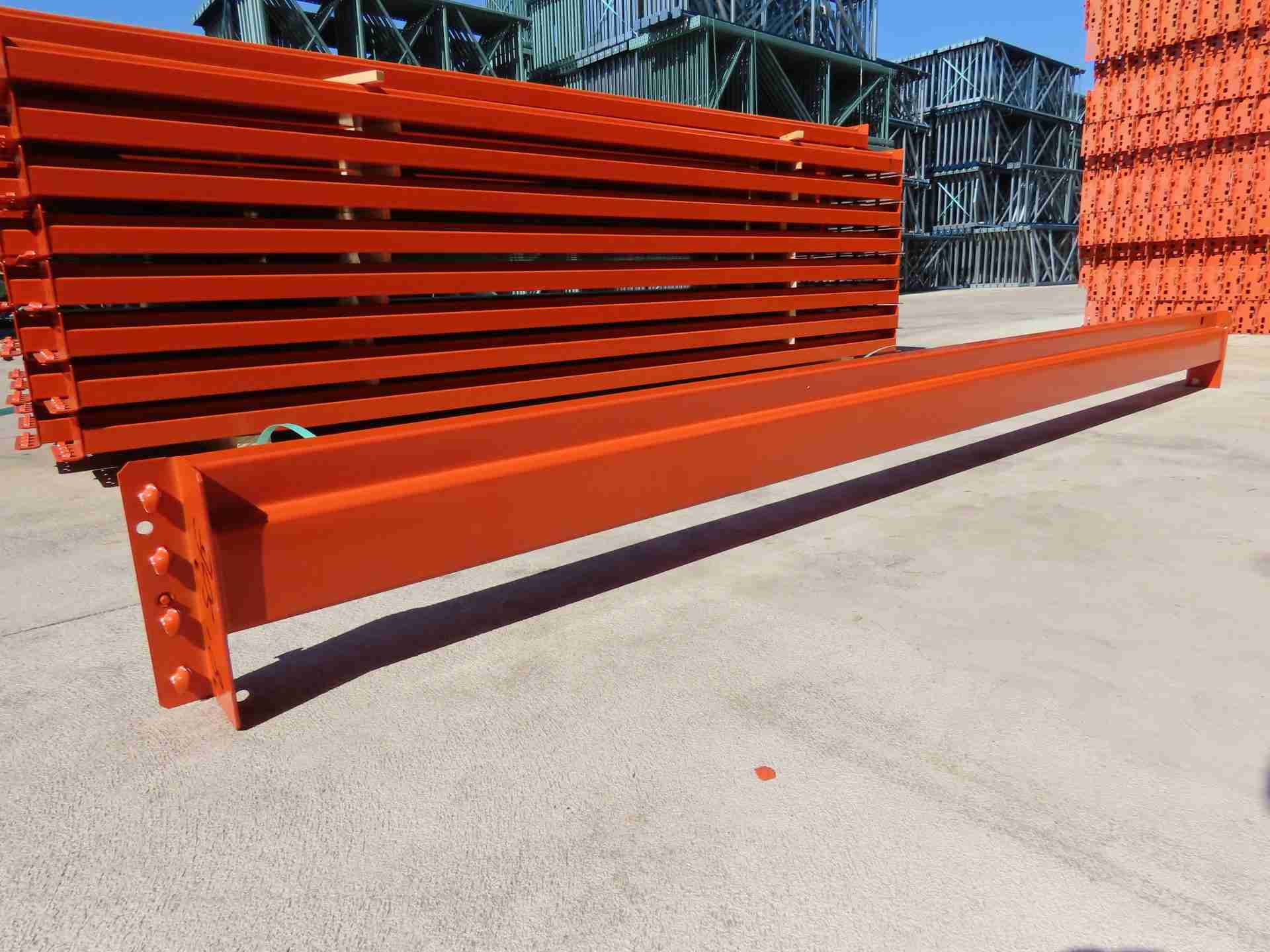
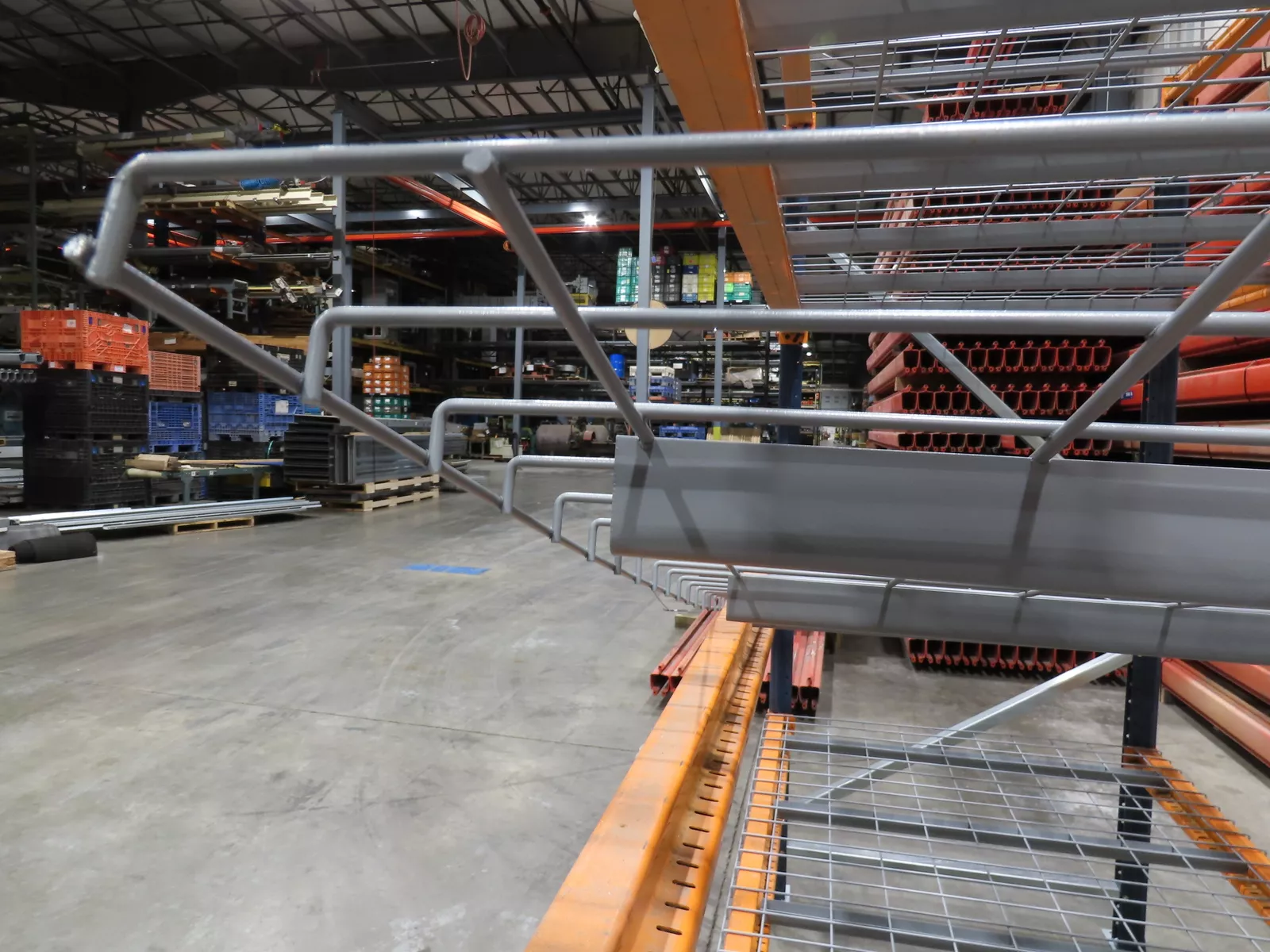
First, consider the staggering growth of e-commerce. Customers today expect lightning-fast delivery and individualized service. Gone are the days when a warehouse could operate effectively on the principles of sheer volume and basic infrastructure. The modern warehouse must embrace adaptability and a streamlined approach, ensuring that every product can be reached and dispatched efficiently. Enter pallet racking systems. These intelligent storage solutions maximize vertical space, allowing businesses to increase inventory without needing a larger footprint. Imagine soaring high above standard shelving to create room for more stock—now that’s modern thinking!
Secondly, technology integration is at the forefront of today’s warehousing revolution. Traditional methods relied heavily on manual labor and basic inventory tracking, which can lead to errors and inefficiencies. If you want to compete, your warehouse must embrace advanced technologies like automated picking systems, real-time inventory management, and data analytics. By leveraging these tools, you not only improve accuracy but also gain insights into consumer behavior, allowing for proactive decision-making.
Additionally, sustainability has become a non-negotiable expectation. Modern consumers are highly aware of their environmental impact. Traditional warehousing approaches rarely considered eco-friendliness—after all, who worried about carbon footprints when meeting deadlines came first? Now, you need solutions that prioritize green practices: energy-efficient lighting, sustainable materials in your pallet racking systems, and optimized supply chain operations. These changes foster not just trust but also loyalty among consumers who appreciate a brand that aligns with their values.
Finally, agility is essential. In a world where fluctuations can happen overnight, your warehousing must provide the flexibility to pivot quickly. This goes beyond having the right layout; it means being ready to implement changes in process or technology at a moment’s notice. When it comes to fulfilling orders or managing disruptions, responsiveness can set your brand apart.
In a nutshell, modern needs demand a departure from traditional warehousing solutions towards a more dynamic, tech-savvy, and sustainable approach. Upgrading your strategy isn’t an option; it’s a necessity. Embrace the transformation and position your business not just to survive, but to thrive in this new landscape. Be the leader your customers can rely on, today and tomorrow.
How Do Modern Needs Differ From Traditional Warehousing Solutions?
How Do Modern Needs Differ From Traditional Warehousing Solutions?
- Businesses face pressure to meet evolving consumer demands in a fast-paced, digital market.
- E-commerce growth has led to higher expectations for fast delivery and individualized service.
- Modern warehouses require adaptability and efficient storage solutions, like pallet racking systems.
- Technology integration is vital; using automated systems and data analytics improves efficiency and accuracy.
- Sustainability is crucial, with consumers expecting eco-friendly practices in warehousing operations.
- Agility and flexibility in warehouse operations are essential for responding to market fluctuations.
- Transitioning from traditional warehousing to a tech-savvy and dynamic approach is now a necessity for business success.
How Do Modern Needs Differ From Traditional Warehousing Solutions?
What Technologies Are Reshaping Racking Systems In Warehouses?
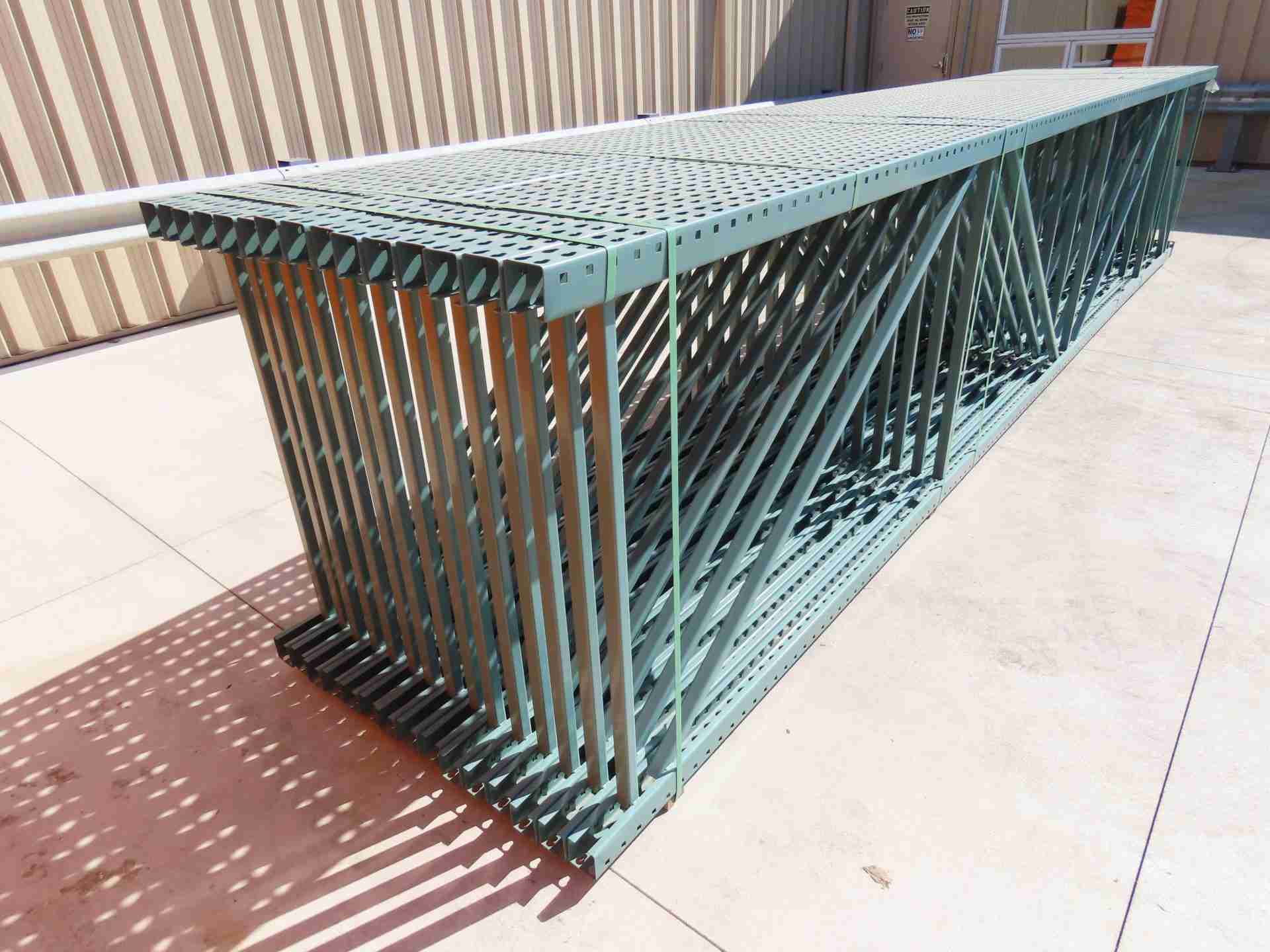
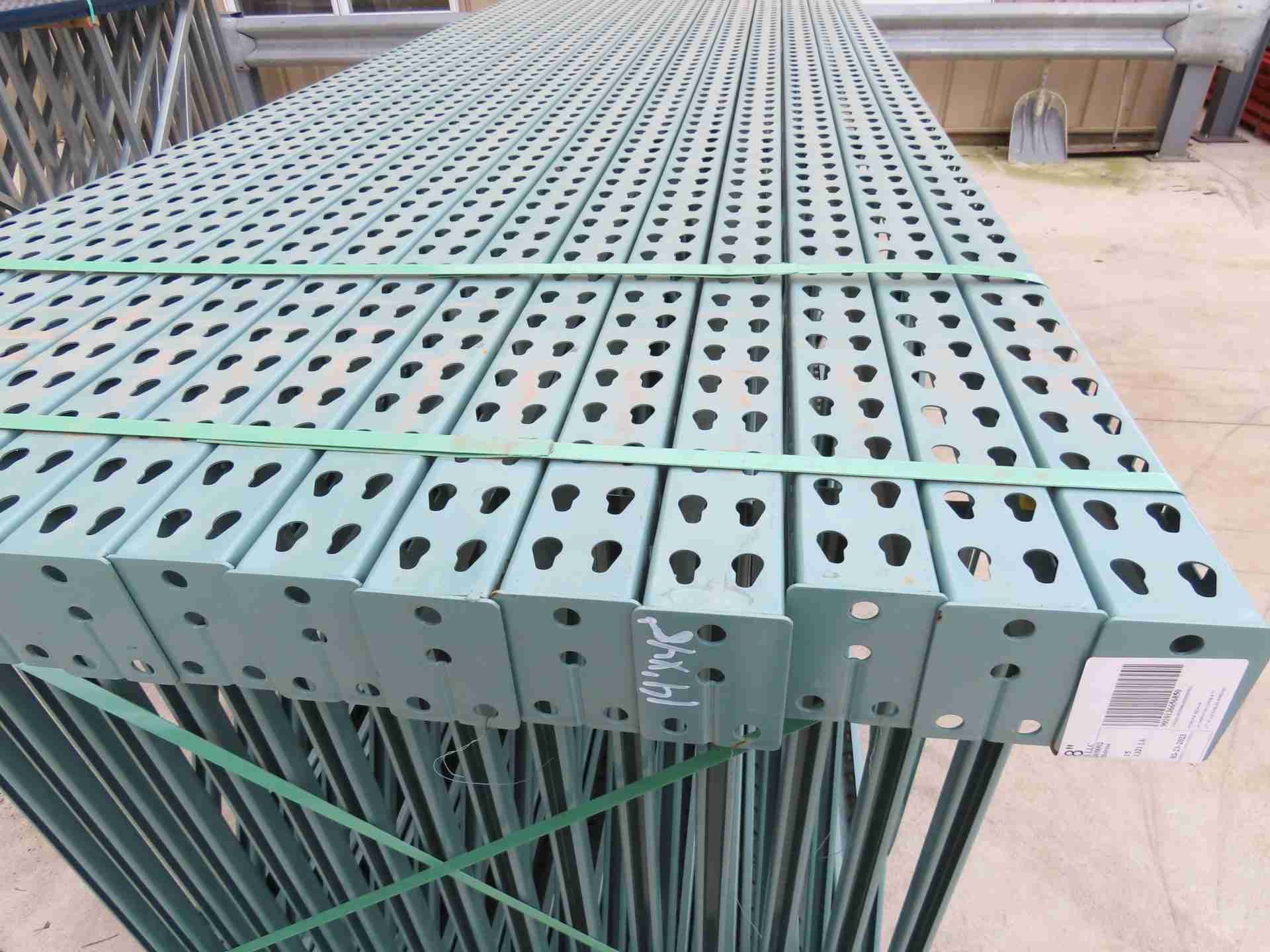
In today’s fast-paced world, the warehouse is no longer just a place of storage; it’s a bustling hub of efficiency and innovation. If you’ve ever stepped into a warehouse filled wall to wall with products, you know that the way those products are organized makes all the difference. Enter the world of pallet racking—a cornerstone of modern warehousing that’s evolving with cutting-edge technologies.
Imagine walking into a facility where every item is not only visible but also easily accessible, reducing the time spent searching for products. Smart racking systems are now employing Internet of Things (IoT) technology that allows warehouse managers to track inventory in real-time. Gone are the days of counting pallets manually; now, sensors and RFID tags give you up-to-the-minute data at your fingertips. This means more accurate inventory management and fewer headaches when it comes to stocktaking.
But it doesn’t stop there. Robotics is making a splash in the realm of pallet racking as well. Automated guided vehicles (AGVs) can transport pallets from one location to another, navigating the warehouse with ease. Real-life examples showcase companies that have transformed their productivity by integrating robots into their picking and packing processes. It’s not just about saving time; it’s about empowering your team to focus on what really matters—serving your customers and growing your business.
Furthermore, advanced software solutions are reshaping the layout and design of racking systems. These systems analyze data to provide optimal storage configurations, maximizing space and improving workflow. Imagine being able to visualize your entire warehouse layout on a screen and making data-driven decisions to enhance efficiency. That’s the reality today.
Like a well-organized toolbox, everything has its place. New pallet racking solutions offer adjustable systems that adapt to changing inventory needs. Whether you’re expanding your product line or shifting to e-commerce fulfillment, these versatile racking systems can scale with your business.
As you ponder the future of your warehouse, consider this: investing in technology isn’t just about staying current; it’s about setting your business up for success. Embrace these advancements with confidence, knowing that you’re not just keeping pace with the industry—you’re leading the charge. Transform your pallet storage into a strategic asset and watch as your operational efficiency skyrockets. The future is bright, and it all starts with your racking system.
What Technologies Are Reshaping Racking Systems In Warehouses?
What Technologies Are Reshaping Racking Systems In Warehouses?
- Warehouses have evolved from mere storage spaces to hubs of efficiency and innovation.
- Pallet racking is a key component of modern warehousing, utilizing advanced technologies.
- Smart racking systems with IoT technology enable real-time inventory tracking.
- Robotics, such as automated guided vehicles (AGVs), enhance the transport of pallets within warehouses.
- Advanced software solutions optimize storage configurations and enhance workflow through data analysis.
- New adjustable pallet racking systems can adapt to changing inventory needs, supporting business growth.
- Investing in technology for pallet racking positions businesses for future success and operational efficiency.
What Technologies Are Reshaping Racking Systems In Warehouses?
Are Automated Storage Solutions Replacing Traditional Racking?
In the bustling world of warehousing and logistics, the landscape is shifting beneath our feet. Consider pallet racking—a long-standing staple that has served businesses well for decades. But as technology advances, we’re seeing a growing wave of automated storage solutions that promise to revolutionize how we think about organization, efficiency, and ultimately, profitability.
Imagine walking into a warehouse where robots gracefully maneuver, retrieving goods at lightning speed, all while your team focuses on strategy and customer relationships. This isn’t a scene from a sci-fi movie; it’s the reality that automated storage solutions are bringing to life. They’re designed to optimize space better than traditional pallet racking systems could ever dream of, offering flexibility and speed that make those static shelves look a bit outdated.
You might find yourself wondering, though, does this mean we should abandon our trusted pallet racking systems? Not quite. Think of it as a partnership rather than a replacement. Traditional racking has its strengths—affordability, straightforward setup, and familiarity. Many businesses still rely on these systems, and for good reason. However, in today’s fast-paced market, the age-old adage rings true: adapt or fall behind.
Picture your business, outfitted with both traditional racking and the latest in automated technology. This hybrid approach not only maximizes storage efficiency but also transforms your operational dynamics. For instance, while your pallet racking continues to hold bulk items, automated systems can handle high-demand products with ease. This dual strategy could propel your business into a new realm of productivity, allowing for rapid scaling while reducing long-term costs.
Let’s be real: the prospect of investing in new technology can feel daunting. The inherent trust issues around adopting automated solutions are valid. Will it really save you money in the long run? Will it work seamlessly with your current operations? This is where due diligence comes in. Engaging with case studies, reaching out to vendors, and even trial implementations can build the confidence needed to explore these innovative possibilities.
So, as you ponder the future of your storage solutions, remember: automation isn’t about replacing the tried-and-true methods that have brought you success. Instead, it’s about enhancing your capabilities and ensuring your business is equipped to thrive in an ever-evolving marketplace. Embrace the change, and you might just find that your productivity—and profits—reach unprecedented heights.

Are Automated Storage Solutions Replacing Traditional Racking?
Are Automated Storage Solutions Replacing Traditional Racking?
- The warehousing and logistics industry is experiencing a significant shift towards automated storage solutions.
- Automated storage systems offer improved space optimization, flexibility, and speed compared to traditional pallet racking.
- Traditional pallet racking remains valuable due to its affordability, simplicity, and familiarity.
- A hybrid approach, using both pallet racking and automation, can enhance storage efficiency and operational dynamics.
- This dual strategy can manage bulk items with traditional racking while automating high-demand product retrieval.
- Investing in new technology requires careful consideration and due diligence, including trials and vendor engagement.
- Automation should be viewed as a means to enhance existing methods, ensuring business growth in a changing market.
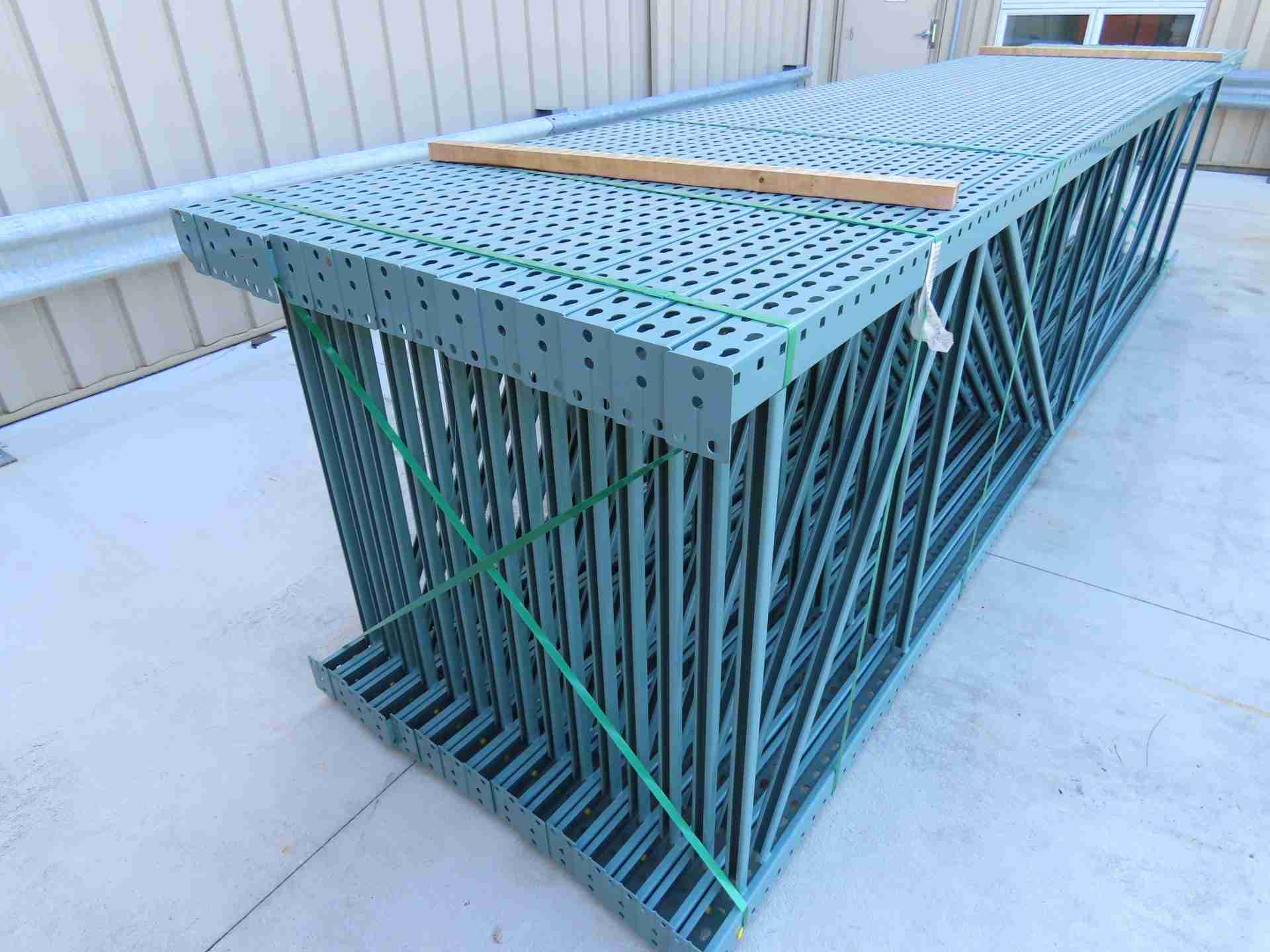
Are Automated Storage Solutions Replacing Traditional Racking?
What Are The Benefits Of Adopting New Racking Technologies?
In an ever-evolving industry, the quest for efficiency often leads us to innovative solutions that can redefine how we store and manage our goods. Enter the game-changing world of new racking technologies, particularly when it comes to pallet racking. Adopting these systems isn’t merely a choice; it’s a strategic imperative that can elevate your operations to new heights.
Imagine walking into your warehouse and witnessing a seamless, organized environment where each item is where it should be, easily accessible and optimized for swift retrieval. That’s not just a fantasy—it’s a promise of what modern pallet racking systems can offer you. With cutting-edge designs and enhanced functionalities, these systems make optimal use of vertical space and streamline inventory management like never before.
But let’s get down to what really matters to you: the tangible benefits. First and foremost, adopting advanced pallet racking technologies significantly increases storage density, allowing you to maximize every square foot of your facility. This means more products stored with less overhead, a game changer for both your bottom line and your peace of mind.
Furthermore, modern racking technology is engineered for adaptability. Whether your inventory changes seasonally or you expand your product range, these systems can quickly pivot to meet your needs. They offer versatile configurations, ensuring you’re never stuck with a solution that feels rigid and outdated.
Speaking of adaptability, consider the safety benefits that innovative pallet racking brings to your operation. With features designed to minimize hazards and improve stability, workers will feel more secure handling inventory, leading to increased morale and productivity. Meanwhile, your investment is safeguarded; reducing the risk of damage to your valuable inventory.
Finally, let’s discuss the psychological aspect. When you invest in new technologies, you’re not just upgrading your physical space; you’re sending a message. You’re a forward-thinking leader in your industry, committed to excellence and efficiency. This enhances your brand image—not just internally among employees, but externally to customers and partners who value reliability and modernity.
Incorporating new pallet racking technologies is more than an operational challenge; it’s an opportunity to grow, inspire trust, and achieve a competitive edge. So, what are you waiting for? Embrace the future of storage solutions today, and watch your business thrive!
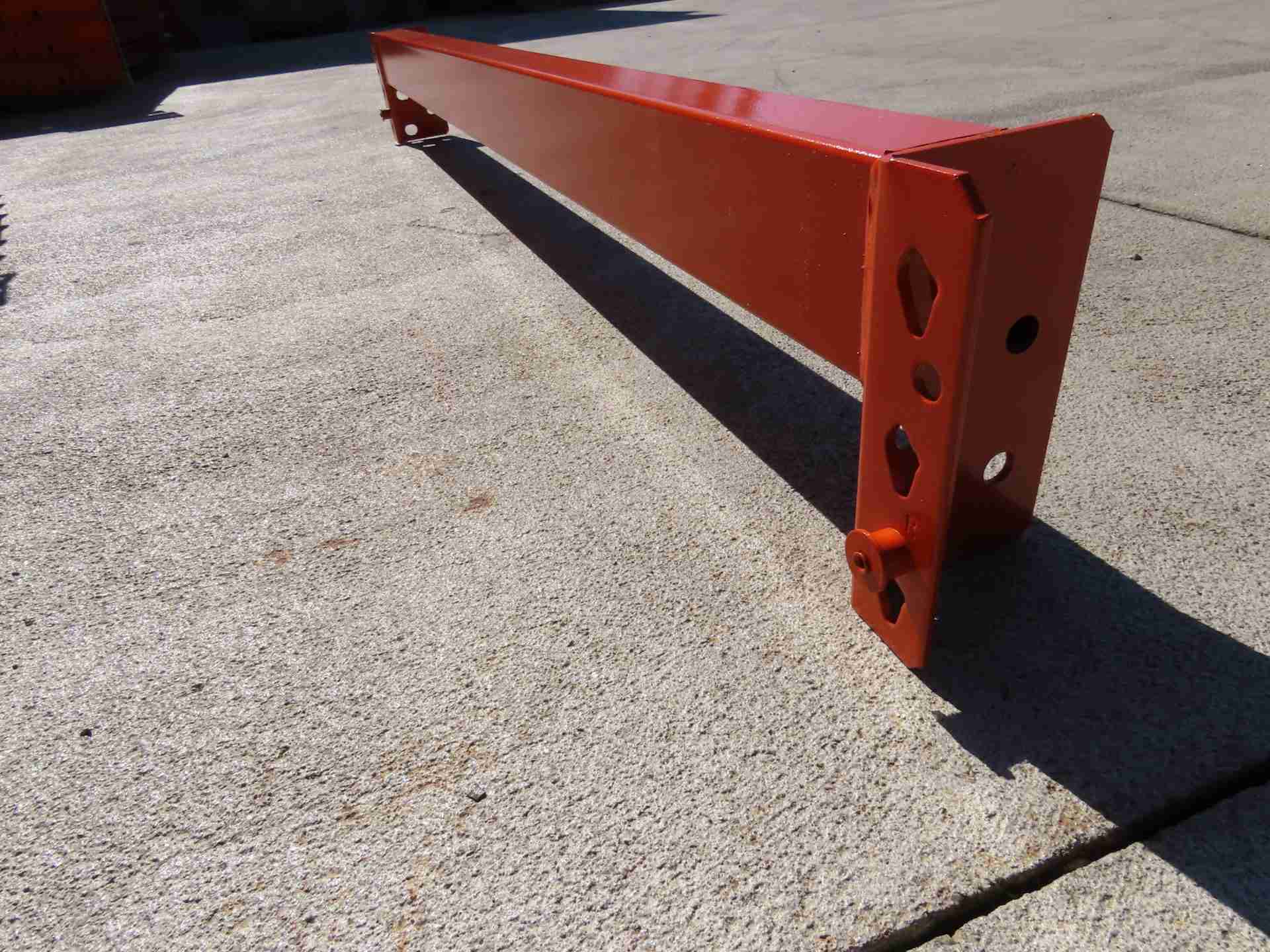
What Are The Benefits Of Adopting New Racking Technologies?
What Are The Benefits Of Adopting New Racking Technologies?
- The quest for efficiency drives the adoption of innovative racking technologies, particularly pallet racking.
- Modern pallet racking systems create organized environments, maximizing accessibility and optimizing inventory management.
- Advanced pallet racking increases storage density, allowing for more products in less space and improving profitability.
- These systems are adaptable, offering versatile configurations that change with seasonal inventory or product line expansions.
- Innovative racking technologies enhance safety by minimizing hazards and improving stability, boosting worker morale and productivity.
- Investing in new technologies enhances brand image, portraying a forward-thinking commitment to excellence and efficiency.
- Incorporating modern pallet racking is an opportunity to grow, inspire trust, and gain a competitive edge in the industry.
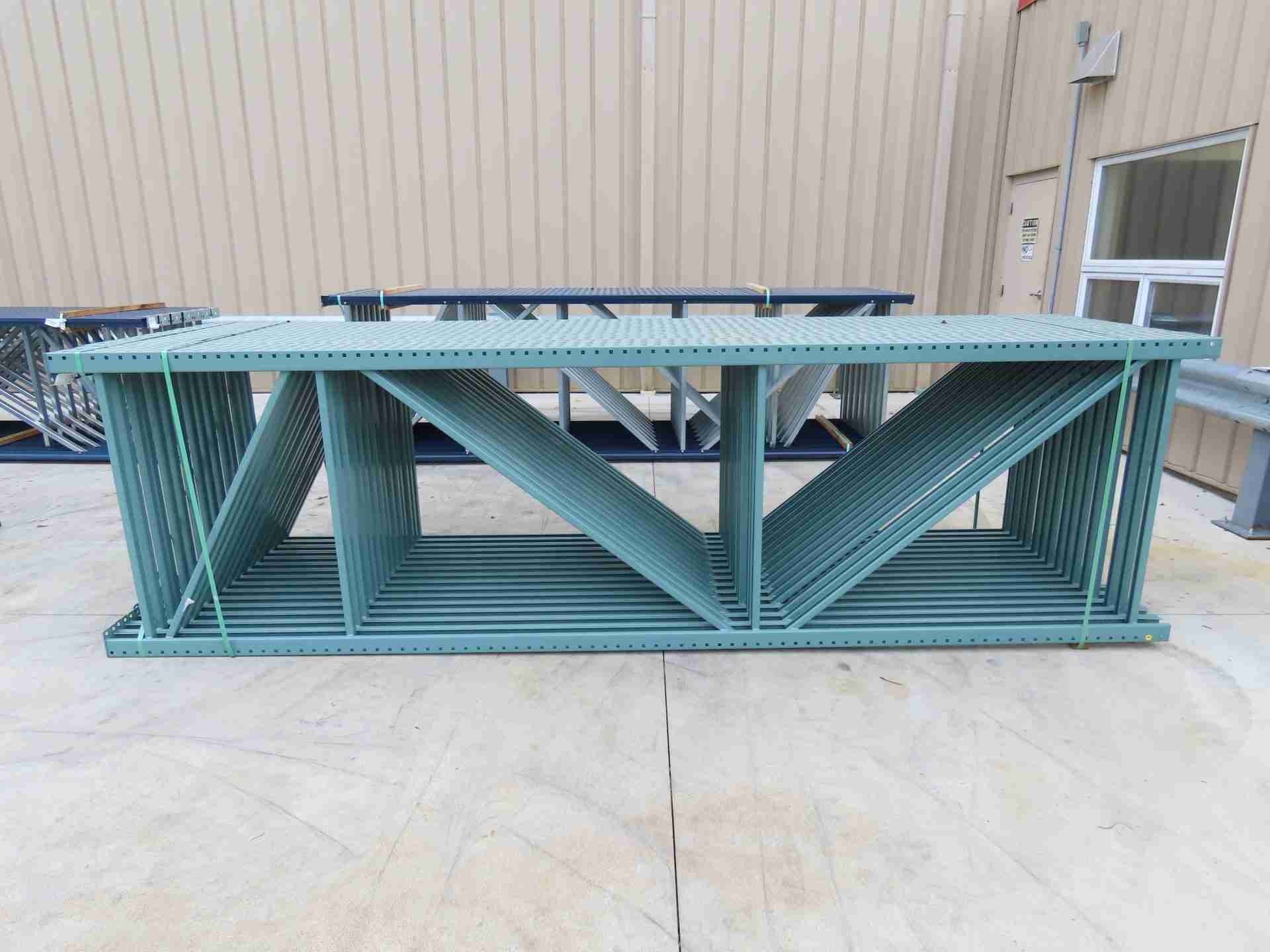
What Are The Benefits Of Adopting New Racking Technologies?
Conclusion
As the logistics landscape accelerates and consumer demands evolve, the question of whether traditional racking systems like pallet racking remain viable is more pressing than ever. What was once an industry staple is now often seen as a limiting factor in modern warehousing environments that require flexibility, speed, and adaptability. At Arrow Industrial Sales, we understand that this transformation isn’t about discarding effective methods; it’s about integrating the best practices from both traditional systems and innovative technologies to enhance your storage capabilities.
The world today demands that businesses not only adapt but thrive amidst changing trends and uncertainties. The limitations of conventional racking systems—ranging from inflexible structures to underutilized vertical space—can significantly hinder your operational efficiency and profitability. It’s crucial to assess your current storage solutions and acknowledge whether they can keep pace with the modern needs of your warehouse. Are you using your space effectively? Are your fulfillment processes streamlined enough to meet the speed of e-commerce expectations?
This is where modern racking solutions shine. Equipped with advanced technology, today’s racking systems allow for greater visibility, real-time inventory management, and high adaptability to fluctuating demands. Automated systems increase efficiency and minimize delays, fundamentally reshaping how you approach warehousing. By embracing these innovations, not only can you cut costs, but you can also enhance safety and employee morale—a win-win situation.
The path forward may feel uncertain, but it’s an opportunity ripe with potential. Take bold steps toward modernization by evaluating your racking options today. Explore dynamic, high-tech storage solutions that empower your business to pivot and scale seamlessly in a competitive market.
Time is of the essence. Don’t allow traditional methods to stifle your ambitions in this fast-paced environment. Contact Arrow Industrial Sales at (574) 349-6575 and find out how you can propel your warehousing operations into the future. Our team is ready to provide insights, tailored strategies, and the most suitable storage solutions to fit your business’s specific needs. Let us help you transform your warehouse into a powerhouse of efficiency and productivity—because the future of warehousing is here, and it’s time for you to lead the charge. Don’t wait, elevate!
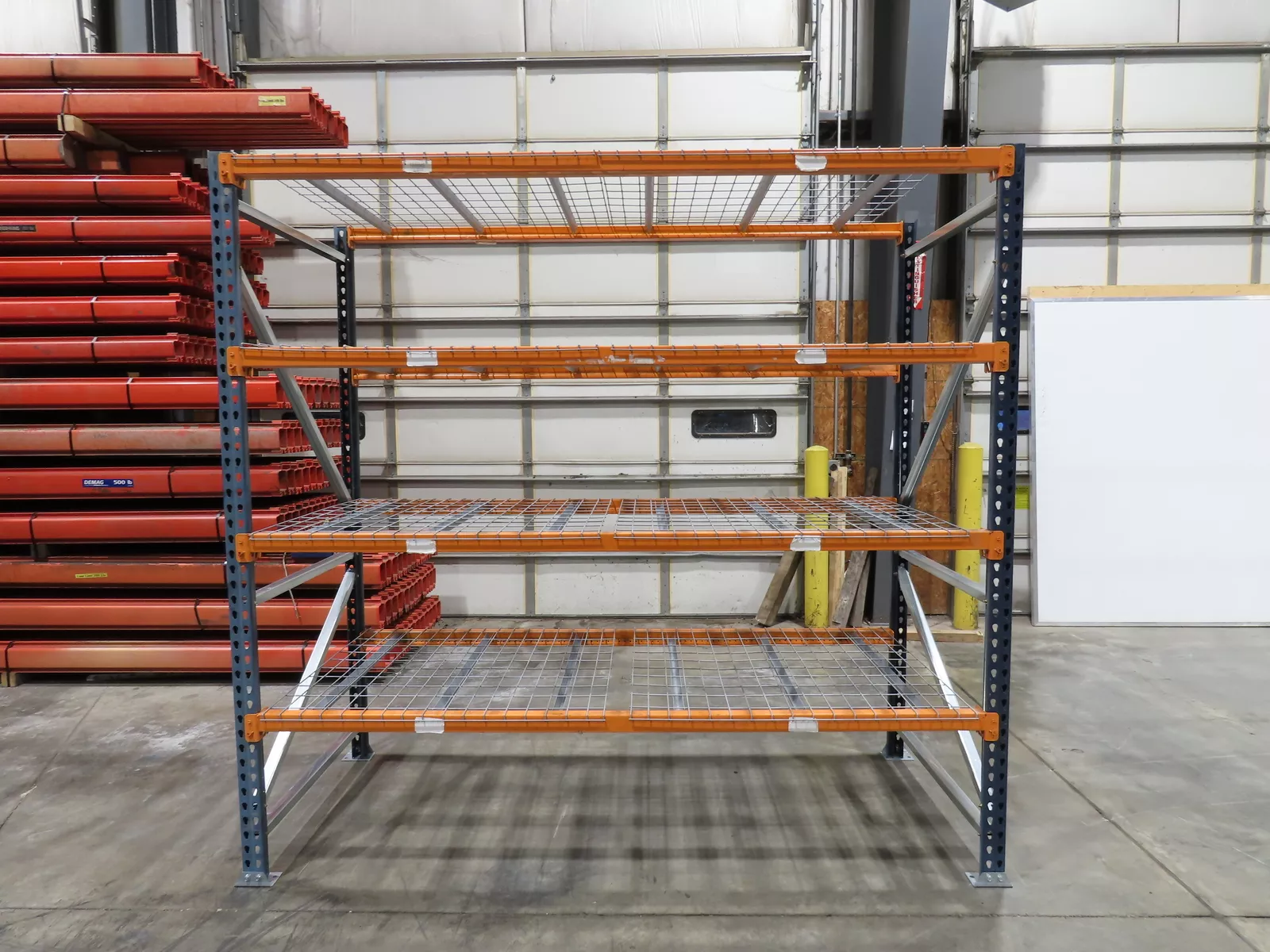
Conclusion
Conclusion:
- The logistics landscape is evolving, raising questions about the viability of traditional pallet racking systems.
- Conventional racking may limit operational efficiency due to inflexible structures and underutilized space.
- Modern racking solutions offer advanced technology for better visibility and real-time inventory management.
- Automated systems enhance efficiency, reduce delays, and improve safety and employee morale.
- Businesses must evaluate current storage solutions to ensure they meet modern warehousing needs.
- Dynamic, high-tech storage options can help businesses scale and adapt in a competitive market.
- Arrow Industrial Sales offers tailored strategies for transforming warehouse operations; contact them to get started.
Conclusion
Other Resources
Other Resources
Here is a list of other resources you can review online to learn more:
- Illinois
- Warehousing Education and Research Council: https://www.werc.org/
- Warehouse Automation
- Logic Material Handling
- Shipping Boxes, Packaging Materials, Pallet Racking
- IIWS Inc. Rack Installation Illinois & Rack Repairs Illinois
- Storage Equipment Manufacturers’ Association
- Warehouse Racking Layout: The Ultimate Guide – Conger
- Warehouse Racking Systems: Beginner’s Guide to Rack Systems
- New Cantilever Racks and Racking Kits
Use This Prompt To Get More Resources With Your Favorite Online AI Tool: Please provide me with a list of online articles with their URLs in a bulleted list that I can read regarding Are Traditional Racking Systems Obsolete In Modern Warehousing?
Other Resources
Glossary Terms
Are Traditional Racking Systems Obsolete In Modern Warehousing? – Glossary Of Terms
1. Racking System: A framework used to store goods in a warehouse, typically consisting of vertical beams and horizontal shelves.
2. Pallet Racking: A type of racking designed to store pallets of goods, allowing easy access for forklifts and other material handling equipment.
3. Vertical Storage: Utilizing vertical space in a warehouse to optimize storage capacity by stacking items upwards.
4. Dynamic Racking: A racking system that allows for the automatic movement of goods, often using gravity or automated equipment.
5. Selectivity: The measure of how easily products can be accessed within a racking system; high selectivity means easy access.
6. FIFO (First In, First Out): An inventory management system where the oldest stock is sold or used first, often utilized in perishable goods storage.
7. LIFO (Last In, First Out): An inventory strategy where the newest stock is sold or used first, typically used for non-perishable items.
8. Warehouse Management System (WMS): Software that helps manage warehouse operations, including inventory management and order fulfillment.
9. Automation: The use of technology to perform tasks with minimal human intervention, often enhancing efficiency in warehousing.
10. Lean Warehousing: A methodology that focuses on minimizing waste and maximizing productivity within warehouse operations.
11. Order Picking: The process of retrieving items from a warehouse to fulfill customer orders, crucial for efficient warehousing.
12. Cross-Docking: A logistics practice where incoming goods are directly transferred to outbound shipping, minimizing storage time.
13. AGV (Automated Guided Vehicle): A mobile robot used in warehouses for transporting goods without human intervention.
14. Pick-to-Light: A system that uses lights to guide warehouse workers to the correct location of goods for order fulfillment.
15. SKU (Stock Keeping Unit): A unique identifier for a specific product or item in inventory, used for tracking and stock management.
16. Overstocking: Having more inventory than needed, which can lead to increased storage costs and inefficiencies.
17. Inventory Turnover: A measure of how many times a company sells and replaces its inventory in a given period, indicating inventory efficiency.
18. Modular Racking: A flexible racking solution that can be easily adjusted or expanded to accommodate changing storage needs.
19. Cold Storage: Warehousing designed to store temperature-sensitive products, often requiring specialized racking systems.
20. Accessibility: The ease with which stored goods can be retrieved in a warehouse, essential for operational efficiency.
21. Space Utilization: The effective use of available space in a warehouse, impacting storage capacity and operational efficiency.
22. Safety Regulations: Guidelines and standards that warehouses must adhere to prevent accidents and ensure worker safety.
23. Multi-Channel Fulfillment: The practice of receiving and fulfilling orders from multiple sales channels, requiring versatile storage solutions.
24. Just-In-Time (JIT): Inventory strategy where materials are ordered and received only as needed, reducing storage costs.
25. Warehouse Optimization: Strategies to enhance warehouse performance, including layout design, inventory management, and workflow improvements.
26. Heavy-Duty Racking: Sturdy racking systems designed to support heavy loads, commonly used in industrial warehouses.
27. Bulk Storage: A storage method where large quantities of items are stored in open areas, often without racking.
28. Shelf Capacity: The maximum weight of goods that can be stored on a shelf within a racking system, critical for safety and efficiency.
29. Forklift Accessibility: The capability of forklifts to navigate and operate within a racking system, impacting storage design.
30. Sustainability: Practices aimed at reducing environmental impact, often influencing modern warehouse design and operations.
Glossary Of Terms
Other Questions
Are Traditional Racking Systems Obsolete In Modern Warehousing? – Other Questions
If you wish to explore and discover more, consider looking for answers to these questions:
- What are the most common modern racking solutions available today?
- How can businesses assess the efficiency of their current racking systems?
- What factors should be considered when transitioning to a modern racking system?
- What role do automated systems play in the future of warehousing?
- How can businesses balance traditional and modern racking systems effectively?
- What are the costs associated with upgrading to modern racking technologies?
- What case studies exist that demonstrate the benefits of modern racking systems?
- How can technology be integrated into existing warehouse operations?
- What are the safety implications of using traditional versus modern racking systems?
- How do new racking technologies impact inventory management?
- What training is required for staff to adapt to new racking systems?
- What environmental impacts can innovative racking systems help mitigate?
- How do different industries use racking systems, and what can we learn from them?
Other Questions
Checklist
Are Traditional Racking Systems Obsolete In Modern Warehousing? – A Checklist
Evaluating Your Current Racking Systems
_____ Assess if your current racking systems maximize space and resources.
_____ Identify areas where conventional systems may be limiting adaptability.
_____ Consider the pressures of scaling operations in a fast-paced market.
Understanding Modern Warehousing Needs
_____ Recognize the impact of e-commerce growth on warehousing strategies.
_____ Analyze whether your current systems allow for speedy product retrieval and dispatch.
_____ Investigate how technology integration (e. g. , automation, real-time inventory tracking) can benefit your operation.
Identifying Limitations of Traditional Racking
_____ Evaluate the inflexibility of current pallet racking systems.
_____ Assess unused vertical space and its impact on overhead costs.
_____ Review safety protocols in relation to your racking system layout.
Exploring Innovative Storage Solutions
_____ Research automated storage options that complement traditional systems.
_____ Investigate adjustable racking configurations to meet changing inventory needs.
_____ Identify advanced inventory management solutions that enhance productivity.
Embracing Technology in Your Warehouse
_____ Consider investing in IoT technology for better inventory tracking.
_____ Explore robotics for automated transport and retrieval of goods.
_____ Look for software that analyzes and optimizes warehouse layouts.
Planning for Future Growth
_____ Determine if a hybrid approach (traditional + automated) fits your business model.
_____ Analyze long-term benefits and costs of upgrading to modern racking technologies.
_____ Involve your team in discussions about potential changes to foster buy-in.
Prioritizing Sustainability
_____ Investigate eco-friendly practices and materials in racking solutions.
_____ Evaluate how your warehousing operations align with modern sustainability expectations.
Encouraging Team Involvement
_____ Engage your team in discussions about current challenges with storage solutions.
_____ Foster a culture of feedback regarding any proposed changes to systems.
_____ Educate staff on new technologies being implemented for operations.
Taking Action
_____ Create a timeline and budget for transitioning to modern racking systems.
_____ Set measurable goals for improvement in efficiency and productivity.
_____ Develop a plan to continuously review and adapt your warehousing solutions as the industry evolves.
By using this checklist, you can assess your current warehousing strategies, identify opportunities for improvement, and take actionable steps toward a more efficient and modern storage solution for your business.
Checklist
At RackingWorld, we help guide you through selecting warehouse storage systems and racking.
Be sure to read our other related stories at RackingWorld to learn more about warehouse storage systems.
0 Comments