
Transforming Spaces: The Heart Of Innovation And Sustainability In Urban Warehouses
By Tom Seest
At RackingWorld, we help guide you through selecting warehouse storage systems and racking.
Be sure to read our other related stories at RackingWorld to learn more about warehouse storage systems.
Urban Warehouses: Winning In Tight Footprints
In today’s fast-paced world, urban warehouses are stepping up to the plate, proving that size doesn’t always matter. In the heart of bustling cities, where space is a premium, these warehouses are the unsung heroes, marrying efficiency with innovation to meet the demands of a growing e-commerce landscape. The challenge of operating within tight footprints isn’t for the faint-hearted; it requires a blend of creativity and hard-nosed practicality.
When you walk into a well-designed urban warehouse, you see a perfectly orchestrated ballet of racking systems that maximize storage while maintaining easy access to products. These racking systems are not just metal frames; they represent a commitment to optimizing every square foot. Watching skilled workers navigate these narrow aisles, you can’t help but feel a sense of pride. They’re not just moving goods; they’re part of a larger story, a lifeline for businesses that thrive on timely deliveries and customer satisfaction.
There’s a rugged toughness in urban logistics. It’s a world of long hours and sweat, where every inch matters. Workers don’t simply stack boxes; they’re building a community. They form bonds over shared experiences, knowing that each shift is not just a job but a chance to support their families and provide for their futures. The sense of purpose here is palpable; it’s about making a difference in our fast-moving economy.
Urban warehouses are also underpinned by a growing awareness of their responsibility to the community. They embrace sustainable practices, reducing waste and enhancing efficiency through technology. By utilizing smart technologies and environmentally friendly materials, they’re showing the world that profitability and ethics can walk hand in hand. This commitment fosters trust, not just with clients but also within the communities they inhabit.
As we embrace tighter urban environments, warehouses are setting the standard for what’s possible. They inspire a new generation of workers and business owners to think big, even when operating small. This is a call to action for anyone involved in the supply chain; it’s time to rethink how we perceive space, resources, and community ties. Let’s rally behind our urban warehouses, for they are the backbone of a resilient economy, proving that with ingenuity and grit, victory can be found in the most unlikely of places.

Urban Warehouses: Winning In Tight Footprints
Urban Warehouses: Winning In Tight Footprints
- Urban warehouses demonstrate that success can be achieved in limited spaces, crucial for the growing e-commerce sector.
- Efficient racking systems maximize storage and accessibility while showcasing operational creativity.
- Workers in urban warehouses contribute to a sense of community and shared purpose, supporting their families through their roles.
- Urban logistics are characterized by dedication, with workers collaborating to meet tight deadlines and customer demands.
- Sustainability is a priority, as urban warehouses adopt eco-friendly practices and technologies to enhance efficiency.
- These facilities foster trust within their communities by combining profitability and ethical responsibility.
- Urban warehouses serve as models for innovation and resilience in the economy, encouraging a rethinking of space and resource use.
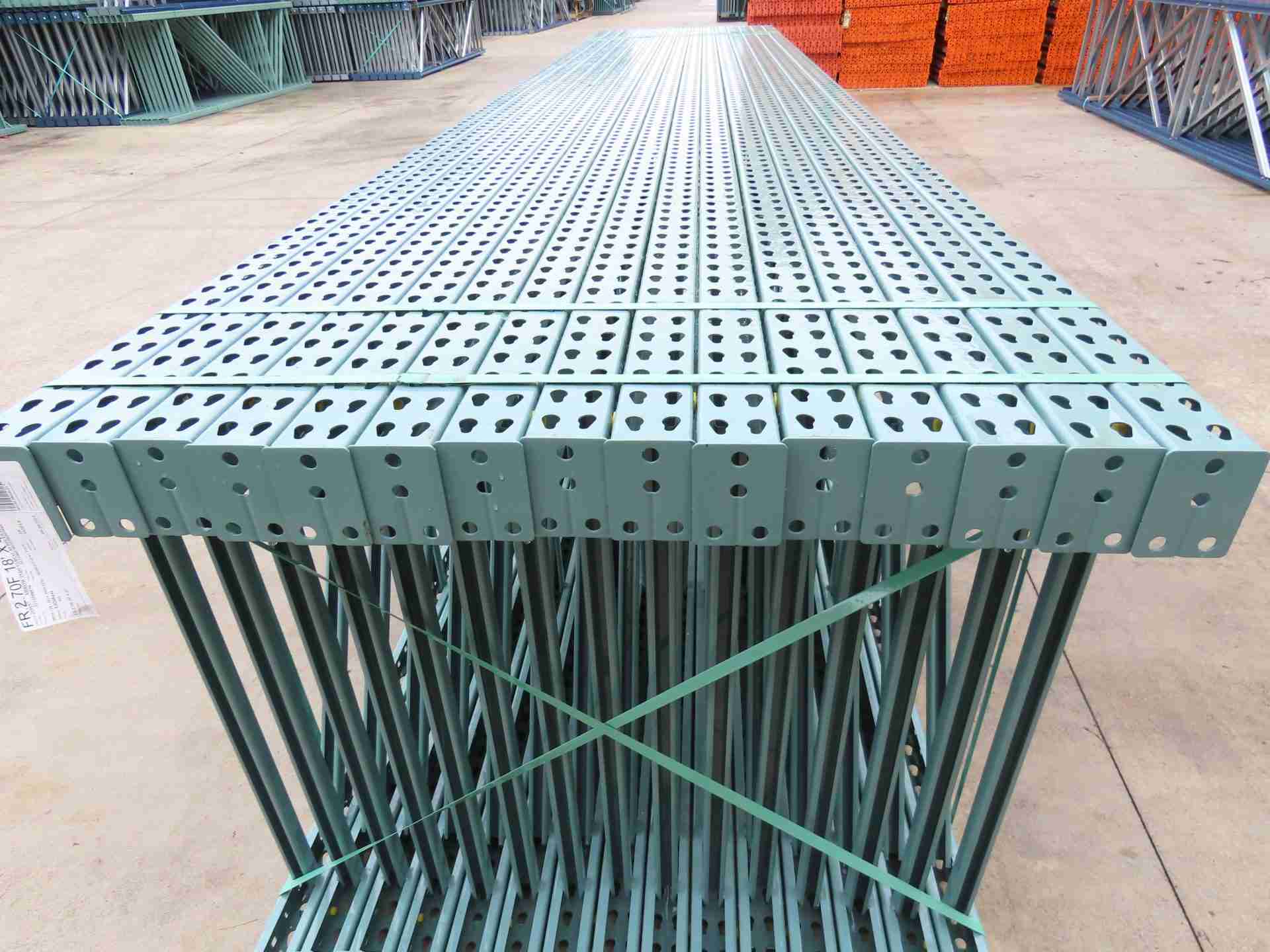
Urban Warehouses: Winning In Tight Footprints
Table Of Contents
- Urban Warehouses: Winning In Tight Footprints
- What Challenges Do Urban Warehouses Face In Limited Spaces?
- How Can We Optimize Storage In Tight Footprints?
- What Technologies Enhance Efficiency In Urban Warehouses?
- How Do Urban Warehouses Impact Local Communities?
- What Are the Ethical Considerations for Urban Warehouse Operations?
- How Can Urban Warehouses Reduce Their Carbon Footprint?
- Conclusion
- Other Resources
- Glossary Of Terms
- Other Questions
- Checklist
What Challenges Do Urban Warehouses Face In Limited Spaces?
Urban warehouses are a lifeline in the fast-paced world of e-commerce and local distribution, yet they tackle challenges that run deep and require grit to overcome. When you’re squeezed into a limited space, every square foot counts. The most pressing issue is storage capability. Traditional racking systems that work wonders in larger spaces become a puzzle in a cramped warehouse. Operators have to make tough decisions, prioritizing which items get the prime real estate, often leading to inefficiencies and potential profit loss.
But it’s not just about fitting things in; it’s also about movement. Picture a busy warehouse with workers weaving through narrow aisles and stacking pallets. Limited space means limited pathways, which can slow down operations and frustrate employees. Workers want to feel confident in their environment, navigating it like seasoned pros rather than having to dance around obstacles. A workforce that feels safe and secure is critical. The last thing any warehouse needs is an accident occurring because of a poorly designed layout.
Then there’s the emotional toll on warehouse managers, constantly juggling expectations from clients. Customers want speed, accuracy, and reliability. When limited space leads to delays, it doesn’t just impact profit margins; it strains relationships. Trust is built over time, and every missed shipment chips away at that foundational bond. Managers must work tirelessly to implement innovative solutions, from vertical racking systems to automated picking systems, all while keeping costs in check. They often walk a fine line, ensuring their team feels supported and capable even as pressures mount.
Environmental considerations also loom large in urban settings. The push for sustainability means warehouses can’t merely occupy space; they need to optimize it. Balancing efficient operational practices with ethical considerations is increasingly important to consumers. They want to support businesses that care about their footprint. The challenge for warehouses is finding that balance – a tough ask when you’re operating on limited square footage.
Navigating these challenges requires community and collaboration. Warehouse operators must lean on each other, sharing best practices and strategies to maximize their space. In many ways, every urban warehouse is part of a larger story. The collective effort to thrive in limited spaces reflects a spirit of resilience and determination, inviting each worker to play a part in shaping a more efficient and responsible industry.

What Challenges Do Urban Warehouses Face In Limited Spaces?
What Challenges Do Urban Warehouses Face In Limited Spaces?
- Urban warehouses are essential for e-commerce and local distribution but face significant challenges.
- Storage capability is the primary concern; traditional racking systems may not be effective in limited space.
- Limited pathways can impede movement, causing inefficiencies and potential employee frustration.
- Warehouse managers deal with high client expectations for speed, accuracy, and reliability, risking strained relationships due to space limitations.
- Innovative solutions such as vertical racking and automated systems are critical for managing constraints.
- Environmental sustainability is increasingly important, requiring warehouses to optimize their operations while considering their ecological footprint.
- Collaboration and shared best practices among warehouse operators are vital for overcoming challenges and fostering resilience.
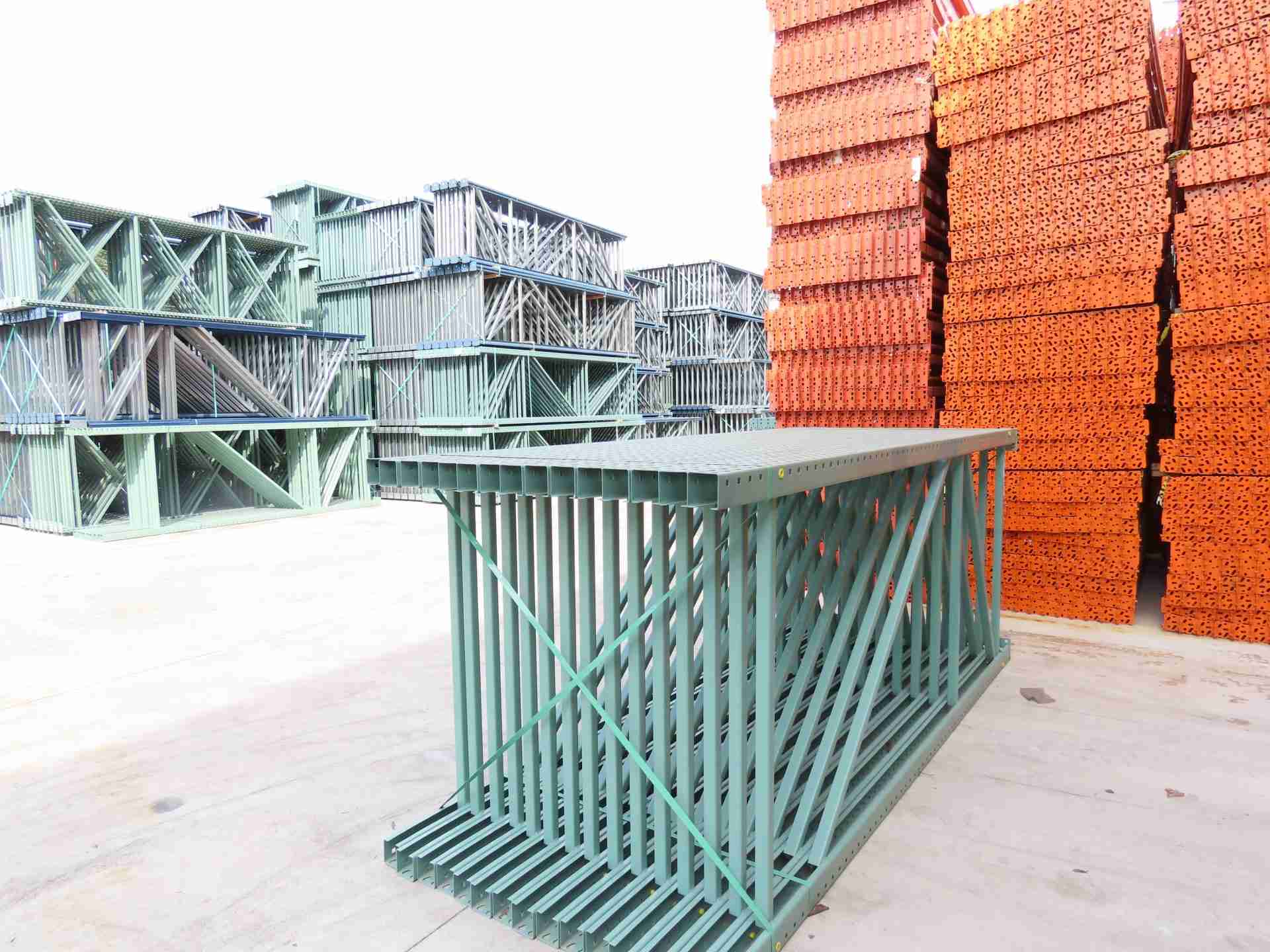
What Challenges Do Urban Warehouses Face In Limited Spaces?
How Can We Optimize Storage In Tight Footprints?
When we think about optimizing storage in tight footprints, it’s much like fitting your life into a small garage. It’s easy to feel overwhelmed, but the right approach makes all the difference. Imagine standing in front of shelves that promise a little more space. That’s where racking systems come into play. They’re not just metal frames; they’re a solution rooted in practicality and lived experience.
A well-structured racking system transforms chaos into order. Picture the satisfaction of finding exactly what you need without rummaging through heaps of clutter. It’s a weight lifted off your shoulders and, let’s be honest, we could all use a little less chaos in our lives. With each shelf and beam, we’re granted a fresh start—one that’s clean, organized, and efficient. For those of us who’ve wrestled with the frustration of tight spaces, the notion of getting more from less hits home. It’s not just about fitting more boxes; it’s about reclaiming our time and sanity.
Think about the folks working late in warehouses, the small business owners running up against their own walls. Investing in racking systems isn’t just a number on a ledger; it’s a path to improving daily operations and ultimately, a way to bring home a little more at the end of the day. There’s a sense of pride in knowing you’ve made a smart decision. Emphasizing higher-density solutions not only showcases a business owner’s resourcefulness but also improves safety and efficiency for everyone on the team.
The heart of it all is about creating a workspace that encourages collaboration and fosters community. When you organize effectively, you’re not just making space; you’re making room for ideas, growth, and innovation. The stories from the shop floor echo this sentiment—a strategic racking system can lead to unexpected breakthroughs during a coffee break or while sorting through supplies.
As we dive into this journey, remember, optimizing storage doesn’t have to be daunting. It’s a chance to take control of clutter with a grounded approach that resonates with every hard-working individual. Trust your instincts, engage with solutions like racking systems, and transform those tight spots into efficient spaces. The end result is more than just storage; it’s about creating a haven of productivity and connection.

How Can We Optimize Storage In Tight Footprints?
How Can We Optimize Storage In Tight Footprints?
- Optimizing storage is akin to fitting life into a small garage; it can feel overwhelming.
- Racking systems provide practical solutions for enhancing storage efficiency.
- A well-structured racking system brings order to chaos, making items easily accessible.
- Investing in racking systems improves daily operations for businesses while enhancing organizational effectiveness.
- Higher-density storage solutions boost safety and efficiency for teams, showcasing resourcefulness.
- Effective organization creates space for collaboration, growth, and innovation.
- Optimizing storage is not daunting; it fosters productivity and a sense of community.
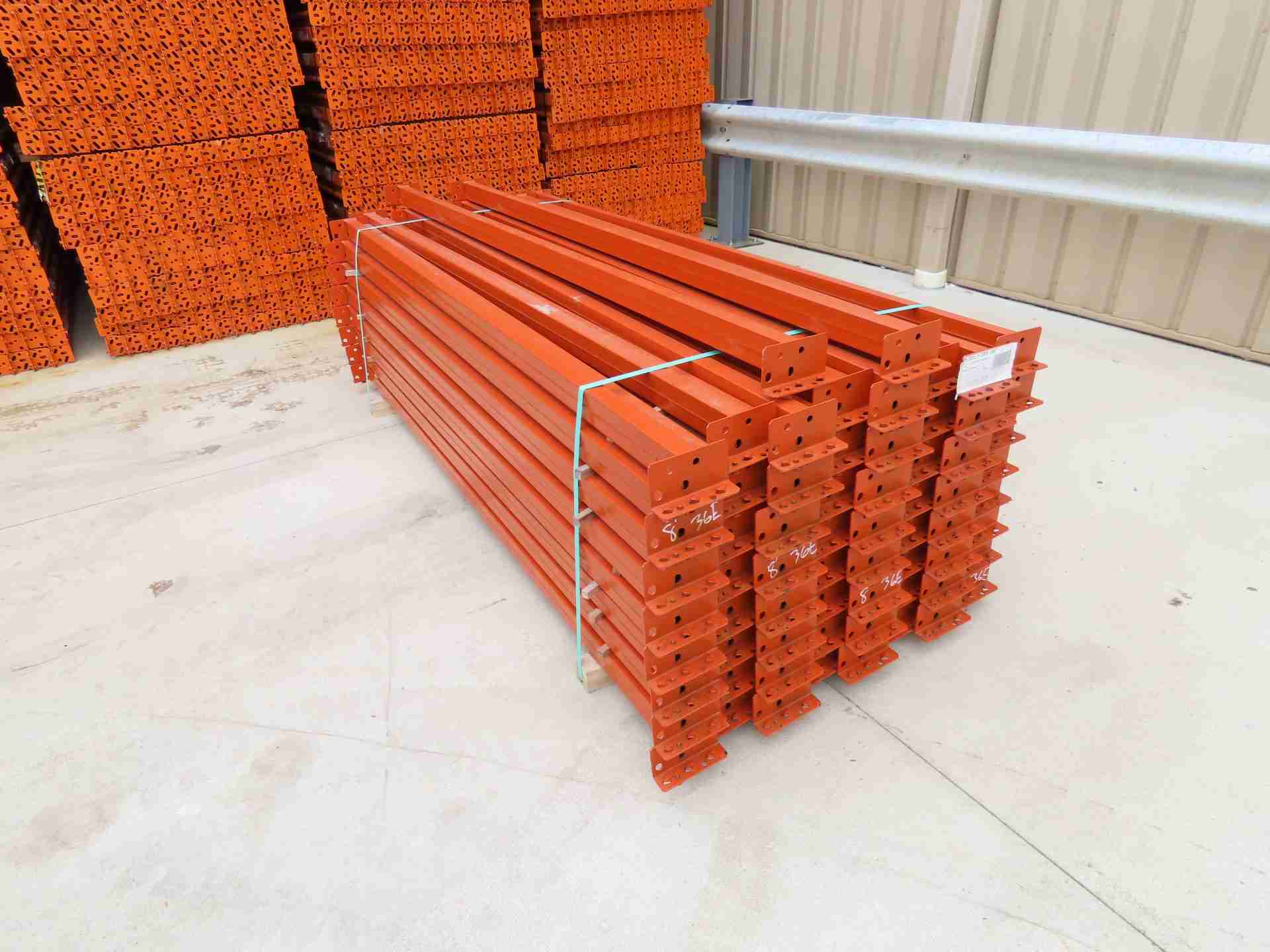
How Can We Optimize Storage In Tight Footprints?
What Technologies Enhance Efficiency In Urban Warehouses?
In the ever-evolving landscape of urban warehousing, the push for efficiency isn’t just about cutting costs or boosting profits; it’s about making the daily grind a little smoother for everyone involved. The heart of any warehouse beats within its racking systems. These often-overlooked structures are not merely about storage; they are about optimizing space, improving workflows, and ensuring that workers can do their jobs with minimal hassle. When you’re climbing up to adjust a load or navigating through narrow aisles, a well-designed racking system can mean the difference between a safe work environment and a stressful day on the job.
Beyond just practicality, modern technologies like automated racking systems and vertical lifts can significantly change the way we interact with our workplace. Imagine walking into a warehouse where items are retrieved at lightning speed without the need for heavy lifting—a place where technology lightens the load, quite literally. This efficiency translates into a better work-life balance, as workers aren’t just clocking hours; they’re effectively using their skills to enhance the company’s output. It’s about reclaiming time for family and downtime, something we all value.
Equipping urban warehouses with these technologies serves a broader ethical purpose as well. By reducing human error, enhancing safety, and ensuring that products are handled efficiently, we create a working environment that values the well-being of every team member. When businesses invest in robust racking systems and automated solutions, they signal to their workforce that their safety and future matter, fostering a culture of trust and respect.
A good narrative helps solidify these ideas. Picture a veteran warehouse worker sharing how the introduction of advanced racking systems changed their day-to-day experience. Instead of exhausting shifts that left them physically drained, now tasks are organized so that they can move with purpose, reducing fatigue and the risk of accidents. Each time a box is smoothly retrieved from a perfect shelf, it’s more than just a completed task; it’s a testament to a well-thought-out system that respects hard work.
Socially, there’s a shift happening; people are beginning to recognize that warehouses equipped with the latest technologies are not just high-tech spaces but environments that prioritize human connection, efficiency, and community-building. Every improvement made in racking systems or automation speaks to our shared values of hard work and innovation. Urban warehousing can be a place where machines and people work side by side, enhancing communities and creating a future where everyone thrives.

What Technologies Enhance Efficiency In Urban Warehouses?
What Technologies Enhance Efficiency In Urban Warehouses?
- The focus on efficiency in urban warehousing enhances daily operations for all workers.
- Racking systems play a crucial role in optimizing space and workflows, ensuring worker safety and ease.
- Modern technologies like automated racking and vertical lifts improve workplace interactions and reduce heavy lifting.
- Increased efficiency promotes better work-life balance, allowing workers to utilize their skills effectively.
- Investing in advanced racking systems fosters a culture of safety, trust, and respect within the workforce.
- Employee narratives highlight the positive impact of modern systems on reducing fatigue and accidents.
- Technological advancements in warehousing promote human connection and community-building, creating a thriving work environment.

What Technologies Enhance Efficiency In Urban Warehouses?
How Do Urban Warehouses Impact Local Communities?
Urban warehouses are more than just cold, concrete structures; they represent the lifeblood of local communities, serving as epicenters of opportunity and innovation. When you drive past these warehouses, you might see endless rows of racking systems, filled to the brim with goods ready to be distributed. Yet, behind those stacks of pallets is a story of hard work and community reliance that resonates deeply with the fabric of everyday life.
Think about the families that rely on these facilities for jobs. A warehouse job may be the first rung on the ladder for many, providing not just a paycheck but stability amid uncertain economic times. These warehouses often employ hundreds, if not thousands, of local residents, fostering a sense of pride and purpose. The people who work there are not just numbers; they’re neighbors and friends contributing to their community’s growth. The income earned often circulates right back into the local economy, supporting small businesses, schools, and services that families depend on.
Moreover, urban warehouses can be a crucial source of support during tough times. In emergencies, they become logistical hubs for essential supplies like food and medical products. This kind of resilience builds trust within the community. Residents know that when disaster strikes, their local warehouse is primed to respond, proving that these spaces are integral to community fortitude and safety.
But it’s not just about jobs and logistics; it’s also about the environment. Urban warehouses can lead the way in sustainable practices, showing how big business can tread lightly on the earth. Implementing green technologies and energy-efficient racking systems not only reduces waste but also sets a standard for ethical growth that communities want to see. It’s about being responsible stewards of resources, creating a future that’s not only about profit but about preserving the planet for the next generation.
The narrative of the urban warehouse is grounded in shared experience—sweat, determination, and hope. They stand as a testament to what hard work and resilience can achieve, while reminding us that supporting local industry is key to a thriving community. As these structures continue to evolve, they will embody the spirit of innovation and collective strength. In recognizing their impact, we are invited to take part in a journey that is not just about logistics but about building a future we can all be proud of.
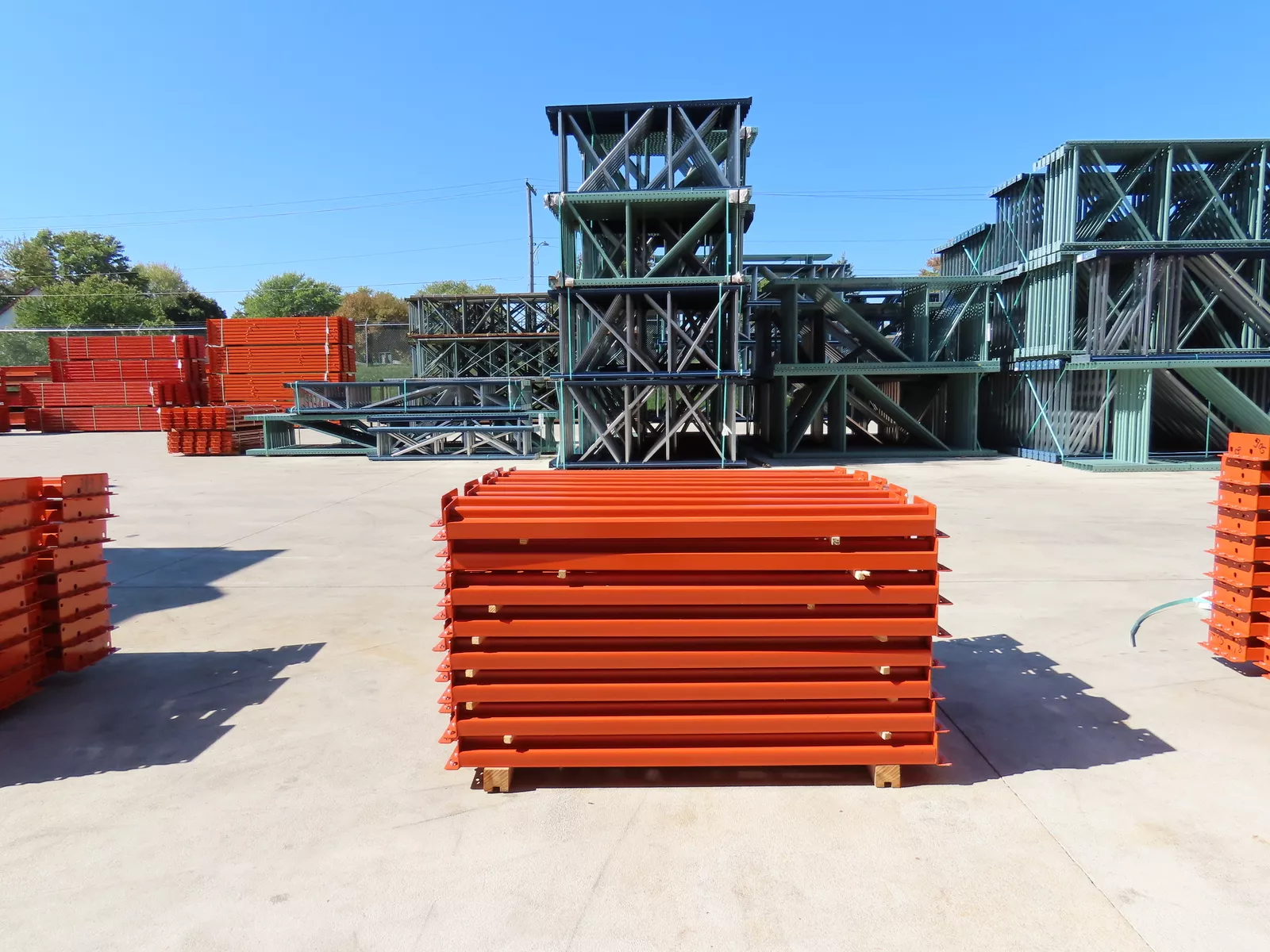
How Do Urban Warehouses Impact Local Communities?
How Do Urban Warehouses Impact Local Communities?
- Urban warehouses serve as vital centers of opportunity and innovation in local communities.
- They provide jobs for hundreds or thousands of residents, offering stability and a sense of pride.
- Income from warehouse jobs often circulates back into the local economy, supporting small businesses and services.
- In emergencies, warehouses act as logistical hubs for essential supplies, fostering community resilience.
- Urban warehouses can implement sustainable practices and green technologies, promoting environmental responsibility.
- They exemplify the values of hard work, determination, and hope within communities.
- Supporting local warehouses is crucial for thriving communities and future growth.

How Do Urban Warehouses Impact Local Communities?
What Are the Ethical Considerations for Urban Warehouse Operations?
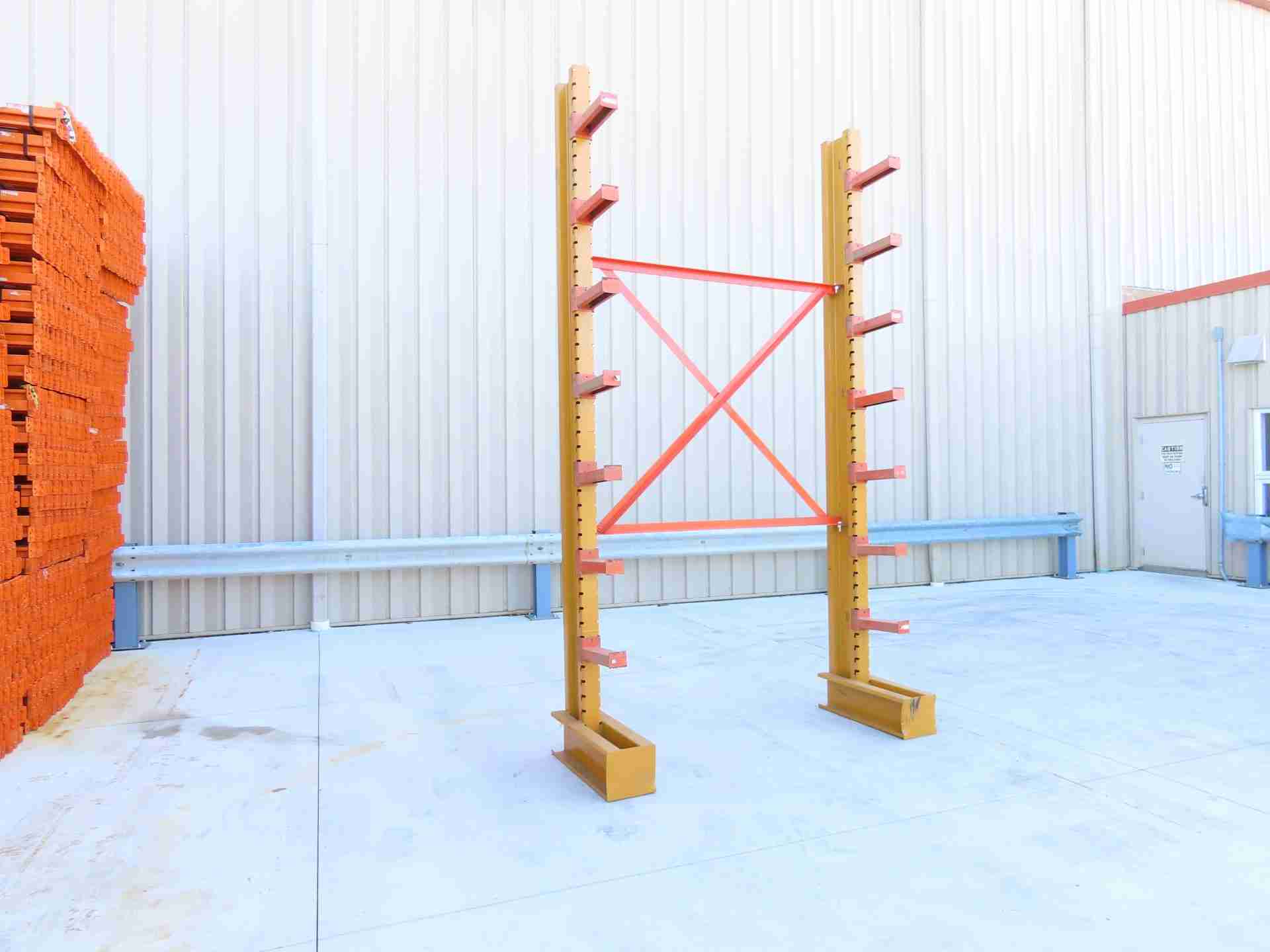
Urban warehouse operations sit at the crossroads of efficiency and ethics, a balancing act that demands attention from all of us. As we fill our cities with these hulking structures, it’s worth asking: what’s the human cost of our convenience? The racking systems that hold our goods represent not just an industry standard but the backbone of an entire economy. They symbolize the drive for productivity, yet they also raise profound questions about workforce treatment, safety, and community impact.
Consider the workers who handle those racking systems daily. They are the unsung heroes behind our online shopping sprees and just-in-time deliveries. Their sweat and effort often go unnoticed as they navigate the intricate pathways of towering shelves, all while managing the relentless pressure to meet tight deadlines. It’s not merely about moving boxes from point A to point B; it’s about ensuring that the people behind those systems—those who lift, stack, and maneuver—are treated with the respect and dignity they deserve. We must advocate for fair wages, reliable benefits, and safe working conditions. Our warehouses should prioritize not only speed and cost efficiency but also the well-being of their workforce.
Moreover, we can’t ignore the environmental footprint that accompanies urban warehousing. The vast concrete expanses and packaging waste impact local ecosystems and contribute to pollution. Businesses need to adopt sustainable practices in their operations, including responsible sourcing and waste management. Urban warehouses can lead the way by integrating green technologies and minimizing their carbon footprint, setting an example for others to follow.
Finally, consider the community relationships at play. Warehouses are often situated in neighborhoods filled with families, schools, and local businesses. Establishing a rapport with these communities is essential. Transparency about operations and a commitment to contributing positively can foster a sense of partnership rather than division. Opening communication channels and providing opportunities for local economic growth can turn warehouses from mere storage facilities into vital community assets.
This is not just a moral imperative; it’s good business. Companies that embrace ethical practices gain the trust of consumers and communities alike, paving the way for long-term success. It’s time we view urban warehouses through a clearer lens—recognizing them as integral parts of our communal fabric, built on the strength of the people and the environment surrounding them. By prioritizing ethics alongside efficiency, we can create a future where our warehouses serve not only as functional spaces but also as exemplary models of responsible industry.
What Are the Ethical Considerations for Urban Warehouse Operations?
What Are the Ethical Considerations for Urban Warehouse Operations?
- Urban warehouse operations balance efficiency and ethics, raising concerns about human costs.
- The racking systems are vital for the economy but pose questions regarding workforce treatment and safety.
- Warehouse workers are essential yet often overlooked in the operations behind online shopping and deliveries.
- There’s a need for advocacy on behalf of workers for fair wages, benefits, and safe conditions.
- Environmental impact includes pollution and waste, necessitating sustainable practices in warehousing.
- Building relationships with local communities can transform warehouses into community assets.
- Ethical business practices not only foster consumer trust but also ensure long-term success.

What Are the Ethical Considerations for Urban Warehouse Operations?
How Can Urban Warehouses Reduce Their Carbon Footprint?
Urban warehouses play a crucial role in our supply chain, but they can also be pivotal in the fight against climate change. By adopting smarter practices and technologies, these facilities can significantly reduce their carbon footprint while staying true to their roots.
First, consider the heart of the operation—those racking systems. Many warehouses utilize outdated racking that not only wastes space but also energy. Upgrading to modern, efficient racking systems allows for better space utilization, reducing the need for more infrastructure and minimizing energy consumption. This isn’t just about saving costs; it’s about respecting our communities and the environment. When a warehouse chooses to improve how it operates, it’s a commitment to being a good neighbor, ensuring that heavy trucks aren’t rumbling through neighborhoods unnecessarily and keeping emissions down.
From a rational standpoint, implementing energy-efficient lighting and HVAC systems reduces electricity needs and keeps operating costs in line. Smart controls can adjust lighting based on real-time occupancy, eliminating wasted energy when areas are unoccupied. This kind of forward-thinking not only lowers bills but also enhances the bottom line—a win-win for the business and the planet. It’s proof that being environmentally conscious doesn’t mean sacrificing profitability; in fact, it can drive it.
Ethically speaking, this movement isn’t just about today; it’s about the legacy we leave for future generations. It’s vital to consider the impact of our actions. By choosing sustainable options—be it renewable energy sources or environmentally friendly materials in construction—warehouses can lead by example, showing that caring for our planet is a shared responsibility.
Sharing success stories within the industry fosters a sense of community. When one warehouse’s transition to energy-efficient practices inspires another, the ripple effect expands. This is where trust is built—companies aren’t alone in their efforts. They’re part of a larger narrative, working collectively to tackle the same challenge.
As urban warehouses embrace innovative technologies, from solar panels to electric forklifts, they not only reduce their carbon footprint but create a culture of sustainability. It’s more than operational efficiency—it’s about leading a movement grounded in blue-collar values, where every effort counts. Together, we can forge a path to greener cities, ensuring that our warehouses are not just places of storage but stewards of our environmental future.

How Can Urban Warehouses Reduce Their Carbon Footprint?
How Can Urban Warehouses Reduce Their Carbon Footprint?
- Urban warehouses are vital to the supply chain and can combat climate change through smarter practices.
- Upgrading outdated racking systems increases space efficiency and reduces energy consumption, benefiting both costs and the environment.
- Implementing energy-efficient lighting and HVAC systems lowers electricity needs and enhances profitability.
- Adopting sustainable practices demonstrates responsibility towards future generations and encourages use of renewable energy sources.
- Success stories within the industry create a sense of community and inspire collective action towards energy efficiency.
- Innovative technologies like solar panels and electric forklifts help lower carbon footprints and promote sustainability.
- Urban warehouses can transform into environmental stewards, contributing to greener cities and enhancing their operational roles.

How Can Urban Warehouses Reduce Their Carbon Footprint?
Conclusion
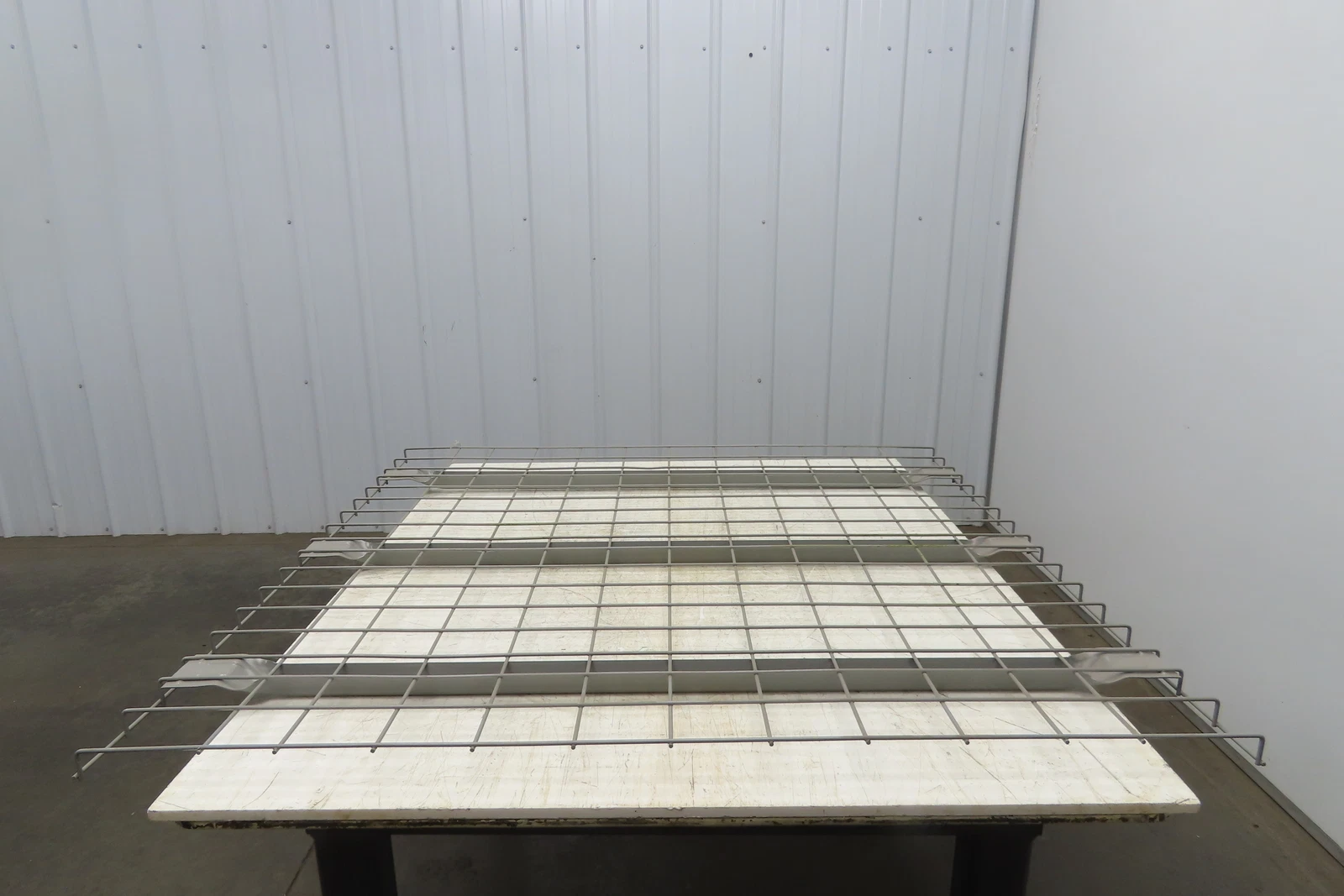
Urban warehouses are redefining success in tight spaces, proving that creative solutions and hard work can lead to remarkable outcomes. In bustling cities, where real estate is a rare commodity, these warehouses stand as symbols of innovation, demonstrating that efficiency can thrive even in the most constrained environments. Walking through a well-designed space reveals a meticulously organized system that maximizes storage while ensuring that products remain easily accessible. Each worker navigating through these narrow aisles embodies the resilience of a community dedicated to timely service and customer satisfaction.
These warehouses are more than storage facilities; they are vital contributors to local economies. Jobs here often become lifelines for families, providing financial stability and fostering pride within the workforce. The ability to support not just individual households, but the entire community underscores their role as economic linchpins, with cash flowing back into local businesses and services. When crises arise, urban warehouses also demonstrate their value as they mobilize resources quickly, proving their importance in times of need.
Sustainability is increasingly woven into their operations. By investing in innovative technologies and green practices, urban warehouses are working to reduce their environmental impact while enhancing productivity. The integration of smart racking systems and energy-efficient solutions reflects a commitment to ethical responsibility, where profitability aligns with the values of community stewardship and workplace safety.
Challenges persist, particularly in balancing the demands for speed and accuracy with safe working conditions. Warehouse operators face daily pressures, striving to ensure that their teams have the support and resources they need to succeed. Yet, these hurdles can spark a spirit of community and mutual support among workers, cultivating a culture where collaboration leads to shared growth.
Looking to the future, the narrative of urban warehouses encourages a rethinking of how we value space and community. They inspire both workers and business owners to think beyond conventional limitations, fostering an environment ripe for innovation. With grit and creativity, these facilities are proving that every square foot can be optimized, creating pathways not just for goods, but for stories of resilience and success. In this landscape of tight footprints, urban warehouses emerge as crucial players, setting a standard that reflects the hard work and ingenuity of communities dedicated to a better tomorrow.
Conclusion
Conclusion:
- Urban warehouses are redefining success through creativity and hard work in tight city spaces.
- They serve as symbols of innovation, demonstrating efficiency in constrained environments.
- These facilities contribute to local economies by providing jobs that ensure financial stability for families.
- They support community resilience by mobilizing resources quickly during crises.
- Sustainability is integrated into operations via innovative technologies and green practices.
- Challenges exist in balancing speed and safety, fostering a culture of teamwork among workers.
- Urban warehouses inspire a rethinking of space and community, optimizing every square foot for success.

Conclusion
Other Resources
Other Resources
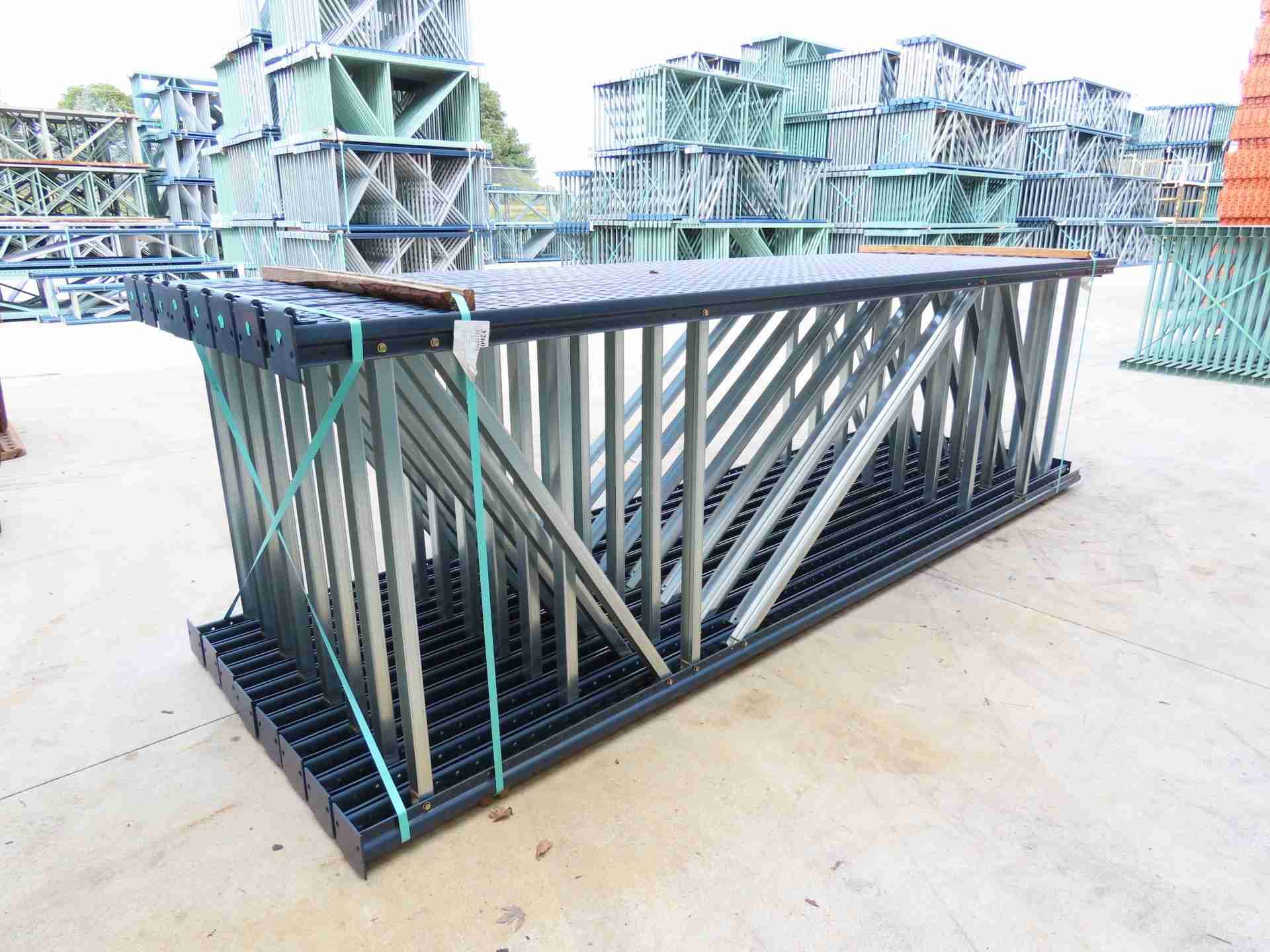
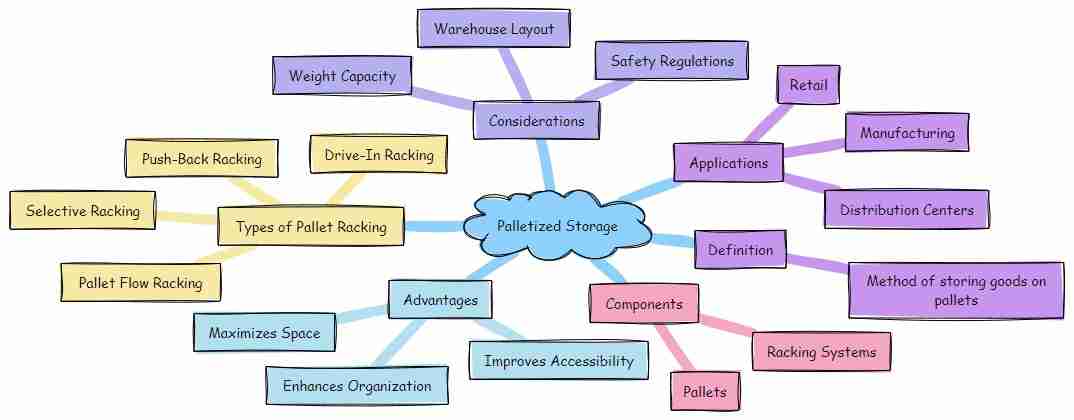
Here is a list of other resources you can review online to learn more:
- BMH Equipment LLC
- The Complete Pallet Rack Guide – Simply Rack
- BMH
- Warehouse Racks, Warehouse Racking in Stock – ULINE
- American Surplus
- Used Pallet Rack for Sale in Illinois – American Surplus
- Warehouse Automation
- MHI
- Illinois
- Selective Pallet Racking Systems
- Warehouse Racking Systems: Beginner’s Guide to Rack Systems
- The Ultimate Pallet Racking Guide – Speedrack West
- Pallet Racking systems in Illinois and Great Lakes
- Total Warehouse
- Pallet Racking systems in Illinois and Great Lakes
- Pallet Racks, Pallet Racking, Pallet Shelves in Stock – ULINE
- Warehouse Racking Chicago, IL
- New Cantilever Racks and Racking Kits
- Interlake Mecalux
- Selective Racking
Use This Prompt To Get More Resources With Your Favorite Online AI Tool: Please provide me with a list of online articles with their URLs in a bulleted list that I can read regarding Urban Warehouses: Winning In Tight Footprints
Other Resources
Glossary Terms
Urban Warehouses: Winning In Tight Footprints – Glossary Of Terms
1. Adaptive Reuse: The practice of repurposing old buildings for new uses, often seen in urban warehouses transformed into residential or commercial spaces.
2. Footprint: The physical space that a building occupies, critical in urban planning and resource management.
3. Logistics: The detailed coordination of complex operations involving people, facilities, and supplies, essential in warehouse management.
4. Zoning: Regulations that dictate how land in specific areas can be used, impacting warehouse location and functionality.
5. E-commerce: Online commercial transactions that increasingly drive demand for urban warehouse spaces.
6. Distribution Center: A specialized facility designed to receive products and distribute them to retailers or directly to consumers.
7. Last Mile: The final step in the delivery process, often challenging in urban environments due to space and traffic.
8. Inventory Management: The supervision of non-capitalized assets, focusing on storing, ordering, and tracking products in warehouses.
9. Dock Door: An access point for loading and unloading goods in a warehouse, crucial for operational efficiency.
10. Urbanization: The population shift towards cities, influencing the demand for warehouses close to urban centers.
11. Sustainability: Practices aimed at reducing environmental impact, often integrated into urban warehouse design and operation.
12. Automation: The use of technology to perform tasks with minimal human intervention, increasingly utilized in warehouse operations.
13. Supply Chain: The entire system of production and distribution of goods, of which urban warehouses are a vital component.
14. Fulfillment Center: A type of warehouse focused on receiving, processing, and delivering orders, particularly for e-commerce.
15. Multi-Story Warehousing: A strategy that involves building vertically to maximize space in densely populated urban areas.
16. Last In, First Out (LIFO): An inventory management method where the most recently added items are sold first, important for perishables.
17. Urban Density: The concentration of facilities and infrastructure within a city, impacting warehouse design and efficiency.
18. Cold Storage: Specialized warehouse space for perishable goods requiring temperature control to maintain quality.
19. Flex Space: Versatile warehouse spaces that can be adapted for various uses, accommodating changing market demands.
20. Expedited Shipping: A faster shipping method that often requires strategically located urban warehouses to meet customer expectations.
21. Cross-Docking: A logistics practice where incoming shipments are directly transferred to outgoing trucks, minimizing storage time.
22. Accessibility: The ease with which people and goods can reach a facility, crucial for urban warehouse effectiveness.
23. Warehouse Management System (WMS): A software solution that supports and manages warehouse functionality and distribution center operations.
24. Overhead Space: The airspace within a warehouse that can be utilized for storage, increasing storage efficiency.
25. Trade Area: The geographical region from which a warehouse draws customers, influencing location and design decisions.
26. Distribution Network: The interconnected system of warehouses, transportation, and retail that serves customers effectively.
27. Lean Warehousing: A methodology aimed at minimizing waste and maximizing efficiency in warehouse operations.
28. Site Selection: The process of choosing a location for a warehouse based on factors like accessibility, cost, and market demand.
29. Freight Forwarding: The logistical process of organizing shipments across various carriers in terms of logistics and transportation.
30. Urban Infill: Development that occurs on vacant or underused land within existing urban areas, often leading to warehouse opportunities.
Glossary Of Terms
Other Questions
Urban Warehouses: Winning In Tight Footprints – Other Questions
If you wish to explore and discover more, consider looking for answers to these questions:
- What are the typical costs to retrofit an urban warehouse for high-density racking?
- How do zoning, permitting, and local ordinances affect urban warehouse siting and operations?
- What safety regulations apply to narrow-aisle racking and specialized equipment?
- How can warehouses prevent accidents and injuries in tight aisles and dense layouts?
- What are best practices for inventory management and slotting in limited spaces?
- Which automated systems (AS/RS, vertical lifts, conveyors, robotics) work best in small footprints?
- What is the expected ROI and payback period for investing in automation or upgraded racking?
- How do urban warehouses handle peak-season surges, returns, and overflow without expanding footprint?
- What workforce training and certification are required for new equipment and narrow-aisle operations?
- How does automation affect local employment, labor relations, and job redesign?
- What are the noise, traffic, and air-quality impacts on surrounding neighborhoods, and how are they measured?
- What mitigation strategies reduce community disruption from truck traffic, loading, and nighttime operations?
- Which sustainability certifications or standards (LEED, BREEAM, ISO) are relevant and achievable?
- How do you measure and reduce a warehouse’s Scope 1, 2, and 3 greenhouse gas emissions?
- What renewable energy and energy-efficiency upgrades (solar, LED, smart HVAC) are feasible for urban sites?
- How should electric forklifts and charging infrastructure be implemented in a constrained facility?
- What strategies reduce packaging waste and improve circularity for returns and reusable packaging?
- How can warehouses integrate circular-economy practices and sustainable procurement policies?
- What physical and digital security measures are recommended for urban warehouses?
- How should cyber security be managed as warehouses adopt IoT, WMS, and automation?
- What fire protection, sprinkler, and egress considerations apply to high-density racking layouts?
- How do ceiling height, floor load ratings, and building structure limit racking and vertical expansion?
- When is it better to lease additional space, use a 3PL, or deploy micro-fulfillment centers?
- How do urban warehouses coordinate with last-mile carriers and delivery networks effectively?
- What software stack (WMS, OMS, TMS) best supports constrained urban operations and real-time visibility?
- Which picking strategies (zone, batch, wave, pick-to-light) optimize throughput in tight footprints?
- What KPIs should operators track to measure efficiency, sustainability, and community impact?
- How do insurance, liability, and worker compensation considerations change in urban locations?
- What public incentives, grants, or tax credits exist for sustainable urban warehouse upgrades?
- How do urban warehouses influence local property values and neighborhood development plans?
- What challenges arise when converting older industrial or retail buildings into modern warehouses?
- How are mezzanines, multi-level storage, and internal floors regulated and permitted?
- What maintenance and inspection regimes are necessary for high-density racking systems?
- How can ergonomic design reduce fatigue and musculoskeletal injuries in constrained workspaces?
- What emergency preparedness plans (evacuation, hazardous-materials response) are required for dense sites?
- How do temperature control and refrigeration needs affect layout and energy use in urban warehouses?
- What operational tactics reduce delivery vehicle idling, congestion, and emissions during loading?
- How can warehouses build positive community relations, local hiring pipelines, and workforce development partnerships?
- What case studies show successful urban warehouse conversions or micro-fulfillment deployments and key lessons?
- How scalable are high-density solutions as e-commerce demand and product variety grow?
- What procurement lead times, supply-chain risks, and vendor considerations apply when sourcing racking and automation?
- How can data analytics and AI be used to optimize space utilization, demand forecasting, and labor scheduling?
- What are the costs, benefits, and trade-offs of modular, mobile, or collapsible racking systems?
- How do local regulations govern nighttime operations, delivery windows, and noise limits?
- How are cross-docking and fast-turn operations implemented safely and efficiently in tight footprints?
Other Questions
Checklist
Urban Warehouses: Winning In Tight Footprints – A Checklist
Space and Layout
✅______ Map the current footprint, obstructions, and vertical clear heights
✅______ Define one-way travel paths to reduce congestion
✅______ Standardize aisle widths by equipment type (VNA, reach, pallet jack)
✅______ Designate clear pedestrian walkways and crossings
✅______ Mark staging, buffer, and replenishment zones
✅______ Place high-velocity SKUs closest to shipping and packing
✅______ Implement cross-docking for fast-through items
✅______ Add mezzanines or multi-level platforms where codes allow
✅______ Validate egress, fire lanes, and emergency access
Storage and Racking
✅______ Conduct a rack audit (load ratings, damage, anchoring, plumb)
✅______ Convert to higher-density options (VNA, double-deep, push-back, pallet shuttle)
✅______ Utilize vertical cube with taller racks and safety decking
✅______ Right-size bays and beam levels to SKU dimensions
✅______ Implement slotting by ABC/XYZ velocity and pick method
✅______ Separate case and piece pick from pallet reserve storage
✅______ Use mobile shelving or carton flow for small items
✅______ Label locations with clear rack signage and barcodes
✅______ Schedule recurring rack inspections and maintenance
Workflow and Safety
✅______ Create visual standards (floor markings, signage, Kanban)
✅______ Set pick paths to minimize travel and backtracking
✅______ Implement standardized work for receiving, putaway, pick, pack, and ship
✅______ Provide PPE and enforce zone-specific safety rules
✅______ Add guardrails, end-of-aisle protection, and rack row spacers
✅______ Install mirrors and blue and red safety lights at intersections
✅______ Conduct regular safety huddles and near-miss reporting
✅______ Verify ergonomic aids (lift tables, conveyors, tilt bins)
✅______ Balance labor across shifts to avoid bottlenecks and fatigue
Technology and Automation
✅______ Deploy or upgrade WMS with real-time inventory accuracy
✅______ Evaluate AS/RS, vertical lift modules, and automated racking
✅______ Consider pick-to-light or voice and mobile scanning to reduce errors
✅______ Use slotting optimization software tied to velocity data
✅______ Add smart dock scheduling and yard management
✅______ Implement IoT sensors for occupancy and equipment health
✅______ Pilot automation in a limited area; scale after ROI validation
✅______ Integrate LMS for labor planning and productivity tracking
✅______ Train teams on change management for new technology
Sustainability and Carbon Reduction
✅______ Upgrade to LED lighting with occupancy and daylight sensors
✅______ Optimize HVAC setpoints; use zone controls for active areas
✅______ Electrify the MHE fleet (lithium-ion forklifts, pallet jacks)
✅______ Add on-site renewables (solar) or procure green power
✅______ Use high-efficiency chargers and energy monitoring
✅______ Optimize trailer turn times to reduce idling and emissions
✅______ Right-size packaging; adopt recycled and recyclable materials
✅______ Implement robust recycling and waste diversion programs
✅______ Track energy and CO2e per order shipped
Workforce Well-Being and Ethics
✅______ Provide fair wages, predictable schedules, and benefits
✅______ Offer skills training and internal mobility pathways
✅______ Ensure safe staffing levels during peaks
✅______ Conduct regular ergonomics and safety training
✅______ Maintain clean, climate-appropriate break areas
✅______ Establish anonymous feedback and issue resolution channels
✅______ Publish safety metrics and improvements to staff
✅______ Recognize performance without compromising safety
Community and Stakeholder Relations
✅______ Create a community engagement plan and point of contact
✅______ Communicate truck routes and delivery windows to minimize neighborhood impact
✅______ Prioritize local hiring and supplier partnerships
✅______ Support local emergency response and relief efforts
✅______ Share sustainability goals and progress publicly
✅______ Host open houses or virtual tours for transparency
Metrics and Continuous Improvement
✅______ Monitor space utilization (%) and storage density (positions per cubic ft)
✅______ Track dock-to-stock time and order cycle time
✅______ Measure pick accuracy, on-time ship rate, and returns rate
✅______ Track LTIFR and TRIR and near-miss trends
✅______ Monitor labor productivity (lines per hour) and overtime
✅______ Review energy intensity (kWh per order) and CO2e per order
✅______ Run quarterly Kaizen events and PDCA cycles
✅______ Benchmark against similar urban facilities
Risk, Compliance, and Resilience
✅______ Verify fire code compliance (sprinklers, in-rack sprinklers, clearances)
✅______ Ensure seismic bracing and proper rack anchoring per local codes
✅______ Maintain updated SDS, hazmat storage, and spill response
✅______ Implement cybersecurity controls for connected systems
✅______ Develop business continuity and disaster recovery plans
✅______ Maintain backup power for critical systems
✅______ Conduct regular drills for evacuation and incident response
✅______ Audit insurer requirements and close gaps
Logistics and Transport
✅______ Optimize delivery density and route planning for urban constraints
✅______ Stagger dock appointments to reduce queueing
✅______ Use micro-fulfillment or satellite nodes for last-mile proximity
✅______ Evaluate cargo bikes or EV vans for short-haul deliveries
✅______ Coordinate with carriers on noise and idle reduction policies
Final Readiness
✅______ Assign owners and deadlines for each improvement
✅______ Build a 12-month roadmap with quarterly milestones
✅______ Validate ROI and people impact before scaling changes

Checklist
At RackingWorld, we help guide you through selecting warehouse storage systems and racking.
Be sure to read our other related stories at RackingWorld to learn more about warehouse storage systems.
0 Comments