
Unsung Champions: The Vital Role Of Safety Bars And Crossbars
By Tom Seest
At RackingWorld, we help guide you through selecting warehouse storage systems and racking.
Be sure to read our other related stories at RackingWorld to learn more about warehouse storage systems.
Safety Bars and Crossbars: Hidden Heroes In Racking
When you think about warehouses and storage solutions, your mind likely jumps to the towering shelves teeming with products, the bustling forklifts delivering goods, or the meticulous arrangement of items that make everything run smoothly. But behind this impressive display of organization and efficiency lie unsung heroes: safety bars and crossbars. These seemingly simple components of racking systems are anything but ordinary; they’re the backbone of a safe and functional environment.
Imagine a bustling warehouse, where thousands of products await shipment, and every hour counts. Now picture that space without safety bars. It’s a scene ripe for disaster. With an eye on audacity, we often overlook the little things that hold up fortresses of inventory. But safety bars stand guard against potential chaos, ensuring that even the most precariously stacked items remain securely in place. These components are the embodiment of human ingenuity, designed to provide peace of mind to workers who stock shelves and retrieve products with unwavering determination.
Rationally, the numbers speak for themselves. Statistics show that accidents decrease significantly in environments where racking systems are fitted with robust safety features. The financial ramifications of workplace injuries are enough to make any business owner shudder. Investing in durable crossbars is not merely a line item; it’s a pledge to prioritize the well-being of your workforce. Beyond the spreadsheets and profit margins, it’s about the lives behind those numbers—your team members who step into those aisles every day, risking their safety for the sake of productivity.
From an ethical standpoint, it’s our responsibility as leaders and colleagues to create an environment that fosters safety and trust. In this age of corporate responsibility, implementing safety bars in racking systems isn’t just a best practice; it’s a moral imperative. These components symbolize respect—respect for the laborers who deserve to work without the shadow of accidents looming overhead.
As we navigate the world of warehousing, let us not forget the vital role that safety bars and crossbars play in our daily operations. They are a testament to the commitment we make to our teams and a promise that we value the lives behind the products. So next time you walk through a warehouse, take a moment to appreciate these hidden heroes. Because the strength of our racking systems doesn’t just hold inventory—it holds our community together.
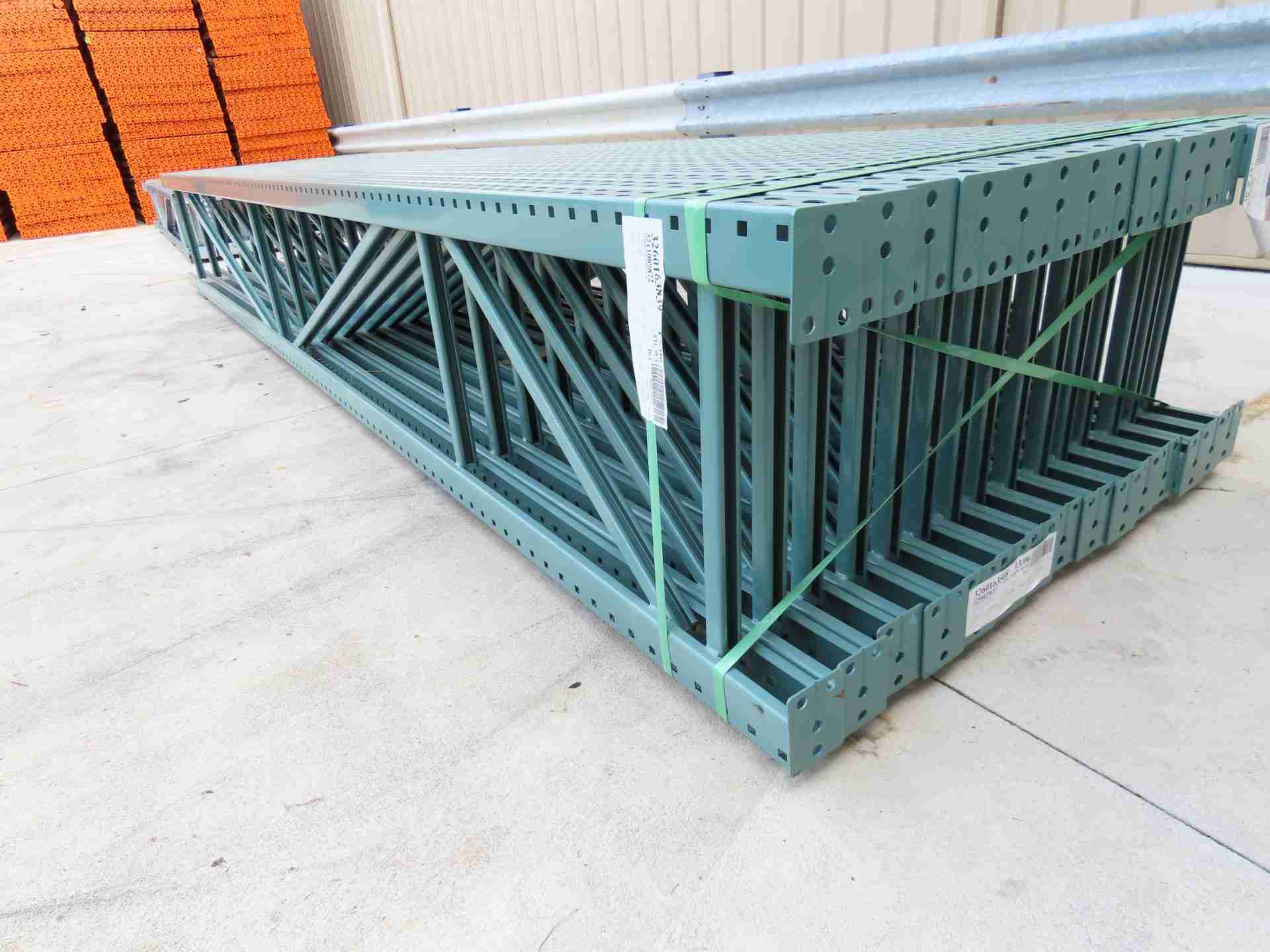
Safety Bars and Crossbars: Hidden Heroes In Racking
Safety Bars and Crossbars: Hidden Heroes In Racking
- Warehouses are often seen as organized environments with overflowing products and bustling activity.
- Safety bars and crossbars are crucial but often overlooked components of racking systems that ensure safety.
- Without safety bars, warehouses can become hazardous, risking chaos and accidents.
- Accident statistics demonstrate that safety features in racking systems significantly reduce workplace injuries.
- Investing in durable crossbars is essential for prioritizing employee wellness and safety.
- Implementing safety bars is a moral responsibility to foster a safe work environment for all employees.
- Safety bars and crossbars not only protect inventory but also symbolize the commitment to worker safety and community well-being.
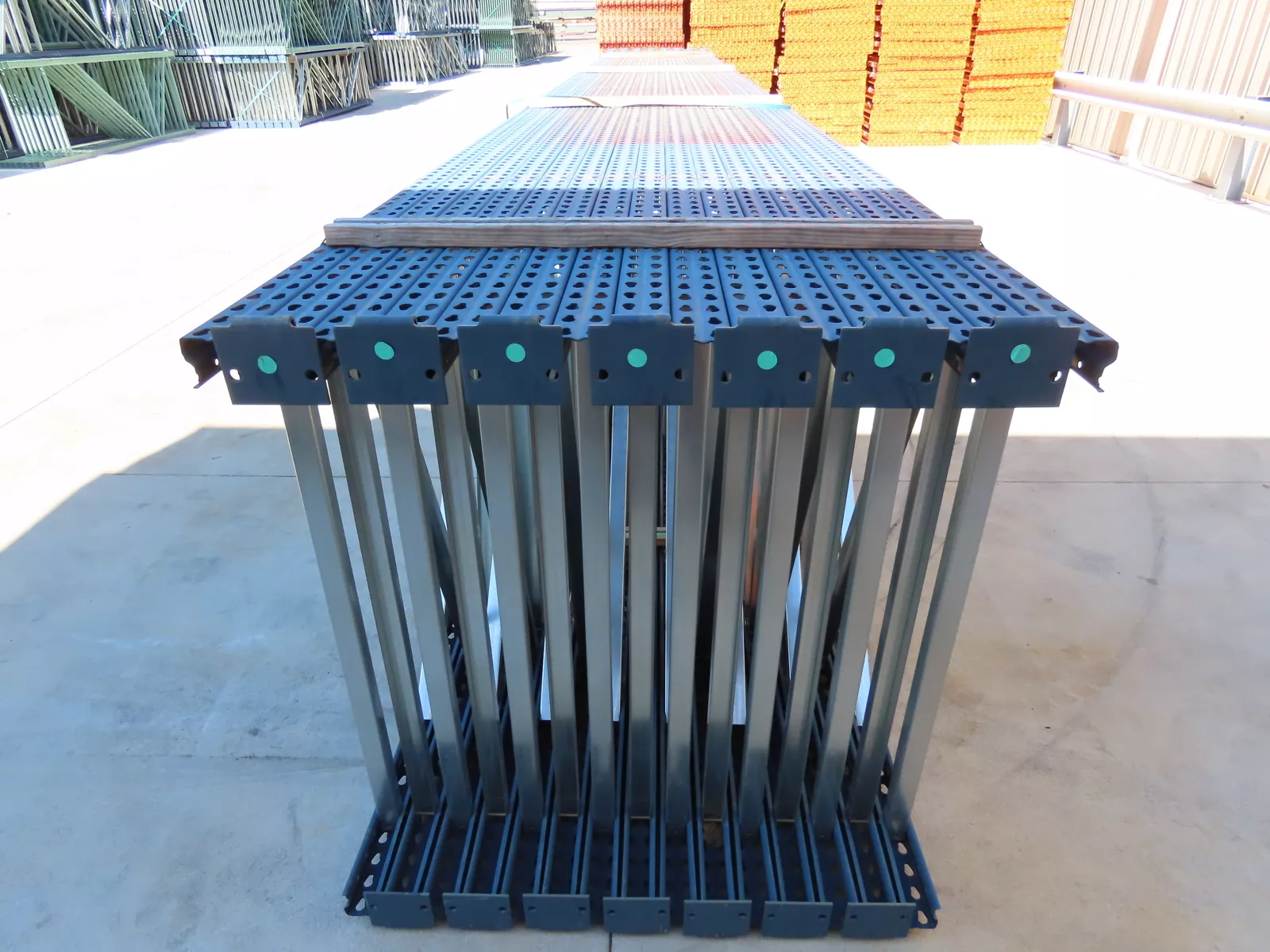
Safety Bars and Crossbars: Hidden Heroes In Racking
Table Of Contents
- Safety Bars and Crossbars: Hidden Heroes In Racking
- What Emotional Comfort Do Safety Bars Bring to Warehouse Workers?
- How Can Crossbars Enhance the Structural Integrity Of Racking Systems?
- How Do Safety Bars and Crossbars Contribute to Operational Efficiency?
- What Are the Hidden Dangers Of Inadequate Racking Support Systems?
- How Do Industry Standards Guide the Installation Of Safety Bars?
- Conclusion
- Other Resources
- Glossary Of Terms
- Other Questions
- Checklist
What Emotional Comfort Do Safety Bars Bring to Warehouse Workers?
In the bustling world of warehouses, where machinery hums and pallets soar, the presence of safety bars often goes unnoticed. Yet, these unassuming structures offer more than just physical support; they provide an emotional anchor for the dedicated workers who navigate these colossal landscapes day in and day out. Picture a worker, knees bent and heart racing, meticulously stacking goods on towering racking. The safety bars are not merely a precaution—they embody a silent promise of security, shielding him from the chaotic ballet of seemingly infinite freight.
When workers step into their shifts, they bring with them worries, dreams, and the weight of responsibility. For many, the warehouse isn’t just a job; it’s the backbone of their livelihood, the foundation upon which families are built. Here’s where the psychological prowess of safety bars comes into play. By establishing boundaries, they create a breathable environment, where movement flows without fear. This unshakeable confidence allows workers to push their limits, both physically and mentally. The cognitive horror of potential accidents fades into the background as they stack, sort, and load—empowered by the knowledge that they are safeguarded.
Rationally speaking, these bars are backed by solid engineering and rigorous safety standards. When management invests in such structures, it sends a powerful message: “We care.” This is not just an ethical obligation; it is an affirmation of respect for every employee. A safe workplace fosters loyalty, as workers recognize that their well-being is prioritized. This creates a sense of unity; a crew working together, confident in each other and the environment, strengthens bonds that transcend the shift clock.
Now, let’s paint a picture of camaraderie. In the break room, stories of near misses and triumphs are shared, creating a tapestry of collective experiences. The safety bars stand as silent witnesses to these tales—a symbol of resilience and collaboration. When co-workers laugh together, share their fears, and celebrate their victories, they instantly elevate their work experience. In this shared space, trust is nurtured, and friendships blossom.
Ultimately, safety bars do more than secure racking; they infuse the workplace with emotional comfort. They reassure workers that their lives matter, igniting a passion for a role that goes beyond mere labor. In a world that often feels chaotic, let’s ensure that every warehouse echoes with the confidence of those who can safely stand tall, forging ahead, knowing they are truly protected.
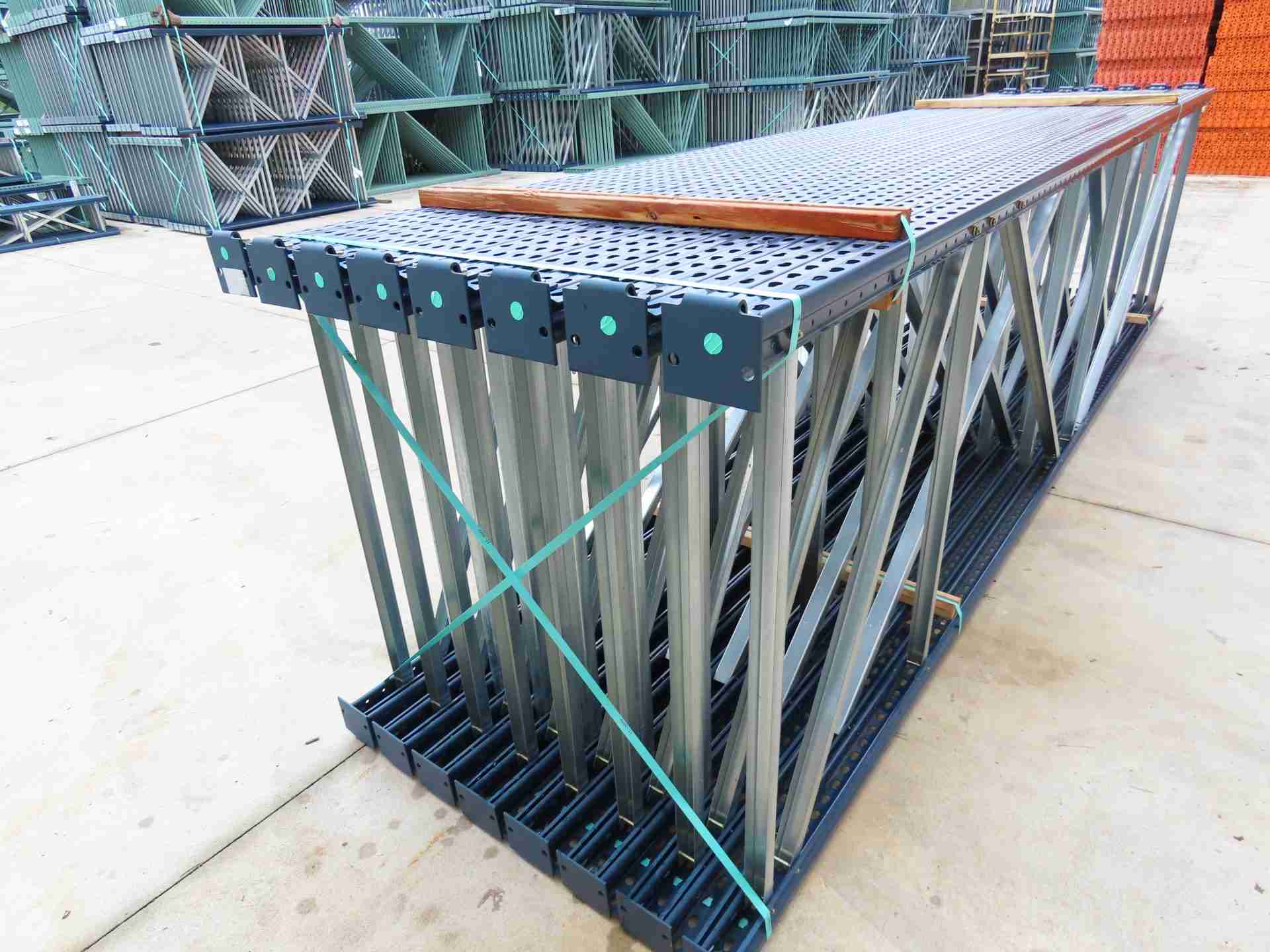
What Emotional Comfort Do Safety Bars Bring to Warehouse Workers?
What Emotional Comfort Do Safety Bars Bring to Warehouse Workers?
- Safety bars in warehouses provide emotional support and security for workers.
- They help create a breathable environment, allowing workers to move confidently.
- Investing in safety bars signifies management’s care for employee well-being.
- A safe workplace fosters loyalty and strengthens team unity among employees.
- Break rooms become spaces for camaraderie, where shared experiences enhance trust and friendships.
- Safety bars symbolize resilience and collaboration within the workforce.
- They offer emotional comfort, reassuring workers that their lives and roles are valued.
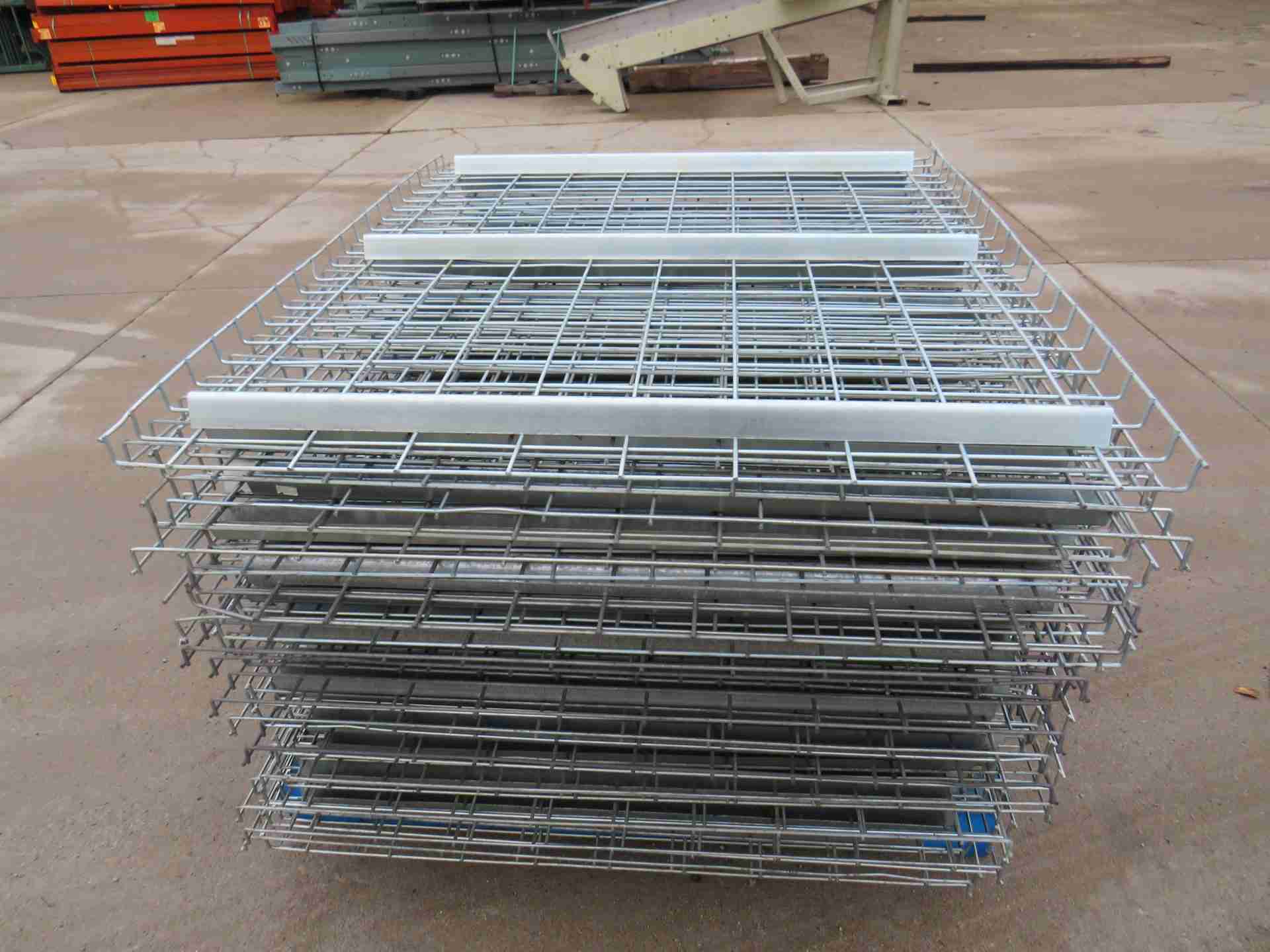
What Emotional Comfort Do Safety Bars Bring to Warehouse Workers?
How Can Crossbars Enhance the Structural Integrity Of Racking Systems?
When it comes to racking systems, we often focus on their capacity to hold loads, their design, and their material. But let’s talk about the unsung heroes of warehouse stability: crossbars. These seemingly simple components play a pivotal role in enhancing the structural integrity of racking systems, and their importance cannot be overstated.
Imagine the scene: a bustling warehouse, filled with products stacked high, each carton representing a potential setback if not handled properly. Security and safety are paramount, and it’s the crossbars that are the backbone of this operation. These horizontal supports, bracing the vertical uprights, create a framework that can withstand the rigors of everyday use. It’s not just about holding things together; it’s about ensuring that when the forklift zooms past, or the weight of a heavy load shifts, the entire structure doesn’t wobble like a house of cards.
Consider the emotional weight of that stability. Picture a warehouse manager, glancing at the neatly organized shelves, heart swelling with pride, knowing that every item is safely stored. The sight of crossbars gives them peace of mind—the silent assurance that they’re not just stacking materials; they’re building a fortress of safety, protecting not only the products but also the people who work around them.
From a rational standpoint, crossbars significantly reduce the risk of collapse. They distribute weight evenly, allowing racks to carry more while minimizing strain. Statistically speaking, racking with crossbars can extend the life of the system and reduce maintenance costs. This isn’t just good business; it’s smart business. You invest in crossbars today and save on losses tomorrow.
Ethically, when you invest in a robust racking system with crossbars, you’re making a commitment to safety—not just for your workforce, but for the future of your business. The integrity of your structure reflects your standards as a leader in your industry. Choosing racking systems that incorporate crossbars is a decision that resonates throughout your organization, fostering a culture of care and responsibility.
So, the next time you walk through a warehouse, take a moment to appreciate the crossbars. They’re not just metal bars; they’re the unsung guardians ensuring that everything stands tall and secure. Let’s champion these quiet heroes and recognize that a great racking system is built not just to hold things up, but to hold everything together.
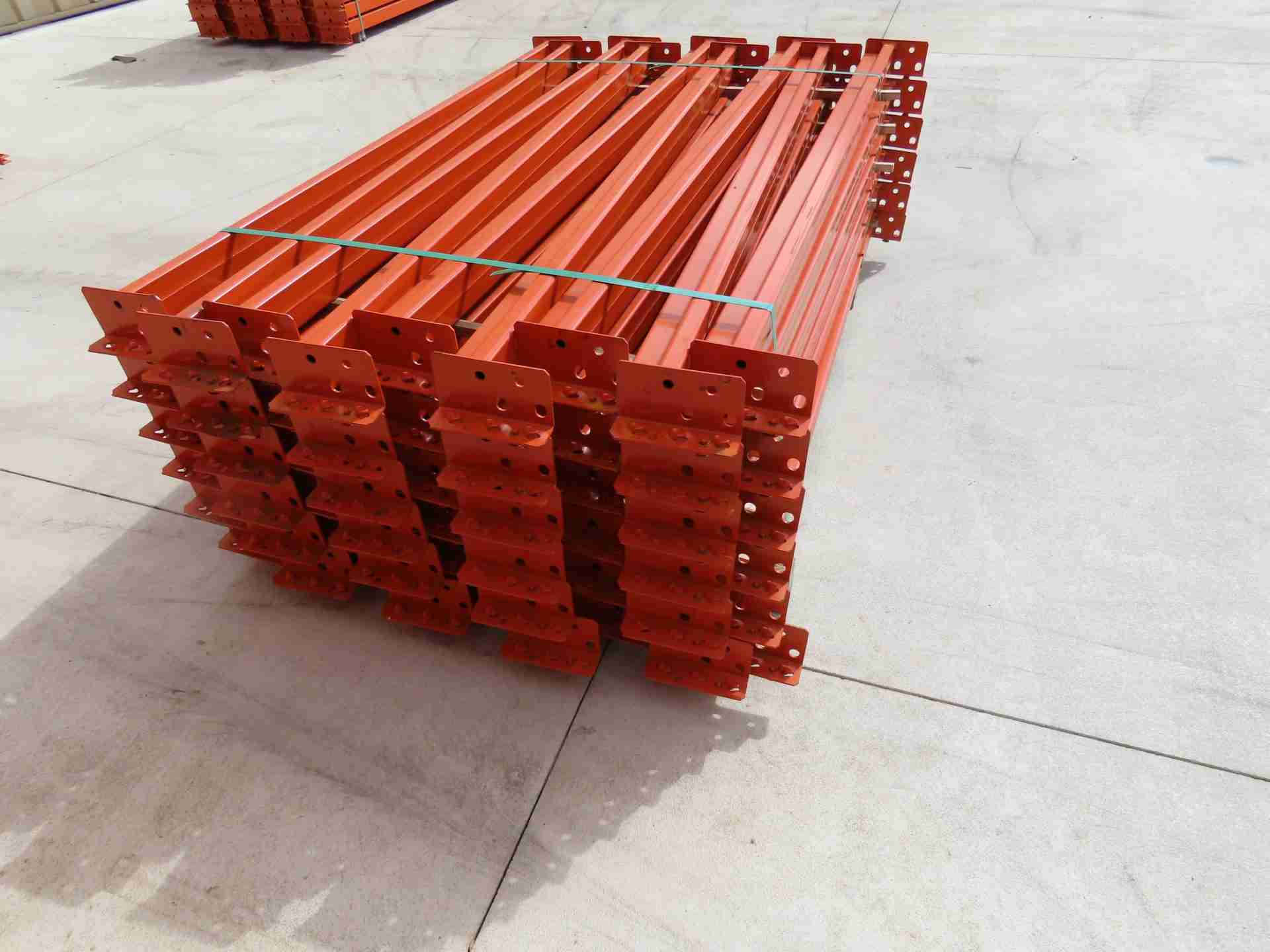
How Can Crossbars Enhance the Structural Integrity Of Racking Systems?
How Can Crossbars Enhance the Structural Integrity Of Racking Systems?
- Crossbars are crucial components of racking systems that enhance structural integrity.
- They provide stability in busy warehouses filled with stacked products.
- Crossbars brace vertical uprights, preventing wobbling during forklift operations or load shifts.
- They instill confidence in warehouse managers by ensuring safety for both products and personnel.
- Crossbars help distribute weight evenly, allowing racks to carry more while reducing strain.
- Investing in crossbars can save on maintenance costs and extend the life of racking systems.
- Choosing racking systems with crossbars reflects a commitment to safety and responsibility in the workplace.
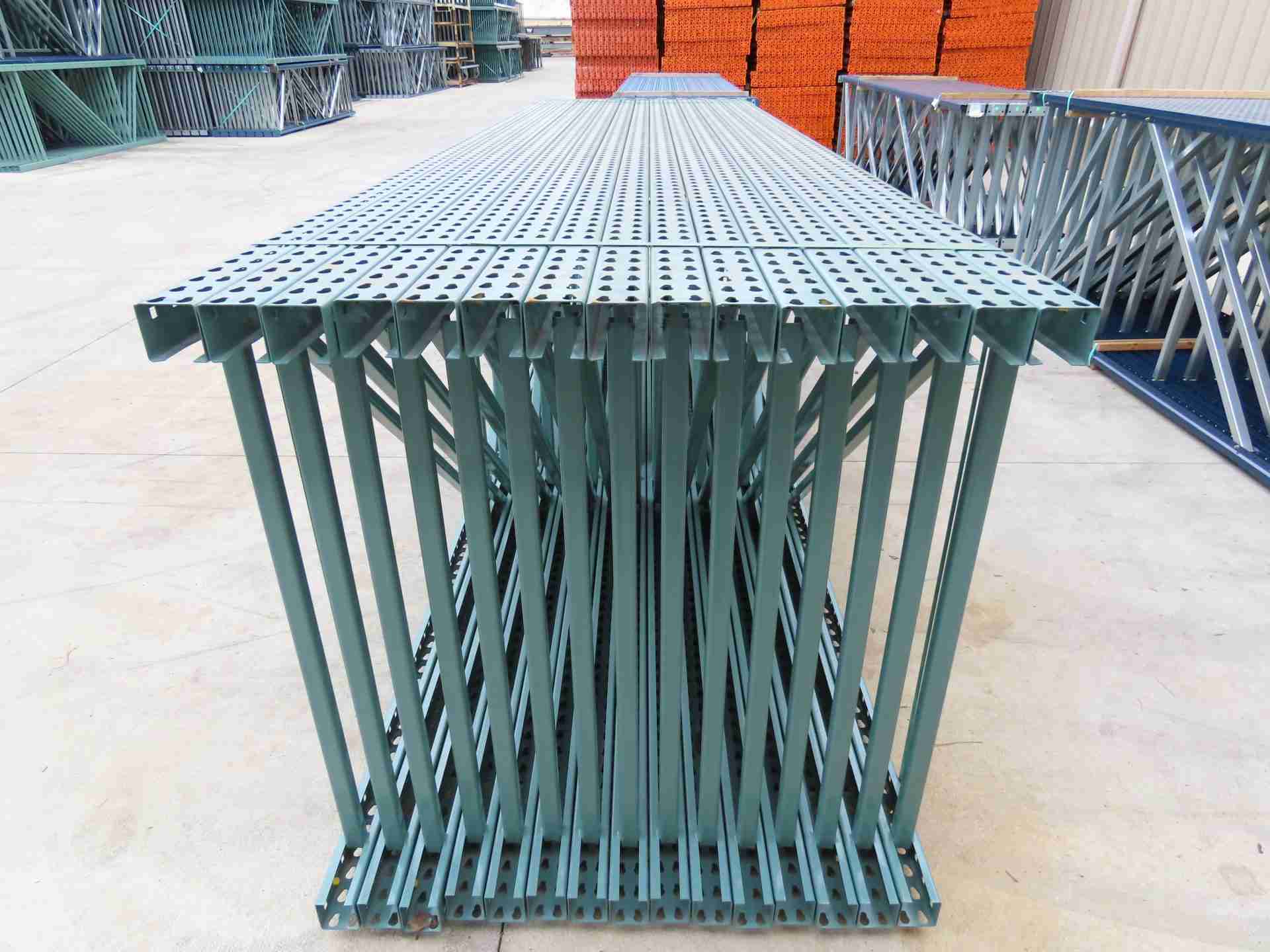
How Can Crossbars Enhance the Structural Integrity Of Racking Systems?
How Do Safety Bars and Crossbars Contribute to Operational Efficiency?
Imagine walking into a warehouse, the hum of machinery mingling with the rustle of movement, all orchestrated under one roof. Amid this bustling landscape, safety bars and crossbars stand like silent sentinels, guarding the integrity of the operations we often take for granted. They are the unsung heroes of racking systems, transforming chaotic storage spaces into well-organized havens.
On a gut level, consider the peace of mind a worker feels knowing that the heavy items stacked above them are secured, held in place by sturdy crossbars. Each beam and brace symbolizes much more than structural support; they embody a commitment to every individual who steps into that space. When accidents happen, the toll extends beyond physical injury—it impacts morale, productivity, and even community. By investing in these essential elements, companies are not just focusing on safety; they’re investing in the well-being of their teams.
From a rational perspective, the numbers don’t lie. Implementing safety bars can significantly reduce workplace accidents and injuries, which in turn decreases downtime. Fewer injuries mean fewer disruptions, leading to heightened productivity and operational efficiency. This efficiency translates to increased bottom-line performance, benefiting everyone from the warehouse employees to the stakeholders who depend on a well-oiled machine.
Ethically, businesses have a responsibility to protect their workers. When safety measures are prioritized, it sends a clear message: “We care.” This culture of care fosters loyalty and trust among employees, who feel valued and respected. When people know they can rely on their environment, they’re more likely to push the envelope, sparking innovation and creative problem-solving.
Authoritatively, industry leaders and safety organizations advocate for the inclusion of safety bars and crossbars not just as an option, but as a necessity in modern racking systems. Following best practices isn’t just about compliance; it’s about setting a standard.
Narratively, each beam we install has its story—a journey of safety, efficiency, and community growth. Each time a worker positions a box on a shelf, they trust that the support structure is strong, that their workplace is designed for their success.
In this interconnected ecosystem of safety, trust, and efficiency, safety bars and crossbars symbolize the backbone of operational success. So, let’s recognize their role, not just as components of a racking system, but as vital partners in our quest for a safer, more efficient work environment. Embrace this ethos—not because you have to, but because you want to. Together, we can build a future where safety and efficiency are not just goals, but the very foundation of who we are.

How Do Safety Bars and Crossbars Contribute to Operational Efficiency?
How Do Safety Bars and Crossbars Contribute to Operational Efficiency?
- Safety bars and crossbars are essential components of racking systems, ensuring operational integrity and organization in warehouses.
- They provide peace of mind to workers by securely holding heavy items, symbolizing a commitment to safety and individual well-being.
- Investing in safety measures reduces workplace accidents, thereby decreasing downtime and increasing productivity.
- Heightened operational efficiency benefits both warehouse employees and stakeholders, enhancing overall bottom-line performance.
- Prioritizing safety fosters a culture of care, loyalty, and trust among employees, encouraging innovation and problem-solving.
- Industry leaders advocate for mandatory safety bars and crossbars in racking systems as part of best practices.
- Safety bars and crossbars represent not just safety, but the foundation for a successful, efficient, and community-oriented workplace.
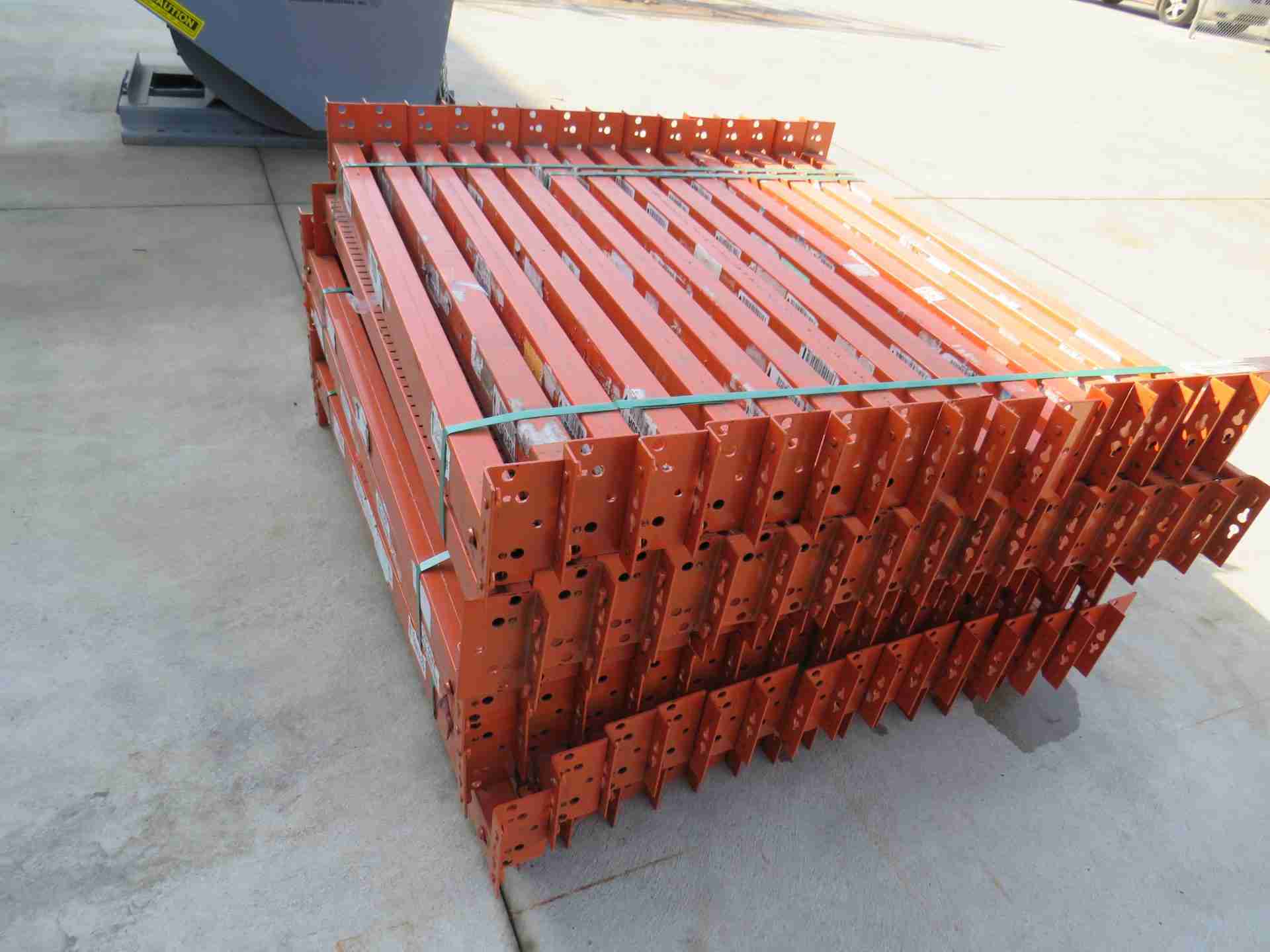
How Do Safety Bars and Crossbars Contribute to Operational Efficiency?
What Are the Hidden Dangers Of Inadequate Racking Support Systems?
When we think about our workplaces, we often picture the grand machinery, the sparkling tools, and the hustle and bustle of the operation. But lurking beneath this bustling facade lies a crucial backbone—the racking support systems that hold our products, our equipment, and sometimes, our very livelihoods. Inadequate racking support isn’t just a matter of a few misplaced boxes; it’s a danger that could bring an entire operation crashing down, both literally and metaphorically.
Picture this: a warehouse unravels into chaos when racking fails under the weight of poor design or subpar materials. It’s more than just lost inventory; it’s the heartache of employees forced to pick up the pieces, the sleepless nights of managers worrying about the safety of their teams, and the financial strain that ripples through the community. That racking system, seemingly innocuous, can act like a ticking time bomb. Every moment we ignore the signs—slight bends, shaking shelves, or creaking sounds—we’re rolling the dice on someone’s safety.
Let’s get real: that fancy new piece of equipment isn’t worth much if it topples over because the racking system couldn’t hold its weight. Inadequate support not only compromises the integrity of our materials but also undermines the trust between employers and their workforce. When people don’t feel safe, productivity drops, morale sinks, and we all feel that gut-wrenching tension in the air.
From an ethical standpoint, we owe it to our teams to provide a safe environment. Failing to invest in solid racking is more than just shortsighted; it’s a betrayal of the bonds we build with our employees, who trust us with their lives. These systems represent a web of shared responsibility—not just for our bottom line but for the people who make it happen every day.
Remember, investing in proper racking support is often the least glamorous part of maintaining a successful operation. But it’s also one of the most crucial. Let’s shift the conversation from just meeting industry standards to exceeding them. We can create workplaces where safety is woven into the fabric of our daily operations—a place where both goods and lives are safeguarded, where every employee feels valued, and where communities thrive together. Trust comes from being proactive. It’s time to act before the hidden dangers of inadequate racking support leave a mark greater than we could ever hope to erase.
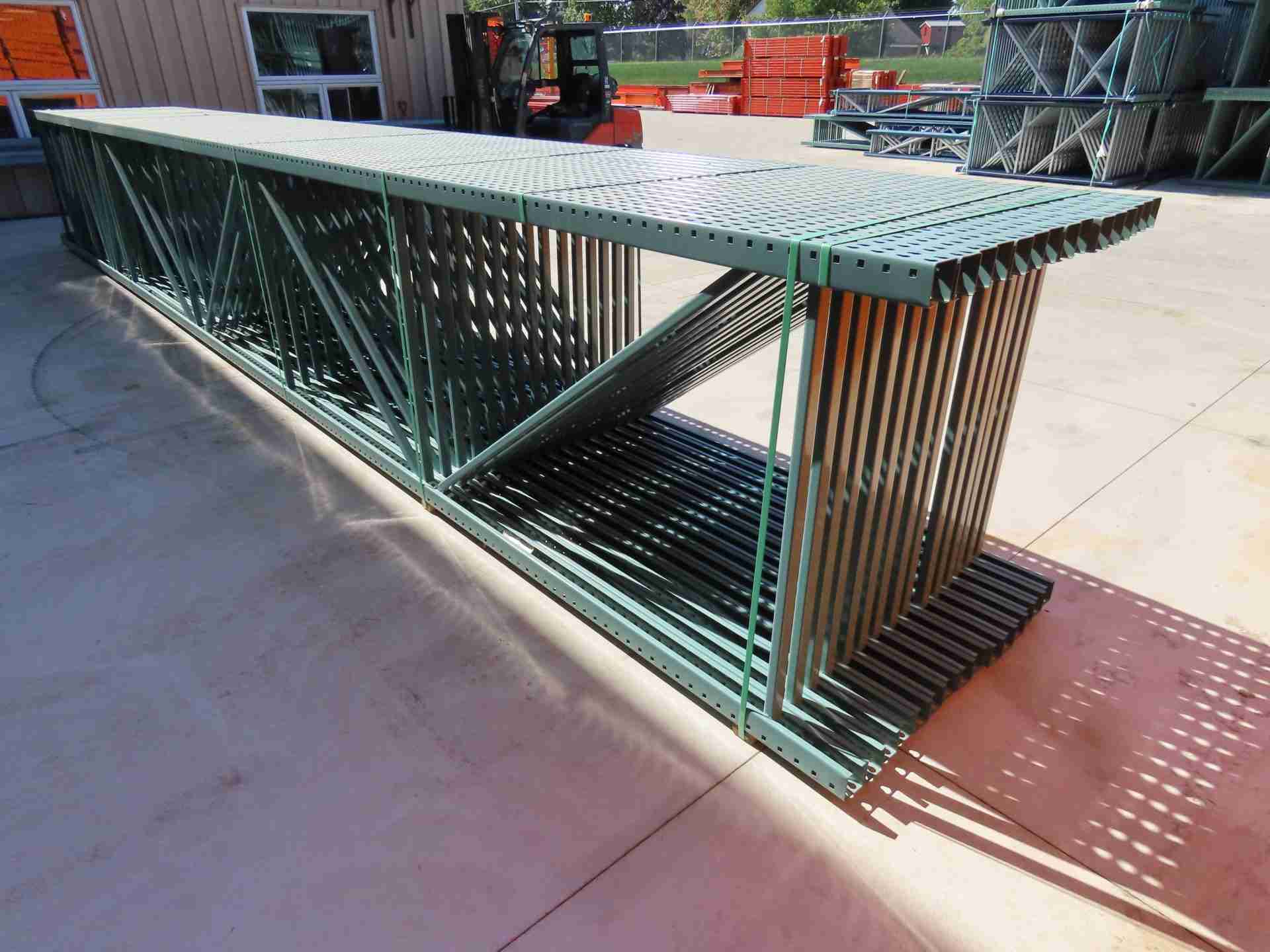
What Are the Hidden Dangers Of Inadequate Racking Support Systems?
What Are the Hidden Dangers Of Inadequate Racking Support Systems?
- Racking support systems are essential for maintaining the safety and functionality of workplaces.
- Inadequate racking can lead to dangerous situations, causing chaos and potential accidents in the warehouse.
- Failures in racking systems can result in lost inventory, employee distress, and financial strain on the community.
- Ignoring signs of racking issues puts employee safety at risk and undermines workplace trust.
- Investing in safe racking systems is a moral obligation to protect employees and foster a positive work environment.
- Proper racking support is critical for operational success, even if it is not the most glamorous investment.
- Shift focus from merely meeting standards to exceeding them for the betterment of safety and community wellbeing.
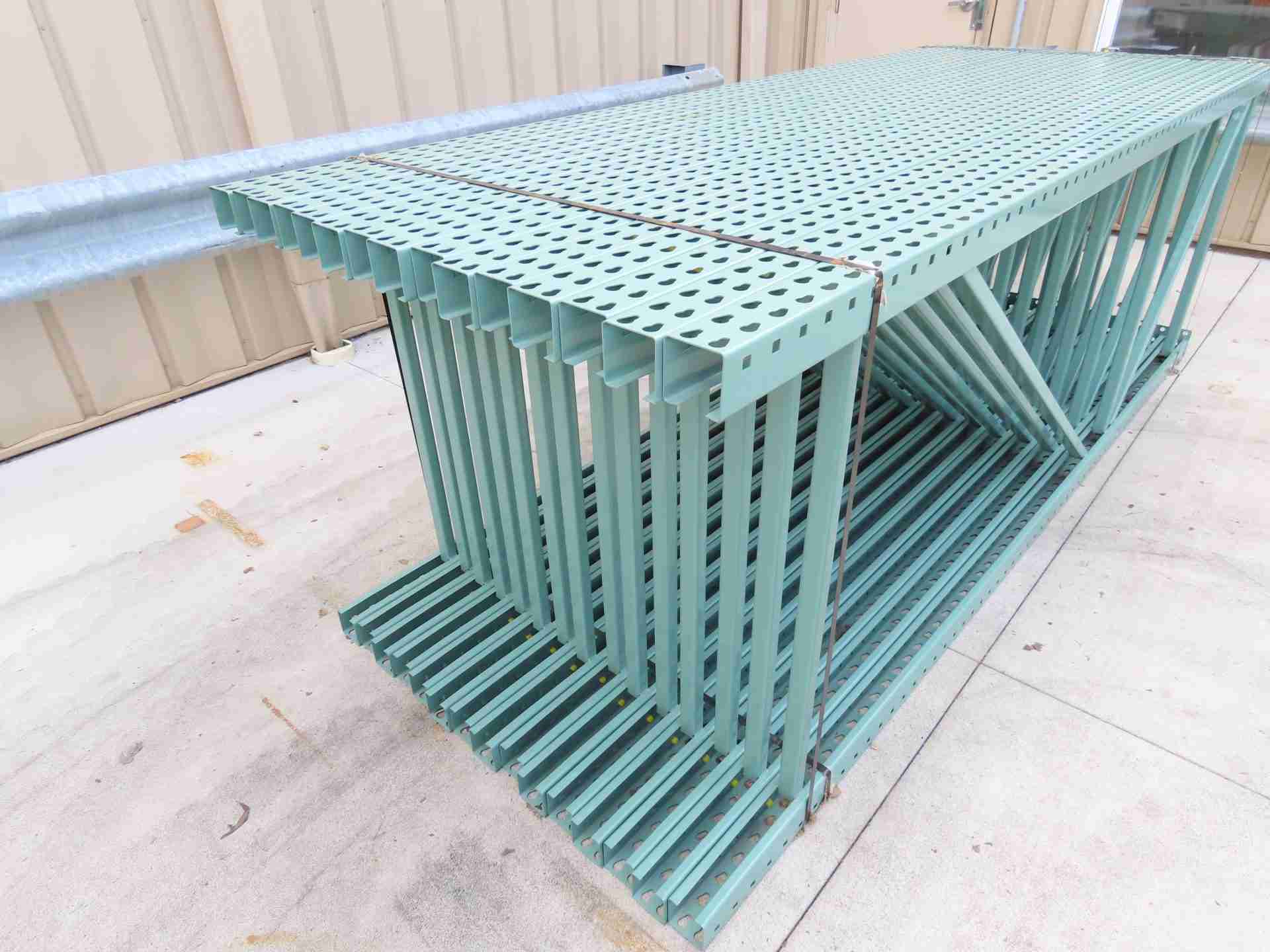
What Are the Hidden Dangers Of Inadequate Racking Support Systems?
How Do Industry Standards Guide the Installation Of Safety Bars?
When we talk about safety in the workplace, there’s one element that often gets overlooked until it’s too late: the industry standards that guide the installation of safety bars. These aren’t just random rules cooked up by some distant boardroom; they’re the result of years of research, lessons learned, and lives impacted. Imagine for a moment a warehouse so filled with racking and equipment that each corner tells a story—a story of hard work, but also of potential danger. Safety bars are the unsung heroes in this narrative, standing guard against the chaos.
Think about the last time you saw a safety bar installed with precision. It wasn’t just a piece of metal bolted on willy-nilly; it was carefully positioned, tested, and validated against industry standards. Those standards are set by experts who understand the physics of weight distribution, the ergonomics of human interaction, and the legal frameworks that hold companies accountable. They’re a fusion of gut instinct and scientific rigour, relying on data-driven insights to mitigate risk. By adhering to these norms, businesses are not only protecting their employees but also investing in a culture of safety—in a world where accidents can have devastating emotional and financial repercussions.
Ethically, it feels right to advocate for standards that prioritize human life over profit margins. When businesses cut corners on safety, they’re not just endangering their workers; they’re also jeopardizing their brand, reputation, and the trust the public places in them. People need to know their well-being is more important than those bottom-line figures—a basic human right that should never be compromised.
Look around. When we talk about community, we’re often talking about shared experiences and collective responsibility. Industry standards not only unify practices but also offer assurance to everyone involved—from the management team to the forklift operator navigating a tight aisle. Each time safety bars are installed correctly, it fosters a sense of connection among employees, building trust that everyone has each other’s backs.
So whether you’re a manager, a worker, or simply someone invested in the heart of industry, consider the significance of these tangible yet often invisible bars. They are a testament to our collective commitment to a safer work environment. Let’s not wait for tragedy to remind us of their importance; let’s prioritize safety and respect the standards that guide us. In doing so, you’re not just following rules—you’re standing up for the lives and livelihoods that depend on them.

How Do Industry Standards Guide the Installation Of Safety Bars?
How Do Industry Standards Guide the Installation Of Safety Bars?
- Industry standards for safety bars in workplaces result from extensive research and experience.
- Safety bars protect employees by mitigating potential dangers in equipment-filled environments.
- Proper installation of safety bars follows strict guidelines based on physics, ergonomics, and legal accountability.
- Adhering to safety standards fosters a culture of safety, protecting both employees and company reputation.
- Prioritizing safety over profit is an ethical obligation to ensure worker well-being.
- Industry standards unify workplace safety practices, enhancing trust among all employees.
- Emphasizing safety standards shows commitment to a safer work environment and protects lives and livelihoods.

How Do Industry Standards Guide the Installation Of Safety Bars?
Conclusion
In the complex world of warehousing, where efficiency and safety often clash, safety bars and crossbars emerge as unsung champions. These humble heroes are not merely components of a racking system; they are the very backbone of a secure and functional environment. Picture yourself in a bustling warehouse: forklifts whizzing, goods soaring, and a symphony of productivity filling the air. Now imagine that same place devoid of safety bars. It’s a recipe for disaster, a chaos waiting to unfold—shelves trembling under pressure, workers on edge.
The emotional comfort these structures provide extends beyond their physical presence. They forge a sense of security for every worker navigating treacherous heights, ensuring that precariously stacked goods remain stable. For many employees, warehouses are not just jobs; they represent livelihoods, families, and futures. Safety bars embody a promise: the promise of care and protection—values that resonate deeply with every worker. When management invests in such safety measures, it sends a clear signal: “You matter.”
From a rational standpoint, safety bars and crossbars significantly reduce accidents and injuries, and the financial implications of these safety improvements are substantial. Fewer injuries translate to less downtime, dismantling disruptions that can derail operational efficiency and impact the bottom line. Ethically, fostering a culture of safety speaks volumes about a company’s integrity. In an age of corporate accountability, making safety a priority is not just good practice—it is a moral obligation.
Moreover, these structural elements encourage a sense of community. Workers bond over shared experiences, weaving narratives of triumph, struggles, and resilience that transcend the daily grind. In this environment of trust and collaboration, employees feel valued and empowered to push their limits. The emotional connection forged through these experiences reinforces their loyalty and dedication to the job.
When examining the bigger picture, we must acknowledge that safety bars and crossbars do more than hold up equipment; they hold up our entire workforce. As we strive for excellence in operations, let’s not overlook the significance of these hidden heroes. They symbolize not just compliance with industry standards but a commitment to fostering a safer, more efficient work environment. In the end, choosing to invest in safety bars and crossbars is choosing to invest in the well-being of our people and our community. So next time you enter a warehouse, take a moment to appreciate these silent guardians of safety. After all, it’s not just about products on shelves; it’s about the lives behind them, bound together by a dedication to safety, trust, and teamwork.
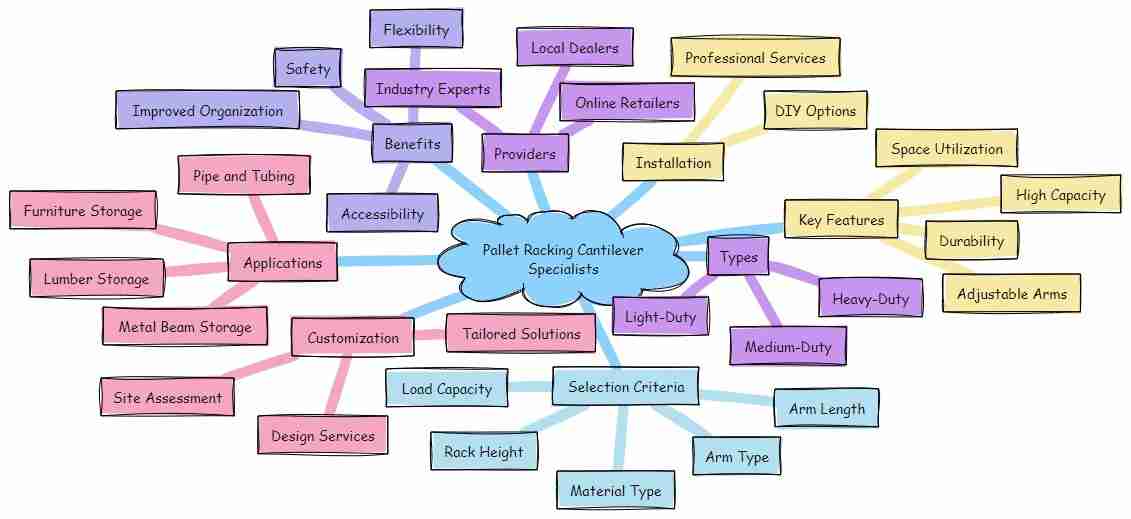
Conclusion
Conclusion:
- Safety bars and crossbars play a crucial role in ensuring both efficiency and safety in warehousing.
- These structures provide emotional comfort and a sense of security for workers navigating high shelves.
- Investing in safety measures conveys a message of care and protection, reaffirming the value of employees.
- From a rational perspective, safety bars and crossbars help reduce accidents, translating to less downtime and improved financial performance.
- Prioritizing safety reflects a company’s integrity and ethical responsibility in today’s corporate landscape.
- They foster a sense of community among workers, promoting collaboration, loyalty, and shared experiences.
- Ultimately, safety bars and crossbars represent a commitment to the well-being of employees and the overall operational excellence of the workplace.

Conclusion
Other Resources
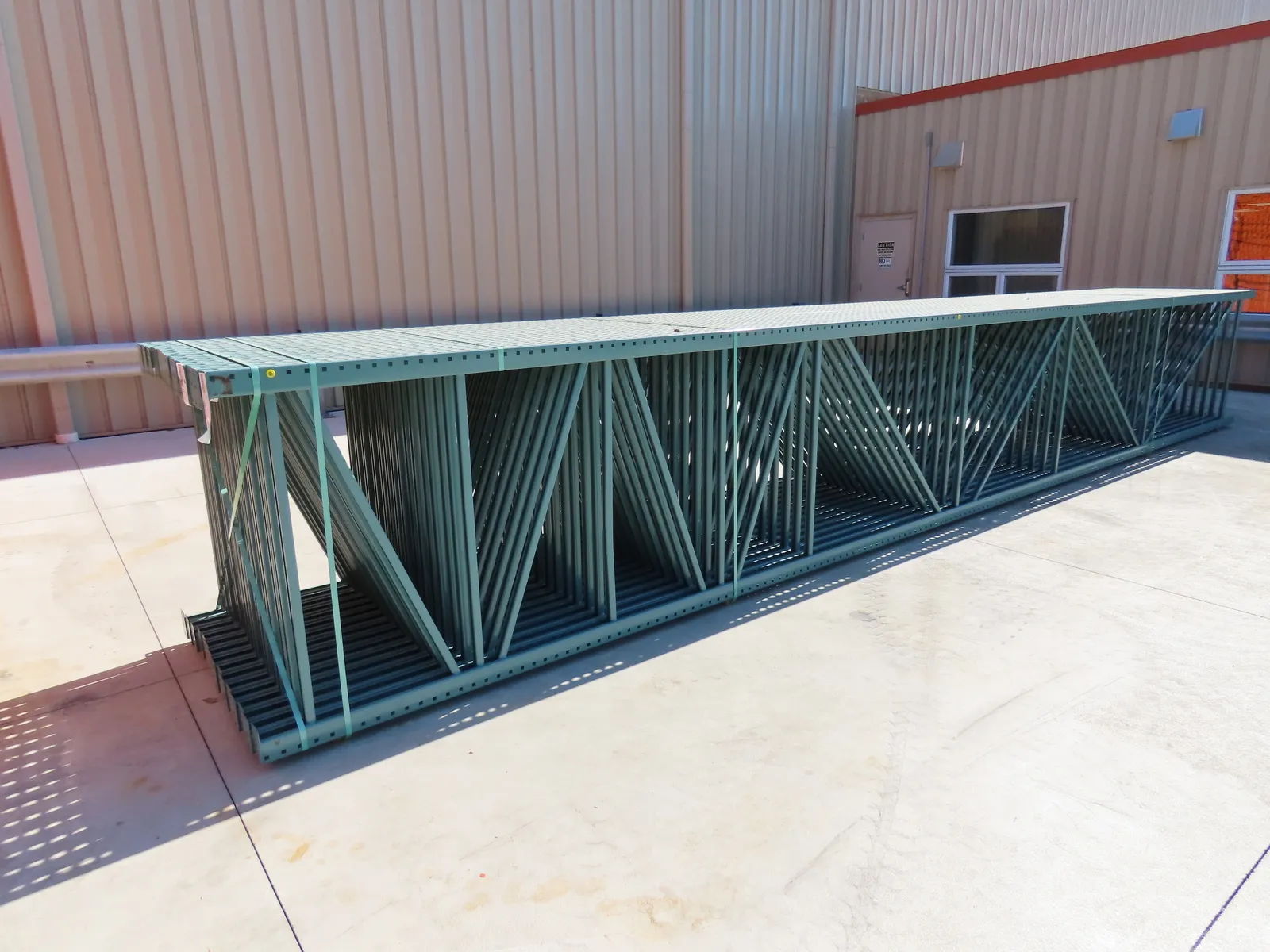
Other Resources
Here is a list of other resources you can review online to learn more:
- Used Pallet Rack for Sale in Illinois – American Surplus
- Overhead Lifting
- Selective Racking
- SEMA
- Warehouse Storage Racking in Illinois
- Cantilever Rack Guide: Ordering Cantilever Racking
- Pallet Racking systems in Illinois and Great Lakes
- MHI
- Chicago Pallet Racking
- Pallet Racking systems in Illinois, Great Lakes
- International Warehouse Logistics Association
- Bradford Systems
- Warehouse Storage Racks
- Rack Manufacturers Institute
- Pallet Rack Systems – New and Used Pallet Racking and Shelving Experts
- Illinois Pallet Racking – WPRP
- Selective Pallet Racking Systems – Container Systems
- Storage Equipment Manufacturers’ Association
- Iowa Illinois Warehouse Racking
- Pallet Racking systems in Illinois and Great Lakes
Use This Prompt To Get More Resources With Your Favorite Online AI Tool: Please provide me with a list of online articles with their URLs in a bulleted list that I can read regarding Safety Bars and Crossbars: Hidden Heroes In Racking
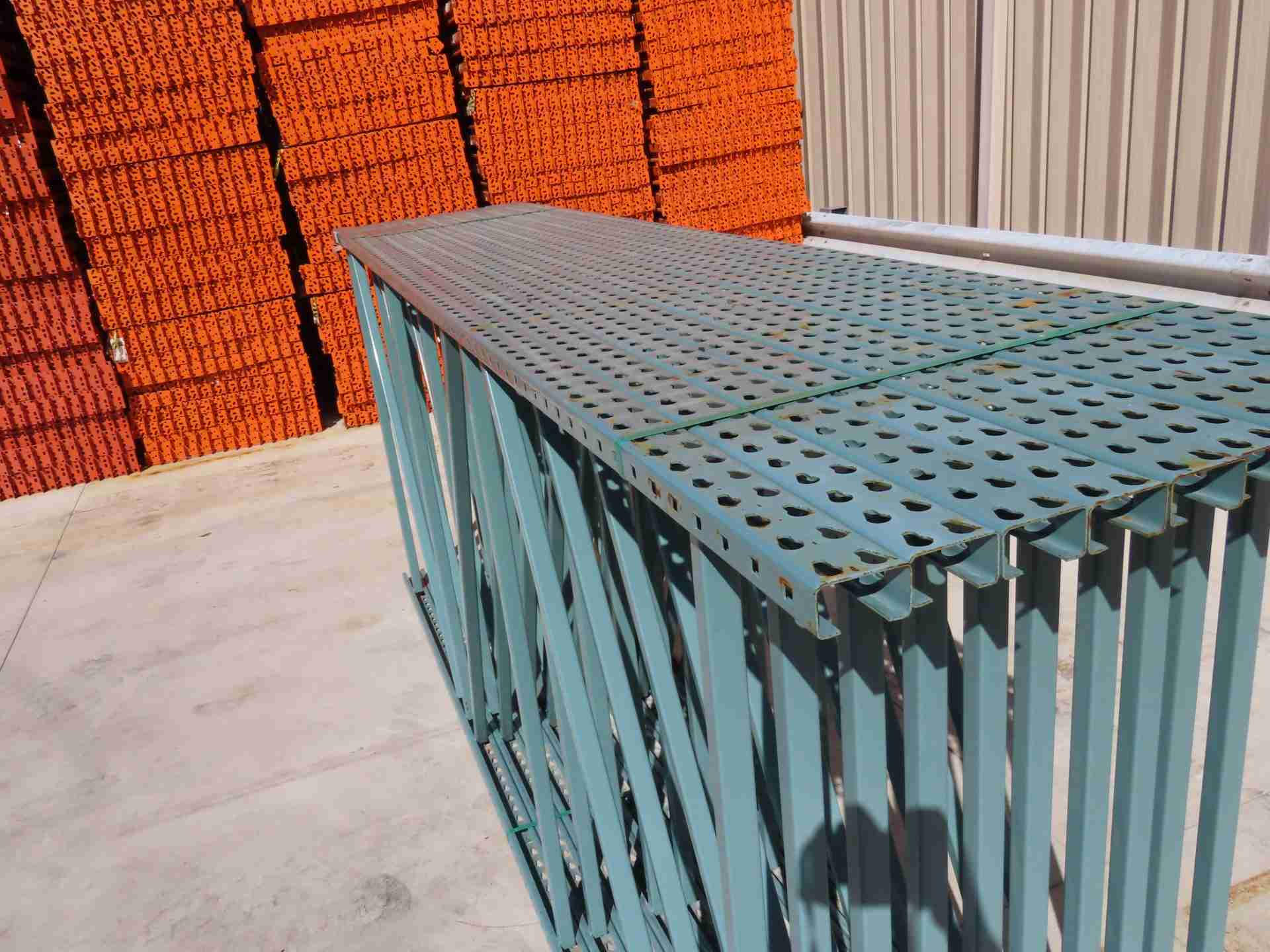
Other Resources
Glossary Terms
Safety Bars and Crossbars: Hidden Heroes In Racking – Glossary Of Terms
1. Safety Bar: A horizontal support beam designed to prevent falling or shifting of stored items on a racking system.
2. Crossbar: A structural element that connects two vertical supports to enhance the stability and integrity of a racking system.
3. Racking System: An arrangement of shelves or frameworks used for the storage of goods in warehouses, retail spaces, and distribution centers.
4. Load Capacity: The maximum weight a racking system is designed to support safely without structural failure.
5. Structural Integrity: The ability of a racking system to maintain its shape and strength under load without collapsing or deforming.
6. Dynamic Load: The weight and forces acting on a racking system while in use, including forces from items being added or removed.
7. Static Load: The weight of the items stored on a racking system when stationary and not subjected to additional forces.
8. Vertical Beam: The upright supports of a racking system that bear the weight of the stored items.
9. Horizontal Beam: The horizontal support structure that holds items on a racking system, typically resting on vertical beams.
10. Pallet Rack: A type of racking system specifically designed to hold pallets, often found in warehouses.
11. Warehouse Safety: Practices and measures implemented to prevent accidents and injuries in a warehouse environment.
12. Stability: The ability of a racking system to remain upright and secure during use, particularly when loaded.
13. Ergonomics: The study of people’s efficiency in their working environment, often related to the design of storage solutions to minimize injury.
14. Inspection: The process of examining racking systems for damage, wear, or safety compliance.
15. Compliance: Adherence to safety standards and regulations governing the design and use of racking systems.
16. Load Distribution: The way weight is spread across a racking system, crucial for maintaining stability and safety.
17. Rack Stability Bracket: A component that reinforces the connections between racks to enhance stability and prevent tipping.
18. Shelving Unit: A standalone structure with shelves, often used in conjunction with racking systems for increased storage capacity.
19. Design Specifications: Detailed guidelines outlining the requirements and standards a racking system must meet for safety and functionality.
20. Weight Limit: The maximum allowable weight for each shelf or section of a racking system, ensuring safety and preventing overloading.
21. Safety Regulations: Legal requirements that dictate the safe design, installation, and use of racking systems in various industries.
22. Material Handling: The movement, protection, and storage of products throughout the manufacturing, warehousing, and distribution processes.
23. Fall Protection: Measures taken to prevent items from falling from racking systems, including the use of safety bars and other safety devices.
24. Modular Racking: A flexible racking system that can be reconfigured to accommodate changes in storage needs.
25. Column: The vertical support that serves as the primary part of the racking structure, helping to bear its load.
26. Racking Accessories: Additional components, such as safety bars, crossbars, and braces, that enhance functionality and safety of racking systems.
27. Safety Standards: Established criteria and norms that define safe practices for the design and use of racking systems.
28. Warehouse Optimization: Strategies employed to enhance the efficiency and effectiveness of space and resources in a warehouse, often involving racking systems.
29. Structural Component: Any individual part of a racking system that contributes to its overall strength and stability.
30. Testing Procedures: Methods used to evaluate the safety, strength, and reliability of a racking system before deployment.
Glossary Of Terms
Other Questions
Safety Bars and Crossbars: Hidden Heroes In Racking – Other Questions
If you wish to explore and discover more, consider looking for answers to these questions:
- What are the specific benefits of using safety bars and crossbars in racking systems?
- How do safety bars and crossbars affect the overall safety culture in warehouses?
- What are the best practices for installing safety bars and crossbars?
- What materials are commonly used for safety bars and crossbars, and how do they impact performance?
- How do safety regulations and industry standards vary by location or sector?
- What steps can companies take to ensure compliance with safety standards for racking systems?
- What training should be provided to employees regarding the use of safety bars and crossbars?
- How can companies measure the effectiveness of safety bars and crossbars in preventing accidents?
- What are the costs associated with installing safety bars and crossbars in racking systems?
- What case studies or examples exist that demonstrate the impact of safety bars and crossbars on warehouse safety?
Other Questions
Checklist
Safety Bars and Crossbars: Hidden Heroes In Racking – A Checklist
Safety Bars and Crossbars: Essential Safety Checklist
Emotional Appeals
_____ ☐ Reflect on the peace of mind that safety bars and crossbars provide to workers.
_____ ☐ Consider how a safer work environment fosters a sense of community and belonging.
_____ ☐ Create a culture of open communication about safety; encourage sharing experiences and stories.
Rational Appeals
_____ ☐ Review statistics demonstrating reduced accidents in environments with safety bars and crossbars.
_____ ☐ Evaluate total costs associated with workplace injuries versus investment in safety equipment.
_____ ☐ Analyze the impact of reduced downtime on overall productivity and operational efficiency.
Ethical Appeals
_____ ☐ Commit to providing a safe workplace as a moral imperative; prioritize employee well-being.
_____ ☐ Establish a policy for regular inspections and maintenance of safety features in racking systems.
_____ ☐ Engage in training sessions that emphasize the importance of safety, reinforcing shared responsibility.
Authority Appeals
_____ ☐ Consult industry standards and best practices for installing safety bars and crossbars.
_____ ☐ Stay informed about safety regulations and updates from recognized safety organizations.
_____ ☐ Engage with safety experts to ensure compliance and enhance safety protocols.
Narrative Appeals
_____ ☐ Share success stories of improved safety and efficiency in workplaces that utilize safety bars and crossbars.
_____ ☐ Create case studies showcasing the positive impact of safety investments on team morale.
_____ ☐ Encourage employees to recount their experiences concerning safety in the workplace.
Social Appeals
_____ ☐ Foster a team-based approach to safety by involving all employees in safety discussions.
_____ ☐ Recognize employees who actively promote safety standards and highlight their contributions.
_____ ☐ Create opportunities for team-building activities focused on safety (e. g. , safety drills or workshops).

Checklist
At RackingWorld, we help guide you through selecting warehouse storage systems and racking.
Be sure to read our other related stories at RackingWorld to learn more about warehouse storage systems.
0 Comments