
Empowering Rack Operators: Essential Protective Gear
By Tom Seest
At RackingWorld, we help guide you through selecting warehouse storage systems and racking.
Be sure to read our other related stories at RackingWorld to learn more about warehouse storage systems.
Protective Equipment for Rack Operators
When you step into the world of racking, you’re not just entering a job; you’re becoming part of a community where safety and precision are paramount. As a rack operator, you have the responsibility to move heavy materials and navigate through an intricate web of steel. It’s a space where the exhilarating buzz of progress meets the raw, heavy weight of responsibility. This is where protective equipment truly comes into play—not merely as a formality, but as your shield against the trials of the trade.
Picture this: you’re standing amidst towering racks, the hum of machinery accompanies each movement. Every day, you encounter hazards that could shift in an instant. Hard hats and safety glasses aren’t just accessories; they are your first line of defense against falling objects. The impact of a dropped load can turn a productive day into a disaster in a heartbeat. Wearing the appropriate gear instills a sense of authority—not only over the job at hand but over your own safety. The message is clear: you care about your well-being and that of your colleagues. In this field, it’s more than just what’s required; it’s a reflection of your commitment.
Let’s not forget gloves that offer grip, comfort, and protection—you need dexterity to handle materials, but you also need assurance that your hands remain safe. Every piece of equipment you don might well be the difference between a typical day and a traumatic experience. Mentally, it’s a game-changer. You can focus on the task without the nagging worry of injury creeping into your head.
Now, think about the greater picture. By equipping yourself with the right gear, you’re not just safeguarding your own life; you’re demonstrating a profound respect for those around you. People notice when you take safety seriously. You become a role model, inspiring others to do the same. This bond fosters an environment of trust and camaraderie, reinforcing the very foundation of teamwork within the bustling world of racking.
So, as you gear up for another day, remember: protective equipment isn’t just a requirement; it’s a badge of honor. It signifies that you are part of something bigger—an industry that demands vigilance and pride. As you navigate those steel aisles, embrace that connection, and know that every piece of gear is a testament to your dedication. Let it empower you, not just to protect what matters most but to thrive in the process.
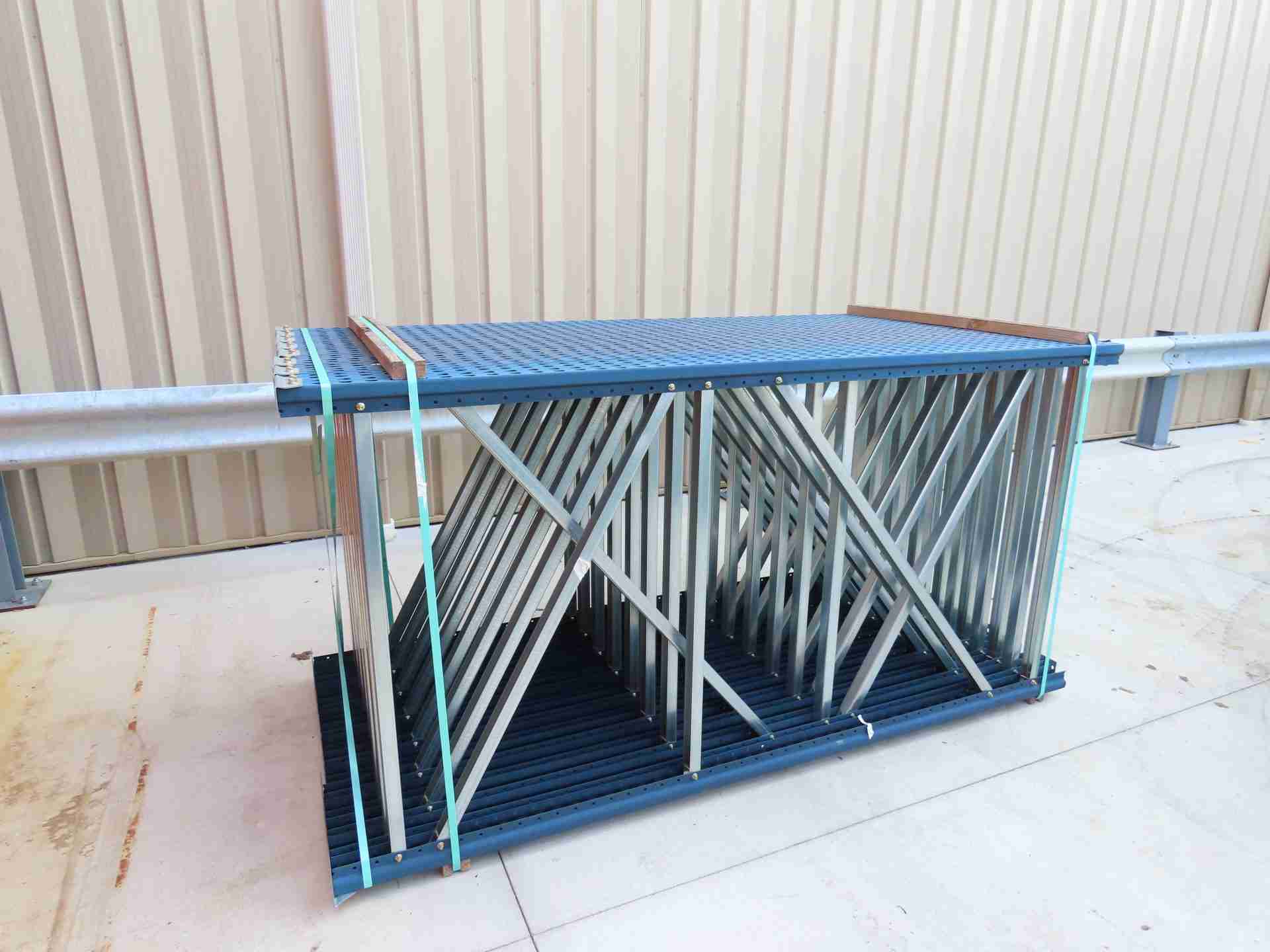
Protective Equipment for Rack Operators
Protective Equipment for Rack Operators
- Entering the world of racking means joining a community focused on safety and precision.
- Rack operators are responsible for moving heavy materials in a complex environment.
- Protective equipment serves as a vital shield against workplace hazards.
- Hard hats and safety glasses are essential defenses against falling objects.
- Wearing appropriate gear reflects commitment to personal and colleague safety.
- Using gloves that provide grip and comfort is crucial for handling materials safely.
- Practicing safety inspires others, fostering trust and teamwork in the industry.
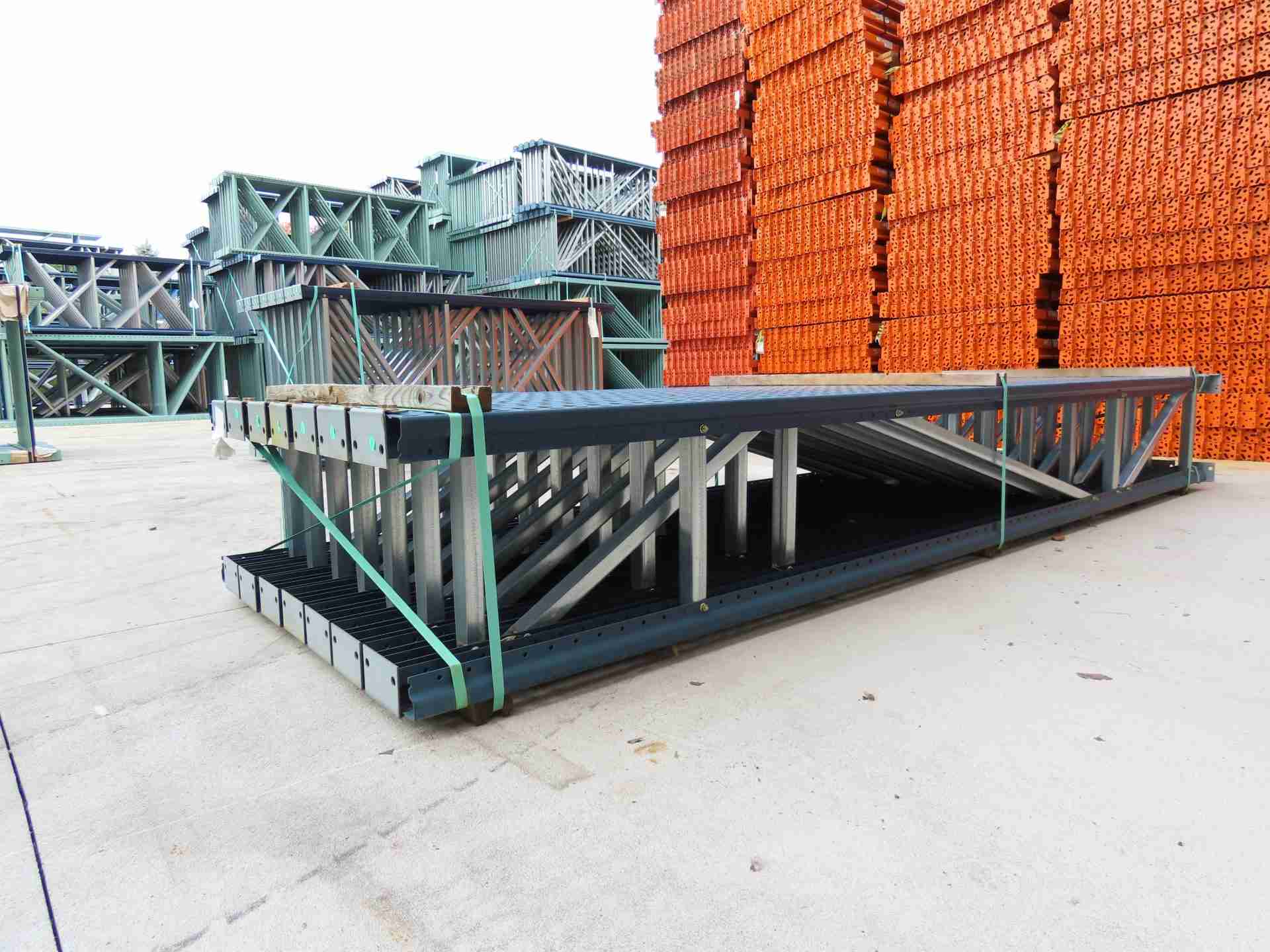
Protective Equipment for Rack Operators
Table Of Contents
- Protective Equipment for Rack Operators
- What Safety Risks Do Rack Operators Face Daily?
- How Can Proper Gear Improve Performance?
- Are Our Current Protective Measures Truly Sufficient?
- What Emotional Toll Does Injury Take on Workers?
- How Does Investing In Safety Equipment Affect Morale?
- Conclusion
- Other Resources
- Glossary Of Terms
- Other Questions
- Checklist
What Safety Risks Do Rack Operators Face Daily?
Each day, rack operators step onto a bustling warehouse floor, facing a landscape of towering shelves laden with goods. This environment, while bustling with productivity, also harbors a host of unseen dangers. The sight of merchandise stacked high creates a spectacle, yet it masks a perilous reality: safety risks that lurk in every corner of this racking paradise.
From the moment they enter, operators must remain vigilant. Forklifts zoom by, carrying heavy loads amidst a cacophony of beeping alarms and anxious chatter. One slip, one distraction, and the consequences can be dire. A misplaced box or a wobbling shelf can become a ticking time bomb. Imagine the sound of a metal shelf collapsing as goods tumble down, an example that underscores the critical need for attention to detail. With every lift and every move, there’s a tangible pulse of risk, a reminder that complacency is the enemy of safety.
Emotionally, the weight of responsibility lies heavy on their shoulders. These operators are not just moving products; they are safeguarding the welfare of their team, their community, and the very families that rely on these goods. A call from the boss to expedite deliveries becomes more than a request; it transforms into a moral challenge. How do you keep pace with demand without compromising on safety? It’s a question that lingers in their minds, demanding an answer that makes sense not just in dollars and cents, but in the lives that depend on them.
Ethically, the commitment to safety is a covenant every rack operator makes with their colleagues. They understand that each safety practice—from wearing hard hats to ensuring clear walkways—is a small act of self-preservation that resonates beyond the walls of that warehouse. It’s a promise to maintain a culture of safety that uplifts everyone.
Within this high-stakes environment, operators foster social connections, sharing tips and tales of close calls. Their shared experiences foster a bond that defines their daily lives. They rely on each other not just for support but for knowledge—drawing on years of expertise and instinct honed in the fires of experience.
Operating in a world of racking, these skilled workers exemplify unwavering dedication. By trust-building and creating a culture centered on safety, they transform daily risks into a story of resilience—a narrative that inspires not just confidence, but action. If we can recognize their daily challenges and champion their resolve, we elevate the importance of safety and respect for those behind the scenes.
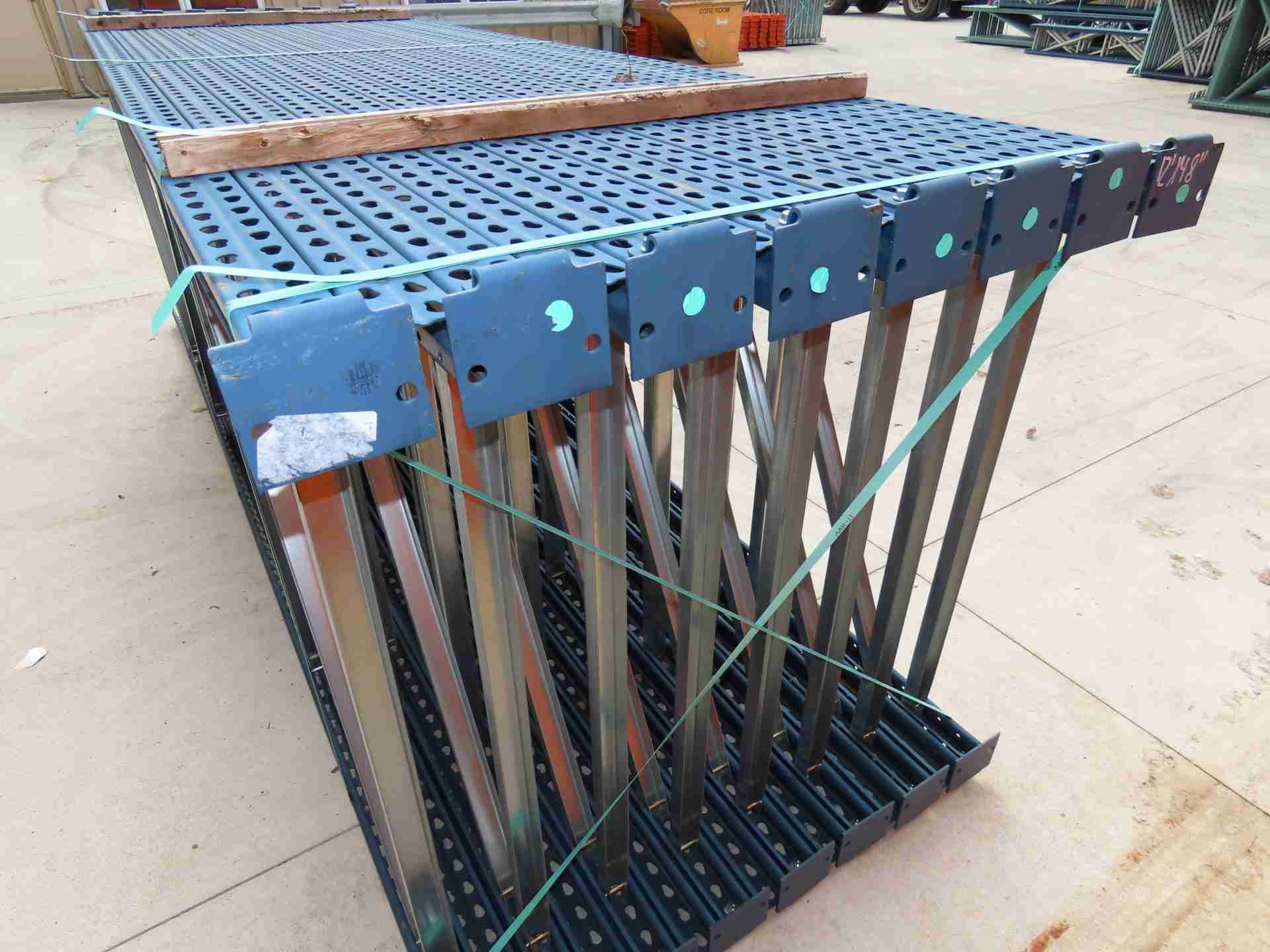
What Safety Risks Do Rack Operators Face Daily?
What Safety Risks Do Rack Operators Face Daily?
- Rack operators navigate a busy warehouse filled with towering shelves of goods, presenting both productivity and hidden dangers.
- The fast-paced environment, with zooming forklifts and loaded shelves, requires constant vigilance from operators to avoid accidents.
- One moment of distraction can lead to serious consequences, highlighting the need for attention to detail in safety practices.
- Operators carry the weight of responsibility, ensuring the safety of their team, community, and families dependent on the products.
- Meeting delivery demands poses a moral challenge for operators, balancing urgency with the imperative of maintaining safety.
- Commitment to safety is a shared ethical covenant among operators, fostering a culture of self-preservation and mutual support.
- Through collaboration and shared experiences, operators build trust and resilience, emphasizing the importance of safety in their daily work.
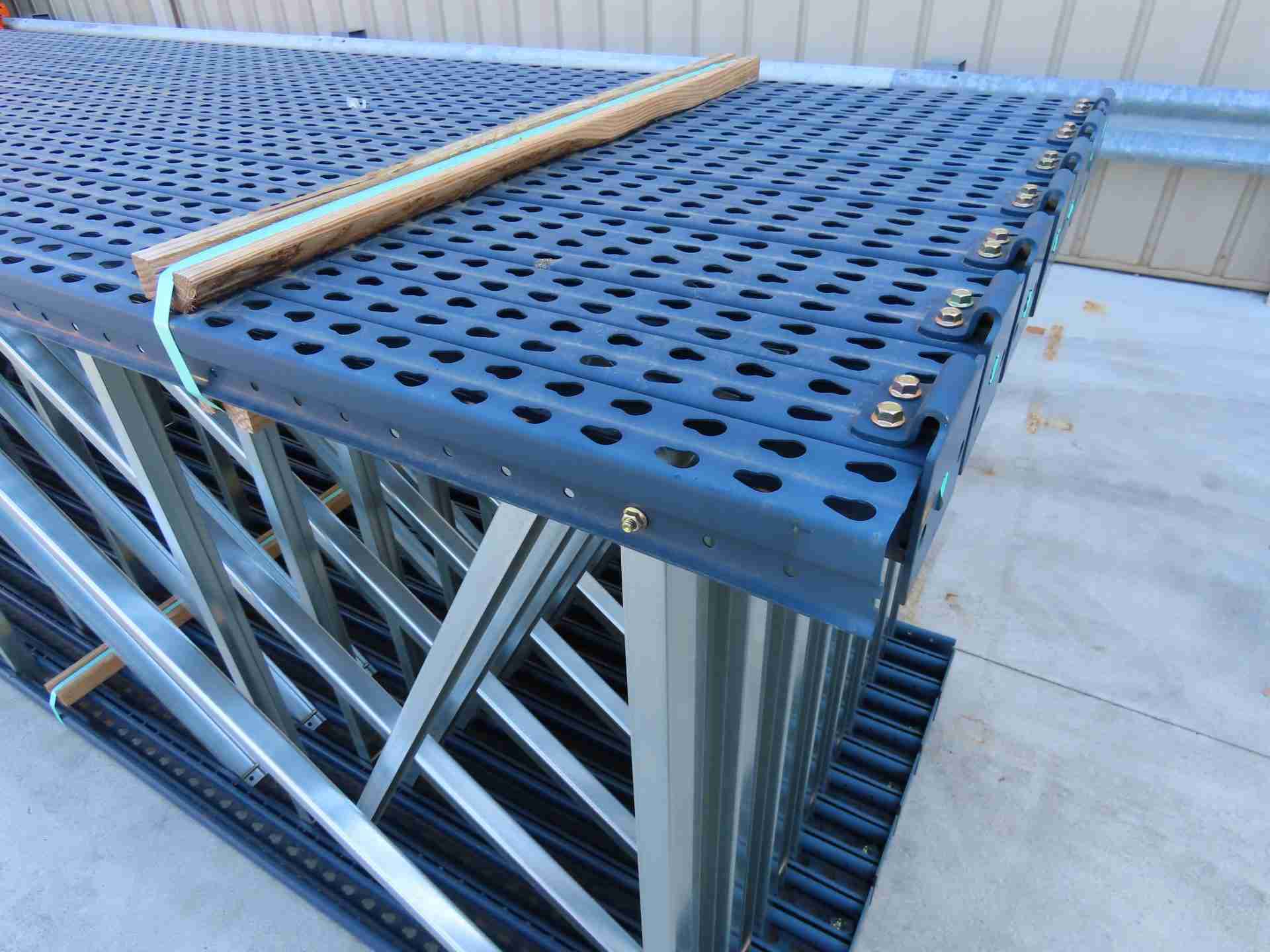
What Safety Risks Do Rack Operators Face Daily?
How Can Proper Gear Improve Performance?
When it comes to performance, the right gear isn’t just about convenience or style—it’s a lifeline. Imagine for a moment a welder working in a workshop, the hiss of the torch cutting through metal, the heat radiating against skin. Now picture that same welder without the proper helmet or gloves, exposed to dangers that could snuff out their passion or even jeopardize their livelihood. Proper gear, like well-fitted gloves or a sturdy helmet, not only protects but empowers. It transforms a daunting task into an exhilarating challenge.
From the heart, think about the pride you feel when you’re racking up achievements, whether at work, in sports, or in the field. That pride grows when knowing you’re equipped with gear that allows you to perform without hesitation. It’s about forging a bond with your tools; they become an extension of your body and mind. When every piece of gear fits perfectly, it breeds confidence, allowing you to focus on what matters most—your craft.
On a rational level, consider the science behind proper gear. Studies show that using the right equipment can enhance performance by nearly 20%. That’s not just a statistic; it’s tangible progress. When you invest in high-quality gear, you’re not just spending money; you’re making a smart choice that pays dividends in productivity and efficiency. You can work longer hours with less fatigue and maintain precision that could otherwise slip through the cracks.
Ethically, choosing to equip yourself and your team with suitable gear reflects a commitment to safety and excellence. It shows that you care—not just about your work, but about your teammates and those who rely on you. By prioritizing safety, you’re fostering a culture of respect and responsibility.
And let’s not forget the stories behind the gear. Each pair of boots scuffed from long hours carries tales of perseverance. Every piece of equipment has seen sweat, determination, and sometimes failure that ultimately led to success. This narrative connects us; it builds a community of those who value hard work and safety.
Proper gear is a small investment that can yield massive returns. When you’re equipped to tackle the day, you not only improve your performance but inspire those around you. So ask yourself: are you racking up those achievements with the right tools? Because when you’re equipped for success, you don’t just elevate yourself; you uplift everyone around you.
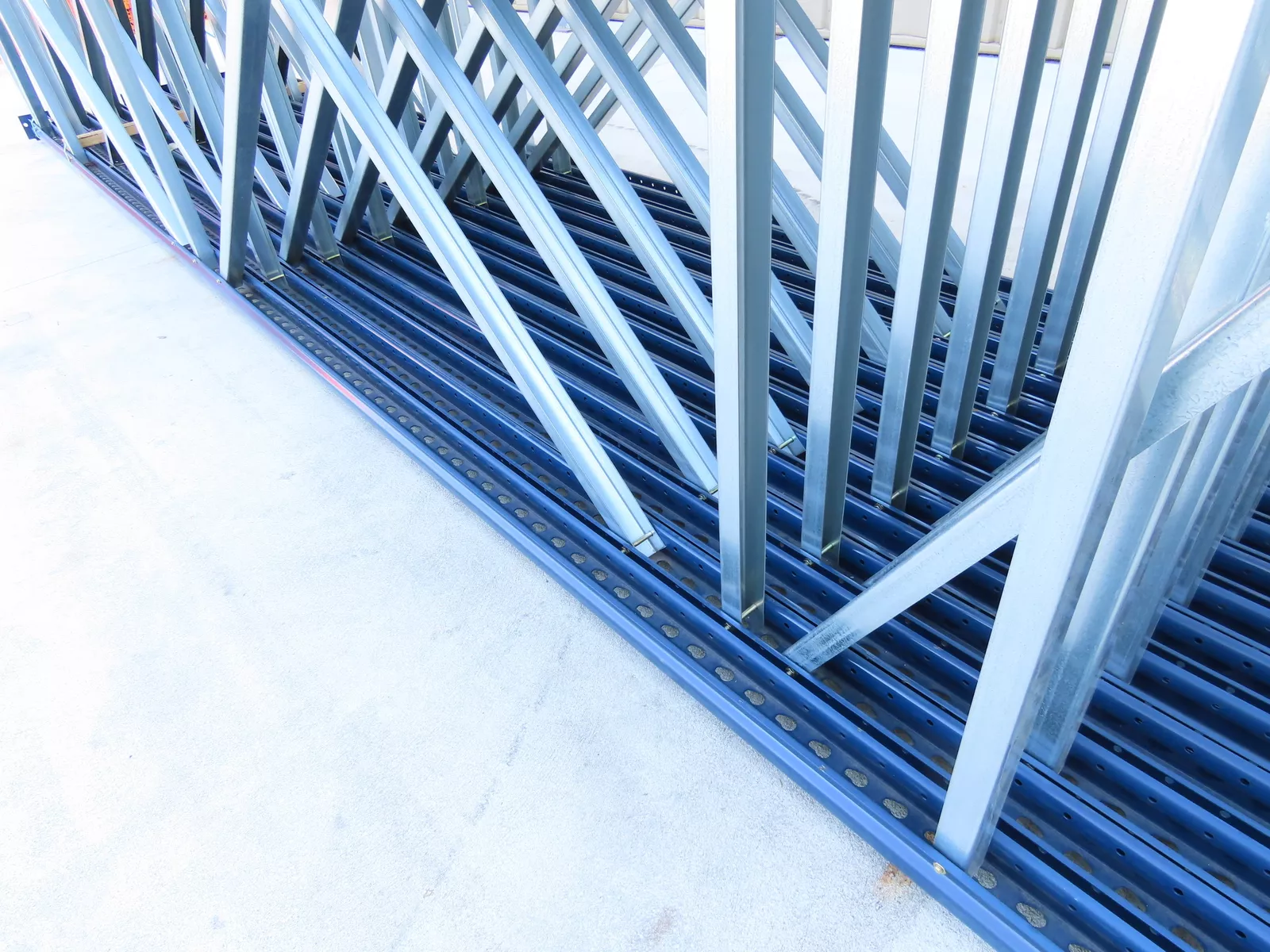
How Can Proper Gear Improve Performance?
How Can Proper Gear Improve Performance?
- The right gear is essential for performance, acting as a lifeline for workers like welders.
- Well-fitted gear empowers individuals, transforming daunting tasks into exhilarating challenges.
- Proper equipment fosters pride and confidence, allowing individuals to focus on their craft.
- Using the right gear can enhance performance by nearly 20%, leading to tangible progress.
- Choosing suitable gear reflects a commitment to safety and responsibility in the workplace.
- Each piece of gear carries stories of perseverance, connecting individuals in a community valuing hard work.
- Investing in proper gear yields significant returns, inspiring both personal achievement and collective success.
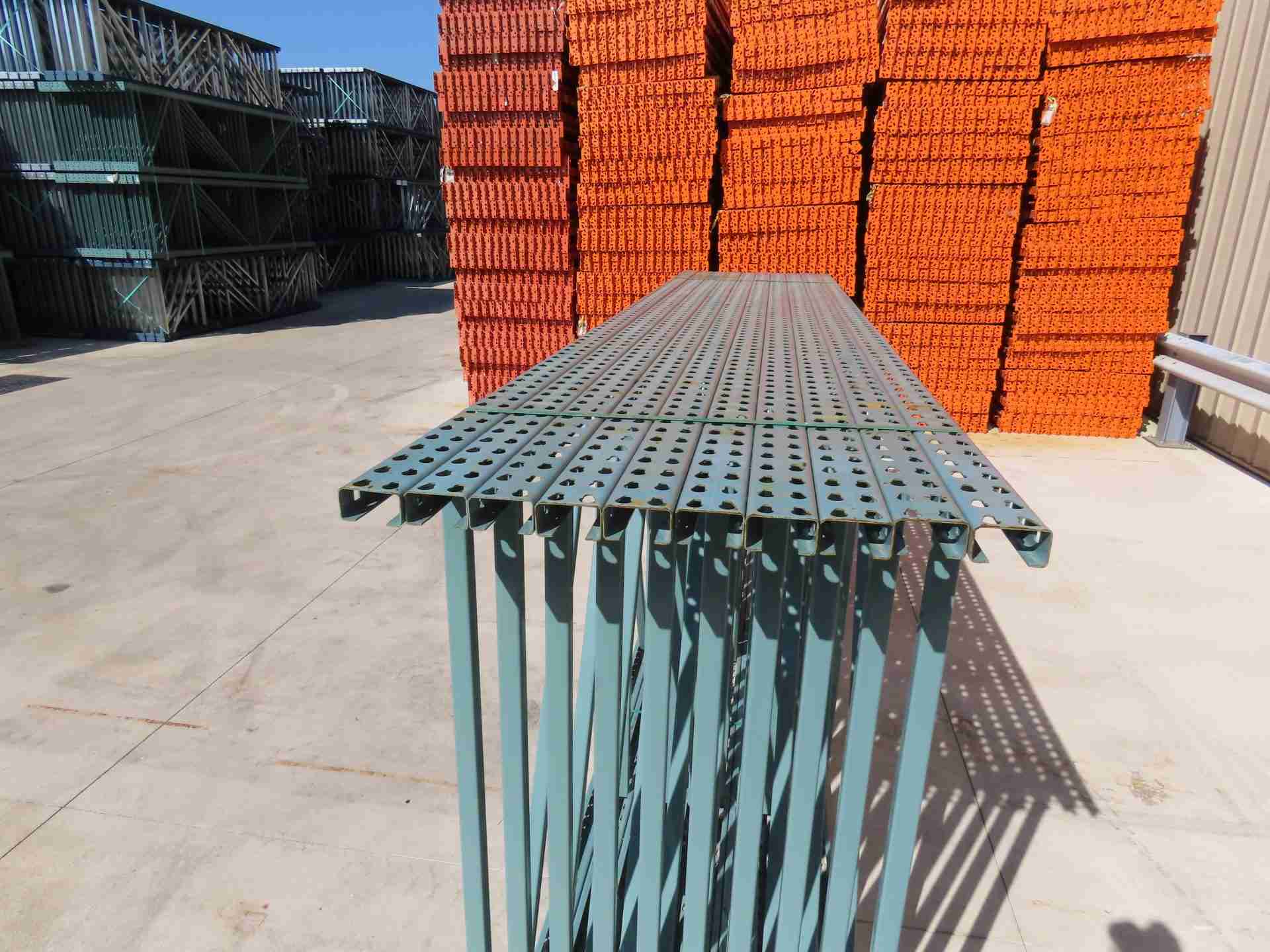
How Can Proper Gear Improve Performance?
Are Our Current Protective Measures Truly Sufficient?
When we think about the safety protocols we’ve set up around us, it’s easy to reassure ourselves that we’re racking up enough defenses to weather any storm. But as we contemplate the complexities of our modern world—be it health crises, cybersecurity threats, or environmental challenges—one must wonder: are we truly protected, or are we simply echoing comforting platitudes while standing on shaky ground?
Imagine the heart of a parent, nestled in the everyday routines of school drop-offs and after-school activities. The protective measures taken to safeguard our children seem robust, yet do they reflect the reality of the dangers lurking just beyond the schoolyard? It’s within those quiet moments of reflection, perhaps over the dinner table, that the gut instinct kicks in: something feels off. Our protective measures may not always keep pace with the evolving landscape of threats. We owe it to ourselves and our loved ones to dig deeper.
Rationally, we find ourselves facing a paradox. The more interconnected our lives become, the more tenuous our safety may appear. Every technological marvel—from smart home devices to digital health records—invites both convenience and vulnerability. Are our oversights in neglecting cybersecurity, for instance, merely a product of complacency? We lean on authority figures who assure us everything is fine, yet each breach and failure begs for an urgent reassessment. We must ask ourselves if our reliance on these assurances is misguided.
Ethics plays a role too. What about those who are less able to protect themselves? The elderly, the impoverished, those without access to the latest innovations—do our protective measures stand firm at their thresholds? This is more than a question of policy; it’s a moral mandate. It connects us as a society, urging us to rise together in crafting a safety net that extends to all members, not just the fortunate few.
In the narratives of our own lives, every struggle and triumph shapes our understanding of security. Each time we choose to invest in preventive measures—be it our health, our data, or the well-being of our communities—we engage in a collective dialogue about what protection truly means. It’s an ongoing dialogue, and now is the time for everyone to lend their voice. Together, we can create a future where protective measures aren’t just sufficient; they are exceptional.
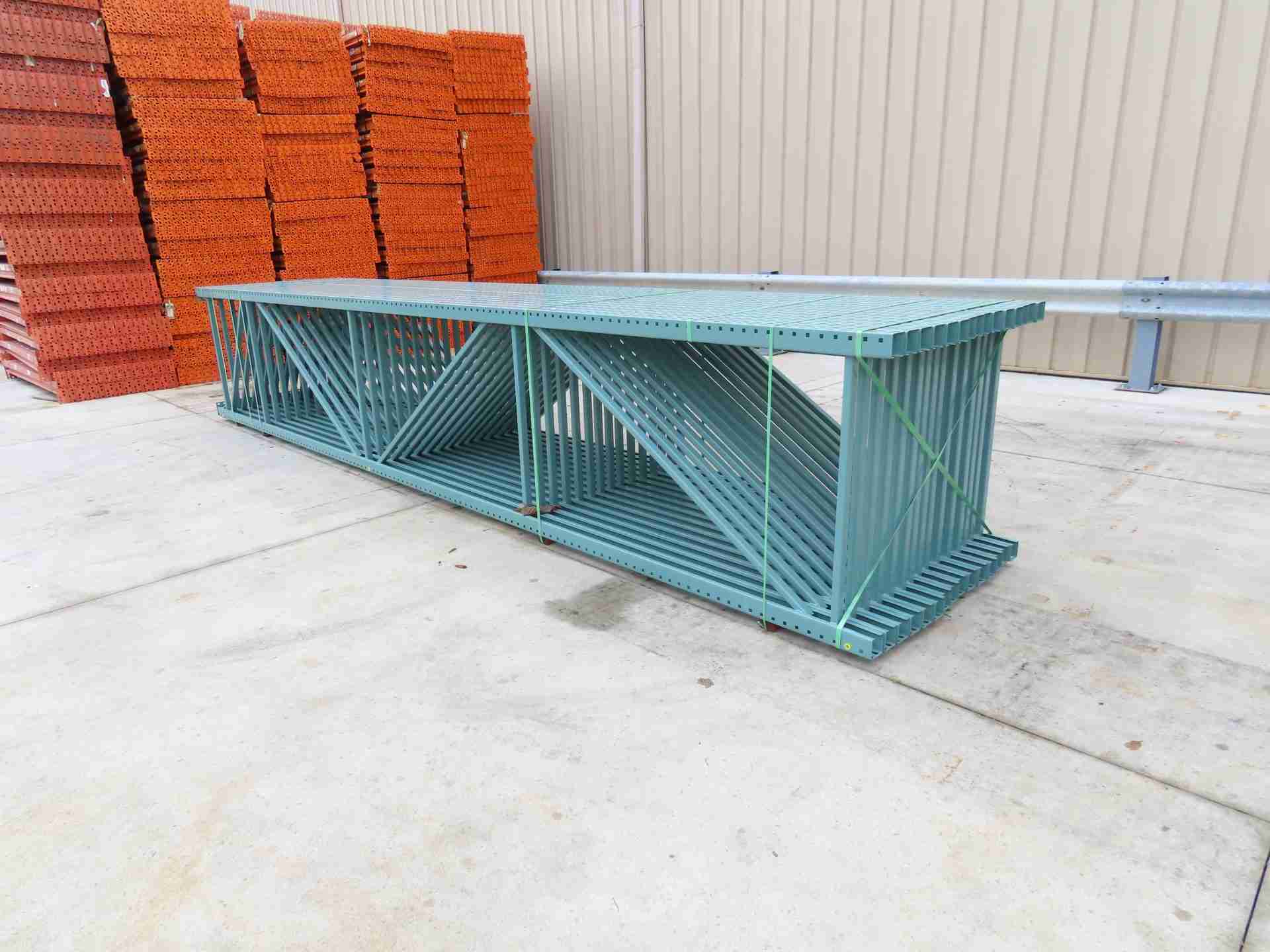
Are Our Current Protective Measures Truly Sufficient?
Are Our Current Protective Measures Truly Sufficient?
- Modern safety protocols may provide a false sense of security amidst complex global challenges.
- Parents reflect on the sufficiency of protective measures for their children in light of real dangers.
- Interconnectedness raises concerns about safety, exposing vulnerabilities alongside technological conveniences.
- Complacency in cybersecurity highlights the need for constant reassessment of protective measures.
- Ethical considerations arise around the protection of vulnerable populations lacking access to safety innovations.
- Personal experiences shape individual and collective understanding of security and prevention.
- Engagement in dialogue about protection is vital for creating a future with exceptional safety measures for all.

Are Our Current Protective Measures Truly Sufficient?
What Emotional Toll Does Injury Take on Workers?
When a worker suffers an injury on the job, it’s not just the body that bears the burden; the emotional toll is often far heavier than the physical pain. Picture the man who has spent years honing his craft, laying brick by brick of expertise—one day he’s on the job, and the next he’s racked with uncertainty as he faces recovery. The injury may heal, but the scars left behind are not always visible.
Emotionally, workers can find themselves in an echo chamber of fear and doubt. The pump of adrenaline that once fueled their drive may be replaced by the chilling dread of being sidelined—not just from work, but from the very identity they’ve forged over the years. They may feel isolated, watching others continue while they grapple with feelings of inadequacy. This is where the emotional landscape can become treacherous, leading to anxiety, depression, and even anger. It’s not merely about lost wages; it’s about losing a sense of purpose.
Logically, it’s important to recognize that these feelings are not rare. According to experts, the emotional impact of job-related injuries can create a feedback loop that inhibits recovery. When workers are stressed about their situation, it can prolong healing, turning what should be a journey towards physical recovery into an uphill battle marked with emotional detours, further amplifying their struggle.
Ethically, we must consider the responsibility we have as a society to support those who toil for our benefit. We cannot turn a blind eye to the human cost of labor. It falls on organizations, both large and small, to establish systems of support that address not only physical recovery but also emotional wellness. We have a moral obligation to ensure that our workforce knows they are valued, not just for their labor but for their humanity.
Furthermore, sharing stories fosters connection. When we hear accounts of other workers who have faced similar challenges, we create a community of resilience. A shared narrative can draw in those suffering in silence and remind them they are not alone in their struggles.
Ultimately, it’s time we reframe the conversation around injuries at work. Let’s recognize that recovery involves the soul and spirit as much as it does the body. The more we engage with this emotional toll, the better equipped we will be to support one another and rebuild not just a workforce, but a community forged in empathy and strength. This is a call to action—let’s make sure our workers return not just healed, but whole.
What Emotional Toll Does Injury Take on Workers?
What Emotional Toll Does Injury Take on Workers?
- Injuries at work inflict not only physical pain but also significant emotional distress.
- Workers may experience feelings of fear, doubt, isolation, and loss of identity during recovery.
- The emotional fallout can lead to anxiety, depression, and anger, impacting recovery times.
- Job-related stress can create a feedback loop that prolongs healing and complicates recovery.
- Society has a moral obligation to support workers beyond their physical well-being, emphasizing emotional wellness.
- Sharing personal stories fosters connection and a sense of community among workers affected by injuries.
- The conversation around workplace injuries should encompass emotional and spiritual recovery as well.
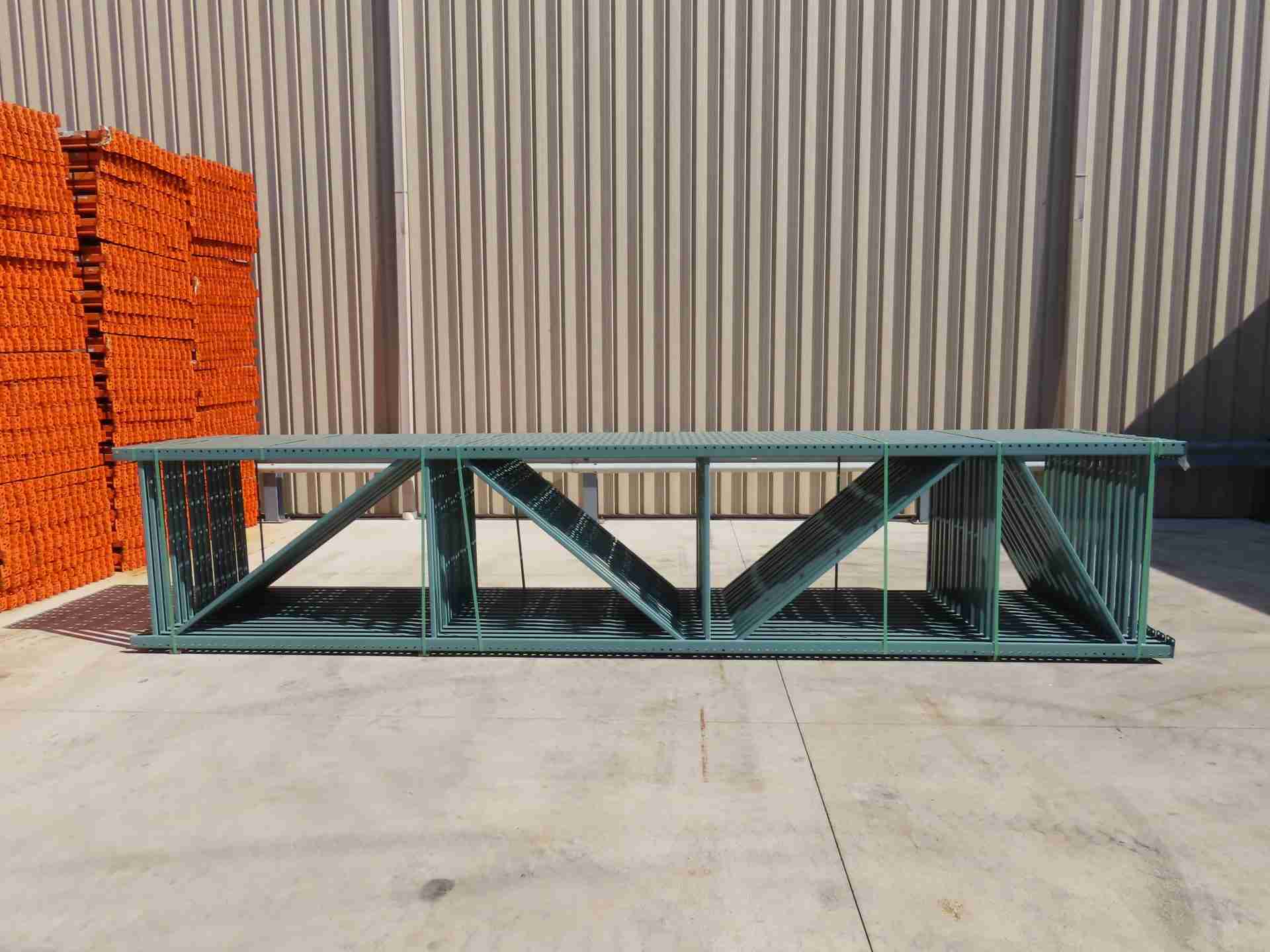
What Emotional Toll Does Injury Take on Workers?
How Does Investing In Safety Equipment Affect Morale?
When you step onto a job site, the first thing that hits you can be the sound of machinery, the smell of fresh concrete, or the sight of workers hustling about to complete the task at hand. But lurking behind that buzz is something even more palpable: an underlying tension that stems from fear. Fear of accidents, injuries, and the uncertainty that comes with engaging in physically demanding work. That’s where investing in safety equipment comes into play, impacting morale on every level—heart, head, and gut.
When a company visibly prioritizes safety with robust, reliable equipment, it sends a powerful message to employees. It says, “We care about you.” This acknowledgment isn’t just a feel-good gesture; it builds trust. Workers who feel protected are more likely to embrace their roles with enthusiasm, fueling productivity and camaraderie. Picture your crew, not just as employees but as a family, equipped with the right gear to do their work without fear of injury. That’s a recipe for a solid team dynamic.
Now let’s engage the head for a second. There’s a rational component to this, too. Investing in safety equipment can reduce costs associated with workplace injuries—medical bills, insurance premiums, even lost time. By keeping employees safe, companies don’t just protect lives; they protect their bottom line. It becomes an ethical choice as well—choosing to value human life over hastily cutting costs. And let’s face it, when workers see their employer making thoughtful investments in quality gear, it fosters a culture of respect and loyalty, reinforcing a sense of responsibility toward the tasks they perform.
But here’s where the gut really gets involved—nothing boosts morale like the reassurance that both you and your teammates will go home safe at the end of the day. Imagine the relief and confidence that comes from wearing a hard hat that fits right or safety harnesses that won’t let you down. It’s about knowing that every piece of equipment has been chosen with care, not just for compliance but for the people who use it.
Lastly, there’s a social element we can’t overlook. When you make safety the focal point of your operational ethos, it creates a ripple effect. Workers talk about it, friends outside of work see it, and that societal acknowledgment becomes a badge of pride. Strong morale isn’t just good for business; it cultivates a community where safety becomes the norm, inspiring others to follow suit. And when safety becomes woven into the very fabric of your workplace, everyone emerges stronger, more connected, and ready to tackle the challenges ahead.
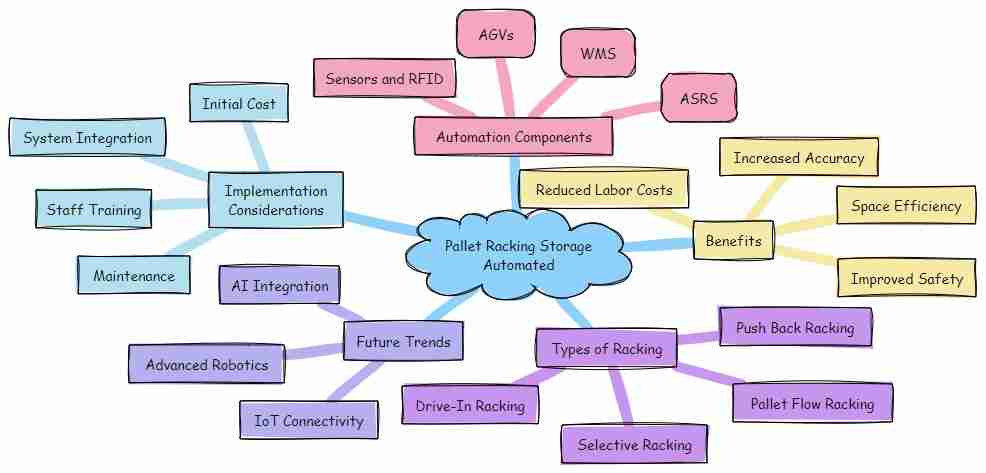
How Does Investing In Safety Equipment Affect Morale?
How Does Investing In Safety Equipment Affect Morale?
- Job sites are often filled with machinery sounds, fresh concrete smells, and busy workers, but they also harbor underlying fear of accidents and injuries.
- Investing in safety equipment demonstrates to employees that their well-being is valued, enhancing trust and morale.
- Workers equipped with reliable safety gear are more enthusiastic and productive, fostering a family-like team dynamic.
- Financially, investing in safety equipment reduces costs related to workplace injuries, such as medical bills and insurance premiums.
- This investment also reinforces a culture of respect and loyalty among employees, who appreciate thoughtfulness from their employer.
- Wearing well-chosen safety gear boosts morale, providing reassurance of safety for both individuals and their teammates.
- Making safety a core operational principle creates a community-oriented culture, promoting a strong sense of pride and encouraging others to prioritize safety as well.
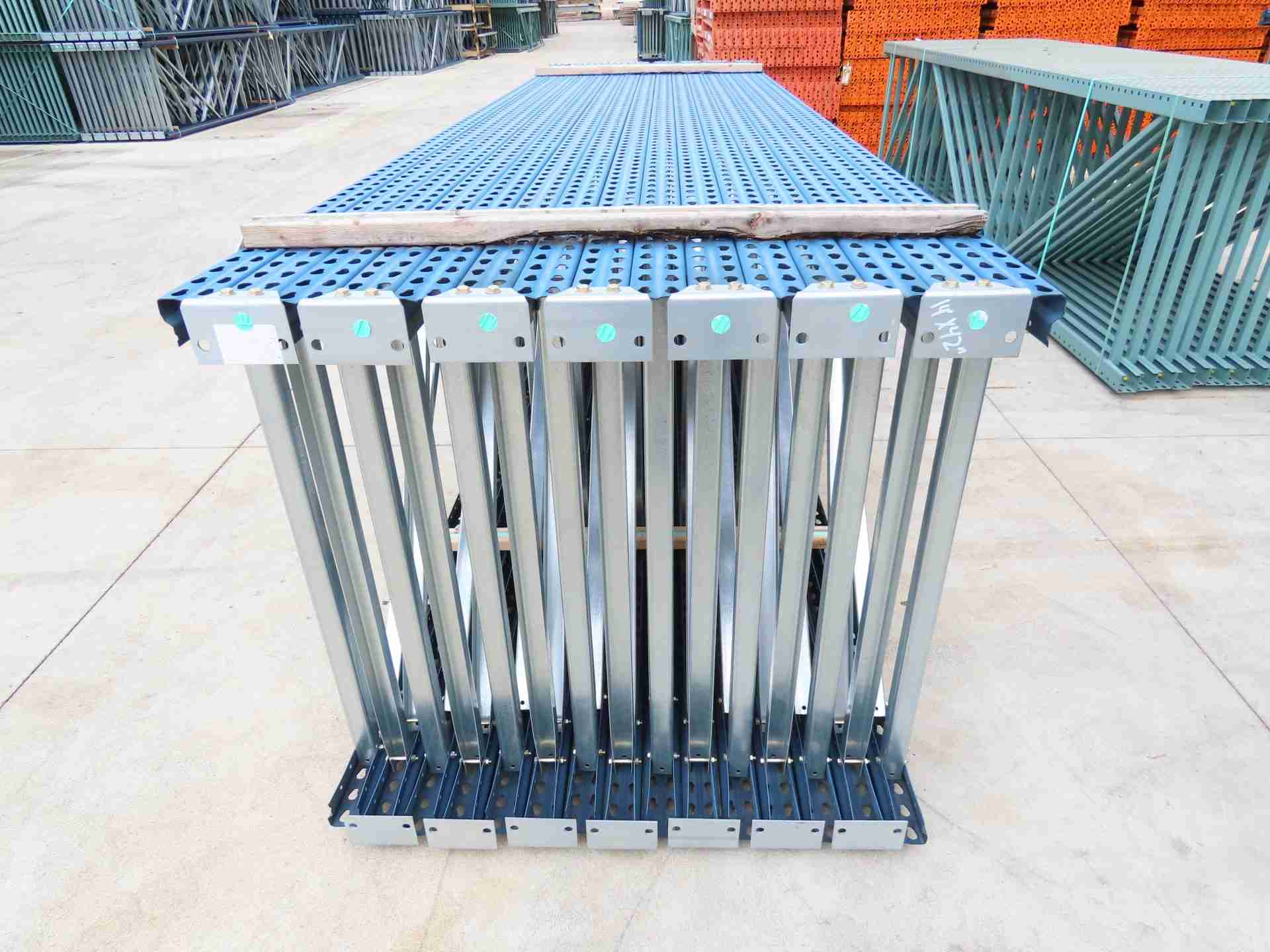
How Does Investing In Safety Equipment Affect Morale?
Conclusion
In the bustling world of rack operators, safety isn’t just a set of protocols—it’s a heart-pounding commitment that embodies culture, responsibility, and teamwork. Each day, workers navigate a labyrinth of towering shelves, heavy machinery, and unseen dangers, all while carrying the weight of not just their own safety but that of their colleagues and families. With the adrenaline of a demanding job coursing through their veins, they face constant reminders of the potential for disaster; one oversight can turn a routine task into a catastrophic event. This is where protective gear enters the equation—not merely as an accessory but as a lifeline.
When operators don the necessary equipment, they wield more than just hard hats and gloves; they arm themselves with confidence and authority, signaling a deep-rooted commitment to safety. It’s a powerful statement—a badge of honor that reflects a culture of mutual respect and care within a tight-knit community. The emotional toll of working in such high-stakes environments is substantial. A single injury can trigger a cascade of fear and doubt, reverberating through both the individual’s psyche and the workforce at large. Understanding this reality underscores an ethical obligation to prioritize emotional wellness alongside physical safety.
Investing in high-quality protective gear not only enhances performance but also cultivates a safety-first mindset. The return on such an investment is clear: workers become more engaged, productivity surges, and a sense of camaraderie emerges, rooting itself in shared experiences—both triumphs and near-misses. This bond transforms individual roles into collective responsibilities, fostering an environment where safety is woven into the fabric of daily operations.
As we reflect on the safety measures in place, we must engage in a critical dialogue about their sufficiency. Are these measures truly robust enough to meet evolving threats? The answer must be rooted in careful consideration—not just for the fortunate few who can protect themselves, but for all members of society. This moral imperative compels us to build safety nets that extend beyond mere compliance, safeguarding the lives of every worker.
Ultimately, elevating safety on every job site goes beyond responsibility; it captures the essence of a community united by care, resilience, and strength. By ensuring every operator is empowered with the right gear, we forge a future where protection doesn’t stop at the workplace—but resonates through families and, ultimately, society as a whole. In doing so, we not only elevate the profession but honor the very humanity that drives us all to succeed. Let safety be the cornerstone of our journey, resonating through every steel aisle we traverse.
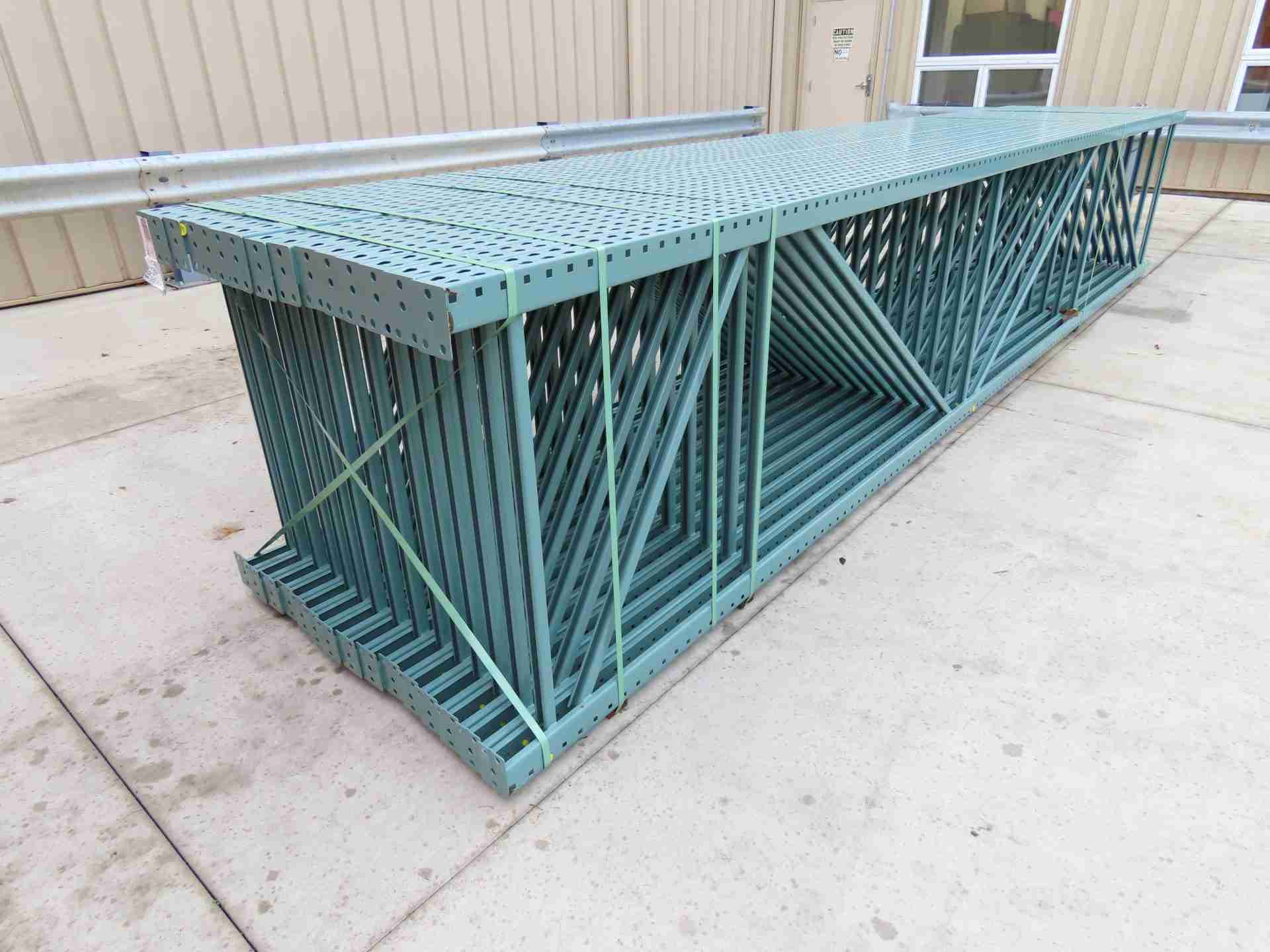
Conclusion
Conclusion:
- Safety in rack operations is a commitment that encompasses culture, responsibility, and teamwork.
- Workers navigate dangerous environments while bearing the responsibility for their safety and that of their colleagues.
- Protective gear serves as a vital lifeline, instilling confidence and showcasing a commitment to safety.
- The emotional impact of working in high-stakes environments highlights the need for addressing emotional wellness alongside physical safety.
- Investing in quality protective gear enhances performance, engagement, and camaraderie among workers.
- A critical dialogue about safety measures is essential to ensure they are adequate for evolving threats.
- Elevating safety creates a unified community focused on care, resilience, and protecting workers, their families, and society.
Conclusion
Other Resources
Other Resources
Here is a list of other resources you can review online to learn more:
- Teardrop Industrial Shelving Rack
- Warehouse Racks, Warehouse Racking in Stock – ULINE
- The Ultimate Pallet Racking Guide – Speedrack West
- Illinois Pallet Racking – WPRP
- RMI
- Warehouse Storage Racking in Illinois
- Total Warehouse
- Teardrop Uprights
- SEMA
- Rack Manufacturers Institute
- Cantilever Rack Guide: Ordering Cantilever Racking
- BMH Equipment LLC
- Warehouse Racking Systems: Beginner’s Guide to Rack Systems
- Selective Pallet Racking Systems
- Teardrop Racks – Pallet Rack World
- Cantilever Rack Configuration & Installation: A Comprehensive Guide – BMH
- Chicago Pallet Racking
- Cantilever Racking Specialists – Get the Right Racks
- Storage Equipment Manufacturers’ Association
- Logic Material Handling
Use This Prompt To Get More Resources With Your Favorite Online AI Tool: Please provide me with a list of online articles with their URLs in a bulleted list that I can read regarding Protective Equipment for Rack Operators
Other Resources
Glossary Terms
Protective Equipment for Rack Operators – Glossary Of Terms
1. Personal Protective Equipment (PPE): Gear designed to protect individuals from hazards that may cause injury or illness in the workplace.
2. Safety Glasses: Eyewear equipped with impact-resistant lenses to shield the eyes from flying debris and harmful materials.
3. Gloves: Hand protection that minimizes exposure to chemicals, sharp objects, or temperature extremes while handling equipment or materials.
4. Hard Hat: A helmet designed to protect the head from falling objects, impacts, and electrical hazards.
5. Steel-Toed Boots: Footwear with reinforced toes to protect against heavy objects dropping on feet, providing additional slip resistance.
6. High-Visibility Clothing: Brightly colored apparel with reflective strips to enhance visibility in low-light conditions or busy environments.
7. Hearing Protection: Devices such as earplugs or earmuffs designed to reduce exposure to excessive noise levels.
8. Respirators: Masks or devices that filter airborne contaminants, protecting the respiratory system from harmful dust, gases, or vapors.
9. Face Shields: Protective gear worn in front of the face to protect from splashes, impacts, or hazardous particles.
10. Knee Pads: Cushioned protection worn on the knees to provide comfort and reduce injury risks during work that requires kneeling.
11. Back Support Belt: A supportive device worn around the waist to alleviate strain on the lower back during lifting activities.
12. Fall Protection: Safety harnesses, lanyards, and other equipment designed to prevent falls from heights.
13. Tool Lanyards: Safety cords that secure tools to prevent dropping and potential injury to others below.
14. First Aid Kit: A collection of medical supplies and equipment used for treating minor injuries in the workplace.
15. Emergency Shower: A safety station equipped with a shower to decontaminate individuals exposed to hazardous substances.
16. Eyewash Station: A facility that provides immediate flushing of the eyes to remove contaminants or chemicals.
17. Work Gloves: Durable gloves designed specifically for tasks such as lifting, gripping, or handling rough materials.
18. Apron: Protective clothing worn to shield the body from spills, chemicals, or sharp objects while working.
19. Safety Boots: Foot protection that meets specific safety standards, with features such as puncture resistance and waterproof materials.
20. Environmental Safety Equipment: Gear designed to protect against environmental hazards, including chemical spills, leaks, or exposure to natural elements.
21. Signal Vests: Garments worn to indicate the presence of personnel in hazardous areas, often marked with bright colors and reflective materials.
22. Training: Instruction provided to ensure workers understand how to use protective equipment and the importance of safety practices.
23. Lift Tools: Ergonomic devices that assist in the safe lifting of heavy items, minimizing manual handling risk.
24. Portable Barriers: Temporary fencing or walls used to create a safe zone around hazardous areas or equipment.
25. Chemical Resistance Rating: A classification that indicates the effectiveness of protective gear against specific chemicals.
26. Storage Solutions: Organizational systems designed to safely store protective equipment and ensure easy access.
27. Regulatory Compliance: Adherence to safety standards and guidelines established by regulatory agencies to protect workers.
28. Incident Reporting: The process of documenting accidents or near misses to improve future safety practices and equipment usage.
29. Maintenance: Regular inspections and repairs of protective equipment to ensure its functionality and safety standards are met.
30. Safety Audit: A comprehensive evaluation of workplace safety practices and equipment effectiveness to identify areas for improvement.
Glossary Of Terms
Other Questions
Protective Equipment for Rack Operators – Other Questions
If you wish to explore and discover more, consider looking for answers to these questions:
- What types of protective equipment are essential for rack operators?
- How can rack operators effectively train for safety in the workplace?
- What are the most common injuries experienced by rack operators?
- What additional safety measures can be implemented in warehouses?
- How can teamwork enhance safety among rack operators?
- What regulations govern safety standards for rack operators?
- How often should safety equipment be inspected and replaced?
- What impact does safety training have on workplace accidents?
- How can companies foster a culture of safety among their employees?
- What resources are available for rack operators to improve their safety practices?
- How does emotional support play a role in the recovery and morale of injured workers?
- What are the financial implications of investing in high-quality safety equipment?
- How can companies measure the effectiveness of their safety protocols?
- What stories reflect the importance of safety in the workplace?
Other Questions
Checklist
Protective Equipment for Rack Operators – A Checklist
Checklist for Empowering Rack Operators Through Protective Equipment
Emotional Appeals
_____ Reflect on how wearing the right protective gear boosts your confidence and pride on the job.
_____ Consider the emotional impact of your safety choices on colleagues and their families.
Rational Appeals
_____ Evaluate how proper equipment can enhance your performance by improving your focus and reducing fatigue.
_____ Analyze the financial benefits of investing in high-quality safety gear (e. g. , reduced injury-related costs, increased productivity).
Ethical Appeals
_____ Assess your commitment to fostering a culture of safety within your workplace.
_____ Acknowledge the responsibility you have to protect not only yourself but your teammates through appropriate safety measures.
Authority Appeals
_____ Research industry best practices for safety equipment and ensure you are aligned with these standards.
_____ Seek advice from safety officers or experienced colleagues about the best protective gear available.
Narrative Appeals
_____ Share personal stories or experiences related to safety and gear; reflect on how they’ve shaped your perspective.
_____ Connect with coworkers through shared narratives about on-the-job challenges and lessons learned regarding safety.
Social Appeals
_____ Foster a sense of community by encouraging discussions about safety practices and experiences among team members.
_____ Celebrate team achievements that prioritize safety; consider organizing regular safety meetings or workshops.
Gut Instincts
_____ Trust your instincts when assessing the appropriateness and comfort of your protective gear.
_____ Reflect on the reassurance you feel knowing you’re equipped to handle potential hazards.
Commitment to Safety
_____ Create a personal safety pledge that outlines your commitment to using protective gear consistently.
_____ Regularly review and update your safety equipment to ensure it meets current standards and your personal needs.
Checklist
At RackingWorld, we help guide you through selecting warehouse storage systems and racking.
Be sure to read our other related stories at RackingWorld to learn more about warehouse storage systems.
0 Comments