
Ensuring Safety And Compliance: A Comprehensive Guide
By Tom Seest
At RackingWorld, we help guide you through selecting warehouse storage systems and racking.
Be sure to read our other related stories at RackingWorld to learn more about warehouse storage systems.
How to Document Rack Inspections and Repairs
When it comes to the often-overlooked task of documenting rack inspections and repairs, the responsibility transcends mere paperwork—it echoes through your entire operation. Each rack stands as a silent sentinel, holding up more than just goods; they bear the weight of your commitments to safety and efficiency. This is where your journey begins, armed not just with a clipboard, but with a sense of purpose and duty.
Picture this: a team member stands before a racking unit, making critical observations. Everyday wear and tear, however subtle, can lead to catastrophic failures. This isn’t just a task; it’s a lifeline. Documenting these inspections means you safeguard not just your products, but the people behind them—the workers, the families, the community. It’s an ethical act woven into the fabric of your company culture, creating a legacy of care and responsibility that resonates deeply.
Now, let’s take a moment to consider why this documentation matters. Beyond legal compliance, thorough records empower decision-making and promote accountability. They say knowledge is power, and when it comes to racking inspections, having that information at your fingertips boosts confidence. You’re not just guessing when it comes to repairs; you’re making informed choices that can prevent accidents and keep workflows smooth. This isn’t just smart management; it’s good business.
When you approach your documentation process with diligence, you create a narrative that can be shared across teams. Each inspection report becomes a chapter in your company’s story—a tale of vigilance and care that others can rally around. It’s not just about filling out forms; it’s about building a culture of safety that feels personal and important.
Encourage everyone involved to contribute to this effort. Break down silos and foster an environment where each team member feels empowered to report and document. This builds a sense of community, reminding everyone that safety isn’t just the responsibility of a few—it’s a collective effort that brings people closer together.
So, roll up your sleeves and lean into this task. Whether you’re inspecting racking systems for the umpteenth time or penning down repairs, know that this simple act ultimately protects lives and livelihoods. In this work, you find not just tasks to complete but deeper meaning in every action taken. Embrace the role of the guardian for your racking systems; after all, the weight of those units is no match for the strength we build in unity.

How to Document Rack Inspections and Repairs
How to Document Rack Inspections and Repairs
- Documenting rack inspections and repairs is crucial for safety and operational efficiency.
- Each rack represents a commitment to safety, affecting not just products but also workers and the community.
- Inspection documentation safeguards against potential failures and promotes workforce safety.
- Thorough records enhance decision-making, accountability, and confidence in managing repairs.
- Inspection reports contribute to a shared narrative of diligence and care within the company culture.
- Encourage team contribution to foster a community approach towards safety responsibility.
- Embrace the documentation process as a meaningful task that protects lives and strengthens unity.

How to Document Rack Inspections and Repairs
Table Of Contents
- How to Document Rack Inspections and Repairs
- What Risks Do Uninspected Racks Pose to Workplace Safety?
- How Can Proper Documentation Improve Accountability In Repairs?
- What Are the Long-Term Benefits Of Consistent Rack Inspections?
- How Can We Ensure Compliance with Safety Regulations for Racks?
- How Do Documented Inspections Build Trust Within a Team?
- Conclusion
- Other Resources
- Glossary Of Terms
- Other Questions
- Checklist
What Risks Do Uninspected Racks Pose to Workplace Safety?
Imagine walking into a bustling warehouse, where the scent of freshly delivered goods hangs in the air. Towering above you are racking systems—those metal giants, designed to hold the weight of our modern economy. They are the unsung heroes of logistics, but behind their steel frames lies a risk that’s all too often overlooked.
When racking goes uninspected, it’s like ignoring a ticking time bomb. Sure, the shelves may look sturdy, but beneath the surface, subtle weaknesses can form, leading to catastrophic failures. A minor crack or a slight bend can unleash a cascade of consequences, putting employees in harm’s way. That’s not just a statistic—those are real lives at stake. The heart of a workplace beats strongest when its people feel safe; their well-being is what fuels productivity, passion, and morale.
Let’s engage the rational side for a moment. According to industry standards, regular racking inspections are not just good practice—they are essential. A proactive approach can reveal hidden problems, saving both lives and dollars in the long run. Ignoring inspections is naïve, like driving with a blindfold on. It’s a risk that doesn’t just affect the warehouse staff; it ripples out to their families, communities, and the greater economy. This isn’t merely a financial gamble; it’s an ethical one.
Think about it. Are we not responsible for fostering an environment where everyone feels secure? A workplace thrives on trust, and when the integrity of racking systems is compromised, so too is the trust of those who work beneath them. Employees deserve to know that their safety is prioritized, and when we turn a blind eye to racking inspections, we fail them.
Furthermore, there’s a social responsibility at play. Each time an accident occurs due to uninspected racking, it sends shockwaves through the workforce, diminishing morale and breeding fear. Employees turn hesitant, their focus shifting from productivity to survival. It’s a delicate balance, and once disrupted, it can take a long time to mend.
The call to action is simple: commit to regular inspections. Make them a fundamental part of your operations. By doing so, you’re not just safeguarding materials; you’re protecting the people behind the processes—your most valuable asset. Let’s ensure that racking remains the backbone of our warehouses, a stronghold of safety and trust where everyone can thrive.

What Risks Do Uninspected Racks Pose to Workplace Safety?
What Risks Do Uninspected Racks Pose to Workplace Safety?
- Racking systems in warehouses are crucial to logistics and often go uninspected, posing significant risks.
- Failure to inspect racking can lead to catastrophic consequences due to hidden weaknesses.
- Regular inspections are essential for safety, protecting both employees and financial investments.
- Neglecting inspections is an ethical gamble that affects not just warehouse staff, but their families and the wider community.
- Trust in the workplace diminishes when the integrity of racking systems is compromised.
- Accidents from uninspected racking reduce employee morale and shift focus from productivity to safety.
- Committing to regular inspections is vital for safeguarding both materials and the well-being of employees.

What Risks Do Uninspected Racks Pose to Workplace Safety?
How Can Proper Documentation Improve Accountability In Repairs?
In the world of repairs, where tools clank and sweat mingles with grit, the importance of proper documentation often gets lost in the shuffle. But let’s take a moment to consider what happens when we ignore this crucial piece of the puzzle. Picture a homeowner, trustingly handing over their keys, eager for a smoother life. Now imagine them returning to racking uncertainty – unanswered questions swirling like dust in the air. Did the repairman actually fix that leaky pipe? Was that new wiring installed correctly? With every repair, there’s a silent promise exchanged between the two parties, and when documentation is lacking, that promise begins to dissolve.
Proper documentation isn’t just a piece of paper; it’s a lifeline. It speaks to both heart and mind. For the homeowner, it fosters peace of mind, creating a transparent connection. When receipts are in order, and repair logs are meticulously kept, it’s like a hand reaching out, assuring them that their concerns are taken seriously. This isn’t just about fixing a problem; it’s about forging a relationship built on trust and accountability.
From a rational standpoint, having clear records enables accountability. Imagine a scenario where a repair goes wrong weeks later. With a detailed logbook, all the questions are ready to be answered. Who did the work? What materials were used? When was it done? This clarity doesn’t just resolve disputes; it inspires confidence, making homeowners more likely to recommend a contractor who practices solid documentation.
Ethically, we owe it to ourselves and our clients to maintain high standards. Each repair is not just a task; it’s a commitment to quality and reliability. When we document every step of our work, we uphold this ethical responsibility, showcasing that we take our jobs seriously and respect the people we serve.
And let’s not overlook the social aspect. In a world increasingly driven by reviews and community feedback, being known for reliable repairs backed by solid documentation can elevate a contractor’s reputation. Word of mouth spreads fast, and when you’re recognized for your integrity, the benefits ripple through the community.
So, let’s transform the way we approach repairs. Embrace documentation, not just as an obligation, but as a powerful tool for connection – a voice that echoes trust, responsibility, and community pride. After all, it’s more than just fixing things; it’s about building a legacy of reliability and respect.

How Can Proper Documentation Improve Accountability In Repairs?
How Can Proper Documentation Improve Accountability In Repairs?
- Proper documentation in repairs is often overlooked but is crucial for effective communication.
- Homeowners depend on documentation for peace of mind and assurance regarding repairs.
- Clear records foster trust and accountability between contractors and homeowners.
- Detailed logs answer important questions about repair work, enhancing confidence and recommendations.
- Maintaining documentation reflects ethical responsibility and commitment to quality service.
- Good documentation can enhance a contractor’s reputation through positive word-of-mouth and community feedback.
- Embracing documentation is essential for building a legacy of reliability and respect in the repair industry.

How Can Proper Documentation Improve Accountability In Repairs?
What Are the Long-Term Benefits Of Consistent Rack Inspections?
When it comes to warehouse operations, racking might not be the star of the show, but it’s the unsung hero holding everything together. Picture this: a bustling warehouse, employees moving with purpose, forklifts zipping past. Now, imagine if that giant grid of metal never got a second glance. What if those racks were left unchecked for years? It’s a recipe for disaster, and that’s where the long-term benefits of consistent rack inspections step in.
At the heart of it, consistent racking inspections protect the lifeblood of your business—your people. Just think about it. A single faulty rack can lead to catastrophic accidents, injuries, or worse. The emotional weight of knowing that a simple check could prevent a tragedy is profound. People rely on each other; their safety is paramount. Treating your racking inspection not as a mere checklist item but as a crucial commitment to the workforce fosters an environment of trust and respect. Employees feel valued when you prioritize their well-being.
From a rational standpoint, investing in regular inspections leads to significant cost savings. The small expenditure of having professionals examine your racking systems pays off by preventing damage that could disrupt operations. Imagine facing downtime because a rack needed costly repairs—or worse, had to be replaced entirely. Planning ahead through inspections avoids these financial pitfalls, allowing you to allocate resources where they matter most. You’re not just saving money; you’re saving the energy and spirit of your entire operation.
There’s also an ethical obligation to uphold high standards in the workplace. Regular inspections show that you care about compliance, safety, and integrity. This commitment builds your reputation in the industry, enhancing trust not only with your employees but also with clients and partners. When people see that you take safety seriously, it elevates your brand.
And let’s not forget the social aspect. By fostering a culture of safety through consistent inspections, you spark conversations among peers, showcasing your leadership in best practices. Employees are more likely to engage with an organization that values their safety—and that connection can inspire loyalty and an unshakeable team spirit.
Ultimately, investing in regular racking inspections is about more than passive compliance. It’s a proactive approach to protecting lives, saving money, and building a solid foundation for the future of your business—one safe structure at a time. So, take that step; ensure your racking is robust and reliable. Your people and your bottom line will thank you.

What Are the Long-Term Benefits Of Consistent Rack Inspections?
What Are the Long-Term Benefits Of Consistent Rack Inspections?
- Racking is a crucial but often overlooked component of warehouse operations that requires regular inspection.
- Consistent racking inspections protect the safety of employees, preventing catastrophic accidents and fostering a culture of trust.
- Investing in regular inspections leads to significant cost savings by avoiding costly repairs and operational downtimes.
- Maintaining high safety standards through inspections enhances a company’s reputation with employees, clients, and partners.
- Regular inspections promote a culture of safety, encouraging engagement and loyalty among employees.
- Proactive racking inspections are essential for protecting lives and ensuring business continuity.
- Prioritizing racking inspections ultimately benefits both employee well-being and the financial health of the business.

What Are the Long-Term Benefits Of Consistent Rack Inspections?
How Can We Ensure Compliance with Safety Regulations for Racks?
Ensuring compliance with safety regulations for racks isn’t just about ticking boxes; it’s about creating an environment where people feel secure and valued. Each rack in our warehouses and distribution centers holds not just inventory, but the potential to keep the gears of our economy running smoothly. When we overlook the importance of racking compliance, we risk not only the stability of goods but the safety of our workers—the very backbone of our operations.
Let’s think about this for a moment. Safety regulations aren’t written in stone by faceless bureaucrats; they’re crafted through experience, hard lessons learned by those who’ve faced the real-life consequences of negligence. Picture a workplace where every employee is confident that their surroundings are secure. That sense of assurance transforms into a palpable energy—a commitment to excellence. When racks are properly maintained and compliant, the entire team thrives, knowing they’re stepping into a space designed with their well-being in mind.
Now, you might ask, “What’s my role in this compliance dance?” Well, it’s simpler than you think. Engage with your peers. Share experiences that highlight the importance of adhering to safety standards. There’s an unbreakable bond that forms when coworkers come together to challenge the status quo—to demand that safety isn’t just a checklist but a core principle that guides daily operations. It’s about building a culture where everyone understands the ethical responsibility we share to protect one another.
Your voice matters. Speak up when you see racks that are overloaded or improperly installed. Become an agent of change. This isn’t just about compliance; it’s about pride in your workplace. Imagine being part of a team known for its unwavering dedication to safety. When you instill this mindset in the people around you, you’re paving the way for a workplace that respects every individual, fostering an environment in which employees not only survive, but thrive.
Don’t forget, safety compliance is about influence. When we demonstrate our commitment to maintaining standards, we set a precedent for newcomers, creating a ripple effect throughout the organization. You don’t just create a safe place to work; you foster a community built on trust, accountability, and shared success. Let’s embrace the challenge of making compliance a shared value; let’s commit to safety, not just for today but for the future. That’s how we create a safer, stronger workplace for all.
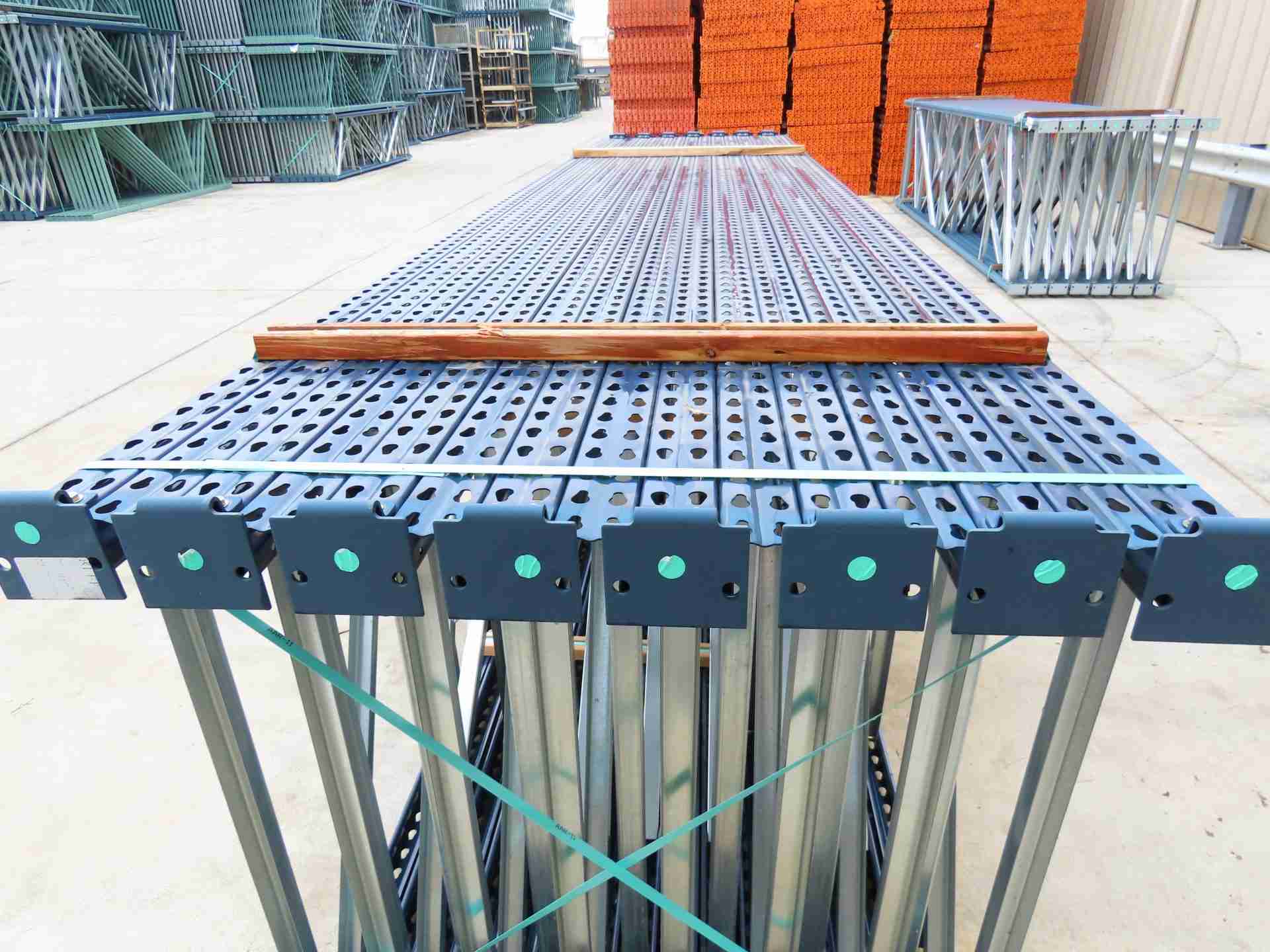
How Can We Ensure Compliance with Safety Regulations for Racks?
How Can We Ensure Compliance with Safety Regulations for Racks?
- Compliance with safety regulations for racks enhances security and values employees.
- Racks support both inventory and the operational stability of the economy.
- Neglecting racking compliance jeopardizes goods stability and worker safety.
- Safety regulations are informed by real-life experiences and lessons learned.
- Properly maintained racks foster team confidence and commitment to excellence.
- Engaging with coworkers about safety promotes a culture of ethical responsibility.
- Advocating for compliance helps create a community of trust and shared success.

How Can We Ensure Compliance with Safety Regulations for Racks?
How Do Documented Inspections Build Trust Within a Team?
In a world where a fleeting glance can overshadow a well-earned effort, it’s easy to overlook the power of documented inspections. Picture a team, each member racking their brains for solutions, but also supporting one another, shoulders aligned against the weight of uncertainty. When inspections are documented, it’s akin to shining a spotlight on all that hard work—transforming vague hopes into tangible successes.
The heart of any team beats stronger when trust is infused into its very fabric. Imagine a colleague, taking the time to review, record, and reflect on each task completed, each challenge overcome. That thoughtful process inspires confidence. It says, “I see you, I value what you contribute, and I respect your journey.” When team members feel acknowledged, it breeds loyalty, creating a safe haven where ambition and risk-taking can flourish.
Rationally speaking, documented inspections serve as a blueprint for growth. They establish a clear path that combines past experiences with future aspirations, reducing the chances of stumbling into the same pitfalls. Consider how much smoother collaborations become when each member can rely on detailed insights, showing them where to improve and where to celebrate victories. This shared knowledge grounds their work—embedding a sense of collective responsibility and shared success.
Ethically, there’s an undeniable commitment to transparency that accompanies thorough inspections. By laying everything out in black and white, teams foster a culture that champions integrity. They shine as beacons of accountability, inviting everyone to rise to the occasion, knowing their contributions are recognized and expected to be valued.
From a narrative perspective, each inspection tells a story—a story filled with setbacks, successes, and serendipitous discoveries. When documented well, these accounts can inspire new members and rejuvenate veterans, turning abstract lessons into illuminating tales of perseverance. Teams can share these stories within their networks, building social proof that draws in fresh talent eager to join a mission grounded in clarity and trust.
Ultimately, the beauty of documented inspections lies in their ability to cultivate a unified front. It’s not just about recording footsteps on a path but creating an environment where every member feels empowered to dare. By embracing this practice, teams aren’t merely working in isolation; they’re crafting a legacy of trust, one documented inspection at a time.

How Do Documented Inspections Build Trust Within a Team?
How Do Documented Inspections Build Trust Within a Team?
- Documented inspections highlight team efforts, transforming hopes into tangible successes.
- Trust is vital, with recognition of individual contributions fostering a supportive environment.
- Documented inspections provide a blueprint for growth, reducing the risk of repeating past mistakes.
- Shared insights from inspections enhance collaboration and accountability among team members.
- Transparency in inspections promotes a culture of integrity and responsibility.
- Each inspection tells an inspirational story of challenges and successes, fostering team morale.
- Documented inspections cultivate a unified team, creating a legacy of trust and empowerment.

How Do Documented Inspections Build Trust Within a Team?
Conclusion
Each inspection of racking systems in your workplace is more than just a routine task; it’s a crucial commitment to safety, community, and productivity. Imagine the gravity of every metal beam holding not only your goods but the very lives of the employees who interact with them daily. These racks are silent pillars of your operation, and while they may appear unyielding, the reality is that neglecting their upkeep can lead to dire consequences, transforming potential accidents into heartbreak.
In the hustle and bustle of a warehouse, there’s an undeniable emotional resonance in prioritizing safety. Every time a team member documents a rack inspection, it symbolizes a promise—a promise that their well-being is front and center. This isn’t merely compliance with legal requirements; it’s an ethical commitment to preserve the livelihoods within your operation and foster a culture that values each individual’s safety.
When inspections are treated as essential rather than optional, you build a fortress of reliability that bolsters trust within your team. Employees recognize the significance of these efforts, fueling their motivation and engagement. They feel valued, knowing that their employer places paramount importance on a secure working environment. Moreover, thorough records enhance accountability, transforming abstract obligations into concrete actions that reflect a company truly committed to its mission.
From a practical standpoint, consistent rack inspections yield significant returns on investment. Preventative measures may seem like an added expense, but they avert catastrophic failures that can cripple operations and drain resources. Think of it as insurance—not just for the racking systems but for the entire workforce and logistics chain that depends on them. Rational decisions based on documented evidence lead your operations toward a more streamlined, efficient future.
Moreover, beyond the internal benefits, this approach elevates your company’s reputation within the industry. A culture of safety resonating through shared narratives and documented inspections positions your organization as a leader, fostering a sense of pride among employees and strengthening external relationships. Strong compliance isn’t merely about avoiding penalties; it reflects a steadfast commitment to integrity and excellence.
In embracing these principles, you shape a legacy—one of unity where safety is not a checkbox on a list but a collective ethos guiding every employee. Let’s build our workplaces not just as places of labor but as thriving communities united by shared goals, where every inspection is a testament to our strength, responsibility, and unwavering dedication to those we serve. Remember, the heights your racking systems reach are only as solid as the foundation of care and diligence you lay beneath them.

Conclusion
Conclusion:
- Each racking system inspection is a vital commitment to safety, community, and productivity.
- Inspections symbolize a promise to prioritize employee well-being over mere compliance.
- Regular inspections foster trust, motivation, and a sense of value among team members.
- Consistent inspections serve as a preventative measure, avoiding costly operational failures.
- Documented inspections enhance accountability, translating obligations into concrete actions.
- A culture of safety enhances company reputation and positions it as an industry leader.
- Emphasizing safety builds a collective ethos where inspections strengthen unity and care.

Conclusion
Other Resources

Other Resources
Here is a list of other resources you can review online to learn more:
- Warehouse Racking System: Powerful Guide to Optimise, 2024
- Crane Manufacturers Association Of America Inc.
- Selective Rack – Raymond West
- Interlake
- WERC
- BMH
- Iowa Illinois Warehouse Racking
- American Society of Safety Professionals
- New Cantilever Racks and Racking Kits
- Pallet Racking 101: A Comprehensive Guide & Options Explained
- Chicago Pallet Racking
- Cantilever Rack Guide: Ordering Cantilever Racking
- American Surplus
- Total Warehouse
- Pallet Racks, Pallet Racking, Pallet Shelves in Stock – ULINE
- Material Handling Industry
- Used Pallet Rack for Sale in Illinois – American Surplus
- Cantilever Racking Specialists – Get the Right Racks
- CA Wire
- Illinois Pallet Racking – WPRP
Use This Prompt To Get More Resources With Your Favorite Online AI Tool: Please provide me with a list of online articles with their URLs in a bulleted list that I can read regarding How to Document Rack Inspections and Repairs

Other Resources
Glossary Terms
How to Document Rack Inspections and Repairs – Glossary Of Terms
1. Rack: A framework for storing goods, typically with shelves or beams.
2. Inspection: A systematic examination to assess the condition and safety of racks.
3. Repair: The act of fixing or restoring damaged racks to ensure functionality and safety.
4. Maintenance: Regular actions taken to keep racks in good working condition.
5. Load Capacity: The maximum weight a rack can safely support.
6. Safety Standards: Regulations that define the minimum safety requirements for racking systems.
7. Documentation: Written records that provide information about inspections and repairs.
8. Checklist: A list of items or criteria used to ensure all necessary inspection points are covered.
9. Audit: A formal review of the racking system’s compliance and safety performance.
10. Deficiency: Any noted issue or shortcoming affecting the safety or functionality of the rack.
11. Repair Log: A record detailing all repairs performed on a rack system, including dates and actions taken.
12. Visual Inspection: A preliminary assessment conducted by observing the physical condition of the racks.
13. Structural Integrity: The capability of a rack to bear the intended loads without failing.
14. Compliance: Adherence to relevant safety regulations and industry standards.
15. Incident Report: A formal document describing any accidents or failures related to rack systems.
16. Maintenance Schedule: A planned timeline for regular inspections and upkeep of the racks.
17. Qualified Personnel: Trained individuals authorized to perform inspections and repairs on racks.
18. Tagging System: A color-coded or numbered system indicating the status of racking inspections or repairs.
19. Capacity Labeling: Labels affixed to racks displaying their load limitations for user awareness.
20. Bending: A deformation of rack components resulting from excessive weight or stress.
21. Bracing: Structural supports added to a rack to enhance its stability.
22. Damage Assessment: The evaluation of rack condition to determine necessary repairs.
23. Safety Audit: A comprehensive review process to evaluate safety practices regarding rack usage.
24. Forklift Traffic: The movement of forklifts around the racking system, requiring evaluation for potential safety hazards.
25. Paint Condition: The state of paint on racks, which can indicate corrosion or need for touch-ups.
26. Overloading: Exceeding the designated load capacity, posing safety risks.
27. Pallet Positioning: The correct placement of pallets on racks to ensure stability and prevent accidents.
28. User Training: Instruction provided to staff on safe loading, unloading, and inspection practices.
29. Reporting System: A method for documenting and communicating inspection findings and repair needs.
30. Preventive Maintenance: Proactive measures taken to prevent potential issues before they arise.

Glossary Of Terms
Other Questions
How to Document Rack Inspections and Repairs – Other Questions
If you wish to explore and discover more, consider looking for answers to these questions:
- What are the best practices for conducting rack inspections?
- How often should rack inspections be performed?
- What specific criteria should be included in inspection documentation?
- Who is responsible for conducting rack inspections and repairs?
- What training is necessary for personnel involved in rack inspections?
- What tools or technology can aid in documenting inspections and repairs?
- What are the common signs of rack failure that should be noted during inspections?
- How can a company ensure that all employees understand the importance of rack safety?
- What are the legal implications of failing to document rack inspections?
- How can transparency in documentation improve team dynamics?
- What role does management play in promoting a culture of safety regarding racking systems?
- What examples exist of accidents due to uninspected racks, and what lessons can be learned?
- How can organizations balance cost with the need for regular inspections?
- What strategies can be employed to encourage employee participation in documentation?
- What resources are available for staying updated on rack safety regulations?

Other Questions
Checklist
How to Document Rack Inspections and Repairs – A Checklist
Rack Inspections and Repairs Documentation Checklist
Heart Appeals
_____ Share the Value: Communicate how proper documentation protects the workforce and their families.
_____ Create a Caring Culture: Foster an environment where every employee feels their safety is prioritized and valued.
Head Appeals
_____ Understand Compliance: Familiarize yourself with industry standards for regular inspections and documentation.
_____ Analyze Risks: Regularly identify and evaluate potential risks associated with uninspected racks.
Gut Appeals
_____ Commit to Action: Pledge to prioritize rack inspections as a fundamental part of operations.
_____ Encourage Collective Responsibility: Stress that safety and compliance are not just individual tasks but shared obligations.
Emotional Appeals
_____ Tell the Story: Document inspections and repairs as a narrative of care and responsibility within the company.
_____ Build Community Trust: Use documented inspections to enhance trust and camaraderie among team members.
Rational Appeals
_____ Empower Decision-Making: Utilize thorough inspections to make informed repair choices, preventing accidents and saving costs.
_____ Document Everything: Keep detailed records of inspections and repairs for accountability.
Ethical Appeals
_____ Promote Integrity: Highlight the ethical obligation to maintain high safety standards through consistent inspections and documentation.
_____ Create a Culture of Safety: Foster an organizational culture that prioritizes safety compliance as a core value.
Authority Appeals
_____ Utilize Expert Insights: Leverage knowledge from industry standards and experts to guide inspection practices and documentation.
_____ Champion Best Practices: Lead by example, setting a standard in the industry for thorough documentation and effective inspections.
Social Appeals
_____ Engage Teams: Encourage open discussions about rack inspections and safety among all team members.
_____ Recognize Contributions: Acknowledge individual efforts in maintaining safety through documentation, reinforcing a sense of community.
By integrating these elements into your rack inspections and repairs documentation process, you’ll create a framework that promotes safety, accountability, and a shared commitment to excellence.

Checklist
At RackingWorld, we help guide you through selecting warehouse storage systems and racking.
Be sure to read our other related stories at RackingWorld to learn more about warehouse storage systems.
0 Comments