
Maximizing Efficiency And Safety: The Backbone Of OTC Medicine Storage
By Tom Seest
At RackingWorld, we help guide you through selecting warehouse storage systems and racking.
Be sure to read our other related stories at RackingWorld to learn more about warehouse storage systems.
How Do Over-The-Counter Medicine Producers Leverage Pallet Racking?
When you walk into a big warehouse where over-the-counter medicine gets shipped out by the truckload, one thing you can’t miss is the towering rows of pallet racking. It’s not flashy, it doesn’t sparkle, but it’s the backbone that keeps those shelves stacked high and the supply chain moving without a hiccup. For producers of OTC medicine, pallet racking isn’t just a metal structure—it’s the quiet workhorse that holds the health and trust of millions in its beams.
Think about it this way: every box on those racks carries more than just pills or ointments. It carries the weight of someone’s cold comfort, a parent’s midnight worry, the steady routine of a senior counting on their supplements. If those pallets aren’t organized right or if the storage space isn’t managed well, you don’t just risk delayed shipments—you’re risking someone’s peace of mind. That’s why reliability in pallet racking isn’t just an efficiency metric; it’s a pledge.
The smart use of pallet racking allows producers to maximize every inch of their warehouse, packing more product in less space while making sure everything stays safe and easy to reach. That means when demand spikes, those frontline workers aren’t scrambling—they’re ready, calm, and steady because their tools and products are right there, organized and secure. It saves time, cuts down on errors, and keeps the entire operation humming like a well-oiled machine.
There’s an ethical layer here too. When you handle medicine, every step has to be precise and accountable. Pallet racking systems enable that with clear labeling, easy access, and sturdy support that prevents damage. You’re not just stacking boxes; you’re respecting the integrity of the product and, by extension, the people it’s meant to help. This isn’t just about storage—it’s about stewardship of something that truly matters.
Wrestling with pallets and racks day in and day out, you learn that trust is built on the little things—like a secure racking system that doesn’t crumble under pressure. It’s a straightforward, no-nonsense solution from the ground up, grounded in common sense and hard hands-on work. Knowing that your supply can meet the needs of real people with just the right setup brings a damn good sense of pride.
So when you see those endless towers of pallet racking, remember—they’re not just holding medicine. They’re holding trust, reliability, and the quiet promise that when you need it most, that little bottle on the shelf has been cared for every step of the way.

How Do Over-The-Counter Medicine Producers Leverage Pallet Racking?
How Do Over-The-Counter Medicine Producers Leverage Pallet Racking?
- Pallet racking in OTC medicine warehouses is essential for maintaining organized, efficient, and reliable storage, supporting the supply chain without disruption.
- Each pallet carries more than products; they carry the trust and well-being of individuals relying on timely access to medicine.
- Proper organization and storage prevent shipment delays and protect customers’ peace of mind.
- Efficient pallet racking maximizes warehouse space, ensures safety, and keeps products accessible, helping workers respond calmly during demand spikes.
- Pallet racking systems uphold ethical standards by enabling precise handling, clear labeling, and damage prevention, preserving product integrity.
- Trust in the supply chain is built on secure, sturdy racking systems that withstand daily demands and maintain operational stability.
- These racks symbolize reliability and a commitment to caring for customers by safeguarding medicines throughout the entire supply process.

How Do Over-The-Counter Medicine Producers Leverage Pallet Racking?
Table Of Contents
- How Do Over-The-Counter Medicine Producers Leverage Pallet Racking?
- How Does Pallet Racking Improve Otc Medicine Storage?
- What Risks Are Reduced By Using Pallet Racking?
- How Does Racking Boost Inventory Accuracy?
- Can Pallet Racking Speed Up Otc Product Distribution?
- What Ethical Standards Govern Pallet Racking Use?
- How Do Producers Ensure Pallet Racks Comply with Safety?
- Conclusion
- Other Resources
- Glossary Of Terms
- Other Questions
- Checklist
How Does Pallet Racking Improve Otc Medicine Storage?
When you think about storing OTC medicine, it’s easy to overlook the everyday hero behind the scenes: pallet racking. It’s not flashy, but it’s the backbone that keeps everything organized, accessible, and safe. Imagine a cluttered backroom – boxes piled high, digging around for a needed item, wasting time and risking damage. Pallet racking changes that whole story. It’s like giving your storage space a backbone that stands straight and tall, making every pallet count and each item easy to reach.
From a head standpoint, pallet racking maximizes space with a smart, efficient design. Instead of spreading out on dusty shelves or stacking boxes haphazardly on the floor, you stack upwards, creating clear aisles and orderly rows. This means more inventory fits in less space, reducing overhead costs and making stockchecks faster and more accurate. It’s simple math: better storage, fewer mistakes, and a smoother flow from receiving to shipping. For OTC medicine, that translates to fresher, better-maintained products that get to the customer faster and safer.
On the heart side, think about the folks who rely on those medicines – the anxious parent grabbing cold relief at midnight, the elderly neighbor picking up pain meds, or someone managing chronic conditions. Behind every box in that pallet racking system is a story, a need for trust that their medicine is handled with care, stored clean and dry, and ready when they need it. Pallet racking isn’t just metal beams; it’s the silent promise that your health and well-being matter. It’s a system built to respect that trust, keeping products organized and undisturbed, so they reach people exactly when they need them.
Ethically, responsible storage with pallet racking is about accountability and care. It shows a commitment to doing things right, protecting products from damage, contamination, or misplacement. When medicine is involved, corners can’t be cut. Pallet racking supports compliance with safety standards, making sure everything stays put and traceable. That reliability builds confidence in everyone from warehouse workers to pharmacists, all the way to customers on the other end.
Socially, a well-run storage area with pallet racking sets a tone of professionalism and dependability. It sends a message that this isn’t just a warehouse – it’s a hub of care and precision. Teams work better when their space is organized, and that energy spreads out. Customers notice when orders are accurate and on time. That reputation matters.
At the end of the day, pallet racking is more than a shelf system. It’s a humble, hardworking partner in the chain that keeps OTC medicine safe, accessible, and ready to help when life throws its curveballs. That’s worth trusting.

How Does Pallet Racking Improve Otc Medicine Storage?
How Does Pallet Racking Improve Otc Medicine Storage?
- Pallet racking organizes OTC medicine storage, making items accessible and reducing clutter, damage, and wasted time.
- Its efficient vertical design maximizes space, allowing more inventory in less area, lowering costs and speeding stockchecks.
- Proper storage ensures fresher, well-maintained products reach customers faster and safer.
- Pallet racking reflects a commitment to care, keeping medicines clean, dry, and ready for those who depend on them.
- It supports ethical responsibility by protecting products from damage, contamination, and misplacement, complying with safety standards.
- A well-organized storage area fosters professionalism, teamwork, and customer trust through accurate and timely orders.
- Pallet racking is a reliable, essential partner in the supply chain that ensures OTC medicines are safe and accessible when needed.

How Does Pallet Racking Improve Otc Medicine Storage?
What Risks Are Reduced By Using Pallet Racking?
When you think about a busy warehouse floor, it’s easy to picture a chaotic mess of boxes stacked haphazardly, forklifts darting around, and workers juggling heavy loads like circus performers. That’s the kind of setup that breeds accidents—damaged goods, twisted ankles, or worse, serious injuries. Pallet Racking steps in like a seasoned foreman who keeps everything in its place, cutting down those risks before they have a chance to rear up.
First off, Pallet Racking takes a big bite out of physical hazards. Without sturdy racks, pallets have a nasty habit of toppling over or slipping from unstable piles. That puts workers’ safety on the line and invites costly product damage. But solid, well-installed pallet racks keep loads locked tight, so there’s no guessing where that heavy box will land next. That peace of mind isn’t just a good feeling; it’s a real, measurable way to avoid injuries and insurance claims.
On the head side of things, this system is pure logic. It optimizes space, letting you store more with less clutter. When every square foot is used efficiently, your operation hums along smoother, saving time and money. Clear aisles reduce confusion, speeding up forklift routes and cutting down on costly mistakes. And these aren’t just guesses; industry stats consistently show that warehouses employing proper pallet racking see fewer accidents and better productivity numbers. There’s a lot to respect in a setup that delivers solid returns on safety and efficiency.
From an ethical and social perspective, investing in pallet racking signals something bigger—it shows you care. You’re not just stacking boxes; you’re protecting a team of folks who sweat alongside you. Keeping them safe means families stay whole and your workplace feels like a community, not a danger zone. That kind of responsibility builds trust and loyalty. When people know you’ve got their backs, they work harder, smarter, and with a shared sense of purpose.
Picture a scene where your crew wraps up a tough day, confident nothing unexpected will happen to throw a wrench in the works. That confidence comes from knowing pallet racking is doing the heavy lifting of risk management. It’s simple, rugged, dependable—traits every warehouse needs. So if you want a safer, smarter, more trustworthy operation, putting pallet racking front and center is the kind of common-sense move that pays off every single day.

What Risks Are Reduced By Using Pallet Racking?
What Risks Are Reduced By Using Pallet Racking?
- Pallet racking organizes warehouse floors, reducing accidents and injuries caused by chaotic stacking and forklift traffic.
- Sturdy pallet racks prevent pallets from toppling or slipping, enhancing worker safety and minimizing product damage.
- The system optimizes storage space, allowing more efficient use of warehouse area and reducing clutter.
- Clear aisles created by pallet racking improve forklift navigation, cutting down on operational mistakes.
- Industry data shows warehouses with pallet racking experience fewer accidents and higher productivity.
- Investing in pallet racking demonstrates a commitment to employee safety and builds trust and loyalty among workers.
- Pallet racking provides reliable risk management, contributing to a safer, smarter, and more efficient warehouse operation.

What Risks Are Reduced By Using Pallet Racking?
How Does Racking Boost Inventory Accuracy?
When you run a warehouse, the last thing you want is a game of hide-and-seek with your stock. Pallet racking isn’t just some fancy shelf; it’s the backbone that holds your inventory’s story straight. Imagine trying to find a specific box stacked haphazardly on the floor—lost time, missed orders, and frustrated crews. Pallet racking puts everything in its rightful place, not just neatly but logically. It turns chaos into order, and that makes your counts more than just guesses—they become facts you can stake your paycheck on.
From the shop floor to the loading dock, pallet racking creates clear lines and defined spaces. When every pallet has its own spot, workers know exactly where to put it and where to pick it from. That’s more than convenience; it’s a system built on trust and respect for the craft. It cuts down on human error because when you can see what’s supposed to be there and where, there’s less chance of losing track or mixing up orders. Over time, that accuracy builds up a reputation—not just for the warehouse but for everyone who relies on those shipments being right on time, right every time.
Ethically and practically, keeping inventory straight with pallet racking means less waste, less rework, and fewer headaches. It honors the hard work everyone puts in—from the loaders sweating through their shifts to the managers juggling numbers and deadlines. Accurate inventory keeps costs down and customers happy. It’s not just about dollars; it’s about doing right by the whole chain of people depending on getting the right product in the right place at the right time.
When you’ve been down in the trenches, you learn that pallet racking isn’t just gear; it’s a partner you trust. It holds more than boxes—it holds the promise that every piece of stock that comes in will be where it says it is when you count it. That reliability turns a warehouse into a well-oiled machine, where every hand knows its role and the whole crew pulls together. Accuracy isn’t a luxury—it’s the lifeblood of every good operation, and pallet racking keeps it flowing.

How Does Racking Boost Inventory Accuracy?
How Does Racking Boost Inventory Accuracy?
- Pallet racking organizes inventory logically, preventing lost time, missed orders, and frustrated workers.
- It creates clear, defined spaces from shop floor to loading dock, ensuring every pallet has a specific spot for easy placement and retrieval.
- The system reduces human error by making stock locations visible and predictable, enhancing order accuracy.
- Consistent accuracy builds a strong reputation for the warehouse and reliability for customers relying on timely shipments.
- Pallet racking minimizes waste, rework, and operational headaches while respecting the efforts of all warehouse staff.
- Accurate inventory management lowers costs and improves customer satisfaction by ensuring the right products are always in the right place at the right time.
- It transforms a warehouse into an efficient, dependable operation where every team member knows their role and can trust the system.

How Does Racking Boost Inventory Accuracy?
Can Pallet Racking Speed Up Otc Product Distribution?
When you’re running a business that deals with over-the-counter products, every second counts. The shelves empty fast, and customers expect their favorite essentials without waiting around. That’s where pallet racking steps in like a trusty old workhorse you can count on. It’s not just steel and bolts piled in a warehouse corner; it’s the backbone of speed, order, and reliability in the messy, chaotic dance of distribution.
Think about it this way: without pallet racking, you’re digging through stacks of boxes like a miner searching for gold in the dark. It’s slow, inefficient, and downright exhausting. But with pallet racking—solid, sturdy, and neatly organized—you can find what you need, grab it, and ship it out faster than you can say “next day delivery.” That’s a real difference that hits the heart of any operation trying to keep customers happy and shelves stocked.
It’s more than just being quick; it’s about trust. When your products are easily accessible and well organized on pallet racks, you’re sending a message that you respect your product and your customers. It’s common sense: a well-kept warehouse shows you care about quality and consistency. And that kind of message doesn’t just appeal to the wallet; it builds confidence and loyalty. Your team works smoother too—less wasted motion, less “where did that box go?” moments, and more time focusing on getting those products out the door.
Let’s not forget the gut feeling: there’s something solid and reassuring about a warehouse that hums with order instead of chaos. Pallet racking gives you control over space and flow, so you’re not just reacting but proactively managing your inventory. It’s an ethical move too—keeping things safe for your people and your products, cutting down on damage and mix-ups. When your crew knows the setup is as tough as they are, morale picks up, and everybody pulls together a little tighter.
So yeah, pallet racking isn’t just some fancy jargon for warehouse folks. It’s a hands-on, practical fix that speeds up OTC product distribution, backs up your promise to customers, and rolls up sleeves alongside your team day in and day out. If you want faster, smarter, and more reliable distribution, pallet racking’s where you start putting in the work.

Can Pallet Racking Speed Up Otc Product Distribution?
Can Pallet Racking Speed Up Otc Product Distribution?
- Pallet racking is essential for fast, efficient handling of over-the-counter (OTC) products, ensuring quick restocking and customer satisfaction.
- Without pallet racking, locating products is slow and exhausting, but organized racks enable faster picking and shipping.
- Well-organized pallet racks demonstrate respect for product quality and customer service, building trust and loyalty.
- Improved organization reduces wasted motion and confusion among staff, enhancing productivity and focus.
- Pallet racking provides control over warehouse space and inventory flow, shifting operations from reactive to proactive management.
- It promotes safety by minimizing damage and mix-ups, boosting team morale and cooperation in the workplace.
- Pallet racking is a practical, reliable solution that supports faster, smarter distribution and reinforces the business’s commitment to its customers and team.
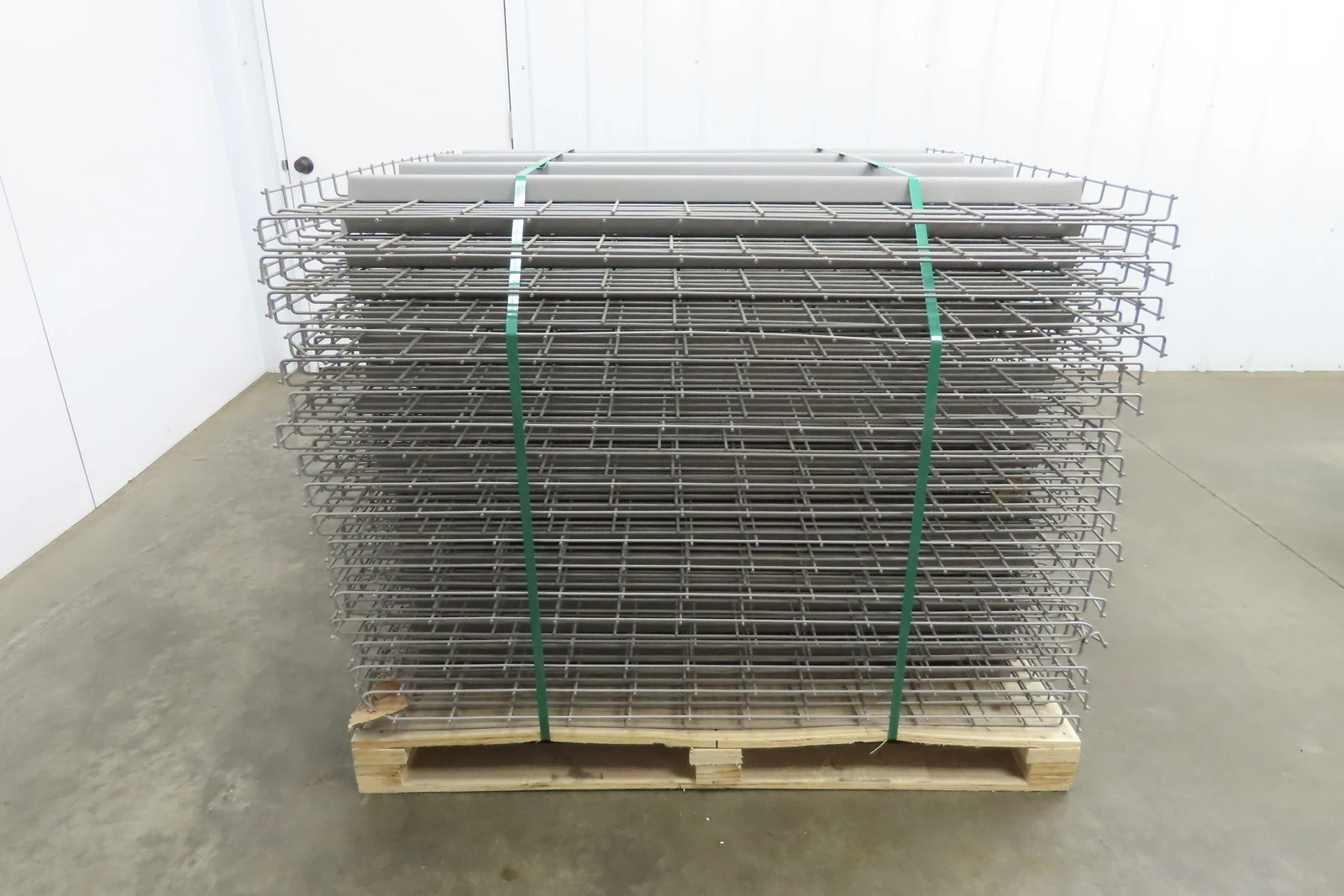
Can Pallet Racking Speed Up Otc Product Distribution?
What Ethical Standards Govern Pallet Racking Use?
Pallet racking might not be the first thing that gets folks’ hearts racing, but when you stop and think about it, it’s a backbone of countless workplaces where real people hustle. The ethical standards around pallet racking aren’t just about bolts and beams—they’re about safety, respect, and responsibility. When you stack a warehouse full of goods, every shelf carries the weight of not just products, but the lives and livelihoods of workers who depend on those racks holding firm. Cutting corners on pallet racking is like playing a dirty game with fate; it’s asking for trouble that no one wins from.
Looking at it with plain common sense, the standards in place are there to keep things steady and secure. It’s not rocket science—install right, maintain often, inspect regularly. That’s what keeps the racking from buckling under pressure and sending a whole row of pallets crashing down. The rules might seem like paperwork, but they’re born from hard-earned lessons. Without them, you risk injury, loss, and flipping the trust that holds a workplace together. Workers rely on sturdy pallet racking to do their jobs without fearing what might come tumbling next.
There’s also a straightforward fairness baked into these ethics. Proper pallet racking use respects the value of human effort. It means making sure the people stacking the pallets, operating forklifts, and moving the goods don’t face unnecessary dangers because someone wanted to save a penny or two. A worksite that sticks to ethical standards creates a sense of pride and trust among its crew. When everyone knows the racks are up to code and handled right, the day runs smoother, and spirits stay up.
The stories from the floor tell the real truth—when pallet racking fails, it’s no small slip-up; it’s a chain reaction that hits hard. The ethic of care that governs pallet racking use is more than a guideline; it’s a pact. A pact between employers, workers, and the community to do the right thing. That means investing time, money, and attention into pallets and racks so they stand the test of daily grind. The ethical standards around pallet racking remind us that some things—like people’s safety and dignity—can’t be compromised. Taking that to heart, anyone who handles pallet racking can look at the job straight in the eye and know they did it right.

What Ethical Standards Govern Pallet Racking Use?
What Ethical Standards Govern Pallet Racking Use?
- Pallet racking is essential to workplaces, supporting both goods and the safety of workers.
- Ethical standards focus on safety, respect, and responsibility beyond just structural components.
- Proper installation, regular maintenance, and frequent inspections prevent accidents and failures.
- Following standards protects workers from harm and maintains trust within the workplace.
- Ethics in pallet racking honor the value of workers’ efforts by avoiding unnecessary risks for cost savings.
- Failures in pallet racking cause serious chain reactions impacting people and operations.
- The ethical approach represents a commitment among employers, workers, and the community to prioritize safety and dignity.

What Ethical Standards Govern Pallet Racking Use?
How Do Producers Ensure Pallet Racks Comply with Safety?
When it comes down to it, pallet racking isn’t just steel beams and bolts—it’s the backbone of the whole operation, holding up heavy loads and keeping people safe. Producers earn their keep by treating safety like a no-nonsense promise, not just a checkbox on a clipboard. They start with solid design principles, knowing that a weak link in pallet racking can bring down an entire aisle—literally and figuratively. It’s about understanding the weight the racks will bear and how the warehouse floor plays into it, because even the best rack is nothing without a trustworthy foundation.
The process isn’t fancy; it’s about clear specs and sticking to them. Producers work from rigorous engineering standards, double-checking every measurement like they’re sizing up the parts that’ll keep workers’ fingers intact. They test the racks under pressure, sometimes pushing the steel to its limits, ensuring it won’t buckle when the job gets tough. There’s no cutting corners here—each unit has to endure real-world stress before it earns the green light.
But safety doesn’t stop on the factory floor. Producers know pallets and racking systems will be installed and used by folks who count on their strength day in and day out. That responsibility nudges them to provide clear instructions—no industry jargon or guesswork—just straightforward guidance from the first bolt to the last pallet. They’re aware that every rack installed poorly is a risk that might cost more than money: it could cost a person’s well-being. This sense of accountability isn’t just contractual, it’s almost ethical—a handshake deal in steel form.
The social side of the rack game is real too. Producers stay connected with industry inspectors, warehouse operators, and safety specialists, trading stories of near misses and lessons learned. It’s that collective wisdom, built on a respect for people and their hard work, that keeps standards tight and ever improving. Everyone involved has skin in the game, and that shared commitment reinforces compliance beyond rules—it becomes a culture.
At the end of the day, the confidence producers inspire comes from knowing they’ve sweat the details, respected the stakes, and treated each pallet racking system like it carries more than just boxes—it carries trust. When a worker walks by and hears nothing creak or groan, that’s a quiet nod to the craftsmanship and care behind the scenes. It’s a promise kept, plain and simple.
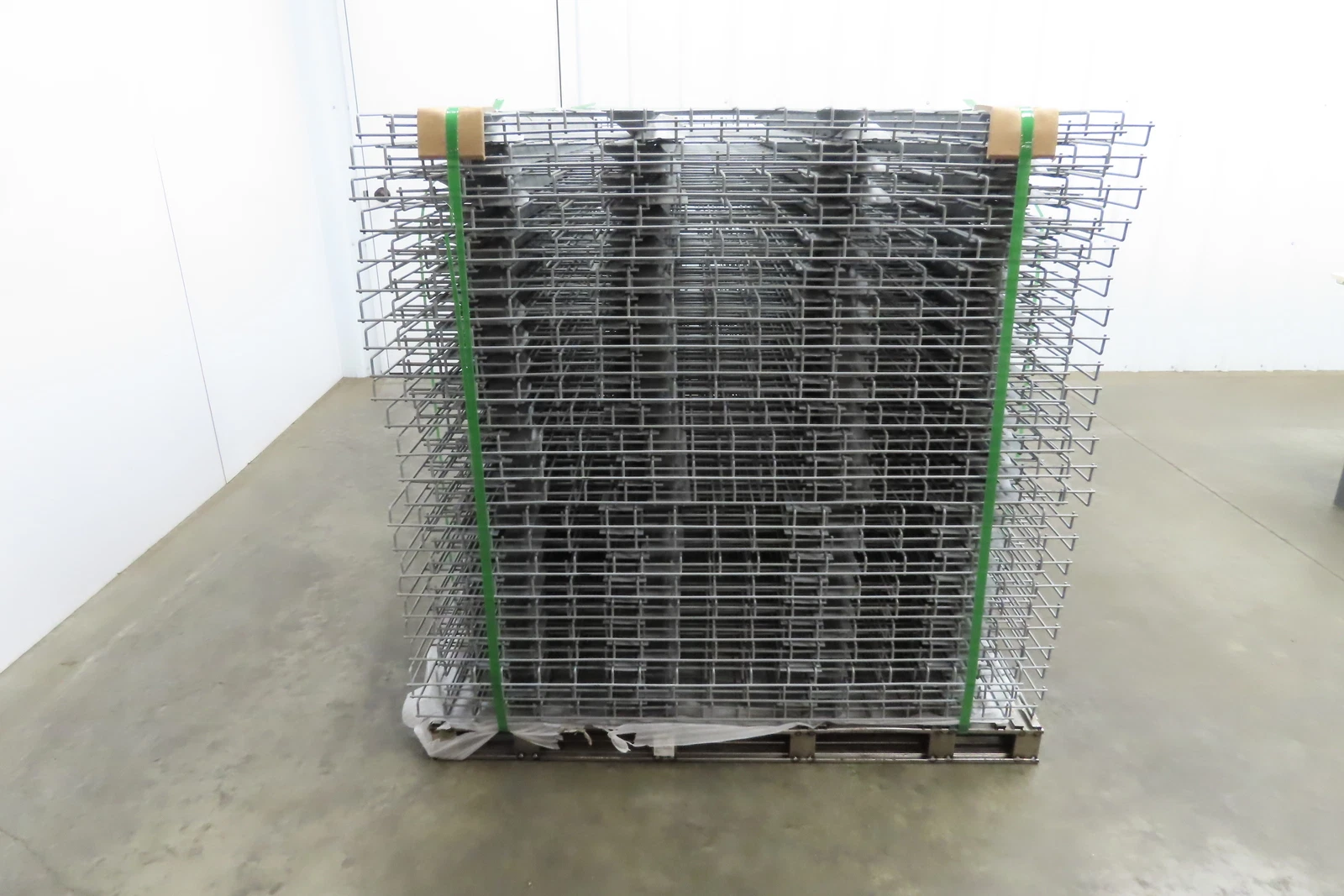
How Do Producers Ensure Pallet Racks Comply with Safety?
How Do Producers Ensure Pallet Racks Comply with Safety?
- Pallet racking is essential for supporting heavy loads and ensuring safety in warehouse operations.
- Producers prioritize safety as a serious commitment, starting with strong and reliable design principles.
- Racks are engineered to rigorous standards, tested under stress to guarantee durability and prevent failure.
- Clear and straightforward installation instructions are provided to avoid risks associated with improper assembly.
- Producers maintain ongoing communication with inspectors, operators, and safety experts to share experiences and improve standards.
- The industry fosters a culture of accountability and continuous improvement, going beyond mere compliance.
- Trust and confidence in pallet racking come from careful craftsmanship, attention to detail, and a commitment to worker safety.

How Do Producers Ensure Pallet Racks Comply with Safety?
Conclusion
Pallet racking might not get cheers or applause, but it’s the unsung hero that keeps over-the-counter medicine flowing from warehouse to kitchen cabinet without missing a beat. These sturdy racks aren’t just steel and bolts; they’re the backbone of trust, care, and hard-earned reliability that everyone depends on. Behind every box stacked high is real life—parents reaching for relief in the middle of the night, seniors counting on their supplements, folks managing everyday aches and pains. When pallet racking works right, it means those needs get met on time, every time.
It’s a no-nonsense setup that maximizes space and cuts down on the chaos in the warehouse grind. Instead of juggling heaps of boxes like a circus act, pallet racking stacks neatly and smartly, freeing up room and giving workers clear aisles to move through like clockwork. That order doesn’t just save time and money—it saves headaches, mistakes, and damaged goods. More than efficiency, it’s a pledge to handle medicine with respect and care, keeping products safe from harm and contamination so they arrive in top shape for the people who count on them.
Safety isn’t a buzzword here—it’s a matter of life and limb. A solid pallet rack system holds heavy loads tight and steady, cutting down on the risks of toppled pallets and workplace injuries. It’s like having a seasoned foreman on the floor, quietly watching everyone’s back. That reliability builds confidence from the workers loading pallets to the customers filling prescriptions. It creates an environment where people don’t just punch a clock—they take pride in doing the job right, respecting both the product and each other.
Accuracy in inventory is another win. Pallet racking turns guesswork into fact, making sure every box is exactly where it belongs. That simple order cuts down on wasted time, fewer missed orders, and less rework, honoring the sweat and skill of everyone involved. It turns a warehouse into a well-oiled machine, where every hand knows its part, and the whole crew pulls together toward one goal: getting products out fast, fresh, and reliable.
Ethics play out every day in these racks. Cutting corners when it comes to storage is a gamble no one should take—people’s safety and dignity hang in the balance. Following strict standards and treating the equipment with care isn’t just about rules; it’s about respect for the folks on the floor and the communities depending on their work. The men and women who build, install, and maintain these racks know they’re not just handling steel—they’re carrying a promise.
When producers design and test these systems, they do it with the full weight of that responsibility on their shoulders. They don’t settle for good enough; they aim for a setup that won’t buckle under pressure, that will endure the daily grind without faltering. Clear instructions and constant communication keep everyone on the same page, turning compliance from a chore into a culture of care.
In the end, pallet racking isn’t just about stacking boxes higher or organizing space smarter—it’s about the quiet, steady trust that when life throws curveballs, those little bottles on the shelves have been safely and thoughtfully handled at every step. It’s hard-working, humble, and downright essential—and that’s why it earns the respect of every hand that touches it.

Conclusion
Conclusion:
- Pallet racking is essential for efficiently moving over-the-counter medicine from warehouses to consumers, ensuring timely delivery.
- It maximizes warehouse space, organizes inventory neatly, and provides clear aisles to improve workflow and reduce errors and damage.
- These racks ensure safety by securely holding heavy loads, minimizing the risk of accidents and injuries in the workplace.
- Pallet racking enhances inventory accuracy, reducing wasted time, missed orders, and unnecessary rework.
- Strict adherence to ethical storage standards demonstrates respect for workers and the communities relying on the products.
- Designers and manufacturers prioritize durability, reliability, and clear communication to maintain high standards and compliance.
- Overall, pallet racking supports a dependable and respectful supply chain, contributing to the safe and thoughtful handling of products.

Conclusion
Other Resources

Other Resources
Here is a list of other resources you can review online to learn more:
- Pallet Racking systems in Illinois, Great Lakes
- Interlake Mecalux
- American Society of Safety Professionals
- Pallet Racking systems in Illinois and Great Lakes
- BMH Equipment LLC
- Mustang Material Handling
- CMMA
- Material Handling Safety
- Selective Rack – Raymond West
- ASSP
- Chicago Pallet Racking
- Warehouse Racking Chicago, IL
- Pallet Rack Systems – New and Used Pallet Racking and Shelving Experts
- New Cantilever Racks and Racking Kits
- Warehouse Racking System: Powerful Guide to Optimise, 2024
- Storage Equipment Manufacturers’ Association
- Pallet Racks, Pallet Racking, Pallet Shelves in Stock – ULINE
- Crane Manufacturers Association Of America Inc.
- Racking World
- American Surplus
Use This Prompt To Get More Resources With Your Favorite Online AI Tool: Please provide me with a list of online articles with their URLs in a bulleted list that I can read regarding How Do Over-The-Counter Medicine Producers Leverage Pallet Racking?

Other Resources
Glossary Terms
How Do Over-The-Counter Medicine Producers Leverage Pallet Racking? – Glossary Of Terms
1. Pallet Racking: A storage system designed to hold materials on pallets in horizontal rows with multiple levels.
2. Over-the-Counter Medicine: Medications available without a prescription used for common ailments.
3. Inventory Management: The process of ordering, storing, and using a company’s inventory.
4. Warehouse Efficiency: The optimization of warehouse operations to improve productivity and reduce costs.
5. Load Capacity: The maximum weight a pallet rack or shelf can safely hold.
6. Pick-and-Pack: The process of selecting items from inventory and preparing them for shipment.
7. Storage Density: The amount of inventory stored in a given space within a warehouse.
8. Material Handling: The movement, protection, storage, and control of materials throughout manufacturing and distribution.
9. FIFO (First In, First Out): Inventory management method where older stock is used before newer stock.
10. LIFO (Last In, First Out): Inventory management method where the most recently received stock is used first.
11. Space Utilization: The effective use of warehouse space to maximize storage capacity.
12. Pallet: A flat transport structure that supports goods in a stable fashion while being lifted.
13. Load Stability: Ensuring that goods stored on pallets and racks do not shift or fall.
14. Rack Accessibility: The ease of access to stored pallets and goods within the racking system.
15. Safety Compliance: Adhering to regulations and standards to ensure safe storage and handling.
16. Picking Efficiency: The speed and accuracy with which items are retrieved from storage.
17. Stock Rotation: The process of moving products through storage to prevent expiration or obsolescence.
18. Distribution Center: A warehouse designed to receive, store, and ship products to retailers or consumers.
19. Warehouse Layout: The physical design and arrangement of storage systems and pathways.
20. Load Distribution: How weight is spread across pallet rack beams and supports.
21. Inventory Turnover: The rate at which stock is sold and replenished.
22. Modular Racking: Pallet racking systems designed for flexible reconfiguration.
23. Lead Time Reduction: Shortening the period between ordering and receiving supplies or products.
24. Stock Keeping Unit (SKU): A unique identifier for each type of product in inventory.
25. Cross-Docking: The practice of unloading materials from incoming transport and loading directly onto outbound transport.
26. Automated Storage and Retrieval System (AS/RS): Computer-controlled systems that automatically place and retrieve loads from storage locations.
27. Bulk Storage: Storing large quantities of non-palletized goods in warehouse space.
28. Vertical Space Utilization: Using warehouse height effectively for storage to increase capacity.
29. Hazardous Material Storage: Specialized storage requirements for medicines that may pose risks.
30. Cost Efficiency: Reducing operational costs through optimized storage and handling practices.

Glossary Of Terms
Other Questions
How Do Over-The-Counter Medicine Producers Leverage Pallet Racking? – Other Questions
If you wish to explore and discover more, consider looking for answers to these questions:
- What types of pallet racking systems are best suited for OTC medicine storage (selective, drive-in, push-back, pallet flow, cantilever, etc.)?
- How do you calculate the correct rack load ratings and weight capacities for different OTC products?
- What are the space-efficiency trade-offs between different racking configurations?
- How do pallet racking choices affect picking speed and throughput?
- What layout considerations (aisle width, rack height, aisle orientation) optimize both safety and productivity?
- How do racking systems integrate with automated systems (AS/RS, conveyors, robotics) used in OTC distribution?
- What are the best practices for FIFO and LIFO inventory rotation using pallet racking?
- How does pallet racking support lot traceability and recall management?
- What labeling, barcode, or RFID strategies work best with pallet racks to ensure inventory accuracy?
- How often should pallet racks be inspected, and what should inspections document?
- What are common signs of rack damage or fatigue that require immediate repair or replacement?
- Who is responsible for racking inspections and maintenance—manufacturers, warehouse owners, or third-party inspectors?
- What training do warehouse workers and forklift operators need to safely use pallet racking?
- Which national and international standards and regulations govern pallet racking safety (e.g., OSHA, ANSI, EN standards)?
- How do local fire codes and sprinkler systems interact with rack layouts and clearances?
- What seismic or wind-load considerations apply to high-rise pallet racking in different regions?
- How do you ensure pallet racking is compatible with packaging types used by OTC producers?
- What measures prevent product contamination, moisture damage, or pest infestation when using pallet racks?
- How do environmental controls (temperature, humidity) integrate with racking for climate-sensitive OTC products?
- What anti-collapse and fall-prevention accessories (row spacers, backstops, mesh decking, pallet supports) are recommended?
- How are rack protectors, column guards, and bumper systems selected and positioned to reduce forklift impacts?
- What is the lifecycle cost of pallet racking, including installation, maintenance, repair, and eventual replacement?
- How do producers justify the ROI for investing in upgraded racking systems?
- What insurance implications or premium changes result from improved racking and warehouse safety practices?
- How do pallet racking systems support compliance audits and documentation required for pharmaceutical or OTC products?
- What are recommended procedures for repairing damaged racks and documenting the repair history?
- How do pallet racks affect worker ergonomics and injury risk beyond collapse hazards (repetitive motion, lifting)?
- How can pallet racking be retrofitted into older warehouses without major structural changes?
- What are best practices for safe rack installation and anchoring to different floor types?
- How does pallet racking design influence cross-docking, staging, and fast-move SKUs in OTC distribution?
- What metrics should be tracked to measure the impact of racking on distribution speed and inventory accuracy?
- How do racking systems support emergency procedures, spill containment, and rapid product quarantine during recalls?
- What sustainability considerations apply to pallet racking (recyclability, material sourcing, energy-efficient layouts)?
- How do producers choose reputable racking suppliers and what certifications or warranties should they require?
- What legal liabilities do producers and warehouse operators face if racking failures cause injury or product loss?
- How does racking configuration influence future scalability and changes in SKU mix or distribution volume?
- What case studies or industry benchmarks show measurable improvements in safety and efficiency after racking upgrades?

Other Questions
Checklist
How Do Over-The-Counter Medicine Producers Leverage Pallet Racking? – A Checklist
Layout and Design
✅______ Storage strategy defined (FIFO or FEFO) aligned to product dating
✅______ Aisle widths set for material handling equipment (MHE)
✅______ Floor load and seismic requirements verified
✅______ Rack type selected to match SKU velocity (e.g., selective, pallet flow, drive-in)
✅______ Clearances set for sprinklers, lighting, HVAC, and safe handling
✅______ Pedestrian and forklift traffic patterns mapped and marked
Rack Specification and Installation
✅______ Manufacturer’s engineering drawings approved and on file
✅______ Uprights, beams, decking, and anchors match specified capacities
✅______ Racks installed plumb and level; anchor torque verified
✅______ Load capacity signage posted on each bay or aisle
✅______ Column guards, end-of-aisle protectors, and pallet backstops installed
✅______ Pallet size, condition, and bottom deck configuration compatible with rack and decking
✅______ No unauthorized field modifications; repairs per OEM guidance
Safety and Regulatory Compliance
✅______ Compliance with applicable standards (RMI/ANSI MH16.1 and OSHA requirements)
✅______ Daily visual checks; monthly supervisor inspections; annual professional audit scheduled
✅______ Damage tagging and out-of-service process in place
✅______ Clear egress paths; fire protection and sprinkler clearances maintained
✅______ Forklift speed limits, horn zones, and right-of-way rules enforced
✅______ No climbing on racks; approved equipment used for elevated work
✅______ Anti-collapse mesh or barriers installed where pedestrians are present
Inventory Accuracy and Traceability
✅______ Location schema (aisle–bay–level) defined and labeled
✅______ Barcodes and RFID for locations and pallets implemented
✅______ FEFO or FIFO enforced for dated goods
✅______ Lot and expiry captured at receipt and preserved through shipment
✅______ Quarantine, damage, and recall zones segregated and labeled
✅______ Cycle counting schedule active; variance investigation process defined
Operations and Distribution Speed
✅______ Fast movers positioned at ergonomic, high-access locations
✅______ Separate pick and replenish paths to reduce congestion
✅______ Inbound and outbound staging areas defined and sized
✅______ Standard work for putaway, picking, and loading documented
✅______ Visual management and 5S applied to aisles and rack faces
Product Care and Integrity
✅______ Clean, dry storage; contamination controls in place
✅______ Environmental conditions monitored where required by product labeling
✅______ Proper unitization (stretch wrap, corner boards, dunnage) prevents damage
✅______ No overhang; pallets fully supported on beams or decking
✅______ Mixed-SKU pallets controlled and clearly labeled
✅______ Procedure for handling and documenting damaged packaging
Training and Culture
✅______ Operator training on rack capacities, placements, and MHE interaction
✅______ New hire onboarding and periodic refresher training recorded
✅______ Near-miss and incident reporting encouraged and acted upon
✅______ Clear ownership assigned for rack safety and inspections
Maintenance and Continuous Improvement
✅______ Preventive maintenance plan for racks, guards, and decking
✅______ OEM parts used for repairs; post-repair inspections completed
✅______ Change management process for layout or capacity changes
✅______ KPIs tracked (inventory accuracy, damage rate, pick rate, on-time shipment)
✅______ Regular audits to validate compliance and identify improvements
Ethical and Social Responsibility
✅______ Safety prioritized over throughput and cost savings
✅______ Transparent communication of hazards, limits, and changes
✅______ Procurement avoids substandard or counterfeit components
✅______ Documentation retained for accountability and traceability
Risk Management and Emergency Preparedness
✅______ Impact protection at aisle ends and high-traffic zones
✅______ Spill response materials and procedures for liquid products
✅______ Recall and traceability drill conducted and documented
✅______ Demand surge plan and overflow storage strategy ready
✅______ Business continuity considerations for critical SKUs and routes

Checklist
At RackingWorld, we help guide you through selecting warehouse storage systems and racking.
Be sure to read our other related stories at RackingWorld to learn more about warehouse storage systems.
0 Comments