
Strategic Investment Planning For Sustainable Growth
By Tom Seest
At RackingWorld, we help guide you through selecting warehouse storage systems and racking.
Be sure to read our other related stories at RackingWorld to learn more about warehouse storage systems.
How to Align Rack Investments with Long-Term Expansion
When it comes to aligning rack investments with long-term expansion, it’s essential to think beyond the immediate gains. Picture this: a carefully organized warehouse, where every racking system serves not just a product but a purpose. The racks become the backbone of your operations, supporting not only the goods themselves but also the heartbeat of your business aspirations.
Investing in the right racking solutions is not merely a transaction; it’s a commitment to your future. It’s about anticipating the needs of your business five, ten, or even twenty years down the line. Emotionally, it’s about creating an environment where your team can thrive, knowing they’re equipped to handle whatever comes next. Imagine the satisfaction of witnessing your operation grow, knowing you laid the groundwork long before the first expansion effort.
Rationally, consider the numbers. This isn’t just a cost; it’s an investment that pays dividends in efficiency and productivity. Well-engineered racking systems maximize your space and streamline operations, ensuring you aren’t wasting valuable resources. The choice you make now will echo through your company’s growth story, shaping your bottom line and your capacity to meet future demands.
Ethically speaking, making wise investments in your racking systems shows responsibility—not just to yourself but to your employees and your community. It’s a promise that you’re willing to build a safer, more organized workplace where everyone can perform at their best, reinforcing a culture of trust and professionalism.
Let’s not forget the power of narrative. Each rack in your operation tells a story of challenges and triumphs. It embodies the sweat and dedication of every individual who contributed to your business. Use that narrative to inspire your team and unite their efforts toward a common goal: sustainable growth.
Socially, think of the impression your organized, efficient warehouse creates in the minds of clients and partners. It positions your brand as established and reliable, fostering trust and confidence.
Investing in the right racking systems isn’t just a logistical decision—it’s a declaration of your intent to grow, inspire, and lead. Take the leap, and watch how those racks become a symbol of your unwavering commitment to success.
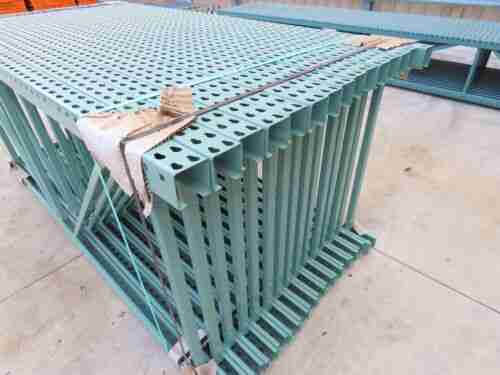
How to Align Rack Investments with Long-Term Expansion
How to Align Rack Investments with Long-Term Expansion
- Aligning rack investments with long-term expansion requires looking beyond immediate gains.
- Well-organized racking systems become the backbone of operations, supporting products and business aspirations.
- Investing in racking solutions is a commitment to future needs and creating a thriving work environment.
- Strategic investments lead to increased efficiency and productivity, maximizing space and resources.
- Wise racking investments demonstrate responsibility to employees and the community, enhancing workplace safety and organization.
- Each rack tells a story, inspiring teamwork and reinforcing dedication to sustainable growth.
- An organized warehouse enhances brand reputation, fostering trust with clients and partners.
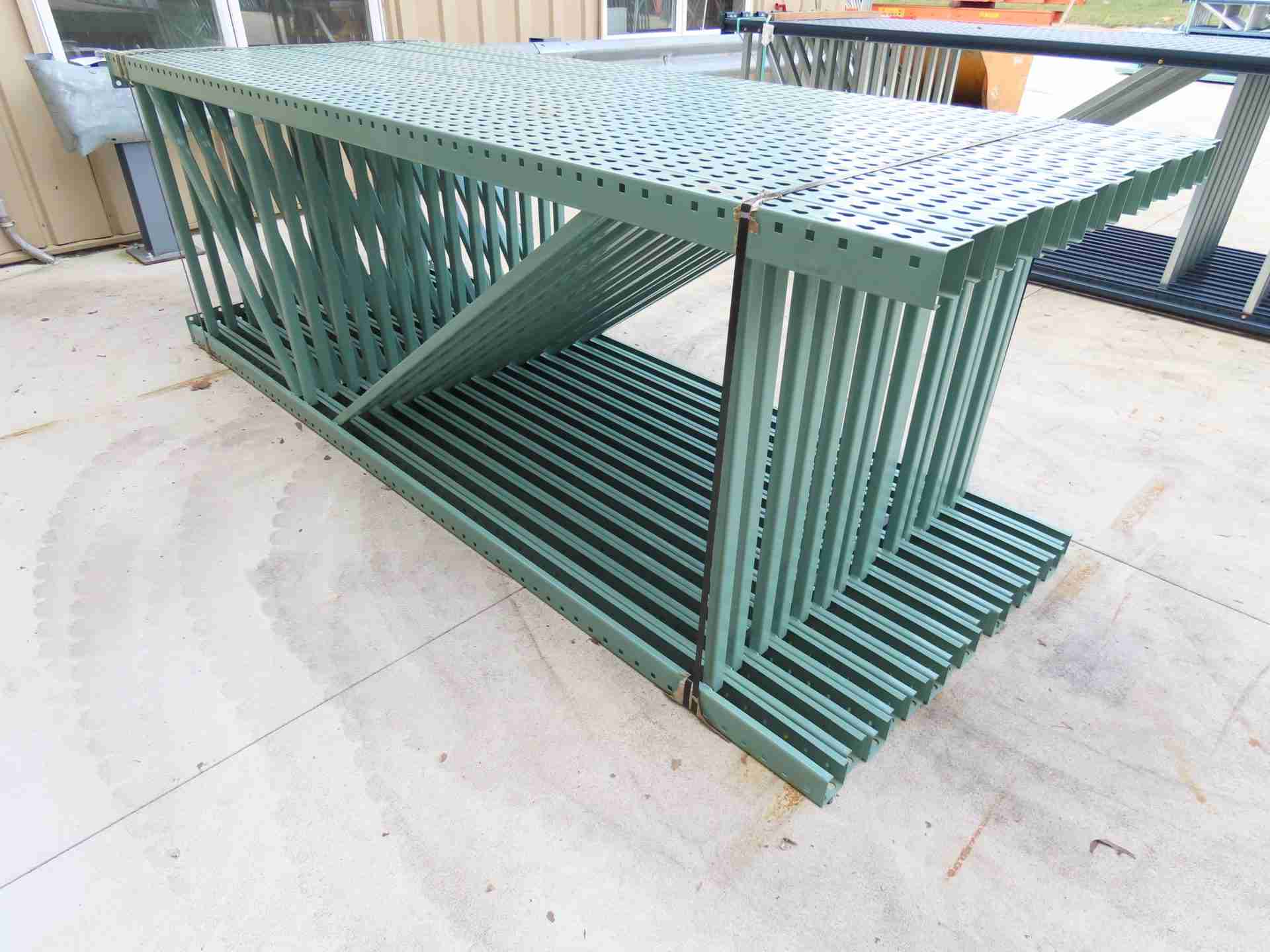
How to Align Rack Investments with Long-Term Expansion
Table Of Contents
- How to Align Rack Investments with Long-Term Expansion
- What Are the Emotional Risks Of Misaligned Rack Investments?
- How Can Strategic Rack Choices Fuel Sustainable Growth?
- Are Your Rack Investments Aligned with Future Market Demands?
- What Role Does Data-Driven Decision-Making Play In Rack Planning?
- How Can Innovative Rack Solutions Reduce Operational Costs?
- Conclusion
- Other Resources
- Glossary Of Terms
- Other Questions
- Checklist
What Are the Emotional Risks Of Misaligned Rack Investments?
When you think about rack investments, it’s easy to get lost in the numbers—profit margins, interest rates, and ROI. But what if I told you that overlooking the emotional risks of misaligned rack investments could lead to more than just financial loss? This is about more than dollars and cents; this hits home in ways that ripple across our personal and professional lives.
Picture a family-owned business that has thrived for decades. Racking systems designed to optimize space and enhance efficiency can transform operations. But if decisions are made without careful alignment, the emotional fallout can be devastating. Business owners watch their dreams fade as ineffectual investments lead to operational inefficiencies, revealing the harsh truth that profit is not just about dollars; it’s the livelihood of real people intertwined in a delicate web of shared hopes and aspirations.
At a fundamental level, a misaligned investment introduces doubt and fear. Employees feel this stress, and uncertainty can erode morale. When a company’s resources are mismanaged—whether through inadequate storage solutions or underutilized space—the ripple effect can damage confidence in leadership. The gut feeling that something isn’t right creates a toxic environment, where innovation and collaboration stagnate. It’s crucial to remember that every decision resonates far beyond the boardroom; it shapes the culture and spirit of the workplace, and ultimately, the community around it.
Then there’s the ethical dimension. When investing in racking systems without proper alignment, what message are we sending to employees, customers, and stakeholders? Misleading decisions can undermine the trust built over years—wasting not just money, but also the potential to make a difference in people’s lives. The community watches how businesses operate; and when a company takes shortcuts, they risk not only financial loss but also their reputation.
Narratives of companies that thrived after aligning their rack investments with core values can inspire action. They showcase the transformation that comes from doing it right—how thoughtful investments lead to a flourishing environment filled with possibility. So, when you think about rack investments, don’t just crunch numbers. Consider the emotional and ethical implications. Aligning your investments wisely fosters trust, confidence, and action—setting the stage for growth where everyone can flourish. Now that’s a story worth telling.
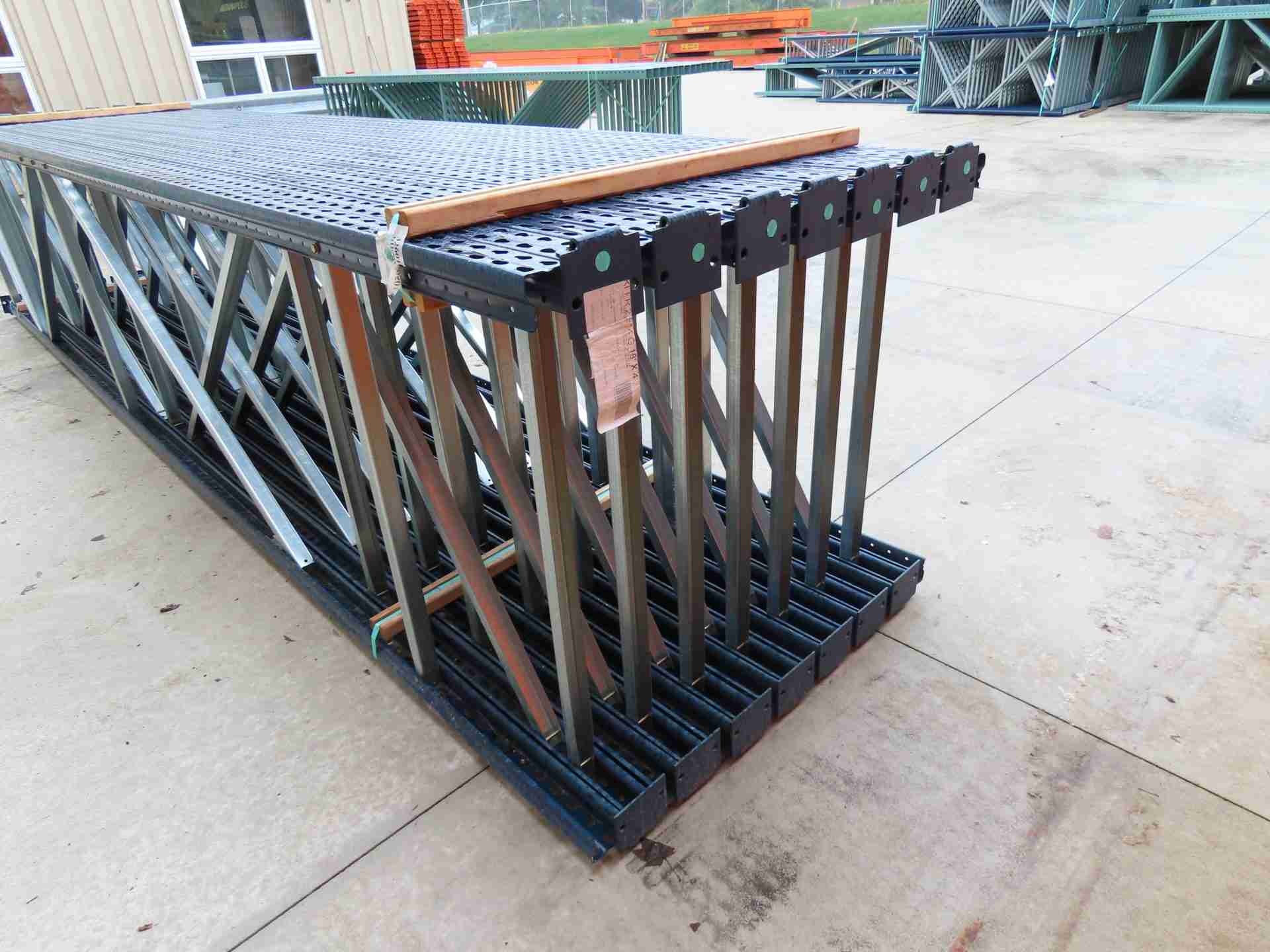
What Are the Emotional Risks Of Misaligned Rack Investments?
What Are the Emotional Risks Of Misaligned Rack Investments?
- Overlooking emotional risks in rack investments can have consequences beyond financial loss.
- Misaligned investments can devastate family-owned businesses, impacting livelihoods and shared hopes.
- Operational inefficiencies from poor investments instill doubt and fear among employees, eroding morale.
- Mismanagement of resources leads to a toxic workplace, hindering innovation and collaboration.
- Investments made without alignment may undermine trust with employees, customers, and stakeholders.
- Successful companies that align investments with core values show the potential for positive transformation.
- Wise alignment of investments fosters trust, confidence, and growth opportunities for all involved.
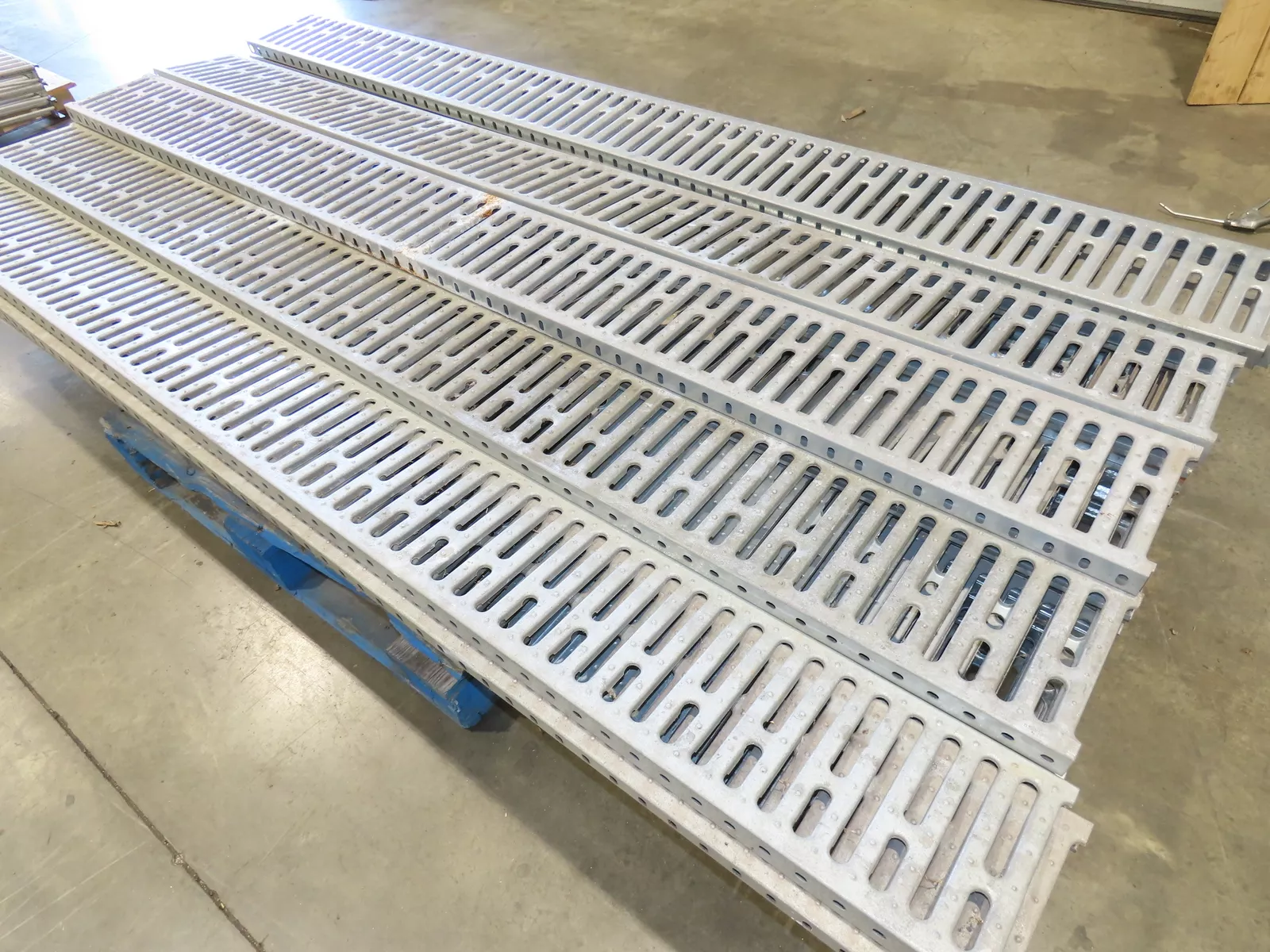
What Are the Emotional Risks Of Misaligned Rack Investments?
How Can Strategic Rack Choices Fuel Sustainable Growth?
When we talk about sustainable growth, it’s easy to get lost in the numbers—profits, revenues, bottom lines. But underneath all that data lies a profound truth: growth should serve something bigger than itself. Imagine a business that uses racking not just to store products, but as a backbone for a thriving community. Picture a warehouse where every piece of racking is strategically selected, not merely for its efficiency but for its environmental impact, ensuring that each structure contributes to a greener planet.
The gut-wrenching reality is that we live in a world riddled with waste. Overflowing landfills and pollution tell a sobering story of neglect and oversight. But when companies make strategic rack choices, they embrace a powerful narrative—one that prioritizes the health of our environment while still driving profits. A racking system designed with sustainability in mind doesn’t just optimize space; it becomes a conversation starter among employees, customers, and stakeholders, fostering a collective sense of accountability.
Think about it—the decision to implement eco-friendly racking solutions resonates on an emotional level. It says, “We care about the planet. We care about future generations.” It’s not merely a business strategy; it’s a commitment to ethical decision-making. And when it comes from a place of genuine concern, that commitment travels beyond walls and warehouses. It ignites social connections among likeminded individuals and organizations, creating a network of allies dedicated to a common cause.
This is where authority meets the heart. Companies that lead with their values command respect and trust, standing shoulder to shoulder with those who share their vision. Imagine customers choosing your business not just for the quality of your products but for the quality of your ethics. When your racking choices foster sustainable practices, they send a clear message: “We are part of the solution, not the problem.”
So, let’s challenge ourselves to rethink racking. It’s more than a logistical necessity; it’s an opportunity to weave purpose into our operations. Each shelf, beam, and unit of racking is a stepping stone toward a brighter future. By making strategic decisions today, we can lay the groundwork not just for a more efficient warehouse, but for a more enriched world. Let’s embrace this chance to inspire, innovate, and impact; let’s rack up not just the profits, but the possibilities.

How Can Strategic Rack Choices Fuel Sustainable Growth?
How Can Strategic Rack Choices Fuel Sustainable Growth?
- Sustainable growth goes beyond numbers; it should serve a greater purpose.
- Racking systems can be utilized not only for storage but also to promote community well-being.
- Strategic rack choices can help prioritize environmental health while still driving profitability.
- Eco-friendly racking fosters a sense of accountability among employees, customers, and stakeholders.
- Commitment to sustainability resonates emotionally, showing care for the planet and future generations.
- Leading with values builds trust and respect, encouraging customers to choose ethical companies.
- Racking decisions present an opportunity to innovate and impact positively, creating a brighter future.
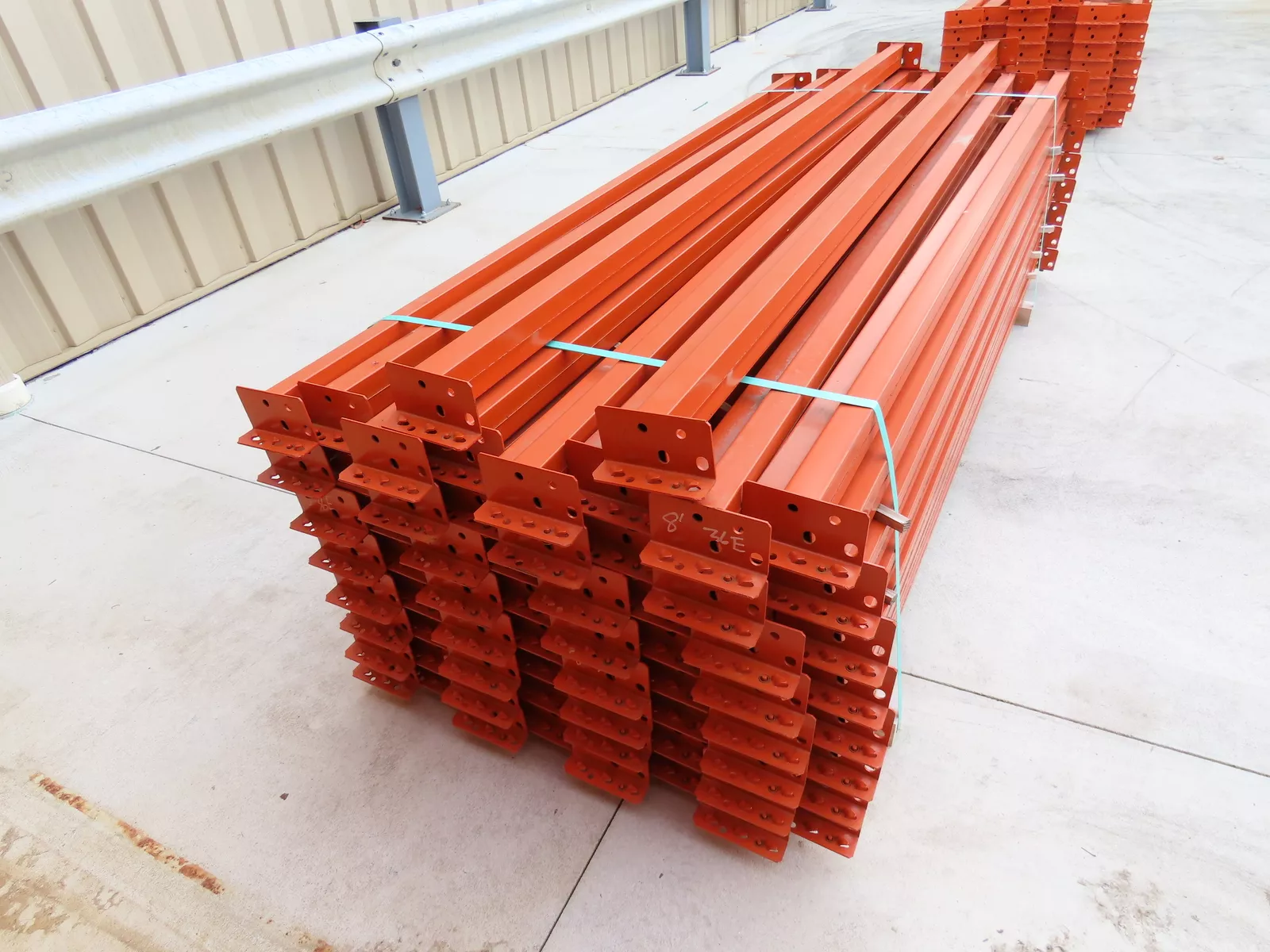
How Can Strategic Rack Choices Fuel Sustainable Growth?
Are Your Rack Investments Aligned with Future Market Demands?
When you look at your racking investments, what do you see? It’s easy to think about steel and space, numbers on a balance sheet, or systems shuffling loads from one place to another. But at the heart of every investment lies a story, a vision. The world is evolving more rapidly than ever, with customer expectations shifting like sand under our feet. The question isn’t just if your racks are sturdy; it’s whether they’re ready to support the future.
Imagine a warehouse humming with activity, a well-oiled machine that adapts to change without a hitch. Think about the companies that thrived because they listened, adapted, and ultimately aligned their racking systems with what tomorrow demands. They saw racking not just as a necessity but as a strategic asset, one that fuels efficiency and cultivates growth. In a landscape where consumer habits tip towards speed, sustainability, and enterprise agility, being one step ahead isn’t just advantageous—it’s essential.
Now, let’s talk about ethics. You’re not merely investing in racking; you’re investing in a community. Sustainable practices resonate with more than just your bottom line. They speak to your customers, your employees, and the planet. Each time you choose materials that minimize waste or systems that maximize energy efficiency, you’re sending a message that you care. This approach fosters loyalty among consumers who increasingly want to support businesses aligning with their values.
But the logistical side requires a rational glance as well. An investment in racking isn’t just about immediate returns; it’s about positioning yourself for long-term success. An agile, modular racking solution gives you the flexibility to pivot as the market demands shift. It’s about future-proofing; it’s about ensuring that your infrastructure can evolve without tearing it all down to start over.
Engagement is key. Listen to your team; they interact with this equipment daily. Their insights could lead to innovations you haven’t even considered. When you foster that dialogue, you not only boost morale but tap into the expertise of those who know the ground realities best.
So, as you assess your racking investments, think beyond steel and logistics. Consider the heart, the mind, and the moral fabric of your organization. Are your racks ready to support not just your operations, but the aspirations of a future worth building?
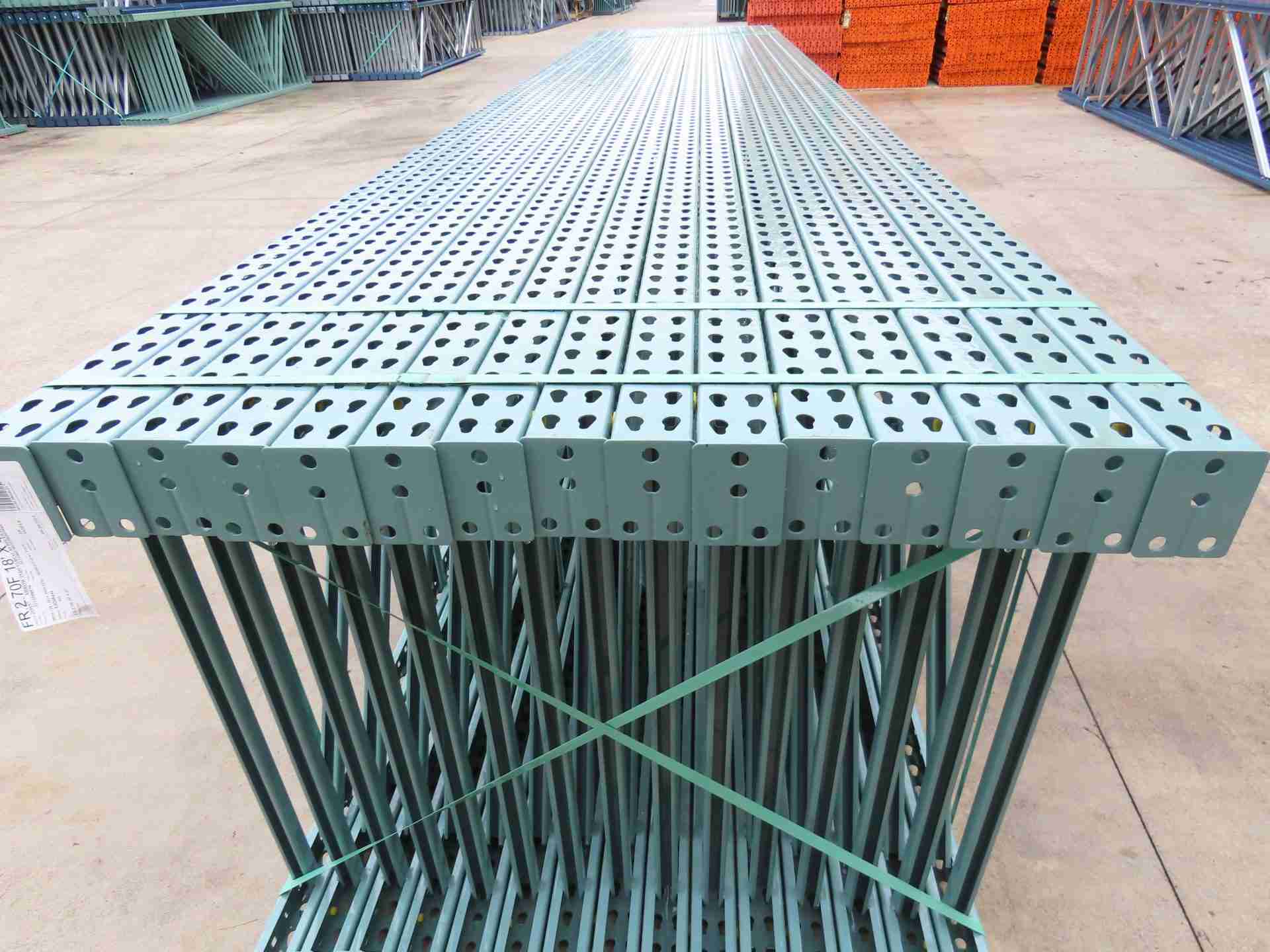
Are Your Rack Investments Aligned with Future Market Demands?
Are Your Rack Investments Aligned with Future Market Demands?
- Racking investments represent more than just steel and space; they embody a vision and story.
- Adapting to rapidly evolving customer expectations is crucial for success.
- Companies that align their racking systems with future demands see them as strategic assets for efficiency and growth.
- Sustainable practices in racking resonate with customers, employees, and the planet, fostering loyalty.
- Investing in racking should focus on long-term success and flexibility, enabling adaptation to shifting market demands.
- Engagement and insights from your team can lead to innovations and improvements in racking operations.
- Assess your racking investments through the lens of organizational values and aspirations for the future.
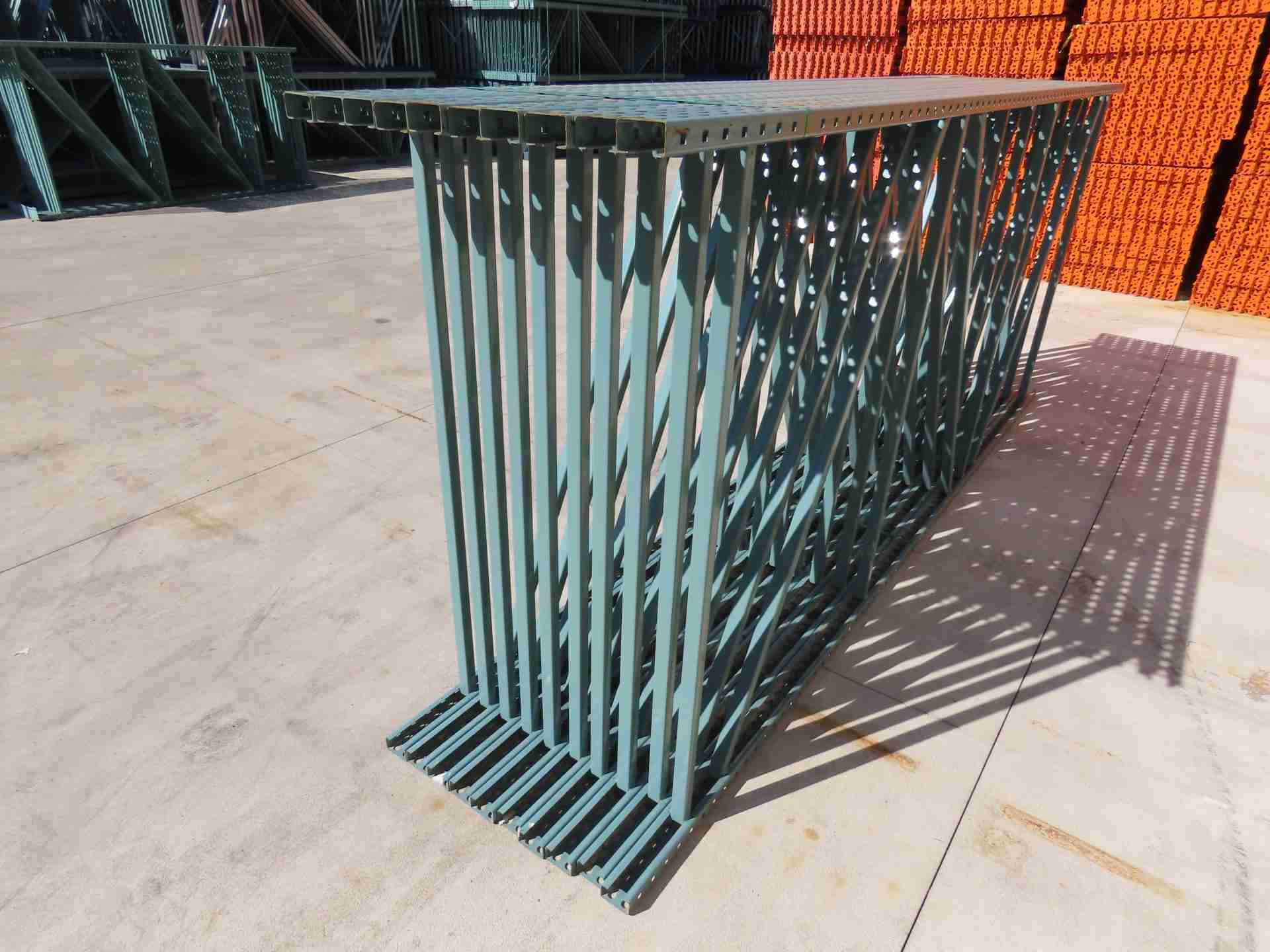
Are Your Rack Investments Aligned with Future Market Demands?
What Role Does Data-Driven Decision-Making Play In Rack Planning?
When it comes to rack planning, data-driven decision-making isn’t just a buzzword; it’s the lifeblood of efficiency and innovation. Picture yourself in a bustling warehouse, surrounded by towering shelves, each one holding critical inventory that keeps a business thriving. Racking systems can represent both opportunity and chaos, and the difference often comes down to how we harness the power of data.
Data-driven decision-making taps into raw numbers and trends, translating them into insightful strategies. Imagine a seasoned warehouse manager who once relied solely on instinct for placing seasonal items. A year of guesswork leads to bottlenecks and wasted space, while a solid understanding of data reveals peak purchasing seasons. Suddenly, the racking layout shifts from a haphazard collection of shelving into a well-oiled machine that responds to customer needs with precision. That’s the kind of transformation that stirs the heart—a story of triumph born from harnessing information effectively.
Yet, it isn’t just emotional; there’s cold, hard logic behind the numbers. Rationally speaking, optimizing rack placement based on sales data drives productivity and profitability. Companies can see a direct correlation between effective racking strategies and improved inventory turnover. That’s the kind of insight that gets the gears of any logistics manager running. Every decision, backed by data, takes the uncertainty out of planning and replaces it with confidence—a direct line to the bottom line.
Then there’s the ethical aspect. In an age where transparency is paramount, businesses owe it to their employees and customers to make informed, fair decisions. By utilizing data, managers not only optimize their layouts but also foster a culture of accountability and respect. This is about more than a clean, efficient space; it’s about creating a work environment where everyone feels valued, knowing that the decisions made affect their day-to-day lives.
Finally, consider the community that surrounds us. By implementing thoughtful rack planning, businesses can better serve their customers, ensuring that products are available when needed. This builds trust with the very people who keep the wheels of industry turning. Each decision made with data, no matter how small, contributes to a social fabric that supports both local economies and global markets.
So, as you think about your next racking project, remember: A smart, data-driven approach isn’t just a tactic—it’s a commitment to creating spaces that thrive, grow, and resonate with everyone who steps inside.

What Role Does Data-Driven Decision-Making Play In Rack Planning?
What Role Does Data-Driven Decision-Making Play In Rack Planning?
- Data-driven decision-making is essential for efficiency and innovation in rack planning.
- Using data transforms racking systems from chaotic to organized, responding effectively to customer needs.
- Understanding sales trends leads to optimized rack placement, boosting productivity and profitability.
- Decisions backed by data reduce uncertainty in planning and enhance confidence in operations.
- Utilizing data fosters a culture of accountability and respect among employees and customers.
- Thoughtful rack planning enhances customer service and builds trust within the community.
- A data-driven approach is a commitment to creating thriving and resonant spaces.
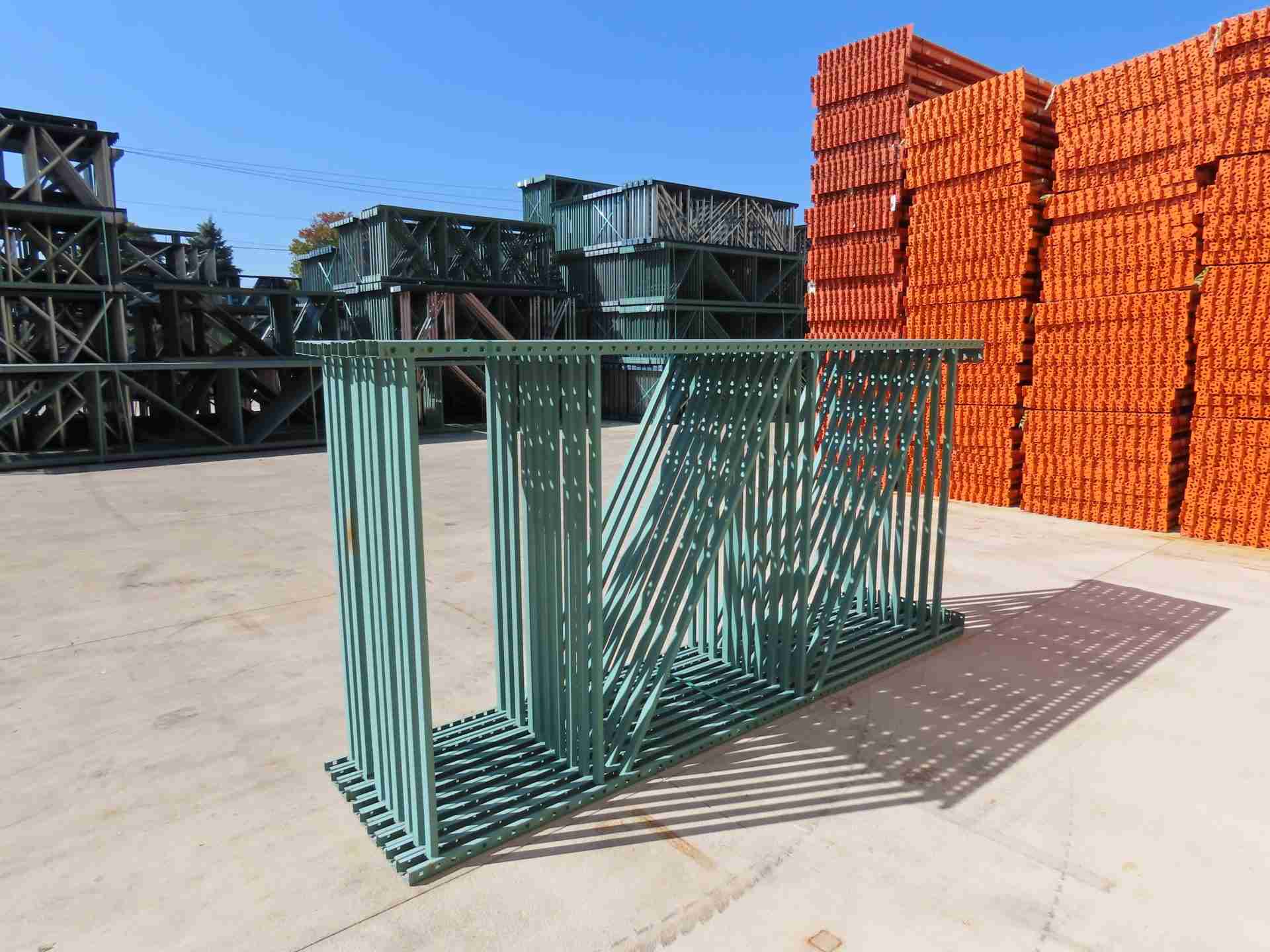
What Role Does Data-Driven Decision-Making Play In Rack Planning?
How Can Innovative Rack Solutions Reduce Operational Costs?
When you think about racking, what comes to mind? For many, it’s a mere utility—shelves and beams that hold up the weight of your operation. But dig a little deeper, and you’ll find that the right racking solutions can be the unsung heroes of cost savings and operational efficiency. This isn’t just a tale of numbers; it’s a story about empowerment, skill, and ingenuity.
Imagine a bustling warehouse. The sound of forklifts humming and workers bustling is the heartbeat of your business. Now picture a racking system that maximizes vertical space, streamlining the flow of goods while making it easy for employees to access what they need. This isn’t just about saving time; it’s about creating a work environment that sparks pride in what people do every day. When your team is not wasting precious hours hunting for misplaced items, they can focus on what truly matters—delivering value to customers and growing the business.
Now let’s get practical. Efficient racking reduces operational costs in ways that are both profound and refreshing. Think about the costs associated with errors, delays, or space inefficiencies. A well-designed racking solution minimizes these pitfalls, yielding savings that can be reinvested or passed on to your customers. It’s a win-win that transforms that utilitarian racking into an asset that drives your bottom line.
And let’s not forget the ethical implications. Choosing innovative racking solutions isn’t just about profit margins; it’s about creating a sustainable operation. Investing in quality materials and ergonomically sound design signifies a commitment to your workers’ safety and well-being. This builds a culture of care, where employees feel valued, and in turn, they offer their very best.
Moreover, showing the community that you’re adopting advanced, intelligent solutions elevates your brand. Customers today want to connect with businesses that are forward-thinking and socially responsible. By implementing innovative racking solutions, you’re not just optimizing your operations; you’re stepping into a role of leadership in your industry.
Ultimately, adopting innovative racking solutions transforms a mere storage challenge into a springboard for growth. It empowers workers, enhances your brand, and safeguards your bottom line. This isn’t just about moving items from point A to point B; it’s about crafting a future where every inch of your operation contributes to a greater story—one of resilience, innovation, and genuine connection. So let’s elevate our approach to racking, and in doing so, reshape the way we work and thrive together.
How Can Innovative Rack Solutions Reduce Operational Costs?
How Can Innovative Rack Solutions Reduce Operational Costs?
- Racking is often viewed as a simple utility, yet it significantly impacts cost savings and operational efficiency.
- Effective racking maximizes vertical space, enhancing workflow and accessibility for employees.
- Streamlined operations allow teams to focus on delivering value to customers rather than searching for misplaced items.
- Efficient racking minimizes costs related to errors, delays, and space inefficiencies, positively impacting the bottom line.
- Implementation of quality racking solutions demonstrates commitment to worker safety and well-being, fostering a culture of care.
- Adopting advanced racking solutions elevates brand image, connecting businesses with socially responsible, forward-thinking values.
- Innovative racking transforms storage challenges into opportunities for growth and empowerment within the organization.
How Can Innovative Rack Solutions Reduce Operational Costs?
Conclusion
Consider the role of rack investments not just as physical structures within your warehouse, but as vital components woven into the very fabric of your business narrative. When you align your racking strategy with long-term expansion goals, you are making a commitment to build a future where your operations thrive, your team excels, and your community benefits from your success. This isn’t merely about optimizing space; it’s about enabling a culture where every effort contributes to something larger than mere profitability.
Take a moment to imagine your workforce empowered by well-planned racking systems that not only enhance efficiency but also boost morale. Each aisle and shelf represents not just products but the dreams of those who work tirelessly to deliver value. This is where emotion meets rationality. Investing wisely now means ensuring smoother operations later, translating into tangible returns as you optimize both productivity and resource use.
Ethically, the choices you make matter deeply. A commitment to invest responsibly sends ripples across your organization, fostering trust among employees, clients, and stakeholders alike. They see you prioritizing a safe, well-organized environment. Your community watches, too. By making smart choices in sustainable racking solutions, you’re not just managing a warehouse; you’re creating an opportunity to showcase your leadership and responsibility in a time when consumers increasingly seek out businesses that align with their values.
The data tells a compelling story. Analyze market trends, customer behaviors, and operational efficiencies to empower your decision-making processes. By creating a data-driven approach to rack planning, you can anticipate future needs rather than just reacting to present demands. This foresight not only enhances business operations but strengthens the very essence of what it means to be a leader in today’s dynamic marketplace.
Innovation in racking also begs a larger question: what footprint do you want your business to have? Opting for eco-friendly materials and designs promotes a healthy balance between profit and the planet. It positions you as part of the solution to global challenges, reflecting a commitment that resonates with environmentally conscious consumers.
Ultimately, viewing your rack investments as part of a greater story unlocks possibilities that empower, inspire, and connect. The racks in your warehouse are more than utilitarian structures; they symbolize your commitment to growth, community, and a sustainable future. So, embrace the opportunity to innovate, align, and lead—because when you invest in the right racking solutions, you’re not just setting up for today’s success, but you’re planting the seeds for a thriving tomorrow.
Conclusion
Conclusion:
- Rack investments are integral to the business narrative, not just physical structures.
- Aligning racking strategy with long-term goals fosters a thriving operations culture.
- Well-planned racking systems enhance efficiency and boost employee morale.
- Responsible racking investments foster trust among employees, clients, and stakeholders.
- A data-driven approach to rack planning anticipates future needs and enhances operations.
- Choosing eco-friendly materials aligns business practices with consumer values and global challenges.
- Viewing rack investments as part of a greater story leads to growth, community engagement, and sustainability.
Conclusion
Other Resources
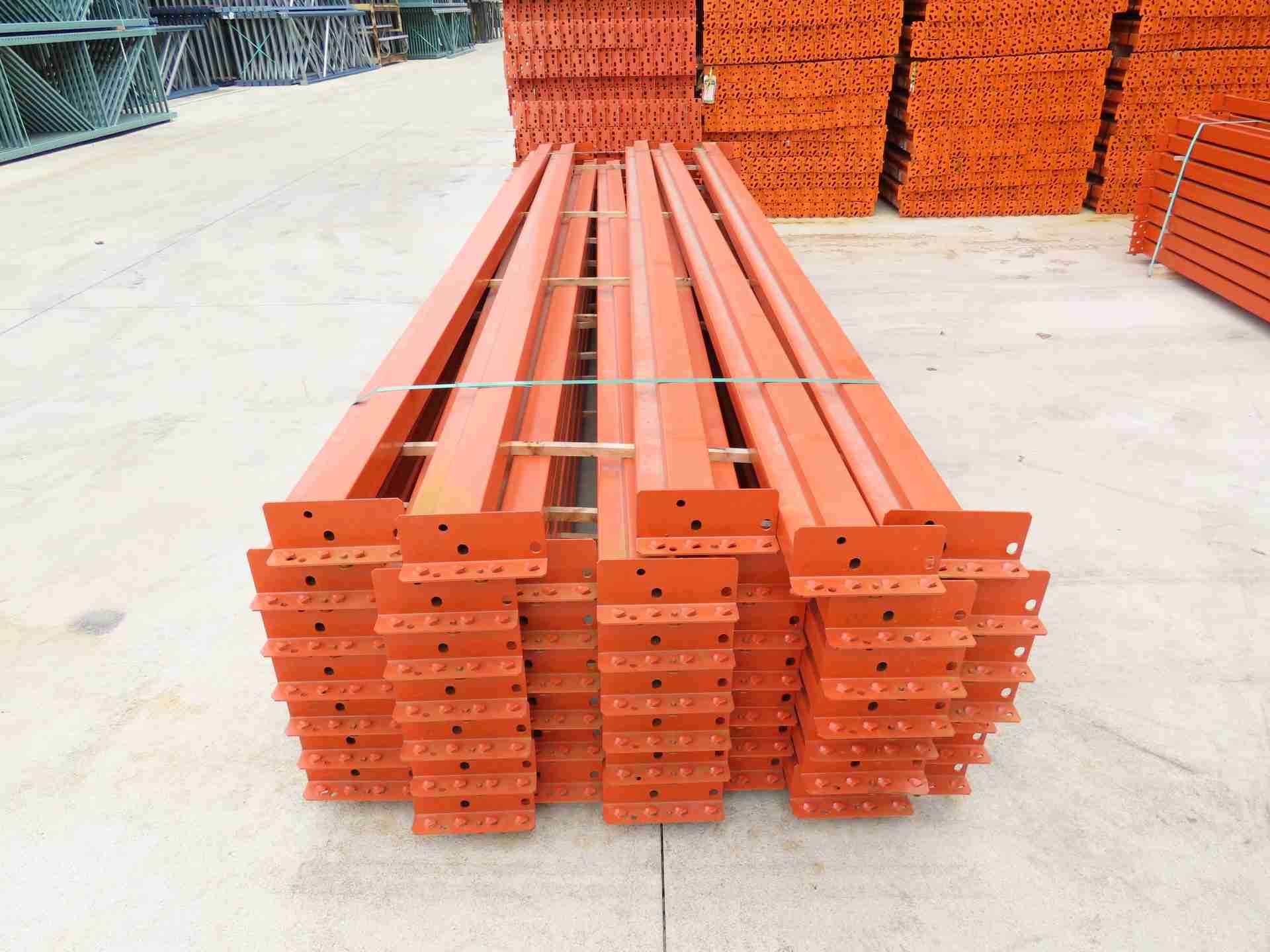
Other Resources
Here is a list of other resources you can review online to learn more:
- IIWS Inc. Rack Installation Illinois & Rack Repairs Illinois
- Selective Racking
- RMI
- Warehouse Racking Chicago, IL
- Heavy-Duty Cantilever Storage Racks
- Illinois
- International Warehouse Logistics Association
- NSC
- Arrow Industrial Sales
- Warehouse Racking Systems: Beginner’s Guide to Rack Systems
- Interlake Mecalux
- Rack Manufacturers Institute
- Cantilever Racks Chicago
- Warehouse Racks, Warehouse Racking in Stock – ULINE
- Teardrop Pallet Rack – Ridg-U-Rak
- Chicago Pallet Racking
- Iowa Illinois Warehouse Racking
- Warehousing Education and Research Council: https://www.werc.org/
- SEMA
- Teardrop Industrial Shelving Rack
Use This Prompt To Get More Resources With Your Favorite Online AI Tool: Please provide me with a list of online articles with their URLs in a bulleted list that I can read regarding How to Align Rack Investments with Long-Term Expansion
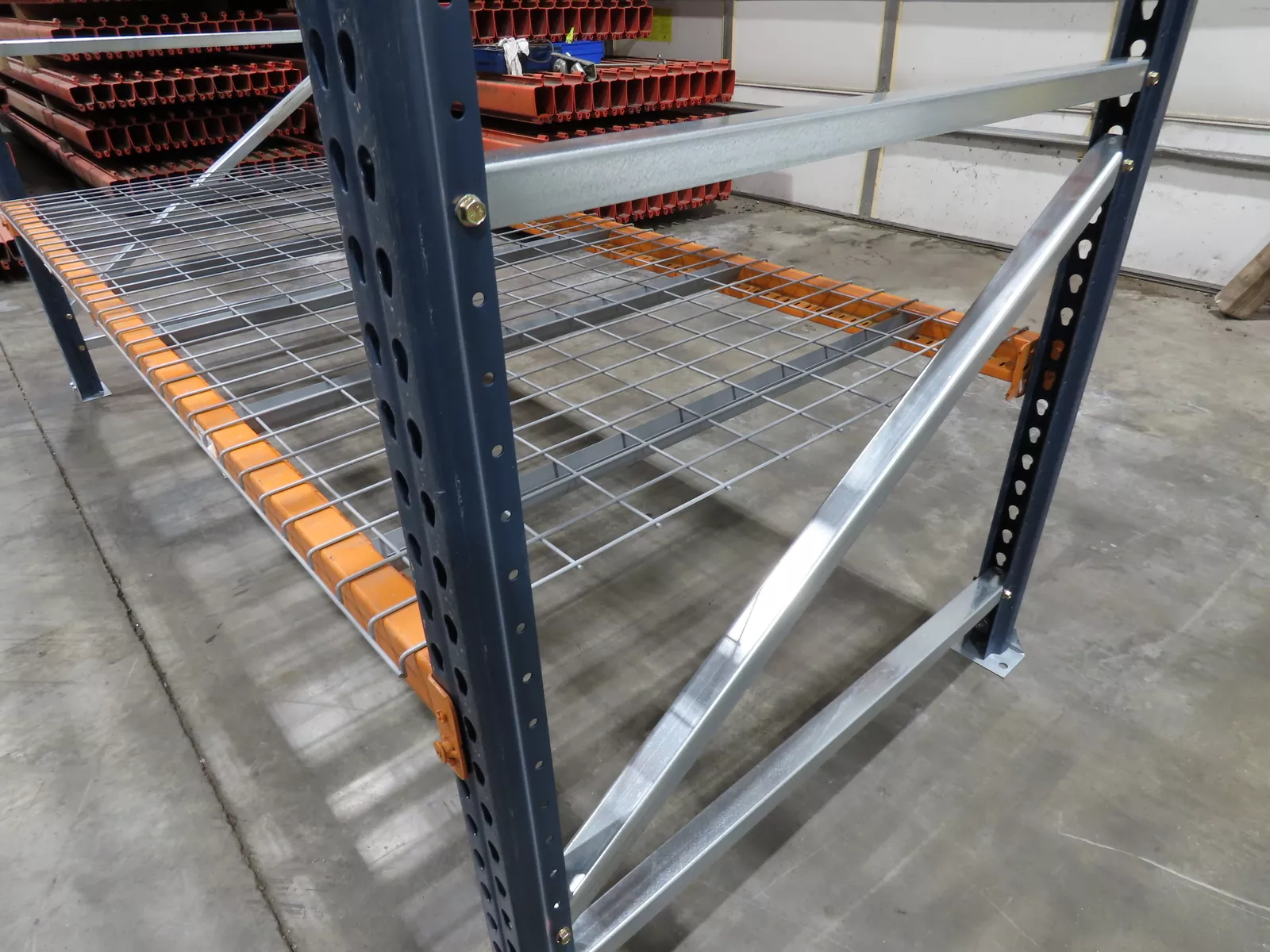
Other Resources
Glossary Terms
How to Align Rack Investments with Long-Term Expansion – Glossary Of Terms
1. Rack Investments: Capital allocated towards acquiring and installing storage racks or shelving systems in warehouses or retail spaces.
2. Long-Term Expansion: Strategic planning and actions taken to grow a business or operation over an extended period, typically exceeding five years.
3. Scalability: The ability of a system or investment to grow in capability or size efficiently in response to increased demand.
4. Return on Investment (ROI): A financial metric used to evaluate the profitability of an investment, calculated by comparing the net gain to the cost of the investment.
5. Space Optimization: The process of maximizing usable space within a facility to improve efficiency and productivity.
6. Inventory Management: The supervision of non-capitalized assets and inventory; includes monitoring stock levels and managing replenishment.
7. Demand Forecasting: Predicting future customer demand for products to align inventory levels and investments accordingly.
8. Flexibility: The capacity of an investment or operation to adapt to changing market conditions or consumer needs.
9. Capital Expenditure (CapEx): The funds used by a company to acquire, upgrade, and maintain physical assets.
10. Operational Efficiency: The ability to deliver products or services to customers in the most cost-effective manner while ensuring high quality.
11. Strategic Alignment: The process of ensuring that investments and operational activities are in sync with the overall business goals.
12. Lead Time: The period from the initiation of a process to its completion, important for inventory purchasing and delivery schedules.
13. Market Analysis: The assessment of market conditions to inform investment decisions and identify growth opportunities.
14. Cost-Benefit Analysis: A systematic approach to evaluating the strengths and weaknesses of alternatives used to determine the best investment options.
15. Supplier Relationships: Partnerships with vendors that provide materials or products; critical for ensuring smooth inventory flows.
16. Warehouse Layout: The strategic arrangement of storage racks, equipment, and inventory within a warehouse to enhance operational efficiency.
17. Technology Integration: The incorporation of advanced systems or software to enhance inventory management and operational processes.
18. Sustainability: Investment in practices and materials that minimize environmental impact and promote long-term ecological balance.
19. Capital Planning: The process of budgeting for large investments and long-term financial commitments to support expansion needs.
20. Risk Management: The identification and mitigation of potential risks related to investments and business operations.
21. Strategic Planning: A systematic, ongoing process of envisioning a desirable future and translating this vision into goals and objectives.
22. Performance Metrics: Quantifiable measures that track operational efficiency, production quality, and overall success of investments.
23. Competitive Analysis: Evaluating competitors to identify strengths, weaknesses, and investment opportunities in the market.
24. Growth Strategy: A plan outlining how a business will expand its operations, market reach, and sales in the long term.
25. Workforce Planning: Analyzing staffing requirements necessary to support operational changes and expansion efforts.
26. Financial Projections: Estimates of future revenue, expenses, and profitability based on current and forecasted market conditions.
27. Asset Utilization: The efficiency with which a company uses its assets to produce revenue, directly impacting investment decisions.
28. Project Management: The discipline of planning, executing, and closing projects to achieve specific goals within a defined timeframe and budget.
29. Customer Satisfaction: A measure of how products and services meet or exceed customer expectations, driving repeat business and referrals.
30. Lean Principles: Methodologies focused on reducing waste and improving processes within an organization to enhance value for customers.
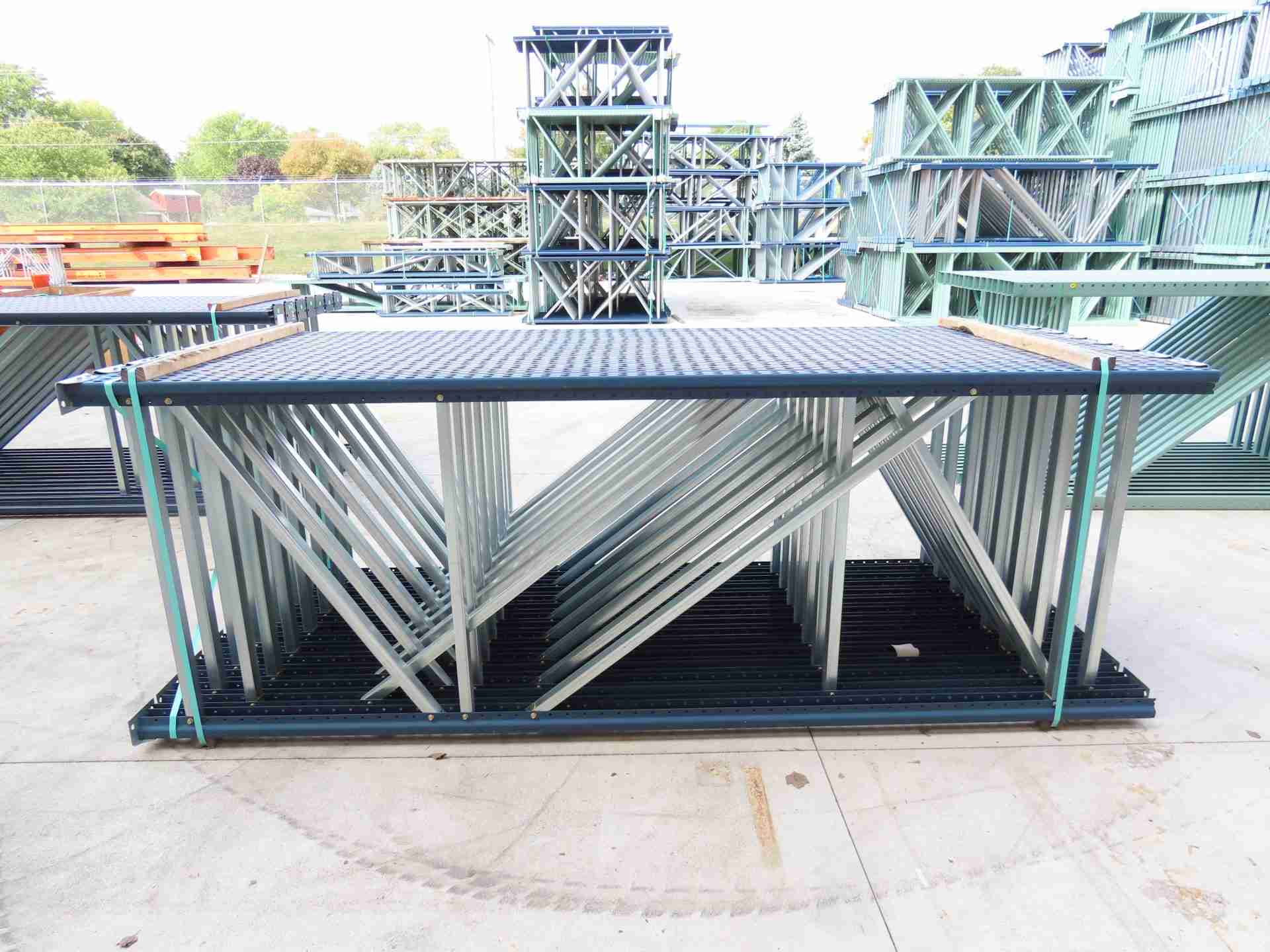
Glossary Of Terms
Other Questions
How to Align Rack Investments with Long-Term Expansion – Other Questions
If you wish to explore and discover more, consider looking for answers to these questions:
- What criteria should be considered when selecting racking systems for future growth?
- How can businesses assess the emotional impact of misaligned rack investments?
- What are some examples of companies that successfully aligned their rack investments with ethical and sustainable practices?
- How can businesses ensure their racking systems adapt to changing market demands over time?
- What specific data points are most valuable in making informed rack planning decisions?
- How do different racking solutions compare in terms of cost and operational efficiency?
- What training or resources are available for employees to effectively use new racking systems?
- How can businesses create a culture that embraces innovative and sustainable racking solutions?
- What role does technology play in optimizing racking systems and streamlining operations?
- How can employee feedback be integrated into the rack investment decision-making process?
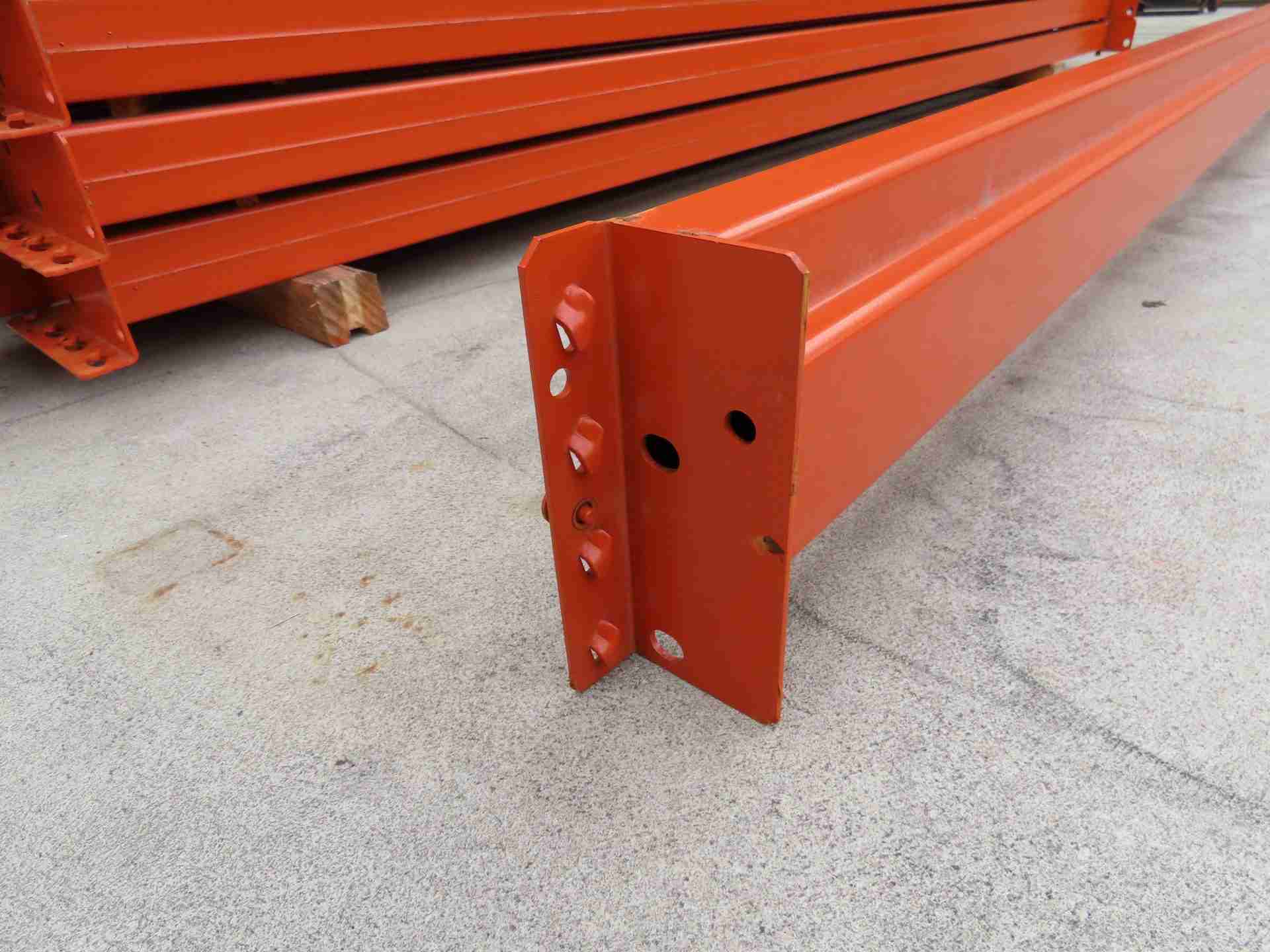
Other Questions
Checklist
How to Align Rack Investments with Long-Term Expansion – A Checklist
Checklist for Aligning Rack Investments with Long-Term Expansion
Emotional Appeals:
1. Visualize how an organized warehouse symbolizes your business aspirations.
2. Reflect on how effective rack systems can create a thriving environment for your team.
3. Imagine the satisfaction of laying the groundwork for future growth before it begins.
Rational Appeals:
4. Assess the potential ROI of investing in well-engineered racking solutions.
5. Calculate the efficiencies gained from maximizing space and streamlining operations.
6. Analyze current operational costs and identify savings from upgraded racking systems.
Ethical Appeals:
7. Consider the impact of your rack investments on employee safety and morale.
8. Reflect on your responsibility to the community when choosing sustainable racking solutions.
9. Evaluate how your decisions align with your company values and ethics.
Authority Appeals:
10. Research industry standards and best practices for racking solutions.
11. Consult with logistics experts to ensure your racking plans meet future demands.
12. Seek endorsements from industry leaders who have successfully aligned their rack systems with growth.
Narrative Appeals:
13. Craft a success story around your racking system decisions to inspire your team.
14. Use anecdotes of companies that thrived after making strategic racking investments as motivation.
15. Document your journey, illustrating challenges faced and triumphs achieved through alignment.
Social Appeals:
16. Encourage team discussions to gather insights on racking system efficiency and effectiveness.
17. Showcase your organized warehouse as a model for clients and partners to build trust.
18. Foster connections with businesses pursuing similar sustainable practices in racking solutions.
Action Items:
19. Schedule regular reviews of your racking systems to adapt to evolving market needs.
20. Create a culture of accountability by involving employees in decision-making around equipment use.
21. Plan a dedicated session to brainstorm innovative solutions that can transform your racking approach.
Reflection Points:
22. How do your current racking investments align with your long-term business goals?
23. Are there areas for improvement in morale and efficiency related to your racking choices?
24. What legacy of sustainability and efficiency do you want your warehouse to represent?
Checklist
At RackingWorld, we help guide you through selecting warehouse storage systems and racking.
Be sure to read our other related stories at RackingWorld to learn more about warehouse storage systems.
0 Comments