
Maximizing Business Efficiency And Safety: The Strategic Impact Of Pallet Rack Knowledge
By Tom Seest
At RackingWorld, we help guide you through selecting warehouse storage systems and racking.
Be sure to read our other related stories at RackingWorld to learn more about warehouse storage systems.
Why Your Cfo Should Understand Pallet Racks
When you think about the day-to-day operations of your business, the mind often drifts to financial reports, profit margins, and strategic planning. But let’s talk about something that often gets overlooked—pallet racks. Yes, those sturdy shelves in your warehouse might not seem like they deserve a moment’s notice from the corner office, but understanding them could be the key to transforming your operations—and your bottom line.
Imagine a bustling warehouse, aisles crammed with boxes and inventory stacked higher than your dreams. Now picture your CFO, standing amid that chaos, able to glance around and not just see pallets, but a well-oiled machine—inventory in perfect alignment, products easily accessible, and people navigating with efficiency. That visual isn’t just wishful thinking; it’s a reality that begins with understanding the role of racking in your business.
On a practical level, efficient pallet racks can maximize storage space and minimize waste, leading to savings that directly impact your financial statements. When your CFO grasps the importance of proper racking systems, they’re not just learning about shelves—they’re diving into the economics of efficiency. They’re understanding how the right setup can improve safety, reduce employee downtime, and increase overall productivity. This isn’t just about moving boxes; it’s about propelling your organization to success.
There’s an ethical dimension to this too. Properly managed inventory means fewer lost sales and a more reliable supply chain, which fosters trust across all levels—from suppliers to customers. A CFO who prioritizes understanding racking acknowledges the responsibility they have to ensure sustainable operations. Doing right by your company ultimately translates into doing right by your stakeholders.
And let’s not forget the social impact. By creating a well-organized space, you cultivate a culture of respect and clarity. Employees feel valued in an environment where they can work efficiently and safely. When morale is high, productivity follows, leading to a ripple effect throughout the company.
In a world that often overlooks the vital details, your CFO’s understanding of pallet racks serves as a reminder to look closely. It’s the small things that can make the biggest differences. So, let’s encourage that connection between finances and operations. Let’s inspire action where efficiency meets integrity, and watch as your business transforms—one pallet rack at a time.

Why Your Cfo Should Understand Pallet Racks
Why Your Cfo Should Understand Pallet Racks
- Pallet racks, often overlooked, can significantly impact day-to-day business operations.
- Efficient pallet racks maximize storage space and minimize waste, affecting financial statements positively.
- Understanding racking systems enhances safety, reduces employee downtime, and boosts productivity.
- Proper inventory management reduces lost sales and strengthens the supply chain, fostering trust among stakeholders.
- CFOs prioritizing racking systems uphold responsibilities for sustainable operations.
- A well-organized workspace promotes employee morale, contributing to increased productivity.
- Recognizing the link between pallet racks and business efficiency can lead to transformative results.

Why Your Cfo Should Understand Pallet Racks
Table Of Contents
- Why Your Cfo Should Understand Pallet Racks
- What Cost Savings Can Pallet Racks Bring to Our Bottom Line?
- How Can Optimized Storage Improve Efficiency and Productivity?
- Are We Maximizing Our Warehouse Space with the Right Pallet Racks?
- How Can Pallet Racks Help Reduce Our Carbon Footprint?
- What Industry Standards Should Our Pallet Rack Systems Meet?
- Conclusion
- Other Resources
- Glossary Of Terms
- Other Questions
- Checklist
What Cost Savings Can Pallet Racks Bring to Our Bottom Line?
When you think about the everyday grind of running a warehouse, it’s easy to focus on the chaos of moving parts—forklifts whirring, boxes being shipped, and inventory stacking up. But let’s pause for a moment and consider the unsung hero of this bustling world: the pallet rack. It’s the sturdy backbone that quietly supports your operations, yet its power to enhance your bottom line deserves a spotlight.
Picture this: you’ve got a warehouse overflowing with inventory—a vibrant tapestry of products waiting to be moved. Without proper racking, that chaos turns into clutter, and a cluttered space can cost you more than just frustration. It saps productivity, leading to wasted time and labor costs that drain your profits. On the flip side, investing in efficient racking can revolutionize your space. Imagine transforming that jumbled mess into a well-organized system, where every item is easy to find and reach. This isn’t just about neatness; it’s about harnessing the strength of your workforce and maximizing their potential.
Consider the emotional appeal of being organized. A tidy workplace doesn’t just make for happier employees—it translates to increased efficiency and decreased stress. When workers feel empowered in a streamlined environment, morale skyrockets and turnover plummets. Ethically speaking, providing your team with the right tools, like quality racking systems, shows them that you value their time and effort. It’s the little things, after all, that create a culture of care and respect.
From a rational standpoint, the savings from pallet racks extend well beyond the initial investment. Effective space utilization leads to reduced rental costs for additional warehouse space, improved inventory management, and diminished waste. Less is often more, and a well-thought-out racking configuration can stave off costly mistakes.
In the grand narrative of your business, pallet racks aren’t just steel and shelves; they’re a catalyst for growth and innovation. By optimizing your space, you’re not just protecting your bottom line; you’re setting the stage for success. The community around your business—clients, employees, stakeholders—will notice this transformation and trust that you’re steering the ship in the right direction.
So, let’s roll up our sleeves and rethink the potential of your warehouse. The right investment in racking can pave the way for a cleaner, more efficient, and ultimately profitable future. One rack at a time, you’ve got the chance to build a legacy that resonates far beyond the four walls of your operation.

What Cost Savings Can Pallet Racks Bring to Our Bottom Line?
What Cost Savings Can Pallet Racks Bring to Our Bottom Line?
- Pallet racks serve as the backbone of warehouse operations, quietly enhancing efficiency and productivity.
- Without proper racking, warehouses can become cluttered, leading to wasted time and increased labor costs.
- Investing in efficient racking transforms chaotic spaces into organized systems, improving item accessibility.
- A tidy workplace boosts employee morale, leading to increased efficiency and reduced turnover rates.
- Providing quality racking systems demonstrates value for employees’ time and effort, fostering a culture of care.
- The financial benefits of pallet racks include reduced rental costs, improved inventory management, and minimized waste.
- Pallet racks are essential not just for space optimization, but also for positioning a business for growth and innovation.

What Cost Savings Can Pallet Racks Bring to Our Bottom Line?
How Can Optimized Storage Improve Efficiency and Productivity?
When you step into a workspace overflowing with tangled cables, half-empty boxes, and a rickety assortment of racking, it’s hard not to feel overwhelmed. It’s as if the chaos grabs you by the collar and yanks you into a whirlwind of frustration. But what if that clutter could be transformed into a streamlined haven of productivity? Optimized storage isn’t just an aesthetic upgrade; it’s a game-changer that affects everyone who steps foot in the space.
Think about it: every item you own has its place, neatly organized and ready to be accessed in a heartbeat. That’s not just an efficiency boost; it’s a psychological win. When employees can find the tools they need without a scavenger hunt, they feel a sense of control. It fosters a spirit of teamwork and shared accountability. Those who invest in functional racking create environments where individuals don’t merely coexist; they thrive, bolstered by the surroundings designed for their success.
From a rational standpoint, consider the time lost in disarray. Studies show that disorganization can eat away at productivity, costing businesses not just days, but dollars. Every minute spent looking for misplaced tools or materials is a minute that could be used to innovate, create, or engage with clients. Optimized storage isn’t just about neatness; it’s about maximizing output, driving profits, and harnessing the full potential of your team’s talents.
But let’s get ethical for a moment. Businesses owe it to their workforce to cultivate environments where efficiency reigns. When you prioritize optimized storage solutions, you demonstrate a commitment to well-being and respect for the valuable time of each employee. It’s about creating a culture where people feel valued and understood—a community where everyone is moving in the same direction, their paths clear.
Now, let’s not forget the power of narrative. Picture this: a team huddled around a spotless work area, tools at hand, ideas flowing freely. You see engaged faces, collaborative spirits. When storage is prioritized, that vision springs to life. It creates a ripple effect; others notice, and suddenly, the whole place hums with energy.
Optimized storage and effective use of racking invites everyone into a world where chaos gives way to clarity. It empowers each person, building a foundation on which dreams can be realized. So, ask yourself: can you afford to let disarray derail your potential? Embrace the order, and open the door to a brighter, more productive future.

How Can Optimized Storage Improve Efficiency and Productivity?
How Can Optimized Storage Improve Efficiency and Productivity?
- Cluttered workspaces create feelings of overwhelm and frustration.
- Optimized storage leads to increased efficiency and productivity in the workplace.
- Organized environments foster teamwork and a sense of control among employees.
- Disorganization can significantly impact productivity, costing companies time and money.
- Investing in storage solutions shows a commitment to employee well-being and respect for their time.
- Prioritizing storage promotes a culture of collaboration and engagement within teams.
- Embracing order can unlock potential and lead to a more productive future.

How Can Optimized Storage Improve Efficiency and Productivity?
Are We Maximizing Our Warehouse Space with the Right Pallet Racks?
When we talk about warehouse efficiency, we often overlook one crucial element: the racking. Picture this: You walk into a warehouse—a cavernous space that should serve as a well-oiled hub of productivity. Instead, you see aisles packed with cluttered pallets, shelves sagging under the weight of disorganization. This setup isn’t just frustrating; it’s a battleground for wasted resources and missed deadlines. By investing in the right pallet racks, you can transform chaos into order and optimize every inch of that precious space.
Think about it from a practical standpoint. Each square foot of your warehouse represents an investment—millions of dollars tied up in inventory, equipment, and manpower. Maximizing your racking system can significantly reduce overhead costs, driving efficiency that translates into increased profits. You wouldn’t leave your hard-earned cash lying around, so why let your warehouse space go to waste? Implementing a smarter racking strategy isn’t just a good idea; it’s a necessity for those who want to thrive in today’s competitive market.
Now, let’s consider the ethical implications. Every logistical decision we make reverberates beyond the walls of our warehouses. Properly configured racking promotes safety for workers and minimizes the risk of accidents. When pallets are stored correctly, you create an environment that values the well-being of your employees. After all, you wouldn’t want to work in a place that feels risky or unorganized. It’s not just about getting products to customers; it’s about doing it in a way that upholds respect for the people doing the heavy lifting.
The emotional connection cannot be overlooked, either. There’s a sense of pride that comes from working in a streamlined, organized environment. When employees feel that their work area is efficient and safe, their morale skyrockets. They’re not just clocking in; they’re part of a team that values initiative and innovation. This culture leads to retention and vibrant teamwork—a synergy that ripples throughout the workplace.
Racking isn’t just about functionality; it’s about fostering a thriving community anchored in trust, respect, and professionalism. Don’t let your warehouse space be anything less than extraordinary. Take action, and watch how it transforms not only your logistics but also the spirit of your organization.

Are We Maximizing Our Warehouse Space with the Right Pallet Racks?
Are We Maximizing Our Warehouse Space with the Right Pallet Racks?
- Racking is a critical yet often overlooked element of warehouse efficiency.
- Disorganized warehouses lead to wasted resources and missed deadlines.
- Investing in effective pallet racks can optimize storage and reduce overhead costs.
- Maximizing racking systems is essential for improving profit margins.
- Properly configured racking enhances worker safety and minimizes accident risks.
- Organized environments boost employee morale and encourage teamwork.
- Effective racking fosters a culture of trust, respect, and professionalism within the workplace.

Are We Maximizing Our Warehouse Space with the Right Pallet Racks?
How Can Pallet Racks Help Reduce Our Carbon Footprint?
When you think about the battle against climate change, your mind might drift to wind turbines or solar panels, but here’s something that often gets overlooked: pallet racking. Yes, that sturdy framework in warehouses might just be a game changer for reducing our carbon footprint. It’s easy to dismiss the humble racking, but let’s dive deeper.
Imagine walking into a warehouse filled with efficient systems at play. Racking isn’t just about stacking pallets high; it’s about maximizing space and energy. The smarter the racking system, the less energy is wasted. When you optimize your storage, you reduce the distance that forklifts need to travel. Less fuel used means fewer emissions in our atmosphere—a direct hit to lowering your carbon footprint. It’s not just about moving goods; it’s about moving towards sustainability.
Think about it—when you invest in high-quality racking, you’re investing in a better future for all. Ethically, every choice matters, especially in today’s environmental climate. Supporting local manufacturers of racking systems not only strengthens economies but also reduces transportation emissions. The steel and materials used in the racking can often be recycled, further minimizing waste.
The emotional weight of our purchasing decisions is significant. Each pallet of goods you store more efficiently represents a commitment to reducing waste and preserving the planet for future generations. It reminds us that even in the industrial world, we have a hand in shaping the environment. When businesses commit to greener practices, it fosters a sense of community—an interconnected web where we can all trust that we’re working toward a common cause.
Narratives around sustainability often overlook the essentials, but here’s where you can take action. By choosing effective pallet racking, you’re participating in an entire movement. You’re saying, “I care about my impact.” This isn’t just a choice; it’s a lifestyle. And let’s be clear: when businesses adopt responsible practices like effective racking systems, they lead by example. It’s a ripple effect, inspiring others in the industry to follow suit.
So, the next time you see pallet racking in action, remember—it’s more than just storage. It’s a step toward a sustainable future, a chance to safeguard our planet, and an opportunity to reduce our carbon footprint. And that, my friends, is something worth rallying behind.
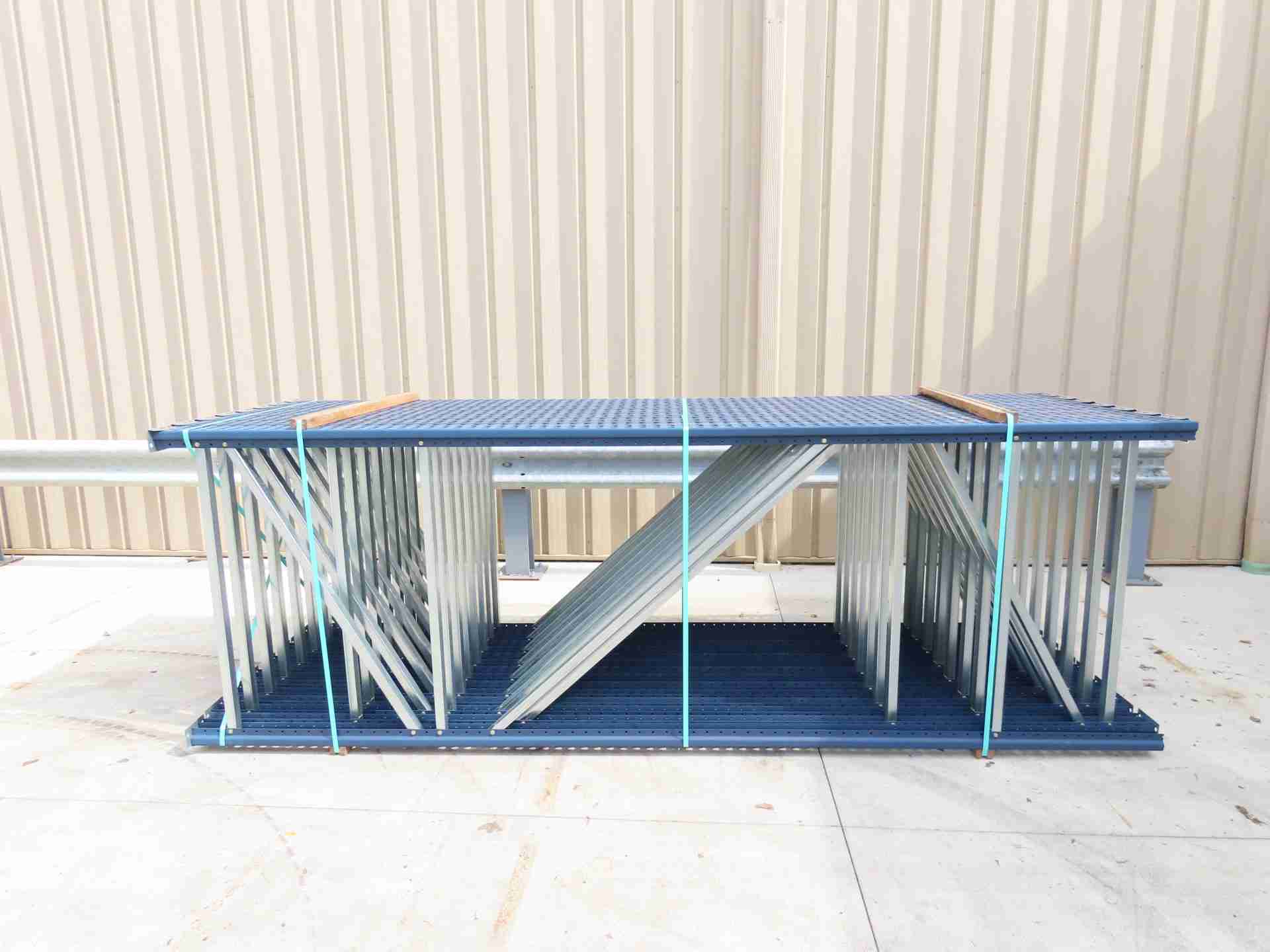
How Can Pallet Racks Help Reduce Our Carbon Footprint?
How Can Pallet Racks Help Reduce Our Carbon Footprint?
- Pallet racking can play a significant role in reducing carbon footprints.
- Efficient racking systems maximize space and energy, leading to less energy waste.
- Optimized storage reduces forklift travel distances, resulting in lower fuel consumption and emissions.
- Investing in high-quality racking supports sustainability and strengthens local economies.
- The materials used in racking systems can often be recycled, minimizing waste.
- Efficient pallet storage represents a commitment to reducing environmental impact for future generations.
- Adopting responsible racking practices can inspire industry-wide changes towards sustainability.

How Can Pallet Racks Help Reduce Our Carbon Footprint?
What Industry Standards Should Our Pallet Rack Systems Meet?
When it comes to selecting a pallet rack system, what you see on the surface is only the tip of the iceberg. The real question isn’t just about capacity and materials—it’s about safety, reliability, and peace of mind. We invest in these systems because they hold up the very lifeblood of our businesses. Each rack, each beam, is not just cold steel; it’s a promise—a promise that our products will be safely stored and accessed when we need them.
Let’s dive into what industry standards should guide your decisions. First and foremost, look for compliance with ANSI and RMI protocols. These organizations set benchmarks that reflect not just compliance but a commitment to quality and safety. When your racking systems meet these standards, you’re not just fitting out your warehouse; you’re reinforcing your credibility with your clients and partners. You’re building a reputation for reliability.
Now, think about your team. They’re the backbone of your operation, and ensuring their safety isn’t just a legal obligation; it’s a moral one. Systems that meet load capacity and seismic standards aren’t just numbers on a sheet; they represent days saved from potential disasters. Nobody wants to be in a situation where a faulty rack causes injury or loss, and by prioritizing these standards, you’re taking an ethical stance that resonates deeply. Your team will feel valued, cared for, and motivated to give their best.
Then consider the narrative you’re crafting. Every well-structured warehouse tells a story of efficiency, organization, and purpose. When your pallet racks are installed correctly and meet high standards, the entire environment hums with confidence and productivity. It’s not just about moving boxes; it’s about fostering an ecosystem where everyone—workers, management, even customers—can thrive.
Lastly, think about the community around you. Each pallet rack system you choose impacts not only your business but the local economy. Whether it’s reduced accidents leading to fewer workman’s comp claims or a reliable supply chain helping your region flourish, your choices contribute to a bigger picture.
So before you make your decision, pause and ask yourself: Are these racking systems a reflection of the values we stand for—safety, integrity, and excellence? Because when they are, you’ll find that trust in your operations becomes as solid as the steel you’ve invested in.

What Industry Standards Should Our Pallet Rack Systems Meet?
What Industry Standards Should Our Pallet Rack Systems Meet?
- Choosing a pallet rack system involves more than just capacity and materials; it encompasses safety, reliability, and peace of mind.
- Compliance with ANSI and RMI protocols is crucial, as these standards reflect a commitment to quality and safety.
- Meeting industry standards helps reinforce credibility with clients and partners, building a reputation for reliability.
- Prioritizing safety standards for your team is both a legal and moral responsibility, preventing potential disasters.
- A well-structured warehouse tells a story of efficiency and purpose, enhancing overall confidence and productivity.
- The choice of pallet racks affects not only your business but also the local community and economy.
- Reflect on whether the racking systems align with your core values of safety, integrity, and excellence to foster trust in your operations.

What Industry Standards Should Our Pallet Rack Systems Meet?
Conclusion
In the world of business, where financials often take center stage, it’s easy to overlook the foundational elements that drive efficiency and safety—elements like pallet racks. These unsung heroes of the warehouse serve a vital role that extends far beyond mere storage. Picture your warehouse transformed: organized, safe, and functioning like a finely-tuned machine. When your CFO understands the strategic impact of pallet racks, it opens the door to maximizing both space and productivity, ultimately enhancing the bottom line.
Consider the practical implications of optimizing storage. Effective racking systems streamline operations, reduce clutter, and improve accessibility. In turn, this not only cuts down labor costs but also elevates the overall morale of employees who thrive in organized environments. It’s an emotional win; when workers feel empowered and valued in their organized surroundings, they become more engaged.
Ethics and accountability come into play as well. A conscious effort to implement refined racking not only fosters a culture of safety—reducing accidents and inventory losses—but also builds trust among employees, suppliers, and customers alike. A CFO dedicated to creating a robust and responsible operational framework does so with the understanding that every decision resonates with a broader impact, shaping the future of both the organization and the community it serves.
Furthermore, selecting quality pallet racks is an ethical choice that aligns with sustainability goals. By reducing waste and improving efficiency, these systems help decrease carbon footprints and promote environmentally friendly practices. This commitment to sustainability speaks to a collective responsibility, encouraging other businesses to follow suit.
As we reflect on the interplay between finance and operations, it becomes clear: the journey toward organizational excellence starts with recognizing the importance of the details. When a CFO embraces the influence of pallet racks, they transform from mere observers to leaders who inspire action. The journey isn’t just about optimizing a warehouse; it’s about fostering an environment where teamwork flourishes, productivity soars, and safety prevails.
So here’s the challenge: let’s not overlook the small things hiding in plain sight. By investing in effective racking solutions, your business can thrive in harmony with its core values—engagement, trust, and sustainability—creating a ripple effect of positive change that will resonate through every aspect of your operations. Remember, each rack contributes to an ecosystem of success, and sometimes, it’s the hidden details that become the cornerstone of greatness.

Conclusion
Conclusion:
- Pallet racks are essential for driving efficiency and safety in warehouses, going beyond simple storage solutions.
- Optimizing storage with effective racking systems streamlines operations, reduces clutter, and enhances accessibility.
- Organized environments lower labor costs and improve employee morale, leading to higher engagement.
- Implementing good racking fosters a safety culture, reducing accidents and building trust among employees and stakeholders.
- Selecting quality pallet racks aligns with sustainability goals by minimizing waste and decreasing carbon footprints.
- A CFO who values the role of pallet racks can lead a transformation in operations, promoting teamwork and productivity.
- Investing in effective racking solutions can create a positive change that resonates throughout the organization.
Conclusion
Other Resources

Other Resources
Here is a list of other resources you can review online to learn more:
- Teardrop Industrial Shelving Rack
- Intro to Warehouse Racks & Warehouse Racking Systems – ShipBob
- Selective Racking
- The Ultimate Pallet Racking Guide – Speedrack West
- Interlake
- Pallet Racking systems in Illinois, Great Lakes
- Logic Material Handling
- The Complete Pallet Rack Guide – Simply Rack
- Selective Racking
- Interlake Mecalux
- Teardrop Pallet Rack – Ridg-U-Rak
- Illinois
- Heavy-Duty Cantilever Storage Racks
- Warehouse Racking Systems: Beginner’s Guide to Rack Systems
- Iowa Illinois Warehouse Racking
- Selective Pallet Racking Systems
- Warehousing and Fulfillment
- Warehouse Racking Chicago, IL
- American Society of Safety Professionals
- NSC
Use This Prompt To Get More Resources With Your Favorite Online AI Tool: Please provide me with a list of online articles with their URLs in a bulleted list that I can read regarding Why Your Cfo Should Understand Pallet Racks

Other Resources
Glossary Terms
Why Your Cfo Should Understand Pallet Racks – Glossary Of Terms
1. Pallet Rack: A storage system designed to hold materials in horizontal rows at one or more levels.
2. CFO: Chief Financial Officer; an executive responsible for managing a company’s finances, including financial planning, management of financial risks, record-keeping, and financial reporting.
3. Inventory Management: The supervision of non-capitalized assets, or inventory, and stock items, crucial for a company’s efficiency and profitability.
4. Warehouse Optimization: The process of improving warehouse operations to enhance efficiency and storage capacity.
5. Capital Expenditure (CapEx): Funds used by a company to acquire or upgrade physical assets like buildings or equipment, including pallet racks.
6. Operating Expenses (OpEx): Ongoing costs for running a business that aren’t tied directly to production, impacted by storage solutions.
7. Return on Investment (ROI): A measure used to evaluate the efficiency or profitability of an investment relative to its cost.
8. Forklift: A powered industrial truck used to lift and move materials, often interacting directly with pallet racks.
9. Load Capacity: The maximum weight that a pallet rack can safely support, important for ensuring safety and preventing damage.
10. Vertical Storage: Storing goods upwards rather than horizontally, maximizing the use of warehouse space.
11. Safety Standards: Regulations and guidelines established to ensure safe storage and handling of materials in warehouses.
12. SKU (Stock Keeping Unit): A unique identifier for each distinct product and service that can be purchased, critical for inventory control.
13. Supply Chain Management: The oversight of materials, information, and finances as they move in a process from supplier to manufacturer to wholesaler to retailer to consumer.
14. Space Utilization: The percentage of available space in a warehouse that is effectively used for storage and operations.
15. Pallet Configuration: The arrangement of pallets in a rack, which can affect storage efficiency and access timing.
16. Lean Inventory: An approach to managing inventory that focuses on minimizing waste while maximizing productivity.
17. Cycle Counting: An inventory auditing procedure that involves counting a subset of inventory on a specified day.
18. Slotting: The process of strategically placing products in a warehouse to enhance picking efficiency.
19. Load Plan: A detailed diagram or plan that shows how loads are to be placed in a rack system for optimal storage and access.
20. Cross-docking: A logistics procedure where incoming goods are directly transferred to outbound vehicles without long-term storage.
21. Pallet Flow Rack: A type of rack system that utilizes gravity to move pallets through the rack, allowing for a first-in, first-out inventory system.
22. Lean Principles: A methodology that focuses on minimizing waste and maximizing value, applicable to warehouse operations.
23. Durability: The ability of pallet racks to withstand weight and wear over time, crucial for long-term investments.
24. Scalability: The capability of a business to grow and manage increased demands without compromising performance, often enhanced by effective storage solutions.
25. Ergonomics: The study of people’s efficiency in their working environment, an important consideration in warehouse design.
26. Damaged Goods: Products that have been harmed in storage or transit, which can lead to financial losses if not managed properly.
27. Automated Storage and Retrieval Systems (AS/RS): Automated systems used for storing and retrieving goods, enhancing warehouse efficiency.
28. Lead Time: The time taken from initiating a process to its completion, particularly in inventory replenishment and order fulfillment.
29. FIFO (First In, First Out): An inventory management strategy that ensures older stock is sold first to reduce waste.
30. Cost-Benefit Analysis: A financial assessment that weighs the advantages of a purchase against its costs, significant for CFOs deciding on pallet racking investments.

Glossary Of Terms
Other Questions
Why Your Cfo Should Understand Pallet Racks – Other Questions
If you wish to explore and discover more, consider looking for answers to these questions:
- What are the different types of pallet racks available?
- How do I choose the right pallet rack for my warehouse?
- What are the key benefits of using pallet racks?
- What factors should I consider when optimizing storage?
- How can pallet racks enhance employee safety?
- What maintenance is required for pallet rack systems?
- How can I train my staff on using pallet racks effectively?
- What are the costs associated with implementing pallet racks?
- How can technology improve pallet rack efficiency?
- What are the potential risks of improper pallet rack installation?
- How do pallet racks impact inventory management?
- What regulations govern pallet racking systems?

Other Questions
Checklist
Why Your Cfo Should Understand Pallet Racks – A Checklist
Pallet Rack Knowledge Checklist: Enhancing Business Efficiency and Safety
Emotional Appeal
_____ Visualize an organized workspace that boosts morale and employee satisfaction.
_____ Foster a culture of respect by providing efficient tools for your team.
_____ Imagine the pride in working within a streamlined, safe environment.
Rational Appeal
_____ Assess the potential costs saved through optimized racking systems.
_____ Evaluate how efficient racking reduces wasted time and resources.
_____ Calculate the impact of improved inventory management on overall productivity.
Ethical Appeal
_____ Ensure your racking systems prioritize employee safety and well-being.
_____ Commit to sustainable operations that minimize your carbon footprint.
_____ Support local manufacturers and ethical sourcing of materials.
Authority Appeal
_____ Research compliance with ANSI and RMI standards for racking systems.
_____ Consult industry experts on best practices for warehouse efficiency.
_____ Keep abreast of regulations affecting pallet racking and safety standards.
Narrative Appeal
_____ Share success stories of businesses transformed by optimized pallet racks.
_____ Create a vision of a well-organized warehouse that inspires teamwork and innovation.
_____ Document employee experiences in a clutter-free, efficient workspace.
Social Appeal
_____ Promote a community of trust and collaboration within your organization.
_____ Encourage feedback from team members on racking solutions and workspace organization.
_____ Highlight the positive community impact of efficient and safe operational practices.

Checklist
At RackingWorld, we help guide you through selecting warehouse storage systems and racking.
Be sure to read our other related stories at RackingWorld to learn more about warehouse storage systems.
0 Comments