
Maximizing Efficiency, Safety, And Sustainability In Logistics Storage Solutions
By Tom Seest
At RackingWorld, we help guide you through selecting warehouse storage systems and racking.
Be sure to read our other related stories at RackingWorld to learn more about warehouse storage systems.
How Do Logistics and Transportation Companies Leverage Pallet Racking?
In the world of logistics and transportation, there’s no room for wasted space or wasted time. Pallet racking isn’t just some fancy storage gadget — it’s the backbone that keeps warehouses humming and trucks rolling out on schedule. You walk into a busy warehouse, and what you see is organized chaos held together by those sturdy steel frames. Pallet racking takes what could’ve been a mountain of goods scattered all over the floor and turns it into rows of neat, accessible stacks. It’s the kind of simple, tough solution that feels like a trusted workhorse.
For logistics folks, pallet racking is a game-changer because it turns limited square footage into vertical real estate. Instead of sprawling across the floor, pallets go up, and every inch is used wisely. That means fewer trips back to the supplier, faster loading times, and less wasted motion for the crew. When you think about it, that efficiency saves money and spares the grind—no one wants to be lugging heavy boxes all day when a few well-placed racks do the hard work. It’s a straightforward, common-sense way to get more done with less hassle.
Beyond the numbers and the space-saving perks, there’s a deeper sense of trust and reliability that pallet racking builds. When goods are stacked safely and accessibly, the whole operation feels stable. Drivers loading up their rigs don’t have to worry about a toppling stack or a misplaced pallet slowing them down. Everyone on the line knows what to expect, and that steadiness breeds confidence from the warehouse floor to the back of the truck. It’s a system that respects the hard work of everyone involved and honors the responsibility to keep products intact and on time.
At its core, pallet racking is about connection — connecting the dots between storage and shipment, between labor and outcome, and between people who rely on each other’s job done right. It’s not glamorous, but it’s essential. And when you see how those racks hold up under real pressure day after day, you realize it’s one of the unsung heroes making sure the whole supply chain doesn’t just move, but moves well. The next time you see a stacked rack full of pallets, know it represents a solid promise: that this company values its work and its people enough to build its foundation as sturdy as those steel beams.
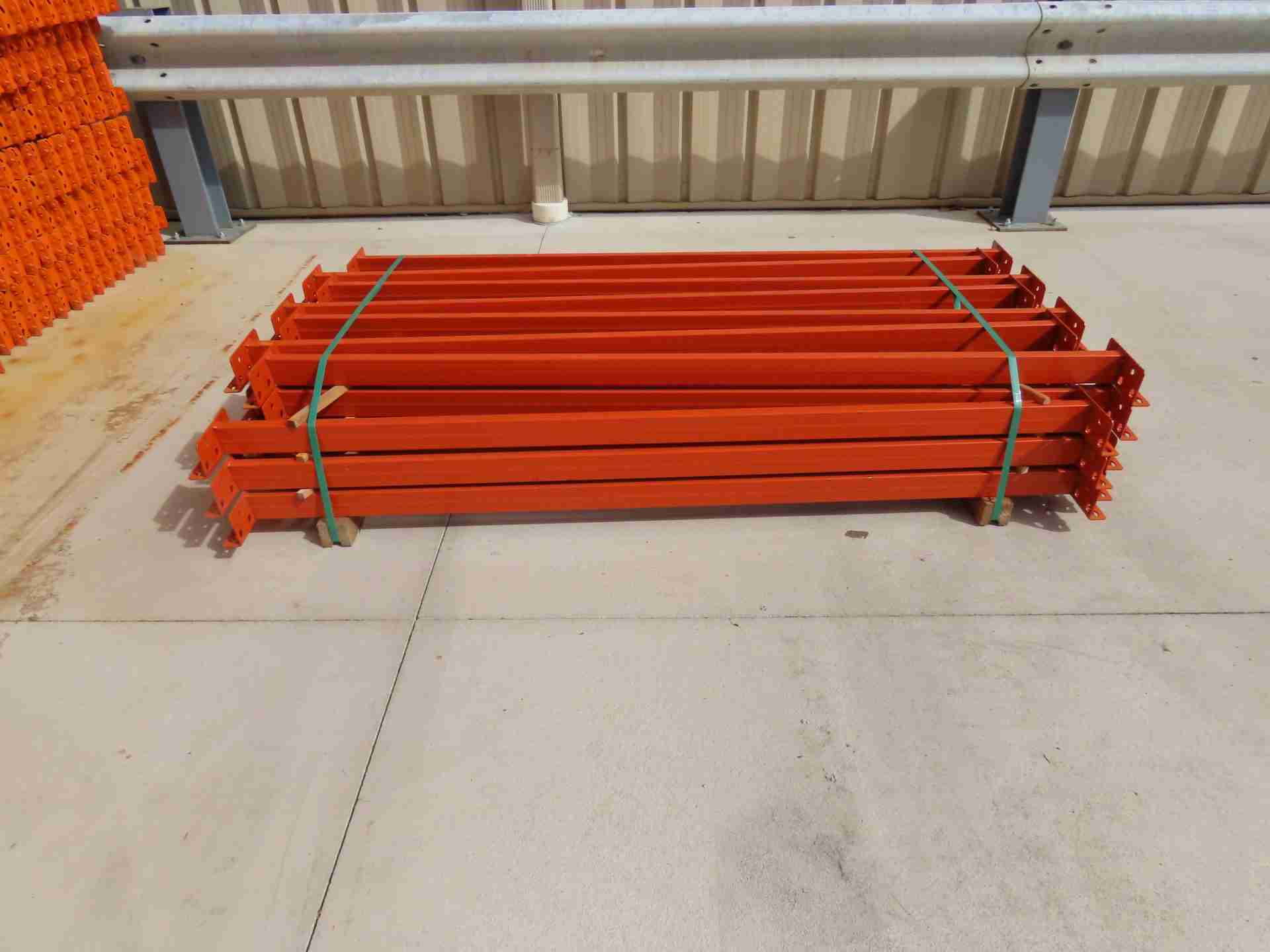
How Do Logistics and Transportation Companies Leverage Pallet Racking?
How Do Logistics and Transportation Companies Leverage Pallet Racking?
- Pallet racking is essential in logistics, transforming chaotic warehouse floors into organized, accessible stacks of goods.
- It maximizes vertical space, turning limited square footage into valuable storage, improving efficiency and reducing unnecessary labor.
- Using pallet racks reduces trips to suppliers, speeds up loading times, and minimizes wasted motion for workers.
- Pallet racking ensures safety and reliability, preventing accidents and delays during loading and handling.
- The system builds confidence and stability across the entire operation, from warehouse staff to truck drivers.
- It connects storage and shipment processes, linking labor efforts to successful outcomes in the supply chain.
- Pallet racking is a foundational, dependable element that supports the integrity of products and the value placed on workers’ efforts.

How Do Logistics and Transportation Companies Leverage Pallet Racking?
Table Of Contents
- How Do Logistics and Transportation Companies Leverage Pallet Racking?
- How Does Pallet Racking Improve Warehouse Efficiency?
- Can Pallet Racking Reduce Shipping Errors?
- Is Pallet Racking a Cost-Effective Storage Solution?
- How Does Pallet Racking Impact Worker Safety?
- What Are the Ethical Benefits Of Organized Storage?
- How Does Efficient Pallet Racking Support Sustainability?
- Conclusion
- Other Resources
- Glossary Of Terms
- Other Questions
- Checklist
How Does Pallet Racking Improve Warehouse Efficiency?
Picture a busy warehouse without pallet racking—just stacks of boxes piled high, aisles cluttered, and forklifts weaving like tangled snakes. It’s a mess that wears you down faster than a long shift in the summer heat. Pallet racking isn’t just metal shelves; it’s the backbone that turns chaos into order, frustration into flow. When pallets have a proper place, it’s easier to find what you need, move it fast, and keep the whole crew humming along without wasted steps or headaches.
From a practical standpoint, pallet racking maximizes every inch of space, stacking goods upward instead of spreading out on the floor like a lazy Sunday afternoon. That means more stuff stored, less square footage needed, and fewer trips back and forth grabbing the wrong box. When workers don’t have to hunt through piles or shuffle pallets around, they get the job done quicker and safer. It’s common sense: organized storage means fewer accidents and less downtime, saving your time, your team’s energy, and your hard-earned money.
There’s a fairness in it, too. A well-racked warehouse shows respect for the people who keep it running. It says, “We care about your day. We want you to work smarter, not harder.” When pallet racking creates an environment that’s safer and more efficient, it’s not just good business—it’s the right thing to do. The pride workers feel knowing their space is well cared for can’t be measured, but it’s real and it sticks.
Over time, pallet racking turns into more than just equipment; it becomes a trusted partner in your daily grind. It quietly supports every order filled, every shipment sent out, and every customer satisfied. Ask any seasoned warehouse worker—they’ll tell you, once you’ve experienced the steady rhythm that proper pallet racking brings, you won’t ever want to go back to the old ways. It’s the kind of system that earns trust through solid performance, making you confident you can meet the day’s demands, no matter what gets thrown your way.
Bottom line: pallet racking frees your warehouse to do what it’s meant to do—move product with speed, safety, and smarts. It respects the sweat behind every shipment and rewards it with order, stability, and the kind of quiet efficiency that turns simple tasks into steady wins. That’s pallet racking in action—working for you, so your warehouse works better.

How Does Pallet Racking Improve Warehouse Efficiency?
How Does Pallet Racking Improve Warehouse Efficiency?
- Pallet racking transforms chaotic, cluttered warehouses into organized, efficient spaces by providing proper storage for pallets.
- It maximizes vertical space, increasing storage capacity while reducing floor footprint and unnecessary movements.
- Organized storage reduces accidents and downtime, enhancing safety and saving time, energy, and money.
- A well-racked warehouse shows respect for workers, promoting smarter, easier work and fostering pride in the workspace.
- Pallet racking acts as a reliable daily partner, supporting order fulfillment, shipments, and customer satisfaction consistently.
- Workers who experience efficient pallet racking trust the system and prefer it over disorganized storage methods.
- It enables warehouses to operate with speed, safety, and efficiency, turning routine tasks into steady successes.

How Does Pallet Racking Improve Warehouse Efficiency?
Can Pallet Racking Reduce Shipping Errors?
You ever been stuck in a jam because something didn’t get where it was supposed to? Shipping errors don’t just cost money—they chip away at the trust customers put in you, slow down the whole operation, and turn a simple job into a headache. Pallet racking might not sound like the hero of the warehouse, but it’s the kind of no-nonsense tool that can turn that chaos into order, cutting down mistakes one pallet at a time.
Think about a busy warehouse. Boxes flying in and out, hands scrambling, eyes darting to labels that sometimes just don’t match what’s on the paperwork. It’s a recipe for errors if your setup is cobbled together. Pallet racking gives you a backbone—a clear spot for every piece of stock. That simple system makes it easier for the folks on the floor to find what they need and double-check before shipping it out. When everything has its place, the chances of grabbing the wrong pallet or missing something go way down.
It’s not just about tidiness either. There’s an ethical bit here—getting the right order to the right door on time means someone’s family can count on what they ordered. Showing that commitment to do the job right, every time, builds a kind of quiet respect between you and the people depending on you. That connection matters. Pallet racking is a physical reminder that you care enough to do the job proper, not just fast.
Years of watching warehouses run slapdash taught this: mistakes link directly to how well you organize your space. Pallet racking isn’t just storage; it’s a commitment you’re making to your team and your customers. It gives the workers the confidence that what they’re picking off the shelves is the right call. Confidence fuels care. And care says you’re not just boxing up goods—you’re delivering trust.
In a world where one missed item can cost a client’s business or your reputation, pallet racking stands steady like a workhorse. It’s not flashy, but it’s reliable. It speaks to anyone who’s ever felt the sting of an error and wants a practical way out. When done right, it cuts down confusion, holds everything steady, and lets the day run smoother. So yeah, pallet racking can reduce shipping errors—because it’s the kind of grounded, clear-headed answer that straight shooters appreciate.

Can Pallet Racking Reduce Shipping Errors?
Can Pallet Racking Reduce Shipping Errors?
- Shipping errors harm customer trust, slow operations, and complicate tasks.
- Pallet racking organizes stock clearly, reducing mistakes by giving each item a designated place.
- A well-structured warehouse setup helps workers find and verify items before shipping.
- Delivering accurate orders on time fosters respect and trust with customers.
- Pallet racking reflects a commitment to quality work, not just speed.
- Organized storage boosts workers’ confidence, encouraging careful handling of goods.
- Pallet racking is a reliable solution that minimizes confusion and streamlines warehouse operations.

Can Pallet Racking Reduce Shipping Errors?
Is Pallet Racking a Cost-Effective Storage Solution?
You’ve been around warehouses and workshops long enough to know that every inch of space is precious, and every dollar spent has to pull its weight. Pallet racking isn’t just some fancy setup—it’s the backbone of smart storage that knows how to stretch your space vertically, not just horizontally. When you stack pallets neatly and safely with the right racking, you’re not just clearing the floor—you’re clearing your mind. It’s about turning chaos into order with a system that speaks plain sense to anyone who’s ever grappled with cluttered aisles and wasted square footage.
From the gut, you feel the relief of walking into a space where everything has a place. No more scrambling to find that one bundle or pallet on the wrong end of the warehouse. Pallet racking gives you peace of mind by keeping goods visible, accessible, and intact. You don’t have to dig, climb, or pray to get the job done, and that’s worth something right there. The discomfort of searching turns into smooth workflow—saving hours and headaches.
From the head, the math adds up. Buying a good pallet racking system means you’re investing in durability and flexibility. It bends to your needs as your inventory grows or changes, without forcing costly rebuilds. The upfront cost snaps quickly into place when you figure in fewer lost or damaged goods, better inventory control, and safer storage conditions that prevent accidents. It’s not just a shelf—it’s a system designed by people who know the grind and demand efficiency and safety because it pays off in lowered insurance premiums and happier teams.
Ethically, there’s something solid about treating your goods—and your crew—with respect. Pallet racking helps avoid accidents that could derail a workday or worse. You’re setting a standard, showing you care about a safe and organized workplace. That’s a trust builder with your people and clients alike—a practical, no-nonsense way to raise the bar.
When your crew can rely on pallet racking to hold their load securely and work predictably, you tap into something quietly powerful: confidence. It’s a quiet trust built on metal and sweat that lets everyone focus on the job instead of fighting their surroundings. That’s the kind of practical, honest solution worth every penny and then some.

Is Pallet Racking a Cost-Effective Storage Solution?
Is Pallet Racking a Cost-Effective Storage Solution?
- Pallet racking maximizes warehouse space by utilizing vertical storage, transforming cluttered areas into organized systems.
- It enhances efficiency by keeping goods visible, accessible, and intact, reducing time spent searching for items.
- Investing in durable and flexible racking systems adapts to changing inventory without costly modifications.
- Proper pallet racking lowers losses, improves inventory control, and creates safer storage conditions.
- The system reduces accidents, promoting a safer work environment and demonstrating care for employees and goods.
- It builds trust with workers and clients by maintaining an organized, reliable workplace standard.
- Reliable pallet racking fosters worker confidence, enabling focus on tasks rather than overcoming workspace frustrations.

Is Pallet Racking a Cost-Effective Storage Solution?
How Does Pallet Racking Impact Worker Safety?
Look, pallet racking isn’t just some metal shelves cluttering up the warehouse—it’s the backbone holding up the whole operation. When that system’s solid and well-planned out, it keeps everyone from busting a gut or worse. Think about it: a row of heavy pallets stacked inches over a worker’s head hasn’t got to be a disaster waiting to happen. Pallet racking done right means those loads stay put, and folks on the floor don’t have to watch their backs every second.
You don’t need fancy degrees to understand this—if you’ve ever leaned a ladder wrong or stacked boxes haphazardly, you know the uneasy feeling. That’s why pallet racking that’s sturdy and smart takes that worry off the table. It’s a straightforward way of putting safety first. By keeping products off the ground and neatly organized, pallet racking cuts the chance that something’s going to tip or fall and take someone down with it. When workers don’t have to dodge falling gear, they can focus on their job, not the hazards.
There’s an ethical side, too. Folks running those warehouses have a duty to look out for their people. It’s not just about following rules—though that matters—it’s about respect. Every worker should clock in knowing the place has their back. Pallet racking that meets safety standards shows you mean it. It’s about doing right by the crew, every single day. Nobody should roll home with a story about a close call because of a shaky rack.
Experience screams louder than words here. The warehouse where pallet racking was just slapped in without care? Injuries piled up, downtime climbed, and morale took a nosedive. Contrast that with the place where rack inspections are routine and everything’s up to snuff. There, people feel secure, bosses feel confident, and the whole operation hums smoother. Safety in pallet racking isn’t just a box to tick; it’s the foundation for trust and steady work.
At the end of the day, pallet racking impacts worker safety because it’s the difference between workdays filled with worry and workdays paved with reliability. Don’t overlook it. Proper pallet racking gives hands-on crews the peace of mind they need. That’s worth more than any shortcut or cut corner.
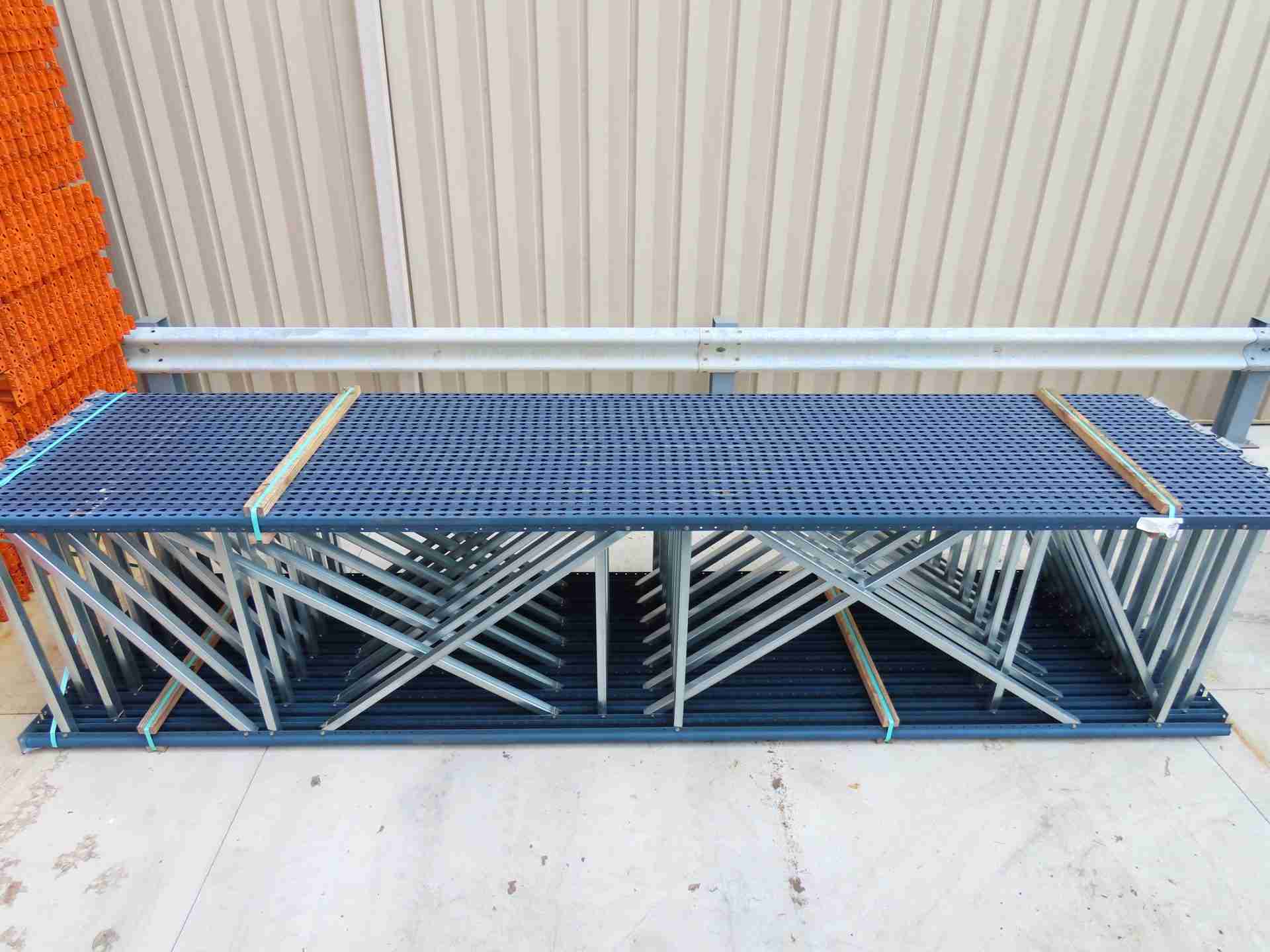
How Does Pallet Racking Impact Worker Safety?
How Does Pallet Racking Impact Worker Safety?
- Pallet racking is essential to warehouse operations, providing crucial support and safety by securely holding heavy pallets above workers.
- Proper, sturdy pallet racking eliminates the risk of falling loads, reducing hazards and allowing workers to focus on their tasks.
- Simple understanding of safe stacking highlights the importance of well-designed racking systems to prevent accidents and injuries.
- Warehouse managers have an ethical responsibility to ensure pallet racking meets safety standards as a sign of respect and care for employees.
- Poorly installed pallet racking leads to increased injuries, downtime, and low morale, while routine inspections maintain a secure and efficient workplace.
- Safety in pallet racking builds trust between workers and management, supporting steady and confident operations.
- Investing in proper pallet racking provides peace of mind and prevents workplace accidents, outweighing any temptation to cut corners.

How Does Pallet Racking Impact Worker Safety?
What Are the Ethical Benefits Of Organized Storage?
When you walk into a cluttered warehouse or a storage room that looks like a cyclone hit it, you don’t just see chaos—you see missed chances and wasted effort. Organized storage isn’t just about keeping things tidy; it’s about doing right by your team, your business, and the environment. Take pallet racking, for example. It’s more than just metal beams holding up boxes. It’s a commitment—a promise to handle goods with care, respect, and responsibility.
At its core, good storage practices show respect for the people on the floor. When workers know exactly where everything is, they’re not scrambling or risking injury. That kind of order cuts down stress, boosts morale, and even keeps the paycheck coming regular because accidents drop. It’s ethical because it values people’s time and safety, not just profits. Families at home depend on those paychecks; showing up with a clear system is showing up for those families.
Organized storage also stands on firm rational ground. Chaos costs money—damaged goods, lost inventory, slow turnaround. Pallet racking systems keep things visible and accessible, reducing mistakes and waste. It’s common sense turned into dollars saved and customers kept happy. But here’s where ethics and practicality shake hands: those savings often get reinvested, making a company stronger and better able to treat employees, customers, and suppliers fairly. You build trust through consistency and reliability, and trust is the currency of any honest operation.
And then there’s the bigger picture—the way organized storage practices treat the planet. Wasting materials and energy because things aren’t stored right doesn’t just hurt a bottom line; it hurts the earth. Keeping inventory managed well means fewer unnecessary shipments, less fuel burned, less clutter to deal with. In a world that’s running out of second chances, that’s an ethical stance worth taking. It’s a quiet way of saying, “We care enough to do this right.”
Anyone who has spent time in the trenches knows how vital routine and respect are. Pallet racking and neat storage aren’t flashy, but they represent pride in the work, care for the team, and a steady hand guiding a business away from slipping into chaos and waste. It’s about integrity, earned every day, aisle by aisle, box by box. When you commit to organized storage, you commit to doing right—by your people, your customers, and your world.
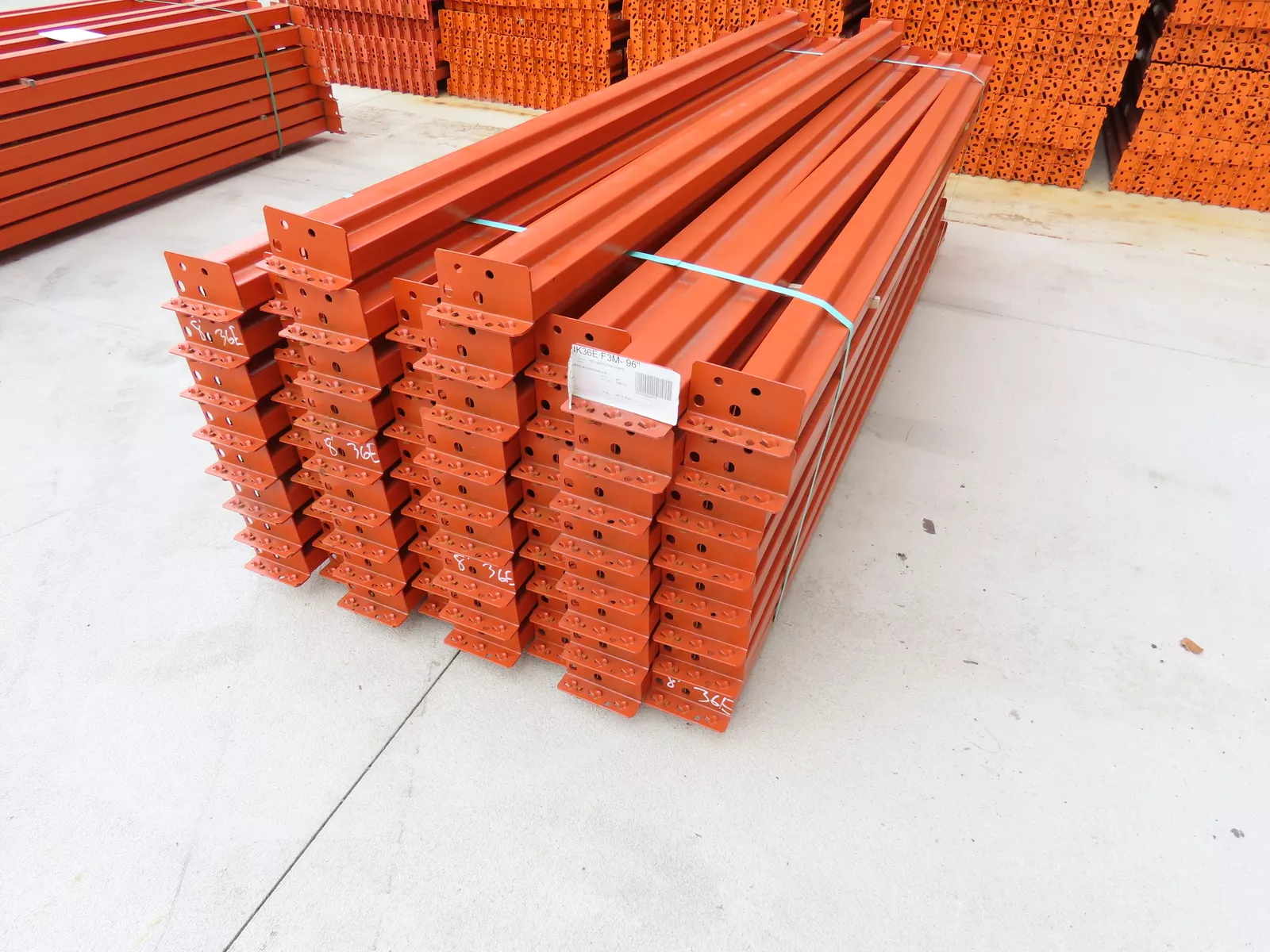
What Are the Ethical Benefits Of Organized Storage?
What Are the Ethical Benefits Of Organized Storage?
- Cluttered storage represents missed opportunities and wasted effort, while organized storage benefits the team, business, and environment.
- Pallet racking symbolizes a commitment to handling goods with care, respect, and responsibility beyond mere functionality.
- Good storage practices respect workers by reducing stress, preventing injuries, and ensuring consistent paychecks, emphasizing ethical treatment over profits.
- Organized storage reduces costs from damaged goods, lost inventory, and slow operations, turning common sense into savings and customer satisfaction.
- Cost savings from efficient storage are often reinvested to strengthen fair treatment of employees, customers, and suppliers, building trust and reliability.
- Proper storage minimizes waste and environmental impact by lowering unnecessary shipments, fuel consumption, and clutter, demonstrating environmental responsibility.
- Routine, respect, and integrity in storage practices reflect pride in work and steady leadership, committing to doing right by people, customers, and the planet.
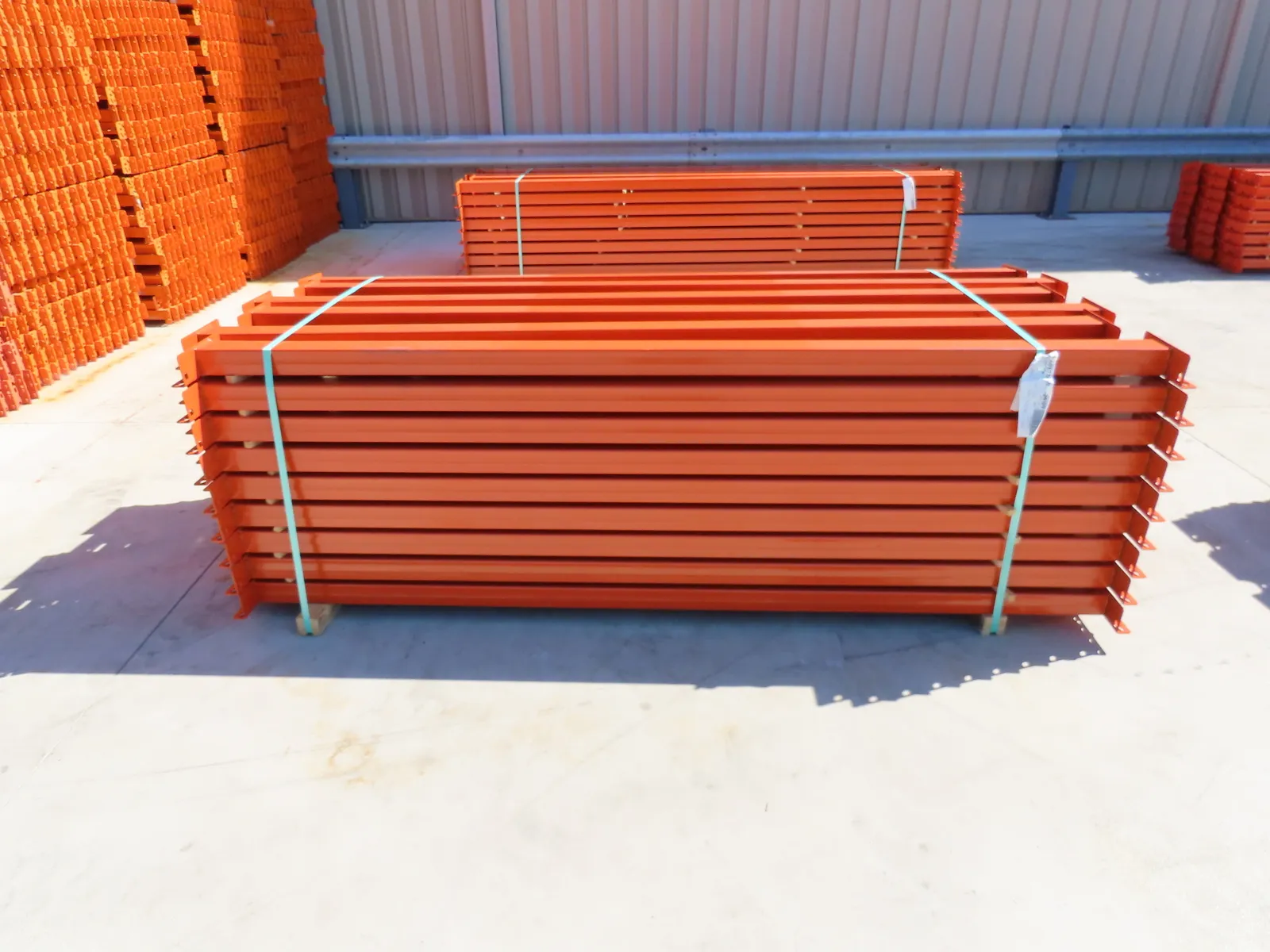
What Are the Ethical Benefits Of Organized Storage?
How Does Efficient Pallet Racking Support Sustainability?
You don’t have to be an environmental crusader to see that doing things smarter around storage makes a world of difference. Efficient pallet racking isn’t just about stacking boxes neatly—it’s about working smarter with what you’ve got, cutting down waste, and making sure every square foot of a warehouse counts. When you set up your pallet racking right, you’re not only saving space but also reducing the need for extra buildings, lessening your energy use, and trimming the carbon footprint tied to unnecessary materials.
Think about it like this: each pallet racking system that’s designed well prevents clutter and chaos. That means fewer accidents, less damaged goods, and a smoother operation—less tossing out broken stuff, less replacing lost inventory. There’s an ethical side to it too. Responsible storage means using fewer resources over time. When you optimize your layout and invest in strong, durable pallet racking, you’re not just saving money upfront; you’re cutting down on waste generated from flimsy, poorly designed setups. You’re making a choice that respects both your business budget and the planet.
There’s some cold, hard logic here as well. Businesses with efficient pallet racking see better inventory control—less shrinkage, faster retrieval, and lower labor costs. You run cleaner, tighter, and leaner. And that efficiency spills over beyond numbers on a balance sheet. You start to feel like you’ve got a grip on your operation, a sort of quiet pride in a system that just works right. You know the job’s done properly because the space is orderly, safe, and sustainable.
On the social level, embracing better pallet racking sends a message—not just to your customers and partners but to your crew. It shows you’re serious about doing it right, be it the job or the planet. People notice when you invest in solutions that last instead of quick fixes that don’t hold up. It builds trust, confidence, and a culture that values responsibility—values that resonate deeper than profits.
Efficient pallet racking is more than just racks and beams. It’s a down-to-earth way to cut down waste, keep things safe, and run a business that doesn’t just take from the world but gives back a little, too. Investing in it means you’re standing steady on common sense and doing your part every day.

How Does Efficient Pallet Racking Support Sustainability?
How Does Efficient Pallet Racking Support Sustainability?
- Efficient pallet racking optimizes warehouse space, reduces waste, energy use, and carbon footprint.
- Well-designed systems prevent clutter, reduce accidents, damage, and inventory loss.
- Investing in durable pallet racking saves money and resources over time, benefiting both business and the environment.
- Improved pallet racking enhances inventory control, decreases shrinkage, speeds retrieval, and lowers labor costs.
- Efficient storage creates an orderly, safe, and sustainable operation with reliable performance.
- Adopting better pallet racking demonstrates commitment to quality and responsibility to customers, partners, and employees.
- Overall, pallet racking efficiency supports waste reduction, safety, and a responsible, sustainable business approach.

How Does Efficient Pallet Racking Support Sustainability?
Conclusion
Pallet racking isn’t just another piece of warehouse gear—it’s the quietly tough backbone holding the whole logistics show together. In a world where every inch of space and every second counts, those steel frames turn a cluttered mess into a well-oiled machine. It’s not rocket science: stack pallets up instead of sprawling them out, give every box a home, and suddenly the whole place breathes easier. That’s more than just saving floor space—it’s saving time, energy, and the kind of frustration that comes with hunting through chaos.
When the racks are solid and the system’s thought out, it changes the daily grind. Workers move smoother, loading docks keep humming, and shipments leave without those heart-sinking mix-ups. Because let’s face it, shipping the wrong pallet isn’t just a screw-up, it’s a breakdown in trust—with customers, with coworkers, and even with yourself. Pallet racking puts a stake in the ground: “We do this right.” It’s a promise etched in metal, not just words on a clipboard.
Efficiency isn’t all cold numbers, either. There’s an ethical backbone here. When your setup respects safety and order, it’s respecting the hands on the floor. No one wants to dodge toppling stacks or snipe through clutter. Good pallet racking means fewer accidents, fewer headaches, and a workplace where people can feel steady and secure. That kind of respect builds loyalty—among the crew, the clients, and everyone caught up in the supply chain.
Cost-wise, pallet racking pays its keep. It’s an upfront investment that stretches far beyond dollars saved on space. You cut losses from damaged goods, slash labor wasted in the hunt, and avoid those expensive “close-call” injuries. Strong racks mean fewer rebuilds, better inventory control, and a workplace ready to roll with whatever the day throws at it. That’s common sense and hard-earned experience wrapped into one practical package.
And then there’s the bigger picture. Efficient storage means less waste—less busted goods, less energy burned building unnecessary space, and fewer pointless trips eating up fuel and time. It’s a clear-eyed way to run a business that understands responsibility doesn’t stop at the loading dock. It’s about respect for workers, customers, and the world alike.
Pallet racking might not grab headlines, but it’s the steady workhorse that makes sure the whole warehouse doesn’t just move—it moves well. It holds the promise that people, goods, and plans will all get where they need to be on time and intact. In the end, that’s the kind of no-nonsense, dependable strength every logistics operation needs to call its own.

Conclusion
Conclusion:
- Pallet racking optimizes warehouse space by stacking pallets vertically, improving organization and saving time and energy.
- Well-designed racks enhance daily operations, enabling smoother workflows and reducing shipping errors.
- They promote workplace safety by reducing accidents and creating a secure environment for workers.
- Investing in pallet racking lowers costs by minimizing damaged goods, labor waste, and injury-related expenses.
- Effective storage systems contribute to environmental responsibility by reducing waste and unnecessary resource use.
- Pallet racking supports trust and reliability across supply chain interactions by ensuring accurate and timely shipments.
- It serves as the essential, dependable foundation that keeps warehouse logistics efficient and orderly.

Conclusion
Other Resources

Other Resources
Here is a list of other resources you can review online to learn more:
- Material Handling Safety
- Warehouse Storage Racks
- American Society of Safety Professionals
- Bradford Systems
- Used Teardrop Pallet Rack – American Surplus
- What is Cantilever Racking? – AK Material Handling Systems
- Teardrop Pallet Rack – Ridg-U-Rak
- Cantilever Rack Configuration & Installation: A Comprehensive Guide – BMH
- National Safety Council
- Teardrop Racks – Pallet Rack World
- Pallet Racking systems in Illinois and Great Lakes
- Crane Manufacturers Association Of America Inc.
- The Ultimate Pallet Racking Guide – Speedrack West
- Teardrop Industrial Shelving Rack
- Intro to Warehouse Racks & Warehouse Racking Systems – ShipBob
- Warehouse Racking System: Powerful Guide to Optimise, 2024
- Warehousing Education and Research Council: https://www.werc.org/
- Illinois
- IWLA
Use This Prompt To Get More Resources With Your Favorite Online AI Tool: Please provide me with a list of online articles with their URLs in a bulleted list that I can read regarding How Do Logistics and Transportation Companies Leverage Pallet Racking?
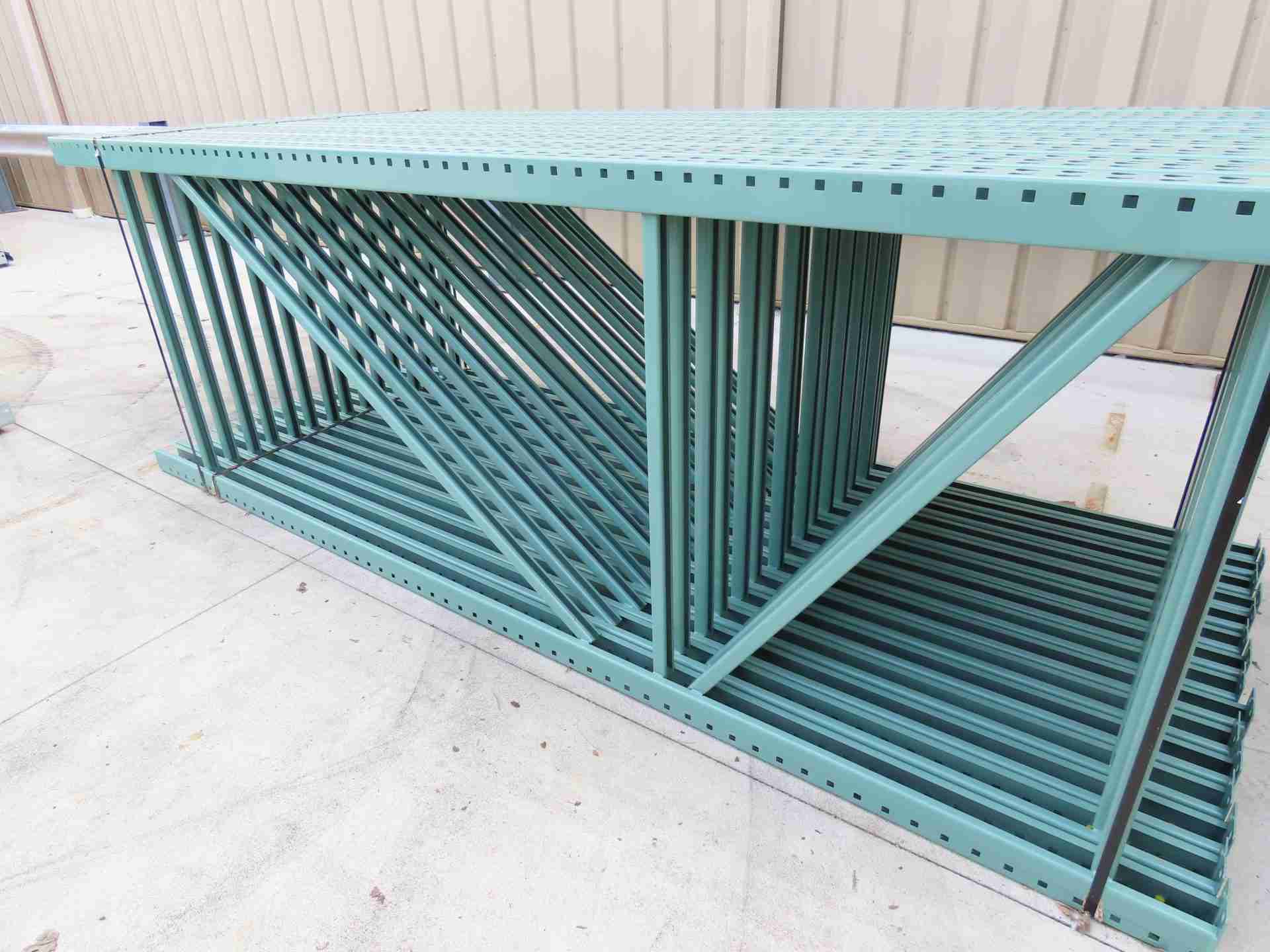
Other Resources
Glossary Terms
How Do Logistics and Transportation Companies Leverage Pallet Racking? – Glossary Of Terms
1. Pallet Racking: A storage system designed to hold materials on pallets in horizontal rows with multiple levels.
2. SKU: Stock Keeping Unit, a unique identifier for each distinct product stored in a warehouse.
3. Inventory Management: The process of overseeing and controlling the ordering, storage, and use of products.
4. Load Capacity: The maximum weight a pallet racking system can safely support.
5. Warehouse Optimization: Strategies employed to maximize storage efficiency and workflow in a warehouse.
6. Material Handling Equipment: Tools and machinery used to move goods within a warehouse, such as forklifts.
7. Forklift: A powered industrial truck used to lift and move pallets within racking systems.
8. Pick Face: The accessible side of a pallet rack where products are picked for order fulfillment.
9. Aisle Width: The space between rows of pallet racks allowing equipment and personnel to pass.
10. Pallet: A flat transport structure that supports goods in a stable fashion while being lifted.
11. Load Stability: The security and balance of goods on a pallet to prevent shifting or falling.
12. Stock Rotation: The method of managing inventory to use older stock before newer stock.
13. Just-In-Time (JIT): Inventory strategy where materials arrive exactly when needed for production or shipping.
14. Cross-Docking: Transferring goods directly from inbound to outbound shipping with minimal storage.
15. Warehouse Layout: The physical arrangement of storage racks, aisles, and workspaces.
16. Picking Efficiency: The speed and accuracy with which warehouse workers select products.
17. Tier Levels: The number of vertical levels in a pallet racking system.
18. Load Beam: Horizontal bars in pallet racking that support the pallets.
19. Upright Frame: The vertical components of pallet racks that hold load beams and pallets.
20. Selective Racking: A pallet racking system that provides direct access to every pallet.
21. Drive-In Racking: A pallet racking system allowing forklifts to enter lanes to store pallets.
22. Push-Back Racking: A system where pallets are stored on carts that roll on inclined rails.
23. FIFO: First In, First Out; an inventory management method ensuring oldest stock is used first.
24. Space Utilization: The extent to which storage area is effectively used.
25. Rack Protection: Devices or barriers that prevent damage to pallet racks from equipment collisions.
26. Load Distribution: The even spreading of weight across a pallet rack to maintain stability.
27. Safety Compliance: Adherence to regulations and standards governing warehouse storage systems.
28. Automation Integration: Use of automated systems like conveyors or robotics with pallet racking.
29. Throughput: The rate at which goods are processed and moved through the warehouse.
30. Damage Reduction: Strategies implemented to minimize harm to goods and racks during handling.
Glossary Of Terms
Other Questions
How Do Logistics and Transportation Companies Leverage Pallet Racking? – Other Questions
If you wish to explore and discover more, consider looking for answers to these questions:
- What types of pallet racking systems are available (selective, drive-in, pallet flow, push-back, mobile, cantilever) and which suits my operation best?
- How do I calculate the right pallet racking capacity and load limits for my inventory?
- What are the upfront and long-term costs of installing pallet racking, including labor and potential facility modifications?
- How do I determine expected ROI and payback period from a racking investment?
- What are common layout strategies to maximize cubic utilization while maintaining efficient workflows?
- How do aisle width, fork truck type, and clear height affect racking choice and throughput?
- How can pallet racking be integrated with warehouse management systems (WMS), barcode/RFID tracking, and automation (AS/RS, conveyors, robots)?
- What modifications are needed to retrofit existing facilities with new racking (floors, lighting, sprinklers, doors)?
- What are the OSHA, local building code, and fire-safety requirements for pallet racking in my region?
- How often should racking be inspected, and what does a proper inspection checklist include?
- What are best practices for rack protection (column guards, end-of-aisle protectors, beam deflectors) to reduce damage?
- How should damaged racking be repaired or replaced, and when must a bay be taken out of service?
- What training programs and certification should forklift operators and racking inspectors have?
- How does pallet racking influence worker ergonomics and pick-face design for order picking?
- How can racking support different inventory strategies (FIFO vs LIFO) and perishable/cold-storage needs?
- What fire suppression and sprinkler system considerations must be made for high-density racking?
- How do seismic, wind, or other environmental factors affect racking design and anchoring?
- What materials and finishes (galvanized, powder coat) are best for durability, hygiene, or corrosive environments?
- How do I choose racking compatible with various pallet sizes, containers, and unconventional loads?
- What are the sustainability metrics and measurable environmental benefits from more efficient racking?
- How can pallet racking help reduce inventory shrinkage, damage rates, and shipping errors quantitatively?
- What KPIs should I track to measure racking performance impact (space utilization, picks per hour, error rate)?
- What financing, leasing, or tax-incentive options exist for purchasing racking systems?
- How do warranty terms, supplier credentials, and certifications differ among racking manufacturers?
- What are the lifecycle maintenance costs and expected service life for typical racking systems?
- How do different racking systems compare in flexibility for seasonal inventory or SKU growth?
- What are the trade-offs between high-density systems and fast-access systems for mixed SKU profiles?
- How should racking be labeled and organized to minimize picking errors and speed replenishment?
- How can racking layouts support cross-docking, returns processing, and mixed-mode operations?
- What are common mistakes companies make when specifying or installing pallet racking?
- How do insurance premiums and liability exposure change with improved racking and storage practices?
- What case studies or real-world examples show measurable benefits from specific racking changes?
- How do I plan a phased installation to avoid major disruptions to ongoing operations?
- What spare parts, safety accessories, and maintenance contracts should be budgeted for?
- How can pallet racking be disassembled, relocated, or recycled at end of life?
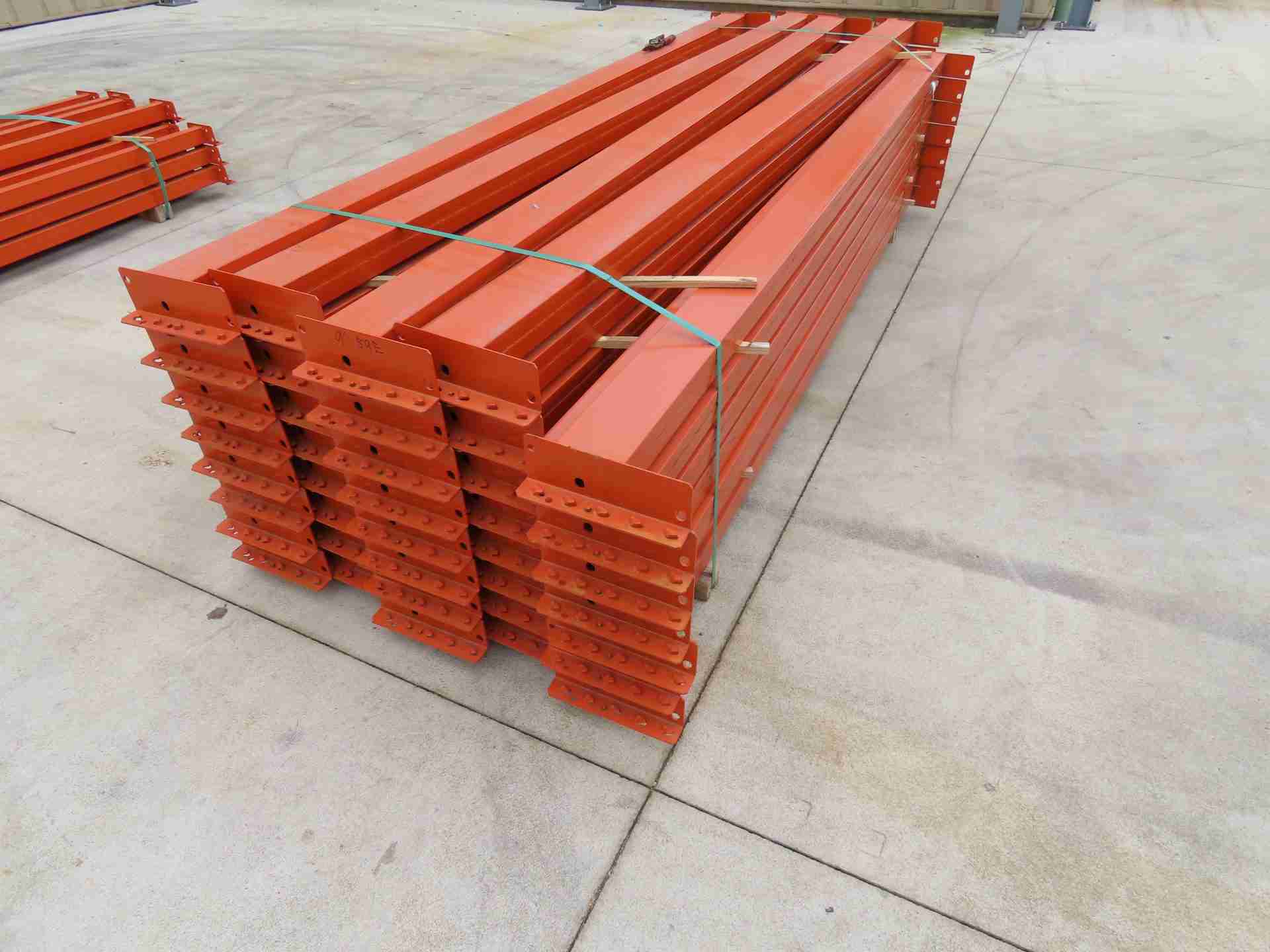
Other Questions
Checklist
How Do Logistics and Transportation Companies Leverage Pallet Racking? – A Checklist
Planning and Objectives
✅______ Define storage goals: capacity, SKU profiles, turnover, and service levels
✅______ Map inbound and outbound flows, peak volumes, and dock constraints
✅______ Baseline KPIs: dock-to-stock time, pick rate, error rate, damages, injuries, space utilization
Space and Engineering
✅______ Measure clear height, column grid, slab capacity, door heights, and sprinkler layout
✅______ Verify building codes, seismic needs, and fire protection requirements
✅______ Confirm pallet specifications (dimensions, weight, condition) and allowable overhang
System Selection and Layout
✅______ Choose rack types: selective, double-deep, drive-in/drive-thru, push-back, pallet flow, VNA, cantilever (as needed)
✅______ Match material handling equipment (MHE) to the layout: lift height, aisle width, and turning radius
✅______ Set beam levels to maximize vertical space while maintaining clearances and flue spaces
✅______ Slot fast movers near docks and ergonomic pick faces; design staging and lanes for flow
✅______ Provide load plaques and engineering-stamped load ratings
Safety and Protection
✅______ Anchor frames; install row spacers, column and end-of-aisle guards, and rack backstops as required
✅______ Maintain longitudinal and transverse flue spaces; keep aisles clear and marked
✅______ Post and enforce safe load limits and rack use rules
✅______ Ensure emergency egress, lighting, and fire and sprinkler clearances
Process Control (Error and Damage Reduction)
✅______ Standardize receiving: pallet quality check, labeling, and immediate location assignment
✅______ Implement putaway rules (FIFO/FEFO), replenishment triggers, and dedicated pick faces
✅______ Use scan-based verification at pick, pack, and ship; reconcile against orders
✅______ Establish load sequencing and audit steps before trailer loading
✅______ Separate returns and cross-dock flows to prevent mis-ships
Identification and Systems
✅______ Use a logical location schema with clear aisle, bay, and level labels readable at a distance
✅______ Apply barcodes/RFID for locations, pallets, and shipments
✅______ Integrate WMS with real-time inventory, tasking, and cycle counting
✅______ Enable exception alerts for mis-scans, short picks, and location mismatches
Training and Culture
✅______ Train and certify MHE operators; refresh regularly
✅______ Educate staff on rack use, loading patterns, and damage reporting
✅______ Reinforce safety culture: near-miss reporting, daily huddles, and visible leadership commitment
✅______ Design ergonomic pick heights and minimize excessive reaches, lifts, and travel
Inspection and Maintenance
✅______ Conduct routine rack inspections (out-of-plumb frames, beam deflection, missing pins, damage)
✅______ Tag out and repair damaged components using qualified vendors; keep spares on hand
✅______ Torque check anchors and bolts; verify beam locking devices are present and secure
✅______ Perform periodic third-party audits and document all corrective actions
Cost and ROI Management
✅______ Model total cost: racking, MHE, WMS, installation, training, and permits
✅______ Quantify benefits: storage density, labor savings, error reduction, damage reduction, and insurance impacts
✅______ Track KPI improvements versus baseline and adjust slotting and layout quarterly
Sustainability and Waste Reduction
✅______ Maximize vertical utilization to defer building expansion and reduce footprint
✅______ Choose durable, repairable, and recyclable rack components; use refurbishment/buyback programs where possible
✅______ Reduce travel paths and idle time; transition to energy-efficient lighting in racked aisles
✅______ Cut product waste through better protection and handling; recycle damaged materials responsibly
✅______ Plan for end-of-life recycling and responsible disposal
Compliance and Documentation
✅______ Maintain SOPs for receiving, putaway, picking, replenishment, and shipping
✅______ Keep training records, inspection logs, incident reports, and load rating documentation
✅______ Verify alignment with applicable safety and fire codes; update documents after changes
Continuous Improvement
✅______ Reslot based on ABC analysis and seasonality
✅______ Review KPIs and conduct regular kaizen events focused on flow, safety, and accuracy
✅______ Gather floor-level feedback and act on it to refine layouts and processes
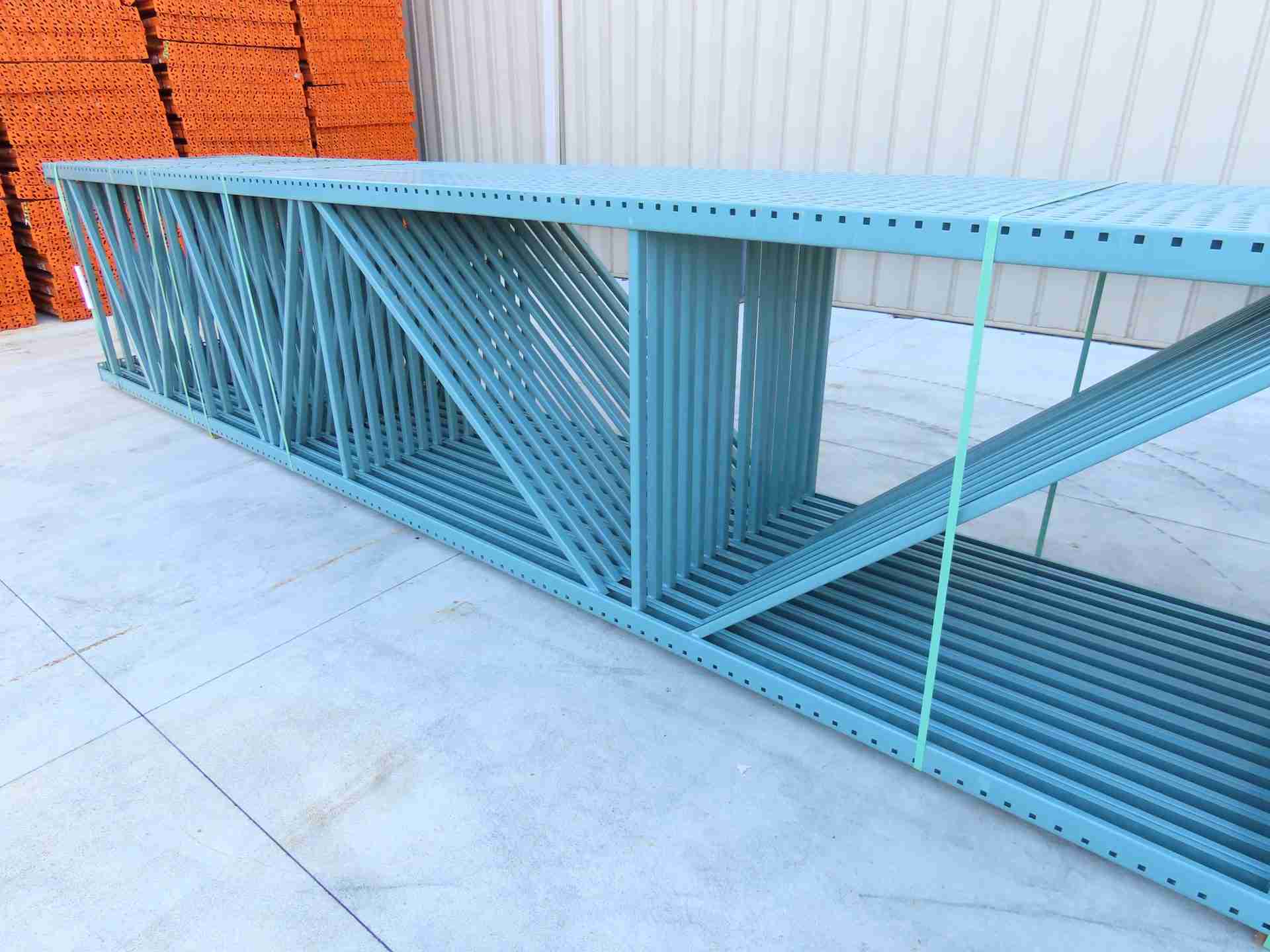
Checklist
At RackingWorld, we help guide you through selecting warehouse storage systems and racking.
Be sure to read our other related stories at RackingWorld to learn more about warehouse storage systems.
0 Comments