
Maximizing Efficiency And Safety: Cantilever Racking’s Edge For Distributors
By Tom Seest
At RackingWorld, we help guide you through selecting warehouse storage systems and racking.
Be sure to read our other related stories at RackingWorld to learn more about warehouse storage systems.
How Do Electrical Conduit and Raceway Distributors Leverage Cantilever Racking?
In the gritty world of electrical conduit and raceway distribution, every inch of space counts and every minute saved on the floor means more jobs done and more trust earned. Cantilever racking isn’t just another storage option—it’s the backbone that keeps these distributors moving. Picture this: long, unwieldy steel pipes and raceways stacked on outdated pallet racking, teetering like a house of cards, slowing down the crew and wasting valuable time. The switch to cantilever racking changes the game. It’s designed exactly for the job—arms reaching out like a strong, steady hand, holding lengths of conduit securely without the clutter or hassle.
This system appeals to the gut because it’s rugged, no-nonsense, and built to handle the tough stuff the way a good old pair of work boots holds up after years on the job. You can walk the aisles with confidence, knowing the racks won’t buckle under strain or cause a dangerous spill. It makes moving materials safer, more efficient, and keeps the folks on the floor less stressed and more focused on what really matters.
From the brain’s standpoint, cantilever racking is smart business sense. It opens up floor space by stacking vertically and keeps inventory organized and accessible—no digging through piles or wasting hours on guesses. It turns chaos into order, helping distributors fulfill orders faster, increase turnover, and keep customers happy. In a competitive market, that kind of efficiency isn’t just good, it’s essential. Plus, it avoids the pitfalls of pallet racking that often struggles with the unusual shapes and sizes of conduit and raceway products, making this a tailored, rational investment.
Ethically, this solution respects the hardworking crews on-site by reducing jobsite injuries and improving ergonomics. It’s about looking out for those who carry the real weight of the business—the hands-on workers—and creating a safer, smarter work environment. This shows distributors value their teams beyond profits, fostering loyalty and trust that money alone can’t buy.
When distributors share stories of how cantilever racking transformed their operation—from cluttered back rooms to streamlined, clean warehouses—it builds social proof. It’s proof that practical, common-sense choices pay off and that behind every success are straightforward tools that simply work.
Cantilever racking isn’t just shelving. It’s a partner in the daily hustle—for distributors who know the value of steady support, clear organization, and keeping the job moving forward, day in and day out, better than old pallet racking ever could.

How Do Electrical Conduit and Raceway Distributors Leverage Cantilever Racking?
How Do Electrical Conduit and Raceway Distributors Leverage Cantilever Racking?
- Cantilever racking provides secure, efficient storage for long, unwieldy conduit and raceway materials, replacing unstable, outdated pallet racking.
- Its rugged, durable design ensures safety and reliability on the warehouse floor, reducing the risk of spills and injuries.
- By stacking vertically, it maximizes floor space and keeps inventory organized and easily accessible, speeding up order fulfillment and turnover.
- It is better suited to the unique shapes and sizes of conduit and raceway products, offering a tailored and practical storage solution.
- Enhances worker safety and ergonomics, demonstrating ethical commitment to the well-being of on-site crews.
- Success stories from distributors create social proof of its effectiveness in transforming cluttered spaces into streamlined operations.
- Acts as a dependable partner in daily operations, supporting consistent productivity and organization beyond what pallet racking can provide.

How Do Electrical Conduit and Raceway Distributors Leverage Cantilever Racking?
Table Of Contents
- How Do Electrical Conduit and Raceway Distributors Leverage Cantilever Racking?
- How Does Cantilever Racking Improve Warehouse Space Efficiency?
- Can Cantilever Racking Support Various Sizes Of Conduit and Raceway?
- What Cost Savings Come From Using Cantilever Racking Systems?
- How Does Cantilever Racking Enhance Workplace Safety?
- Why Is Cantilever Racking Preferred Over Traditional Shelving?
- What Maintenance Challenges Do Cantilever Racks Present?
- Conclusion
- Other Resources
- Glossary Of Terms
- Other Questions
- Checklist
How Does Cantilever Racking Improve Warehouse Space Efficiency?
When you step into a warehouse packed from floor to ceiling, you feel the weight of every inch—every spot saved means breathing room, order, and a smoother day. Cantilever racking isn’t just another piece of metal in that mess; it’s a game-changer for anyone who’s spent hours wrestling with bulky, awkward inventory. Unlike traditional pallet racking that boxes you into narrow aisles and rigid layouts, cantilever racks open the floor like a blank canvas. Arms reach out with nothing in the way—no front posts to block you—letting you stack long, heavy, or oddly shaped stuff with real ease.
You can picture it: pipes, lumber, steel bars, or furniture leaning comfortably where pallet racks wouldn’t dare. That means you’re not squandering valuable square footage trying to fit a square peg in a round hole. This flexibility translates right to the bottom line, cutting downtime and maximizing every bit of storage without breaking the bank on extra space or costly expansions.
On a gut level, anyone who’s lugged around heavy goods knows the difference a clever setup makes—not just for efficiency but for safety and sanity. Cantilever racking gives you room to maneuver forklifts easy, reduces damage risk, and trims the stress of stacking tall or wide items in tight spaces. You can feel the relief when the usual knots in your neck and back ease because your workflow isn’t fighting the warehouse anymore.
From an ethical standpoint, investing in cantilever racking respects your people. It’s about creating a workplace that values their hard work, offers safer conditions, and avoids the daily grind of “how are we supposed to get this down without wrecking something?” That matters—for morale, for retention, and for building a culture of care instead of chaos.
Socially, when your warehouse runs tight and smooth, it’s not just about you; it’s about the whole team feeling proud to walk those aisles. People bond over well-organized space, less hassle, and the quiet satisfaction of a job done right. Word spreads, trust builds, and the warehouse stops feeling like a battlefield.
Bottom line: cantilever racking adapts to the messiness of real-world inventory with a simple, strong design. It’s a practical solution that respects your dollars, your folks, and your sanity. For anyone serious about getting more out of their square footage without gimmicks or fuss, this is where smart meets straightforward. Pallet racking’s good, but cantilever racking stakes its claim with grit and guts you can count on.

How Does Cantilever Racking Improve Warehouse Space Efficiency?
How Does Cantilever Racking Improve Warehouse Space Efficiency?
- Cantilever racking offers open, flexible storage by eliminating front posts, making it ideal for long, heavy, or oddly shaped items.
- It maximizes warehouse space without costly expansions by accommodating items that pallet racks cannot efficiently hold.
- Improves efficiency, safety, and ergonomics by allowing easier forklift maneuvering and reducing damage risks.
- Supports employee well-being by creating safer, less stressful work conditions and reducing physical strain.
- Fosters a positive workplace culture by showing respect for workers and improving morale and retention.
- Enhances team pride and cooperation through a well-organized, less chaotic warehouse environment.
- Provides a practical, durable, and cost-effective storage solution that outperforms traditional pallet racking.

How Does Cantilever Racking Improve Warehouse Space Efficiency?
Can Cantilever Racking Support Various Sizes Of Conduit and Raceway?
When you’ve been in the trenches handling conduit and raceway for a while, you start to appreciate gear that works as hard and as smart as you do. Cantilever racking isn’t some fancy-sounding gadget that only lives in big factories; it’s a straightforward solution that’s saved countless backs and headaches on the job. The real question is: can it hold up to all those different sized pipes and raceways stacking up in the warehouse or on site? The answer is a solid yes.
Think about it like this. Pallet racking has its place, sure—it’s great for uniform boxes and pallets. But conduit and raceway come in all shapes and sizes, some long and awkward, others thick or bundled. That’s where cantilever racking steps in like a reliable workhorse. Its design, with arms sticking out from a single column, lets you store long and heavy items without squeezing them into tight boxes or bending them around corners. You can slide in everything from skinny EMT pipes to chunky PVC conduits, arranging them in plain view, without the hassle.
There’s something satisfying about seeing your inventory laid out honestly and accessibly—no guesswork, no fishing through piles. That kind of organization not only speeds up the job but cuts down on mistakes, wasted time, and, yeah, frustration. When your tools and materials have a home that fits them right, it feels fair. It respects the work you do every day and the craftsmanship it takes to get things done right.
Ethically, using the right racking for varied conduit sizes isn’t just about efficiency—it’s about safety. Overloading generic racks or bending pipes around smaller spaces leads to damage or even accidents. Cantilever racks, built to hold heavy and long loads properly, guard against those risks. They’re a no-nonsense solution that honors both the product and the people handling it.
Experience speaks volumes here. Those who’ve switched to cantilever for their conduit storage know it’s not about fancy features—it’s about practical strength, flexibility, and durability. It’s about trusting a system that keeps your materials organized, protected, and easy to find when the clock’s ticking and the job’s on the line.
So when the question comes up—can cantilever racking support various sizes of conduit and raceway?—the answer from the ground up is yes. It’s the smart, steady backbone your worksite needs, built on good common sense and respect for the craft.

Can Cantilever Racking Support Various Sizes Of Conduit and Raceway?
Can Cantilever Racking Support Various Sizes Of Conduit and Raceway?
- Cantilever racking is a practical, durable solution for storing various sizes of conduit and raceway, proven to reduce physical strain and job frustration.
- Unlike pallet racking, which suits uniform boxes, cantilever racks accommodate long, heavy, and awkwardly shaped pipes without bending or squeezing them.
- The design features arms extending from a single column, allowing easy, visible access to materials like EMT pipes and PVC conduits.
- Organized storage with cantilever racking speeds up work, reduces mistakes, and minimizes wasted time by keeping inventory accessible and straightforward.
- Using the correct racking system is critical for safety, preventing damage to materials and reducing accident risks by properly supporting heavy loads.
- Users value cantilever racks for their practical strength, flexibility, and reliability rather than elaborate features.
- Cantilever racking provides a smart, steady, and respectful storage backbone for worksites handling various conduit and raceway sizes.

Can Cantilever Racking Support Various Sizes Of Conduit and Raceway?
What Cost Savings Come From Using Cantilever Racking Systems?
When it comes to cutting costs without cutting corners, cantilever racking systems stand tall—literally and figuratively. Now, anyone who’s wrestled with traditional pallet racking knows the headaches: bulky frames, awkward spaces, and all that time wasted figuring out how to stack odd-shaped loads. Cantilever racks toss those worries out the window like yesterday’s scrap metal. They’re built for the long haul, designed to handle long, unwieldy items that just don’t play nice with standard pallet racking. That means fewer headaches, faster loading and unloading, and less money burned on equipment that doesn’t fit the job.
Think about it: every minute your team spends fumbling with inventory, that’s money slipping through your fingers. Cantilever’s open arms give easy access, cutting down labor costs because workers don’t have to fight with cramped aisles or complicated setups. You save time, and saved time is saved dollars—plain and simple. Plus, the durability of these racks means they’re less prone to damage, so your goods stay intact and safe. No more dealing with the costly mess of damaged items or replacement racks.
There’s also the ethical side of it. Running a tight ship means taking care of your people. A safer, more efficient workplace isn’t just good business; it’s the right thing to do. Cantilever racking cuts down on those risky maneuvers that lead to accidents and injuries. When your crew trusts the equipment, they work better and you avoid costly downtime. Fewer accidents mean fewer claims, less insurance headaches, and a team that feels respected and valued.
From the standpoint of solid experience, anyone who runs a warehouse or yard knows a tool is only as good as its fit to the job. Cantilever racking fits the bill for the tricky stuff in ways pallet racking can’t match. It’s like swapping out a clunky old pickup truck for one that’s built to haul the heavy loads without breaking down. You don’t just spend less—you actually get more done with less sweat.
Job well done, costs well cut, folks safe and sound. That’s the kind of common-sense solution that earns respect and trust every single day. When it’s time to rethink your storage setup, cantilever racking isn’t just a smart choice—it’s the no-nonsense, money-saving backbone your business deserves.

What Cost Savings Come From Using Cantilever Racking Systems?
What Cost Savings Come From Using Cantilever Racking Systems?
- Cantilever racking systems handle long, awkward items better than traditional pallet racking, reducing space issues and loading difficulties.
- These racks provide easy access, lowering labor costs by eliminating cramped aisles and complicated storage setups.
- Durable construction minimizes damage to racks and stored goods, cutting replacement and repair expenses.
- Cantilever racks improve workplace safety by reducing risky maneuvers, leading to fewer accidents and less downtime.
- Safer equipment fosters employee trust and respect, decreasing insurance claims and promoting a positive work environment.
- They increase operational efficiency by fitting specific storage needs better than standard pallet racks, boosting productivity.
- Overall, cantilever racking offers a cost-effective, reliable, and practical storage solution that benefits both business and workforce.

What Cost Savings Come From Using Cantilever Racking Systems?
How Does Cantilever Racking Enhance Workplace Safety?
Ask anyone who’s spent a day in a warehouse or workshop, and they’ll tell you: clutter is the enemy. It’s not just about making the place look tidy; it’s about keeping folks safe. Cantilever racking cuts through the chaos like a good tool does through a stubborn bolt. Unlike traditional pallet racking, which locks stuff in tight spaces, cantilever racking offers clear, open arms to hold long or awkward items without trapping hands in tight spots or forcing workers to wrestle with awkward loads. That means fewer scraped knuckles and less back strain—simple, straightforward commonsense stuff.
Picture a forklift driver maneuvering through aisles where steel pipes or lumber used to be piled haphazardly. With cantilever racking, those materials stand neatly to the side, easy to see, easy to reach, and less likely to tumble down when you least expect it. It’s a system built on a practical understanding of how people work and how accidents happen—not just fancy engineering that looks good on paper. There’s an ethical responsibility here: making sure no one has to go home nursing an injury because of careless storage.
You’re not just installing shelves; you’re setting a foundation for safety routines that crews learn to trust. When workers see that management cares about providing the right gear—like cantilever racks designed for those oversized items—they’re more likely to handle materials properly and keep the workflow smooth. That trust builds a quiet confidence on the floor, the kind that lowers stress and raises focus. And in environments where heavy lifting and sharp edges aren’t uncommon, that confidence can be the difference between a close call and a trip to the ER.
Sure, pallet racking has its place. It’s sturdy and dependable for boxed goods and standard loads. But cantilever racks fill the gaps standard pallets leave open—where beams and pipes don’t fit well, or bulky gear just can’t stack right. Relying on the right storage for the right job shows a seasoned understanding of the day-to-day grind. It’s a commitment to safety rooted in real experience, not just theories.
When safety isn’t an afterthought but a built-in feature of how you store and move materials, it speaks volumes. Cantilever racking doesn’t just hold your gear—it holds the well-being of every person walking those floors. It’s about safeguarding the hands that build, the backs that carry, and the spirit of a crew that knows they’re covered. That’s workplace safety you can believe in.

How Does Cantilever Racking Enhance Workplace Safety?
How Does Cantilever Racking Enhance Workplace Safety?
- Clutter in warehouses and workshops poses safety risks; cantilever racking reduces this by providing open, accessible storage for long or awkward items.
- Cantilever racks prevent hand injuries and back strain by avoiding tight spaces and difficult handling common with traditional pallet racking.
- Materials stored on cantilever racks are easier to see, reach, and are less likely to fall, improving forklift maneuverability and reducing accidents.
- The system reflects a practical understanding of worker safety and ethical responsibility to prevent workplace injuries.
- Installing cantilever racks fosters trust in safety routines and encourages proper material handling, lowering stress and raising focus on the floor.
- While pallet racking suits boxed or standard loads, cantilever racks effectively store items that don’t fit well on pallets, showing experienced safety commitment.
- Cantilever racking integrates safety into storage practices, protecting workers’ well-being and promoting a confident, secure work environment.

How Does Cantilever Racking Enhance Workplace Safety?
Why Is Cantilever Racking Preferred Over Traditional Shelving?
When it comes to storing heavy, bulky, or oddly shaped gear, cantilever racking beats traditional shelving hands down. Anybody who’s spent time wrestling with pallets jammed into tight spots or stacking awkward items on flimsy shelves knows the frustration. Cantilever racking offers a clear advantage — it’s built for the real world, no fancy bells or whistles, just good, strong, straightforward support where you need it most.
Pallet racking has its place, sure, but when your stuff doesn’t fit neat and square, those rows and columns of boxed-in shelves can turn into a mess real quick. Cantilever racks embrace the clutter and chaos with open arms. They’re designed with arms that stick out without front columns, making it easy to load long or bulky pieces without the usual hassle. Imagine trying to slide a long board or pipe onto a shelf with a post in the way—it’s like wrestling a greased pig. Cantilever racking pulls that frustration right out of the picture.
There’s something deeply satisfying about seeing a space organized so it just works, built by hands that know what toughness means. Choosing cantilever racking isn’t just about practicality; it’s about respect for your tools, your time, and your work ethic. It’s the kind of solution that says, “We’re here to get the job done, no shortcuts.” That kind of reliability earns trust in any workshop or warehouse. Workers notice when the shelves support their workload instead of making it harder. There’s pride in having a system that handles heavy stuff safely and efficiently, and that pride leads to a smoother day, fewer injuries, and less wasted energy.
Ethically, it’s the right call too. Safety isn’t just a buzzword; it’s a responsibility. When you stack and store with cantilever racking, you reduce the chances of accidents caused by unstable shelving. That means everyone goes home in one piece. Plus, because these racks adapt so easily, you end up using space smarter—less clutter, less scrambling, less mess. Efficiency on that level benefits the entire team and reflects well on the whole operation.
There’s no mystery here, just common sense and solid engineering leaning on practical experience. Cantilever racking has earned its reputation because it works, plain and simple. For those who live by their hands and sweat, knowing your gear is safely stored and easy to reach fosters peace of mind. Next time you’re sizing up storage options, think about cantilever racking—not just as a place to stack materials, but as the backbone of your space where trust and work come together, clean and simple.

Why Is Cantilever Racking Preferred Over Traditional Shelving?
Why Is Cantilever Racking Preferred Over Traditional Shelving?
- Cantilever racking outperforms traditional shelving for heavy, bulky, or irregularly shaped items by providing strong, straightforward support without obstruction.
- Unlike pallet racking, cantilever racks have arms without front columns, making loading long or bulky materials much easier and more efficient.
- Choosing cantilever racking reflects respect for tools, time, and work ethic, offering a reliable storage solution that supports workers’ workloads effectively.
- The system increases safety by reducing accidents associated with unstable shelving, ensuring a safer work environment.
- Its adaptable design optimizes space usage, minimizing clutter, scrambling, and mess, thus improving overall operational efficiency.
- Cantilever racking combines practical engineering and experience, earning its reputation through consistent, dependable performance.
- It provides peace of mind by securely storing gear and facilitating easy access, making it an essential backbone for organized, productive workspaces.

Why Is Cantilever Racking Preferred Over Traditional Shelving?
What Maintenance Challenges Do Cantilever Racks Present?
Cantilever racks sure make life easier when you’re dealing with long, odd-shaped, or bulky stuff. There’s no denying their usefulness, especially when compared to the usual pallet racking that lines most warehouses. But if you think they’re set it and forget it, think again. These racks come with their own set of maintenance headaches that, if ignored, can turn a smart storage solution into a costly mess.
First off, cantilever racks often get pushed and bumped more than the sturdy pallet racking because they stick out like a sore thumb. Forklifts nudge arms, workers stack heavy pipes or lumber with less finesse—it adds up. Every ding, scratch, or bend isn’t just cosmetic; it weakens the structure. If you don’t catch these early, that simple dent can turn into a dangerous failure. It’s the kind of thing that keeps a warehouse manager awake at night, knowing one misstep could hurt employees or slow down the whole operation.
Then there’s the matter of wear and tear. Unlike pallet racking, which has well-defined beams and crossbars, cantilever arms have more stress points that tend to loosen or sag over time. Springs and bolts need to be checked and tightened regularly. It’s not glamorous, but it’s vital. Skipping these checks is like ignoring your truck’s oil change—eventually, something grinds to a halt.
From an ethical standpoint, maintenance isn’t just about keeping the bottom line healthy—it’s about creating a safe place for people who depend on this gear daily. No one wants to hear about a costly injury or a near miss that could have been avoided with a simple inspection. Taking pride in your rig means taking care of it, the way you would your tools or your crew.
Experience shows that a routine schedule, good notes, and a hands-on approach turn maintenance from a nightmare into a normal part of the job. Treat cantilever racks the way you treat your pallet racking—don’t wait for problems to show up; catch them early with inspections and repairs. That kind of attention pays off in trust, peace of mind, and a smoother operation that everyone can count on.

What Maintenance Challenges Do Cantilever Racks Present?
What Maintenance Challenges Do Cantilever Racks Present?
- Cantilever racks are ideal for storing long, odd-shaped, or bulky items but require regular maintenance.
- They are more prone to damage from bumps and impacts compared to pallet racking, which can weaken their structure.
- Early detection of dents, scratches, or bends is crucial to prevent dangerous failures and operational disruptions.
- Cantilever arms have multiple stress points that tend to loosen or sag; springs and bolts need frequent inspection and tightening.
- Maintenance ensures safety for workers and prevents costly injuries or near misses.
- A routine maintenance schedule, detailed records, and proactive inspections turn upkeep into a manageable task.
- Consistent care of cantilever racks builds trust, improves safety, and supports smoother warehouse operations.
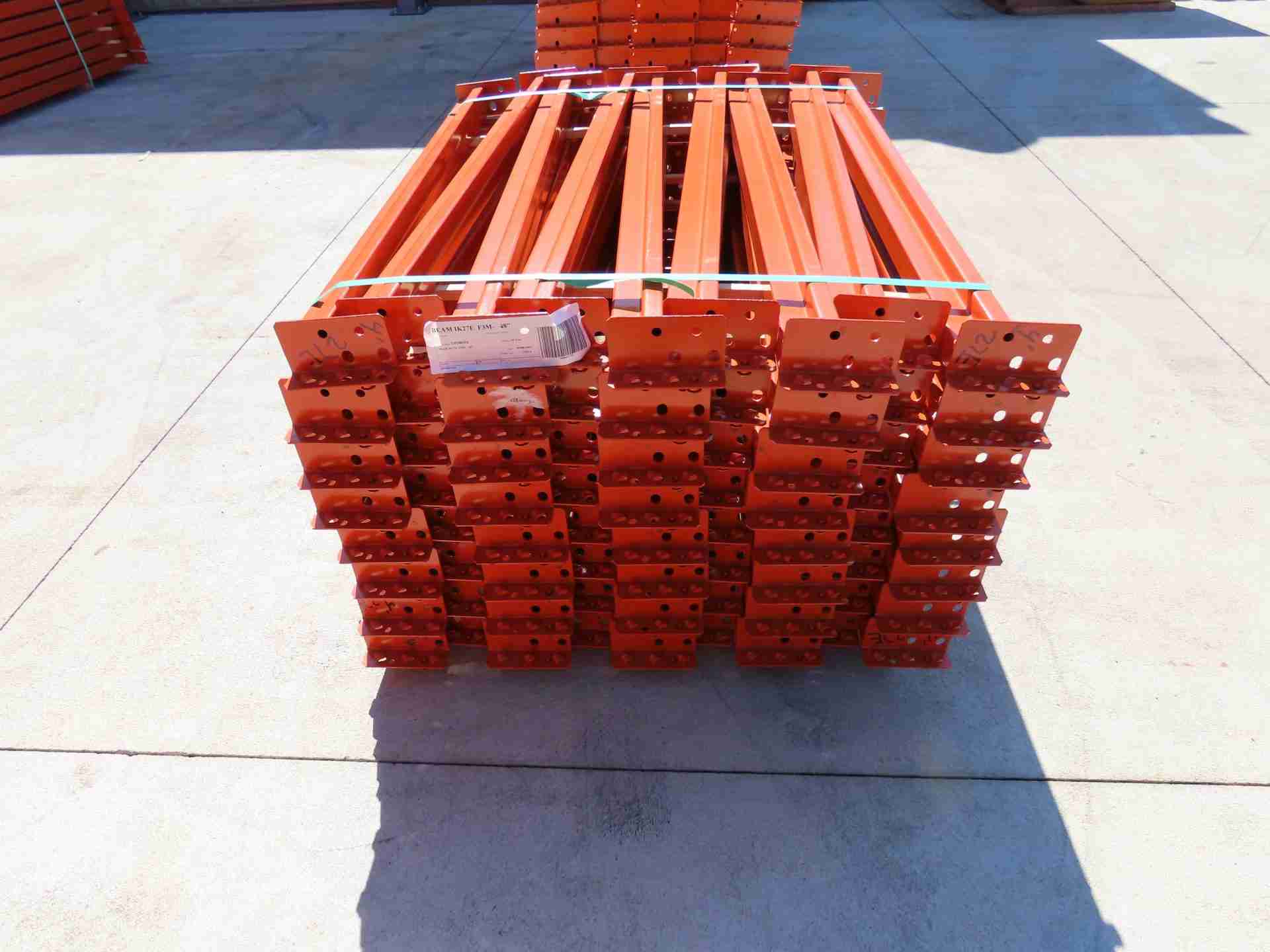
What Maintenance Challenges Do Cantilever Racks Present?
Conclusion
In the day-to-day grind of electrical conduit and raceway distribution, cantilever racking stands out as the unsung hero. It’s not just another rack—it’s the tough, no-nonsense backbone that turns cluttered warehouses into organized, efficient workspaces. Unlike traditional pallet racking that boxes you in, cantilever racks open up space and offer an intuitive setup, handling long, bulky, and awkward loads like pipes and conduit without breaking a sweat. This isn’t some fancy gadget; it’s a straightforward system built for grit, designed to hold the real weight of the job and keep workers safe.
From the gut, the advantage is clear: fewer dangerous spills, less back-breaking lifting, and the kind of rugged reliability you can bet on. Workers feel it in their bones—the relief of wide, open aisles and sturdy support that reduces stress and injury risk. The brain nods along, too, recognizing the sharp business sense of turning vertical space into usable real estate, slashing wasted time hunting through piles, and speeding up order fulfillment. Efficiency here isn’t a perk, it’s survival in a tough market.
Ethically, choosing cantilever racking shows respect for the folks doing the heavy lifting. It says you value their safety and well-being, not just profits. When crews trust their equipment, morale improves, work flows smoother, and accidents become stories told to caution, not headlines. This practical kindness builds loyalty money can’t buy.
Socially, these racks tell a story of common sense and shared success. When spaces are cleaner and deliveries faster, pride runs through the team. It’s that quiet confidence born from knowing the workspace is built to work—not get in the way.
Cost-wise, cantilever racking pays off by cutting labor headaches, minimizing damaged goods, and extending lifespan over worn-out systems. Saving time saves money, plain and simple. But nothing good comes without upkeep—these racks need attention and care to avoid costly failures. Like a trusty old truck, keeping them in shape means routine checks and repairs. This maintenance isn’t just paperwork; it’s part of the commitment to safety and respect for everyone on the floor.
At the end of the shift, cantilever racking is more than steel arms holding conduit—it’s a steady partner built on experience, common sense, and a genuine understanding of the day-to-day hustle. It’s the hard-working foundation that lets distributors know their work gets done right, safe, and on time. That’s a kind of quiet strength every warehouse deserves.

Conclusion
Conclusion:
- Cantilever racking transforms cluttered warehouses into organized, efficient spaces by handling long, bulky, and awkward loads like pipes and conduit.
- It offers open space and intuitive setup, unlike traditional pallet racking that restricts movement and storage options.
- Improves worker safety by reducing dangerous spills, back-breaking lifting, and stress, while providing sturdy support and wide aisles.
- Enhances business efficiency by maximizing vertical space, reducing search time, and speeding up order fulfillment.
- Demonstrates ethical commitment to worker well-being, improving morale, workflow, and reducing accidents.
- Fosters team pride and social cohesion through cleaner, faster, and more reliable workspaces.
- Delivers cost savings by reducing labor difficulties, damaged goods, and extending lifecycle, with maintenance required to ensure ongoing reliability.

Conclusion
Other Resources
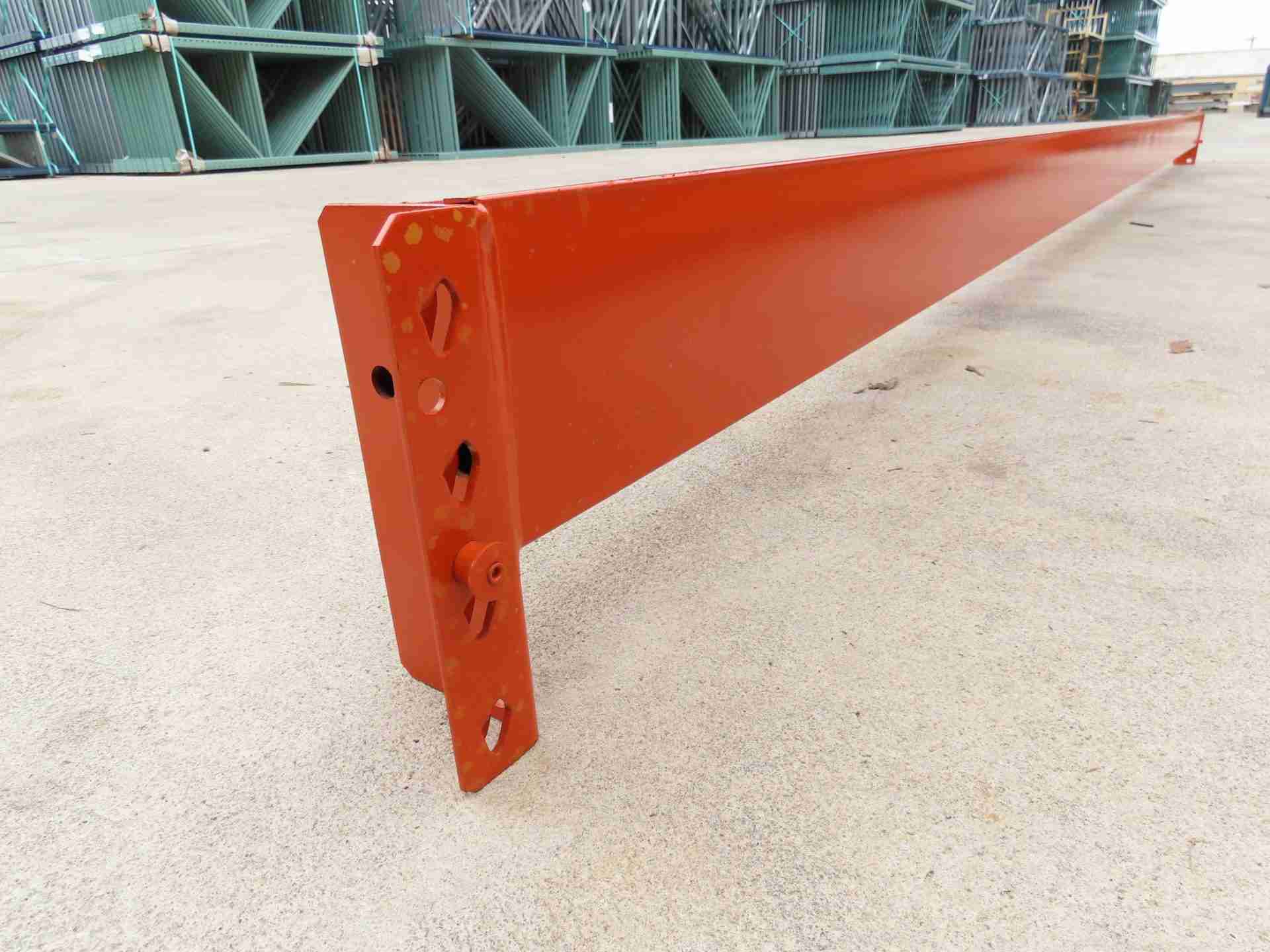
Other Resources
Here is a list of other resources you can review online to learn more:
- The Ultimate Pallet Racking Guide – Speedrack West
- International Warehouse Logistics Association
- Storage Equipment Manufacturers’ Association
- Storage Equipment Manufacturers Association
- Iowa Illinois Warehouse Racking
- CA Wire
- Rack Manufacturers Institute
- Teardrop Industrial Shelving Rack
- Material Handling Safety
- Illinois Pallet Racking – Storage Solutions
- Warehouse Storage Racking in Illinois
- Illinois
- American Society of Safety Professionals
- CMMA
- Chicago Pallet Racking
- Warehouse Racking Layout: The Ultimate Guide – Conger
- National Safety Council
- Selective Racking
- Chicago Pallet Racking
- Rack Manufacturers Institute
Use This Prompt To Get More Resources With Your Favorite Online AI Tool: Please provide me with a list of online articles with their URLs in a bulleted list that I can read regarding How Do Electrical Conduit and Raceway Distributors Leverage Cantilever Racking?

Other Resources
Glossary Terms
How Do Electrical Conduit and Raceway Distributors Leverage Cantilever Racking? – Glossary Of Terms
1. Electrical Conduit: A tube used to protect and route electrical wiring in a building or structure.
2. Raceway: A channel designed to hold wires, cables, or conduits for organized and protected routing.
3. Distributor: A company or entity that supplies electrical conduit and raceway products to retailers or contractors.
4. Cantilever Racking: A storage system with projecting arms to hold long, bulky items like conduit and raceway materials.
5. Inventory Management: The process of organizing and tracking stock levels of products like conduit and raceway.
6. Storage Efficiency: Maximizing use of warehouse space to store conduit and raceway materials effectively.
7. Load Capacity: The maximum weight that cantilever racking can safely support.
8. Bulk Storage: The storage of large quantities of conduit and raceway components in a warehouse setting.
9. Accessibility: Ease of reaching and retrieving conduit and raceway products from storage racks.
10. Warehouse Layout: The strategic arrangement of storage systems like cantilever racking within a distribution center.
11. Material Handling: The movement, protection, storage, and control of electrical conduit and raceway products.
12. Stock Turnover: The rate at which conduit and raceway inventory is sold and replaced.
13. Space Utilization: Efficient use of warehouse volume to store conduit and raceway components.
14. Load Distribution: The way weight is spread across cantilever racking arms to maintain balance and safety.
15. Retrieval Time: The time taken to locate and pick conduit or raceway items from storage.
16. Product Segmentation: Organizing different types or sizes of conduit and raceway for easier access and management.
17. Safety Compliance: Adhering to standards that ensure secure storage and handling of electrical products.
18. Modular Design: Cantilever racking constructed with adjustable arms to accommodate varying product lengths.
19. Long-Length Products: Items such as conduit pipes that require extended storage solutions.
20. Damaged Product Reduction: Minimizing harm to conduit and raceway materials through proper storage techniques.
21. Order Fulfillment: The process of preparing and delivering ordered conduit and raceway products to customers.
22. Load Stability: The steadiness of conduit and raceway materials when placed on cantilever racks.
23. Rack Configuration: The specific arrangement and number of arms used in cantilever racking systems.
24. Product Visibility: The ability to view and identify stored conduit and raceway materials easily.
25. Cost Efficiency: Reducing expenses related to storage and handling by using cantilever racking.
26. Space Saving: Decreasing the footprint needed for conduit and raceway storage using vertical rack systems.
27. Workflow Optimization: Enhancing the sequence of activities in the warehouse through effective storage solutions.
28. Customization: Tailoring cantilever racking dimensions to fit specific conduit and raceway sizes.
29. Load Access: The method by which workers retrieve conduit and raceway from storage racks.
30. Distribution Scalability: The ability to expand or modify storage capacity as conduit and raceway demand grows.

Glossary Of Terms
Other Questions
How Do Electrical Conduit and Raceway Distributors Leverage Cantilever Racking? – Other Questions
If you wish to explore and discover more, consider looking for answers to these questions:
- What are the maximum load capacities per arm and per column for typical cantilever racking used for conduit and raceway?
- How do you calculate load distribution and safe stacking limits for mixed-size conduit bundles?
- What are the recommended anchoring and foundation requirements for cantilever racks in warehouses and yards?
- How do cantilever racks perform under dynamic loads from forklifts and material handling equipment?
- What are the seismic or wind-load design considerations for cantilever systems in different regions?
- Which materials and coatings (e.g., galvanized, powder-coat) are best for outdoor vs indoor storage of conduit?
- How do you protect conduit and raceway from corrosion or UV damage while stored on cantilever racks?
- What are the typical installation costs and timelines for a new cantilever racking system?
- What are ongoing maintenance costs and a recommended inspection schedule for cantilever racks?
- What common failure modes should inspectors look for, and what is a standard inspection checklist?
- How often should load testing be performed and what procedures are used to verify structural integrity?
- What training do workers need for safe loading, unloading, and general use of cantilever racking?
- How do cantilever systems integrate with common warehouse equipment (forklifts, roll clamps, slings)?
- What are best practices for labeling, organizing, and inventory management on cantilever racks?
- How do you plan aisle widths and rack layouts to maximize throughput while maintaining safety?
- When is cantilever racking preferable to specialized solutions (pipe racks, coil racks) or pallet racking?
- What are retrofit options for converting existing pallet rack areas to cantilever without major construction?
- Are there modular or adjustable cantilever solutions for changing inventory profiles?
- What accessories and options are available (end stops, dividers, arm padding, extensions) and when should they be used?
- How do you secure or restrain long loads to prevent shifting or tipping during storage and handling?
- What are warranty terms and expected service life for commercial-grade cantilever racking?
- How does using cantilever racking affect insurance premiums, liability, and compliance with OSHA or local regulations?
- What documentation and load-rating signage should be posted on cantilever racks?
- How do suppliers calculate ROI and payback period when comparing cantilever versus pallet racking investments?
- What financing, leasing, or buyback options do racking vendors typically offer?
- How do cantilever racks handle mixed loads (bundles of different diameters and materials) safely?
- What are the lead times and typical supply chain constraints when ordering cantilever racking?
- Are there industry standards or certifications (e.g., RMI, ASTM) that apply to cantilever racking?
- How should damaged arms or columns be repaired or replaced, and when should a rack be taken out of service?
- What are common mistakes installers and operators make when implementing cantilever racking?
- How do you size cantilever racks for both current needs and future growth or SKU changes?
- What are case study examples or metrics showing time savings, throughput gains, or injury reductions after adopting cantilever racking?
- How do site-specific factors (floor flatness, drainage, temperature extremes) influence rack selection and installation?
- Can cantilever racking be used for combined storage (conduit plus other long items) and how should loads be segregated?
- What environmental, health, and safety signage and PPE practices should accompany cantilever storage areas?
- How do you evaluate and select among vendors—what questions and proof points should you require?
- Are there sustainable or recyclable cantilever rack options and what is their lifecycle impact?
Other Questions
Checklist
How Do Electrical Conduit and Raceway Distributors Leverage Cantilever Racking? – A Checklist
Fit for Purpose
✅______ Inventory includes long or awkward items (EMT, IMC, RMC, PVC, strut, cable tray, wireway)
✅______ SKU lengths, diameters, and bundle configurations documented
✅______ Unit weights per stick or bundle verified and recorded
✅______ Required pick frequency and access needs confirmed
Space Planning and Layout
✅______ Warehouse clear height measured and usable vertical levels defined
✅______ Slab capacity verified for point loads and anchors
✅______ Aisle widths matched to lift equipment and load lengths
✅______ Single- or double-sided racks selected based on flow and footprint
✅______ Bay spacing set for longest items to control deflection
✅______ Arm length selected for maximum diameter plus clearance
✅______ Arm pitch (vertical spacing) set for safe and efficient retrieval
✅______ End stops or retention devices specified where needed
✅______ Staging zones and clear approach zones marked
Engineering and Specifications
✅______ Load ratings per arm, per column, and per bay specified and posted
✅______ Steel grade, finish (galvanized or powder coat), and corrosion needs defined
✅______ Base length and column height engineered for target loads
✅______ Anchor type, size, and pattern specified, and pull-out capacity checked
✅______ Seismic and wind requirements reviewed, if applicable
✅______ Impact protection (column and arm guards) planned for high-traffic areas
Inventory Organization
✅______ Slotting by diameter, material, schedule or wall thickness, and length
✅______ Dedicated positions for full sticks versus cut lengths and returns
✅______ Labeling and color-coding visible from the travel path
✅______ Location IDs created and mapped in WMS or ERP
✅______ FIFO or FEFO rules defined where relevant
Material Handling Integration
✅______ Lift type validated (counterbalance, reach, or side-loader)
✅______ Attachments evaluated (carpet pole or boom, spreader, forks)
✅______ Load handling procedures aligned to rack geometry
✅______ Transfer carts or floor cradles provided at pickup points
Throughput and Productivity
✅______ Baseline pick and putaway time captured pre-installation
✅______ High movers placed at optimal ergonomic levels
✅______ Batch-picking and consolidation flow defined
✅______ Cycle count plan and frequency established
Cost and ROI
✅______ Capex versus facility expansion costs compared
✅______ Labor-hour reduction target set and tracked
✅______ Damage and scrap reduction goals set
✅______ Insurance and claim reductions estimated
✅______ Payback period and total cost of ownership (TCO) calculated
✅______ Purchase versus lease evaluated
SOPs and Training
✅______ Written SOPs for loading and unloading long goods issued
✅______ Maximum bundle, arm, and bay limits posted at point of use
✅______ Equipment operator training completed and logged
✅______ Housekeeping standards set (no floor clutter under arms)
✅______ Incident and near-miss reporting process defined
Maintenance and Inspection
✅______ Commissioning checklist completed with baseline photos
✅______ Fastener torque specifications recorded and torque tools available
✅______ Routine checks scheduled (daily visual, monthly torque, quarterly alignment)
✅______ Criteria defined for removing bent or impacted components from service
✅______ Spare parts list and vendor lead times confirmed
✅______ Impact events logged and corrective actions tracked
Scalability and Flexibility
✅______ Plan for additional arms, levels, and bays as SKUs grow
✅______ Modular layout supports reslotting without major downtime
✅______ Outdoor or yard storage options assessed for finish and drainage
✅______ Compatibility with future equipment or automation reviewed
Performance and Proof
✅______ Before-and-after metrics captured (space utilization, pick time, damages)
✅______ Floor team feedback collected and reviewed
✅______ Customer lead time and on-time shipment metrics tracked
✅______ Photos and case notes compiled for internal training and credibility

Checklist
At RackingWorld, we help guide you through selecting warehouse storage systems and racking.
Be sure to read our other related stories at RackingWorld to learn more about warehouse storage systems.
0 Comments