
Unlock Efficiency, Sustainability, And Growth With Smart Pallet Racking
By Tom Seest
At RackingWorld, we help guide you through selecting warehouse storage systems and racking.
Be sure to read our other related stories at RackingWorld to learn more about warehouse storage systems.
How Do Consumer Goods Manufacturers Leverage Pallet Racking?
When you step inside a consumer goods manufacturer’s warehouse, you’re looking at more than just stacked boxes and forklifts buzzing around. You’re seeing a well-oiled machine driven by pallet racking—the unsung hero keeping the whole operation humming. It’s the backbone that holds everything together, quite literally. Pallet racking turns chaos into order, freeing up space and making sure every product has its place, ready to move out the door without a hitch.
For folks on the ground, pallet racking isn’t just metal beams and shelves; it’s reliable muscle. It’s knowing that when a late-night shipment comes barreling in, there’s a safe spot to stow that inventory where it won’t get crushed or lost. It keeps workers safe from hazards, too—stacking products wisely cuts down on accidents and saves backs. When you’ve been around warehouses long enough, you learn you can’t afford to gamble on flimsy storage. Good pallet racking is an investment in every employee’s well-being and pride in their work.
From a straight-shooting, numbers-driven standpoint, pallet racking maximizes every square foot. Space is money, plain and simple. The higher and smarter you stack, the more products you fit, the more you sell. It’s commonsense efficiency. Manufacturers depend on this setup to keep their supply chains flowing smooth as a well-oiled engine. When inventory is organized, picking, packing, and shipping are faster, cutting costs and keeping customers happy. There’s no room for guesswork when deadlines and shelf-life are tight.
Ethically, the way manufacturers handle inventory impacts more than just profits. Proper pallet racking reduces waste by preventing damage and spoilage, showing respect for the resources and effort packed into every item. It’s about doing right by both the consumer and the planet. That solid commitment builds trust with buyers and partners alike—it says this company cares about quality from start to finish.
Look around, and you’ll see how pallet racking also fosters a sense of pride and teamwork. It’s a shared system that pulls everyone together under a common goal: get the product out, safely and on time. It’s gritty, straightforward work, but there’s satisfaction in seeing that warehouse rack lined up with orders ready to roll. Every beam and pallet tells a story of persistence, problem-solving, and steady hands at work. Pallet racking isn’t just storage; it’s the foundation for success on the factory floor.

How Do Consumer Goods Manufacturers Leverage Pallet Racking?
How Do Consumer Goods Manufacturers Leverage Pallet Racking?
- Pallet racking is essential in warehouses, organizing inventory and maximizing space efficiency.
- It ensures safe storage, protecting products from damage and reducing workplace hazards.
- Good pallet racking supports employee well-being and fosters pride in their work environment.
- Maximizing vertical space increases inventory capacity, boosting sales and operational efficiency.
- Organized storage accelerates picking, packing, and shipping, lowering costs and improving customer satisfaction.
- Proper pallet racking minimizes waste, reflecting ethical responsibility toward resources and the environment.
- It promotes teamwork and a shared commitment to safe, timely order fulfillment, underpinning warehouse success.

How Do Consumer Goods Manufacturers Leverage Pallet Racking?
Table Of Contents
- How Do Consumer Goods Manufacturers Leverage Pallet Racking?
- How Does Pallet Racking Improve Warehouse Efficiency?
- What Cost Savings Come From Using Pallet Racking?
- How Does Pallet Racking Enhance Product Safety?
- Can Pallet Racking Reduce Inventory Errors?
- How Do Manufacturers Choose the Right Pallet Racking System?
- What Impact Does Pallet Racking Have on Order Fulfillment Speed?
- Conclusion
- Other Resources
- Glossary Of Terms
- Other Questions
- Checklist
How Does Pallet Racking Improve Warehouse Efficiency?
Look, anyone who’s ever spent a day in a warehouse knows that clutter and chaos are the enemy. Pallet racking isn’t just a fancy way to stack boxes; it’s the backbone of getting things done right. When your inventory’s piled on the floor or tossed in every which way, you waste time hunting for what you need. That’s losing money. Pallet racking puts everything where it belongs—neat, accessible, and visible—so you spend less time searching and more time moving. It’s like having a trusty tool that just makes the job smoother, day after day.
From a common-sense standpoint, it’s just smarter use of your space. Warehouses aren’t cheap real estate. By using pallet racking, you build up instead of out—stack higher, store denser, grab quicker. When your gear is orderly, your team moves faster without tripping over clutter or losing their cool. It keeps the flow steady and steady means productivity. It’s math and muscle working together. More pallets in less space means less floor area wasted and more orders shipped on time, plain and simple.
It’s not just about speed, though. Pallet racking respects the people who do the hard work every day. When shelves are built right—sturdy, safe, and reliable—folks don’t have to worry about loads slipping or accidents happening. That peace of mind isn’t fluff; it’s ethical responsibility. Good leadership means giving your crew the tools and conditions to do their best without risking health or morale. That’s how you build trust on the floor and keep a team that’s keyed up to do the job—not about clocking in and counting minutes.
Stories from the trenches prove it, too. Warehouses that upgrade to pallet racking see more than just tidy shelves. They see fewer mistakes, less worker burnout, and a rhythm that just plain feels right. It’s about pride in the place you bust your hump every day. When things are stacked well, labeled right, and reachable, your crew takes a little extra pride in their work—and that kind of attitude turns the daily grind into a shared mission.
Pallet racking isn’t just warehouse gear; it’s the silent partner that keeps the cogs turning. It’s the no-nonsense solution that earns respect, boosts output, and makes everyone’s job easier. Get pallet racking right, and you’re not just organizing stuff—you’re setting up for success.

How Does Pallet Racking Improve Warehouse Efficiency?
How Does Pallet Racking Improve Warehouse Efficiency?
- Pallet racking eliminates clutter and chaos, making inventory neat, accessible, and visible to reduce wasted time and losses.
- It optimizes warehouse space by allowing vertical stacking and denser storage, increasing efficiency and productivity.
- Orderly storage helps teams move faster and maintain a steady workflow, reducing floor space waste and enabling timely order shipments.
- Properly built pallet racks enhance safety and provide peace of mind, reflecting ethical responsibility and good leadership.
- Upgrading to pallet racking reduces mistakes, worker burnout, and fosters a positive, prideful work environment.
- Pallet racking acts as a silent partner that boosts respect, output, and simplifies everyone’s job.
- Effectively implemented pallet racking is key not just to organization but to overall success in warehouse operations.

How Does Pallet Racking Improve Warehouse Efficiency?
What Cost Savings Come From Using Pallet Racking?
Look, when you’re running a warehouse or a shop floor, every penny counts. Pallet racking isn’t just some fancy metal shelves—it’s your daily partner in cutting costs without cutting corners. The first thing you notice is how much space it frees up. Instead of stacking boxes haphazardly or spreading inventory all over the floor, pallet racking lets you build up instead of out. That means you can store a lot more in the same square footage, saving you from the costly nightmare of renting bigger warehouses or scrambling for extra storage.
But space is just the start. When pallets are stored properly on racking, forklifts can grab and move them faster—no more fumbling around trying to find that one box buried fifteen deep. That translates to time savings, which means less overtime, fewer headaches, and a smoother workflow. You’re trimming labor costs right there, and your team feels the difference. A less cluttered, more organized floor is safer, too. Fewer accidents mean less downtime and lower insurance premiums—which, trust me, adds up over time.
Pallet racking systems aren’t flimsy, either. Built tough to hold heavy loads, they protect goods from damage by keeping them off the ground and neatly stacked. Less product loss means less money thrown out the window, plain and simple. Ethically, it just feels right to respect your inventory and the folks working around it by providing a safer, more efficient setup.
From a social standpoint, a tidy warehouse sends a message to clients and employees alike—it says you’re serious about quality and professionalism. It builds trust, fostering long-term business that pays off. When customers see you’ve got your act together, they stick around, and your reputation grows. You’re not just saving money; you’re building a future for your operation.
So yeah, investing in pallet racking may seem like a big upfront hit, but the savings—on space, time, labor, safety, and product protection—kick in fast and keep coming. It’s a practical, no-nonsense way to do more with less and turn your storage headaches into straightforward, manageable solutions. The kind of smart move any hands-on operator appreciates.

What Cost Savings Come From Using Pallet Racking?
What Cost Savings Come From Using Pallet Racking?
- Pallet racking maximizes storage space by enabling vertical stacking, reducing the need for larger warehouses or extra storage.
- Properly stored pallets allow forklifts to operate more efficiently, saving time and reducing labor costs.
- A cleaner, more organized warehouse floor improves safety, lowering accident rates, downtime, and insurance premiums.
- Racking systems are durable and protect goods from damage by keeping them off the ground and neatly stacked.
- Reduced product loss means direct cost savings and demonstrates respect for inventory and worker safety.
- An organized warehouse projects professionalism, building trust with clients and employees and supporting long-term business growth.
- Though initially costly, investing in pallet racking quickly provides ongoing savings in space, time, labor, safety, and product protection.

What Cost Savings Come From Using Pallet Racking?
How Does Pallet Racking Enhance Product Safety?
When you’ve been around warehouses and loading docks as long as folks who rely on Pallet Racking have, you learn a thing or two about keeping things solid and steady. It’s not just about stacking boxes; it’s about making sure every item stays right where it should, no surprises, no topples. That’s the heart of product safety—trusting that what’s up on those racks won’t come crashing down on you or the goods you’ve worked hard to get moving.
Pallet Racking isn’t just metal beams bolted together. It’s a system born from real-world hassle and hands-on know-how. Think about it: when products are piled haphazardly or shoved into tight spaces, accidents wait silently around the corner. When a rack is designed right, it holds pallets firm, evenly distributing weight so your stock isn’t leaning, sagging, or begging to wobble loose. That’s common sense you can’t afford to ignore. Each shelf is built to handle the load, no guesswork, no shortcuts. It’s the difference between a safe, organized environment and one where every step feels like a gamble.
There’s also an ethical skin to this. Workers walk these aisles day in and day out, hands rough, minds sharp, needing assurance that the place they spend their days won’t put them at risk. Pallet Racking delivers that peace of mind. Protecting goods means protecting people. It’s a silent promise built right into the framework—no shortcuts on safety because lives depend on it. Businesses stand by their materials and their workers by investing in sturdy, reliable storage solutions.
The authority behind Pallet Racking comes from decades of use in industries where failure isn’t an option—manufacturing, retail, food storage. It’s the backbone of warehouses everywhere, proving itself over time and trial. When your product safety depends on secure storage, you go with the solution that professionals trust day after day, not some flash-in-the-pan gadget.
Imagine the difference it makes to walk into a warehouse where every pallet fits snug as a puzzle piece. It’s not just tidiness; it’s a sign of respect—for the product, the people, and the process. Pallet Racking builds that connection between mind and muscle, showing that safety isn’t just a policy on paper—it’s a work ethic baked into every beam and brace.
When you choose Pallet Racking, you’re choosing confidence. Confidence that your products are safe, your team is safe, and your business is running as smooth as it should. It’s a simple, solid step anyone who deals in goods can appreciate deeply.

How Does Pallet Racking Enhance Product Safety?
How Does Pallet Racking Enhance Product Safety?
- Pallet Racking ensures product safety by keeping items stable and preventing accidents in warehouses and loading docks.
- It is a thoughtfully designed system that evenly distributes weight to avoid leaning, sagging, or wobbling pallets.
- Proper pallet racking protects workers by providing a safe environment, reflecting an ethical commitment to employee well-being.
- The system is trusted across industries like manufacturing, retail, and food storage due to its proven reliability and durability.
- Pallet Racking contributes to organized, efficient warehouses where every pallet fits securely, enhancing overall workflow.
- Safety through pallet racking is a fundamental work ethic embedded in its design, not just a written policy.
- Using Pallet Racking instills confidence in product security, worker safety, and smooth business operations.

How Does Pallet Racking Enhance Product Safety?
Can Pallet Racking Reduce Inventory Errors?
You ever been deep into a busy workday, wrestling with a mountain of supplies, only to find out half of what you thought you had is missing or misplaced? It’s frustrating, like chasing your own tail. That’s where pallet racking can be a game changer. When you stack and store goods systematically, you don’t just save space — you cut down on those maddening inventory errors that cost time, money, and, frankly, your patience.
Pallet racking isn’t just a bunch of metal shelves; it’s the backbone of order in the chaos. Think about a warehouse without a clear system—items piled up randomly, no rhyme or reason, workers scrambling to locate what’s needed. Mistakes multiply fast. Pallet racking creates clear, consistent slots for every item, making it obvious where things belong. That clarity doesn’t just make counting inventory easier; it makes it near foolproof.
From a practical standpoint, having well-organized pallet racking means you’re less likely to misplace stock or double count. When every pallet has a designated space, your team can spot mismatches and discrepancies right away. That kind of real-time check doesn’t just save headaches; it keeps customers happy and orders flowing smoothly. You’re not just managing inventory—you’re building trust in your operation, showing that you respect your crew’s time and your clients’ expectations.
Ethically, it’s about doing right by everyone involved—your employees, your customers, and your business. Nobody wants to deal with the fallout from lost or overstocked goods. Pallet racking helps you keep things transparent and accountable. Plus, it fosters a safer workplace by keeping aisles clear and pallets stable, reducing accidents that can add to error rates. It’s about responsibility, plain and simple.
There’s hand-in-glove wisdom here, forged in warehouses large and small: trust the system, or expect the chaos. Pallet racking isn’t a flashy fix, but it’s steady, solid, and proven. It connects your whole team by making inventory manageable and reliable. When your storage setup works for you, it shows—and that makes all the difference.

Can Pallet Racking Reduce Inventory Errors?
Can Pallet Racking Reduce Inventory Errors?
- Pallet racking systematically stacks and stores goods, reducing inventory errors and saving space.
- It provides clear, consistent storage slots that prevent misplaced items and simplify inventory counting.
- Organized pallet racking helps quickly identify stock mismatches, ensuring smooth order flow and customer satisfaction.
- It fosters trust by respecting employees’ time and meeting customer expectations through reliable inventory management.
- Ethically, pallet racking promotes transparency, accountability, and responsibility to employees, customers, and the business.
- It enhances workplace safety by keeping aisles clear and pallets stable, minimizing accidents and related errors.
- Pallet racking offers a proven, steady system that connects teams and transforms chaotic storage into manageable order.

Can Pallet Racking Reduce Inventory Errors?
How Do Manufacturers Choose the Right Pallet Racking System?
Choosing the right pallet racking system isn’t just about stacking boxes; it’s about keeping the whole operation humming without a hitch. Every manufacturer, from the smallest shop to the big leagues, faces the same tough questions. How do you find a system that fits your space, handles your load, and won’t let you down when the pressure’s on?
Start by looking square in the eye at what you actually need. Not just what’s shiny or the fanciest on the market. Pallet racking is a tool, plain and simple, and the right one matches your product size, weight, and how often you move stuff around. If you’re storing heavy equipment or bulk items, you want something sturdy enough to take the weight without bending under pressure. It’s not just about strength, it’s about reliability—because when racks fail, your whole line grinds to a halt, and that’s a headache nobody wants.
Think about your space, too. Nobody’s factory is limitless, and the pallet racking system you pick has to squeeze the most out of every square inch without making it a maze to navigate. You want racks that give you plenty of room to work, not a traffic jam of forklifts and wasted time. Smart layouts mean smoother workflows; smoother workflows keep the boss off your back and the orders flowing out the door. That’s the kind of common sense that pays dividends.
There’s an ethical side to this, too. Keeping your workers safe should never be an afterthought. The wrong pallet racking system isn’t just inefficient—it’s a liability waiting to happen. Choosing racks that meet industry safety standards isn’t just ticking a box; it’s a commitment to the people who get the job done day in, day out. It builds trust on the floor, the kind of trust where folks know their gear won’t collapse on them, where common sense meets care.
Manufacturers who nail the right choice aren’t just boosting efficiency—they’re setting a tone. They show they know their business inside out, respect their workers, and play the long game. That’s a signal to everyone: this operation means business. When your pallet racking fits like a glove, you stop worrying about the little things and get back to what matters—making your product, moving it fast, and keeping the wheels turning. That’s how you earn your keep in this game.

How Do Manufacturers Choose the Right Pallet Racking System?
How Do Manufacturers Choose the Right Pallet Racking System?
- Choose a pallet racking system based on actual needs, not just appearance or trends.
- The system must match product size, weight, and movement frequency to ensure strength and reliability.
- Optimize space usage without creating navigational difficulties or workflow bottlenecks.
- Smart layouts improve efficiency by enabling smoother workflows and faster order processing.
- Prioritize worker safety by selecting racking systems that meet industry safety standards.
- Reliable and safe racks build trust among workers and reduce operational liabilities.
- The right pallet racking system signals professionalism, supports productivity, and maintains continuous operations.

How Do Manufacturers Choose the Right Pallet Racking System?
What Impact Does Pallet Racking Have on Order Fulfillment Speed?
When you’re in the thick of a busy warehouse, every second counts. Pallet racking isn’t just a fancy shelving system—it’s the backbone of how fast orders get out the door. You can stack boxes high all day, but if workers are playing a frustrating game of “Where’s that pallet?” you’re losing time and, more importantly, money. Pallet racking helps cut through the chaos, organizing inventory so the right products are always within arm’s reach. That feeling when you find exactly what you need without digging? That’s the kind of relief that keeps morale up and shifts running smooth.
There’s a practical side to this too. When pallets are stored on sturdy racks, it’s easier to keep track of stock and movement. Less guesswork means fewer errors—no more sending out the wrong items or chasing down vanished shipments. That reliability builds trust with customers, which is worth its weight in gold. Fast, accurate order fulfillment isn’t just a buzzword; it’s a promise businesses make and have to keep. Pallet racking makes that promise possible by creating a system where everything has a place and every place has a purpose.
Think about the folks on the floor—those carrying the weight, literally and figuratively. Pallet racking reduces physical strain by cutting down the time spent bending, stretching, or hauling pallets from floor to shelf. Safer, faster work means fewer injuries and a crew that feels valued, not overwhelmed. When employees see that the company invests in smart storage, it says, “We care about your day-to-day.” That kind of respect doesn’t just improve productivity; it builds loyalty.
At the end of the day, pallet racking transforms a messy jumble into a well-oiled machine. It’s the difference between a warehouse that’s a headache and one that hums along, letting order fulfillment flow like clockwork. For anyone running a business where time and accuracy are everything, investing in pallet racking is about more than storage—it’s about building a foundation for consistent success. That’s the kind of practical, no-nonsense decision that keeps both the crew and the customers coming back.

What Impact Does Pallet Racking Have on Order Fulfillment Speed?
What Impact Does Pallet Racking Have on Order Fulfillment Speed?
- Pallet racking is essential for efficient order fulfillment, helping workers find products quickly and reducing wasted time.
- Organizing inventory on sturdy racks improves stock tracking and reduces errors like wrong shipments or lost goods.
- Reliable order accuracy builds customer trust and supports the business’s commitment to fast, precise delivery.
- Pallet racking decreases physical strain on workers by minimizing bending and hauling, promoting safer work conditions.
- Investing in smart storage shows employees they are valued, boosting morale, productivity, and loyalty.
- Pallet racking turns chaotic warehouses into smooth-operating systems, enabling efficient workflow.
- It is a practical investment that creates a foundation for ongoing business success and customer satisfaction.

What Impact Does Pallet Racking Have on Order Fulfillment Speed?
Conclusion
Pallet racking is the unsung backbone of every consumer goods warehouse—the sturdy framework that turns disorder into dependable order. It’s more than just metal shelves; it’s the muscle that carries the weight of operations, the silent partner making sure products are stored right, workers stay safe, and deadlines get met without a hitch. When goods roll in late at night or the pressure mounts before a shipment, pallet racking offers a solid spot to stack inventory—neat, accessible, and stable. It keeps accidents down, protects backs, and gives every employee a reason to take a little pride in their daily grind.
From a numbers standpoint, pallet racking makes the most out of precious warehouse space. Instead of sprawling out floor space, it goes up—stacking higher, storing denser. That means more product ready to ship, faster turnaround, and better bottom lines. Organized racks cut down on the wild goose chases for misplaced goods, trimming labor time and costs. The flow from picking to packing to shipping stays smooth because everything has its place, and every place has a purpose.
There’s also an ethical edge to this setup. Proper pallet racking prevents damage and waste, respecting both the merchandise and the world outside the warehouse doors. It builds trust with customers and partners by showing a commitment to quality and responsibility all along the chain. Inside the warehouse, it builds trust too—between leadership and workers—by providing safe, reliable storage that anyone can count on. That trust keeps morale up and reduces burnout in a tough, hands-on environment.
Choosing the right pallet racking system is common sense wrapped in experience. It’s about matching strength and size to the product, fitting the system neatly into the space, and meeting safety standards that defend the people doing the heavy lifting. Good rack systems aren’t just better tools—they’re a statement that the business knows its business, respects its crew, and plans for the long haul.
When it comes to order fulfillment, pallet racking is the difference between all-day stress and a steady rhythm where orders flow out the door with speed and accuracy. It reduces errors, cuts physical strain on workers, and encourages a work culture that values efficiency and care. A warehouse with solid pallet racking doesn’t just store goods; it builds confidence—from the floor crew to the folks waiting on the other end.
In the end, pallet racking is a straightforward, no-nonsense solution that pays off in safety, savings, efficiency, and trust. It’s a practical foundation nobody running a warehouse can afford to ignore—because when the racks stand strong, the whole operation runs stronger.
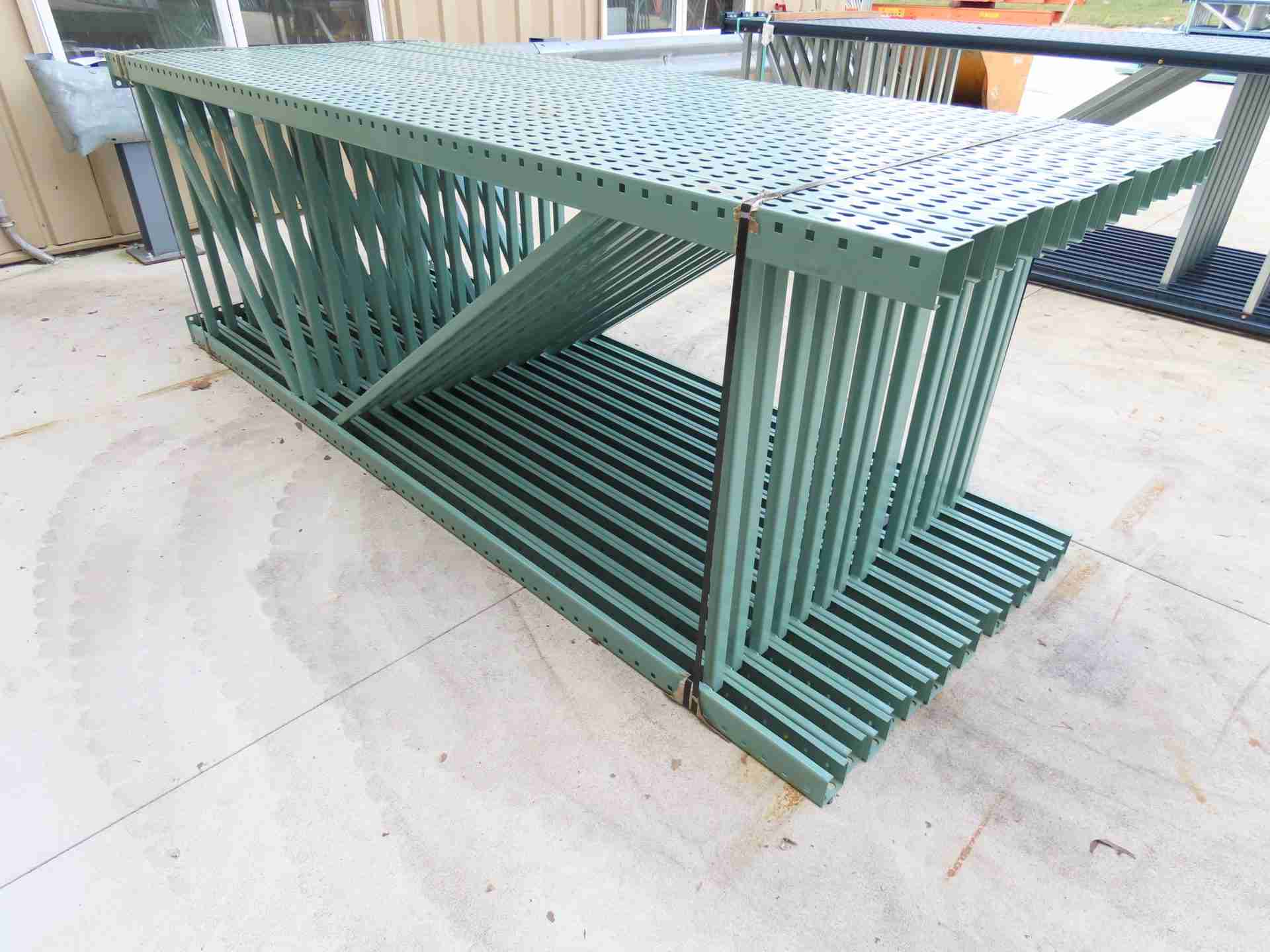
Conclusion
Conclusion:
- Pallet racking provides a sturdy framework that organizes warehouse inventory, ensuring products are stored safely and accessibly while supporting efficient operations.
- It maximizes warehouse space by enabling vertical stacking, increasing storage density, and improving turnaround times and cost efficiency.
- Organized pallet racks reduce search times for goods, streamline workflow from picking to shipping, and improve overall operational smoothness.
- Proper pallet racking prevents product damage and waste, demonstrating a commitment to quality, responsibility, and sustainability.
- It enhances workplace safety and builds trust between leadership and employees, boosting morale and reducing burnout.
- Selecting the right racking system involves matching strength, size, and safety standards to products and available space, reflecting business experience and care for staff.
- Pallet racking improves order fulfillment by reducing errors, minimizing physical strain, fostering efficient work culture, and building confidence throughout the warehouse chain.

Conclusion
Other Resources

Other Resources
Here is a list of other resources you can review online to learn more:
- Logic Material Handling
- Selective Racking
- Intro to Warehouse Racks & Warehouse Racking Systems – ShipBob
- Selective Pallet Racking Systems
- Material Handling Industry
- IIWS Inc. Rack Installation Illinois & Rack Repairs Illinois
- Rack Manufacturers Institute
- Interlake
- Racking World
- Storage Equipment Manufacturers Association
- Pallet Racking 101: A Comprehensive Guide & Options Explained
- Selective Racking
- Chicago Pallet Racking
- Mustang Material Handling
- Used Teardrop Pallet Rack – American Surplus
- Warehousing and Fulfillment
- IWLA
- Teardrop Pallet Rack – Ridg-U-Rak
- Illinois Pallet Racking – Storage Solutions
- Overhead Lifting
Use This Prompt To Get More Resources With Your Favorite Online AI Tool: Please provide me with a list of online articles with their URLs in a bulleted list that I can read regarding How Do Consumer Goods Manufacturers Leverage Pallet Racking?

Other Resources
Glossary Terms
How Do Consumer Goods Manufacturers Leverage Pallet Racking? – Glossary Of Terms
1. Pallet Racking: A storage system designed to hold materials on pallets in horizontal rows with multiple levels.
2. Consumer Goods: Products purchased for personal use, such as food, clothing, and electronics.
3. Warehouse Efficiency: The effectiveness with which a warehouse utilizes space and time to store and retrieve goods.
4. Inventory Management: The process of overseeing and controlling the ordering, storage, and use of goods.
5. Load Capacity: The maximum weight that pallet racking can safely support.
6. SKU (Stock Keeping Unit): A unique identifier for each distinct product and service available for sale.
7. Space Optimization: The strategic use of available warehouse space to maximize storage capacity.
8. Forklift Access: The ability of forklifts to safely navigate and place or retrieve pallets within racking systems.
9. Slotting: The process of assigning inventory items to specific storage locations for efficiency.
10. Just-In-Time Inventory: A strategy to increase efficiency by receiving goods only as they are needed.
11. Throughput: The rate at which goods move through the warehouse system.
12. Safety Compliance: Adhering to regulations and standards to ensure safe operations within warehouses.
13. Load Stability: The secure stacking and positioning of goods on pallets to prevent collapse.
14. Racking Configuration: The arrangement and design of pallet racking systems to suit specific needs.
15. Automated Storage: Use of machinery and technology to store and retrieve goods with minimal human intervention.
16. Picking Efficiency: The speed and accuracy with which items are retrieved from storage.
17. Damage Reduction: Measures taken to minimize harm to products during storage and handling.
18. Turnover Rate: The frequency at which inventory is replaced or sold.
19. Vertical Space Utilization: Using the full height of a warehouse to store goods on multiple levels.
20. Cross-Docking: The practice of unloading goods from inbound trucks directly onto outbound trucks, minimizing storage time.
21. Palletizing: The process of stacking goods on pallets for transportation or storage.
22. Load Distribution: Even spreading of weight across pallet racking to maintain stability.
23. Accessibility: The ease with which items can be reached in the racking system.
24. Load Bay: The designated area for loading and unloading pallets in a warehouse.
25. Modular Design: A system built with interchangeable components for flexibility and scalability.
26. Inventory Visibility: The ability to track and monitor stock levels in real time.
27. Pick-to-Light System: A technology that helps warehouse pickers identify correct inventory items through illuminated indicators.
28. Cost Efficiency: Minimizing expenses while maximizing productivity in warehouse operations.
29. Seasonal Stocking: Adjusting inventory levels to accommodate changes in demand during specific periods.
30. Supply Chain Integration: Coordinating warehousing and pallet racking strategies with the entire supply chain for seamless operation.

Glossary Of Terms
Other Questions
How Do Consumer Goods Manufacturers Leverage Pallet Racking? – Other Questions
If you wish to explore and discover more, consider looking for answers to these questions:
- What types of pallet racking systems are available (selective, double-deep, drive-in, push-back, pallet flow, cantilever) and which suits my product mix?
- How do I calculate the required load capacity and choose uprights, beams, and decking to match pallet weights?
- How do pallet dimensions and pallet quality affect racking design and storage density?
- How do I determine the optimal rack layout to balance storage density and forklift/worker accessibility?
- What are the space and floor-loading considerations when installing pallet racking?
- How do pallet racking choices differ for fast-moving vs slow-moving inventory and for FIFO vs LIFO workflows?
- What are the upfront costs, ongoing maintenance costs, and typical ROI timeframe for different racking systems?
- Should I buy, lease, or rent pallet racking, and what are the financial tradeoffs?
- How does pallet racking integrate with warehouse management systems (WMS), barcoding, and inventory tracking?
- How compatible are different racking systems with automation: conveyors, ASRS, robots, and automated forklifts?
- What industry standards and safety regulations (OSHA, local building codes, seismic codes) apply to pallet racking?
- How often should racking be inspected and what are common maintenance and inspection checklists?
- What safety accessories and protections are recommended (column guards, row spacers, beam protectors, netting)?
- How do I mitigate and insure against forklift collisions, rack collapse, and product damage?
- What are best practices for rack labeling, signage, and location numbering to reduce picking errors?
- How does pallet racking perform in cold storage or temperature-controlled environments?
- How should racking be specified for hazardous materials, flammable goods, or regulated products?
- What fire protection and sprinkler system interactions must be considered when installing high racks?
- How do seismic or wind loads change racking design in earthquake-prone or high-wind regions?
- What training do employees need for safe picking, loading, and racking operations?
- How do pallet racking choices influence labor productivity and ergonomics on the floor?
- What metrics and KPIs should I track to measure efficiency gains from racking (throughput, picks per hour, space utilization)?
- How do I plan for future scalability, modular expansion, and reconfiguration as business needs change?
- What are the environmental and sustainability considerations: material recyclability, lifecycle impacts, and embodied carbon?
- How do I choose a reputable supplier or installer, and what certifications, warranties, and references should I require?
- What are common design mistakes and pitfalls to avoid when specifying pallet racking?
- How long does installation typically take, and what operational disruptions should I plan for?
- How do I protect stored goods from pests, dust, and contamination while using pallet racking?
- Are there case studies or real-world ROI examples for consumer goods manufacturers who upgraded racking systems?
- How should seasonal demand spikes or returns/overstock be handled within a racking strategy?

Other Questions
Checklist
How Do Consumer Goods Manufacturers Leverage Pallet Racking? – A Checklist
Define Goals and Requirements
✅______ Target business outcomes defined (capacity, speed, cost, safety)
✅______ SKU profile mapped (dimensions, weight, velocity, shelf life)
✅______ Demand patterns captured (peaks, seasonality, promotions)
✅______ Compliance needs listed (food, pharmaceutical, retailer requirements)
✅______ Growth forecast and expansion roadmap documented
✅______ Temperature and environmental constraints identified
Space and Layout Optimization
✅______ Clear height measured and verified
✅______ Sprinkler and fire code clearances confirmed
✅______ Column grid, docks, and obstructions mapped
✅______ Aisle width set for equipment class and turning radius
✅______ One-way travel and traffic flow defined
✅______ Staging, returns, and cross-dock zones allocated
✅______ Fast-mover golden zone planned
✅______ Pick, pack, and ship adjacency optimized
Rack System Selection
✅______ System type matched to use case (selective, double-deep, push-back, drive-in, pallet flow)
✅______ FIFO or LIFO aligned with product shelf life
✅______ Carton flow added where case picking is needed
✅______ Decking choice set by product and fire code (wire, solid, slotted)
✅______ Seismic and local code requirements engineered
✅______ Corrosion protection specified for freezer or wet areas
✅______ Modularity and reconfiguration capability ensured
Pallets and Loads
✅______ Approved pallet specifications defined (footprint, type, condition)
✅______ Unit load weight and center of gravity verified
✅______ Load overhang policy set and enforced
✅______ Stretch wrap, banding, or corner boards standardized
✅______ Mixed-SKU pallet rules established
✅______ Damaged pallet quarantine process established
Safety and Compliance
✅______ RMI/ANSI-compliant design and calculations on file
✅______ Upright anchors, row spacers, and ties installed
✅______ Rack protection installed (end guards, column protectors)
✅______ Load plaques posted with capacities and beam elevations
✅______ Fall protection for high work areas provided
✅______ Lockout/tagout and maintenance SOPs documented
✅______ Emergency egress routes and signage clear
✅______ Food safety zoning and allergen segregation applied where needed
Efficiency and Workflow
✅______ Slotting strategy implemented by velocity and ergonomics
✅______ Replenishment triggers and min/max levels set
✅______ Dedicated staging lanes by carrier or route defined
✅______ Standard pick paths established
✅______ Consolidation and pack-out stations right-sized
✅______ Returns and rework loop isolated from forward pick
Inventory Accuracy and Data
✅______ Location naming convention and barcodes applied
✅______ WMS integrated with location control and status
✅______ Cycle counting program scheduled and owned
✅______ Lot, batch, and date codes captured at receipt
✅______ FIFO/FEFO rules enforced by location logic
✅______ Exception handling for shorts and overages standardized
Order Fulfillment Speed
✅______ Picking method matched to demand (pallet, case, each)
✅______ Wave, batch, or zone strategies configured
✅______ Dock door assignments aligned to carriers and cutoffs
✅______ Visual cues for hot orders and priorities in place
✅______ KPI boards visible at floor level
✅______ Congestion hotspots removed or re-routed
Cost, ROI, and Scaling
✅______ Baseline cubic utilization measured
✅______ Labor minutes per pick and per move tracked
✅______ Damage and shrink rates benchmarked
✅______ Insurance and injury costs tracked pre- and post-implementation
✅______ TCO modeled (equipment, installation, permits, maintenance)
✅______ Phased implementation plan approved
✅______ Resale or redeployment options identified for components
Sustainability
✅______ Damage reduction targets set to cut waste
✅______ Reusable packaging and pallets prioritized
✅______ Recycled-content steel options considered
✅______ End-of-life recycling plan for racks documented
✅______ LED lighting and sensors optimized for high bays
✅______ Energy considerations for cold storage addressed
Training and Change Management
✅______ Operator and picker training completed and certified
✅______ Forklift and reach truck certifications current
✅______ Visual work aids and rack maps posted
✅______ Daily startup and shutdown checklists issued
✅______ Safety huddles and feedback loop scheduled
✅______ New hire onboarding includes rack safety
Inspection and Maintenance
✅______ Daily walk-through checklist for visible damage
✅______ Monthly torque checks for anchors and beams
✅______ Quarterly professional rack inspections scheduled
✅______ Post-impact inspection and repair protocol enforced
✅______ Spare parts kit on hand (clips, beams, guards)
✅______ Documentation of all repairs and sign-offs maintained
Go-Live Readiness
✅______ Permits, engineering stamps, and approvals filed
✅______ As-built drawings and load calculations archived
✅______ Load plaques installed on all aisles
✅______ WMS locations validated against physical bays
✅______ Fire safety inspection passed
✅______ Pilot area tested and lessons applied facility-wide
Key Performance Indicators
✅______ Cubic utilization (%)
✅______ Pick accuracy (%)
✅______ Lines picked per labor hour
✅______ Dock-to-stock time
✅______ Order cycle time
✅______ Damage rate and safety incident rate
✅______ Inventory record accuracy (%)

Checklist
At RackingWorld, we help guide you through selecting warehouse storage systems and racking.
Be sure to read our other related stories at RackingWorld to learn more about warehouse storage systems.
0 Comments