
Empowering Communities Through Secure Design
By Tom Seest
At RackingWorld, we help guide you through selecting warehouse storage systems and racking.
Be sure to read our other related stories at RackingWorld to learn more about warehouse storage systems.
Designing for Safety: Visibility, Walkways, and Fire Access
When we think about designing spaces, the mind often wanders to aesthetics—beautiful lines, striking colors, and playful layouts. But let’s pull back the curtain on what truly matters: safety. Visibility, walkways, and fire access aren’t just regulatory boxes to check; they’re lifelines, pathways to peace of mind, and the very foundations of functional design.
Imagine walking through a bustling workplace. Racking systems rise like towers, storing materials overhead. But can you see clearly? Can you move freely? Poor visibility and cramped walkways can turn a routine task into a risky maneuver. When a space lacks thoughtful design, it can feel like navigating an obstacle course with your heart in your throat, unsure if you’ll make it to the other side unscathed. Visibility provides clarity, allowing workers to see hazards before they become problems, turning a potentially chaotic situation into a well-orchestrated dance of productivity.
Now, consider the importance of well-structured walkways. These aren’t just pathways; they’re lifelines—arteries that guide people safely through their tasks. Think about it: how many times has a colleague made a quick dash to grab something, only to stumble over clutter or drinks left in an unmarked area? A clear walkway isn’t just a convenience; it’s a commitment to protecting one another. It tells every worker that their safety is respected, that their well-being matters, and inspires them, in turn, to take the same care with others.
Don’t underestimate fire access, either. In emergencies, every second counts. Spaces designed with clear routes for emergency personnel not only save time—they save lives. It’s an ethical obligation to have those paths clear and defined, demonstrating a collective responsibility to prioritize safety above all.
So, let’s appeal to the deeper instincts within us all: trust, connection, action. When designers prioritize visibility, walkways, and fire access, they are creating not just a space, but a culture where safety is woven into the very fabric of daily life. In this culture, every person feels valued, every task is executed with awareness, and every exit is a promise—of care, community, and commitment to a better tomorrow. Together, we can elevate safety from an afterthought to an everyday imperative, proving that when we design spaces with intention, we’re crafting environments that nurture not just productivity, but trust and unity.
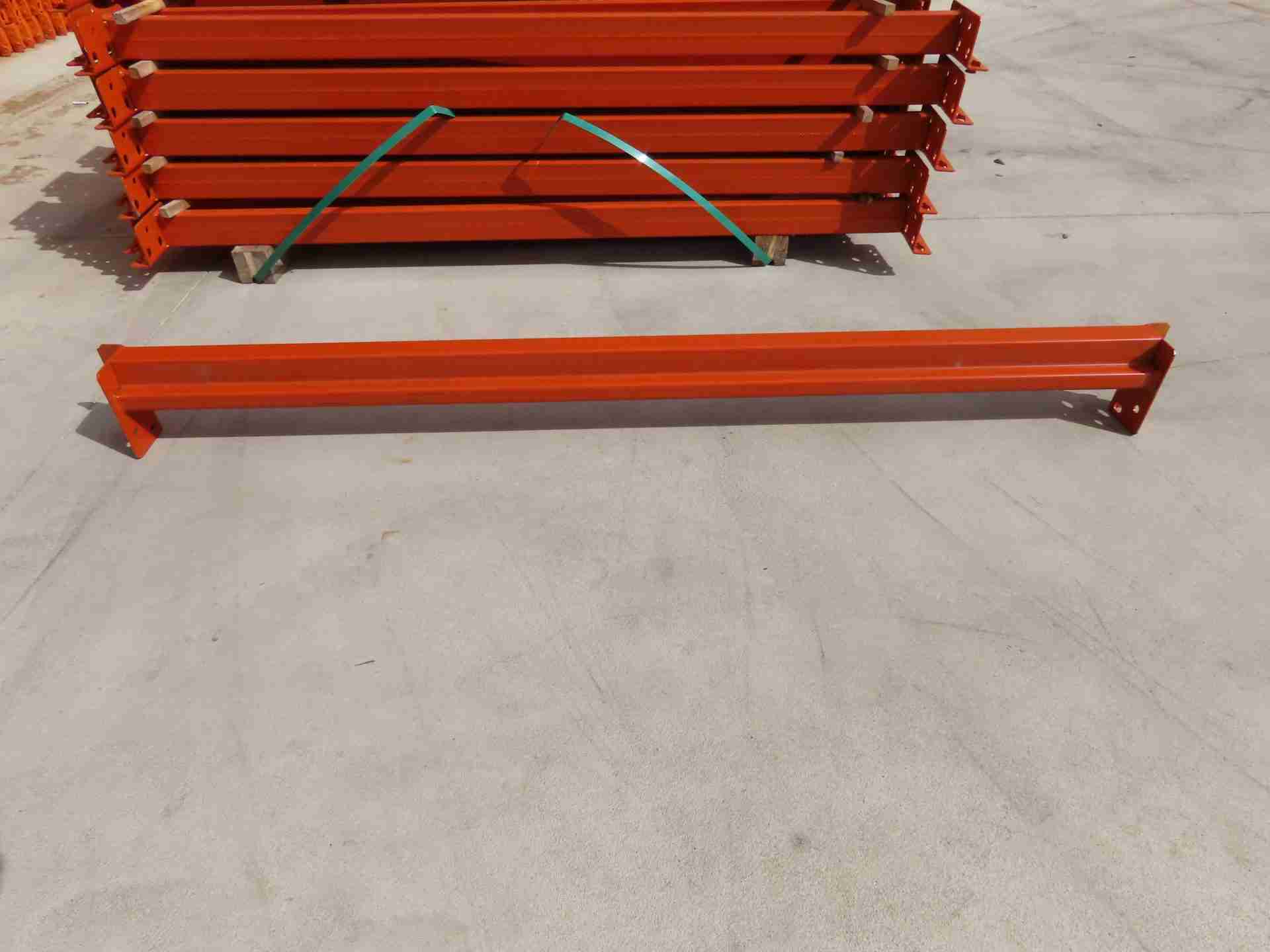
Designing for Safety: Visibility, Walkways, and Fire Access
Designing for Safety: Visibility, Walkways, and Fire Access
- Designing spaces often emphasizes aesthetics, such as lines, colors, and layouts.
- Safety elements like visibility, walkways, and fire access are crucial for functional design.
- Poor visibility and cramped walkways can create hazards and increase risk in workplaces.
- Clear visibility helps workers identify hazards early, fostering a productive environment.
- Well-structured walkways act as lifelines, promoting safety and a commitment to care among colleagues.
- Clear fire access routes are essential in emergencies, prioritizing lives and demonstrating collective responsibility.
- Prioritizing safety in design cultivates a culture of trust, community, and commitment to well-being in daily life.
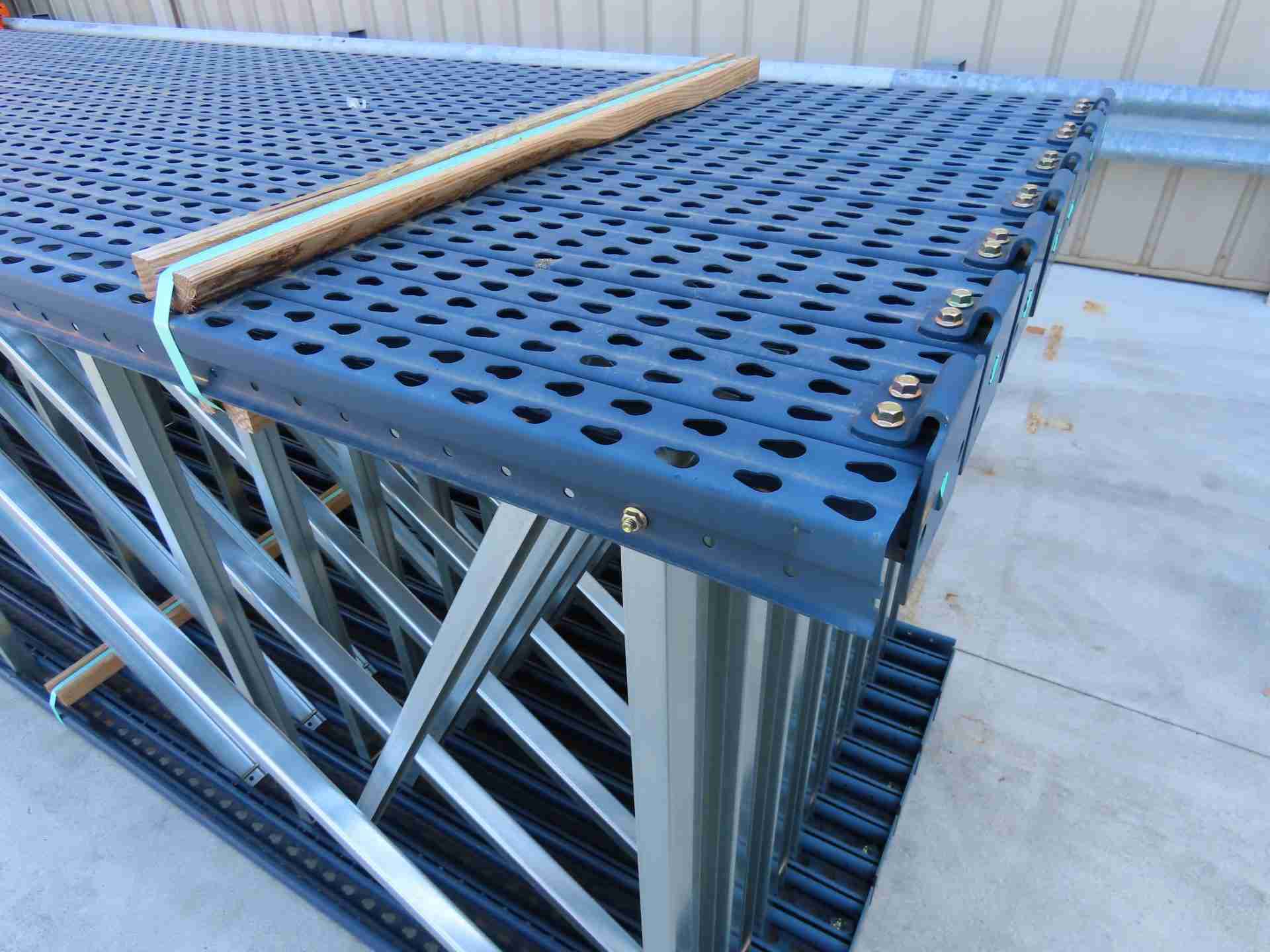
Designing for Safety: Visibility, Walkways, and Fire Access
Table Of Contents
- Designing for Safety: Visibility, Walkways, and Fire Access
- What Steps Can We Take to Enhance Visibility In Our Designs?
- How Do Narrow Walkways Impact Community Safety and Accessibility?
- Are Our Fire Access Routes Clear and Compliant with Safety Standards?
- How Can Stakeholders Collaborate to Improve Safety In Public Spaces?
- What Are the Ethical Implications Of Neglecting Fire Safety Measures?
- Conclusion
- Other Resources
- Glossary Of Terms
- Other Questions
- Checklist
What Steps Can We Take to Enhance Visibility In Our Designs?
When we think about enhancing visibility in our designs, it’s easy to get lost in the technical details—the colors, the contrasts, and the layout. But let’s step back for a moment and consider a more profound approach. After all, design isn’t just about aesthetics; it’s about connection. It’s about making people feel seen, understood, and invited into a space that resonates with their hearts.
To elevate visibility, we must first listen closely to the community we aim to serve. Engage your audience. Understand their needs, desires, and experiences. This is not merely a checkbox; it’s an opportunity to racking up trust and loyalty. When people see their values reflected in your design, they feel a part of something bigger. Their stories become intertwined with your work, and that creates a powerful narrative that transcends mere visuals.
Rationally, we know that good design balances function and form. But at the end of the day, it’s about people. Use sensible layouts that guide the viewer’s eye, ensuring that essential elements are easily accessible. Think about the weight and distribution of your components. Just like a well-designed racking system, your layout should support growth, clearly showcasing your message while inviting exploration.
Ethically, we have a responsibility to promote inclusivity and accessibility. Make certain that your designs are welcoming to everyone, regardless of ability or background. This thoughtful approach fosters trust and builds a community that feels valued and represented.
A story can often illuminate the path forward. Imagine a local art gallery that was once unnoticed. The new owner decided to reimagine the space, putting thought into how every inch could tell a story. She combined light, color, and texture while ensuring that the design was accessible to everyone. Slowly, the gallery transformed from a quiet corner to a bustling hub of creativity. Her commitment to visibility not only drew in crowds but also fostered community relationships and dialogue.
Finally, we don’t design in isolation; we crowdsource ideas, feedback, and inspiration. Let your peers and audience be part of your creative process. Encourage collaboration, and allow diverse voices to shape your vision. By doing so, you’ll create designs that resonate deeply, truly enhancing visibility and bridging connections that inspire action.
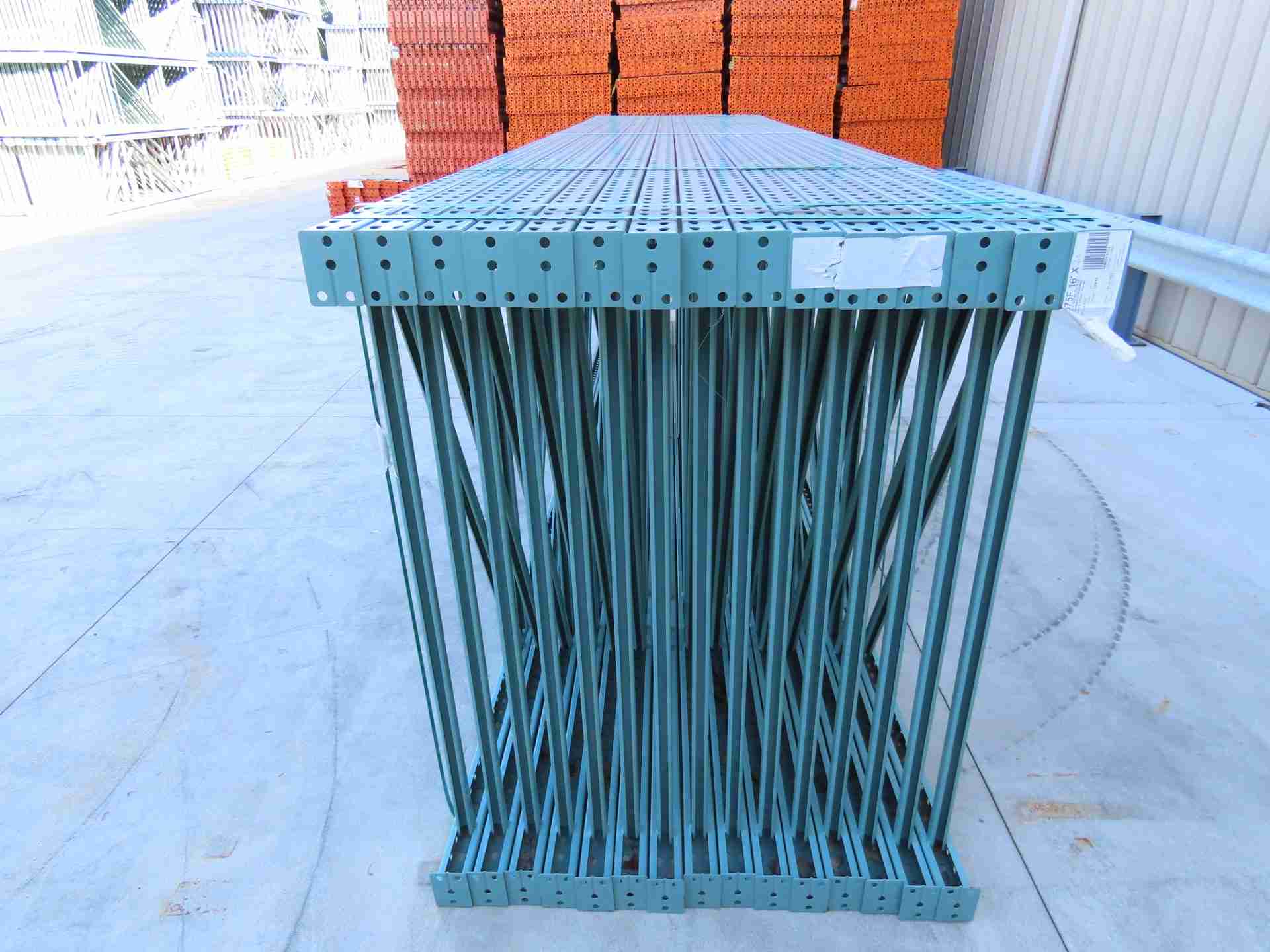
What Steps Can We Take to Enhance Visibility In Our Designs?
What Steps Can We Take to Enhance Visibility In Our Designs?
- Design encompasses more than aesthetics; it’s about creating a connection with people.
- To enhance visibility, engage with the community to understand their needs and values.
- Reflecting community values in design fosters trust and loyalty.
- A good design balances function and form, guiding the viewer’s experience effectively.
- Inclusivity and accessibility should be fundamental, ensuring designs welcome all individuals.
- A compelling story, like that of a transformed art gallery, can highlight the impact of thoughtful design.
- Collaborate with peers and audience for diverse input and inspiration in the design process.

What Steps Can We Take to Enhance Visibility In Our Designs?
How Do Narrow Walkways Impact Community Safety and Accessibility?
Narrow walkways are more than just a passage; they are the arteries of our communities. Picture this: a mother pushing a stroller, an elderly couple slowly walking hand-in-hand, and a child riding a bike—but all vying for their space on a cramped path. This scene might tug at your heartstrings, illustrating the struggle between safety and accessibility. When walkways are tight, we’re not just racking up inconveniences; we’re risking lives, compromising our sense of community, and sidelining our most vulnerable citizens.
From a rational standpoint, consider the statistics. In areas where walkways are overly narrow, accidents rise and injuries mount. A lack of space can create conflicts among pedestrians, turning a peaceful stroll into a chaotic dance of dodging and weaving. It’s a setup for disaster that some may overlook but affects every one of us. When the elderly feel unsafe or parents with children decide against walking altogether, it erodes the very fabric of our neighborhoods. Our streets should invite people to engage, not deter them from stepping outside.
Ethics come into play when we examine who has access and who doesn’t. Is it fair for a community to be designed around the needs of the able-bodied while ignoring those with mobility challenges? When walkways are too narrow, we’re tacitly saying that not everyone deserves the same level of access. It begs the question: are we truly fostering an inclusive society? Those already struggling shouldn’t be faced with additional barriers in their daily lives.
A narrative unfolds in communities that prioritize thoughtful design. Imagine a bustling walkway where people of all ages and abilities mingle freely. Laughter fills the air, and the joy of connectedness shines through. This isn’t a dream; it’s a reality that begins with widening our perspectives—and our walkways.
When we advocate for wider paths, we are advocating for safety, community bonding, and the celebration of diversity. It’s about more than just concrete and asphalt; it’s about people. So, join the conversation and push for change in your community. Trust in your voice; let it resonate. When we stand together, ensuring accessibility becomes more than just an ideal—it becomes the heart of our everyday lives.

How Do Narrow Walkways Impact Community Safety and Accessibility?
How Do Narrow Walkways Impact Community Safety and Accessibility?
- Narrow walkways represent crucial pathways, showing the struggle between safety and accessibility.
- A cramped path can lead to increased accidents and injuries, affecting community well-being.
- Conflicts among pedestrians can turn peaceful walks into dangerous situations.
- The design of walkways often overlooks the needs of those with mobility challenges, raising ethical concerns about inclusivity.
- Prioritizing thoughtful design can create welcoming spaces for individuals of all ages and abilities.
- Advocating for wider paths fosters safety, community bonding, and celebration of diversity.
- Participation in community discussions is essential for making accessibility a priority in everyday life.

How Do Narrow Walkways Impact Community Safety and Accessibility?
Are Our Fire Access Routes Clear and Compliant with Safety Standards?
When we think about safety, it often feels like we’re navigating a maze of regulations and checklists, but let’s pause for a moment and consider what it really means. Are our fire access routes clear and compliant with safety standards? This isn’t just a matter of checkboxes; it’s about life, property, and the people we hold dear. Imagine a frantic firefighter, racing against the clock, reliant on those routes to protect your family, your home—your entire community.
Now, let’s get grounded in the facts. Fire access routes are designed to be our lifeline during emergencies, where seconds can mean the difference between safe evacuation and catastrophe. Yet time and again, rudimentary obstacles like fallen branches or parked vehicles turn these lifelines into dead ends. A clear path isn’t merely a requirement; it’s a promise that we—as a society—make to each other.
The ethical weight of this issue isn’t easy to carry. We have a responsibility to ensure that these routes maintain clarity and compliance with safety standards—not just for ourselves but for the generations that follow. Consider the impact of a lost footing; the consequences of negligence resonate through families and neighborhoods, imprinting fear and unease on our community’s collective spirit.
To create a culture of safety, we must foster more than just awareness. We need community-driven advocacy, empowering neighbors to keep these routes clear. Be that person who steps up, who rallies friends and local businesses to take action. It’s in these tight-knit efforts that we cultivate trust, bolstering our resolve and breeding resilience.
And yes, authority matters. When fire chiefs and safety officers reinforce the importance of compliant routes through regular inspections and community meetings, they’re not just flexing their expertise—they’re inviting you into a shared mission. They’re showing us that during stressful moments, we can rely on familiarity with our surroundings and on each other.
Erasing ambiguity from our safety measures is a joint effort. Let’s share the stories of neighbors who stepped forward to clear debris because they refused to let a tragedy happen on their watch. That sense of connection fuels a fire that can spread much further than the flames we’re trying to tame. Add your voice to the chorus in favor of clear fire access routes. Because together, we can—and must—ensure that our communities are prepared for whatever may come.

Are Our Fire Access Routes Clear and Compliant with Safety Standards?
Are Our Fire Access Routes Clear and Compliant with Safety Standards?
- Fire access routes are crucial for safety during emergencies, impacting evacuation success.
- Obstacles like fallen branches or parked vehicles can block these essential paths, posing serious risks.
- There’s a societal responsibility to maintain clear and compliant fire access routes for present and future generations.
- Negligence in keeping routes clear can lead to dire consequences for families and communities.
- Community-driven advocacy is vital for fostering safety; individuals are encouraged to actively participate in keeping routes clear.
- Leadership from fire chiefs and safety officers helps reinforce the importance of compliant routes and builds community trust.
- A collective effort to share stories and promote clear fire access routes can strengthen community resilience against disasters.

Are Our Fire Access Routes Clear and Compliant with Safety Standards?
How Can Stakeholders Collaborate to Improve Safety In Public Spaces?
Picture a busy park on a sunlit Saturday, where kids are laughing, and families are gathering, all enjoying the simple joys of life. It’s the kind of day that reminds us why public spaces are vital to our communities. But in the hustle and bustle, safety is often on the edge, like an unspoken agreement, begging for attention. How can we transform this beautiful chaos into not only enjoyment but also a sanctuary for all? It starts with collaboration.
First, let’s engage our hearts. Each of us brings a story, a unique perspective that matters. A mother watching her child play, a retiree taking a stroll, and a teenager on a skateboard share a common ground. These narratives bind us together and reveal our shared vulnerability—the need for a safe space. When stakeholders come together—community leaders, local businesses, and residents—each story adds to a tapestry of ideas and solutions. It’s not just a meeting; it’s a communal embrace aimed at collective well-being.
Now, the head needs some engagement too. Collaboration is not just about feelings; it demands critical thinking and practical solutions. Imagine local businesses partnering with city officials to install better lighting or develop safer traffic patterns. Use data to identify hotspots—those areas where safety feels like a gamble. Evidence-based decisions can establish trust. When stakeholders share a clear, rational plan, it fosters confidence amongst the community: “These people care; they’re doing something.”
Then, let’s touch on ethics. Every stakeholder has a responsibility to uphold the well-being of the community. Collaborating is more than a choice; it’s an obligation. How can we, as a society, justify profit over protection? When stakeholders prioritize safety, they say they value every individual that walks through those park gates.
Lastly, think about social dynamics. Families want to feel secure allowing their kids to roam wild and free. Elderly folks crave access to spaces that don’t leave them feeling vulnerable. The more we connect, the more we realize our collective strength. By joining forces, we build a network of accountability, our voices echoing louder together than they ever could alone.
As you step into your local space today, envision the possibilities. Embrace your role in this transformation. Together, we can turn simple parks into thriving community havens—filled with laughter, life, and an unwavering sense of safety. That’s where change begins, and that’s where it thrives.
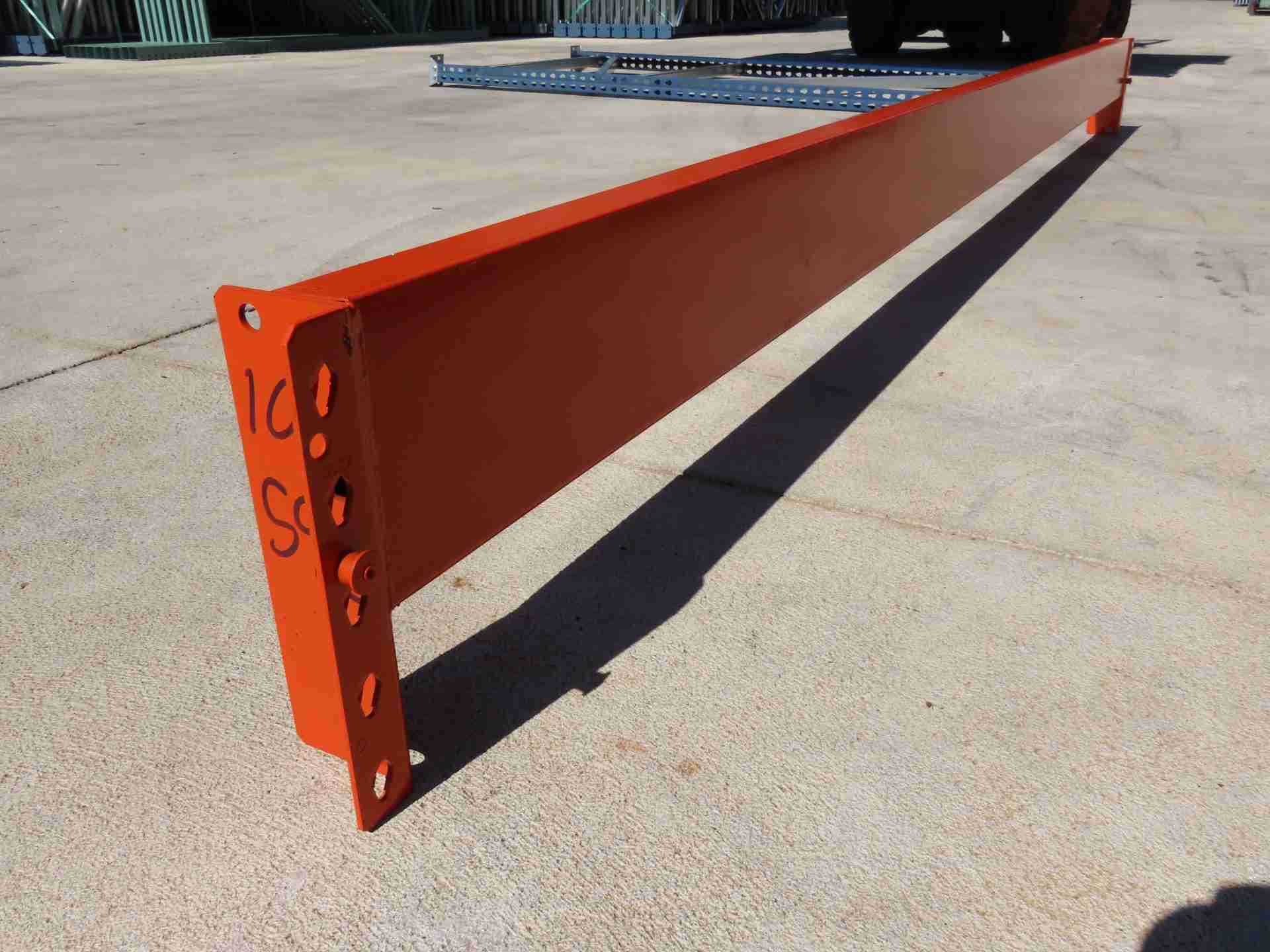
How Can Stakeholders Collaborate to Improve Safety In Public Spaces?
How Can Stakeholders Collaborate to Improve Safety In Public Spaces?
- Picture a bustling park on a sunny Saturday, showcasing the importance of public spaces in community life.
- Engagement starts with understanding personal stories that highlight a shared need for safe spaces.
- Collaboration among stakeholders—community leaders, businesses, and residents—creates a tapestry of ideas for community well-being.
- Practical solutions involve critical thinking, like partnerships for better lighting and safer traffic patterns.
- Ethics play a key role; stakeholders must prioritize community safety over profit for true accountability.
- Connecting families, the elderly, and individuals strengthens community dynamics and promotes accessibility.
- Embrace your role in transforming local spaces into thriving havens for laughter and safety.

How Can Stakeholders Collaborate to Improve Safety In Public Spaces?
What Are the Ethical Implications Of Neglecting Fire Safety Measures?
When we turn a blind eye to fire safety measures, we’re not just risking property; we’re ignoring lives and dreams. Picture a family gathered around the dinner table, laughter filling the air, the aroma of a home-cooked meal wafting through the kitchen. Now, imagine that warmth turning into chaos: flames racking through the walls, smoke shrouding the laughter, transforming heartbeats into hurried footsteps. The ethical implications of neglect are profound. Each time we choose convenience over safety, we place lives at risk.
Let’s face it—most of us don’t like to consider what happens in the dire moments; the images can be haunting. Yet, rationality tells us that fire is relentless. It doesn’t differentiate between a cherished memory and a moment of carelessness. Ethically, we have a duty to protect not only ourselves but also those around us. Our decisions resonate within communities; neglecting fire safety is an act of indifference that could cascade beyond one household. The ripples of that negligence can reach friends, neighbors, and even strangers who share the same space.
Authorities, in their capacity to mandate safety protocols, recognize that every building, every shelter, is meant to be a safe haven, a sanctuary. When safety measures are overlooked, we undermine the very fabric of trust that binds us. Are we okay with sacrificing that trust for a few extra minutes saved? It’s a choice that weighs heavily—not just on the conscience, but on the lives of those who depend on their surroundings for security.
Consider the narrative of a local hero—a firefighter racing into a burning building, risking everything to save others, all while countless individuals have turned a blind eye to safety protocols that could have mitigated that peril. This isn’t just a story of bravery; it’s a mirror reflecting our collective responsibility. When we engage in conversations about fire safety, we create a culture of awareness and proactive measures, fostering a community that values each life.
So take a moment to think. The next time you see those racking fire exits or the dusty fire extinguishers on the wall, remember: they hold the potential to save lives. Embrace fire safety not as a chore, but as a proactive step towards community unity and shared responsibility. After all, safety isn’t just an obligation; it’s an opportunity to care for one another, transforming mere structures into places where life thrives, leaving chaos outside the door.
What Are the Ethical Implications Of Neglecting Fire Safety Measures?
What Are the Ethical Implications Of Neglecting Fire Safety Measures?
- Ignoring fire safety measures risks not only property but also lives and dreams.
- Neglecting safety transforms joyful moments into chaos and danger.
- Fire does not distinguish between cherished memories and carelessness.
- Ethical responsibility extends beyond personal safety to protect the community.
- Overlooking safety undermines trust in our shared environments.
- Engaging in fire safety discussions fosters community awareness and responsibility.
- Embracing fire safety is an opportunity to care for others and create thriving spaces.

What Are the Ethical Implications Of Neglecting Fire Safety Measures?
Conclusion
In the realm of design, we often prioritize aesthetics over something that should be paramount: safety. Visibility, clear walkways, and accessible fire routes are not merely technical requirements; they serve as the backbone of trust, connection, and community well-being. Imagine navigating a workspace filled with towering racks—an everyday task made daunting by poor visibility and cluttered pathways. Such environments can feel perilous, yet with thoughtful design, danger transforms into clarity. Intelligent visibility allows workers to identify hazards, turning chaos into a productive rhythm. This clarity shapes a culture of safety that encourages accountability, ensuring every individual feels valued and respected.
Now consider the role of walkways, which function like the arteries of our communities. Narrow passages create potential hazards, hindering safe mobility, especially for the vulnerable among us. Picture families, the elderly, and children all vying for space on a tight path. We must confront the ethical implications. Every time we neglect to provide clear, spacious walkways, we prioritize convenience over inclusion, sending a message that some community members are less deserving of safety. We can’t afford to let our public spaces become barriers; they should instead invite connection and interaction.
Fire access routes are equally crucial. When these paths are blocked or poorly marked, we compromise not just property but lives. Seconds matter during emergencies, and our obligation is to ensure that emergency responders can act swiftly. Treating safety regulations as mere checklists is a dangerous oversight. Clear routes are our promise to one another—to uphold the collective responsibility of caring for our community.
Collaboration among stakeholders is essential in this mission. Each voice adds value, creating a rich tapestry of ideas rooted in shared experiences. When local businesses and community leaders unite, safety becomes a community-wide commitment, building trust and resilience. Engaging with stakeholders means listening to diverse perspectives and making informed, ethical decisions that respect every individual’s right to safety.
As we embark on this journey, let’s elevate safety from negligence to a core tenet of our design philosophy. We have the power to transform our spaces—turning bustling parks into sanctuaries, workplaces into well-oiled machines, and neighborhoods into hubs of accessibility. Ultimately, it’s about being part of something bigger than ourselves, crafting environments that promote not just productivity but a spirit of unity and care. Let’s put safety first, together.

Conclusion
Conclusion:
- Design often prioritizes aesthetics over safety, which should be paramount.
- Visibility, clear walkways, and accessible fire routes are crucial for community well-being.
- Poor visibility and cluttered pathways create hazards, making environments feel unsafe.
- Narrow walkways hinder mobility and prioritize convenience over inclusion.
- Blocked or poorly marked fire access routes compromise safety during emergencies.
- Collaboration among stakeholders is essential for creating a community-wide commitment to safety.
- Elevating safety as a core design principle can transform spaces and promote unity.

Conclusion
Other Resources

Other Resources
Here is a list of other resources you can review online to learn more:
- Warehousing and Fulfillment
- American Society of Safety Professionals
- Pallet Racks, Pallet Racking, Pallet Shelves in Stock – ULINE
- Storage Equipment Manufacturers’ Association
- International Warehouse Logistics Association
- Selective Pallet Racking Systems – Container Systems
- Warehousing Education and Research Council: https://www.werc.org/
- MHI
- Wolter
- What is Cantilever Racking? – AK Material Handling Systems
- Iowa Illinois Warehouse Racking
- Pallet Racking 101: A Comprehensive Guide & Options Explained
- Cantilever Racks Chicago
- Pallet Racking systems in Illinois, Great Lakes
- IIWS Inc. Rack Installation Illinois & Rack Repairs Illinois
- New Cantilever Racks and Racking Kits
- Teardrop Pallet Rack – Ridg-U-Rak
- Cantilever Rack Guide: Ordering Cantilever Racking
- The Ultimate Pallet Racking Guide – Speedrack West
Use This Prompt To Get More Resources With Your Favorite Online AI Tool: Please provide me with a list of online articles with their URLs in a bulleted list that I can read regarding Designing for Safety: Visibility, Walkways, and Fire Access

Other Resources
Glossary Terms
Designing for Safety: Visibility, Walkways, and Fire Access – Glossary Of Terms
1. Accessibility: The ease of reaching and entering spaces, important for all users, including those with disabilities.
2. Awareness: Knowledge and understanding of surroundings and potential hazards, crucial for safety.
3. Clearance: The unobstructed space necessary for safe passage, especially for emergency vehicles.
4. Egress: A safe exit route from a building or area, essential during emergencies.
5. Emergency Lighting: Specialized lighting designed to illuminate pathways and exits during power outages or emergencies.
6. Fire Access: Routes and areas designated for emergency services to efficiently respond to fire incidents.
7. Fire Code: Regulations governing building design and materials to enhance fire safety.
8. Floor Plan: A detailed layout of a building’s spaces, showcasing access routes and safety features.
9. Ingress: The act of entering a building or space, relevant in planning emergency exits.
10. Landscaping: The arrangement of external features to improve visibility and safety without obstructing pathways.
11. Lighting: The use of artificial or natural illumination to enhance visibility and reduce hazards.
12. Marking: The use of signs or paint to designate walkways, exits, and hazard areas.
13. Navigation: The process of planning and following a clear route, essential for safe movement in environments.
14. Obstruction: Any object or structure impeding visibility or movement, potentially creating safety risks.
15. Pathway: Designated walkways that guide pedestrians safely through areas.
16. Public Safety: Measures and protocols aimed at protecting individuals from harm in public spaces.
17. Safety Barrier: Physical structures like rails or fences that protect individuals from hazardous areas.
18. Signage: Informational displays used to convey safety instructions, directions, and warnings.
19. Site Analysis: The evaluation of environmental factors affecting safety and accessibility during design.
20. Slope: The angle of a surface, which impacts accessibility and safety, particularly in walkways.
21. Standards: Established criteria governing safety features in building and landscape design.
22. Traffic Flow: The movement patterns of vehicles and pedestrians, crucial for safety in shared spaces.
23. Universal Design: An approach that ensures products and environments are usable by all people, regardless of ability.
24. Visibility: The state of being seen, important for awareness of hazards and clear paths.
25. Wayfinding: The system of signs, maps, and environmental cues that guide people through spaces.
26. Workplace Safety: Policies and practices ensuring a safe environment in occupational settings.
27. Zoning: Planning designated areas for specific uses, impacting safety, accessibility, and traffic.
28. Emergency Plan: A pre-established plan outlining procedures for responding to emergencies, ensuring safety.
29. Maintenance: Ongoing care of pathways and safety features to ensure functionality and compliance.
30. Evacuation Route: Pre-determined paths leading occupants safely away from buildings during emergencies.

Glossary Of Terms
Other Questions
Designing for Safety: Visibility, Walkways, and Fire Access – Other Questions
If you wish to explore and discover more, consider looking for answers to these questions:
- What are some practical tips for designing walkways that enhance safety?
- How can community members get involved in advocating for better safety measures?
- What specific regulations govern fire access routes in different areas?
- How can technology be integrated into safety design in public spaces?
- What role do local governments play in ensuring safety compliance?
- How can feedback from community members be effectively incorporated into design plans?
- What are examples of successful community-driven safety initiatives?
- How can educational programs promote awareness about safety design standards?
- What are the consequences of non-compliance with safety design regulations?
- How do cultural differences influence the perception of safety in public spaces?
Other Questions
Checklist
Designing for Safety: Visibility, Walkways, and Fire Access – A Checklist
Safety Design Checklist: Empowering Communities Through Secure Design
Heart Appeals
_____ Share Your Story: Reflect on personal experiences related to safety in public spaces. Write down one or two anecdotes that highlight the importance of visibility and accessibility.
_____ Express Care for Others: Consider how your actions can protect your community. Make a commitment to ensure safe walkways and clear paths for everyone, especially the vulnerable.
Head Appeals
_____ Assess Visibility: Evaluate the visibility in your environment. Note any areas that lack clarity or pose hazards and brainstorm solutions to improve them.
_____ Identify Walkway Issues: Walk through your community and identify narrow walkways. Document specific examples where safety is compromised.
Gut Appeals
_____ Emergency Access Check: Take a walk or drive around to evaluate fire access routes in your area. Are they clearly marked and free from obstructions?
_____ Organize Community Advocacy: Gather a group of neighbors or co-workers to advocate for improved safety measures. Create a list of actions your group can take together.
Ethical Appeals
_____ Champion Inclusivity: Ensure your designs or suggestions for public spaces are inclusive. Ask yourself, “Who might be excluded from this space, and how can I make it more welcoming?”
_____ Take Responsibility: Write down one specific way you can contribute to the collective effort of maintaining safety in your community.
Authority Appeals
_____ Engage with Experts: Connect with local safety officials or community leaders. Arrange a meeting to discuss strategies for improving safety.
_____ Follow Safety Regulations: Stay informed about existing safety regulations and ensure compliance in your designs or recommendations for public spaces.
Narrative Appeals
_____ Tell a Safety Story: Share or write a narrative about a time when safety measures made a difference in a public space. How did that change your perspective on community action?
_____ Visualize a Safer Future: Imagine a public space transformed through thoughtful design. Sketch or describe how you see this space fostering community and safety.
Social Appeals
_____ Invite Feedback: Encourage conversations with community members about their safety concerns. Create a forum or group where these issues can be discussed openly.
_____ Create Support Networks: Build or join a network of individuals dedicated to improving safety in your area. Plan regular meet-ups to share ideas and progress.

Checklist
At RackingWorld, we help guide you through selecting warehouse storage systems and racking.
Be sure to read our other related stories at RackingWorld to learn more about warehouse storage systems.
0 Comments