
Uncovering The Truth About Racking Systems
By Tom Seest
At RackingWorld, we help guide you through selecting warehouse storage systems and racking.
Be sure to read our other related stories at RackingWorld to learn more about warehouse storage systems.
Common Misconceptions About Racking Systems
When it comes to racking systems, misunderstandings run rampant, much like a game of telephone among warehouse managers. One of the most pervasive myths is that all racking systems are created equal. This couldn’t be further from the truth. The diversity in racking solutions is as vast as the industries they serve. From pallet racks to cantilever styles, the right choice hinges on your unique needs. Choosing the wrong system can lead not only to inefficiency but also to safety hazards; a risk no responsible manager should ignore.
Then there’s the belief that racking systems are just a cost, an expense that eats into profits. This mindset can stifle growth and inhibit potential. Look deeper, and you’ll see that a well-designed racking system is an investment—a catalyst for streamlined operations. It maximizes space, enhances workflow, and ultimately, boosts profitability. It’s about working smarter, not harder, and who wouldn’t want that? When you see your operation run smoothly, you feel a sense of pride that’s hard to replicate.
Some folks think that racking systems require constant maintenance and oversight, draining time and resources. Truth be told, regular checks are essential, but so is the peace of mind that comes from knowing your racking system is set up correctly and functioning optimally. Partnering with experienced providers can turn this process from a burden into a seamless part of your routine. It’s about building a supportive relationship where expertise meets your operational needs, and together, you create a safe working environment.
Another common misconception is that racking systems are static, unable to adapt to changing business demands. However, the reality is quite the opposite. Modern racking solutions offer flexibility and scalability. You might start with a simple configuration but, as your business grows, your racking can evolve. This adaptability is not just practical; it’s ethical. Making informed choices for your operational future demonstrates a commitment to sustainability and responsibility.
So, let’s put these misconceptions to rest. Investing in the right racking system isn’t just about storing inventory; it’s about fortifying the backbone of your operation. When you prioritize effective racking solutions, you pave the way not just for productivity, but for a culture of trust and confidence within your organization. Embrace the challenge, engage with the truth, and watch your business flourish.
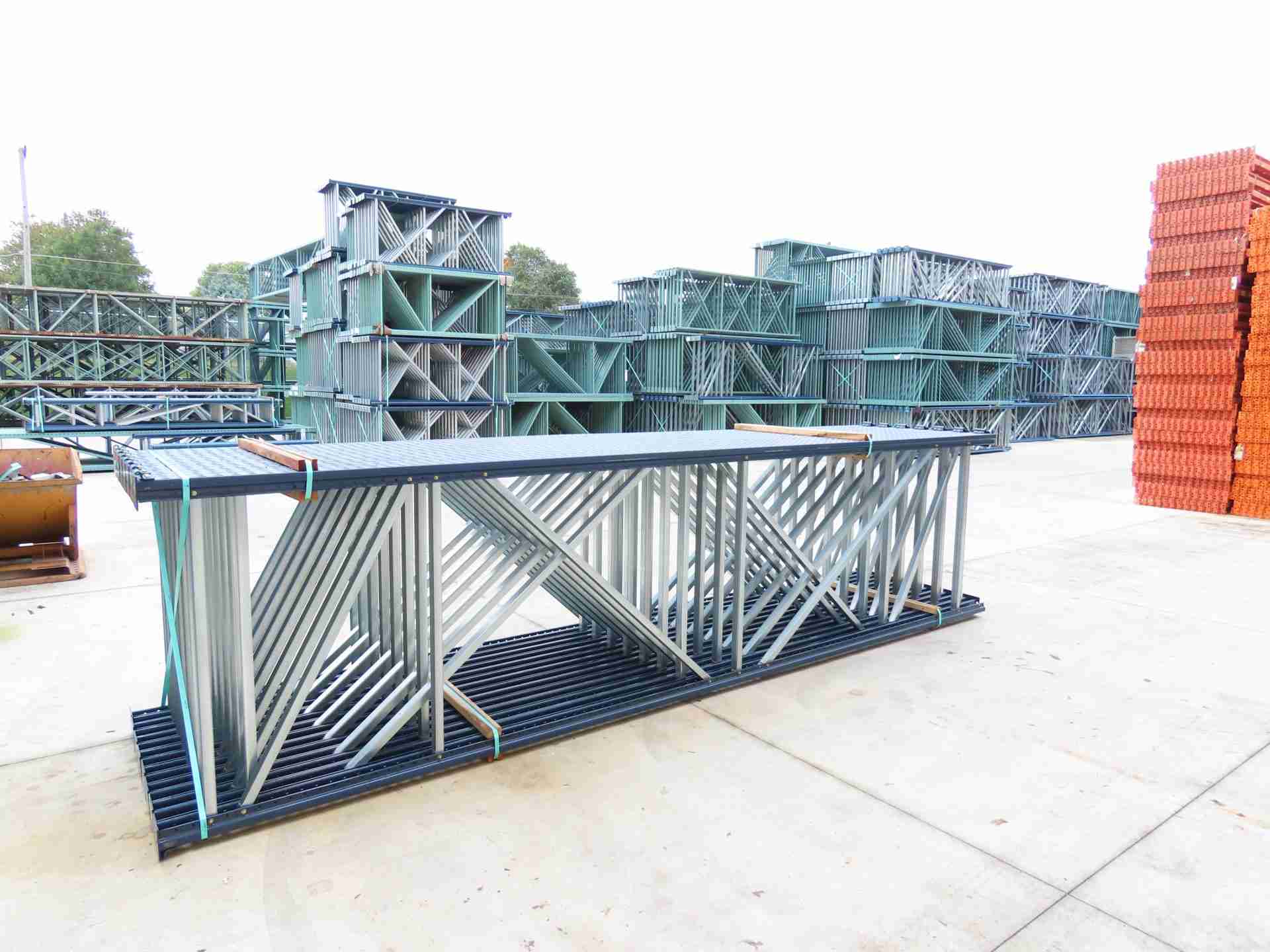
Common Misconceptions About Racking Systems
Common Misconceptions About Racking Systems
- Misunderstandings about racking systems are common among warehouse managers.
- Not all racking systems are the same; different solutions cater to unique industry needs.
- Choosing the wrong racking system can lead to inefficiency and safety hazards.
- A well-designed racking system is an investment that maximizes space and enhances workflow.
- Regular maintenance of racking systems is crucial but manageable with experienced partners.
- Modern racking solutions offer flexibility and scalability, adapting to changing business needs.
- Investing in effective racking solutions supports productivity and fosters a culture of trust within an organization.
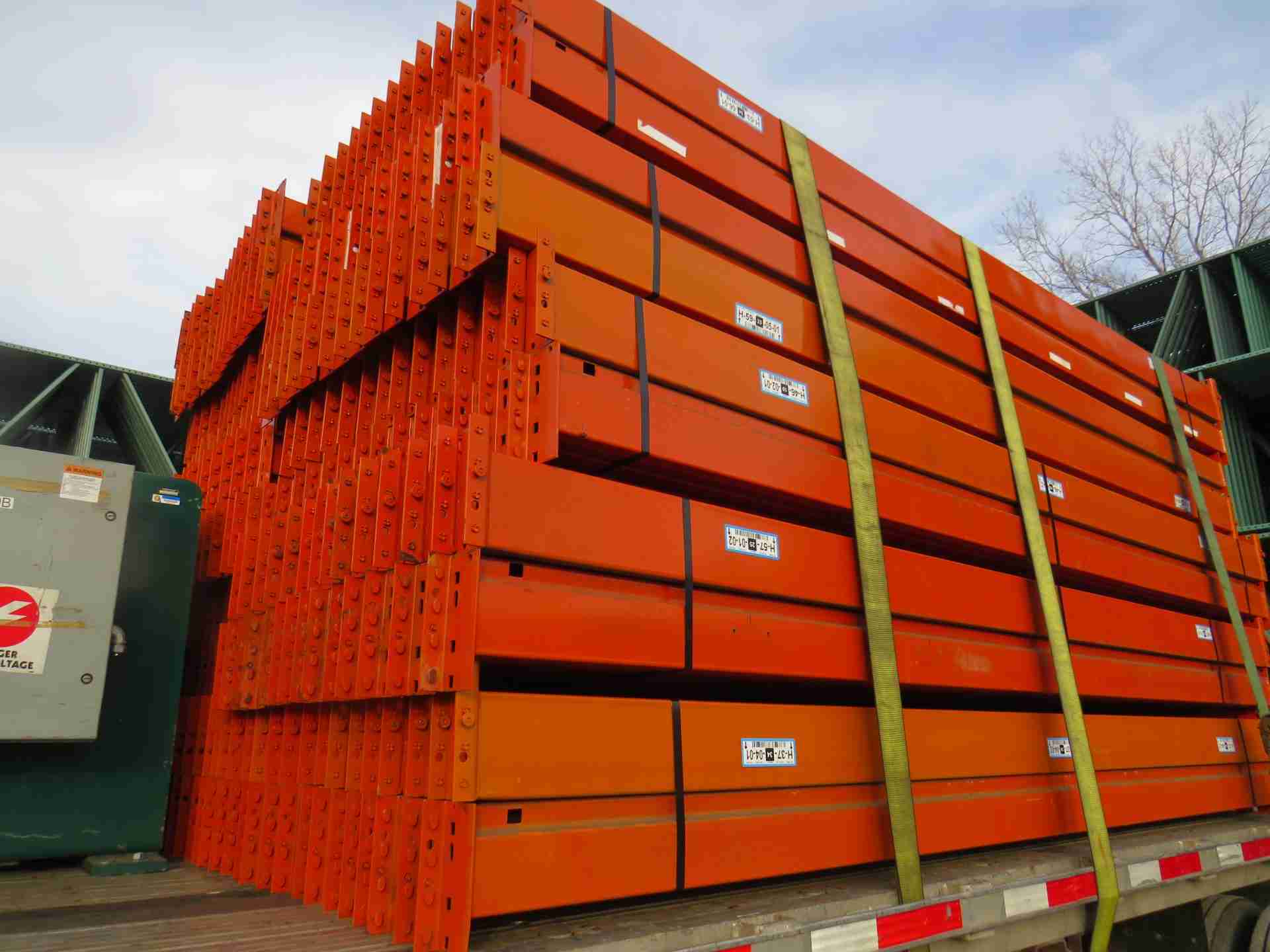
Common Misconceptions About Racking Systems
Table Of Contents
- Common Misconceptions About Racking Systems
- What If I Told You Racking Systems Can Save You Money?
- How Do Racking Systems Enhance Workplace Safety?
- Are Expensive Racking Systems Always the Best Choice?
- What Are the Hidden Costs Of Ignoring Racking System Maintenance?
- How Do Racking Systems Affect Employee Productivity and Morale?
- Conclusion
- Other Resources
- Glossary Of Terms
- Other Questions
- Checklist
What If I Told You Racking Systems Can Save You Money?
When was the last time you looked at your warehouse and thought, “This place is a goldmine?” For most, it’s more like peering into a chaotic labyrinth—boxes piled high, aisles you can’t navigate, and precious time slipping away. But what if I told you that the answer to turning that clutter into cash could be right above your heads? Racking systems aren’t just racks; they’re tools that can transform your operational chaos into order and efficiency.
First, let’s talk heart. Imagine walking into your workplace each day and having the space you’ve crafted reflect the hard work you put in, instead of a disordered mess. A well-designed racking system is more than wood and steel; it’s a symbol of pride, teamwork, and achievement. It says to your employees, “We value what we do here,” fostering a sense of belonging that boosts morale and productivity. When your team sees everything in its place, they’ll feel the pride of a job well done—both in the work and in the environment they come to every day.
Now, let’s engage your head. The facts don’t lie. According to recent studies, businesses that optimize their storage solutions can save up to 30% on operational costs. Just think about it: each inch of vertical space you harness through a proper racking system means less wasted floor area and more room for growth. Rationally, it’s like discovering money you didn’t know you had. By investing in a racking solution, you’re making a smart business decision that pays dividends.
Ethically, it’s about sustainability too. A well-organized space requires fewer resources—less energy burned on lighting up dark corners, and less time wasted searching for items. It’s a move that respects both the environment and your bottom line.
Think of the stories you could share with peers in your industry. “We made a change and the results were remarkable!” That’s what happens when you take the plunge and embrace smart racking solutions. You’re not just part of a trend; you’re leading the charge in efficiency and sustainability.
So, take a moment. Imagine how a fresh perspective on racking could reshape your operations, invigorate your team, and save you real money. It’s about more than just racks; it’s about reclaiming your space, your time, and ultimately, your success. Make the investment today, and watch how it transforms not just your warehouse, but your whole business ethos.
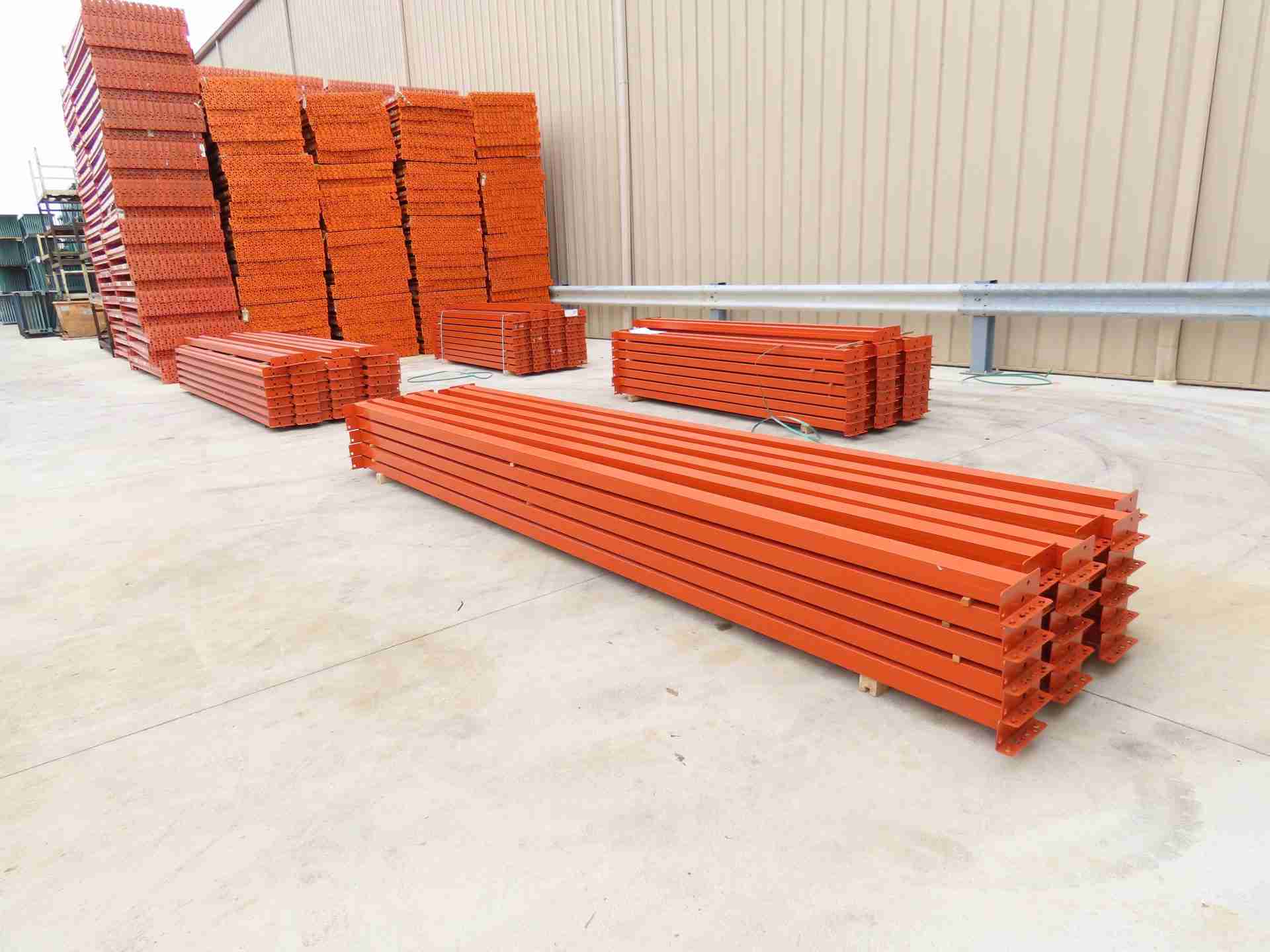
What If I Told You Racking Systems Can Save You Money?
What If I Told You Racking Systems Can Save You Money?
- Many warehouses resemble chaotic labyrinths rather than efficient spaces.
- Racking systems can transform clutter into order and efficiency.
- A well-designed racking system symbolizes pride and teamwork, boosting morale and productivity.
- Businesses optimizing storage solutions can save up to 30% on operational costs.
- Utilizing vertical space reduces wasted floor area and promotes growth.
- Organized spaces are more sustainable, requiring fewer resources and less time to search for items.
- Investing in racking solutions leads to improved operations, team invigoration, and increased profitability.
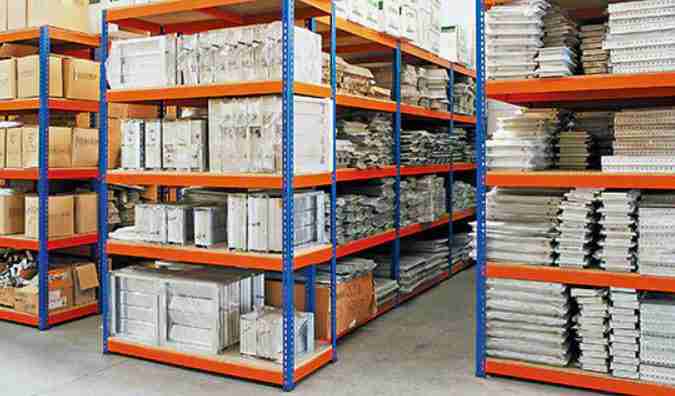
What If I Told You Racking Systems Can Save You Money?
How Do Racking Systems Enhance Workplace Safety?
When it comes to enhancing workplace safety, we often overlook the most fundamental elements in our daily operations. Enter the racking systems—those seemingly mundane frameworks that hold our inventory, tools, and materials. But let’s get one thing straight: they’re not just steel structures. They’re the unsung heroes of safety in warehouses, factories, and retail spaces.
Imagine for a moment what a typical day looks like on the factory floor. Workers are bustling about, moving, lifting, stacking. Each motion carries a certain risk. But with smart racking systems, that risk diminishes significantly. These systems are designed not just to maximize space but to minimize chaos. A well-organized racking system provides a clear layout, reducing the chances of accidents caused by cluttered walkways or misplaced items. You can almost feel the tension lift when everything has its rightful place; workers can focus on their tasks instead of tiptoeing around potential hazards.
Now consider the emotional aspect. Many workers want to feel safe and valued. When employers invest in quality racking systems, it sends a message: “We care about you.” You see, safety is not merely a policy; it’s a practice rooted in respect for the people who make your operation run smoothly. When employees know their wellbeing is prioritized, it cultivates a sense of loyalty and boosts morale. Picture the difference a supportive work environment makes: fewer injuries, less stress, and a workplace where everyone can thrive.
Rationally, the benefits of racking systems are clear. An organized environment improved efficiency, productivity, and quality control. Safety isn’t just an ethical duty; it’s a bottom-line concern. A single accident can derail operations and lead to massive financial setbacks. Reliable racking systems help prevent these situations, offering a fortress of safety amidst daily operations.
But let’s not forget the social aspect of safety culture. When you create a workplace that values safety, you’re laying down the groundwork for a community. Workers look out for one another; they feel a part of something greater. It’s not just about what happens on an individual level; it’s a collective commitment to upholding standards that ensure everyone goes home safe at the end of the day.
So the next time you step into a warehouse, take a moment to appreciate those sturdy racking systems. They’re not just about storage; they are about safety, unity, and the pride that comes from knowing you’re part of a team that truly cares.
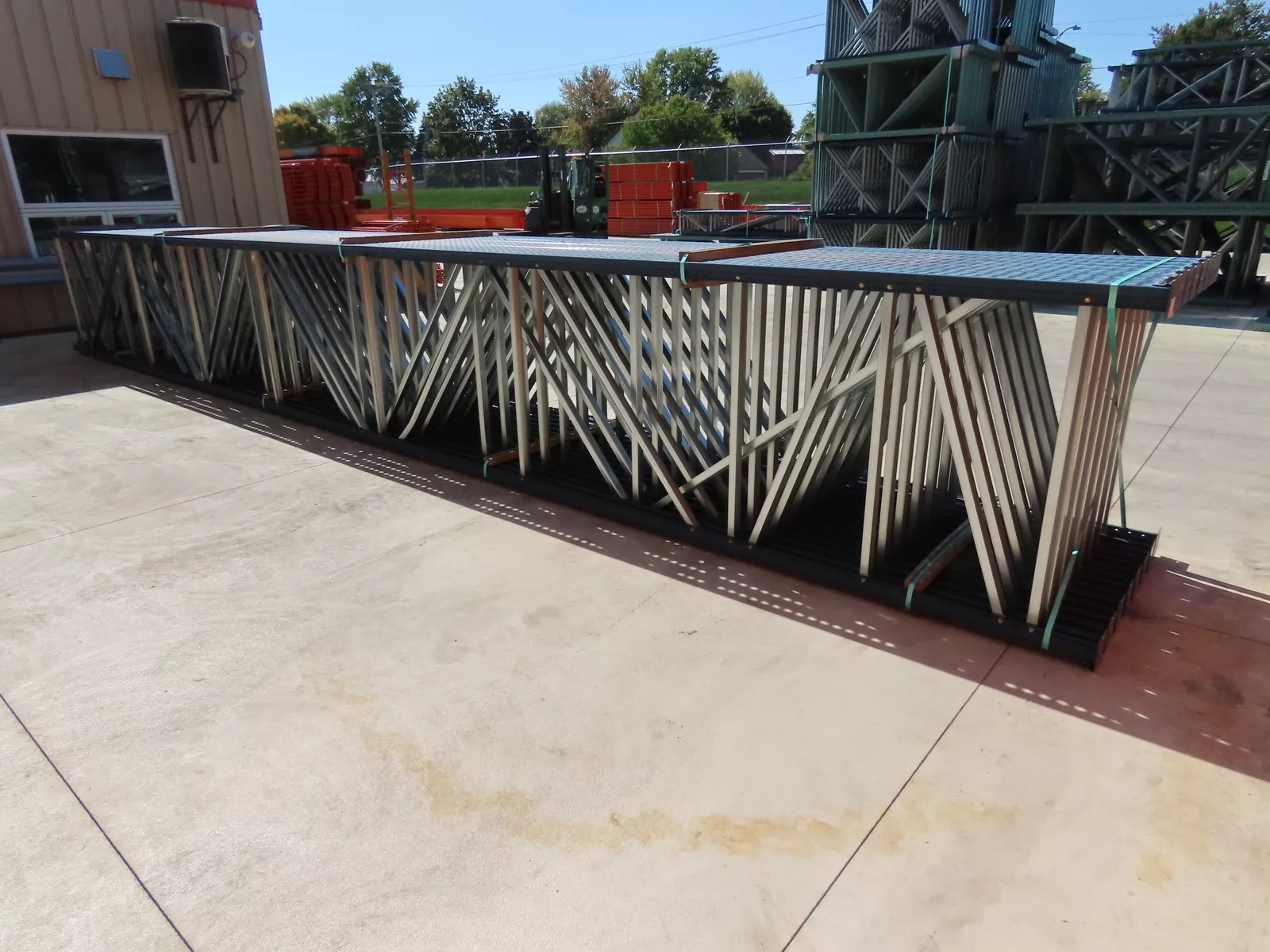
How Do Racking Systems Enhance Workplace Safety?
How Do Racking Systems Enhance Workplace Safety?
- Racking systems are crucial frameworks in warehouses, factories, and retail spaces that enhance safety.
- Smart racking systems minimize risks associated with daily operations by providing a clear and organized layout.
- Investing in quality racking systems shows workers that their safety and value are prioritized.
- A supportive work environment can lead to fewer injuries, reduced stress, and improved employee morale.
- Organized racking systems improve efficiency, productivity, and quality control, also protecting financial interests.
- Creating a safety-oriented workplace fosters a sense of community and encourages workers to look out for one another.
- Racking systems symbolize more than storage; they represent safety, unity, and pride in a caring team environment.
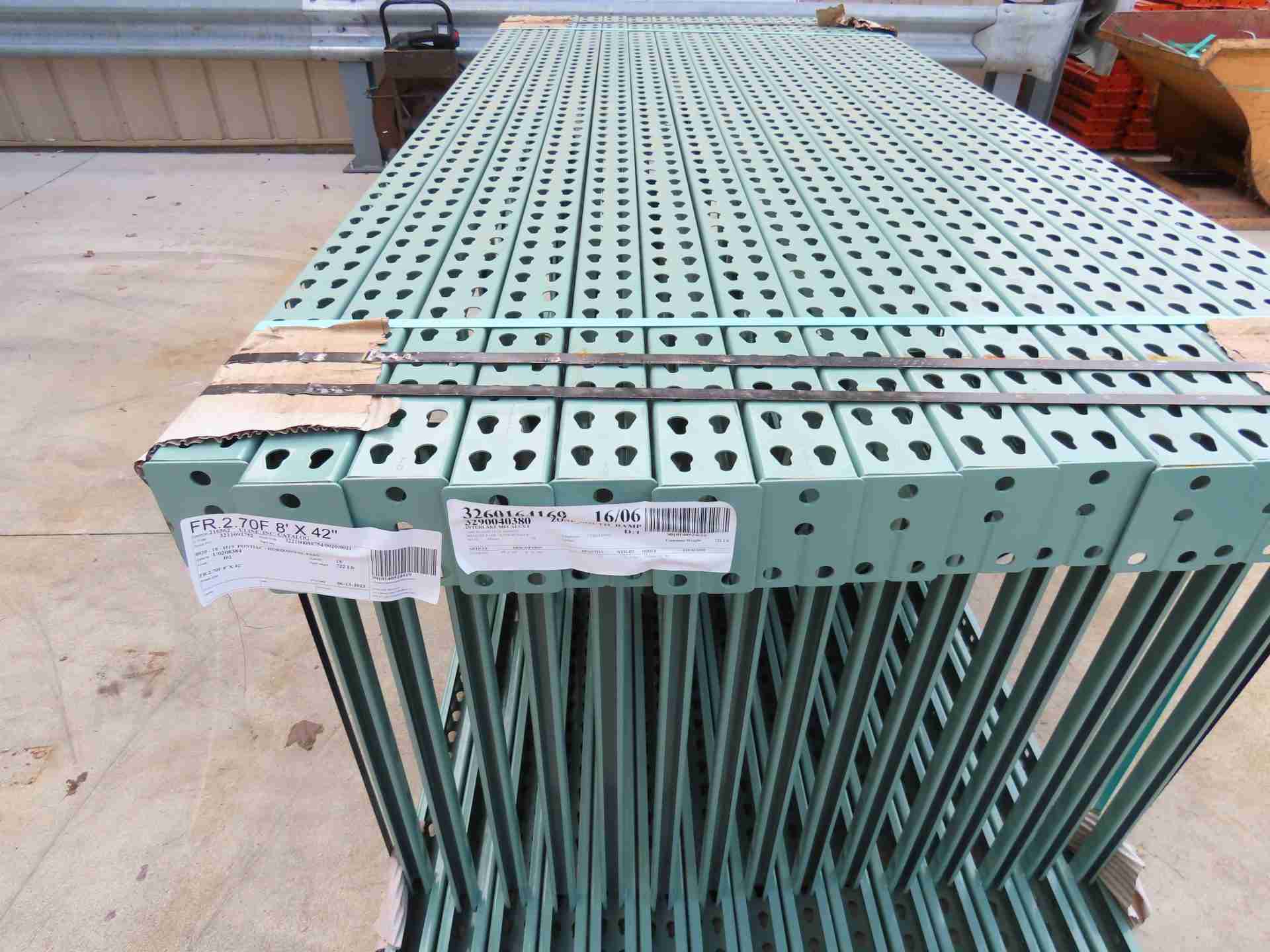
How Do Racking Systems Enhance Workplace Safety?
Are Expensive Racking Systems Always the Best Choice?
When it comes to racking systems, the allure of shiny, expensive options can be intoxicating. You see them gleaming under warehouse lights, meticulously engineered to hold everything but the kitchen sink. But before you reach for that credit card, let’s take a breath and reflect. Are these high-priced solutions really the golden ticket, or are they just shiny traps?
Emotionally, we often gravitate toward premium products because they make us feel secure. There’s comfort in believing that price equates to durability—and who doesn’t want to be the one who’s invested wisely? Yet, the reality is that the best choice isn’t always the priciest. Imagine pouring your hard-earned money into an extravagant racking system, only to find out that simpler, more affordable options would have done the job just as well. It’s gut-wrenching to realize you’ve overpaid, especially when resources are tight.
From a rational standpoint, think about the specific needs of your operation. Do you really need a specialized racking system that boasts robust features you’ll never utilize? Analyzing your daily workflow can reveal surprises. Sometimes, what suits one warehouse might not fit another’s unique circumstances—especially if you’re in an emerging industry where flexibility is key. So, why not match your racking choice to your operational needs instead of your desire to impress?
Ethically speaking, it’s essential to consider sustainability. The most expensive racking options may not be the most environmentally friendly. In an era where we have a collective responsibility to minimize our impact on the planet, opting for solutions that balance cost and sustainability makes not just financial sense, but moral sense too.
Moreover, social influence often plays a role in our decisions. Friends, colleagues, and industry leaders may tout their own glimmering racking systems, convincing you that you need the same to remain competitive. But here’s the truth: true effectiveness lies in finding what works for you, not what dazzles your peers.
Ultimately, the best racking system isn’t just about the price tag; it’s about thoughtful consideration of your specific needs, values, and the operational demands you face every day. The right choice will not only keep your inventory safe but will also ease your conscience, connect with your community, and optimize your workspace for years to come.
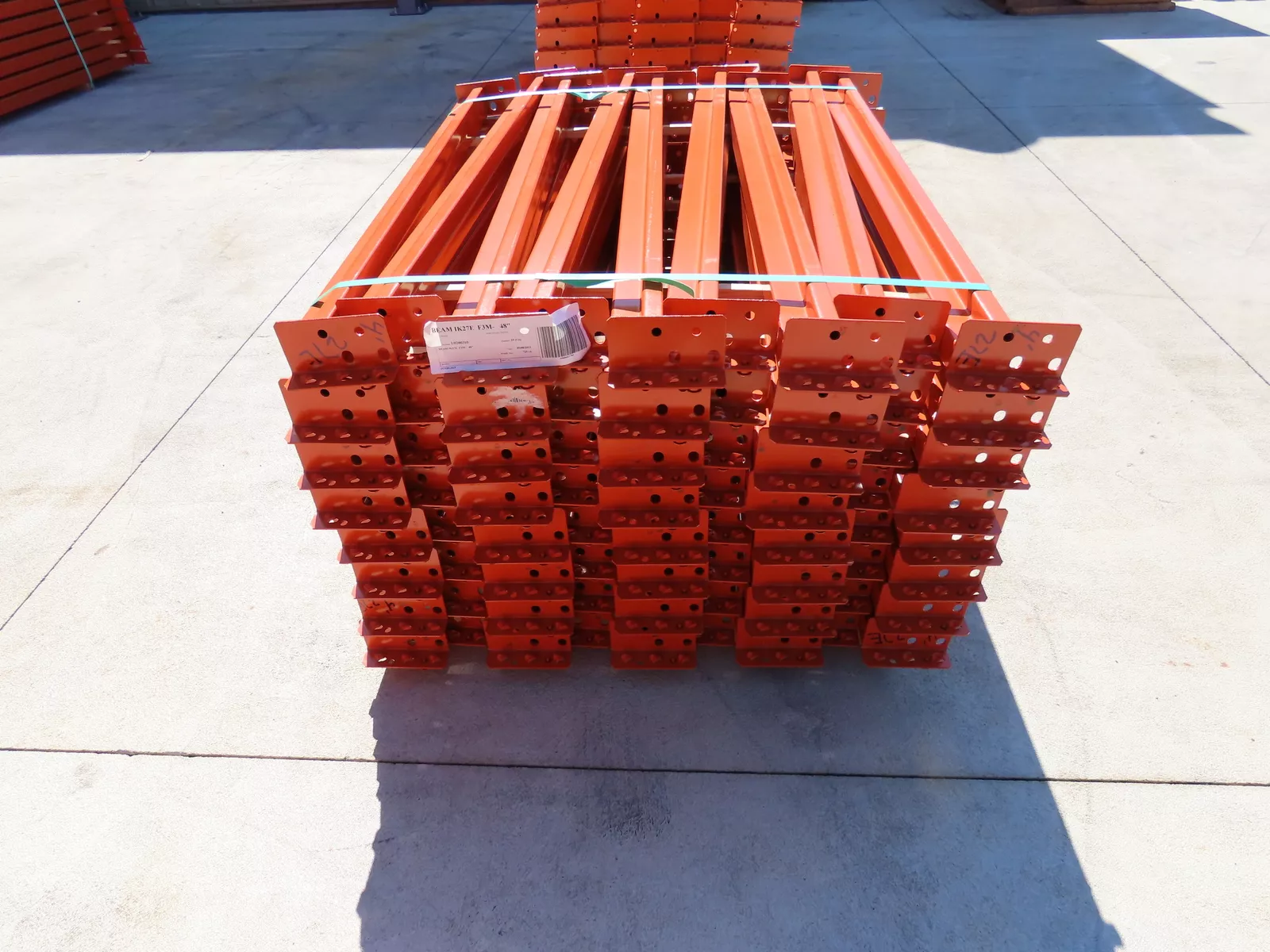
Are Expensive Racking Systems Always the Best Choice?
Are Expensive Racking Systems Always the Best Choice?
- Shiny, expensive racking systems can be tempting, but caution is advised before purchasing.
- Consumers often equate high price with durability, but more affordable options may be equally effective.
- Understanding your specific operational needs is critical when choosing a racking solution.
- Customization and flexibility are important, especially for warehouses in emerging industries.
- Sustainability should be considered, as the most expensive systems may not be the most eco-friendly.
- Social influence can pressure buyers to choose what is trendy rather than what meets their needs.
- The ideal racking system is one that aligns with your unique requirements, values, and operational goals.
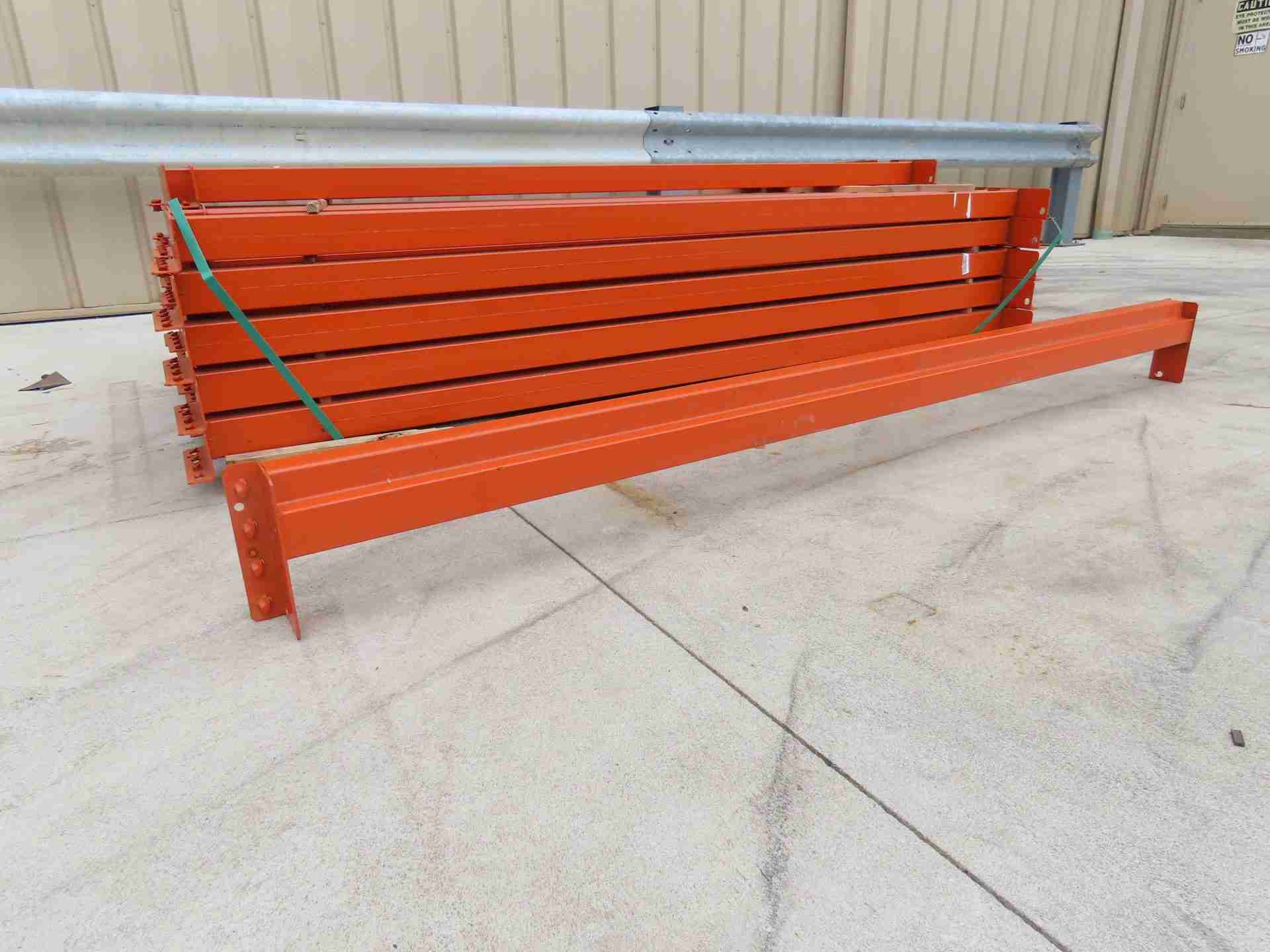
Are Expensive Racking Systems Always the Best Choice?
What Are the Hidden Costs Of Ignoring Racking System Maintenance?
Every day, warehouses and distribution centers hum with activity: trucks roll in and out, skilled workers organize inventory, and systems run like clockwork. Yet beneath this smooth surface, a darker truth lurks. When it comes to racking systems, neglecting maintenance can lead to hidden costs that extend beyond what meets the eye.
Imagine a workplace where the workers feel pride in their environment, where safety isn’t just a box to check but a culture to cultivate. When racking systems fall into disrepair, however, they not only become a risk to physical safety but also a threat to the very fabric of teamwork and morale. The heart of a workplace is its people. If employees sense danger in their surroundings, trust erodes, and productivity plummets. Regular maintenance ensures that each beam and connector works precisely as designed, creating an environment where workers can focus on their tasks without the constant worry of instability looming above them.
Let’s engage the rational side. Investing in a regular maintenance regimen doesn’t just protect your people; it protects your bottom line. A single racking failure can bring operations to a grinding halt. Inventory lost to a collapsed racking system isn’t just lost product; it’s lost revenue, lost trust from customers, and potentially irreparable damage to your brand. When you look at the big picture, the costs of neglect—a lost day of operation, legal fees, or even employee compensation—can quickly outstrip the relatively modest expense of proper maintenance.
Ethically, the responsibility lies with the leaders and managers to create a safe workplace. They owe it to their team to prioritize proper racking maintenance because, in the end, every worker has a family waiting for them at the end of the day. A well-maintained system sends a clear message: you are valued, and your safety matters.
Finally, let’s not forget the narrative we tell about who we are as an organization. Maintaining racking systems with diligence builds a story of reliability and strength. It fosters a community where safety and efficiency lead the charge, reminiscent of the great workplace heroes who put their well-being first—so every day can be a success story, from the loading dock to the back office. The racking in your warehouse isn’t just a structure; it’s a testament to your commitment to safety, integrity, and teamwork. Embrace it fully. Your people—and your profits—depend on it.

What Are the Hidden Costs Of Ignoring Racking System Maintenance?
What Are the Hidden Costs Of Ignoring Racking System Maintenance?
- Warehouses and distribution centers are busy environments with intricate operations occurring daily.
- Neglecting racking system maintenance can lead to hidden costs and risks affecting safety and morale.
- Employees’ sense of safety directly impacts trust and productivity within the workplace.
- Regular maintenance of racking systems prevents operational disruptions and protects financial interests.
- Leaders have an ethical responsibility to prioritize safety and maintenance for their team’s well-being.
- Proper racking maintenance communicates a message of value and commitment to employee safety.
- Investing in racking safety contributes to building a reliable and efficient organizational narrative.
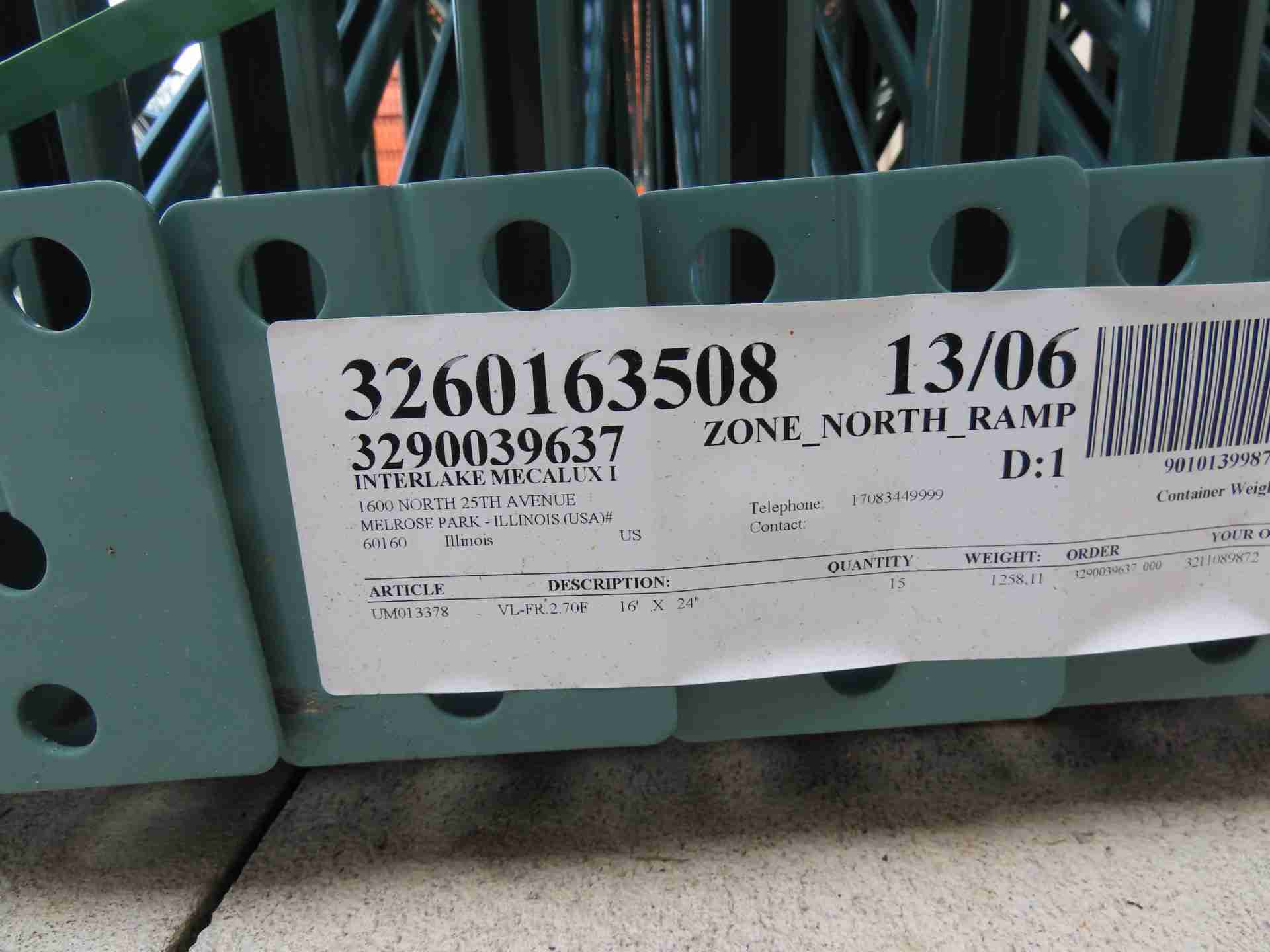
What Are the Hidden Costs Of Ignoring Racking System Maintenance?
How Do Racking Systems Affect Employee Productivity and Morale?
Imagine stepping into a warehouse brimming with energy and purpose. The racking systems aren’t just metal beams and shelves; they’re the veins of an operation that run deep, feeding the heart of productivity. When designed thoughtfully, these systems can transform a chaotic space into a well-oiled machine, sparking the kind of enthusiasm in employees that ignites a fire in their bellies.
Picture this: a team working seamlessly in a well-organized environment, where every tool, item, and piece of equipment is easily accessible. It’s like a dance, fluid and efficient. Racking systems that are intuitive and user-friendly eliminate frustration and inefficiency. Employees know where to find what they need, when they need it, fostering a sense of confidence and pride in their work. You can feel the morale lift – a shared bond forms as each team member finds their rhythm, each contribution valued and recognized.
On the flip side, consider what happens in a space cluttered with poorly designed or overcrowded racking. Stress levels rise, and morale takes a hit. Employees may feel overwhelmed, lost in the labyrinth of disorganization, leading to burnout and disengagement. The tangible signals sent by the state of the workspace affect not just productivity, but the very culture of the organization. People want to work where they feel valued and where the environment reflects care and structure.
The ethical implications are clear. Investing in proper racking systems is about valuing human capital – giving employees the best tools to thrive and make their mark. For those at the leadership level, it’s a responsibility not to be taken lightly; it speaks volumes about the company’s values and commitment to its team.
If you’re a decision-maker, remember that a well-planned racking system isn’t just a practical assembly of industrial materials; it’s a statement about how you view your workforce. They deserve a space that fosters their best efforts, where organization and efficiency meet respect and empowerment.
When employees feel valued, trust flourishes. They become advocates for the company, their productivity flows, and morale skyrockets. So, take a step back and evaluate the heartbeat of your operation. What does your racking system say about you? The answer may just ignite a transformation from the inside out.
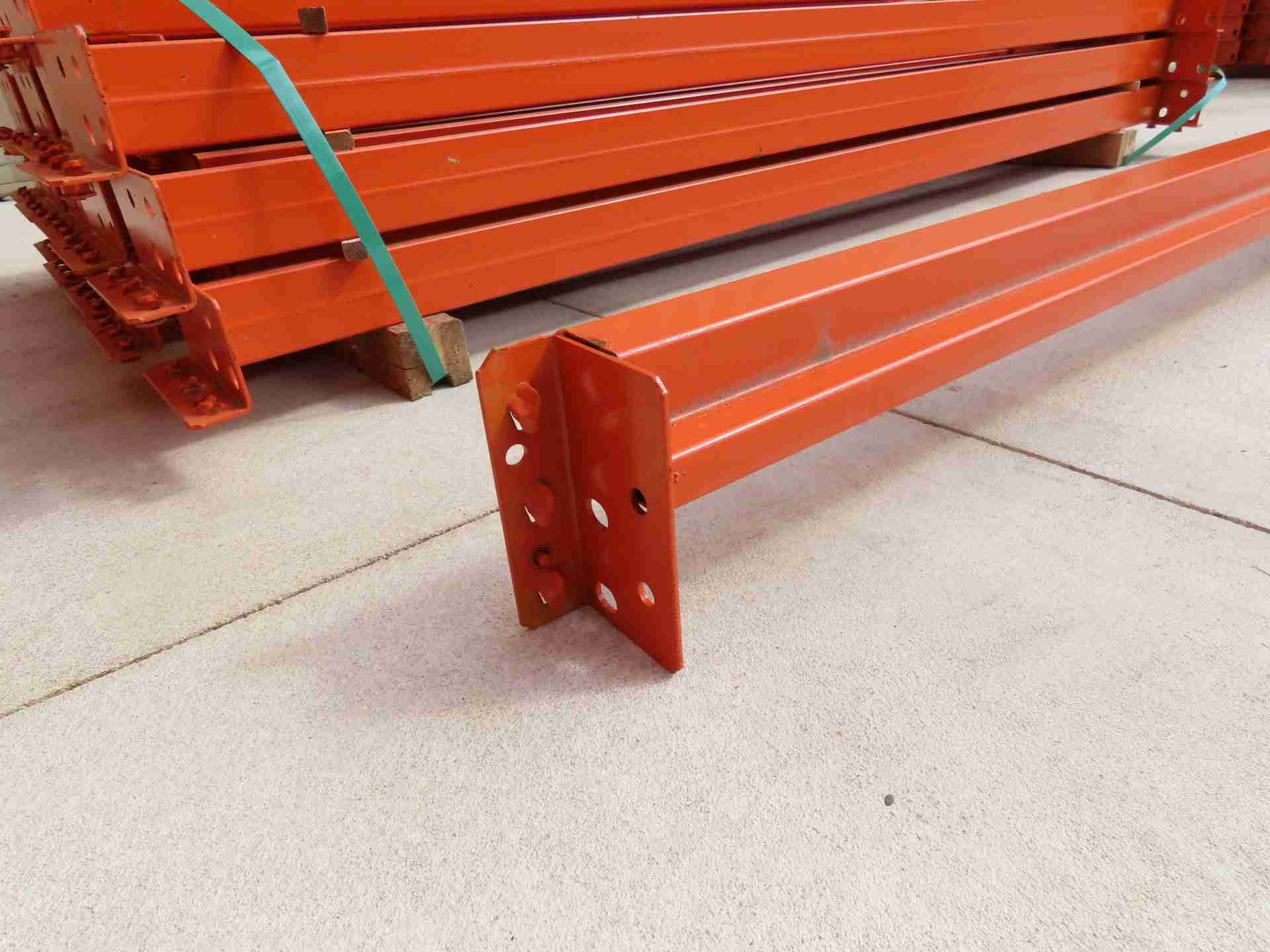
How Do Racking Systems Affect Employee Productivity and Morale?
How Do Racking Systems Affect Employee Productivity and Morale?
- A well-designed racking system enhances productivity and energizes the workspace.
- Organized environments foster enthusiasm among employees and encourage teamwork.
- User-friendly racking systems alleviate frustration, enabling confidence and pride in employees’ work.
- Disorganized or overcrowded racking leads to increased stress and lowered morale among staff.
- The state of the workplace reflects the company’s culture and values, impacting employee satisfaction.
- Investing in effective racking systems demonstrates respect for human capital and commitment to the team.
- A thoughtful racking system is a reflection of how the organization values its workforce, promoting trust and productivity.

How Do Racking Systems Affect Employee Productivity and Morale?
Conclusion
In the world of warehousing, racking systems are far more than just stacks of metal and wood. They are the backbone of every operation, the unsung heroes that can either propel your business to new heights or hold it back in the quagmire of inefficiency and disarray. Misconceptions about these systems abound, often leading people astray. The belief that all racking systems are interchangeable is like saying all cars serve the same purpose. Each has its own design and function tailored to specific operational needs. Choosing the wrong system doesn’t just hinder productivity; it introduces safety risks that could jeopardize your workforce.
Look, we all know running a smooth operation isn’t just about the bottom line. It’s about pride in what you do. A thoughtfully designed racking system creates an environment that radiates professionalism, fostering a sense of belonging among your workers. When they walk into a neat space filled with organized products, they feel valued and motivated. Let’s marry that emotional appeal with rational thought: optimized storage doesn’t just tidy up your space; it can save you up to 30% in operational costs. That’s not a mere number; it’s a ticket to reinvestment and growth.
Now, let’s navigate the ethics of sustainability. A well-maintained racking system isn’t just an investment in productivity; it’s a commitment to operating responsibly. Energizing your workspace not only helps you save resources but also sends a clear message to your team about valuing their safety and well-being. Each beam you inspect, each connector you tighten, reinforces the culture of safety that keeps your employees engaged and your operations seamless.
Consider this: each day, your choices weave the narrative of your organization. Choosing the right racking system reflects a thoughtful strategy that prioritizes both efficiency and respect for your workforce. Aim for solutions that meet your individual needs rather than chasing the latest high-priced trends. The best systems balance cost, function, and environmental responsibility.
At the end of the day, think about what your warehouse says about you. Are you fostering an environment where employees feel safe, valued, and inspired to bring their best selves to work? Racking systems are more than functional tools; they define your workspace culture and, ultimately, your success. Invest wisely and watch your operation evolve into a thriving community where both profits and morale soar.
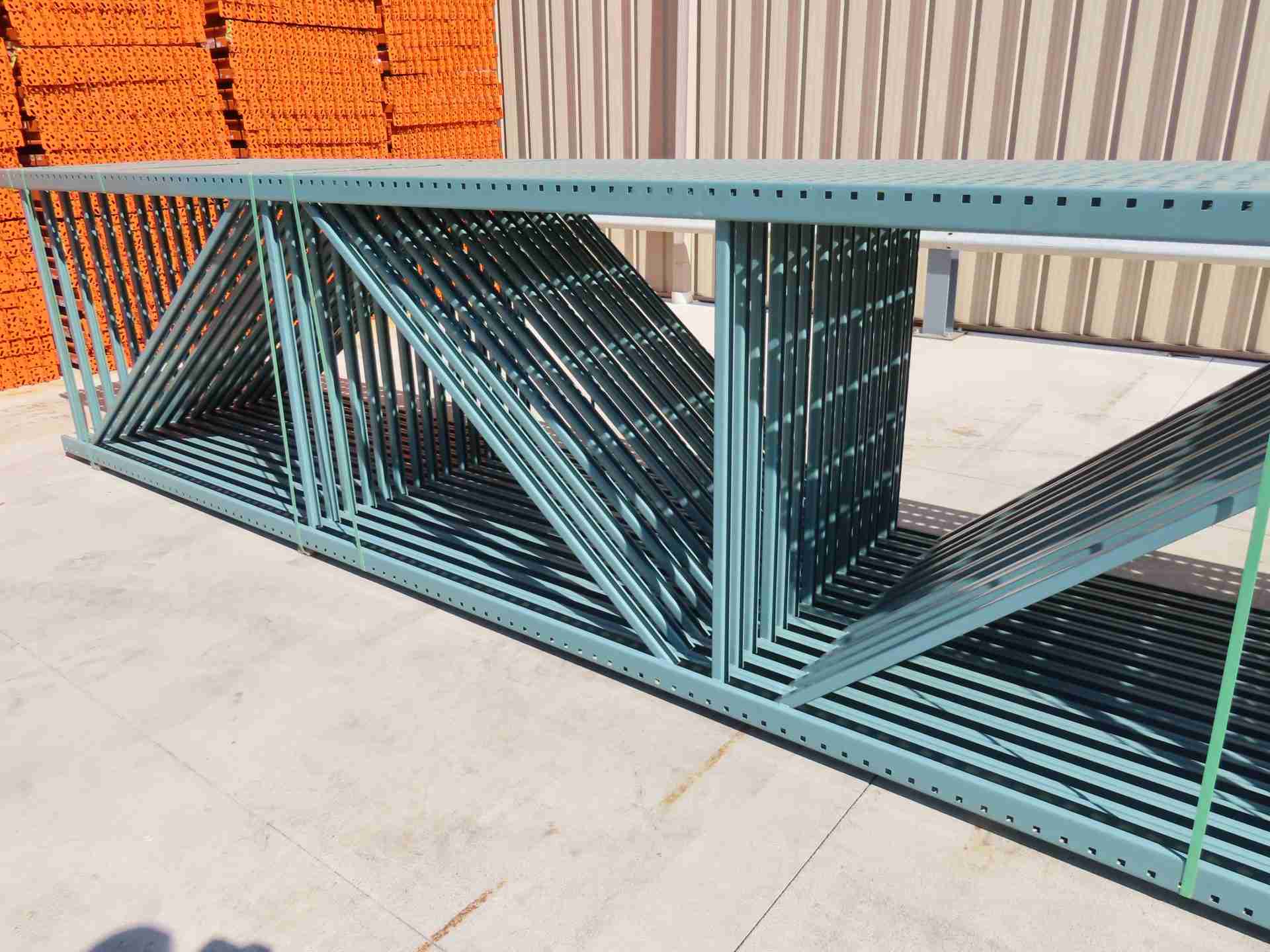
Conclusion
Conclusion:
- Racking systems are essential for warehouse efficiency, acting as the backbone of operations.
- Not all racking systems are interchangeable; each is designed for specific operational needs.
- Choosing the wrong racking system can hinder productivity and introduce safety risks for workers.
- A well-designed racking system fosters professionalism, pride, and motivation among employees.
- Optimized storage can save up to 30% in operational costs, enabling reinvestment and growth.
- Maintaining racking systems reflects a commitment to sustainability and employee safety.
- Investing in the right system enhances workplace culture, ultimately benefiting both profits and morale.
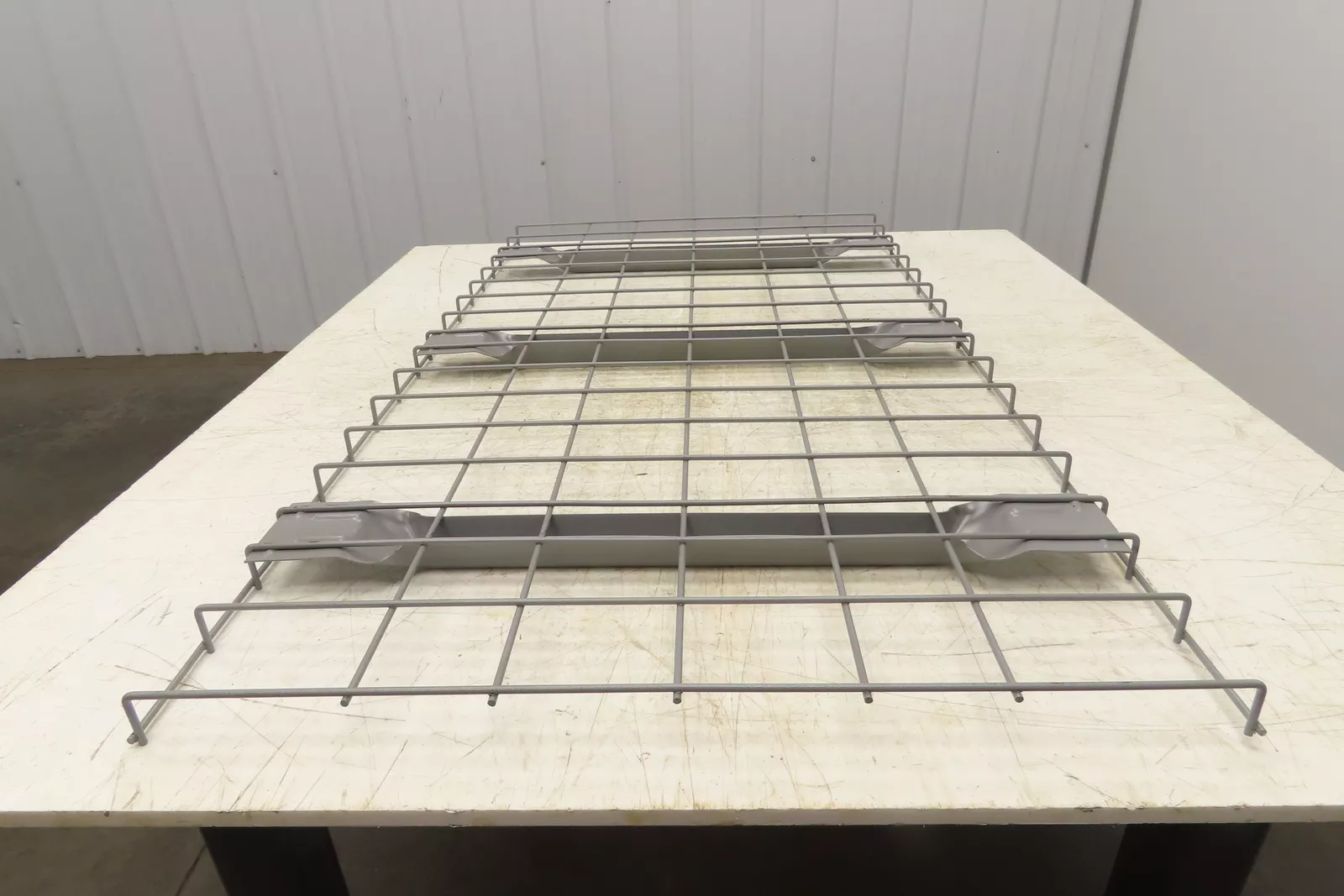
Conclusion
Other Resources

Other Resources
Here is a list of other resources you can review online to learn more:
- The Complete Pallet Rack Guide – Simply Rack
- Pallet Rack Systems – New and Used Pallet Racking and Shelving Experts
- CMMA
- Storage Equipment Manufacturers’ Association
- Intro to Warehouse Racks & Warehouse Racking Systems – ShipBob
- Cantilever Rack Configuration & Installation: A Comprehensive Guide – BMH
- Shipping Boxes, Packaging Materials, Pallet Racking
- Teardrop Industrial Shelving Rack
- Chicago Pallet Racking
- American Society of Safety Professionals
- The Ultimate Pallet Racking Guide – Speedrack West
- Warehouse Racks, Warehouse Racking in Stock – ULINE
- Cantilever Racking Specialists – Get the Right Racks
- What is Selective Pallet Racking
- Warehouse Racking Chicago, IL
- What is Cantilever Racking? – AK Material Handling Systems
- BMH
- National Safety Council
- WERC
- Arrow Industrial Sales
Use This Prompt To Get More Resources With Your Favorite Online AI Tool: Please provide me with a list of online articles with their URLs in a bulleted list that I can read regarding Common Misconceptions About Racking Systems

Other Resources
Glossary Terms
Common Misconceptions About Racking Systems – Glossary Of Terms
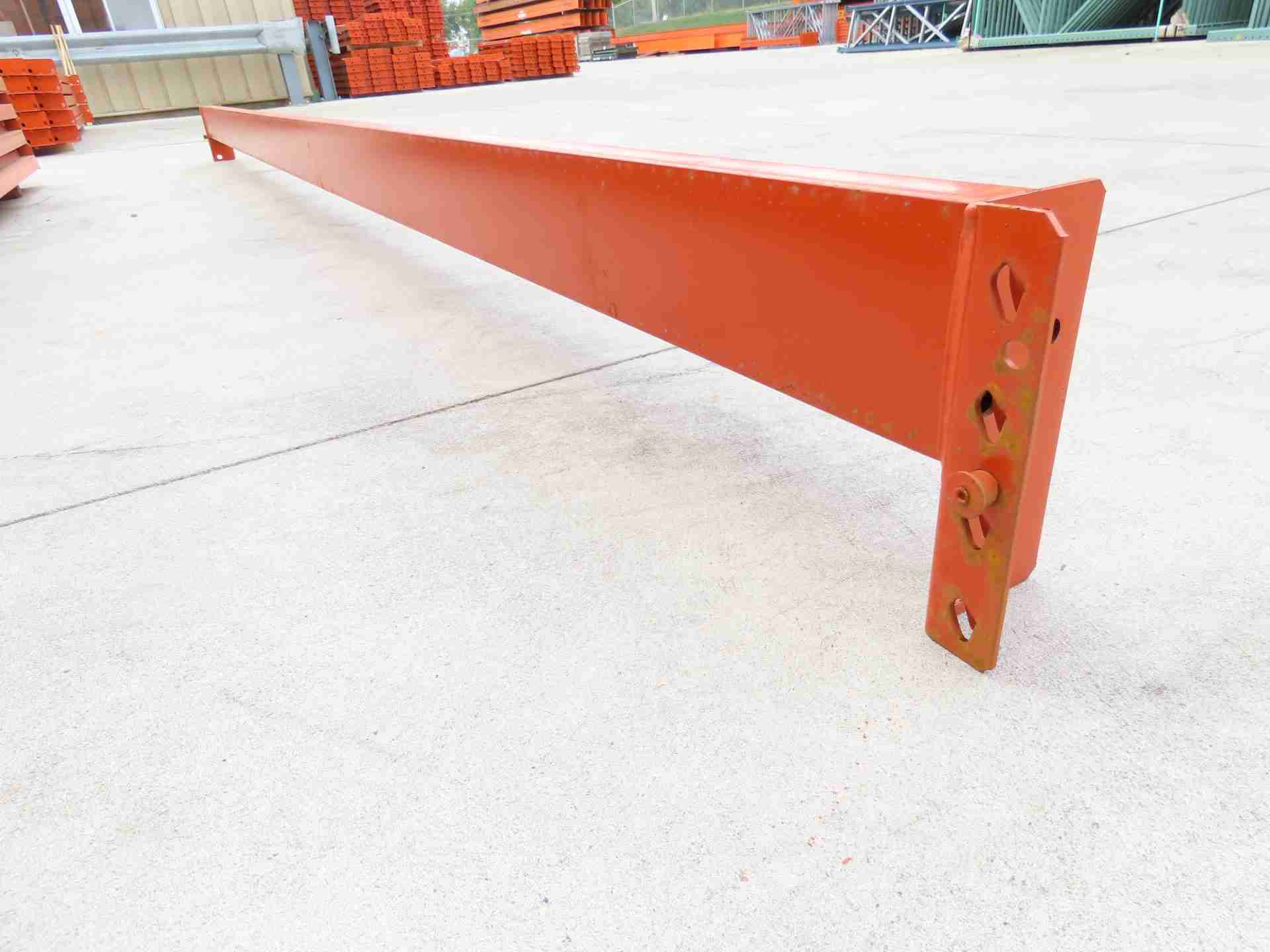
1. Racking Systems: A structure designed to store goods and materials in a systematic manner, often used in warehouses.
2. Pallet Racking: A type of racking system specifically designed to store palletized goods with aisles for forklift access.
3. Selective Racking: A storage system allowing direct access to each pallet, maximizing flexibility in inventory management.
4. Drive-In Racking: A high-density storage solution where forklifts drive directly into the racking to store pallets, minimizing aisle space.
5. Push-Back Racking: A system where pallets are loaded from the front and pushed back on a gently sloped track, enabling multiple pallets per slot.
6. Mobile Racking: Racking systems mounted on wheels that can be moved to create or close aisles, optimizing storage capacity.
7. Mezzanine Systems: Platforms installed within a warehouse to create additional storage or office space without expanding the building’s footprint.
8. Overhead Racking: Storage systems mounted on walls or ceilings to optimize vertical space, often used for small items or tools.
9. Gravity Flow Racking: A dynamic storage system where products slide down on rollers or tracks, facilitating first-in, first-out (FIFO) inventory management.
10. Cantilever Racking: A system featuring arms extending from a vertical frame, often utilized for storing long and bulky items like pipes or lumber.
11. Cold Storage Racking: Specialized racking systems designed for low-temperature environments, typically found in food storage and pharmaceuticals.
12. Hazardous Material Racking: Systems designed to safely store and contain hazardous materials, adhering to regulatory standards.
13. Safety Standards: Guidelines and regulations that govern the design and use of racking systems to ensure worker safety and structural integrity.
14. Weight Capacity: The maximum load a racking system can safely support, determined by design and materials used.
15. Load-Bearing: The ability of a racking system to support the weight of stored items without collapsing or deforming.
16. Aisle Width: The space between racking units, critical for the movement of equipment and adherence to safety regulations.
17. Installation: The process of setting up a racking system, which requires proper planning and adherence to safety standards.
18. Maintenance: Routine checks and repairs necessary to ensure the longevity and safety of racking systems.
19. Custom Racking: Tailored racking solutions designed to meet specific warehouse needs, often optimizing space utilization.
20. Cost Efficiency: The ability to maximize storage capacity and utility while minimizing operational costs with effective racking solutions.
21. Space Utilization: The effective use of warehouse space for storage and operation, often enhanced by innovative racking systems.
22. Inventory Management: The process of overseeing stock levels, orders, and deliveries, significantly supported by an effective racking system.
23. Forklift Compatibility: The alignment of racking systems with various types of forklifts to ensure safe and efficient operation.
24. Vertical Storage: Utilizing upward space in warehouses to increase storage capacity through towering racking systems.
25. Systematic Organization: The arrangement of stored goods in an organized and logical manner to facilitate easy access and inventory tracking.
26. Stock Rotation: The practice of arranging products so that older stock is used before newer stock, often facilitated by specific racking designs.
27. Load Distribution: The manner in which weight is spread across a racking system, crucial for maintaining stability and safety.
28. Product Accessibility: The ease with which stored items can be retrieved, influencing efficiency and workflow in warehouses.
29. Regulatory Compliance: Adhering to industry laws and standards governing the safe design and use of racking systems.
30. Ergonomics: The study of people’s efficiency in their working environment, which plays a role in the design of racking systems to enhance usability and reduce injury.
Glossary Of Terms
Other Questions
Common Misconceptions About Racking Systems – Other Questions
If you wish to explore and discover more, consider looking for answers to these questions:
- What are the different types of racking systems available?
- How can I determine which racking system is right for my needs?
- What safety regulations should I consider for racking systems?
- How often should racking systems be inspected and maintained?
- What are the signs that my racking system needs maintenance?
- Can racking systems be customized for specific operational requirements?
- What are the environmental impacts of racking systems?
- How do I budget for a racking system investment?
- What are the long-term benefits of investing in quality racking systems?
- How can I ensure employee training for racking system safety and efficiency?

Other Questions
Checklist
Common Misconceptions About Racking Systems – A Checklist
Heart Appeal:
_____ Does our racking system reflect the pride and teamwork we value in our workplace?
_____ Are employees able to navigate our racking layout comfortably and efficiently?
_____ Does our racking solution create a sense of belonging and morale among team members?
_____ Are we fostering an environment where everyone feels safe and valued?
Head Appeal:
_____ Have we analyzed our operational cost savings associated with optimizing our racking systems?
_____ Are we using vertical space effectively to maximize productivity and growth potential?
_____ How does our current racking system impact efficiency and workflow?
_____ Are we making informed decisions based on the specific needs of our operation?
Gut Appeal:
_____ Does our current racking system provide a sense of security regarding safety and stability?
_____ Are we experiencing any negative feelings about over-investing in high-priced racking systems without assurance of their benefits?
_____ Are we aware of the potential consequences of neglecting racking system maintenance?
_____ Do we feel a strong moral responsibility to create a safe workspace for our employees?
Ethical Appeal:
_____ Are our racking solutions sustainable and mindful of our environmental impact?
_____ Do we prioritize proper maintenance as a duty to our employees’ well-being?
_____ Are we considering the long-term effects of our racking decisions on both staff and the community?
Authority Appeal:
_____ Have we consulted with experienced providers or industry experts to ensure we’re selecting the best racking system?
_____ Are we keeping up with industry standards and innovations in racking solutions?
Narrative Appeal:
_____ What story does our workplace layout tell about our commitment to safety and efficiency?
_____ Can we share success stories or testimonials that underscore the effectiveness of our racking system?
Social Appeal:
_____ Are our racking systems fostering a sense of community and teamwork among staff?
_____ How are we engaging employees in discussions about the importance of racking systems for overall safety and productivity?
_____ Are we addressing any feedback from team members regarding racking system efficiency and usability?
Checklist
At RackingWorld, we help guide you through selecting warehouse storage systems and racking.
Be sure to read our other related stories at RackingWorld to learn more about warehouse storage systems.
0 Comments