
Balancing Safety And Efficiency: A Manager’s Dilemma
By Tom Seest
At RackingWorld, we help guide you through selecting warehouse storage systems and racking.
Be sure to read our other related stories at RackingWorld to learn more about warehouse storage systems.
Are You Sacrificing Employee Safety for Warehouse Efficiency?
## Balancing Efficiency with Safety: The Pallet Racking Debate
In a world where warehouse efficiency and productivity reign supreme, the vital question arises: Are you sacrificing employee safety for the sake of accelerated operations? Picture this: a bustling warehouse, the hum of machinery, and the swift movement of pallets in expertly configured pallet racking systems. It’s a symphony of efficiency, but at what cost?
Every time a worker navigates through aisles of towering pallet racking, there’s an unspoken tension between swiftness and safety. Efficiency is essential for your bottom line, but it should never come at the expense of those who make it all possible—your employees. The irony is that a culture prioritizing safety can actually lead to improved efficiency. Employees who feel safe and valued are more productive, more engaged, and less prone to accidents.
Consider the implications of compromising safety. A minor injury might lead to lost time, reduced morale, and even costly lawsuits. When your team isn’t just another cog in the wheel but valued as your most precious asset, they can propel your organization to new heights. Investing in robust safety measures around your pallet racking systems isn’t just good for your employees; it’s great for your operation.
Think about the effective use of pallet racking—not just as a tool for storage, but as a centerpiece in a culture that cherishes safety. The right configuration combined with proper training can eliminate hazards and promote a seamless flow of work. It sends a clear message to your team: “Your safety matters.” This fosters a trust that transforms the workplace into a sanctuary of efficiency rather than a race track where employees cut corners to meet quotas.
So, ask yourself this: Does your current warehouse layout promote safe practices among your staff? Are your pallet racking systems optimized not only for space but also for accessibility and safety? Now’s the time to evaluate your infrastructure and policies. Implementing thoughtful changes can not only drive success but also create a cohesive workplace where employees feel secure and supported.
Don’t let profits overshadow the welfare of your workforce. Heighten your commitment to safety today, and watch your team’s efficiency soar, creating a win-win for both people and profit. Make the prudent choice—transform your warehouse from a place of risk to a realm of reliability and success. After all, a safe employee is an empowered employee. Your action today lays the groundwork for a better tomorrow for everyone involved.
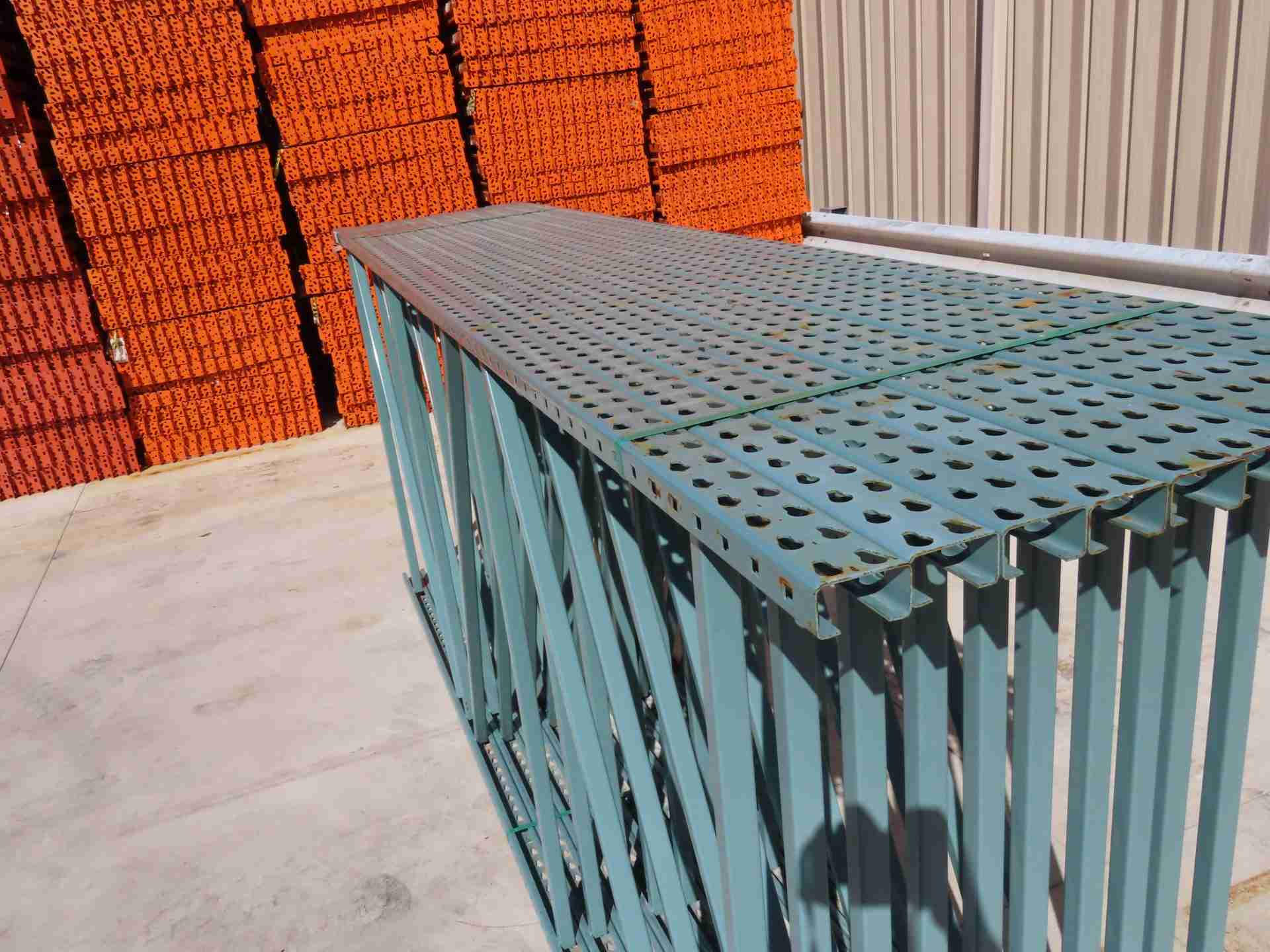
Are You Sacrificing Employee Safety for Warehouse Efficiency?
Are You Sacrificing Employee Safety for Warehouse Efficiency?
- Warehouse efficiency and productivity can conflict with employee safety.
- Safety should not be sacrificed for accelerated operations; a culture of safety enhances efficiency.
- Employees who feel safe are more productive, engaged, and less prone to accidents.
- Compromising safety can lead to lost time, reduced morale, and costly lawsuits.
- Pallet racking should be used as a centerpiece to promote a culture that values safety.
- Evaluate your warehouse layout to ensure it promotes safe practices and accessibility.
- Prioritizing safety can boost employee morale, resulting in a win-win for both people and profits.

Are You Sacrificing Employee Safety for Warehouse Efficiency?
Table Of Contents
- Are You Sacrificing Employee Safety for Warehouse Efficiency?
- How Can Efficient Processes Compromise Safety Measures?
- What Are The Legal Implications Of Unsafe Working Conditions?
- How Can Companies Balance Safety And Efficiency In Warehousing?
- What Role Does Employee Training Play In Warehouse Safety?
- Are There Industry Standards For Safety In Warehouses?
- How Do Safety Audits Contribute To Improved Efficiency?
- Conclusion
- Other Resources
- Glossary Of Terms
- Other Questions
- Checklist
How Can Efficient Processes Compromise Safety Measures?
In today’s fast-paced business landscape, the relentless pursuit of efficiency often overshadows the critical need for safety. Are you aware that what may seem like an innovative way to boost productivity could, in fact, jeopardize your safety standards? Let’s delve into the uneasy partnership between efficiency and safety measures, particularly in sectors that heavily utilize Pallet Racking systems.
Imagine a bustling warehouse where products are moved swiftly. Staff members are under pressure to meet warehouse quotas, and managers are focused on squeezing every ounce of efficiency out of their operations. It’s a common sight: that eye-catching Pallet Racking stacked high, meant to maximize space and streamline logistics. But in their quest for speed, have teams overlooked the crucial safety protocols that ensure every worker goes home unharmed?
Picture this: a cramped aisle where Pallet Racking towers above, the urge to speed through tasks creates a situation ripe for accidents. Employees may skip vital safety checks, as they race to unload and restock, inadvertently turning their environment into a high-risk zone. A slip here, a knock there, and soon safety protocols take a backseat to the relentless cycle of efficiency. You can almost hear a tired safety manager sighing, “If only I could make them see the value in taking their time!”
It’s essential to build a culture where safety and efficiency co-exist harmoniously. Staff should always feel empowered to stop the line and voice concerns. A single moment of hesitation can prevent a devastating accident. Educating workers about recognizing risks associated with their rapid-fire tasks ensures that safety becomes a shared responsibility.
Customers aren’t just looking for quick service; they want to trust that the systems in place prioritize the well-being of everyone involved—from the warehouse staff to the end consumer. Investing in robust safety measures complements your efficiency goals. A well-organized Pallet Racking system isn’t just about maximizing storage; it’s also about creating safe, navigable pathways for your workers.
Remember that safety doesn’t have to compromise efficiency—it can enhance it! Champion a work environment where this vital synergy thrives. By cultivating awareness and respect for safety protocols, you not only protect your assets but also inspire trust and loyalty among your team and clientele. Make a commitment today: Opt for processes that safeguard your team’s welfare and, in turn, watch your efficiency soar!

How Can Efficient Processes Compromise Safety Measures?
How Can Efficient Processes Compromise Safety Measures?
- The pursuit of efficiency in business often overshadows the importance of safety.
- In industries using Pallet Racking systems, the rush for productivity can compromise safety standards.
- Staff under pressure may skip safety protocols, resulting in high-risk environments.
- Creating a culture where safety is prioritized and employees can voice concerns is essential.
- Customers prioritize both quick service and trust in safety measures for staff and consumers.
- Robust safety practices can complement and enhance efficiency goals.
- Commit to processes that protect workers’ welfare while boosting overall efficiency and trust.
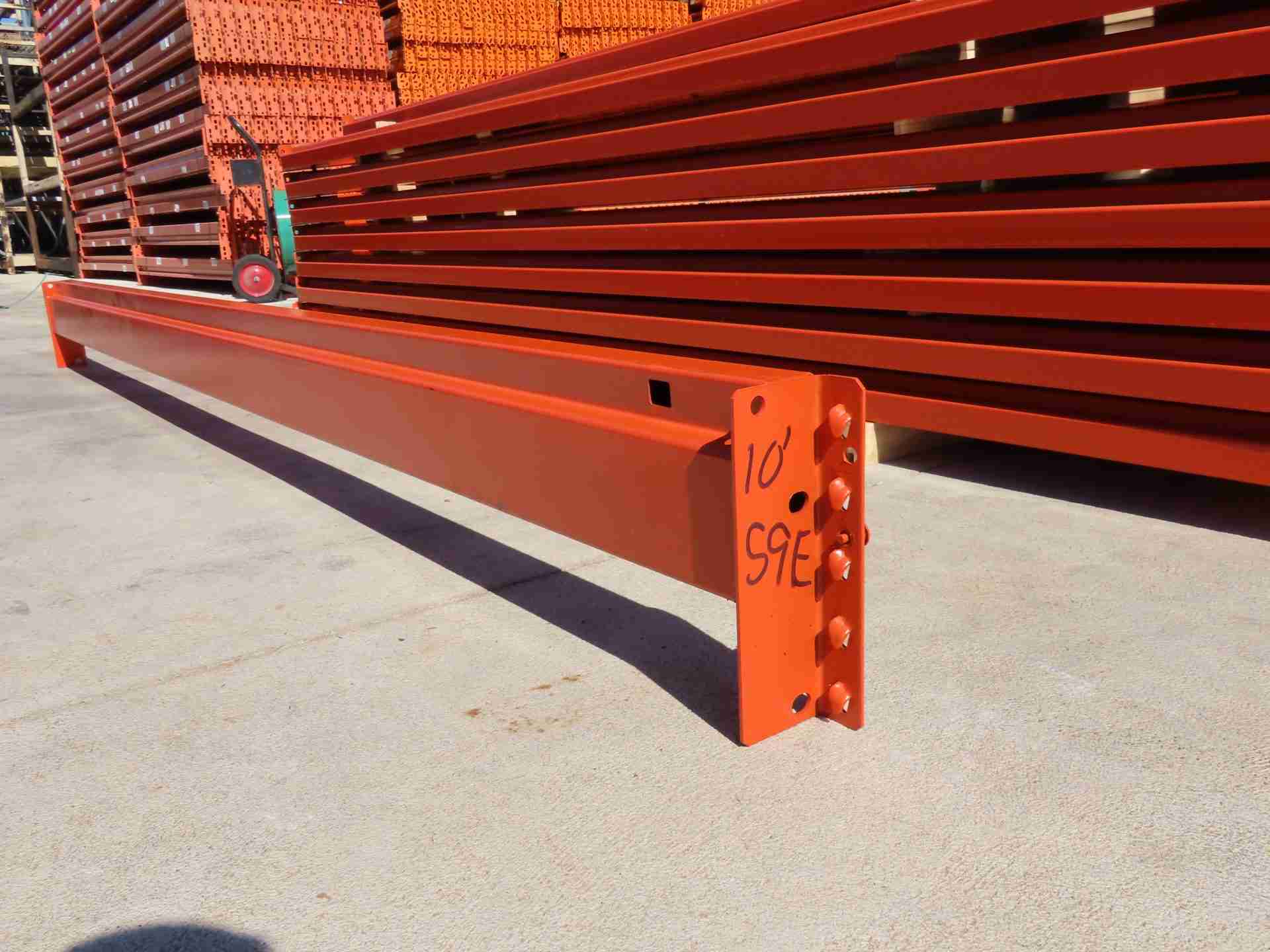
How Can Efficient Processes Compromise Safety Measures?
What Are The Legal Implications Of Unsafe Working Conditions?
When it comes to workplace safety, the implications of turning a blind eye can be staggering. Picture this: a bustling warehouse filled with towering pallet racking, diligently organized yet teeming with potential hazards. Each shelf holds not just products but also a responsibility—the obligation to ensure that every employee returns home safe and sound. Yet, when unsafe working conditions prevail, both employers and employees face a slippery slope fraught with legal repercussions.
Imagine an employee slips on water pooling beneath a poorly maintained pallet racking system, resulting in a serious injury. Off they go to the hospital, while the HR department scrambles to cover their bases. This is where the law steps in, demanding strict adherence to safety regulations. Employers could find themselves falling under scrutiny from OSHA (Occupational Safety and Health Administration), leading to hefty fines and compliance mandates that disrupt operations and drain resources.
But the legal implications don’t stop there. Employees may also pursue personal injury claims against their employers, seeking compensation for lost wages, medical bills, and emotional distress. These claims can become costly nightmares that ripple through an organization’s finances, damaging reputations and morale. The truth is, when the walls of a workplace don’t just protect but also endanger, the fallout can affect everyone — from the executive suite to the very ground floor.
Let’s alleviate those concerns before they manifest. Ensuring that your workplace is compliant with safety regulations isn’t just good practice; it’s a cornerstone of responsible leadership. Regular inspections and maintenance of equipment, including critical structures like pallet racking, can make all the difference. Not only do these measures safeguard your workforce, but they also bolster your credibility as an employer who values their staff’s wellbeing.
Your call to action? Take a proactive stance on safety. Engage with your team regularly, ensure they’re trained on safe practices, and conduct thorough audits of your working environment. Foster a culture where safety is prioritized. Installing the right safety mechanisms and protocols can shield you not only from legal consequences but also from the heartache of seeing an employee hurt.
A commitment to safe working conditions is an investment in your business, your workforce, and your peace of mind. Let’s build workplaces that inspire confidence, trust, and a shared responsibility for safety—because together, we can make every corner of your operation as secure as possible.

What Are The Legal Implications Of Unsafe Working Conditions?
What Are The Legal Implications Of Unsafe Working Conditions?
- Turning a blind eye to workplace safety can have severe implications.
- Pallet racking in warehouses presents both organizational and safety challenges.
- Unsafe conditions can lead to serious injuries, triggering legal scrutiny from OSHA.
- Employers may face hefty fines and operational disruptions due to non-compliance.
- Employees can file personal injury claims, causing financial strain and reputational damage.
- Proactive safety measures, including regular inspections, safeguard employees and enhance employer credibility.
- Building a culture of safety requires team engagement, training, and thorough audits of the working environment.

What Are The Legal Implications Of Unsafe Working Conditions?
How Can Companies Balance Safety And Efficiency In Warehousing?
Balancing Safety and Efficiency in Warehousing: The Pallet Racking Solution
In today’s fast-paced market, where every second counts, companies are often caught in a delicate dance between safety and efficiency in their warehousing operations. It’s a challenge that can feel daunting, yet the right approach can not only streamline your processes but also cultivate a culture of safety that your team will respect and appreciate. Picture this: You have state-of-the-art pallet racking systems in place, seamlessly organizing your inventory while promoting an environment where safety isn’t just a protocol—it’s part of your operation’s DNA.
The first step to achieving this balance is investing in the right infrastructure. When you consider pallet racking, visualize it as an intelligent backbone of your storage strategy. A well-designed pallet racking system maximizes vertical space and enables proper organization, ensuring every item is easily accessible. This method not only saves time during picking but also reduces the risk of accidents. When materials are stored safely and efficiently, employees can move around with confidence, knowing that products won’t fall or create hazardous conditions.
Next, consider your training programs. Integrating safety training with operations training creates a holistic understanding of both priorities. Staff should know not only how to handle items correctly but also the rationale behind safe practices. This will empower them to prioritize safety over speed, thus fostering an environment where they feel secure and valued. When your team feels trusted and trained, they perform better, and that, in turn, boosts productivity.
Additionally, embracing technology can enhance your commitment to both areas. Modern pallet racking systems often come equipped with inventory management software that tracks available stock in real-time. By reducing time spent searching for items, you not only enhance efficiency but ensure that workers can focus on their wellbeing, leading to fewer accidents and errors.
So, how do you implement these strategies in your warehousing operations? Start small, consulting with experts who can evaluate your current systems and recommend tailored improvements. Invest in your people; regularly engage them with feedback loops to learn what’s working and what could be improved. Emphasize that safety and efficiency are not opposing forces—instead, they are allies in building a more robust, successful operation.
A sophisticated approach to pallet racking isn’t just a luxury; it’s a necessity. When you prioritize the safety of your employees and the efficiency of your operations, you pave the way to sustainable success. It’s time to take action, promise yourself that balance, and watch as your operations thrive!

How Can Companies Balance Safety And Efficiency In Warehousing?
How Can Companies Balance Safety And Efficiency In Warehousing?
- Companies face challenges balancing safety and efficiency in warehousing operations.
- Investing in state-of-the-art pallet racking systems enhances inventory organization and safety.
- Well-designed pallet racking maximizes vertical space and ensures easy access to items.
- Integrating safety training with operations training empowers staff to prioritize safety over speed.
- Embracing technology, like inventory management software, boosts efficiency and worker wellbeing.
- Consulting experts and engaging staff with feedback can lead to tailored improvements in systems.
- Prioritizing safety and efficiency creates a robust and successful warehousing operation.

How Can Companies Balance Safety And Efficiency In Warehousing?
What Role Does Employee Training Play In Warehouse Safety?
If you think about it, a warehouse is a beehive of activity—forklifts buzzing, pallets stacking high, and employees hustling from one end to the other. Every day, thousands of products move in, and every day, countless lives are at stake. When it comes to ensuring safety in this bustling environment, the linchpin is none other than employee training.
Imagine this: A team member hastily maneuvering a heavy load of products stacked on pallet racking without understanding the correct protocols. Sounds like a recipe for disaster, doesn’t it? Untrained employees can lead to missed safety signs, improper lifting techniques, and a lack of familiarity with critical equipment like pallet racking. This is not merely a concern; it’s a risk that can lead to accidents, injuries, and costly downtime.
Training is more than just an obligation—it’s your frontline defense. It equips employees with the knowledge of how to handle loads safely, navigate their surroundings, and understand the significance of wearing personal protective equipment (PPE). With effective training, employees will learn how to inspect pallet racking, recognize wear and tear, and identify potential hazards well before they turn into accidents.
This leads to an empowered workforce. When employees feel confident in their skills, productivity soars! They move with purpose, knowing that every task they undertake has a layer of safety woven into it. Think of it as not just a training program but a cornerstone of your company’s culture—one that values safety as much as efficiency. It effectively tells employees, “Your well-being is our priority.” That’s a message that resonates deeply and fosters loyalty and motivation.
Moreover, an investment in training is not just about compliance or protecting against liability; it’s about building a brand that cares. A safe work environment reflects well on you as a leader, garnering trust from your workforce, stakeholders, and customers alike. It’s the foundation of operational excellence that pays dividends in the forms of reduced turnover, lowered workers’ compensation costs, and elevated employee morale.
So, take a step back and assess your training strategies. Are they up to snuff? Embrace the power of training and see it transform your warehouse environment from a risky space into a robust sanctuary of safety! Make that commitment today, and watch your warehouse thrive.
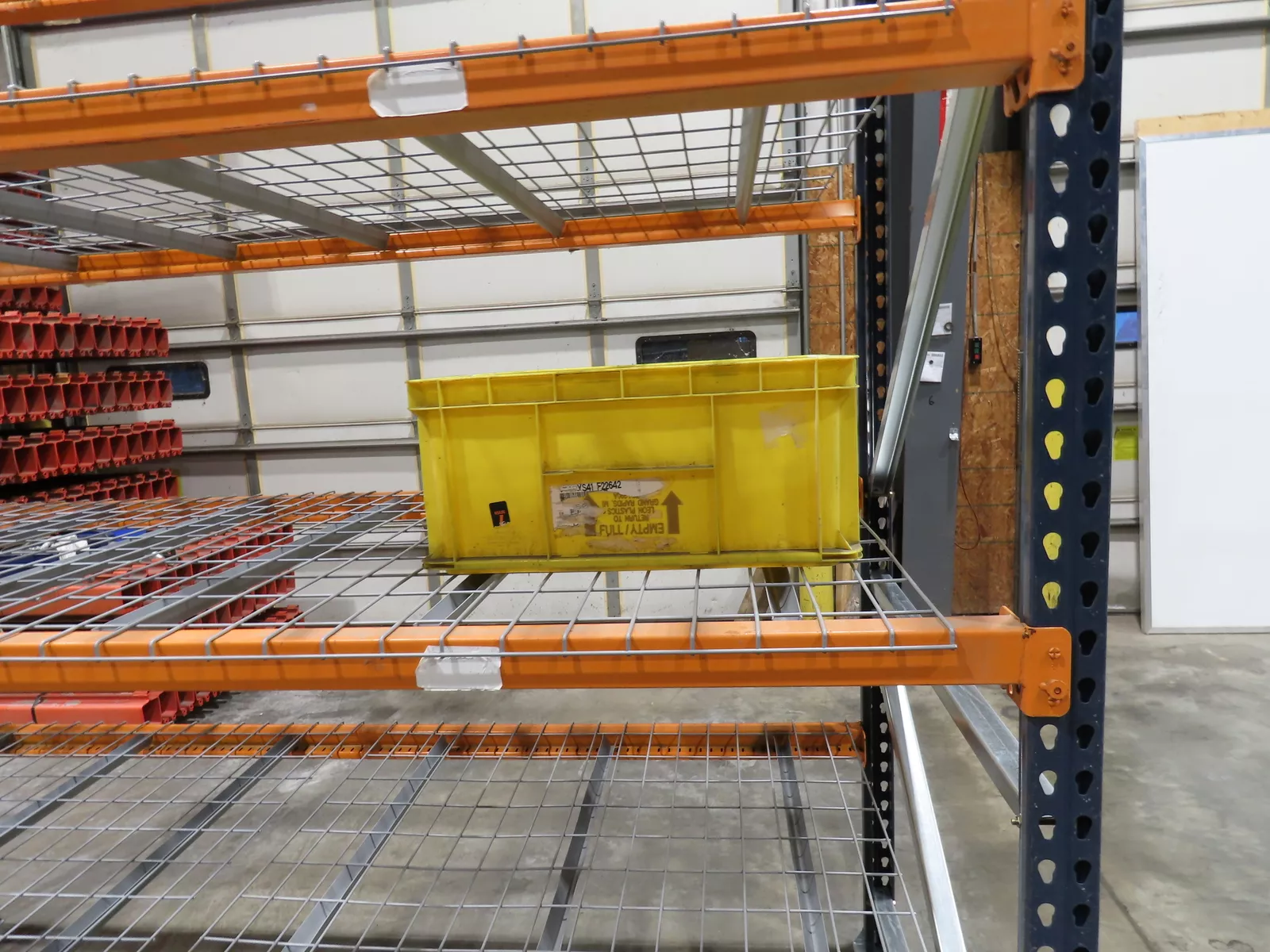
What Role Does Employee Training Play In Warehouse Safety?
What Role Does Employee Training Play In Warehouse Safety?
- Warehouses are dynamic environments with constant movement and activity.
- Employee training is crucial for ensuring safety and preventing accidents.
- Lack of training can result in missed safety signs, improper lifting techniques, and equipment mishandling.
- Effective training empowers employees with knowledge of safe load handling and hazard recognition.
- Confidently trained employees enhance productivity and instill a culture that values safety along with efficiency.
- Investing in training builds a brand that reflects care, enhances trust, and leads to operational excellence.
- Regularly assess and improve training strategies to foster a safe and thriving warehouse environment.

What Role Does Employee Training Play In Warehouse Safety?
Are There Industry Standards For Safety In Warehouses?
When you step inside a bustling warehouse, it’s easy to get swept up in the sheer volume of activities and the symphony of machinery. Yet, behind that chaos lies a structured world driven by safety standards—ones that not only protect your staff but also bolster your bottom line. Yes, indeed, there are industry standards for safety in warehouses, and understanding them is crucial for your business’s success.
Picture this: a worker deftly navigating the aisles of towering pallet racking, expertly loading inventory while maintaining impeccable awareness of their surroundings. But what if that worker was not supported by established safety protocols? The trust and confidence instilled by industry standards ensure that this scene is not a gamble but a reliable routine.
Organizations like OSHA (Occupational Safety and Health Administration) lay down the frameworks that govern safety in warehouses. These regulations encompass everything from ensuring that pallet racking systems are properly installed and maintained to providing training for employees handling equipment. Not adhering to these standards can lead to serious liabilities—financial and otherwise. Are you willing to take that risk? The answer is likely no.
Moreover, consider how adhering to these safety standards can become a glowing point of differentiation for your brand. A commitment to a safe workplace enhances your reputation, drawing the right talent and clients who value integrity. When you can confidently showcase your adherence to safety protocols, you not only reduce accidents and downtime, but you also pave the way for increased productivity.
Think about it—wouldn’t your business thrive in an environment where safety isn’t just an obligation but a cultural cornerstone? Implementing safety standards is not just about compliance; it’s about the people behind the equipment and the pallet racking, about a workforce that feels secure and valued.
So, take action today. Equip your warehouse with training programs, ensure regular inspections of your pallet racking systems, and create a culture that prioritizes safety. By investing in safety standards, you’re not merely checking a box; you’re building a foundation of trust and excellence. When your employees feel safe, they perform better—benefiting your entire operation. Don’t just think about safety as a requirement; view it as a powerful strategy that elevates every aspect of your business.

Are There Industry Standards For Safety In Warehouses?
Are There Industry Standards For Safety In Warehouses?
- Warehouse activities rely on structured safety standards that protect staff and improve profit margins.
- Industry standards ensure reliable routines for workers navigating potentially hazardous environments.
- Organizations like OSHA establish necessary safety frameworks for warehouse operations.
- Failure to adhere to safety standards can result in significant financial and legal liabilities.
- Commitment to safety enhances brand reputation, attracting talent and clients who prioritize integrity.
- Implementing safety standards fosters a culture where employees feel secure and valued, boosting performance.
- Investing in safety is more than compliance; it is a strategic move that benefits all aspects of business.
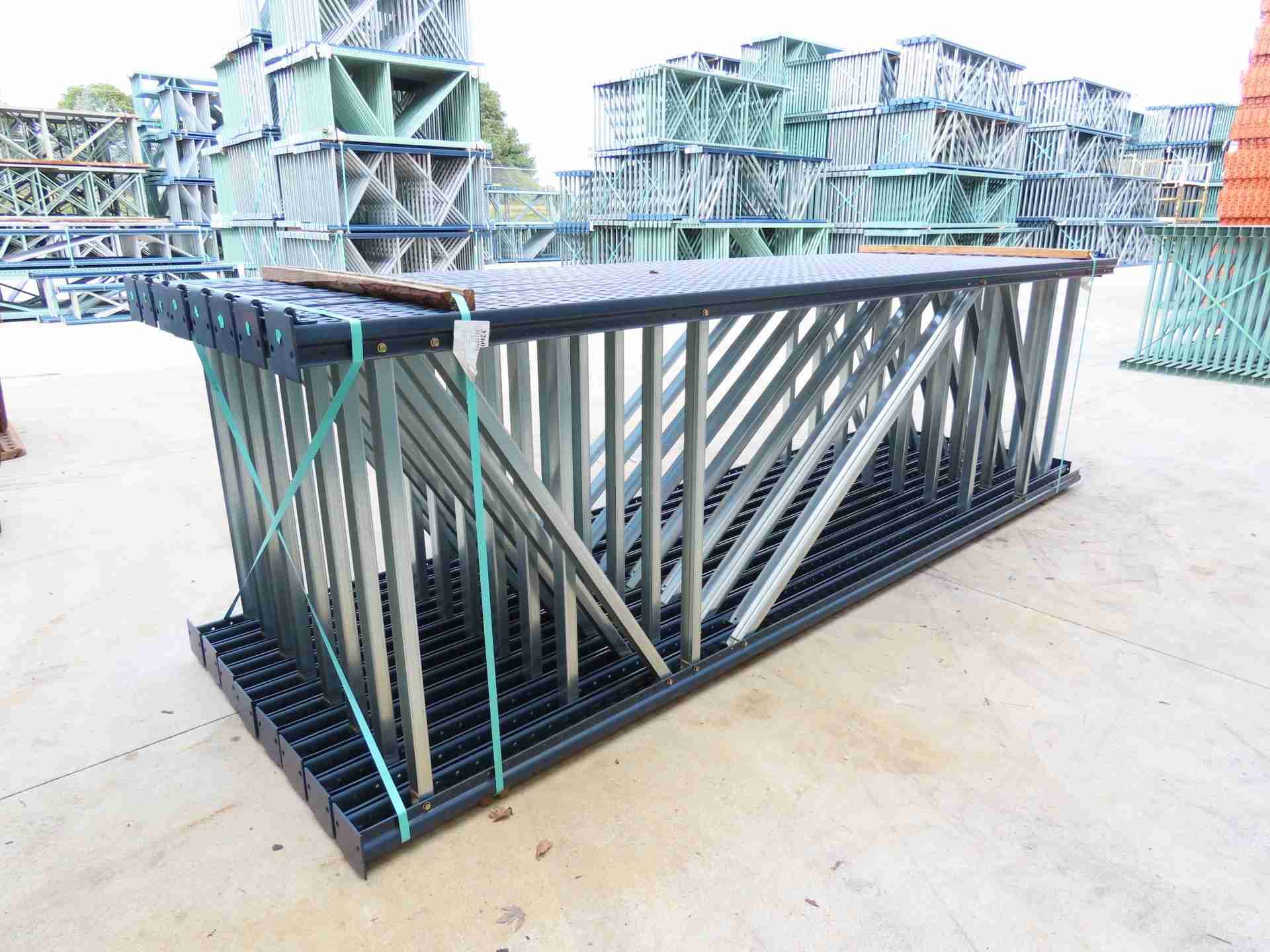
Are There Industry Standards For Safety In Warehouses?
How Do Safety Audits Contribute To Improved Efficiency?
Imagine walking into a warehouse filled with towering pallet racking systems, each standing like a sentinel of productivity. Everything seems in order, but what lurks beneath that surface? It’s a ticking time bomb waiting to explode in the form of accidents, inefficiencies, and costly downtime. This is where the real magic of safety audits begins. By scrutinizing every nook and cranny of your operations, safety audits don’t just mitigate risk—they pave the way for monumental efficiency gains.
When a safety audit is conducted, it shines a light on areas that may have been overlooked. Is that pallet racking set up according to best practices? Are employees trained to handle those shelves with care? These audits serve as a wake-up call. They pinpoint vulnerabilities, ensuring that every inch of your operational flow is optimized. The result? A streamlined environment where workers can perform their tasks with confidence, knowing that safety and efficiency are in perfect harmony.
Think about it. The fewer accidents you have, the less time your team spends sidelined. Imagine increasing productivity simply because you prioritized safety. Your pallet racking systems become not just storage solutions, but catalysts for a more agile, responsive workspace. Each audit uncovers opportunities to refine processes, reduce waste, and ultimately boost profits—transforming your warehouse from a mere storage facility into a well-oiled machine.
When employees see their safety being prioritized, they feel valued. They are more engaged, more alert, and more committed to the company’s success. Morale skyrockets when team members feel secure enough to focus entirely on their tasks rather than worrying about potential hazards. Audits serve as a cornerstone for fostering this positive culture, assuring your workforce that management cares deeply about their well-being.
So why not take the plunge? Start implementing regular safety audits today and unlock the hidden potential of your operations. Preventive care is far better—and cheaper—than reactionary fixes after a mishap. By embracing this proactive approach, you are not merely following compliance boxes; you are making a strategic investment in the lifeblood of your organization.
A commitment to regular safety audits doesn’t just prevent accidents—it cultivates an environment ripe for efficiency and growth. Step into a brighter, safer future for your business, and watch as your pallet racking and operations transform into a powerhouse of productivity.
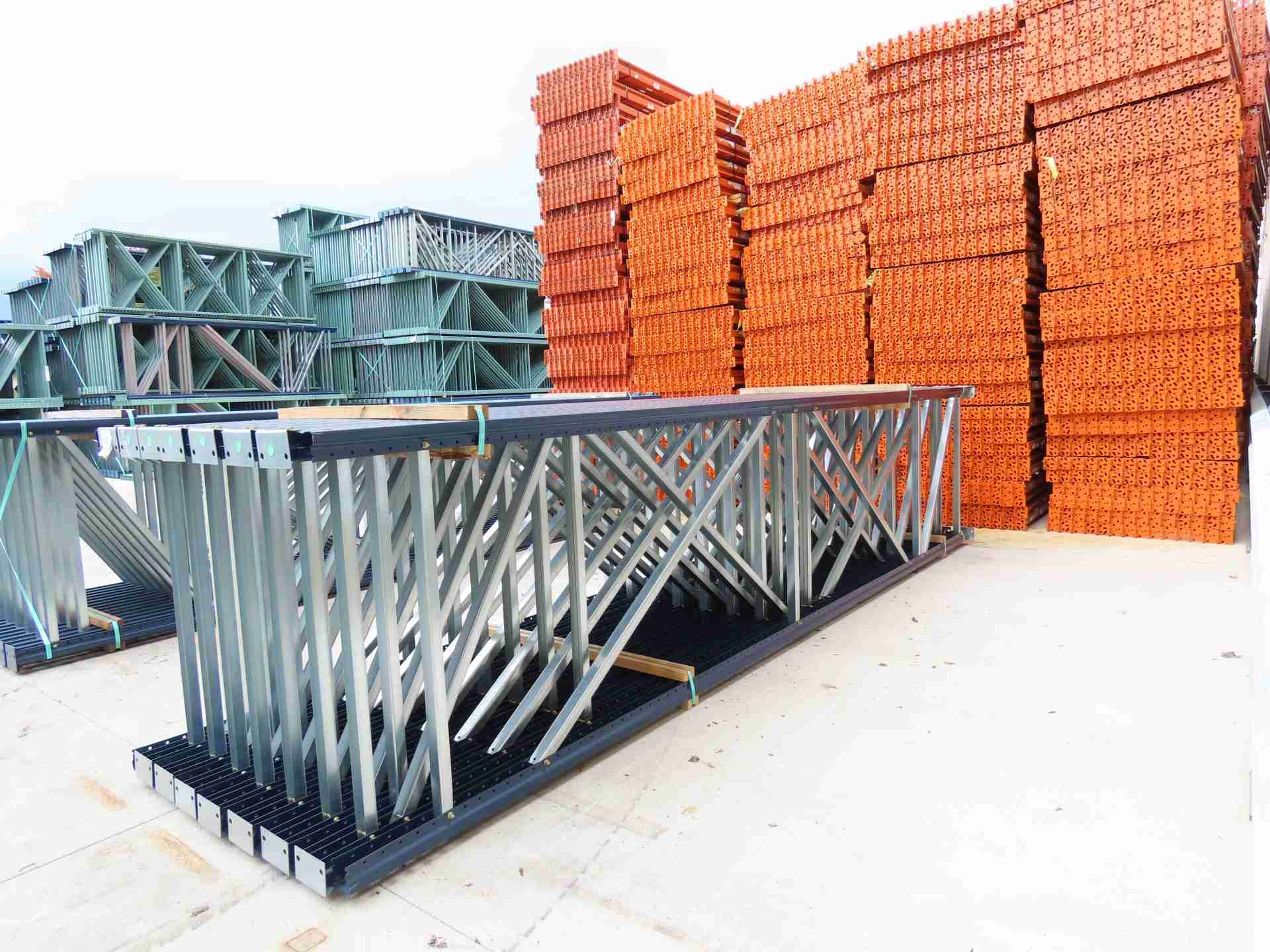
How Do Safety Audits Contribute To Improved Efficiency?
How Do Safety Audits Contribute To Improved Efficiency?
- Safety audits identify hidden risks within warehouse operations, preventing accidents and inefficiencies.
- They ensure that pallet racking systems are set up according to best practices, promoting a safe working environment.
- Audits optimize operational flow, allowing workers to perform tasks confidently and safely.
- Fewer accidents lead to increased productivity and a more agile workspace.
- Regular audits enhance employee morale by demonstrating management’s commitment to safety and well-being.
- Implementing safety audits is a proactive approach that serves as a strategic investment in operational growth.
- A commitment to safety audits creates an environment conducive to efficiency and ultimately boosts profitability.
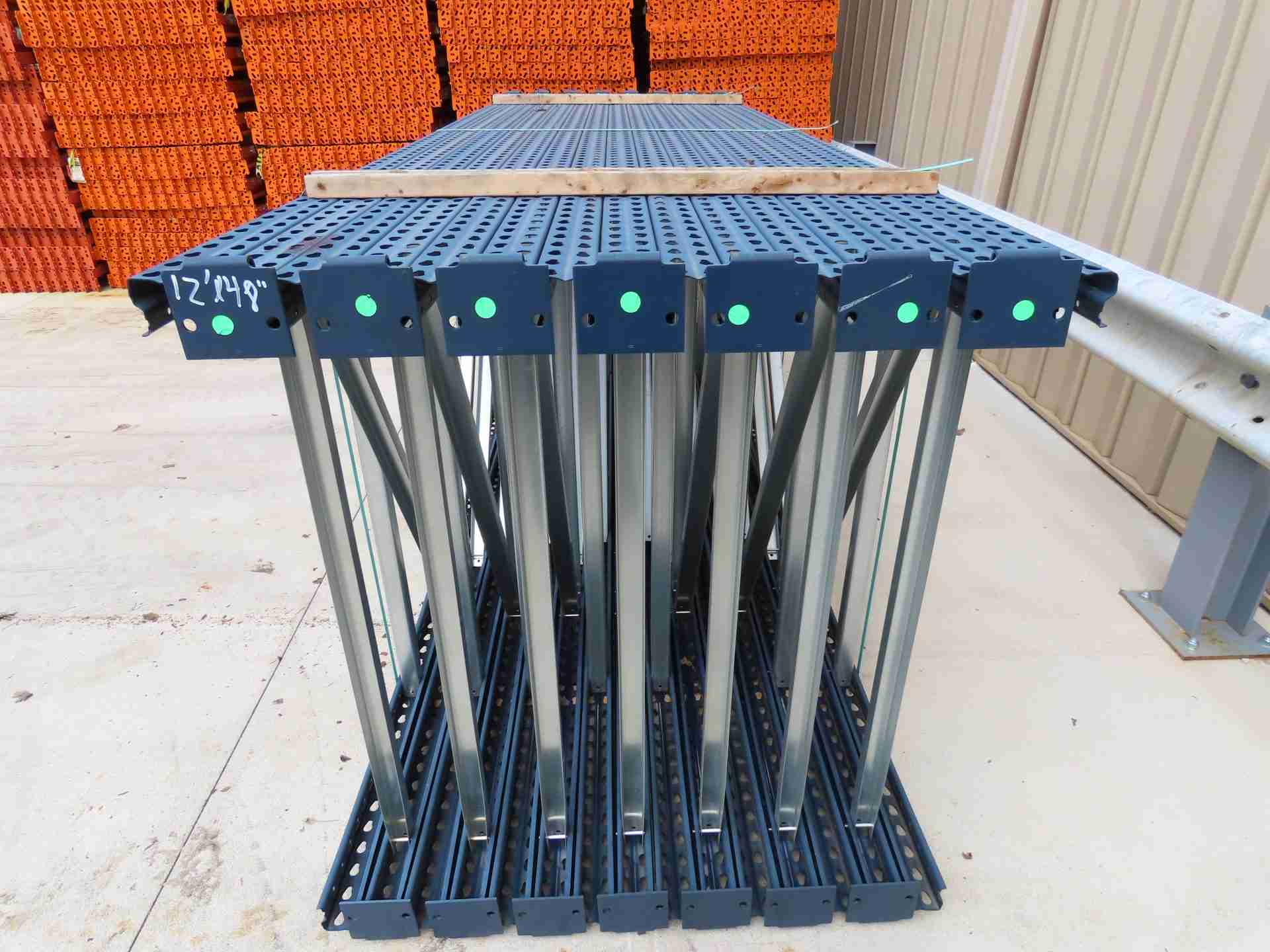
How Do Safety Audits Contribute To Improved Efficiency?
Conclusion
Conclusion: Prioritize Safety Without Compromising Efficiency
In the high-stakes environment of warehousing, where every second counts and the pressure to maximize productivity can easily overshadow essential safety protocols, it’s crucial for managers to reassess their operations. The challenge lies in finding the delicate balance between streamlining processes and ensuring a safe working environment for employees. Are you unintentionally sacrificing your team’s safety on the altar of efficiency?
The need for a change is pressing. As laid out in the article, a culture that prioritizes employee safety can lead to enhanced efficiency and, ultimately, a more productive workplace. Workers who feel safe and valued are not only more engaged but also less likely to fall victim to accidents that can cripple operations and incur financial penalties. This isn’t just conjecture; it’s a strategic move towards a thriving work environment.
By investing in robust safety measures around your pallet racking systems, you’re not merely complying with regulations—you’re sending a powerful message to your teams: “Your wellbeing matters.” This creates a ripple effect that transforms your warehouse from a high-pressure race to a sanctuary of productivity, where workers can focus on their tasks without fear.
Consider the legal implications of ignoring safety protocols. The potential for accidents and injuries can expose your company to hefty fines, lawsuits, and a tarnished reputation. Compliance with safety standards isn’t just a checkbox; it’s a testament to your commitment as a responsible leader. Regular audits and employee training must become part of your operational fabric, enabling a work environment that champions safety without compromising efficiency.
Now is the time to act! Evaluate your current warehouse infrastructure, engage in open dialogues with your team about safety concerns, and take proactive steps to fortify your workplace. This isn’t merely a tactical shift; it’s an invitation to transform your operations and culture.
Arrow Industrial Sales stands ready to assist you in your mission to enhance the safety and efficiency of your warehouse operations. Don’t wait for an incident to drive change. Call us today at (574) 349-6575 for expert insights, tailored solutions, and a path to a safer, more efficient future. Take the reins now, because prioritizing safety will not only empower your employees but also catalyze unprecedented efficiencies. Together, let’s cultivate an environment where safety shines as the cornerstone of success.
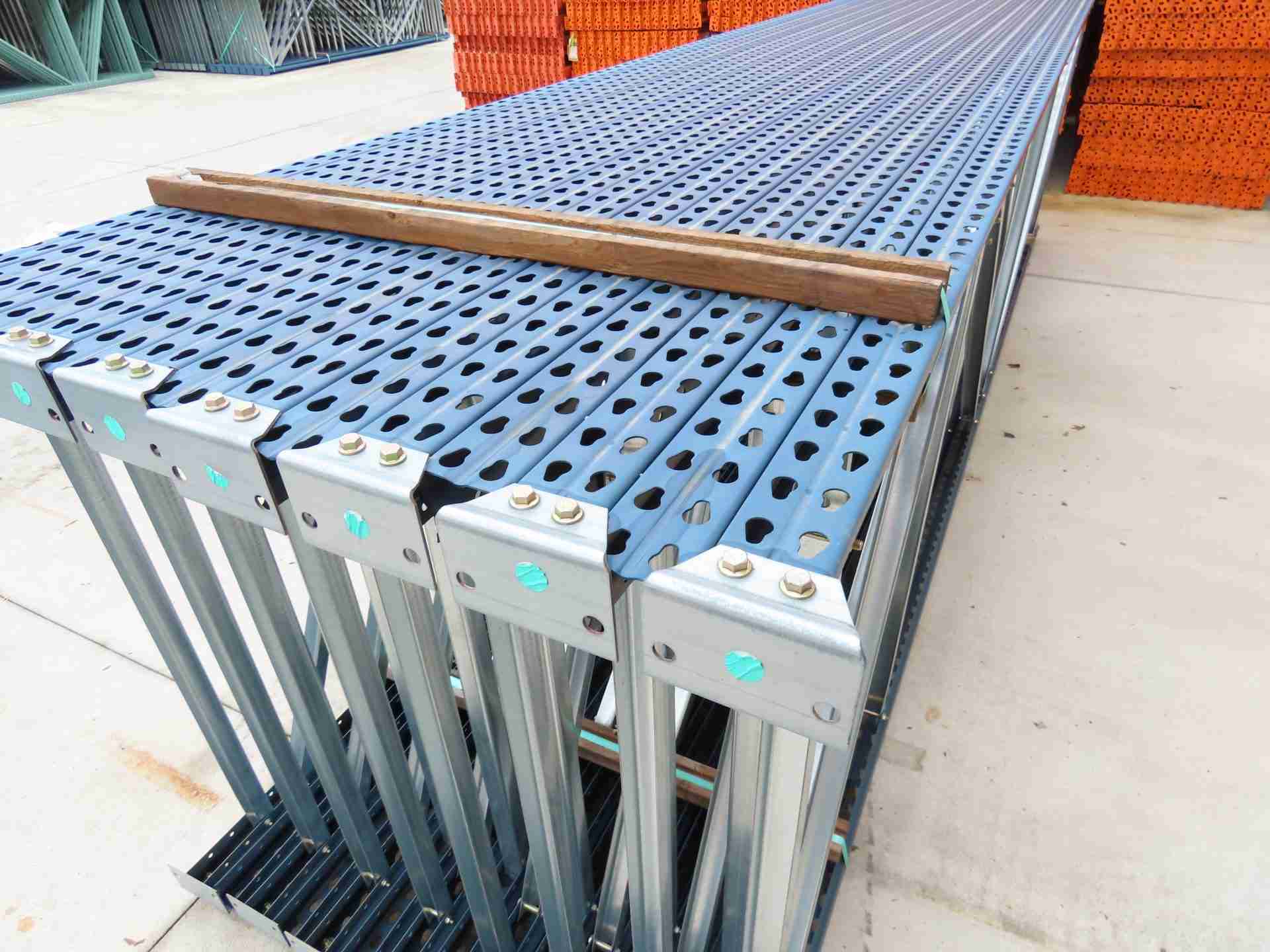
Conclusion
Conclusion:
- Managers in warehousing must balance safety protocols with the need for efficiency.
- A safety-first culture can lead to improved worker engagement and productivity.
- Investing in robust safety measures signals to teams that their wellbeing is valued.
- Ignoring safety can lead to legal issues including fines, lawsuits, and a damaged reputation.
- Compliance with safety standards demonstrates responsible leadership and commitment.
- Regular audits and employee training should be integral to operations for safety promotion.
- Engage with teams about safety concerns and take proactive measures for a safer workplace.

Conclusion
Other Resources

Other Resources
Here is a list of other resources you can review online to learn more:
- Warehouse Automation
- Chicago Pallet Racking
- Pallet Racking systems in Illinois and Great Lakes
- Material Handling Safety
- Iowa Illinois Warehouse Racking
- Illinois Pallet Racking – Storage Solutions
- Shipping Boxes, Packaging Materials, Pallet Racking
- CMMA
- Rack Manufacturers Institute
- Total Warehouse
Use This Prompt To Get More Resources With Your Favorite Online AI Tool: Please provide me with a list of online articles with their URLs in a bulleted list that I can read regarding Are You Sacrificing Employee Safety for Warehouse Efficiency?
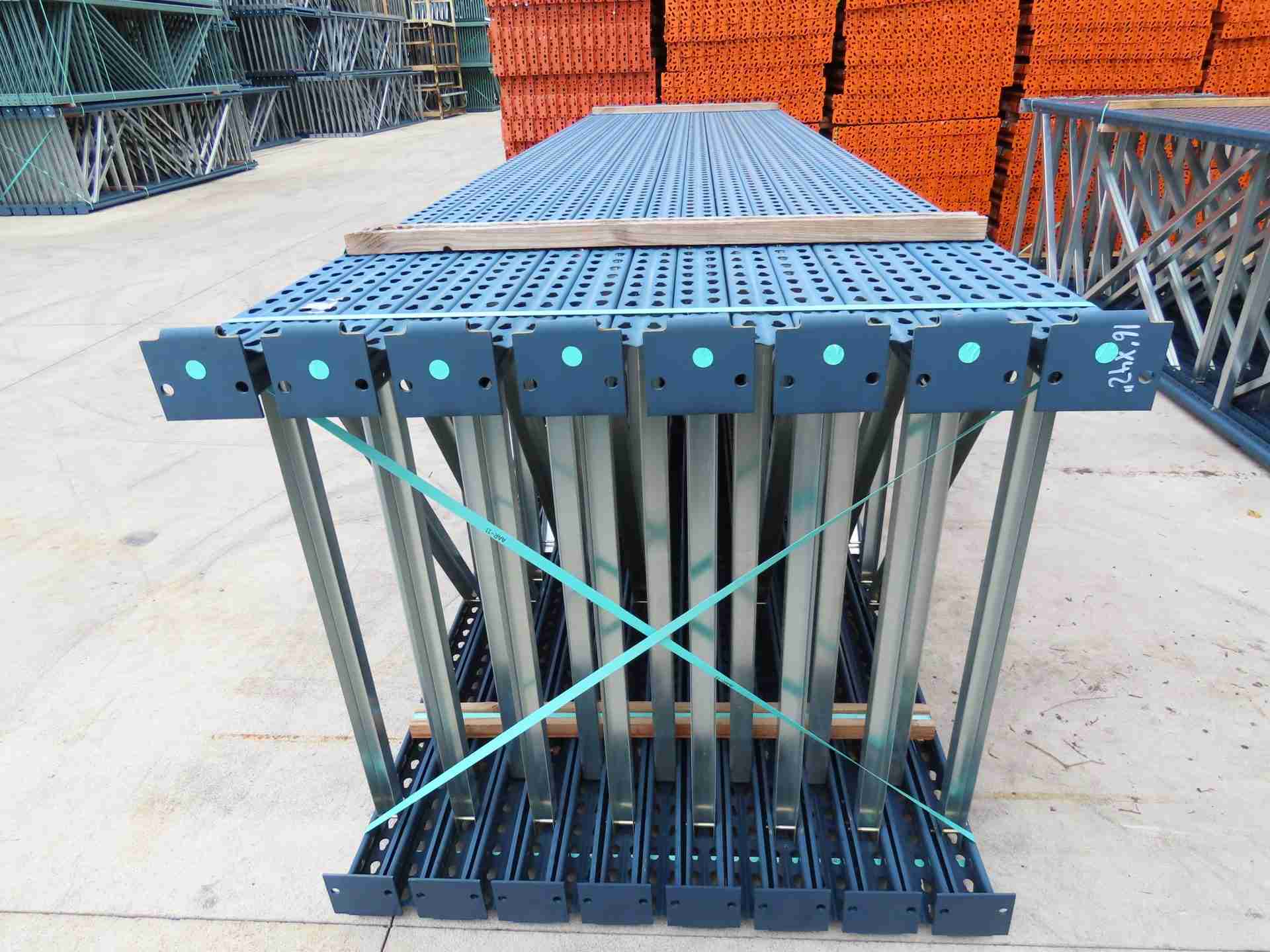
Other Resources
Glossary Terms
Are You Sacrificing Employee Safety for Warehouse Efficiency? – Glossary Of Terms
1. Warehouse Efficiency: The effectiveness of processes and systems within a warehouse that maximizes output with minimal waste or downtime.
2. Employee Safety: Measures and practices designed to protect workers from accidents and injuries in the workplace.
3. Risk Assessment: The process of identifying and evaluating potential hazards that could harm employees, followed by determining control measures to mitigate risks.
4. Ergonomics: The study of how people interact with their environment, focusing on designing workspaces and tasks to fit the physical needs of employees to prevent injury.
5. Safety Protocols: Established procedures and guidelines aimed at minimizing risks and ensuring a safe working environment for employees.
6. Lean Management: A methodology that focuses on streamlining processes to reduce waste and increase efficiency, sometimes at the cost of safety practices.
7. Occupational Safety and Health Administration (OSHA): A U. S. government agency responsible for ensuring safe and healthy working conditions by setting and enforcing standards.
8. Workplace Culture: The shared values, beliefs, and behaviors within a workplace that influence employee safety and overall morale.
9. Personal Protective Equipment (PPE): Gear and clothing designed to protect employees from workplace hazards, such as helmets, gloves, and safety goggles.
10. Training Programs: Instructional sessions designed to educate employees on safety practices, proper equipment use, and emergency procedures.
11. Hazardous Materials: Substances in a warehouse that can pose a risk to health or safety, often requiring special handling and storage protocols.
12. Near Miss: An incident in which an accident or injury almost occurred, serving as an important indicator for improving safety measures.
13. Incident Report: Documentation of an accident, injury, or near miss that details what happened, when, and why, used to analyze and improve safety practices.
14. Supply Chain Management: Coordinating and optimizing the flow of goods, information, and services from suppliers to customers, impacting warehouse efficiency and safety.
15. Automation: The use of technology to perform tasks with minimal human intervention, which can improve efficiency but may create new safety concerns.
16. Workplace Inspections: Regular assessments of the workplace environment to identify hazards and ensure compliance with safety regulations.
17. Safety Audits: Comprehensive evaluations of safety practices, procedures, and conditions in the warehouse setting, aimed at identifying areas for improvement.
18. Fatigue Management: Strategies implemented to reduce the impact of employee fatigue, which can lead to decreased alertness and increased injury risk.
19. Incident Prevention: The proactive measures taken to prevent accidents and injuries in the workplace through awareness and training.
20. Compliance: Adhering to laws, regulations, and guidelines regarding safety and health in the workplace.
21. Safety Metrics: Quantitative measures used to track and assess the effectiveness of safety programs and initiatives in the workplace.
22. Workplace Layout: The design and organization of the work environment, including the arrangement of equipment and workstations, which can impact both efficiency and safety.
23. Material Handling Equipment: Tools and machines used for transporting and handling materials, which must be operated safely to prevent injuries.
24. Risk Mitigation: Strategies implemented to reduce the likelihood of an accident or injury occurring in the workplace.
25. Behavior-Based Safety: A proactive approach to safety that focuses on observing and modifying employee behaviors to reduce risk.
26. Emergency Response Plan: A documented plan that outlines procedures and responsibilities in the event of an emergency, aiming to protect employee safety.
27. Warehouse Layout Optimization: The process of arranging a warehouse’s storage and workflow to enhance efficiency while ensuring employee safety.
28. Continuous Improvement: An ongoing effort to enhance products, services, or processes, which can include refining safety practices over time.
29. Crisis Management: Strategies and practices implemented to prepare for and respond to emergencies, ensuring safety is maintained in the face of challenges.
30. Employee Engagement: The level of commitment and involvement an employee has towards their organization’s safety culture, directly impacting safety outcomes and efficiency.
Glossary Of Terms
Other Questions
Are You Sacrificing Employee Safety for Warehouse Efficiency? – Other Questions
If you wish to explore and discover more, consider looking for answers to these questions:
- What are some common safety hazards in warehousing environments?
- How can managers effectively communicate the importance of safety to their teams?
- What specific safety measures should be implemented in pallet racking systems?
- How can technology enhance both safety and efficiency in warehouses?
- What training programs are most effective for improving warehouse safety?
- What steps can be taken to create a safety-first culture in a warehouse?
- How do safety protocols vary across different industries that utilize warehouses?
- What role does employee feedback play in improving safety procedures?
- How can companies measure the effectiveness of their safety initiatives?
- What are the costs associated with poor safety management in warehouses?
- How often should safety audits be conducted to maintain high safety standards?
- What is the process for reporting safety violations in a warehouse setting?
- How can organizations prepare for OSHA inspections and audits?
- What resources are available for companies looking to enhance their safety protocols?
- Are there case studies that demonstrate the benefits of prioritizing safety in warehousing?

Other Questions
Checklist
Are You Sacrificing Employee Safety for Warehouse Efficiency? – A Checklist
Employee Safety and Warehouse Efficiency: Action Checklist
Purpose: This checklist helps managers evaluate and improve safety measures in warehouse operations while maintaining efficiency.
1. Assess Current Safety Measures
_____ Conduct a safety audit of your warehouse layout and operations.
_____ Identify areas where safety protocols may be compromised in pursuit of efficiency.
2. Evaluate Pallet Racking Configuration
_____ Ensure the pallet racking system is optimized for both space and employee accessibility.
_____ Verify that pallet racking is installed and maintained according to best practices and industry standards.
3. Implement Training Programs
_____ Provide comprehensive training for employees on safety protocols regarding pallet racking and warehouse operations.
_____ Ensure training includes both operational efficiency and hazard recognition.
4. Foster a Safety-First Culture
_____ Encourage employees to voice safety concerns without fear of repercussions.
_____ Promote the message that safety is a shared responsibility among all team members.
5. Regularly Inspect Working Conditions
_____ Schedule routine inspections of warehouse equipment and infrastructure.
_____ Monitor compliance with OSHA regulations and safety standards.
6. Utilize Technology for Efficiency and Safety
_____ Integrate inventory management systems that aid in tracking stock and reduce searching time.
_____ Consider automated systems or tools that enhance both safety and operational efficiency.
7. Engage Employees
_____ Create feedback loops where employees can suggest improvements to safety and efficiency processes.
_____ Assign safety champions within teams to promote best practices.
8. Prepare for Legal Compliance
_____ Review and ensure adherence to workplace safety laws and regulations.
_____ Develop a response plan for accidents or incidents involving warehouse safety.
9. Encourage Open Communication
_____ Hold regular meetings to discuss safety and efficiency goals with the team.
_____ Share success stories from employees relating to improved safety practices.
10. Evaluate Performance Metrics
_____ Track accident rates and employee feedback for continuous improvement.
_____ Measure the impact of safety initiatives on productivity and morale.
Conclusion: By following this checklist, warehouse managers can significantly enhance safety practices without sacrificing efficiency, ensuring a healthier, more productive work environment.

Checklist
At RackingWorld, we help guide you through selecting warehouse storage systems and racking.
Be sure to read our other related stories at RackingWorld to learn more about warehouse storage systems.
0 Comments