
Maximizing Space And Efficiency: The Smart Choice For Vital Supplies
By Tom Seest
At RackingWorld, we help guide you through selecting warehouse storage systems and racking.
Be sure to read our other related stories at RackingWorld to learn more about warehouse storage systems.
How Do Plumbing, Electrical, and Mechanical Supplies Leverage Cantilever Racking?
In plumbing, electrical, and mechanical supply yards, things aren’t just stacked—they’re wrestled into order every day. When you’ve got lengths of pipe, rolls of wire, or heavy mechanical parts, you need more than just a pile. Cantilever racking steps in like the trusty workhorse it is, making a tough job leaner and cleaner. It’s not just about space; it’s about respect for the tools of the trade and the folks who handle them.
Picture this: a stack of pallet racking lined up with cantilever arms reaching out, ready to cradle long, awkward materials that won’t fit on a standard shelf. It’s an immediate game-changer. No more bending metal or awkward lifts. The arms swing open like a friendly hand, giving clear access that saves time and backs. Any warehouse or shop that treats its supplies this well earns respect from the crew because it understands the grit involved in daily work.
Using cantilever racking shows you mean business. This setup isn’t a luxury—it’s a serious investment in safety and efficiency. Fewer scrapes, fewer trips to the first aid kit, and a well-oiled operation that moves faster because workers spend less time hunting down what they need. That kind of practical order builds trust not just in the gear sitting on the arms, but in the people who organize and manage the stock.
When a service truck rolls out with the right parts at the right time, thanks to a well-ordered cantilever system, it’s more than logistics—it’s reliability. It’s about standing behind your work and your word, a promise kept to every customer and every team out in the field. This kind of backbone is what separates the “good enough” from the “done right.”
For anyone who’s been there, you know the feeling of crawling under shelves or sorting through chaotic stacks—that’s the gut-level reason cantilever racking is a lifesaver. It doesn’t just store parts; it protects your people and your pace. So when you build your next setup, don’t just settle for traditional pallet racking. Reach out—literally—with cantilever racking, and put your stock where it belongs: easily reachable, safely stored, and ready to roll.

How Do Plumbing, Electrical, and Mechanical Supplies Leverage Cantilever Racking?
How Do Plumbing, Electrical, and Mechanical Supplies Leverage Cantilever Racking?
- Cantilever racking organizes long, heavy, and awkward materials in supply yards more efficiently than traditional stacking.
- It provides clear access, reducing physical strain and improving safety by eliminating awkward lifts and bends.
- Using cantilever racking is an investment in both safety and operational efficiency, minimizing injuries and speeding up workflows.
- Well-ordered cantilever systems build trust in both the inventory and the people managing it.
- Reliable parts delivery from organized storage supports strong customer service and dependable fieldwork.
- Cantilever racking protects workers and maintains pace by preventing chaotic, hard-to-navigate storage conditions.
- It offers an improvement over traditional pallet racking with easy accessibility, safe storage, and readiness for use.

How Do Plumbing, Electrical, and Mechanical Supplies Leverage Cantilever Racking?
Table Of Contents
- How Do Plumbing, Electrical, and Mechanical Supplies Leverage Cantilever Racking?
- What Emotional Impact Does Organized Storage Have on Workers?
- How Does Cantilever Racking Improve Warehouse Safety?
- Can Cantilever Racking Reduce Inventory Damage Risks?
- What Ethical Practices Ensure Proper Storage Of Supplies?
- How Does Cantilever Racking Maximize Space Efficiency?
- In What Ways Does It Cut Down on Time Spent Retrieving Items?
- Conclusion
- Other Resources
- Glossary Of Terms
- Other Questions
- Checklist
What Emotional Impact Does Organized Storage Have on Workers?
There’s something downright calming about walking into a workspace where everything’s got its place—especially when it comes to pallet racking stacked just right. Picture this: no more scrambling around trying to find that one bolt or crate, no more tripping over stray boxes in the rush of a busy shift. It’s not just about neatness; it’s about respect. When the storage is organized, workers feel it deep down—like someone cares enough to make their day easier, safer, less frantic.
That feeling? It builds confidence. Knowing where your tools and materials live means fewer headaches and more pride in what you do. When pallet racks are methodically arranged, it’s not just about efficiency on paper, it translates into smoother workflows and less wasted energy. You’re not just grabbing something off a shelf; you’re picking the right piece at the right time, ready to get the job done without hassle. That clarity clears mental clutter, too, leaving space to focus on the work itself rather than the chaos.
But there’s an ethical angle here, too. Treating workers to a well-organized storage system signals that their time and effort matter. It says, “We respect your craft, your hands, and the sweat you put in every day.” Good storage isn’t a luxury; it’s a basic respect for those who keep things running. It fosters loyalty and trust, making people want to show up day after day because they feel valued.
The social vibe changes, too. When everyone has a spot for their gear and those pallet racks are stacked right, there’s less friction, less “where’s my stuff” grumbling. Collaboration grows because the environment supports it, not fights it. People talk more freely, share tips about keeping it sorted, even take pride in maintaining order. It becomes a small community bound by simple common sense and respect for the space they share.
Organized storage isn’t just a nice-to-have perk. It’s the foundation of a workplace where hearts, heads, and hands align. It’s about dignity in the daily grind, where the chaos is trimmed back one pallet rack at a time, giving workers the confidence and trust to do what they do best.

What Emotional Impact Does Organized Storage Have on Workers?
What Emotional Impact Does Organized Storage Have on Workers?
- Organized pallet racking creates a calming, efficient workspace by eliminating clutter and reducing the time spent searching for tools or materials.
- Well-arranged storage builds worker confidence, pride, and smoother workflows by enabling easy access to the right items at the right time.
- Organized storage reflects respect for workers’ efforts, signaling that their time and craft are valued and fostering loyalty and trust.
- It contributes to a safer, less frantic workplace environment by minimizing hazards like tripping over stray boxes.
- Proper storage systems reduce workplace friction and promote collaboration by ensuring everyone has a designated place for their gear.
- The social dynamic improves as workers share tips and take pride in maintaining order, creating a sense of community and mutual respect.
- Organized storage underpins a dignified work environment where mental clarity and trust empower workers to perform their best daily.

What Emotional Impact Does Organized Storage Have on Workers?
How Does Cantilever Racking Improve Warehouse Safety?
Look, anyone who’s spent serious time in a warehouse knows the weight of responsibility—not just the heavy loads stacked high, but the lives moving around them. Cantilever racking isn’t just another piece of equipment; it’s a solid solution built on common sense and practical strength. It’s the kind of system that respects the grunt work, the sweat, and the careful steps people take day in and day out.
Pallet racking has been the backbone of storage for years, but when you’re dealing with long, bulky, awkward items, cantilever racks step in and handle the job with fewer risks. Unlike traditional shelving, cantilever racks don’t have vertical front columns blocking access, which means less fumbling, fewer accidents, and quicker, safer loading and unloading. That clear, open reach isn’t a small thing—it’s a game-changer when you’re juggling long pipes, lumber, or tubing that would otherwise poke out or require tricky maneuvers.
From a practical standpoint, cantilever racking keeps things tidy and stable. When stuff is stacked properly, tied down, and easy to reach, it’s easier to keep track of inventory—and harder for chaos to sneak in. That translates to less chance of things falling or tipping over, cutting down workplace injuries and downtime. You want your team going home in the same shape they came in; this system supports exactly that with its sturdy arms and wide adaptability.
It also sends a message: this place takes safety seriously. Workers notice when management invests in equipment designed to protect them. It’s respect shown in tangible form, building trust and loyalty. People perform better when they feel valued, and safety is a critical part of that feeling.
Ethically, it’s a no-brainer. Warehouses are packed full of potential hazards, and cantilever racking is an honest way to minimize those risks without skimping on efficiency. It aligns with a straightforward, no-nonsense commitment to doing right by your crew—no shortcuts, just reliable gear built tough.
If you want a safer warehouse that handles everything from pallet racking to odd-shaped loads without turning into a nightmare, cantilever racking stands as a tried-and-true answer. It looks out for your people, keeps the clutter down, and gets the job done right. That’s not just smart business—it’s common sense that earns respect, day after day.
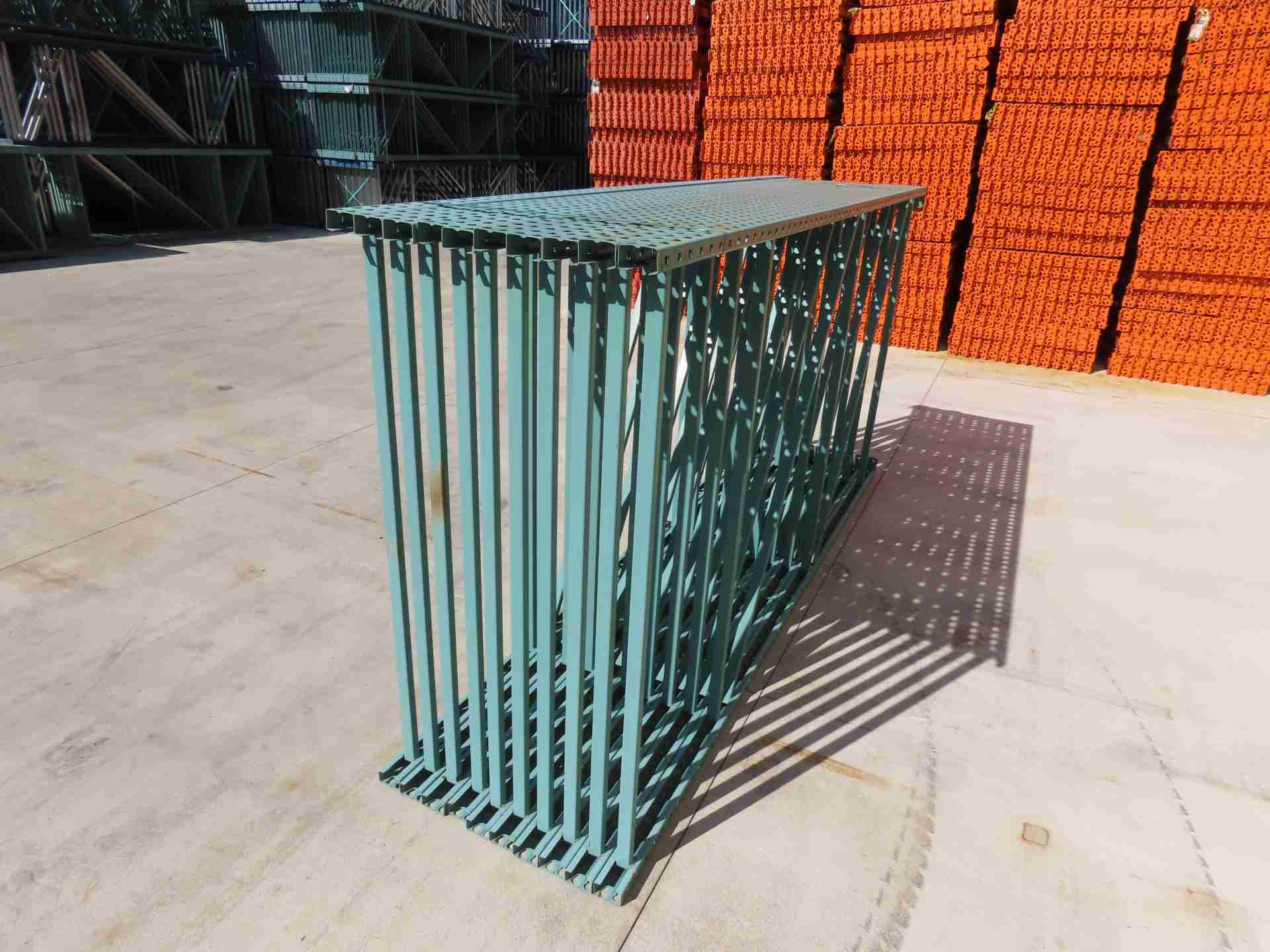
How Does Cantilever Racking Improve Warehouse Safety?
How Does Cantilever Racking Improve Warehouse Safety?
- Cantilever racking offers practical strength and respects the hard work involved in warehouse operations.
- It handles long, bulky, and awkward items better than traditional pallet racking by eliminating front columns for easier access.
- The open design reduces accidents, speeds up loading and unloading, and improves safety with clear reach.
- Cantilever racks help maintain order and stability, reducing inventory chaos and workplace injuries.
- Investment in cantilever racking signals management’s commitment to safety, building trust and loyalty among workers.
- The system aligns with ethical practices by minimizing risks without compromising efficiency or quality.
- Cantilever racking is a reliable, common-sense solution that improves warehouse safety and operational efficiency.

How Does Cantilever Racking Improve Warehouse Safety?
Can Cantilever Racking Reduce Inventory Damage Risks?
When you’ve been in the warehouse game long enough, you know one painful truth: inventory damage isn’t just a hit to the bottom line—it’s a headache that hits morale and trust too. Pallet racking systems do a solid job, but sometimes the way they hold goods leaves you wrestling with scratched paint, bent metal, or worse, broken stock. Enter cantilever racking. It’s not just another piece of gear—it’s the kind of solution that feels like someone finally thought through the real mess on the floor.
What makes cantilever racking a better option for reducing risks? It’s the open-arm design, plain and simple. No pesky vertical back posts getting in the way when you’re loading long, awkward, or bulky items. That freedom means fewer accidental bumps, less awkward maneuvering with forklifts, and less chance of stacks toppling over. Over time, that adds up to fewer dents, less damage, and less waste. The numbers back it up: fewer product replacements, fewer scrap piles, and more predictable stock. If you’ve sweated through too many “lost inventory” reports, this alone starts to feel like a lifesaver.
But it’s not just about saving money. It’s about pride in the work and respect for the team who handles this stuff day in and day out. Cantilever racking makes lifting and storing less of a gamble. That physically reduces strain and frustration for the crew, fostering a safer, more efficient environment. It sends a message that your operation values their safety and wellbeing—not just the bottom line. That kind of ethical stand is rare but powerful, building trust between management and workers because it shows the company’s not just cutting corners.
The proof is in real warehouses where folks switched from pallet racking to cantilever, seeing a drop in product damage and an uptick in workplace morale. That’s the kind of social proof professionals respect—real-world, hands-on experience, not marketing fluff. It’s a simple change with a ripple effect, from the floor to the office, reinforcing confidence that your inventory isn’t sitting on a damage time bomb.
So, if you’re fed up with the damage reports piling up and the wasted hours spent cleaning up messes, cantilever racking isn’t just another rack—it’s a smart step toward protecting your assets, your team, and your company’s reputation. It’s common sense made tangible, designed to fit the tough, no-nonsense world of warehousing where every inch and every minute counts.

Can Cantilever Racking Reduce Inventory Damage Risks?
Can Cantilever Racking Reduce Inventory Damage Risks?
- Inventory damage affects not only finances but also employee morale and trust in warehouses.
- Cantilever racking offers an open-arm design that eliminates vertical back posts, easing the loading of long or bulky items.
- This design reduces accidental bumps, awkward forklift maneuvers, and the risk of stacks toppling, leading to less product damage.
- Fewer damages result in reduced product replacements, scrap, and more predictable inventory management.
- Cantilever racking decreases physical strain and frustration for workers, promoting a safer and more efficient work environment.
- Switching to cantilever racking improves workplace morale and builds trust between management and staff by demonstrating care for safety and wellbeing.
- Real-world use shows cantilever racking effectively protects assets, supports the team, and enhances company reputation in demanding warehouse conditions.

Can Cantilever Racking Reduce Inventory Damage Risks?
What Ethical Practices Ensure Proper Storage Of Supplies?
When it comes to storing supplies, it’s not just about stacking boxes and calling it a day. There’s a deeper responsibility—an unspoken code—that anyone who works with pallet racking and warehouses knows in their bones. It’s about respect: respect for the folks who’ll handle those supplies later, respect for the company footing the bill, and respect for the job itself. Proper storage isn’t a chore; it’s a commitment to doing right by your crew and your customers.
Imagine walking into a cluttered room where everything’s tossed haphazardly. It feels unsafe, sloppy, and downright careless. Now, picture a clean, well-organized space, where every pallet racking is used wisely, every item has its place, and there’s room to move without tripping over poor planning. That’s what proper storage means—it protects people from injury, preserves the integrity of supplies, and keeps operations humming smoothly. It’s not glamorous, but it’s the backbone of trust in any operation, big or small.
The practical side of ethics in storage is about accuracy and attention to detail. When you label, rotate stock, and secure pallet racking correctly, you’re preventing waste and confusion. Every screw tightened, every box stacked evenly, tells the story of someone who cares about quality and accountability. This honesty in handling supplies reflects on your reputation, sending a message that shortcuts aren’t welcome in your workplace. It’s about leaving things better than you found them, because the next person’s work depends on yours.
On a gut level, you know cutting corners here can lead to disaster. Whether it’s a box falling, a fire hazard, or damaged goods, it’s more than just lost money—it’s broken trust and potential harm. Anyone who’s ever cleaned up after a mistake like that knows it’s better to invest a little elbow grease and common sense upfront. Proper pallet racking and supply storage is the quiet, steady act of keeping people safe and business honest.
Ethical storage practices build a community. They create a workplace where everyone feels valued, where the team knows their effort matters, and where customers believe in the quality behind the scenes. That’s not just good business; it’s standing tall, knowing you put in honest work for honest results. And that’s something you can always count on.

What Ethical Practices Ensure Proper Storage Of Supplies?
What Ethical Practices Ensure Proper Storage Of Supplies?
- Proper storage reflects respect for workers, the company, and the job, emphasizing commitment beyond just stacking boxes.
- A clean, organized storage space promotes safety, preserves supplies, and ensures smooth operations.
- Ethical storage requires accuracy and attention to detail, including labeling, rotating stock, and securing pallet racking.
- Careful handling of supplies prevents waste, confusion, and reflects a culture of quality and accountability.
- Cutting corners in storage risks injury, damaged goods, fire hazards, lost trust, and costly mistakes.
- Investing effort in proper storage is essential for safety and maintaining honest business practices.
- Ethical storage fosters a valued workplace community and builds customer trust through consistent, honest work.

What Ethical Practices Ensure Proper Storage Of Supplies?
How Does Cantilever Racking Maximize Space Efficiency?
If you’ve ever stared down a warehouse or workshop stacked haphazardly, you know the frustration of wasted space. Boxes piled too high, lumber leaning, metal pipes sprawled across aisles—nothing quite efficient about it. That’s where cantilever racking steps in, turning chaos into order with a simple, no-nonsense design that respects both your materials and your patience.
Unlike traditional pallet racking, cantilever racking doesn’t box you in with beams and crossbars at every level. Instead, it offers open arms, sturdy arms, where long, awkward items like lumber, pipes, or steel tubing rest easy without fighting against each other. This setup frees up floor space, so you don’t find yourself playing an endless game of “how-low-can-you-stack” just to fit one more box. Hands-on experience shows that when your storage lets you slide items in and out without a wrestling match, you save time and energy—and that adds up in any business.
But it’s not just about saving space; it’s about respecting your materials and your people. When items are stored properly, less damage happens. You cut down on waste, you cut down on frustration, and you build a workspace where someone can walk through without risking a stubbed toe or a smashed hand. This isn’t just good for the bottom line, it’s the right thing to do—taking care of what you own and the folks who handle it.
From a practical standpoint, cantilever racking is a solid investment. It’s adaptable, scalable, and designed with common-sense strength. You’re not building a fragile tower, you’re putting up something dependable that’ll stand the test of time and daily use. That reliability builds confidence, making every decision downstream smoother—no wondering if your system can handle the next big delivery or last-minute rush.
Picture a jobsite where everything is within reach, organized, and ready to roll. Socially, it changes the whole vibe: morale rises, teamwork improves, and the pride in the work reflects in the finished product. When the storage works for you, not against you, it’s a quiet kind of win, but one that keeps the gears turning and the work rolling.
So next time you think about storage, consider cantilever racking. It’s more than steel and bolts; it’s a practical, no-frills solution that maximizes space, protects your gear, and respects the people behind the scenes. A little elbow grease and a smart layout can turn piled-up frustration into smooth operation—no fuss, no wasted space, just straightforward, solid storage done right. Pallet racking is fine for some things, but for long, bulky gear? Cantilever is where common sense meets real-world muscle.

How Does Cantilever Racking Maximize Space Efficiency?
How Does Cantilever Racking Maximize Space Efficiency?
- Cantilever racking transforms cluttered, inefficient storage spaces into organized areas with a simple, effective design.
- Unlike traditional pallet racking, it features open, sturdy arms that easily support long, awkward items like lumber, pipes, and steel tubing.
- This design frees up floor space and allows easy sliding of materials, saving time and reducing effort in handling items.
- Proper storage reduces damage to materials, minimizes waste and frustration, and creates a safer workspace for personnel.
- Cantilever racking is adaptable, scalable, and durable, providing a dependable solution that withstands heavy use and supports business needs.
- Organized storage boosts workplace morale, teamwork, and pride in work quality by creating an efficient, accessible environment.
- It offers a practical, no-frills storage option especially suited for long, bulky items, combining common sense with robust functionality.

How Does Cantilever Racking Maximize Space Efficiency?
In What Ways Does It Cut Down on Time Spent Retrieving Items?
When it comes to saving time pulling stuff off the shelves, nothing beats a well-planned pallet racking system. Imagine walking into a cluttered warehouse or a jam-packed storeroom where you’re hunting through piles of boxes scattered like some chaotic treasure map. You waste minutes, sometimes hours, just trying to locate what you need. Those minutes add up, turning into hours lost every week. That’s where pallet racking comes in, slicing through the chaos with straightforward, honest practicality.
Pallet racking isn’t fancy gizmo magic; it’s solid, reliable, and designed with one goal — make the stuff you need easy to find and grab. Because here’s the truth: time is money, and every minute spent rummaging around is cash walking out the door. With the right pallet racking, everything has a spot, each item sits where it’s visible and accessible, saving you the headache of digging through piles or waiting on forklifts to shuffle through mess.
This system doesn’t just help you work faster, it builds habits that bring order to your day. When you know exactly where to go, frustration falls away. You’re not just chasing inventory; you’re actually working smarter. That feeling of flow where the job isn’t a fight but a straightforward process — that’s priceless. It pulls you out of the weeds and keeps the gears turning efficiently.
Ethically, it’s about respect — respect for your time and your team’s. Nobody should spend more time than necessary just to find a box or a pallet. Using pallet racking sets a standard that values every worker’s effort and cuts down on unnecessary stress. Plus, it’s safer. Organized storage means fewer chances of accidents, which means fewer sick days and a better workplace all around.
Companies that rely on pallet racking quickly develop a reputation. They’re the ones who get orders out on time, who run like well-oiled machines. That kind of precision builds trust with customers and coworkers alike, because they know this is a place where things don’t get lost and promises get kept.
In practical terms, pallet racking speeds things up because it turns your inventory from a scattered mess into a clear, manageable system. It’s clear where stuff belongs and just as clear where to find it. That kind of organization isn’t just good sense — it’s good business. And anyone who’s spent more time than they care to admit looking for something can tell you: pallet racking makes the whole operation run smoother, faster, and smarter.

In What Ways Does It Cut Down on Time Spent Retrieving Items?
In What Ways Does It Cut Down on Time Spent Retrieving Items?
- A well-planned pallet racking system saves significant time by organizing inventory and eliminating the chaos of searching through scattered boxes.
- Pallet racking is a reliable, straightforward solution designed to make items easy to find and access, reducing wasted minutes that translate into lost money.
- The system promotes efficient work habits by providing clear locations for everything, decreasing frustration and enabling smoother workflow.
- It shows respect for workers’ time and effort, lowering unnecessary stress and improving workplace safety by reducing accidents.
- Businesses using pallet racking gain a reputation for reliability, timely order fulfillment, and operational precision.
- Pallet racking transforms disorganized inventory into a clear, manageable system, making it obvious where items belong and where to find them.
- This organization improves overall efficiency, enabling faster, smarter operations and better business performance.

In What Ways Does It Cut Down on Time Spent Retrieving Items?
Conclusion
After slogging through the day-to-day grind in plumbing, electrical, and mechanical supply yards, one thing becomes crystal clear: when your stock is long, bulky, or downright awkward, the last thing you need is a storage setup that makes the job harder. Cantilever racking is the no-nonsense answer, built tough and smart to handle those heavy pipes, wires, and mechanical parts that just don’t play nice on regular shelves. It’s more than metal arms holding gear—it’s a respect thing, showing the folks on the floor that their work, their backs, and their time matter.
This kind of storage isn’t just about cramming more stuff in; it’s about making space work right for you. Imagine swinging open arms that give you clear, easy access without wrestling or back-breaking lifts. That means fewer scraped knuckles, fewer trips to the first aid station, and more jobs done without the extra chaos. A well-organized yard isn’t some fancy perk—it’s straight-up common sense that keeps a crew moving and morale from tanking.
There’s also something quietly powerful in walking into a place where everything’s got its spot. It cuts the scramble and the stress, replacing it with a kind of calm confidence. Workers know where their tools live, trust they’ll find what they need without digging through mess, and feel respected because management took the time and effort to give them a fair shake. That respect isn’t just warm and fuzzy—it’s ethical. Treating your team right with safe, smart storage means loyalty sticks around, and trust grows. When everyone can find their gear without tears or grumbling, teamwork isn’t just a buzzword, it’s real.
Safety’s a big deal, and cantilever racking gets it. No blocking columns, no awkward reaches, just straightforward, sturdy arms that hold long stuff steady and stop the tipping and toppling that wreck bones and breaks inventory. It sends a message you’re serious about protecting your people, not just cutting corners. That kind of integrity earns trust and keeps the gear, and the crew, in one piece. Damage drops, headaches fade, and what’s left is a system that respects both your bottom line and the folks who make it run.
On top of that, cantilever racks cut down wasted time like nothing else. No more playing hide-and-seek with parts buried in chaos. When everything’s properly stacked and easy to grab, work flows. It’s a simple math: less time hunting equals more time doing. That efficiency isn’t just good for the job; it’s good for everyone’s sanity. Respect for time and effort is respect for the people and the work itself.
In the end, a warehouse or supply yard that leans on cantilever racking is standing behind its work and its people. It’s about doing the job right, keeping risks low, and making sure every part, every bolt, and every tool is tidy, safe, and ready to roll. No fluff, no shortcuts—just solid, practical solutions that honor the sweat and skill that go into every job. That’s common sense storage working for real folks in a real world, day in and day out.

Conclusion
Conclusion:
- Cantilever racking is designed to handle long, bulky, and awkward items in supply yards, making storage easier and more efficient.
- It provides clear, easy access to materials, reducing physical strain and workplace injuries.
- Organized storage creates a calm and confident work environment, improving morale and respect between management and workers.
- Safety is enhanced with no blocking columns or awkward reaches, preventing tipping and damage to both inventory and personnel.
- The system reduces wasted time by keeping parts visible and accessible, increasing overall work efficiency.
- Cantilever racking demonstrates a commitment to the workforce by protecting their time, effort, and wellbeing.
- It offers practical, no-nonsense storage solutions that support everyday work demands without shortcuts or unnecessary complexity.

Conclusion
Other Resources

Other Resources
Here is a list of other resources you can review online to learn more:
- Chicago Pallet Racking
- Pallet Racks, Pallet Racking, Pallet Shelves in Stock – ULINE
- Heavy-Duty Cantilever Storage Racks
- RMI
- IWLA
- Warehouse Racking Chicago, IL
- Mustang Material Handling
- CMMA
- Pallet Rack Systems – New and Used Pallet Racking and Shelving Experts
- Selective Racking
- Cantilever Racks Chicago
- Warehouse Racking Systems: Beginner’s Guide to Rack Systems
- Warehouse Storage Racks
- WERC
- Selective Racking
- Interlake Mecalux
- Teardrop Pallet Rack – Ridg-U-Rak
- Warehouse Automation
- Warehousing and Fulfillment
Use This Prompt To Get More Resources With Your Favorite Online AI Tool: Please provide me with a list of online articles with their URLs in a bulleted list that I can read regarding How Do Plumbing, Electrical, and Mechanical Supplies Leverage Cantilever Racking?

Other Resources
Glossary Terms
How Do Plumbing, Electrical, and Mechanical Supplies Leverage Cantilever Racking? – Glossary Of Terms
1. Cantilever Racking: A storage system with horizontal arms extending from vertical columns, designed to hold long or bulky items.
2. Load Capacity: The maximum weight a cantilever rack arm or column can safely support.
3. Arm: The horizontal support extending from the vertical column of a cantilever rack, holding stored items.
4. Column: The vertical support structure of a cantilever racking system.
5. Base: The foundation component of a cantilever rack that stabilizes the vertical column.
6. Upright: Another term for the vertical column in cantilever racking.
7. Backstop: A barrier at the end of the arm to prevent stored items from sliding off.
8. Extension Arm: An additional arm that can be attached to extend the length of the rack’s support.
9. Plumbing Supplies: Components such as pipes, fittings, valves, and fixtures used in water and sewage systems.
10. Electrical Supplies: Materials like wires, conduits, switches, and outlets used in electrical installations.
11. Mechanical Supplies: Equipment and components like motors, pumps, belts, and gears used in mechanical systems.
12. Bulk Storage: Storage of items in large volumes or sizes, often requiring specialized racks like cantilever.
13. Accessibility: The ease with which stored materials can be reached and retrieved from racks.
14. Organization: The systematic arrangement of supplies to optimize space and efficiency in storage.
15. Space Optimization: Efficient use of warehouse or storage area through proper racking systems.
16. Long Loads: Items that are long in dimension, such as pipes and conduit, suited for cantilever racks.
17. Weight Distribution: The even spreading of load weight across rack components to prevent failure.
18. Warehouse Management: The administration of inventory storage, retrieval, and handling systems.
19. Vertical Storage: Utilizing height for storing items, reducing floor space usage.
20. Adjustable Arms: Arms on the rack that can be moved up or down to accommodate different item sizes.
21. Safety Features: Elements designed to prevent accidents, such as arm locks and backstops.
22. Inventory Turnover: The rate at which stored supplies are used and replenished.
23. Load Stability: The security and steadiness of items stored on the racks during handling.
24. Modular Design: Rack systems designed with interchangeable parts for customization.
25. Heavy-Duty Racking: Racks capable of supporting very heavy materials common in supply storage.
26. Storage Efficiency: Maximizing stored items against space and accessibility constraints.
27. Material Handling: Movement, protection, storage, and control of materials throughout manufacturing and distribution.
28. Industrial Storage: Specialized storage solutions for industrial components and supplies.
29. Corrosion Resistance: Property of rack materials to resist damage from environmental exposure.
30. Ergonomics: Design consideration ensuring ease of use and safety for workers handling stored materials.

Glossary Of Terms
Other Questions
How Do Plumbing, Electrical, and Mechanical Supplies Leverage Cantilever Racking? – Other Questions
If you wish to explore and discover more, consider looking for answers to these questions:
- What is the typical cost to purchase and install cantilever racking compared to traditional pallet racking?
- How do you determine the correct cantilever arm length and bay depth for different materials (pipes, lumber, wire reels, mechanical parts)?
- What are the load capacities per arm and per column, and how are they calculated?
- How do you safely load and unload long, heavy items from cantilever racks with forklifts or other equipment?
- What are the most common mistakes companies make when installing cantilever racking?
- How is cantilever racking anchored to the floor, and what floor requirements exist?
- Can cantilever racking be used outdoors, and what corrosion protection or coatings are recommended?
- How do you integrate cantilever racking into existing warehouse layouts and workflows?
- What safety standards, codes, or regulations apply to cantilever racking in warehouses and yards?
- How often should cantilever racking be inspected, and what are the typical inspection checklists?
- What maintenance is required to keep cantilever racking safe and functional over time?
- How do you handle seismic or high-wind considerations when installing cantilever systems?
- What training should workers receive to reduce injuries when using cantilever racking?
- How does cantilever racking affect inventory management systems and order-picking processes?
- Are there accessories or add-ons (stops, braces, dividers) that improve organization and safety?
- How does cantilever racking compare to specialized storage solutions (pipe racks, reel racks, vertical storage) for specific materials?
- Can existing pallet racking be retrofitted or combined with cantilever arms?
- What are best practices for labeling, stock rotation, and tracking items stored on cantilever racks?
- How much floor space can you realistically save by switching to cantilever racking?
- What is the expected lifespan of cantilever racking, and what factors shorten it?
- How do insurance and liability considerations change after installing cantilever racking?
- What warranties or guarantees do manufacturers typically offer for cantilever systems?
- How do you manage load distribution and prevent overloading a single arm or bay?
- What are the best practices for securing oddly shaped or roll-prone items on the arms?
- How do you plan a phased rollout of cantilever racking without disrupting operations?
- Where can you find case studies or real-world examples of businesses that improved efficiency with cantilever racking?
- How do environmental factors (temperature, humidity, chemicals) affect stored materials and racking choice?
- What certifications or qualifications should you look for in a cantilever racking supplier or installer?
- How do you calculate return on investment (ROI) and payback period after switching to cantilever racking?
- What emergency procedures should be in place if a cantilever arm or column is damaged?

Other Questions
Checklist
How Do Plumbing, Electrical, and Mechanical Supplies Leverage Cantilever Racking? – A Checklist
Purpose and Fit
✅______ Confirm long or bulky SKUs justify cantilever use (e.g., pipe, conduit, lumber, tubing, wire reels, bar stock, HVAC components).
✅______ Map which SKUs remain on pallet racking versus move to cantilever.
✅______ Group items by family, length, and diameter to simplify slotting.
Layout and Access
✅______ Draw a floor plan showing rack runs, aisles, and travel paths.
✅______ Use single-sided runs against walls and double-sided where aisle space allows.
✅______ Assign bays by material family and standard lengths to reduce cross-handling.
✅______ Place fast movers closest to shipping or dispatch.
✅______ Keep pick faces unobstructed with clear front access and sightlines.
Space Efficiency
✅______ Set arm lengths to match common product lengths with minimal overhang.
✅______ Stagger vertical arm spacing to maximize cubic use while keeping items visible.
✅______ Allocate top arms to slower, lighter SKUs; waist-to-chest levels for high-frequency picks.
✅______ Create a dedicated zone for shorts and offcuts to prevent clutter in primary bays.
Inventory Protection
✅______ Separate SKUs by length and diameter to avoid rubbing and surface damage.
✅______ Use sleeves, dunnage, or protective strips for sensitive finishes (e.g., PVC, copper, coated steel).
✅______ Provide cradle or spindle-ready positions for wire reels to prevent deformation.
✅______ Standardize placement rules to keep like materials together and prevent mix-ups.
Retrieval Speed
✅______ Label every bay, column, and arm level with durable location IDs.
✅______ Mirror the location schema in the WMS or a simple location master list.
✅______ Post visual length markers on arms (e.g., 8 ft, 10 ft, 12 ft) for quick matching.
✅______ Slot A-movers at optimal reach and along the closest travel paths; B- and C-movers higher or farther.
✅______ Establish a clear, logical pick path and address sequence to minimize backtracking.
Worker Experience
✅______ Ensure labels are readable from the aisle and consistent across runs.
✅______ Keep handle and reach heights consistent to reduce strain and confusion.
✅______ Provide a clean return area for partials and offcuts with labeled bins.
✅______ Set a daily reset routine: align bundles, face labels, clear floor creep.
Ethical Storage Practices
✅______ Record accurate counts at receipt; document variances immediately.
✅______ Label and date items; rotate by first in, first out (FIFO) where applicable.
✅______ Post simple, shared standards for orderliness at each run.
✅______ Assign bay ownership for accountability and pride of care.
Operations and Upkeep
✅______ Establish a routine inspection log for rack components and condition.
✅______ Clean packaging debris and sweep aisles daily to keep access clear.
✅______ Audit location accuracy weekly; update maps and labels after any re-slotting.
✅______ Provide one-page job aids for loading rules and placement examples.
Metrics to Monitor
✅______ Pick time per line before and after cantilever implementation.
✅______ Damage rate per 1,000 units and condition-related returns.
✅______ Order cycle time from release to truck departure.
✅______ Linear and cubic space utilization by run and by SKU family.
✅______ Quarterly team feedback on ease of finding and reaching items.
Go-Live Readiness
✅______ Pilot one run; validate slotting, labeling, and pick path, then scale.
✅______ Train all shifts on the location schema and daily reset routine.
✅______ Publish an up-to-date floor map with aisle IDs and SKU family zones.
✅______ Remove obsolete storage and excess fixtures that reintroduce clutter.

Checklist
At RackingWorld, we help guide you through selecting warehouse storage systems and racking.
Be sure to read our other related stories at RackingWorld to learn more about warehouse storage systems.
0 Comments