
Navigating The Complexities Of Rack Brand Compatibility
By Tom Seest
At RackingWorld, we help guide you through selecting warehouse storage systems and racking.
Be sure to read our other related stories at RackingWorld to learn more about warehouse storage systems.
The Hidden Risks Of Mixing Rack Brands
When it comes to racking systems, many might think that mixing brands is just a simple matter of preference—like choosing between coffee and tea. However, the truth dives much deeper, whispering caution to those who dare to blend different racking systems without a thought. Let’s unravel the hidden risks and recognize that racking is not merely about aesthetics; it’s about safety, longevity, and peace of mind.
Imagine the bustling hum of a warehouse, the clang of steel racks supporting the weight of progress. Behind that noise lies a world where each component must harmonize, working together seamlessly. When different brands enter the mix, you risk introducing a dissonance that can lead to catastrophic failures. Picture a scenario where a mismatched rack buckles under pressure because it wasn’t designed for the load it bears. It’s a heavy thought, a gut punch that no one anticipates until it’s too late.
The head knows the numbers. Engineers meticulously design racking systems to accommodate specific weights and dimensions. Mixing brands can lead to discrepancies in load ratings and structural integrity. One weak link can unravel the entire chain. Every warehouse manager, every business owner or operator, must weigh the numbers and the risks carefully. It’s not just about saving a dollar or two—it’s about the ethical responsibility to safeguard your team, your assets, and your hard-earned reputation.
Moreover, there’s a collective voice in the industry that champions safety and professionalism. When a reputable authority in warehouse management advises against mixing rack brands, it’s not just idle chatter. These insights are born from experience, borne on the backs of those who have witnessed avoidable mishaps firsthand. Embracing that wisdom is an invitation to foster a culture of safety and diligence within your operations.
In a world rife with choices, the allure of an appealing price point may entice some toward less conventional paths. But when those decisions impact the wellbeing of your workforce, your business, and your community, it’s time to pause and reflect. Open conversations about racking practices should take precedence, cultivated by shared experiences and a commitment to doing it right. So, when it comes to your racking decisions, let integrity guide your choices. Trust in unity, invest in reliability, and safeguard the future you’ve built together. After all, in the world of racking, the right fit isn’t just a preference—it’s a necessity.
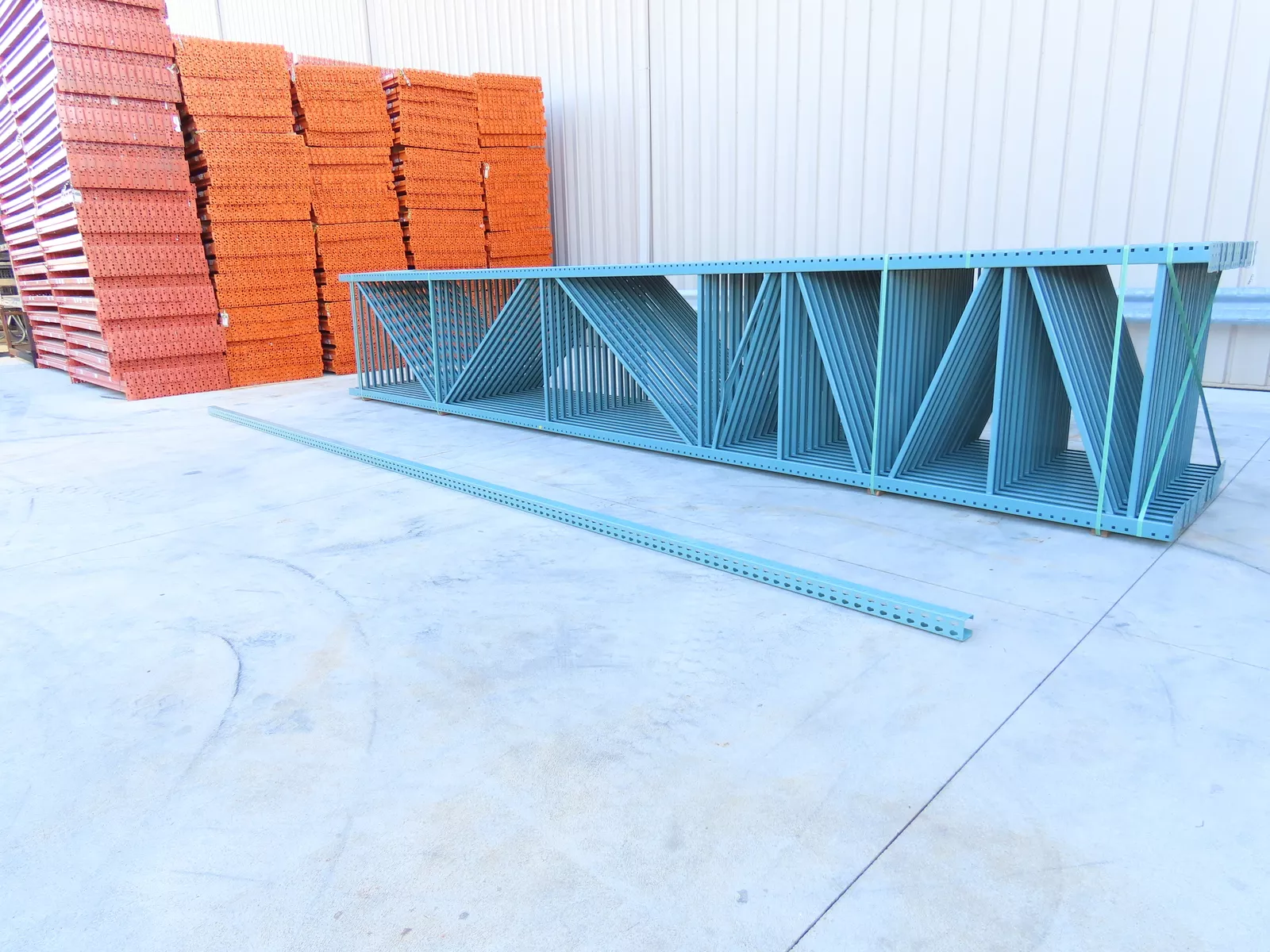
The Hidden Risks Of Mixing Rack Brands
The Hidden Risks Of Mixing Rack Brands
- Mixing different racking brands may seem like a preference, but it carries significant risks.
- Racking systems must work harmoniously; mismatched components can lead to catastrophic failures.
- Engineers design racking systems for specific loads; mixing brands can compromise safety and structural integrity.
- Every weakened link in a racking system threatens the safety of personnel and assets.
- Industry experts strongly advise against mixing brands based on real-life experiences of mishaps.
- Choosing racking systems based on price alone can negatively impact workforce safety and business reputation.
- Integrity and unity should guide racking decisions to ensure reliability and safeguard the future.
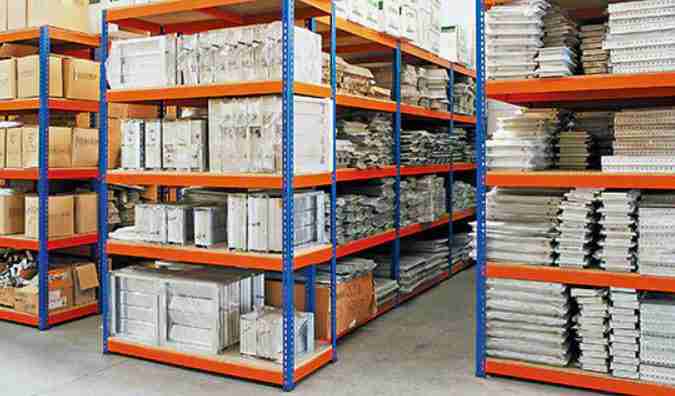
The Hidden Risks Of Mixing Rack Brands
Table Of Contents
- The Hidden Risks Of Mixing Rack Brands
- What Emotional Toll Does Rack Collapse Take on Your Peace Of Mind?
- Are You Aware Of the Potential Safety Hazards Of Mismatched Racks?
- How Can Mixing Brands Compromise the Integrity Of Your Storage System?
- How Do Industry Experts View the Dangers Of Brand Mixing In Racking?
- What Social Responsibility Do Companies Have In Ensuring Rack Safety?
- Conclusion
- Other Resources
- Glossary Of Terms
- Other Questions
- Checklist
What Emotional Toll Does Rack Collapse Take on Your Peace Of Mind?
When the racks in a warehouse collapse, it’s not just metal and merchandise that come crashing down; it’s the very foundation of trust and security that holds us together. Picture a bustling warehouse, workers maneuvering with purpose, the rhythmic hum of production fueling a collective effort towards a common goal. Then, in an instant, the clatter of falling racks echoes, shattering that peace of mind.
The emotional toll of a rack collapse extends far beyond the initial shock. Hearts pound as panic sets in, weaving its way through the veins of those present, leaving behind not just physical damage, but psychological scars as well. Workers may find themselves replaying those frantic moments, wondering what might have been done to prevent the disaster. They may question their own safety, causing a ripple effect of anxiety that lingers long after the debris is cleared. This is the kind of burden that can haunt a person, making every shift feel more like a gamble than a job.
From a rational standpoint, the implications can be staggering. Business leaders and decision-makers must grapple with the financial repercussions, the costly delays, and the potential loss of trust from clients and consumers. It’s not just about repairing racks; it’s about restoring faith—faith in the system, in safety protocols, and in one another. The weight of responsibility can be overwhelming, leaving behind sleepless nights and a constant questioning of whether you’ve truly done enough to ensure the safety of your employees.
Ethically, there’s an obligation to address these fears head-on. It’s essential for leaders to foster an environment of transparency and communication, where safety isn’t just a bullet point in a manual, but a part of the workplace culture.
Narratively, this is more than a story of metal and machinery; it’s a tale of human resilience. Each rack that stands tall also represents a worker’s dedication and sacrifice. Think of your teammate who’s quietly dealing with the aftermath of a collapse, the way their hands tremble as they restack products or how their eyes dart nervously around the warehouse.
It’s our collective responsibility—workers and leaders alike—to ensure that our spaces are not just productive, but safe. Building emotional resilience in the wake of such incidents requires connection, empathy, and a commitment to safety that inspires confidence in everyone involved. It’s time to act, to transform our fears into a call for change that fortifies our peace of mind for the road ahead.
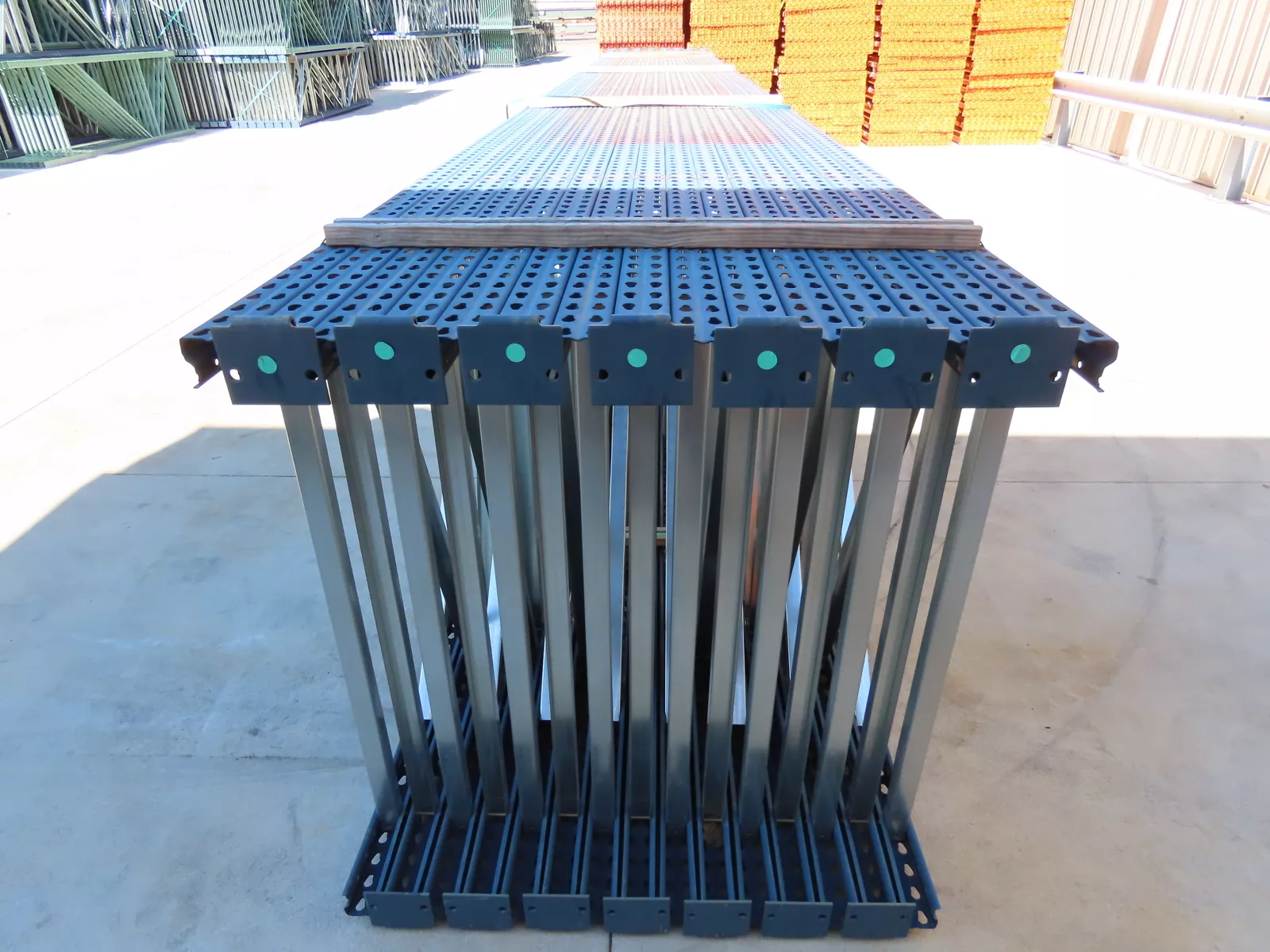
What Emotional Toll Does Rack Collapse Take on Your Peace Of Mind?
What Emotional Toll Does Rack Collapse Take on Your Peace Of Mind?
- Warehouse rack collapses undermine trust and security among workers and management.
- The emotional impact includes anxiety and psychological scars, leading workers to question their safety.
- Financial repercussions include costly delays and potential loss of client trust.
- Leaders are responsible for restoring faith in safety protocols and fostering a culture of transparency.
- Each rack represents the dedication and resilience of workers who might be dealing with trauma.
- It is a collective responsibility among workers and leaders to ensure a safe working environment.
- Building emotional resilience requires empathy and a commitment to actionable safety measures.
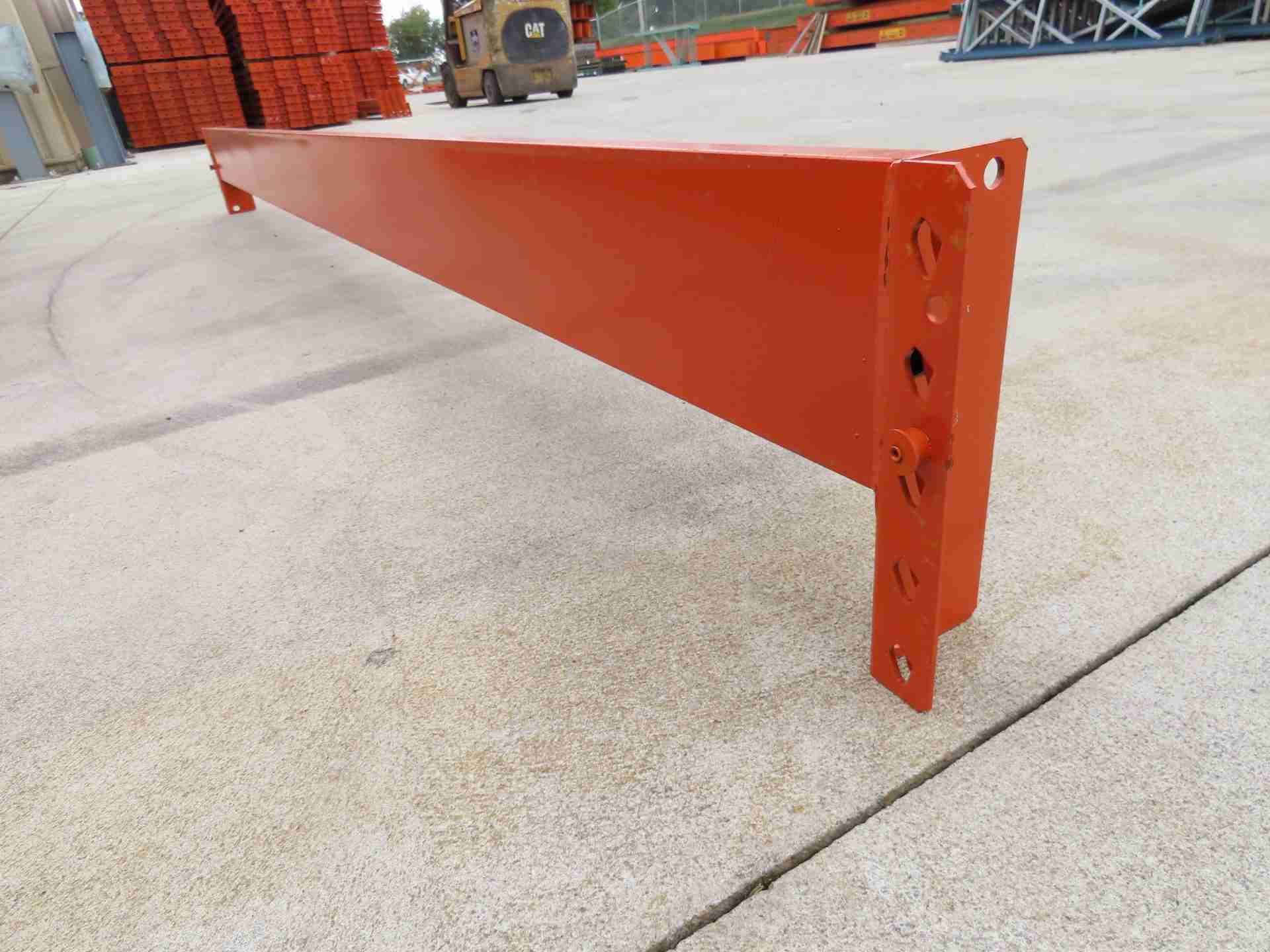
What Emotional Toll Does Rack Collapse Take on Your Peace Of Mind?
Are You Aware Of the Potential Safety Hazards Of Mismatched Racks?
When it comes to warehouse safety, the racking system is the backbone of every operation. It’s where products sit, sometimes for months, waiting to fulfill orders. But if those racks don’t match—if they’re cobbled together like an old truck—the risks become real, tangible, and potentially dangerous.
Imagine a warehouse filled with mismatched racks, some leaning precariously, others seemingly defying gravity. The heart of the matter is this: when a racking system isn’t uniform or, worse, is improperly installed, it can lead to catastrophic failures. Picture the sound of metal contorting under weight—heavy merchandise crashing down at terrifying speed. It’s not just a loss of inventory; it’s about the safety of the people working among those shelves. Do you feel that knot in your stomach? It’s a reminder that every height, every load, demands respect.
Rationally speaking, compatibility among racks isn’t just a preference; it’s a necessity. Different brands have different tolerances, load capacities, and manufacturing standards. Mixing and matching can lead to dangerous oversights—where you think the shelf can hold a certain weight, but the reality is starkly different. This is where oversight transforms into liability, eroding trust in your operations. As responsible stewards of our workplaces, we must ask ourselves: are we doing everything possible to ensure safety?
Then there’s the ethical side of this equation. Every employer has a duty to protect their workers. Providing a safe environment isn’t merely a box to check off; it’s an ethical obligation. When we cut corners on racking systems, we compromise our integrity and put lives at risk.
Socially, we model behavior for others. Think about the ripple effect in your organization. A commitment to safety fosters a culture of care—one where employees feel valued and protected. When coworkers see that you take safety seriously, they become advocates themselves, reinforcing a collective responsibility.
So, let’s take action. Evaluate your racking system. Trust the experts who can provide guidance on compatibility and safety standards. Make no mistake: mismatched racks aren’t just a nuisance; they’re a threat. When it comes to safety, investment in the right racking system is far cheaper than the cost of a preventable accident. Your employees deserve it, and so does your business. The choice is clear. Make the right one.
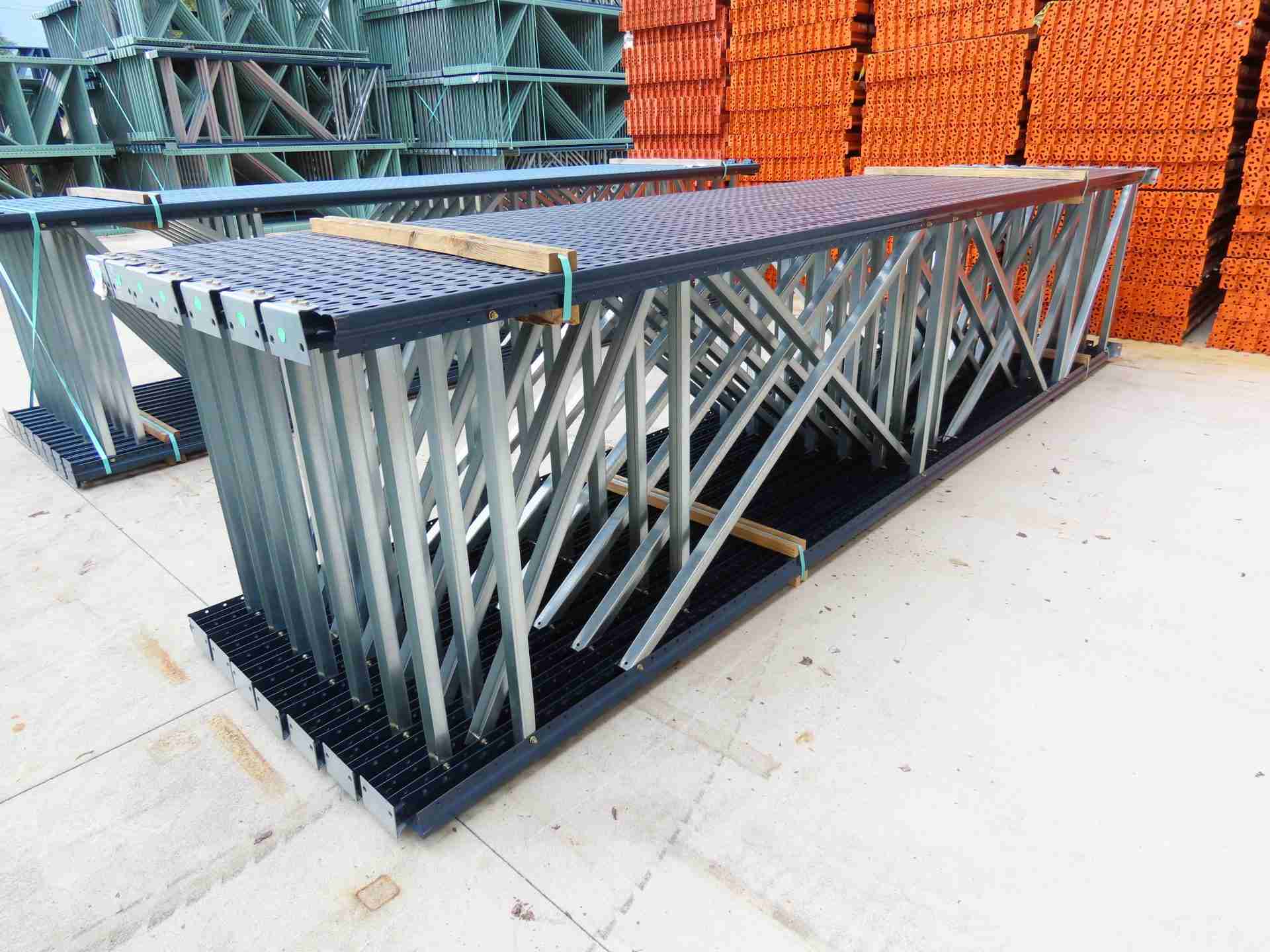
Are You Aware Of the Potential Safety Hazards Of Mismatched Racks?
Are You Aware Of the Potential Safety Hazards Of Mismatched Racks?
- The racking system is crucial for warehouse safety, serving as the foundation of operations.
- Mismatched or poorly installed racks pose significant risks, potentially leading to catastrophic failures.
- Compatibility among racks is essential due to varying tolerances, load capacities, and standards across different brands.
- Mixing and matching racks can result in dangerous situations and erode trust in operations.
- Employers have an ethical obligation to provide a safe working environment, which can be compromised by cutting corners on racking systems.
- A commitment to safety promotes a culture of care, encouraging collective responsibility among employees.
- Investing in the right racking system is a cost-effective measure for preventing accidents and protecting both employees and the business.
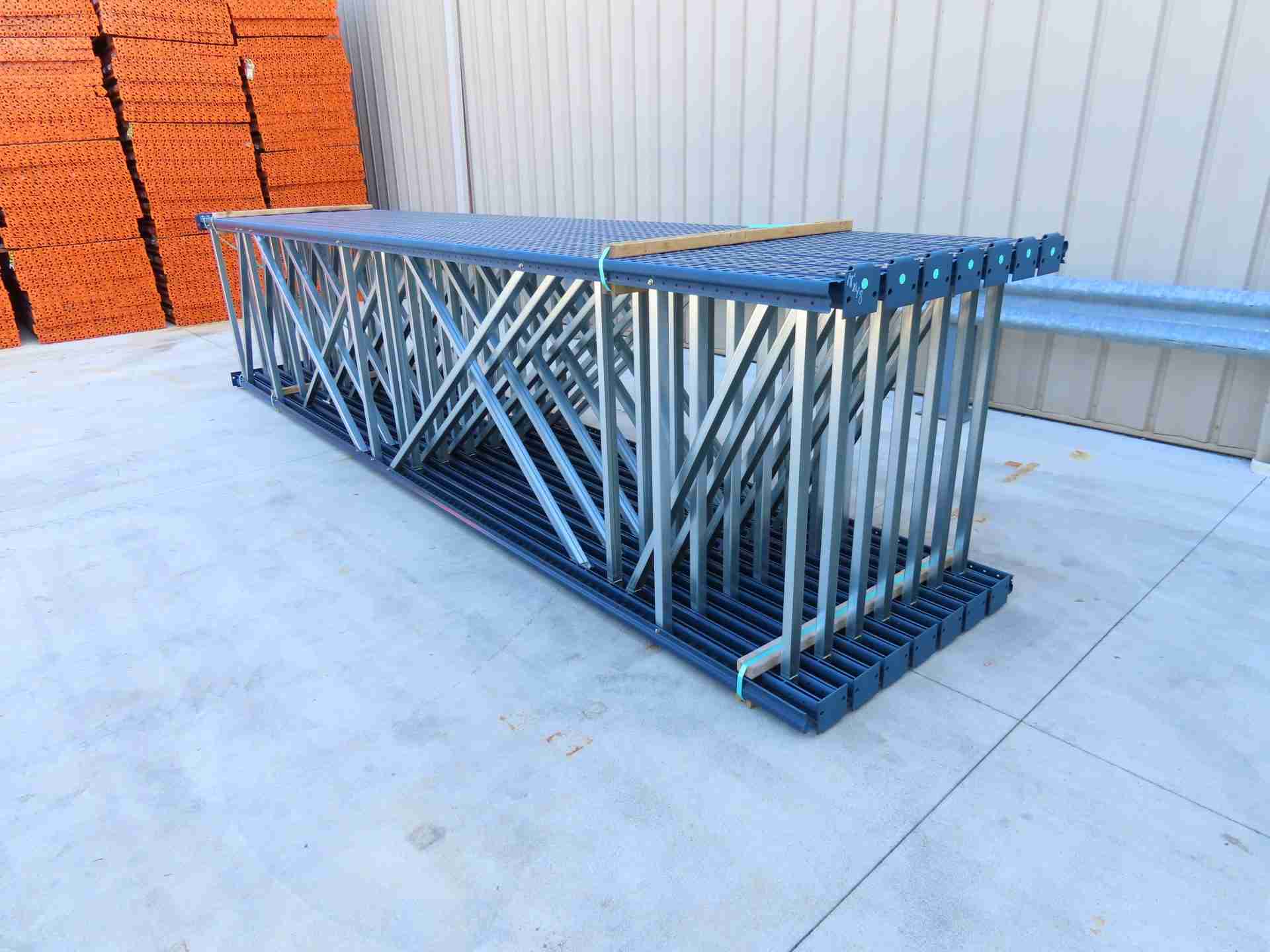
Are You Aware Of the Potential Safety Hazards Of Mismatched Racks?
How Can Mixing Brands Compromise the Integrity Of Your Storage System?
When it comes to storing your precious assets, the integrity of your storage system matters more than you might realize. Mixing brands in your racking can lead to a cascade of complications, jeopardizing not just your physical space, but the heart and soul of your operation. Picture this: you’ve got a warehouse filled with state-of-the-art equipment, inventory nestled safely on racks designed for efficiency. But then you decide to cut a corner and toss in a few components from a different brand because, well, they were on sale. It feels like a harmless move, right? But the truth is, this seemingly innocuous act can lead to a host of structural inefficiencies, damaging the fragile balance of your storage environment.
Consider the emotional toll this can take. Every time you see that mismatched racking, it might spur a flicker of doubt. Are your products truly safe? What if the weight capacity of one brand doesn’t mesh well with another? Those questions gnaw at your peace of mind, turning your haven of efficiency into a ticking time bomb.
Rationally speaking, let’s break it down. Different manufacturers have unique specifications, whether it’s load limits, safety features, or assembly instructions. When you mix and match, you invite inconsistency. Incompatible pieces can lead to disarray—items falling, damage occurring, and worst of all, injuries happening on the job. You can’t place a price on safety, yet cutting corners often does. So, weigh the benefits versus the risks.
Now, let’s talk ethics. As stewards of your operation, your responsibility is to create a safe and reliable environment for your team. By choosing to mix brands, you compromise not just your bottom line, but also the well-being of those who rely on your system.
There’s a better path. Trust in the strength of unity—the compatibility of a singular manufacturer who understands how their pieces fit together. Commit to one brand and experience the seamless synergy that comes with it. You’re not just investing in racking; you’re investing in the integrity of your entire operation. The choice is clear: foster a safe and dependable storage system and keep the faith in the foundation you’ve built. Trust in that decision—it’s not just smart; it’s necessary for every heartbeat within those walls.
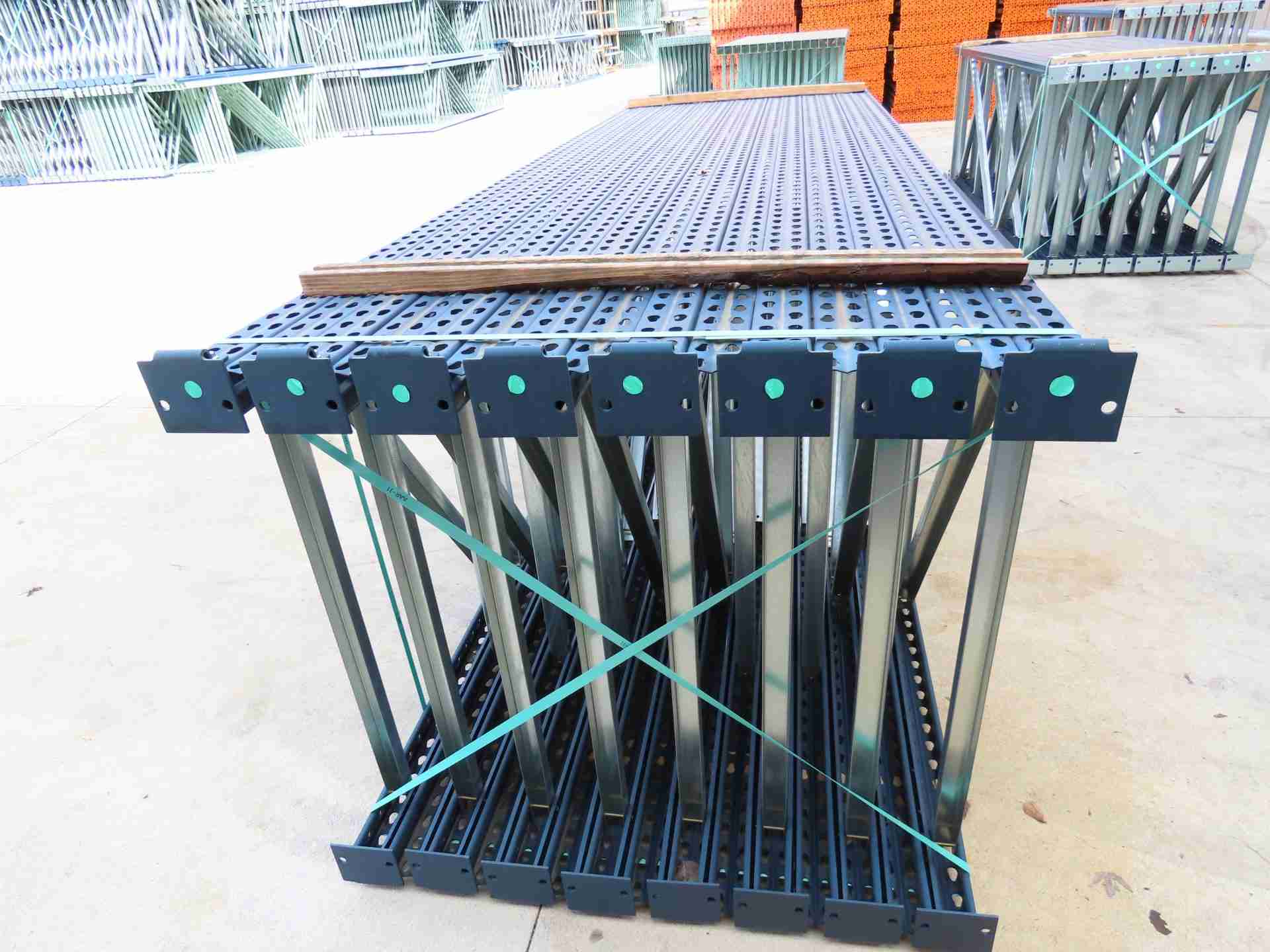
How Can Mixing Brands Compromise the Integrity Of Your Storage System?
How Can Mixing Brands Compromise the Integrity Of Your Storage System?
- The integrity of your storage system is crucial for protecting assets.
- Mixing brands in racking can create structural inefficiencies and jeopardize your operation.
- Incompatible components can raise doubts about safety and lead to potential injuries.
- Different manufacturers have specific load limits, safety features, and assembly instructions.
- Choosing to mix brands not only affects the bottom line but also compromises team well-being.
- Opting for a single brand ensures compatibility and enhances overall safety and efficiency.
- Investing in a cohesive storage system is essential for the integrity and reliability of operations.

How Can Mixing Brands Compromise the Integrity Of Your Storage System?
How Do Industry Experts View the Dangers Of Brand Mixing In Racking?
When you walk into a warehouse filled with rows upon rows of racking, it’s hard not to feel a sense of awe. Architecturally sound, strategically placed, and designed for efficiency, those steel giants are the backbone of many businesses. But as industry experts will tell you, when it comes to brand mixing in racking, the stakes are incredibly high. It’s not just about aesthetics; it’s about safety, integrity, and the longevity of your investment.
Imagine a moment where the loading dock is bustling with activity. Workers are moving with purpose, carts rolling in and out, stock being shifted and shelved. Now, envision a scenario where mismatched racking systems create tighter spaces and unintentional chaos. That momentary confusion could lead to accidents, injuries, or worse. The gut-wrenching reality is that brand mixing can create vulnerabilities in a system meant to be robust. Each brand’s design is crafted with specific tolerances and safety standards; introducing a different brand means inviting unpredictability into a calculated equation.
From an ethical standpoint, operators have a responsibility to safeguard not only their products but also the people who interact with them. Choosing to mix brands can cloud judgment under the illusion of cost savings. But when it comes to human safety and operational efficiency, there’s no price tag that can justify a perilous gamble. Industry experts warn that this seemingly innocuous decision can lead to catastrophic consequences.
Rational minds point to the importance of data, showing that racking accidents often stem from disregarding brand specifications. Statistics reveal that improper mixing can result in failure rates that skyrocket, with expensive repercussions echoing through an entire supply chain. These aren’t just numbers; they’re real-life stories where businesses suffered due to cutting corners.
At the end of the day, we’re all part of a larger community—workers, businesses, families—and we’re interconnected in ways we often forget. Trusting the professionals who dedicate their lives to understanding these systems isn’t just a smart choice; it’s a necessary action. Investing in quality racking, one brand at a time, isn’t just a matter of compliance—it’s a declaration that you care for your team and your bottom line. Let’s work together to build a safe environment where everyone can flourish, one beam at a time.

How Do Industry Experts View the Dangers Of Brand Mixing In Racking?
How Do Industry Experts View the Dangers Of Brand Mixing In Racking?
- Warehouses rely heavily on efficient, architecturally sound racking systems for business operations.
- Brand mixing in racking poses significant risks, compromising safety, integrity, and investment longevity.
- Mismatched racking can create chaotic environments, leading to accidents and injuries.
- Each brand has specific designs and safety standards; mixing them introduces unpredictability.
- Operators have an ethical responsibility to protect both products and personnel from potential hazards.
- Data shows that improper brand mixing significantly increases failure rates and costs within supply chains.
- Investing in quality racking from a single brand is essential for safety and operational effectiveness.
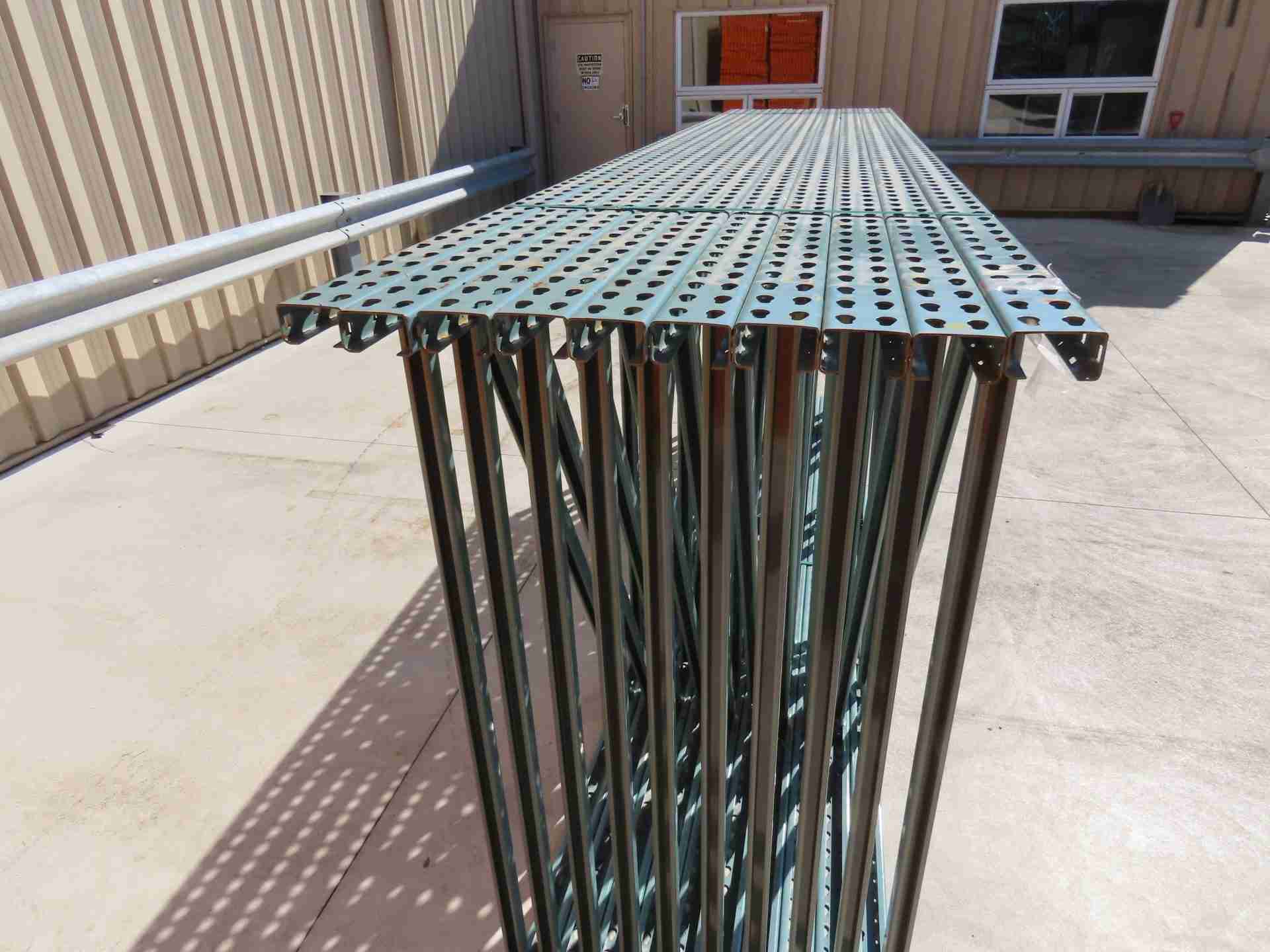
How Do Industry Experts View the Dangers Of Brand Mixing In Racking?
What Social Responsibility Do Companies Have In Ensuring Rack Safety?
When it comes to the safety of racking systems, companies bear a serious social responsibility. Picture this: a wide-eyed worker in a warehouse, surrounded by towering shelves filled with goods, relies every day on the integrity of those racks. You can feel the weight of that responsibility. It’s not just about moving products; it’s about the lives and wellbeing of the people doing the heavy lifting.
Now, let’s engage the heart. Every rack that stands in a warehouse isn’t just steel and bolts; it’s a promise that someone will go home safely at the end of their shift. Safety precautions should be as critical as profits. Ethical companies understand that their bottom line shouldn’t come at the expense of their workers’ lives. This isn’t just a numbers game—it’s about humanity.
Then there’s the head. Statistically speaking, accidents related to faulty racking can lead to serious injuries or even fatalities. The responsibility to maintain, inspect, and upgrade these systems shouldn’t be merely a legal obligation; it should be a core principle guiding every business decision. Smart companies recognize that a small investment in safety measures saves money in the long run, not just in terms of liability, but also in employee morale and retention.
Now, let’s hit the gut. There’s a visceral feeling that arises when you think about a workplace accident—like the air being sucked out of the room. Those stories are more than just anecdotes; they are reminders of what’s at stake. Each incident could have been avoided with proper attention to racking safety. It takes guts to prioritize safety over productivity, but it is the choice that every leader must weigh with deep intention.
Authority comes into play here. Industry standards and regulations exist for a reason. Responsible companies don’t just meet these standards; they strive to exceed them, leading the pack because they know the stakes involved. They recognize that their commitment to safety can inspire an entire industry to elevate its standards.
Finally, connect with the social responsibility that we all share. When a company steps up and truly prioritizes rack safety, it fosters a culture of care that radiates beyond the workplace. It builds trust within the community, assuring everyone that they are committed to doing the right thing. That commitment shouldn’t just be a checkbox; it should be the foundation upon which companies stand. Together, let’s ensure that the standards for racking safety become a shared and profound principle—one that we can all believe in.

What Social Responsibility Do Companies Have In Ensuring Rack Safety?
What Social Responsibility Do Companies Have In Ensuring Rack Safety?
- Companies have a serious social responsibility regarding the safety of racking systems.
- Warehouse workers depend on the integrity of racks for their safety and wellbeing.
- Ethical companies prioritize safety measures alongside profitability, understanding the human impact of their decisions.
- Accidents from faulty racking can lead to serious injuries; safety should guide business principles.
- Investing in safety measures can save money in the long run and improve employee morale and retention.
- Responsible companies strive to exceed industry standards and set higher benchmarks for safety.
- Prioritizing rack safety fosters a culture of care, trust, and social responsibility within the community.

What Social Responsibility Do Companies Have In Ensuring Rack Safety?
Conclusion
Racking systems are more than just metal beams; they are the backbone of safety, efficiency, and trust within our warehouses. Some may think mixing brands is merely an aesthetic choice or a cost-saving measure, but the consequences run far deeper. This isn’t just about saving a few bucks; it’s about safeguarding lives and securing your business’s future. When mismatched racking systems come into play, they can create a ticking time bomb, setting the stage for catastrophic failures that ripple through your operations.
Take a moment to visualize the chaos: products plummeting from inadequately supported racks, panic seeping through the workforce. That’s not just a financial concern; it’s an emotional burden that weighs heavily on every employee. The echoes of a collapse can haunt a workplace long after the debris has been cleared, fostering an environment of anxiety and mistrust. That gut-wrenching knot in your stomach when you doubt the safety of your workspace isn’t just instinct; it’s a wake-up call.
From a rational perspective, the data speaks volumes. Engineers design racking systems with specific load tolerances in mind. Mixing brands can lead to discrepancies that put heavy burdens on weaker components. The ramifications extend beyond physical safety. Businesses face not just the cost of repairs but also potential loss of reputation and trust in their operational capabilities. It’s a risk that is simply not worth taking.
Ethically, the responsibility lies with leaders to create safe environments. Cutting corners in rack selection compromises not just structural integrity but also the welfare of your employees. When industry experts voice concerns over brand mixing, it’s a call to respect safety protocols that are hard-earned lessons from the field.
Cultivating a safety-first culture is vital. This is where integrity and unity come into play. Investing in a single, reliable brand fosters trust and cultivates a sense of community among workers. It sends a clear message: “Your safety matters.”
When companies prioritize safety over short-term gains, they inspire industry-wide change, setting the bar high for others to follow. This mutual commitment forms a cohesive bond that strengthens our shared goal: a safe, productive work environment. The choice is clear; opting for compatible racking is not just a preference—it is a necessity. Let’s make that choice together for the wellbeing of our teams and the longevity of our businesses.

Conclusion
Conclusion:
- Racking systems are essential for safety, efficiency, and trust in warehouses.
- Mixing brands can lead to severe consequences beyond financial concerns, such as jeopardizing lives and operational safety.
- Mismatched racking systems can cause catastrophic failures, resulting in chaos and emotional distress for employees.
- Engineered racking systems have specific load tolerances; mixing brands can result in compromised safety and integrity.
- Leaders have an ethical responsibility to ensure safe environments and avoid compromising employee welfare.
- Investing in a single, reliable brand enhances trust and promotes a safety-first culture within the workforce.
- Prioritizing safety fosters a cohesive organizational commitment to creating a productive and secure work environment.
Conclusion
Other Resources
Other Resources
Here is a list of other resources you can review online to learn more:
- Overhead Lifting
- Illinois Pallet Racking – Storage Solutions
- Selective Pallet Racking Systems
- Warehouse Storage Racks
- Material Handling Safety
- The Complete Pallet Rack Guide – Simply Rack
- Selective Racking
- What is Selective Racking: Understanding Benefits & Options
- Selective Pallet Racking Systems – Container Systems
- Bradford Systems
- BMH
- Used Pallet Rack for Sale in Illinois – American Surplus
- Teardrop Pallet Rack – Ridg-U-Rak
- Warehouse Storage Racking in Illinois
- Heavy-Duty Cantilever Storage Racks
- Interlake
- Chicago Pallet Racking
- Chicago Pallet Racking
- National Safety Council
- Cantilever Rack Guide: Ordering Cantilever Racking
Use This Prompt To Get More Resources With Your Favorite Online AI Tool: Please provide me with a list of online articles with their URLs in a bulleted list that I can read regarding The Hidden Risks Of Mixing Rack Brands
Other Resources
Glossary Terms
The Hidden Risks Of Mixing Rack Brands – Glossary Of Terms
1. Rack: A structure used for storing and organizing equipment, typically found in data centers or server rooms.
2. Brand Mixing: The practice of using equipment or components from different manufacturers in the same setup.
3. Compatibility: The ability of different rack brands or components to work together without issues.
4. Interoperability: The capacity for different systems to operate together effectively.
5. Power Distribution: The method by which electrical power is delivered to various components within a rack.
6. Thermal Management: Techniques and technologies used to control temperature within a rack system.
7. Cooling Solutions: Systems designed to maintain optimal operating temperatures for equipment in racks.
8. Load Capacity: The maximum weight that a rack can safely support, considering different brands’ specifications.
9. Electromagnetic Interference (EMI): Disruption caused by electromagnetic fields that can affect the performance of equipment.
10. Data Integrity: The accuracy and consistency of data over its lifecycle, potentially compromised by incompatible hardware.
11. Warranty Issues: Limitations and conditions under which manufacturers will service their products, often affected by using mixed brands.
12. Cabling: The complex network of wires and connectors that provides power and data connections within and outside a rack.
13. Rack Space: The physical area within a rack designated for mounting equipment, measured in rack units (U).
14. Performance Bottlenecks: Points of congestion where data flow is hindered, possibly arising from incompatible components.
15. Scalability: The ability to expand a system easily by adding new components or equipment.
16. Vendor Support: Assistance and service provided by manufacturers to troubleshoot and resolve issues with their equipment.
17. Serviceability: The ease with which a device can be maintained, repaired, or upgraded, potentially impacted by mixed brands.
18. Lifecycle Management: Strategies for managing the lifecycle of IT assets, including considerations for equipment compatibility.
19. Rack Density: The concentration of equipment within a given rack space, influencing heat generation and airflow.
20. Risk Assessment: The process of identifying and evaluating risks associated with equipment configurations and brand mixing.
21. Technical Specifications: Detailed descriptions of the capabilities and requirements of hardware components from different brands.
22. Firmware: Software programmed into hardware components, which may need to be compatible across mixed brands.
23. Equipment Failure: The malfunction of hardware, which may be exacerbated by brand mismatches leading to system vulnerabilities.
24. System Integration: The process of ensuring that different components work together seamlessly, often a challenge with mixed brands.
25. Best Practices: Recommended methods and strategies to achieve optimal results in rack setup and maintenance.
26. Network Throughput: The rate at which data is successfully transferred across a network, potentially influenced by mixed equipment.
27. Monitoring Tools: Software or hardware used to track the performance and health of equipment within racks.
28. Standards Compliance: Adherence to industry standards that ensure compatibility and interoperability among different brands.
29. Heat Generation: The production of heat from electronic devices, a critical factor in designing cooling solutions in mixed-brand environments.
30. Innovation Risk: The potential downsides of adopting new technologies that may not yet be compatible with existing systems in a mixed rack setup.
Glossary Of Terms
Other Questions
The Hidden Risks Of Mixing Rack Brands – Other Questions
If you wish to explore and discover more, consider looking for answers to these questions:
- What specific risks are associated with mixing different rack brands?
- How can warehouse managers assess the compatibility of different racking systems?
- What are the signs that indicate a racking system may be unsafe?
- What precautions can businesses take to prevent rack collapses?
- Are there industry standards for racking systems that must be followed?
- What alternatives exist to mixing different rack brands?
- How often should racking systems be inspected for safety compliance?
- What training should employees receive regarding rack safety?
- How does the emotional impact of rack collapses affect workplace morale?
- What resources are available for warehouse managers to improve rack safety?
- How can businesses balance cost savings with safety when choosing racking systems?
- What role do suppliers play in ensuring the safety of racking systems?
- How can companies cultivate a culture of safety among employees?
- What are the legal implications of failing to maintain safe racking systems?
- How do different manufacturers’ specifications affect rack performance?
Other Questions
Checklist
The Hidden Risks Of Mixing Rack Brands – A Checklist
Checklist for Ensuring Rack Safety and Compatibility
Emotional Appeals
_____ Visualize the potential impact of a rack collapse on your workforce; consider the emotional aftermath for employees and their families.
_____ Reflect on the safety promises made to your team; are you fulfilling them?
_____ Cultivate a culture of care by emphasizing the importance of safety in daily operations.
Rational Appeals
_____ Review load ratings and compatibility of different rack brands before making purchasing decisions.
_____ Conduct regular inspections of your racking systems to identify potential weaknesses.
_____ Analyze safety statistics related to racking systems and educate your team about the risks involved in mixing brands.
Ethical Appeals
_____ Assess your obligations to provide a safe working environment; prioritize it over cost-cutting measures.
_____ Foster transparent communication about safety protocols and incident reporting among employees.
_____ Commit to ethical sourcing of racking materials and systems, ensuring quality over price.
Authority Appeals
_____ Consult industry experts for guidelines on compatible racking systems and best practices.
_____ Implement safety protocols that align with industry standards and regulations.
_____ Invest in training programs led by qualified professionals to educate your team on rack safety and proper usage.
Narrative Appeals
_____ Share experiences of past incidents or near-misses to emphasize the importance of safety in racking systems.
_____ Encourage team members to share their own stories about safety concerns, fostering a collective understanding of the stakes involved.
_____ Create a narrative around your commitment to safety as a core value of your organization.
Social Appeals
_____ Promote team-based safety initiatives where employees can contribute ideas for improving rack safety.
_____ Develop a safety accountability framework that holds everyone responsible, from leadership to front-line workers.
_____ Engage with your community or industry to share best practices and develop a collective approach to racking safety.
Action Steps
_____ Assess your current racking system for compatibility and safety measures.
_____ Hold a safety meeting to discuss the importance of rack integrity and the risks of mixing brands.
_____ Set a timeline for implementing new racking systems or improving existing ones to ensure compatibility and safety.
Checklist
At RackingWorld, we help guide you through selecting warehouse storage systems and racking.
Be sure to read our other related stories at RackingWorld to learn more about warehouse storage systems.
0 Comments