
Maximizing Efficiency, Safety, And Growth Through Smart Pallet Racking
By Tom Seest
At RackingWorld, we help guide you through selecting warehouse storage systems and racking.
Be sure to read our other related stories at RackingWorld to learn more about warehouse storage systems.
How Do Trucking Company Warehouses Leverage Pallet Racking?
When you walk into a trucking company’s warehouse, what you don’t see often tells the biggest story: the art and science of pallet racking. It might look like just rows and rows of metal frames holding up wooden pallets, but behind that straightforward setup lies the backbone of how goods get moved, stored, and shipped efficiently every single day.
Truckers and warehouse folks know this well. There’s no room for guesswork when schedules are tight, shipments stack up, and every inch counts. Pallet racking isn’t just about putting boxes on shelves — it’s about trust. Trust that when a driver pulls in, the right load is exactly where it should be, safe and ready to go. That kind of reliability doesn’t come from luck; it’s built on solid, smart design and years of knowing what works in real-world conditions.
Using pallet racking means warehouses can pack more into smaller spaces without turning into a cluttered mess. That’s good for the business’s bottom line and for the people on the floor who work hard enough without having to navigate hazards or struggle to find what they need. It keeps the workflow smooth and the pace steady, so everyone can go home after a day’s work without a worry on their mind. Efficiency powered by pallet racking isn’t glamorous, but it sure is honest and necessary — just like the folks who rely on it.
There’s also an ethical side to it. Keeping products organized and secure reduces damage, waste, and costly mistakes. It respects the hard-earned money that went into those goods, the customers waiting for them, and the workers handling them. That’s a principled way to run a business: careful stewardship that keeps every link in the supply chain strong.
In practical terms, pallet racking lets warehouse managers get creative with their space and logistics. It’s a quiet hero that adapts to changing demands and grows with the company. It stands tough during busy seasons and quiet lulls alike. When you see pallets stacked high in neat rows, think of the unspoken teamwork — from the forklift driver to the planner — all made possible by that reliable metal framework.
So next time you hear about warehouses and trucking companies, remember the pallet racking. It’s a simple piece of the puzzle that keeps a complicated machine running. And in a world that never slows down, that steady dependability is something worth valuing.

How Do Trucking Company Warehouses Leverage Pallet Racking?
How Do Trucking Company Warehouses Leverage Pallet Racking?
- Pallet racking is a crucial yet often overlooked backbone in warehouses, enabling efficient movement, storage, and shipping of goods.
- It ensures reliability and trust, so the right load is always safe and ready when a driver arrives.
- Allows warehouses to maximize space without clutter, improving workflow and safety for workers.
- Enhances operational efficiency, helping businesses maintain steady pace and reduce hazards.
- Supports ethical business practices by minimizing product damage, waste, and costly errors.
- Enables creative space and logistics management, adapting to changing demands and company growth.
- Acts as a dependable, quiet foundation for teamwork and smooth supply chain operations.
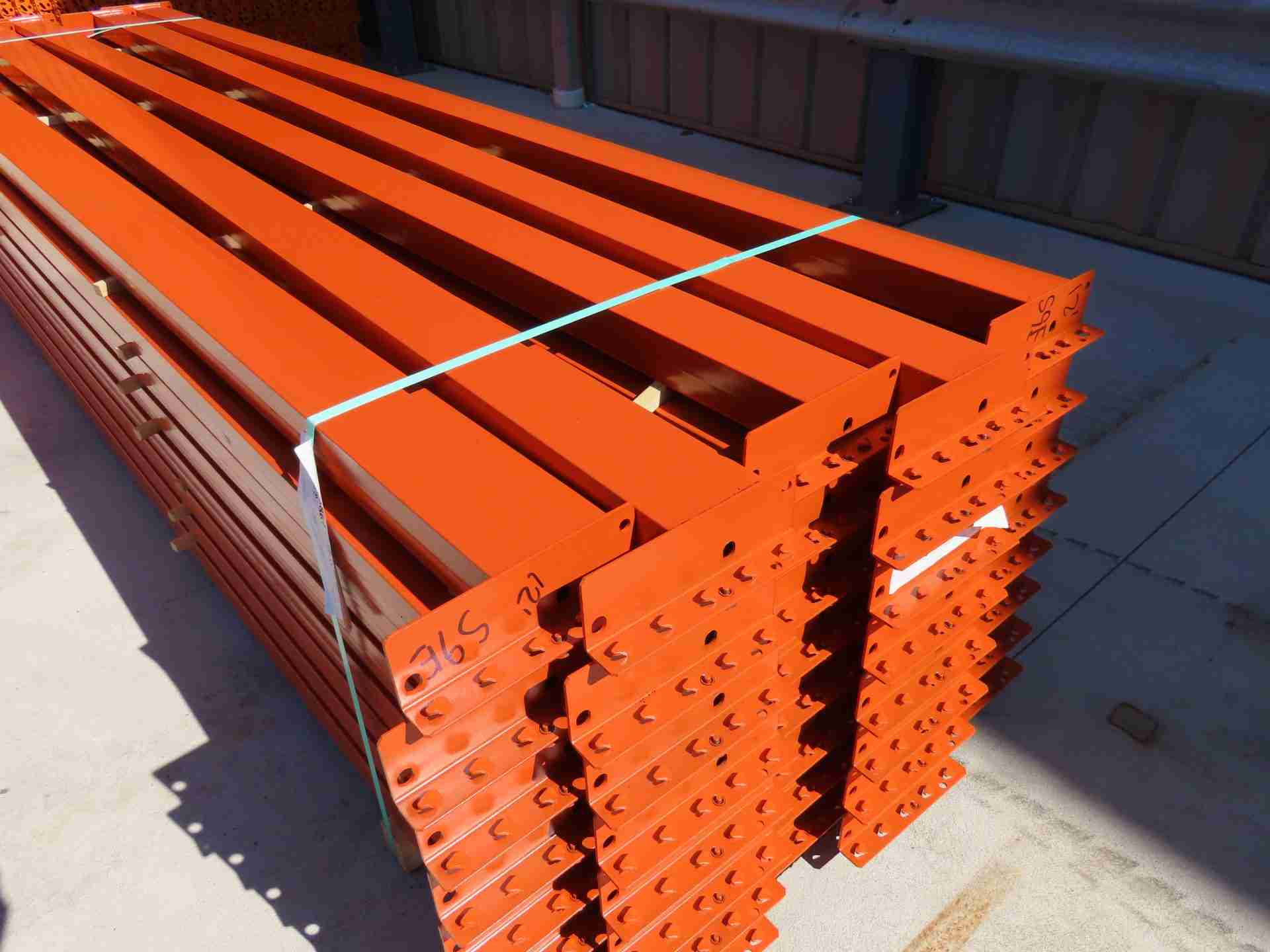
How Do Trucking Company Warehouses Leverage Pallet Racking?
Table Of Contents
- How Do Trucking Company Warehouses Leverage Pallet Racking?
- How Does Pallet Racking Improve Warehouse Efficiency?
- What Are the Cost Benefits Of Pallet Racking?
- How Does Pallet Racking Enhance Workplace Safety?
- Can Pallet Racking Optimize Limited Warehouse Space?
- What Impact Does Racking Have on Inventory Management?
- How Does Pallet Racking Reduce Loading and Unloading Times?
- Conclusion
- Other Resources
- Glossary Of Terms
- Other Questions
- Checklist
How Does Pallet Racking Improve Warehouse Efficiency?
You walk into any busy warehouse, and the first thing that hits you isn’t just the hum of forklifts or the clatter of boxes—it’s order. Pallet racking is the backbone of that order, turning chaos into calm with a no-nonsense, get-the-job-done mindset. This isn’t fancy jazz; it’s plain, honest efficiency that every warehouse worker can count on. When your pallets are stacked right, every minute saved isn’t just time—it’s less strain on the crew, faster moves, and fewer headaches.
Pallet racking isn’t just some metal shelving slapped together. It’s a smart, sturdy system that maximizes every inch of your space. That’s real muscle behind your product storage—no wasted square feet, no more hunting around for what should be right where it belongs. The brain behind warehouse management will tell you flat out: when inventory goes in and out smoothly, your whole operation runs leaner and meaner.
There’s an ethical angle to this too. Using Pallet Racking means safer working conditions. Folks on the floor aren’t risking their necks climbing over piles or squeezing through unsafe aisles. It’s a way of showing you respect the hands that keep the whole place humming—and that kind of respect builds trust, loyalty, and a better work culture.
From the shop floor to the loading dock, Pallet Racking turns hard work into smart work. It simplifies tasks without cutting corners. You’ve got your products visible, accessible, and organized—the right pallet in the right spot for the right job. That keeps mistakes down and morale up. When workers know they can count on the setup, it’s like a steady heartbeat keeping the whole operation alive and kicking.
Look around at warehouses that rely on Pallet Racking, and you’ll hear a common story—a story of frustration turned to relief, of chaos tamed by common sense. It’s a system built on the wisdom of countless hands and the grit of those who never stop moving. Pallet Racking doesn’t just store goods; it holds together the promise of doing things right, every day.
If you’re in the trenches, you know: having the right gear makes all the difference. Pallet Racking isn’t just shelves; it’s the foundation of efficiency, safety, and respect—a simple upgrade that pays off in sweat saved and pride earned.

How Does Pallet Racking Improve Warehouse Efficiency?
How Does Pallet Racking Improve Warehouse Efficiency?
- Pallet racking creates order in busy warehouses by providing efficient, reliable storage that reduces strain on workers and speeds up processes.
- The system is smart and sturdy, maximizing space use and eliminating wasted square footage or lost inventory.
- It enhances safety by reducing risks associated with climbing over piles or navigating unsafe aisles, promoting respect for workers.
- Pallet racking simplifies tasks by keeping products visible, accessible, and well-organized, which lowers errors and boosts morale.
- Warehouses using pallet racking experience a transformation from chaos to control, reflecting collective wisdom and hard work.
- The system supports a strong work culture based on trust, loyalty, and respect for the labor force.
- Pallet racking serves as the essential foundation for efficiency, safety, and operational pride in warehouse management.

How Does Pallet Racking Improve Warehouse Efficiency?
What Are the Cost Benefits Of Pallet Racking?
When you talk about saving money in a warehouse or shop floor, pallet racking isn’t just another piece of metal equipment—it’s the backbone that holds your operation together and keeps your bottom line healthy. Think of pallet racking like the unsung hero you don’t notice until it’s missing. Without it, you’d be piling boxes on the floor, tripping over stuff, losing time searching for inventory, and watching your space shrink like a sweater in the wash.
Here’s the cold, hard truth: floor space is expensive, and pallet racking multiplies it. When you store vertically instead of sprawling out like clutter in a junk drawer, every cubic foot starts pulling its weight. That means fewer square feet rented or bought, which cuts your property costs right there. This isn’t just some flashy sales pitch — it’s the kind of efficiency that keeps your business agile and competitive. You’re buying less space, wasting less time, and keeping your products safer from damage or loss, all while creating room for more stock. More stock means more sales, plain and simple.
On top of that, pallet racking gives your warehouse a sense of order that’s worth more than its weight in gold. No more scrambling to meet orders or dealing with jack-of-all-trades chaos. When workers can find and move goods quickly, your whole crew stays focused and less frustrated. That reduces downtime and keeps morale steady. Saving a few bucks on labor costs here and there might not sound like much, but over months and years, it’s like finding money on the ground you didn’t know was there.
Ethically, investing in pallet racking says you respect your team and your product. It’s a commitment to safety and sustainability, preventing accidents and damage that could cost both in dollars and in trust. Running a smooth operation isn’t just smart; it’s responsible. Customers and partners notice that kind of reliability, and your reputation grows stronger every day.
From the standpoint of experience, anyone who’s wrestled with a cluttered warehouse knows the difference a good pallet racking system makes. It’s not just saving space—it’s saving sanity. So when you weigh the upfront costs against long-term savings, it’s no contest. Pallet racking pays for itself in fewer headaches, tighter budgets, and better business. Every pallet stacked is a step closer to a healthier, more profitable future.
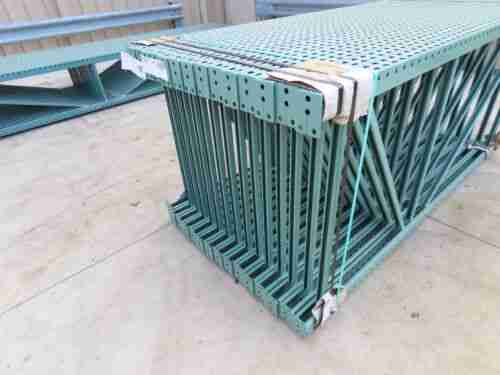
What Are the Cost Benefits Of Pallet Racking?
What Are the Cost Benefits Of Pallet Racking?
- Pallet racking is essential for efficient warehouse and shop floor operations, preventing clutter, saving time, and maximizing space usage.
- It multiplies expensive floor space by enabling vertical storage, reducing property costs by minimizing the needed square footage.
- Using pallet racking improves business agility and competitiveness by saving space, time, and protecting products from damage or loss.
- It creates order in the warehouse, reducing downtime and worker frustration, which leads to labor cost savings and higher morale.
- Investing in pallet racking demonstrates a commitment to safety and sustainability, preventing accidents and maintaining trust with customers and partners.
- A well-organized pallet racking system supports smooth operations and enhances a company’s reputation for reliability and responsibility.
- The initial investment pays off through long-term savings, tighter budgets, fewer operational headaches, and increased profitability.
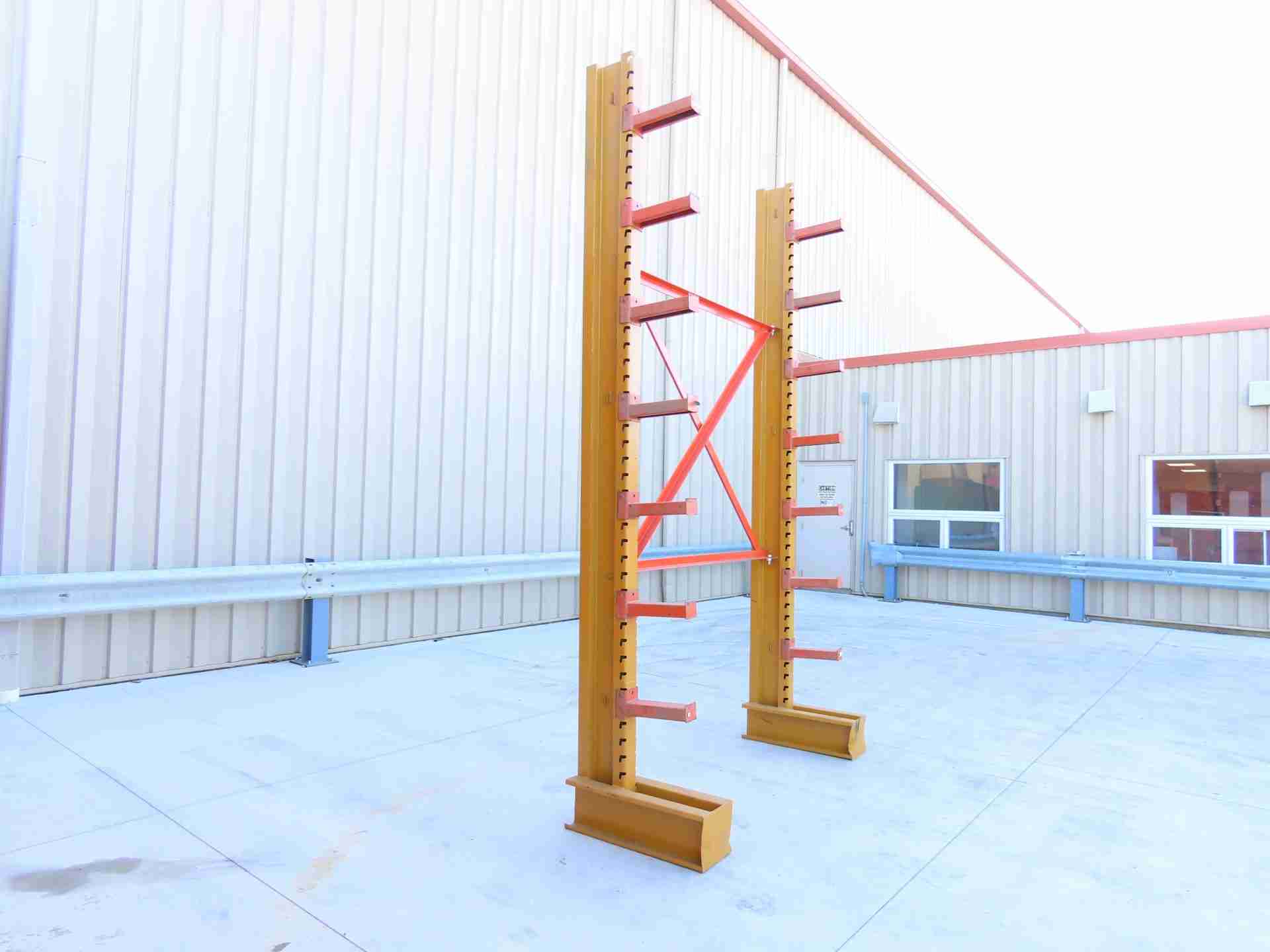
What Are the Cost Benefits Of Pallet Racking?
How Does Pallet Racking Enhance Workplace Safety?
You don’t have to dig deep on the shop floor to see how clutter can turn a workplace into a hazard zone. Pallet racking steps in as the unsung hero, transforming chaos into order. When pallets are stacked haphazardly, you’re asking for trouble—forklifts weaving through tight spots, workers ducking under unstable loads, and the ever-present risk of accidents. Pallet racking keeps heavy, bulky items off the ground and locked into place, making that mess manageable. It’s like having a sturdy spine for your warehouse—strong, reliable, and steady.
The real magic of pallet racking isn’t just in keeping things tidy. It’s the way it gives workers the confidence to do their jobs without constantly looking over their shoulders. Knowing that boxes aren’t going to topple over or obstruct key walkways means fewer close calls and injured folks. That’s not just good business sense; it’s about caring for the people who sweat it out day in and day out. Safe storage isn’t a luxury—it’s a basic respect owed to every hand that moves product or tools. When a workplace invests in proper pallet racking, it’s sending a message that safety and dignity matter.
From a practical standpoint, pallet racking maximizes space—a big win—so you’re not squeezing forklifts into narrower aisles or stacking loads dangerously high. Better spacing means smoother traffic flow, less chance of collisions, and clear evacuation routes if something goes sideways. This kind of organized system reduces strain on both workers and equipment, cutting down on accidents caused by rushed or awkward moves. There’s a straightforward honesty to it: When your storage system is sound, your operation runs with fewer headaches and fewer injuries.
Ethically, it’s a no-brainer. Every warehouse deserves a foundation that’s built tough enough to support safety, not risk. Pallet racking isn’t just metal on metal—it’s a commitment. It keeps valuables safe, sure, but more importantly, it protects lives. The people at the heart of any operation deserve nothing less than that steady setup. And that’s the kind of trust that sticks, day after long day.
When you walk into a warehouse with solid, well-kept pallet racking, you see the story it tells—a place that values its people and its work. It’s more than an arrangement of shelves; it’s a way to keep everyone accountable to each other’s safety. So, if you want to build a workplace that works harder and safer, start with the strength beneath it: uncomplicated, dependable pallet racking.
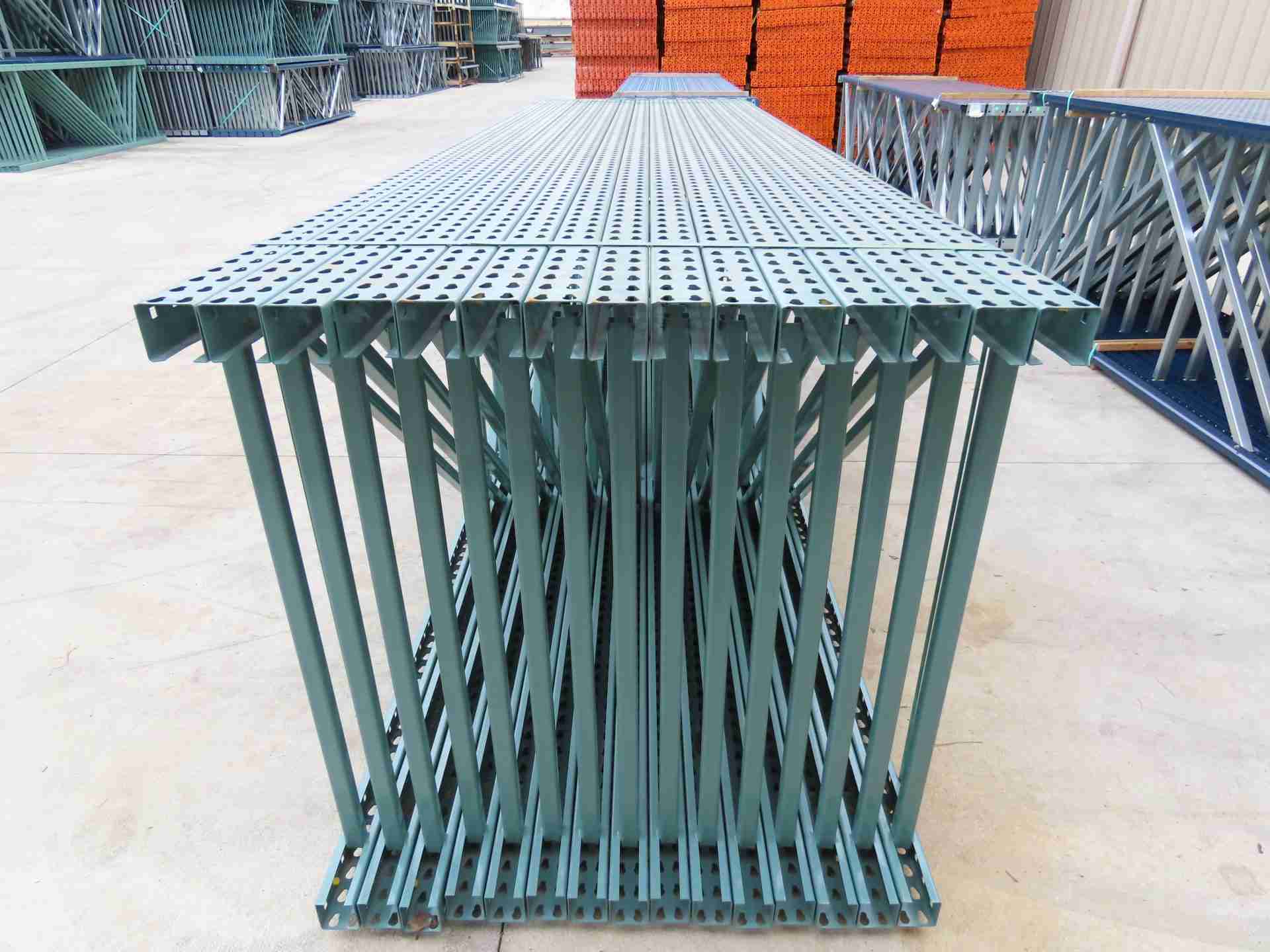
How Does Pallet Racking Enhance Workplace Safety?
How Does Pallet Racking Enhance Workplace Safety?
- Cluttered workplaces create hazards; pallet racking transforms disorder into organized, safe storage.
- Pallet racking secures heavy items off the ground, reducing risks from unstable loads and tight forklift navigation.
- It instills worker confidence by preventing toppling boxes and clear walkways, lowering injury incidents.
- Proper pallet racking maximizes space, enabling better traffic flow and safer evacuation routes.
- Organized storage reduces strain on workers and equipment, cutting down accidents from hurried or awkward movements.
- Pallet racking represents an ethical commitment to safety, protecting both valuables and lives.
- Well-maintained pallet racking signals a workplace that values its people, fostering accountability and safety culture.

How Does Pallet Racking Enhance Workplace Safety?
Can Pallet Racking Optimize Limited Warehouse Space?
When space feels tight and every square foot counts, Pallet Racking is the kind of practical solution that doesn’t just fit your warehouse — it fits your mindset. You know that sinking feeling when you walk into your yard, seeing pallets stacked like a game of Jenga, knowing something’s gotta give? Pallet Racking steps in like the reliable workhorse it is, turning chaos into order without sacrificing an inch of valuable real estate.
It’s easy to overlook, but the truth is, Pallet Racking does more than just hold stuff. It frees up your floor, creating clear pathways and safer spots for folks to work without tripping over odds and ends. When you stack pallets vertically — safely and smartly — you’re not just shelving goods; you’re reclaiming your workspace. It’s about respect: respect for the people moving that product, the business relying on every shipment, and the bottom line that keeps the lights on.
From a cold, hard numbers standpoint, optimized storage means faster access, less downtime, and fewer headaches trying to find that one pallet lost in a messy pile. That’s efficiency anyone running a warehouse can get behind. Pallet Racking units are built tough, designed to handle weight and weather the bumps and bruises of everyday hustle — not some fragile, fancy setup, but solid steel that earns its keep day after day.
And there’s a quiet confidence that comes with investing in the right setup. It’s a statement that you’re serious about your work; you’re not cutting corners. The safer and better organized your space is, the more reliable your operation is, plain and simple. Other folks on the floor see it, your clients see it, and it builds a reputation that sticks. There’s a shared pride in a warehouse that runs smoothly, where the equipment works as hard as the people do.
So when the walls seem to close in, and you’re staring down that constant battle with limited space, remember Pallet Racking isn’t just a storage system — it’s a tool that can make your day easier, your work safer, and your business stronger. If your warehouse feels like a well-oiled machine rather than a crowded, jangling mess, you’ll know you made the right call.

Can Pallet Racking Optimize Limited Warehouse Space?
Can Pallet Racking Optimize Limited Warehouse Space?
- Pallet Racking maximizes limited warehouse space by organizing pallets vertically, turning clutter into efficient order without wasting floor area.
- It creates clear pathways and safer work environments by freeing up floor space, reducing the risk of accidents and improving workflow.
- Optimized storage through Pallet Racking leads to faster access to goods, less downtime, and easier inventory management.
- Constructed from durable steel, Pallet Racking is built to withstand the demands of daily warehouse operations.
- Investing in quality Pallet Racking demonstrates commitment to safety, organization, and operational reliability.
- A well-organized warehouse with reliable racking builds a positive reputation among workers and clients alike.
- Pallet Racking transforms a crowded, chaotic space into an efficient, safer, and stronger business environment.

Can Pallet Racking Optimize Limited Warehouse Space?
What Impact Does Racking Have on Inventory Management?
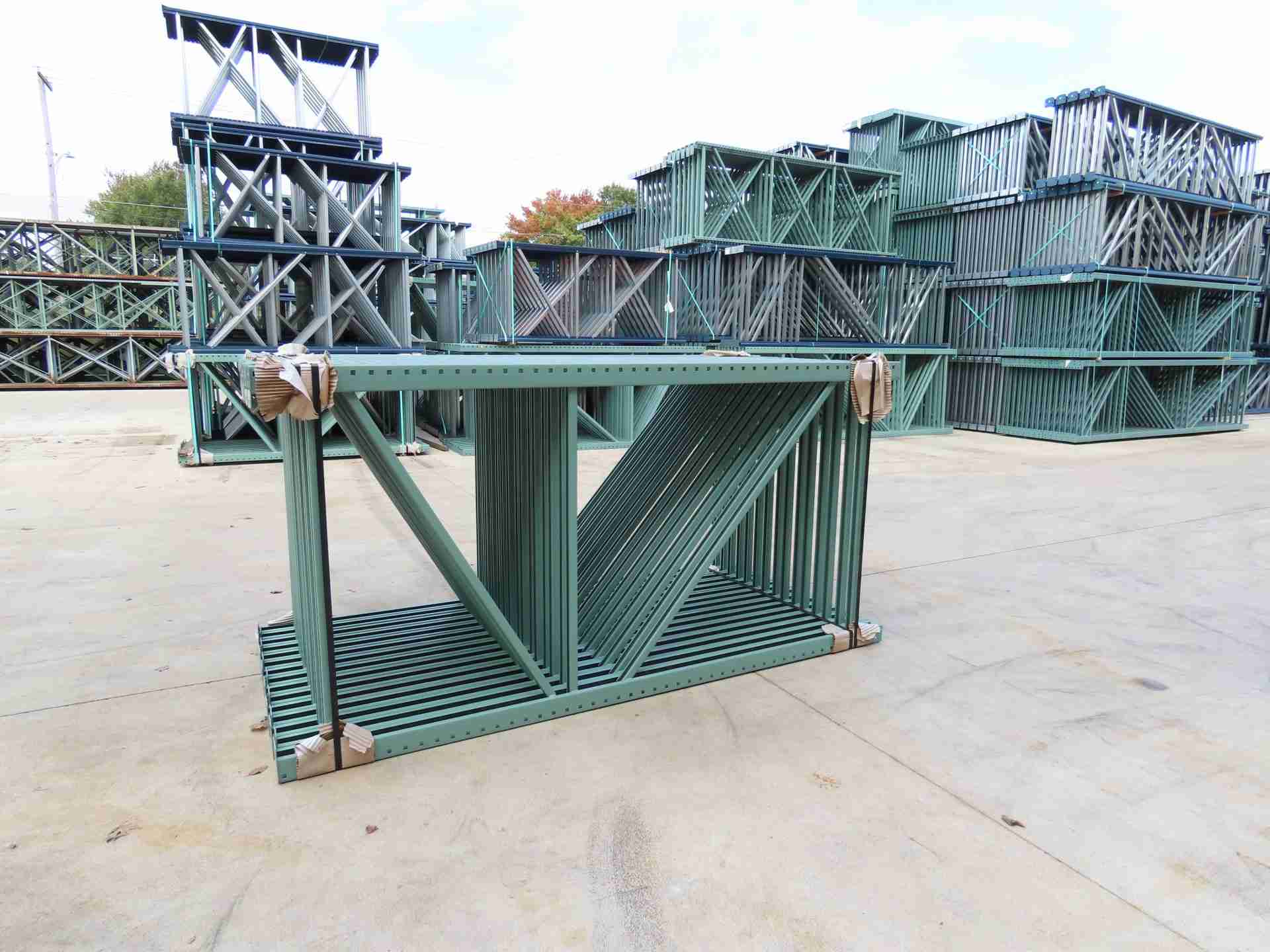
When it comes to keeping a warehouse running smooth, pallet racking isn’t just some fancy storage system — it’s the backbone that holds everything together. Think about it: without a smart setup, inventory turns into a tangled mess, costing time, money, and a whole lot of headaches. Pallet racking changes the game by putting order to chaos. It makes every item easy to find and reach, so workers don’t waste their day playing hide-and-seek with boxes. That means shipments get out on time, customers stay happy, and the whole operation hums like a well-oiled machine.
From a practical standpoint, racking means better use of space. Instead of stacking pallets on the floor where stuff gets buried or damaged, racks lift everything up, tidy and accessible. This squeezes more inventory into the same square footage, which is like finding extra dollars in your budget without raising costs. A well-planned pallet racking system also cuts down on errors — less mix-up, fewer lost items, and quicker stock counts. Those wins build trust with clients and vendors alike, showing that your business knows what it’s doing.
But here’s the thing: it’s not just about efficiency and numbers. There’s a real human side to it. Employees don’t want to wrestle with clutter or feel like they’re digging through junk every time they need to pull a pallet. A solid racking setup respects their time and safety, which in turn boosts morale. When workers feel confident and safe, they take pride in their job. That pride flows into the whole company culture, making everyone—from the forklift driver to the warehouse manager—feel like they’re part of something worthwhile.
On top of that, ethical handling of inventory ties in closely with good racking. Damaged or misplaced goods aren’t just lost money; they’re wasted resources. Pallet racking helps protect the products, lowering waste and promoting responsible management. Knowing you’re running a clean, organized warehouse isn’t just smart business—it’s the right thing to do.
Pallet racking is more than metal and beams. It’s the quiet hero that keeps inventory flowing, people safe, and the whole team moving forward. If you want inventory management that works with your head, heart, and gut, smart racking is non-negotiable. It’s the kind of common-sense tool that rewards folks who roll up their sleeves and get the job done right.
What Impact Does Racking Have on Inventory Management?
What Impact Does Racking Have on Inventory Management?
- Pallet racking is essential for organizing inventory, preventing chaos, and ensuring timely shipments.
- It optimizes warehouse space by lifting pallets off the floor, increasing storage capacity without extra costs.
- A well-designed racking system reduces errors, lost items, and speeds up stock counts, building trust with clients and vendors.
- Proper racking improves employee safety and morale by minimizing clutter and making pallets easy to access.
- It fosters a positive company culture, making all staff members feel valued and part of a cohesive team.
- Good racking protects products, reduces waste, and supports ethical inventory management practices.
- Pallet racking is a fundamental tool that ensures efficient, responsible, and smooth warehouse operations.

What Impact Does Racking Have on Inventory Management?
How Does Pallet Racking Reduce Loading and Unloading Times?
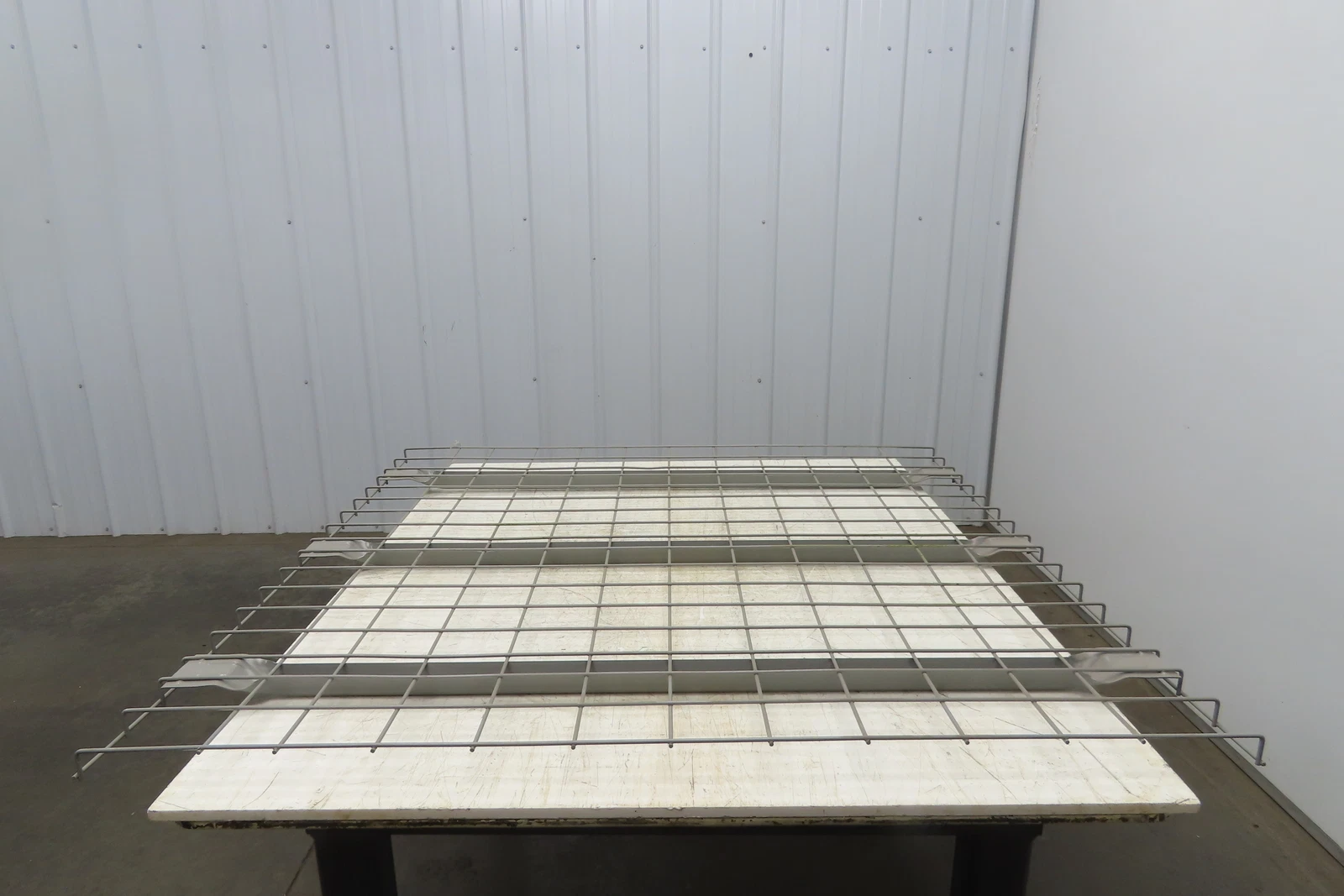
Look, when you’re up to your neck in daily warehouse grind, every minute counts. Pallet racking isn’t just a fancy setup—it’s the difference between standing around waiting and keeping the line moving. Picture this: without a proper system, pallets get stacked in a messy heap like a backyard bonfire waiting to happen. You waste valuable time hunting down the right pallet or shuffling heavy boxes around like a game of Tetris gone wrong. Pallet racking keeps everything out in the open, organized, and easy to grab, cutting down that endless shuffle to a quick, straightforward grab-and-go.
This isn’t just about speed—it’s about respect for the folks on the floor. When loading and unloading drag on, morale dips. Tired hands and weary eyes lead to mistakes, accidents, or just plain frustration. Pallet racking creates a rhythm, a system workers can trust. They know where things are, what to expect, and how to get it done fast without feeling like they’re reinventing the wheel every shift. It’s common sense—put stuff where it’s easiest to get, and you’ll get it done faster with less hassle.
From a practical standpoint, pallet racking maximizes space and keeps pallets accessible, so forklifts don’t waste fuel circling empty aisles or struggling with awkward piles. It’s designed to hold weight safely, meaning you don’t have to double-check or worry about pallets toppling off shelves because they’re stacked too high or carelessly. That’s not just saving time; that’s keeping everyone safer and lowering the risk of costly damage. When operations flow without hiccups, the whole company benefits—not just in dollars but in the pride taken to get the job done right.
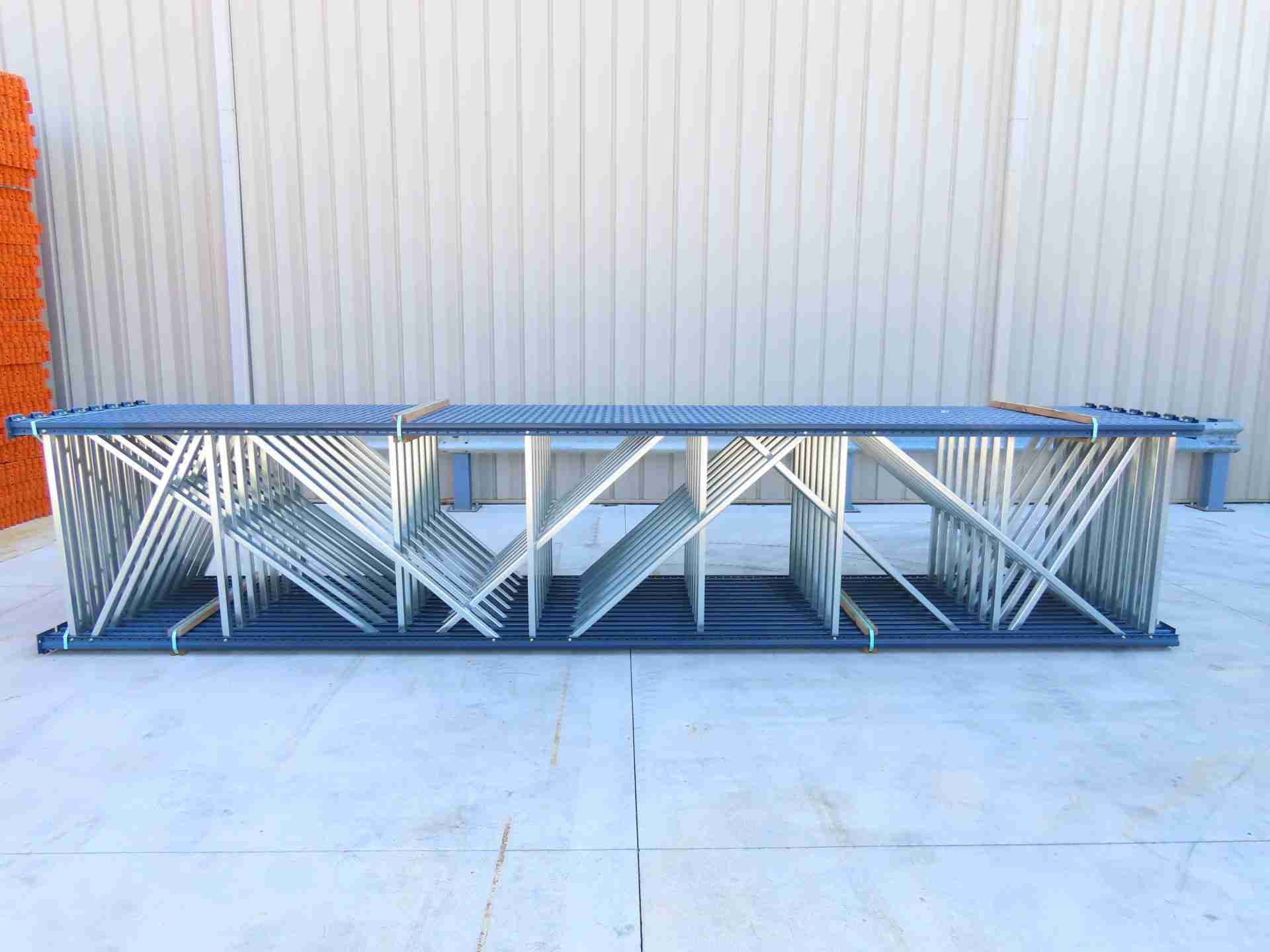
These racks aren’t just metal beams—they’re the backbone of a well-oiled warehouse. They build trust inside teams and with customers expecting prompt deliveries. If your crew sees the setup working smoothly, they’ll step in confident, knowing they’re doing a job that counts. And when bosses see the efficiency, schedules tighten, overtime shrinks, and everyone goes home on time. Pallet racking turns chaos into a system you can count on—a steady, reliable partner for every shipment that comes through the door.
Pallet racking isn’t a luxury—it’s the unsung hero that keeps loading docks humming, workers safe, and shipments rolling out faster than ever before. It works because it’s built on simple truths: organize the mess, respect the hustle, and watch the minutes fall off the clock.
How Does Pallet Racking Reduce Loading and Unloading Times?
How Does Pallet Racking Reduce Loading and Unloading Times?
- Pallet racking eliminates wasted time by keeping pallets organized, accessible, and easy to grab, avoiding chaotic stacking and inefficient searching.
- It improves worker morale by creating a reliable, predictable system that reduces frustration, mistakes, and accidents on the warehouse floor.
- Maximizes warehouse space and reduces forklift fuel waste by preventing unnecessary movement and awkward pallet handling.
- Designed to hold weight safely, pallet racking minimizes risks of pallets falling and costly damage.
- Enhances overall operational flow, benefiting the entire company through increased efficiency, safety, and pride in quality work.
- Builds trust within teams and with customers by supporting timely deliveries and a confident workforce.
- Pallet racking is essential infrastructure that transforms warehouse chaos into a dependable, efficient system managing shipments smoothly.
How Does Pallet Racking Reduce Loading and Unloading Times?
Conclusion
At the end of the day, pallet racking isn’t just some dusty warehouse fixture—it’s the quiet champion holding the whole trucking and warehouse world together. It’s plain truth: without a solid, no-nonsense system to stack, sort, and secure pallets, the place quickly turns into a cluttered mess that chews up time, money, and morale. Pallet racking takes the chaos, squeezes every inch of space out of the building, and turns it into a rhythm that keeps the operation moving smooth, safe, and smart.
It’s not glamorous work, but it’s honest and vital. The metal frames you barely notice do a heavy lift, making sure goods don’t just sit in piles but stand tall, accessible, and ready to roll out the door when the truckers roll in. This setup saves your skin by cutting down on accidents and burnout. When pallets aren’t stacked haphazardly, folks on the floor aren’t forced into risky acrobatics dodging forklifts or dodging falling loads. That respect for safety isn’t just about rules—it’s about valuing the hardworking folks who keep the wheels turning, day in and day out.
Money talks, too, and pallet racking makes sure you’re not bleeding cash on wasted space or costly mistakes. Store up instead of out, protect the goods, and you minimize damage and loss. That means fewer headaches chasing missing pallets, quicker orders shipped, and a bottom line that stays in the black. It’s a practical investment with a return measured in fewer wasted hours, less stress for your crew, and a leaner, meaner operation that can grow without needing a bigger building or a bigger budget.
It’s also about pride and trust. When everything’s where it’s supposed to be, people feel it—they take pride in their work because the system isn’t fighting them. A well-racked warehouse stands as proof that the business cares, respects its employees, and honors its customers by running things right. That kind of reputation doesn’t happen by accident.
So yeah, pallet racking might just be rows of steel and wood, but it’s the backbone of every trucking warehouse worth its salt. It holds order in a world that never slows down, a steady foundation built on common sense, respect, and hard-earned know-how. In the grind of loading docks and shipping schedules, that steady dependability is the kind of thing you lean on—and never want to do without.

Conclusion
Conclusion:
- Pallet racking is essential for organizing and securing pallets, preventing clutter and inefficiency in warehouses.
- It maximizes storage space, enabling smooth, safe, and efficient warehouse operations.
- The system enhances safety by reducing accidents and physical strain on workers.
- Pallet racking minimizes financial losses by preventing damage, optimizing space, and speeding up order fulfillment.
- It contributes to a positive work environment by promoting pride and trust among employees.
- The presence of a well-maintained racking system reflects a company’s respect for employees and customers.
- Pallet racking serves as a reliable backbone in fast-paced trucking and warehouse industries, supporting operational stability and growth.

Conclusion
Other Resources

Other Resources
Here is a list of other resources you can review online to learn more:
- Wolter
- International Warehouse Logistics Association
- Cantilever Racking Specialists – Get the Right Racks
- Pallet Rack Systems – New and Used Pallet Racking and Shelving Experts
- Interlake Mecalux
- CA Wire
- Selective Rack – Raymond West
- What is Selective Pallet Racking
- Teardrop Pallet Rack – Ridg-U-Rak
- Teardrop Uprights
- Logic Material Handling
- Iowa Illinois Warehouse Racking
- Intro to Warehouse Racks & Warehouse Racking Systems – ShipBob
- ASSP
- Warehouse Storage Racks
- Warehouse Automation
- Teardrop Pallet Rack – Ridg-U-Rak
- Teardrop Racks – Pallet Rack World
- New Cantilever Racks and Racking Kits
Use This Prompt To Get More Resources With Your Favorite Online AI Tool: Please provide me with a list of online articles with their URLs in a bulleted list that I can read regarding How Do Trucking Company Warehouses Leverage Pallet Racking?
Other Resources
Glossary Terms
How Do Trucking Company Warehouses Leverage Pallet Racking? – Glossary Of Terms
1. Pallet Racking: A storage system designed to hold materials on pallets in horizontal rows with multiple levels.
2. Warehouse: A large building where goods are stored before distribution.
3. Pallet: A flat transport structure that supports goods in a stable manner.
4. Load Capacity: The maximum weight that a pallet rack can safely support.
5. Upright Frame: Vertical components of pallet racking that support beams and shelves.
6. Load Beam: Horizontal bars that hold the pallets in a racking system.
7. Storage Density: The amount of inventory that can be stored in a given area using pallet racks.
8. Inventory Management: The process of tracking and controlling stock in the warehouse.
9. Forklift: A powered industrial truck used to lift and move pallets in warehouses.
10. Accessibility: The ease with which items can be retrieved from pallet racks.
11. Selective Racking: A type of pallet racking that allows direct access to each load.
12. Drive-In Racking: A system where forklifts drive directly into the rack lanes to store/retrieve pallets.
13. Push-Back Racking: A system that uses carts on inclined rails allowing multiple pallets per bay.
14. Pallet Flow Racking: Gravity-driven racks that move pallets from the loading to the retrieval point.
15. Load Stability: The state of a pallet load being securely positioned on racks without risk of falling.
16. Warehouse Layout: The spatial design of storage areas and workflows in a warehouse.
17. Space Optimization: Efficient utilization of the warehouse area to maximize storage capacity.
18. Stock Rotation: The practice of organizing inventory to use older stock first.
19. Safety Barriers: Protective structures preventing collisions that could damage racks or inventory.
20. Rack Inspection: Regular checking of pallet racking for damage or safety compliance.
21. Material Handling Equipment: Tools and machinery used to move, store, and control materials.
22. Load Backrest: A rack accessory that prevents pallets from falling backward.
23. Beam Connector: The part that attaches load beams to upright frames.
24. Cross Brace: Diagonal braces that provide lateral stability to the rack structure.
25. Bay: A single storage section or unit within a pallet racking system.
26. Tier: The vertical level in a pallet rack where pallets are stored.
27. Warehouse Throughput: The rate at which goods move in and out of the warehouse.
28. Pallet Rack Damage: Structural harm that reduces rack safety or capacity, usually from impacts.
29. Aisle Width: The distance between pallet racks allowing movement of forklifts.
30. Load Distribution: Even placement of weight across pallets and racks to ensure stability.
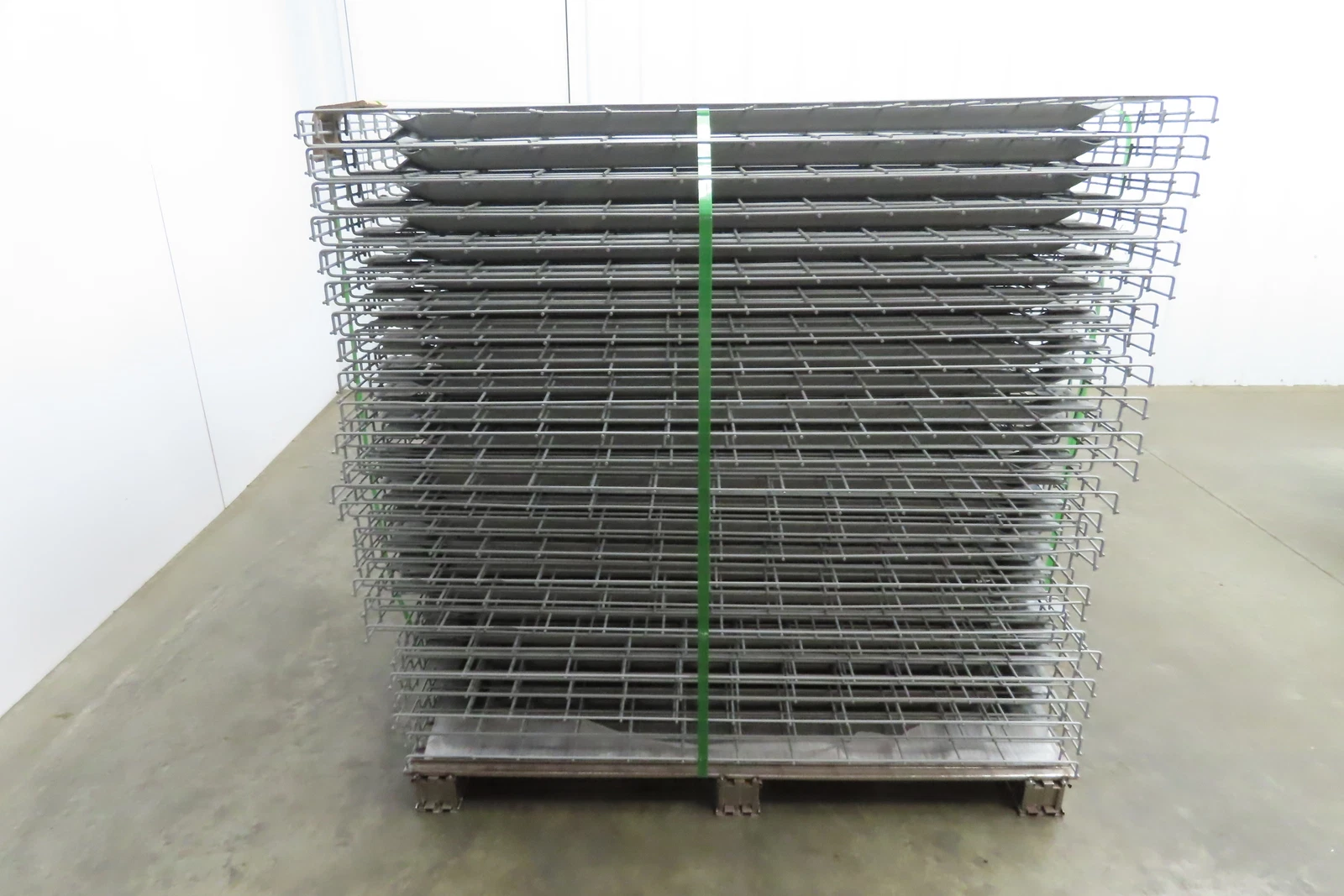
Glossary Of Terms
Other Questions
How Do Trucking Company Warehouses Leverage Pallet Racking? – Other Questions
If you wish to explore and discover more, consider looking for answers to these questions:
- What types of pallet racking systems are available and which are best for trucking company warehouses?
- How do I choose the right pallet racking layout for my facility’s footprint and workflow?
- What are the upfront costs versus long-term ROI for different racking systems?
- How does pallet racking integrate with warehouse management systems (WMS) and inventory software?
- What weight capacities should I plan for, and how are load limits determined?
- How do pallet size and pallet type affect racking selection and configuration?
- What safety standards and regulations (e.g., OSHA, local codes) apply to pallet racking?
- How often should racking be inspected and what does a proper inspection checklist include?
- What maintenance and repair procedures are required to keep racks safe and functional?
- How do you protect racks from forklift impacts and other common warehouse hazards?
- What training do forklift operators and warehouse staff need for safe racking use?
- How can racking design improve picking efficiency and reduce order fulfillment times?
- Which racking configurations support FIFO and LIFO inventory strategies?
- How does pallet racking affect loading dock throughput and turnaround times for trucks?
- Can pallet racking be used with automated equipment like AS/RS, conveyors, or robotic pickers?
- How do narrow-aisle or very high racking systems change equipment and staffing needs?
- What are the fire protection and sprinkler considerations when installing tall racking?
- How do seismic or wind-loading requirements affect racking design in different regions?
- What are best practices for anchoring racking to the floor and assessing floor loading capacity?
- How should hazardous materials, fragile goods, or temperature-controlled items be stored on racks?
- When is it better to retrofit existing racking versus replacing it entirely?
- What warranties, certifications, or installer qualifications should I require from suppliers?
- How do I evaluate used or refurbished racking versus buying new?
- What accessories (wire decking, safety bars, pallet supports, row spacers) are essential?
- How do you plan racking to accommodate seasonal peaks or future growth?
- What are the tax, depreciation, or financing options for pallet racking investments?
- How do pallet racking choices affect labor costs and staffing levels?
- What key performance indicators (KPIs) should be tracked to measure racking effectiveness?
- How does racking influence damage rates and product loss, and how is that measured?
- What emergency procedures and egress considerations change with racking layouts?
- How can layout simulations or 3D modeling help optimize racking before installation?
- What lead times and logistical steps are involved in ordering and installing racking?
- How do insurers view different racking systems and what impact does that have on premiums?
- What are common installation mistakes and how can they be avoided?
- How long does a typical racking system last and what factors influence its lifespan?
- What documentation and labeling practices improve rack safety and inventory accuracy?
- How does pallet racking support cross-docking, returns handling, and mixed-usage spaces?
- What are the environmental and sustainability considerations when selecting racking materials or vendors?
- Are there industry case studies or benchmarks showing measurable benefits from racking upgrades?

Other Questions
Checklist
How Do Trucking Company Warehouses Leverage Pallet Racking? – A Checklist
Strategy and Design
✅______ Business goals defined (capacity, throughput, service levels)
✅______ SKU profile documented (dimensions, weight, turnover, handling constraints)
✅______ Storage methods matched to flow (FIFO/LIFO, cross-dock, buffer, reserve)
✅______ Rack type selected for needs (selective, double-deep, drive-in, push-back, pallet flow)
✅______ Flexibility planned for seasonality and growth
Space and Layout
✅______ Current cube utilization measured (baseline)
✅______ Clear height verified; top beam set below sprinkler code limits
✅______ Aisle widths matched to equipment (standard, narrow, very narrow)
✅______ Staging areas sized for peak inbound and outbound volume
✅______ Clear egress routes and emergency access maintained
✅______ Dock-to-rack travel paths minimized
Equipment and Compatibility
✅______ Forklifts and attachments compatible with rack depth and height
✅______ Pallet standards set (stringer/block, four-way, condition, overhang limits)
✅______ Beam levels set to fit pallet, load, and lift clearance
✅______ Load plaques posted with beam and bay capacities
✅______ Rack protection installed (end-of-aisle guards, post protectors, row spacers)
Safety and Compliance
✅______ Seismic, fire, and building codes reviewed and met
✅______ Sprinkler obstructions avoided; flue spaces maintained
✅______ Rack anchoring verified per manufacturer specifications
✅______ Rack inspection program in place (initial, periodic, post-impact)
✅______ Damaged component tagging and replacement procedure defined
✅______ Housekeeping and 5S standards enforced
Inventory Management and Flow
✅______ Slotting strategy defined (ABC/velocity, weight, accessibility)
✅______ Reserve vs. pick locations mapped; replenishment rules set
✅______ Location labeling and barcode signage installed and verified
✅______ WMS/WES locations configured to the rack map
✅______ Cycle counting method aligned to rack layout
✅______ FIFO/LIFO aligned with rack type and process
Loading and Unloading Efficiency
✅______ Dedicated inbound and outbound lanes with visual cues
✅______ Staging capacity right-sized to carrier schedules
✅______ Fast-movers near docks; slow-movers higher or farther
✅______ One-touch or few-touch handling targeted
✅______ Dock congestion monitored; dwell-time triggers defined
Cost and ROI
✅______ CAPEX vs. lease vs. used rack evaluated
✅______ Total cost modeled (racks, installation, protection, permits, equipment)
✅______ Labor savings and throughput gains quantified
✅______ Damage reduction and shrink savings estimated
✅______ Payback period and ROI approved
Operations and Training
✅______ Forklift and pedestrian traffic plan posted
✅______ Operator training completed for rack-safe handling
✅______ Safe load-build standards documented
✅______ Incident reporting and root-cause process active
✅______ Shift startup audits for aisles, staging, and flues
Maintenance and Continuous Improvement
✅______ Preventive maintenance schedule for racks and equipment
✅______ Monthly rack and pallet condition audits
✅______ KPIs tracked (pick rate, cycle time, accuracy, damage rate, utilization)
✅______ Corrective actions closed within defined SLAs
✅______ Seasonal re-slotting cadence established
Scalability and Future-Proofing
✅______ Modular rack design for reconfiguration
✅______ Provisions for additional beam levels or deeper bays
✅______ Conduit, lighting, and sprinklers planned for future height changes
✅______ Data and power ready for scanners, sensors, or AS/RS upgrades
Go-Live Readiness
✅______ Permits and inspections completed
✅______ Rack certification documents on file
✅______ As-built drawings and load charts available
✅______ Pilot bay tested with real SKUs and equipment
✅______ Changeover plan scheduled with minimal disruption
✅______ Post-implementation review scheduled with KPI targets

Checklist
At RackingWorld, we help guide you through selecting warehouse storage systems and racking.
Be sure to read our other related stories at RackingWorld to learn more about warehouse storage systems.
0 Comments