
Sweetening Efficiency: The Smart Storage Behind Every Candy Aisle
By Tom Seest
At RackingWorld, we help guide you through selecting warehouse storage systems and racking.
Be sure to read our other related stories at RackingWorld to learn more about warehouse storage systems.
How Do Confectionery Manufacturers Leverage Pallet Racking?
When you walk into a confectionery warehouse, what you don’t see often makes the biggest difference. It’s the quiet backbone—the pallet racking—that keeps everything running smooth as sugar syrup on a warm day. For manufacturers sweating over tight deadlines, tricky shipments, and quality control, pallet racking is more than just metal shelves; it’s the unsung hero that makes sure every piece of candy and chocolate bar ends up fresh, intact, and on time.
Pallet racking lets these folks stack product high and deep, making the most of every inch of space without turning the place into a maze. A well-organized system means workers don’t waste precious minutes hunting down pallets—saving sweat and time, and cutting down the risk of accidents. It’s straightforward, no-nonsense efficiency that just plain works. When you’ve got trucks rolling in and out, and orders piling up, you don’t need fancy; you need reliable.
There’s something honest about how pallet racking supports the whole operation, much like the steady hands of someone shaping sweet treats by hand. It’s honest work, built on durable steel, that keeps product safe from bruises and mishaps. Because candy isn’t just sugar in a bag; it’s a promise of joy, a moment of indulgence that starts right here in the warehouse. Knowing pallet racking holds everything securely means trust isn’t just a word—it’s a lived reality for workers and customers alike.
This setup also plays an ethical part. Efficient storage reduces waste, keeps products fresher, and helps hold to strict quality standards. Making candy is a craft, and with pallet racking, manufacturers honor that craft by treating each pallet with the care and respect it deserves. When the chocolate melts, or a box gets crushed, that’s not just lost product—it’s broken trust with someone waiting for a little sweetness.
Beyond the nuts and bolts, pallet racking shapes the culture inside these facilities. It fosters a pace where everyone knows their role, where cooperation smooths out the kinks, and where there’s pride in getting the job done right. That’s something you can’t buy in a store—it’s earned on the floor, day after day.
Pallet racking isn’t just part of the infrastructure; it’s a foundation for success, a quiet partner in every candy-dusted victory. It’s about giving workers the tools to do good, honest work, and making sure the joy of confectionery reaches the people who count on it.

How Do Confectionery Manufacturers Leverage Pallet Racking?
How Do Confectionery Manufacturers Leverage Pallet Racking?
- Pallet racking is the essential, unseen backbone of confectionery warehouses, ensuring products stay fresh, intact, and delivered on time.
- It optimizes space by allowing high and deep stacking without causing confusion, improving efficiency and reducing accidents.
- Constructed from durable steel, pallet racking safeguards products from damage, supporting trust between workers and customers.
- Efficient storage with pallet racking helps reduce waste, maintain product freshness, and uphold strict quality standards.
- Pallet racking respects the craft of candy-making by handling each pallet with care, preventing product loss that breaks customer trust.
- It fosters a collaborative work culture where roles are clear, cooperation is valued, and pride in quality work is cultivated.
- More than infrastructure, pallet racking serves as a foundation for operational success and supports honest, effective work in confectionery production.

How Do Confectionery Manufacturers Leverage Pallet Racking?
Table Of Contents
- How Do Confectionery Manufacturers Leverage Pallet Racking?
- How Does Pallet Racking Improve Storage for Confectionery Makers?
- What Cost Savings Come From Using Pallet Racking In Production?
- How Can Pallet Racking Reduce Product Damage In Confectionery?
- How Does Pallet Racking Support Inventory Management Efficiency?
- What Role Does Pallet Racking Play In Speeding Up Order Fulfillment?
- How Does Pallet Racking Impact the Freshness and Quality Of Products?
- Conclusion
- Other Resources
- Glossary Of Terms
- Other Questions
- Checklist
How Does Pallet Racking Improve Storage for Confectionery Makers?
When you’re in the confectionery business, you know that every minute counts—from mixing the right batch to getting those sweets out the door fresh and perfect. Pallet Racking isn’t just some fancy warehouse jargon; it’s the backbone that holds your operation steady, like a reliable old truck that never lets you down. It helps you make the most out of every inch in your storage space, so you’re not tripping over boxes or digging through piles of inventory like a kid hunting for buried treasure.
Here’s the plain truth: Confectionery products are delicate, sensitive to temperature and handling. Pallet Racking keeps everything organized, stacked safe, and easy to reach, which cuts down on product damage. Less waste means you’re being responsible—not only saving money but also doing right by customers who expect that sweet treat to taste just right every time. That’s ethical business in action, with a system that treats your goods like gold rather than an afterthought.
From the standpoint of authority, pallet racking systems have been tested and trusted across warehouses big and small. They’re engineered for strength and flexibility, which means you can tailor the setup no matter how quirky your inventory is—different sizes, shapes, or fragility of confections. When your storage feels like a well-oiled machine, chaos turns into order, and stress fades away. It’s a confidence boost, knowing your products are stored properly and your team isn’t wrestling with clutter or lost items.
On the social front, investing in pallet racking shows your crew and partners you care about doing things right. It sends a message that you value safety, efficiency, and quality control, fostering pride in the workplace. When everyone works smarter, not harder, morale improves. And happy workers are the heart of any good confectionery business—after all, they’re the ones who pour love into creating those treats.
So, if you want to keep your operation humming, protect your product, and build a workplace worth showing off, pallet racking is the straightforward answer. It’s simple, solid, and proven—just like the good old-fashioned values that built this business. Give your storage the structure it deserves, and everything else will follow.

How Does Pallet Racking Improve Storage for Confectionery Makers?
How Does Pallet Racking Improve Storage for Confectionery Makers?
- Pallet racking maximizes storage efficiency, preventing clutter and improving space use in confectionery operations.
- It protects delicate products by keeping them organized and easy to access, reducing damage and waste.
- Ethical business practice is supported by pallet racking, as it ensures product quality and customer satisfaction.
- Pallet racking systems are tested for strength and flexibility, adaptable to various product sizes and fragility.
- A well-organized storage system reduces stress and increases confidence in product handling and inventory management.
- Investing in pallet racking demonstrates commitment to safety, efficiency, and quality, boosting worker morale.
- Pallet racking is a simple, reliable solution that supports smooth operations and reflects core business values.

How Does Pallet Racking Improve Storage for Confectionery Makers?
What Cost Savings Come From Using Pallet Racking In Production?
When you talk about cost savings in production, Pallet Racking is one of those simple changes that pays off in spades. It’s not just some fancy warehouse setup—it’s the backbone that keeps things moving smooth and tight. You know that feeling when the floor’s cluttered, you’re chasing down pallets like a cat after a mouse, and everyone’s stressed out? Pallet Racking cuts that chaos and turns it into order, saving time and headaches. Time is money, plain and simple, and putting your stock where it belongs means your crew isn’t wasting minutes (or hours) hunting for what they need.
On the rational side, Pallet Racking lets you stack higher and organize smarter, squeezing more out of the same square footage. That’s a direct hit on your overhead costs because you’re not forking out for extra warehouse space. It’s space you already have, being used better. And better use means smoother workflow, fewer accidents, and less product damage. Damaged goods aren’t just a bummer—they cost real cash to replace or scrap. That cuts into the bottom line every time.
Ethically, it’s about respect—respect for your workers, your equipment, and your product. Pallet Racking reduces strain and injury risk by making it easier to handle heavy loads safely. That shows you care about the folks on the floor who bust their tails every day. It’s a simple way to do right by the team and avoid those costly insurance claims or downtime from injuries. Plus, it keeps your operation lean and responsible, which feels right when you measure success not just by profits but by how you treat your people.
The story’s the same across industries: when production lines and storage areas get organized with Pallet Racking, everyone knows where everything is, folks move faster, and cleanups become fewer. That creates a work environment that’s not just more productive but more pleasant to show up to day in and day out. When you invest in Pallet Racking, you’re investing in your people’s peace of mind, your product’s safety, and your business’s ongoing survival in a tough market.
Cost savings from Pallet Racking aren’t just about dollars—they’re about building a foundation that lets your operation run steady and strong. That kind of smart, grounded investment pays off week after week, year after year, with hard-earned, no-nonsense returns you can count on.
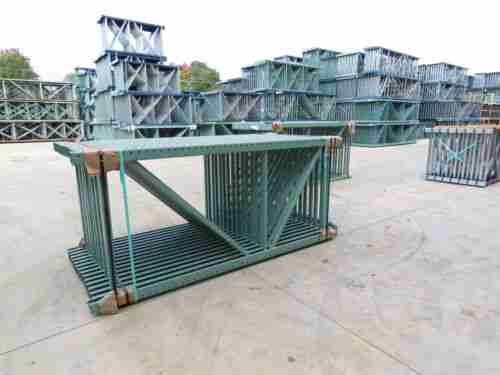
What Cost Savings Come From Using Pallet Racking In Production?
What Cost Savings Come From Using Pallet Racking In Production?
- Pallet Racking streamlines warehouse organization, reducing chaos and saving time by keeping stock easily accessible.
- It maximizes space by enabling higher stacking and smarter organization, lowering overhead costs without needing extra warehouse space.
- Improved space usage leads to smoother workflows, fewer accidents, and less product damage, reducing replacement and scrap costs.
- Ethically, Pallet Racking minimizes worker strain and injury risk, demonstrating respect for employees and reducing insurance claims and downtime.
- Organized production lines and storage improve productivity, speed, and workplace cleanliness across industries.
- Investing in Pallet Racking enhances employee peace of mind, product safety, and business resilience in competitive markets.
- Cost savings from Pallet Racking build a stable operational foundation, delivering consistent, reliable returns over time.

What Cost Savings Come From Using Pallet Racking In Production?
How Can Pallet Racking Reduce Product Damage In Confectionery?
When you’re dealing with confectionery, product damage isn’t just a nuisance—it’s a hit to your bottom line and your reputation. Those delicate chocolates, candies, and baked goods don’t just show up ready to sell; they need careful handling, solid storage, and a system that respects the nature of the product. That’s where pallet racking steps in like the quiet workhorse of any warehouse, saving the day with common sense and muscle.
Pallet racking might sound like warehouse jargon, but it’s really just smart organization made physical. It’s those sturdy steel shelves that keep pallets off the floor, stacked neatly and safely. When confectionery sits snug on pallet racking, it’s less likely to get jostled, crushed, or exposed to the grime and spills that happen when you pile stuff haphazardly. Imagine a box of fragile truffles getting dropped or squeezed—every dent or squish is dollars walking right out the door. Pallet racking cuts down on that waste by giving each box its rightful place, clear and stable.
From an ethical angle, reducing product damage means you’re not just protecting profits; you’re honoring the hard work behind every piece of candy. The folks who make this stuff put time, skill, and care into it. Dropping or damaging it in storage doesn’t just waste resources, it disrespects that effort. Pallet racking shows a company values both their product and the people behind it by managing inventory responsibly.
Look, warehouses aren’t pretty places—it’s grunt work, heavy lifting, and sometimes a race against time. A pallet racking system brings order to that chaos. It keeps products visible and reachable, cuts down on accidents, and speeds up the flow from storage to shipment. That means customers get their sweets fresh and intact, boosting trust and loyalty. When your stuff arrives looking just right, customers keep coming back. It’s that simple.
In real-world terms, investing in solid pallet racking isn’t just another cost—it’s insurance. It’s hard earned cash staying put, safe from damage and spoilage. If you want a hands-on, no-nonsense way to protect your confectionery and keep the wheels turning smoothly, pallet racking is the answer. It’s a straightforward fix that respects products, workers, and customers alike, turning a messy storage problem into a clean-cut advantage.

How Can Pallet Racking Reduce Product Damage In Confectionery?
How Can Pallet Racking Reduce Product Damage In Confectionery?
- Product damage in confectionery affects profits and reputation, requiring careful handling and proper storage.
- Pallet racking provides sturdy steel shelves that keep pallets off the floor, reducing jostling, crushing, and exposure to dirt and spills.
- Proper pallet racking minimizes waste by ensuring each box has a stable, designated place, protecting fragile items like chocolates.
- Reducing damage ethically honors the effort and skill put into making confectionery, showing respect for both the product and its makers.
- Pallet racking organizes chaotic warehouse environments, making products visible, accessible, and reducing accidents.
- Efficient storage speeds up the flow from storage to shipment, keeping products fresh and boosting customer trust and loyalty.
- Investing in pallet racking acts as insurance, protecting inventory from damage and spoilage while supporting smooth operations.

How Can Pallet Racking Reduce Product Damage In Confectionery?
How Does Pallet Racking Support Inventory Management Efficiency?
When it comes to keeping a warehouse running like a well-oiled machine, pallet racking ain’t just some fancy metal shelves—it’s the backbone that holds your entire inventory management together. Think about standing in the middle of a cluttered warehouse with boxes stacked every which way. It’s chaos, plain and simple. You waste time hunting down that one stubborn pallet, workers get frustrated, and mistakes pile up like last week’s shipping errors. Pallet racking steps in like the unsung hero, turning that mess into a system that just works.
Here’s the thing: pallet racking doesn’t just organize inventory; it transforms how you manage it. When stuff is stacked haphazard, you’re guessing, scrambling, and crossing your fingers. But with pallet racking, every pallet has its place. You gain clear sightlines, faster access, and less elbow grease moving heavy loads around. Inventory counts become more than a pain—they become doable and accurate. That means fewer stockouts, fewer over-orders, and a cash flow that’s steady instead of fluctuating like the tides.
There’s a real sense of pride and peace of mind in walking through a warehouse where everything’s lined up just right. It’s like seeing a crew who’s been working shoulder to shoulder, sweat on their brows, and knowing that the system they rely on is built tough, straightforward, and trusts the work they put in every day. Pallet racking respects the hard work—the kind that doesn’t wish for shortcuts but demands smart solutions.
It’s not just about efficiency, though—that’s just the start. Pallet racking supports safety, too. When your inventory is stacked stable and neat, you’ve got fewer accidents, fewer near-misses, and a workforce that feels looked after. That ethical responsibility to protect your team can’t be oversold. You want a setup that’s as solid as your word, that lets you sleep at night knowing everyone’s going home in one piece.
If you’re serious about taking control over your inventory, pallet racking is where you start rolling up your sleeves. It’s proven, reliable, and built to last, backed by decades of real-world use in warehouses just like yours. It’s not some pie-in-the-sky idea—it’s the practical, no-nonsense answer to managing stock with confidence and respect for those who do the heavy lifting. When your inventory is supported like that, the whole business feels steadier, smarter, and ready for whatever comes next.
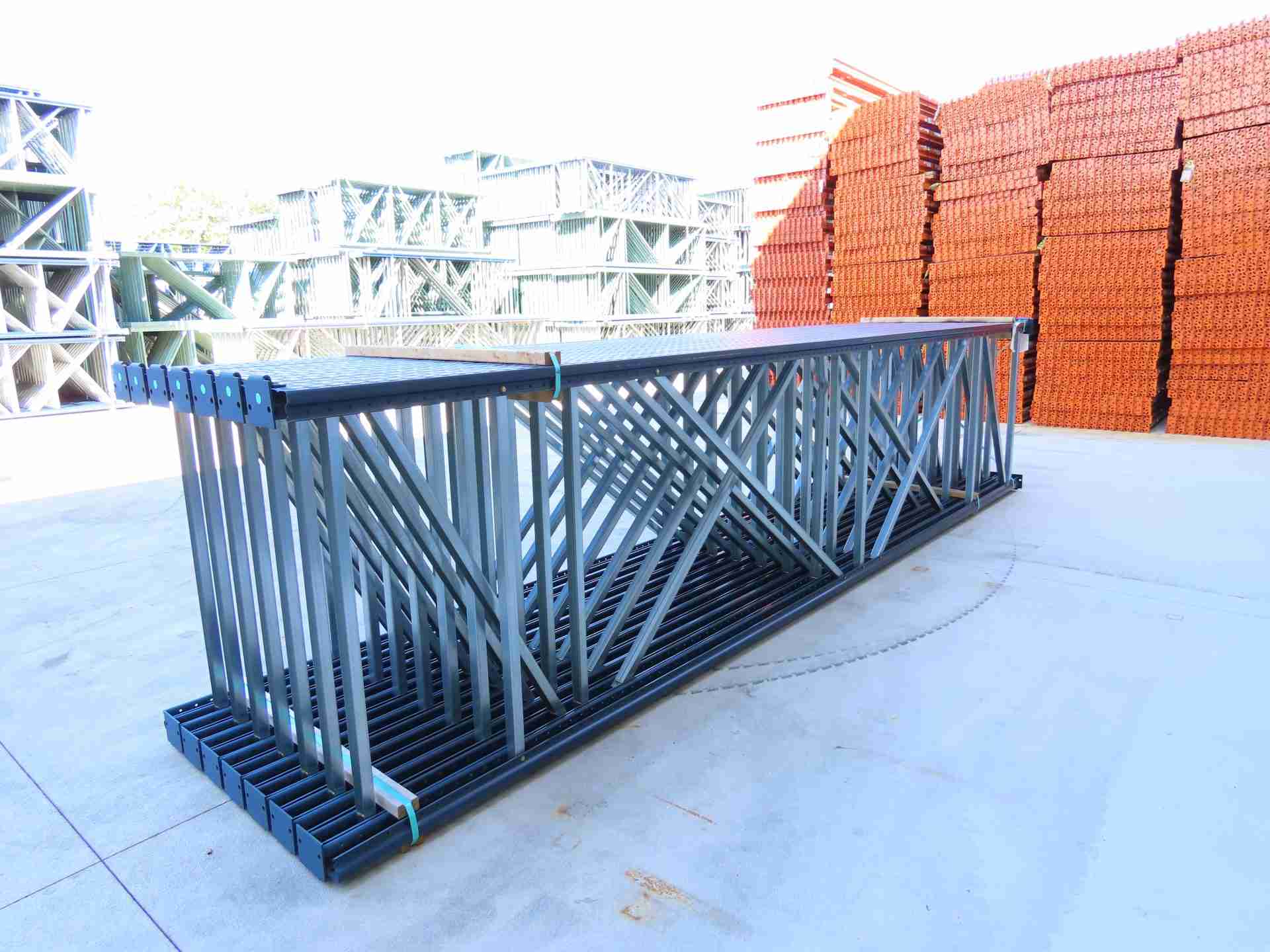
How Does Pallet Racking Support Inventory Management Efficiency?
How Does Pallet Racking Support Inventory Management Efficiency?
- Pallet racking is essential for efficient warehouse inventory management, preventing chaos and frustration from disorganized storage.
- It organizes inventory by assigning a specific place for every pallet, enabling clear sightlines, faster access, and easier handling of heavy loads.
- Accurate inventory counts become feasible, reducing stockouts and over-orders, leading to steadier cash flow.
- Well-organized pallet racking creates pride and peace of mind, reflecting respect for workers’ hard work and smart operational solutions.
- Pallet racking enhances workplace safety by ensuring stable, neat stacking, reducing accidents and near-misses.
- It fulfills an ethical responsibility to protect employees, providing a secure setup that promotes worker well-being.
- Proven, reliable, and durable, pallet racking is a practical, no-nonsense system supporting confident inventory control and long-term business stability.
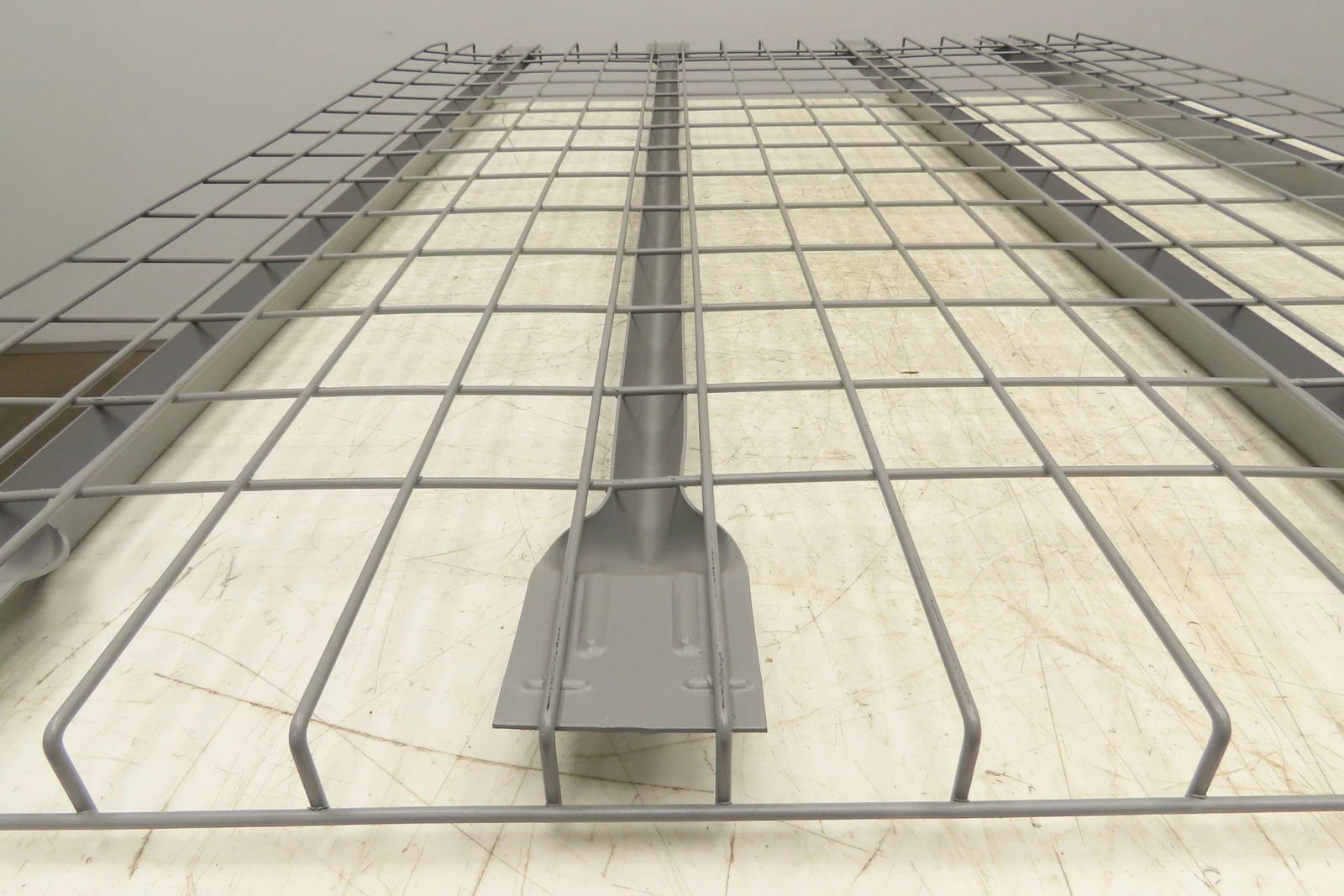
How Does Pallet Racking Support Inventory Management Efficiency?
What Role Does Pallet Racking Play In Speeding Up Order Fulfillment?
When you’ve spent a day in the trenches of a busy warehouse, you learn fast that speed isn’t just a fancy goal—it’s survival. Pallet racking plays a quiet but mighty role in keeping things moving, cutting down the chaos, and turning what could be a madhouse into a well-oiled machine. It’s not just about stacking stuff; it’s about respect for the work, the team, and the customer waiting on the other end.
Here’s the hard truth: without a solid pallet racking system, your team wastes time—and time is the one thing you can’t get back. You’ve got forklifts zipping around, workers scrambling for products piled in awkward heaps, and orders that need filling yesterday. Pallet racking brings order to that chaos. It slots pallets snugly where they belong, making every single item easy to find and grab. That means no more running around like headless chickens chasing boxes. Instead, everyone knows exactly where to go, what to pick, and how to move it fast.
It’s also about safety and respect for the work. When pallets are stacked right—not teetering or blocking aisles—people don’t worry about their necks getting caught or loads falling on their boots. That peace of mind lets workers focus, not just on quantity but on quality. Ethical responsibility comes into play here: a smart rack system protects your crew and respects their effort while keeping things humming along. You’re not cutting corners; you’re building trust in the workspace.
The authority of pallet racking shows in results you can measure: faster order turnaround, fewer mix-ups, and happier customers who get what they need when they need it. And when your crew sees you investing in good systems, it sparkles like respect and confidence. It tells them you’re serious about their time and their safety. That kind of leadership spreads through the team like wildfire, building a culture where everyone pitches in and drives toward the finish line together.
Think about the stories you hear from the floor—the ones where the right tool meant the difference between chaos and calm, late nights and lights out on time. Pallet racking isn’t just steel and bolts. It’s the backbone that holds your operation upright, the unsung hero speeding up every order, every day. When the shelves are right, the work flows right. And that’s a story worth telling.

What Role Does Pallet Racking Play In Speeding Up Order Fulfillment?
What Role Does Pallet Racking Play In Speeding Up Order Fulfillment?
- Speed is essential in a busy warehouse, and pallet racking is critical in maintaining efficient workflow and reducing chaos.
- Without solid pallet racking, teams waste valuable time searching for products amid disorganized piles.
- Pallet racking organizes pallets neatly, making items easy to locate and retrieve, improving overall speed and accuracy.
- Properly stacked pallets enhance safety by preventing accidents and providing peace of mind for workers.
- Pallet racking demonstrates ethical responsibility by protecting the team and respecting their effort.
- Effective pallet racking leads to measurable improvements: faster order fulfillment, fewer errors, and increased customer satisfaction.
- Investing in good pallet racking systems builds trust, respect, and a collaborative culture among warehouse staff.

What Role Does Pallet Racking Play In Speeding Up Order Fulfillment?
How Does Pallet Racking Impact the Freshness and Quality Of Products?
When you stack your goods on just any old surface, you’re asking trouble. Pallet racking isn’t some fancy extra—it’s the backbone of keeping products fresh and solid, day in and day out. Picture this: those crates of produce or cases of goods sitting directly on the floor, soaking up moisture or getting kicked around. That’s a fast track to spoilage and damage. Pallet racking lifts everything off the ground, giving air a chance to circulate and keeping pests at bay. That simple bit of breathing room isn’t just clever; it’s the difference between a shelf full of fresh goods and a pile of waste.
You don’t have to be a bigwig to understand that damaged or spoiled products hit the wallet hard and wreck your reputation. Pallet racking offers a practical, no-nonsense way to guard against that. Store smarter, and your inventory stays sturdy and fresh longer. It’s a straightforward investment with a clear return: fewer lost goods, less hassle, and customers who keep coming back because what they buy still feels first-rate.
There’s something ethical, too, about knowing your products aren’t just tossed wherever, risking contamination or rot. Using pallet racking shows you respect the supply chain and the folks down the line—farmers, makers, packers, and shoppers who rely on quality. It’s about doing right by everyone involved, not just ticking boxes. That builds trust, plain and simple, and trust is worth its weight in gold.
From the day the product arrives to the moment it leaves, pallet racking organizes your space in a way that makes sense—easy to inspect, rotate, and handle goods with care. That hands-on control means you catch problems before they grow into costly disasters. It’s like having a reliable partner you can count on to keep the goods in shape. And when the product looks and feels right, it’s easier for everyone—workers, customers, suppliers—to feel confident and stay loyal.
In the gritty, workaday world of storage and logistics, pallet racking isn’t just a neat idea; it’s the plain truth about keeping things fresh, safe, and solid. It’s the unsung hero standing between spoilage chaos and smooth, steady business. If you want to keep quality front and center, pallet racking is the tool that makes it happen.

How Does Pallet Racking Impact the Freshness and Quality Of Products?
How Does Pallet Racking Impact the Freshness and Quality Of Products?
- Pallet racking prevents spoilage and damage by keeping goods off the floor, allowing air circulation and deterring pests.
- It protects inventory investment by reducing losses, maintaining product quality, and supporting customer satisfaction and loyalty.
- Using pallet racking reflects ethical responsibility towards the supply chain, ensuring products are stored with care and respect.
- It organizes storage for easy inspection, rotation, and handling, helping catch problems early and avoid costly issues.
- Pallet racking functions as a reliable system that supports product integrity from arrival to delivery.
- It builds trust among workers, customers, and suppliers through consistent quality and proper storage practices.
- Essential for efficient storage and logistics, pallet racking is key to maintaining freshness, safety, and business stability.

How Does Pallet Racking Impact the Freshness and Quality Of Products?
Conclusion
At the end of the day, pallet racking is what keeps the candy business humming along without missing a beat. It’s not flashy or fancy—it’s honest, tough, steel-on-steel hard work behind the scenes that turns a messy warehouse into a well-oiled machine. When you stack delicate sweets properly, off the floor and in their rightful place, you’re doing more than saving space—you’re protecting a promise of joy and quality that every customer counts on. That’s no small thing.
This isn’t just about metal shelves holding boxes; it’s about respect—respect for the product, the people who make it, and those who look forward to enjoying it. Pallet racking keeps fragile goods safe from bruises, spills, and spoilage, cutting waste and protecting margins without cutting corners. It’s ethical business wrapped up in practical steel: less damage means less loss and fewer headaches for everyone involved.
Efficiency is king in any busy warehouse, and pallet racking chops chaos down to size. It lets workers find what they need fast, move it safely, and ship it on time. No more hunting through piles or risking injury with unstable stacks. When products flow like clockwork, it lifts the whole team’s spirit, making the day’s hard grind a little lighter and the job a little safer. That says a lot about a company that takes care of its people, just as much as it does its wares.
From a cold, hard business angle, pallet racking puts every inch of space to work—saving money by avoiding costly warehouse expansions and cutting waste from damaged goods or slow pick times. That kind of sensible investment pays off week after week, keeping operations lean and profitable. But the real payoff hits deeper—it’s in the trust built with workers who know their safety matters and customers who find the sweets they love delivered fresh and unscathed.
This system doesn’t just hold candy—it holds together the culture and heartbeat of the operation. It’s the quiet partner that steadies the whole show, the backbone that keeps promises fresh, on time, and intact. When the shelves are right, the work flows right, and everyone—from floor worker to final customer—feels it. That’s the kind of solid foundation no one sees, but everyone relies on. Pallet racking is the straightforward, no-nonsense answer to a sweet success story built on hard work, common sense, and respect for the craft.
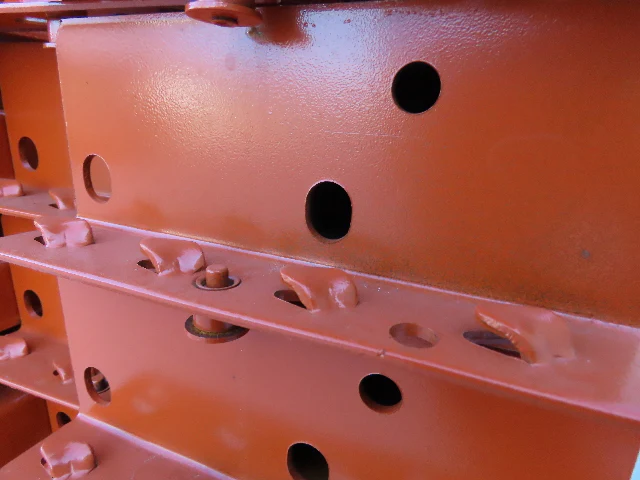
Conclusion
Conclusion:
- Pallet racking is essential for efficient candy business operations, transforming a messy warehouse into a well-organized system.
- Proper stacking protects delicate sweets, saving space while preserving product quality and customer satisfaction.
- It reflects respect for the product, workers, and customers by preventing damage, reducing waste, and protecting profit margins.
- Enhances warehouse efficiency by enabling quick, safe access to products, reducing chaos and workplace injury risks.
- Maximizes warehouse space usage, avoiding expensive expansions and improving profitability through reduced waste and faster picking.
- Builds trust with employees by prioritizing safety and reliability, and with customers by delivering fresh, undamaged products.
- Pallet racking serves as the backbone of operations, supporting the company culture and ensuring smooth workflow from production to delivery.

Conclusion
Other Resources

Other Resources
Here is a list of other resources you can review online to learn more:
- National Safety Council
- Logic Material Handling
- Cantilever Rack Configuration & Installation: A Comprehensive Guide – BMH
- International Warehouse Logistics Association
- Material Handling Industry
- CMMA
- Storage Equipment Manufacturers’ Association
- Total Warehouse
- American Surplus
- Rack Manufacturers Institute
- Interlake
- Selective Racking
- BMH Equipment LLC
- Selective Rack – Raymond West
- Heavy-Duty Cantilever Storage Racks
- Teardrop Uprights
- Arrow Industrial Sales
- BMH
- Used Pallet Rack for Sale in Illinois – American Surplus
- Cantilever Rack Guide: Ordering Cantilever Racking
Use This Prompt To Get More Resources With Your Favorite Online AI Tool: Please provide me with a list of online articles with their URLs in a bulleted list that I can read regarding How Do Confectionery Manufacturers Leverage Pallet Racking?

Other Resources
Glossary Terms
How Do Confectionery Manufacturers Leverage Pallet Racking? – Glossary Of Terms
1. Pallet Racking: A storage system designed to hold pallets in horizontal rows with multiple levels.
2. Pallet: A flat transport structure supporting goods in a stable manner for handling and storage.
3. SKU: Stock Keeping Unit, a unique identifier for each product type.
4. Inventory Management: The process of overseeing and controlling stock levels and movement.
5. Space Utilization: Efficient use of warehouse space to maximize storage capacity.
6. FIFO: First In, First Out inventory method ensuring older stock is used first.
7. LIFO: Last In, First Out inventory method where the newest stock is used first.
8. Load Capacity: Maximum weight a pallet racking system can safely support.
9. Picking Efficiency: Speed and accuracy at which items are retrieved from storage.
10. Warehouse Layout: Arrangement of storage areas, equipment, and aisles for optimal workflow.
11. Automation: Use of machinery and technology in handling and moving goods.
12. Stock Rotation: Rearranging inventory to use older stock before newer stock.
13. Mezzanine Floor: Intermediate floor added to increase storage area vertically.
14. Bulk Storage: Storing large quantities of one product type in a single area.
15. Aisle Width: Space between racks allowing equipment and personnel movement.
16. Pallet Jack: Manual or electric tool for moving pallets within a warehouse.
17. Forklift: Vehicle used for lifting and moving pallets on racks.
18. Racking Configuration: Specific arrangement of beams and frames in a pallet rack system.
19. Load Stability: Ensuring goods remain secure and balanced on pallets and racks.
20. Safety Standards: Regulations and best practices to prevent accidents in storage areas.
21. Heat Sensitive Storage: Specialized storage conditions for temperature-sensitive confectionery.
22. Cross-Docking: Direct transfer of goods from incoming to outgoing transport without storage.
23. Batch Picking: Collecting groups of SKUs together to improve picking efficiency.
24. Inventory Accuracy: Degree to which inventory records reflect actual stock.
25. Pallet Flow Racking: Racking system that uses gravity rollers to move pallets automatically.
26. Demand Forecasting: Predicting future product demand to align inventory levels.
27. Order Fulfillment: Process of completing and shipping customer orders.
28. Vertical Storage: Utilizing height in warehouses to store more products.
29. Load Distribution: Even allocation of weight across pallet racking to maintain integrity.
30. Traceability: Tracking products through storage and distribution for quality control.

Glossary Of Terms
Other Questions
How Do Confectionery Manufacturers Leverage Pallet Racking? – Other Questions
If you wish to explore and discover more, consider looking for answers to these questions:
- What types of pallet racking systems are most suitable for confectionery (selective, drive-in, push-back, pallet-flow, cantilever, mezzanine)?
- How do I choose a racking system based on product fragility, weight, and pallet size?
- What are the load capacity ratings and safety factors I need to consider for confectionery pallets?
- How does pallet racking integrate with refrigerated and climate-controlled storage?
- What humidity and temperature considerations affect racking layout and materials?
- How can pallet racking support FIFO, LIFO, or FEFO inventory strategies?
- What design features improve inventory visibility and traceability (lot codes, barcodes, RFID)?
- What rack accessories reduce product damage (pallet supports, backstops, column protectors)?
- How should aisle widths and forklift clearances be determined for safe and efficient operations?
- What sanitation and cleaning practices apply to racking in food-grade warehouses?
- How do racking choices affect pest control measures and contamination risk?
- What fire-safety and sprinkler system implications arise from different racking configurations?
- What regulatory and compliance standards (food safety, OSHA, local codes) apply to pallet racking?
- How often should pallet racking be inspected and what should a checklist include?
- What are common causes of racking damage or collapse and how can they be prevented?
- How much does pallet racking installation typically cost and what ROI can be expected?
- How do you calculate space savings and storage density gains from racking?
- Can existing warehouses be retrofitted with new racking systems and what are the constraints?
- How does pallet racking support automation (AS/RS, conveyors, pick-to-light, AGVs)?
- What staff training is required for safe rack use and forklift operation around racking?
- Are there food-safe coatings or materials recommended for racking in confectionery storage?
- How should damaged or returned confectionery inventory be handled within a racked system?
- What seasonal or peak-demand strategies can be implemented with pallet racking?
- Is secondhand or refurbished racking safe to use and what checks are necessary?
- How long do racking systems typically last and what warranty/maintenance plans are available?
- How can racking layout minimize handling steps and speed up order picking?
- What metrics should be tracked to measure the performance benefits of pallet racking?
- How does racking impact worker ergonomics and injury risk reduction?
- Are there sustainable or recyclable racking options for greener operations?
- Can racking accommodate mixed SKUs and nonstandard pallet formats efficiently?
- What case studies or examples show measurable improvements after installing pallet racking in confectionery facilities?

Other Questions
Checklist
How Do Confectionery Manufacturers Leverage Pallet Racking? – A Checklist
Strategy and Layout
✅______ Confirm SKU count, case and pallet mix, and velocity tiers (A/B/C)
✅______ Define the target balance of storage density versus accessibility
✅______ Map receiving, quality control (QC), staging, storage, picking, packing, and shipping flows
✅______ Calculate required pallet positions for peak demand plus safety stock
✅______ Allocate quarantine/hold, rework, returns, and allergen zones
✅______ Choose rack types as needed (selective, double-deep, drive-in, push-back, pallet flow, carton flow, mezzanine)
✅______ Validate aisle widths for equipment and traffic patterns
✅______ Design pick paths to minimize travel and congestion
Rack Design and Capacity
✅______ Verify beam-level and bay load ratings meet worst-case loads
✅______ Confirm pallet specifications and condition (size, deckboard orientation, overhang)
✅______ Specify decking where required (wire mesh, food-grade options)
✅______ Add backstops, row spacers, column guards, and end-of-aisle protection
✅______ Confirm slab capacity, anchors, and seismic design where applicable
✅______ Select corrosion-resistant finishes for humid or wash-down areas
✅______ Use temperature-rated components for coolers and freezers
✅______ Validate pallet flow lane pitch, separators, and speed controllers for delicate cases
Product Protection and Quality
✅______ Maintain airflow clearances around loads and off-floor storage throughout
✅______ Align storage with product temperature and humidity specifications per item
✅______ Control light exposure for sensitive products
✅______ Implement FEFO/FIFO by design (via pallet flow or process rules)
✅______ Match stacking pressures to packaging edge-crush limits
✅______ Place shock and crush protection in high-traffic zones
✅______ Integrate pest exclusion and easy-clean rack features
Inventory Control and Rotation
✅______ Establish location addressing (aisle-bay-level-depth) and signage
✅______ Use pallet license plates with lot and expiry and allergen flags
✅______ Enforce barcode or RFID scans at receiving, putaway, move, and pick
✅______ Configure WMS rules for FEFO and pick-from-forward, replenish-from-reserve
✅______ Set cycle count cadence by velocity and criticality
✅______ Define cross-dock and flow-through criteria
Order Fulfillment Speed
✅______ Slot fast movers in ground-level and near-dock positions
✅______ Define forward pick versus reserve storage and replenishment triggers
✅______ Use carton flow for case-pick SKUs; size lanes to case dimensions
✅______ Create staging lanes by route or carrier with visual controls
✅______ Standardize one-way traffic and pick sequencing to reduce conflicts
✅______ Provide clear pick-to-light, voice, or barcode aids where used
Safety and Compliance
✅______ Certify installation; verify plumb, level, and stability
✅______ Post load plaques at aisle ends
✅______ Install anchors and beam locking pins throughout
✅______ Guard ends, intersections, and building columns
✅______ Mark and enforce clear aisle widths and egress routes
✅______ Maintain fire code and sprinkler clearances and flue spaces
✅______ Comply with FSMA and GMP; segregate allergens and odor-sensitive items
✅______ Provide spill control for liquid, syrup, and ingredient areas
✅______ Schedule documented rack safety inspections and corrective actions
Equipment and Interfaces
✅______ Match forklifts and reach trucks to rack heights, mast clearances, and turning radii
✅______ Verify lift height versus ceiling and sprinkler obstructions
✅______ Align conveyors, palletizers, wrappers, and dock heights with rack elevations
✅______ Separate battery charging and LP areas; ensure ventilation and guarding
✅______ Add impact-resistant barriers where equipment traffic is heavy
Cost and Performance Tracking
✅______ Baseline KPIs: order cycle time, lines per picker-hour, dock-to-stock time, inventory accuracy, damage rate
✅______ Track space utilization and storage density (pallet positions used versus available)
✅______ Measure labor minutes per pallet putaway and pick
✅______ Monitor damage, returns, and write-offs pre- and post-implementation
✅______ Build capex, maintenance, and payback model; validate after go-live
✅______ Evaluate energy impact by temperature zone and airflow improvements
Maintenance, Inspection, and Training
✅______ Train operators on rack use, safe driving, and load placement
✅______ Define pallet quality standards and rejection criteria at receiving
✅______ Perform weekly visual checks; red-tag damaged components
✅______ Schedule annual third-party rack audits
✅______ Maintain spare beams and uprights and a documented repair process
✅______ Clean under and inside racks; remove debris that blocks airflow or poses hazards
✅______ Inspect and service rollers and separators in pallet and carton flow lanes
Scalability and Flexibility
✅______ Use modular, boltless beams for quick reconfiguration
✅______ Plan seasonal and launch SKU re-slotting and overflow capacity
✅______ Provide expansion zones or add-on bay capability
✅______ Validate compatibility with future automation (AGVs, AMRs, shuttles)
Documentation and SOPs
✅______ Store as-built drawings, load calculations, certifications, and manuals
✅______ Publish SOPs for receiving, putaway, replenishment, picking, staging, and cycle counting
✅______ Control changes to rack layout; update WMS maps and signage promptly
✅______ Keep inspection logs, incident reports, and training records accessible

Checklist
At RackingWorld, we help guide you through selecting warehouse storage systems and racking.
Be sure to read our other related stories at RackingWorld to learn more about warehouse storage systems.
0 Comments