
Maximizing Efficiency And Safety: Pallet Racking’S Role In Tire Manufacturing
By Tom Seest
At RackingWorld, we help guide you through selecting warehouse storage systems and racking.
Be sure to read our other related stories at RackingWorld to learn more about warehouse storage systems.
How Do Rubber and Tire Manufacturers Leverage Pallet Racking?
In a world where rubber and tire manufacturers juggle heavy loads and tight timelines, pallet racking isn’t just a convenience—it’s the backbone of the whole operation. Picture this: a warehouse buzzing with activity, stacks of tires and rubber sheets waiting to be shipped out, and every minute spent hunting for inventory is a minute lost. Pallet racking steps in as the unsung hero, turning chaos into order with a straightforward, no-nonsense approach.
These racks aren’t just metal shelves. They’re the silent workhorses that hold up the entire supply chain. When you’ve got thousands of heavy tires and bulky rubber materials piling up, floor space quickly becomes a goldmine worth protecting. Pallet racking makes the most of every square foot, stacking inventory upward and making retrieval simple and quick. It’s the difference between a warehouse that’s a headache and one that hums like a well-oiled machine.
Beyond just saving space, pallet racking boosts safety and morale on the shop floor. Workers are less likely to strain backs or take risks climbing over piles of rubber or awkward tires when everything’s stored neatly in place. There’s dignity in having a clean, organized workspace where you can find what you need without sweat and hassle. That straightforward respect for the workers’ well-being makes a difference you can feel.
On the rational side, pallet racking is smart business—simple as that. It streamlines inventory management and shrinkage control, cutting down on costly mistakes and lost products. When you know exactly where a batch of tires or a roll of rubber sits, you reduce downtime and tighten delivery schedules. That’s plain common sense for a business built on reliability.
There’s also an unspoken ethical angle here. Using pallet racking means investing in your team’s safety and efficiency—not just your bottom line. The manufacturers who understand this aren’t cutting corners; they’re building lasting value by giving their people the tools for success. That sense of responsibility resonates not just inside the warehouse but across the whole company culture.
Pallet racking is more than racks and beams. It embodies the grit, the elbow grease, and the blue-collar pride that keeps rubber and tire manufacturing running. Every rack tells a story of less wasted space, fewer accidents, and smoother days on the floor. For the folks who build and move these heavy products, pallet racking is the quiet partner that earns its keep every day.

How Do Rubber and Tire Manufacturers Leverage Pallet Racking?
How Do Rubber and Tire Manufacturers Leverage Pallet Racking?
- Pallet racking is essential in rubber and tire manufacturing warehouses, transforming chaotic inventory into organized efficiency.
- These racks maximize floor space by stacking heavy tires and bulky materials vertically, improving storage and retrieval.
- Pallet racking enhances workplace safety and morale by reducing the risk of injury and maintaining a clean, orderly environment.
- It streamlines inventory management and reduces shrinkage, minimizing costly errors and downtime.
- Investing in pallet racking reflects a commitment to worker safety and operational efficiency, fostering a responsible company culture.
- Pallet racking symbolizes the hard work and pride inherent in the blue-collar rubber and tire industry.
- It enables smoother daily operations, decreasing wasted space, accidents, and effort in handling heavy products.

How Do Rubber and Tire Manufacturers Leverage Pallet Racking?
Table Of Contents
- How Do Rubber and Tire Manufacturers Leverage Pallet Racking?
- How Does Pallet Racking Improve Tire Storage Efficiency?
- What Safety Standards Must Pallet Racking Meet In Factories?
- How Can Pallet Racking Reduce Tire Handling Damage?
- Why Is Space Optimization Crucial for Rubber Product Storage?
- How Does Organized Pallet Racking Enhance Inventory Tracking?
- Can Pallet Racking Systems Support Heavy Tire Loads Reliably?
- Conclusion
- Other Resources
- Glossary Of Terms
- Other Questions
- Checklist
How Does Pallet Racking Improve Tire Storage Efficiency?
When it comes to storing tires, nobody wants a cluttered mess where you’re chasing down the right set like it’s some kind of hide-and-seek game. Pallet racking changes the whole story. It’s not just a fancy metal structure; it’s a workhorse that turns chaos into calm. You stack those tires up neatly and safely, and suddenly your storage space isn’t a headache—it’s an asset. The first thing anyone in the business will tell you is efficiency ain’t just about speed; it’s about making the job less of a grind. Pallet racking puts everything within arm’s reach, so you’re not wasting time crawling around or moving mountains of stuff just to get to what you need. That kind of order saves money, cuts down on strain, and keeps folks happier at the end of the day.
There’s something honest and dependable about pallet racking, too. It’s built tough, standing up to the rough-and-tumble life of a busy warehouse without bending or breaking. That’s important when you’re talking tires—heavy, bulky, and not something you want falling down and causing damage or injury. Using pallet racking shows you respect your team and your inventory. You’re not cutting corners; you’re investing in a system that protects your goods and the people handling them. That’s a straightforward business decision that earns trust, because when a company cares about how its stuff is stored, it usually means they care about doing the job right.
Here’s the real kicker—pallet racking isn’t just practical, it’s smart. It maximizes every inch of space, stacking tires vertically where they belong, freeing up floor room for forklifts and foot traffic without scrapes or jams. When your shop runs tight and every square foot counts, that rack system is like a secret weapon that keeps your operation lean and nimble. And when customers see your warehouse all organized and humming, that builds confidence—they know you run a clean ship and handle their tires with care.
So, pallet racking isn’t just a storage choice; it’s the backbone of a solid tire business. It simplifies the tough parts, protects the goods, respects the people, and makes you look good doing it. When you get the storage right, everything else falls into place better. That’s why pallet racking is more than metal on metal—it’s common sense done right.

How Does Pallet Racking Improve Tire Storage Efficiency?
How Does Pallet Racking Improve Tire Storage Efficiency?
- Pallet racking transforms tire storage from chaotic to organized, turning storage space into a valuable asset.
- It enhances efficiency by keeping tires within easy reach, reducing wasted time and physical strain.
- Built tough, pallet racking withstands the demands of a busy warehouse, ensuring safety and durability.
- Investing in pallet racking shows respect for both inventory and staff, protecting goods and workers alike.
- Maximizes vertical space, freeing up floor room for forklifts and foot traffic, improving overall workflow.
- An organized warehouse using pallet racking builds customer confidence by demonstrating professionalism and care.
- Pallet racking is a practical, smart foundation for a tire business, simplifying operations and enhancing reliability.

How Does Pallet Racking Improve Tire Storage Efficiency?
What Safety Standards Must Pallet Racking Meet In Factories?
When you step onto a factory floor, every bolt and beam carries a story—often one of sweat, hard work, and the kind of trust you build when lives depend on it. Pallet racking isn’t just shelving; it’s a backbone holding up the daily grind, the tools, the materials, and those heavy pallets stacked high. The standards these racks meet aren’t paperwork for the boss—they’re the rules that keep folks walking home at the end of the shift.
It’s easy to glance over a racking system and think, “It looks sturdy enough.” But the truth is, those racks have to meet ironclad safety standards that keep everything from wobbling to outright collapsing. First off, they need to handle the weight they’re supposed to carry without bending or buckling. This involves specific design requirements, from steel grades to load capacities, that manufacturers and installers swear by to prevent costly—and dangerous—failures. Every clip, brace, and bolt must fit just right because a single missed component can lead to a domino effect of trouble.
On the ground, operators don’t just trust these racks blindly; they count on tests and inspections by certified experts who know their way around industrial gear. These checks are no fancy formality—they keep the system honest, ensuring damages from forklifts or overloading don’t become disasters waiting to happen. It’s a shared responsibility: factory owners, safety managers, and workers all chip in to keep standards tight because one lapse can cause injury or worse.
The ethical side is plain as day: safe pallet racking means protecting people, not just products. When the racks fail, it’s not just the inventory that takes a hit—it’s the people who loaded those pallets, the ones working below, the folks who rely on a paycheck and a safe workspace. The standards aren’t arbitrary; they represent a moral line factories refuse to cross, honoring the worth of every worker who trusts the system to hold steady.
By sticking to well-established codes and regulations, factories not only obey the law but build a culture of respect and reliability. This is where trust grows—between the ground crew, management, and everyone who passes beneath those metal arms every day. When pallet racking meets the right safety benchmarks, it’s more than metal holding metal. It’s a silent promise: that safety comes first, and we all get to go home whole.

What Safety Standards Must Pallet Racking Meet In Factories?
What Safety Standards Must Pallet Racking Meet In Factories?
- Pallet racking is essential infrastructure in factories, supporting tools, materials, and heavy pallets while ensuring worker safety.
- Racks must meet strict safety standards and design requirements, including load capacities and steel grades, to prevent bending, buckling, or collapse.
- Every component, from clips to bolts, must be correctly installed to avoid structural failures.
- Certified experts conduct tests and inspections to detect damage and prevent accidents caused by forklift impacts or overloading.
- Maintaining safe pallet racking is a shared responsibility among factory owners, safety managers, and workers to avoid injuries or worse.
- Safety standards protect not only inventory but also workers’ lives, reflecting a moral commitment to workplace well-being.
- Adhering to safety regulations fosters a culture of trust, respect, and reliability across all factory personnel.

What Safety Standards Must Pallet Racking Meet In Factories?
How Can Pallet Racking Reduce Tire Handling Damage?
When it comes to handling tires, damage isn’t just a hassle—it’s money down the drain and headaches you don’t need. That’s where pallet racking steps in, not as some fancy gadget but as a straightforward, tough-as-nails solution that gets the job done. Picture a row of tires stacked haphazardly on the floor: scuffs, dents, and misplaced pieces are all but guaranteed. Pallet racking flips that script by giving each tire a proper home, cutting down on chaos and guesswork.
Here’s the deal—tires aren’t just rubber blobs; they’re investments. When they get scuffed or crushed during handling, your bottom line takes a hit. Pallet racking spreads the weight evenly and keeps your tires steady, which means less chance of deforming or damaging them. It’s the difference between wrestling with a pile that’s ready to topple and gliding through an organized system that protects your product from dumb mistakes.
You don’t have to take my word for it. Companies that switch to pallet racking often see fewer returns and complaints because their products arrive looking sharp and ready for the road. That counts for a lot in a business where trust matters. It’s not just about saving a buck today—it’s about building a reputation that customers can count on tomorrow.
There’s also a basic fairness in giving your inventory the respect it deserves. Pallet racking isn’t some flashy, high-tech gizmo; it’s a no-nonsense approach that shows you care enough to handle things properly. That kind of respect is contagious—it boosts morale on the floor when folks aren’t constantly battling against clutter and damage. It makes the entire operation smoother and safer, and when everyone feels respected, the work gets done better.
If you’ve ever seen a warehouse without pallet racking, you know the ugly reality: cluttered floors, damaged goods, and harried workers. Pallet racking restores order, turning a chaotic sprawl into a neat, manageable space. It’s simple, it’s effective, and it’s built on common sense. When something works this well, it’s hard to argue against making it part of your daily run.
Pallet racking saves you time, saves you money, and saves your sanity. It’s a humble piece of gear but one that stands tall between your tires and trouble. Handling tires right with pallet racking feels like doing the job with muscle and brains—solid, reliable, and built to last.

How Can Pallet Racking Reduce Tire Handling Damage?
How Can Pallet Racking Reduce Tire Handling Damage?
- Pallet racking prevents tire damage by providing organized, secure storage, reducing scuffs, dents, and misplaced items.
- Tires are valuable investments, and pallet racking evenly distributes weight to avoid deformation and maintain product quality.
- Companies using pallet racking experience fewer product returns and customer complaints, enhancing trust and reputation.
- Pallet racking demonstrates respect for inventory, improving worker morale and creating a safer, more efficient workspace.
- Without pallet racking, warehouses suffer from cluttered floors, damaged goods, and stressed workers; racking restores order and simplicity.
- The system saves time, money, and reduces stress by protecting tires and streamlining handling processes.
- Pallet racking is a durable, no-nonsense solution that combines strength and practicality to ensure long-term reliability.

How Can Pallet Racking Reduce Tire Handling Damage?
Why Is Space Optimization Crucial for Rubber Product Storage?
When you’re dealing with rubber products, you quickly learn that storage isn’t just about stacking boxes and hoping for the best. It’s about respect—for the materials, the workers, and the bottom line. Rubber’s a sensitive customer; it hates heat, pressure, and getting squished like yesterday’s leftovers. That’s where space optimization comes in, and why using Pallet Racking isn’t just a fancy option, it’s the backbone of doing it right.
Picture this: a warehouse cluttered with rubber goods shoved haphazardly wherever they fit. It’s chaos, pure and simple. Someone will damage something. You’ll wrestle finding what you need when you need it, costing time and patience. Lost hours mean lost dollars. Not to mention the stress it piles on everyone—from the forklift driver dodging crush zones to the warehouse manager juggling orders. Getting smart about how you slot your rubber inventory isn’t just practical—it’s the humane thing to do.
Pallet Racking offers a no-nonsense solution. Those steel shelves aren’t just keeping your rubber off the floor; they’re preserving its shape and longevity by allowing airflow, reducing weight on the goods, and separating batches so nothing gets mixed up or forgotten. It’s a system that shows you’ve thought ahead, thought of your team’s safety, and respected the product’s quirks. That kind of care doesn’t go unnoticed—it builds pride in the people handling the stock and trust in the companies relying on these goods.
From a dollars-and-cents perspective, space is money. Each square foot wasted in inefficient storage is profit slipping through your fingers. Optimizing space with smart Pallet Racking layouts means you can stock more without expanding your warehouse—saving on rent, utilities, and the headaches of finding new real estate. Less clutter means smoother operations, faster order fulfillment, and a rhythm in the warehouse that everyone feels in their bones. It’s ethical business too: reducing waste, minimizing damage, and boosting lifecycle efficiency honors both your assets and your customers.
Optimizing space isn’t a chore—it’s the quiet, steady hero behind every successful rubber product operation. It keeps things running, people safe, and products pristine. That’s worth rolling up your sleeves for.

Why Is Space Optimization Crucial for Rubber Product Storage?
Why Is Space Optimization Crucial for Rubber Product Storage?
- Rubber products require careful storage to avoid heat, pressure, and damage, making space optimization essential.
- Disorganized storage leads to damaged goods, wasted time, lost money, and increased stress for warehouse staff.
- Pallet Racking preserves rubber goods by allowing airflow, reducing weight load, and preventing batch mixing.
- Using Pallet Racking reflects thoughtful planning, enhances worker safety, and respects the nature of rubber products.
- Efficient storage maximizes space, reducing the need for warehouse expansion and lowering related costs.
- Organized storage improves operational flow, speeds up order fulfillment, and supports ethical business practices.
- Space optimization is crucial for maintaining product quality, ensuring safety, and supporting successful rubber product operations.

Why Is Space Optimization Crucial for Rubber Product Storage?
How Does Organized Pallet Racking Enhance Inventory Tracking?
When you step into a warehouse that’s got its pallet racking system set up right, you don’t just see neat rows of steel and wood—you see stories of order and control that make the whole place tick. It’s more than just stacking things up. Organized pallet racking is the backbone of solid inventory tracking, and it does more than save space; it saves your sanity and your bottom line.
Think about the hours lost hunting for that one part or box buried at the bottom of a pile tossed where it shouldn’t be. We’ve all been there—rummaging through messes that make you want to throw your hands up. Pallet racking, done right, cuts down on that frustrating scavenger hunt. You know exactly where every pallet lives because there’s a place for everything and everything’s in its place. That’s not just smart; it’s respectful to the folks on the floor who bust their backs day in and day out.
There’s a kind of pride in a workspace that’s orderly. It shows respect for the work, the workers, and the customers. When inventory tracking is tight, it means fewer headaches for the team and fewer surprises for the business. You can count on what you’ve got without second-guessing, and that reliability builds trust—from your crew, your managers, and even the clients waiting for their shipments. It’s honest business, plain and simple.
On a practical level, pallet racking slashes errors. When everything is labeled, spaced, and stored correctly, your inventory numbers don’t play tricks on you. The system keeps things visible and accessible, making audits faster and less painful. That means less time chasing down mistakes and more time getting orders out the door, putting money in the till.
Ethics come into play when you consider fairness. The people handling the goods deserve a setup that doesn’t slow them down or put them at risk. Organized pallet racking minimizes clutter and hazards, protecting everyone and showing you care about their day-to-day. It’s a small detail with a big impact.
When you gear your warehouse to work smarter with pallet racking, you’re not just stacking goods; you’re stacking confidence. Inventory tracking stops being guesswork and starts being a reliable rhythm that hums through the entire operation. That’s the kind of control that lets you sleep easier, knowing your business runs the way it’s supposed to.

How Does Organized Pallet Racking Enhance Inventory Tracking?
How Does Organized Pallet Racking Enhance Inventory Tracking?
- Properly organized pallet racking creates order and control, essential for effective inventory tracking.
- It reduces time wasted searching for misplaced items by ensuring each pallet has a designated place.
- An orderly workspace demonstrates respect for workers, customers, and the quality of the work.
- Accurate labeling and spacing minimize inventory errors, speeding up audits and order fulfillment.
- Well-organized pallet racking enhances workplace safety by reducing clutter and hazards for employees.
- Reliable inventory tracking builds trust among staff, management, and clients through consistent accuracy.
- Overall, smart pallet racking creates operational confidence and smooth business functioning.

How Does Organized Pallet Racking Enhance Inventory Tracking?
Can Pallet Racking Systems Support Heavy Tire Loads Reliably?
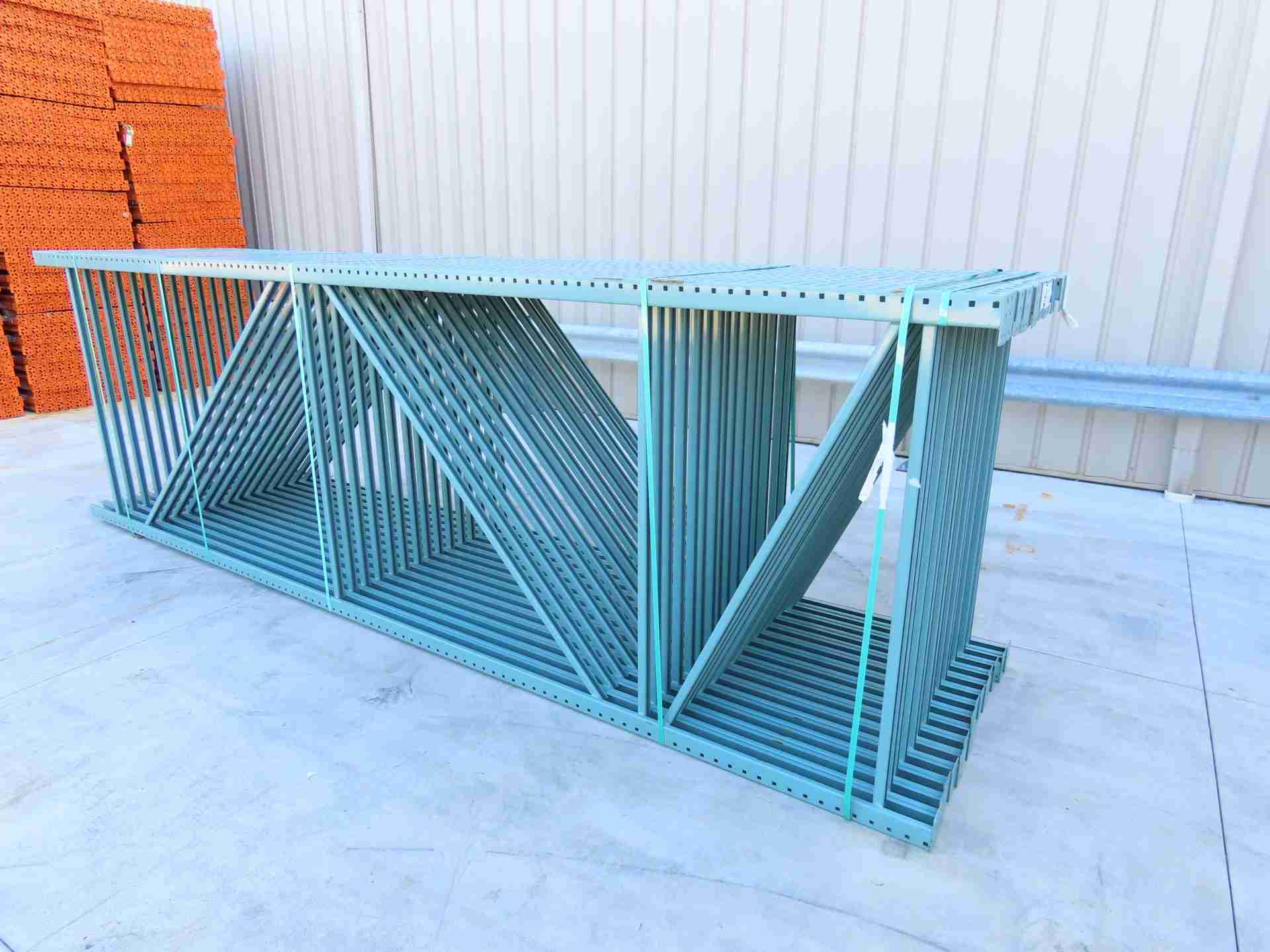
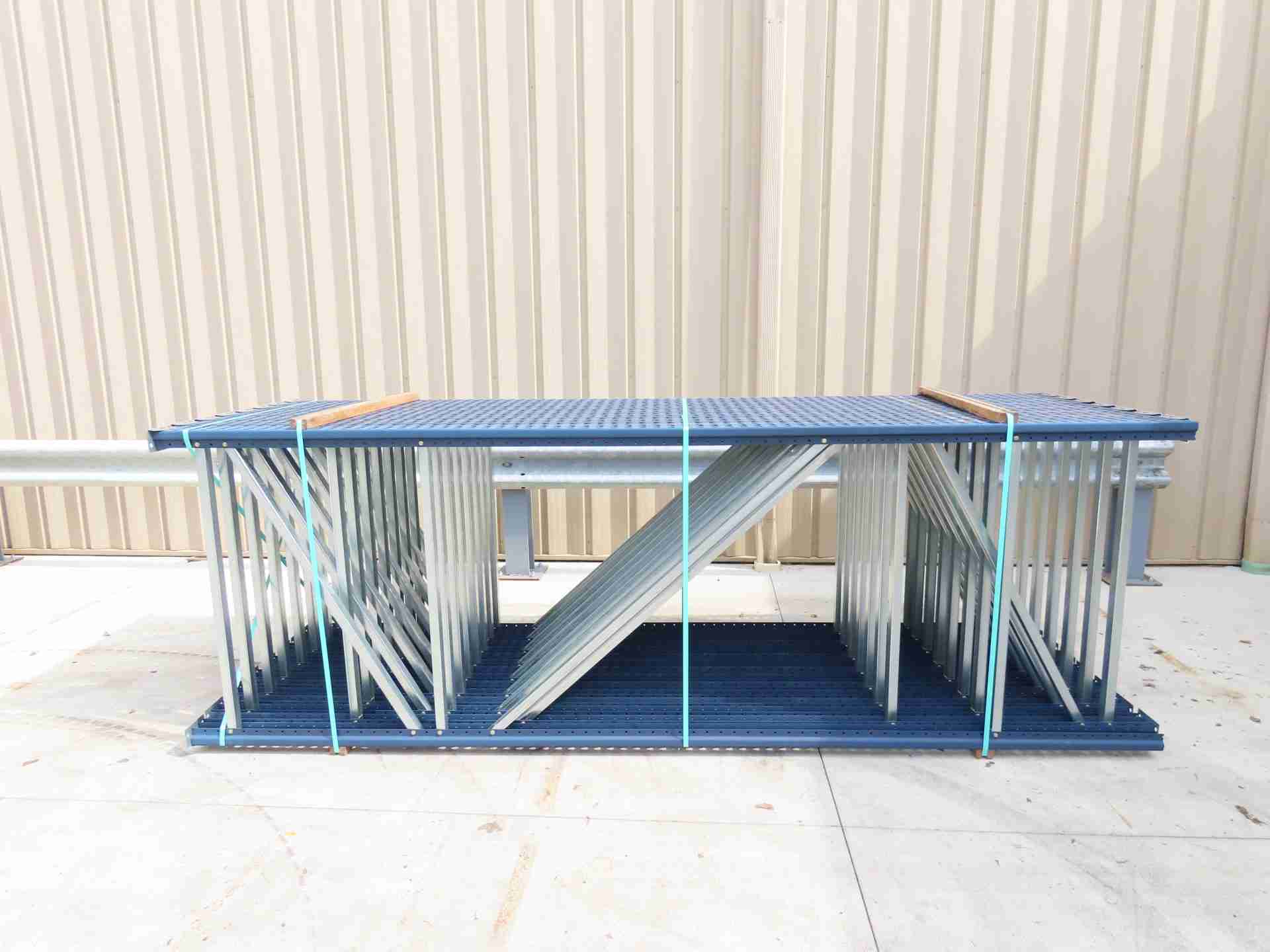
When you’re staring down a stack of heavy tires, you want to know your pallet racking isn’t going to quit on you. It’s not just about keeping things off the ground—it’s about trust. You’ve got hard-earned goods piled high, and every time you put that tire on a shelf, you’re betting on the racking’s strength and stability. Pallet racking systems are built with that bet in mind, engineered tough to handle heavy loads without bending or breaking under pressure. It’s a straightforward deal: good racking means your tires stay secure, and your workday stays smooth.
But it ain’t just about brute strength; it’s also about how the system supports those loads over time. Tires aren’t lightweights—they’re dense, bulky, and often awkwardly shaped. A pallet racking system that can spread that weight evenly and hold firm, day after day, saves you headaches and keeps your warehouse running like a well-oiled machine. The rational side tells you to look for durability, proper weight ratings, and designs tested in real-world conditions, not just fancy specs on a sheet. Ethical business means using equipment that respects safety—yours, your crew’s, and your warehouse’s. When the racking stands strong, you’re also standing up for the people who rely on it every day.
Here’s the simple truth from the shop floor: pallet racking that’s properly selected, installed, and maintained will support heavy tire loads reliably. Nothing fancy, no shortcuts—just solid steel beams and beams bolted together with a plan and a purpose. It means regular inspections and tightening bolts because even the strongest system needs a little TLC. When those tires sit secure on well-built pallet racking, you can feel that quiet confidence inside—knowing your investment is protected, your team safe, and your operation steady.
We’re all in this business to keep moving forward, not looking over our shoulders every time we stack up another pallet. Pallet racking that stands tall under heavy tire loads isn’t just a convenience—it’s a promise. One that makes you nod, roll up your sleeves, and get back to work, knowing what you’ve got is more than just metal and bolts. It’s a backbone you can count on.
Can Pallet Racking Systems Support Heavy Tire Loads Reliably?
Can Pallet Racking Systems Support Heavy Tire Loads Reliably?
- Pallet racking systems are designed to reliably support heavy tire loads, ensuring strength and stability.
- These systems distribute dense, bulky tire weight evenly to maintain long-term support and warehouse efficiency.
- Durability, proper weight ratings, and real-world tested designs are essential for effective pallet racking.
- Using safe, reliable equipment reflects ethical business practices protecting workers and inventory.
- Proper selection, installation, and regular maintenance are key to sustaining pallet racking performance.
- Strong pallet racking provides confidence by securing investments, protecting teams, and stabilizing operations.
- Pallet racking is more than metal; it is a dependable foundation that supports ongoing work and productivity.
Can Pallet Racking Systems Support Heavy Tire Loads Reliably?
Conclusion
When your warehouse floors are loaded with heavy tires and bulky rubber, pallet racking isn’t just a storage option—it’s the backbone keeping your operation from turning into a total mess. It’s the kind of no-nonsense, tough-as-nails system that makes sure every pound of rubber gets a proper home, stacked neat and safe instead of tossed wherever. That’s not just about space; it’s about respect—for your product, your people, and the hard work that goes into making and moving these goods.
You see, pallet racking changes the game. It turns a chaotic sprawl into a smooth-running machine by stacking inventory upward, freeing up floor space, and making what you need easy to get at—not some wild goose chase. When everything’s organized like that, it’s not just faster; it’s less of a grind. Workers aren’t risking their backs scrambling through clutter or wrestling monsters of rubber on the floor. They can take pride in a jobsite that looks sharp and runs clean. That clean order isn’t just a nicety—it’s a safety shield that saves bodies from injuries and ears from complaints.
On the business side, it’s plain common sense. Pallet racking slashes inventory mistakes, cuts down on product damage, and keeps orders moving on tight schedules. That means less waste, fewer headaches, and a better bottom line. But it’s also an ethical move—a commitment to the people who show up every day, trusting the system to hold up the weight of their efforts and their paycheck. Good pallet racking meets strict safety standards because it’s not just metal holding metal; it’s a promise that no one’s going home hurt because of some flimsy shelving.
Damage to tires and rubber isn’t just ugly—it costs cash and kills reputations. Pallet racking protects each piece like it deserves, preventing scruffs and crushing by keeping loads balanced and stable. That respect for the inventory flows right back to the crew, boosting morale and making every day less of a struggle. In a warehouse without it, you get cluttered floors, damaged goods, and frustrated workers. With it, you get order, efficiency, and a quiet confidence that your operation can handle whatever the day throws at it.
Space is money in this business. Optimizing every inch with pallet racking means stocking more without sprawling out or breaking the bank on bigger facilities. It streamlines workflows, speeds up order fulfillment, and creates a rhythm everyone can feel. That kind of thoughtful setup honors both your products and the people who handle them, turning a warehouse from a headache into a well-oiled machine built on sweat, smarts, and a little blue-collar grit.
In the end, pallet racking is more than steel beams and bolts—it’s the quiet partner that supports the whole operation. It’s a solid bet you can count on to keep your heavy tires safe, your workers secure, and your business humming along. When you choose pallet racking right, you’re not just stacking goods—you’re stacking trust, efficiency, and the kind of practical, dependable pride that gets the job done day after day.

Conclusion
Conclusion:
- Pallet racking provides essential, sturdy storage for heavy tires and rubber, keeping operations organized and safe.
- It maximizes space by stacking inventory vertically, improving accessibility and reducing floor clutter.
- Organized storage reduces worker strain and injury risks, promoting a safer and more efficient work environment.
- Pallet racking minimizes inventory errors, product damage, and delays, contributing to cost savings and smoother operations.
- Proper storage protects tires and rubber from damage, enhancing product quality and worker morale.
- Optimizing space with pallet racking allows higher stock capacity without expanding facility size, streamlining workflows.
- Pallet racking supports the entire operation by ensuring safety, efficiency, and dependable daily performance.

Conclusion
Other Resources

Other Resources
Here is a list of other resources you can review online to learn more:
- Wolter
- IWLA
- Warehousing Education and Research Council: https://www.werc.org/
- Teardrop Pallet Rack – Ridg-U-Rak
- Shipping Boxes, Packaging Materials, Pallet Racking
- American Surplus
- Warehouse Racking Systems: Beginner’s Guide to Rack Systems
- MHI
- Chicago Pallet Racking
- Selective Racking
- CMMA
- BMH
- Warehouse Racking Chicago, IL
- Warehousing and Fulfillment
- Pallet Rack Systems – New and Used Pallet Racking and Shelving Experts
- Warehouse Racking Layout: The Ultimate Guide – Conger
- Selective Pallet Racking Systems
- Material Handling Safety
- What is Cantilever Racking? – AK Material Handling Systems
- Overhead Lifting
Use This Prompt To Get More Resources With Your Favorite Online AI Tool: Please provide me with a list of online articles with their URLs in a bulleted list that I can read regarding How Do Rubber and Tire Manufacturers Leverage Pallet Racking?

Other Resources
Glossary Terms
How Do Rubber and Tire Manufacturers Leverage Pallet Racking? – Glossary Of Terms
1. Pallet Racking: A storage system designed to hold pallets in horizontal rows with multiple levels.
2. Tire Manufacturer: A company that produces tires for vehicles.
3. Rubber Manufacturer: A company involved in producing rubber materials used in various products, including tires.
4. Warehouse Optimization: The process of improving storage efficiency in a warehouse.
5. Inventory Management: Tracking and controlling stock levels in manufacturing and storage areas.
6. Load Capacity: The maximum weight that a pallet rack can safely hold.
7. Space Utilization: The effective use of warehouse or storage space to maximize capacity.
8. Storage Density: The amount of product stored in a given area.
9. Material Handling: The movement, protection, storage, and control of materials throughout manufacturing and warehousing.
10. Forklift Access: The ability of forklifts to reach and retrieve pallets stored in racks.
11. Bulk Storage: The storage of large quantities of similar items, often on pallets.
12. Just-in-Time (JIT): Inventory strategy to increase efficiency by receiving goods only as needed.
13. Load Stability: Ensuring that loads on pallets are secure and stable during storage and handling.
14. Rack Configuration: The specific design and arrangement of pallet racks.
15. Picking Efficiency: Speed and accuracy in retrieving products from storage.
16. Assembly Line Storage: Temporary storage of materials near production lines for quick access.
17. Cross-Docking: Direct transfer of goods between inbound and outbound transport with minimal storage.
18. Lean Manufacturing: A method to reduce waste and improve production efficiency.
19. Supply Chain Management: Coordination of production, storage, and transportation of goods.
20. FIFO (First-In, First-Out): Inventory rotation system ensuring oldest stock is used first.
21. LIFO (Last-In, First-Out): Inventory system where the most recently stored items are used first.
22. Heavy-Duty Racking: Pallet racks designed to hold very heavy items like rubber and tire pallets.
23. Load Center: The central point where the load is balanced on a pallet rack beam.
24. Safety Compliance: Adherence to regulations and standards for safe storage systems.
25. Modular Racking: Pallet racks that can be easily reconfigured or expanded.
26. Warehouse Layout: The physical organization of storage and production areas.
27. Palletized Goods: Products stored on pallets for easy handling and storage.
28. Environmental Control: Managing temperature and humidity in storage areas to preserve materials.
29. Cycle Counting: Regular inventory audits performed without complete shutdown.
30. Automated Storage and Retrieval Systems (ASRS): Technology-driven systems for storing and retrieving pallets automatically.

Glossary Of Terms
Other Questions
How Do Rubber and Tire Manufacturers Leverage Pallet Racking? – Other Questions
If you wish to explore and discover more, consider looking for answers to these questions:
- What types of pallet racking are best suited for storing tires and rubber products?
- How do load capacities differ between racking systems and how do I choose the right capacity for heavy tires?
- What are the typical costs (purchase, installation, and maintenance) for pallet racking in tire warehouses?
- What are the space-saving tradeoffs between selective, drive-in, push-back, and pallet-flow racks for tire storage?
- How do I design an optimal racking layout to maximize storage density while maintaining safe aisles and forklift access?
- What floor and foundation requirements are needed to safely anchor heavy-duty pallet racking?
- Which industry safety standards and codes apply to pallet racking in tire and rubber factories (local, national, international)?
- How often should racking inspections and load testing be performed, and who should carry them out?
- What are common signs of rack damage or fatigue that workers should report immediately?
- What protective accessories (column guards, row spacers, pallet supports) are recommended for tire storage racks?
- How can pallet racking reduce handling damage specifically for different tire sizes and shapes?
- What pallet types or supports are best to prevent tire deformation while stacked on racks?
- How should tires be oriented and stacked on pallets and shelves for safest long-term storage?
- What are best practices for storing mixed tire inventories (sizes, models, seasons) to prevent mixing and damage?
- How can racking systems be integrated with inventory management systems (WMS, barcodes, RFID) for accurate tracking?
- What are the recommended aisle widths and forklift clearances for safe picking and replenishment in a tire warehouse?
- How do environmental factors (temperature, humidity, UV exposure) affect rubber storage and racking selection?
- What ventilation or spacing requirements should be provided to prevent rubber degradation on racks?
- What fire protection and sprinkler considerations must be addressed when installing pallet racking with rubber inventory?
- How should pallet racking be adapted for seasonal surges or temporary storage during peak demand?
- What training do workers need to safely load, unload, and work around pallet racking systems in tire facilities?
- How do you calculate return on investment (ROI) for installing or upgrading pallet racking for tire storage?
- What maintenance schedule and procedures minimize long‑term repair costs and downtime for racking systems?
- Can existing racks be retrofitted or reinforced to handle heavier tire loads, and how is that evaluated?
- What warranties, certifications, and manufacturer approvals should be requested when buying racking?
- How do seismic, wind, or other regional hazards influence racking design and anchoring for tire warehouses?
- What are the insurance and liability implications of different racking choices and safety practices?
- How do automated storage and retrieval systems (AS/RS) compare with conventional racking for tire handling efficiency?
- What metrics should be tracked to measure damage reduction and productivity improvements after installing racking?
- How do you handle returned, repaired, or retreaded tires within a racked storage system?
- What are best practices for labeling, binning, and FIFO/LIFO management on pallet racking for traceability?
- How is inventory accuracy affected by rack design, and what controls reduce misplaced or lost stock?
- What are the common installation lead times and project steps from planning to fully operational racking?
- What sustainable or recyclable racking options exist, and how do they impact lifecycle costs and environmental goals?
- How are rack repairs performed after forklift impacts, and when must a rack component be replaced rather than repaired?

Other Questions
Checklist
How Do Rubber and Tire Manufacturers Leverage Pallet Racking? – A Checklist
Strategy & Layout
✅______ Define storage mix (tires, rubber rolls/sheets, components) with dimensions, weights, and packaging.
✅______ Set throughput targets (receipts, picks per hour, dock-to-stock time).
✅______ Map current and future SKU counts and velocity (fast and slow movers).
✅______ Confirm forklift types, mast heights, turning radii, and required aisle widths.
✅______ Validate building constraints (clear height, columns, slab capacity, seismic zone).
Rack Selection & Design
✅______ Choose rack type(s): selective, double-deep, drive-in, push-back, pallet flow, cantilever (for rolls).
✅______ Engineer racks for verified pallet and load weights and beam lengths.
✅______ Specify decking and beam options (wire deck, tire cradles, dividers) appropriate for tires and rolls.
✅______ Provide anti-fall measures (load stops, pallet backstops) where needed.
✅______ Design for even load distribution with no unauthorized overhang.
Compliance & Documentation
✅______ Obtain engineer-stamped drawings and calculations.
✅______ Post load plaques with bay and beam capacities and height-to-depth ratios.
✅______ Anchor racks per specification; verify anchor type, spacing, and torque.
✅______ Document conformity with applicable codes and standards and local requirements.
✅______ Keep as-built drawings and maintenance manuals accessible.
Load Handling & Tire Care
✅______ Use pallets and dunnage that fully support tire footprints; avoid point loads.
✅______ Follow tire storage orientation guidance (prevent sidewall deformation).
✅______ Separate batches and lot codes to prevent mix-ups.
✅______ Protect surfaces with appropriate decking, cradles, or separators.
✅______ Set maximum stack dwell times to prevent flat spotting and compression set.
Space Optimization
✅______ Slot fast movers in accessible, low, forward locations.
✅______ Use vertical cube to the safe clear height; maintain top-of-load clearance to sprinklers.
✅______ Maintain longitudinal and transverse flue spaces.
✅______ Evaluate double-deep and push-back for density where LIFO is acceptable.
✅______ Allocate staging zones to keep aisles and rack fronts clear.
Fire Protection & Environment
✅______ Confirm commodity classification and sprinkler design alignment.
✅______ Preserve flue spaces and install in-rack protection if required.
✅______ Maintain temperature, light, and ozone exposure limits suitable for rubber.
✅______ Control dust, oils, and chemicals that could affect rubber integrity.
✅______ Keep egress paths and emergency signage unobstructed.
Inventory Tracking & Labeling
✅______ Assign rack addresses (aisle-bay-level-position) and post visible labels.
✅______ Implement barcode or RFID for pallets and locations.
✅______ Integrate WMS/ERP for real-time location and quantity accuracy.
✅______ Define FIFO or LIFO by rack type and process.
✅______ Schedule cycle counts and reconciliation rules.
Equipment, Aisles & Traffic
✅______ Mark travel lanes, speed limits, and no-go zones.
✅______ Install end-of-row guards, column protectors, and rack bumpers.
✅______ Provide mirrors and lighting at intersections and rack aisles.
✅______ Verify attachment compatibility (tire forks, clamps, extensions) with loads.
✅______ Designate safe staging and transfer points away from rack faces.
Damage Prevention
✅______ Set acceptable rack damage criteria and a red-tag process.
✅______ Prohibit field drilling, welding, or unauthorized modifications.
✅______ Enforce beam connector lock/clip use on every beam.
✅______ Load heavier pallets on lower levels; maintain uniform pallet orientation.
✅______ Keep floors level, clean, and free of debris that can destabilize pallets.
Inspections & Maintenance
✅______ Perform pre-shift visual checks by operators.
✅______ Conduct documented monthly supervisor inspections.
✅______ Schedule annual third-party rack audits.
✅______ Replace damaged components with OEM-approved parts only.
✅______ Re-torque anchors and bolts per schedule; log all repairs and impacts.
Change Control
✅______ Re-evaluate capacity after any layout, beam level, or load changes.
✅______ Update drawings, load plaques, and WMS locations after changes.
✅______ Review fire protection and flue spaces after re-slotting.
✅______ Train staff on updated procedures immediately after changes.
✅______ Verify slab and rack capacity before introducing heavier SKUs.
Training & SOPs
✅______ Train operators on loading patterns, weight limits, and rack protections.
✅______ Post SOPs for put-away, picking, staging, and exception handling.
✅______ Certify forklift operators on site-specific aisles and rack clearances.
✅______ Refresh training after incidents or equipment or process changes.
✅______ Document and review near misses to improve practices.
Go-Live & Continuous Improvement
✅______ Commission racks with punch list sign-off and load testing as specified.
✅______ Baseline KPIs and conduct first 30/60/90-day reviews.
✅______ Implement 5S in rack areas (sort, set, shine, standardize, sustain).
✅______ Run root cause analyses on damage, mispicks, and delays.
✅______ Optimize slotting quarterly based on velocity and demand patterns.
Core KPIs to Monitor
✅______ Storage cube utilization (percentage).
✅______ Dock-to-stock cycle time.
✅______ Pick rate and order accuracy.
✅______ Inventory accuracy and cycle count variance.
✅______ Product damage and rack impact incidents per 1,000 pallets.

Checklist
At RackingWorld, we help guide you through selecting warehouse storage systems and racking.
Be sure to read our other related stories at RackingWorld to learn more about warehouse storage systems.
0 Comments