
Unlock Efficiency, Safety, And Growth With Smart Pallet Racking Solutions
By Tom Seest
At RackingWorld, we help guide you through selecting warehouse storage systems and racking.
Be sure to read our other related stories at RackingWorld to learn more about warehouse storage systems.
How Do Manufacturing and Industrial Companies Leverage Pallet Racking?
Manufacturing and industrial companies lean on pallet racking like a trusted old workhorse. It’s not flashy, but it’s the backbone that keeps the shop floors humming and the warehouses from turning into chaos. Think about the last time you walked into a plant or storage yard and everything was stacked neat as a pin, ready to roll when needed—that’s pallet racking in action, doing the heavy lifting behind the scenes.
This isn’t just about shelving; it’s about making sense of tons of inventory, moving parts, and finished goods without losing your mind. For the folks on the floor, pallet racking solves real headaches: it saves space, cuts down the time wasted hunting for stuff, and keeps everything safer. The emotional weight of clutter and danger eases off when you know each pallet has a home, easy to find and easy to get. It’s a quiet confidence, knowing your materials won’t topple over and your team won’t waste a minute more than they have to.
Now, beyond the immediate shop-floor hustle, pallet racking holds serious value for managers and owners who live and breathe efficiency. It’s a practical, no-nonsense investment that returns dividends in productivity and peace of mind. The durability and adaptability of these racks mean they’re not just for today’s needs but can grow and change alongside the business. That kind of foresight speaks to a company’s integrity—showing respect for resources, employees, and customers by maintaining quality and order in operations.
There’s a certain pride in running a lean, well-organized operation. When your pallet racking stands strong and steady, it tells a story—that you know your stuff, you plan ahead, and you care about safety and efficiency. That story spreads through your teams, builds a culture of responsibility and trust, and even reaches partners and clients who can see you mean business.
In the trenches of manufacturing and industrial work, pallet racking is the simple, dependable element that turns potential chaos into smooth rhythm. It’s a piece of solid, common-sense gear that every company leans on, day in and day out—so they can keep building, producing, and moving forward with confidence.

How Do Manufacturing and Industrial Companies Leverage Pallet Racking?
How Do Manufacturing and Industrial Companies Leverage Pallet Racking?
- Pallet racking is a fundamental, reliable system that organizes and supports manufacturing and industrial operations, preventing chaos on shop floors and in warehouses.
- It maximizes space, reduces time wasted searching for items, and enhances safety by providing a clear, secure place for each pallet.
- The system alleviates the stress associated with clutter and potential accidents, instilling confidence among workers.
- For managers and owners, pallet racking is a smart investment that boosts productivity and offers peace of mind through durability and adaptability.
- Its flexibility allows the system to evolve with a business, reflecting a company’s commitment to quality, resource respect, and operational order.
- Well-maintained pallet racking demonstrates organizational pride, safety prioritization, and forward planning, influencing company culture and external perceptions.
- Overall, pallet racking transforms potential operational disorder into a smooth, efficient workflow essential for continuous production and progress.
How Do Manufacturing and Industrial Companies Leverage Pallet Racking?
Table Of Contents
- How Do Manufacturing and Industrial Companies Leverage Pallet Racking?
- How Does Pallet Racking Improve Warehouse Efficiency?
- What Safety Standards Apply to Pallet Racking?
- How Can Pallet Racking Reduce Operational Costs?
- What Impact Does Pallet Racking Have on Inventory Management?
- How Does Pallet Racking Support Sustainability Goals?
- Why Is Proper Pallet Racking Design Critical for Safety?
- Conclusion
- Other Resources
- Glossary Of Terms
- Other Questions
- Checklist
How Does Pallet Racking Improve Warehouse Efficiency?
You walk into a warehouse without pallet racking, and it’s like stepping into a messy garage—crates stacked every which way, aisles barely wide enough to squeeze a forklift through, and every minute spent hunting down goods feels like a minute stolen from the clock. Pallet racking isn’t just some metal shelves; it’s the backbone that turns chaos into a well-oiled machine. When you install pallet racking, suddenly the whole place breathes a little easier. There’s order, there’s space, and there’s a system that works with you, not against you.
From a practical standpoint, pallet racking maximizes vertical space that otherwise sits wasted. It’s about stacking smarter, not just stacking higher. When pallets have a designated spot, visibility improves, retrieval times shrink, and accidents drop. This isn’t just a convenience; it’s cold, hard efficiency that saves labor hours and trim costs. Every box on that racking is a step towards smoother workflow and sharper inventory control, meaning fewer headaches and more done in less time. You feel the difference when your team isn’t scrambling but moving with purpose.
Ethically speaking, a tidy warehouse is a safer warehouse. Pallet racking systems reduce hazards by keeping heavy items off floors and out of precarious piles. You owe it to your crew to offer a workspace that respects their wellbeing instead of risking injuries for the sake of a few extra boxes shoved on the ground. It’s human decency wrapped up in steel beams. Treating workers right isn’t just good hearted—it’s smart business.
Anyone who’s managed a loading dock knows the weight of trust in the gear they rely on daily. Pallet racking carries that trust on its sturdy frame, engineered to handle tough loads without faltering. It’s not just talk; industry standards and years of proven use back it up. When the system holds firm, you hold your ground as a manager or owner, confident that your operations rest on a foundation built to last.
Add to that the social rhythm of teamwork that falls into place. Organized spaces tend to foster respect among workers and pride in their environment. With pallet racking, it’s easier for everyone to pitch in and keep things running smoothly. The warehouse turns from a tangled puzzle into a clear playbook everyone knows. That’s the kind of straightforward, no-nonsense solution that sticks.
Pallet racking isn’t just a rack—it’s the quiet hero making tough days easier, work safer, and results better. It’s proof that sometimes, a simple upgrade can turn a fight into a rhythm and a mess into a mission.

How Does Pallet Racking Improve Warehouse Efficiency?
How Does Pallet Racking Improve Warehouse Efficiency?
- Without pallet racking, warehouses are disorderly, cramped, and inefficient, akin to a messy garage.
- Pallet racking maximizes vertical space, improves visibility, reduces retrieval times, and enhances overall efficiency.
- It promotes safety by keeping heavy items off the floor and preventing hazardous piles, respecting worker wellbeing.
- The system is reliable and strong, meeting industry standards and providing a durable foundation for warehouse operations.
- Organized storage fosters teamwork, respect, and pride among workers, simplifying maintenance and workflow.
- Pallet racking transforms chaotic spaces into orderly, efficient environments that support smoother operations.
- It is a cost-effective upgrade that improves safety, productivity, and inventory control, benefiting both workers and management.

How Does Pallet Racking Improve Warehouse Efficiency?
What Safety Standards Apply to Pallet Racking?
You don’t need a fancy office or a suit to understand why pallet racking safety matters. Picture the warehouse floor: tight spaces, heavy loads stacked high, folks moving fast to keep things running smooth. One wrong move or a weakened rack can turn your day upside down. That’s where safety standards come in—not just rules on paper, but the backbone of keeping everyone safe and the work humming along.
Pallet racking systems are the unsung heroes of any warehouse, but with great strength comes great responsibility. These structures hold tons of weight, and if they’re not built or maintained right, the consequences hurt hard—injuries, lost time, disrupted work, and expensive damage. Following safety standards ensures each beam, upright, and connector meets tough guidelines that prevent collapse or accidents. It’s not just about ticking boxes; it’s about respecting the hard work every person brings to the dock.
At the heart of it, safety standards for pallet racking are grounded in real-world experience and proven engineering. They set clear limits for load capacity, require regular inspections, and demand proper installation by folks who know their craft. These aren’t arbitrary rules but lessons learned from the hard knocks of warehouses that cut corners and paid the price. Trusting these standards is trusting the shared wisdom of everyone who’s been through it.
Ethically, we’re all on the hook. You wouldn’t cross a shaky bridge, so why stack your inventory on a wobbly rack? Keeping pallet racking up to code isn’t just smart business—it’s looking out for the people who clock in every day and depend on a safe place to work. It’s about the community we build in those aisles, moment by moment, pallet by pallet.
The authority behind these standards? Trusted organizations and regulatory agencies with the experience to back up their guidelines. They’ve studied failures and successes and crafted rules that bring order to chaos. Following their lead shows you respect not just the law, but everyone who moves through your workspace.
So, when you think about pallet racking safety, think about more than steel and bolts. Think about the hands that stack those pallets, the eyes that watch for danger, and the shared goal of making it home safe after a hard day’s work. Stick to the standards, honor experience, and you’ll build more than racks—you’ll build trust.
What Safety Standards Apply to Pallet Racking?
What Safety Standards Apply to Pallet Racking?
- Pallet racking safety is essential in busy warehouses to prevent accidents caused by tight spaces, heavy loads, and fast-paced work.
- Pallet racking systems bear significant weight and require proper construction and maintenance to avoid injuries, downtime, and costly damage.
- Safety standards are based on real-world experience and engineering, setting load limits, inspection routines, and installation protocols.
- Following these standards respects the hard work and safety of warehouse workers, ensuring a reliable and secure working environment.
- Ethical responsibility demands maintaining pallet racks to code, protecting employees who depend on a safe workplace.
- Regulatory agencies and trusted organizations develop these standards, using lessons from past failures to improve safety guidelines.
- Adhering to pallet racking safety builds trust and community among workers, focusing on safe operations beyond just structural components.

What Safety Standards Apply to Pallet Racking?
How Can Pallet Racking Reduce Operational Costs?
Look, running a warehouse ain’t just about stacking boxes and moving pallets. It’s about making every inch of space work harder so you don’t waste cash on renting more square footage or buying more forklifts. That’s where pallet racking steps in like a trusty old workhorse. By using pallet racking, you’re squeezing more out of your existing space — stacking higher, organizing better, and cutting down on all that useless wandering around. It’s like turning your cluttered garage into a lean, mean, easy-to-navigate machine. When stuff is easier to find and grab, your team wastes less time hunting tools or products. Every minute they save means more done without clocking overtime or hiring extra hands.
There’s something else too: safety. A good pallet racking setup keeps your inventory off the floor and away from spills, damage, and accidents. Fewer accidents mean fewer insurance claims and less downtime, which is money right back in your pocket. Plus, people work better when they feel safe—not just physically safe, but confident you’ve got their backs. That’s ethical leadership right there, treating your crew like human beings, not just cogs.
The math backs it up: pallet racking reduces shrinkage from damage, cuts labor costs by boosting picking efficiency, and trims warehouse overhead. Plus, it turns confusion into order, chaos into a system that makes sense. You know you’ve got a solid setup when that place hums quietly instead of sounding like a circus. And the bosses upstairs notice that.
Using pallet racking is more than just a smart move on a spreadsheet. It’s a practical solution grounded in the sweat and grit of daily warehouse life. It respects the people working there, the product they handle, and the budget that keeps the business ticking. That kind of common-sense efficiency earns trust—and trust leads to smoother operations, lower costs, and a team that feels like they’ve got their act together. So, if you want real results without fuss or flash, investing in pallet racking is the straightforward fix that pays off day after day.

How Can Pallet Racking Reduce Operational Costs?
How Can Pallet Racking Reduce Operational Costs?
- Pallet racking maximizes warehouse space, reducing the need for extra square footage and equipment.
- It improves organization by enabling higher stacking and minimizing wasted time searching for items.
- Enhances safety by keeping inventory off the floor, preventing damage, spills, and accidents.
- Fewer accidents lead to reduced insurance claims, less downtime, and increased employee confidence.
- Boosts efficiency by lowering shrinkage, cutting labor costs, and streamlining warehouse operations.
- Creates an orderly system that promotes smoother workflows and is noticed by management.
- Represents a practical, cost-effective solution that respects employees, products, and budget constraints.

How Can Pallet Racking Reduce Operational Costs?
What Impact Does Pallet Racking Have on Inventory Management?
Pallet racking isn’t just metal shelves stacked in a warehouse. It’s the backbone of how stuff moves, gets counted, and stays where it’s supposed to. When you’ve spent years lugging boxes and wrestling with cramped spaces, you realize pallet racking isn’t just about storing things—it’s about making a messy, unpredictable world run smoother. It’s the difference between hunting for an inch of shelf space and having a system that feels like a well-oiled machine. That’s a relief that hits you in your gut when the day’s deadline is breathing down your neck.
Here’s the honest truth: good pallet racking means fewer headaches counting inventory. When products have a place that’s easy to find and get to, your stock numbers start lining up with what’s actually there. No more “lost” pallets or surprise shortages. It’s like having a partner you can actually rely on—steady and straightforward. You don’t just save time; you protect your business from costly errors. That’s the kind of practical, blue-collar wisdom that keeps a place running and people fed.
On the ethical front, pallet racking supports transparency and accountability. When your inventory is organized, customers get what they order, workers aren’t chasing ghosts, and everyone feels a bit more respect for the daily grind. You build trust—not just with clients, but within the warehouse itself. It’s a quiet, powerful way of saying, “We do right by our work.” That matters when there’s pride on the line.
From an authority standpoint, anyone in logistics or supply knows pallet racking isn’t optional; it’s foundational. It sets the standard by which inventory management is judged—get it wrong, and your whole operation wobbles like a rickety ladder. Get it right, and you’re proving you know the ropes, respect the craft, and understand the stakes. It’s a simple tool, wielded well, that speaks volumes about your professionalism.
When you walk a warehouse floor and see neat rows of pallet racking humming with purpose, it tells a story. A story of sweat, experience, and figuring out how to make a tough job feel a little easier day by day. That story makes you feel part of something solid, dependable. And honestly, that’s what every worker and every business owner wants: confidence in knowing the system’s got your back. Pallet racking does that—it’s where common sense meets hard-earned trust.

What Impact Does Pallet Racking Have on Inventory Management?
What Impact Does Pallet Racking Have on Inventory Management?
- Pallet racking is essential for efficient movement, counting, and organization of inventory in warehouses.
- Good pallet racking reduces inventory errors by providing easy access and reliable stock tracking, preventing lost pallets and shortages.
- It safeguards businesses from costly mistakes and saves time through practical and dependable storage solutions.
- Pallet racking promotes transparency, accountability, and respect among workers, building trust within the warehouse and with customers.
- It is a foundational tool in logistics, setting standards for inventory management and demonstrating professionalism when done correctly.
- Well-organized pallet racks reflect experience, hard work, and contribute to making demanding warehouse jobs more manageable.
- Pallet racking provides confidence and dependability, combining common sense with trust earned through consistent performance.

What Impact Does Pallet Racking Have on Inventory Management?
How Does Pallet Racking Support Sustainability Goals?
When you roll up your sleeves and get down to work in a warehouse, every bit of space and every tool matters. Pallet racking isn’t just about stacking boxes; it’s a quiet powerhouse that helps push sustainability goals without making a big fuss. Think about it: proper pallet racking means using vertical space smartly, so you don’t have to expand your footprint. Less floor space used means less concrete poured, less energy wasted on lighting empty areas, and, bottom line, a smaller carbon footprint. That’s good for the planet and good for the bottom line—because keeping operations lean saves money.
From a practical standpoint, pallet racking creates order out of chaos. When everything’s easy to reach and properly stored, you cut down on damage to products and materials. That means fewer replacements, less waste, and a lot less guilt about tossing stuff into the dumpster. It’s simple math—less scrap means less raw materials demanded and less landfill filling up. This straightforward, get-the-job-done approach is what sustainability really boils down to: working smarter with what you’ve got, not piling on more.
Ethically, it feels right to run a warehouse that respects resources instead of gobbling them up. Using durable, reusable pallet racking systems stretches the life of your storage setup. When racks can be adjusted, repaired, or moved instead of trashed, you’re doing your part to cut down on industrial waste. That’s a quiet nod to responsible stewardship, a promise that the daily grind respects tomorrow’s world.
Experts have been ringing the bell on efficient storage for years because they know that every saved inch in space is a win. Pallet racking, designed well and used right, isn’t some fancy gadget—it’s proven, tested, and here for the long haul. That kind of authority, built on years of frontline experience, means you’re making a trusted investment in sustainability, not just fitting shelves.
Stories from warehouses all over the country show the same truth: when teams get behind a system that helps them handle more with less waste, pride builds. It’s more than just business efficiency; it’s about belonging to a crew that values resourcefulness and cares about the future—all without pomp or buzzwords. So whether you’re stacking pallets or just stacking up reasons to care, pallet racking quietly supports the kind of sustainability work that matters.

How Does Pallet Racking Support Sustainability Goals?
How Does Pallet Racking Support Sustainability Goals?
- Pallet racking optimizes vertical space, reducing the need to expand warehouse footprints and lowering environmental impact.
- Using less floor space decreases concrete use, energy consumption, and overall carbon footprint, benefiting both the planet and operational costs.
- Efficient pallet racking improves organization, reduces product damage, and minimizes waste by lowering the need for replacements.
- Durable, reusable pallet racks extend the life of storage systems, helping to reduce industrial waste through repair, adjustment, and relocation.
- Properly designed pallet racking is a proven, long-term solution supported by industry experts to promote efficient and sustainable storage.
- Warehouse teams gain pride and resourcefulness by adopting systems that enhance efficiency while minimizing waste.
- Pallet racking supports sustainability by enabling smarter use of resources without adding complexity or unnecessary expenses.

How Does Pallet Racking Support Sustainability Goals?
Why Is Proper Pallet Racking Design Critical for Safety?
You don’t have to look far to see why getting pallet racking right matters. Picture a cluttered warehouse with stacks teetering like a house of cards, and it’s not hard to imagine a bad day waiting to happen. Pallet racking isn’t just about squeezing every inch of storage; it’s the backbone holding up your entire operation and the safety net protecting the folks who walk those aisles every day. When the design is spot on, it feels like a quiet promise—that nothing’s gonna fall apart or crush someone underneath.
From hands-on experience, I’ve seen what happens when pallet racking takes a back seat. Shelves buckling, pallets slipping, and the kind of accidents that leave scars far beyond the bruises on the floor. It’s not just about the expensive gear or the lost hours from a shut-down. It’s about the people—your crew, your family of sorts. You owe it to them to put safety first, plain and simple. Proper design isn’t just a rule to tick off; it’s respect in steel and bolts, a way to say, “We care enough not to cut corners.”
There’s a smart side to it too. When pallet racking is designed right, you don’t just avoid disasters—you make space work harder, faster, and cleaner. That means fewer headaches hauling loads, less downtime patching up what broke, and more confidence knowing every row can hold its weight without tipping the scales toward trouble. Safety codes and standards exist because veterans of this game learned the hard way what works and what doesn’t. Trusting those rules isn’t just bureaucracy; it’s standing on the shoulders of experience.
At the end of the day, proper pallet racking design is a quiet hero in your warehouse story. It’s not flashy, but it holds everything together—the goods, the work, and the people. When everyone knows the racks are solid and steady, it fosters trust and pride in the job. Fellow workers feel more secure, and you build a culture where safety isn’t just shouted from a clipboard, but lived out in every lift and stack. That’s worth every nail, weld, and calculation in the plan.
Why Is Proper Pallet Racking Design Critical for Safety?
Why Is Proper Pallet Racking Design Critical for Safety?
- Pallet racking is essential for warehouse safety and efficient storage, preventing accidents and ensuring stability.
- Poorly designed racking leads to accidents, equipment damage, and risks to workers’ safety and well-being.
- Prioritizing safety through proper design shows respect and care for the workforce, beyond just following rules.
- Well-designed racks improve space utilization, reduce downtime, and increase operational efficiency.
- Safety codes and standards reflect hard-earned experience and are crucial to follow to avoid preventable issues.
- Reliable pallet racking fosters trust and pride among workers, enhancing workplace culture focused on safety.
- Effective pallet racking is foundational, quietly supporting goods, work, and people throughout daily operations.

Why Is Proper Pallet Racking Design Critical for Safety?
Conclusion
In the gritty, day-to-day grind of manufacturing and industrial work, pallet racking stands as the unsung hero—steady, reliable, and downright essential. It’s the quiet backbone turning warehouses from chaotic messes into organized machines where every inch of space counts and every pallet has its place. This isn’t just about stacking boxes; it’s about respect—respect for the people doing the heavy lifting, respect for the materials that keep businesses running, and respect for the future by making smarter, safer choices.
When your pallet racking is designed and maintained right, it does more than save space. It cuts down the time wasted hunting for stuff, reduces accidents, and keeps your team moving with confidence. That hands-on, common-sense efficiency brings peace of mind to managers and pride to workers. It tells a story of a workforce that knows what they’re doing, plans ahead, and puts safety and order first—not because they have to, but because they care.
Safety isn’t a checkbox here; it’s the core of how pallet racking works. These aren’t flimsy bits of metal, but carefully engineered frameworks built to handle tough loads day in and day out. Following the right standards and designs isn’t just about avoiding disaster; it’s about honoring the grit and sweat of every worker who trusts those beams to hold steady. That trust creates a culture where safety isn’t a hassle, but a lived reality.
On the numbers side, pallet racking is a no-nonsense way to cut costs. By making smart use of vertical space, reducing damaged goods, and speeding up inventory handling, it saves time and money in ways that add up month after month. When the warehouse hums quietly and runs smoothly, it shows the kind of efficiency that keeps business ticking and keeps folks from burning out.
And there’s more—a practical nudge towards sustainability. Using pallet racking wisely means using less floor space, wasting less product, and avoiding the trap of always needing more. It’s a simple, everyday way to shrink your footprint without fancy gimmicks, stretching your resources and respecting the world you work in. That kind of down-to-earth responsibility builds pride, not just in the job done, but in the legacy left behind.
In the end, pallet racking isn’t just some metal racks—it’s a story of hard work meeting smart planning. It’s about turning chaos into rhythm, risk into safety, and wasted hours into steady progress. Every company leaning on solid racks is saying they understand what matters: the people, the product, and the craft of doing things right. That’s a story worth standing behind, rack by rack, day by day.
Conclusion
Conclusion:
- Pallet racking transforms chaotic warehouses into organized spaces, optimizing every inch and ensuring every pallet has its place.
- Properly designed and maintained pallet racking saves space, reduces search time, minimizes accidents, and boosts worker confidence.
- Safety is fundamental, with pallet racks engineered to handle heavy loads and built to meet strict standards, fostering a culture of trust and care.
- Pallet racking reduces costs by maximizing vertical space, decreasing product damage, and speeding up inventory handling.
- It promotes sustainability by reducing floor space usage, minimizing waste, and encouraging efficient resource use.
- Pallet racking represents smart planning and hard work, turning disorder into efficiency and risk into safety.
- Using solid pallet racking reflects a company’s commitment to people, products, and the craft of doing things right.
Conclusion
Other Resources

Other Resources
Here is a list of other resources you can review online to learn more:
- Interlake Mecalux
- Warehouse Racks, Warehouse Racking in Stock – ULINE
- Bradford Systems
- Interlake
- Warehouse Automation
- Pallet Racking systems in Illinois and Great Lakes
- CMMA
- Illinois
- Teardrop Racks – Pallet Rack World
- Overhead Lifting
- Selective Racking
- New Cantilever Racks and Racking Kits
- Pallet Racking systems in Illinois and Great Lakes
- Warehouse Racking Layout: The Ultimate Guide – Conger
- SEMA
- Teardrop Uprights
- Cantilever Racks Chicago
- Intro to Warehouse Racks & Warehouse Racking Systems – ShipBob
- Warehouse Racking System: Powerful Guide to Optimise, 2024
- Shipping Boxes, Packaging Materials, Pallet Racking
Use This Prompt To Get More Resources With Your Favorite Online AI Tool: Please provide me with a list of online articles with their URLs in a bulleted list that I can read regarding How Do Manufacturing and Industrial Companies Leverage Pallet Racking?

Other Resources
Glossary Terms
How Do Manufacturing and Industrial Companies Leverage Pallet Racking? – Glossary Of Terms
1. Pallet Racking: A storage system designed to hold materials on pallets in horizontal rows with multiple levels.
2. Load Capacity: The maximum weight that a pallet racking system can safely support.
3. Selective Racking: A common pallet racking type allowing direct access to each pallet.
4. Drive-In Racking: A dense storage system where forklifts drive directly into the rack for loading and unloading.
5. Push Back Racking: A system where pallets are loaded from the front and move backward on nested carts.
6. Pallet: A flat transport structure used to support goods in a stable manner for handling and storage.
7. Forklift: A vehicle used to lift and move pallets within warehouses and racking systems.
8. Warehouse Optimization: Strategies to maximize space and efficiency in storing goods using systems like pallet racking.
9. Load Beam: Horizontal component of pallet racking that supports the pallets.
10. Upright Frame: Vertical structure component of pallet racking holding the load beams and pallets.
11. Inventory Management: The process of tracking and managing goods stored on pallet racks.
12. Space Utilization: Efficient use of warehouse floor and vertical space through pallet racking systems.
13. Rack Safety: Protocols and structures ensuring the safe use and maintenance of pallet racking.
14. Material Handling: The movement, protection, storage, and control of materials within the warehouse.
15. Storage Density: The amount of product stored in a given space using pallet racking.
16. Warehouse Layout: The design of storage and movement pathways, including pallet racking placement.
17. Cross-Docking: A practice where products are directly transferred from inbound to outbound transport without storage.
18. Load Stability: Ensuring pallets are securely placed to prevent shifting or falling in racks.
19. Compliance Standards: Regulations governing the design and use of pallet racking systems.
20. Automation Integration: Incorporating robotics or automated systems with pallet racking for improved efficiency.
21. Slotting: Assigning products to specific rack locations for optimized picking and storage.
22. Direct Access: Feature in selective racking where each pallet can be accessed individually.
23. FIFO (First In, First Out): Inventory strategy enabled by certain pallet racking configurations.
24. LIFO (Last In, First Out): Inventory strategy using pallet racking systems like push back racks.
25. Weight Distribution: Evenly spreading the load on pallet racks to avoid damage or collapse.
26. Damage Prevention: Measures to avoid rack or product damage during handling and storage.
27. Rack Inspections: Routine checks for integrity and safety compliance of pallet racking systems.
28. Custom Racking Solutions: Tailored pallet racking designs to fit specific industrial or manufacturing needs.
29. Scalability: The ability to expand or modify pallet racking systems as storage requirements grow.
30. Return on Investment (ROI): Financial benefits gained from improved storage efficiency using pallet racking.

Glossary Of Terms
Other Questions
How Do Manufacturing and Industrial Companies Leverage Pallet Racking? – Other Questions
If you wish to explore and discover more, consider looking for answers to these questions:
- What types of pallet racking systems are available and which suits my operation best?
- How do I calculate load capacity and safe working loads for different rack components?
- What are the upfront and ongoing costs of installing pallet racking (including installation, maintenance, and inspections)?
- What is the expected return on investment (ROI) and typical payback period for new racking?
- How do I design rack layout to maximize space while maintaining safe aisle widths for forklifts and equipment?
- What industry standards and regulations apply (e.g., ANSI/RMI, ISO, local codes) and how do they differ by region?
- How often should pallet racking be inspected, and what does a proper inspection checklist include?
- What are the signs of rack damage, and when should components be repaired versus replaced?
- How do seismic, wind, or other environmental loads affect rack design and anchoring requirements?
- What protective accessories (column protectors, row spacers, safety bars, netting) are recommended to reduce collisions and damage?
- How does pallet racking integrate with warehouse management systems (WMS), barcoding, and inventory tracking?
- What safety training and certifications should forklift operators and racking inspectors have?
- How do different pallet sizes, weights, and pallet patterns influence rack selection and configuration?
- What are best practices for labeling, signage, and load-posting to prevent overloading and picking errors?
- How do temperature-controlled or corrosive environments (freezers, humid, chemical exposure) affect racking material and coatings?
- What options exist for adjustable, mobile, or modular racking to accommodate changing inventory needs?
- How compatible are pallet racking systems with automated storage and retrieval systems (AS/RS) and conveyors?
- Can I retrofit existing racking to increase capacity or meet new standards, and what are the limitations?
- What lead times should I expect from suppliers, and how do I select a reputable vendor or installer?
- What warranties, certifications, and documentation should suppliers provide at purchase and installation?
- How do pallet racking choices impact insurance premiums and liability exposure?
- What are cost-effective options for smaller operations or temporary storage needs (used racks, leasing, portable systems)?
- How do racking systems support sustainability goals (recyclability, longevity, reduced footprint), and are there green certifications available?
- What are the common causes of rack failures and how can they be prevented through design and operations?
- How should loading and unloading procedures be organized to minimize damage and accelerate throughput?
- What considerations apply when storing irregular, bulky, or non-palletized loads?
- How do lighting, sightlines, and pedestrian traffic flow affect rack placement and safety planning?
- What documentation and records should be kept for inspections, repairs, and load ratings for compliance audits?
- How long do pallet racking systems typically last, and what factors determine their service life?
- Are there real-world case studies or benchmarks showing productivity gains after racking upgrades?

Other Questions
Checklist
How Do Manufacturing and Industrial Companies Leverage Pallet Racking? – A Checklist
Goals and Planning
✅______ Define primary objectives (capacity, throughput, safety, accuracy, cost).
✅______ Set measurable KPIs (pick rate, dock-to-stock time, cube utilization, damage rate).
✅______ Establish budget, ROI target, and payback period.
✅______ Map current and future product mix, pallet sizes, and load profiles.
✅______ Confirm material handling equipment (MHE) types and constraints.
✅______ Identify regulatory and insurance requirements affecting design and use.
Space and Layout
✅______ Measure building clear height, column grid, door positions, and obstructions.
✅______ Plan vertical utilization with safe top-of-load clearance below sprinklers and roof.
✅______ Set aisle widths based on MHE (counterbalance, reach, VNA).
✅______ Define travel paths, staging zones, and buffer areas.
✅______ Reserve clear egress routes and emergency access.
✅______ Allocate flue spaces (longitudinal and transverse) for fire performance and access.
✅______ Separate pedestrian walkways with barriers, markings, and signage.
System Selection
✅______ Match rack type to flow (selective for access; double-deep for density).
✅______ Use drive-in/drive-through for high density and low SKU variability.
✅______ Use pushback for LIFO high-throughput lanes.
✅______ Use pallet flow for FIFO and expiration-dated goods.
✅______ Use cantilever for long or awkward materials.
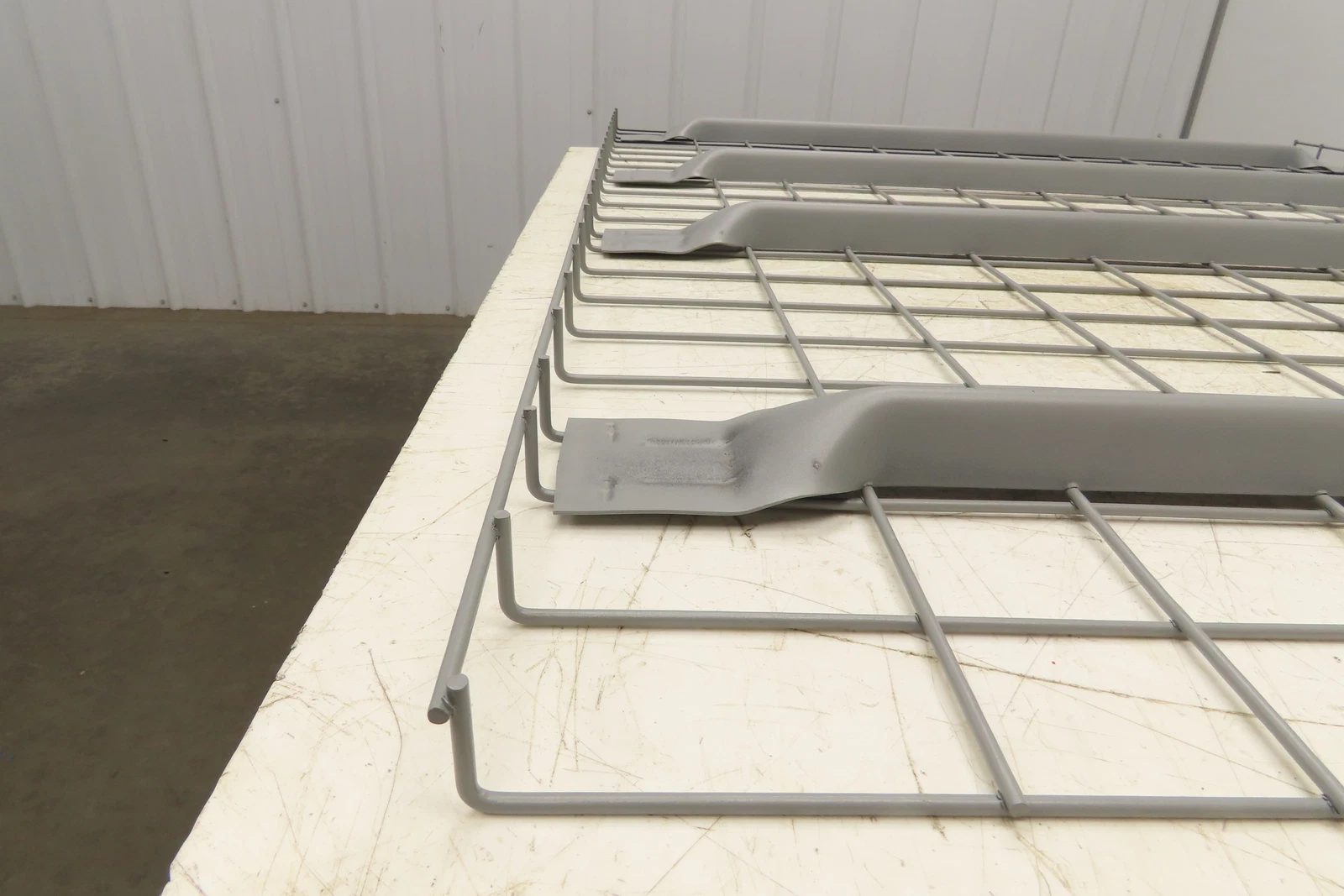
✅______ Specify decking (wire mesh, support bars) to suit load geometry.
Engineering and Design
✅______ Verify unit load details (gross weight, dimensions, center of gravity).
✅______ Confirm pallet construction compatibility (block vs stringer; 2-way or 4-way entry).
✅______ Engineer rack capacities for worst-case load at every level.
✅______ Check slab thickness, flatness, joints, and load-bearing capacity.
✅______ Include seismic and wind considerations where applicable.
✅______ Specify anchors, base plates, row spacers, and bracing per design.
✅______ Set beam elevations for safe lift clearances and deflection limits.
✅______ Provide backstops or netting to prevent push-through and falling product.
✅______ Coordinate with fire protection (sprinklers, flue space, in-rack requirements).
✅______ Provide load plaques with allowable capacities and restrictions.
Safety and Compliance
✅______ Install racks per manufacturer instructions by qualified installers.
✅______ Anchor every upright; verify torque and embedment.
✅______ Confirm plumb, level, and square tolerances across all bays.
✅______ Post load plaques visibly at each bay or row.
✅______ Establish speed limits, one-way aisles, mirrors, and stop points.
✅______ Install end-of-aisle guards, column protectors, and rack end barriers.
✅______ Keep aisles and flues clear; prohibit overhang beyond limits.
✅______ Standardize pallet quality checks before storage.
✅______ Train all operators and staff on rack safety and load handling.
✅______ Create a damage reporting and tag-out process.
✅______ Prohibit unapproved field modifications or mixed-component repairs.
✅______ Schedule periodic inspections (routine, monthly, annual) with records.
Installation and Commissioning
✅______ Review and approve stamped drawings and bill of materials.
✅______ Verify as-built layout matches design and MHE requirements.
✅______ Conduct load testing of representative bays before go-live.
✅______ Validate barcode and label locations and the location numbering scheme.
✅______ Complete punch list and corrective actions.
✅______ Capture photo documentation of anchors, guards, and critical details.
✅______ Obtain final sign-off from operations and safety leaders.
✅______ Store manuals, certifications, and warranties centrally.
Operations and Efficiency
✅______ Implement slotting (ABC/velocity-based) to minimize travel.
✅______ Align rack type with flow strategy (FIFO or LIFO).
✅______ Define replenishment triggers (min/max or demand-driven).
✅______ Standardize pallet building, wrapping, and labeling at receiving.
✅______ Use location IDs with barcodes or RFID for every slot.
✅______ Enforce staging and returns protocols to avoid blocking aisles.
✅______ Optimize pick paths and batch/wave strategies.
✅______ Track KPIs (travel time, pick errors, utilization, damage).
✅______ Review SKU re-slotting cadence as demand shifts.
✅______ Calibrate MHE forks and mast cameras or lights for visibility.
Inventory Management and Accuracy
✅______ Assign unique locations to each pallet position.
✅______ Enforce scan-on/scan-off for every move.
✅______ Implement cycle counting by location class and risk.
✅______ Reconcile discrepancies daily; investigate root causes.
✅______ Separate quarantine, returns, and rework locations.
✅______ Mark empty locations clearly to prevent phantom inventory.
✅______ Monitor shrink and damage by location, shift, and product.
Cost and ROI Control
✅______ Compare TCO for rack types (hardware, installation, MHE, labor).
✅______ Quantify labor savings from improved pick and travel times.
✅______ Measure dock-to-stock and order cycle time pre- and post-implementation.
✅______ Track damage rate and insurance claims before and after.
✅______ Set repair-versus-replace thresholds with cost benchmarks.
✅______ Plan spares inventory (beams, connectors, guards) to reduce downtime.
Sustainability and Footprint
✅______ Maximize vertical storage to defer building expansion.
✅______ Use adjustable, modular components for reuse and reconfiguration.
✅______ Specify durable materials and repairable components.
✅______ Maintain product protection standards to reduce waste and rework.
✅______ Plan end-of-life recycling for steel and decking.
✅______ Reduce lighting and HVAC load through denser storage and zone control.
Maintenance and Inspections
✅______ Perform daily walk-throughs for obvious damage and obstructions.
✅______ Conduct monthly detailed inspections with a trained assessor.
✅______ Complete annual comprehensive audits with documented findings.
✅______ Tag and unload damaged bays immediately; restrict access.
✅______ Use OEM-approved parts and methods for repairs.
✅______ Verify torque and alignment after repairs or reconfiguration.
✅______ Refresh safety training annually and after incidents.
✅______ Maintain a living log of all inspections, repairs, and incidents.
Change Management and Scalability
✅______ Reserve capacity for added beam levels or future SKUs.
✅______ Validate floor and rack capacity for heavier loads before changes.
✅______ Confirm compatibility when adding new MHE (reach, VNA, or turret).
✅______ Update WMS locations and slotting when reconfiguring.
✅______ Revalidate fire protection and flue spaces after changes.
✅______ Communicate changes via toolbox talks and updated SOPs.
Documentation and Labeling
✅______ Keep stamped calculations, drawings, and cut sheets on file.
✅______ Maintain rack layout maps accessible to all teams.
✅______ Label aisles, bays, and levels consistently and legibly.
✅______ Post safety rules and traffic plans at entry points.
✅______ Archive training records, certifications, and licenses.
✅______ Store vendor contacts and part numbers for rapid sourcing.
Emergency Preparedness and Damage Control
✅______ Define post-impact procedures and escalation paths.
✅______ Train staff to unload and cordon off suspect structures.
✅______ Keep fire extinguishers, pull stations, and egress routes unobstructed.
✅______ Install pallet stops or netting at tunnels and pick faces.
✅______ Provide spill kits and protocols near liquid storage.
✅______ Review incident learnings and update SOPs promptly.

Checklist
At RackingWorld, we help guide you through selecting warehouse storage systems and racking.
Be sure to read our other related stories at RackingWorld to learn more about warehouse storage systems.
0 Comments