
Maximizing Efficiency And Safety: Essential Tips For Cantilever Rack Installation
By Tom Seest
At RackingWorld, we help guide you through selecting warehouse storage systems and racking.
Be sure to read our other related stories at RackingWorld to learn more about warehouse storage systems.
Installing Cantilever Racks: Common Mistakes to Avoid
When it comes to installing cantilever racks, it’s easy to overlook the details. But let’s be honest: cutting corners in this stage can cost you dearly down the line. Think about it. You’re not just stacking materials; you’re creating a backbone for your warehouse operations. Mishaps can lead to lost inventory, safety hazards, or damage—both to your stock and your professional reputation. So, let’s break down common mistakes to avoid, not just for your peace of mind, but to protect your hard-earned investment.
First, proper planning is crucial. It’s not merely about slapping some Racking together and seeing what sticks. Take the time to assess your operational needs and available space. Many folks make the rookie mistake of undersizing or oversizing their racks. Imagine the frustration of packing your materials too tightly or leaving spaces that defeat the purpose of effective storage. Center your decisions on what you actually need—think rationally, assess your headspace, and plan.
Next, pay attention to load capacities. Racking isn’t merely a place for stuff; it’s a critical component of operational efficiency. Installing racks that don’t account for weight distribution can lead to catastrophic failure. It’s heart-wrenching to think about the injuries that can happen here or the financial blow of replacing damaged goods. Remember, the integrity of your workspace reflects your values. Your commitment to safety isn’t just ethical—it’s a cornerstone of your brand.
Don’t overlook the installation process itself. Rushing through steps, using improper tools, or ignoring safety standards can lead to a cascade of issues. It’s about doing the hard work upfront; a sturdy, well-installed rack is a sign of pride and professionalism. Use that instinct in your gut telling you that quality matters. Remember, your reputation is built on the trust you’re putting into your equipment and your team.
Lastly, engage with others in the industry. Seek advice from those who’ve been there; share experiences, and learn from your peers. Everyone shares a common ground—the goal to create an optimal work environment. Strengthening this social network can help you dodge pitfalls others have faced, and elevate your own approach.
By investing your time and attention in the right areas, you’ll not only install cantilever racks but also the foundation for a thriving workspace. It’s about more than just storage; it’s about crafting a place where safety and efficiency reign supreme.

Installing Cantilever Racks: Common Mistakes to Avoid
Installing Cantilever Racks: Common Mistakes to Avoid
- Proper planning is crucial; assess operational needs and available space to avoid undersizing or oversizing racks.
- Pay attention to load capacities to prevent catastrophic failure and ensure safety in the workspace.
- Focus on the installation process; rushing or using improper tools can lead to major issues.
- Emphasize the importance of quality in rack installation as a reflection of professionalism and brand values.
- Engage with industry peers to share experiences and advice to enhance your approach.
- Investing time and attention in details leads to a successful installation and a strong workspace foundation.
- Creating a well-organized storage area enhances safety and efficiency in warehouse operations.

Installing Cantilever Racks: Common Mistakes to Avoid
Table Of Contents
- Installing Cantilever Racks: Common Mistakes to Avoid
- What Emotional Struggles Arise When Installing Cantilever Racks?
- Are You Aware Of Safety Regulations Surrounding Cantilever Rack Setup?
- What Stories Highlight the Importance Of Proper Rack Installation?
- Have You Considered the Environmental Impact Of Your Storage Choices?
- How Can a Trusted Expert Guide You Through the Installation Process?
- Conclusion
- Other Resources
- Glossary Of Terms
- Other Questions
- Checklist
What Emotional Struggles Arise When Installing Cantilever Racks?
When it comes to installing cantilever racks, you’re not just setting up a storage solution; you’re wrestling with a complex web of emotional struggles. The weight of responsibility hangs heavy, and as you look at those towering structures, you can’t help but feel a mix of excitement and dread. There’s a thrill in transforming a chaotic warehouse into an orderly haven, but that joy can quickly be overshadowed by self-doubt. Will the racking system handle the load? Will it create a safe environment for your employees? These pressing questions tug at your gut.
Picture this: You’re on the job, surrounded by colleagues who depend on your expertise. They trust you, and that trust lays heavy on your shoulders—a remarkable feeling, but also one that stirs anxiety. You think about the potential consequences of a mishap. A poorly installed racking system not only jeopardizes inventory but could pose serious risks to safety. The ethical weight of ensuring that every beam and bolt is precisely placed looms large, reminding you of the real lives affected by your decisions.
As you navigate this multifaceted task, your mind oscillates between the practical realities and the emotional landscape. What feels like a straightforward installation can unravel into a saga, with every twist and turn revealing deeper fears and aspirations. You know the stakes are high, not just for material goods, but for the livelihood of everyone relying on a reliable racking solution.
And let’s not forget the collective pride that comes with a job well done. After pouring sweat and grit into the project, that moment when everything clicks into place feels monumental. You’ve taken raw materials, expert planning, and focused effort and turned them into something stronger than steel—a dependable framework that symbolizes efficiency and safety. You recognize that each connection you make is not just about racking; it’s about building a community where everyone can thrive.
We’ve all faced our share of struggles that tug at our emotional core, and this process is no different. Whether it’s the fear of failure, the desire to excel, or the unwavering need to protect those around us, the journey of installing cantilever racks binds us together in shared purpose. Let these experiences resonate, fueling a commitment to excellence in a world that often feels chaotic. Embrace it, and take pride in the racking that shapes your future.

What Emotional Struggles Arise When Installing Cantilever Racks?
What Emotional Struggles Arise When Installing Cantilever Racks?
- Installing cantilever racks involves navigating complex emotional struggles alongside practical tasks.
- Feelings of excitement and dread emerge when transforming a chaotic warehouse into an organized space.
- Self-doubt arises regarding the racking system’s ability to safely handle loads and protect employees.
- Colleagues depend on your expertise, which adds a layer of responsibility and anxiety to the installation process.
- A poorly installed racking system can jeopardize inventory and pose serious safety risks, emphasizing ethical considerations.
- The collective pride in completing the installation highlights the importance of teamwork and community building.
- Shared emotional challenges, like fear of failure and the desire to excel, unite those involved in the process of installing racks.

What Emotional Struggles Arise When Installing Cantilever Racks?
Are You Aware Of Safety Regulations Surrounding Cantilever Rack Setup?
When it comes to racking, particularly the setup of cantilever racks, safety isn’t just a box to check—it’s the foundation upon which lives, careers, and businesses are built. As anyone who has walked through a warehouse can tell you, these robust structures are crucial for keeping operations smooth and efficient. Yet for all their utility, they also come with a hefty responsibility. It’s essential to understand the safety regulations surrounding cantilever rack setup, not just because it’s the law, but because it’s the right thing to do.
Step into the shoes of a warehouse worker for a moment. Picture them under those towering shelves filled with materials. Each day they clock in, they trust that the racking system around them is properly set up. It’s not just about productivity; it’s about their well-being. When a cantilever rack is improperly installed, that trust is shattered. Heavy loads can lead to catastrophic failures, turning an ordinary workday into a nightmare in the blink of an eye. This isn’t just about compliance; it’s about crafting an environment where everyone feels secure, valued, and like their lives matter.
Now, let’s appeal to the practical side of things. Every warehouse operator knows that compliance with safety regulations saves money in the long run. Insurance costs climb when incidents occur. More importantly, fostering a culture of safety breeds loyalty among employees and enhances productivity. Think of it this way: a safe workplace is not merely an expense but an investment in human capital. Well-informed staff are likely to engage in best practices, reducing the risk of accidents and creating a resilient workforce.
There’s a social contract at play here. Within the community of those who work in warehouses, there exists an ethical obligation to adhere to safety protocols. Imagine sharing a break room and discussing the common goal: going home safe at the end of the day. By acknowledging the importance of safety regulations for cantilever racks, you’re not just talking about rules; you’re fostering a brotherhood, a sisterhood within the ranks of hard-working individuals striving towards common objectives. Everyone has a stake in making sure that the threats posed by faulty racking don’t turn into news headlines.
In essence, the safety of cantilever racks isn’t just a checklist item; it’s a commitment to preserving lives, livelihoods, and the backbone of industries everywhere. Investing time and effort into understanding and adhering to these regulations isn’t just smart—it’s an act of respect for every person who steps into that warehouse. The stakes are high, but when it comes to safety, so is the reward. Your action today can pave the way for a brighter, safer tomorrow, for everyone involved.

Are You Aware Of Safety Regulations Surrounding Cantilever Rack Setup?
Are You Aware Of Safety Regulations Surrounding Cantilever Rack Setup?
- Safety is a foundational aspect of cantilever rack setup, essential for lives and businesses.
- Warehouse workers rely on properly installed racking systems for their well-being and productivity.
- Improperly installed cantilever racks pose risks that can lead to catastrophic failures.
- Compliance with safety regulations is economically beneficial, reducing insurance costs and enhancing employee loyalty.
- Fostering a culture of safety is an investment in human capital, leading to a resilient workforce.
- There is an ethical obligation among warehouse workers to adhere to safety protocols for mutual protection.
- Prioritizing safety in racking systems not only ensures compliance but demonstrates respect for everyone in the warehouse.

Are You Aware Of Safety Regulations Surrounding Cantilever Rack Setup?
What Stories Highlight the Importance Of Proper Rack Installation?
When we talk about racking, we often think about the gleaming shelves in a warehouse or a neatly organized garage. But the real backbone of these systems goes far deeper than aesthetics— it’s about the lives impacted by these crucial installations. Picture a busy distribution center where products zip in and out like clockwork. Now imagine that center’s operations grinding to a halt because of poorly installed racks—not only losing time and money but also the trust of countless clients waiting on their deliveries.
Consider, for a moment, a family-run business that has flourished for generations. They depend on their racking not just for efficiency but for the safety of their workers. One day, due to a cost-cutting decision on rack installation, a shelf collapses, endangering an employee who has dedicated years to that company. That moment unravels not just a lifeline for a family but jeopardizes the very fabric of a community.
Then there’s the story of a warehouse manager who learned the hard way that cutting corners can have catastrophic consequences. After a significant investment in a sophisticated inventory system, he overlooked the importance of solid racking. One fateful evening, a structural failure not only damaged expensive goods but threatened the well-being of his team. The aftermath? A costly legal battle and a reputation tarnished by an avoidable mistake, raising questions about leadership and responsibility.
These narratives, while sobering, do not merely serve as cautionary tales. They emphasize an undeniable truth: proper rack installation is a matter of ethics, responsibility, and care for the people who rely on these systems. When racks are securely installed, they ensure the safety of workers and uphold the integrity of businesses. A commitment to quality racking practices is a commitment to excellence.
No one can afford to ignore the implications of neglect. Choosing to invest in proper racking installation transcends merely ticking a box; it’s a profound declaration of a company’s values, honoring the workers, their families, and the broader community. As stewards of our environment and well-being, we must advocate for change, ensuring that our workplaces prioritize safety and efficiency. So next time you’re considering racking, remember: the stakes are higher than you think. Embrace the opportunity to make a meaningful impact, and let’s get it right.

What Stories Highlight the Importance Of Proper Rack Installation?
What Stories Highlight the Importance Of Proper Rack Installation?
- Racking is essential for functionality beyond aesthetics in warehouses and garages.
- Poorly installed racks can halt operations, leading to financial losses and damaged client trust.
- Family-run businesses rely on racking systems for both efficiency and worker safety.
- Cost-cutting decisions in rack installation can result in dangerous situations for employees.
- Neglecting proper racking can lead to significant financial consequences and reputational damage.
- Ethical and responsible rack installation protects workers and supports business integrity.
- Investing in quality racking signifies a company’s commitment to safety and community well-being.

What Stories Highlight the Importance Of Proper Rack Installation?
Have You Considered the Environmental Impact Of Your Storage Choices?
When you think about your storage options, what jumps to your mind? Is it just about maximizing space or organizing clutter? While those are valuable considerations, let’s take a moment to delve deeper—specifically, into the environmental impact of your storage choices. Every decision carries weight, and your storage solutions can be more than just practical; they can also reflect a commitment to a healthier planet.
Picture this: traditional storage choices often revolve around materials and processes that don’t just consume resources—they deplete them. Many common storage materials, like plastic and treated wood, have toxic byproducts that can seep into the environment and disrupt fragile ecosystems. These impacts extend beyond this moment; they can reach generations to come. Now, imagine shifting that narrative. Racking systems made from sustainable materials or recycled content not only meet your need for organization but also tell a story of responsibility—a narrative of understanding your place in the grander scheme of things.
You might be thinking, “Can my small choices really make a difference?” The answer is a resounding yes. When you choose eco-friendly racking, you’re not just opting for a storage solution; you’re participating in a movement. This simple choice fosters a sense of community with like-minded individuals and businesses who aim to tread lightly on our planet. It’s about being part of something larger than yourself—the social responsibility to protect our Earth for future generations, echoing through every shelf and drawer you install.
On a rational level, consider this: sustainable storage solutions often lead to long-term savings. Higher quality, eco-friendly materials can mean less maintenance and replacement in the years to come, resulting in less waste overall. Choosing wisely is not only beneficial for Mother Earth; it’s a practical approach that benefits your pocketbook too.
Ultimately, it’s not just storage. It’s a statement. By being deliberate in your choices, you inspire others to think critically about their own storage solutions. Your action today—investing in a responsible racking system—could lead to a ripple effect, encouraging friends, family, and neighbors to join you on this journey. It’s a chance to reclaim your space while renewing your vow to safeguard our only home. So, as you consider your storage options, let them echo your values, bringing a little more balance to both your surroundings and our world.

Have You Considered the Environmental Impact Of Your Storage Choices?
Have You Considered the Environmental Impact Of Your Storage Choices?
- Storage choices impact the environment; they’re not just about space or organization.
- Traditional materials like plastic and treated wood can deplete resources and harm ecosystems.
- Sustainable racking systems use eco-friendly materials, reflecting a commitment to the planet.
- Choosing eco-friendly storage fosters a community focused on environmental responsibility.
- Sustainable storage solutions can lead to long-term savings due to reduced maintenance and waste.
- Making deliberate storage choices can inspire others to think critically about their own solutions.
- Investing in responsible storage is an opportunity to align personal values with environmental stewardship.

Have You Considered the Environmental Impact Of Your Storage Choices?
How Can a Trusted Expert Guide You Through the Installation Process?
When it comes to installing a new system—be it solar panels, HVAC units, or even an intricate racking setup—the process can feel daunting. But imagine having a seasoned expert by your side, guiding you like an experienced captain steering a ship through turbulent waters. This isn’t just about getting the job done; it’s about forging a partnership built on trust, expertise, and shared goals.
Think about the last time you faced a serious decision. The stakes were high, and you needed insight. A trusted expert offers that insight, elbow-deep in experience, ready to answer questions and alleviate concerns. With their guidance, you’re not just another project; you’re a valued collaborator. Their authority in the field brings a sense of reassurance— you know you’re not just trying to wing it. Instead, you’re harnessing knowledge that has been hard-earned through years of hands-on practice.
Now, let’s get to the heart of the matter. When you engage a trusted professional during installation, you’re investing in peace of mind. They walk you through the labyrinth of technical jargon and complicated planning, weaving together the strands of efficiency and safety. This isn’t just business; it’s a relationship founded on mutual respect and a commitment to seamless execution. You’re not just another customer; you’re part of a broader community that values craftsmanship and quality.
But it’s not merely about trust; it’s about results. An expert knows the ins and outs of installation peculiarities better than anyone, ensuring that everything fits together like the pieces of a well-crafted puzzle. From the foundation of your racking system to the final touches, their guidance ensures longevity and reliability. They hold the map, and you’re empowered to navigate confidently through every step.
Beyond the technical side, consider the ethical implications. The right expert doesn’t just care about completing the job; they care about doing it the right way. They prioritize safety and sustainability, ensuring that the impact of your installation extends beyond your four walls and contributes positively to the environment.
So, when you’re ready to transform your space, remember this: partnering with a trusted expert isn’t just about the installation itself; it’s about building a bond that fosters confidence, inspires action, and makes every project a collaborative triumph. Embrace the journey, knowing you’re not alone on this path.

How Can a Trusted Expert Guide You Through the Installation Process?
How Can a Trusted Expert Guide You Through the Installation Process?
- Installing systems like solar panels or HVAC can be intimidating without guidance.
- A trusted expert acts as a partner, providing experience and reassurance throughout the process.
- Experts alleviate concerns and answer questions, treating you as a valued collaborator.
- Engaging a professional ensures a thorough understanding of technical details and efficient planning.
- Expert installation leads to lasting and reliable results by fitting together elements seamlessly.
- Ethical professionals prioritize safety and sustainability, positively impacting the environment.
- Partnering with an expert fosters confidence and collaboration throughout the installation journey.

How Can a Trusted Expert Guide You Through the Installation Process?
Conclusion
Installing cantilever racks isn’t just about organizing space; it’s a nuanced dance that embodies a commitment to safety, efficiency, and community. Think about it: you’re laying the groundwork for your entire warehouse operation. The choice to overlook the intricacies can lead to consequences that ripple through your inventory, your employees’ well-being, and your company’s reputation. Proper planning is the cornerstone of a successful installation. Assessing your needs and the space available isn’t just a practical step—it’s an exercise in rational thinking. Oversizing or undersizing racks can turn your warehouse potential into chaos, diminishing the heart of productivity.
Equally important is acknowledging load capacities. Underestimating weight distribution is not merely a miscalculation; it can lead to catastrophic failures that endanger lives and assets. The stakes rise significantly when you realize that your workspace’s integrity reflects core values—prioritizing safety isn’t just ethical; it’s essential in fostering trust with your team and clients. When corners get cut during installation, the ramifications extend beyond mere financial loss. It’s about creating an environment where hard work meets respect and professionalism.
As you navigate through rack assembly, remember the emotional weight that rests on your shoulders—your team relies on your expertise. Each bolt and beam you secure echoes the collective trust and camaraderie that defines your workplace community. Sharing these experiences with others in the industry not only allows learning from past missteps, but strengthens those social ties, paving the way for a performance-driven culture.
Moreover, actively embracing safe practices ensures a safe workplace, highlighting a shared responsibility for the welfare of everyone involved. It’s not just about compliance with safety regulations; it’s an expression of community—committing to support each other in going home safe at the end of the day. This collective ethos can transform your installation process from a task into a strong statement about the values you uphold.
Consider, too, the environmental impact of your choices. Opting for sustainable materials in your rack system doesn’t just serve functionality; it’s a powerful statement about your role as a steward for future generations. When you invest in eco-friendly options, you’re not merely fulfilling practical needs—you’re participating in a movement towards conscientious living.
Ultimately, partnering with a trusted expert can turn a daunting installation into a collaborative triumph, ensuring a solid foundation built on shared knowledge. This journey celebrates not just efficiency but safety and community—a framework where everyone can thrive together. Embrace the task ahead; it’s more than just racking—it’s about creating a legacy of quality, trust, and responsibility in every level of your operation.

Conclusion
Conclusion:
- Installing cantilever racks requires careful planning to ensure safety, efficiency, and community integrity.
- Proper assessment of space and needs is crucial to avoid oversizing or undersizing, which can disrupt warehouse productivity.
- Understanding load capacities is essential to prevent catastrophic failures and maintain workplace safety.
- Installation practices reflect company values; prioritizing safety is vital for fostering trust among employees and clients.
- The installation process builds community; each secured component symbolizes collective trust and professionalism.
- Emphasizing safe practices promotes a shared responsibility for everyone’s well-being in the workplace.
- Choosing sustainable materials not only supports functionality but also signifies commitment to environmental stewardship and future generations.

Conclusion
Other Resources

Other Resources
Here is a list of other resources you can review online to learn more:
- Overhead Lifting
- Pallet Racking 101: A Comprehensive Guide & Options Explained
- Rack Manufacturers Institute
- Pallet Racks, Pallet Racking, Pallet Shelves in Stock – ULINE
- Cantilever Rack Guide: Ordering Cantilever Racking
- Selective Racking
- BMH
- Warehouse Automation
- Racking World
- RMI
- Crane Manufacturers Association Of America Inc.
- ASSP
- Logic Material Handling
- What is Selective Racking: Understanding Benefits & Options
- Rack Manufacturers Institute
- Interlake Mecalux
- CMMA
- Cantilever Rack Configuration & Installation: A Comprehensive Guide – BMH
- IIWS Inc. Rack Installation Illinois & Rack Repairs Illinois
Use This Prompt To Get More Resources With Your Favorite Online AI Tool: Please provide me with a list of online articles with their URLs in a bulleted list that I can read regarding Installing Cantilever Racks: Common Mistakes to Avoid

Other Resources
Glossary Terms
Installing Cantilever Racks: Common Mistakes to Avoid – Glossary Of Terms
1. Cantilever Rack: A storage system designed for storing long and bulky items that require support from a single side.
2. Installation: The process of setting up cantilever racks, including assembly, anchoring, and placement.
3. Post: The vertical component of the cantilever rack that supports the arms and the loads placed on them.
4. Arm: The horizontal extension from the post that holds the items being stored.
5. Base: The bottom part of the cantilever rack that provides stability and support.
6. Load Capacity: The maximum weight that the cantilever rack can safely hold without risking failure.
7. Anchoring: Securing the rack to the ground or wall to prevent tipping or instability.
8. Leveling: Adjusting the height of the base to ensure the rack stands straight and stable.
9. Spacing: The distance between the arms or levels of the rack, which must be appropriate for the stored items.
10. Height: The vertical measurement of the rack; must be compliant with local codes and safe for operation.
11. Width: The horizontal measurement of the rack’s base, affecting its stability.
12. Depth: The distance from the front to the back of the rack, influencing load distribution.
13. Safety Regulations: Guidelines and rules governing the installation and operation of storage systems, ensuring user safety.
14. Load Distribution: The manner in which weight is spread across the rack, crucial for preventing overload on individual components.
15. Forklift Accessibility: The ease with which a forklift can navigate around the cantilever rack for loading and unloading items.
16. Material Handling: The movement and storage of materials using equipment and systems, including cantilever racks.
17. Weight Distribution: Referring to how weight is allocated across the arms and posts of the cantilever rack.
18. Wayfinding: Ensuring clear paths and signage to help identify the storage locations and prevent accidents.
19. Regular Inspections: Routine checks to ensure the cantilever rack remains in good condition and meets safety standards.
20. Overloading: Placing excessive weight on the rack, which can lead to structural failure.
21. Deterioration: The gradual decline in structural integrity, often due to rust, corrosion, or wear.
22. Clearance: The space required above and around the cantilever rack for safe operation and access.
23. Freestanding: A cantilever rack that does not require wall support and is stable on its own.
24. Configuration: The arrangement of the cantilever rack, which can be customized based on storage needs.
25. Components: The various parts that make up the cantilever rack, including posts, arms, bases, and braces.
26. Bracing: Support elements that stabilize the rack, preventing lateral movement.
27. Weight Limits: Maximum allowable weight specified by the manufacturer to ensure safety.
28. Footprint: The area that the rack occupies on the ground, affecting overall space utilization.
29. Vertical Storage: Storing items in a vertical configuration, often facilitated by cantilever racks.
30. Maintenance: Routine care needed to ensure the cantilever rack remains functional and safe for use.
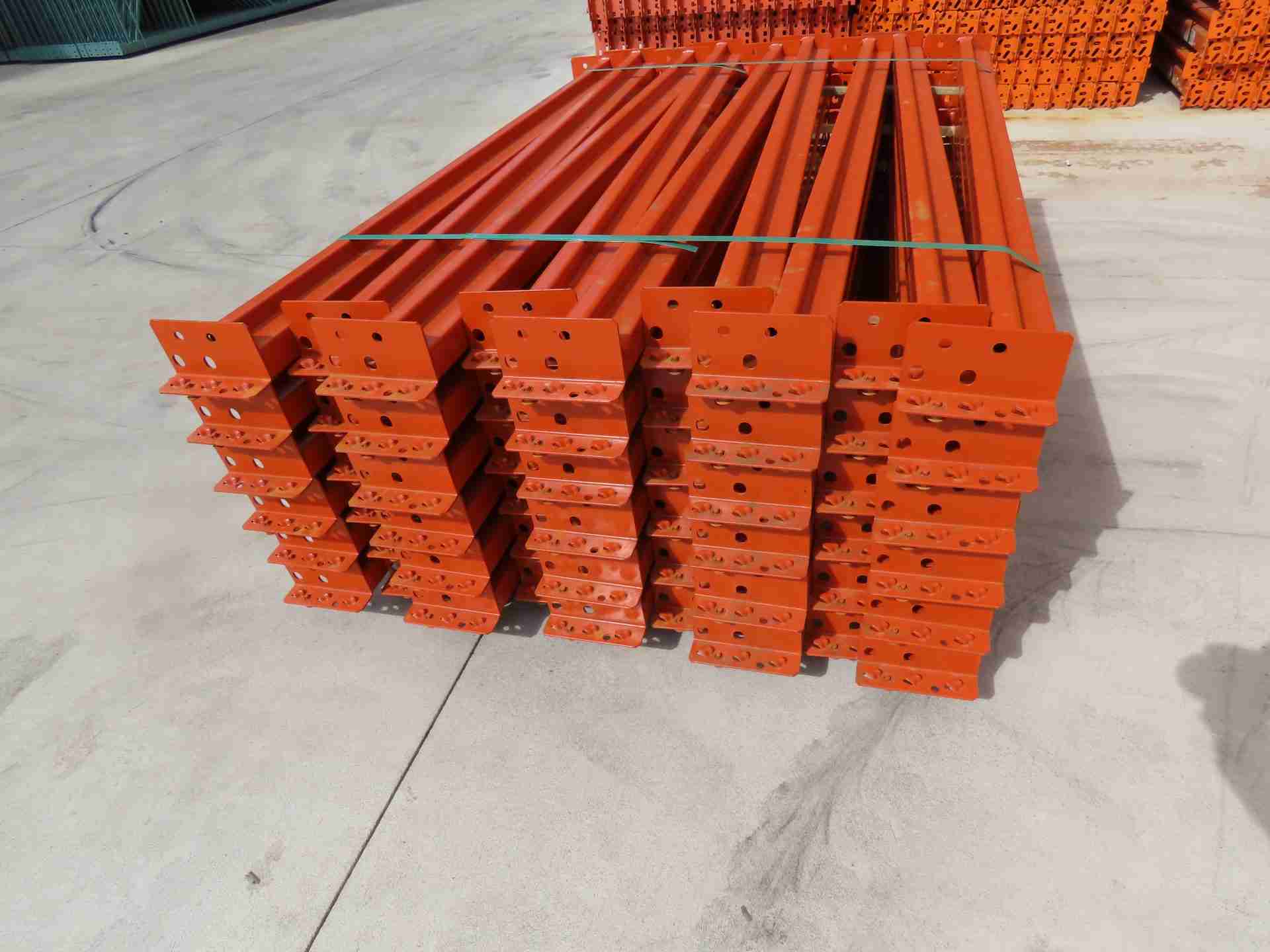
Glossary Of Terms
Other Questions
Installing Cantilever Racks: Common Mistakes to Avoid – Other Questions
If you wish to explore and discover more, consider looking for answers to these questions:
- What are the specific safety regulations for cantilever rack installation?
- How do you choose the right size of cantilever racks for your space?
- What are the consequences of improperly installed cantilever racks?
- What tools and equipment are necessary for cantilever rack installation?
- How can I ensure my cantilever rack installation adheres to best practices?
- What are the signs of wear and tear to look for in cantilever racks?
- How can I engage with industry experts for advice on cantilever racks?
- What is the estimated cost of installing cantilever racks?
- Can I install cantilever racks myself, or should I hire a professional?
- What sustainable practices can be integrated into cantilever rack installations?
- How does the layout of a warehouse affect cantilever rack efficiency?
- What training is available for workers who handle cantilever racks?
- How often should cantilever racks be inspected and maintained?
- What are the most common mistakes made during cantilever rack installation?
- How do cantilever racks compare to other storage solutions in terms of efficiency and safety?

Other Questions
Checklist
Installing Cantilever Racks: Common Mistakes to Avoid – A Checklist
Checklist for Successful Cantilever Rack Installation
Emotional Appeals:
_____ Reflect on the impact of your installation on employee safety and well-being.
_____ Imagine the satisfaction of creating an efficient workspace that fuels productivity.
_____ Acknowledge the responsibility you hold for the safety of your teammates and the trust they place in you.
Rational Appeals:
_____ Assess and clearly define your specific storage needs based on operational requirements.
_____ Confirm the load capacities of racks in accordance with your materials to prevent failure.
_____ Plan for long-term efficiency by choosing durable and sustainable materials.
Ethical Appeals:
_____ Commit to adhering to safety regulations to protect your employees and uphold your business reputation.
_____ Consider the broader implications of your storage solutions on community safety and worker welfare.
_____ Advocate for responsible installation practices that prioritize both functionality and ethics.
Authority Appeals:
_____ Consult industry experts or engage with professionals who have extensive experience in rack installation.
_____ Reference industry standards or guidelines relevant to cantilever rack setup to inform best practices.
_____ Utilize expert resource materials to guide your planning and installation process.
Narrative Appeals:
_____ Share stories from peers highlighting the consequences of improper installation versus successful setups.
_____ Discuss case studies that illustrate the importance of investing in quality racking systems.
_____ Reflect on personal experiences or testimonials that emphasize the value of doing it right.
Social Appeals:
_____ Engage with community networks or forums to learn from others’ experiences with cantilever racks.
_____ Participate in discussions about best practices and safety standards in warehouse management.
_____ Foster a culture of safety and efficiency among your team by sharing knowledge and experiences.
Action Steps:
_____ Schedule dedicated time for planning and consultation before proceeding with installation.
_____ Double-check all safety measures and load specifications prior to use.
_____ Regularly review and adjust your storage practices based on feedback from your team and industry updates.

Checklist
At RackingWorld, we help guide you through selecting warehouse storage systems and racking.
Be sure to read our other related stories at RackingWorld to learn more about warehouse storage systems.
0 Comments