
Restoring Order: A Complete Guide To Safely Straightening Pallet Racks
By Tom Seest
At RackingWorld, we help guide you through selecting warehouse storage systems and racking.
Be sure to read our other related stories at RackingWorld to learn more about warehouse storage systems.
How to Realign a Shifted Pallet Rack
When you’ve got a warehouse full of goods and a pallet rack that’s shifted, it feels like the universe is sending you a message: “Get your act together!” This isn’t just about reorganizing steel and wood; it’s about keeping your team safe and your operation running smoothly. A shifted pallet rack is more than a mere inconvenience—it’s a potential hazard. So let’s tackle this challenge head-on and realign that racking like the pros you are.
Before you dive in, take a moment to assess the situation. Is the shift something that can be fixed with a hands-on approach, or does it require the expertise of a professional? Your instincts will tell you what feels right, but remember, there’s no shame in calling for backup—learning from those with more experience can save you time and headaches.
Start by emptying the shelves, which can feel like dismantling a piece of art. Each item holds its own story—from the mundane to the extraordinary. Consider how you value each piece. This step not only prepares the rack for a reset but also reminds you of the purpose each item serves. It’s a moment for reflection; your success hinges on the little things.
Next comes the physical work. With a level in hand and a deep breath, you’ll start to see the lines re-align in your environment. As bolts are tightened and braces adjusted, there’s an undeniable rhythm to the task, an echo of teamwork resonating in the air. You may feel tired, but it’s a good kind of tired—the sort that comes with a sense of accomplishment.
Once everything is back in its rightful place, take a moment to appreciate your hard work. You didn’t just fix a problem; you safeguarded your workspace and, by extension, your people. There’s a profound responsibility that comes with keeping your team safe. The trust they place in you is what fuels the fire of your commitment.
Realigning a shifted pallet rack is not just about fixing an error; it’s an opportunity to unite your team under a shared purpose. You’re not just moving racks; you’re setting the stage for success. And as you step back to admire the freshly aligned racking, relish the knowledge that you’ve become a guardian of both safety and efficiency in your workplace. Trust yourself—trust your instincts—and let that confidence guide every move you make.

How to Realign a Shifted Pallet Rack
How to Realign a Shifted Pallet Rack
- A shifted pallet rack signals the need for organization and safety in the warehouse.
- Assess whether the issue can be resolved personally or if professional help is needed.
- Empty the shelves to prepare for reorganization; each item tells its own story.
- Re-align the racking carefully, tightening bolts and adjusting braces as a team.
- Appreciate the hard work put into restoring order and ensuring workplace safety.
- Realigning racks provides a chance to unite the team under a common purpose.
- Trust yourself and your instincts to guide your efforts in maintaining safety and efficiency.

How to Realign a Shifted Pallet Rack
Table Of Contents
- How to Realign a Shifted Pallet Rack
- What Emotions Do You Feel When Your Workspace Is Disorganized?
- How Can Realigning Your Pallet Rack Enhance Workplace Safety?
- What Are the First Steps to Identify a Shifted Pallet Rack?
- Why Is It Crucial to Have an Organized Pallet Rack for Efficiency?
- What Tools Do You Need for Realigning a Shifted Pallet Rack?
- Conclusion
- Other Resources
- Glossary Of Terms
- Other Questions
- Checklist
What Emotions Do You Feel When Your Workspace Is Disorganized?
Take a moment to think about your workspace. Is it a sanctuary of creativity, or a chaotic mess? When your workspace is disorganized, the emotions it evokes can be overwhelming. You might feel the tension tightening in your chest, a hint of anxiety creeping in, or even a dull sense of dread every time you walk in. It’s like racking your brain to find clarity in a blizzard—frustrating and futile.
Psychologically, our environment influences our mental state. A cluttered workspace can make us feel trapped in a whirlwind of distractions, fogging our ability to think clearly. We can become paralyzed by the sheer amount of visual noise around us, rendering us less productive and more likely to spiral into procrastination. Every unfiled document and misplaced item serves as a reminder of unfinished tasks, pulling us into a cycle of guilt and overwhelm.
Rationally speaking, a cluttered space leaves little room for clarity and focus. The mind is wired to respond positively to order; when we can see everything laid out in front of us, it acts as a map guiding us to our goals. Clean spaces cultivate a sense of control and foster greater productivity. Ethical implications arise here; by allowing disorganization to take root, we may be consciously neglecting our potential, robbing ourselves—and perhaps our team—of the excellence we could achieve together.
On a human level, recognizing these feelings can create a sense of camaraderie. Think about how many of us have shared a laugh over “the state of their desk”—it’s a universal experience. We connect over our struggles, our messes, and our shared yearning for something greater. Sometimes, taking the first step to organize might even be the spark that ignites an overhaul of not just our workspace, but our lives.
So, let’s face it: the journey to a clean workspace is about more than just appearance. It’s about respect—for ourselves, our time, and the dreams we want to achieve. Taking action toward organizing that clutter isn’t merely an aesthetic choice; it’s an investment in our emotional and mental well-being. Allow yourself to tidy up both physically and metaphorically, fostering an environment that inspires creativity and purpose. You owe it to yourself to work in a space that reflects the best version of you.

What Emotions Do You Feel When Your Workspace Is Disorganized?
What Emotions Do You Feel When Your Workspace Is Disorganized?
- Consider the impact of a cluttered workspace on mental state, evoking feelings of tension and anxiety.
- A disorganized environment disrupts clarity, leading to distractions and decreased productivity.
- Visual clutter can result in procrastination, as unfiled items remind us of unfinished tasks.
- A clean and organized workspace fosters focus, order, and a sense of control over our goals.
- Neglecting organization may hinder potential and excellence for ourselves and our teams.
- Shared experiences of disorganization can foster camaraderie and connection among individuals.
- Organizing is an investment in our well-being, respecting ourselves and the dreams we aspire to achieve.

What Emotions Do You Feel When Your Workspace Is Disorganized?
How Can Realigning Your Pallet Rack Enhance Workplace Safety?
Realigning your racking isn’t just about tidiness or optimizing space; it’s a matter of safety that can touch every corner of your workplace and every person within it. Picture this: a busy warehouse during a bustling shift. Forklifts zip by, employees dart to and fro, and the last thing you want is a precariously placed pallet deciding today’s the day to tumble. When racking is misaligned, those scenarios become more than just bad luck—they turn into genuine hazards.
We’ve all seen it. The cluttered racking systems with products teetering on the edge, just waiting for that one wrong move. It pulls at the heartstrings to consider the risks not just to the products or the bottom line, but to the very people who keep the wheels turning. We owe it to our teams to create an environment that doesn’t just meet the bare minimum of safety standards; we have an ethical obligation to protect them. Every employee deserves to clock in and out without the weight of anxiety that something could go wrong due to our negligence.
Now, let’s engage the rational side. When racking is set up correctly, it fosters better ergonomics and boosts efficiency. Systems designed with safety in mind help avoid accidents that can lead to costly downtime. Which, let’s be honest, is a pain for everybody involved—not just financially, but emotionally, too. An environment where safety thrives often translates to morale that skyrockets. Employees who feel safe are more productive, more engaged, and more likely to work as a cohesive unit.
Think of a time when you felt genuinely proud of your work environment—where everything was in its place, every tool within reach, and every racking unit aligned. Wouldn’t you want to recreate that experience for your crew? That vision not only speaks to their well-being but cultivates a culture of accountability.
And here’s the kicker: people talk. Employees share stories, both in and out of the workplace. When safety becomes a hallmark of your operation, it sparks conversations—building a reputation of reliability and care within your community. It sends a message to potential talent and clients alike: Here’s a place that values safety as much as productivity, and that’s the kind of message that resonates profoundly. A realignment of racking is more than just physical adjustment; it’s an investment in the people who make it happen every day. So, let’s get those racks in line—not just for safety’s sake, but to defend the trust, confidence, and camaraderie that define our workplaces.

How Can Realigning Your Pallet Rack Enhance Workplace Safety?
How Can Realigning Your Pallet Rack Enhance Workplace Safety?
- Realigning racking is essential for safety in the workplace, impacting all employees and operations.
- Misaligned racking creates hazards, posing risks to employees and potentially leading to accidents.
- Maintaining proper racking helps to foster better ergonomics and improves overall efficiency.
- Safe environments reduce the likelihood of costly downtimes and enhance employee morale and productivity.
- Creating an organized racking system cultivates a culture of accountability among team members.
- Promoting safety builds a positive reputation that attracts talent and instills confidence in clients.
- Realigning racking is not just a physical task, but an investment in the workforce’s well-being and trust.

How Can Realigning Your Pallet Rack Enhance Workplace Safety?
What Are the First Steps to Identify a Shifted Pallet Rack?
When it comes to identifying a shifted pallet rack, the first steps set the tone for your workplace safety and efficiency. Imagine walking into your warehouse, surrounded by towering racks, each one a lifeline for your operation. A well-aligned racking system isn’t just about numbers; it’s about the lives and livelihoods of your team. Safety begins with awareness, and your gut instinct may tell you something feels off long before the numbers do.
Start with a simple visual inspection. Look for discrepancies in alignment and spacing. Are the racks standing straight like well-trained soldiers, or is there an unsettling lean that signals underlying chaos? This step, while seemingly mundane, is pivotal. Thousands of pounds of inventory rest on these structures, and just a slight tilt can spell disaster. Breathe in the responsibility; it’s the heartbeat of your operation. In this moment, you’re not just inspecting metal; you’re safeguarding the very backbone of your business and those who depend on it.
Next, involve your team. This isn’t just about authority; it’s about collaboration. Encourage a culture where everyone feels empowered to speak up. Set aside time for training and discussions about the importance of racking safety. Stories shared on the floor—whether they’re about near-misses or best practices—build a communal knowledge that could potentially save lives or prevent costly damages. When people feel their voices matter, they become more invested in the process.
Invoke common sense alongside experience. Use tools like a level, measuring tape, or even a smartphone app for a more thorough analysis. Compare the current state of your racking with its original specifications. It’s about having a clear picture and acting responsibly. Making small adjustments today can prevent massive headaches down the road. And when you’re resetting that racking, remember: every inch matters. A minor correction now could prevent a catastrophic failure later.
Finally, document everything. This isn’t just a best practice; it’s an ethical obligation. Keeping detailed records fosters transparency and accountability, which builds trust within your company. That history becomes invaluable, drawing a clear line of responsibility and improvement.
Ultimately, identifying a shifted pallet rack starts with awareness, extends through collaboration, and culminates in diligence. Each step you take is more than a procedure; it’s a commitment to safety, efficiency, and the people who make it all possible. Trust your instincts and act, because when it comes to safety, you can never be too careful.

What Are the First Steps to Identify a Shifted Pallet Rack?
What Are the First Steps to Identify a Shifted Pallet Rack?
- Recognizing a shifted pallet rack is crucial for workplace safety and efficiency.
- Begin with a visual inspection to check alignment and spacing of the racks.
- Encourage team involvement and foster a culture of safety awareness and open communication.
- Utilize tools like levels and measuring tapes to assess the state of the racking against original specifications.
- Make minor adjustments promptly to prevent major issues in the future.
- Document all inspections and changes to ensure transparency and accountability.
- Overall, prioritizing awareness, collaboration, and diligence is key to maintaining safety and efficiency.

What Are the First Steps to Identify a Shifted Pallet Rack?
Why Is It Crucial to Have an Organized Pallet Rack for Efficiency?
When you walk into a warehouse, what greets you? Shelves loaded high with pallets, each one carefully stacked, organized, and primed for action. An organized pallet rack isn’t merely a nod to aesthetics; it’s the backbone of operational efficiency. The way your racking is structured can dictate flow, productivity, and ultimately, success. Picture a bustling hive—workers moving swiftly, finding what they need without a second thought. That’s the power of organization.
Consider the head—the analytical side of operations—where inefficiencies lurk like shadows in the corners. When your racking is chaotic, you’re not just losing time; you’re losing money. Each misplaced item creates friction, slowing down the essential rhythm of your team’s workflow. An investment in meticulous organization can yield returns that far exceed the costs; it’s not just economic sense, it’s common sense. It’s the difference between stumbling around in a dark room and flipping on the light.
Now, let’s talk about the heart. Imagine a worker, stress etched on their face, desperately searching for a pallet only to find chaos instead. Or a manager, torn between overseeing operations and helping a team member find a crucial product. The emotional toll of disorganization is real. It breeds frustration and disengagement, robbing the spirit of your workforce. An organized pallet rack cultivates a workplace where confidence flourishes, where people feel empowered to do their jobs effectively. Everybody wins—workers, managers, and the bottom line.
And we can’t ignore the ethical dimension. Companies that prioritize organization reflect a commitment to respect and efficiency—not just for profits but for the people who drive those profits. You have a responsibility to create environments that foster collaboration and trust. Those tidy rows of pallets signal respect for both your products and your people.
Socially, the effects of organization ripple outward. A well-organized warehouse can enhance team camaraderie; employees are more likely to work together fluidly when they can find what they need effortlessly. It brings a sense of pride to the workplace—every pallet in its place, every worker contributing to a shared goal.
So, take a look at your racking—what story does it tell? Encourage that narrative of clarity and efficiency, and watch your operation transform. Embrace the power of organization and unleash the full potential of your workforce.

Why Is It Crucial to Have an Organized Pallet Rack for Efficiency?
Why Is It Crucial to Have an Organized Pallet Rack for Efficiency?
- Organized pallet racks are essential for operational efficiency and productivity in warehouses.
- Chaotic racking leads to inefficiencies, wasting time and money while disrupting workflow.
- Meticulous organization can have significant economic benefits and improve overall operational success.
- Disorganization creates stress among workers and can lead to disengagement, harming morale.
- Prioritizing organization demonstrates respect for employees and fosters a culture of collaboration.
- A well-organized warehouse promotes team camaraderie and a shared sense of pride among workers.
- Evaluating and improving racking can transform operations and empower the workforce.

Why Is It Crucial to Have an Organized Pallet Rack for Efficiency?
What Tools Do You Need for Realigning a Shifted Pallet Rack?
When it comes to realigning a shifted pallet rack, the right tools make all the difference—not just in safety, but in the peace of mind that comes with knowing you’re dodging potential disasters. Picture this: a bustling warehouse filled with the hum of activity, where every item has its place, and every inch counts. Now imagine that system thrown off kilter because a pallet rack shifted, creating hazards that could threaten your team’s well-being and your operation’s efficiency.
First on the list is a solid set of hand tools. Wrenches, screwdrivers, and pliers should be your faithful companions in this journey. With each turn of a bolt or twist of a screw, the act of re-establishing order feeds into a deeper need—a sense of accomplishment that resonates with the human spirit. You’re not just fixing a rack; you’re maintaining the infrastructure of productivity.
Next, let’s talk about a level and a measuring tape. These tools don’t just help you ensure that each rack is straight and true; they also speak to the ethical responsibility we have to create a safe workspace. A level that shows precision is like a reassuring hand on your shoulder, affirming that success comes not from shortcuts but from dedication to your craft. Trust your instincts; they guide you toward what’s right.
As you gather tools like safety goggles and gloves, remember: you’re part of a larger community. Those racks hold not only products but livelihoods and dreams. With every piece of equipment you use, from the smallest mallet to the most intricate measuring device, be reminded that you’re an integral part of the supply chain that feeds families, supports businesses, and fuels the economy. Your work helps sustain the heartbeat of our society.
As you roll out those heavy-duty dollies to maneuver the racks safely, recognize the teamwork involved. Count on your colleagues, share strategies, and cultivate camaraderie. When you reach out for help or offer yours, you foster connection and collaboration, turning what could be a daunting task into an opportunity to unite efforts and share a laugh.
Realigning a shifted pallet rack isn’t just a matter of tools; it’s about taking pride in the work you do, ensuring the safety of those around you, and reinforcing the bonds that keep us all moving forward. So gather your tools and get ready to restore order—because what you’re really doing is reclaiming safety, efficiency, and a sense of shared purpose.

What Tools Do You Need for Realigning a Shifted Pallet Rack?
What Tools Do You Need for Realigning a Shifted Pallet Rack?
- Realigning a shifted pallet rack demands the right tools for safety and peace of mind.
- A solid set of hand tools, like wrenches and screwdrivers, is essential for the task.
- A level and measuring tape ensure precision and uphold workplace safety standards.
- Using proper equipment reflects a commitment to maintaining productivity and order.
- Safety goggles and gloves remind you of your role in supporting livelihoods and the economy.
- Teamwork and collaboration enhance the process, making it less daunting and more enjoyable.
- The task embodies pride in work, safety assurance, and fostering community connections.

What Tools Do You Need for Realigning a Shifted Pallet Rack?
Conclusion
In the heart of every warehouse, the pulse of productivity is dictated by a neatly aligned pallet rack. When chaos reigns and that rack shifts, it’s more than a minor inconvenience—it’s a wake-up call that demands attention. The journey of realigning these racks is about more than just physical adjustments; it’s a commitment to safety, efficiency, and team unity that echoes far beyond the aisles of steel and wood.
When you embark on the task of realigning a shifted pallet rack, you’re crafting a safer workspace for your colleagues, safeguarding their well-being against the risks that arise from disorganization. Picture the bustling environment of a warehouse, where every team member moves with purpose. A misaligned rack introduces chaos, posing hazards that could lead to accidents. Therefore, recognizing the importance of a properly aligned system is an ethical duty we owe our teams—it’s about providing a foundation that allows them to perform their jobs confidently and without fear.
Rationally, the investment in organization translates to tangible benefits. An organized rack not only streamlines operations but also enhances overall morale. When employees can easily access what they need, productivity soars. This sense of clarity not only improves workflow but cultivates a culture of respect—respect for the team, for the products, and for the mission at hand. Everyone has the right to work in an environment that fosters success rather than hinders it.
Emotionally, the impact of a well-organized workspace is profound. A clutter-free zone invigorates creativity and reduces stress, allowing the workforce to thrive. Conversely, when chaos reigns, the mental toll can weigh heavily. Workers feel the knots of frustration tighten as they navigate through the clutter. When you take action to restore order, you’re not just arranging racks; you’re nurturing a supportive culture that celebrates accomplishment and teamwork.
You are the authority in your workspace, and your decisions carry weight. Rally your team around the endeavor to realign the racks, fostering a collective sense of accountability. Share stories, gather insights, train together—all actions that bind the fabric of your workplace. A culture grounded in safety and efficiency will resonate beyond these walls, creating a reputation that draws in talent and instills community pride.
In this journey, you are not simply adjusting shelves. You’re reinforcing trust and camaraderie, embracing the responsibility that comes with being a guardian of safety. Take that deep breath, trust your instincts, and let your actions reflect a commitment to excellence—because in the end, it’s not just about racks; it’s about the people beneath them.

Conclusion
Conclusion:
- Pallet racks in warehouses dictate productivity and require alignment for safety and efficiency.
- Realigning racks is essential for creating a safer workspace and protecting employee well-being.
- A well-organized rack enhances morale and allows employees to access items easily, boosting productivity.
- Organization fosters respect for the team, products, and mission, promoting a positive work environment.
- A clutter-free zone reduces stress and nurtures creativity, while chaos leads to frustration among workers.
- Encouraging team involvement in rack realignment builds accountability and strengthens workplace culture.
- Ultimately, the process goes beyond physical adjustments; it reinforces trust, camaraderie, and a commitment to excellence.

Conclusion
Other Resources

Other Resources
Here is a list of other resources you can review online to learn more:
- BMH Equipment LLC
- American Society of Safety Professionals
- NSC
- Pallet Racking systems in Illinois and Great Lakes
- IIWS Inc. Rack Installation Illinois & Rack Repairs Illinois
- Selective Pallet Racking Systems
- Total Warehouse
- Cantilever Racks Chicago
- Interlake Mecalux
- Material Handling Industry
- Teardrop Industrial Shelving Rack
- Pallet Racking systems in Illinois and Great Lakes
- Cantilever Rack Configuration & Installation: A Comprehensive Guide – BMH
- Illinois Pallet Racking – Storage Solutions
- What is Selective Pallet Racking
- Selective Racking
- Teardrop Pallet Rack – Ridg-U-Rak
- Warehouse Racking Systems: Beginner’s Guide to Rack Systems
- Shipping Boxes, Packaging Materials, Pallet Racking
- Bradford Systems
Use This Prompt To Get More Resources With Your Favorite Online AI Tool: Please provide me with a list of online articles with their URLs in a bulleted list that I can read regarding How to Realign a Shifted Pallet Rack
Other Resources
Glossary Terms
How to Realign a Shifted Pallet Rack – Glossary Of Terms
1. Pallet Rack: A storage system designed to hold palletized goods, facilitating storage and retrieval in warehouses and distribution centers.
2. Shifted: The condition where a pallet rack is misaligned or displaced from its intended position, potentially compromising safety and load stability.
3. Realignment: The process of adjusting a displaced pallet rack to restore its correct position and ensure stability.
4. Load Capacity: The maximum weight that a pallet rack can safely support, determined by the design and materials used.
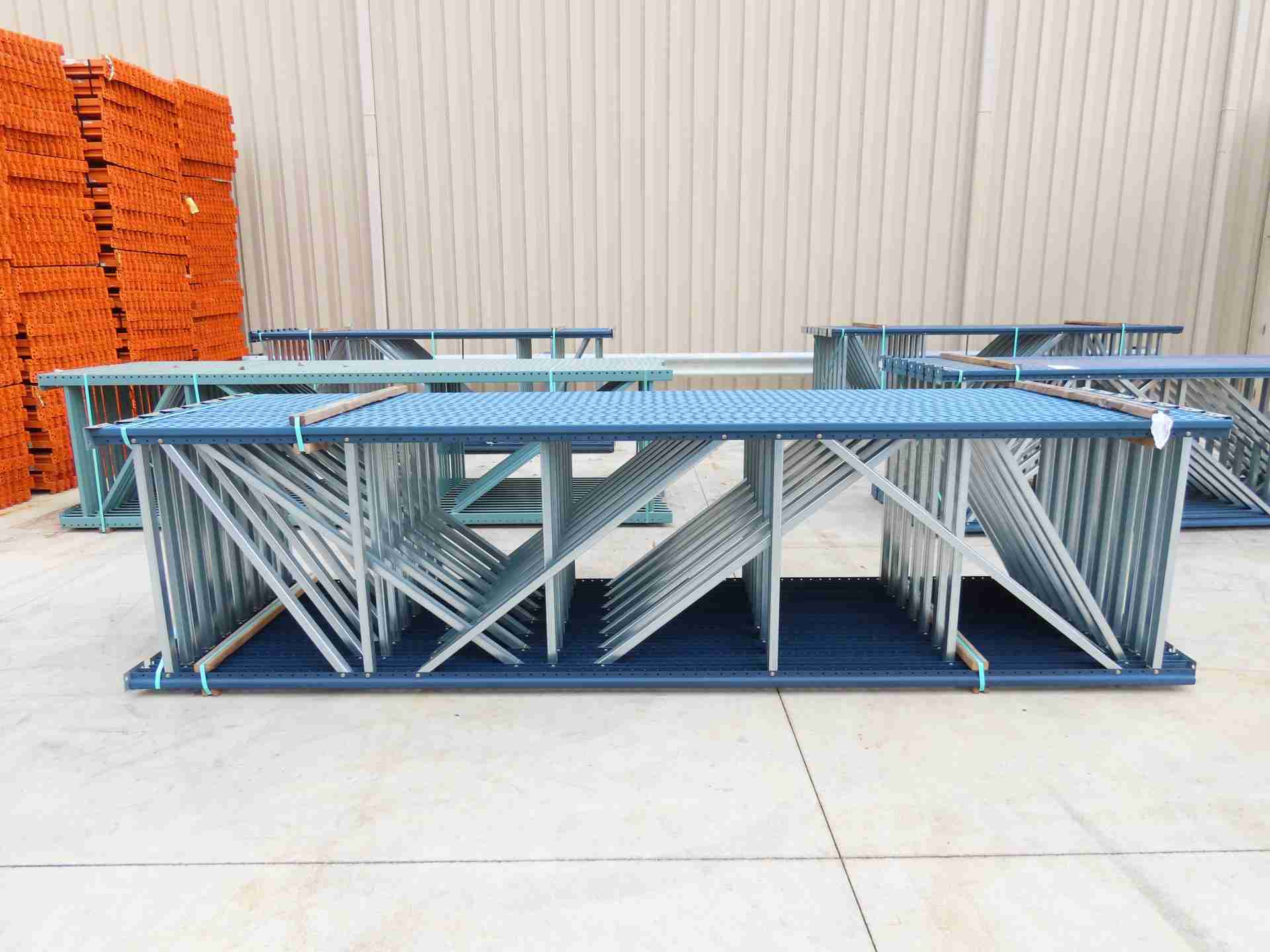
5. Upright: The vertical support structure of a pallet rack, which bears the load and provides support for the horizontal beams.
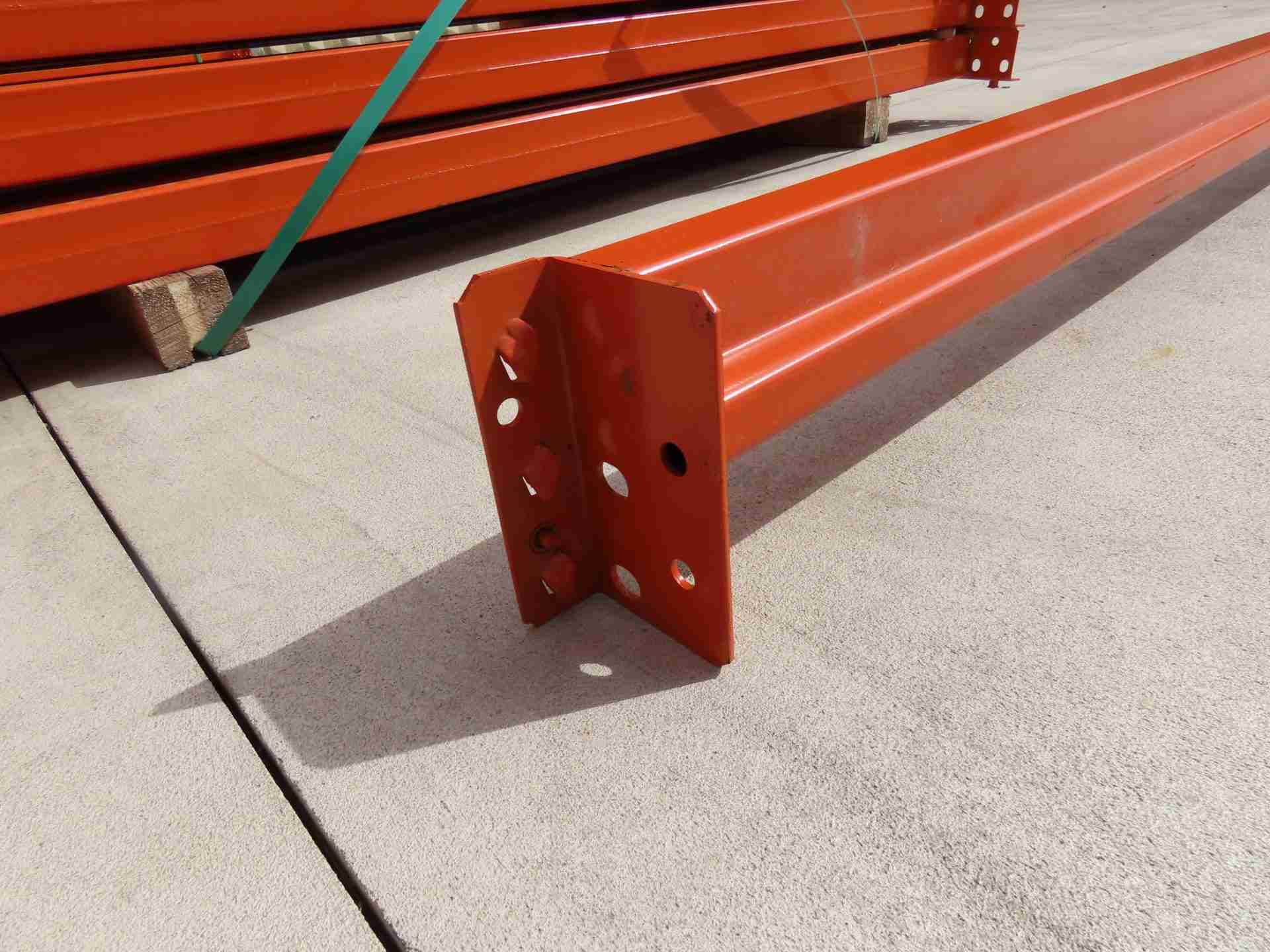
6. Beam: A horizontal component of a pallet rack that supports pallets. Beams connect to the uprights and hold the weight of stored items.
7. Footplate: The base of an upright that provides stability by anchoring the pallet rack to the ground or floor.
8. Cross-bracing: Diagonal components that connect uprights to enhance structural integrity, preventing rack sway or movement.
9. Safety Pins: Devices used to secure beams to the uprights, ensuring that they remain in place during loading and unloading.
10. Leveling Feet: Adjustable components at the bottom of an upright to ensure the pallet rack is level and stable on uneven surfaces.
11. Safety Guidelines: Standard procedures and regulations designed to ensure safe operation and handling of pallet racks.
12. Inspection: The process of evaluating a pallet rack to identify any misalignments, damage, or deterioration that may require realignment.
13. Workplace Safety: Practices and precautions taken to ensure a safe working environment, particularly when dealing with heavy machinery and storage systems.
14. Anchor Bolt: A fastener used to secure pallet racks to the floor, providing added stability and preventing tipping.
15. Load Distribution: The way weight is spread across the pallet rack, which affects stability and safety during storage.
16. Tilt: A condition where the pallet rack is inclined or slanted, often due to improper loading or shifting.
17. Alignment Tool: Equipment or devices used to assist in the precise positioning of pallet racks during the realignment process.
18. Warehouse Management System (WMS): Software that helps manage storage operations, including inventory control and rack organization.
19. Forklift: A powered industrial vehicle used to lift, move, and stack pallets, often involved in the loading and unloading of pallet racks.
20. Pallet Loading: The process of placing pallets onto racks, which requires careful consideration of weight and balance to prevent shift.
21. Store Layout: The design and arrangement of storage equipment and aisles within a warehouse to optimize efficiency and safety.
22. Damage Assessment: The evaluation of pallet racks for any signs of wear, corrosion, or structural damage that may require realignment or repair.
23. Stability Check: Verifying that a pallet rack is positioned correctly and securely to prevent tipping or shifting during use.
24. Compliance: Adherence to local regulations and industry standards governing the installation and maintenance of pallet racks.
25. Weight Restriction: Limits imposed on how much weight can be stored on a particular rack section to maintain safety.
26. Load Bars: Safety features that prevent pallets from being pushed off the rack, enhancing overall safety during storage.
27. Risk Assessment: The process of identifying potential hazards associated with pallet rack operations and implementing control measures.
28. Emergency Procedures: Established protocols for responding to accidents or incidents involving pallet racks, ensuring safety for workers.
29. Training: Instruction provided to employees regarding proper handling and safety measures in relation to pallet rack use.
30. Maintenance Schedule: A routine plan for inspecting and servicing pallet racks to ensure optimal performance and safety standards.

Glossary Of Terms
Other Questions
How to Realign a Shifted Pallet Rack – Other Questions
If you wish to explore and discover more, consider looking for answers to these questions:
- What are the signs that indicate a pallet rack has shifted?
- What safety precautions should I take before realigning a pallet rack?
- How often should pallet racks be checked for alignment?
- What are the common causes of pallet rack shift?
- Can I realign a pallet rack on my own or should I hire a professional?
- What are the potential consequences of not realigning a shifted pallet rack?
- What specific tools are needed for realignment, and where can I find them?
- How does the layout of a warehouse affect pallet rack alignment?
- What best practices should be followed during the realignment process?
- How can team training improve pallet rack safety and alignment?
- What is the importance of documenting pallet rack inspections and adjustments?
- Are there industry standards or guidelines for pallet rack safety and realignment?
- What role does pallet rack organization play in overall warehouse efficiency?
- How can technology aid in monitoring and maintaining pallet rack alignment?
- What are the costs associated with pallet rack realignment and maintenance?

Other Questions
Checklist
How to Realign a Shifted Pallet Rack – A Checklist
Checklist for Realigning a Shifted Pallet Rack
Emotional Appeals
_____ Reflect on Your Workspace: Take a moment to consider how the state of your pallet racks impacts your mental state and that of your team. Are you fostering a space that feels organized and productive?
_____ Celebrate Small Wins: Acknowledge the sense of accomplishment that comes with each step of the realignment process.
Rational Appeals
_____ Conduct a Visual Inspection: Look for signs of misalignment or damage. Make a list of discrepancies.
_____ Use Measurement Tools: Gather a level, measuring tape, and other tools to assess the alignment accurately.
Ethical Appeals
_____ Prioritize Safety: Make a commitment to maintain a safe working environment for yourself and your team by regularly checking rack alignment.
_____ Document Findings: Keep detailed records of inspections and adjustments to promote transparency and accountability.
Authority Appeals
_____ Involve Experienced Team Members: If necessary, consult with colleagues who have more experience in racking systems to guide your realignment process.
_____ Schedule Training Sessions: Foster a culture of safety and awareness by organizing training around proper rack maintenance.
Narrative Appeals
_____ Share Stories: Encourage team members to share experiences related to racking hazards or successes. Build camaraderie through shared challenges.
_____ Visualize Success: Picture the implications of having perfectly aligned racks—improved efficiency, safety, and morale.
Social Appeals
_____ Engage the Team: Involve everyone in the realignment process to foster teamwork. Discuss the importance of each person’s role in maintaining safety.
_____ Create a Healthy Work Culture: Promote an environment where safety and organization are valued and recognized throughout the workplace.
Action Steps
1. Empty the Racks: Safely remove items and create an inventory to reassess what is essential.
2. Check Alignment: Use measuring tools to ensure that all racks are straight and secure.
3. Adjust and Secure: Tighten bolts and braces as necessary; make small adjustments for perfect alignment.
4. Involve the Team: Share your findings and celebrate the completion of the alignment task together.
5. Ongoing Maintenance: Schedule regular inspections and make it part of your routine to keep the pallet racks in optimal condition.
Use this checklist as a guide to not only realign your pallet racks but also to enhance workplace safety, efficiency, and team spirit.
Checklist
At RackingWorld, we help guide you through selecting warehouse storage systems and racking.
Be sure to read our other related stories at RackingWorld to learn more about warehouse storage systems.
0 Comments