
Building A Safe And Effective Warehouse Culture
By Tom Seest
At RackingWorld, we help guide you through selecting warehouse storage systems and racking.
Be sure to read our other related stories at RackingWorld to learn more about warehouse storage systems.
How to Create a Rack Safety Culture In Your Warehouse
Creating a rack safety culture in your warehouse isn’t just about following regulations—it’s about fostering a sense of responsibility and care that ripples through every corner of your operation. Imagine walking into a space where every employee takes pride in their surroundings, keenly aware that racking systems are not just metal frames; they are intricate parts of a larger living, breathing entity—the warehouse itself. When each racking unit is treated with the respect it deserves, that’s when safety transforms from a checklist into a way of life.
To start with, let’s think about the head. The numbers don’t lie: according to industry reports, the majority of warehouse accidents stem from improper racking management. Ignoring safety protocols can cost you—a hefty fine, yes, but more critically, it puts lives at risk. Educate your team about the staggering costs of negligence; make safety statistics a part of daily huddles. A well-informed team is an empowered one, motivated to ensure that every rack is secure and every load is handled correctly.
Now, let’s go to the heart. Stories resonate deeply, and sharing personal accounts—whether they’re triumphs or near-misses—can ignite a passion for safety that mere policies often fail to inspire. Give your team a voice; allow them to express their concerns or share their experiences regarding racking safety. When they see that safety culture is a shared journey, they’ll feel more connected to it, leading to greater ownership and vigilance.
But let’s not forget the gut instinct. Down in the trenches, there’s an undeniable feeling of solidarity among those who work side by side, day in and day out. Emphasizing ethics in safety is crucial; remind your team that caring for one another extends beyond the tasks at hand. Everyone has a role, and everyone’s safety is intertwined. Empower your employees to speak out when they see something amiss—it’s a collective pact, not just a job requirement.
Establishing a rack safety culture isn’t just an initiative; it’s a movement where every individual’s actions echo in the wider community. Create rituals around safety checks, celebrate milestones that mark safe practices, and recognize individuals who champion these values. When people see that safety isn’t just an obligation but a commitment to one another, it fosters trust and ultimately inspires action. A robust culture begins with a single step toward accountability, fostering a strong foundation for a safer workplace—because every rack, every person, and every moment counts.

How to Create a Rack Safety Culture In Your Warehouse
How to Create a Rack Safety Culture In Your Warehouse
- Creating a rack safety culture goes beyond regulations; it’s about fostering responsibility and care throughout the warehouse.
- Every employee should view racking systems as essential components of the warehouse, deserving of respect.
- Most warehouse accidents arise from improper racking management; thus, educating teams on safety statistics is vital.
- Sharing personal safety stories among employees can inspire passion and connection to safety culture.
- Emphasizing mutual care among employees fosters a sense of solidarity and shared responsibility for safety.
- Establishing a safety culture involves creating rituals, celebrating safe practices, and recognizing proactive individuals.
- A strong culture of safety is built on accountability, where every action contributes to a safer workplace.
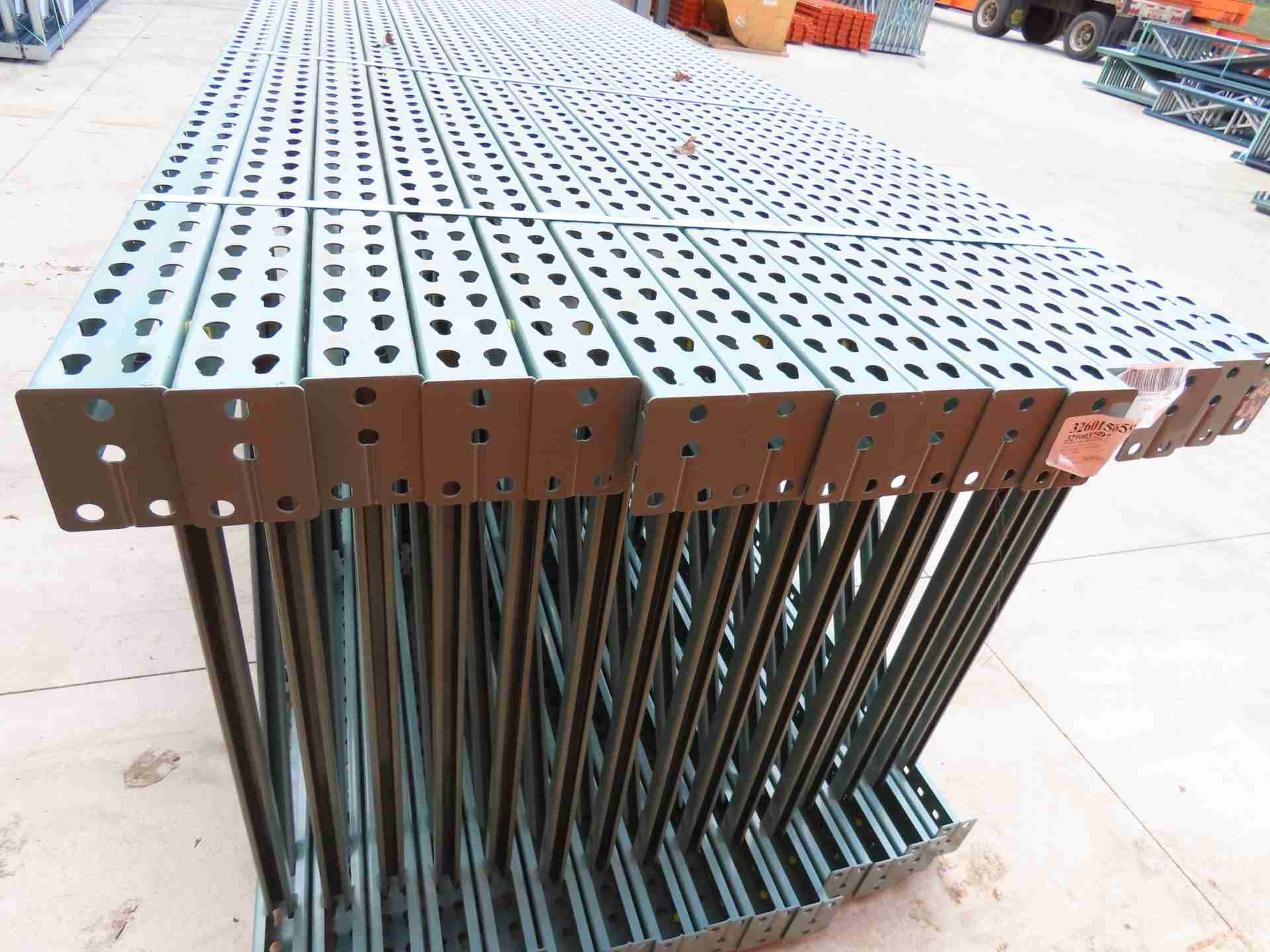
How to Create a Rack Safety Culture In Your Warehouse
Table Of Contents
- How to Create a Rack Safety Culture In Your Warehouse
- What Emotional Impact Does a Safety Incident Have on Your Team?
- How Can Data-Driven Decisions Improve Warehouse Safety?
- What Ethical Responsibilities Do We Have to Ensure Worker Safety?
- Who Can Serve As Safety Champions Within Your Organization?
- How Can Stories Of Safety Successes Inspire Better Practices?
- Conclusion
- Other Resources
- Glossary Of Terms
- Other Questions
- Checklist
What Emotional Impact Does a Safety Incident Have on Your Team?
When a safety incident occurs, it often feels like a jolt, a sudden racking of the team’s spirit and morale. You may have witnessed it yourself or felt its ripple effects—an accident that shakes the very foundation of your workplace. It’s more than just physical harm; it runs deep, churning through emotions and altering how every team member sees their environment. The air grows thick with unease, as people start to question not only safety protocols but also the trust that binds them together.
Emotionally, the aftermath creates an undercurrent of fear that can paralyze even the most skilled and experienced workers. For those directly involved, the impact is visceral. They grapple with guilt, anxiety, and uncertainty, while others may feel a distance creeping between them and their colleagues. The bonds that once brought camaraderie can fray, replaced by a silent question: “What if it happens again?”
Rationally, consider the cost of these incidents—not only in dollars but in productivity and workforce stability. A single event can lead to a culture of caution—or worse, apathy. When team members are worried about what might go wrong, they focus less on what they can do right. Engagement plummets, and morale takes a hit, leading to a workplace that thrives in a culture of chaos rather than cooperation.
Ethically, as leaders, we bear a collective responsibility. We owe it to our teams to foster an environment of transparency, communication, and shared resolve. Acknowledging the emotional toll isn’t just an act of compassion; it’s necessary to rebuilding trust. When we openly discuss our feelings—fear, uncertainty, and even strength—we pave the way for healing.
Narrative is powerful, and everyone has a story to share. Encouraging your team to share their experiences not only fosters connection but serves to remind everyone of their humanity. Moments of vulnerability can bring the group closer, transforming fear into a united front.
Socially, the effects of a safety incident extend beyond the workplace, affecting families and communities. What happens within those walls echoes outside, inviting a community’s concern and support. The path back from such incidents is not just about rectifying policies; it’s about rekindling a sense of purpose and shared responsibility. Let’s turn this challenge into an opportunity to grow stronger together—because in times of struggle, that’s where we find our resilience.

What Emotional Impact Does a Safety Incident Have on Your Team?
What Emotional Impact Does a Safety Incident Have on Your Team?
- A safety incident can severely impact team spirit and morale, creating a sense of unease in the workplace.
- Emotional aftermath includes fear, guilt, and anxiety for those involved, while others may feel disengaged from their colleagues.
- Such incidents can lead to rational concerns about productivity and workforce stability, fostering a culture of caution or apathy.
- Leaders have a collective ethical responsibility to promote transparency, communication, and shared resolve among team members.
- Openly discussing emotional impacts is essential for rebuilding trust and facilitating healing within the team.
- Encouraging team members to share their stories can foster connection and transform fear into collective strength.
- The implications of safety incidents extend beyond the workplace, affecting families and communities, emphasizing the need for rekindled purpose and responsibility.
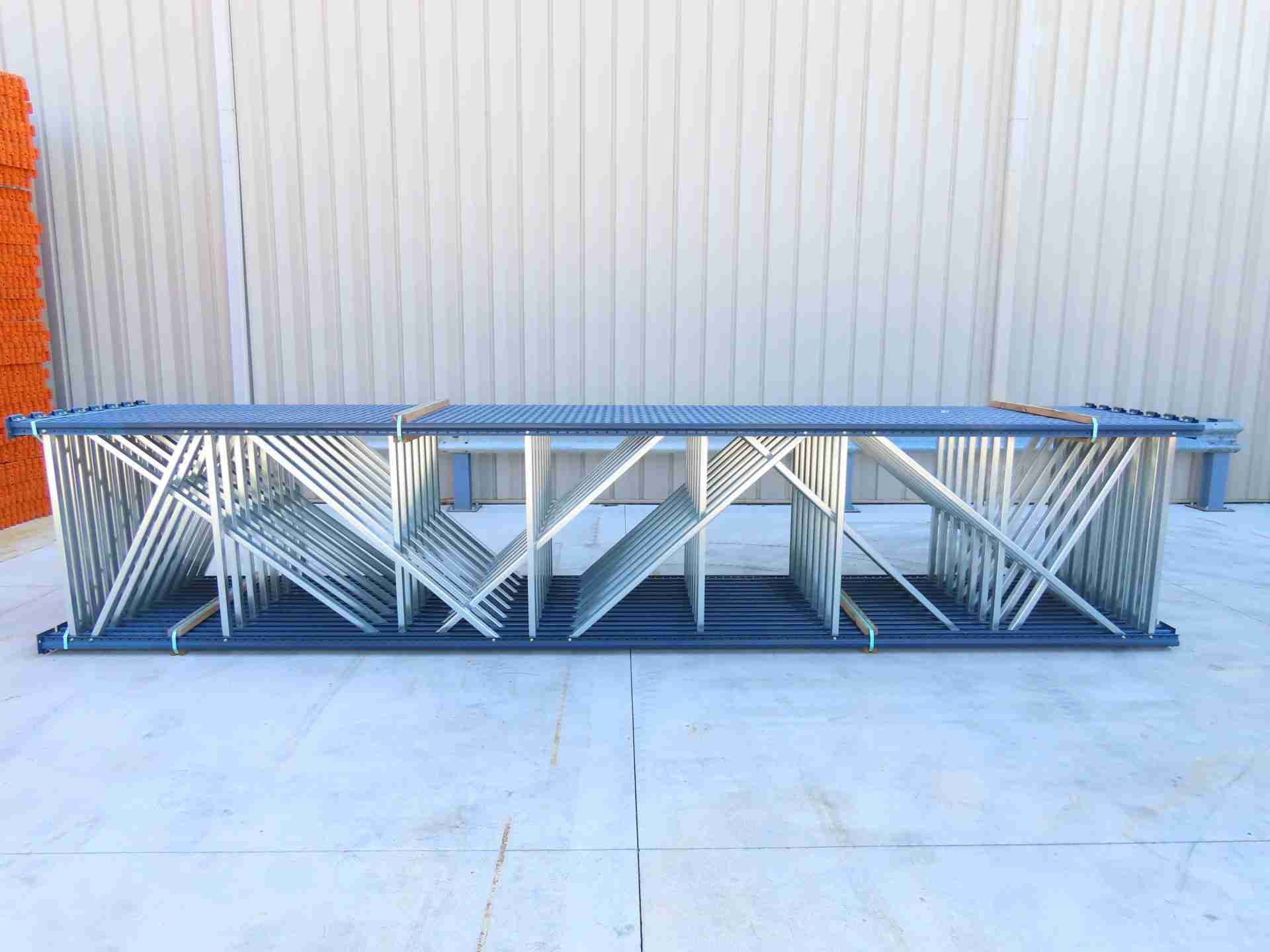
What Emotional Impact Does a Safety Incident Have on Your Team?
How Can Data-Driven Decisions Improve Warehouse Safety?
There’s a fundamental truth about warehouses: they are bustling hubs of activity, filled with dedicated men and women who work tirelessly to ensure goods are stored efficiently and safely. Yet, amidst the clatter of machinery and the hum of conveyor belts, danger can lurk if we don’t pay attention. This is where data-driven decisions emerge as the unsung heroes of the modern warehouse, creating a safer environment for everyone involved.
Picture a warehouse where every racking system is optimized not just for space, but for safety. Data analysis allows managers to assess the usage patterns of various racking configurations, identifying those that maximize both efficiency and safety. By harnessing historical incident reports and real-time sensor data, they can pinpoint problematic areas, reducing the chances of accidents that can turn a simple day’s work into a tragedy.
But it doesn’t end there. Let’s be honest: we all know someone who’s been injured on the job. It’s a sobering reality that weighs heavily on the minds of workers and their families. This emotional connection to safety motivates warehouse teams to prioritize their own well-being and the well-being of their peers. Empowering employees with data that shows the effectiveness of safety protocols or the impact of their actions on risk assessments creates a culture of shared responsibility. When data reveals a spike in near-misses or injuries, it’s not just numbers; it’s lives being affected. Engaging the workforce in this process fosters a community that looks out for one another, reinforcing the idea that safety is not merely a commandment but a shared value.
From a rational standpoint, implementing a data-driven approach equips decision-makers with insights that can streamline operations and reduce costs associated with injuries and damage. Fewer accidents mean fewer disruptions, translating to higher productivity and morale. This isn’t just beneficial for the bottom line; it’s also an ethical commitment to protect workers who, day in and day out, face the inherent risks of warehouse environments.
Trusting data to drive safety decisions not only protects lives but also builds an unwavering foundation of confidence within a workforce. This reliance on data, paired with genuine care for the well-being of every individual, cultivates a safe haven where workers feel valued and empowered. By acknowledging the power of data, we’re not just improving safety; we’re strengthening the very fabric of our workplace. Together, we can create a legacy where safety isn’t just a checkbox—it’s a way of life.
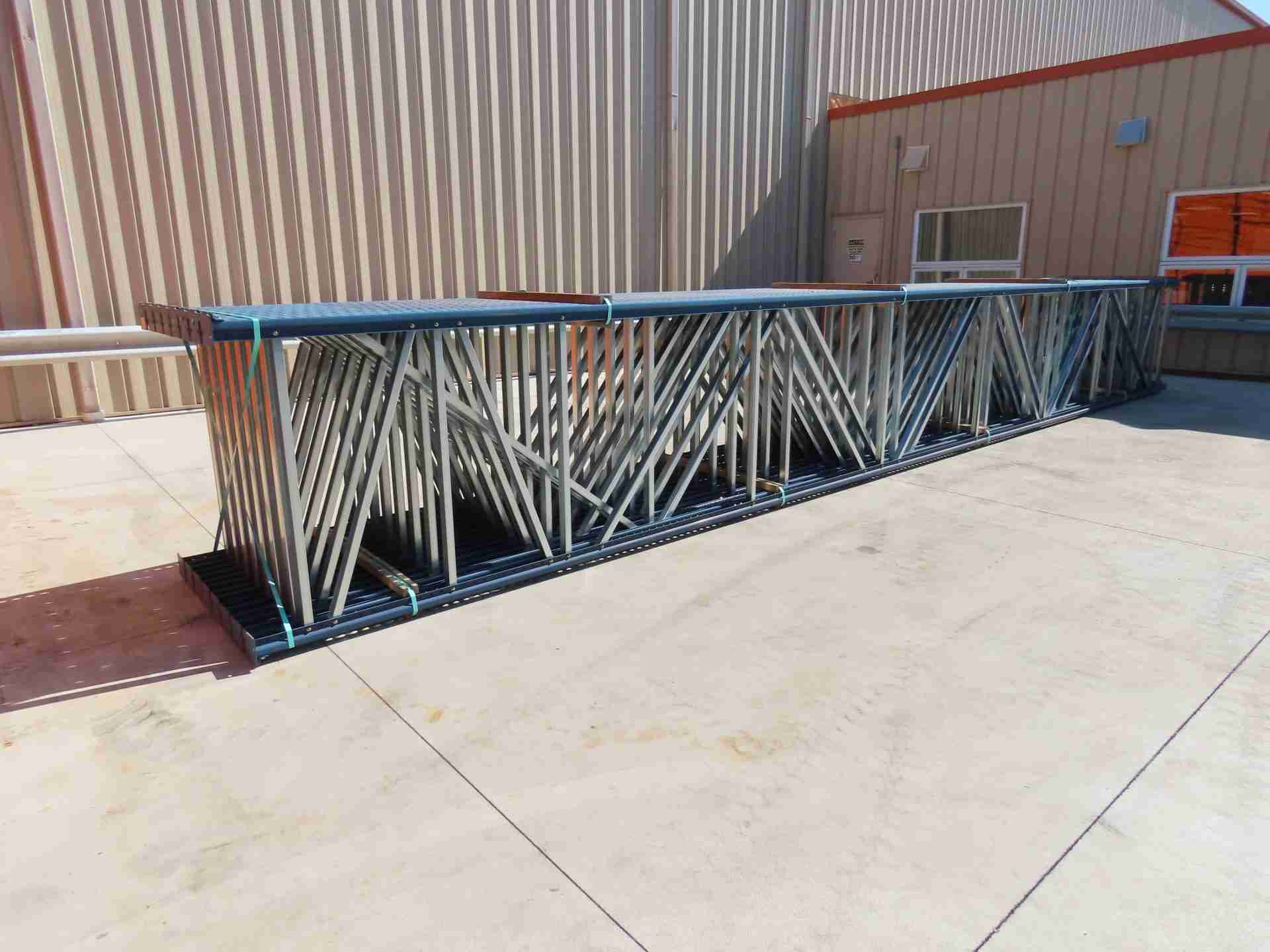
How Can Data-Driven Decisions Improve Warehouse Safety?
How Can Data-Driven Decisions Improve Warehouse Safety?
- Warehouses are active environments where dedicated workers ensure efficient and safe storage of goods.
- Data-driven decisions play a crucial role in enhancing safety by optimizing racking systems based on usage patterns.
- Historical incident reports and real-time sensor data help identify and reduce problematic areas to prevent accidents.
- Emotional connections to safety motivate teams to prioritize their well-being and that of their peers.
- Engaging the workforce with data fosters a culture of shared responsibility for safety within the warehouse.
- A data-driven approach streamlines operations and reduces costs associated with injuries and damage, leading to increased productivity.
- Trusting data promotes a confident and empowered workforce, reinforcing a legacy where safety is integral to workplace culture.

How Can Data-Driven Decisions Improve Warehouse Safety?
What Ethical Responsibilities Do We Have to Ensure Worker Safety?
When we think about worker safety, it’s easy to fall into the trap of viewing it strictly through the lens of regulations and policies. But let’s step back and consider what it means to be human in the labor force. Imagine a mother, who shows up every day to a racking warehouse, working tirelessly to make ends meet for her children. She deserves more than just safety equipment and protocols; she deserves peace of mind. Does it strike you that behind every statistic, every injury report, is a person with dreams, a family depending on them?
Now, let’s turn to the rational side. A safe workplace isn’t merely a legal obligation; it is also a smart investment. Businesses that prioritize safety see reduced absenteeism, increased productivity, and lower insurance costs. It’s a simple equation. Workers who feel valued and safe are empowered to turn up their best selves every single day. And when you calculate the costs of injuries and fatalities—lost time, lost talent, and the devastating emotional toll—it becomes crystal clear: safeguarding your workers isn’t charity; it’s a sound business strategy.
Ethically, we are bound by a moral obligation. When companies choose profit over people, they erode trust in their very foundations. The moment we forget that our workers are not just cogs in a machine but the lifeblood of our business, we lose everything that truly matters. We can create a culture that values ethical considerations over sheer profit, where every worker feels a sense of belonging and safety.
Think about the leaders in your community, those who stand tall and demand fairness. They remind us that safety isn’t just a few safety meetings and a checklist; it’s an ongoing commitment to care. We have a responsibility to foster a culture that encourages open communication, feedback, and continuous improvement. When workers feel empowered to voice their concerns without fear, we are sowing the seeds of trust and respect.
Ultimately, safety is more than just a number on a policy; it’s a shared commitment—a social contract we uphold for one another. The action we take today resonates far beyond the workplace. Let’s stand together, ensuring that every worker, whether on the assembly line or behind a desk, knows they are protected, valued, and vital to our collective future. It’s time to ensure that safety isn’t just a priority; it must become our promise.
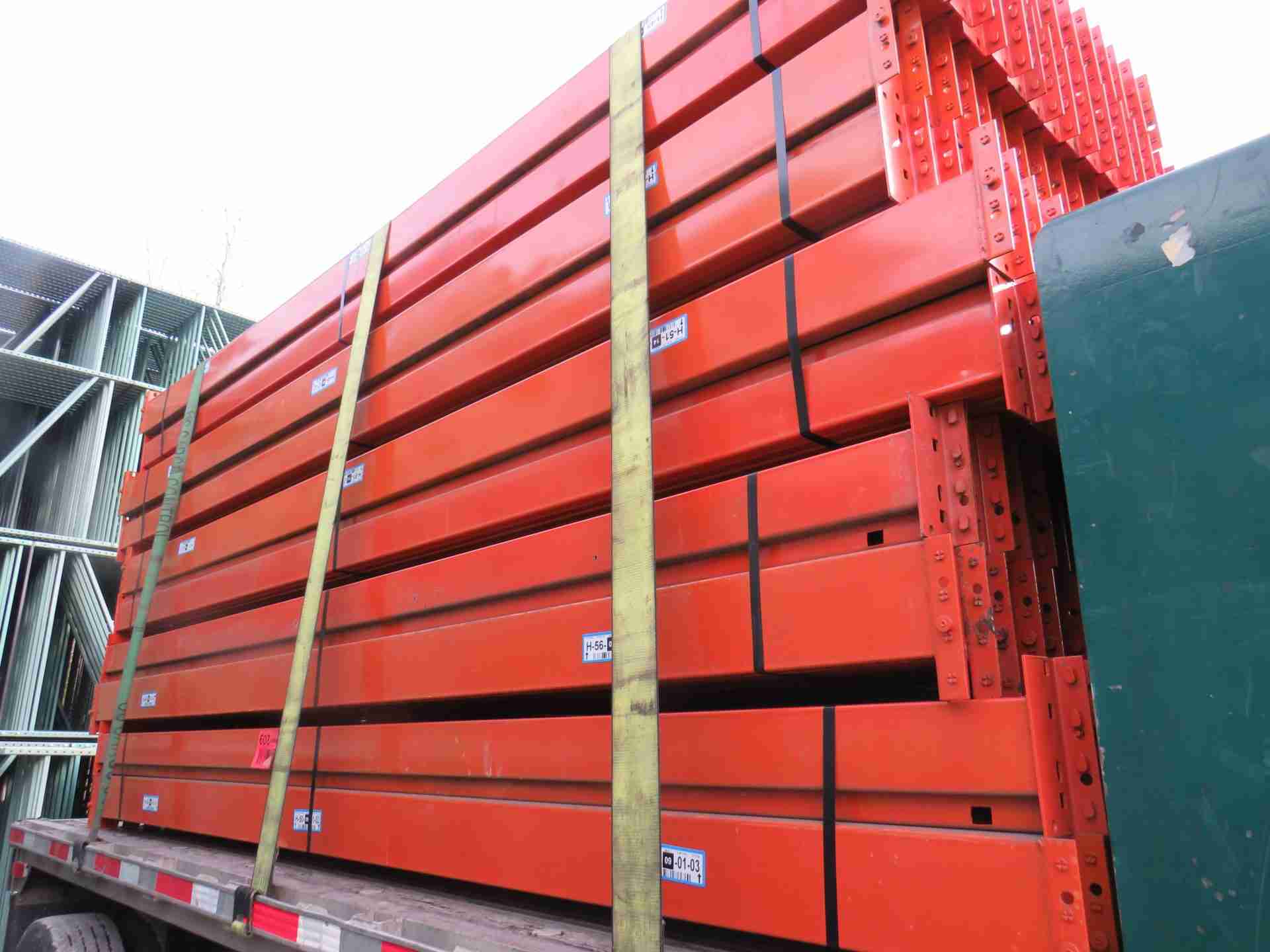
What Ethical Responsibilities Do We Have to Ensure Worker Safety?
What Ethical Responsibilities Do We Have to Ensure Worker Safety?
- Worker safety should be viewed beyond just regulations; it involves understanding the human element in the workforce.
- Every worker, like a mother in a warehouse, deserves peace of mind, not just safety protocols.
- Prioritizing safety is a smart business investment, leading to reduced absenteeism, increased productivity, and lower insurance costs.
- Injuries and fatalities incur significant costs, making worker safety a critical business strategy, not a charitable act.
- There is a moral obligation to prioritize workers over profits, as they are essential to the business’s success.
- Fostering a culture of open communication and respect contributes to ongoing safety commitments and employee empowerment.
- Safety should be seen as a shared commitment, ensuring every worker feels protected, valued, and essential for a better future.
What Ethical Responsibilities Do We Have to Ensure Worker Safety?
Who Can Serve As Safety Champions Within Your Organization?
When it comes to workplace safety, the responsibility shouldn’t rest on one pair of shoulders alone. Safety champions can emerge from every corner of your organization, and their roles are pivotal. Think of it as a racking system in a warehouse; every component must fit perfectly to support the whole structure. Safety champions can be your front-line workers, team leaders, or even those folks from HR who know how to navigate the maze of the workplace.
Consider the unassuming forklift operator. They know every crack in the floor and every inch of the warehouse. Who better to identify hazards than someone who’s been in the trenches day in and day out? Their insights are not just about rules; they’re grounded in real-world experience. When your colleagues see that their voices matter—when they see someone like themselves advocating for safety—trust blooms. They begin to feel the value of collective responsibility, and that’s where transformation happens.
Now, let’s get into the heart of this matter. Safety champions are driven by a visceral urge to protect their comrades. It’s that gut feeling we all recognize: If we care about our teammates, then we care about their safety. In a world where we often feel disconnected, cultivating a safety culture creates bonds. A person who steps up because they genuinely believe in looking after others is not just a leader; they’re a lifeline.
Of course, it’s not just heart—there’s method to this madness, and that’s where ethical responsibility comes into play. The person who champions safety does more than just check boxes; they advocate for the well-being of their peers and ensure compliance with regulations because they understand the stakes. They wield authority not just by virtue of their position but through a shared commitment to preserving lives.
And the beauty is this: When one person takes the initiative, it inspires others to do the same. Suddenly, you’re not just looking at a checklist; you’re witnessing an awakening—a ripple effect that fosters a genuine culture of safety. It’s about a community where every individual feels like a part of something larger, where every voice holds weight and every opinion is valued.
So, who can serve as safety champions within your organization? Anyone who cares deeply, knows the ground they walk on, and is willing to take a stand. It’s time to invite them forward.

Who Can Serve As Safety Champions Within Your Organization?
Who Can Serve As Safety Champions Within Your Organization?
- Workplace safety responsibility should be shared across the organization.
- Safety champions can emerge from various roles, such as front-line workers and team leaders.
- Front-line workers, like forklift operators, have valuable insights into real-world hazards.
- When employees see their concerns addressed, it builds trust and promotes collective responsibility.
- Safety champions are driven by a genuine desire to protect their colleagues, fostering bonds within the workplace.
- Ethical responsibility is crucial; safety advocates ensure compliance and care for the well-being of others.
- One individual’s initiative can inspire a cultural shift towards safety, making everyone feel valued and included.

Who Can Serve As Safety Champions Within Your Organization?
How Can Stories Of Safety Successes Inspire Better Practices?
When it comes to safety, we often think of protocols, checklists, and compliance forms that seem more like racking up numbers than real-life concerns. Yet, behind every statistic lies a story waiting to be told—stories of lives saved, near misses averted, and lessons learned that transcend mere data. These narratives are the lifeblood of a culture rooted in safety, resonating deep within the gut and stirring the heart.
Consider the tale of a construction site manager who implemented a new safety briefing. He wasn’t just ticking boxes; he was sharing personal anecdotes about his own close calls. His vulnerability fostered a shared connection among the crew. Soon, discussions about risks transformed from dry safety meetings into heartfelt exchanges. Workers began to trust one another more, drawing on their collective experiences to advocate for better practices and learn from the mistakes of others. This wasn’t just about following rules; it was about weaving a fabric of safety built on relationships and responsibility.
The rational side of us appreciates statistics. Data shows a significant decrease in incidents in workplaces that embrace storytelling. Companies that encourage storytelling about safety cultivate psychological ownership among employees; they think twice about taking shortcuts and feel empowered to speak up. When a peer shares a close call, it drives the lesson home much more effectively than a sterile PowerPoint. The sense of shared experience transforms the abstract into the concrete.
On an ethical level, the responsibility of ensuring safety is a shared one. Each story we tell serves a purpose: to remind ourselves that safety is not just a ‘top-down’ imposition but a collective duty. It’s an invitation to be accountable to one another. By engaging in these narratives, we reinforce our commitment to one another’s wellbeing.
Let’s not overlook the power of community. When engineers swap stories of innovative safety measures at industry conventions, or when trade workers celebrate success stories online, we create a ripple effect. We’re fostering an ecosystem that thrives on shared wisdom.
The stories we tell—and share—are transformative. They pave the way for practices that go beyond compliance; they cultivate a culture of care. And in that culture, safety becomes not merely an obligation but a shared aspiration, lighting the way for others to follow. We aren’t just protecting ourselves; we’re safeguarding our collective future.

How Can Stories Of Safety Successes Inspire Better Practices?
How Can Stories Of Safety Successes Inspire Better Practices?
- Safety often revolves around protocols, checklists, and compliance forms, but behind statistics are meaningful stories.
- A construction site manager enhanced safety briefings by sharing personal experiences, fostering connection among workers.
- Heartfelt discussions about risks emerged, building trust and encouraging better practices through shared experiences.
- Statistics reveal that storytelling in safety cultures leads to decreased incidents and increased psychological ownership among employees.
- Sharing close-call stories is more effective than standard presentations, translating abstract concepts into tangible lessons.
- Engaging in safety narratives promotes collective responsibility and accountability for each other’s wellbeing.
- Community storytelling, both online and at conventions, creates a ripple effect that enhances safety culture and practices.
How Can Stories Of Safety Successes Inspire Better Practices?
Conclusion
Creating a culture of rack safety in your warehouse is not just about adhering to regulations; it’s a transformative journey that taps into the essence of responsibility, human connection, and strategic decision-making. Picture a workplace where safety isn’t merely a checklist but a way of life. This vision becomes reality when each racking unit, and indeed every individual, is respected and valued.
From a rational viewpoint, the numbers are striking: a significant proportion of warehouse accidents stem from improper racking management. Neglecting safety protocols can lead to severe consequences—not just financial but emotional and relational as well. By educating your team on the ramifications of negligence, you empower them to take ownership of their environment, fostering a proactive safety mindset.
This effort invites us to appeal to the heart. Sharing personal stories about safety scares or triumphs engages employees more deeply than policies ever could. When team members express their concerns or experiences, it fosters solidarity. They begin to understand that safety culture is a shared objective, enhancing their connection to one another and the work itself.
Ethically, it is essential for leaders to cultivate a space of trust and transparency. Every worker deserves not just to be protected but to feel valued and heard. When we create an atmosphere that embraces open dialogue about fears and uncertainties, we’re not just addressing abstract concepts; we’re honoring the human experience that intertwines our workplace lives.
At the gut level, it’s about instinct and the shared responsibility that binds us. Safety champions can emerge from any position within the organization. Whether it’s through the insights of a seasoned forklift operator or the perspective of a team leader, these champions understand the nuances of day-to-day operations. They know that caring for a colleague transcends mere job duty. Each person has a crucial role to play in this collective pact of safety.
Moreover, data-driven decisions serve as the backbone of an effective safety culture. When operational data reveals areas of risk, it’s not just numbers; it’s a call to protect lives. Sharing this information actively with your workforce can reinforce the message that everyone plays a part in ensuring a safe working environment.
Ultimately, the journey to a safety culture isn’t a singular act but a series of interconnected actions and attitudes. When every individual champions safety, it transforms the workplace into a community focused on care, trust, and shared success. Safety then becomes not just an obligation but a promise—a collective commitment to each other’s well-being that resonates far beyond the warehouse floors. Together, we can weave a legacy where safety isn’t just an afterthought; it’s embedded in our everyday lives.
Conclusion
Conclusion:
- Creating a culture of rack safety transforms the workplace into a community prioritizing responsibility and connection.
- A significant number of warehouse accidents arise from improper racking management, making adherence to safety protocols crucial.
- Educating teams about negligence impacts empowers them to take ownership and fosters a proactive safety mindset.
- Sharing personal stories about safety issues deepens engagement, creating a sense of solidarity among employees.
- Leaders must cultivate trust and transparency, ensuring every worker feels valued and heard regarding safety concerns.
- Data-driven decisions highlight areas of risk, reinforcing the collective responsibility for maintaining a safe environment.
- The journey to a safety culture involves interconnected actions, transforming safety from an obligation into a promise of well-being.
Conclusion
Other Resources
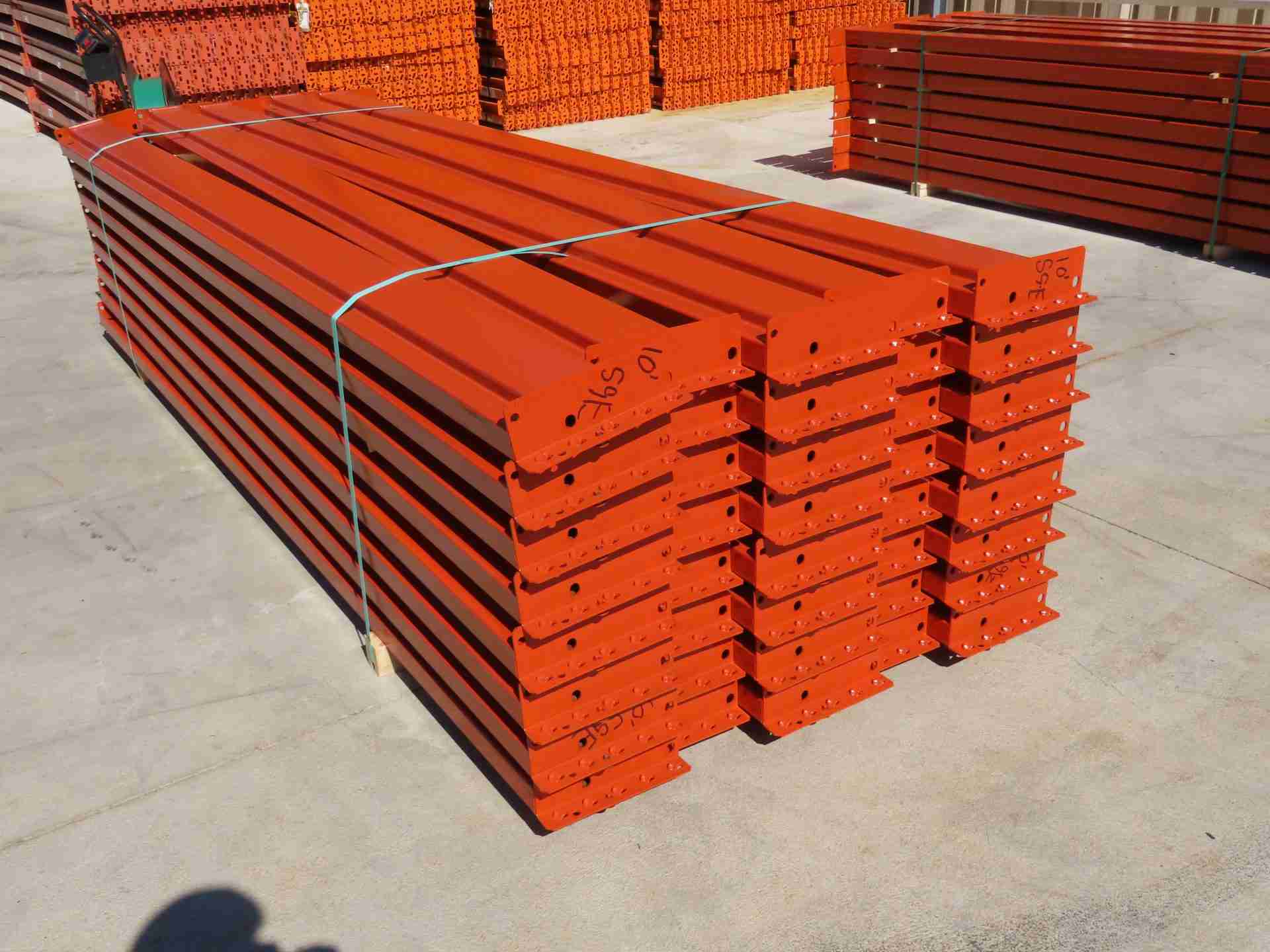
Other Resources
Here is a list of other resources you can review online to learn more:
- Cantilever Racks Chicago
- Selective Pallet Racking Systems
- Pallet Rack Systems – New and Used Pallet Racking and Shelving Experts
- What is Cantilever Racking? – AK Material Handling Systems
- Interlake Mecalux
- American Surplus
- Selective Racking
- Pallet Racks, Pallet Racking, Pallet Shelves in Stock – ULINE
- Total Warehouse
- Teardrop Industrial Shelving Rack
- Pallet Racking systems in Illinois and Great Lakes
- Interlake Mecalux
- Chicago Pallet Racking
- Rack Manufacturers Institute
- Selective Racking
- Warehousing Education and Research Council: https://www.werc.org/
- Wolter
- Racking World
- BMH Equipment LLC
Use This Prompt To Get More Resources With Your Favorite Online AI Tool: Please provide me with a list of online articles with their URLs in a bulleted list that I can read regarding How to Create a Rack Safety Culture In Your Warehouse

Other Resources
Glossary Terms
How to Create a Rack Safety Culture In Your Warehouse – Glossary Of Terms
1. Rack: A framework for storing and organizing goods in a warehouse, designed to maximize vertical space.
2. Safety Culture: The shared values, beliefs, and practices regarding safety within an organization, influencing employee behavior.
3. Pallet: A horizontal platform used to support goods for storage or transport, typically designed for forklift handling.
4. Inspection: A systematic examination of racking systems and equipment to identify potential hazards and ensure compliance with safety standards.
5. Load Limit: The maximum weight that a rack or shelf can safely hold, determined by design specifications and material strength.
6. Training: Educational programs provided to employees to equip them with knowledge and skills related to safe equipment use and warehouse procedures.
7. Hazard: Any potential source of harm or adverse effect within the warehouse environment that could lead to accidents or injuries.
8. Compliance: Adhering to safety regulations, standards, and guidelines set forth by regulatory bodies and industry best practices.
9. Incident Report: A documented account of any safety-related event or near miss that occurs in the warehouse, important for analysis and improvement.
10. Ergonomics: The study of how to design tasks, workspaces, and tools to improve employee well-being and productivity while minimizing injury risk.
11. Personal Protective Equipment (PPE): Gear such as helmets, gloves, and safety shoes worn by workers to mitigate risks in the warehouse.
12. Forklift: A powered industrial vehicle used to lift and move materials, posing safety risks if not operated correctly.
13. Weight Distribution: The method of placing loads evenly across a rack to prevent tipping or collapse.
14. Signage: Visual aids and warnings displayed in the warehouse to communicate safety information and guidelines.
15. Maintenance: Routine checks and repairs performed on racking systems and equipment to ensure proper function and safety.
16. Behavioral Safety: An approach that focuses on changing employee behavior to improve safety practices in the workplace.
17. Emergency Response Plan: A documented procedure outlining actions to take during emergencies, such as fires or accidents.
18. Audit: An evaluation of safety practices and compliance within the warehouse, conducted to identify areas needing improvement.
19. Incident: An unplanned event that causes injury, damage, or disruption, highlighting areas for safety enhancement.
20. Capacity: The total load a racking system can accommodate, influencing both design and safety measures.
21. Serviceability: The ease and ability to maintain and repair warehouse equipment and racking systems effectively.
22. Standard Operating Procedure (SOP): A set of written instructions that document a routine or repetitive activity, crucial for ensuring safety consistency.
23. Chocking: The use of wedges or blocks to secure vehicles and prevent movement during loading or unloading.
24. Warehouse Layout: The design of the storage space, including the arrangement of racks and pathways, impacting safety and efficiency.
25. Risk Assessment: The process of identifying and analyzing potential hazards in the warehouse environment to implement safety controls.
26. Training Matrix: A tool used to track employee training and qualifications, ensuring all staff receive necessary safety education.
27. Shelf Life: The duration goods can be stored without affecting quality or safety, impacting inventory management.
28. Tilt and Load Angle: The angle at which a load is positioned on a rack, influencing stability and safety.
29. Cross-Training: Educating employees on multiple job roles to enhance flexibility and safety in the workforce.
30. Reporting Culture: An environment that encourages employees to report unsafe conditions or incidents without fear of retribution, enhancing overall safety.
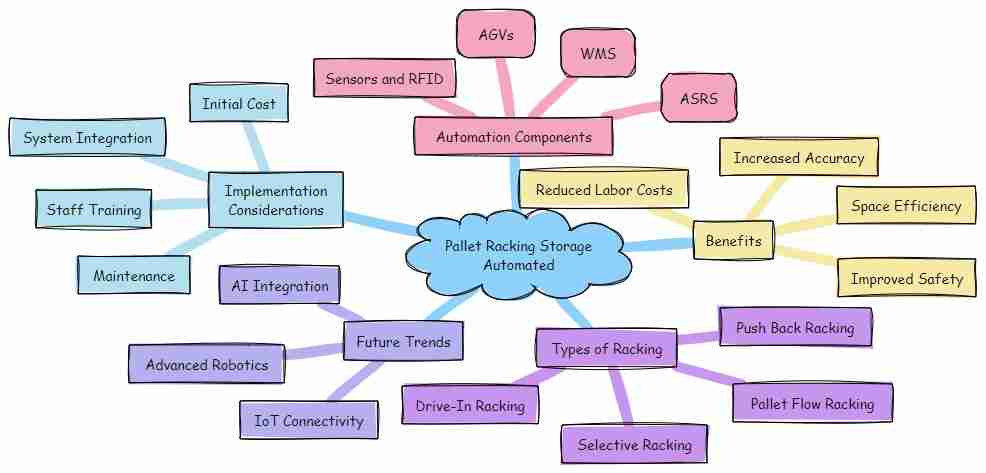
Glossary Of Terms
Other Questions
How to Create a Rack Safety Culture In Your Warehouse – Other Questions
If you wish to explore and discover more, consider looking for answers to these questions:
- What are the key components of a successful rack safety culture?
- How can we assess the current safety culture in our warehouse?
- What specific training programs can be implemented to enhance safety awareness?
- How can we measure the effectiveness of our safety initiatives?
- What are some common misconceptions about warehouse safety?
- How can we encourage more employee participation in safety programs?
- What role do managers play in fostering a safety culture?
- How can technology be leveraged to improve warehouse safety?
- What practices can help repair team morale after a safety incident?
- How can we create a more open environment for discussing safety concerns?
- What impact does a strong safety culture have on overall productivity?
- How can we incorporate safety discussions into regular team meetings?
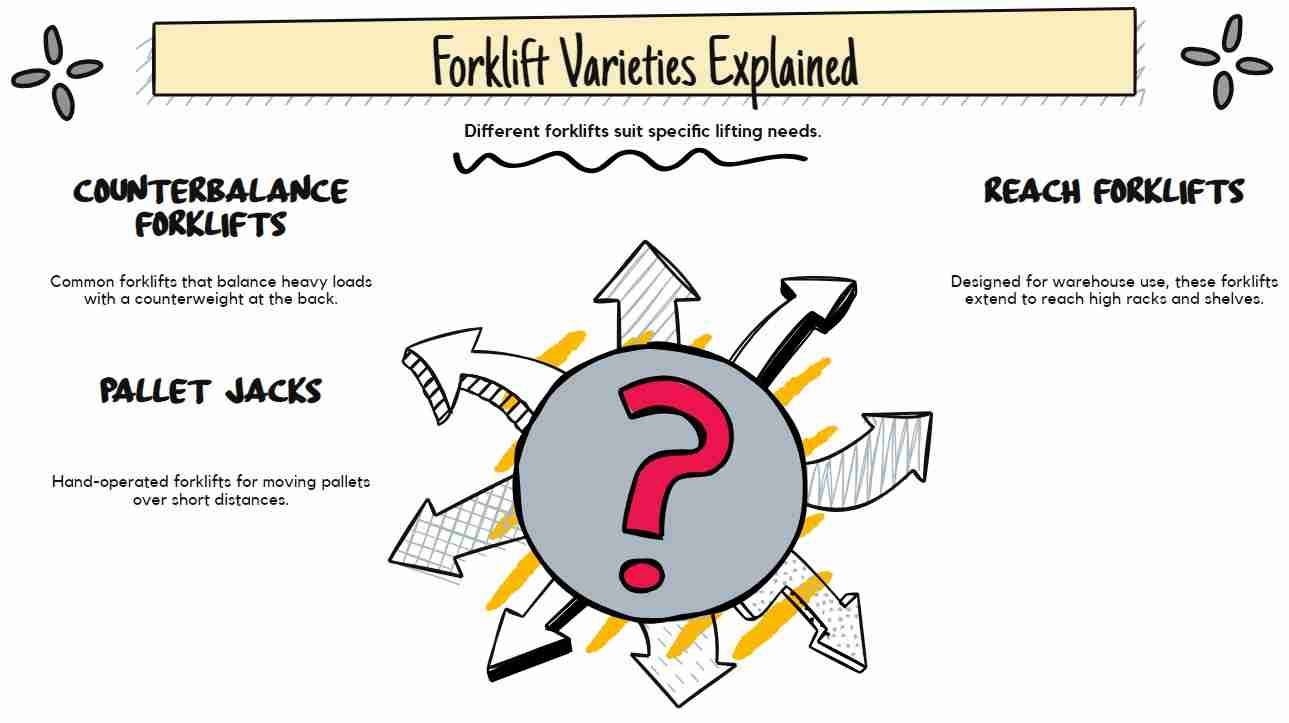
Other Questions
Checklist
How to Create a Rack Safety Culture In Your Warehouse – A Checklist
Checklist for Creating a Rack Safety Culture in Your Warehouse
Emotional Appeals
_____ Share personal safety stories: Encourage team members to recount experiences or near-misses to foster connection and emotional investment in safety.
_____ Recognize individual contributions: Celebrate milestones that mark safe practices and acknowledge team members who champion safety.
_____ Create rituals around safety: Establish regular safety check celebrations to build a sense of community and shared responsibility.
Rational Appeals
_____ Present safety statistics: Incorporate data about warehouse accidents and the costs associated with negligence in daily discussions.
_____ Analyze racking usage patterns: Assess historical incident reports and real-time data to optimize racking configurations for maximum safety.
_____ Track the impact of safety practices: Monitor how data-driven decisions lead to fewer incidents and increased productivity.
Ethical Appeals
_____ Foster open communication: Create an environment where employees feel comfortable voicing concerns about safety without fear of repercussions.
_____ Emphasize collective responsibility: Remind team members that everyone shares the duty to look out for one another’s safety.
_____ Commit to continuous improvement: Regularly review safety protocols and encourage feedback from all levels of staff.
Authority Appeals
_____ Identify safety champions: Empower a diverse group of safety advocates from various roles within the organization.
_____ Leverage expert insights: Share knowledge from safety professionals to establish authority on best practices and protocols.
_____ Build a culture of compliance: Ensure that safety champions understand and advocate for adherence to safety regulations.
Narrative Appeals
_____ Create a storytelling platform: Encourage sharing of safety success stories or lessons learned in team meetings or through internal communications.
_____ Highlight real examples of improved safety: Use narratives to illustrate the difference that preventive measures can make in day-to-day operations.
_____ Develop a collection of safety narratives: Curate stories from various team members to promote learning and foster a sense of purpose.
Social Appeals
_____ Encourage teamwork in safety initiatives: Promote collaboration among employees to create a cohesive safety culture.
_____ Engage families in safety awareness: Share safety updates and successes with employees’ families to reinforce the importance of a safe work environment.
_____ Create community involvement opportunities: Involve local stakeholders in safety events or training sessions to promote broader awareness and support.
This checklist aims to cultivate a robust safety culture that unites emotional engagement, rational understanding, ethical responsibility, authoritative guidance, narrative strength, and social connection.
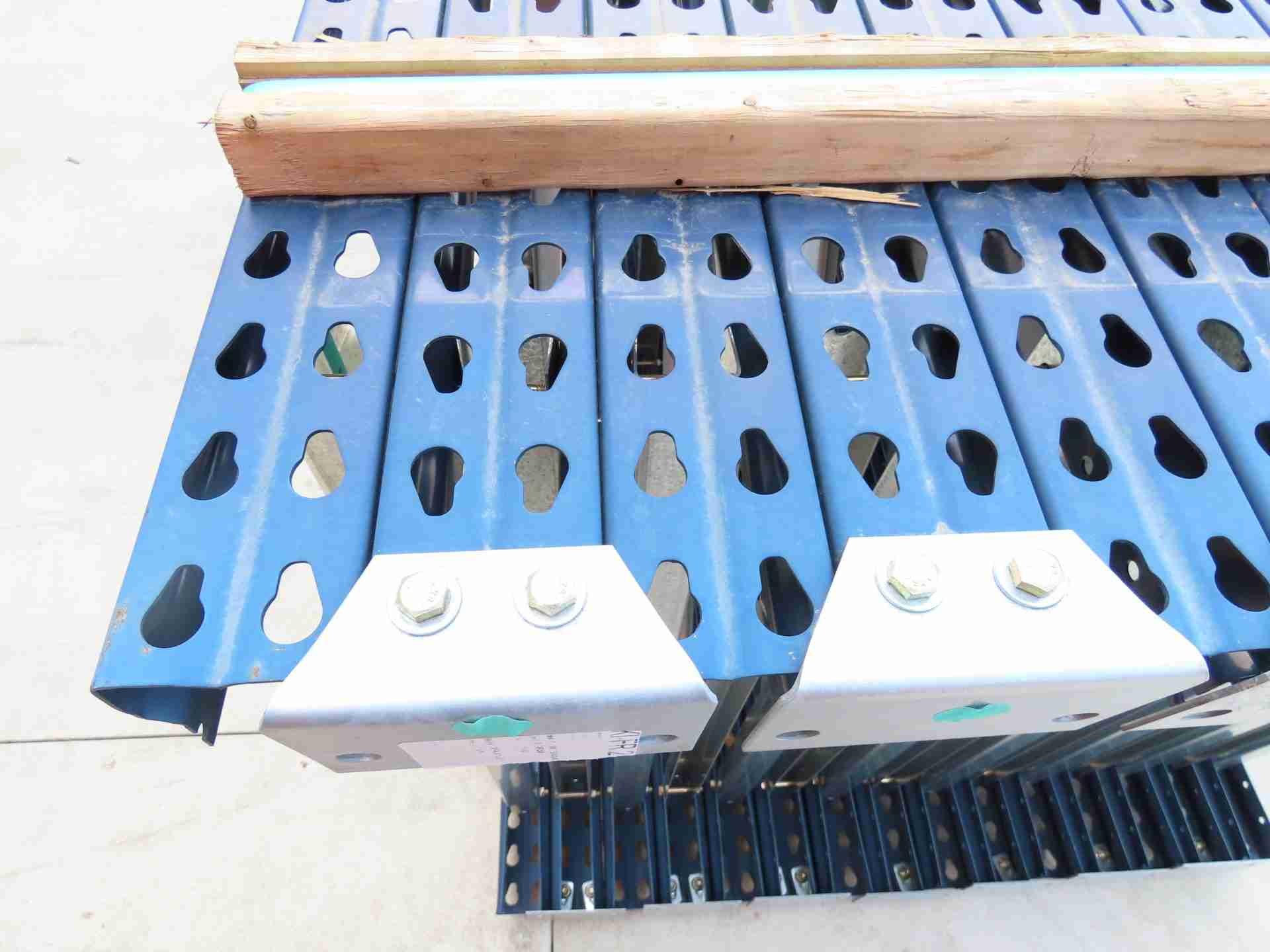
Checklist
At RackingWorld, we help guide you through selecting warehouse storage systems and racking.
Be sure to read our other related stories at RackingWorld to learn more about warehouse storage systems.
0 Comments