
Navigating The Dangers Of Pre-Owned Racking Systems
By Tom Seest
At RackingWorld, we help guide you through selecting warehouse storage systems and racking.
Be sure to read our other related stories at RackingWorld to learn more about warehouse storage systems.
Hidden Risks Of Purchasing Used Racking Systems
When it comes to purchasing used racking systems, it’s easy to get drawn in by the allure of savings. The numbers can look fantastic on paper, and your mind does a quick dance calculating how much money you’ll save. But hold onto your wallets, because there’s another side to this equation that often gets overshadowed by the glitter of a good deal.
Think for a moment about the safety of your employees. Racking systems aren’t just metal frameworks; they are the backbone of your warehouse, holding not only inventory but also the lives of the people working beneath them. Have you ever considered the potential dangers lurking in used racks? Cracks, weak joints, and unseen wear-and-tear can turn a bargain into a potential disaster faster than you can say “what a steal!”
Rationally, it’s crucial to ask, “Where have these racks been?” They may have held heavy loads in a less-than-ideal environment, subjected to pressures and strains that you can’t see with the naked eye. Are the systems still compliant with safety standards? If they were manufactured ten years ago, have they been updated to reflect current guidelines? Ignoring these questions can lead not just to financial loss but to heart-wrenching consequences that no company should have to endure.
Ethically, there’s a responsibility tied to the racking systems you choose. If you skimp on quality or cut corners to save a few bucks, who pays the price? The employees who count on those structures for their livelihood. Your community. The families depending on those jobs. Conducting due diligence by verifying the history, condition, and safety certifications of any used system isn’t just smart—it’s a moral imperative.
Authority in the industry isn’t just about being the loudest voice in the room; it’s about making informed decisions grounded in experience. Listen to the pros who’ve seen the fallout of cheap purchases. Their stories are not just cautionary tales; they’re a call to action. Each heavy falling beam echoes with a warning.
Socially, think about the impression you leave on your team, your clients, and your community. When you commit to quality and safety, your values shine through. You’re not just a business; you’re a leader setting a standard in an industry where safety and integrity should reign supreme. So, take that closer look, ask the right questions, and invest wisely. Your future—both financially and ethically—depends on it.
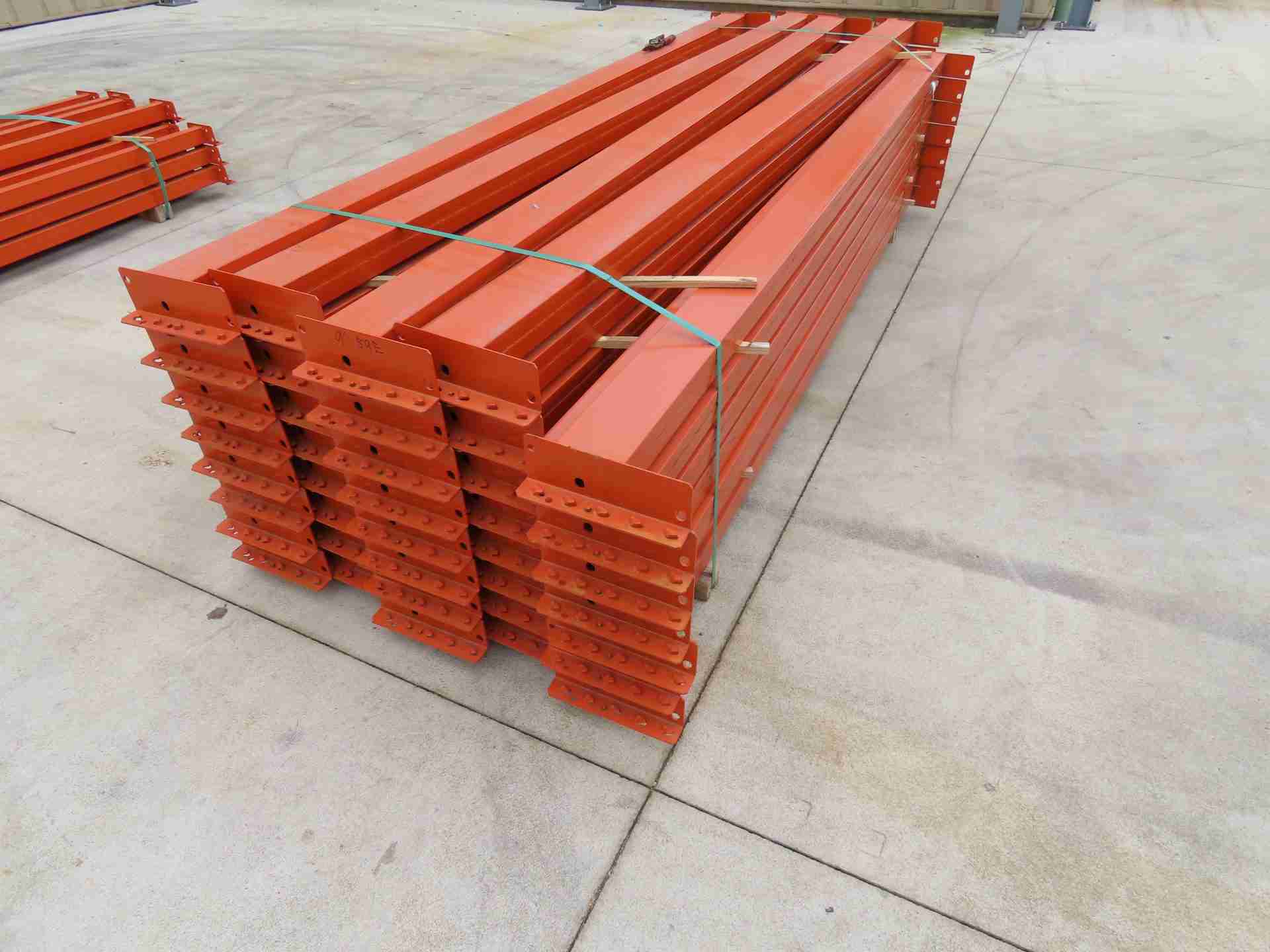
Hidden Risks Of Purchasing Used Racking Systems
Hidden Risks Of Purchasing Used Racking Systems
- Purchasing used racking systems may seem like a good financial decision but can have hidden risks.
- Racking systems are crucial for employee safety and structural integrity in warehouses.
- Consider the potential dangers of used racks, including cracks and weak joints.
- Verify their history, condition, and compliance with current safety standards to avoid disaster.
- Ethically responsible purchasing entails considering the impact on employees and the community.
- Listening to industry experts can provide valuable insights and caution against cheap purchases.
- Investing in quality and safety reflects well on your business and sets a standard for the industry.
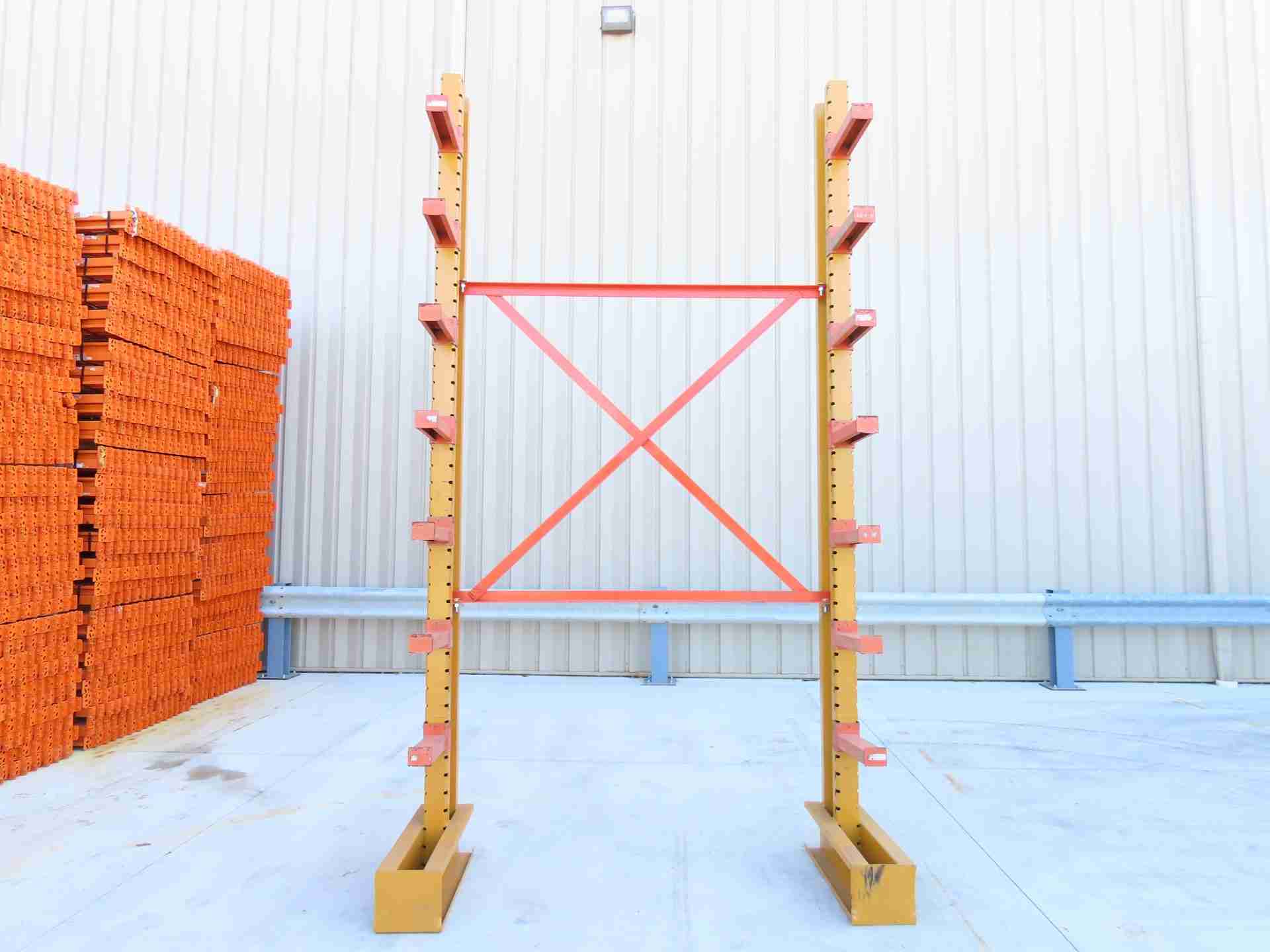
Hidden Risks Of Purchasing Used Racking Systems
Table Of Contents
- Hidden Risks Of Purchasing Used Racking Systems
- What Hidden Dangers Could Be Lurking In Used Racking Systems?
- How Do You Ensure Safety When Buying Used Racking Equipment?
- Are You Aware Of the Financial Pitfalls In Buying Second-Hand Racking?
- How Can You Trust the Seller Of Used Racking Systems for Authenticity?
- What Impact Do Damaged Racking Systems Have on Employee Morale?
- Conclusion
- Other Resources
- Glossary Of Terms
- Other Questions
- Checklist
What Hidden Dangers Could Be Lurking In Used Racking Systems?
When it comes to racking systems, the stakes can be higher than many realize. It’s easy to overlook the potential hidden dangers lurking within the steel frameworks of used racking. Picture this: a bustling warehouse, filled to the brim with equipment and materials, where every inch counts. Now imagine a racking system that looks solid from the outside but bears a history of stress fractures, rust, or even improper assembly. The result? A catastrophic failure that could endanger lives and cost companies thousands.
At the heart of this issue is trust—the bedrock upon which so many businesses stand. When you invest in used racking, you’re not just acquiring a storage solution; you’re placing your confidence in the integrity of the product. But how well do you really know the history of that system? Was it salvaged from a facility that faced structural issues? Is it bearing loads it wasn’t designed for? Each question echoes in the back of your mind, reminding you that a seemingly harmless purchase can have dire consequences.
Rationally, it’s easy to think a good deal is a good deal. But the truth is that what saves you a few bucks today could lead to disaster tomorrow. Each component of that racking system should be scrutinized—the load limits, weld quality, and any signs of wear. You owe it to yourself and your employees to ensure that the very structure holding your success aloft isn’t a ticking time bomb. This isn’t just about compliance with safety regulations; it’s about creating a safe environment where people can work without fear for their safety.
Ethically, there’s a responsibility that comes with running a business. You have to consider the impact of your choices on your employees and their families. Choosing used racking isn’t inherently wrong, but ignoring its condition certainly is. Think of it this way: every time someone steps into that warehouse, they trust that you’ve provided a safe working environment. Your decisions shape that reality.
The risks of used racking systems are not just numbers on a balance sheet; they are real, tangible hazards that could harm real people. By understanding these dangers, and being proactive in your choices, you foster a culture of safety and responsibility. Your actions can inspire others to take these issues seriously, creating a ripple effect that elevates industry standards. Don’t let hidden dangers lie in wait; be vigilant, be informed, and safeguard the future of your organization and its people.

What Hidden Dangers Could Be Lurking In Used Racking Systems?
What Hidden Dangers Could Be Lurking In Used Racking Systems?
- Racking systems can pose hidden dangers, impacting warehouse safety and operations.
- Used racking may have stress fractures, rust, or improper assembly, leading to potential catastrophic failures.
- Investing in used racking means placing trust in the integrity and history of the product.
- Scrutinizing racking components, such as load limits and weld quality, is essential for safety.
- Business owners have an ethical responsibility to provide a safe working environment for employees.
- Understanding the risks associated with used racking fosters a culture of safety and responsibility.
- Proactive decision-making regarding racking systems can elevate industry safety standards.
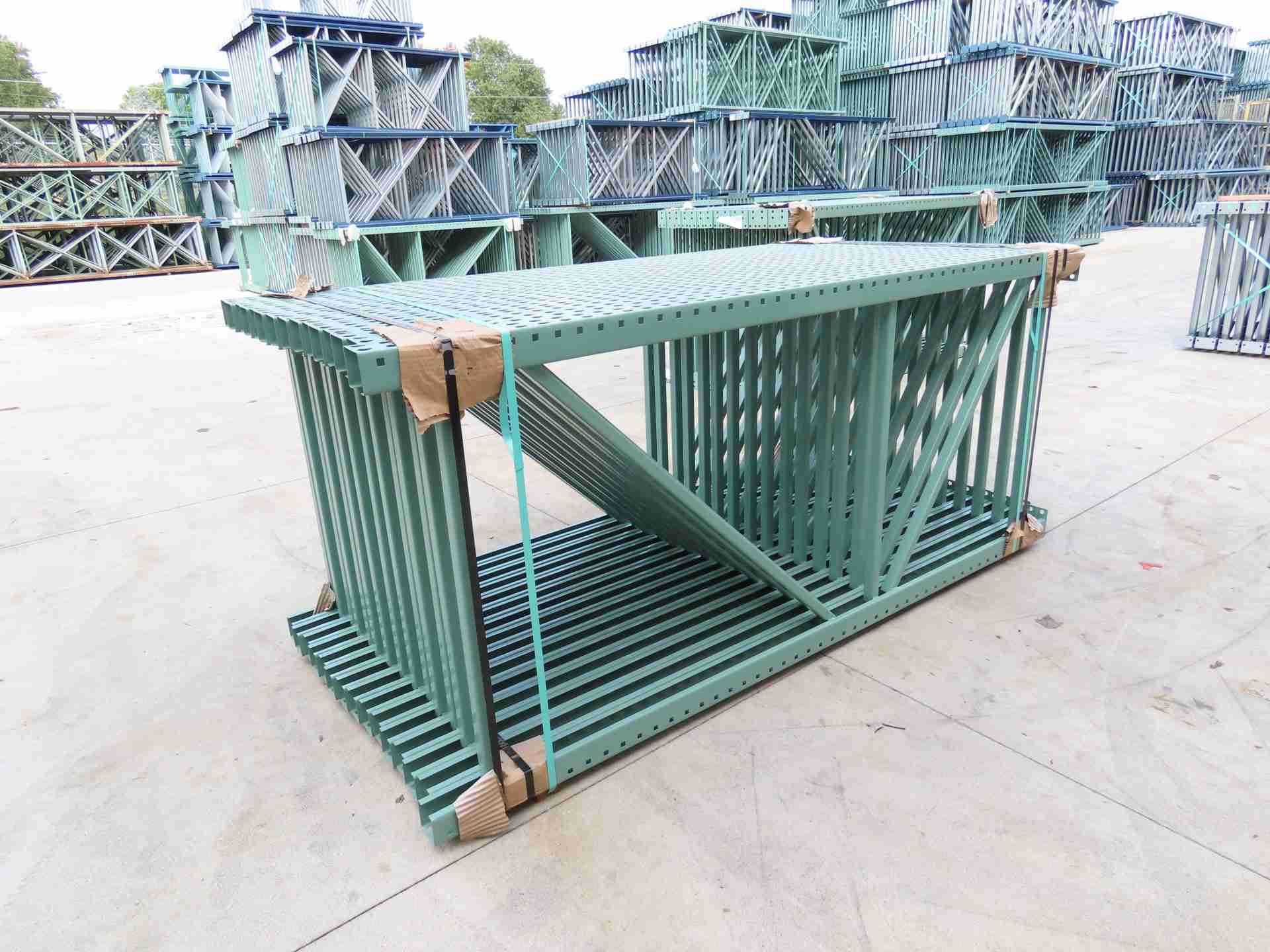
What Hidden Dangers Could Be Lurking In Used Racking Systems?
How Do You Ensure Safety When Buying Used Racking Equipment?
When it comes to buying used racking equipment, the stakes are higher than just saving a few dollars. Picture the bustling warehouse where families rely on that equipment for their livelihoods. Every shelf, every beam supports not just boxes, but the very dreams of business owners who dare to innovate, and workers striving to provide for their families. Ensuring safety in your purchase isn’t just a transactional act; it’s a moral commitment to protect these aspirations.
Start by digging deep into the history of the racking you’re considering. What’s its past? Has it been involved in any accidents? Don’t just take a salesperson’s word for it—demand transparency. You wouldn’t buy a used car without checking the vehicle history report, so why treat racking any differently? Look for reputable sellers, those who have a robust track record and good industry standing, because their reputation rests on the safety and reliability of the equipment they provide. Whether it’s a small local business or a larger dealer, the integrity of your source matters.
Next, equip yourself with the knowledge necessary to make an informed decision. Familiarize yourself with safety standards and regulations specific to racking systems. Consulting with industry experts or visiting forums where warehouse operators share their experiences can provide valuable insights and build your confidence. There’s no shame in asking questions—this is about protecting lives and livelihoods.
As you explore your options, engage with the community. Join discussions or attend workshops about warehouse safety. There’s a camaraderie among those who operate these systems, a shared understanding of the importance of safety that transcends individual businesses. When you connect with others, you’re not just gathering information; you’re building a network of trust that benefits everyone involved.
Finally, remember this: buying used racking isn’t merely an economic decision; it’s an investment in safety and sustainability. When you choose the right equipment, you’re not only ensuring that it holds up against the rigors of everyday use, but you’re also championing a culture of responsibility. Every time a warehouse runs smoothly, every time products get to their destinations safely, you contribute to an ecosystem that values hard work, safety, and ethical practices. In a world awash with shortcuts, let your choices reflect your commitment to doing things right—the way it should be done.
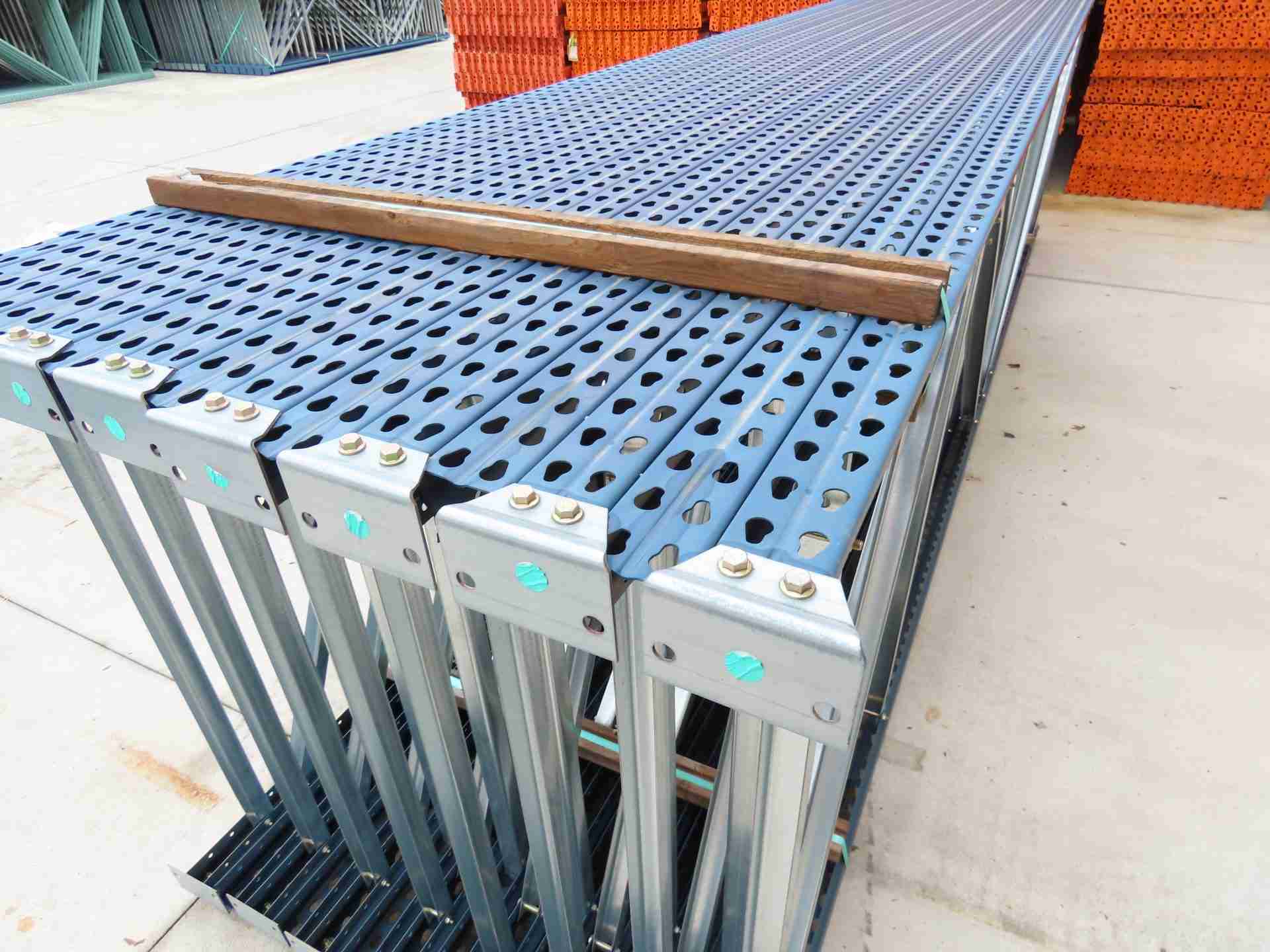
How Do You Ensure Safety When Buying Used Racking Equipment?
How Do You Ensure Safety When Buying Used Racking Equipment?
- Buying used racking equipment involves ethical considerations beyond saving money.
- Understand the impact of racking equipment on the lives of business owners and workers.
- Research the history of the racking, including past accidents and the seller’s reputation.
- Familiarize yourself with safety standards and regulations pertinent to racking systems.
- Engage with industry experts and community forums to gain insights and confidence.
- Build a network through discussions and workshops to enhance warehouse safety awareness.
- View the purchase as an investment in safety and sustainability, promoting responsible practices.
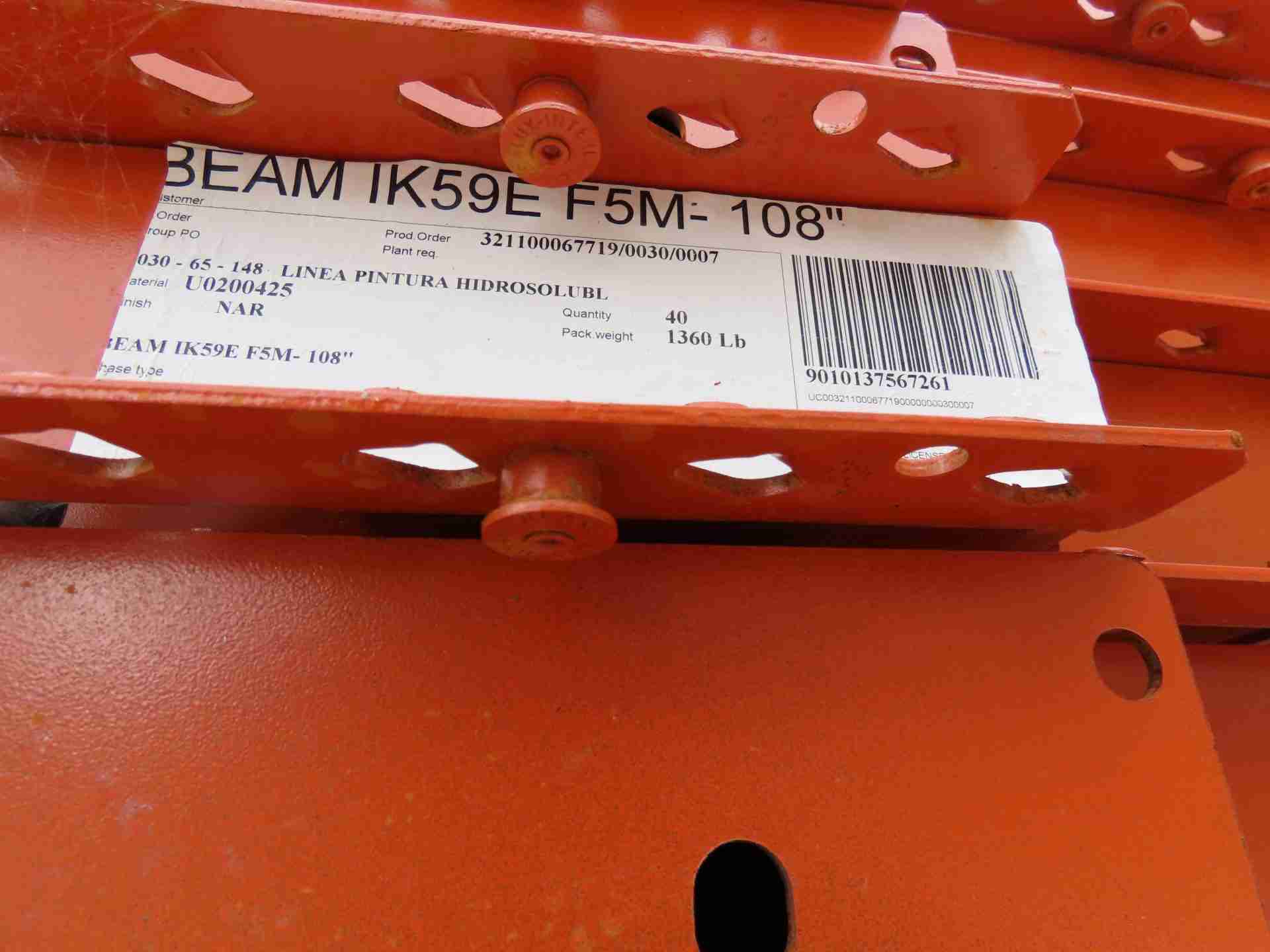
How Do You Ensure Safety When Buying Used Racking Equipment?
Are You Aware Of the Financial Pitfalls In Buying Second-Hand Racking?
Buying second-hand racking might seem like a shiny penny in the vast world of warehouse solutions, but let’s dig a little deeper before you toss your hard-earned cash into the abyss. The allure is real—who doesn’t love a good deal? But let’s not allow that swoon to cloud our judgment when the stakes are high.
At first glance, those used racks might look like they’re in pristine condition, yet hidden beneath that shiny exterior could be signs of wear and tear, structural weaknesses, or even compliance issues that could lead to future liabilities. Choosing the wrong racking not only jeopardizes your products but also your employees. A single failure can turn safety into a nightmare and jeopardize both lives and livelihoods.
Let’s talk numbers. You might save a buck upfront, but what’s that investment really worth when it costs you more down the line? Repairs, replacements, or the loss of product from a collapsed rack could easily turn that apparent bargain into a financial pitfall. An educated buyer weighs tangible savings against the hidden costs lurking just out of sight.
Now consider the ethical implications. Buying from someone who’s been less than transparent about the condition of the racking you’re purchasing can haunt your conscience. Being a responsible steward of your business means investing not just in a product, but in relationships built on trust. When you buy second-hand, ensure that you’re supporting honest sellers who value safety and integrity as much as you do.
Beyond intuition, there’s authority in doing your homework. Research the seller; check their credentials and see if you can connect with others who’ve done business with them. A good track record speaks volumes. Reach out to industry contacts, online forums, or even those local trade shows. The more voices you hear, the clearer the picture gets.
This isn’t just about racking; it’s about your commitment to quality and safety. You owe it to your team and your clients to foster an environment of reliability. Don’t allow that rush of excitement for a deal to erode your common sense. Take a moment, inspect carefully, and ask the essential questions. Ensure that your choice reflects not just a transaction but an investment in safety, reputation, and the long-term success of your business. The right racking isn’t just about storage; it’s about building a foundation for a thriving operation. Engage wisely.
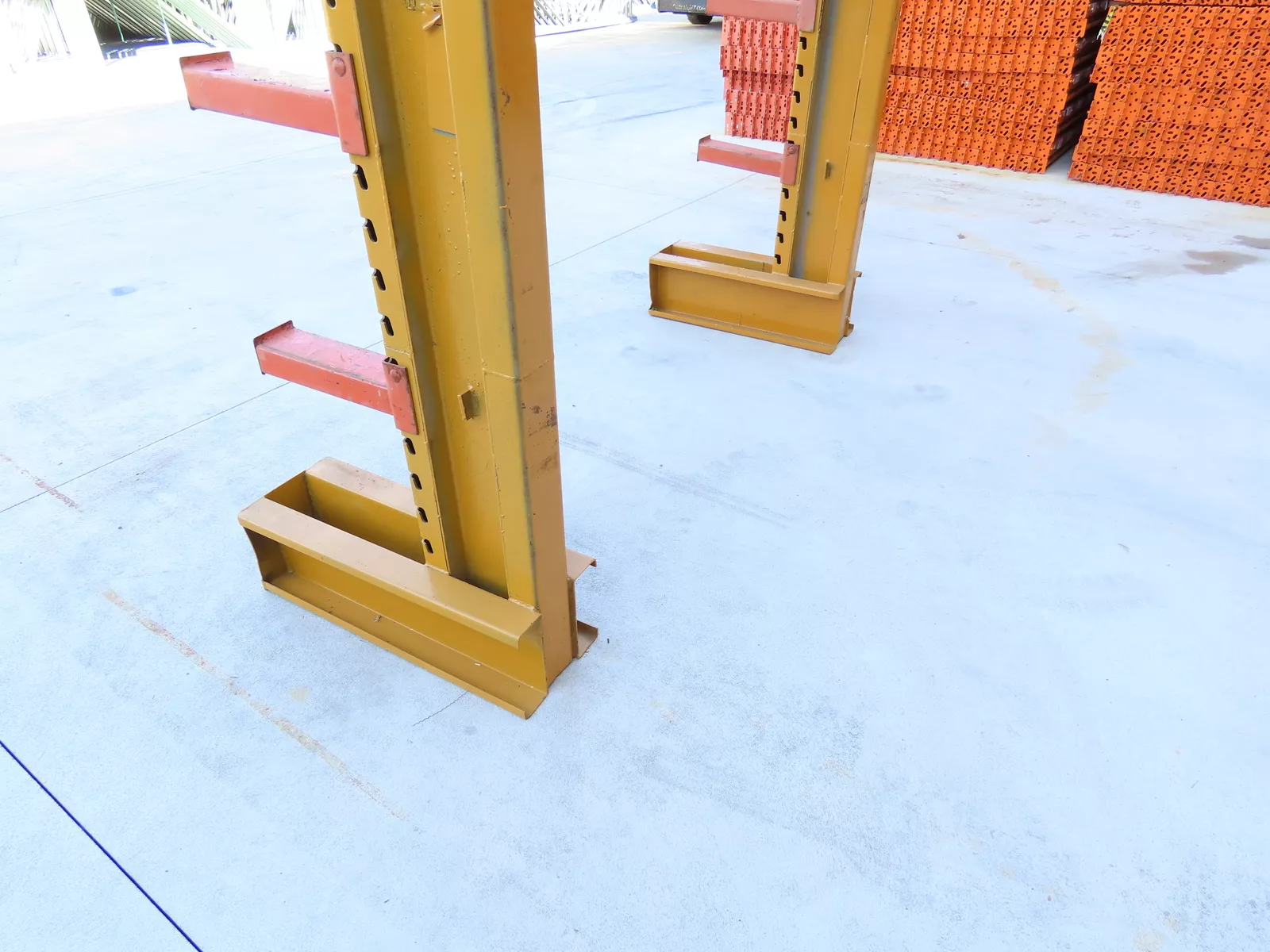
Are You Aware Of the Financial Pitfalls In Buying Second-Hand Racking?
Are You Aware Of the Financial Pitfalls In Buying Second-Hand Racking?
- Buying second-hand racking may seem attractive, but it requires careful consideration.
- Used racks might look good but could conceal wear, structural issues, or compliance problems.
- Choosing the wrong racking can jeopardize product safety and employee well-being.
- Initial savings on second-hand racks may lead to hidden costs like repairs and replacements.
- Ethical purchasing involves buying from transparent sellers who prioritize safety and integrity.
- Research sellers’ credentials and gather feedback from previous buyers to make informed decisions.
- Investing in quality racking is crucial for fostering safety, reliability, and long-term success.
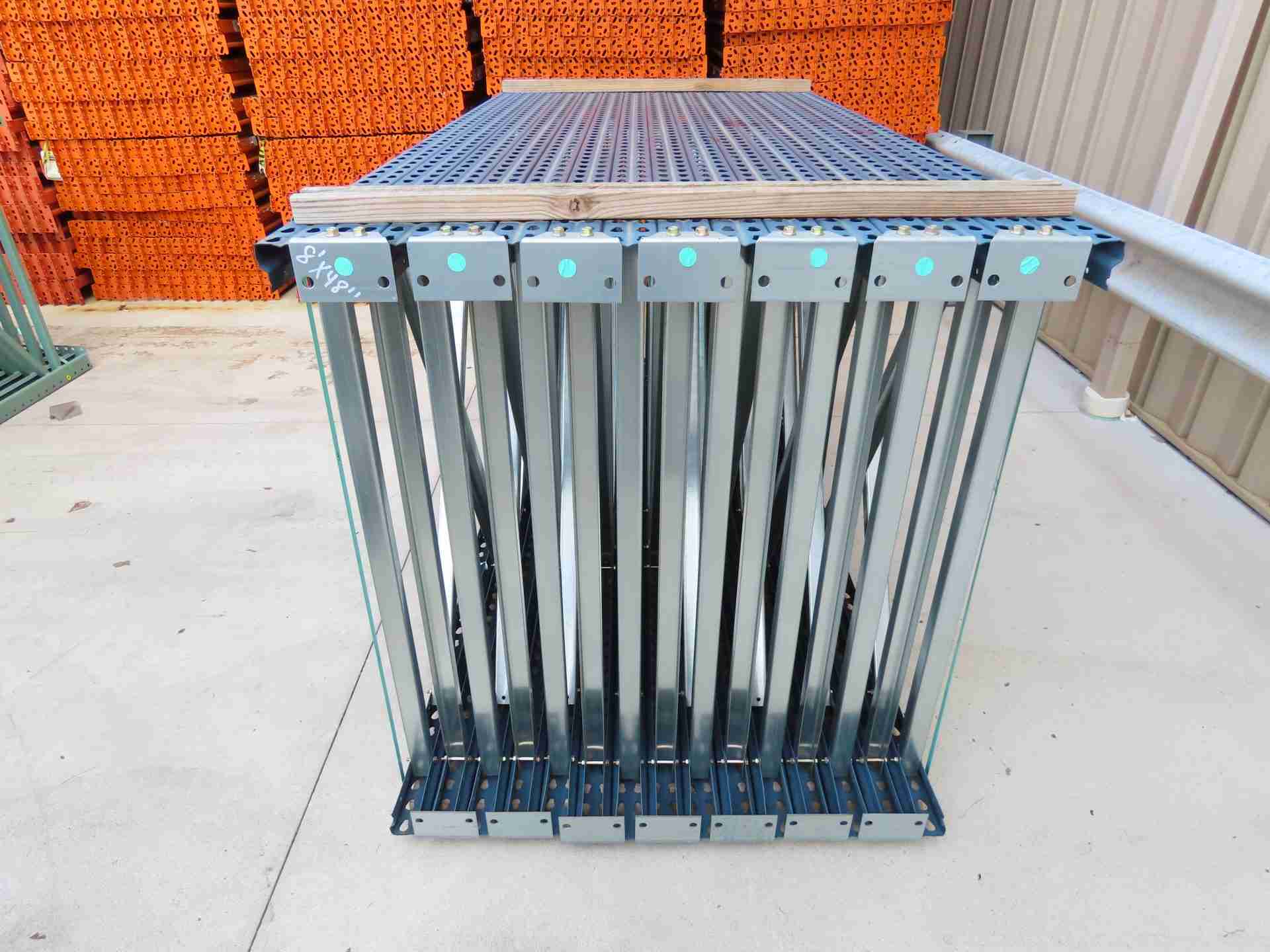
Are You Aware Of the Financial Pitfalls In Buying Second-Hand Racking?
How Can You Trust the Seller Of Used Racking Systems for Authenticity?
When you’re on the hunt for used racking systems, the stakes can feel daunting. It’s easy to get swept up in a wave of uncertainty, not knowing if you’re staring at a gem or a glorified pile of scrap. But here’s the thing: trust isn’t a transaction; it’s a relationship built over time, and just like a solid racking system, it requires a sturdy foundation.
Start by tapping into your gut feelings. When you find a seller, how does their operation feel? Dive into the details—pictures, descriptions, and testimonials. If a seller paints a vibrant picture of their racking systems featuring features and potential that seem too good to be true, a red flag should raise. Be wary of flashy marketing; it’s often a mask for something else. Authenticity resonates from those who know their equipment, who appreciate the welds, the wear, and the decades of dependable service behind the racking they offer.
Next, pull on your critical thinking cap. Ask questions—lots of them. Dig into the seller’s history. What do past customers say? Investigate online reviews or reach out within your industry circles. If you hear a consensus of satisfaction, you’re building a layer of trust. Smart buyers rely on collective experience, remembering that while a shiny new system might catch the eye, a well-maintained used unit can outlast the latest trend.
But let’s not forget ethics—this is about integrity, not just numbers. A quality seller stands behind their product, offering warranties or guarantees that speak volumes about their confidence. When they’re willing to put their name on the line, it’s your cue to lean in and listen.
We’re all part of a larger community, and as you weigh the options, consider the human element. Each racking system represents a story—of business growth, hard work, and second chances. Foster a connection with your seller; let them share the journey of their equipment. Authenticity isn’t just about metal and bolts; it’s about the hands that built and cared for the racking before it reached you.
In this complex dance of trust, stay vigilant. Your intuition, a head full of critical thought, and a heart that values integrity will guide you through. Choose wisely, connect genuinely, and soon you’ll find not just a racking system, but a trustworthy partner in your venture.
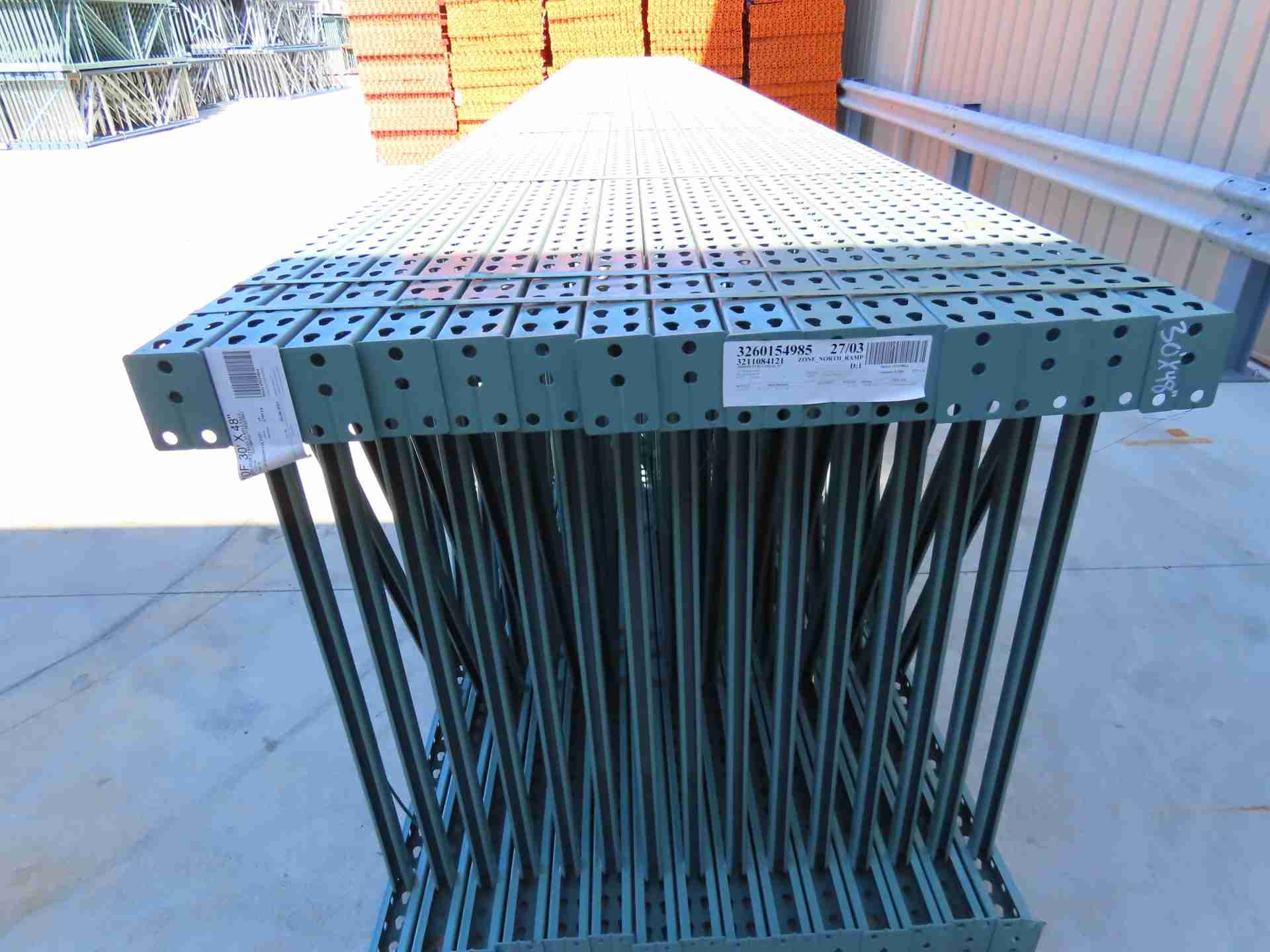
How Can You Trust the Seller Of Used Racking Systems for Authenticity?
How Can You Trust the Seller Of Used Racking Systems for Authenticity?
- Finding used racking systems can be daunting; trust is built over time and requires a sturdy foundation.
- Consider your gut feelings about the seller’s operation and examine their racking systems carefully.
- Be cautious of sellers with overly flashy marketing, as it may mask underlying issues.
- Employ critical thinking; ask numerous questions and research the seller’s history and customer feedback.
- A quality seller backs their products with warranties or guarantees, indicating their confidence in the equipment.
- Foster a connection with the seller, understanding their equipment’s history and the story behind it.
- Stay vigilant in your search; use intuition, critical thought, and integrity to find a trustworthy partner.
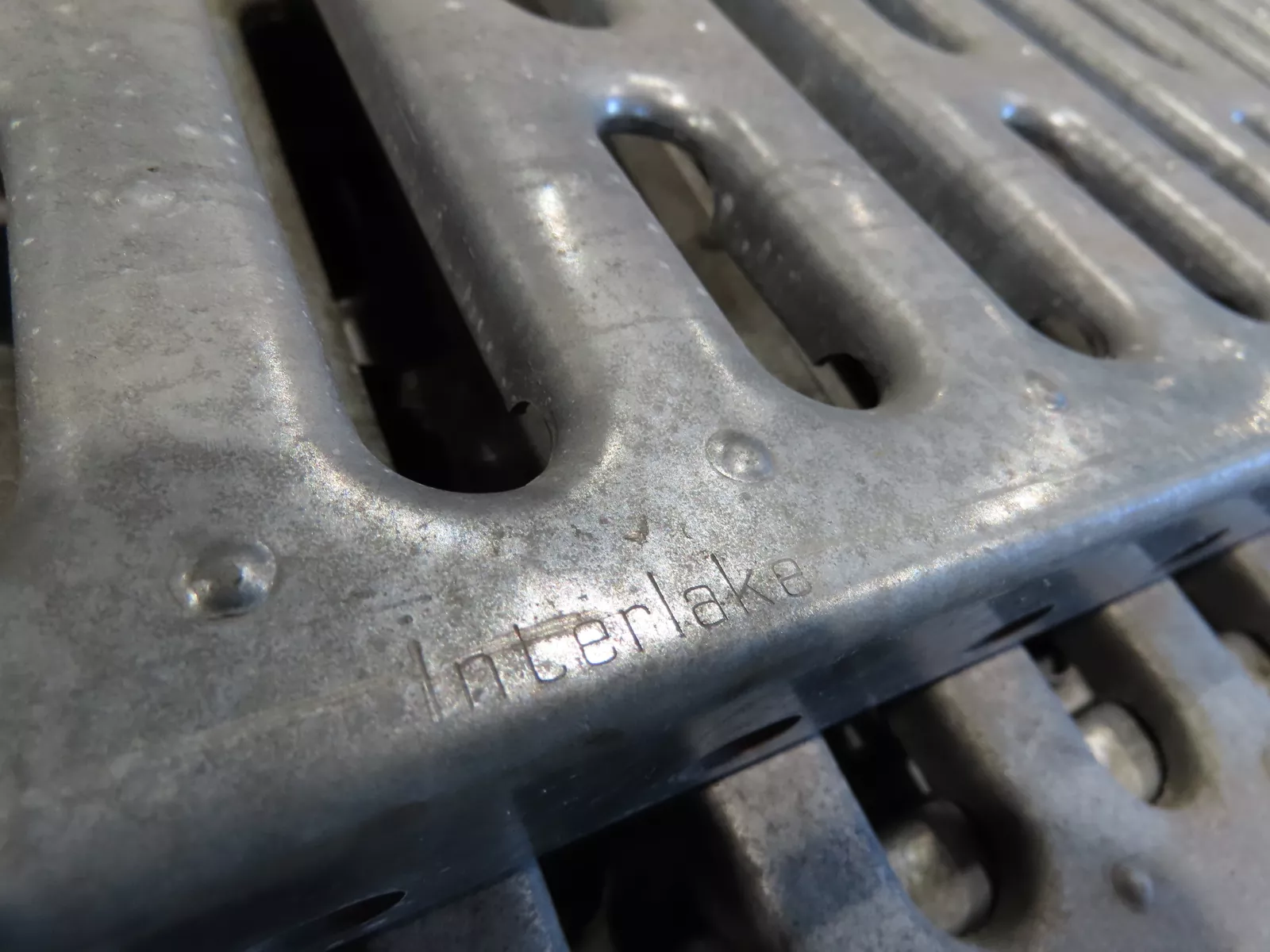
How Can You Trust the Seller Of Used Racking Systems for Authenticity?
What Impact Do Damaged Racking Systems Have on Employee Morale?
When you walk into a warehouse, you might first notice the scale—the towering shelves filled with products, the bustling machinery, the rhythmic cadence of employees moving in sync with the ebb and flow of the operation. But look closer, and you might spot something that can ripple through an entire workforce: damaged racking systems. These seemingly innocuous structures, designed to hold the weight of productivity, demand respect. But the consequences of neglecting their maintenance stretch far beyond logistical nightmares; they seep directly into the heart of employee morale.
Think about it. When workers walk past racking systems that are bowed, cracked, or teetering on the verge of collapse, what does that say about the company they pour their energy into? It sends a clear message: “We don’t care.” And that’s where the emotional toll starts. Trust—and trust is invaluable in any workplace—begins to erode the moment a worker feels they’re in an unsafe environment. The gut reaction is immediate; anxiety creeps in, especially when heavy loads hang precariously above. Every time an employee sees a damaged rack, they’re reminded that their safety is a secondary concern, and that can weigh heavier than any tonnage housed within those shelves.
On a rational level, let’s consider the fallout. Damaged racking systems lead to inefficiencies; they slow down operations and increase the risk of accidents that could result in injury or loss. If productivity takes a hit, so too does job satisfaction, which ultimately rates the workplace health. Employees start to feel like cogs in a wheel that’s not functioning correctly—their enthusiasm wanes as they pull more weight than should be necessary.
Ethically, organizations bear a responsibility to maintain safe working conditions. When safety measures are sidelined, it’s not just a financial issue; it’s a moral one. Employees should feel like stakeholders in their company, not just laborers. When the message denigrates from “Your well-being matters,” to “Make it work, regardless,” employees feel isolated—not part of a community striving for excellence.
We must consider the narrative at play here. Workers fundamentally crave connection and security. They thrive in environments where they feel valued and protected. By investing in the repair and maintenance of racking systems, leaders demonstrate an unyielding commitment to their workforce, fostering a culture of trust, respect, and mutual accountability. When employees know their safety is prioritized, morale rises, productivity soars, and everyone benefits from a robust and resilient workplace. The simple act of maintaining racking systems can transform the very fabric of an organization—proving that every detail counts and every employee matters.
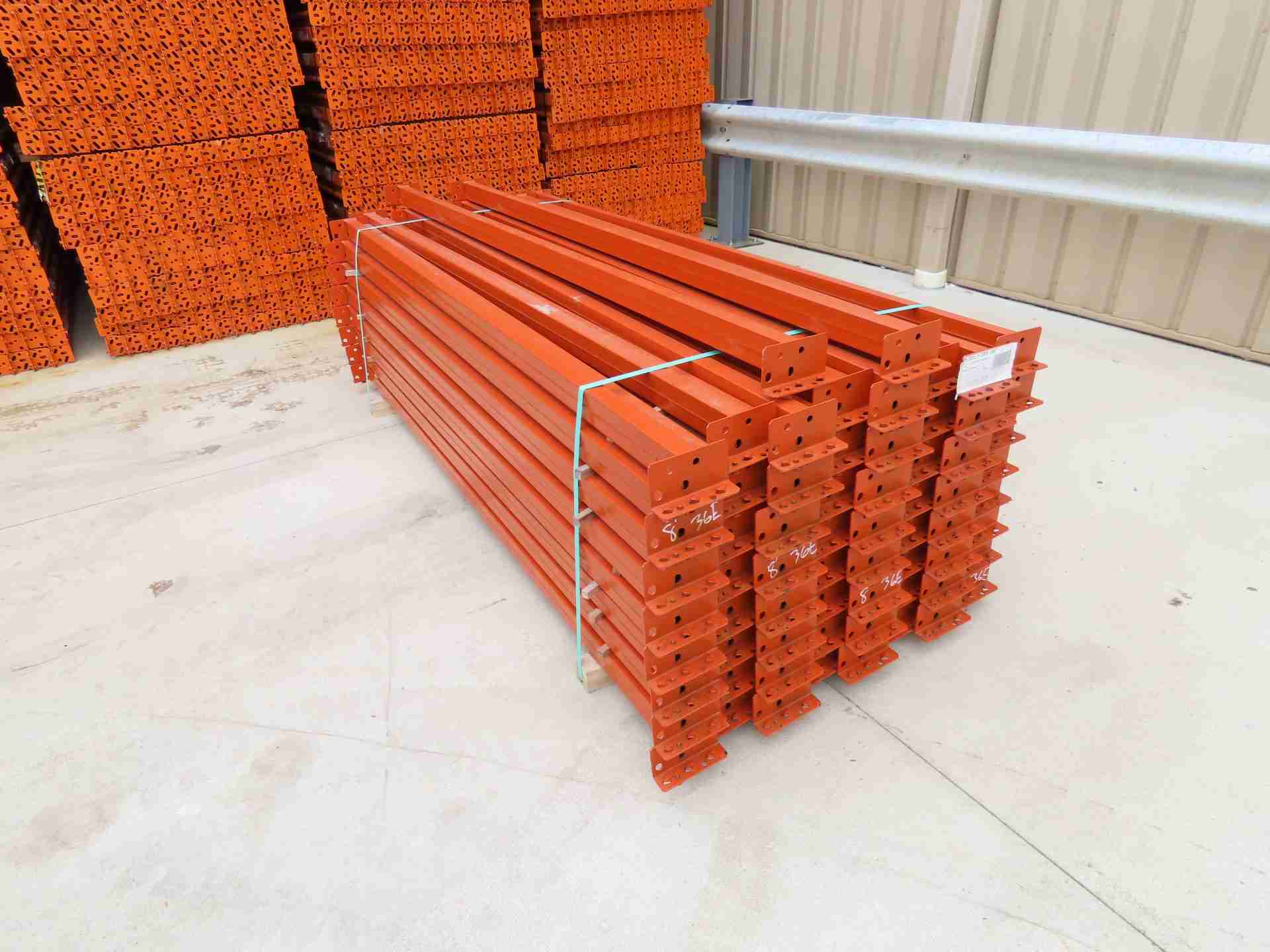
What Impact Do Damaged Racking Systems Have on Employee Morale?
What Impact Do Damaged Racking Systems Have on Employee Morale?
- Warehouse environments feature towering shelves, busy machinery, and synchronized employee movements.
- Neglected damaged racking systems can negatively impact employee morale, conveying that safety is a low priority.
- Damaged racks lead to anxiety among workers, who feel unsafe with heavy loads overhead.
- Operational inefficiencies arise from damaged systems, slowing productivity and increasing accident risks.
- Organizations have an ethical responsibility to maintain safe working conditions for their employees.
- Employees thrive in environments where they feel valued and protected, fostering a strong workplace community.
- Investing in racking system maintenance reflects a commitment to the workforce, boosting morale and overall productivity.
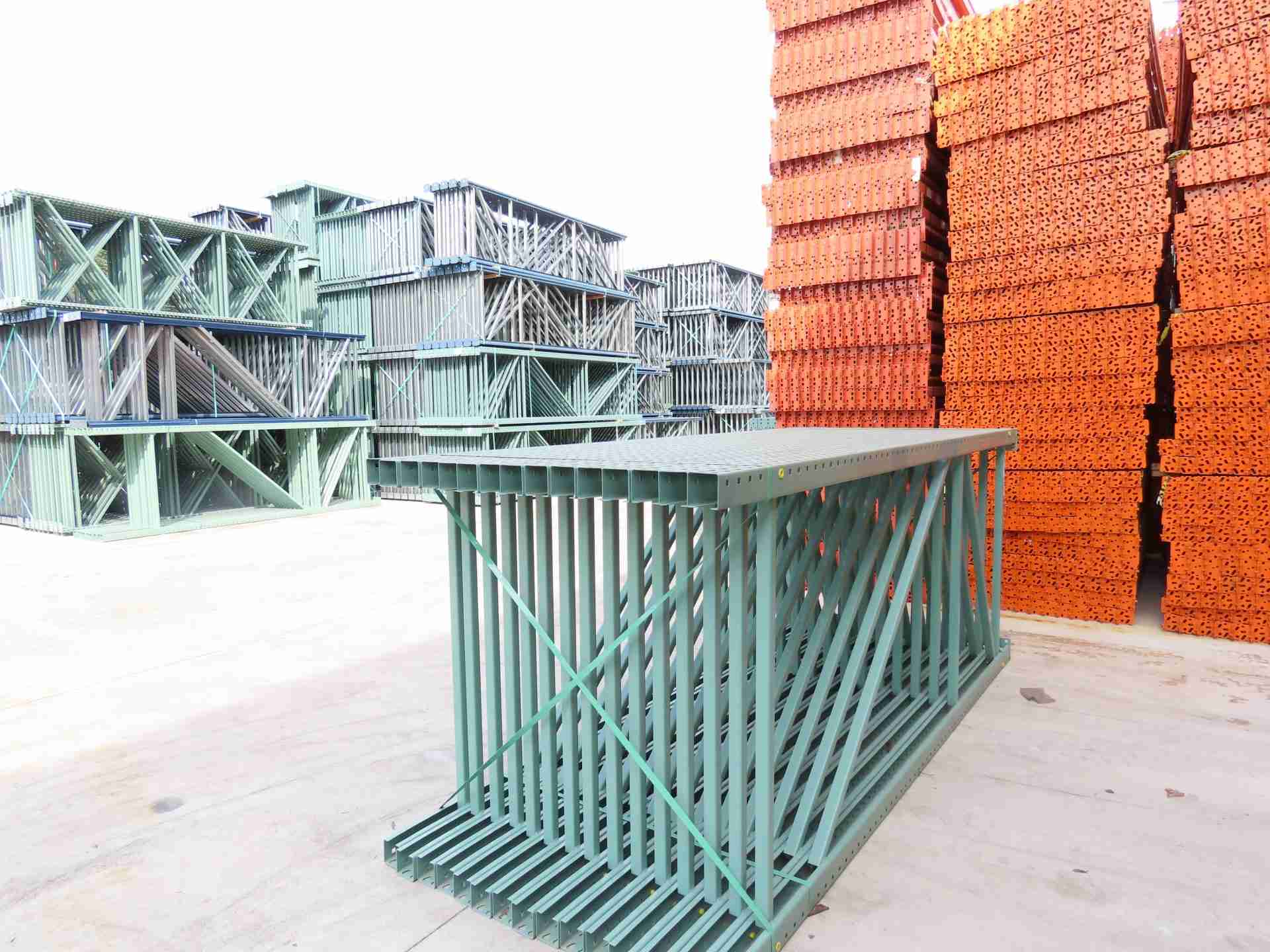
What Impact Do Damaged Racking Systems Have on Employee Morale?
Conclusion
When it comes to buying used racking systems, the seductive call of a good deal can be hard to resist. We see the lower price and imagine the savings piling up, but there’s a crucial question lurking just beneath: What’s the true cost of that bargain? On the surface, these systems might gleam with potential, but hidden dangers could spell disaster in the form of compromised safety and structural integrity. Remember, these aren’t just metal beams; they’re the very framework that supports your operation and, more importantly, the people who work underneath them.
It’s essential to dig deeper. A used racking system may have a history that could make your heart race—cracks, invisible stress fractures, or a shoddy repair could be lurking beneath a seemingly intact exterior. Every racking system has a story. Was it discarded due to a serious load-bearing failure? Have safety regulations evolved since its manufacture? Each question is more than a simple inquiry; it’s a necessary step in safeguarding the lives of your employees—those who rely on these systems daily.
Rationally, investing in safety isn’t just a good idea; it’s a moral obligation. Each piece of equipment you choose affects not just your company’s bottom line but the lives and livelihoods of your workforce. There’s an ethical imperative in making informed choices. When businesses cut corners for savings, the repercussions can send shockwaves through communities and families tied to those jobs. Transparency is key; demand the full history of what you’re buying and know who you’re buying from. Trust has to be earned, and shady dealings can erode confidence faster than a collapsing rack.
Leaders in the industry understand that reputation is priceless. They recognize that every gear in their operation contributes to a greater narrative—a culture of safety, reliability, and integrity. By ensuring these racking systems meet modern safety standards, you not only protect your assets but also send a powerful message to your employees that their safety is valued and prioritized.
Ultimately, this isn’t just about purchasing equipment; it’s about your commitment to your team and the community. It’s about creating a foundation upon which success can be built—steadfast, reliable, and above all, safe. In the quest for cost-effective solutions, never forget that the safety of your people is an investment worth every penny. Choose wisely, protect your workforce, and let your commitment to quality shine through in every decision you make. After all, it’s not just metal; it’s a promise to uphold dignity, trust, and safety in every corner of your operation.
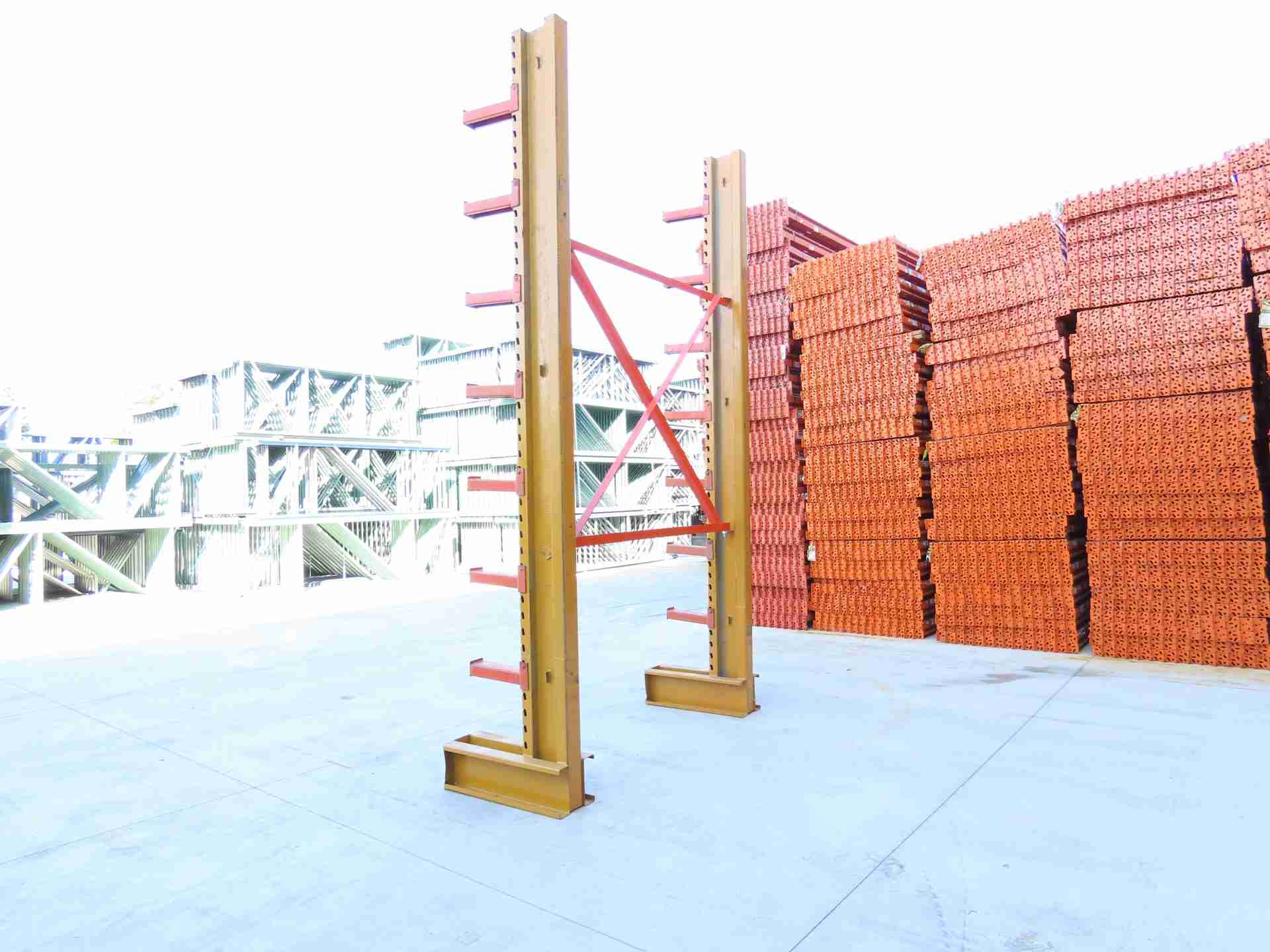
Conclusion
Conclusion:
- Purchasing used racking systems may present tempting savings, but consider the hidden costs.
- Inspect the history of used racks for cracks, stress fractures, or poor repairs that could compromise safety.
- Questions about the racking system’s past are essential for employee safety and operational integrity.
- Investing in safe equipment is both a good business decision and a moral obligation to protect workers.
- Transparency in the purchase process is crucial; demand the full history and ensure trustworthiness of sellers.
- Reputable industry leaders prioritize safety standards to foster a culture of reliability and integrity.
- Choosing the right equipment goes beyond cost; it reflects your commitment to safety and to your workforce’s well-being.
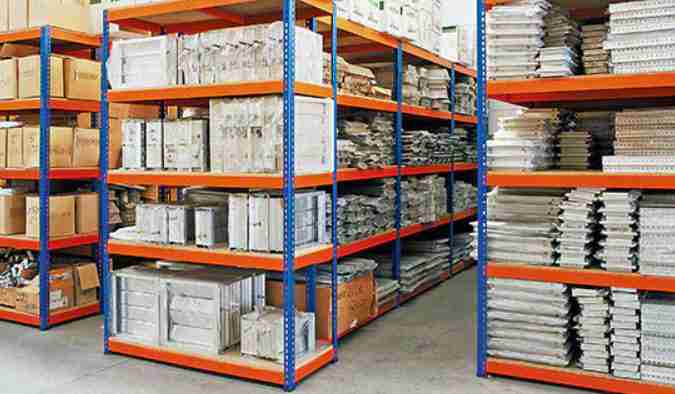
Conclusion
Other Resources
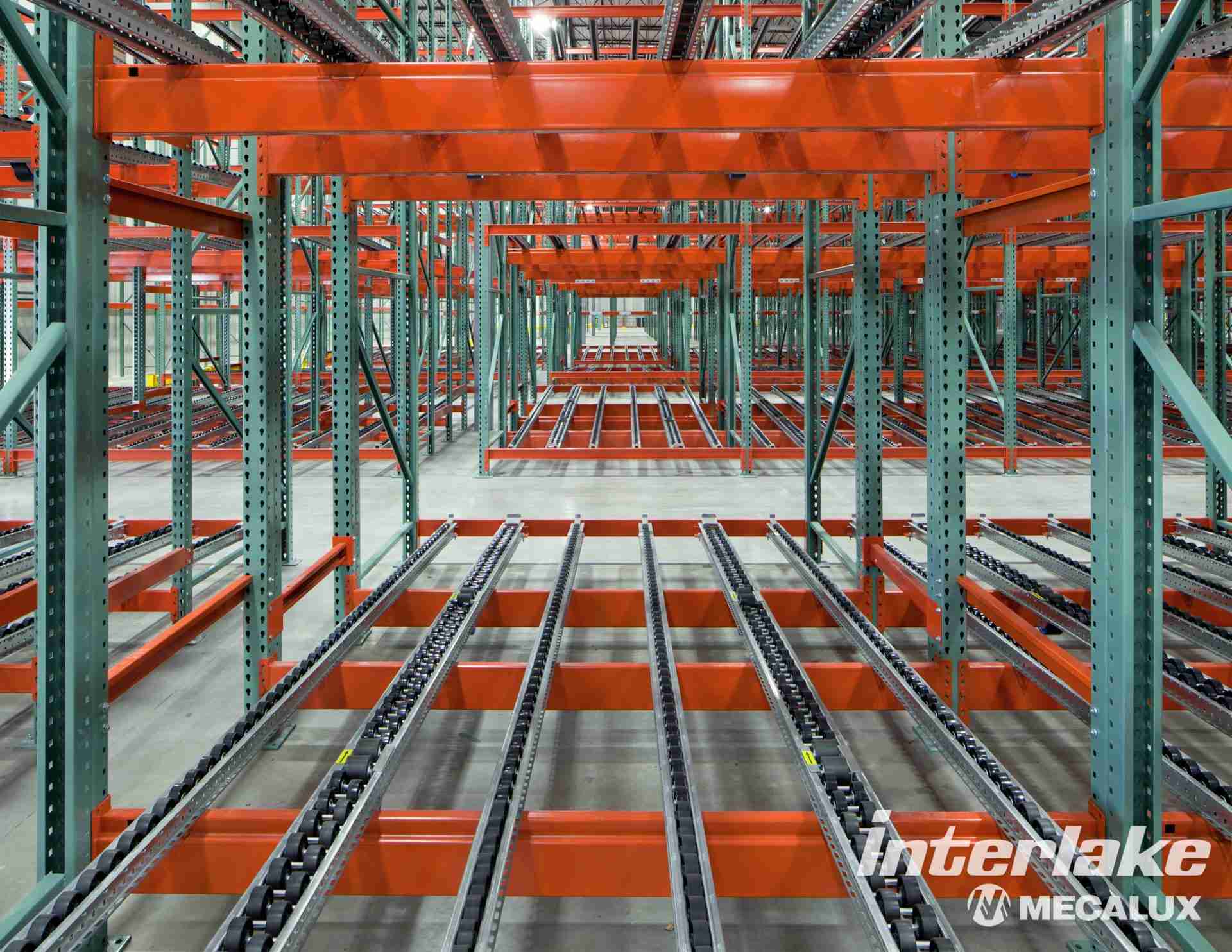
Other Resources
Here is a list of other resources you can review online to learn more:
- IWLA
- CA Wire
- New Cantilever Racks and Racking Kits
- Warehouse Racking System: Powerful Guide to Optimise, 2024
- Selective Pallet Racking Systems
- Arrow Industrial Sales
- Racking World
- What is Selective Racking: Understanding Benefits & Options
- Wolter
- Interlake Mecalux
- IIWS Inc. Rack Installation Illinois & Rack Repairs Illinois
- Selective Pallet Racking Systems – Container Systems
- Storage Equipment Manufacturers Association
- Teardrop Industrial Shelving Rack
- Cantilever Rack Guide: Ordering Cantilever Racking
- BMH Equipment LLC
- Warehouse Storage Racking in Illinois
- Warehouse Storage Racks
- Selective Rack – Raymond West
- SEMA
Use This Prompt To Get More Resources With Your Favorite Online AI Tool: Please provide me with a list of online articles with their URLs in a bulleted list that I can read regarding Hidden Risks Of Purchasing Used Racking Systems
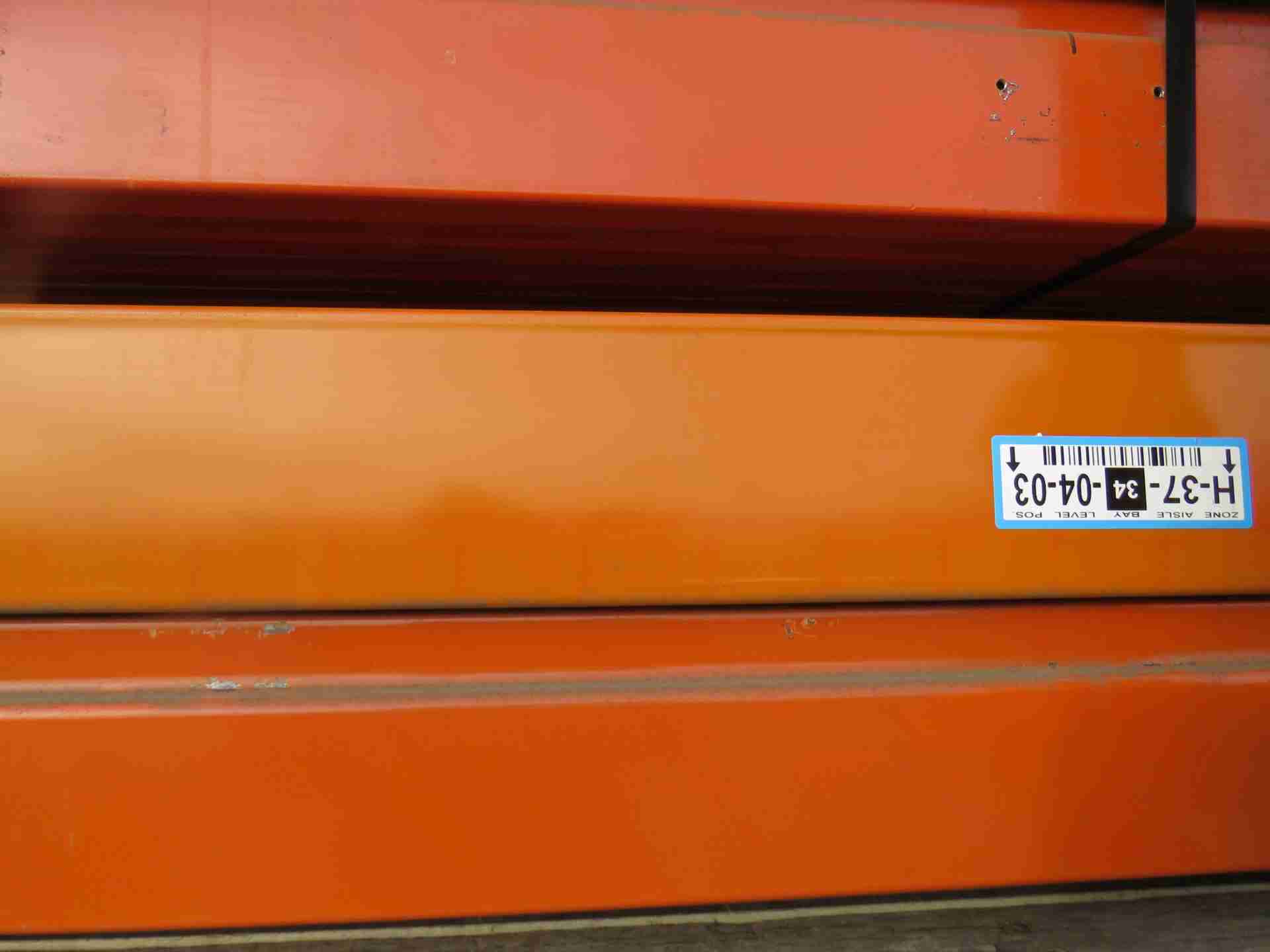
Other Resources
Glossary Terms
Hidden Risks Of Purchasing Used Racking Systems – Glossary Of Terms
1. Used Racking: Storage systems sold secondhand, often at a reduced price compared to new systems.
2. Durability: The ability of racking systems to withstand heavy loads and prolonged use without damage.
3. Load Capacity: The maximum weight a racking system can support safely.
4. Inspection: The process of examining used racking systems for structural integrity, signs of wear, or damage.
5. Compliance: Adherence to industry safety standards and regulations related to warehouse storage solutions.
6. Warranty: A guarantee offered by manufacturers or sellers regarding the performance and lifespan of a racking system.
7. Installation: The procedure of assembling and setting up racking systems in a warehouse environment.
8. Maintenance: Regular upkeep and repairs necessary to ensure the longevity and safety of racking systems.
9. Modification: Alterations made to an existing racking system to fit specific storage needs or requirements.
10. Structural Integrity: The ability of a racking system to bear loads without collapsing or sustaining damage.
11. Safety Standards: Prescribed guidelines and practices that ensure warehouse environments are safe for workers.
12. Reconfiguration: Adjusting the layout of racking systems to optimize space usage or improve workflow efficiency.
13. Cost-Benefit Analysis: Evaluating the financial implications of purchasing used racking versus new systems, balancing potential savings against risks.
14. Risk Assessment: Identifying potential hazards associated with purchasing and using used racking systems.
15. Supplier Reputation: The trustworthiness and reliability of suppliers from whom used racking systems are purchased.
16. Return on Investment (ROI): A financial measure used to evaluate the profitability of investing in used racking systems.
17. Stress Testing: A method of evaluating the strength and stability of racking systems under heavy loads.
18. Manufacturer Specifications: Guidelines provided by manufacturers regarding the proper use and limitations of racking systems.
19. Inventory Management: The process of overseeing the storage, control, and organization of goods in a warehouse.
20. Warehouse Optimization: Strategies implemented to improve the efficiency and effectiveness of warehouse operations, including racking utilization.
21. Decommissioned Racking: Racking systems that have been taken out of service, often sold for reuse.
22. Inspection Reports: Documents detailing the findings of an inspection, highlighting any deficiencies or necessary repairs for used racking.
23. Load Distribution: The even spreading of weight across a racking system to prevent structural overload.
24. Buyer Due Diligence: The thorough investigation and evaluation process undertaken by a buyer before purchasing used racking systems.
25. Structural Damage: Physical harm suffered by racking systems affecting their stability or load-bearing capabilities.
26. Risk Mitigation: Strategies employed to reduce the potential hazards associated with using used racking systems.
27. As-Is Condition: The current, unaltered state of used racking systems at the time of purchase, often with no guarantees of quality.
28. Industry Standards: Established benchmarks and guidelines that govern safe practices in shipping, storage, and handling of racking systems.
29. Compliance Certification: Documentation verifying that racking systems meet specific safety and quality standards.
30. Best Practices: Recommended procedures based on industry experience and consensus aimed at maximizing safety and efficiency in using racking systems.
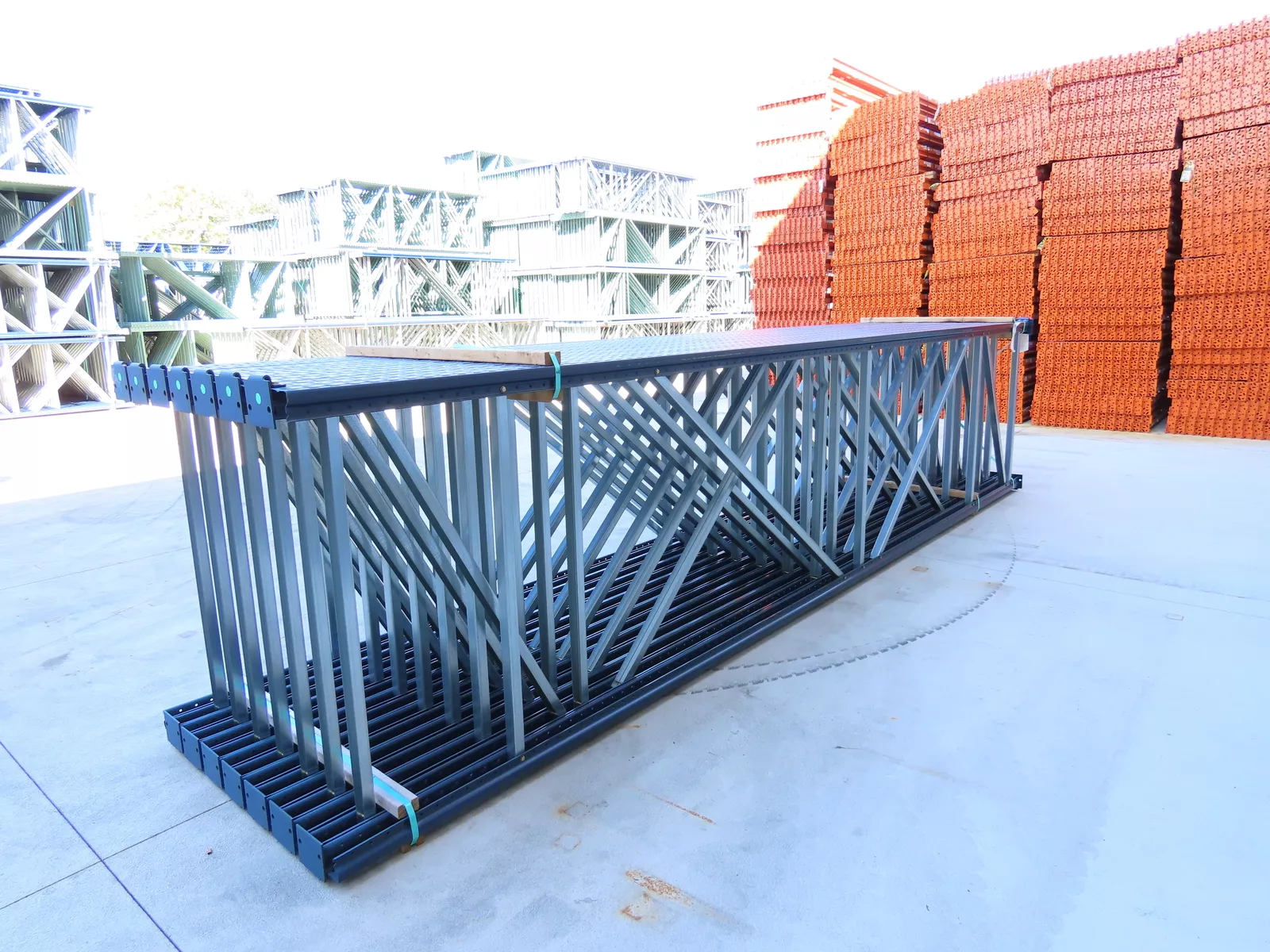
Glossary Of Terms
Other Questions
Hidden Risks Of Purchasing Used Racking Systems – Other Questions
If you wish to explore and discover more, consider looking for answers to these questions:
- What are the most common hidden dangers in used racking systems?
- How can I identify if a used racking system is compliant with current safety standards?
- What specific questions should I ask a seller when considering used racking systems?
- What are the potential legal implications of purchasing unsafe racking systems?
- How do I assess the quality and condition of a used racking system?
- What certifications should I look for when buying used racking systems?
- How can I establish a trustworthy relationship with sellers of used racking equipment?
- What are the ethical considerations involved when purchasing second-hand racking?
- How can damaged racking systems affect overall business operations?
- What preventative measures can I take to ensure the safety of used racking systems?
- What resources are available for research on used racking systems?
- How can the purchase of used racking impact employee safety and morale?
- What should I look for in terms of warranties or guarantees from sellers?
- How do I compare the costs of new vs. used racking systems in terms of long-term value?
- What should I know about the maintenance of used racking systems after purchase?
Other Questions
Checklist
Hidden Risks Of Purchasing Used Racking Systems – A Checklist
Checklist for Safely Purchasing Used Racking Systems
Heart (Emotional Appeals)
_____ Reflect on Employee Safety: Consider how your purchase impacts the safety of your employees and their families.
_____ Foster Trust: Evaluate how your choices affect workplace morale and trust among your team.
_____ Commit to Community: Think about the implications of your equipment choices on your organization’s reputation within the community.
Head (Rational Appeals)
_____ Research the History: Investigate the previous usage and condition of the racking systems you’re considering.
_____ Verify Compliance: Ensure that the racking systems meet current safety standards and regulations.
_____ Assess Long-term Costs: Calculate the hidden costs associated with potential repairs or replacements due to purchasing unsafe equipment.
Gut (Instinctual Appeals)
_____ Trust Your Intuition: Gauge your feelings about the seller and their honesty. Do they seem credible?
_____ Ask Critical Questions: Challenge yourself to ask comprehensive questions about the equipment’s history and safety certifications.
_____ Examine Visual Evidence: Look closely at the physical condition of the racking systems—check for any signs of wear or damage.
Ethical Considerations
_____ Ensure Transparency: Demand detailed reports and proof of safety compliance from the seller.
_____ Support Ethical Practices: Choose sellers known for their integrity and commitment to safety rather than merely focusing on cost.
Authority Insights
_____ Consult Experts: Seek advice from industry professionals or forums to gain insights about reputable sellers.
_____ Read Reviews: Check testimonials and feedback from previous customers to gauge the seller’s reliability.
_____ Stay Informed: Keep updated with industry standards and safety regulations related to racking systems.
Narrative Approach
_____ Understand the Product’s Journey: Learn about the history of the racking systems and the stories behind their use.
_____ Connect with the Seller: Build a relationship with the seller to understand their commitment to quality and safety.
Social Responsibility
_____ Engage with Your Network: Share information and experiences about racking systems with colleagues and industry peers.
_____ Promote a Culture of Safety: Show leadership by prioritizing safe practices and quality equipment, setting a standard in your industry.
By completing this checklist, you position yourself to make educated, responsible, and ethical decisions while purchasing used racking systems, ensuring a safer workplace for everyone involved.

Checklist
At RackingWorld, we help guide you through selecting warehouse storage systems and racking.
Be sure to read our other related stories at RackingWorld to learn more about warehouse storage systems.
0 Comments