
Preserving Perishables: A Comprehensive Guide
By Tom Seest
At RackingWorld, we help guide you through selecting warehouse storage systems and racking.
Be sure to read our other related stories at RackingWorld to learn more about warehouse storage systems.
Dealing with Water Damage In Cold Storage Racks
When you think of cold storage racks, what comes to mind? Perhaps the meticulous, frost-covered aisles of your favorite grocery store or the behind-the-scenes infrastructure that keeps everything from our fresh produce to life-saving pharmaceuticals in pristine condition. But, what happens when disaster strikes—when water damage seeps through the cracks of our well-oiled machine? The truth is, dealing with water damage in cold storage racking systems is not just a matter of dollars and cents; it’s a matter of lives and well-being.
Imagine walking into a facility where the rank odor of spoilage replaces the familiar scent of freshness. The sound of dripping water becomes a sinister reminder of negligence, as shelves that once stood proud now bow under the weight of ruin. The impact doesn’t stop at lost inventory—it’s the ripple effect on business operations, customer trust, and even employee morale. We often overlook what it truly means to run a cold storage facility. Each rack, crucial in its role, represents hard work, commitment, and a network of lives depending on that integrity.
From the start, it’s essential to establish a solid foundation of understanding when it comes to racking. These systems are designed for resilience, yet they can falter when mismanaged. By taking proactive measures—like routine inspections and moisture control—you cultivate an environment where both product and people thrive. This isn’t just about following regulations; it’s about fostering a culture where accountability reigns supreme.
Ethically, we owe it to ourselves and our communities to maintain the highest standards of safety and efficiency. A business built on trust goes beyond merely attracting customers; it binds us together in a shared commitment to excellence. By prioritizing quick responses to water damage, we not only protect assets but uphold the reputation that took years to build.
When water threatens your cold storage racking, it’s not just an inconvenience; it’s an opportunity to reflect and act. Lean on the professionals armed with years of experience in remediation and rebuilding. Reach out to them and remind yourself that you’re not alone in this fight. Investing time and resources into addressing water damage isn’t just a business decision—it’s a moral one.
So, roll up your sleeves and embrace the challenge. Each rack saved is a testament to the resilience that underpins not just your operation but your community. Together, let’s ensure that the next time someone steps into a cold storage facility, they are greeted by the refreshing aroma of success instead of the taint of neglect.
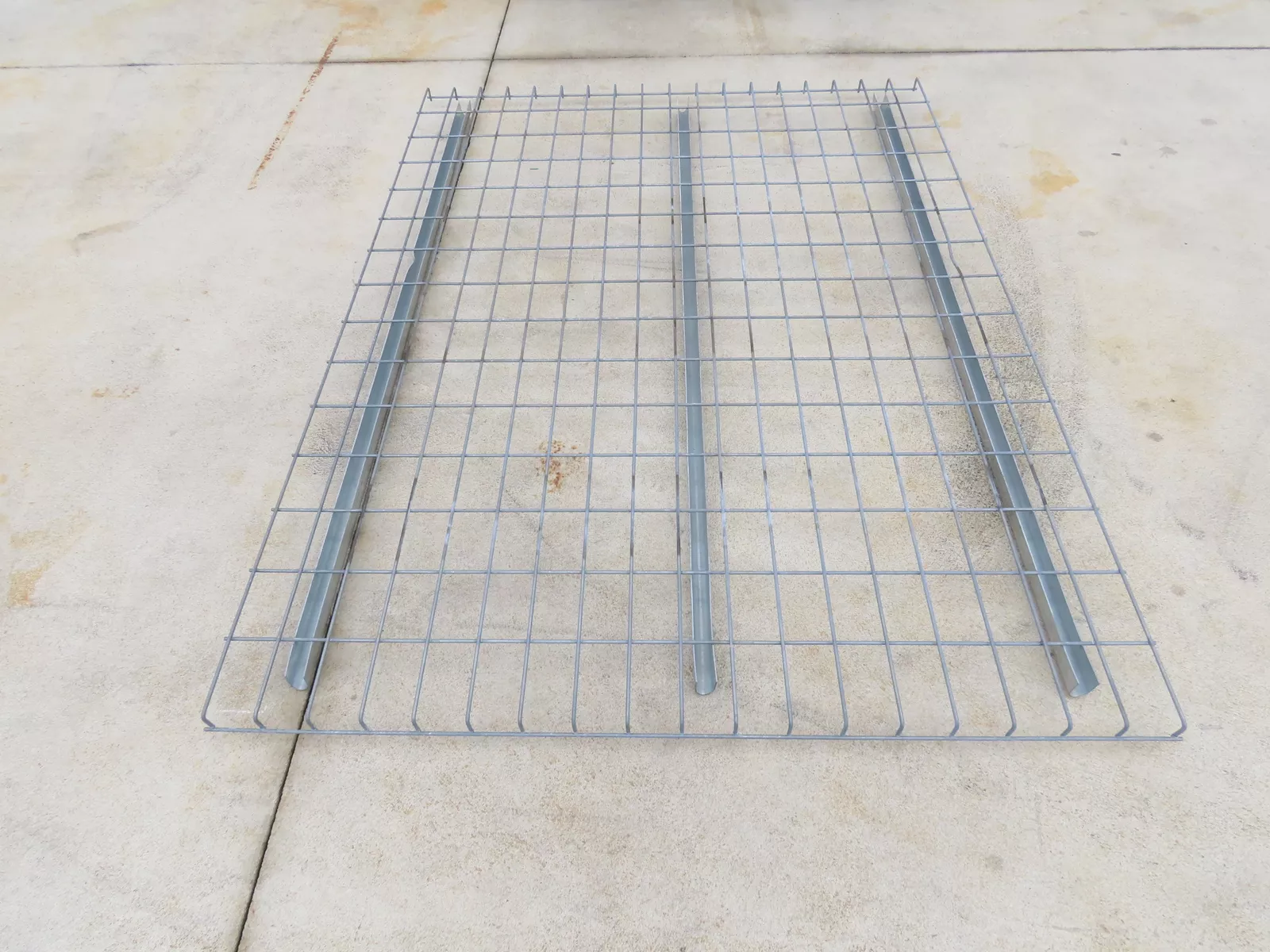
Dealing with Water Damage In Cold Storage Racks
Dealing with Water Damage In Cold Storage Racks
- Cold storage racks play a vital role in preserving fresh produce and pharmaceuticals.
- Water damage can severely impact not just inventory, but also business operations and employee morale.
- Maintaining the integrity of these systems requires proactive measures like routine inspections and moisture control.
- Ethical responsibility demands that businesses uphold high standards of safety and efficiency.
- Quick responses to water damage are essential for protecting assets and maintaining customer trust.
- Addressing water damage should be viewed as a moral obligation, not just a financial decision.
- Community resilience is reflected in the careful management of cold storage facilities and their operations.
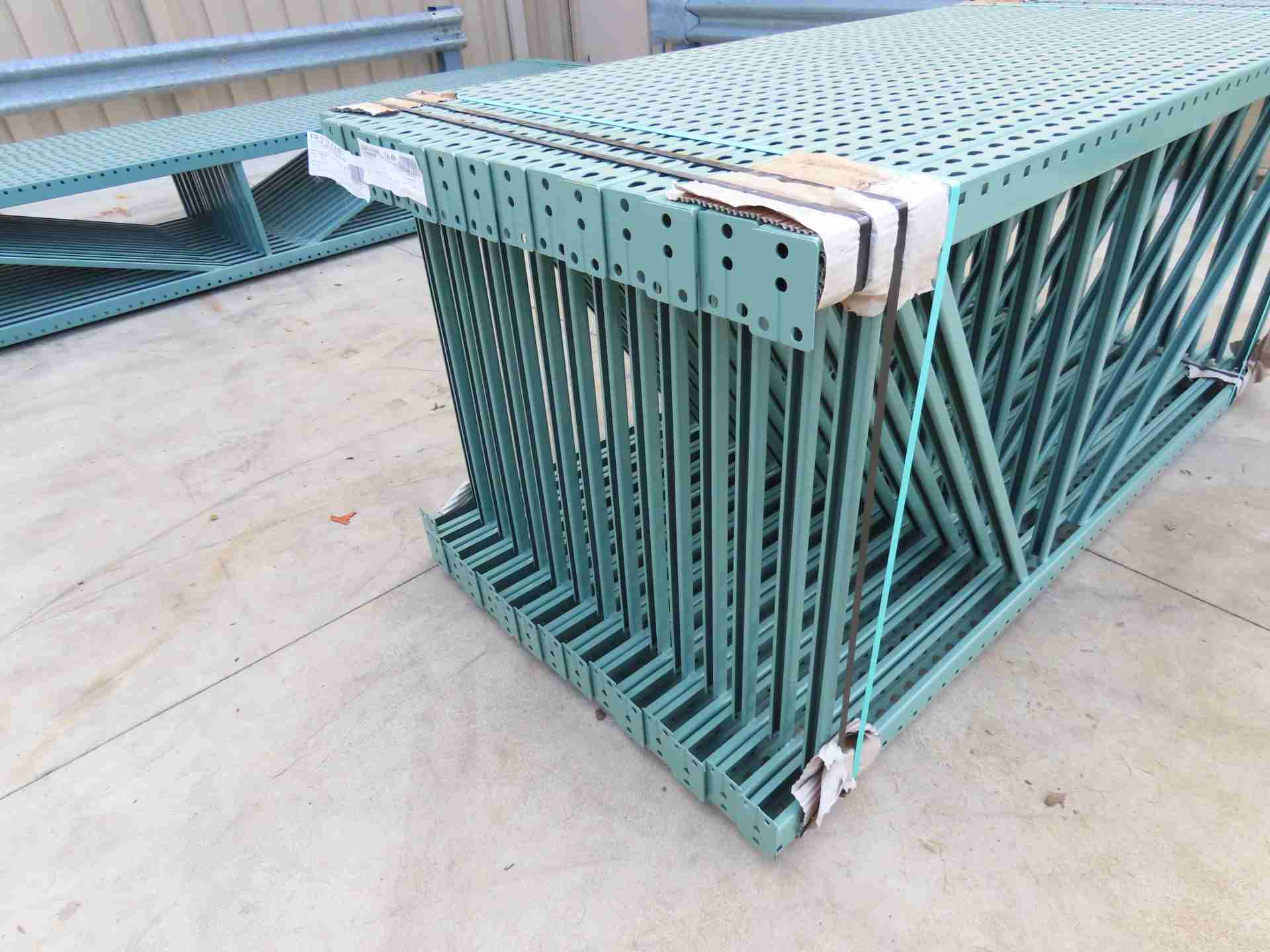
Dealing with Water Damage In Cold Storage Racks
Table Of Contents
- Dealing with Water Damage In Cold Storage Racks
- What Emotional Toll Does Water Damage Take on Your Business?
- How Can You Prevent Costly Damage In Your Cold Storage?
- Are You Aware Of the Health Risks Associated with Mold Growth?
- What Ethical Responsibilities Do You Have As a Manager for Safety?
- How Can Efficient Water Management Save You Money Long-Term?
- Conclusion
- Other Resources
- Glossary Of Terms
- Other Questions
- Checklist
What Emotional Toll Does Water Damage Take on Your Business?
When disaster strikes—like water damage—it’s not just the physical space that suffers; it’s the heart of your business and the emotional weight it carries. Imagine standing amidst your once vibrant workspace, now reduced to a racking system of chaos, with soggy carpets and soaked documents replacing the hum of productivity. That scene isn’t just a setback; it can be a heavy blow to your very spirit and motivation.
The emotional toll of water damage extends beyond immediate financial setbacks. There’s a deep, gut-wrenching fear of uncertainty that grips everyone involved—owners, employees, even suppliers and clients. What happens next? Will we have the resources to rebuild? Can we bounce back from this? As your heart races with each worried thought, you find yourself grappling with anxiety that seeps into every corner of your business decisions, affecting relationships and eroding trust.
Rationally speaking, the costs of water damage are quantifiable: disrupted operations, lost revenue, and potential reputational harm. Yet, the intangible impacts are far more insidious. They manifest in the form of diminished employee morale and community perception. Your team looks to you for strength and resilience in these trying times, but when you’re battling the emotional aftermath yourself, it can leave you feeling powerless. It’s a heavy weight on your shoulders, one that can feel almost unbearable.
Yet, this challenge also offers an opportunity for growth. When you face adversity, you not only reveal your own true character but also the strength and unity of your team. It’s a time to come together, draw on your collective resolve, and inspire loyalty that runs deeper than a paycheck. People want to be part of something bigger—a vision that says, “We will rise again, together.”
Building trust and confidence amidst adversity is crucial. Share your journey with transparency; lean on your network for support. That vulnerability fosters connection, and suddenly, the narrative shifts from one of loss to one of resilience. You’re not just fighting against water damage; you’re standing for something that transcends it—an unwavering spirit and a commitment to a brighter future. Rise, rebuild, and show the world that your business isn’t just a structure; it’s a community that endures, together.
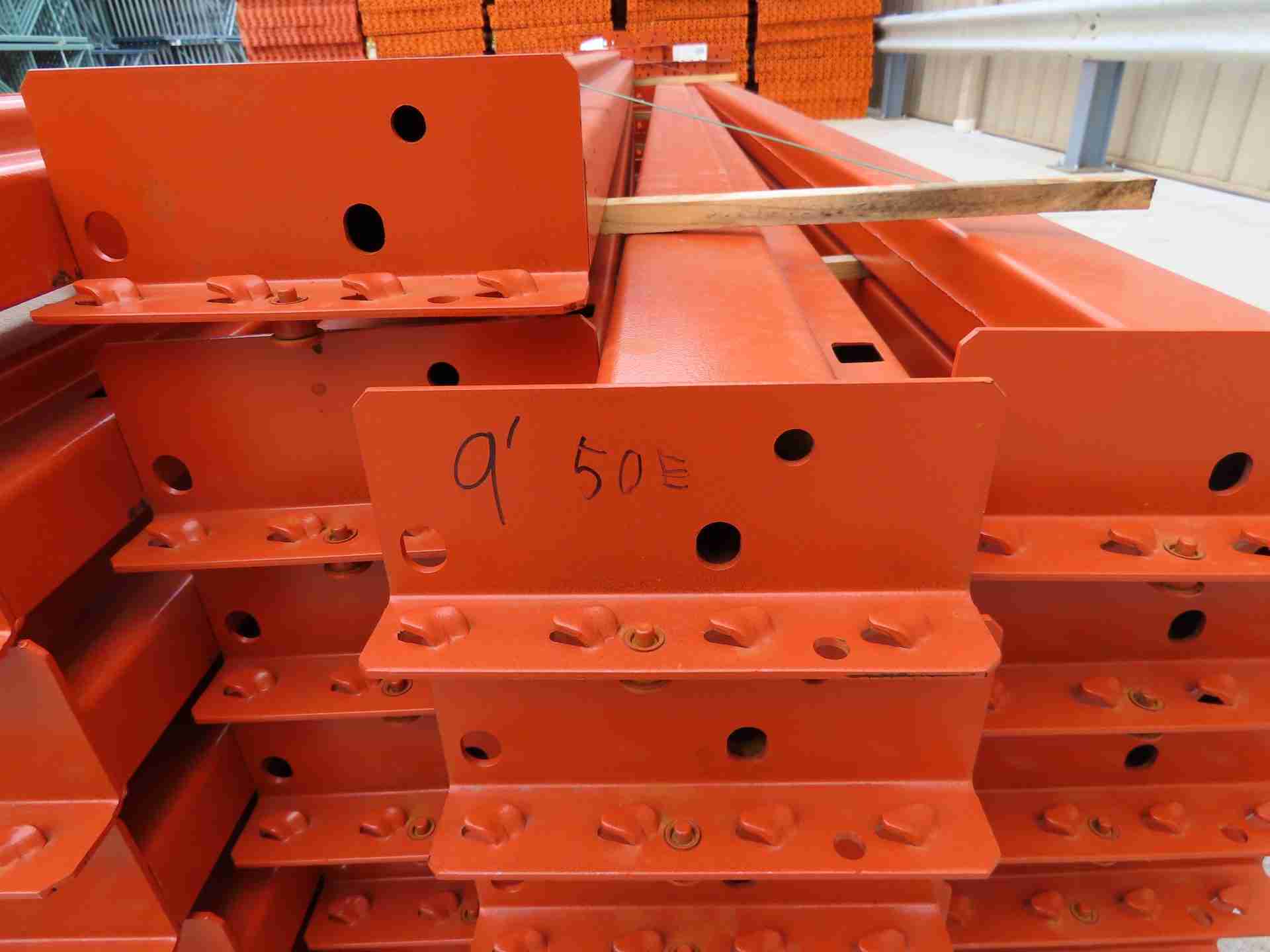
What Emotional Toll Does Water Damage Take on Your Business?
What Emotional Toll Does Water Damage Take on Your Business?
- Water damage impacts not only the physical space but also the emotional health of a business.
- The aftermath of such disasters creates uncertainty and anxiety among owners, employees, suppliers, and clients.
- Costs of water damage include lost revenue, disrupted operations, and reputational harm, alongside intangible impacts.
- Diminished employee morale and community perception can occur in the wake of water damage.
- Challenges present an opportunity for growth and reveal character and unity among teams.
- Building trust and confidence is essential; sharing experiences and leaning on support networks can foster resilience.
- Emphasize community and shared vision to rise above adversity and strengthen commitment to a brighter future.
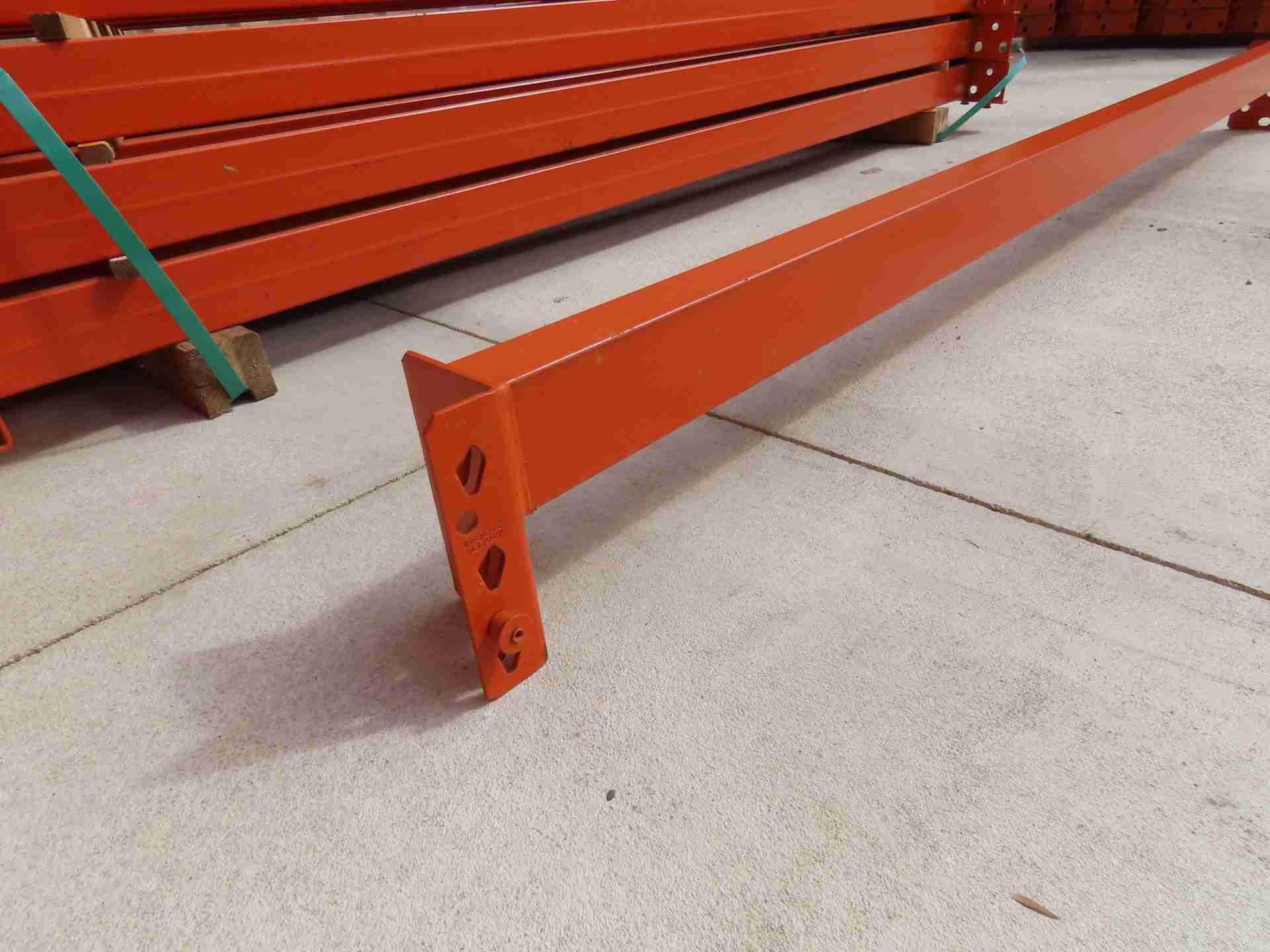
What Emotional Toll Does Water Damage Take on Your Business?
How Can You Prevent Costly Damage In Your Cold Storage?
When it comes to cold storage, one truth stands out: neglecting preventive measures can lead to serious repercussions. Imagine the heartache of watching valuable inventory spoil because of a simple oversight. This isn’t just a financial loss; it’s the unraveling of hard work and dedication that businesses pour into their craft. To prevent costly damage, proactive steps are not optional; they’re essential.
First, let’s tackle the fundamentals. Regular maintenance of your cold storage facility is vital. Think of it as a tune-up for a beloved car that you rely on every day. Regular checks of racking systems, insulation, temperature controls, and equipment can save a world of headaches later. Did you know that even a slight variation in temperature can lead to spoilage? Your attention to detail here not only preserves the quality of your products but safeguards your reputation, too.
Now, let’s be practical. Implement a reliable monitoring system that keeps you informed every step of the way. Whether it’s temperature alerts sent directly to your smartphone or visual checks done every shift, this kind of vigilance acts as an early-warning system. By taking action before a catastrophe strikes, you empower both your workforce and your business. It’s a small effort that yields significant returns—because when you know your cold storage is secure, you can focus on what really matters: serving your customers and growing your enterprise.
But what about when things go awry? It’s not just about prevention. It’s also about fostering a culture of accountability within your team. Everyone, from the warehouse manager to the night shift staff, should share in the responsibility of maintaining the integrity of your cold storage. Engage them in the process, train them, and hold them accountable. This kind of unity not only builds trust but enhances morale. You’re not just maintaining a facility; you’re cultivating a community.
In both the heart and the gut, we know there’s a profound difference between merely having systems in place and actively participating in their care. Embrace the challenge of safeguarding your cold storage as both a duty and a privilege. It’s not just about avoiding losses; it’s about honoring the hard work that goes into bringing valuable products from field to table. Be proactive, be engaged, and together, let’s keep the promise of quality alive.
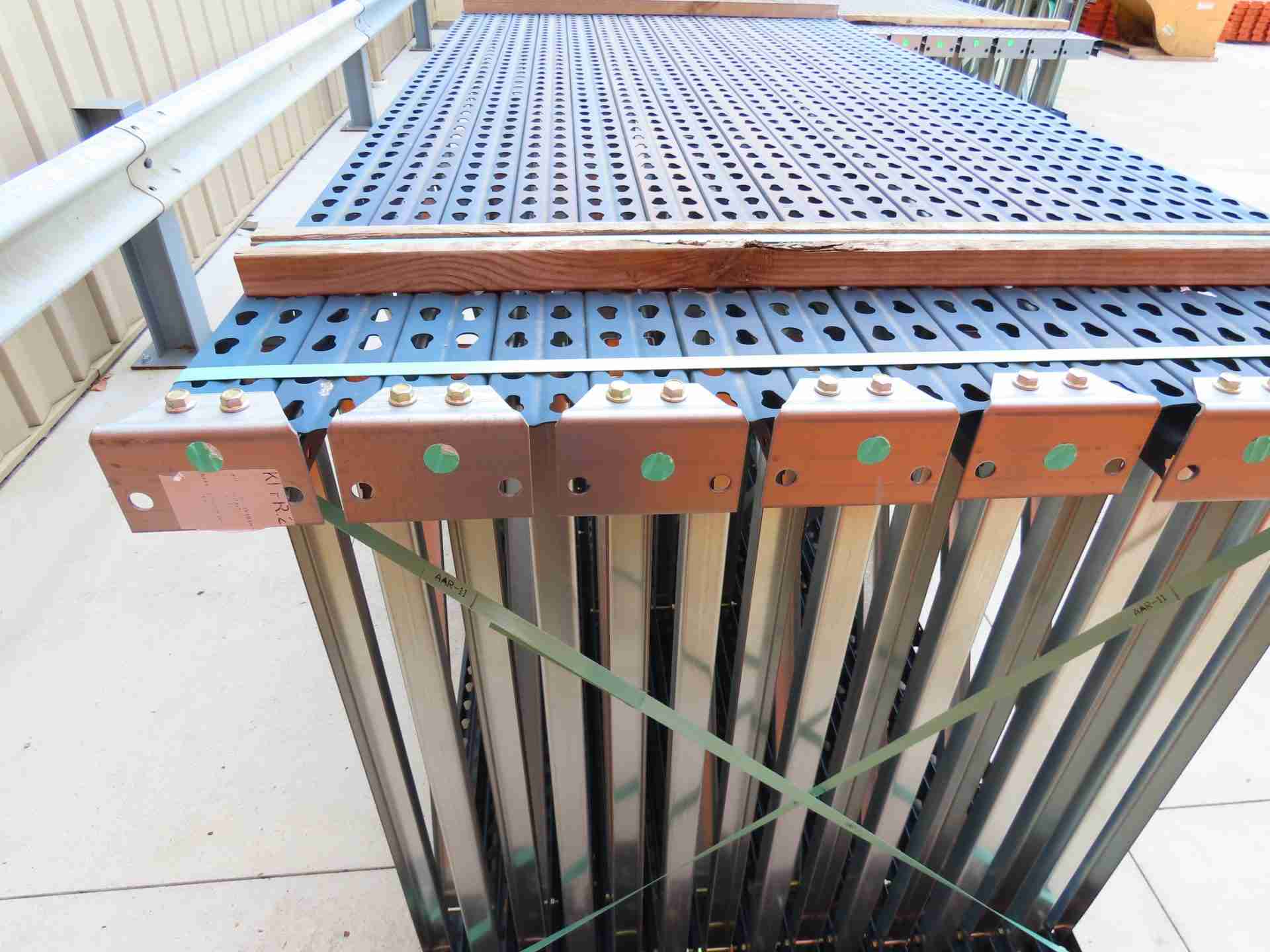
How Can You Prevent Costly Damage In Your Cold Storage?
How Can You Prevent Costly Damage In Your Cold Storage?
- Neglecting preventive measures in cold storage can lead to serious repercussions, including spoilage of valuable inventory.
- Regular maintenance of cold storage facilities is essential, akin to a regular car tune-up.
- Frequent checks on racking systems, insulation, temperature controls, and equipment can prevent headaches down the road.
- Implementing a reliable monitoring system, such as temperature alerts, enables proactive management and early problem detection.
- Fostering a culture of accountability within the team is crucial; all staff should share responsibility for cold storage integrity.
- Engaging the workforce through training and accountability builds trust and enhances morale within the team.
- Embrace the responsibility of maintaining cold storage as a duty and a privilege to honor the effort behind product quality.
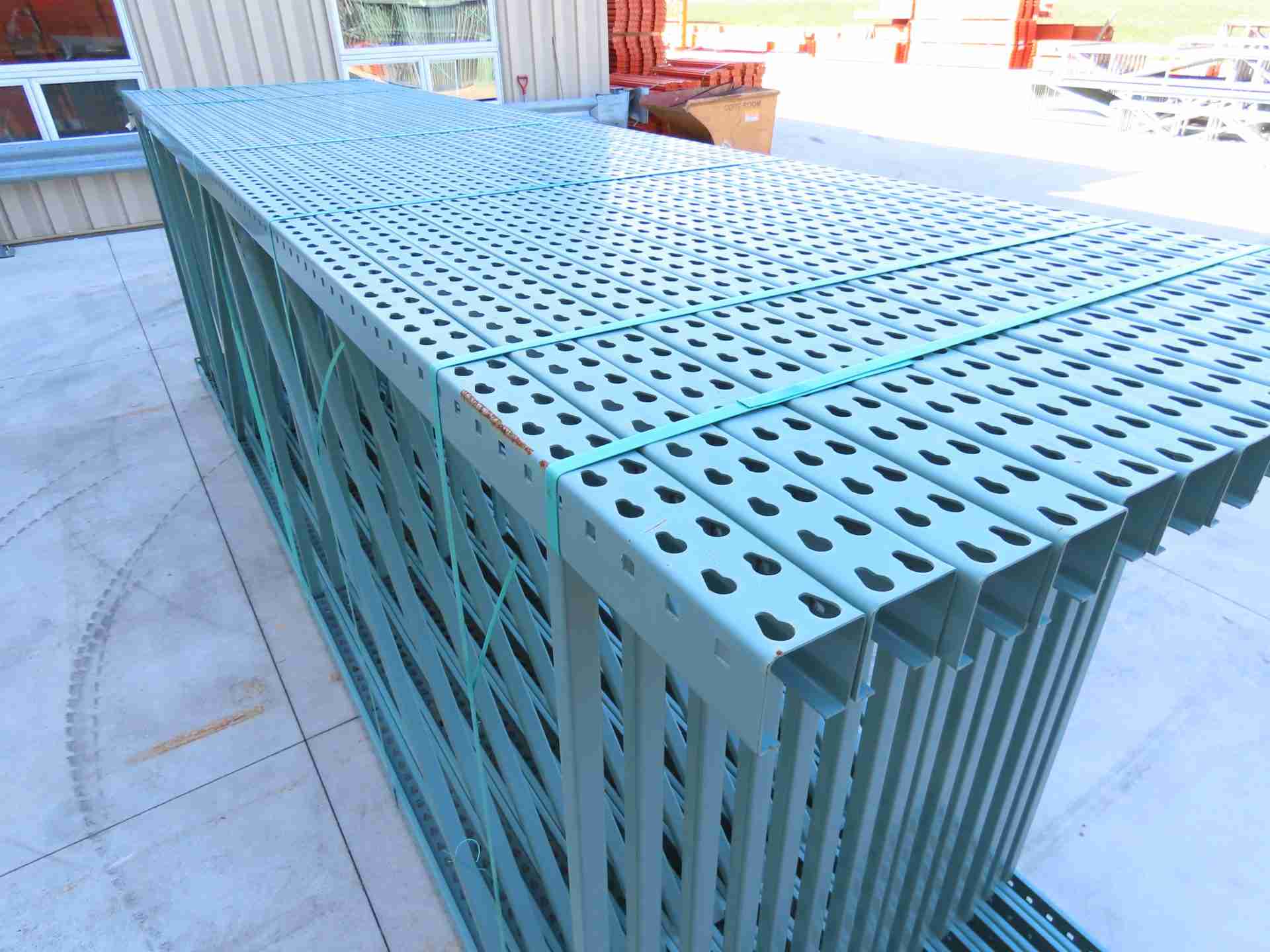
How Can You Prevent Costly Damage In Your Cold Storage?
Are You Aware Of the Health Risks Associated with Mold Growth?
When we think about our homes, we often envision a sanctuary— a cozy place to unwind, filled with laughter, comfort, and memories. However, lurking within the walls or hidden beneath floorboards can be something insidious: mold. If you’ve ever seen this unwelcome guest appearing in your bathroom or basement, you know it’s more than just an eyesore. It’s a harbinger of potential health risks that can impact you and your loved ones.
Let’s pause for a moment and consider the gravity of this situation. Mold thrives in damp, dark places and can release spores into the air we breathe. It doesn’t discriminate; it affects everyone, particularly children, the elderly, and those with pre-existing health conditions. The gut-wrenching truth is that exposure to mold can lead to respiratory issues, skin irritations, and even neurological problems. Each time we turn a blind eye to that black patch in the corner, we risk racking up health complications that might haunt us for years to come.
Now, it’s easy to dismiss mold as merely a nuisance. We might shrug it off, thinking, “It’s just a little patch.” But consider this: every small act of negligence compounds over time. Ethically, we have a duty to create safe and healthy environments for our families. Allowing mold to flourish is akin to neglecting a fire in our home that has yet to ignite.
Let’s think rationally for a moment. The cost of professional mold remediation can feel daunting, yet it pales in comparison to the potential medical bills that could arise from health complications later on. Investing in prevention and swift action is not just practical; it’s sensible.
And let’s connect on a human level. We all want what’s best for those we care about. Picture your child playing safely in their room, breathing easy and free from the risk of harm. When we tackle those mold patches head-on, we’re not just cleaning—we’re safeguarding our loved ones.
This is not merely an issue of upkeep; it’s a collective responsibility. Join neighbors in community discussions about mold prevention and awareness. With knowledge, the right action, and a united front, we can reclaim our homes from these hidden adversaries. So let’s roll up our sleeves, confront this challenge, and restore our homes to the sanctuaries they were meant to be.
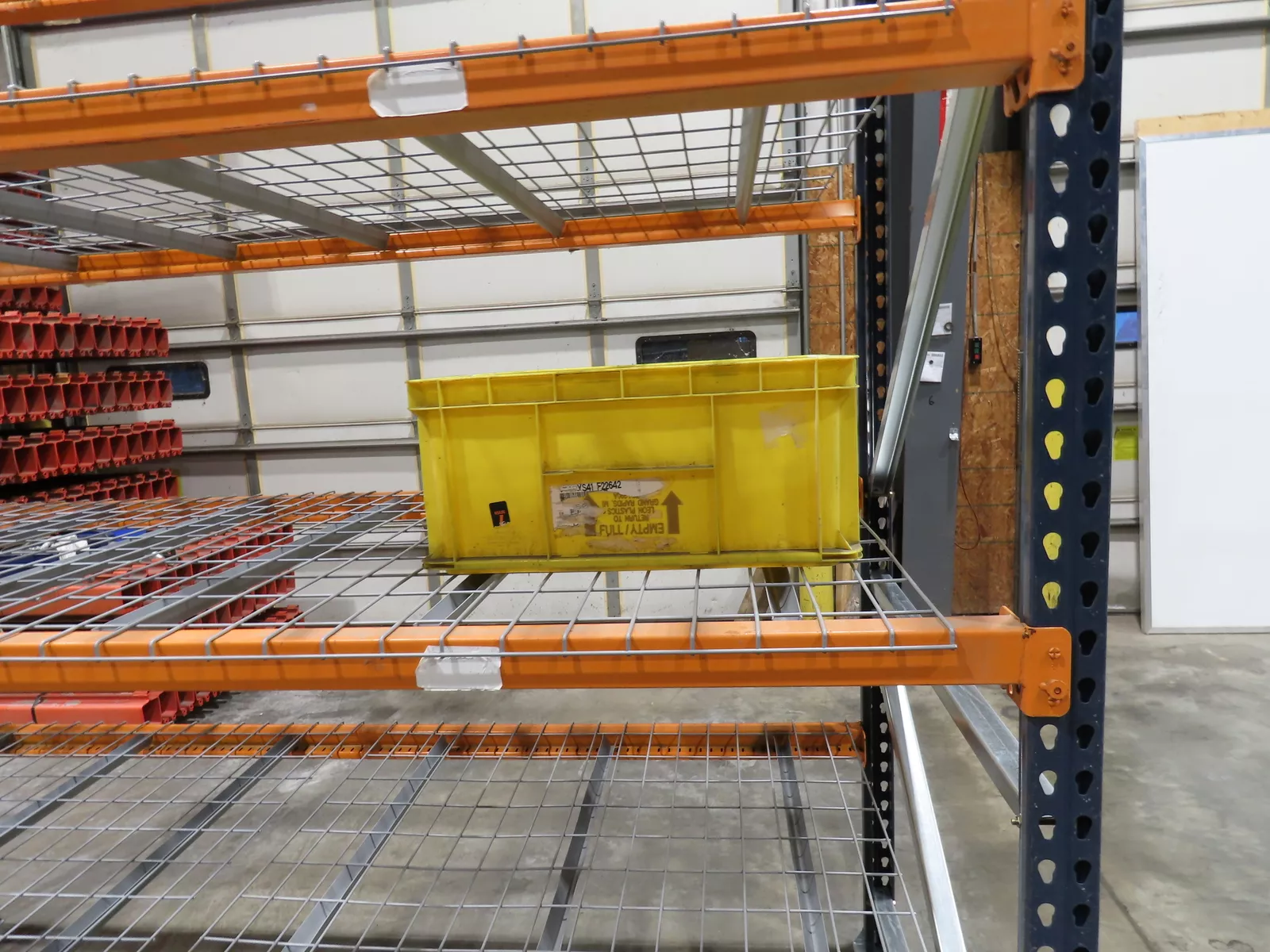
Are You Aware Of the Health Risks Associated with Mold Growth?
Are You Aware Of the Health Risks Associated with Mold Growth?
- Homes are envisioned as sanctuaries filled with comfort, laughter, and memories.
- Mold can be an insidious presence in homes, posing significant health risks.
- Mold thrives in damp, dark places and can affect anyone, particularly vulnerable groups.
- Exposure to mold can lead to serious health issues, including respiratory problems and skin irritations.
- Neglecting mold can lead to long-term health complications and is a collective responsibility.
- Investing in mold remediation is sensible compared to potential medical bills from health issues.
- Community awareness and action can help reclaim homes from mold and ensure safety for loved ones.
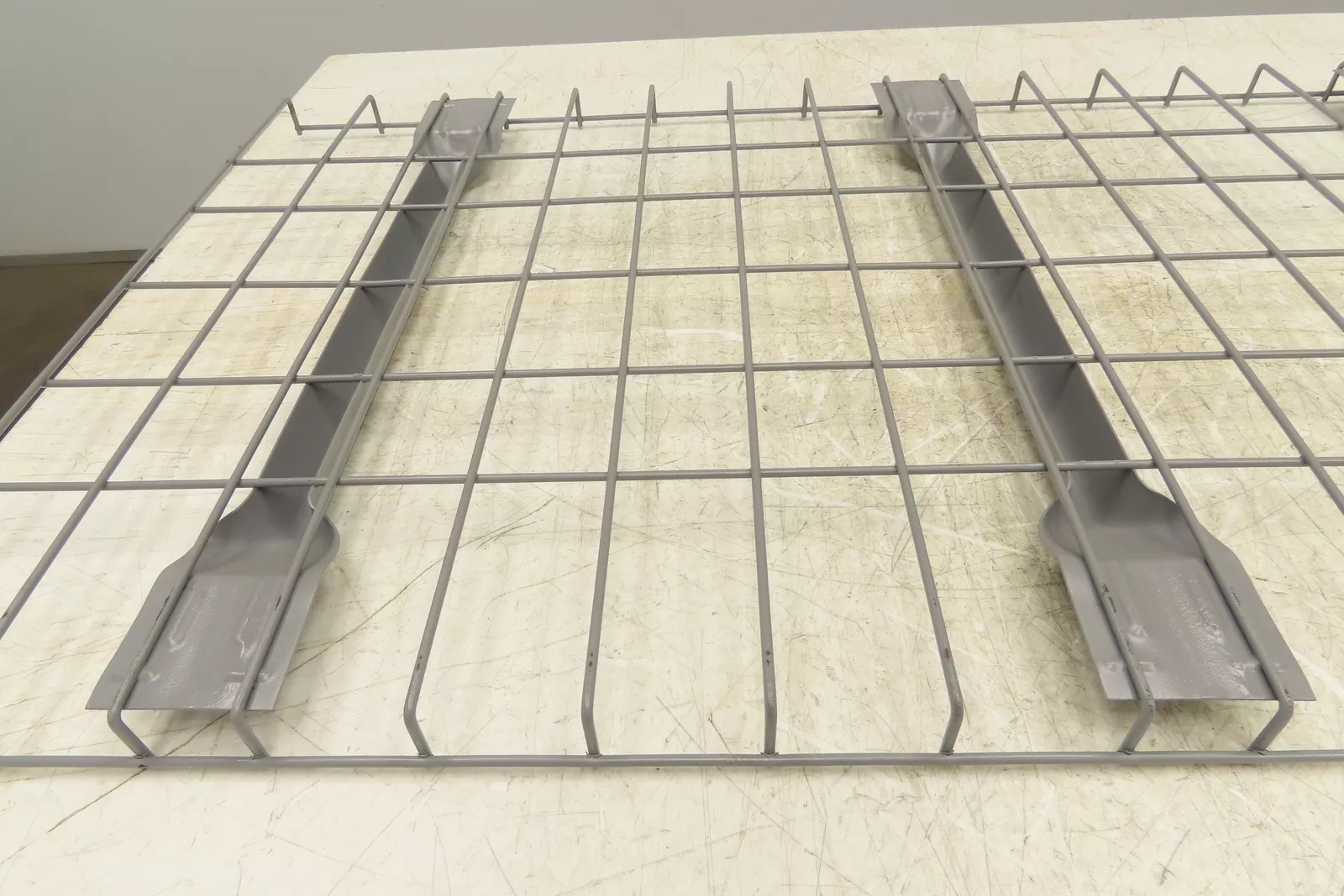
Are You Aware Of the Health Risks Associated with Mold Growth?
What Ethical Responsibilities Do You Have As a Manager for Safety?
When you step into the role of a manager, you’re not just filling a title; you’re stepping up to a profound responsibility—ensuring the safety of your team. It’s a duty that weighs heavily, but it’s also a privilege. Every day, as you walk through your workplace, you’re surrounded by people—human lives, each with their own dreams, struggles, and families waiting for them at home. It’s essential to recognize the individual behind the worker, especially when it comes to safety. Your job is more than just managing; it’s about caring and protecting those who trust you to lead them.
Imagine a day when a critical racking system needs inspection, and it’s easy to overlook a minor detail. To some, it’s just a part of the job, but to you, it’s a cornerstone of safety. That slight lapse could lead to accidents that ripple through families and communities. Think about the responsibility you carry: every decision impacts lives. When you commit yourself to creating a culture of safety, you’re inviting your team into a shared vision—a vision where each person looks out for one another, where safety isn’t just a policy but a fundamental value.
Now, let’s get real. Ethical responsibilities don’t just exist on paper; they’re woven into the fabric of your leadership. When you foster open communication about safety hazards, when you actively listen to concerns and suggestions, you demonstrate that safety isn’t simply a checkbox—it’s a dialogue. You become a trusted voice, an ally in the field, someone who strives to keep their team intact and thriving. Moreover, don’t underestimate the power of leading by example. Show your team that safety is a principle you live by, not just something you preach from a distance.
Furthermore, create an environment where accountability flourishes. When everyone knows they have a role in maintaining safety, it transforms from an administrative burden into a communal obligation. Celebrate successes, address failures constructively, and create an atmosphere where safety enthusiasts can emerge. This isn’t just about compliance; it’s about developing a culture of ethics, where people are proud to put safety first.
Ultimately, your role as a manager in safety isn’t merely about enforcing regulations; it’s about building trust, fostering connection, and igniting a passion for protecting one another. When your team feels valued and safe, they don’t just perform better—they thrive. That’s the kind of leadership that leaves a lasting mark, reminding us all why we do what we do.
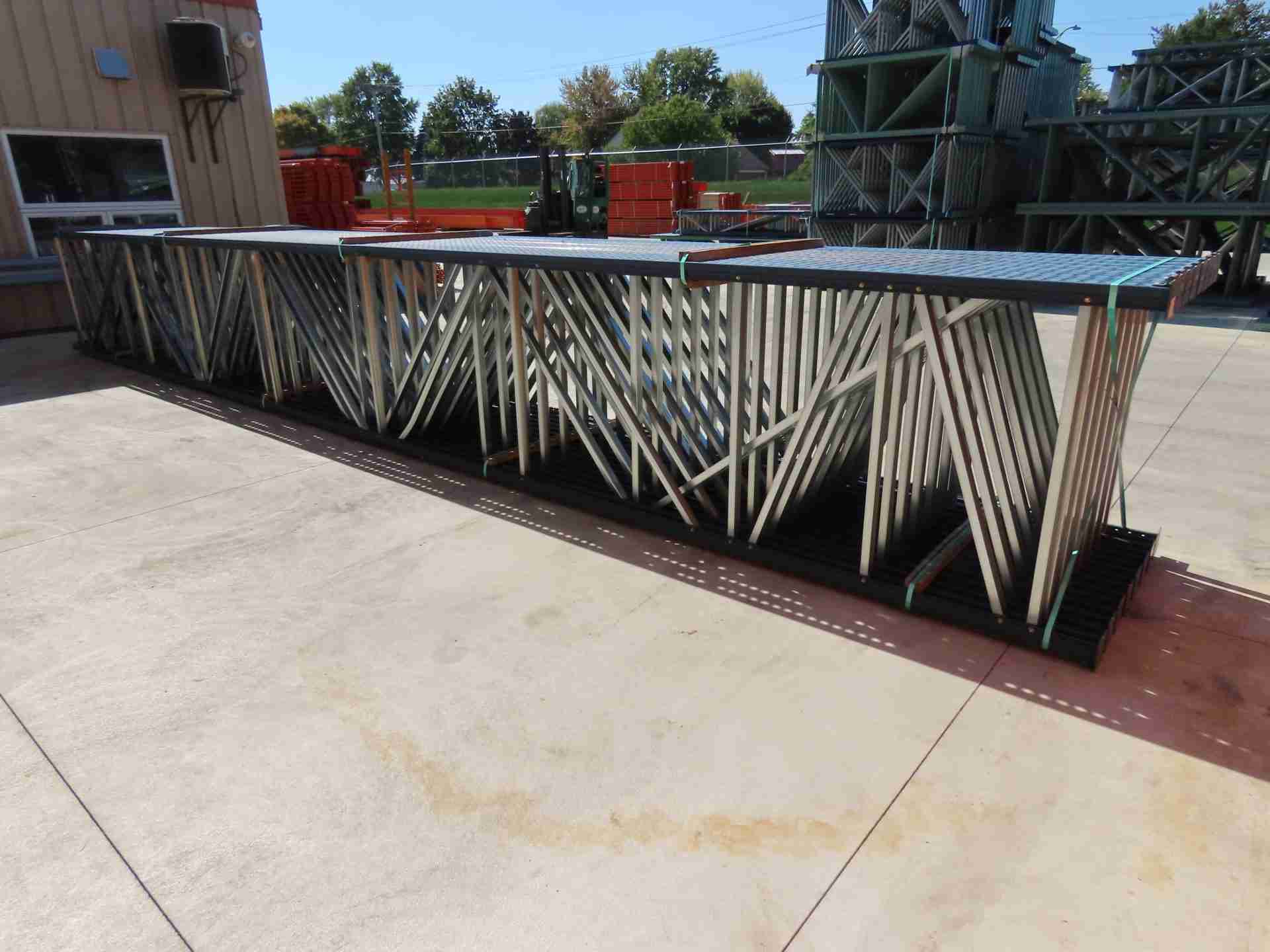
What Ethical Responsibilities Do You Have As a Manager for Safety?
What Ethical Responsibilities Do You Have As a Manager for Safety?
- Stepping into a manager role entails a profound responsibility for the safety of your team.
- Recognizing the individual behind each worker is crucial for promoting safety in the workplace.
- Every decision made by a manager has the potential to impact lives, underscoring the importance of safety in daily operations.
- Creating a culture of safety involves sharing a vision where team members look out for one another.
- Ethical responsibilities in leadership include fostering open communication about safety and actively listening to concerns.
- Leading by example demonstrates that safety is a principle to live by, rather than just a message to convey.
- Building an accountable environment turns safety from a compliance task into a communal value, enhancing team connection and performance.
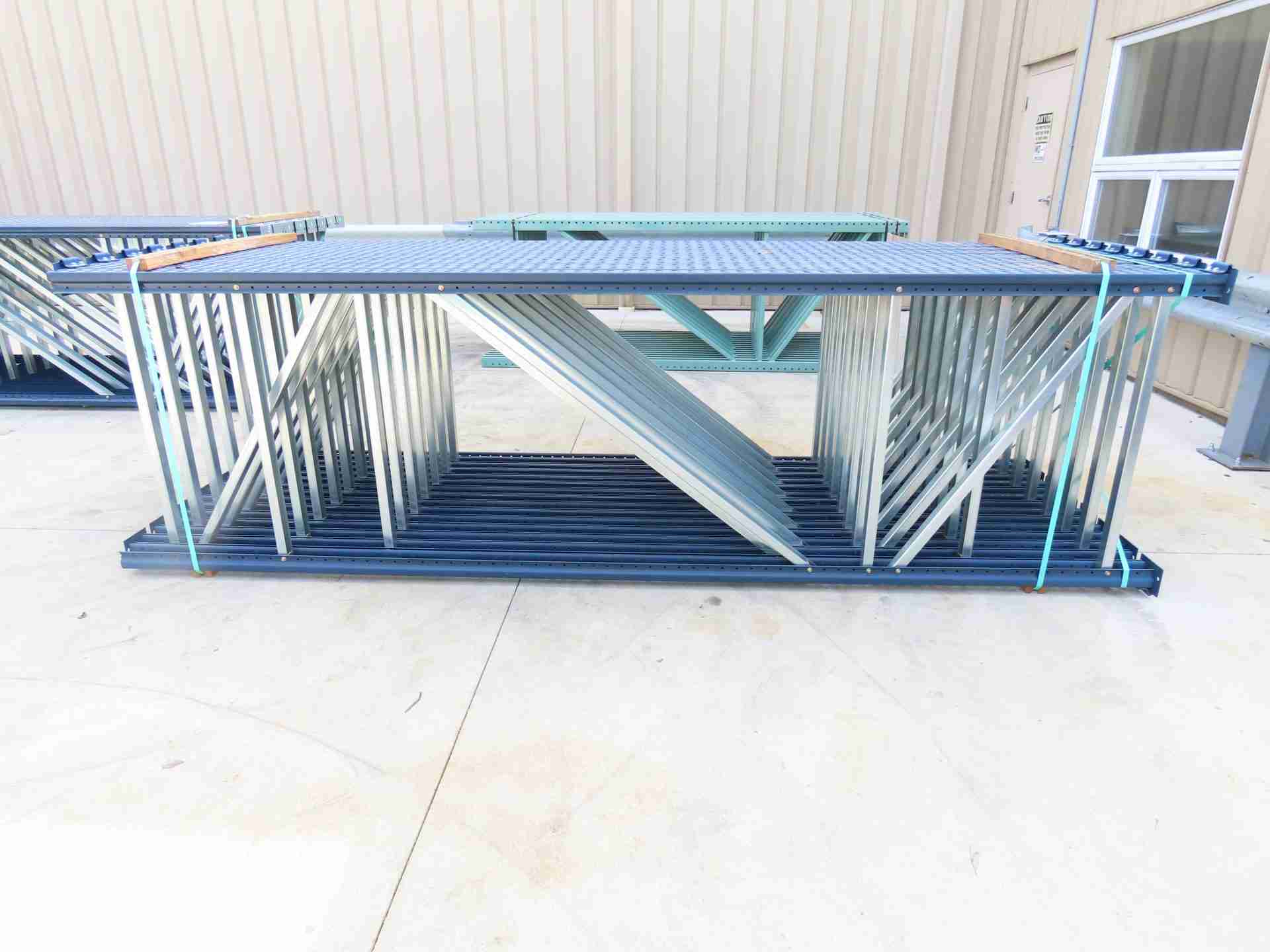
What Ethical Responsibilities Do You Have As a Manager for Safety?
How Can Efficient Water Management Save You Money Long-Term?
Water is the lifeblood of our communities, yet for too many of us, it flows recklessly, causing wallets to drain faster than the tap can run. Picture your monthly bills swelled with water usage fees—those digits on the screen can feel like a personal affront. But what if I told you that with just a little planning, you could not only protect your finances but also contribute to a sustainable future? Let’s explore how efficient water management can set you on a path to lasting savings.
When you think about water management, it might conjure images of complicated systems or costly renovations. But the truth is, it often begins at home. Simple changes—like fixing that leaky faucet racking up water waste, taking shorter showers, or investing in low-flow fixtures—can lead to significant reductions in your utility bills. The math is compelling. A dripping faucet can waste over 3,000 gallons a year. Now imagine what cutting those leaks can do for your wallet, not to mention the environment!
Beyond personal savings, adopting effective water management practices speaks to a larger commitment—to your community and future generations. Water scarcity is no joke; it’s a reality for millions. By conserving water, you’re not just saving a dollar or two; you’re becoming part of a movement, a community that respects and cares for its natural resources. Few things feel as good as knowing your actions today will help preserve this precious resource for tomorrow.
It’s easy to feel overwhelmed or disengaged from the issue when we think of water management too abstractly. But consider this: your actions have a ripple effect. When you take charge—educating neighbors, sharing tips, or even just leading by example—you’re fostering a collective consciousness. You become the authority in your circle, inspiring others to follow suit.
Remember the sense of pride that comes from doing the right thing. Imagine your children or grandchildren, living in a world where clean water is abundant, and they thank you for making the effort. That’s not just savings; that’s legacy.
So let’s roll up those sleeves. Stop the waste, save some cash, and make a difference. Water doesn’t just fill our sinks and showers; it has the power to fill our pockets while connecting our hearts to the Earth. Choosing efficient water management is not just smart; it’s the right thing to do—for you, for your loved ones, and for the world we all share.
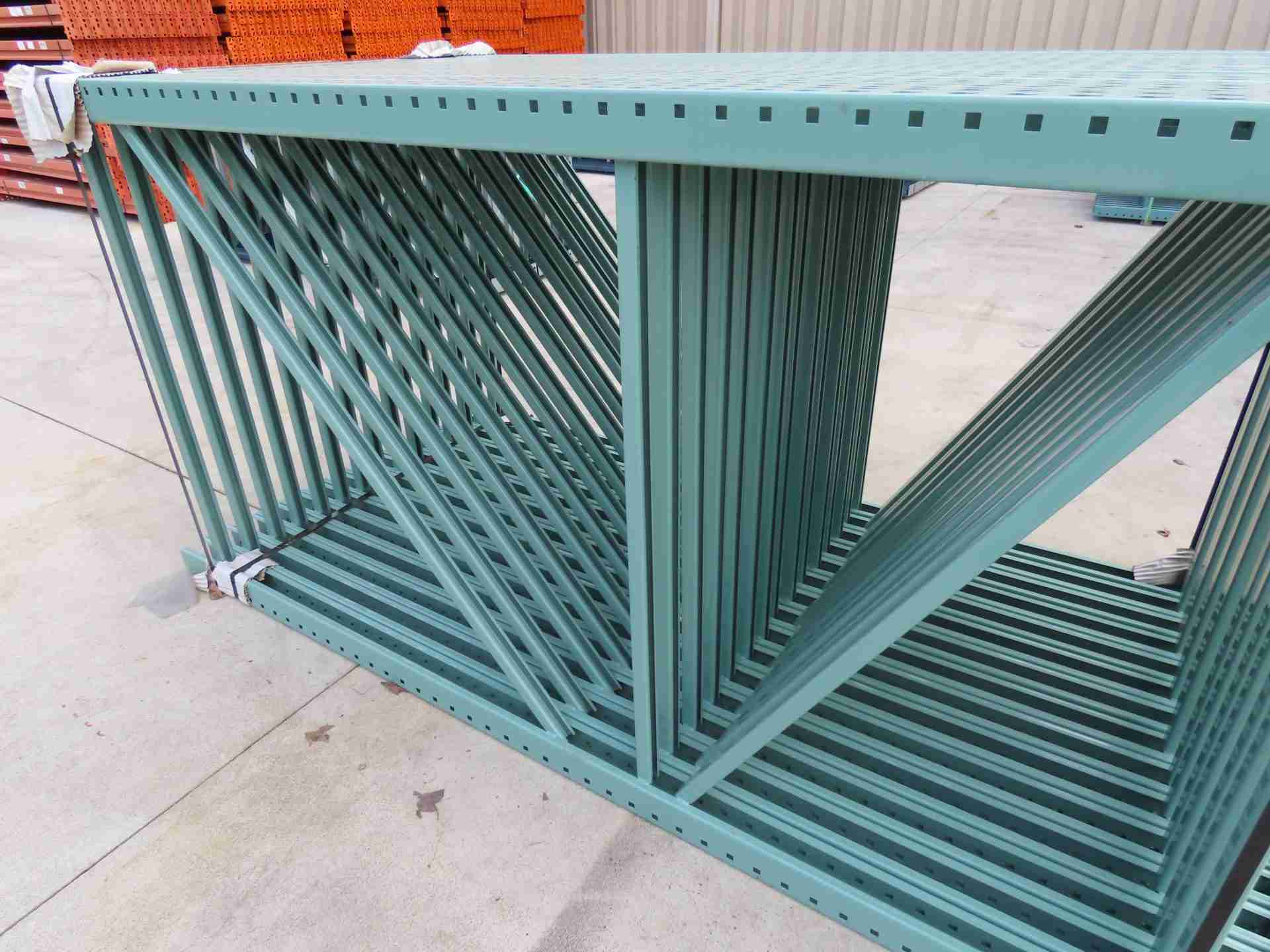
How Can Efficient Water Management Save You Money Long-Term?
How Can Efficient Water Management Save You Money Long-Term?
- Water is essential for communities, yet high usage fees can strain finances.
- Planning and efficient water management can protect finances and promote sustainability.
- Simple changes at home, like fixing leaks and using low-flow fixtures, can greatly reduce water bills.
- A dripping faucet can waste over 3,000 gallons of water a year, impacting both costs and the environment.
- Conserving water contributes to a larger commitment to community and future generations facing water scarcity.
- Your actions can inspire others; education and leading by example create a collective consciousness about water conservation.
- Efficient water management is not only a financial decision but a legacy for future generations.

How Can Efficient Water Management Save You Money Long-Term?
Conclusion
Cold storage racks are more than just frosty shelves holding perishable goods; they’re the backbone of our food supply and healthcare supplies, ensuring that the essentials remain fresh and safe for our communities. When faced with the specter of water damage, the implications extend far beyond financial losses—they strike at the very heart of our operations, threatening trust, morale, and safety. Imagine stepping into a facility where rank odors replace the freshness once felt—it’s a chilling reminder that neglecting these systems can lead to spoilage and despair.
Every rack represents a commitment, not just to efficiency but to the well-being of employees and customers alike. Cultivating an environment of proactive maintenance, open communication, and team accountability transforms these spaces into pillars of community resilience. It’s not merely about adhering to regulations; it’s about fostering a culture built on integrity and care for one another.
Water damage doesn’t just disrupt operations; it raises widespread fears for the future—concerns that affect everyone from management to employees to the community at large. That uncertainty can erode trust but also presents an opportunity for growth. Unite your team through transparency and collective effort, turning loss into a tale of resilience and fortitude. Embrace the challenge of recovery, showing that your organization is more than just a business; it’s a community that stands strong together.
Preventing costly damage should always be on the agenda, as neglect can unravel the hard work invested in developing your enterprise. Simple, proactive steps—keeping a close eye on maintenance, engaging with staff about best practices—can ensure that cold storage facilities serve their vital purpose seamlessly, allowing businesses to focus on quality service rather than on damage control.
The ethical duty of managers to protect their teams should never be underestimated. A leader who embodies a culture of safety not only shields their workforce but also reinforces loyalty and trust. Lead by example, foster open dialogue around safety, and you ignite a spirit of collective responsibility that transcends the workplace.
Water management, both in personal and professional settings, is another vital area that can yield benefits far into the future. Simple efforts can lead to significant savings while fostering a sustainable mindset in the community. As stewards of the resources we rely on, let’s become advocates for change, educating those around us and ensuring that clean water remains a precious resource for generations to come.
When water threatens to disrupt our cold storage systems or our homes, it’s crucial to remember that we’re not alone in this fight. Together, we can rise above the challenges, transform adversity into action, and ensure a future that values preservation and resilience.
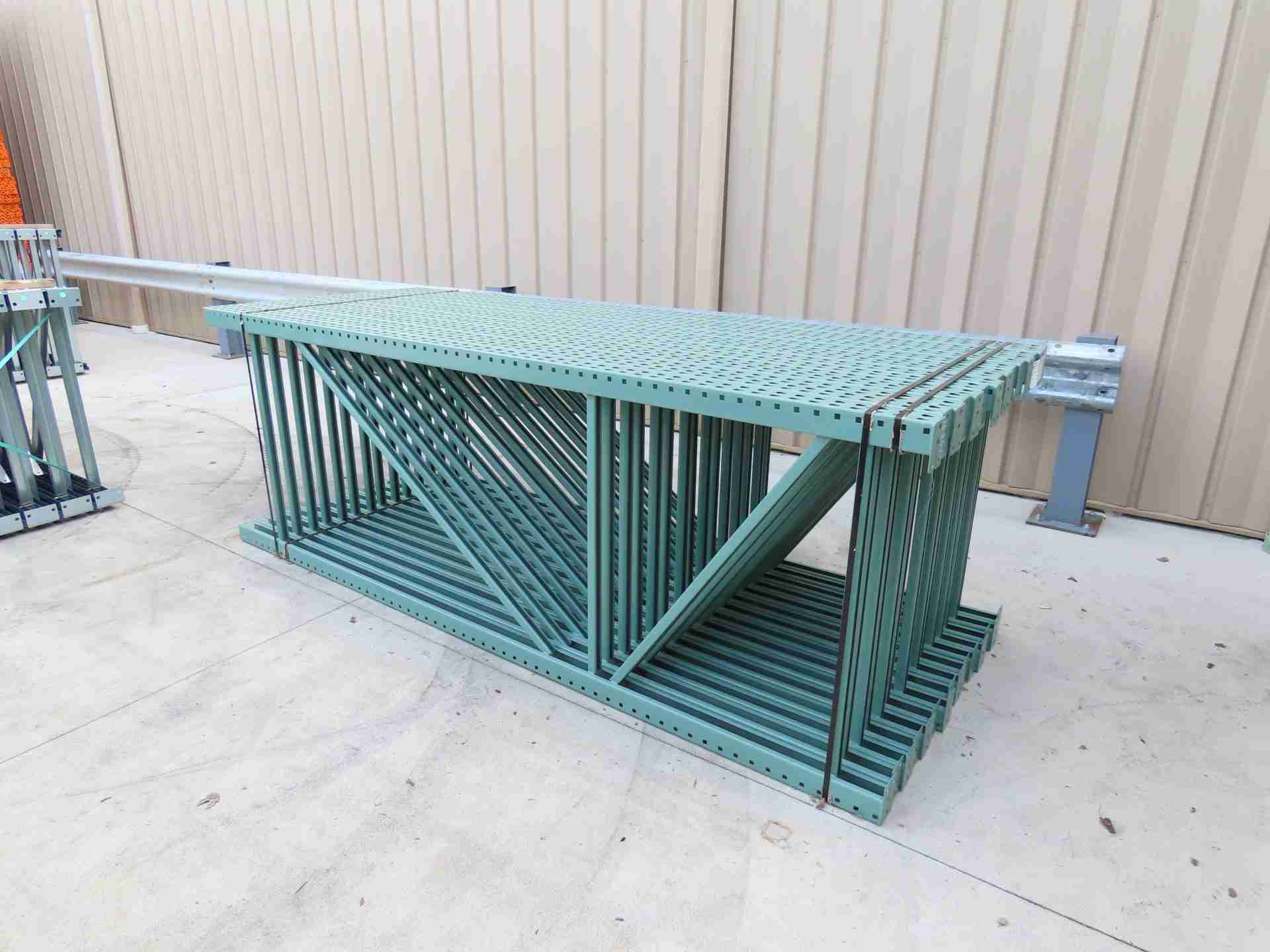
Conclusion
Conclusion:
- Cold storage racks are vital for maintaining the freshness of perishable goods and healthcare supplies.
- Water damage can lead to serious operational challenges and erodes trust within the community.
- Proactive maintenance and open communication are essential for fostering a resilient work environment.
- Water damage creates fears for the future, affecting everyone from management to employees.
- Preventive measures are critical to protecting investments and ensuring seamless operation of cold storage facilities.
- Managers have an ethical duty to ensure team safety, promoting loyalty and trust through leadership.
- Water management in both personal and professional settings is crucial for sustainability and community education.
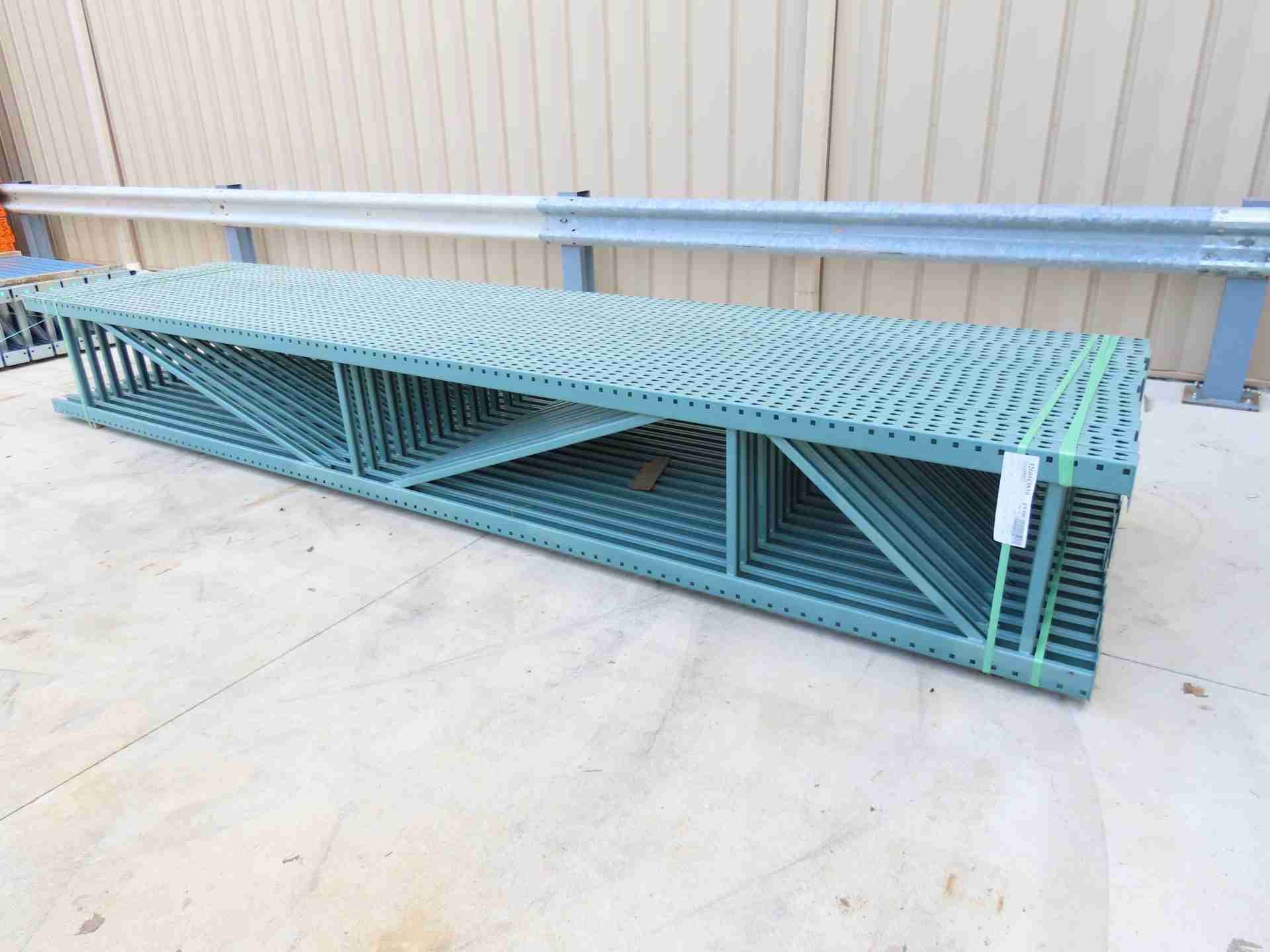
Conclusion
Other Resources
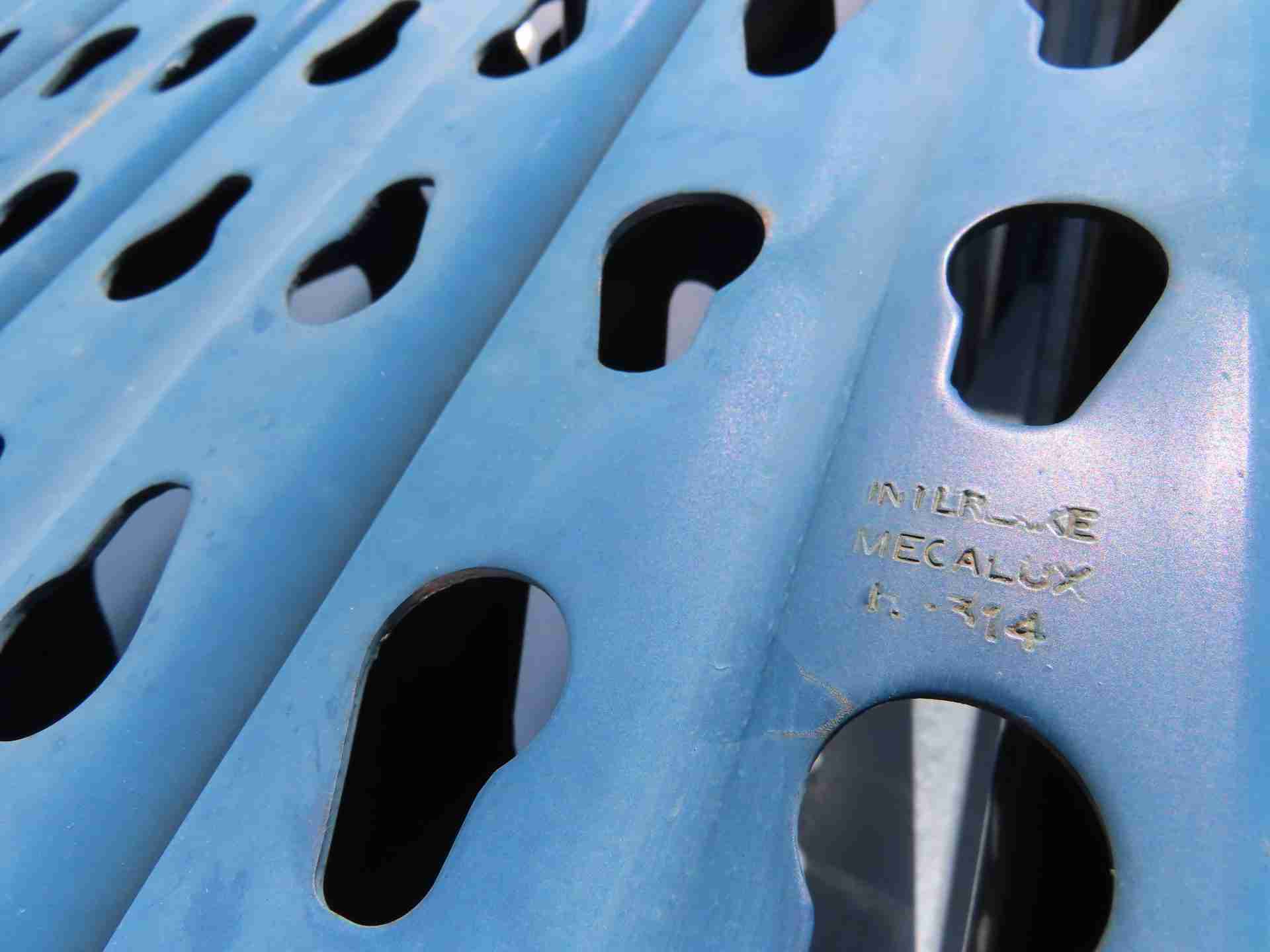
Other Resources
Here is a list of other resources you can review online to learn more:
- Cantilever Rack Guide: Ordering Cantilever Racking
- RMI
- BMH
- Illinois
- American Society of Safety Professionals
- Pallet Rack Systems – New and Used Pallet Racking and Shelving Experts
- IIWS Inc. Rack Installation Illinois & Rack Repairs Illinois
- Interlake Mecalux
- Selective Racking
- Interlake Mecalux
- Teardrop Uprights
- Wolter
- Chicago Pallet Racking
- Pallet Racking systems in Illinois and Great Lakes
- Illinois Pallet Racking – WPRP
- Storage Equipment Manufacturers Association
- Chicago Pallet Racking
- Material Handling Industry
- IWLA
- International Warehouse Logistics Association
Use This Prompt To Get More Resources With Your Favorite Online AI Tool: Please provide me with a list of online articles with their URLs in a bulleted list that I can read regarding Dealing with Water Damage In Cold Storage Racks
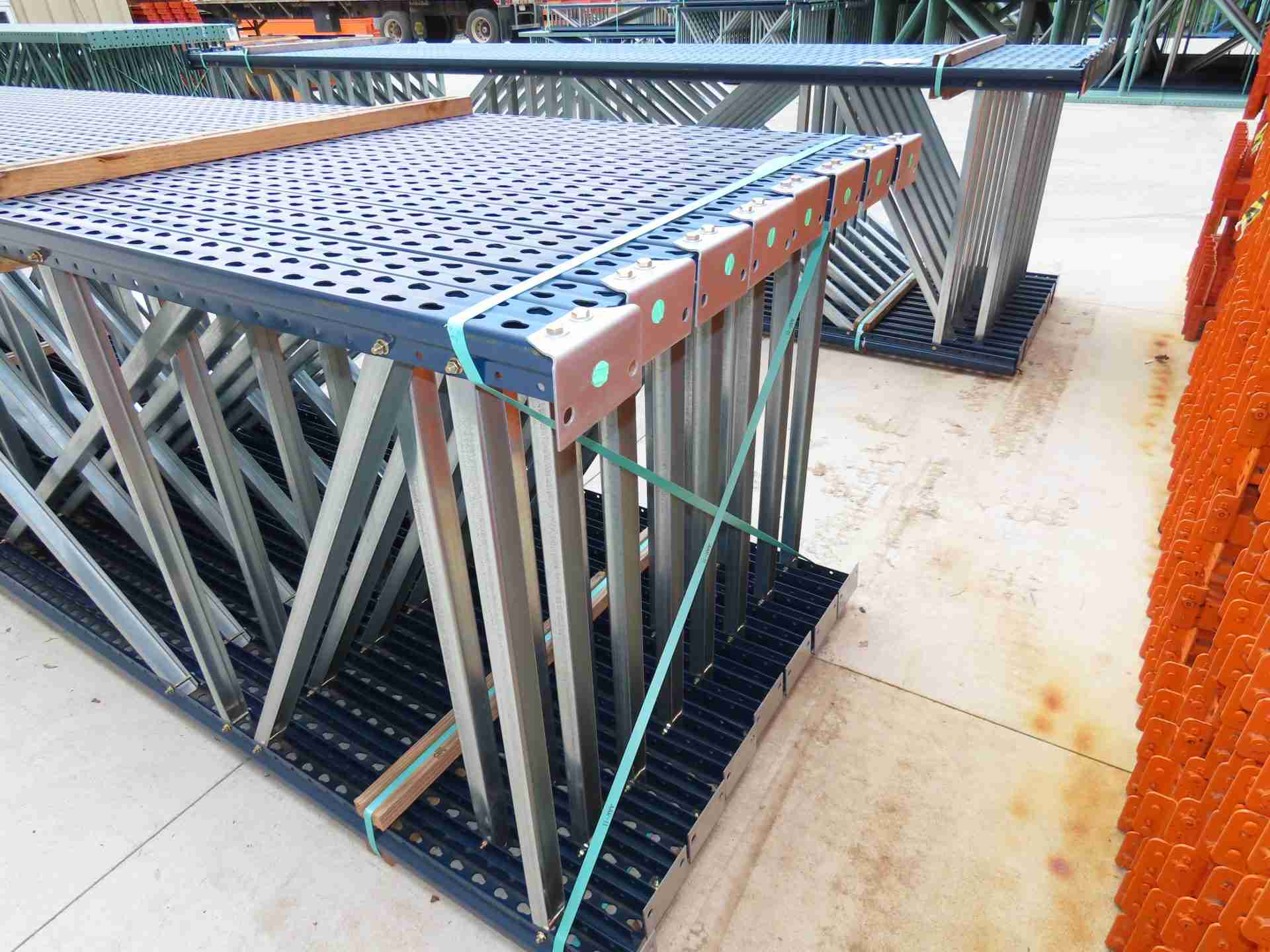
Other Resources
Glossary Terms
Dealing with Water Damage In Cold Storage Racks – Glossary Of Terms
1. Water Damage: Harm caused to materials or structures due to water exposure, leading to deterioration, mold, or structural compromise.
2. Cold Storage: Controlled environments designed for the preservation of perishable goods, requiring consistent low temperatures.
3. Condensation: The process where water vapor cools and transitions into liquid, potentially causing moisture-related issues in cold storage.
4. Moisture: The presence of water, often in the form of humidity, which can lead to deterioration in storage conditions.
5. Flooding: An overflow of water that inundates areas, often causing extensive damage to goods and structures.
6. Insulation: Material used to prevent heat exchange, which helps maintain cold temperatures in storage facilities and can minimize condensation.
7. Drainage System: Installed infrastructure designed to direct water away from cold storage areas to prevent water accumulation.
8. Humidity Control: Techniques employed to regulate moisture levels, crucial for preventing mold and spoilage in cold storage.
9. Temperature Control: Mechanisms used to maintain specific temperatures within cold storage to prevent damage to goods.
10. Mold: Fungi that thrive in damp conditions, potentially contaminating products stored in cold environments.
11. Dehumidifier: A device that removes moisture from the air, aiding in maintaining appropriate humidity levels in cold storage areas.
12. Preventive Maintenance: Scheduled inspections and repairs aimed at preventing water damage and other issues in cold storage facilities.
13. Emergency Response Plan: A strategy developed to address water damage quickly and effectively to minimize losses.
14. Leak Detection: Systems or devices used to identify and locate water leaks before they cause significant damage.
15. Damage Assessment: The process of evaluating the extent of water damage to determine necessary repairs and recovery actions.
16. Restoration: The process of repairing and returning cold storage facilities and contents to their original condition after water damage.
17. Pest Control: Measures taken to prevent infestations, as water damage can attract pests to cold storage environments.
18. Structural Integrity: The capability of a structure to withstand its intended load without experiencing failure, crucial for cold storage racks.
19. Waterproofing: Applying materials or treatments to surfaces to prevent water ingress and damage.
20. Thermal Shock: Stress caused by abrupt temperature changes, which can degrade materials within cold storage after water exposure.
21. Airflow Management: Techniques to ensure proper circulation of air in cold storage, which helps minimize moisture accumulation.
22. Restoration Equipment: Tools and machines used to facilitate the drying and recovery processes after water damage.
23. Material Preservation: Techniques to protect the integrity and quality of goods stored in cold environments from water damage.
24. Insurance Coverage: Policies that protect against financial losses due to water damage in cold storage facilities.
25. Containment: Strategies employed to limit the spread of water damage and protect unaffected areas.
26. Evaporation: The process of liquid water turning into vapor, affecting humidity levels within cold storage.
27. Sump Pump: A device used to remove water from basements or storage areas, often employed to manage flooding risks.
28. Thermal Insulation: Materials designed to limit heat transfer, critical for maintaining cold storage temperatures and preventing condensation.
29. Surface Treatment: Coatings or finishes applied to storage surfaces to prevent water damage and enhance durability.
30. Monitoring Systems: Technologies that track temperature and humidity levels in cold storage facilities to ensure optimal conditions are maintained.
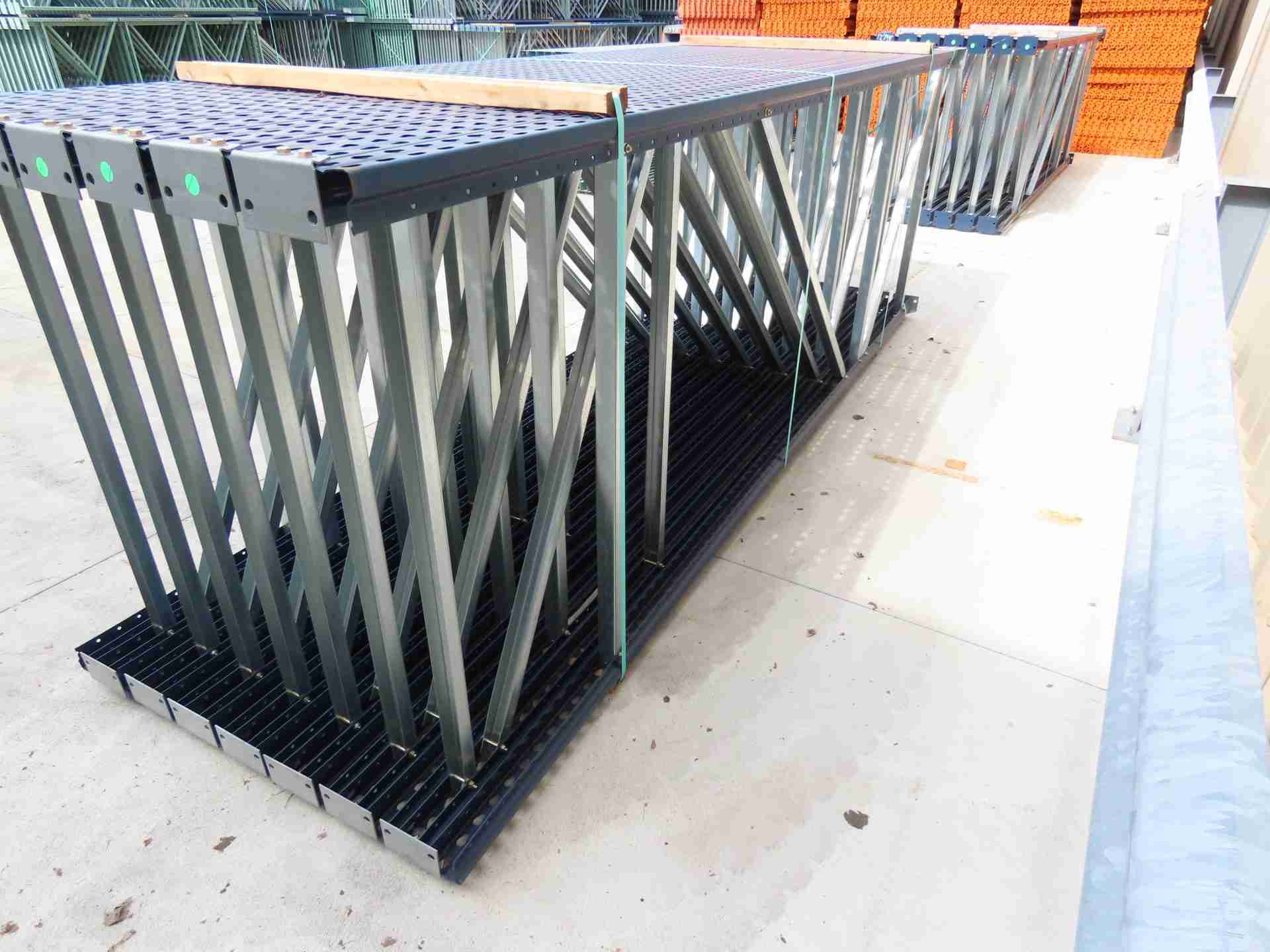
Glossary Of Terms
Other Questions
Dealing with Water Damage In Cold Storage Racks – Other Questions
If you wish to explore and discover more, consider looking for answers to these questions:
- What are the most common causes of water damage in cold storage facilities?
- How can businesses effectively manage and respond to a water damage crisis?
- What specific maintenance practices should be implemented to prevent water damage?
- What are the warning signs of potential water damage in cold storage racks?
- How can technology aid in monitoring and managing humidity and temperature levels?
- What are the best practices for training employees to handle water damage incidents?
- What legal responsibilities do managers have regarding workplace safety and water damage?
- How can companies rebuild trust with customers after experiencing water damage?
- What are the financial implications of water damage beyond immediate repair costs?
- In what ways can community engagement help in managing water damage risks?
- What are the long-term health effects of mold exposure in cold storage environments?
- How can a culture of safety be effectively promoted in a workplace setting?
- What role does regular employee communication play in safety and damage prevention?
- How can water management strategies be tailored to specific business needs?
- What are the environmental benefits of implementing efficient water management practices?

Other Questions
Checklist
Dealing with Water Damage In Cold Storage Racks – A Checklist
Emotional Appeals
_____ Reflect on the importance of a fresh, pleasant environment for your employees and customers.
_____ Consider the emotional impact of water damage on your team’s morale and productivity.
_____ Engage with your team, fostering open dialogue about challenges and solutions during crisis recovery.
Rational Appeals
_____ Schedule regular inspections of cold storage racks to identify potential issues before they escalate.
_____ Implement a reliable monitoring system for temperature and moisture levels in your storage facility.
_____ Calculate the cost of prevention versus the potential losses incurred from unaddressed water damage.
Ethical Appeals
_____ Commit to maintaining high safety standards in your facility for the well-being of employees and customers.
_____ Acknowledge your responsibility to create a safe environment free from mold and other health hazards.
_____ Encourage accountability among employees in maintaining the integrity of the cold storage systems.
Authority Appeals
_____ Seek professional advice regarding water damage remediation and prevention strategies.
_____ Educate yourself and your staff on the best practices for cold storage management and the risks associated with neglect.
_____ Utilize expertise from industry leaders and resources to train your team in effective water management.
Narrative Appeals
_____ Share stories of businesses that successfully overcome water damage challenges to inspire resilience.
_____ Create a narrative within your company that highlights the collective effort to maintain a safe and efficient work environment.
_____ Document your journey of recovery and improvement after experiencing water damage, showcasing the lessons learned.
Social Appeals
_____ Foster a sense of community among your employees by promoting teamwork in managing cold storage facilities.
_____ Engage with other businesses in your area to share best practices for preventing and dealing with water damage.
_____ Organize workshops or training sessions to raise awareness about the importance of safety and maintenance in cold storage.
Final Thoughts
_____ Reflect on how your efforts contribute to the greater good—protecting not just your business but also the community you serve.
_____ Embrace the proactive mindset necessary for turning challenges into opportunities for growth and improvement.
Checklist
At RackingWorld, we help guide you through selecting warehouse storage systems and racking.
Be sure to read our other related stories at RackingWorld to learn more about warehouse storage systems.
0 Comments