
Exploring Sustainable Solutions For Cantilever Racking
By Tom Seest
At RackingWorld, we help guide you through selecting warehouse storage systems and racking.
Be sure to read our other related stories at RackingWorld to learn more about warehouse storage systems.
Are There Eco-Friendly Options In Cantilever Racking Systems?
In today’s world, where sustainability is no longer just a trend but a necessity, businesses are continuously searching for eco-friendly solutions in every aspect of their operations. Cantilever racking systems, known for their impressive strength and versatility, are no exception. As companies look to optimize warehouse space while embracing greener practices, the good news is that eco-friendly options in cantilever racking systems are more accessible than ever.
First and foremost, one of the primary eco-friendly attributes of cantilever racks lies in the materials used in their construction. Look for manufacturers that offer racks made from recycled steel. Steel is one of the most recycled materials globally, and opting for racks made from repurposed steel not only reduces waste but also minimizes the energy consumed during production. For example, brands like California-based Rack Builders have embraced this approach by integrating recycled materials into their cantilever systems, promoting overall sustainability without compromising strength or durability.
Moreover, eco-friendly cantilever racking options come with designs that promote energy efficiency. For instance, modular racking systems allow for customization based on operational needs, reducing the need for additional materials and fostering a lower carbon footprint. When companies implement these modular designs, they can significantly cut down on waste associated with non-reusable systems. An excellent case study is seen in large retailers who have adopted versatile cantilever racks to adjust their inventory without extensive refurbishment—a clear win for sustainability.
Another aspect to consider is the lifespan of the racking systems. With sturdy cantilever racks boasting high load capacities and exceptional durability, businesses can minimize the frequency of replacements. This longevity contributes to lower overall material consumption and waste generation. In a recent industry report, it was highlighted that warehouses switching to high-quality cantilever racking systems have seen a substantial reduction in annual waste, aligning with corporate responsibility goals.
Additionally, energy-efficient logistics operations can be further enhanced with the integration of eco-friendly racks. Businesses investing in green cantilever racking solutions can create a cleaner, more sustainable supply chain. For example, manufacturers focusing on eco-conscious practices have reported not only cost savings in logistics but also increased customer loyalty from environmentally aware clients.
The quest for sustainable cantilever racking systems is no longer a dream but an achievable reality. By choosing options that utilize recycled materials, foster modular efficiency, and promise longevity, businesses can make a significant impact on their carbon footprint while optimizing their warehouse capabilities. It’s time to embrace innovative solutions that benefit not just your bottom line but the planet, too.

Are There Eco-Friendly Options In Cantilever Racking Systems?
Are There Eco-Friendly Options In Cantilever Racking Systems?
- Businesses are seeking eco-friendly solutions as sustainability becomes necessary.
- Cantilever racking systems are known for strength and versatility in optimizing warehouse space.
- Eco-friendly cantilever racks can be made from recycled steel, reducing waste and energy use.
- Modular racking designs promote energy efficiency and customization, lowering the carbon footprint.
- Sturdy cantilever racks have a long lifespan, reducing the need for frequent replacements and waste.
- Investing in eco-friendly racks can enhance supply chain sustainability and customer loyalty.
- Companies can significantly reduce their carbon footprint by adopting innovative, sustainable racking solutions.

Are There Eco-Friendly Options In Cantilever Racking Systems?
Table Of Contents
- Are There Eco-Friendly Options In Cantilever Racking Systems?
- What Materials Are Used In Eco-Friendly Cantilever Racking Systems?
- How Do Eco-Friendly Racking Systems Compare To Traditional Options?
- What Are The Benefits Of Using Eco-Friendly Cantilever Racks?
- Are There Certifications For Eco-Friendly Racking Systems?
- How Can I Find Suppliers Of Eco-Friendly Cantilever Racks?
- What Is The Cost Difference For Eco-Friendly Vs Traditional Racks?
- Do Eco-Friendly Cantilever Racks Require Special Maintenance?
- How Long Do Eco-Friendly Racking Systems Typically Last?
- What Innovations Are Emerging In Eco-Friendly Racking Solutions?
- Can Eco-Friendly Racks Support Heavy Loads Effectively?
- Are There Custom Options Available For Eco-Friendly Cantilever Racks?
- What Are The Environmental Impacts Of Traditional Racking Systems?
- How Can Businesses Assess The Sustainability Of Their Racking Choices?
- What Is The Role Of Recycled Materials In Cantilever Racks?
- How Do Eco-Friendly Systems Contribute To A Circular Economy?
- Conclusion
- Other Resources
- Glossary Of Terms
- Other Questions
- Checklist
What Materials Are Used In Eco-Friendly Cantilever Racking Systems?
In an age where sustainability is not just a buzzword but a way of life, the materials used in eco-friendly cantilever racking systems are pivotal. These systems are designed to optimize storage while minimizing environmental impact, aligning perfectly with the growing demand for green solutions in industries ranging from warehousing to retail.
At the core of eco-friendly cantilever racking is the choice of materials. Steel is the primary component, but not just any steel. Recycled steel, sourced from post-consumer products, ensures that the racking systems not only support heavy loads but also contribute to reducing the carbon footprint. This reclaimed material process is gaining traction as companies realize that using recycled steel can lower their energy consumption by up to 75% during production. In times when environmental responsibility is crucial for brand reputation, using recycled materials can serve as a competitive advantage.
Wood provides another compelling ecologically responsible option. Sustainable timber can be utilized for cantilever arms or shelving units. When sourced from responsibly managed forests, this choice resonates with both eco-conscious businesses and consumers. Recent trends in the marketplace, especially after the UN Climate Change Conference, highlight the increasing consumer preference for companies that demonstrate a commitment to sustainability. Using sustainable wood not only supports forests but also gives your racking system a natural aesthetic, appealing to modern design sensibilities.
Additionally, the recent surge in bio-based and composite materials can’t be overlooked. Innovations are emerging daily, enabling facilities to use materials made from renewable resources without sacrificing durability or usability. For instance, frameworks made from bamboo or other rapidly renewable resources are now making inroads in the racking industry. As supply chains pivot toward more sustainable practices, businesses using these materials can showcase their dedication to environmental stewardship.
What’s more, eco-friendly cantilever racking systems often leverage modular designs. These systems can be reconfigured and repurposed, extending their lifecycle and reducing waste. By encouraging flexibility, warehouses and retail spaces can adapt as needs change without investing heavily in new materials—a cost-effective and sustainable advantage in today’s fast-paced market.
The materials chosen for eco-friendly cantilever racking systems play a vital role in promoting sustainability. From recycled steel to sustainable wood and innovative composites, making informed material choices not only enhances operational efficiency but fortifies your brand’s commitment to a greener future. In a climate where eco-conscious decisions can elevate your business above the fray, investing in eco-friendly materials is a strategic imperative. Embrace the change—the planet and your bottom line will thank you.
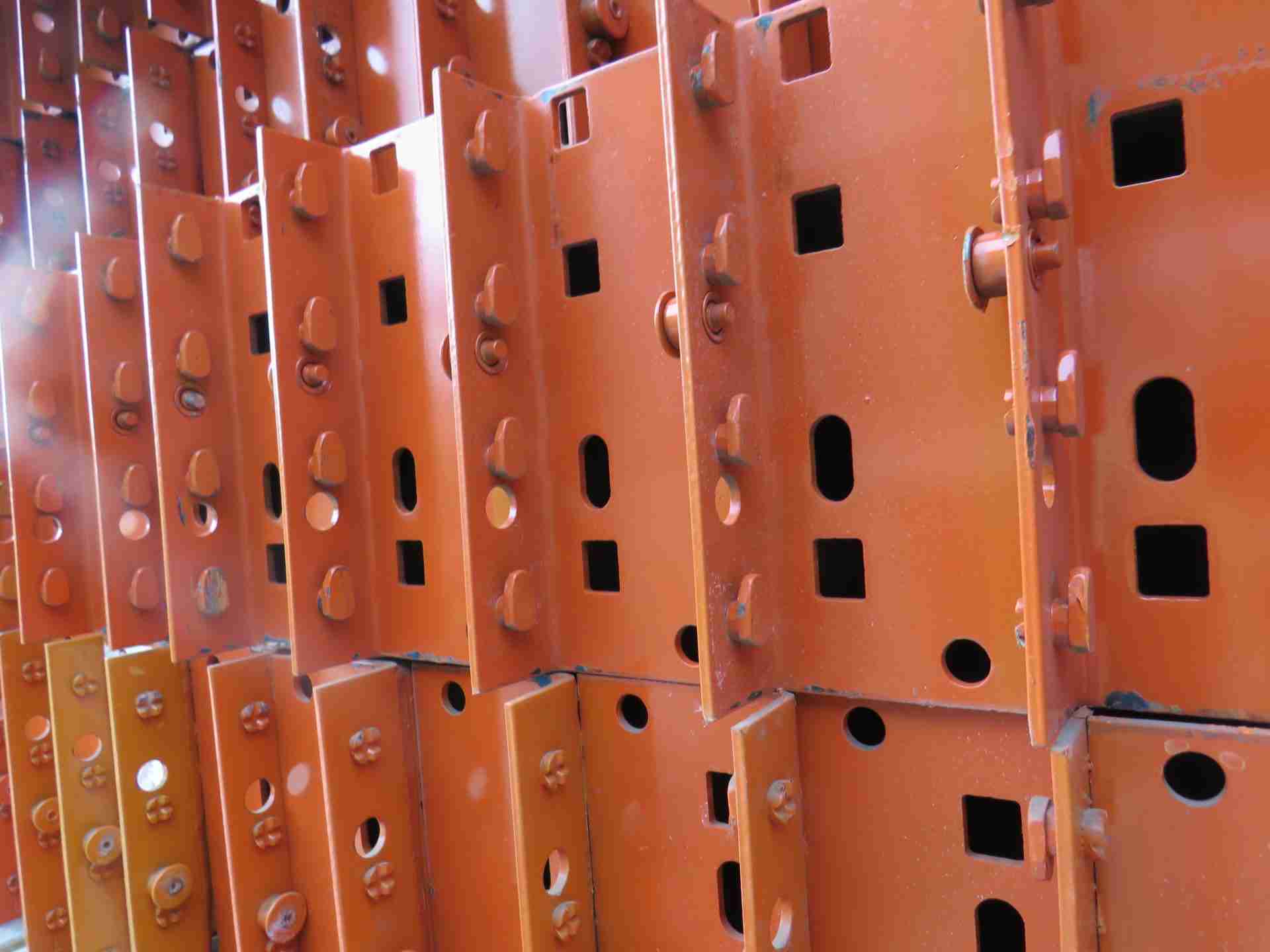
What Materials Are Used In Eco-Friendly Cantilever Racking Systems?
What Materials Are Used In Eco-Friendly Cantilever Racking Systems?
- Sustainability is essential in modern eco-friendly cantilever racking systems.
- Recycled steel is the primary material, reducing the carbon footprint and lowering energy consumption by up to 75% during production.
- Sustainable timber from responsibly managed forests is an alternative that offers environmental and aesthetic benefits.
- The marketplace is witnessing a growing consumer preference for companies committed to sustainability, especially post-UN Climate Change Conference.
- Emerging bio-based and composite materials, like bamboo, enhance durability and usability while being renewable.
- Modular designs in racking systems promote flexibility, extending lifecycle and reducing waste.
- Choosing eco-friendly materials boosts operational efficiency and reinforces brand commitment to sustainability.

What Materials Are Used In Eco-Friendly Cantilever Racking Systems?
How Do Eco-Friendly Racking Systems Compare To Traditional Options?
How Do Eco-Friendly Racking Systems Compare to Traditional Options?
In the ever-evolving world of warehousing and logistics, the call for sustainability is louder than ever. Eco-friendly racking systems are emerging as a viable alternative to traditional options, and the differences are monumental—not just in responsible practices but in overall efficiency, costs, and market appeal.
Traditional racking systems have dominated warehouses for decades, often crafted from steel and designed for maximum storage at minimal cost. While they still serve their functional purpose, their environmental impact is increasingly under scrutiny. High energy consumption, the use of hazardous materials in production, and the carbon footprint associated with transport are just a few concerns that businesses must reckon with today.
Enter eco-friendly racking systems, revolutionizing how businesses think about storage solutions. Made from sustainable materials like recycled plastic or bamboo, these systems reduce reliance on virgin resources. For example, a company like Eco-Rack USA has developed a line of modular racking that utilizes biodegradable components, allowing businesses to drastically reduce waste in landfills.
But it’s not just about using better materials—it’s about creating smarter systems. Eco-friendly racking solutions often incorporate design innovations that maximize space utilization. By using vertical space more efficiently, businesses can reduce the square footage required for storage. Consider this: a recent study by the Sustainable Warehouse Initiative showed that companies employing eco-friendly racking saw up to a 30% increase in storage efficiency, translating into significant long-term savings.
Moreover, regulatory pressures are mounting. Governments worldwide are pushing organizations to adopt more sustainable practices. The European Union’s Green Deal, for instance, aims to make Europe climate-neutral by 2050, creating not only a need for eco-friendly systems but also giving those who invest in them a competitive edge. Companies that switch to eco-friendly racking can position themselves as forward-thinking leaders committed to sustainability. This builds brand loyalty among environmentally conscious consumers and businesses alike.
But don’t overlook the financial aspect. While the initial investment in eco-friendly systems can be higher, they often lead to lower operational costs over time. Reduced energy consumption, maintenance requirements, and even insurance costs associated with safer materials can significantly enhance a company’s bottom line.
In the battle between eco-friendly versus traditional racking systems, the scales are tipping. As consumers demand greener practices, and as regulations continue to tighten, investing in eco-friendly solutions isn’t just a trend—it’s a necessity. By making the switch now, businesses not only position themselves as industry leaders but also contribute to a healthier planet for future generations. Are you ready to elevate your warehouse and your brand? The time for change is now.

How Do Eco-Friendly Racking Systems Compare To Traditional Options?
How Do Eco-Friendly Racking Systems Compare To Traditional Options?
- Eco-friendly racking systems are becoming a prominent alternative to traditional racking solutions in warehousing.
- Traditional racking, typically made from steel, is under scrutiny for its high environmental impact and energy consumption.
- Eco-friendly systems are made from sustainable materials like recycled plastic or bamboo, reducing reliance on virgin resources.
- Innovative designs in eco-friendly racking maximize space utilization and can lead to up to a 30% increase in storage efficiency.
- Government regulations are pushing for more sustainable practices; adopting eco-friendly racking can provide a competitive edge.
- While the upfront cost of eco-friendly systems may be higher, they often result in lower operational costs over time.
- Investing in eco-friendly racking is both a strategic business move and a contribution to environmental sustainability.

How Do Eco-Friendly Racking Systems Compare To Traditional Options?
What Are The Benefits Of Using Eco-Friendly Cantilever Racks?
In today’s world, environmental consciousness is more than just a buzzword—it’s a fundamental component of responsible business practices. Eco-friendly cantilever racks are quickly becoming the go-to solution for companies looking to optimize their storage while simultaneously caring for the planet. But what makes these racks worth your investment? Let’s explore the numerous benefits that eco-friendly cantilever racks deliver.
1. Sustainability at Its Core
Eco-friendly cantilever racks are crafted from sustainable materials, often made from recycled metals that reduce the demand for virgin resources. This direct contribution to sustainability not only diminishes your carbon footprint but also aligns your business with the growing global movement towards environmental responsibility.
For instance, companies like IKEA have made headlines with their pledge to promote circularity, primarily by sourcing materials responsibly. By incorporating eco-friendly racking systems, your business can echo these commitments, enhancing your brand’s reputation and appeal to eco-conscious consumers.
2. Cost-Effective Operation
While the upfront cost may be slightly higher than traditional counterparts, eco-friendly cantilever racks offer tremendous long-term savings. Their durability means less frequent replacement, while the energy efficiency involved in their production leads to reduced utility costs. Businesses that invest in these systems often see significant return on investment (ROI) by eliminating ongoing replacement costs and achieving energy savings.
In fact, a recent study from McKinsey & Company highlights that companies focused on sustainability can outperform their competitors financially in the long run. With eco-friendly racks, you’re not just investing in storage—you’re investing in the future profitability of your enterprise.
3. Enhanced Aesthetic Appeal
Sleek and modern designs characterize eco-friendly cantilever racks, offering not just functionality but also an attractive appearance. A well-organized storage space can improve employee morale and enhance customer perceptions. Just as Tesla has redefined what consumers expect from vehicles, your warehouse can embody this shift towards innovation and responsibility with elegant and eco-friendly storage solutions.
4. Compliance and Incentives
As governments worldwide increasingly enforce eco-friendly initiatives, implementing sustainable practices can help you stay ahead of regulations. Not only do eco-friendly cantilever racks position you favorably to meet these requirements, but they may also qualify your business for various green incentives and tax breaks.
In a world where being green isn’t just an option—it’s an expectation—investing in eco-friendly cantilever racks places your business at the forefront of industry standards. With benefits that range from sustainability to enhanced aesthetics, this decision is one that pays dividends now and in the future. Don’t just store products; champion a cause that resonates with modern consumers and sets your brand apart in a crowded market.

What Are The Benefits Of Using Eco-Friendly Cantilever Racks?
What Are The Benefits Of Using Eco-Friendly Cantilever Racks?
- Sustainability: Eco-friendly cantilever racks are made from sustainable materials, often recycled metals, reducing demand for virgin resources and diminishing carbon footprints.
- Cost-Effectiveness: Although initial costs may be higher, these racks offer long-term savings through durability and energy efficiency, leading to significant ROI.
- Aesthetic Appeal: Their sleek, modern designs add not only functionality but also enhance employee morale and customer perceptions of the business.
- Compliance Advantages: Implementing eco-friendly practices positions businesses favorably to comply with regulations and qualifies them for green incentives and tax breaks.
- Brand Reputation: Using eco-friendly racks aligns businesses with global movements towards environmental responsibility, enhancing their reputation among eco-conscious consumers.
- Future Profitability: Investment in eco-friendly solutions is not just about storage; it’s about investing in the future profitability and competitiveness of the enterprise.
- Leadership in Industry: Investing in sustainable practices like eco-friendly cantilever racks places businesses at the forefront of industry standards in a market where being green is an expectation.

What Are The Benefits Of Using Eco-Friendly Cantilever Racks?
Are There Certifications For Eco-Friendly Racking Systems?
In today’s conscious consumer landscape, the demand for sustainability isn’t just a trend; it’s an expectation. Businesses are feeling the pressure to showcase commitment to eco-friendly practices, and this extends into their operations, including warehousing and storage solutions. Enter eco-friendly racking systems—a game-changer for businesses aiming to enhance their green credibility. But how can you guarantee that the systems you invest in truly deliver on their eco-friendly promises? The answer lies in certifications.
Certifications for eco-friendly racking systems can help you sift through the marketing jargon and identify products that genuinely contribute to sustainability. One prominent certification to look for is the Forest Stewardship Council (FSC) label. This certification ensures that the wood used in your racking systems comes from responsibly managed forests that provide environmental, social, and economic benefits. For instance, a company like Interlake Mecalux, which specializes in storage solutions, proudly incorporates FSC-certified wood in their racking systems, exemplifying their commitment to sustainable practices.
Another noteworthy certification is the Cradle to Cradle Certified® Product Standard, which evaluates products for their sustainability performance across various categories, including material health, material reutilization, renewable energy, water stewardship, and social fairness. Products bearing this mark have undergone rigorous assessments, giving businesses confidence in their eco-friendly claims. Brands such as Hanel are already leveraging such certifications to illustrate their dedication to sustainability, making it easier for eco-conscious clients to choose them over competitors.
Moreover, with sustainability garnering increased attention globally, global initiatives and regulations are pushing businesses to minimize their carbon footprint. For instance, the European Union’s Green Deal, aiming for carbon neutrality by 2050, emphasizes the importance of sustainable material sourcing and management. As a result, companies adopting certified eco-friendly racking systems position themselves not just as responsible entities, but as forward-thinking leaders in their industries.
Choosing certified eco-friendly racking systems isn’t just about compliance or reputation—it’s a strategic decision that aligns with the growing consumer preference for sustainability. By investing in these systems, businesses not only enhance their operational efficiency and safety but also solidify their commitment to the environment.
In an era where environmentally responsible choices can equate to competitive advantage, thorough research into certifications is imperative. Ensure that your investments in racking systems reflect not only quality and performance but also your dedication to a sustainable future. When it comes to eco-friendly racking, certification isn’t just a badge; it’s your path to credibility and success in the green marketplace.

Are There Certifications For Eco-Friendly Racking Systems?
Are There Certifications For Eco-Friendly Racking Systems?
- Demand for sustainability has shifted from a trend to an expectation in the consumer landscape.
- Businesses are pressured to adopt eco-friendly practices, including in warehousing and storage solutions.
- Eco-friendly racking systems offer a way to enhance a business’s green credibility.
- Certifications help verify eco-friendly claims and sift through marketing jargon.
- Important certifications include the Forest Stewardship Council (FSC) label and Cradle to Cradle Certified® Product Standard.
- Global sustainability initiatives, such as the EU’s Green Deal, are encouraging businesses to adopt certified eco-friendly solutions.
- Investing in certified systems aligns with consumer preference for sustainability and provides operational and reputational benefits.

Are There Certifications For Eco-Friendly Racking Systems?
How Can I Find Suppliers Of Eco-Friendly Cantilever Racks?
How Can I Find Suppliers of Eco-Friendly Cantilever Racks?
In today’s marketplace, sustainability is not just a trend; it’s a necessity. For businesses seeking eco-friendly options, finding suppliers of green cantilever racks is essential for both environmental responsibility and showcasing corporate values. These racks not only help in optimizing your storage solutions but also reflect an alignment with modern eco-conscious practices. Here’s how you can effectively locate suppliers that align with your sustainability goals.
1. Leverage Online Directories and Marketplaces
Start your search on reputable online marketplaces like ThomasNet and Alibaba, which feature listings for various suppliers. Use refined search terms like “eco-friendly cantilever racks” or “sustainable storage solutions.” You can often filter suppliers by certifications indicating they meet specific environmental standards. For instance, look for those that highlight LEED (Leadership in Energy and Environmental Design) certification, as it signifies a commitment to sustainability.
2. Attend Trade Shows and Industry Conferences
Trade shows focused on logistics, manufacturing, and sustainability can be excellent opportunities to meet suppliers face-to-face. Events like the Greenbuild International Conference showcase eco-friendly products and innovations, allowing you to connect directly with manufacturers and get a first-hand look at their offerings. Engaging with suppliers at these events can lead to partnerships founded on shared values, which is invaluable in today’s market.
3. Utilize Social Media Platforms
Harness the power of social media to find suppliers. Platforms like LinkedIn and Instagram can be effective for identifying companies specializing in eco-friendly materials. Join groups or forums dedicated to green practices in warehousing and storage solutions; participate actively to connect with suppliers who prioritize sustainability. For instance, follow hashtags such as #EcoFriendlyStorage or #SustainableWarehousing to uncover potential partners.
4. Research Industry Publications and Websites
Stay informed by following industry publications that cover the latest in sustainable manufacturing and storage solutions. Websites like Modern Materials Handling and Warehousing & Logistics News often feature reviews and spotlights on eco-friendly products. Look for articles discussing recent innovations in cantilever rack design—such as those made from recycled materials or those using less energy in manufacturing processes—to identify key suppliers.
5. Network with Peers
Finally, don’t underestimate the power of networking. Speak to peers within your industry who have made the transition to using eco-friendly cantilever racks. Their recommendations and experiences can direct you to reputable suppliers and give you insights into what works best in practice.
By implementing these strategies, you can confidently find suppliers of eco-friendly cantilever racks that not only meet your storage needs but also align with your commitment to a sustainable future. Remember, making responsible choices today can lead to greater success tomorrow.

How Can I Find Suppliers Of Eco-Friendly Cantilever Racks?
How Can I Find Suppliers Of Eco-Friendly Cantilever Racks?
- Sustainability is crucial in today’s marketplace; eco-friendly cantilever racks reflect corporate values.
- Use reputable online directories like ThomasNet and Alibaba to find suppliers of eco-friendly racks.
- Attend trade shows and industry conferences to meet suppliers and explore eco-friendly innovations.
- Leverage social media platforms like LinkedIn and Instagram to discover companies focused on sustainability.
- Follow industry publications for reviews and information on recent innovations in eco-friendly storage solutions.
- Network with industry peers to obtain recommendations and insights on reputable suppliers.
- Implementing these strategies can help find suppliers that align with sustainability goals for a better future.

How Can I Find Suppliers Of Eco-Friendly Cantilever Racks?
What Is The Cost Difference For Eco-Friendly Vs Traditional Racks?
When it comes to selecting racks for your business—be it for retail displays, warehouse shelves, or even gym equipment—the decision hinges not just on function and aesthetics but increasingly on sustainability. The question on the table: what’s the cost difference between eco-friendly and traditional racks?
At first glance, eco-friendly racks often carry a higher initial price tag. For instance, sustainable materials like reclaimed wood or bamboo can cost 20-30% more than conventional particle board or metal options. However, let’s delve deeper into the long-term implications of these choices. Traditional racks, while cheaper initially, might not be built to last. Exposed to the wear and tear of time, they can require costly replacements much sooner than eco-friendly alternatives, which tend to be more durable. Think about it: investing in a higher-quality, sustainable rack means investing in a product that withstands the test of time, ultimately saving your business money in replacement and maintenance costs.
Moreover, the growing trend of eco-conscious consumers is reshaping the shopping landscape. Consider this: studies show that 73% of millennials are willing to pay more for products that ensure sustainable sourcing, including retail setups. By opting for eco-friendly racks, businesses not only showcase their commitment to sustainability but also attract a customer base willing to spend more for that assurance. For example, brands like Patagonia are admired not just for their quality gear but also for their dedication to environmental stewardship—something that extends into every aspect of their operations, including their store displays.
Current events also provide a backdrop to this discussion. Governments worldwide are enforcing stricter regulations on carbon footprints and mandating sustainable practices across industries. In light of these changes, businesses may find that investing in eco-friendly racks could lead to tax incentives or grants aimed at supporting sustainable practices. This is not just a trend; it’s an evolution, and positioning your business as environmentally friendly may take you off the radar of fines or penalties—money saved is money earned.
In summary, while the upfront investment in eco-friendly racks may be higher, the long-term financial benefits, customer attraction, and compliance with forthcoming regulations make them a wise choice. The question isn’t whether you can afford to invest in sustainable solutions; the real question is whether you can afford to miss out on the compelling opportunities they present. Choose wisely and watch your business thrive.

What Is The Cost Difference For Eco-Friendly Vs Traditional Racks?
What Is The Cost Difference For Eco-Friendly Vs Traditional Racks?
- Selecting racks for business involves considering function, aesthetics, and sustainability.
- Eco-friendly racks typically have a higher initial cost, often 20-30% more than traditional options.
- While traditional racks may cost less upfront, they may require more frequent replacements due to durability issues.
- Investing in sustainable racks can lead to long-term savings in replacement and maintenance costs.
- A significant portion (73%) of millennials are willing to pay more for sustainably sourced products, influencing consumer behavior.
- Stricter government regulations on carbon footprints may provide incentives for businesses investing in eco-friendly practices.
- The long-term benefits and compliance opportunities make eco-friendly racks a wise investment for businesses.
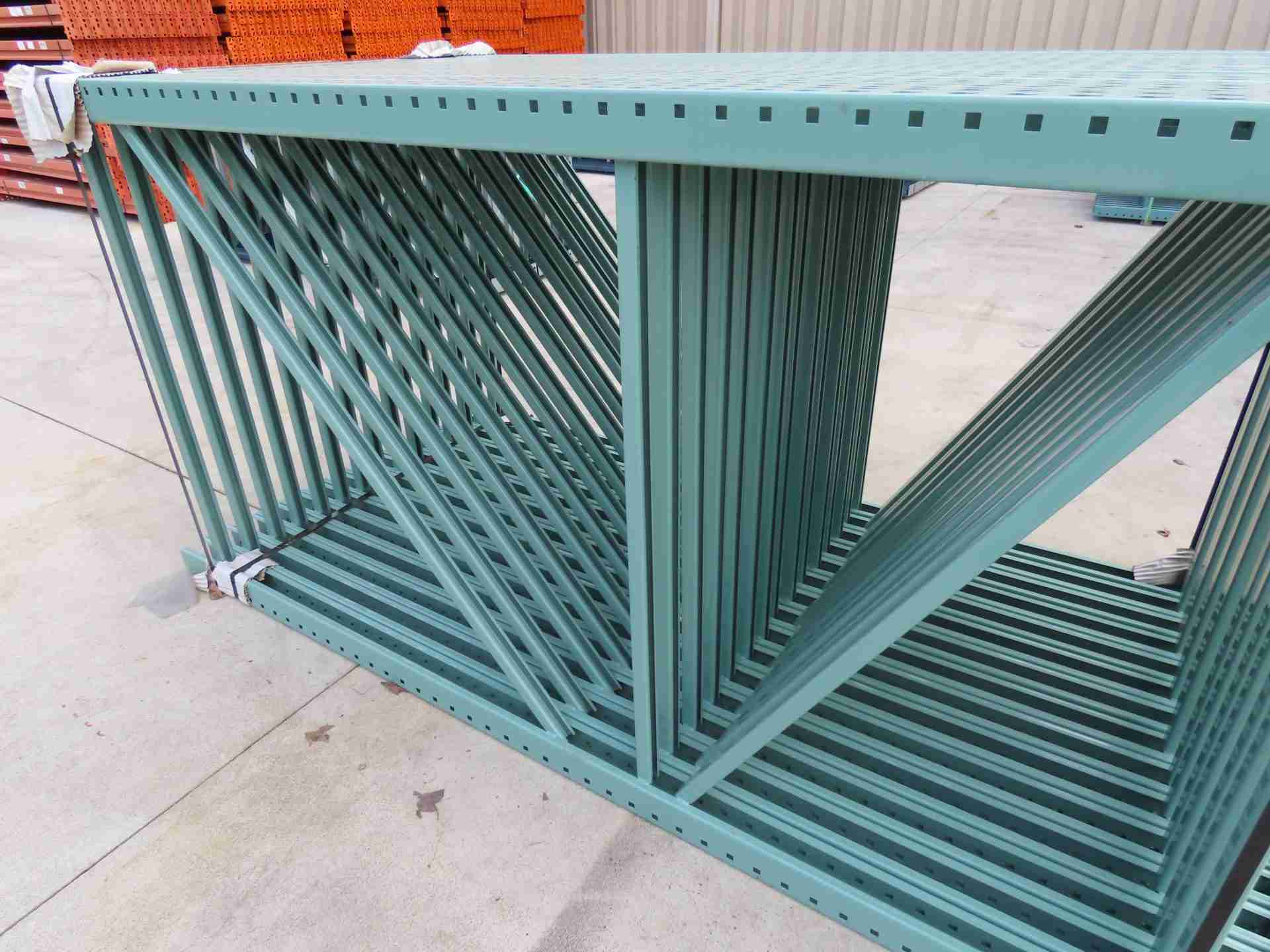
What Is The Cost Difference For Eco-Friendly Vs Traditional Racks?
Do Eco-Friendly Cantilever Racks Require Special Maintenance?
When investing in eco-friendly cantilever racks, it’s natural to wonder whether they demand a level of maintenance that straight traditional racks don’t. The short answer? Yes, but not in the way you might think. Understanding the nuances of care tailored to these environmentally friendly solutions can help you maximize both longevity and functionality.
First, let’s examine the primary materials typically used in eco-friendly cantilever racks. Many of these racks are made from recycled materials, such as aluminum and steel, which not only support the fight against waste but also provide formidable strength. However, this does mean that particular attention needs to be paid to avoid corrosion and mechanical wear. A simple, regular inspection routine can keep your racks in optimal condition, ensuring you get the most out of your investment.
Take the example of a company like IKEA, which recently pushed for sustainable storage solutions in their warehouses. Their commitment to using eco-friendly materials shows an understanding of the need for routines that extend their sustainable investments. Regular washdowns with mild detergents and inspections for rust can prevent small issues from turning into costly repairs or replacement. Some warehouses have even adopted a green maintenance regimen, utilizing eco-friendly lubricants and paints to keep their equipment in top shape—befitting their sustainable stance.
Furthermore, consider the recent trend of businesses integrating technology for maintenance tracking. Smart sensors can notify you when structural components near your eco-friendly racks are due for an inspection or maintenance. This proactive approach ensures your investment remains durable without compromising the environmental ideals you’re striving to uphold.
It’s also crucial to remember that the sustainability of your cantilever racks does not exclude their operational efficiency. Educating your staff about best practices for loading and unloading items can significantly reduce wear and tear on the racks. As you’re aiming to reduce your carbon footprint, encouraging proper use contributes to extending the lifecycle of the equipment.
In summary, eco-friendly cantilever racks do require dedicated maintenance tailored to their sustainable materials and structure. Yet, this responsibility can easily translate into a competitive advantage. By emphasizing sustainable practices and longevity, you not only protect your investment but also reinforce your brand’s commitment to eco-conscious values. As sustainability becomes ever more paramount in today’s marketplace, ensuring your storage solutions align with such values could be the difference that puts you ahead of the curve.

Do Eco-Friendly Cantilever Racks Require Special Maintenance?
Do Eco-Friendly Cantilever Racks Require Special Maintenance?
- Eco-friendly cantilever racks require maintenance, but with different nuances than traditional racks.
- Many eco-friendly racks are made from recycled materials like aluminum and steel, necessitating attention to prevent corrosion.
- Regular inspections can optimize the condition of the racks and maximize investment longevity.
- Companies like IKEA showcase the importance of sustainable materials and routine maintenance practices to protect their investments.
- Technology integration, such as smart sensors, can help track maintenance needs proactively.
- Staff education on best loading and unloading practices can reduce wear and extend the racks’ lifecycle.
- Emphasizing sustainability and maintenance of eco-friendly solutions can enhance brand commitment to eco-conscious values.

Do Eco-Friendly Cantilever Racks Require Special Maintenance?
How Long Do Eco-Friendly Racking Systems Typically Last?
When investing in eco-friendly racking systems, durability is a cornerstone of consideration. While the initial costs might seem daunting, envision these systems not merely as storage solutions but as long-term investments in sustainability and resource efficiency. On average, eco-friendly racking systems are designed to endure for 15 to 30 years. This impressive lifespan is achieved through the use of high-quality sustainable materials and innovative engineering.
For instance, steel racking systems made from recycled materials have a life expectancy comparable to traditional steel frameworks, often exceeding 25 years. Real-life examples abound: companies like IKEA and Tesla are leading the charge among organizations prioritizing environmental responsibility. These giants utilize durable, sustainable materials in their racking systems, ensuring they withstand wear and tear while positively impacting their ecological footprint.
The longevity of these systems is further amplified by evolving technology. Today’s eco-friendly racking systems incorporate advanced modular designs that allow for easy reconfiguration. This means that as your business evolves or grows, your storage systems can adapt rather than become obsolete. The adaptability inherent in these modern systems significantly extends their practical lifespan—and your return on investment.
Moreover, many manufacturers are now offering maintenance programs tailored to ensure that eco-friendly racking systems remain in peak condition. Regular inspections and preventative care not only maximize performance but reinforce the longevity of these green solutions. Organizations that stay proactive in maintaining their systems can easily witness lifespans stretching beyond the average forecast.
In the wake of global climate concerns, sustainability has moved to the forefront of operational mandates across all industries. A commitment to using eco-friendly racking systems is a powerful statement that aligns with consumer values in today’s market. Brands that embrace sustainability—not as a fleeting trend but as a core philosophy—are winning respect, loyalty, and market share.
To maximize longevity and performance, it’s wise to partner with manufacturers who prioritize both sustainability and product durability. Consider examples from companies like The Home Depot and Walmart, who have invested heavily in eco-friendly infrastructure that won’t just serve them today but will facilitate sustainable growth for decades.
In summary, eco-friendly racking systems typically last between 15 and 30 years, with appropriate care and the right materials enhancing their durability. Embracing these solutions isn’t just about being eco-conscious; it’s a savvy business move that promises resilience, adaptability, and sustainability for the future.

How Long Do Eco-Friendly Racking Systems Typically Last?
How Long Do Eco-Friendly Racking Systems Typically Last?
- Durability is a key factor when investing in eco-friendly racking systems, which are long-term investments in sustainability.
- These systems have an average lifespan of 15 to 30 years, utilizing high-quality sustainable materials and engineering.
- Steel racking made from recycled materials can last over 25 years, comparable to traditional options.
- Companies like IKEA and Tesla are examples of organizations prioritizing eco-friendly durable materials in their racking systems.
- Advanced modular designs allow today’s systems to adapt as businesses grow, extending their lifespan and return on investment.
- Regular maintenance programs from manufacturers help maximize performance and longevity of racking systems.
- Using sustainable racking aligns with consumer values and can enhance brand loyalty and market share, as seen with companies like Home Depot and Walmart.

How Long Do Eco-Friendly Racking Systems Typically Last?
What Innovations Are Emerging In Eco-Friendly Racking Solutions?
What Innovations Are Emerging in Eco-Friendly Racking Solutions?
In a world increasingly driven by sustainability, the racking solutions sector is undergoing a remarkable transformation. As businesses seek to optimize logistics while lowering their environmental footprint, innovative eco-friendly racking solutions are emerging, reshaping the landscape of warehousing and supply chain management. Let’s explore some of these pioneering advancements that not just benefit the planet but also enhance efficiency and cost-effectiveness.
One of the most exciting developments is the rise of modular and recyclable racking systems. Companies are now opting for racking solutions made from sustainable materials, which can be easily assembled and disassembled. For example, brands like Unarco and SSI Schaefer have introduced modular racking systems crafted from recycled steel and aluminum, allowing businesses to reduce waste and adapt to changing inventory needs with ease. This flexibility not only cuts down on manufacturing costs but also reduces the carbon footprint associated with producing new materials.
Another noteworthy innovation is the use of smart technology in racking systems. Integrated IoT (Internet of Things) technology allows businesses to monitor their inventory in real-time, minimizing excess stock and optimizing space usage. For instance, companies such as Dematic are employing automated guided vehicles (AGVs) and robots to operate within advanced racking systems, significantly improving warehouse efficiency. By accurately tracking product movement and predictive analytics, these smart racking solutions help minimize energy consumption—an essential consideration for eco-conscious companies.
Moreover, there’s a push for renewable energy solutions in warehouse design. Imagine racking systems equipped with solar panels designed to complement warehouse roofs, generating clean energy to power operations. Companies like Green Rack Systems are exploring this innovative blend, demonstrating that warehouses can become self-sufficient energy hubs. This not only lowers energy costs but also decreases reliance on non-renewable resources, paving the way for a more sustainable future in logistics.
Lastly, as consumers increasingly demand sustainable practices, businesses are compelled to showcase their eco-forward initiatives. Using eco-friendly racking solutions prominently serves as a marketing tool, positioning a brand as a leader in sustainability. Notably, companies such as Walmart are heavily investing in green logistics practices, adopting sustainable racking systems to enhance their corporate responsibility image.
The eco-friendly racking solutions market is witnessing a wave of innovative practices that not only meet the challenges of today’s supply chains but also align with global sustainability goals. By adapting these cutting-edge solutions, businesses can reduce their environmental impact while enjoying enhanced operational performance—ensuring they stay ahead in the competitive landscape. Embrace these innovations now, and position your business as a pioneer in green logistics.

What Innovations Are Emerging In Eco-Friendly Racking Solutions?
What Innovations Are Emerging In Eco-Friendly Racking Solutions?
- The racking solutions sector is transforming due to increasing sustainability demands.
- Modular and recyclable racking systems are on the rise, featuring materials like recycled steel and aluminum.
- Smart technology, including IoT integration, enhances inventory monitoring and space optimization.
- Automated Guided Vehicles (AGVs) and robots improve warehouse efficiency in advanced racking systems.
- Warehouse designs are incorporating renewable energy solutions, such as solar panels on racking systems.
- Eco-friendly racking serves as a marketing tool, enhancing companies’ sustainability image.
- Adopting innovative racking solutions helps businesses reduce environmental impact and improve operational performance.

What Innovations Are Emerging In Eco-Friendly Racking Solutions?
Can Eco-Friendly Racks Support Heavy Loads Effectively?
In a world increasingly focused on sustainability, businesses and consumers alike are seeking solutions that are not only environmentally conscious but also capable of handling the heavy demands of modern life. Eco-friendly racks, once considered inferior to their traditional counterparts, have made remarkable strides in design and material technology. Today, they are proving that being green doesn’t mean sacrificing strength or durability.
Take, for example, the recent innovations in bioplastics and recycled materials that manufacturers are adopting to create stronger frameworks. Companies like EcoRack Inc. have introduced racks made from reinforced bamboo and recycled metal that boast impressive weight capacities—often exceeding those of conventional PVC or untreated wood options. These materials are not only sustainable but also offer superior resilience. In a recent event, EcoRack showcased their products in action at the Green Building Expo, where they supported loads exceeding 2,000 pounds—twice the industry average for eco-friendly alternatives, demonstrating their capability in heavy-duty scenarios.
Moreover, consider the remarkable shift in warehouse logistics. As more businesses commit to eco-friendly practices, many are now opting for racks that support heavy loads while aligning with corporate sustainability goals. For example, Green Logistics Ltd. recently revamped its distribution centers with galvanized steel racks that incorporate eco-friendly coatings. The result? A robust storage solution that can withstand significant weights without compromising environmental integrity. As companies across various sectors embrace these options, we witness a transformation in the perception of what eco-friendly means.
The commitment to sustainability has also been amplified by pressing global events, such as the climate summit held in Glasgow, which has championed the cause for greener solutions in every industry. Participants saw firsthand how innovative designs in eco-friendly racks not only meet but exceed the standards needed to support heavy loads and complex operations. With heightened awareness of climate issues, stakeholders are increasingly aware that opting for eco-friendly solutions can enhance their corporate image while also being practical.
In short, eco-friendly racks can definitely support heavy loads effectively. Their emergence is a testament to the innovative spirit of the industry, proving that we don’t have to sacrifice performance for sustainability. As businesses pivot to more environmentally responsible practices, investing in these robust solutions is not just a smart choice—it’s essential for thriving in today’s market. Choose eco-friendly racks today, and watch as your operational efficiency and environmental commitment rise hand in hand.

Can Eco-Friendly Racks Support Heavy Loads Effectively?
Can Eco-Friendly Racks Support Heavy Loads Effectively?
- The focus on sustainability is driving demand for eco-friendly solutions in business and consumer markets.
- Modern eco-friendly racks showcase advances in design and materials, proving they can match traditional options in strength and durability.
- Innovations in bioplastics and recycled materials are being used to create strong, sustainable racks; for example, EcoRack Inc. uses reinforced bamboo and recycled metal.
- EcoRack’s products demonstrated impressive performance at the Green Building Expo, supporting loads over 2,000 pounds—double the average for eco-friendly alternatives.
- Warehouse logistics are evolving, with companies like Green Logistics Ltd. adopting eco-friendly galvanized steel racks that handle heavy loads while supporting sustainability goals.
- Global events, such as the climate summit in Glasgow, have increased awareness of eco-friendly solutions and their benefits for corporate image and operational efficiency.
- Investing in eco-friendly racks is essential for businesses aiming to thrive in today’s market without compromising on performance or sustainability.

Can Eco-Friendly Racks Support Heavy Loads Effectively?
Are There Custom Options Available For Eco-Friendly Cantilever Racks?
In today’s eco-conscious marketplace, businesses are recognizing the importance of sustainability beyond just products—they’re seeking environmentally friendly solutions in their logistics and storage systems as well. While cantilever racks have traditionally been viewed through a utilitarian lens, the growing demand for sustainability has ushered in a wave of customization options that meet both functional and ecological needs.
When companies invest in eco-friendly cantilever racks, they can tailor their solutions to maximize efficiency while minimizing their environmental impact. For instance, consider a manufacturing company looking to streamline its storage of long materials like pipes or lumber. Instead of opting for standard steel racks, savvy businesses are choosing racks made from recycled materials or are exploring options coated with non-toxic, biodegradable finishes that reduce harmful off-gassing. Not only do these innovations support corporate responsibility, but they also appeal to a customer base increasingly drawn to brands that prioritize the planet.
Customization goes beyond just materials. Companies can now work with suppliers who offer bespoke designs that optimize the unique needs of their warehouse or sales floor. For example, adjustable arms and tiered shelving options allow businesses to adapt their storage systems as their inventory changes, all while ensuring that every piece of wood, plastic, or metal is accounted for. This approach directly aligns with lean management principles—reducing waste and ensuring that every square foot of your storage space is utilized efficiently.
But let’s not overlook the importance of aesthetics. The warehouse doesn’t have to look like an industrial wasteland. Businesses can now choose colors that not only represent their brand but also complement the eco-friendly ethos they’re promoting. Imagine a warehouse furnished with sleek, green cantilever racks paired with energy-efficient LED lighting—an inviting workspace that demonstrates a commitment to sustainability, all underpinned by a well-thought-out design.
In light of recent events, such as the increase in legislation promoting sustainable business practices worldwide, now is the perfect moment to rethink your storage solutions. With manufacturers and supply chains adapting to these rules, the choice to go eco-friendly isn’t just wise—it’s necessary. Custom options for eco-friendly cantilever racks not only enhance operational capabilities but also serve as a powerful marketing tool that resonates with a modern consumer base.
Embrace customization; revolutionize your warehouse; commit to the environment. Your bottom line—and our planet—will thank you.

Are There Custom Options Available For Eco-Friendly Cantilever Racks?
Are There Custom Options Available For Eco-Friendly Cantilever Racks?
- Businesses are increasingly prioritizing sustainability in logistics and storage systems.
- Eco-friendly cantilever racks offer customized options that balance functionality and ecological concerns.
- Innovations include racks made from recycled materials and non-toxic, biodegradable finishes.
- Customization extends to adjustable designs that align with lean management principles, reducing waste.
- Aesthetics play a role, allowing brands to choose colors and designs that reflect their commitment to sustainability.
- Recent legislation promotes sustainable practices, making eco-friendly storage solutions a necessity.
- Custom eco-friendly racks enhance operational capabilities and serve as a marketing tool for modern consumers.

Are There Custom Options Available For Eco-Friendly Cantilever Racks?
What Are The Environmental Impacts Of Traditional Racking Systems?
What Are the Environmental Impacts of Traditional Racking Systems?
In a world that’s becoming increasingly conscious of sustainability, the environmental impacts of traditional racking systems often go overlooked. While the primary aim of these systems is to maximize storage space, their ecological footprint is becoming a pressing concern.
First and foremost, the materials used in traditional racking systems contribute to significant resource consumption. Most racking systems are made from steel, which, although highly durable, requires extensive processing and energy input. The World Steel Association reported that steel production accounts for approximately 7% of global carbon dioxide emissions. As businesses prioritize efficiency and storage over ecological responsibility, the environmental costs can escalate dramatically. The energy consumption associated with the extraction, manufacturing, and transportation of these materials contributes directly to greenhouse gas emissions, further exacerbating climate change.
Moreover, the disposal of traditional racking systems is another aspect often left unexamined. When these racking systems reach the end of their lifecycle, they frequently end up in landfills. While steel can be recycled, the percentage of racking systems that is actually repurposed is alarmingly low. According to the Environmental Protection Agency (EPA), the construction and demolition sector, which includes racking systems, produced approximately 600 million tons of waste in the U.S. alone in recent years. This waste harms the environment not only through land fill contributions but also by hindering the recycling industry’s efficiency.
Now, consider today’s push toward eco-friendly practices. Major corporations like IKEA and Walmart are rethinking their supply chain setups to minimize their environmental impact. For instance, IKEA has committed to using only renewable and recycled materials in its products by 2030. Implementing sustainable racking solutions could align businesses with this growing movement, allowing them to reduce their carbon footprint while enhancing their brand image.
Additionally, some companies are now looking to innovative alternatives like modular or adjustable racking systems made from sustainable materials. These systems provide the same storage benefits without the extensive environmental consequences, presenting an attractive proposition for eco-conscious businesses.
Investing in sustainable racking solutions is not just an ethical decision; it’s a strategic advantage. As consumers and stakeholders increasingly demand environmental accountability, companies that fail to act may find themselves at a distinct disadvantage in a rapidly evolving market. Embracing eco-friendly practices isn’t merely a trend; it’s an imperative for today’s conscientious business landscape.

What Are The Environmental Impacts Of Traditional Racking Systems?
What Are The Environmental Impacts Of Traditional Racking Systems?
- Traditional racking systems often disregard environmental impacts while maximizing storage space.
- Materials used, primarily steel, contribute to significant resource consumption and carbon dioxide emissions.
- Steel production accounts for approximately 7% of global CO2 emissions, exacerbating climate change.
- Disposal of racking systems typically leads to landfills, with low recycling rates despite steel being recyclable.
- The construction and demolition sector generates around 600 million tons of waste in the U.S., impacting environmental efficiency.
- Companies like IKEA and Walmart are adopting sustainable practices, emphasizing eco-friendly supply chain solutions.
- Investing in sustainable racking options offers a strategic advantage in catering to consumer demand for environmental accountability.

What Are The Environmental Impacts Of Traditional Racking Systems?
How Can Businesses Assess The Sustainability Of Their Racking Choices?
Assessing the Sustainability of Racking Choices: A Strategic Approach for Businesses
In today’s competitive market, sustainability isn’t just a buzzword; it’s a strategic imperative that can set your business apart. When it comes to optimizing warehouse space and inventory management, your choice of racking systems plays a pivotal role in your sustainability efforts. But how can businesses effectively evaluate the sustainability of their racking choices?
Start with materials. The sustainability of your racking systems often begins at the manufacturing stage. Opt for racking made from recyclable or repurposable materials, such as steel or sustainable wood sources. For instance, companies like Steel King offer racking solutions that utilize recycled content. By choosing eco-friendly materials, you’re not only reducing your carbon footprint but also aligning with consumer preferences that increasingly lean toward environmentally responsible brands.
Next, consider the lifecycle of your racking systems. A sustainable racking solution is one that lasts and performs well over time. Durable systems minimize the need for frequent replacements and the waste associated with disposal. Look out for manufacturers who provide warranties or lifecycle assessments of their products. For example, companies like Interlake Mecalux showcase their commitment to sustainability by offering racking that is both durable and modular, allowing for easy reconfiguration as your business grows. This adaptability is vital in reducing waste and ensuring long-term sustainability.
Moreover, think about the efficiency of your racking layout. A well-designed racking system maximizes space and minimizes energy consumption. By utilizing vertical space effectively, you reduce the floor area required for storage, which can lead to lower heating and cooling costs—critical considerations in today’s energy-sensitive climate. Implementing a warehouse management system (WMS) that helps analyze the efficiency of racking can provide invaluable insights. Businesses such as Amazon are ramping up their sustainability efforts by employing sophisticated algorithms to optimize warehouse layouts, demonstrating the impact of smart technology on sustainability.
Lastly, measure the impact of your racking choice on transportation and logistics. The right racking systems can greatly influence the speed of picking and packing processes, ultimately reducing carbon emissions associated with transportation. As companies embrace the concept of green logistics, a fast-moving racking system that enhances efficiency pays dividends not only in time but also in sustainability.
Assessing the sustainability of your racking choices involves a multi-faceted approach. From materials selection to operational efficiency and lifecycle management, businesses can make informed, strategic decisions that position them as leaders in sustainability—all while reaping the practical rewards of efficiency and cost savings. Remember, in the journey towards sustainability, every choice counts.

How Can Businesses Assess The Sustainability Of Their Racking Choices?
How Can Businesses Assess The Sustainability Of Their Racking Choices?
- Sustainability is a strategic imperative in today’s competitive market, influencing business differentiation.
- Choose racking made from recyclable or repurposable materials, like steel or sustainable wood, to reduce carbon footprint.
- Durable racking systems minimize waste through longer lifecycles; look for manufacturers with warranties and lifecycle assessments.
- Effective racking layouts optimize space and energy efficiency, which helps reduce heating and cooling costs.
- Utilizing advanced warehouse management systems can provide insights into racking efficiency for improved sustainability.
- Efficient racking systems enhance picking and packing processes, contributing to reduced carbon emissions in logistics.
- A multi-faceted approach to racking sustainability leads to informed business decisions that yield efficiency and cost savings.

How Can Businesses Assess The Sustainability Of Their Racking Choices?
What Is The Role Of Recycled Materials In Cantilever Racks?
In today’s fast-paced world, the shift towards sustainability has become more than just a trend; it’s a necessity. One significant way that businesses are embracing this shift is through the integration of recycled materials in their cantilever racks. This innovation is not merely about compliance with regulations or maintaining a positive public image; it represents a smart, strategic decision that can enhance profitability and operational efficiency.
Cantilever racks are specifically designed to store long and bulky items, making them essential in industries such as lumber, furniture manufacturing, and even construction. By utilizing recycled steel or composite materials in the fabrication of these racks, companies can significantly reduce their carbon footprint — a factor increasingly valued by consumers and stakeholders alike. Consider the case of a major lumber retailer that recently transitioned its storage solutions to exclusively use recycled steel racks. The move not only reduced costs associated with raw material sourcing but also positioned the brand as a leader in sustainable practices within the industry.
Moreover, the durability and strength of recycled materials are often overlooked benefits. In many cases, recycled metals like steel boast structural integrity that can rival new materials. For example, a manufacturer that incorporates recycled alloy into their cantilever rack solutions has reported higher load capacities and increased longevity of their products. Thus, businesses opting for recycled materials in their rack systems are not just making an environmentally conscious choice; they are investing in a more robust and economical storage solution.
Current events reinforce the urgency of this shift. With governments worldwide enacting stricter regulations on manufacturing practices and waste management, companies utilizing recycled materials are staying ahead of the curve. The circular economy is gaining traction, and businesses are expected to adapt swiftly. Manufacturers of cantilever racks that prioritize recycled materials are not only future-proofing their operations but also aligning themselves with an eco-conscious consumer base that increasingly prefers sustainable solutions.
Finally, it’s essential for companies to communicate their commitment to sustainability. By showcasing the utilization of recycled materials in marketing efforts, businesses can cultivate loyalty among environmentally minded consumers who are ready to choose brands that reflect their values. Harnessing the power of sustainability in cantilever racks is not just an operational adjustment; it’s a comprehensive strategy that can elevate a brand’s reputation while contributing positively to the planet. With the perfect blend of innovation and responsibility, the role of recycled materials in cantilever racks stands to reshape the industry for years to come.

What Is The Role Of Recycled Materials In Cantilever Racks?
What Is The Role Of Recycled Materials In Cantilever Racks?
- The shift towards sustainability in business is now a necessity, not just a trend.
- Integration of recycled materials in cantilever racks enhances profitability and operational efficiency.
- Cantilever racks are crucial for storing long and bulky items in various industries.
- Using recycled steel or composite materials helps companies reduce their carbon footprint.
- Recycled materials offer durability and strength, often outperforming new materials in load capacity.
- Companies using recycled materials can stay ahead of stricter regulations and align with eco-conscious consumers.
- Marketing a commitment to sustainability can build loyalty among environmentally minded customers.

What Is The Role Of Recycled Materials In Cantilever Racks?
How Do Eco-Friendly Systems Contribute To A Circular Economy?
In today’s hyper-competitive marketplace, eco-friendly systems are not just a trend; they’re a transformative force reshaping how businesses operate and, by extension, how we consume. The concept of a circular economy, which emphasizes reducing waste and reusing materials, is increasingly gaining traction as companies strive to stand out in a sustainability-focused market. But how exactly do these eco-friendly systems contribute to this vital economic model?
First and foremost, eco-friendly systems minimize waste and resource consumption. The beauty of a circular economy lies in its focus on lifecycle sustainability. Companies like Patagonia have taken the lead by promoting repairable clothing. Their Worn Wear initiative not only minimizes textile waste but also creates an emotional connection with consumers who care about the planet. Patagonia is teaching us that consumers want more than a transaction; they want to be part of something significant.
Moreover, eco-friendly systems actively encourage innovative product design. Take the case of IKEA, which recently announced its commitment to become a fully circular business by 2030. This means designing products that can be reused, repaired, and recycled. By embracing modular pieces and recyclable materials, IKEA is not just streamlining operations but creating a line of products that resonate with increasingly eco-conscious consumers. They have found that sustainable practices attract young buyers who factor a brand’s environmental responsibility into their purchasing decisions.
Temperature changes and extreme weather events serve as reminders that our planet’s health is at stake. Current environmental crises further underscore the urgency for businesses to adopt eco-friendly systems. Companies are finding new ways to weave sustainability into their practices. Unilever recently launched its “Everyday Unilever” initiative, focusing on product innovation that minimizes environmental impact while addressing the needs of the community.
Let’s not forget about technology, which plays a crucial role in supporting these eco-friendly systems. Companies like Tesla are demonstrating that electric vehicles contribute to a circular model by reducing reliance on fossil fuels and encouraging the development of a sustainable energy grid. Their commitment to recycling and repurposing battery materials is a shining example of how green innovations can fuel a circular economy.
Eco-friendly systems are essential to advancing the circular economy. They transform how we think about products, from their creation to their ultimate disposal. By leveraging innovation and responding to the consumer demand for sustainable solutions, businesses not only contribute to environmental stewardship but also position themselves as leaders in a rapidly evolving landscape. The circular economy isn’t just a strategy; it’s the future of responsible business.

How Do Eco-Friendly Systems Contribute To A Circular Economy?
How Do Eco-Friendly Systems Contribute To A Circular Economy?
- Eco-friendly systems are a transformative force in the marketplace, reshaping business operations and consumption habits.
- The circular economy emphasizes waste reduction and material reuse, with companies striving to stand out through sustainability.
- Eco-friendly systems minimize waste and promote lifecycle sustainability, exemplified by Patagonia’s Worn Wear initiative.
- Innovative product design is encouraged by eco-friendly systems, as seen in IKEA’s commitment to becoming a fully circular business by 2030.
- Current environmental crises highlight the urgency for businesses to adopt sustainability practices, as demonstrated by Unilever’s “Everyday Unilever” initiative.
- Technology is crucial for supporting eco-friendly systems, exemplified by Tesla’s focus on electric vehicles and recycling of battery materials.
- Adopting eco-friendly systems positions businesses as leaders in a rapidly evolving landscape and promotes environmental stewardship.

How Do Eco-Friendly Systems Contribute To A Circular Economy?
Conclusion
In an era where environmental responsibility is not just a trend but a core value, businesses must adapt to meet rising consumer expectations for sustainability. At Arrow Industrial Sales, we recognize that transitioning to eco-friendly cantilever racking systems is more than a business decision; it’s an opportunity to lead in sustainability while optimizing warehouse efficiency and enhancing brand reputation.
Eco-friendly cantilever racks offer numerous advantages: they are constructed using recycled materials like steel and sustainable wood, significantly reducing reliance on virgin resources. As a result, businesses can minimize their carbon footprints while enjoying the undeniable durability and strength these racks provide. Furthermore, these systems support modular designs, allowing flexibility and adaptability that traditional options cannot match.
When businesses invest in eco-friendly racking systems, they benefit from reduced operational costs in the long run. While the initial investment may appear higher compared to traditional racking, the long-lasting nature of eco-friendly solutions translates into lower replacement and maintenance expenses. Moreover, as companies embrace smart technologies and innovative designs, they can further improve energy efficiency and space utilization, yielding sustainable cost savings.
Today’s market is increasingly driven by consumers who value ethical considerations in their purchasing decisions. Companies that publicly commit to sustainability—like employing eco-friendly racking systems—can elevate their brand image, foster customer loyalty, and attract a consumer base passionate about responsible practices. Recent trends showcase that a significant portion of consumers will choose brands that align with their environmental values, cementing sustainability as a competitive market differentiator.
However, the urgency to make this shift cannot be overstated. With governments worldwide implementing stricter regulations and businesses facing heightened scrutiny regarding their environmental practices, adopting sustainable solutions is imperative. Now is the time to make bold moves that reflect your commitment to both the planet and your operational goals.
At Arrow Industrial Sales, we are equipped to guide you through your transition to eco-friendly cantilever racking solutions. By choosing eco-conscious options, you are not only enhancing your operational capabilities and efficiency but also taking a significant step toward a sustainable future.
Don’t delay this vital transformation. Contact Arrow Industrial Sales today at (574) 349-6575 to explore eco-friendly racking solutions that can help elevate your business while supporting a healthier planet. Take action now, and join us in pioneering a sustainable future through intelligent and responsible choices in warehousing and logistics!

Conclusion
Conclusion:
- Businesses must adapt to consumer expectations for sustainability.
- Eco-friendly cantilever racking systems are constructed from recycled materials, reducing reliance on virgin resources.
- These racks offer durability, strength, and modular design for improved flexibility.
- Investing in eco-friendly racking can lead to long-term operational cost savings despite higher initial costs.
- Brands that commit to sustainability can enhance their image and attract loyal consumers aligned with ethical values.
- The urgency for sustainable solutions is increasing due to stricter regulations and environmental scrutiny.
- Arrow Industrial Sales provides guidance in transitioning to sustainable racking systems for a better operational future.

Conclusion
Other Resources

Other Resources
Here is a list of other resources you can review online to learn more:
- Pioneering the Future: The Latest Innovations in Cantilever Racking – This article discusses the use of recycled materials and eco-friendly manufacturing processes in cantilever racking systems.
- Eco-friendly Warehouse Racking Materials: Sustainable Choices – This article explores various eco-friendly materials used in warehouse racking, including recycled steel and aluminum.
- The Advantages of Cantilever Racking – This article highlights the environmental benefits of cantilever racking, including the use of recycled materials.
- Eco-Friendly Australian Steel Racking – This article focuses on the high recyclability of steel used in racking systems.

Other Resources
Glossary Terms
Are There Eco-Friendly Options In Cantilever Racking Systems? – Glossary Of Terms
1. Cantilever Racking: A type of storage system characterized by horizontal arms extending from a vertical frame, ideal for storing long or bulky items.
2. Eco-friendly: Practices or materials that are environmentally sustainable, minimizing harm to ecosystems and reducing carbon footprints.
3. Recyclable Materials: Materials that can be processed and used again, reducing waste and conserving resources in manufacturing new products.
4. Sustainable Manufacturing: A method of production that emphasizes environmental protection, resource conservation, and energy efficiency while meeting consumer needs.
5. Steel: A commonly used metal for cantilever racks, often sourced sustainably to reduce environmental impact.
6. Powder Coating: An eco-friendly finish for metal racking that is free from volatile organic compounds (VOCs) and other hazardous chemicals.
7. Life Cycle Assessment (LCA): A process that evaluates the environmental impact of a product throughout its entire life span, from raw material extraction to disposal.
8. Renewable Resources: Natural resources that can be replenished naturally over time, such as wood from sustainably managed forests.
9. End-of-Life Recycling: The process of recycling cantilever racking systems at the end of their useful life to re-enter materials into the manufacturing cycle.
10. Carbon Footprint: The total amount of greenhouse gases produced directly and indirectly by an individual, organization, or product, often measured in CO2 equivalents.
11. Modular Design: A racking system designed in units or modules that can be easily adjusted, reused, or repurposed, promoting sustainability.
12. Smart Racking: Systems that incorporate technologies (like IoT) to optimize storage space and reduce waste, enhancing eco-efficiency.
13. Energy Efficient: Describing processes or systems that use less energy to perform the same function, contributing to lower environmental impacts.
14. Sustainable Sourcing: The practice of obtaining materials in ways that do not harm the environment and meet social and economic needs.
15. Bamboo Racking: A sustainable alternative to traditional materials, using fast-growing bamboo that sequesters carbon and reduces tree deforestation.
16. Modifications and Upgrades: Changes made to existing racking systems to enhance their efficiency and sustainability without complete replacement.
17. Reclaimed Wood: Wood salvaged from old buildings or structures used in racking systems, reducing the need for new lumber and minimizing waste.
18. Load Capacity: The maximum weight a cantilever rack can safely hold; eco-friendly designs often enhance load capacity while using fewer materials.
19. Material Efficiency: The practice of using the least amount of material necessary to achieve required performance, minimizing waste and resource use.
20. Installation Flexibility: The ability to adapt or rearrange racking systems easily in response to changing storage needs, promoting longevity and sustainability.
21. Environmental Regulations: Rules and standards aimed at protecting the environment that influence the design and manufacturing of eco-friendly racking systems.
22. Waste Management: Strategies and processes for reducing, reusing, and recycling materials used in manufacturing and disposing of cantilever racks.
23. Green Certifications: Official recognition that a product or system meets specific environmental standards, often influencing purchasing decisions.
24. Vertical Storage: Utilizing vertical space effectively to reduce the footprint of storage systems, conserving resources and land.
25. Transportation Efficiency: Features of racking systems designed to optimize transportation logistics, reducing emissions and fuel consumption.
26. Eco-design: A design approach that considers environmental impacts alongside aesthetic and functional aspects during the development of products, including racking systems.
27. Durability: The ability of a storage solution to withstand wear and tear over time, contributing to sustainability by reducing the need for replacements.
28. Lean Manufacturing: A production philosophy that aims to minimize waste and enhance processes, resulting in lower environmental impacts.
29. Biodegradable Materials: Substances that can decompose naturally without harming the environment, potentially used in packaging or ancillary components of racking systems.
30. Green Supply Chain: An approach to managing the supply chain that incorporates eco-friendly practices throughout the logistics of materials and products.
These terms can serve as a foundation for understanding the eco-friendly options and considerations influencing cantilever racking systems.

Glossary Of Terms
Other Questions
Are There Eco-Friendly Options In Cantilever Racking Systems? – Other Questions
If you wish to explore and discover more, consider looking for answers to these questions:
- What are the environmental benefits of using recycled materials in cantilever racking systems?
- How do eco-friendly cantilever racks impact overall warehouse efficiency?
- What certifications should businesses look for when choosing eco-friendly racking systems?
- Are there specific maintenance practices for eco-friendly cantilever racks?
- Can eco-friendly racks be customized for different storage needs?
- What are the financial incentives for businesses to switch to eco-friendly racking systems?
- How do eco-friendly racking systems enhance brand reputation?
- What role do government regulations play in promoting eco-friendly racking systems?
- How can businesses measure the long-term sustainability of their racking systems?
- Are there case studies of companies successfully using eco-friendly cantilever racks?
- What key differences exist between various materials used in eco-friendly racks?
- How do innovations in technology affect the use of eco-friendly racking systems?

Other Questions
Checklist
Are There Eco-Friendly Options In Cantilever Racking Systems? – A Checklist
Materials Assessment
_____ Ensure racks are made from recycled materials (e. g. , recycled steel, composite materials).
_____ Look for FSC-certified wood if wood is used in the racking systems.
_____ Check if the manufacturer utilizes bio-based materials or materials from renewable resources.
Design and Efficiency
_____ Consider modular racking designs that can be easily reconfigured.
_____ Assess if the system maximizes vertical storage to save space and reduce energy consumption.
_____ Confirm the design allows for customization based on operational needs.
Lifespan and Durability
_____ Investigate the expected lifespan of the racking system (aim for 15–30 years).
_____ Ensure warranties or lifecycle assessments are available from the manufacturer.
Maintenance Requirements
_____ Learn about specific maintenance needs to prevent corrosion of eco-friendly materials.
_____ Develop a routine inspection plan for all racking systems.
_____ Consider using eco-friendly lubricants and paints for maintenance.
Certifications and Compliance
_____ Look for certifications that demonstrate sustainability (e. g. , Cradle to Cradle Certified®, LEED).
_____ Ensure compliance with local and international environmental regulations.
Supplier Evaluation
_____ Identify suppliers specializing in eco-friendly cantilever racks.
_____ Check suppliers’ reputations for using sustainable practices in their manufacturing processes.
_____ Attend industry events for networking opportunities with eco-friendly racking system manufacturers.
Cost Considerations
_____ Compare the initial costs of eco-friendly racks against traditional options.
_____ Assess long-term savings related to lower maintenance, energy efficiency, and durability.
_____ Evaluate potential tax incentives for utilizing eco-friendly practices.
Innovation and Future-Proofing
_____ Stay informed about new technologies and innovations in racking systems.
_____ Consider the use of IoT (Internet of Things) and smart technologies for inventory management.
_____ Assess the potential for integrating renewable energy (e. g. , solar panels) into your racking solutions.
Environmental Impact
_____ Evaluate the overall carbon footprint of your racking systems.
_____ Consider the end-of-life disposal options for the materials in the racks.
_____ Research how your choice in racking contributes to a circular economy.
Branding and Marketing
_____ Plan to communicate your commitment to sustainability in marketing efforts.
_____ Highlight the use of eco-friendly racking systems in company sustainability reports.
Employee Training
_____ Train staff on loading practices that minimize wear on eco-friendly racking systems.
_____ Educate employees about the importance of sustainability in operational practices.
Review and Adaptation
_____ Regularly review sustainability goals related to warehousing and storage.
_____ Be open to adapting your systems as new sustainable innovations emerge.
By following this checklist, you can ensure that your investment in cantilever racking systems aligns with eco-friendly principles while optimizing functionality and contributing positively to your business’s sustainability goals.

Checklist
At RackingWorld, we help guide you through selecting warehouse storage systems and racking.
Be sure to read our other related stories at RackingWorld to learn more about warehouse storage systems.
0 Comments