
Tailoring Cantilever Racking For Special Storage Needs
By Tom Seest
At RackingWorld, we help guide you through selecting warehouse storage systems and racking.
Be sure to read our other related stories at RackingWorld to learn more about warehouse storage systems.
Can Cantilever Racking Be Customized for Unique Storage Needs?
In the fast-paced world of logistics and warehousing, the ability to adapt and customize storage solutions to meet specific business requirements is not just a luxury—it’s a necessity. Enter cantilever racking, a versatile shelving option that has emerged as a game-changer for businesses looking to maximize efficiency and space while accommodating unique storage needs.
One of the defining features of cantilever racking is its inherent adaptability. Unlike traditional shelving systems, which are often rigid and limited in configuration, cantilever racks can be tailored to fit an array of items, from long, bulky materials like lumber and steel pipes to lighter, irregularly shaped products. For example, companies in the construction or manufacturing sectors can benefit immensely from this adaptability. They can order cantilever racks with extended arms to support longer items, optimizing their warehouse layout and minimizing wasted space. In just a short time, these customized racks can transform a disorganized storage area into an efficient, streamlined operation.
But customization doesn’t stop at mere dimensions. Racking systems can also be equipped with various accessories tailored to the specific needs of different industries. Consider a distributor of refrigerated goods. Customized cantilever racks with built-in temperature control features can create an efficient and organized way to store perishable items while adhering to health regulations.
In recent years, we’ve seen an increasing trend toward sustainability and efficiency in warehousing. The release of new technologies—like RFID tracking and real-time inventory management—has prompted businesses to rethink their storage solutions. Cantilever racking systems that integrate these technologies can be configured to enhance workflow and safety. Imagine a company that specializes in automotive parts. By customizing their cantilever racks to include RFID readers and adjustable arms for varying part sizes, they can efficiently track stock levels, reduce pick times, and improve overall productivity.
Moreover, the global supply chain disruptions we’ve recently faced have underscored the importance of having flexible storage solutions. With businesses pivoting toward just-in-time inventory models, cantilever racking’s ability to be customized for quick access and efficiency makes it an even more attractive option. Companies can quickly adjust their layout in response to changing demands without the hefty costs and time associated with reconfiguring standard shelving systems.
In a landscape where operational efficiency and adaptability are key, customizable cantilever racking stands out as a strategic investment. The benefits are clear: reduced clutter, optimized workflows, and the ability to meet diverse customer demands without compromising space or accessibility. If you’re looking to elevate your storage solutions and increase your bottom line, consider the transformative power of customized cantilever racking. The time to take action is now.
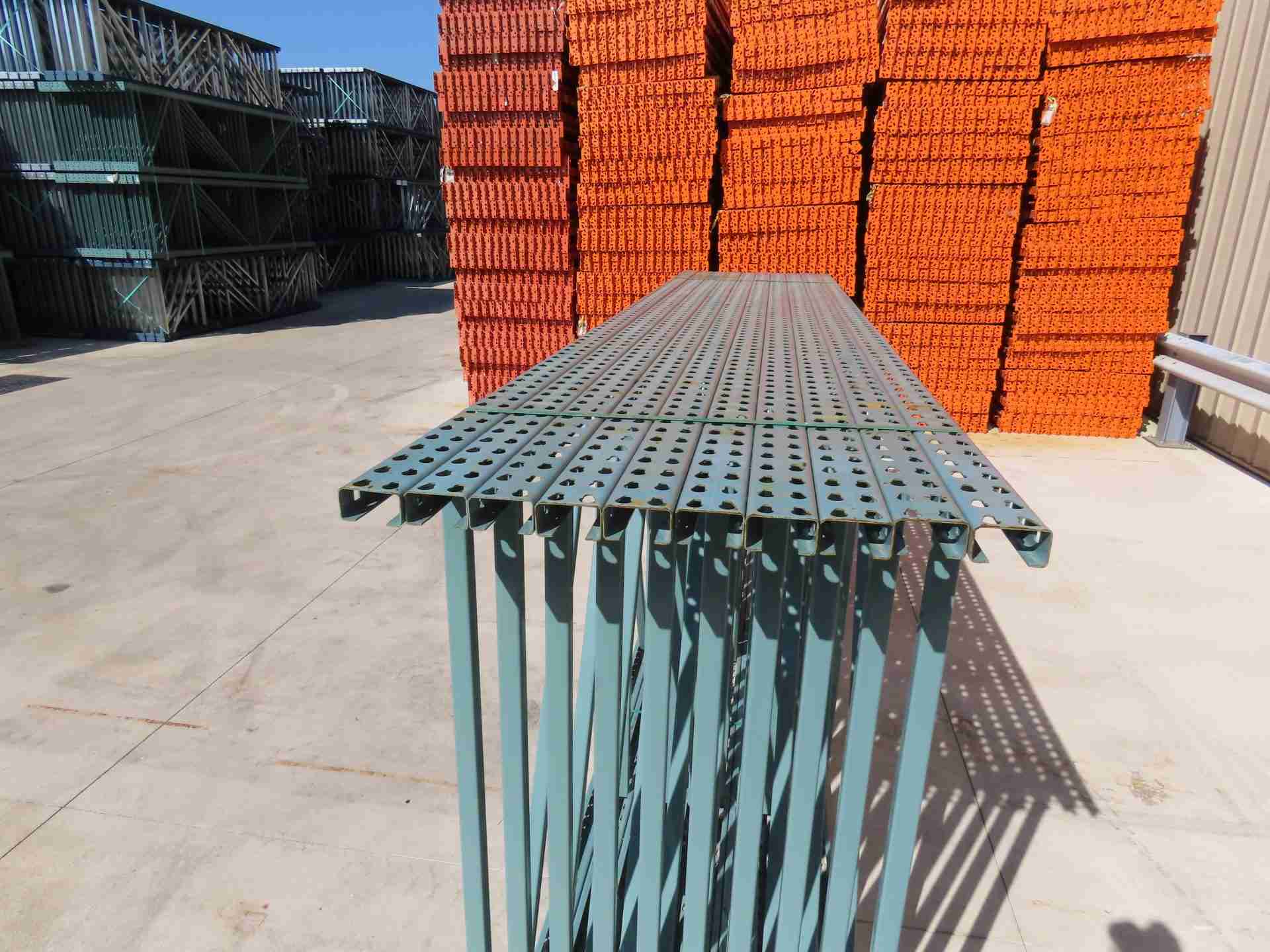
Can Cantilever Racking Be Customized for Unique Storage Needs?
Can Cantilever Racking Be Customized for Unique Storage Needs?
- Cantilever racking is a flexible shelving option essential for modern logistics and warehousing.
- Unlike traditional shelving, cantilever racks can be customized for various items, including long and irregularly shaped products.
- Companies in construction and manufacturing benefit from extended arms on cantilever racks to support longer materials.
- Cantilever racking can include accessories tailored to industry needs, such as temperature control for refrigerated goods.
- The integration of technologies like RFID and real-time inventory management enhances the efficiency of cantilever racking systems.
- Flexible storage solutions like cantilever racking are crucial for adapting to supply chain disruptions and just-in-time inventory models.
- Overall, customized cantilever racking leads to reduced clutter, optimized workflows, and improved operational efficiency.
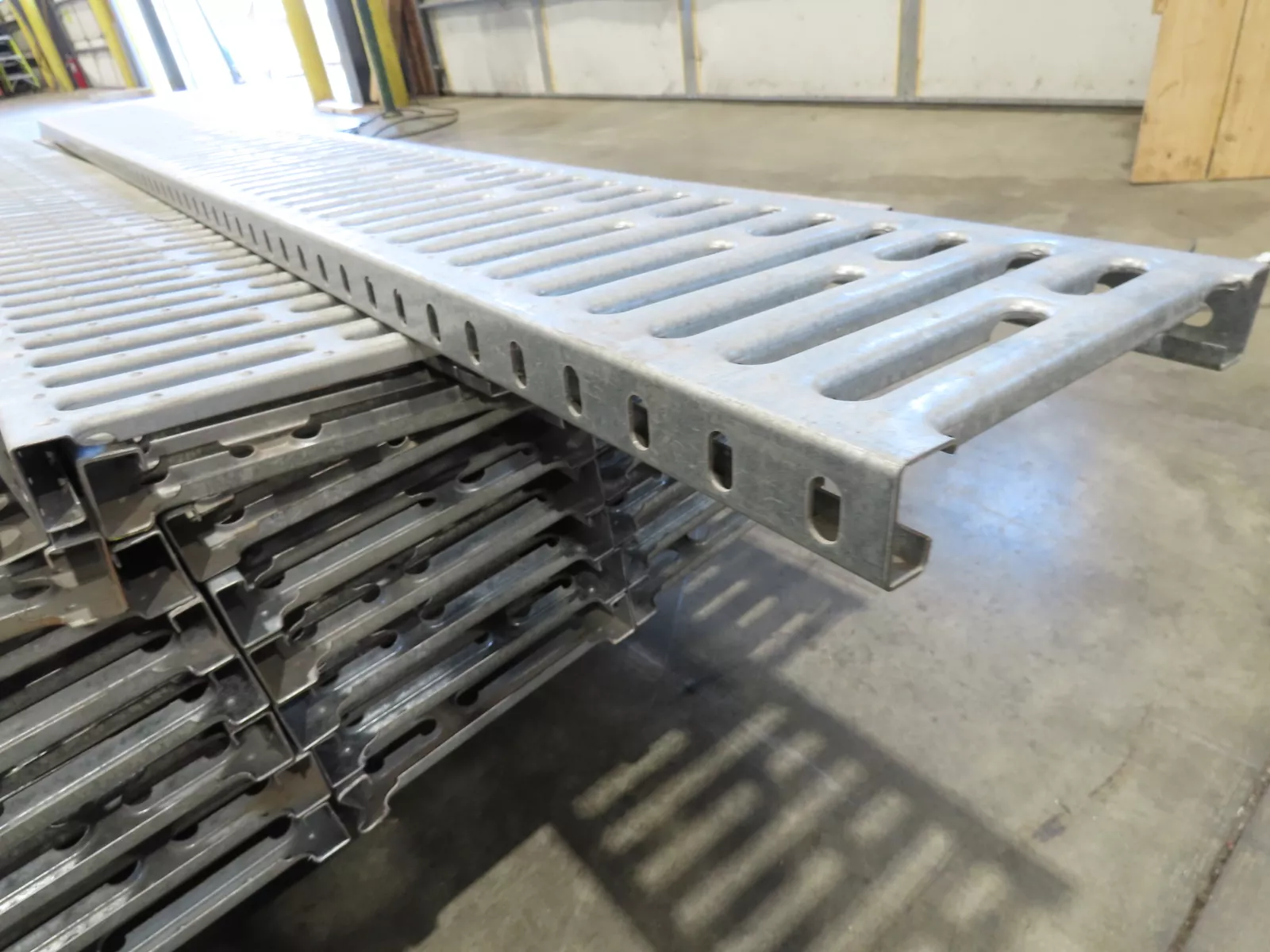
Can Cantilever Racking Be Customized for Unique Storage Needs?
Table Of Contents
- Can Cantilever Racking Be Customized for Unique Storage Needs?
- Can Cantilever Racking Be Tailored For Specific Items?
- What Materials Are Suitable For Customized Cantilever Racking?
- How Does Custom Cantilever Racking Improve Storage Efficiency?
- What Are The Benefits Of Personalized Cantilever Rack Designs?
- Are There Guidelines For Designing Custom Cantilever Racks?
- How Can I Determine The Load Capacity For Custom Racking?
- What Are The Costs Associated With Custom Cantilever Racks?
- How Do I Choose The Right Vendor For Customized Racking?
- Can Custom Cantilever Racks Accommodate Varying Item Sizes?
- What Safety Regulations Apply To Customized Cantilever Racking?
- How Long Does It Take To Design And Install Custom Racks?
- Can I Modify Existing Cantilever Racks For Better Functionality?
- What Maintenance Is Required For Custom Cantilever Racking?
- Are There Case Studies Of Successful Custom Racking Implementations?
- How Do I Assess My Specific Storage Needs For Cantilever Racks?
- Conclusion
- Other Resources
- Glossary Of Terms
- Other Questions
- Checklist
Can Cantilever Racking Be Tailored For Specific Items?
In the world of warehousing and distribution, one size rarely fits all. Businesses must adapt their storage solutions to meet the unique needs of their inventory. For companies dealing with long or oversized items—like lumber, pipes, and furniture—cantilever racking stands out as a game-changing solution. But what if we told you that cantilever racking isn’t just a one-size-fits-all approach? It can be meticulously tailored to suit your specific items, ensuring optimal use of space and efficiency in operations.
Consider a furniture distribution center. Standard pallet racks may not accommodate the varying lengths and sizes of couches, tables, and chairs. This is where customization shines. By installing cantilever racks with adjustable arms, businesses can precisely position their storage to hold an array of products without wasteful gaps and ensure that those valuable items are stored safely and securely. These arms can be spaced apart or adjusted in height, so every piece of inventory, regardless of its dimensions, gets the support it needs.
Take another example—a construction supply company dealing with PVC pipes of various lengths. Standard shelving often leads to chaos; misaligned items can create hazards and inefficiencies. However, customized cantilever racking can be organized by pipe diameter and length, creating an orderly system that significantly improves workflow. In an era where supply chain disruptions are on many businesses’ minds—thanks to events like the ongoing effects of the pandemic or geopolitical tensions—having a well-organized inventory can be a lifesaver, contributing to both enhanced productivity and safety.
And let’s not forget about the growing trend of sustainability. Organizations are increasingly looking for ways to go green, and customized cantilever racking helps in this regard. By optimizing storage space and minimizing wasted materials, businesses can cut down on their carbon footprint while making the most of their warehouse capacity. And when consumers see that you’re making an effort toward sustainability, they’re more likely to support your business.
Furthermore, companies can implement additional options like heavy-duty components for heavier items or integrate features such as labeling systems and tiered shelving to make retrieval more effective. As market conditions evolve and consumer preferences shift, having a flexible storage system becomes not just beneficial—but essential.
No matter what items you are storing, custom-tailored cantilever racking can elevate your operational efficiency, safety, and sustainability. Are you ready to take your storage solutions to the next level?
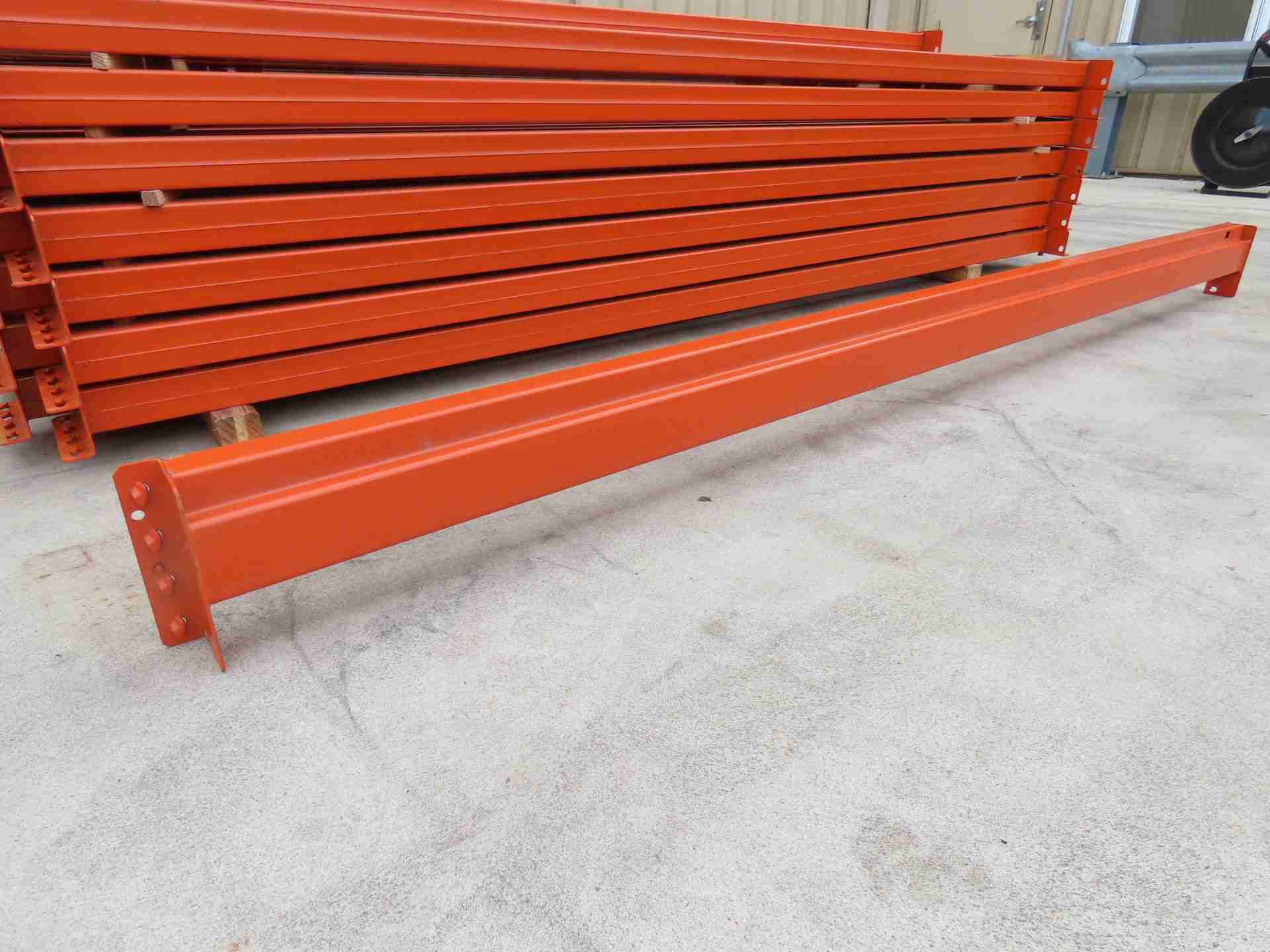
Can Cantilever Racking Be Tailored For Specific Items?
Can Cantilever Racking Be Tailored For Specific Items?
- Businesses in warehousing must tailor storage solutions to unique inventory needs, especially for large items.
- Cantilever racking is an adaptable solution for oversized products such as lumber, pipes, and furniture.
- Customizable cantilever racks can accommodate various lengths and sizes, maximizing space usage without gaps.
- For construction supplies, cantilever racking improves organization and efficiency by sorting items based on dimensions.
- A well-organized inventory helps enhance productivity and safety, especially during supply chain disruptions.
- Customized cantilever racking supports sustainability efforts by optimizing storage and reducing waste.
- Companies can enhance their systems with heavy-duty components and labeling, making flexibility essential for evolving market demands.

Can Cantilever Racking Be Tailored For Specific Items?
What Materials Are Suitable For Customized Cantilever Racking?
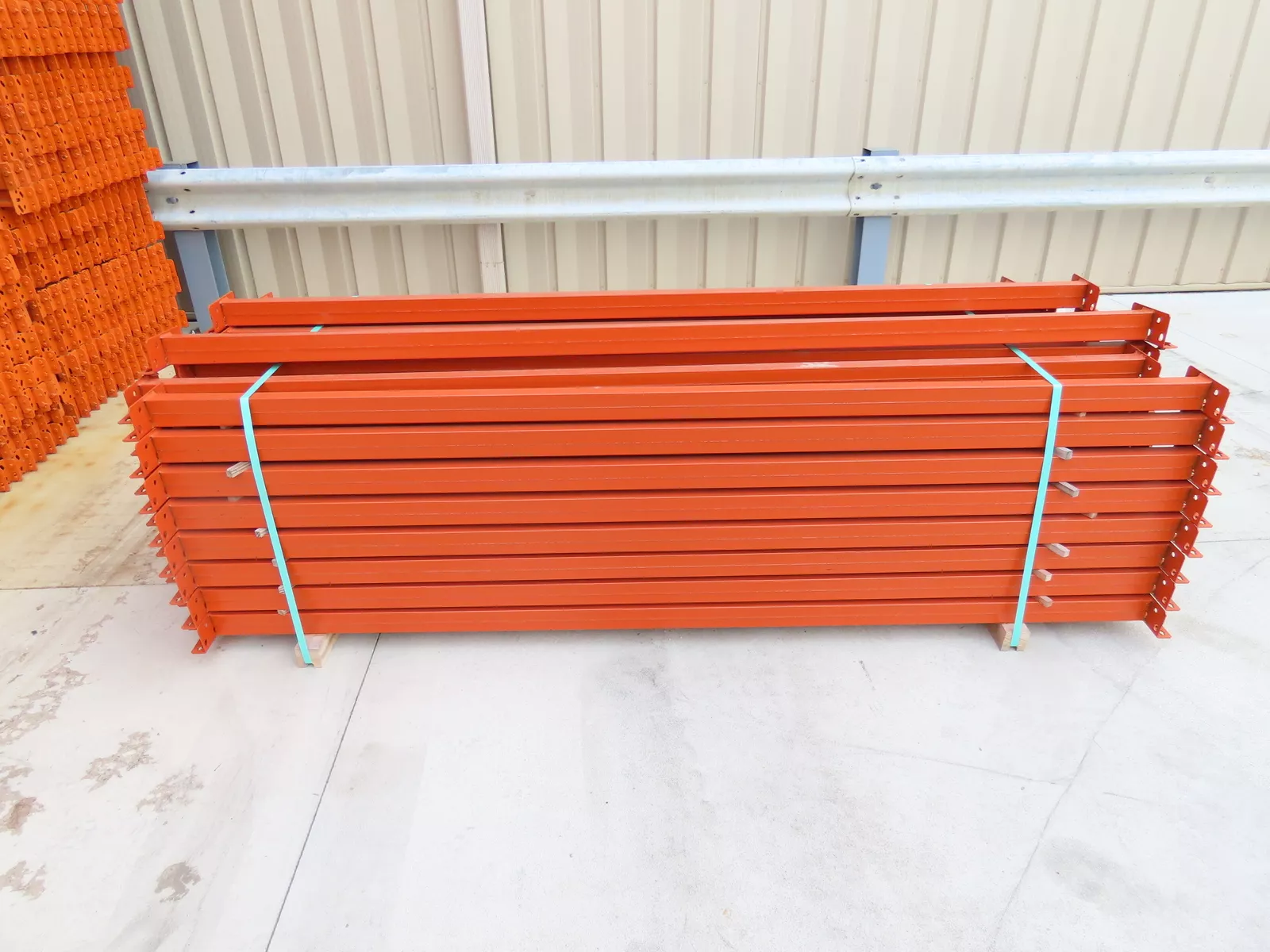
When it comes to designing customized cantilever racking systems, the choice of materials is paramount. The right materials not only ensure durability and longevity but also enhance the overall functionality of the racking solution. Here, we explore the materials that stand out in the marketplace, making them ideal for customized cantilever racking solutions that meet diverse industry needs.
High-Strength Steel
Steel is often the material of choice for cantilever racking due to its unmatched strength and structural integrity. High-strength steel beams can support significant loads, making them suitable for heavy-duty applications such as warehouses and manufacturing facilities. Recent developments have seen an increase in the popularity of galvanized steel, which is specially treated to resist corrosion, making it ideal for outdoor applications or environments exposed to moisture—think lumber yards or construction sites.
Aluminum
Aluminum is another excellent option when weight is a consideration. It offers a remarkable strength-to-weight ratio, making it suitable for lighter loads and applications where mobility is key. Custom aluminum cantilever racks can be easily adjusted and relocated, which is a significant advantage for businesses that may need to frequently reconfigure their warehouse layouts. With the rise of e-commerce, where space optimization is crucial, aluminum racks provide the flexibility that modern businesses are seeking.
Wood
For businesses that handle softer materials, like textiles or packaging, wood can be a surprisingly effective choice. Custom cantilever racks made of hardwood or engineered wood composites are not only appealing in terms of aesthetics but also serve a functional purpose. They can be tailored to specific weight limits and even coated for protection against moisture and wear. In today’s eco-conscious market, using sustainably sourced wood can also enhance your brand’s image as environmentally responsible.
Composite Materials
With innovation driving the industry forward, composite materials are making waves in the cantilever racking world. Composed of plastics and metal, composite materials are lightweight yet incredibly resilient, providing a modern alternative to traditional options. Their resistance to corrosion and chemicals makes them ideal for industries such as pharmaceuticals, where product integrity is crucial.
The material you choose for your customized cantilever racking system is a strategic decision that should align with your operational needs and future growth. Whether you opt for high-strength steel for its capabilities, aluminum for versatility, wood for aesthetics, or composites for innovation, selecting the right material will provide a solid foundation for your storage and organization solutions. As market dynamics continue to evolve, staying ahead with the right materials will position your business for success.
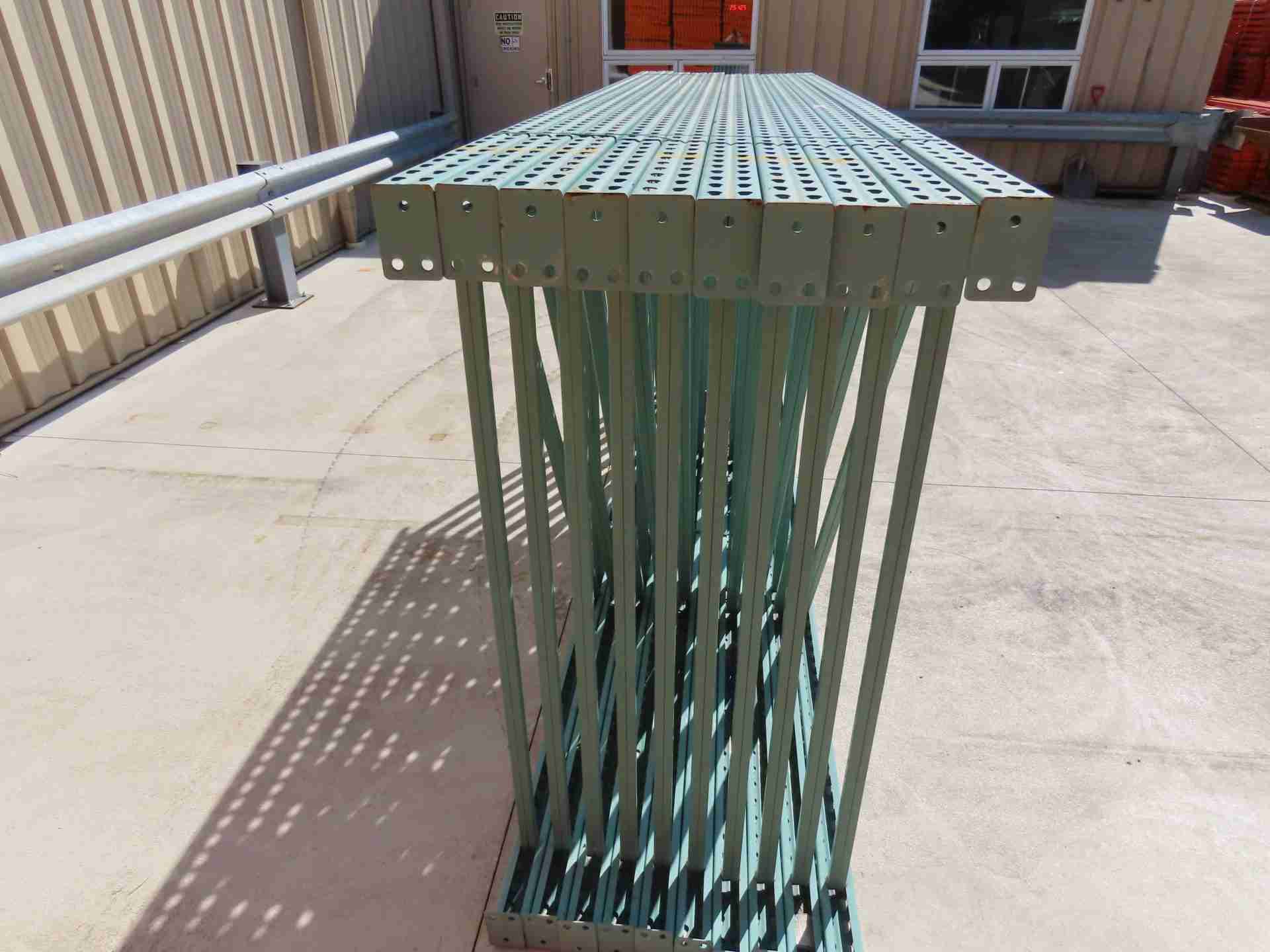
What Materials Are Suitable For Customized Cantilever Racking?
What Materials Are Suitable For Customized Cantilever Racking?
- The choice of materials is crucial in designing customized cantilever racking systems for durability and functionality.
- High-Strength Steel: Offers unmatched strength, suitable for heavy-duty applications; galvanized steel resists corrosion for outdoor use.
- Aluminum: Provides a strong yet lightweight option, ideal for mobility and frequently reconfiguring warehouse layouts.
- Wood: Effective for softer materials; aesthetically pleasing and can be sustainably sourced to enhance brand image.
- Composite Materials: Lightweight and resilient, resistant to corrosion and chemicals, suitable for industries like pharmaceuticals.
- Selecting the right material should align with operational needs and future growth to enhance storage solutions.
- Staying ahead with the appropriate materials positions businesses for success in evolving market dynamics.
What Materials Are Suitable For Customized Cantilever Racking?
How Does Custom Cantilever Racking Improve Storage Efficiency?
In today’s fast-paced industrial landscape, efficiency is paramount. Companies seeking to streamline their operations and maximize storage capacity are turning to custom cantilever racking systems. These innovative solutions offer a myriad of benefits that directly enhance productivity and optimize space utilization.
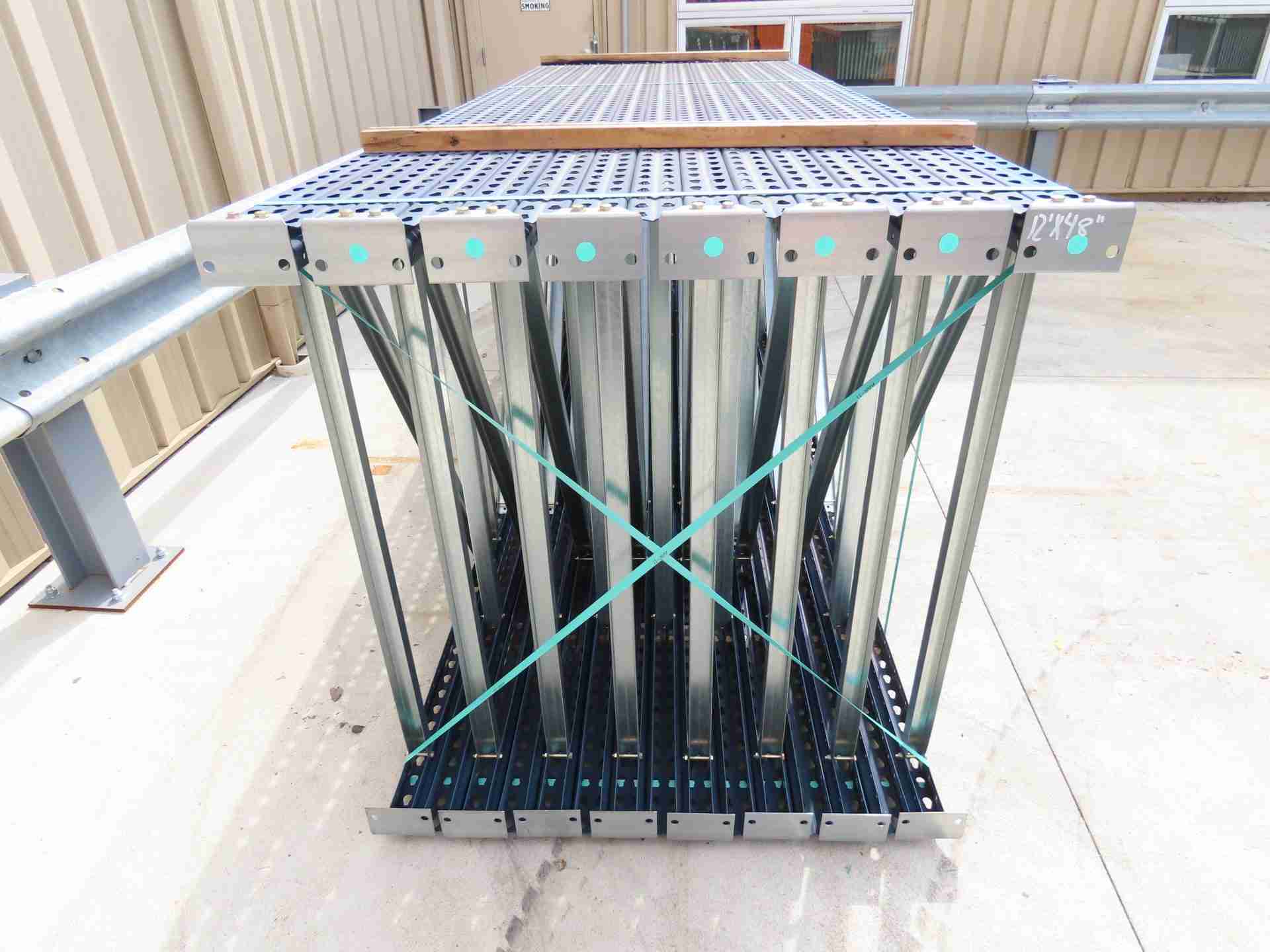
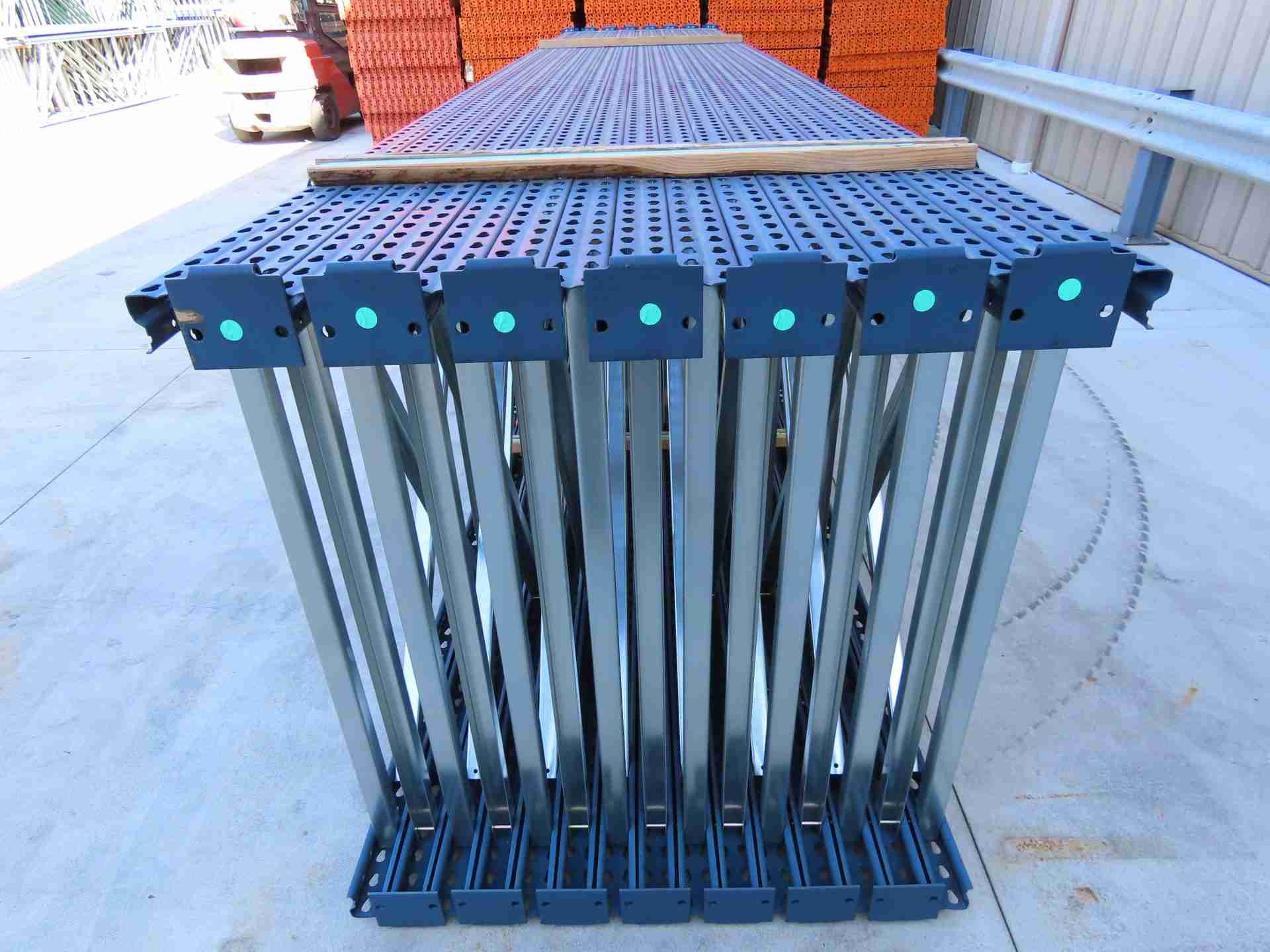
Imagine a warehouse packed to the brim with bulky items—timbers, steel beams, or even oversized furniture. Traditional shelving often falls short in accommodating such irregular shapes. Enter custom cantilever racking, designed specifically to handle long and heavy loads while allowing for easy access. With arm extensions that can be adjusted based on the specific dimensions of your inventory, you gain the ability to store a multitude of products without compromising on safety or accessibility. This kind of flexibility is invaluable in a market where trends can shift overnight, and the ability to adapt your storage solutions fosters agility in your operations.
Take a look at recent shifts in manufacturing due to global supply chain challenges. Businesses are now focusing on adapting their supply chains to become more resilient. Custom cantilever racking enables companies to efficiently store surplus materials and finished goods rather than leaving them exposed to the elements or, worse, blocking critical pathways in your facility. By utilizing vertical space effectively, you can reclaim floor space for other vital operations, thereby giving your facility a much-needed facelift in terms of efficiency.
Moreover, a well-organized storage system reduces clutter and, more importantly, minimizes the time employees spend searching for items. This is crucial in a world where labor costs are rising and every minute of productivity counts. Suppose you operate a furniture manufacturing plant. With cantilever racking, you can categorize your wood panels, ensuring that your workers can swiftly locate materials. As a result, order fulfillment speeds up, and customer satisfaction soars—a win-win in an age where consumer expectations are at an all-time high.
Operational excellence is not just about cutting costs; it’s about increasing throughput and quality. By implementing custom cantilever racking, you can achieve both. The upfront investment pays dividends in reduced labor costs, lower risk of product damage, and improved employee morale. As companies across industries begin to prioritize efficiency and smart storage, embracing a tailored racking system could just be the differentiator you need to leap ahead of your competition.
Custom cantilever racking is not merely a storage solution; it’s a strategic advantage. Companies that recognize its potential not only free up space and improve safety but also solidify their position in today’s demanding marketplace. Your path to heightened efficiency starts with the right storage partner. Are you ready to elevate your operations?
How Does Custom Cantilever Racking Improve Storage Efficiency?
How Does Custom Cantilever Racking Improve Storage Efficiency?
- Efficiency is essential in today’s fast-paced industrial landscape, driving companies to seek streamlined operations.
- Custom cantilever racking systems offer benefits that enhance productivity and optimize space utilization.
- Designed to handle long and heavy loads, these racks allow for easy access and adaptability to inventory dimensions.
- They help companies efficiently store surplus materials, reclaiming floor space for critical operations.
- A well-organized cantilever racking system reduces clutter and minimizes employee search time, boosting productivity.
- Implementing cantilever racking leads to reduced labor costs, lower risk of product damage, and improved employee morale.
- Custom cantilever racking provides strategic advantages, solidifying companies’ positions in a competitive marketplace.
How Does Custom Cantilever Racking Improve Storage Efficiency?
What Are The Benefits Of Personalized Cantilever Rack Designs?
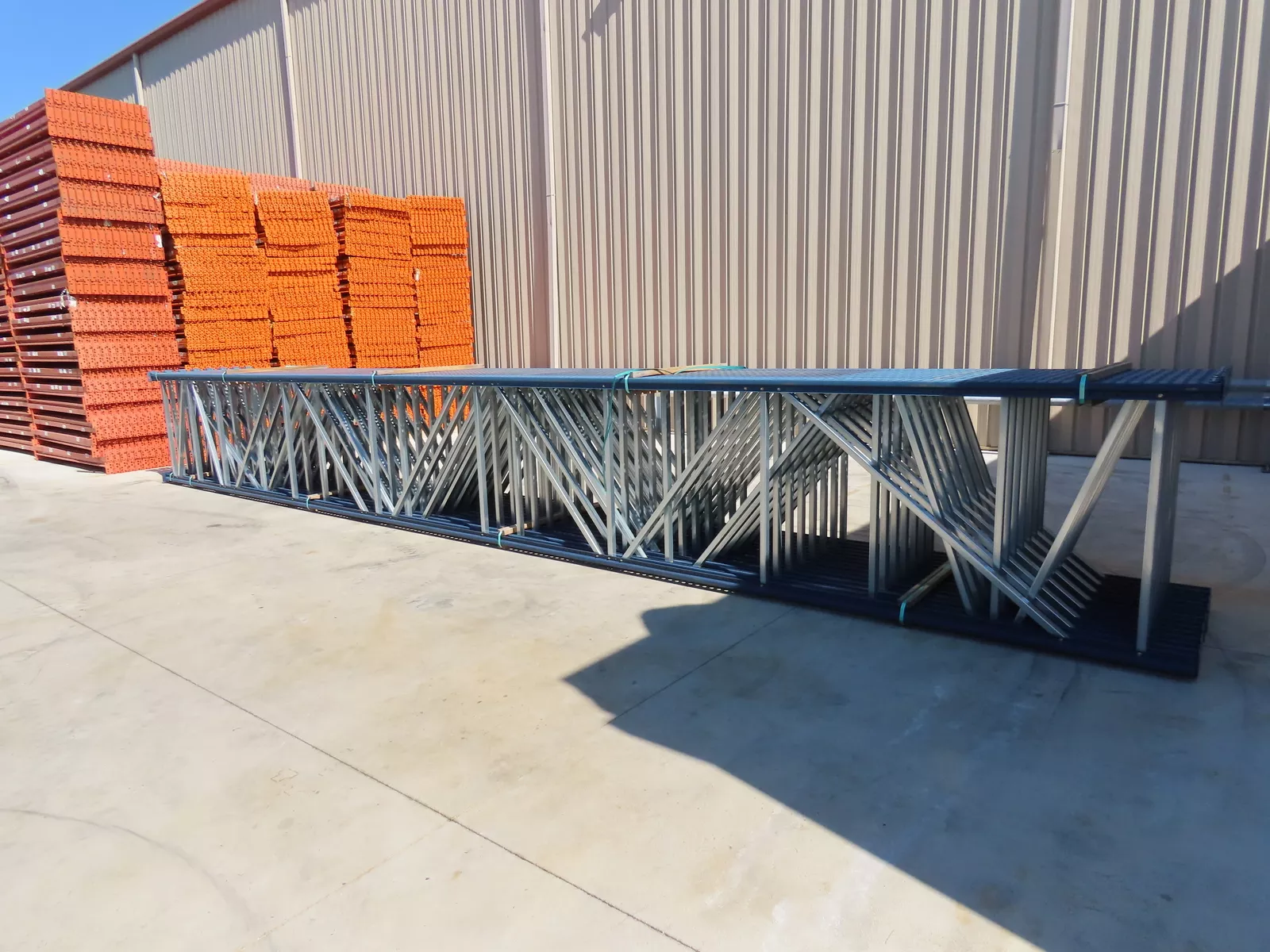
In today’s fast-paced business environment, efficiency isn’t just a goal; it’s a necessity. Enter personalized cantilever rack designs—your blueprint for maximizing storage potential while catering exactly to your warehouse needs. Gone are the days of one-size-fits-all solutions. Instead, customized racks provide a tailored approach to inventory management that can transform your operations.
Maximize Space Utilization
Consider a burgeoning eCommerce business that has recently taken off due to a surge in online shopping—think of the challenges faced by a retailer like Amazon during the pandemic. Their ability to function seamlessly relied heavily on efficient storage systems. Personalized cantilever racks empower businesses to use vertical and horizontal space judiciously. By customizing your design, you can craft a storage solution that accommodates your specific inventory types, whether you’re dealing with long pipes, lumber, or bulky items. This optimization maximizes every inch of your facility, leaving less room for underutilized or wasted space.
Enhance Productivity
Imagine your warehouse is akin to a finely tuned machine, with every component playing its part in harmony. When you have a personalized cantilever rack tailored to your workflow, you reduce the time spent hunting for tools or products. As an example, a construction supply company that implements bespoke racks may find their picking times cut in half, translating directly to faster shipping and improved customer satisfaction. Happy customers lead to repeat business—a formula for sustained growth!
Improve Safety and Accessibility
Another essential advantage of personalized cantilever racks is the potential for enhanced safety. Standard racks can often lead to cluttered aisles and disorganized inventory, creating hazardous walking and working conditions. Custom designs allow for better visibility and access, reducing the likelihood of accidents. Moreover, in industries like manufacturing or distribution, where workers are handling heavy materials, ergonomic considerations in your rack design can lead to fewer injuries.
Facilitate Scalability
Today’s market demands adaptability, and personalization allows for that growth. The company that tailors their cantilever racks today can easily modify their storage solutions tomorrow to handle fluctuations in inventory or new product lines. Consider the recent spike in electric vehicle parts manufacturing. Businesses in this sector can benefit from cantilever rack designs that evolve alongside their needs, accommodating ever-changing inventory loads without the hassle of a complete system overhaul.
The benefits of personalized cantilever rack designs permeate through efficiency, productivity, safety, and adaptability—ensuring your operation stays ahead of the curve. When your storage solution aligns seamlessly with your business model, the sky’s the limit. Embrace the power of customization and watch your operational efficiency soar.
What Are The Benefits Of Personalized Cantilever Rack Designs?
What Are The Benefits Of Personalized Cantilever Rack Designs?
- Efficiency is crucial in today’s fast-paced business environment, necessitating personalized cantilever rack designs.
- Customized racks enhance space utilization, accommodating various inventory types and maximizing vertical and horizontal space.
- Bespoke cantilever racks can significantly improve productivity by reducing time spent locating tools and products.
- Personalized designs lead to enhanced safety by minimizing clutter and improving visibility in warehouses.
- Custom racks allow for ergonomic considerations, reducing injury risks in industries dealing with heavy materials.
- Personalization facilitates scalability, enabling businesses to adapt storage solutions to changing inventory demands.
- Overall, personalized cantilever rack designs boost efficiency, productivity, safety, and adaptability in operations.
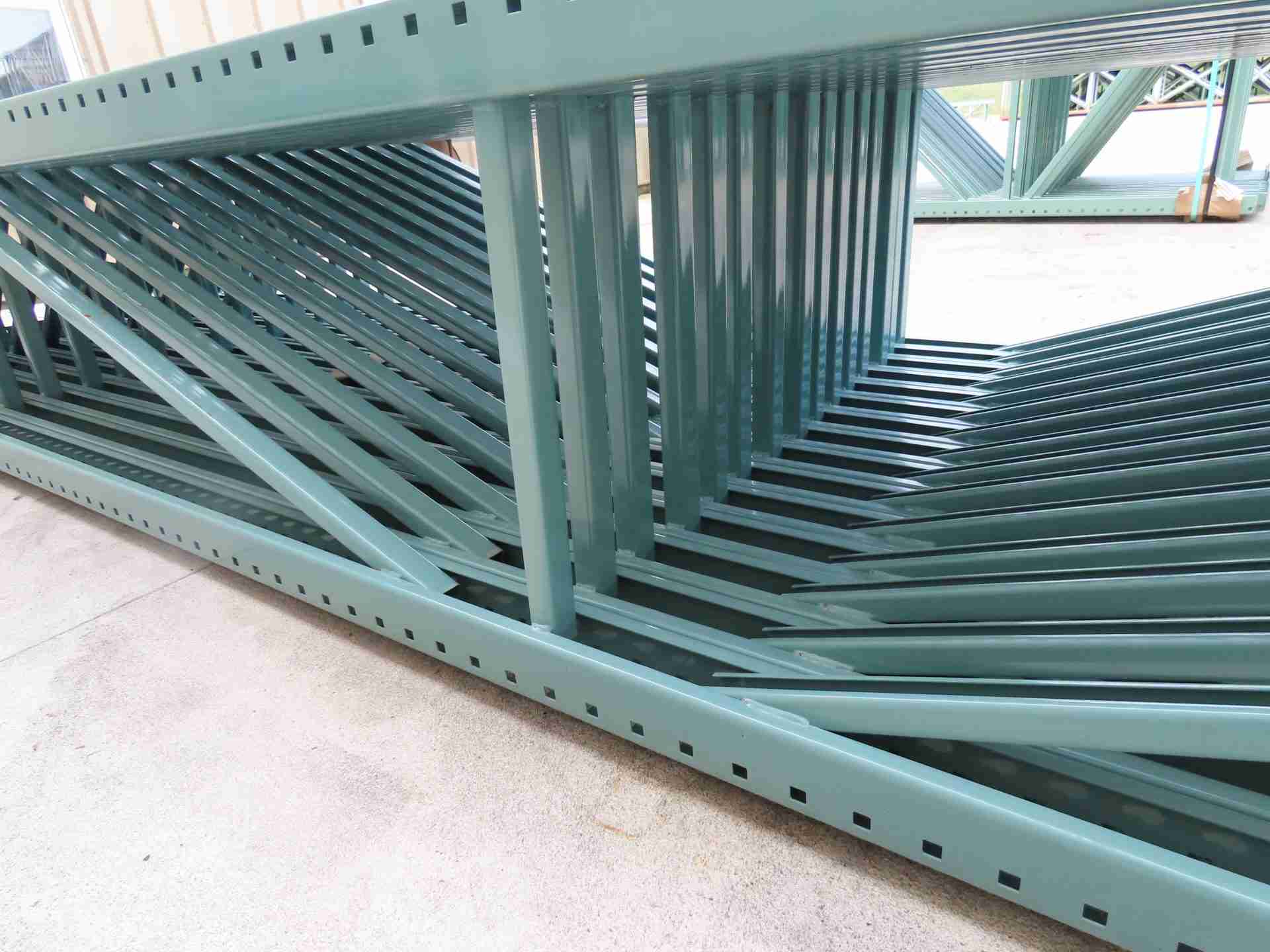
What Are The Benefits Of Personalized Cantilever Rack Designs?
Are There Guidelines For Designing Custom Cantilever Racks?
When it comes to maximizing storage efficiency and optimizing space, custom cantilever racks can transform your industrial or commercial environment. But designing these systems isn’t a “one-size-fits-all” endeavor. There are guidelines to follow that can help ensure you create a solution tailored to your unique needs, ensuring both functionality and safety.
1. Understand Your Inventory
The first step in designing a custom cantilever rack is to take a close look at what you need to store. Whether you’re handling lumber, pipes, or other bulky items, understanding the size, weight, and type of inventory is crucial. For example, if your business has recently expanded into eco-friendly building materials, as seen in the current uptick in sustainable construction, your cantilever racks should be designed to handle longer, heavier loads safely and efficiently.
2. Consider the Environment
Next is assessing the environment where your racks will be installed. Will they be indoors or outdoors? Experience different weather patterns? If your facility operates in a humid area, like Florida, you may want to choose a corrosion-resistant material to prolong the lifespan of your racks. Recent labor shortages in various industries are pushing companies to make the most of what they have. Custom designs that accommodate specific environmental factors can lead to greater efficiency and decreased downtime.
3. Plan for Future Growth
A hallmark of great design is the foresight to accommodate growth. Freedom of space today means the ability to evolve tomorrow. Consider building in adjustability; this allows you to change the heights and lengths of your racks as your inventory metrics evolve. Companies that rode the wave of online retail growth, like Amazon, have showcased how adaptable storage solutions can be a game changer in scaling operations.
4. Compliance with Safety Standards
Safety should never be an afterthought. Make sure your custom cantilever racks conform to local building codes and industry safety standards. Regulations may vary, especially if you’re in a specific industry like construction or heavy manufacturing. Companies that sidestep these regulations may save a few bucks upfront but risk catastrophic consequences later on.
5. Collaborate with Experts
Finally, consider partnering with industry experts. Lean on professionals who understand the intricacies of cantilever rack designs, as their insights can help avoid costly mistakes. They can guide you through current trends, like the shift towards automation in warehousing, which can influence how racks are designed for maximum efficiency.
By adhering to these guidelines when designing your custom cantilever racks, you create not just a storage solution but an investment in your business’s future productivity and safety. In today’s fast-paced market, being prepared is half the battle won.
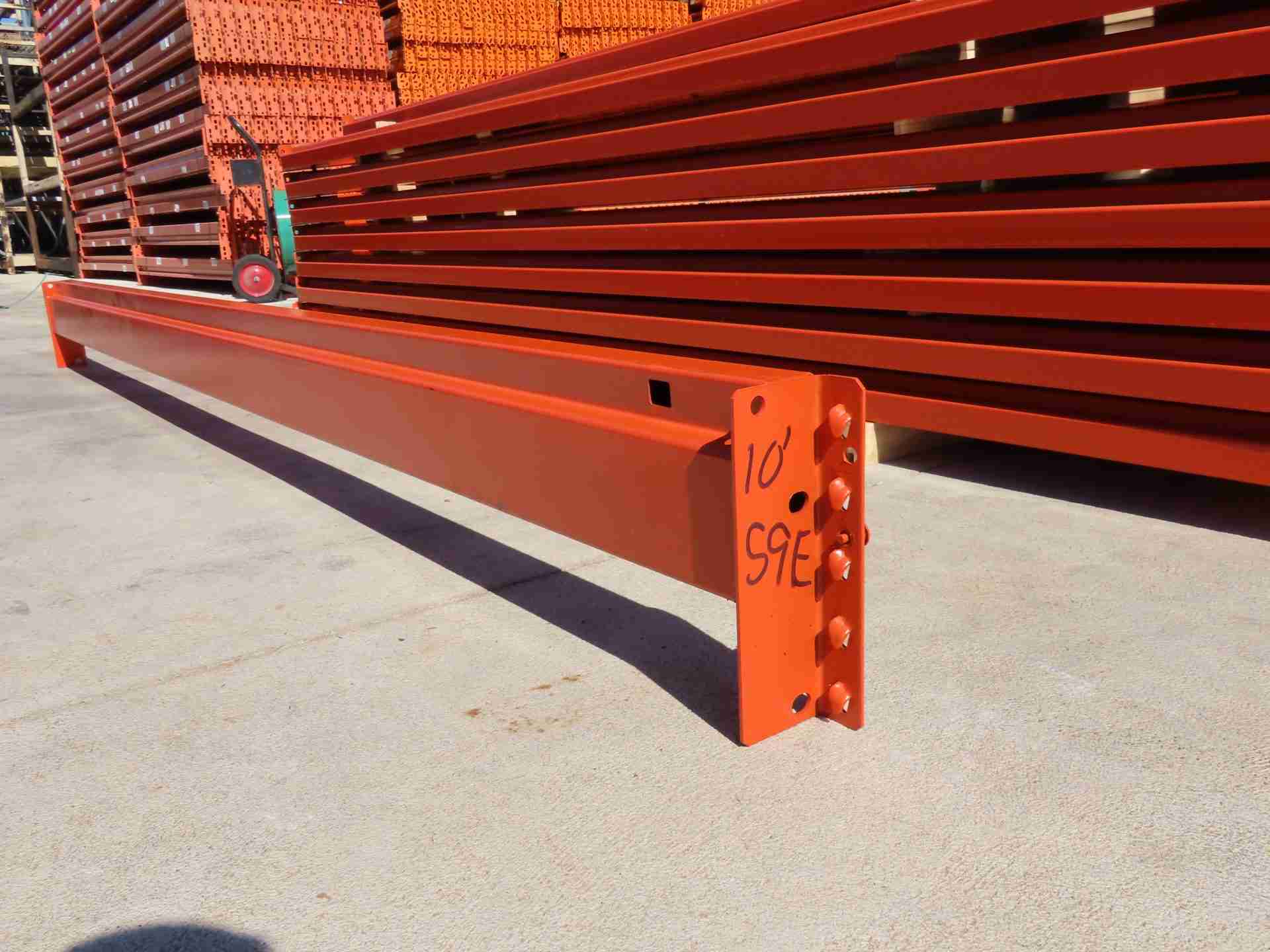
Are There Guidelines For Designing Custom Cantilever Racks?
Are There Guidelines For Designing Custom Cantilever Racks?
- Understand Your Inventory: Assess the size, weight, and type of items to be stored, adapting racks to accommodate specific inventory needs.
- Consider the Environment: Evaluate indoor or outdoor installation, weather conditions, and choose materials like corrosion-resistant options for durability.
- Plan for Future Growth: Incorporate adjustability in rack design to accommodate changing inventory needs and business expansion.
- Compliance with Safety Standards: Ensure racks meet local building codes and industry safety regulations to avoid potential risks.
- Collaborate with Experts: Work with professionals in cantilever rack design to gain insights, avoid errors, and stay updated with industry trends.
- Maximize Storage Efficiency: Custom cantilever racks improve space utilization in industrial settings, leading to enhanced productivity.
- Invest in the Future: Thoughtful design of cantilever racks serves as a long-term investment in business efficiency and safety.
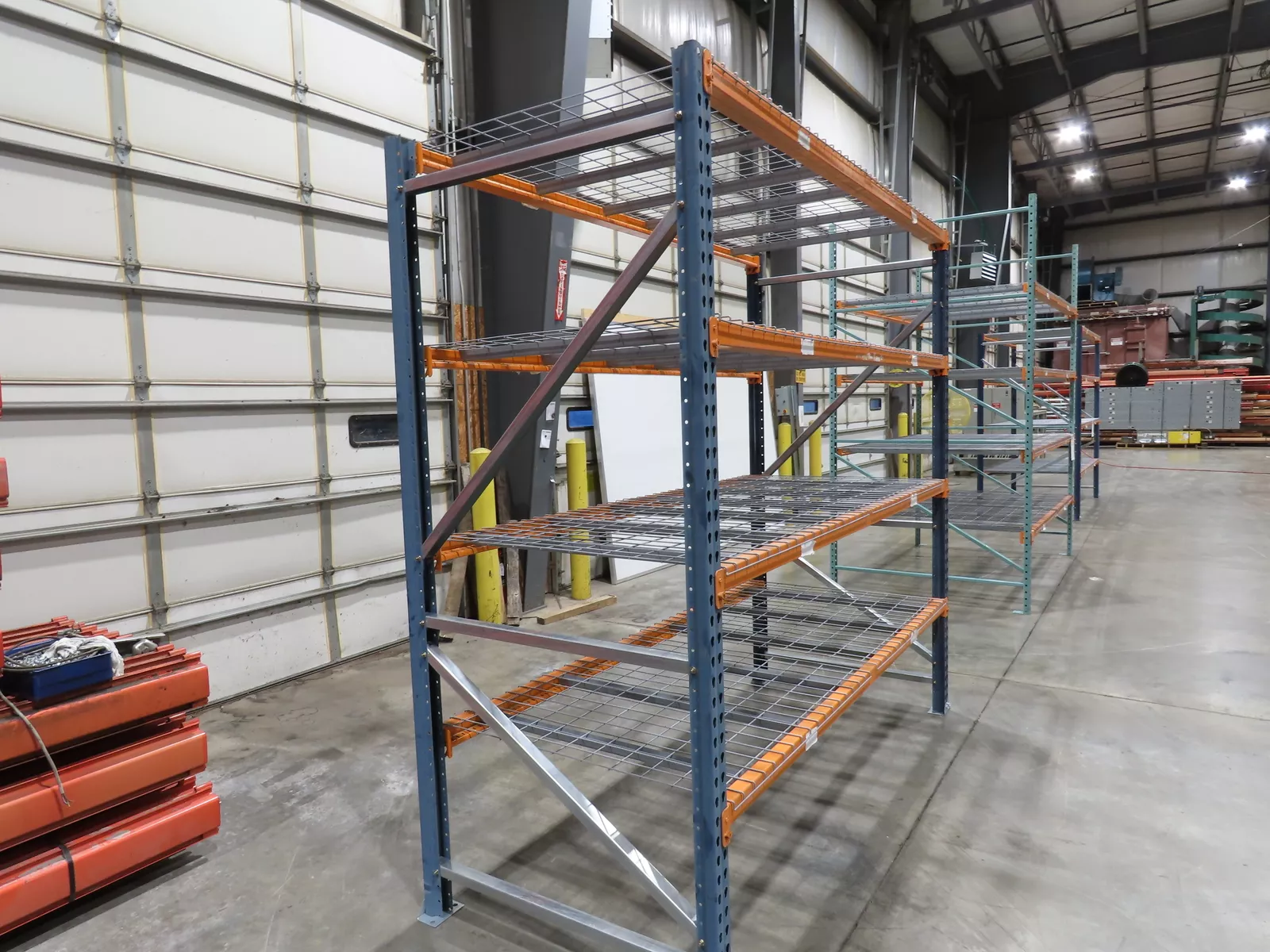
Are There Guidelines For Designing Custom Cantilever Racks?
How Can I Determine The Load Capacity For Custom Racking?
In the world of warehouse management and storage solutions, one question looms larger than the rest: “How much weight can my custom racking handle?” This question is not just a matter of curiosity; it’s the backbone of safety, efficiency, and productivity. Determining the load capacity of your custom racking is essential for protecting your investment, workforce, and inventory. So, how do you cut through the confusion and land on a solid answer?
First and foremost, consult the manufacturer’s guidelines. Reputable racking suppliers often provide comprehensive data sheets that outline the load capacities for different models and configurations. For instance, if you’re considering a selective pallet racking system, be aware that each beam’s capacity can vary based on factors like the number of tiers, cross-bracing, and the types of loads it will bear. Load capacities are typically expressed in pounds per shelf or pallet, so get familiar with the specifications and pay keen attention to your racking system’s design.
Next, conduct a thorough assessment of your inventory. Identify the weight of the products you plan to store. This means accounting for not just the gross weight but also factors like packaging and potential future inventory changes. For example, if you’re ramping up your e-commerce operations to adjust to increased demand—like we saw during the recent supply chain disruptions—knowing the precise weight limits becomes crucial. Remember that the lightest item can add up when multiplied across racks, causing unexpected stress on your system.
Moreover, consider working with a structural engineer or storage solutions specialist. These professionals can conduct load calculations based on your specific layout and intended usage. They can help you identify any additional considerations such as seismic load requirements, especially if you’re located in an area prone to earthquakes.
Lastly, don’t overlook the importance of routine inspections and maintenance. Just because your racking was designed to hold a certain weight doesn’t mean it can withstand the test of time without proper care. With many companies shifting more toward automation, like robotic picking systems, ensuring your racks can support this technology is crucial.
Determining the load capacity for custom racking is an ongoing process—you need to stay informed, consult experts when necessary, and maintain your systems for peak performance. By doing so, you safeguard your assets and ensure your operation runs smoothly, allowing you to focus on what truly matters: growing your business.
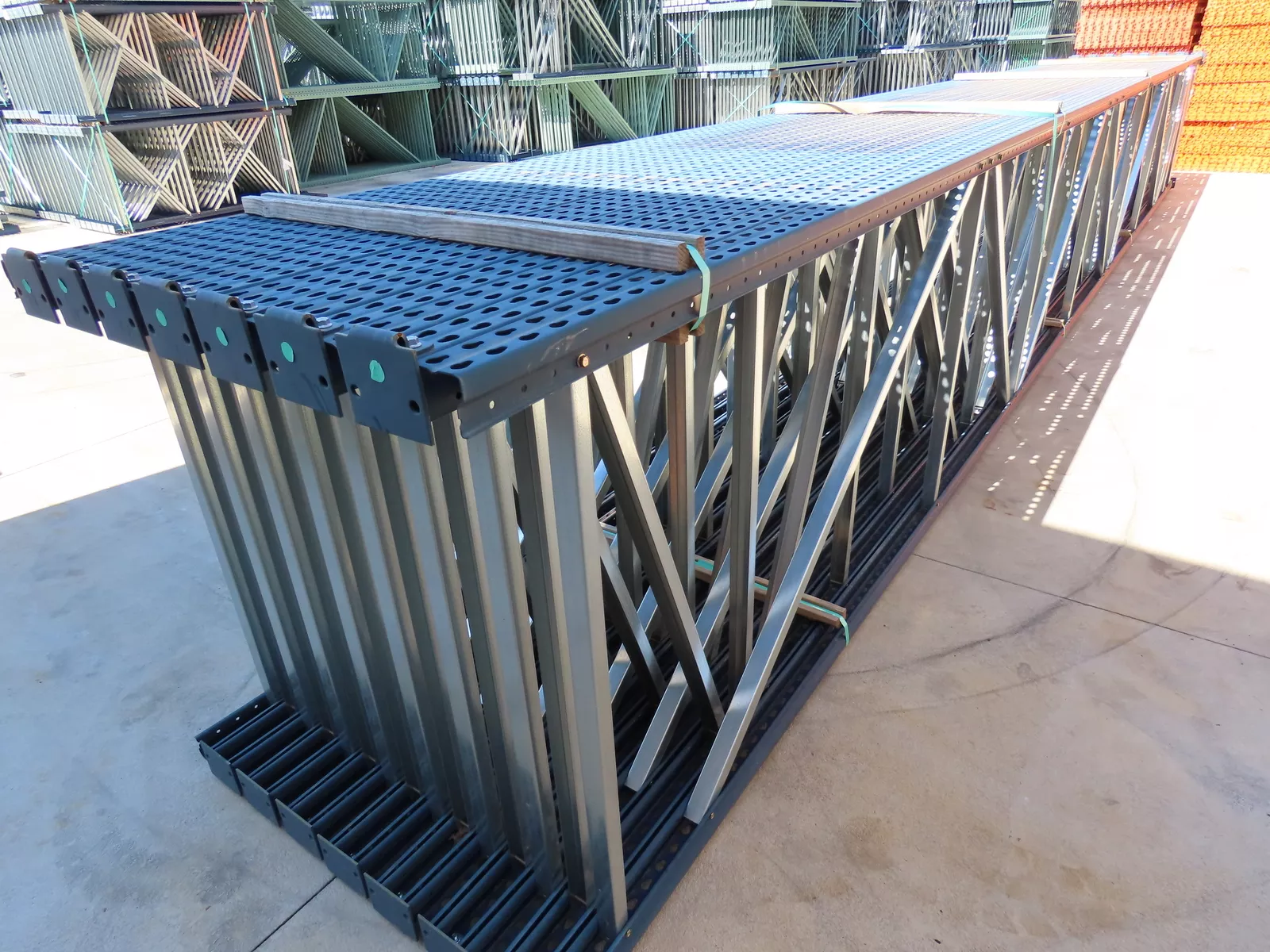
How Can I Determine The Load Capacity For Custom Racking?
How Can I Determine The Load Capacity For Custom Racking?
- Understanding the weight capacity of custom racking is crucial for safety, efficiency, and productivity.
- Consult manufacturer guidelines for comprehensive data on load capacities for various racking models and configurations.
- Conduct a thorough inventory assessment, accounting for the gross weight, packaging, and potential future changes in inventory.
- Consider working with a structural engineer or storage solutions specialist for tailored load calculations and additional considerations.
- Regular inspections and maintenance are essential to ensure racking longevity and performance under load.
- Stay informed about load capacity and consult experts as needed for optimal racking use.
- Maintaining proper load capacity enables business growth while safeguarding assets and operations.
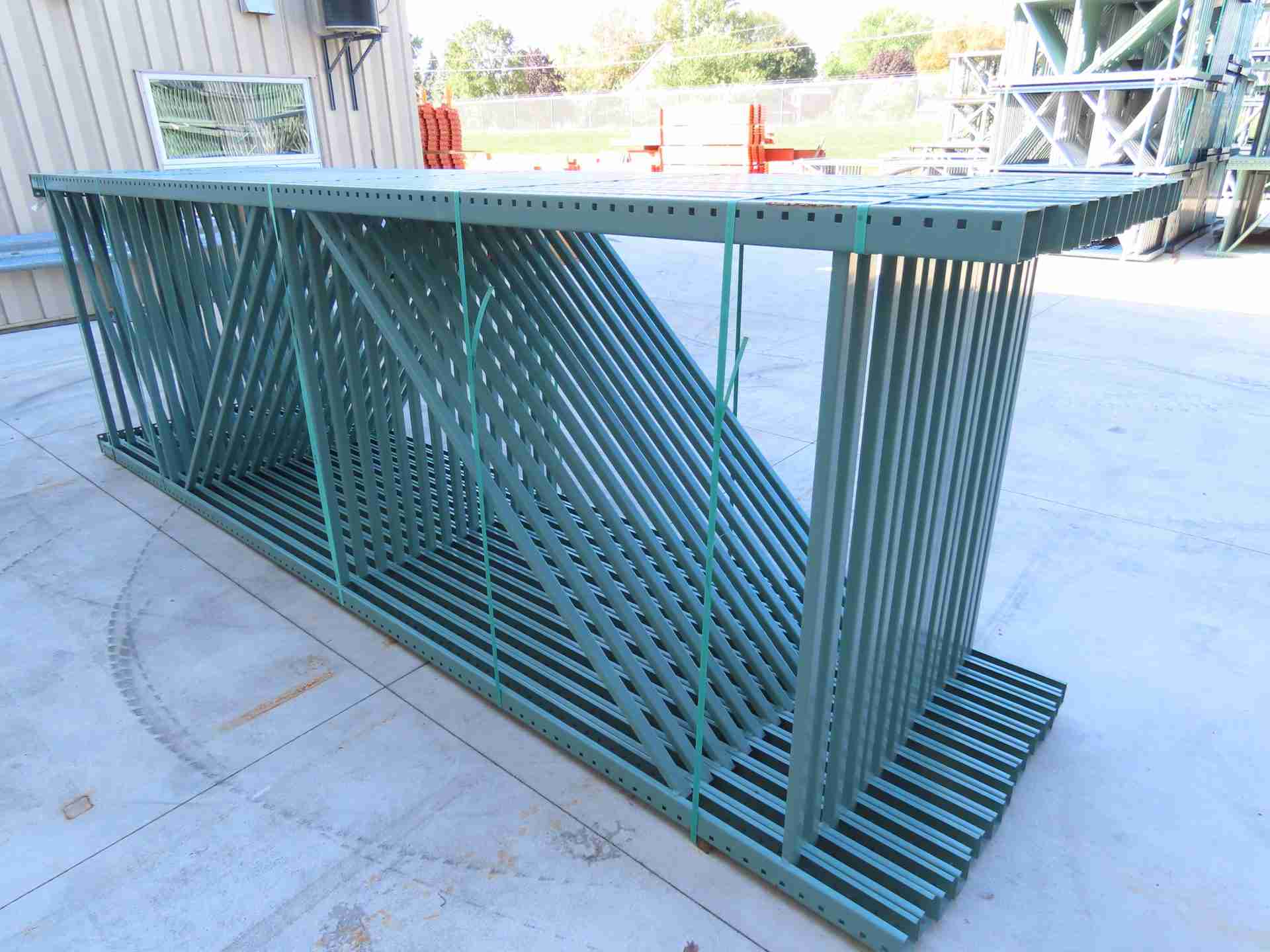
How Can I Determine The Load Capacity For Custom Racking?
What Are The Costs Associated With Custom Cantilever Racks?
What Are the Costs Associated With Custom Cantilever Racks?
When considering custom cantilever racks for your warehouse or distribution center, it’s critical to evaluate the costs that accompany this investment. While these racks can dramatically improve your storage capabilities, the initial price tag can be a shocker if not properly anticipated. But let’s break it down to help you understand why the cost may be worth every penny.
First, you must consider the design phase. Custom cantilever racks are tailored to your specific needs—whether you’re storing lumber, steel pipes, or just about any long item you can think of. Hiring an experienced engineer or design consultant to create a custom layout can cost anywhere from $500 to $2,000, depending on the complexity and specifications. However, think of this as an investment; the right design can optimize your warehouse space, increasing storage efficiency and workflow speed.
Next comes material investment. The materials you choose will directly impact costs—steel, aluminum, or a combination thereof. For instance, while steel is often the more economical choice, high-grade steel imported due to current supply chain dynamics can inflate costs significantly. In fact, with ongoing disruptions in the global supply chain (thanks to events like the Russia-Ukraine conflict), steel prices have been fluctuating by as much as 20% in recent months. A savvy business owner must stay updated on these fluctuations to manage budget expectations realistically.
Installation is another aspect that can’t be overlooked. Depending on the size of your rack system and the complexity of the installation, hiring professionals can range from $1,000 to $5,000. You might be tempted to save a few bucks by opting for DIY installation; however, a haphazard assembly can lead to structural weaknesses and safety hazards, potentially costing you far more in damages later.
Lastly, consider maintenance and compatibility with existing systems. Routine checks and replacements are necessary to ensure your cantilever racks remain in top shape, which can add an average of $200-$1,000 annually to your operating costs. Keeping your racks maintained not only prolongs their lifespan but also protects your inventory and your workforce.
In summary, while custom cantilever racks come with noteworthy costs ranging from design and materials to installation and maintenance, the long-term benefits—enhanced space efficiency, improved organization, and increased safety—often outweigh the initial investment. By considering both current events affecting pricing and your unique operational needs, you can make a savvy decision that yields returns far exceeding the expenditure.
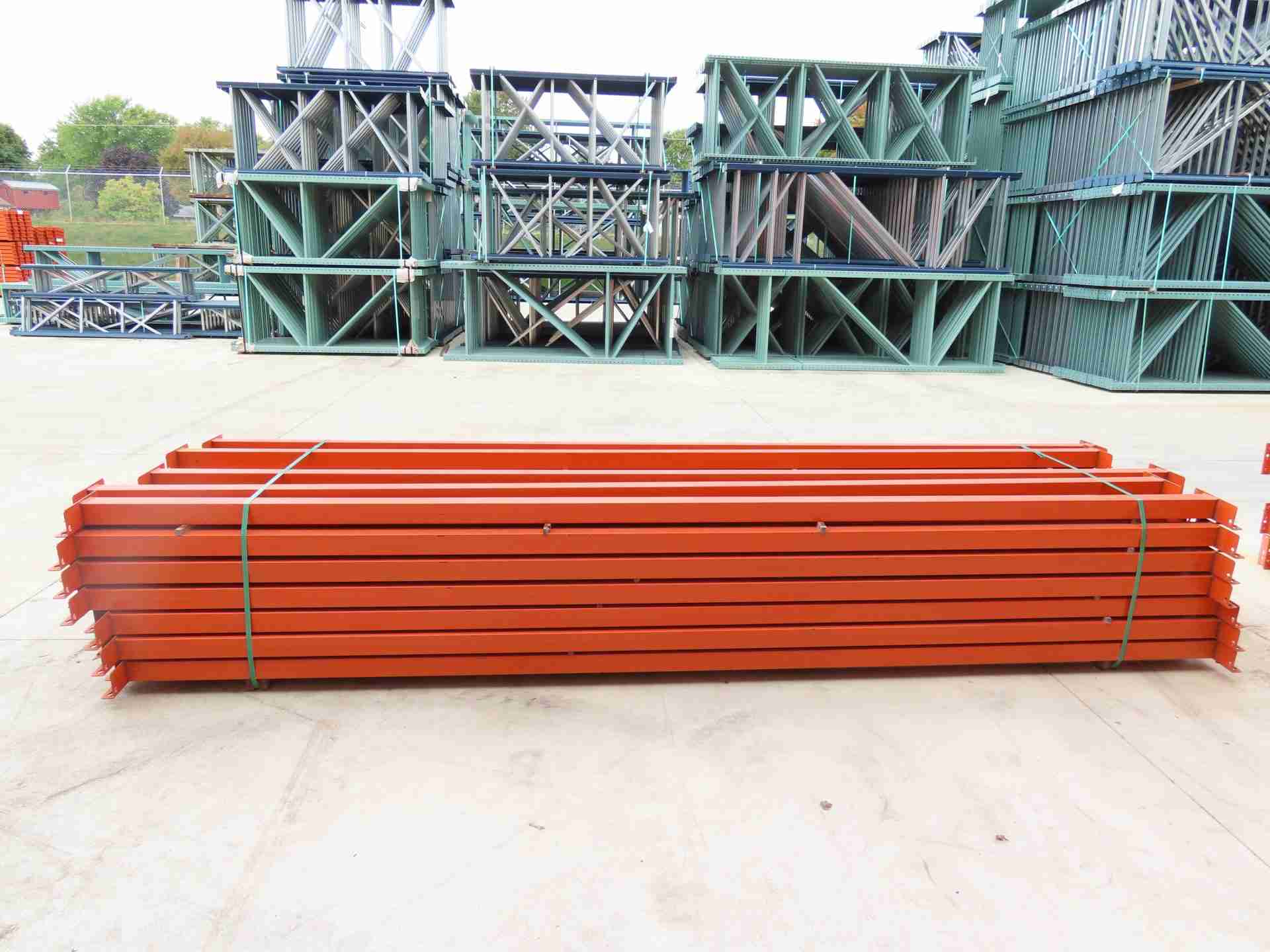
What Are The Costs Associated With Custom Cantilever Racks?
What Are The Costs Associated With Custom Cantilever Racks?
- Evaluate the costs associated with custom cantilever racks before investing in warehouse solutions.
- Design phase costs range from $500 to $2,000 based on complexity; proper design optimizes space and efficiency.
- Material choices (steel, aluminum) affect costs, with steel prices fluctuating up to 20% due to global supply chain issues.
- Installation costs range from $1,000 to $5,000; DIY can risk structural integrity and safety hazards.
- Maintenance costs add $200-$1,000 annually for routine checks and replacements to ensure longevity.
- Long-term benefits include enhanced space efficiency, improved organization, and increased safety, often outweighing initial costs.
- Stay informed about pricing trends and assess operational needs to make a wise investment decision.
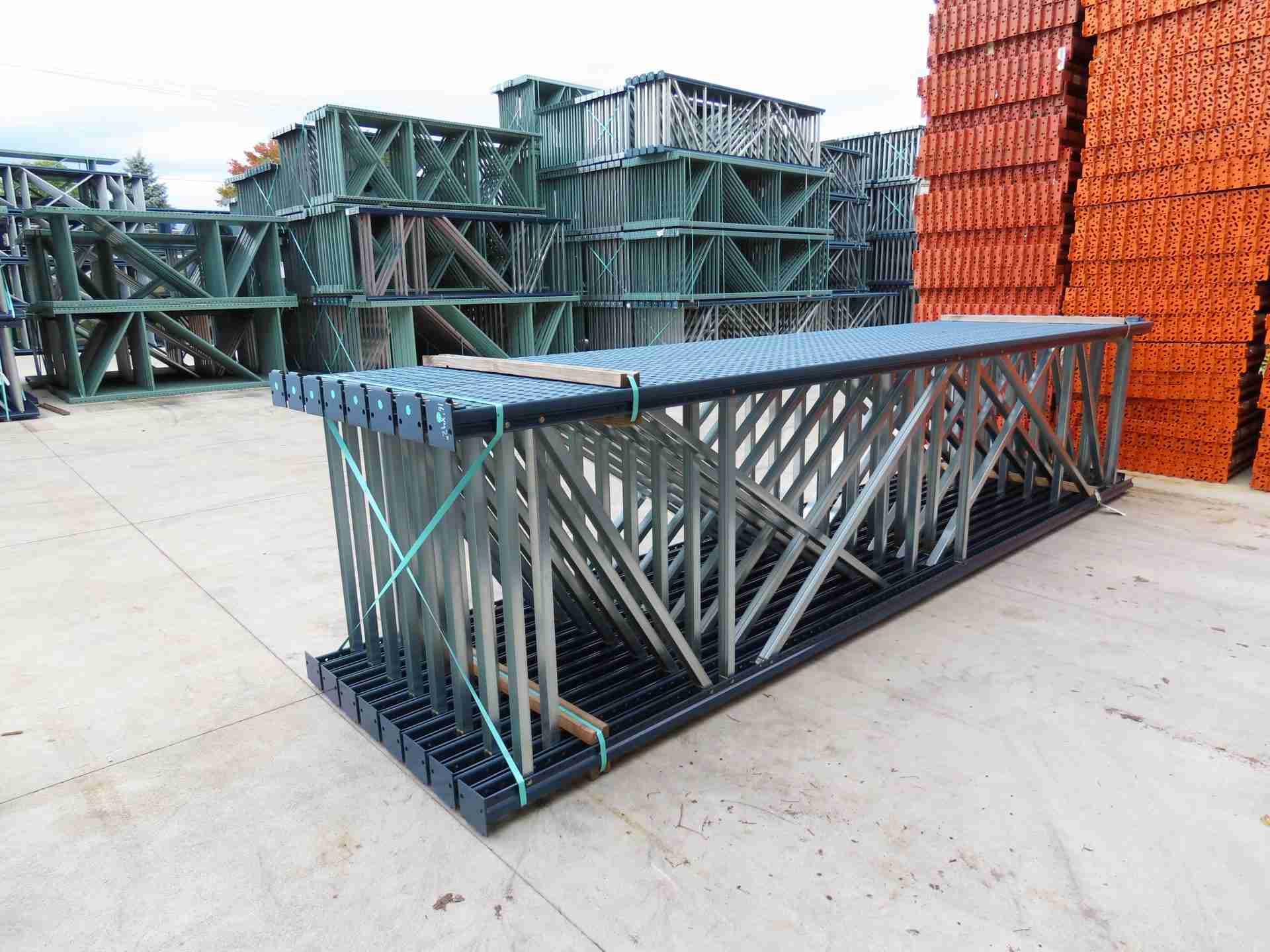
What Are The Costs Associated With Custom Cantilever Racks?
How Do I Choose The Right Vendor For Customized Racking?
Selecting the ideal vendor for customized racking can feel like navigating a maze. With the stakes high—after all, your operational efficiency and bottom line are on the line—it’s critical that you don’t just choose any vendor. Here’s how to streamline that decision-making process and choose a partner who can propel your business forward.
1. Expertise and Industry Reputation
Years of expertise can be monumental. Seek out vendors with a proven track record in your specific industry. If you operate in e-commerce, for instance, look for vendors who have designed racking systems tailored to high-volume order fulfillment. A vendor’s portfolio should showcase installations that resemble your needs. Checking online reviews and customer testimonials can offer insights into their reliability and quality of service. For example, during the ongoing surge in e-commerce fueled by global events like the pandemic, companies like Fastenal have thrived by adapting their racking systems, shaking up the market with solutions tailored for higher-density warehousing.
2. Customization Capabilities
Not all racks are created equal—what works for a small retail operation won’t meet the demands of a sprawling distribution center. Your vendor should provide consultative support to understand your unique requirements. Inquire about material options, weight capacities, and scalability of their designs. For instance, if you’re anticipating business growth, a vendor who offers modular racking solutions will allow you to expand effortlessly as your inventory increases.
3. Material Quality and Safety Compliance
When it comes to racking, quality is paramount. A well-constructed racking system minimizes accidents and improves overall safety in your facility. Look for vendors who adhere to industry standards and certifications like the American National Standards Institute (ANSI). For example, companies like Steel King are renowned for their heavy-duty solutions and commitment to safety compliance, making them a trusted source in the market.
4. Support and Aftercare
A successful partnership doesn’t end with installation. Check the vendor’s commitment to customer service and support. Are they proactive in offering maintenance services? What is their response time for emergencies? This can be particularly vital if you’re in the food distribution sector, where compliance and downtime can have significant implications.
5. Competitive Pricing and Value
Beware of vendors offering the lowest price, as this can often translate to inferior materials or service. Instead, focus on the overall value—consider not only the cost but the quality of materials, timeframes for delivery, and level of customer service provided. During times of global disruption, such as the ongoing supply chain issues, a flexible vendor who can adapt to unfolding challenges is worth their weight in gold.
By applying these key criteria, you’ll be well on your way to finding the right vendor who not only serves your current needs but grows alongside your business for years to come.
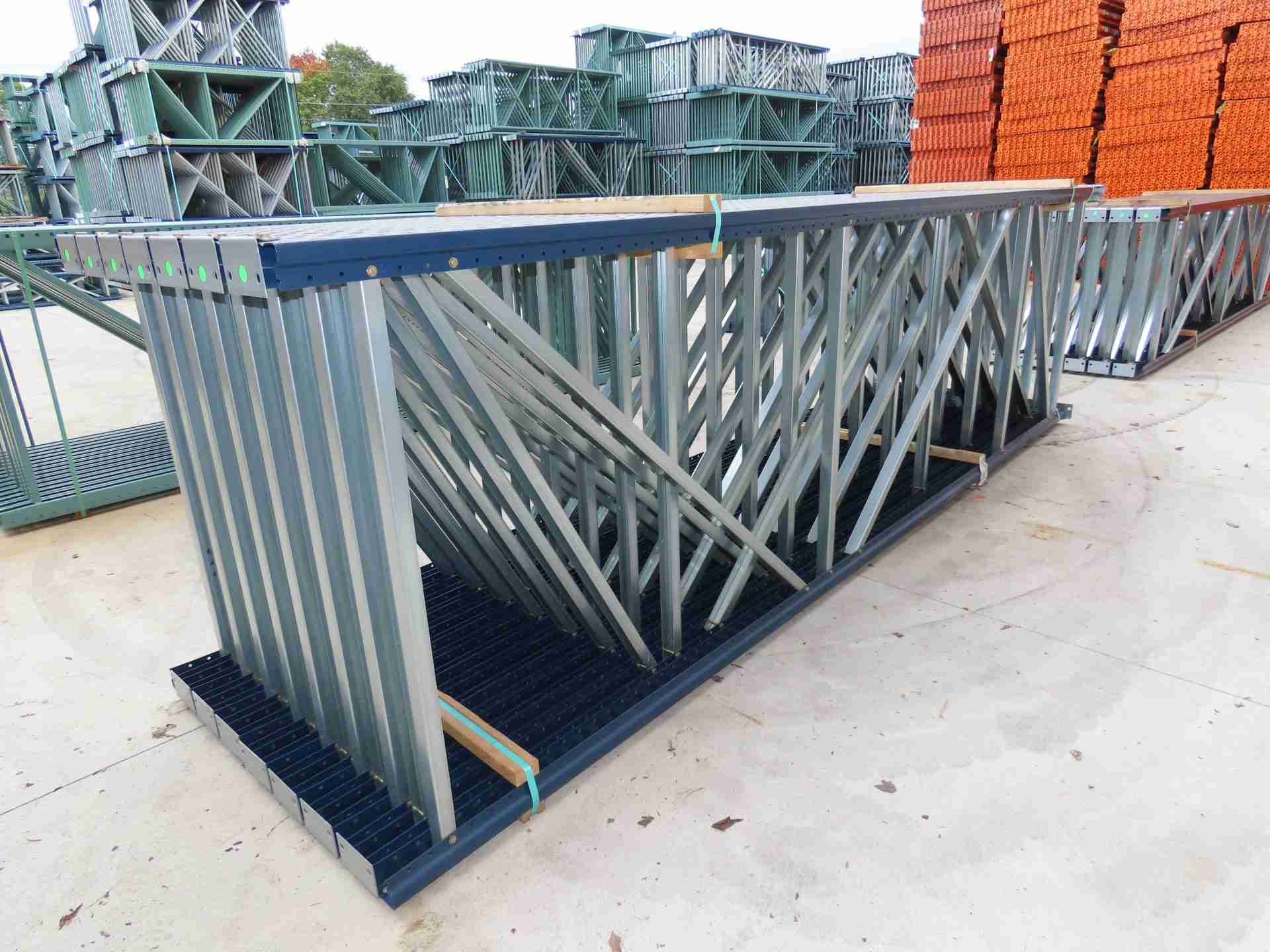
How Do I Choose The Right Vendor For Customized Racking?
How Do I Choose The Right Vendor For Customized Racking?
- Expertise and Industry Reputation: Seek vendors with a proven track record in your industry, such as e-commerce.
- Customization Capabilities: Ensure the vendor understands your unique requirements and offers modular solutions for future growth.
- Material Quality and Safety Compliance: Look for vendors adhering to industry standards like ANSI to ensure safety and durability.
- Support and Aftercare: Evaluate the vendor’s commitment to customer service, maintenance, and emergency response times.
- Competitive Pricing and Value: Focus on overall value rather than just price; consider quality, service, and adaptability to global challenges.
- Portfolio and Reviews: Examine the vendor’s previous installations and customer testimonials for reliability and quality.
- Partnership Potential: Choose a vendor who can grow with your business, adapting solutions to meet evolving needs.
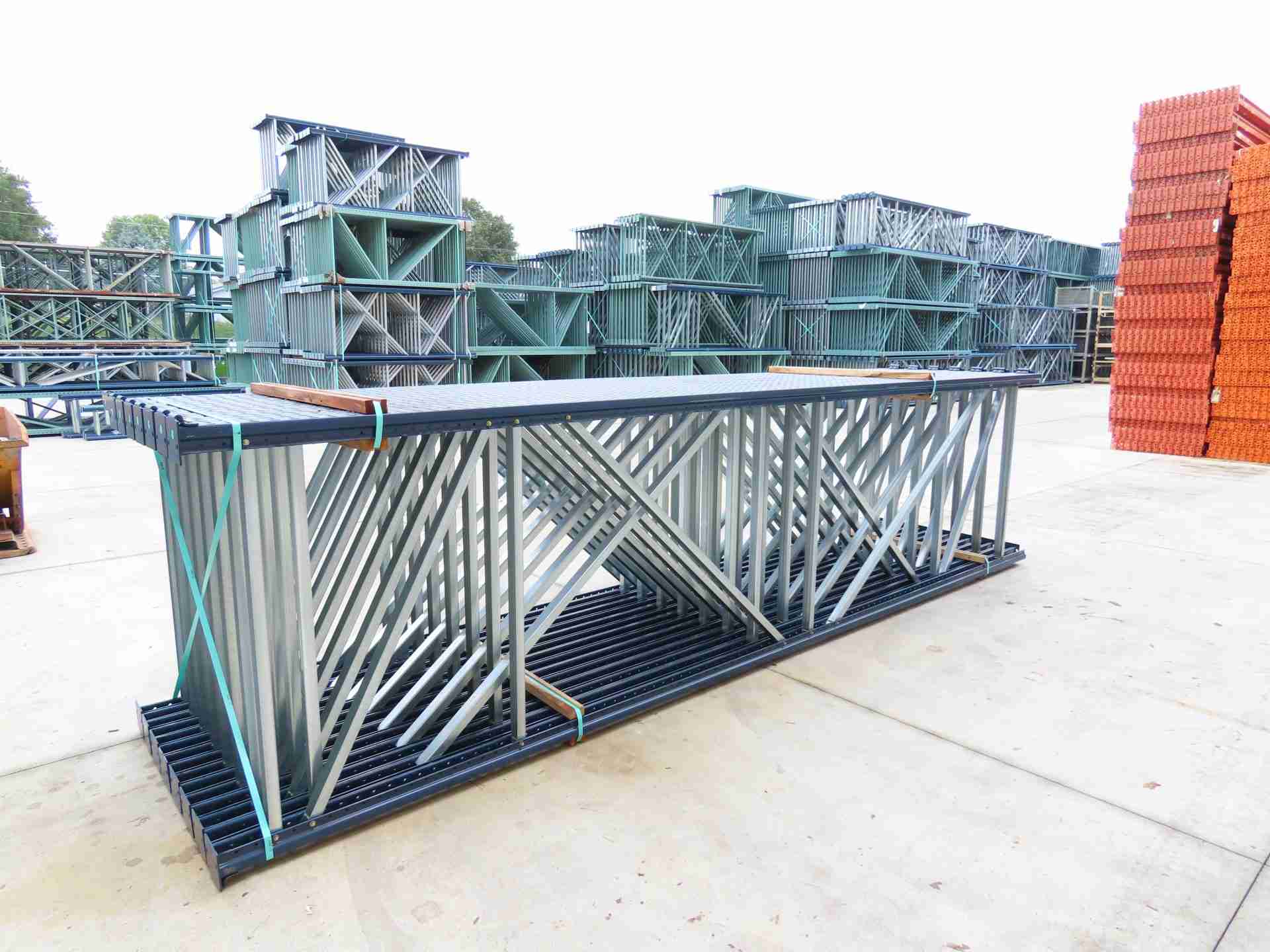
How Do I Choose The Right Vendor For Customized Racking?
Can Custom Cantilever Racks Accommodate Varying Item Sizes?
In the relentless world of modern logistics and warehousing, adaptability is not just an advantage; it’s a necessity. Businesses face an ever-changing inventory landscape, demanding flexibility to manage products of varying sizes and dimensions. Enter custom cantilever racks—your solution for handling these challenges without losing your edge in a competitive marketplace.
Imagine a bustling warehouse filled with items that range from long pipes and lumber to bulky furniture and machinery parts. Standard shelving can’t accommodate such diversity, but custom cantilever racks step in as a game changer. These racks can be tailored precisely to the specifications of your inventory, allowing for efficient storage and streamlined operations. With adjustable arms and varying heights and capacities, you can store everything from lightweight items to heavy-duty materials with ease.
Take, for instance, a manufacturing facility recently highlighted in the news due to its rapid growth. The introduction of custom cantilever racks transformed their warehousing system. Previously, they struggled with disorganization, leading to delays and lost productivity. By implementing racks designed specifically for their unique item sizes—like oversized metal sheets and towering wooden beams—they optimized their layout. The result? A staggering 30% increase in operational efficiency within a matter of months. This scenario is not an isolated case; it’s becoming a standard in successful supply chain management.
Moreover, consider the economic landscape as the push for sustainability continues to grow. Companies are focusing on maximizing their storage space to minimize their carbon footprint. Custom cantilever racks allow for vertical storage solutions that utilize overhead space, leading to eco-friendly practices that not only protect the environment but also save on real estate costs. A recent initiative among retailers is to reduce excess inventory, further highlighting the need for storage systems that can quickly adapt and redesign according to demand.
Additionally, with advancements in industry technology such as automation and AI, businesses can integrate smart management systems within custom cantilever setups. This smart integration allows real-time tracking and adjustability of inventory sizes, making your logistics not only flexible but intelligent.
If you find your operations hindered by rigid storage solutions, consider the power of custom cantilever racks. They offer a practical, dynamic approach to accommodating various item sizes, leading your business toward increased efficiency and success in today’s fast-paced environment. In the age of customization, aren’t you ready to tailor your storage solutions to meet your unique needs?
Can Custom Cantilever Racks Accommodate Varying Item Sizes?
Can Custom Cantilever Racks Accommodate Varying Item Sizes?
- Adaptability in logistics and warehousing is essential for managing diverse inventory.
- Custom cantilever racks provide a tailored solution to accommodate various item sizes and dimensions.
- These racks improve efficiency with adjustable arms and varying heights and capacities.
- A manufacturing facility improved its operations by 30% after implementing custom cantilever racks.
- Vertical storage solutions from cantilever racks contribute to sustainability and reduce carbon footprints.
- Integration with smart management systems enhances real-time tracking and adjustability of inventory.
- Custom cantilever racks offer a dynamic approach to storage, increasing efficiency in fast-paced environments.
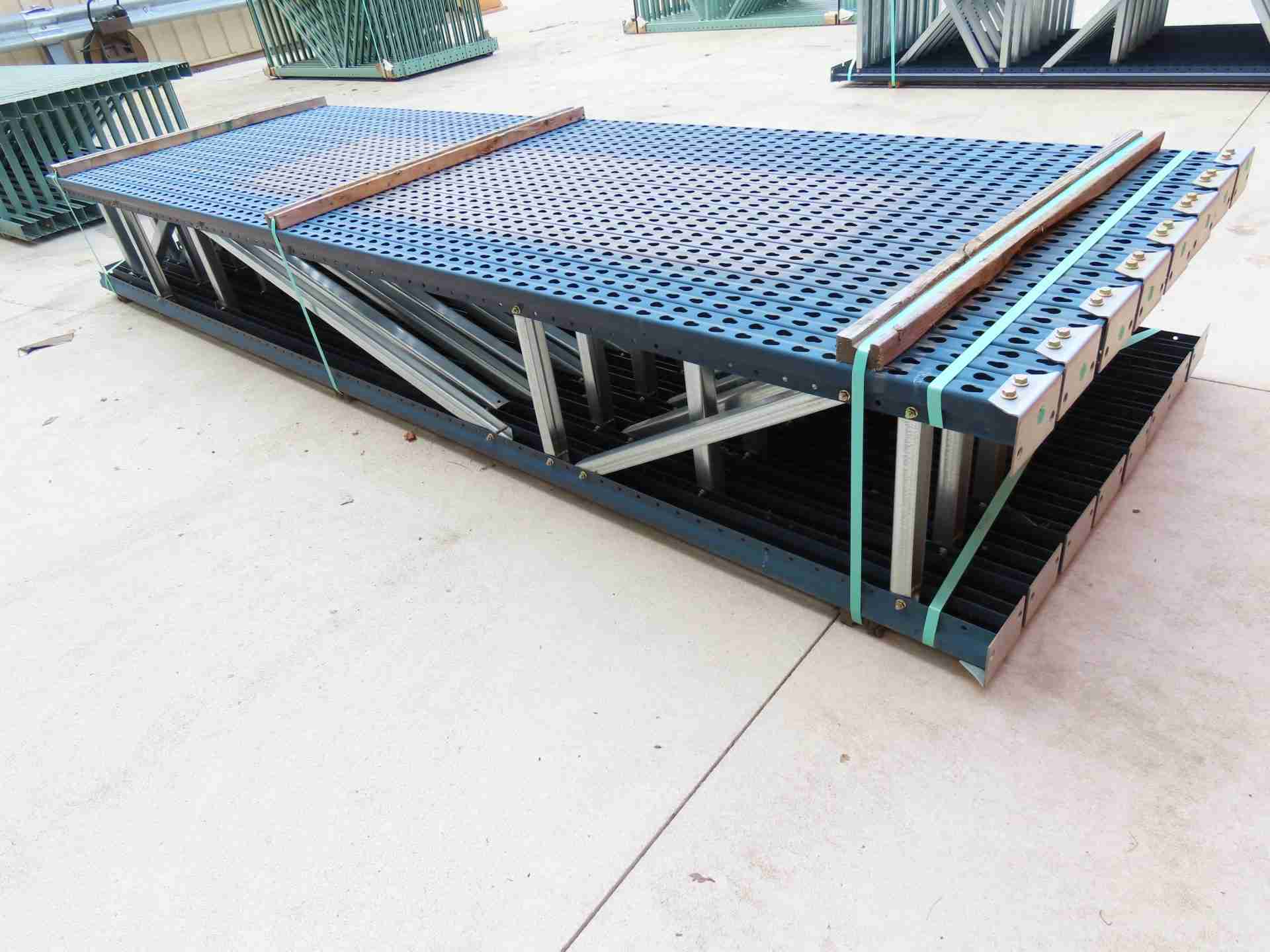
Can Custom Cantilever Racks Accommodate Varying Item Sizes?
What Safety Regulations Apply To Customized Cantilever Racking?
In today’s competitive warehouse landscape, investing in customized cantilever racking is not just about maximizing space—it’s about ensuring safety and compliance. Safety regulations surrounding this essential storage solution are critical for protecting employees, minimizing liability, and fostering operational efficiency.
First and foremost, the Occupational Safety and Health Administration (OSHA) establishes the baseline for safety in warehouse environments. For cantilever racking systems, OSHA outlines specific regulations that must be adhered to, including the need for proper installation, maintenance, and employee training. For instance, OSHA mandates that all rack systems should be designed to withstand the loads for which they are intended. When customizing your cantilever racking, ensure that the manufacturer provides proof of compliance with nationally recognized design standards, such as those set by the American National Standards Institute (ANSI) and the Rack Manufacturers Institute (RMI).
Take a recent industry development for example: in early 2023, a major corporation faced substantial fines following an accident attributed to improperly installed cantilever racks. This incident sent shockwaves through the industry, highlighting the critical need for rigorous adherence to safety standards. Companies should prioritize training for their workers that emphasizes the safe handling of items stored in cantilever racks, including understanding weight limits and load distribution.
Furthermore, local building codes can directly influence the safety regulations applicable to your cantilever racking. It’s essential to consult with local authorities to ensure that your customized solution meets these regulatory requirements. Non-compliance not only results in legal consequences but may also damage your business reputation.
Regular inspections are another cornerstone of maintaining safety in your storage system. The National Fire Protection Association (NFPA) recommends conducting periodic checks to ensure that racks are not only in good condition but also that they comply with fire safety codes. For example, in some regions, racking must be spaced adequately to allow for fire suppression systems to operate without obstruction.
Customization doesn’t absolve you from responsibility; rather, it amplifies it. Tailoring your cantilever racking system requires an even keener eye for regulatory compliance. Engage knowledgeable suppliers who understand the regulatory landscape and can help you navigate the complexities of customization without compromising safety.
In a world where safety breaches can lead to catastrophic failures, investing in a compliant and safe cantilever racking system is not just a necessity but a prudent business decision. Don’t wait for safety to become a liability—make it a priority today, ensuring your customized racking solution aligns with both industry standards and local regulations.

What Safety Regulations Apply To Customized Cantilever Racking?
What Safety Regulations Apply To Customized Cantilever Racking?
- Investing in customized cantilever racking enhances space optimization while ensuring safety and compliance.
- The Occupational Safety and Health Administration (OSHA) sets essential safety regulations for warehouse environments, including proper installation and maintenance of cantilever racking systems.
- Manufacturers should provide proof of compliance with standards from the American National Standards Institute (ANSI) and the Rack Manufacturers Institute (RMI) for customized racking.
- A 2023 incident highlighted the consequences of non-compliance; a corporation faced substantial fines due to improperly installed cantilever racks.
- Local building codes influence safety regulations; consulting local authorities is crucial to ensure compliance and protect business reputation.
- Regular inspections, recommended by the National Fire Protection Association (NFPA), are vital for maintaining rack safety and compliance with fire safety codes.
- Customization increases regulatory responsibility; engage knowledgeable suppliers to navigate safety complexities without compromising compliance.

What Safety Regulations Apply To Customized Cantilever Racking?
How Long Does It Take To Design And Install Custom Racks?
When businesses decide to invest in custom racks, they often wonder, “How long is this going to take?” The answer, while dependent on various factors, can be outlined simply to give you clarity on your journey to optimized storage solutions.
First, let’s understand the design phase. The timeline for designing custom racks typically spans anywhere from two weeks to several months. This period includes initial consultations, assessing your unique space, and meeting specific logistical needs. For instance, if you’re in the booming e-commerce sector, like those witnessing explosive growth during the recent surge in online shopping, immediate feedback on your fulfillment capabilities can speed up the process. Companies that adapt quickly gain a competitive edge, and having a well-devised rack system becomes essential in meeting demand.
In the design phase, it’s critical to pencil in those detailed discussions about your products, flow of operations, and future scalability. This is where expert consultants can share real-world examples—think of a food distribution center that improved its efficiency by over 30% just through better rack positioning. Picture how long you could keep that competitive edge with a prompt yet thoughtful rack design.
Once you’ve signed off on your custom designs, the installation phase kicks in. This can take an additional one to three weeks depending on the complexity of the system. A straightforward bolt-together design will be much faster to install than a sophisticated, modular rack system that integrates advanced technology for inventory management. With recent supply chain challenges still causing delays in many industries, don’t overlook how sourcing materials can affect timing. Engaging reputable manufacturers who have maintained steady supply channels can prevent prolonged waits.
While the total time from design to installation can seem daunting, remember: the right custom racks can lead to more efficient operations, thereby generating revenue much faster than the time invested in setup. Think of this as an investment—not just in physical infrastructure, but in the efficiency of your overall operations.
So, let that initial timeline galvanize your decision-making process. If you’re ready to take your operation to the next level, know that with proper planning and execution, your custom racks will be in place before you know it—making way for improved productivity and potential growth, effectively fitting you into the rapid current of today’s thriving marketplace.
How Long Does It Take To Design And Install Custom Racks?
- Investing in custom racks raises the question of timeline for completion.
- The design phase typically takes 2 weeks to several months, depending on various factors.
- Initial consultations, space assessment, and logistical needs evaluation are critical in the design phase.
- Quick adaptation and feedback are vital for businesses, especially in the fast-growing e-commerce sector.
- The installation phase lasts 1 to 3 weeks, depending on the complexity of the rack system.
- Supply chain challenges can affect installation timing, so sourcing materials from reputable manufacturers is important.
- Custom racks can lead to more efficient operations and faster revenue generation, making the setup time a valuable investment.
Can I Modify Existing Cantilever Racks For Better Functionality?
Absolutely! If you’re thinking about enhancing the functionality of your cantilever racks, you’re not alone. Businesses today are continually seeking innovative ways to maximize their storage solutions in an increasingly competitive landscape. Whether you’re in manufacturing, retail, or warehousing, optimizing your existing storage systems can lead to significant efficiency and profitability gains.
First, consider the specific needs of your operation. As inventory demands fluctuate, modifying your existing cantilever racks to accommodate adjustable arms can create versatile storage options. For instance, if you often handle materials of different sizes—like lumber in a construction business or pipes in plumbing—you can personalize the arms’ height to suit various dimensions without investing in entirely new racks.
Another creative modification involves adding protective accessories. Installing safety guards or mesh backing can safeguard your inventory against tipping or falling, especially in high-traffic areas. This added layer of safety not only preserves your valuable materials but also lessens the risk of workplace injuries—an essential consideration in our current climate where employee safety is paramount.
Moreover, as e-commerce continues to thrive, speed is king. Perhaps think about integrating technology. Many modern cantilever racks can be outfitted with sensors to monitor stock levels, automatically triggering restock alerts or even implementing a smart inventory management system. This kind of innovation enhances real-time data tracking, allowing you to respond quickly to market demands.
Take a cue from ongoing developments in industries hit by supply chain disruptions. Companies are adopting flexible storage solutions that can evolve with their needs. For example, the construction industry has seen a significant increase in the use of hybrid storage configurations, where cantilever racks are combined with modular shelving. This adaptation not only maximizes vertical space but drastically reduces the time spent sifting through stock to find what you need.
The goal is simple: make your cantilever racks work harder for you. From reconfiguring arm lengths to adding protective elements and updating with smart tech, modifications can breathe new life into your storage solutions. Remember, an efficient storage system directly correlates with improved revenue. The adaptations you choose today can result in tangible benefits tomorrow—boosting productivity, enhancing safety, and ultimately providing a competitive edge that sets your business apart in the marketplace.
Don’t settle for standard when you can have customized efficiency. Harness the potential of your existing cantilever racks and watch your operational performance soar!
Can I Modify Existing Cantilever Racks For Better Functionality?
- Businesses seek innovative ways to maximize storage solutions in a competitive landscape.
- Consider specific operational needs when enhancing cantilever racks, such as adjustable arms for varying material sizes.
- Add protective accessories like safety guards to prevent inventory damage and reduce workplace injuries.
- Integrate technology, such as sensors, to monitor stock levels and improve inventory management.
- Adopt flexible storage solutions, combining cantilever racks with modular shelving for efficiency.
- Modifications can enhance safety, boost productivity, and improve profitability.
- Customizing cantilever racks can provide a competitive edge and improve operational performance.
What Maintenance Is Required For Custom Cantilever Racking?
When it comes to safeguarding your investment in custom cantilever racking, maintenance isn’t just an option—it’s a necessity. Just as you wouldn’t leave a fine sports car in the garage without regular upkeep, your racking systems demand attention to ensure optimal performance and longevity. Here’s how to stay ahead of the game.
Regular Inspections are Key
Every month, conduct a thorough inspection of your cantilever racking systems. Look for signs of wear such as rust, mechanical damage, or misalignment. For instance, after a particularly intense delivery season, you might notice signs of stress or bending in the racks. A proactive maintenance approach saves you from costly repairs and potential liability issues further down the line. Remember, safety compliance is non-negotiable—an overlooked detail during peak usage can lead to catastrophic failures, as we’ve seen in various warehouse-related accidents that made headlines recently.
Maintenance of Load Capacity
Understand the load capacities specified by the manufacturer and ensure that these specifications are consistently adhered to. Overloading your cantilever racks can not only lead to structural failure but also void warranties. A recent survey indicated that nearly 30% of warehouse operators fail to adhere to these guidelines, resulting in increased insurance premiums and even lawsuits. Mark load limits clearly on the racking systems, providing an easy reminder for all staff.
Routine Cleaning and Debris Removal
Dust and debris can accumulate quickly in warehouse environments, impacting both functionality and safety. Establish a routine cleaning schedule to remove any potential hazards. For example, if your racking system is used to store lumber, ensure that wood shavings and excess debris aren’t left to stack up. A clean workplace is not just a safe workplace; it also presents a more professional image to clients and vendors, potentially opening additional doors for business.
Reinforce the Need for Staff Training
Invest in ongoing training for your staff. Educating team members about best practices for loading, unloading, and maintaining racking systems will cultivate a culture of safety and awareness. Consider introducing regular refresher courses and incentivizing compliance. With employee injuries and OSHA fines on the rise, a well-trained workforce can be one of your best defenses.
In summary, effective maintenance of your custom cantilever racking is vital for maximizing its lifespan and ensuring a safer and more productive environment. Implement these practices, stay informed, and keep your racking systems in prime condition—your bottom line will thank you for it.
What Maintenance Is Required For Custom Cantilever Racking?
- Regular maintenance of custom cantilever racking is essential for optimal performance and longevity.
- Conduct thorough monthly inspections to identify signs of wear like rust, mechanical damage, or misalignment.
- Adhere to manufacturer-specified load capacities to avoid structural failures and warranty voidance.
- Mark load limits clearly on racking systems to remind staff of safe loading practices.
- Establish a routine cleaning schedule to remove dust and debris, ensuring workplace safety and professionalism.
- Invest in ongoing staff training to promote safety awareness and compliance with racking system best practices.
- Implementing these maintenance practices can prolong the lifespan of racking systems and enhance workplace safety, benefiting your bottom line.
Are There Case Studies Of Successful Custom Racking Implementations?
In an increasingly competitive market, one thing is crystal clear: businesses need to maximize their operational efficiency—and customized racking systems could be the golden key. Over the past year, several companies have successfully overhauled their storage solutions, leading to remarkable operational enhancements and substantial cost savings. Let’s delve into some of these inspiring case studies.
Take, for example, a major e-commerce retailer that faced the daunting task of managing thousands of SKUs in a high-velocity warehouse. Their traditional shelving was outdated, inefficient, and unable to adapt to the growing array of products. By implementing a custom racking system, which included adjustable shelving and gravity-fed racks, they were able to significantly reduce picking time from an average of 15 minutes to just 5 minutes per order. This not only empowered employees to work smarter but also ramped up order fulfillment by a staggering 45%.
In a different realm, consider a food distribution company that faced spoilage challenges due to inefficient inventory turnover. By transitioning to a FIFO (First In, First Out) custom racking system and optimizing temperature-controlled areas, they reduced waste by over 30%. Furthermore, their improved visibility and access to products translated into a boost in customer satisfaction, resulting in a 20% increase in repeat business.
Looking at the automotive sector, a parts supplier was struggling with space constraints and disorganization. They enlisted the expertise of a custom racking provider to design a multi-tiered racking structure that not only optimized space but also facilitated easier access to high-demand parts. The outcome? They saw a 50% improvement in space utilization and cut down the time spent searching for parts by 60%. They could now fulfill clients’ needs with lightning speed, giving them a substantial edge in a fiercely competitive market.
Current events also highlight the necessity for adaptability in warehousing solutions. As supply chains continue to face disruptions, the ability to pivot is crucial. Recent reports indicate that companies investing in flexible racking systems are faring better in these volatile times, allowing them to respond to changes quickly and efficiently.
These case studies illustrate that successful implementation of custom racking systems isn’t just about physical storage—it’s about gaining a competitive advantage, reducing operational costs, and enhancing customer satisfaction. The future belongs to those who understand that smart storage equals smart business. If you want to join the ranks of these successful companies, consider custom racking solutions as the catalyst for your operational transformation. Don’t just adapt—thrive.
Are There Case Studies Of Successful Custom Racking Implementations?
- Businesses must maximize operational efficiency to remain competitive.
- Customized racking systems can significantly enhance storage solutions and reduce costs.
- A major e-commerce retailer reduced order picking time from 15 minutes to 5 minutes, improving fulfillment by 45% with custom racking.
- A food distribution company minimized waste by over 30% and increased repeat business by 20% through a FIFO racking system.
- An automotive parts supplier improved space utilization by 50% and reduced search time for parts by 60% with a multi-tiered racking structure.
- Flexible racking systems are crucial for adapting to ongoing supply chain disruptions.
- Smart storage solutions lead to competitive advantages, lower operational costs, and enhanced customer satisfaction.
How Do I Assess My Specific Storage Needs For Cantilever Racks?
When it comes to optimizing your warehouse space or retail environment, understanding your specific storage needs is the linchpin to harnessing the full potential of cantilever racks. So, how do you accurately assess those needs? Let’s break it down into actionable steps.
Understand Your Inventory
First, you need a clear picture of what you’re storing. Take an inventory of your products and categorize them by size, weight, and frequency of access. For example, if you’re storing lumber in a construction supplies warehouse, you’ll need cantilever racks capable of supporting longer, heavier items. By contrast, a furniture retail store may require racks designed for bulky but lighter items like sofas or mattresses. Knowing precisely what you’ll store isn’t just about making room; it’s about choosing the right rack configuration that minimizes damage and maximizes accessibility.
Consider Your Space
Next, assess the physical space you have available. Measure the height, width, and depth of your storage area, and think about vertical versus horizontal space utilization. With the rise of e-commerce and the demands for swift distribution, companies are investing in vertical solutions that enhance storage efficiency. Remember the rise of big box delivery services in 2023? They’ve highlighted the necessity for highly efficient storage solutions. Cantilever racks can be adjusted to create that ideal vertical leverage, optimizing both floor and overhead space.
Evaluate Load Capacity
Equally vital is determining load capacity. Not all cantilever racks are created equal; each type can handle different weights and configurations. Assess not just the maximum weight but also the distribution of that weight across the rack. For instance, if your warehouse sees a surge in seasonal inventory like holiday decorations or garden supplies, having a reliable cantilever rack with the appropriate load-bearing capacity becomes imperative.
Access and Workflow Efficiency
Think about how frequently you need to access certain products. Are there seasonal peaks or promotions coming up? Your storage setup should foster efficient workflow, so you don’t waste valuable time sifting through piles of inventory. If your operation foresees an uptick in demand for specific items, you may determine that a custom cantilever rack system is the answer.
Future-Proof Your Storage
Lastly, consider your long-term needs. Growth is often on the horizon. Reflect on upcoming trends like the increasing adoption of eco-friendly materials in various industries. Investing in flexible cantilever racks today means you can pivot with the market tomorrow, accommodating whatever products come your way.
Assessing your storage needs is not a one-size-fits-all endeavor. By tailoring your approach to your specific requirements, you unleash the true power of cantilever racks, positioning yourself for smoother operations and greater profitability.
How Do I Assess My Specific Storage Needs For Cantilever Racks?
- Understanding specific storage needs is essential for optimizing warehouse space and retail environments with cantilever racks.
- Take an inventory of products and categorize them by size, weight, and frequency of access to select the right rack configuration.
- Assess the physical space available by measuring height, width, and depth to enhance vertical and horizontal space utilization.
- Determine the load capacity of cantilever racks, as they vary in weight handling and distribution capabilities.
- Consider access frequency and workflow efficiency to facilitate quick retrieval of products, especially during peak seasons.
- Future-proof storage by investing in flexible cantilever racks to adapt to upcoming market trends and product changes.
- Tailoring your storage approach to specific needs can unlock the full potential of cantilever racks, leading to improved operations and profitability.
Conclusion
In today’s competitive marketplace, the need for effective, versatile storage solutions can’t be overstated. Custom cantilever racking systems stand out as a beacon for businesses striving to maximize efficiency while adapting to unique inventory demands. As we’ve explored, the inherent flexibility of cantilever racks allows them to be tailored specifically to accommodate an array of items, from long, cumbersome materials to lighter, irregular products. This level of customization not only optimizes space but significantly enhances operational efficiency.
Whether you’re navigating supply chain disruptions or responding to evolving market trends, the agility of a customized storage solution enhances your capability to meet demands swiftly and effectively. The integration of new technologies and accessories ensures that your cantilever racks do more than just hold inventory; they can also enhance workflow and safety, aligning with sustainable practices that resonate with today’s eco-conscious consumers.
However, simply recognizing the benefits of custom cantilever racking is only the beginning. The steps you take to implement these solutions are crucial to reaping their full benefits. By partnering with experts at Arrow Industrial Sales, you can access tailored consultations that align with your specific storage needs, allowing you to navigate the critical question of how to make the most of your space and investment.
As you consider upgrading your storage capabilities, remember—time is of the essence. The sooner you adapt your storage strategies, the more prepared you will be to capitalize on future growth and operational demand. Don’t wait for the competition to outpace you. Act now and reach out to Arrow Industrial Sales at (574) 349-6575 to start your journey toward a more efficient, organized, and profitable warehouse environment. Your ideal racking solution is just a call away, and with Arrow, you are not just investing in storage; you’re investing in your business’s future success. Don’t make the mistake of delaying action—transform your operations today!
Conclusion:
- Custom cantilever racking systems provide effective, versatile storage solutions for businesses.
- These racks can be tailored to accommodate various types of inventory, enhancing space optimization and operational efficiency.
- Customized storage solutions improve agility in responding to supply chain disruptions and market trends.
- Integration of new technologies and accessories further boosts workflow and safety while supporting sustainable practices.
- Implementing custom racking solutions requires careful planning and expert consultation, which can be accessed through Arrow Industrial Sales.
- Timely adaptation of storage strategies is crucial for capitalizing on future growth and demand.
- Contact Arrow Industrial Sales at (574) 349-6575 to begin transforming your warehouse efficiency and profitability.
Other Resources
Here is a list of other resources you can review online to learn more:
- “Cantilever Racking for Warehouse Management”
- “Cantilever Racks”
- “Cantilever racking | Racking and Shelving”
- “Cantilever racks – Heinz Racking Systems”
- “Cantilever Racking – Heavy Duty Online Rack Builder”
- “Industry Update Feb/Mar 2023 Issue 130”
- “Cantilever Racking Specialists – Get the Right Racks”
- “North America Outlook – issue 23”
- “Reports”
- “Cantilever racking – for all industries”
- “Cantilever Racking & Lumber Racking for Warehouse”
Glossary Terms
Can Cantilever Racking Be Customized for Unique Storage Needs? – Glossary Of Terms
1. Cantilever Racking: A type of shelving system designed for storing long or bulky items, such as lumber or pipes, where arms extend from a vertical column.
2. Customization: The process of modifying a product to meet specific requirements or preferences, including dimension adjustments or load capacities.
3. Load Capacity: The maximum weight or load a racking system can safely support, which is critical when customizing to ensure safety and efficiency.
4. Arm Length: The measurement of the extending part of the cantilever racking where items are placed, which can vary for different storage needs.
5. Base Height: The height of the base of the racking system, which can affect the overall stability and functionality of the cantilever storage solution.
6. Upright Frame: The vertical component of a racking system that supports the horizontal arms and determines its overall height.
7. Adjustable Arms: Arms that can be repositioned vertically to accommodate varying lengths of stored items, enhancing the flexibility of the storage solution.
8. Weight Distribution: The way weight is spread across the racking system, which is crucial for maintaining stability during use.
9. End Frame: The terminal uprights of a racking system that provide structural support and prevent items from sliding off the ends.
10. Cross Bracing: Diagonal supports added between uprights to enhance the stability and load-bearing capabilities of the racking system.
11. Material Types: The various materials used for cantilever racks, such as steel or aluminum, which can affect durability and cost.
12. Specialized Arms: Custom-designed arms tailored to hold specific items or materials, such as hooks for coils or specialized fittings for irregular shapes.
13. Modular Design: A racking system structured to allow for easy reconfiguration and expansion based on changing storage needs.
14. Safety Features: Components like safety pins, end barriers, and restraint systems that enhance the security of stored items in a cantilever rack.
15. Environmental Considerations: Factors such as humidity and temperature that can influence the type of material used or design selected for warehouses.
16. Integration with Other Systems: The ability of cantilever racks to work alongside other storage equipment, such as pallet racks or conveyor systems.
17. Forklift Accessibility: Consideration of how forklifts will operate around the racking system to ensure safe loading and unloading.
18. Vertical Storage: The practice of using height to maximize storage space, often achieved through adjustable cantilever racks.
19. Custom Finishes: The aesthetic options available for racks, such as powder coating or galvanization, which can protect against corrosion and enhance appearance.
20. Fire Safety Standards: Regulations that dictate the design of storage systems to prevent and mitigate fire hazards.
21. Load Orientation: The proper arrangement of stored items on the racking system to ensure safety and optimal use of space.
22. Warehouse Layout: The overall design and arrangement of storage systems within a warehouse, which can affect efficiency and accessibility.
23. Durability: The ability of a racking system to withstand wear, pressure, or damage over time, especially in more demanding environments.
24. Cost-Benefit Analysis: A process of evaluating the financial implications of various customization options against their benefits over time.
25. Reinforcement: Additional structural elements added to a cantilever rack to enhance its strength and prevent deformation under heavy loads.
26. Inventory Management: The system of overseeing and controlling stock levels that can be improved through customized storage solutions.
27. Compliance: Adhering to industry regulations and standards during the design and customization of cantilever racking systems.
28. Load-In/Load-Out Process: The procedure of placing and removing items from the racking system, which can be optimized with customized features.
29. Access and Egress: The ability to enter and exit the racking system easily, crucial for both operational efficiency and safety.
30. Ergonomic Design: Designing storage solutions that reduce strain and improve usability for workers, often a consideration in customized racking solutions.
Other Questions
Can Cantilever Racking Be Customized for Unique Storage Needs? – Other Questions
If you wish to explore and discover more, consider looking for answers to these questions:
- What types of businesses benefit most from cantilever racking?
- What are the limitations of cantilever racking systems?
- How does cantilever racking compare to other storage solutions?
- What should I consider when designing a cantilever racking system?
- How can I ensure the durability of customized cantilever racks?
- What are the most common materials used in cantilever racks?
- How do changes in inventory affect custom cantilever systems?
- What should I know about the maintenance and care of cantilever racking?
- How do I measure the effectiveness of my cantilever racking system?
- Are there warranties or guarantees associated with custom cantilever racks?
Checklist
Can Cantilever Racking Be Customized for Unique Storage Needs? – A Checklist
1. Assess Your Inventory:
_____ Identify the types of items that will be stored (e. g. , long, bulky materials, light, irregularly shaped products).
_____ Determine the weight, dimensions, and storage frequency of each item.
2. Evaluate Your Space:
_____ Measure the height, width, and depth of your storage area.
_____ Plan for optimal vertical vs. horizontal space utilization.
3. Determine Load Capacity:
_____ Consult manufacturer guidelines to understand maximum weight limits for various rack configurations.
_____ Account for product packaging and consider potential future inventory changes.
4. Consider Customization Options:
_____ Explore adjustable arm lengths to accommodate different item sizes.
_____ Look into adding specialized features (e. g. , temperature control, RFID tracking, safety guards).
5. Focus on Compliance and Safety:
_____ Familiarize yourself with OSHA, ANSI, and RMI safety standards related to cantilever racking.
_____ Ensure your design complies with local building codes and regulations.
6. Plan for Environmental Considerations:
_____ Choose materials based on the installation environment (e. g. , corrosion-resistant materials for outdoor use).
_____ Analyze potential impacts of humidity, moisture, or exposure to chemicals.
7. Factor in Industry Trends:
_____ Stay up-to-date on industry practices such as sustainability and space optimization.
_____ Consider integrating technology for inventory management and real-time tracking.
8. Assess Future Growth Potential:
_____ Ensure flexibility in the rack design for future inventory changes or expansion.
_____ Design for scalability to accommodate fluctuating demand.
9. Collaborate with Experts:
_____ Consult with racking specialists to avoid potential pitfalls and determine the best customization options.
_____ Seek guidance on current trends and potential return on investment for your customization.
10. Plan Installation and Maintenance:
_____ Outline a clear timeline for the design and installation phases (2 weeks to 3 months).
_____ Schedule regular maintenance checks to inspect for wear and maintain load capacities.
11. Budget for Costs:
_____ Prepare for costs associated with design, materials, installation, and ongoing maintenance.
_____ Understand how supply chain fluctuations may impact material expenses.
12. Review Case Studies and Best Practices:
_____ Study successful implementations of custom cantilever racking for insights into potential benefits and effectiveness.
_____ Analyze examples from your specific industry to inform your decision.
By following this checklist, you can effectively customize your cantilever racking to enhance storage efficiency and operational effectiveness tailored to your unique needs.
At RackingWorld, we help guide you through selecting warehouse storage systems and racking.
Be sure to read our other related stories at RackingWorld to learn more about warehouse storage systems.
0 Comments